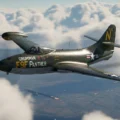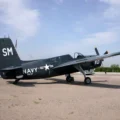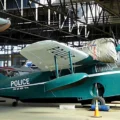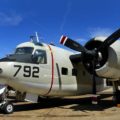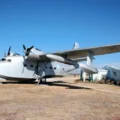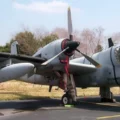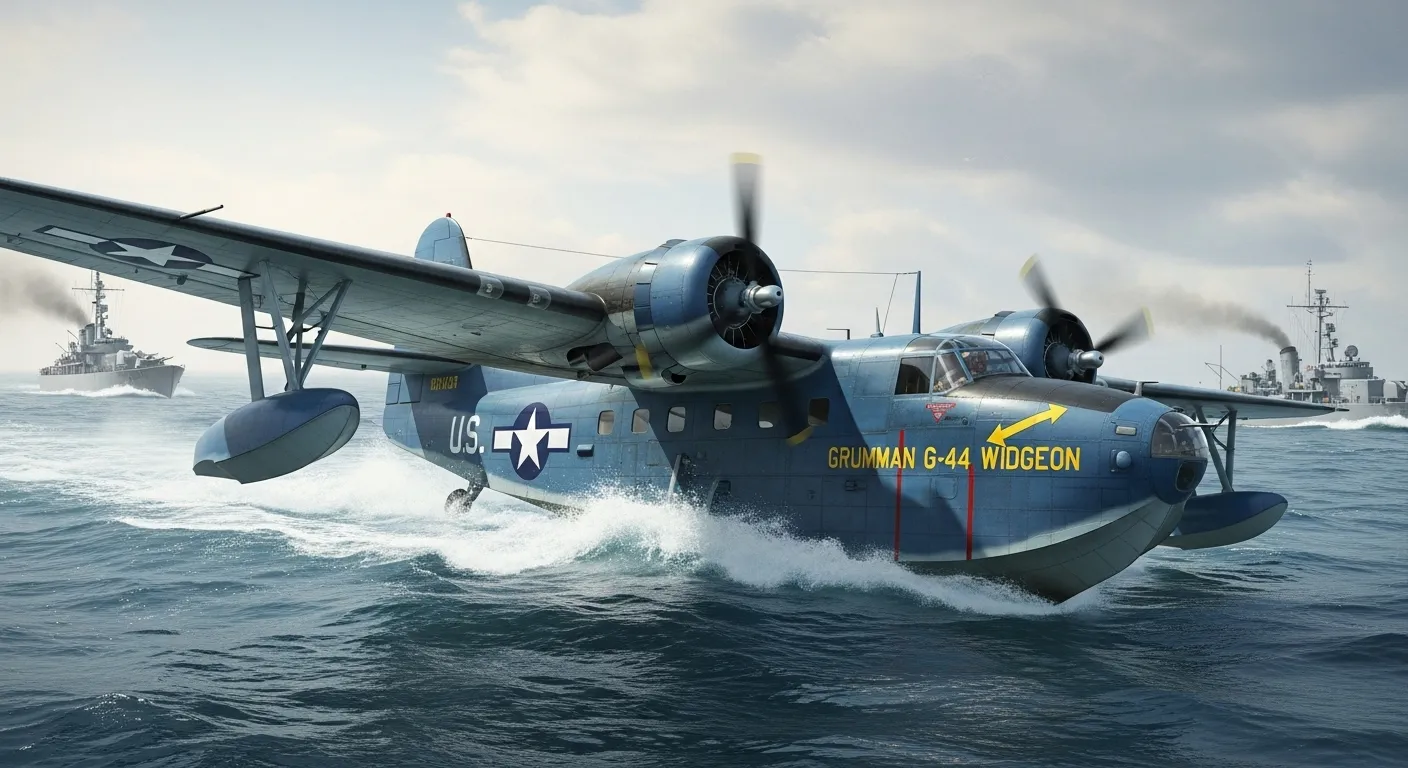
Grumman G-44 Widgeon | |
|---|---|
| 국가 | 미국 |
| 역할 | 수륙양용 운송 |
| 첫 비행 | 1940 |
| 내장 | 317+ |
Tthe 그루먼 G-44 위드건 작은 다섯 사람, 트윈 엔진 수륙 양용 항공기입니다. 그것은 미국 해군 및 해안 경비대에 의해 J4F로, 미국 육군 공군단과 미국 육군 공군에 의해 OA-14로 지정되었습니다.
| 그루먼 G-44 위전 산책 | |
|---|---|
| 사진 작가 | 블라디미르 야쿠보프 |
| 로컬라이제이션 | 퍼시픽 코스트 드림 머신 |
| 사진 | 70 |
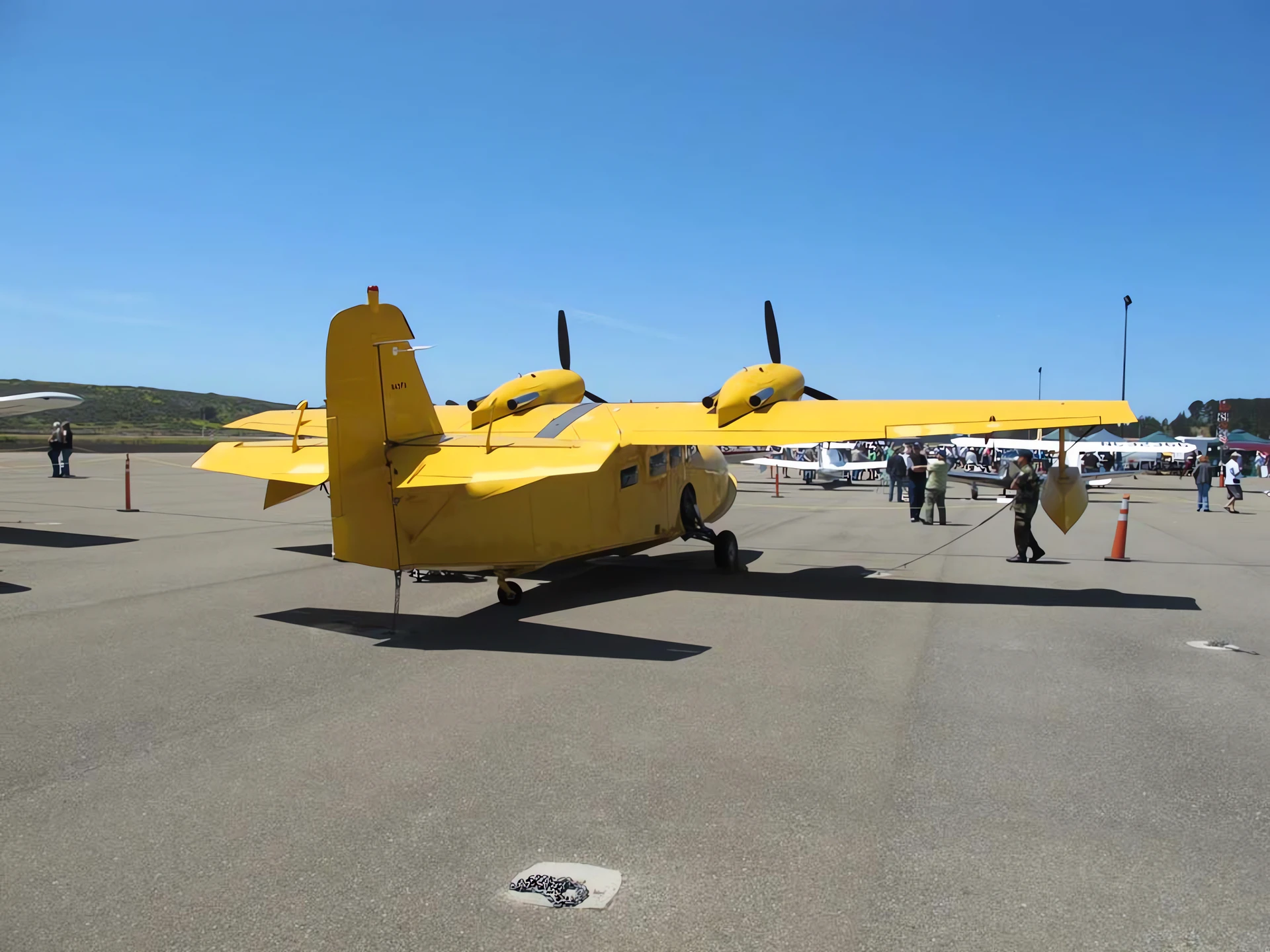
Grumman G-44 Widgeon 01
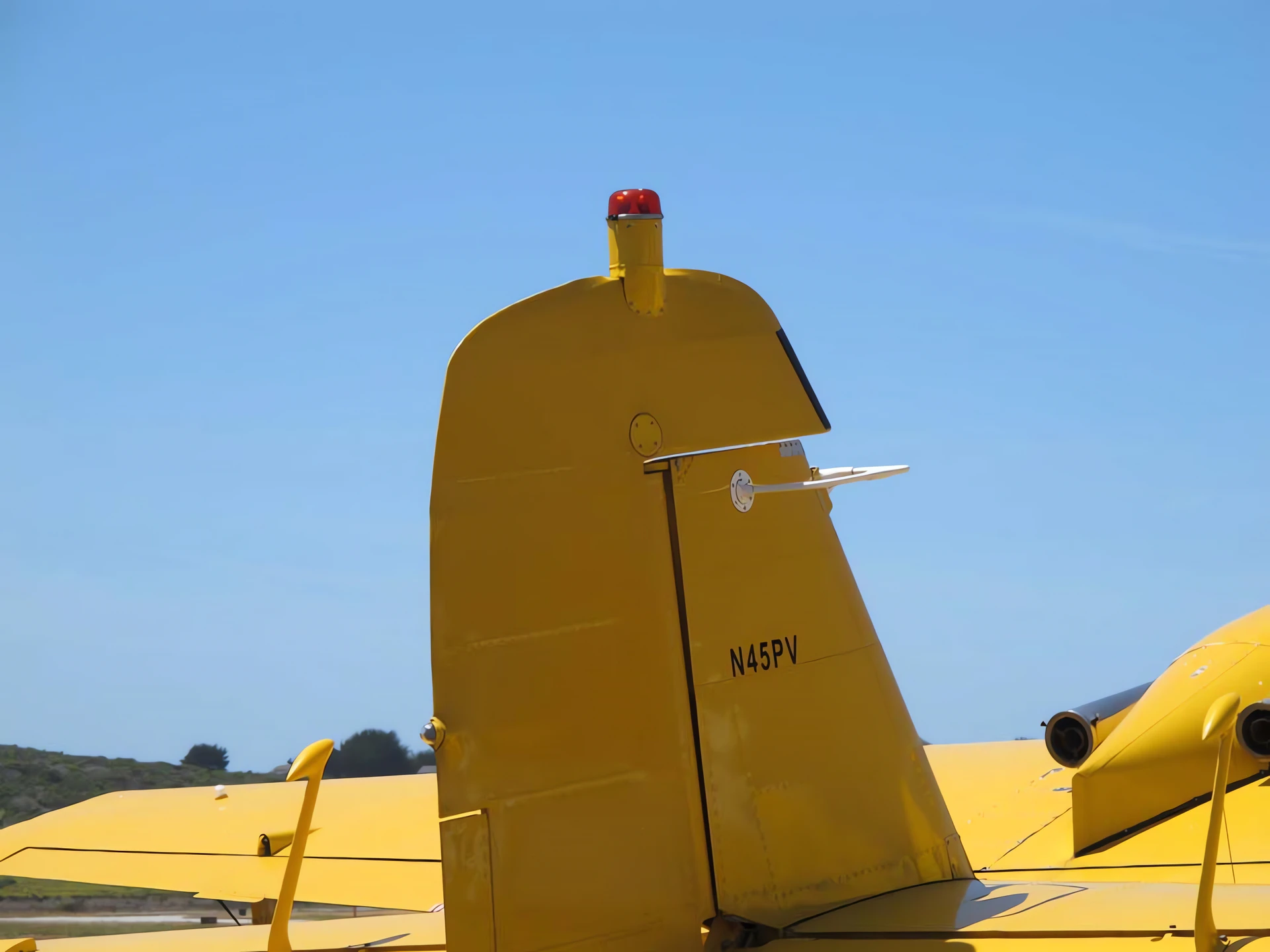
Grumman G-44 Widgeon 02
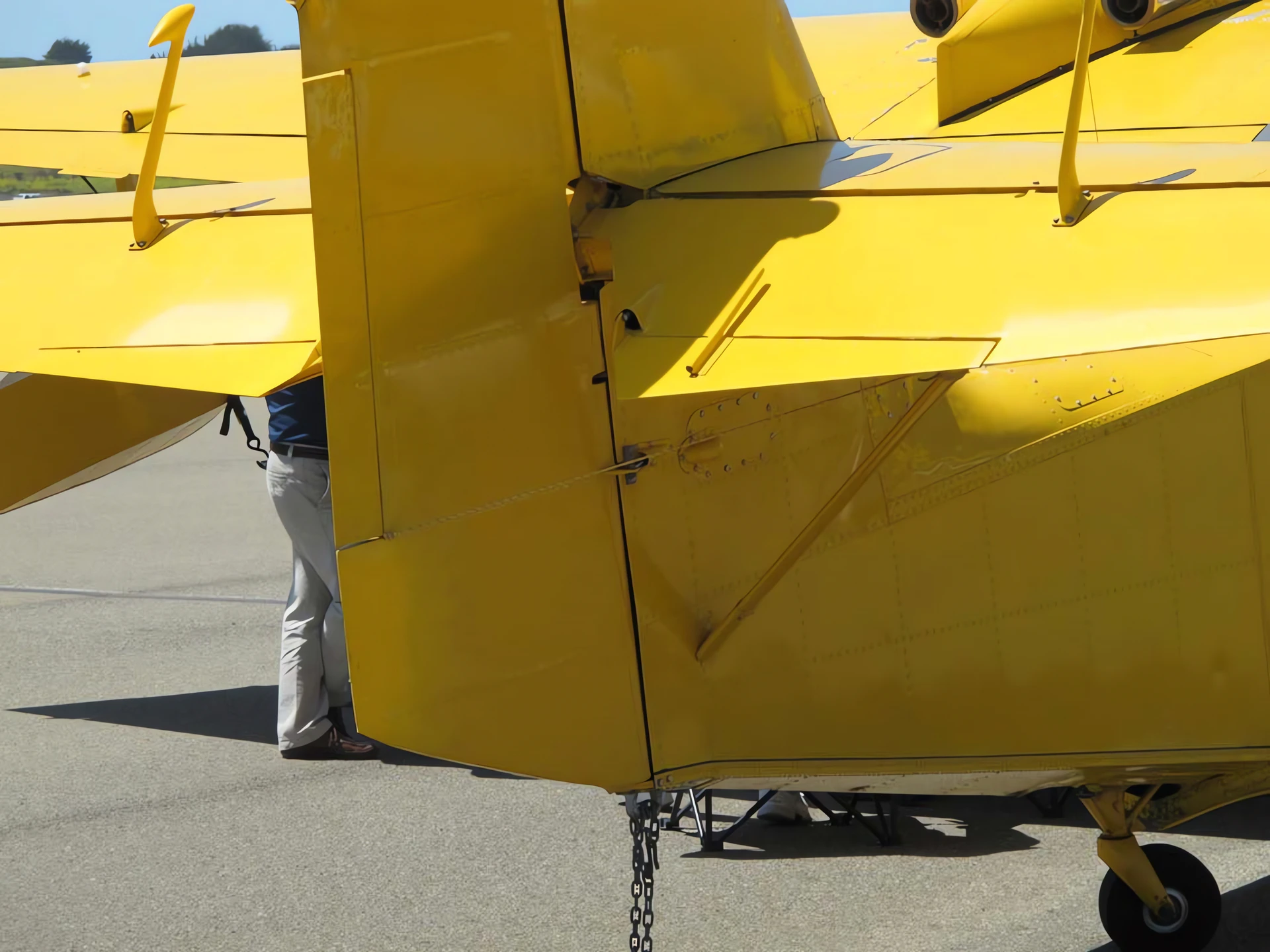
Grumman G-44 Widgeon 03
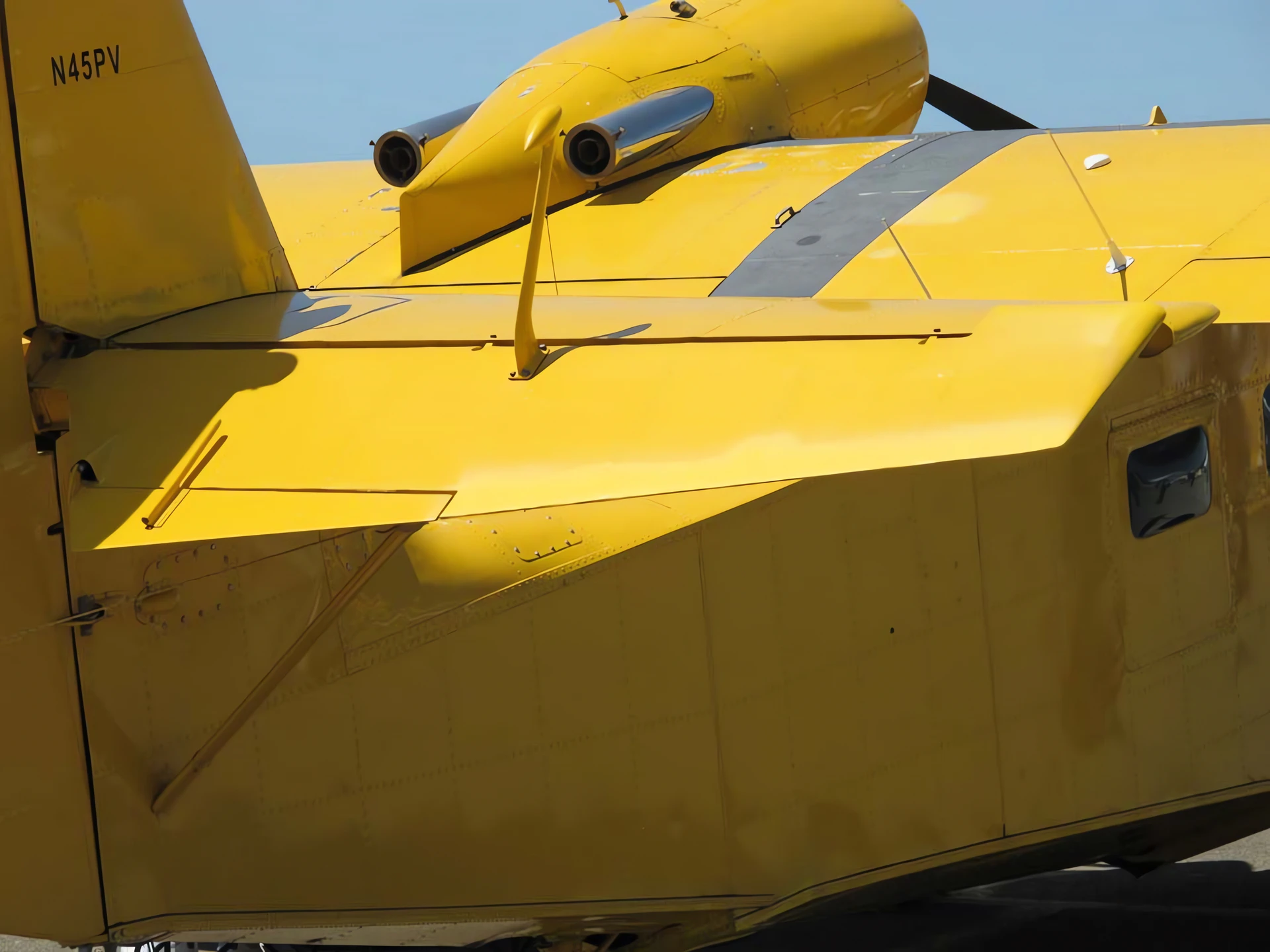
Grumman G-44 Widgeon 04
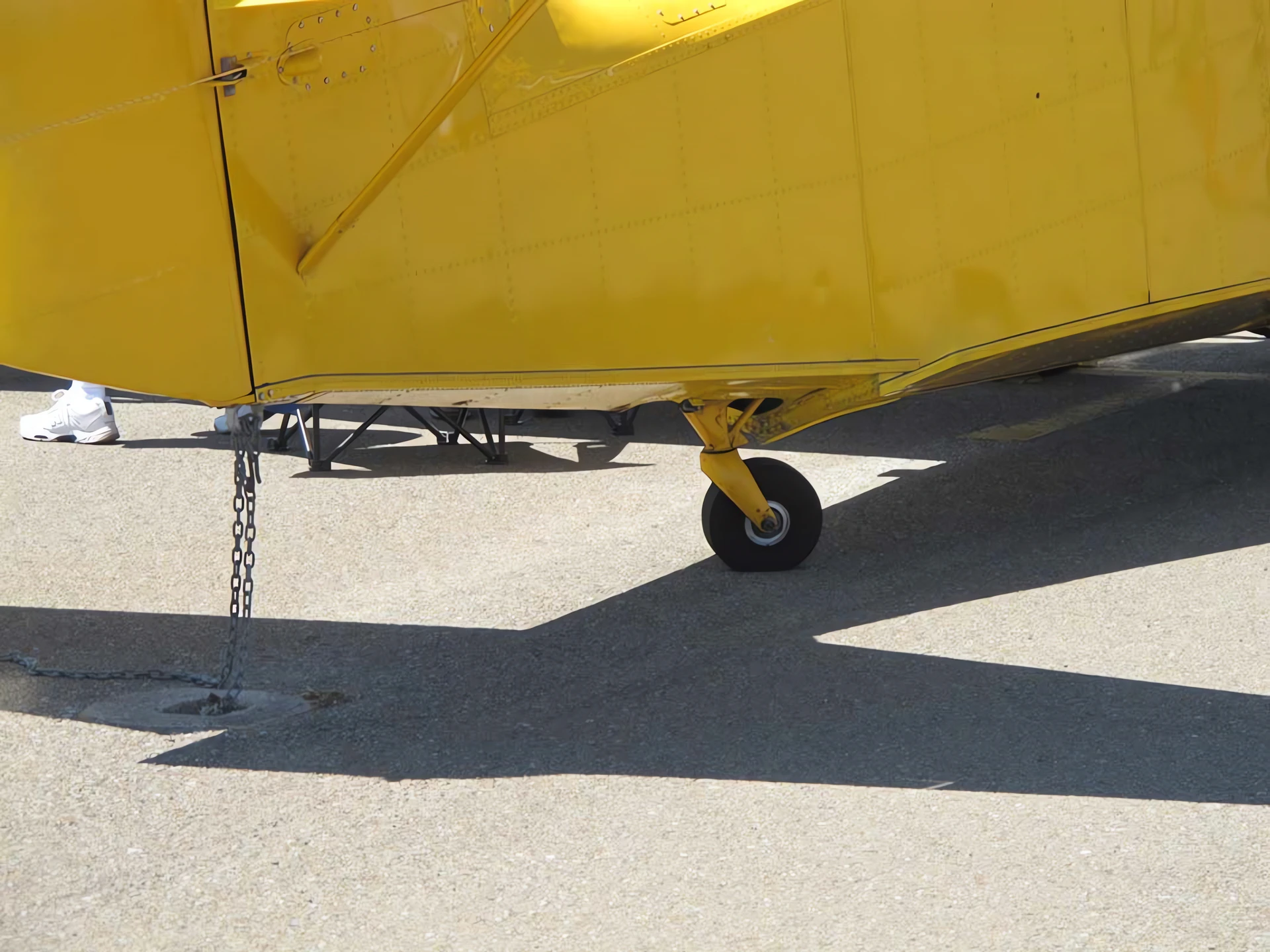
Grumman G-44 Widgeon 05
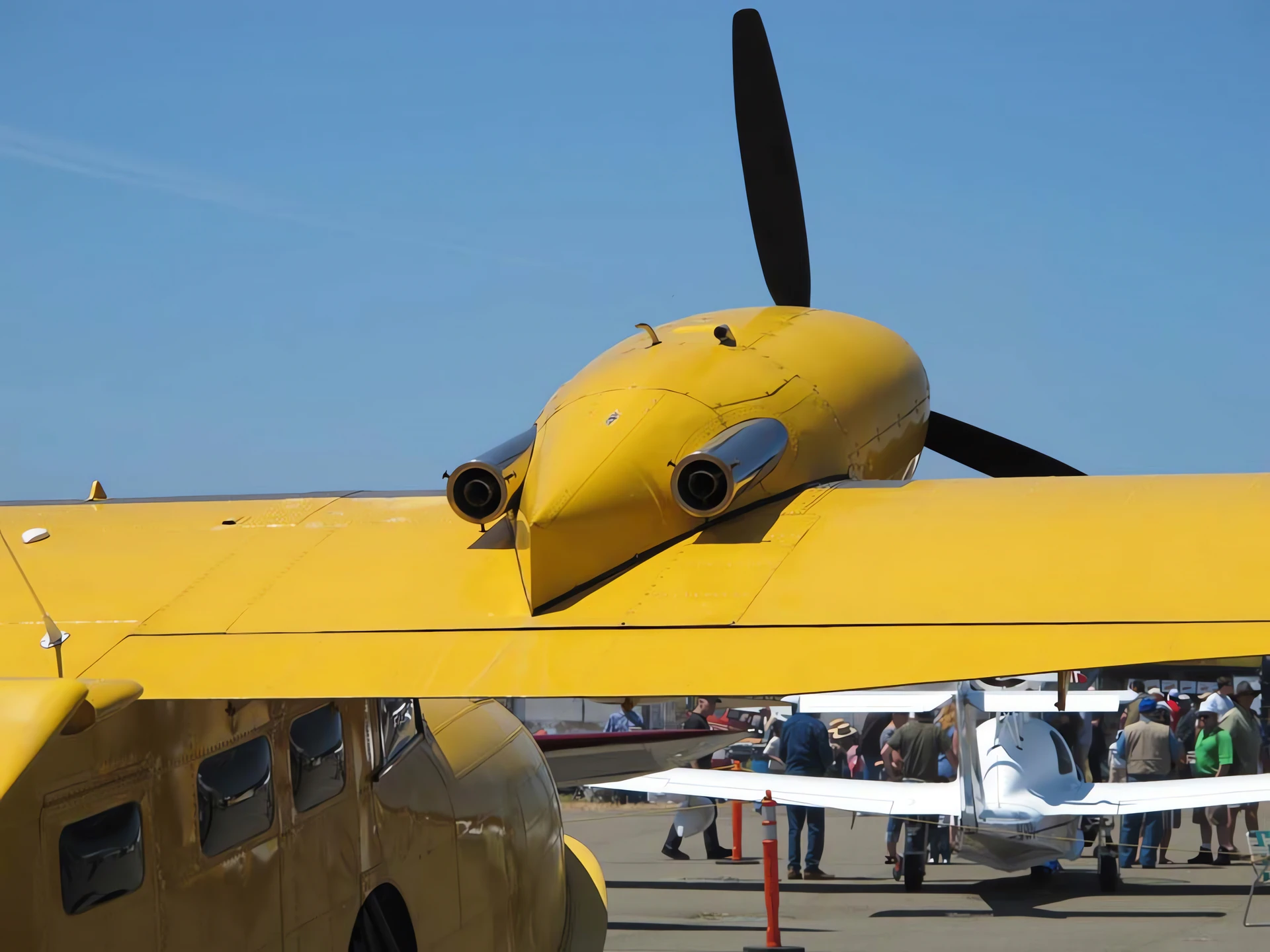
Grumman G-44 Widgeon 06
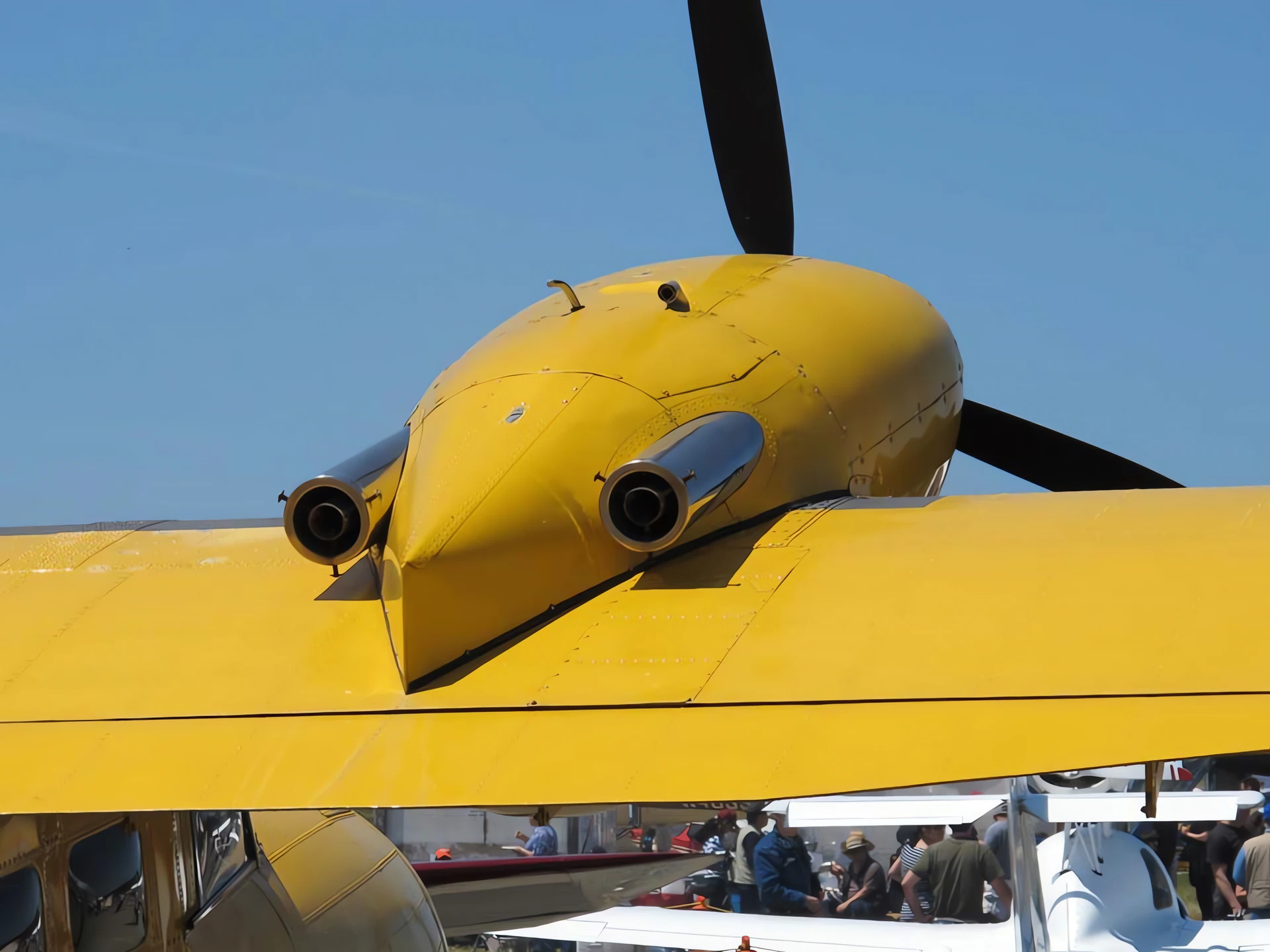
Grumman G-44 Widgeon 07
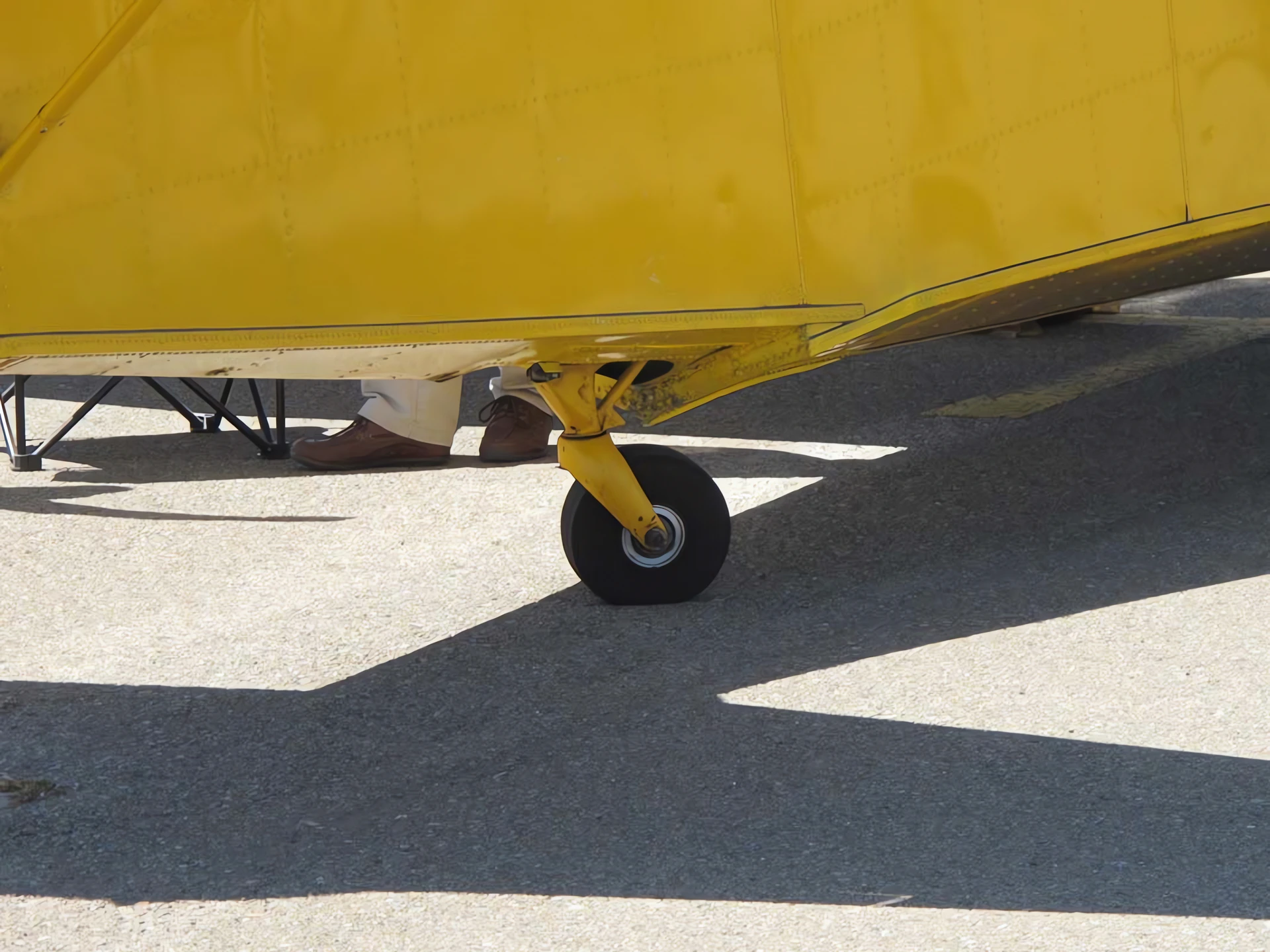
Grumman G-44 Widgeon 08
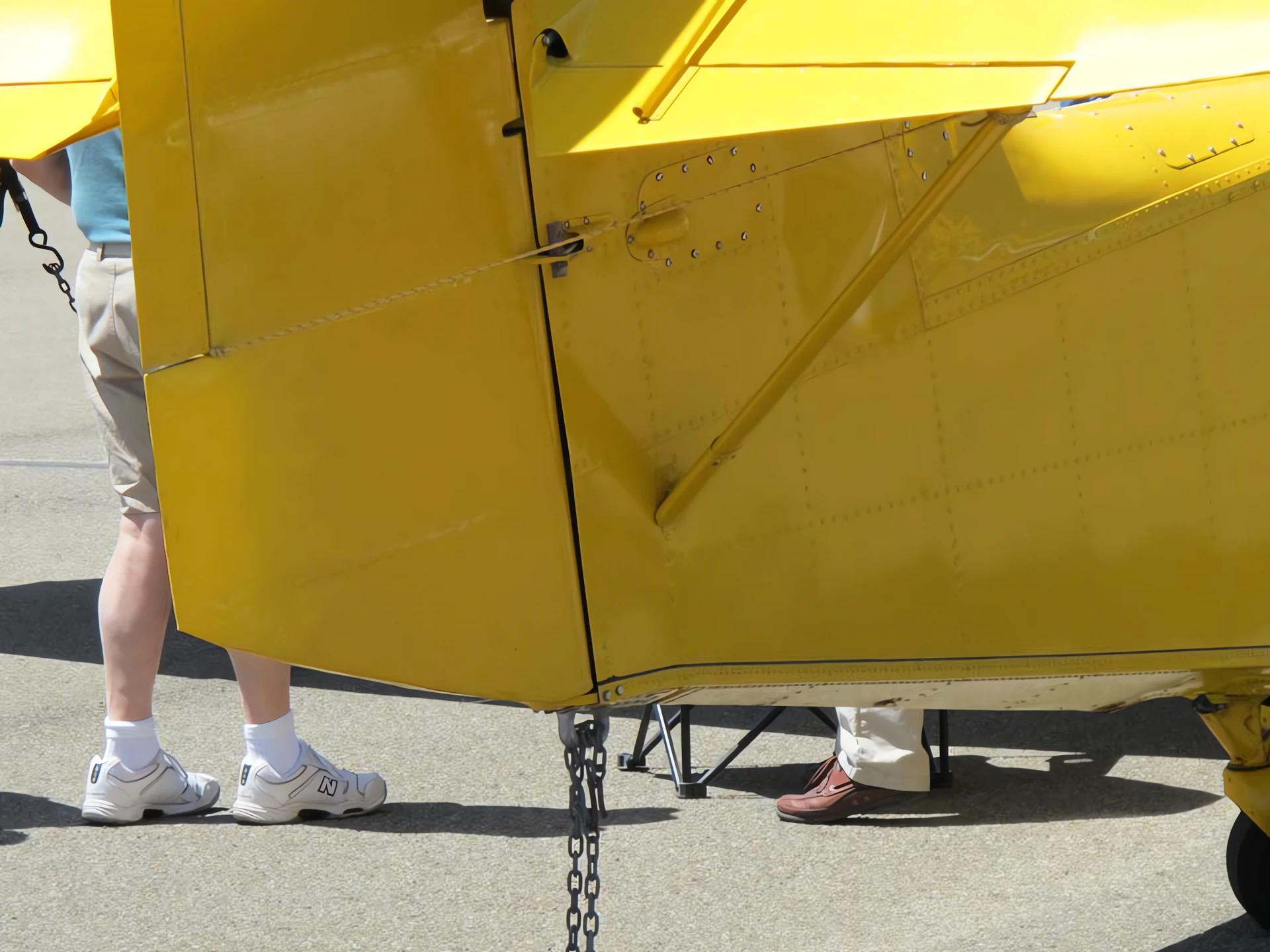
Grumman G-44 Widgeon 09
잠깐, 당신을 위해 Grumman G-44 Widgeon을 검색 ...

| 그루먼 G-44 위전 'N1340V'산책 | |
|---|---|
| 사진 작가 | 마크 데이비스 |
| 로컬라이제이션 | Unknow |
| 사진 | 16 |
참고 항목:


The Versatile “Little Sister”
Tthe 그루먼 G-44 위드건 was developed in 1940 as a smaller, more economical version of the famous G-21 Goose. While originally intended for the civilian executive market, the outbreak of WWII saw the Widgeon “drafted” into service. Its ability to operate from remote waterways made it an ideal coastal patrol and utility aircraft. Despite its small size, it was built with the legendary durability that earned Grumman the nickname “The Iron Works.”
| Attribute | Technical Specification (Standard G-44) |
|---|---|
| 역할 | Amphibious Utility / Anti-Submarine Patrol |
| Crew / Capacity | 1 Pilot, 4-5 Passengers |
| First Flight | June 28, 1940 |
| 동력 장치 | 2 × Ranger L-440C-5 inverted six-cylinder inline engines |
| Horsepower | 200 hp (150 kW) per engine |
| 최대 속도 | 153 mph (246 km/h) |
| Service Ceiling | 14,600 feet (4,450 m) |
| 레인지 | 920 miles (1,480 km) |
Engineering for the Elements
- Inverted Inline Engines: Unlike most Grumman aircraft that used radial engines, the original Widgeon used Ranger inverted inline engines. This gave the nacelles a very slim, streamlined profile, though they were often criticized for being underpowered in high-altitude or “hot” conditions.
- The “Super Widgeon” Transformation: After the war, many aircraft were converted by McKinnon Enterprises into “Super Widgeons.” These replaced the Rangers with powerful 270hp Lycoming flat-six engines and three-bladed propellers, dramatically improving performance and safety.
- High-Wing Advantage: To keep the engines and propellers clear of salt spray during water takeoffs, the wings were mounted at the very top of the fuselage. This “parasol” effect protected the mechanical components but made pre-flight fuel checks a climbing chore for the pilot.
- Boat-Hull Construction: The fuselage was a true flying-boat hull, designed with a “step” on the underside to break water suction during takeoff. It featured a forward hatch in the bow to allow crew members to assist with anchoring and mooring.
A History of Patrols and Pop Culture
- The U-Boat Hunter: On August 1, 1942, a U.S. Coast Guard J4F-1 Widgeon (V212) was credited with attacking and damaging the German submarine U-171 in the Gulf of Mexico. This was one of the few instances of a small civilian-style aircraft engaging in heavy combat.
- International Duty: The British Royal Navy used the Widgeon during the war, naming it the “Gosling” (a baby goose), keeping with their tradition of naming Grumman amphibians after waterfowl.
- “Fantasy Island” Fame: The Widgeon gained late-century fame as the iconic “Ze Plane! Ze Plane!” used in the opening credits of the television series Fantasy Island.
- Preservation: Today, the Widgeon remains a highly sought-after “warbird” and bush plane. Several examples are preserved in museums, including the 국립 해군 항공 박물관 in Pensacola, Florida.
조회수:2746