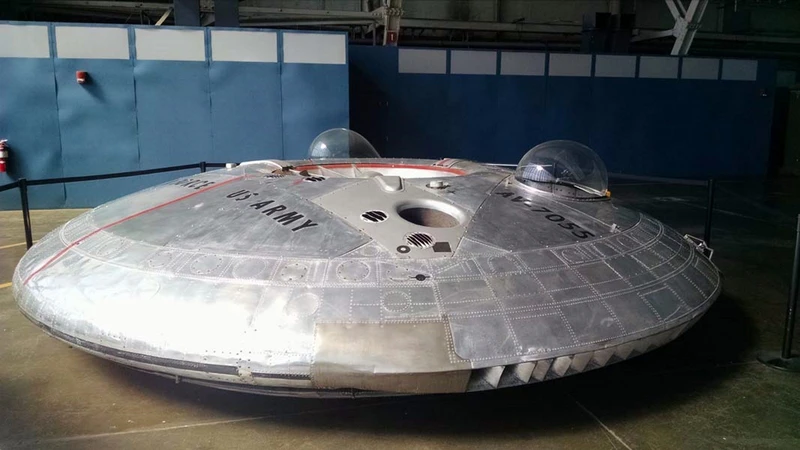
Avro Canada VZ-9 Avrocar | |
|---|---|
| 국가 | 미국 |
| 역할 | 실험용 VTOL 차량 |
| 첫 비행 | 1959년 11월 12일 |
| 내장 | 2 |
The Avro Canada VZ-9 Avrocar was a VTOL aircraft developed by Avro Canada as part of a secret U.S. military project carried out in the early years of the Cold War. The Avrocar intended to exploit the Coandă effect to provide lift and thrust from a single “turborotor” blowing exhaust out the rim of the disk-shaped aircraft. In the air, it would have resembled a flying saucer. Originally designed as a fighter-like aircraft capable of very high speeds and altitudes, the project was repeatedly scaled back over time and the U.S. Air Force eventually abandoned it. Development was then taken up by the U.S. Army for a tactical combat aircraft requirement, a sort of high-performance helicopter. In flight testing, the Avrocar proved to have unresolved thrust and stability problems that limited it to a degraded, low-performance flight envelope; subsequently, the project was cancelled in September 1961.
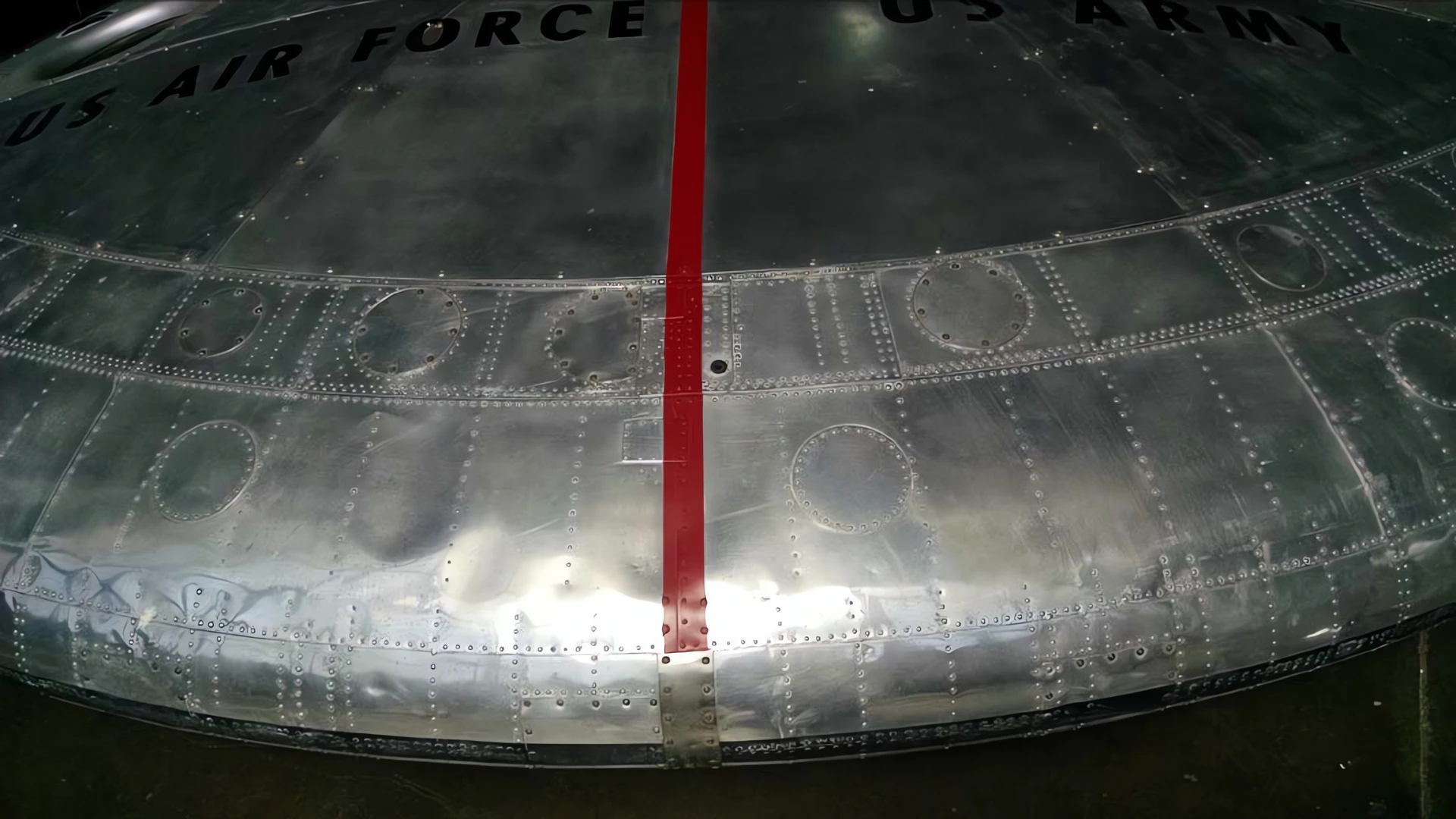
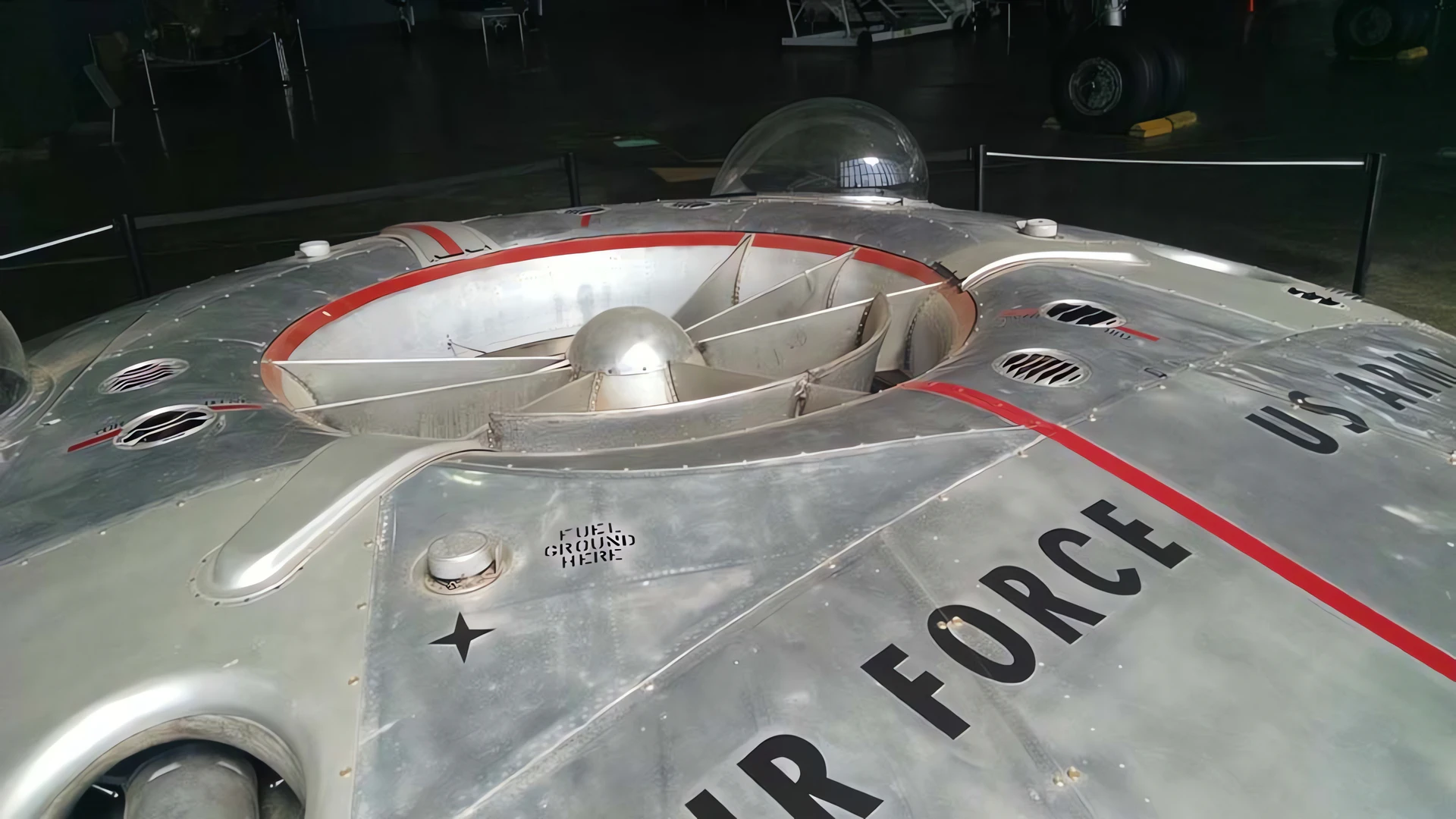
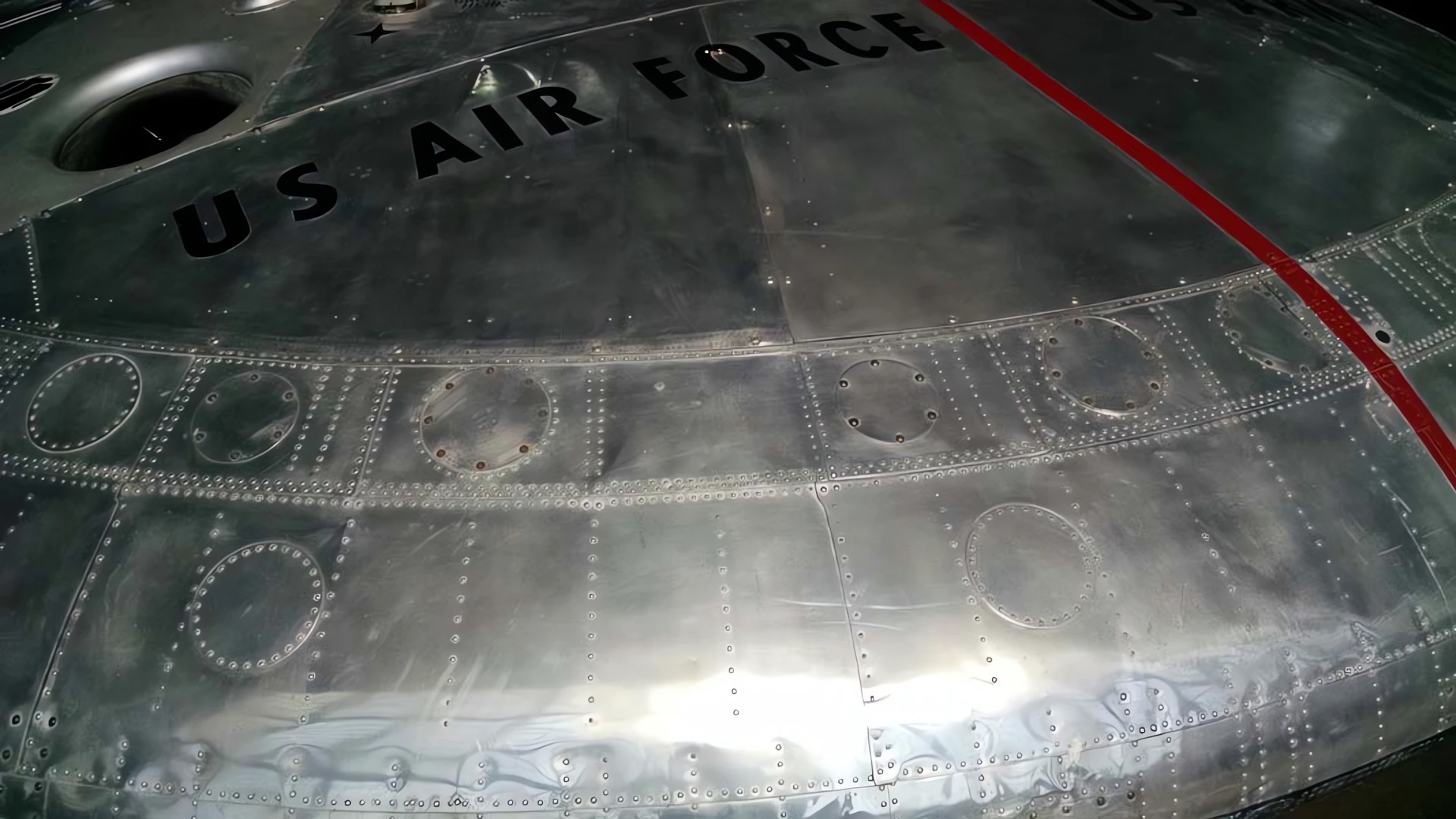
| Avro Canada VZ-9AV Avrocar Walk Around | |
|---|---|
| Photographer | Vladimir Yakubov |
| Localisation | National Museum of the USAF, Dayton |
| Photos | 39 |
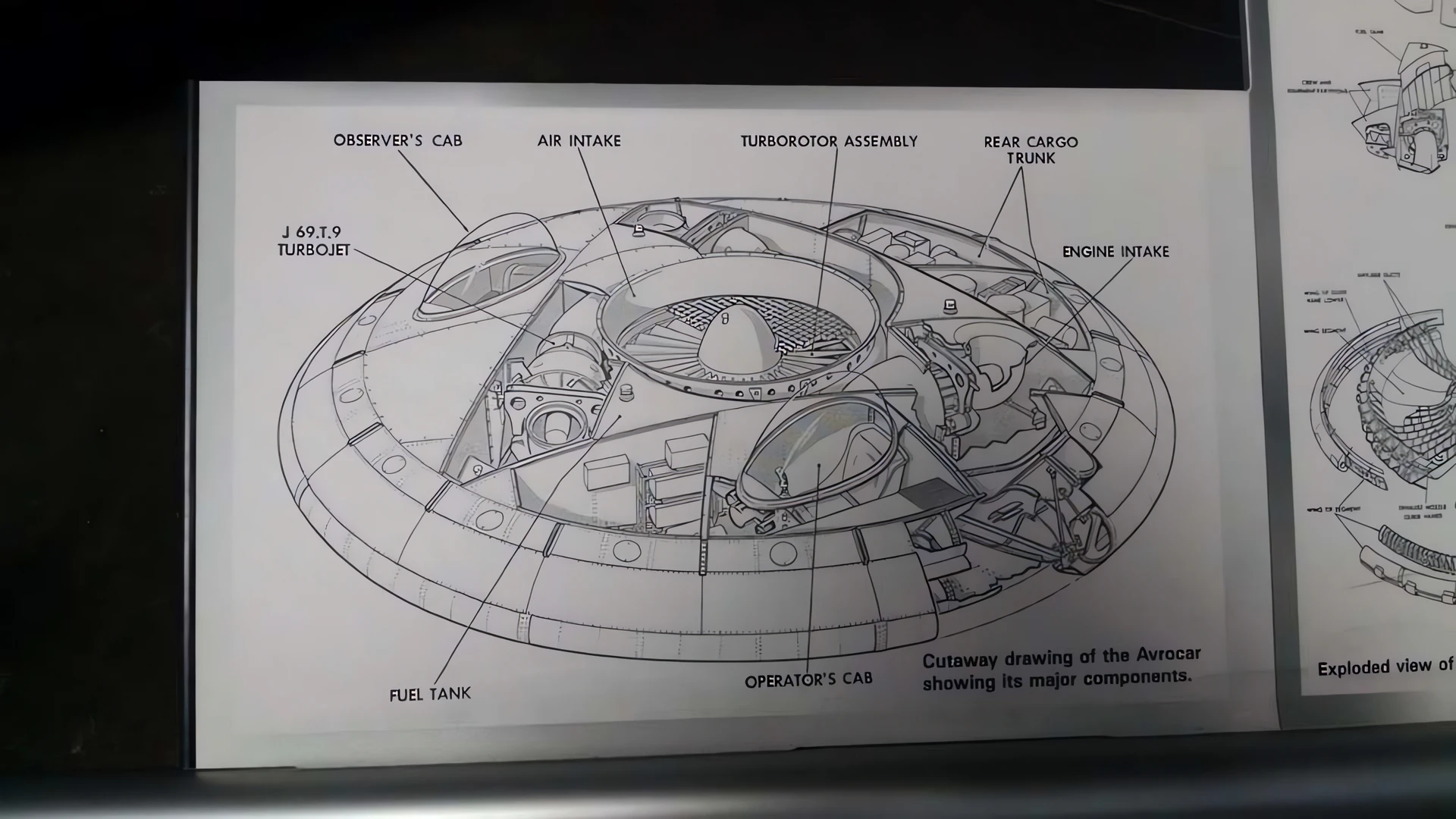
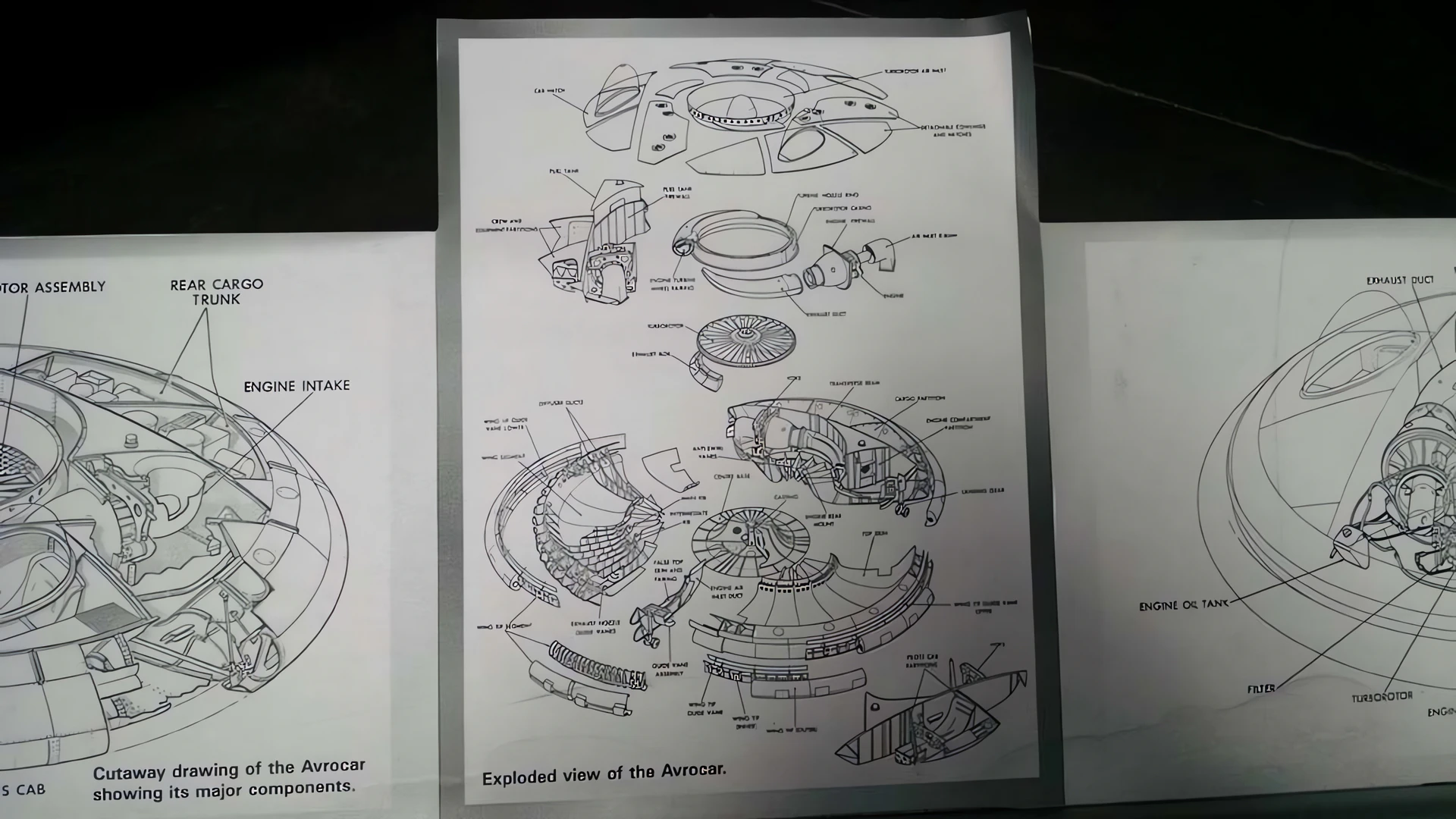
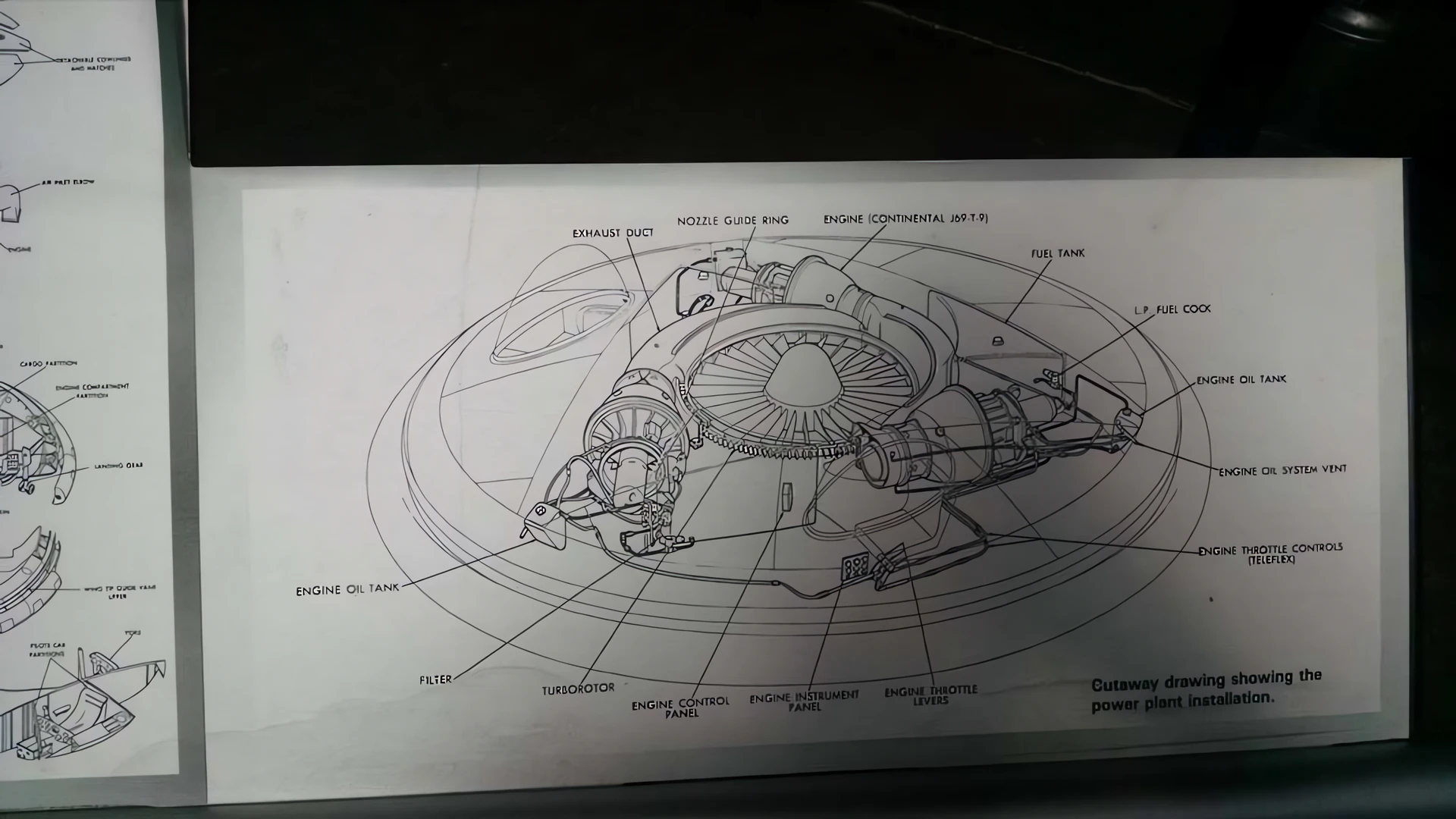
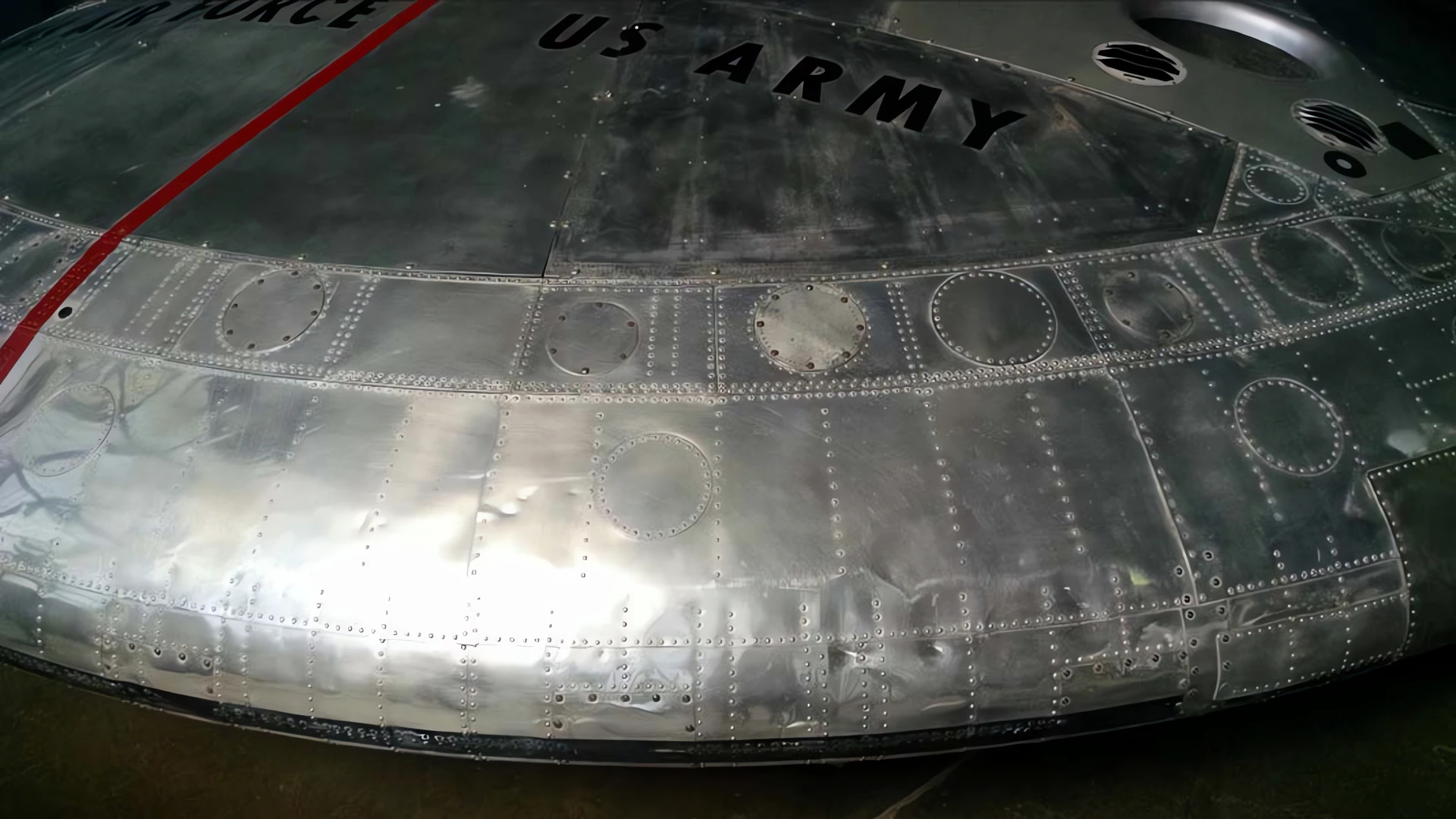

참고 항목:


The “Jeep of the Air”
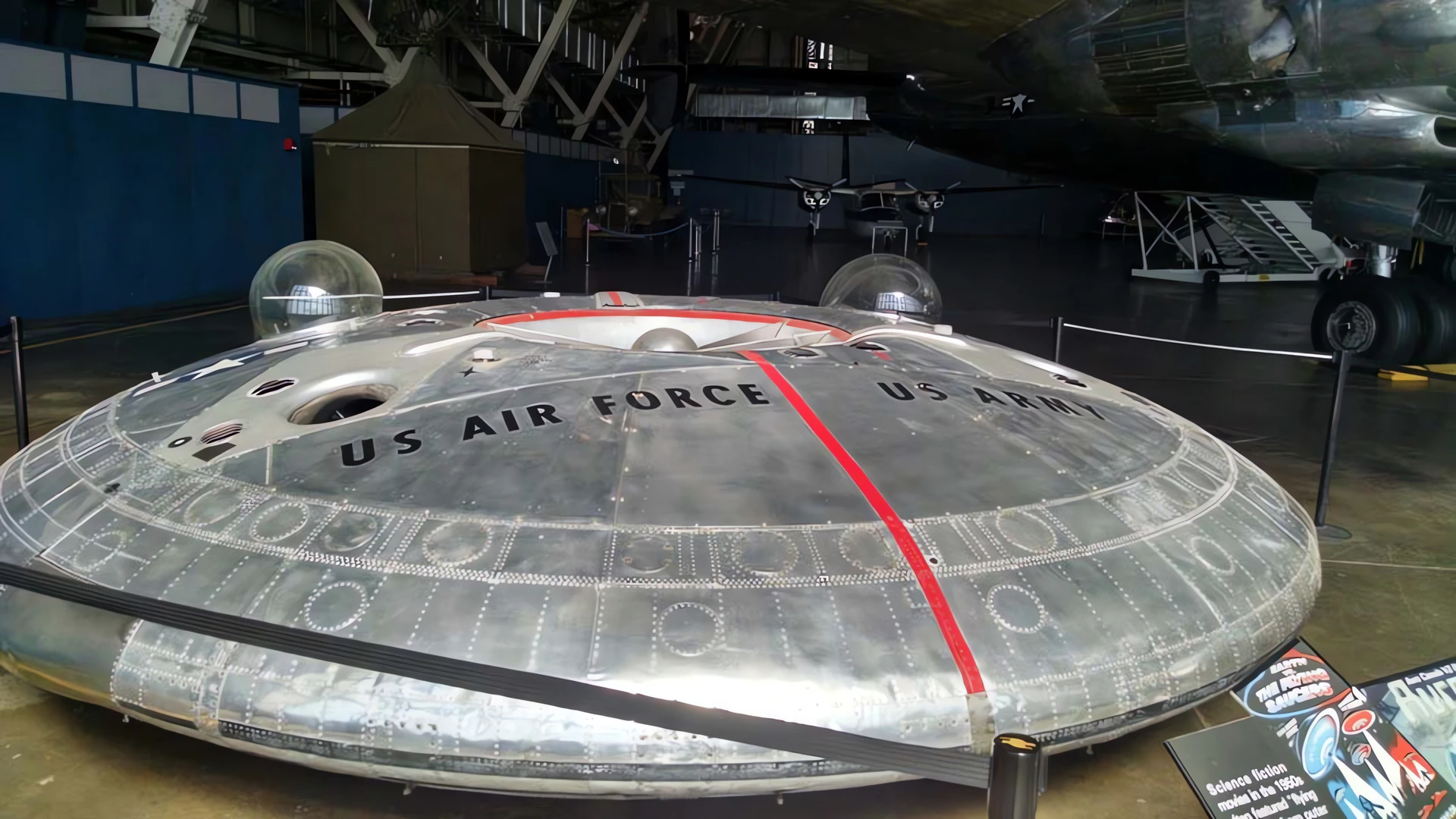
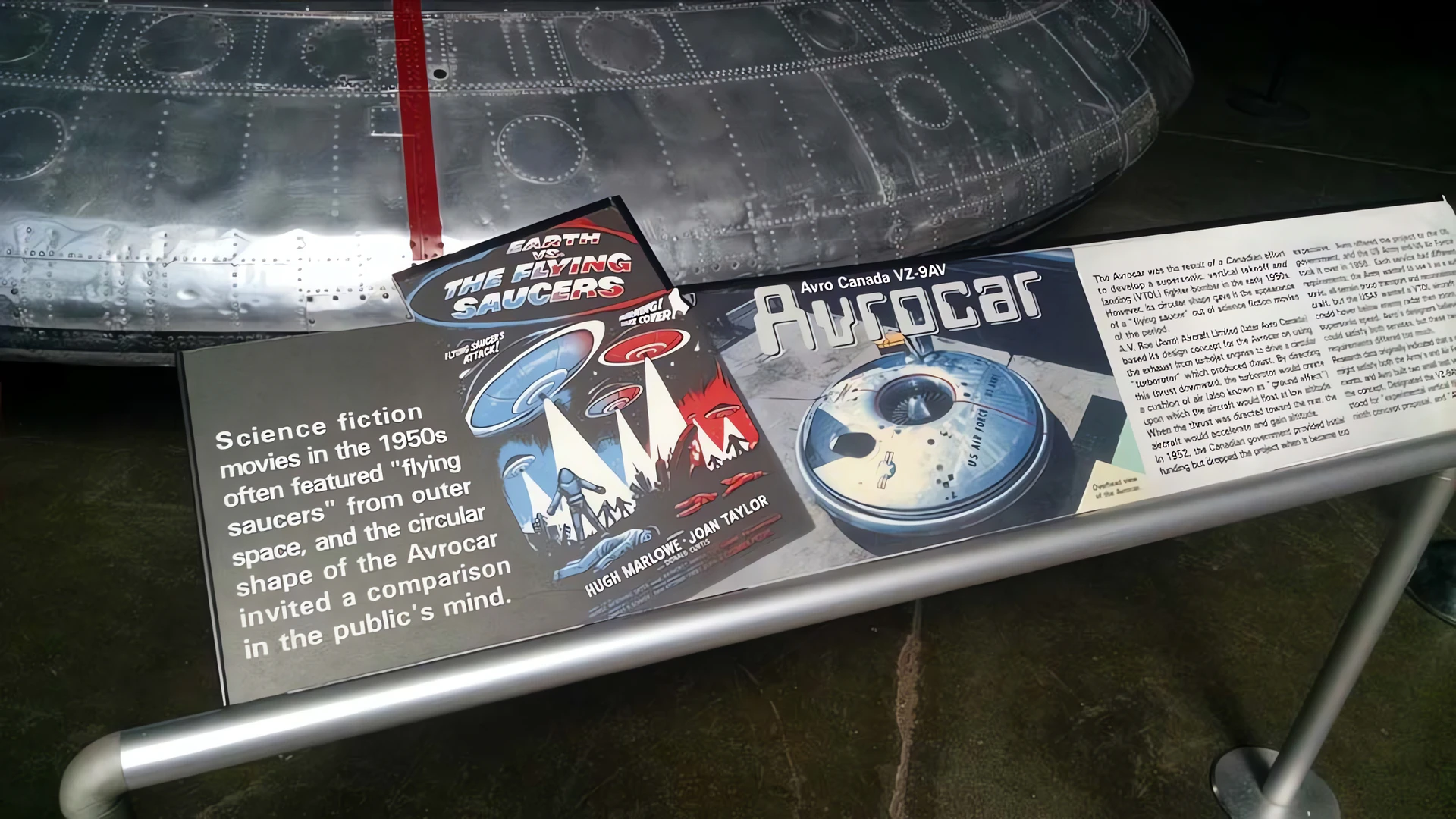
Tthe 아브로 캐나다 VZ-9AV 아브로카 was a secret VTOL (Vertical Take-Off and Landing) project developed during the late 1950s. Funded by the U.S. Army and Air Force, the goal was to create a “flying jeep” that could hover over rough terrain and then transition into high-speed supersonic flight. It utilized a circular “flying wing” design that leveraged the Coandă effect to generate lift. Despite its futuristic appearance, the project faced massive stability issues and never managed to fly more than a few feet off the ground.
| Attribute | Technical Specification (VZ-9AV) |
|---|---|
| 역할 | Experimental VTOL Research Aircraft |
| 승무원 | 2 (Pilot and Observer in separate cockpits) |
| First Flight | November 12, 1959 |
| 동력 장치 | 3 × Continental J69-T-9 Turbojets |
| Lift Source | 1 × Central 5-foot (1.5m) diameter Turbo-Rotor |
| 최대 속도 | 56 km/h (35 mph) reached / 480 km/h (300 mph) goal |
| Diameter | 18 feet (5.5 meters) |
| Service Ceiling | 3 feet (0.91 meters) reached / 10,000 ft goal |
The Engineering of a Flying Disk
- The Turbo-Rotor: Instead of traditional propellers, the Avrocar used a large central fan driven by the exhaust of three jet engines. This fan pushed air out through a series of vents around the circular rim of the craft.
- The Coandă Effect: The aircraft was designed to stay aloft by blowing high-velocity air over the curved upper surface of the disk. This creates a low-pressure area that generates lift, similar to a standard wing but in 360 degrees.
- Vane Control System: Steering was accomplished by moving flexible shutters or “shut-off vanes” along the outer edge of the saucer. By blocking or directing the airflow in specific directions, the pilot could theoretically tilt or rotate the craft.
- Stability Challenges: The Avrocar suffered from “hubcapping”—it was inherently unstable once it moved out of the “ground effect” (the cushion of air beneath it). Without a tail or traditional control surfaces, it tended to oscillate wildly like a spinning hubcap on a floor.
A Failed Revolution
- High-Altitude Dream: The military originally hoped the Avrocar would be a Mach 3 interceptor. When testing showed it couldn’t even reach 40 mph, the project was scaled back to a tactical reconnaissance vehicle before being canceled in 1961.
- Noise and Heat: The three jet engines and the massive central fan made the Avrocar incredibly loud and kicked up massive amounts of dust and heat, making it impractical for battlefield use as a “jeep.”
- Survivors: Only two prototypes were built. One is currently at the National Museum of the United States Air Force in Dayton, Ohio, and the other is at the U.S. Army Transportation Museum at Fort Eustis, Virginia.
Views : 2303