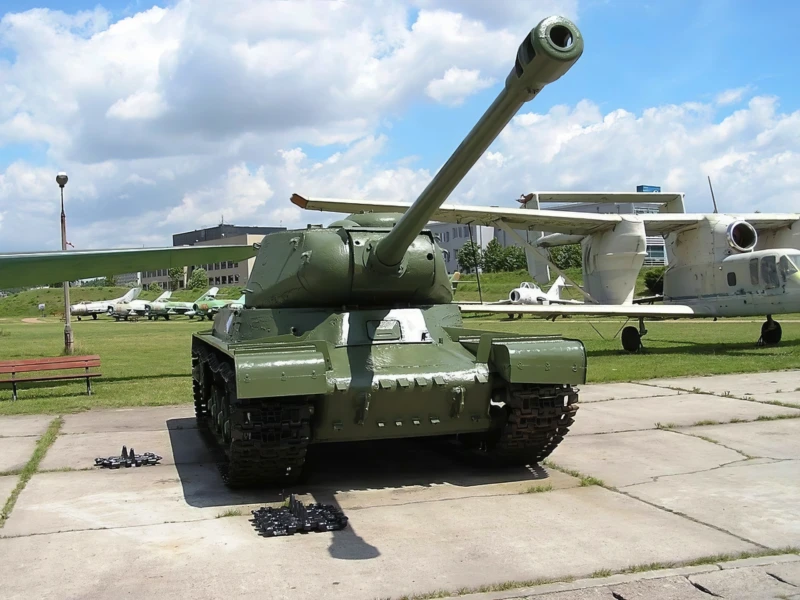
IS-2 | |
|---|---|
| 국가 | 소련 |
| 형식 | 중전차 |
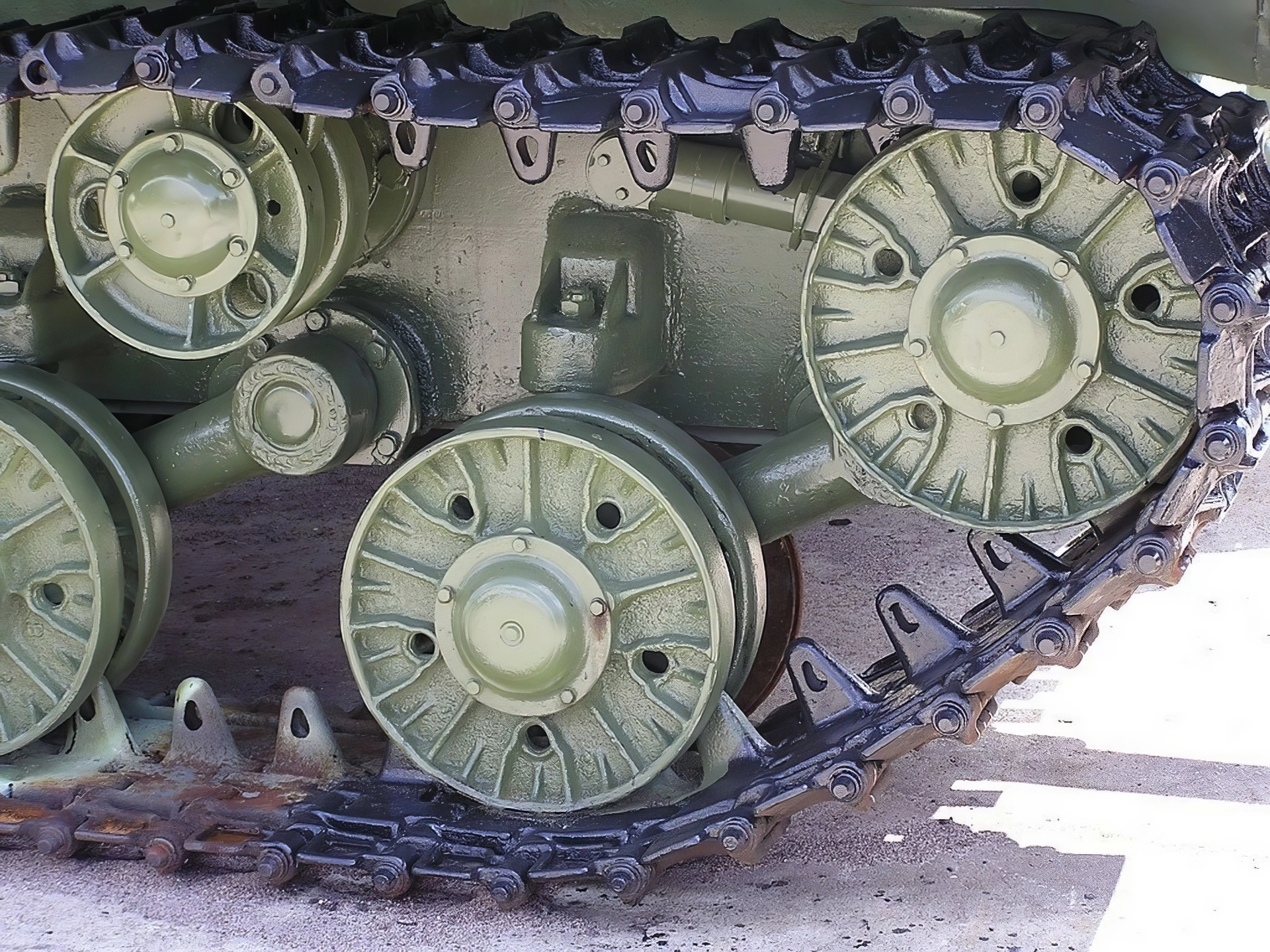
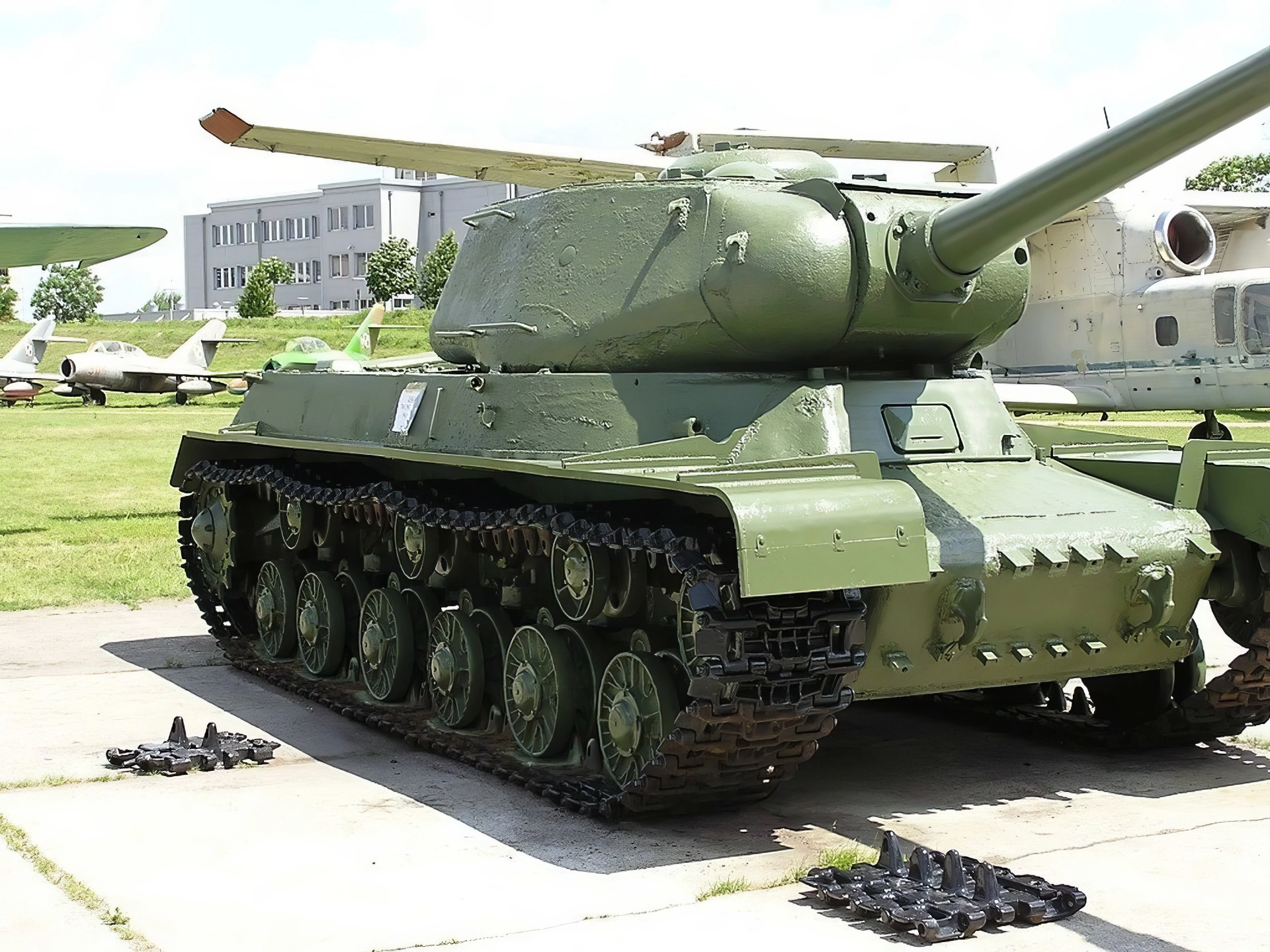
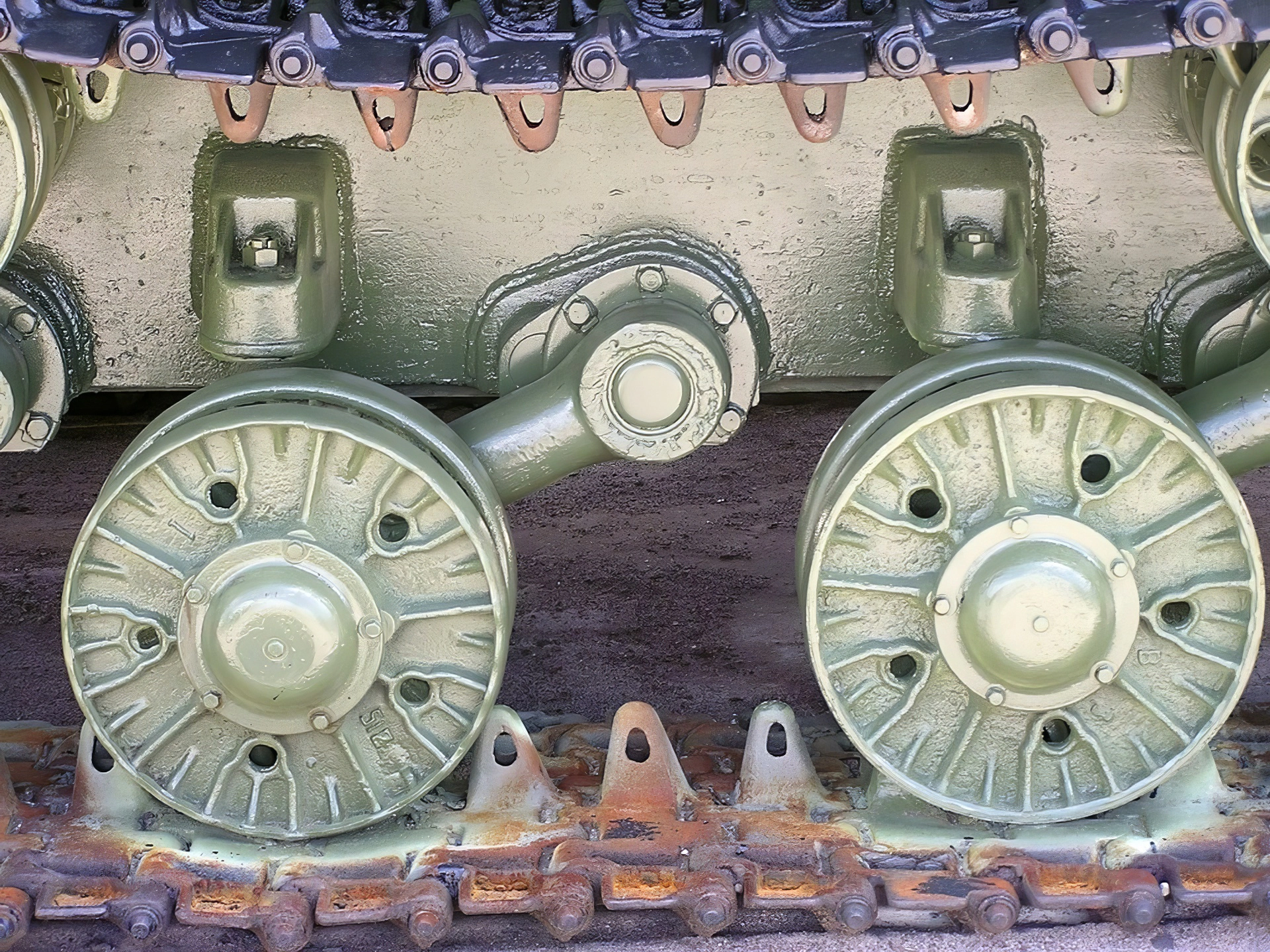
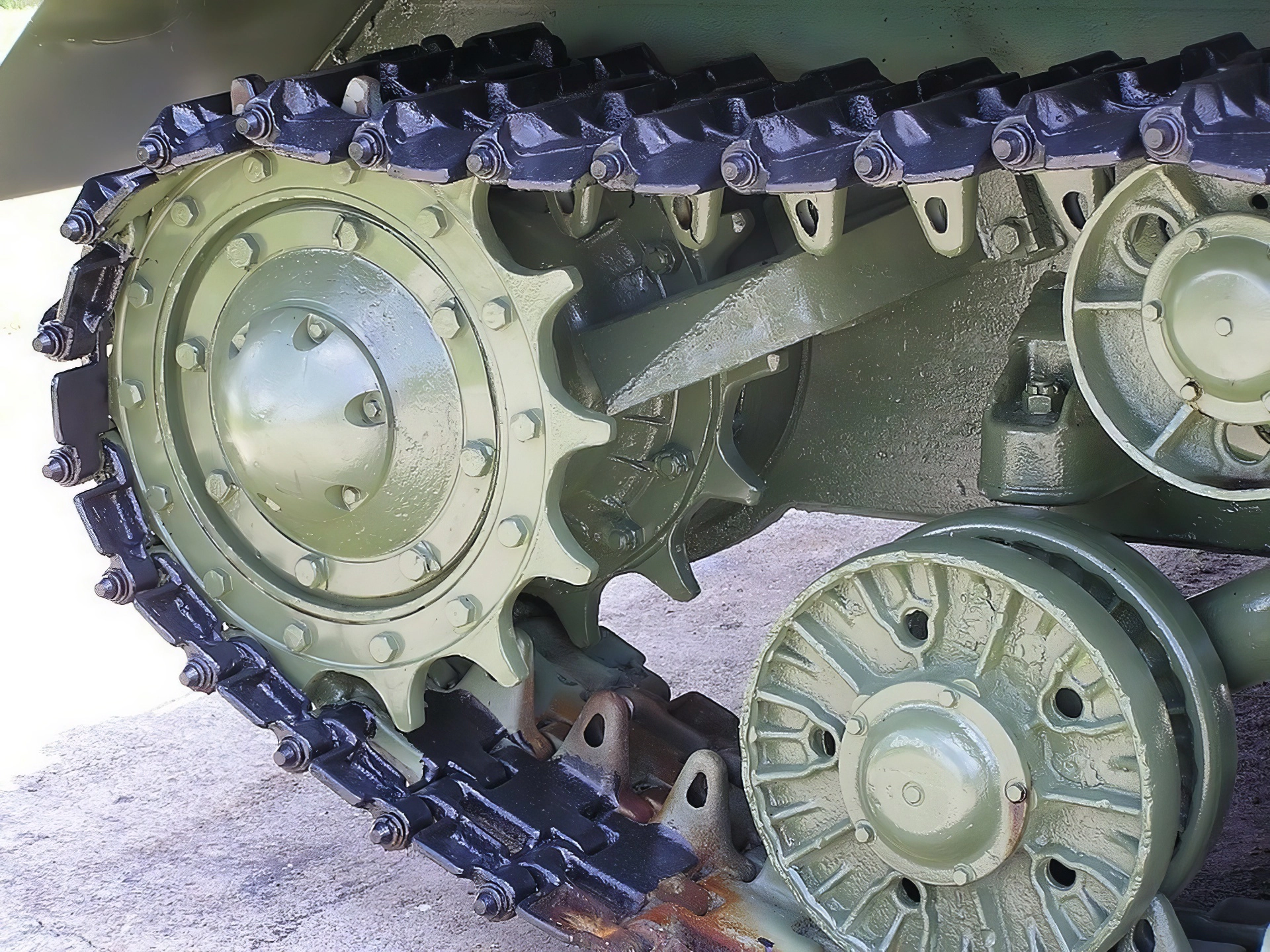
| 설명 | 의 앨범 33 사진«IS-2»의 산책 |
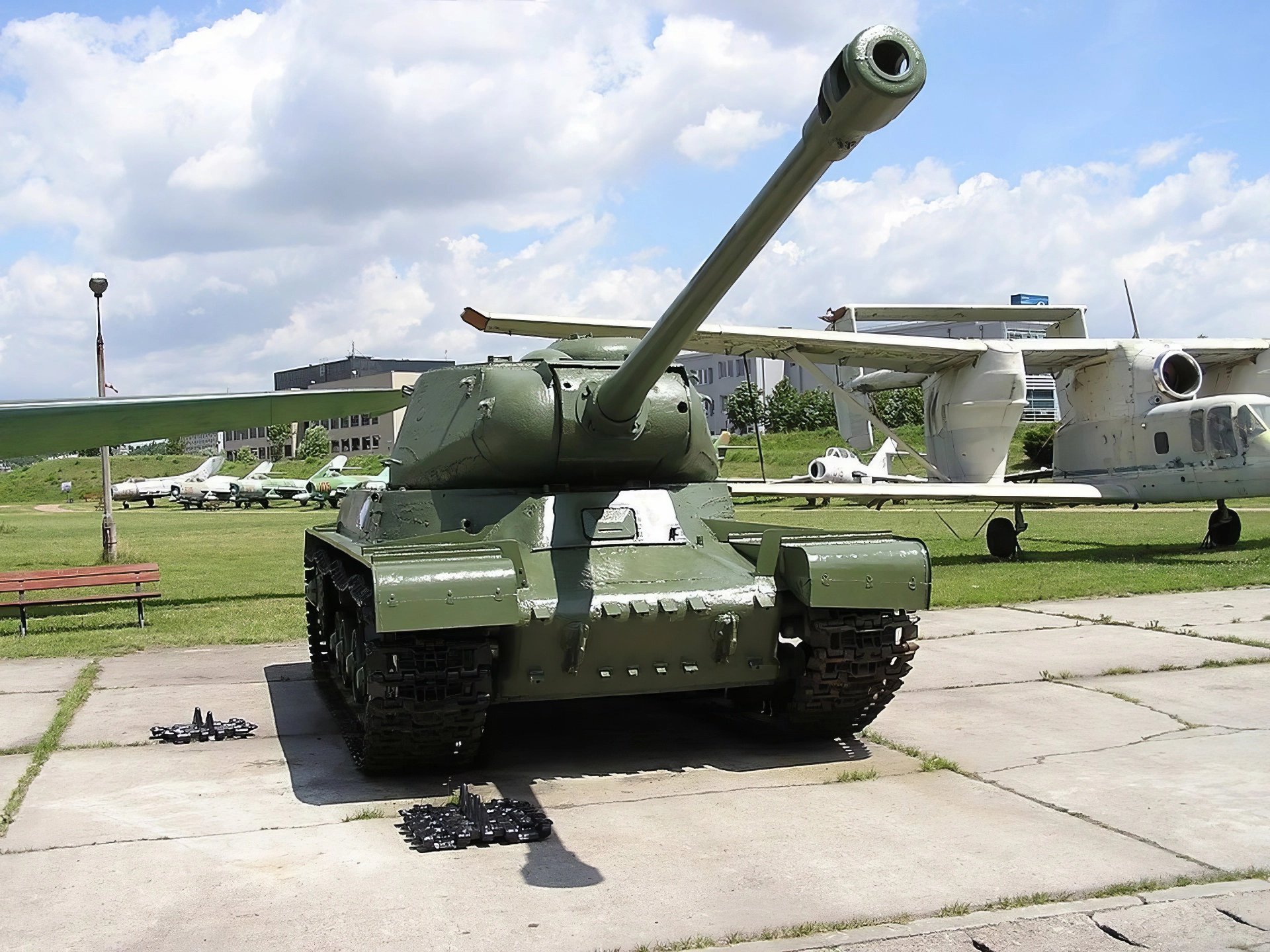
이오시프 스탈린 탱크는 제 2 차 세계 대전 중 소련에 의해 KV 시리즈의 후계자로 개발 된 일련의 중전차였습니다. 무거운 탱크는 독일 88mm 총에 대항하기 위해 두꺼운 갑옷으로 설계되었으며 독일 호랑이와 팬더 탱크를 물리 칠 수있는 주포를 운반했습니다. 그것은 주로 돌파구 탱크였으며, 진입과 벙커에 유용한 무거운 고 폭발성 껍질을 발사했습니다. IS-2는 1944년 4월에 투입되었고, 전쟁의 마지막 단계에서 붉은 군대에 의해 베를린 전투에서 선봉장으로 처음 사용되었다.
소스: 탱크의 세계
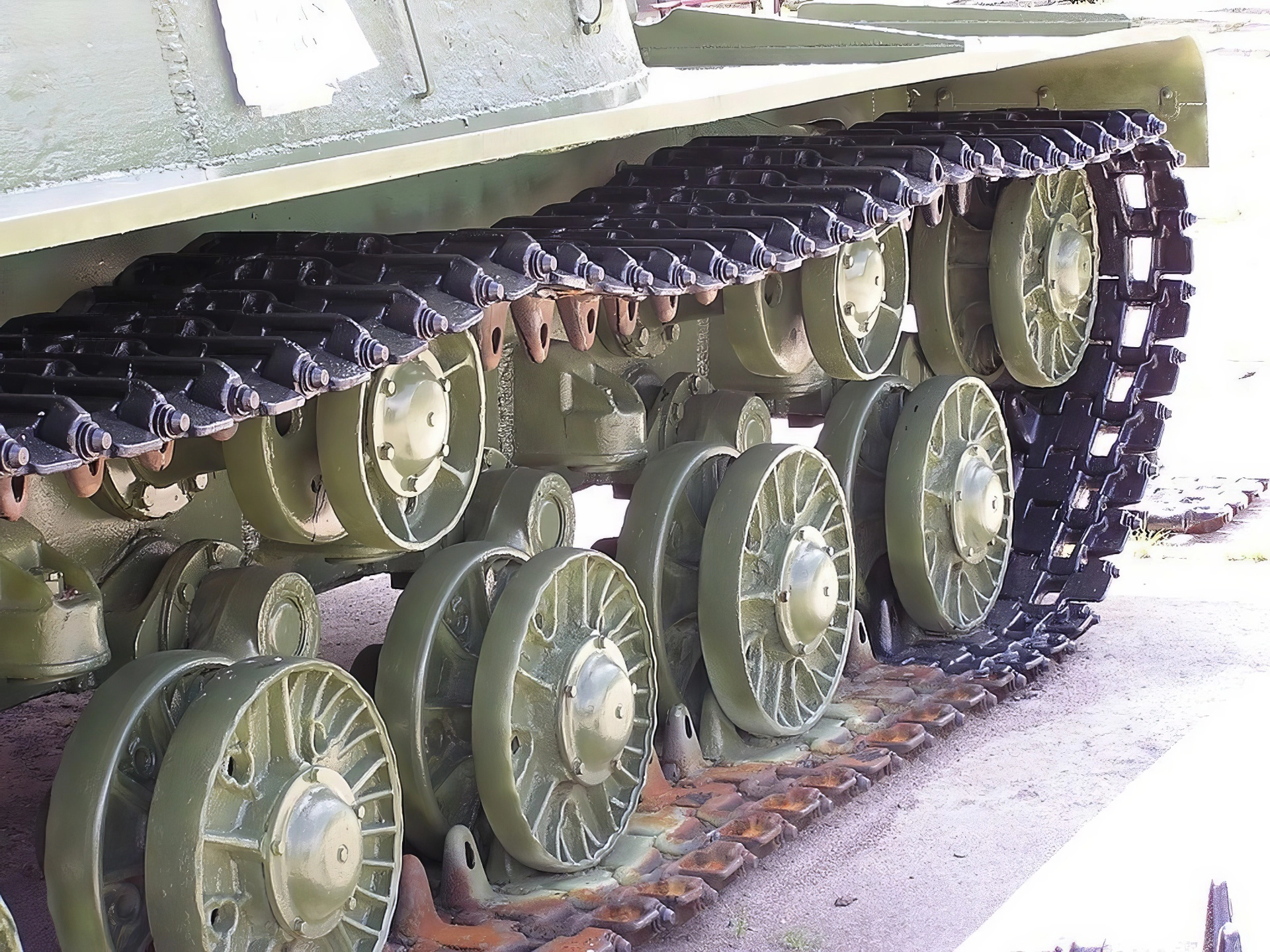

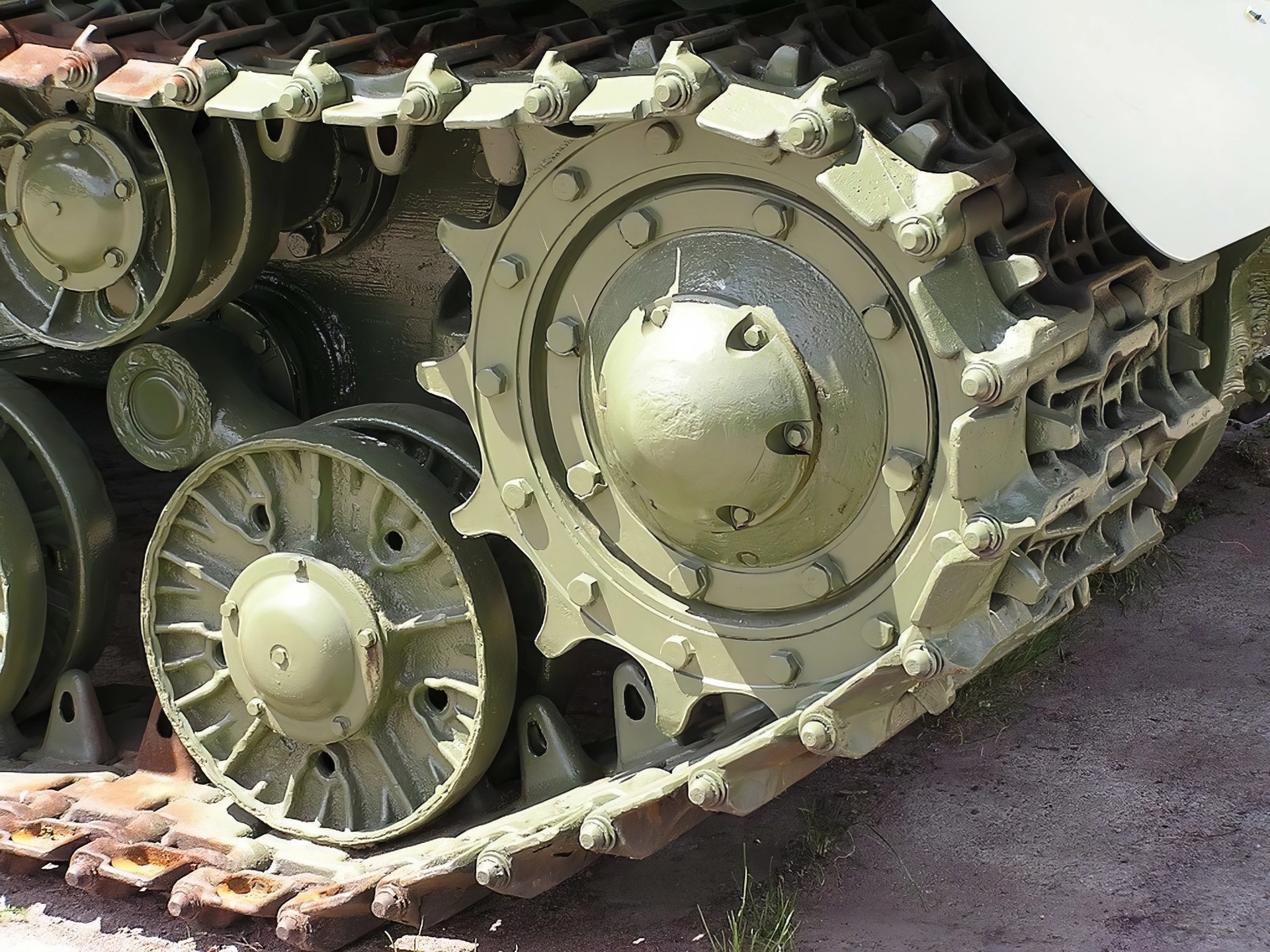
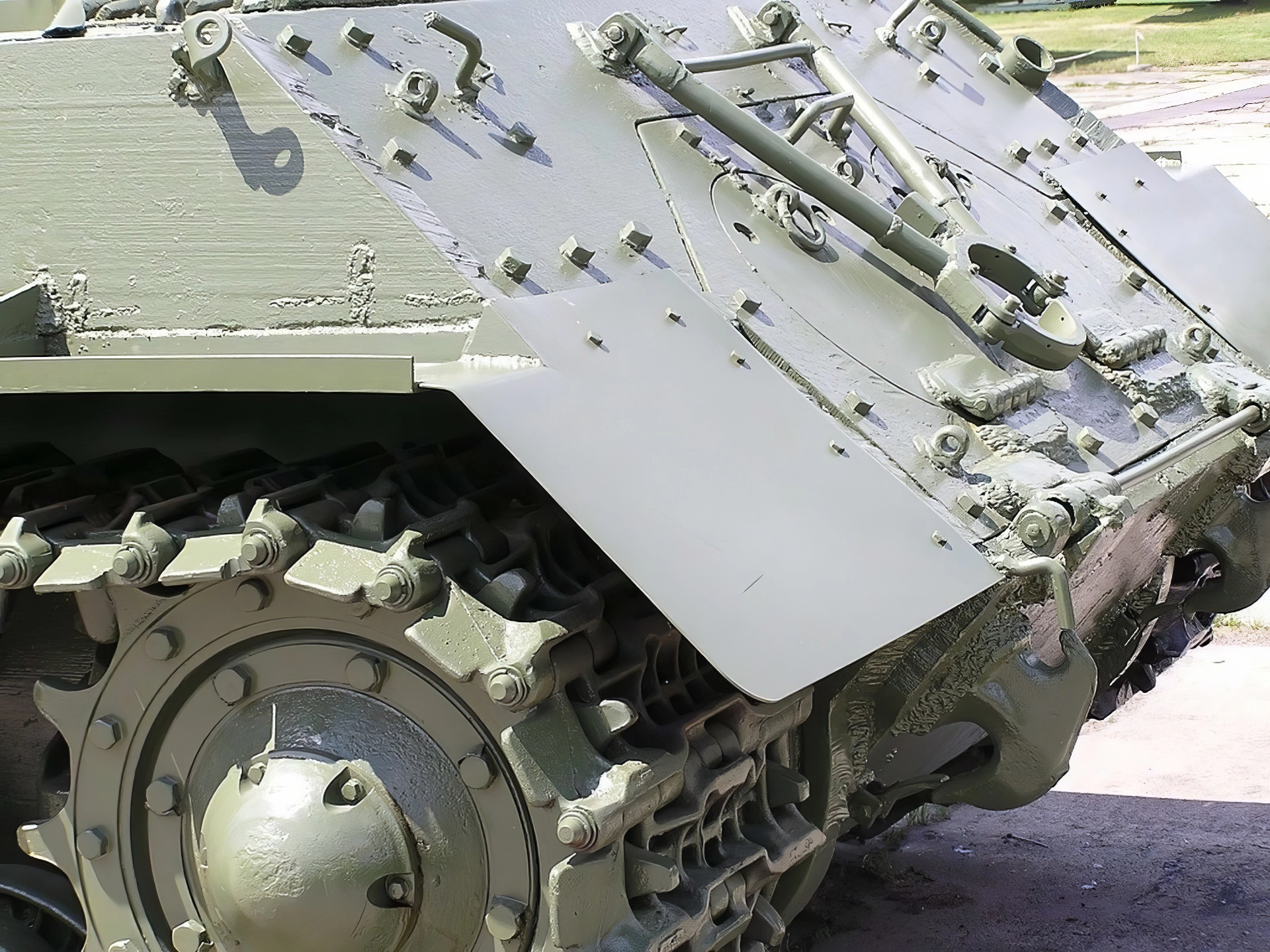

참고 항목:


Tthe IS-2 (Iosif Stalin 2) was a Soviet heavy tank developed during World War II. It was one of the most powerful and heavily armored tanks of the war, designed specifically to address the increasing threat posed by German heavy tanks (like the Tiger and Panther) and to serve as a formidable breakthrough tank against heavily fortified positions.
The IS-2 was a crucial asset for the Red Army in the final, decisive offensives of the war, particularly during the capture of Berlin.
Development and Characteristics
- Origin: The IS-2 was developed from the earlier IS-1 and KV heavy tank series, entering service in late 1943. It was a direct response to the need for a tank capable of reliably defeating the frontal armor of German heavy tanks at typical combat ranges.
- 주무장: Its defining feature was its massive main gun: the **122 mm D-25T tank gun**. This high-velocity gun fired a heavy shell capable of penetrating the frontal armor of German heavy tanks. Its high-explosive (HE) shell was also devastatingly effective against fortifications and infantry, making it excellent for close support.
- Armor Protection: The IS-2 featured sloped, cast armor, which was extremely thick and effective. The cast turret was very well-rounded and protected (up to 100 mm initially, later 160 mm). Later production models (often called the **IS-2m**) featured a simplified, heavily sloped glacis plate (up to 100-120 mm) that significantly improved protection.
- Engine and Mobility: It was powered by a **V-2-IS 12-cylinder V-type diesel engine** (520 hp). Despite weighing around 46 tonnes, its mobility was considered adequate for a heavy tank, with a top road speed of about 37 km/h.
Operational Strengths and Weaknesses
| Strength | Weakness |
|---|---|
| 화력: 122 mm gun had massive destructive power against both armor and fortifications. | Rate of Fire: The large, heavy two-piece ammunition (shell and propellant charge) was difficult to handle, resulting in a very slow rate of fire (typically 1–2 rounds per minute). |
| Protection: Excellent armor layout, especially the later sloped glacis, offered superior defense against contemporary German guns. | Ammunition Capacity: Due to the large size of the 122 mm rounds, the tank could only carry a small number of shells (around 28 rounds). |
| Low Silhouette: Relatively low profile for a heavy tank. | Crew: 4 (Driver, Commander, Gunner, Loader). The loader was often exhausted by the heavy work. |
Post-War Service
The IS-2 continued in production and service well after the end of World War II. The upgraded **IS-2M** variant saw several modernization programs throughout the 1950s, including improved engines, revised transmission, and additional armor. Though eventually superseded by the T-10 heavy tank and later MBTs, the IS-2 was exported to several Soviet allies and saw service in conflicts beyond the Soviet Union, cementing its status as a definitive example of Soviet heavy tank design.
조회수:2882