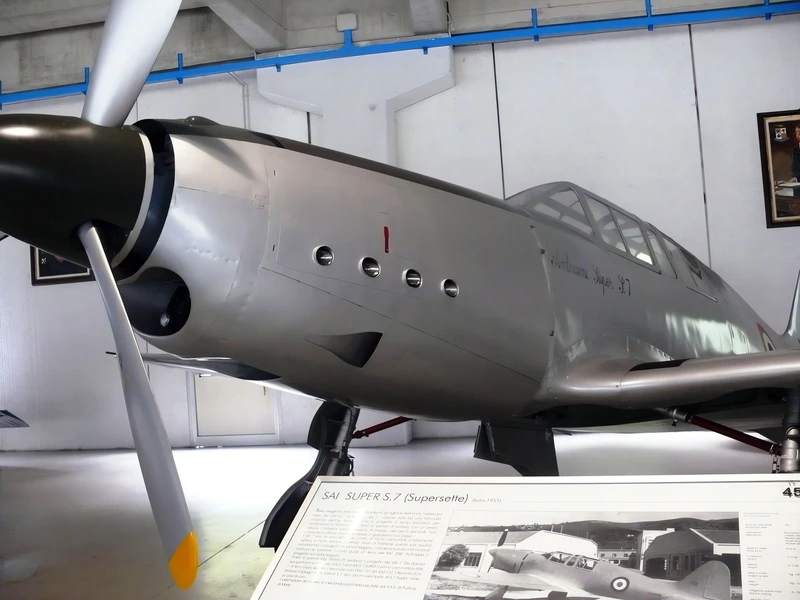
암브로시니 S.7 | |
|---|---|
| 국가 | 이탈리아 |
| 역할 | 레이싱 항공기 |
| 첫 비행 | 1939년 7월 |
| 내장 | 12 + 147 |
Tthe 암브로시니 사이.7 제 2 차 세계 대전 이전에 비행 한 이탈리아 경주 용 항공기로 전쟁 후 군사 훈련 (단순히 S.7로 지정)으로 생산에 들어갔습니다. 그것은 꼬리 바퀴 하부 구조가있는 나무로 구성된 전통적인 구성이었습니다. 동력은 225마력의 공랭식 인버티드 인라인 엔진인 Alfa-Romeo 모델 115에 의해 제공되었습니다.
소스: 위키피디아의 암브로시니 S.7
| SAI Super S.7 Walk Around | |
|---|---|
| 사진 작가 | Unknow |
| 로컬라이제이션 | Unknow |
| 사진 | 20 |
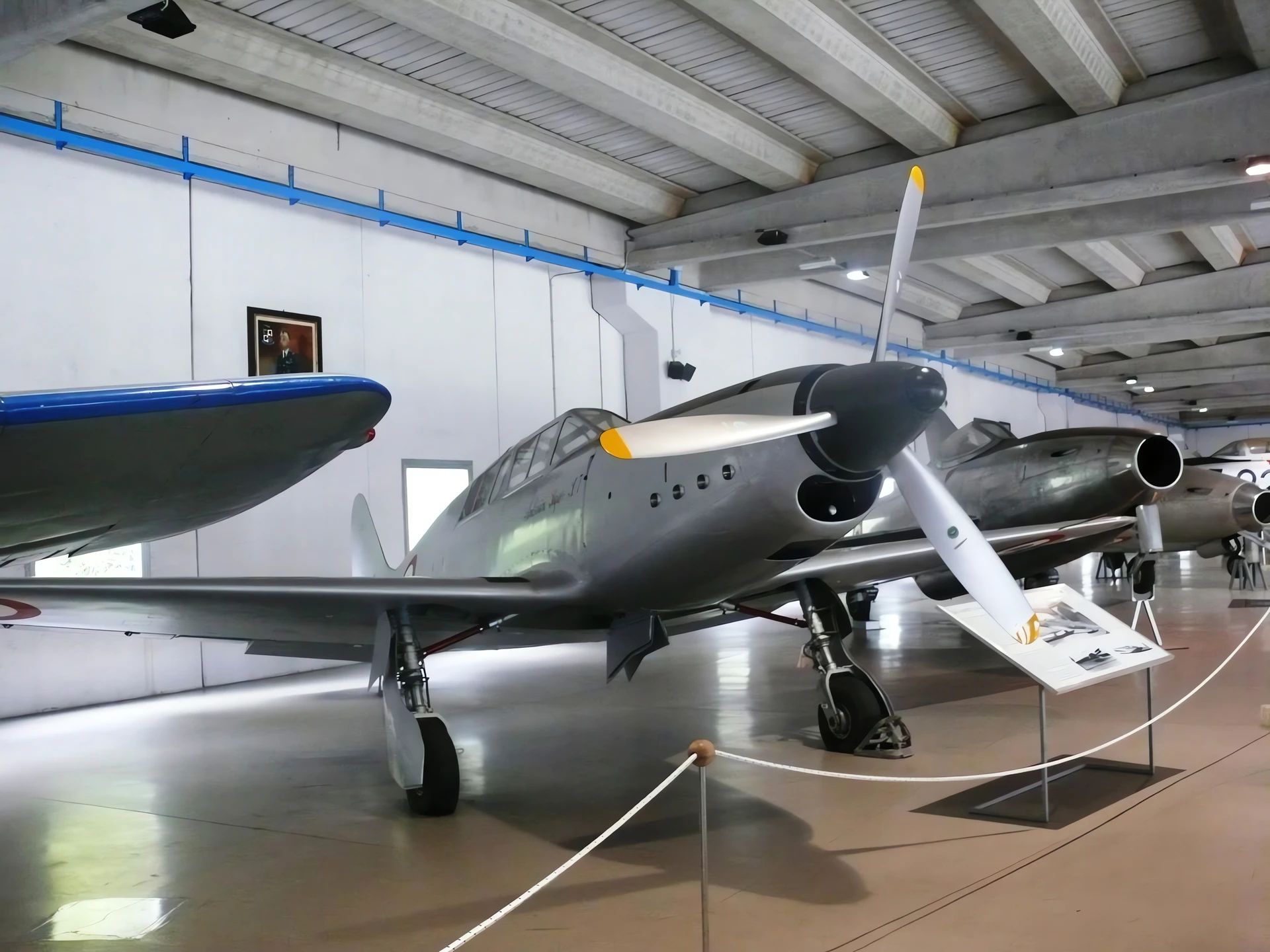
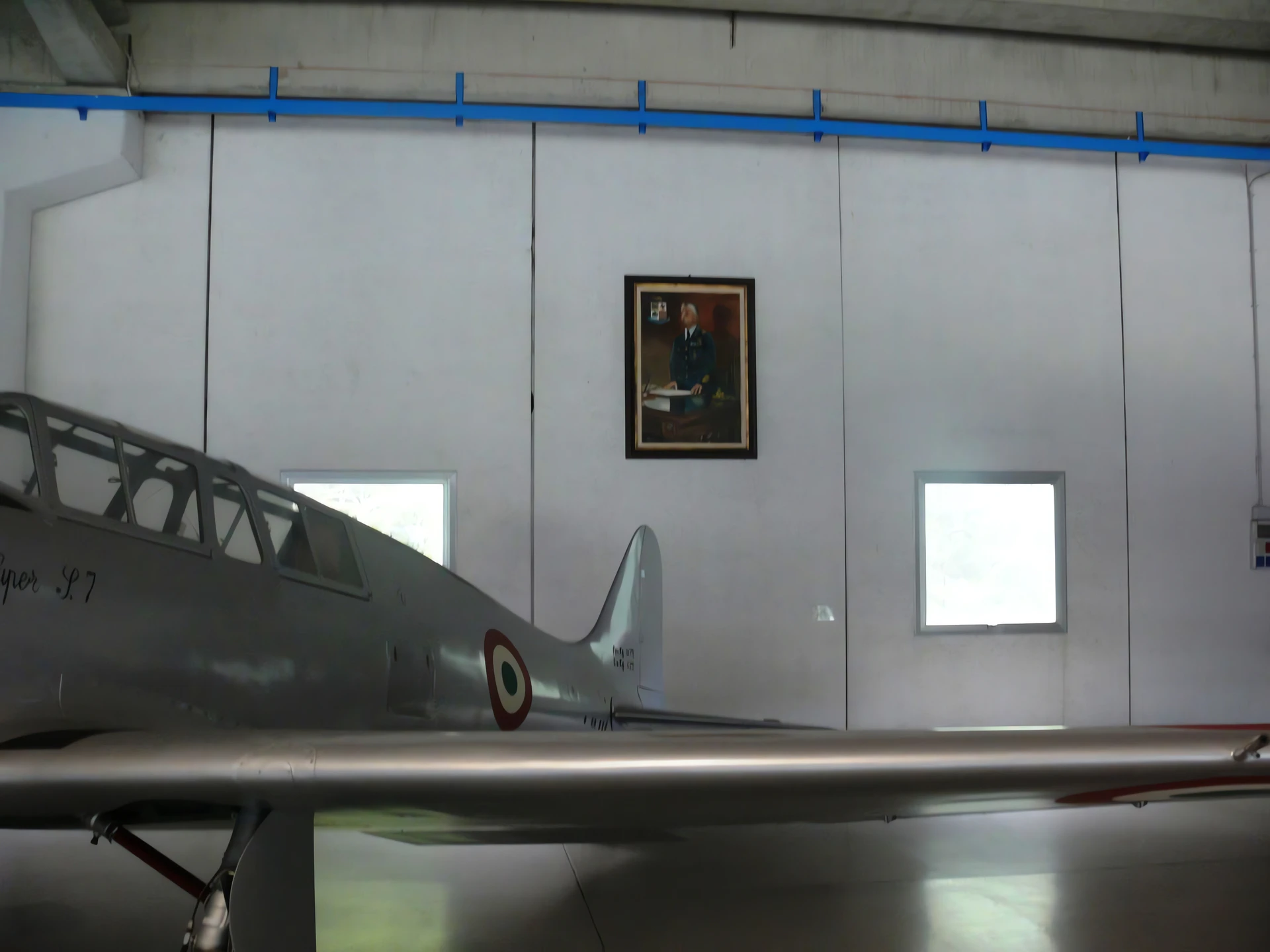
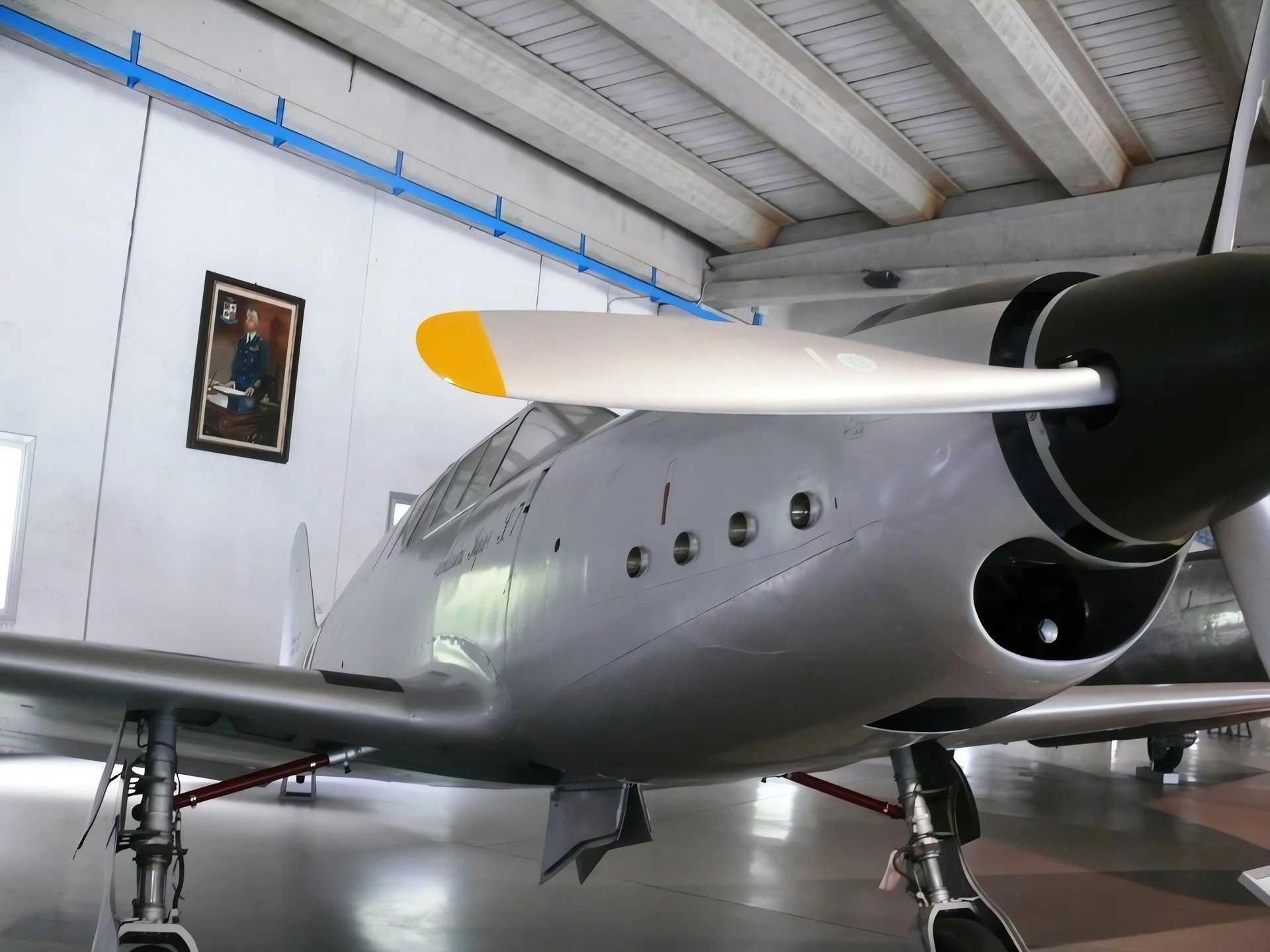
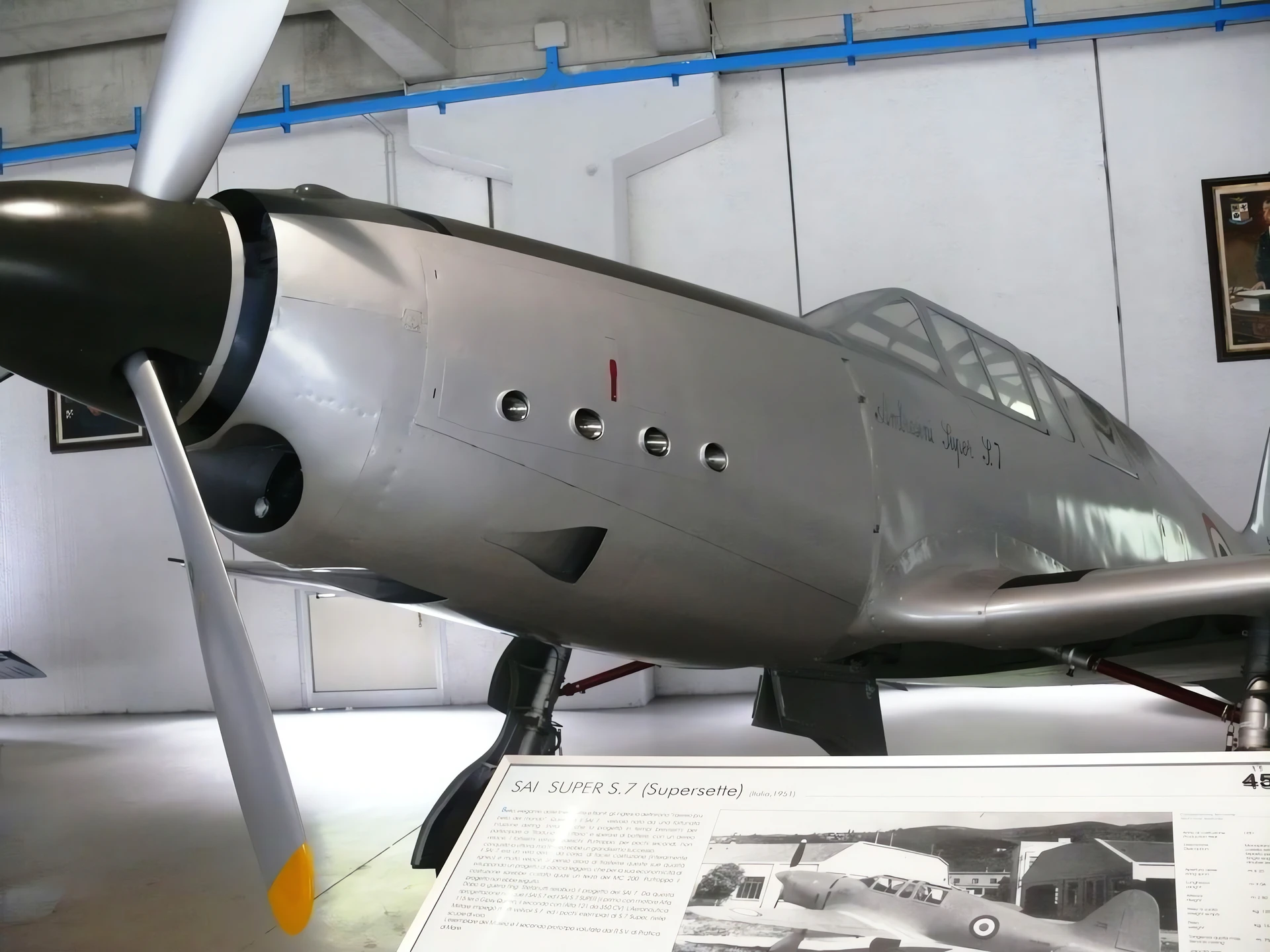
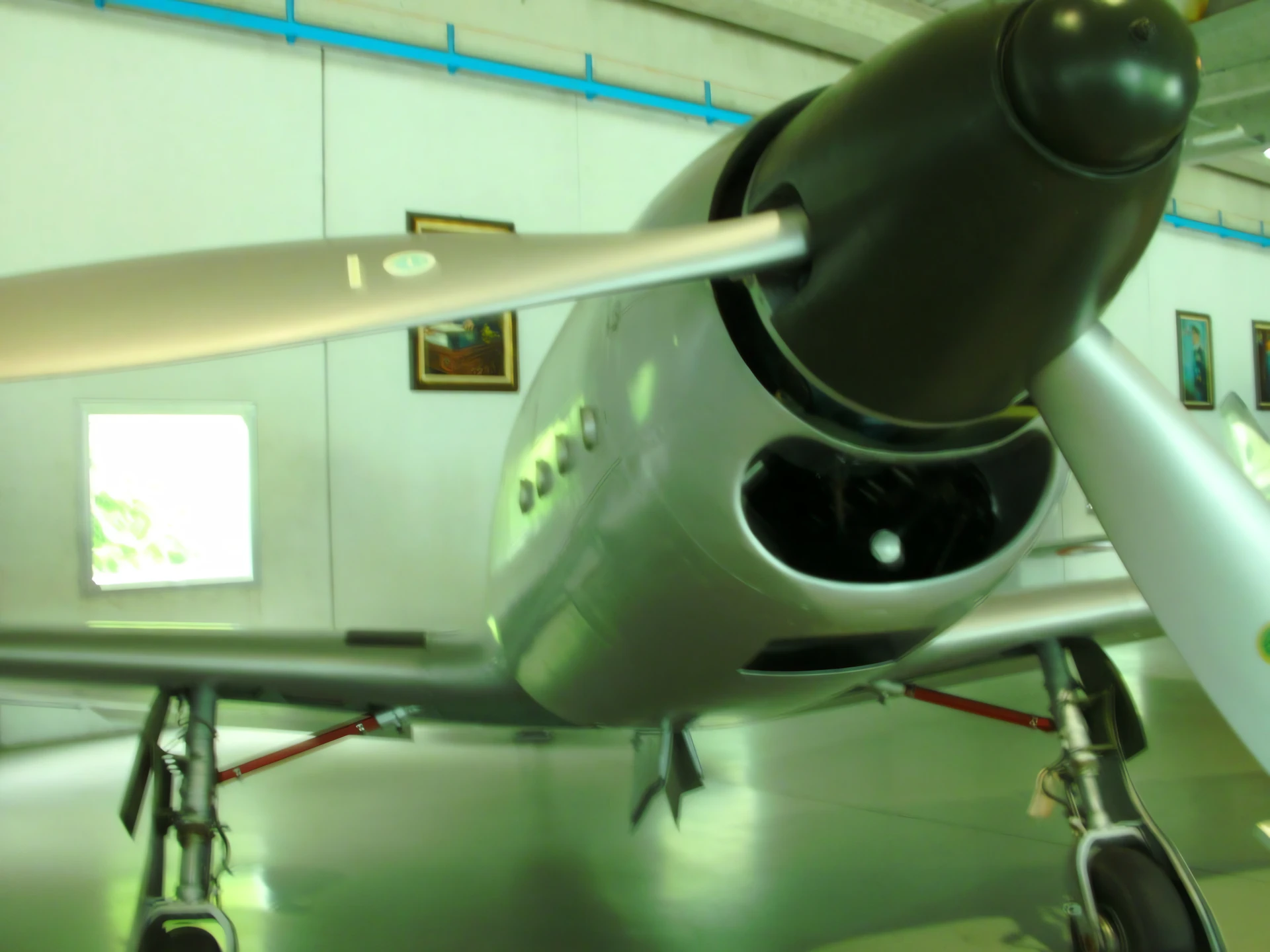
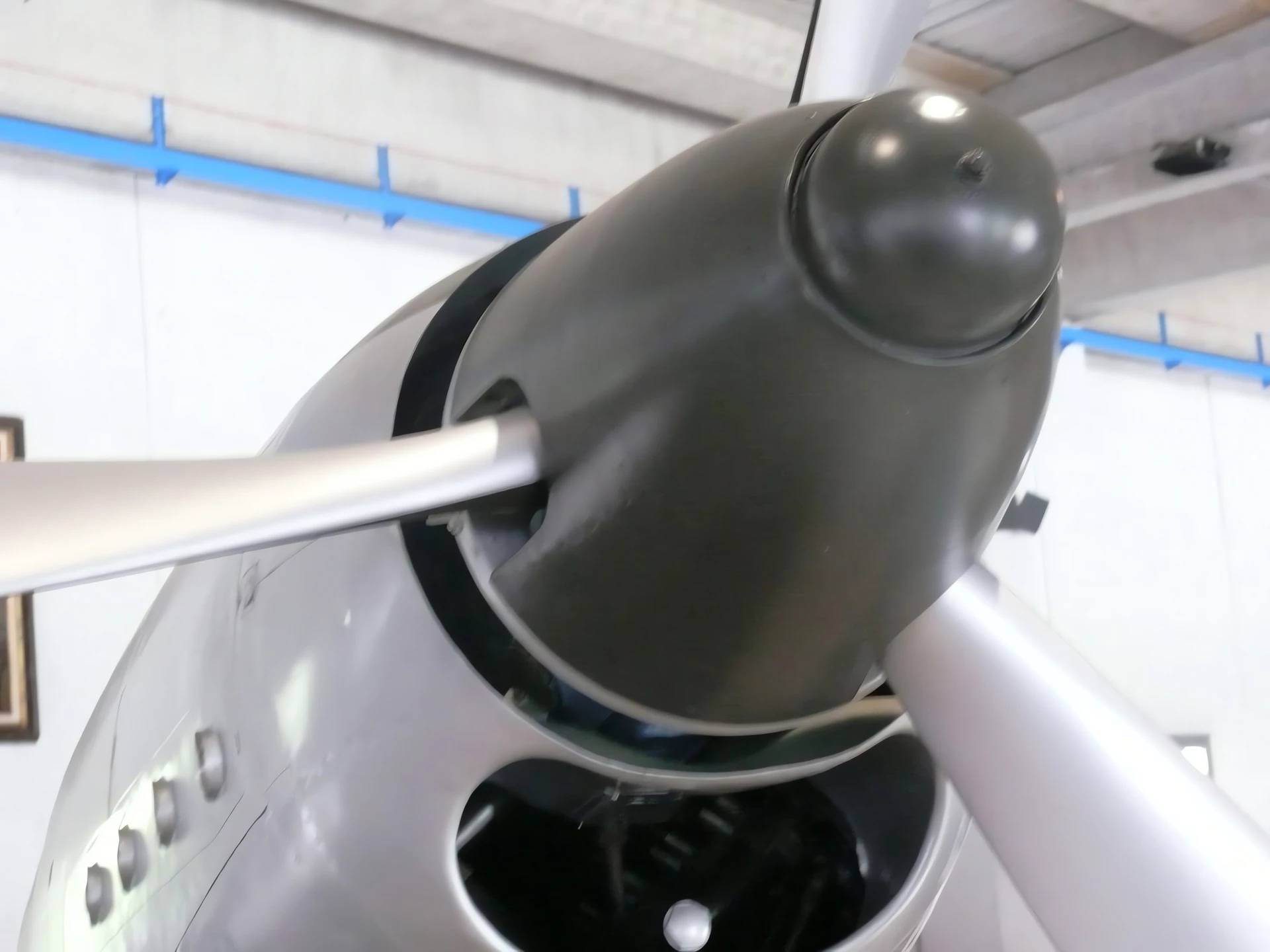
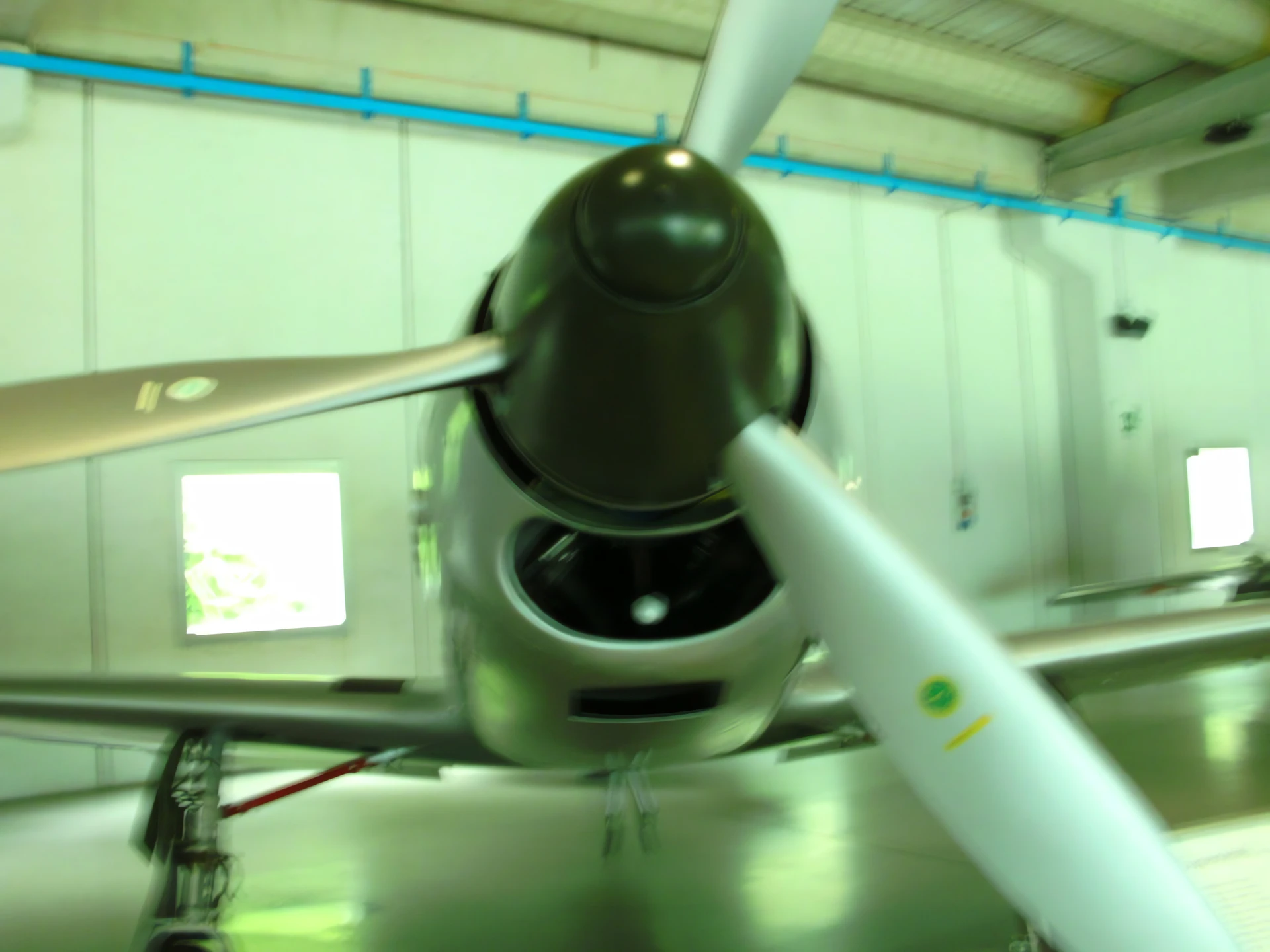


참고 항목:


General Characteristics
The Ambrosini S.7 was an Italian single-engine, low-wing monoplane developed from the pre-war SAI.7 racing aircraft designed by Sergio Stefanutti. After World War II, the S.7 entered large-scale production as the primary basic and advanced trainer for the reformed Italian Air Force (Aeronautica Militare Italiana). Known for its sleek, all-wooden construction and excellent performance, it was prized for its high speed, even with relatively low engine power, and was used to set several international airspeed records in its class. The S.7 design later served as the foundation for a series of experimental light fighters and jet prototypes, including the SAI.207 and the Sagittario (Arrow), making it a significant bridge between Italy’s wartime piston-engine designs and its post-war jet programs.
| Property | Typical Value (Post-War S.7 Production) |
|---|---|
| 역할 | Basic/Advanced Trainer, Racing Aircraft |
| National Origin | 이탈리아 |
| 제조업체 | SAI Ambrosini |
| First Flight (SAI.7 prototype) | 1939년 7월 |
| Service Entry (Post-War) | 1949 |
| No. Built (Post-War S.7) | ~145 |
| 승무원 | 2 (Pilot and Pupil, in tandem seating) |
| 길이 | 8.17 m (26 ft 10 in) |
| 윙스 팬 | 8.79 m (28 ft 10 in) |
| Max Takeoff Weight | 1,317 kg (2,903 lb) |
Powerplant and Performance
- Engine: 1 x Alfa Romeo 115-ter 6-cylinder air-cooled, inverted inline piston engine.
- Power Output: 168 kW (225 hp).
- Maximum Speed: 358 km/h (222 mph).
- Cruise Speed (Economic): 264 km/h (164 mph).
- Range: 1,000 km (621 mi).
- Service Ceiling: 5,250 m (17,220 ft).
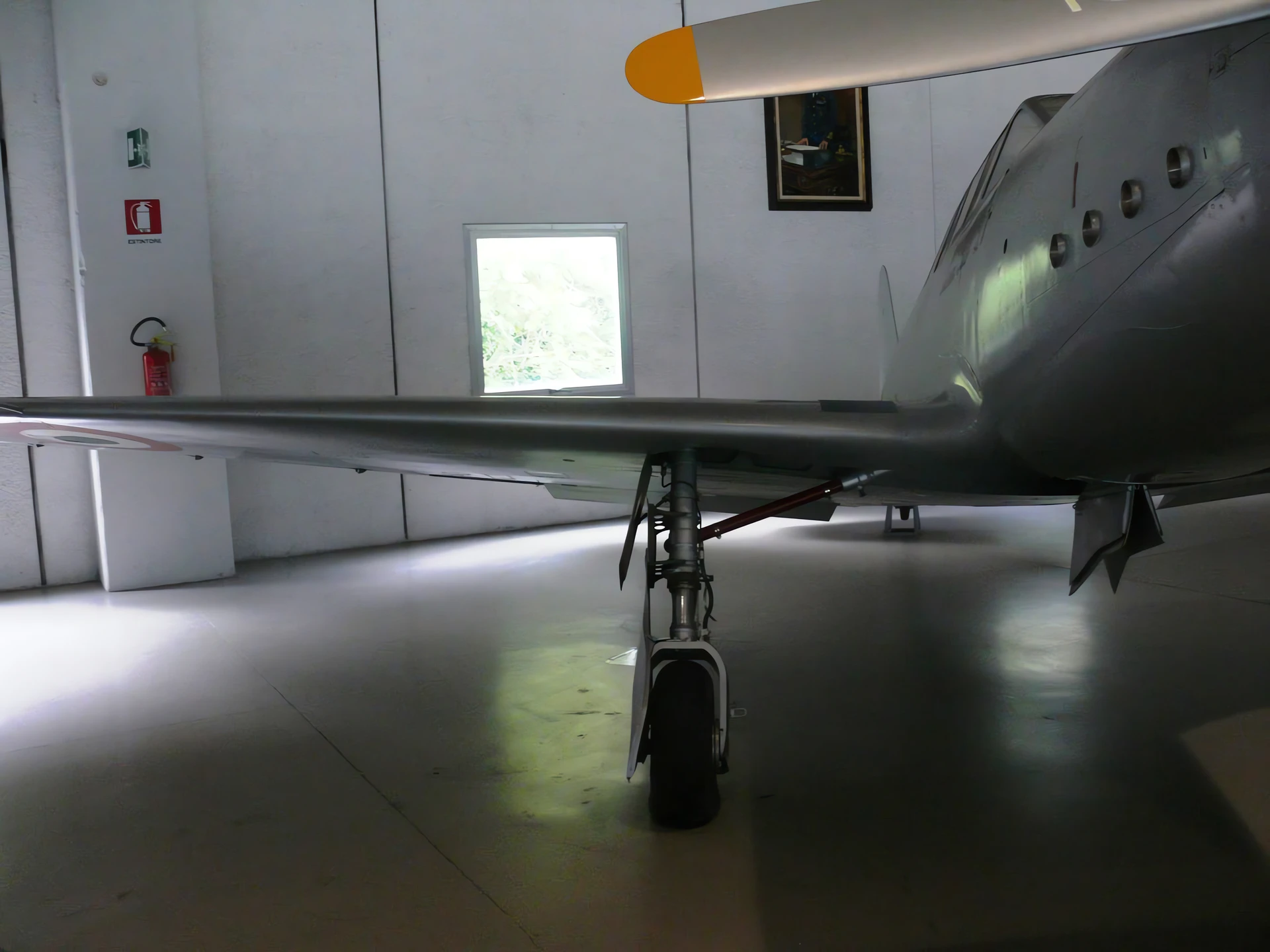
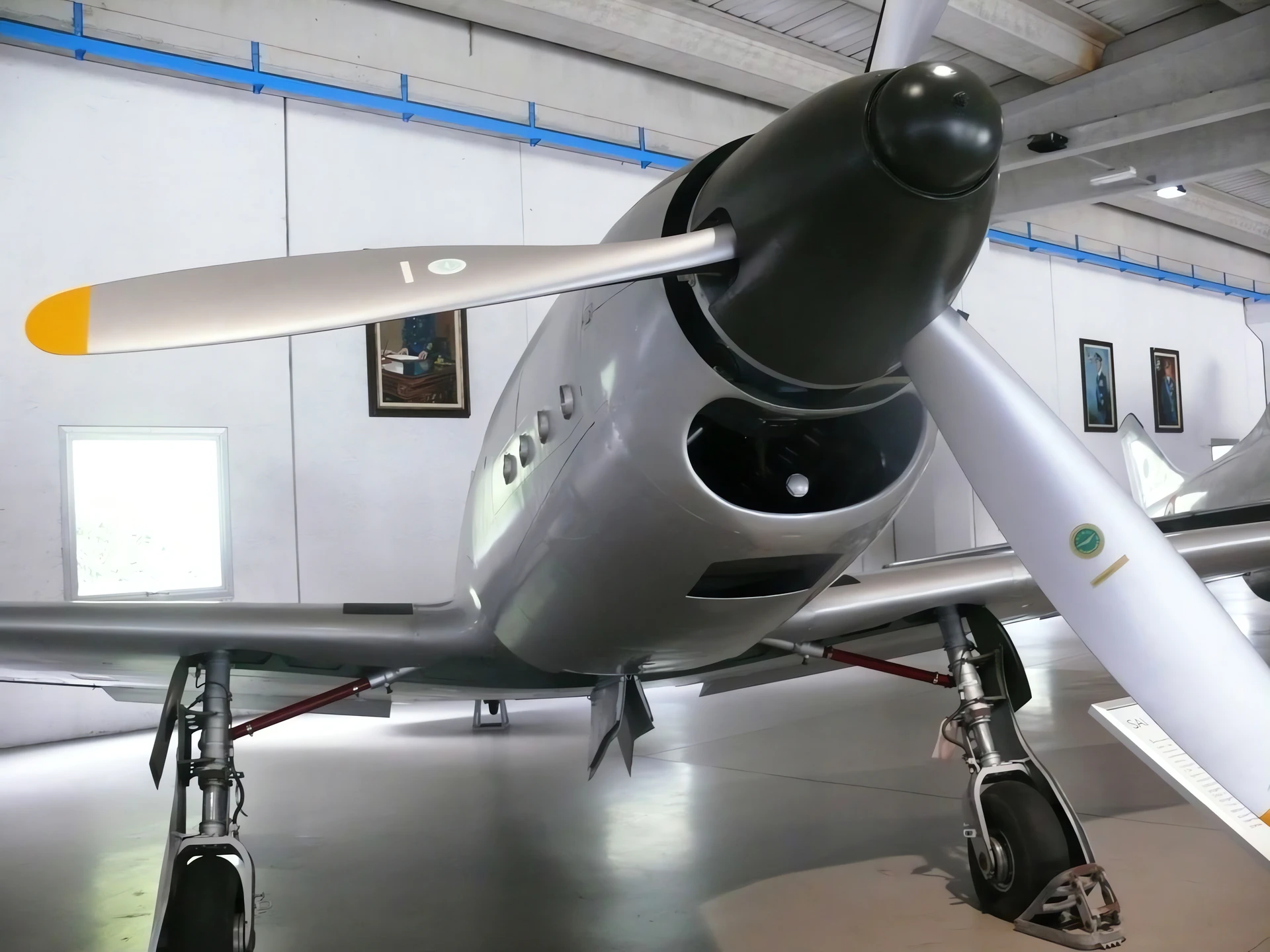
- Key Feature: The aircraft featured fully retractable main landing gear (a feature often omitted on contemporary trainers) and an all-wood structure, contributing to its sleek, high-speed profile.
Variants and Legacy
- Primary Role: Used for ab initio (basic) and advanced flight training in the Aeronautica Militare Italiana until the mid-1950s.
- Armament: Unarmed in its standard two-seat trainer configuration.
- Wartime Variant (SAI.7T): Ten militarized two-seat trainer versions were ordered in 1942, but few were delivered before the 1943 Armistice.
- Development Line: The S.7 airframe was crucial in testing high-performance features:
- SAI.107 / SAI.207: Lightweight single-seat fighter prototypes with up to 750 hp engines, achieving impressive speeds.
- Ambrosini Sagittario (Super S.7): A single S.7 modified with swept wings, and later a jet engine, serving as a testbed for the subsequent Aerfer Sagittario 2 jet fighter.
조회수 : 636