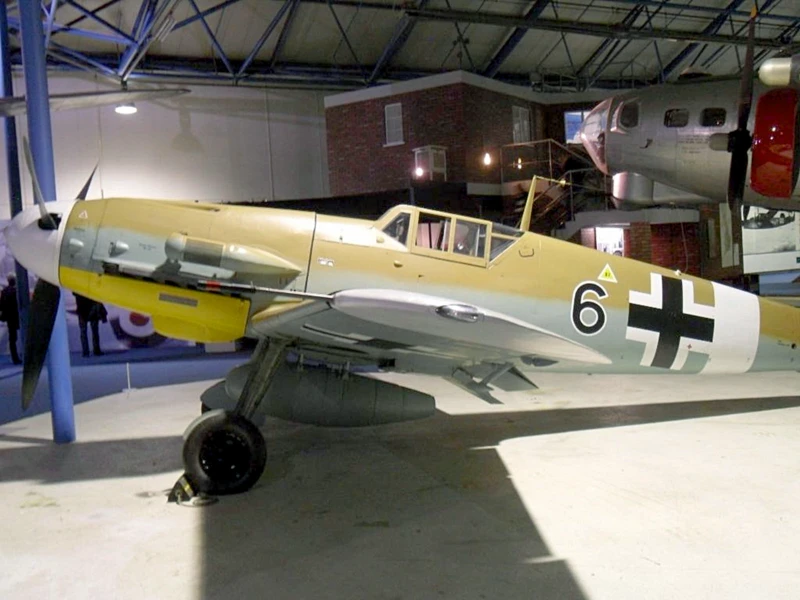
メッサーシュミット Bf 109G | |
|---|---|
| 国 | ドイツ |
| 型 | 戦闘機 |
| 初飛行 | 1935年5月29日 |
| 構築 | 33984+ |
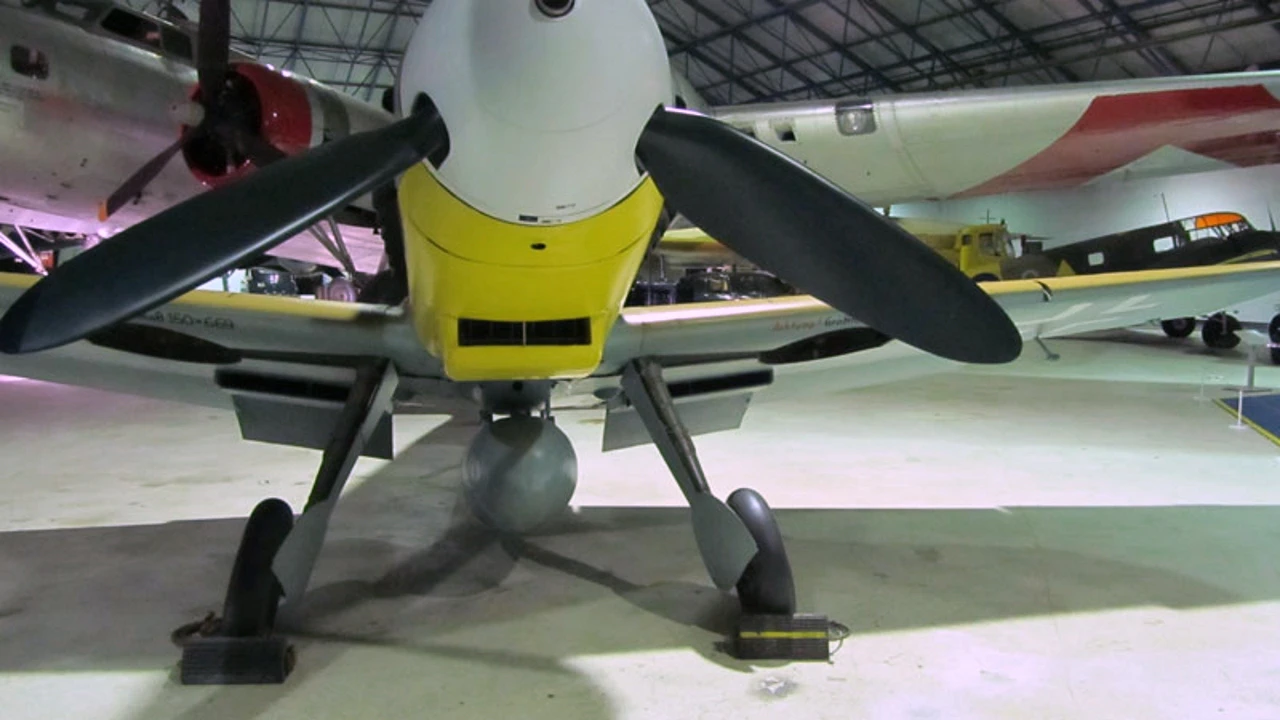
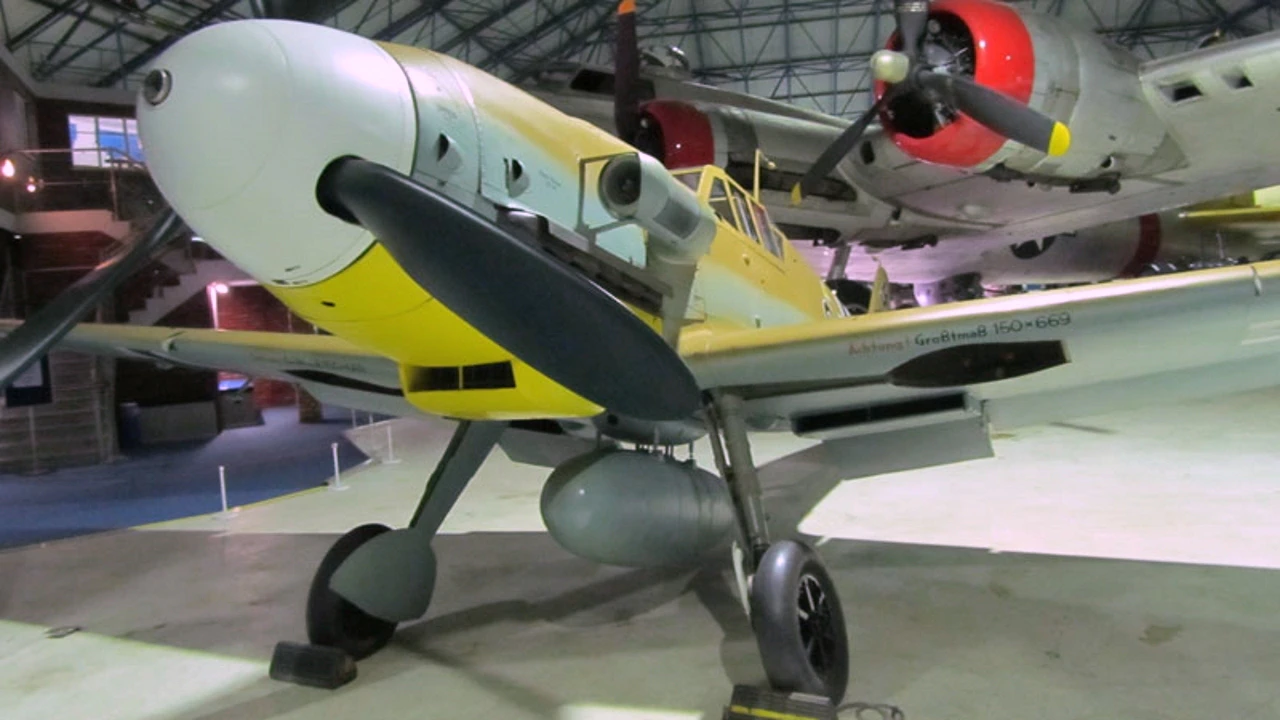
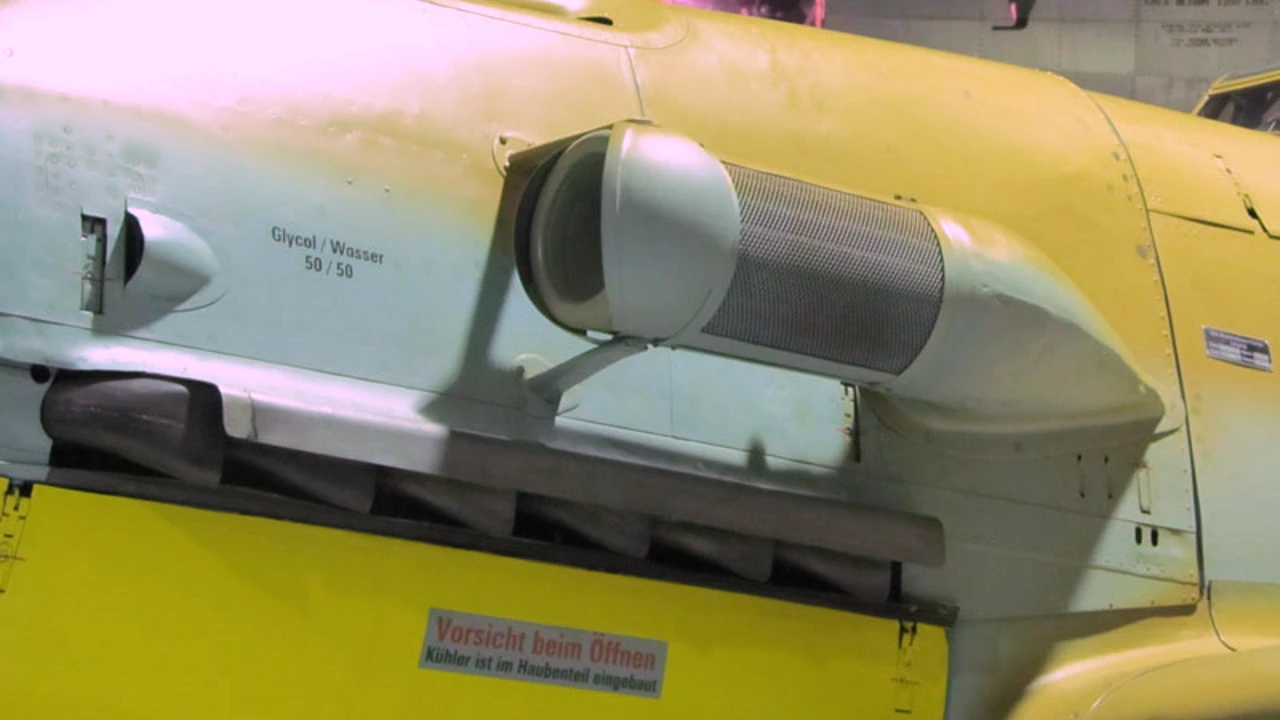
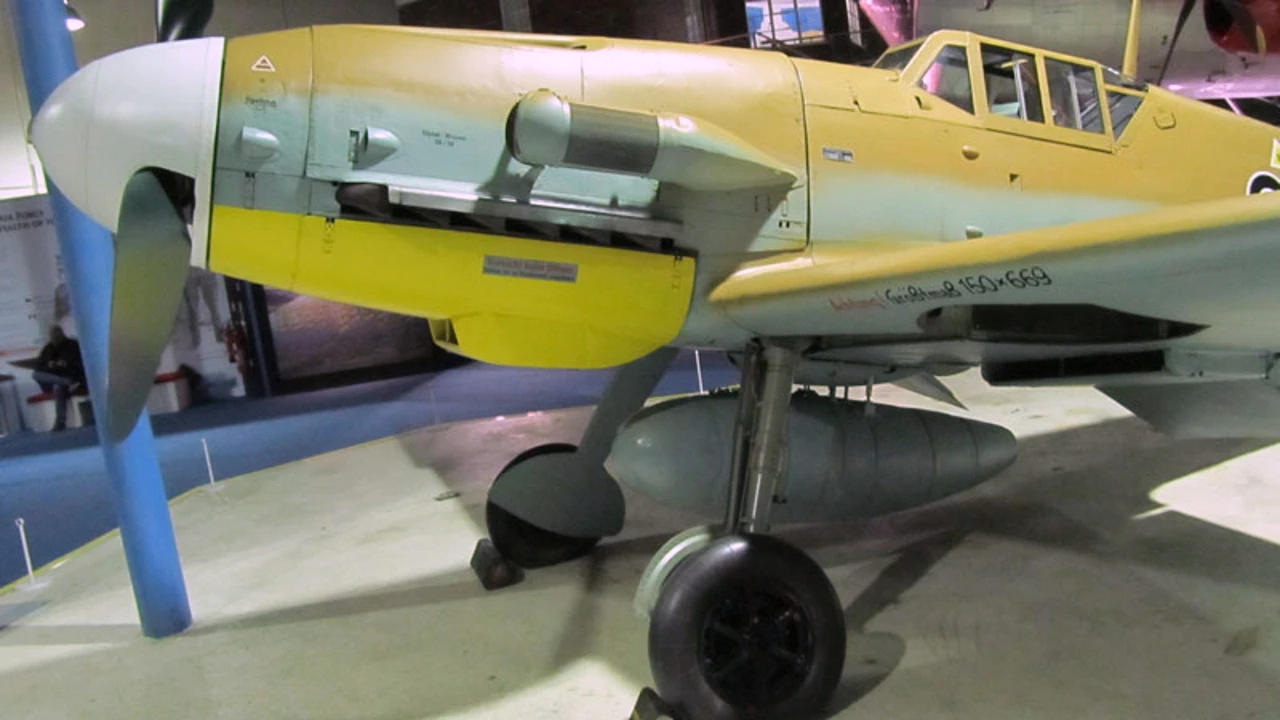
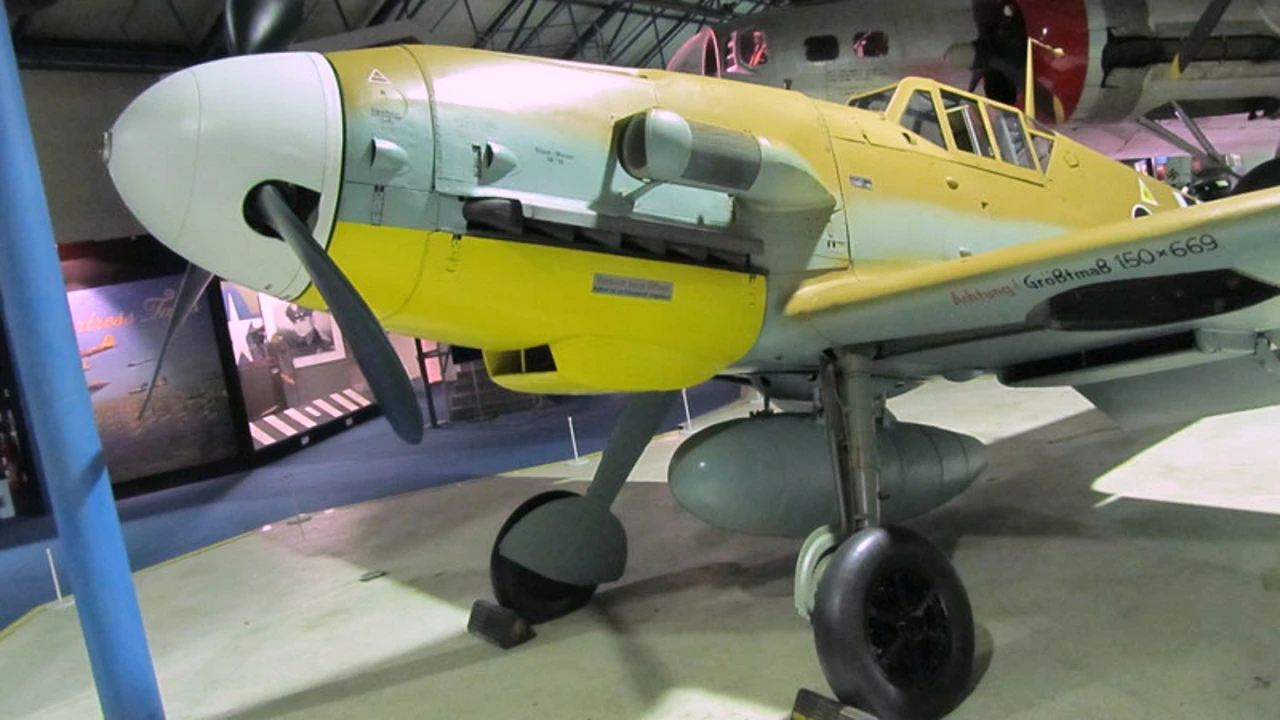
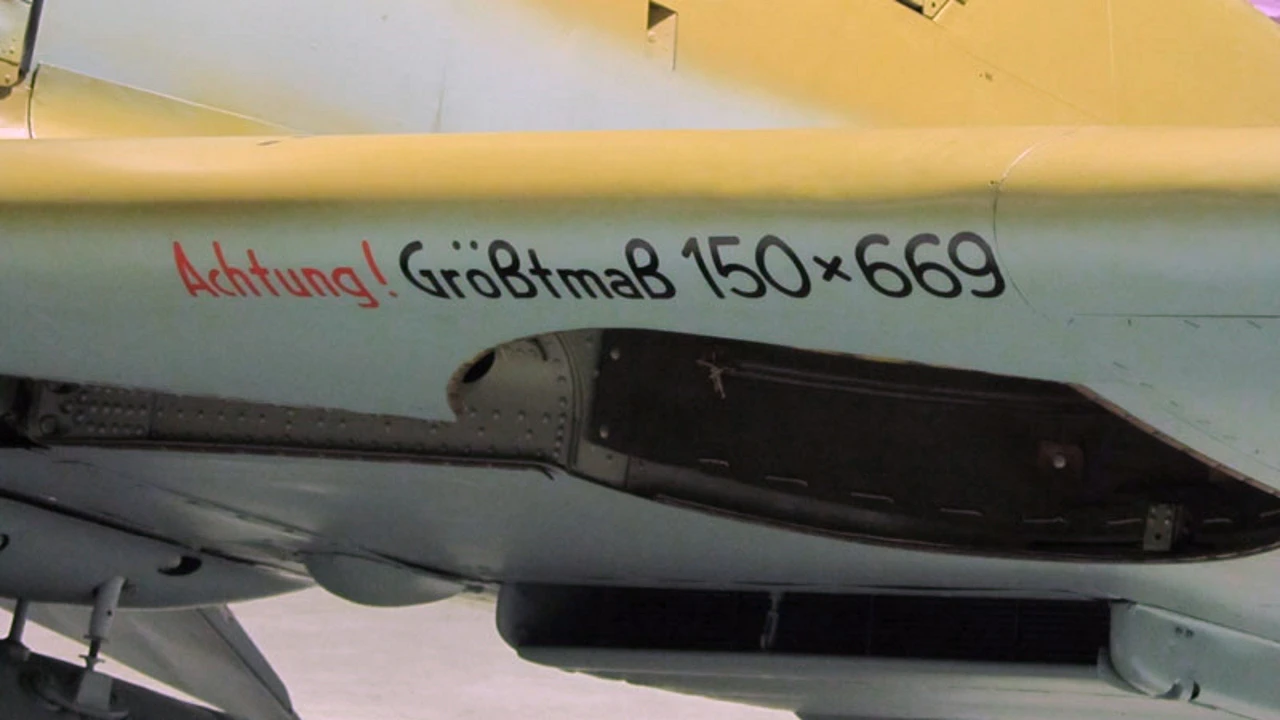
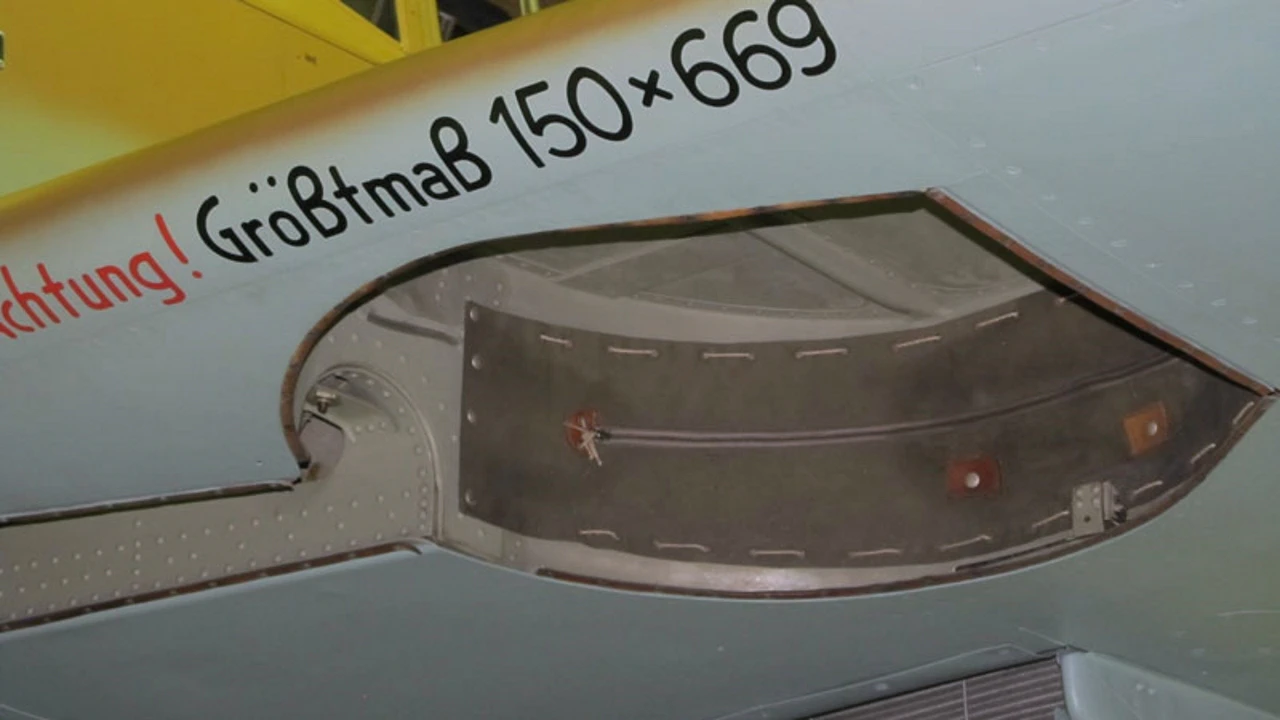
メッサーシュミットBf 109Gのフォトギャラリー、 メッサーシュミット Bf 109私109と呼ばれることが多く、1930年代初頭から中旬にかけてウィリー・メッサーシュミットとロバート・ルッサーによって設計されたドイツ第二次世界大戦の戦闘機でした。これは、オールメタルモノコック構造、閉じたキャノピー、格納式着陸装置などの特徴を含む、時代の最初の真に近代的な戦闘機の一つであり、液体冷却された逆V12エアロエンジンによって動力を与えられました
ソース: メッサーシュミット Bf 109G ウィキペディA
| Messerschmitt Bf 109G | |
|---|---|
| カメラマン | 知りません |
| ローカライズ | 知りません |
| 写真 | 20 |
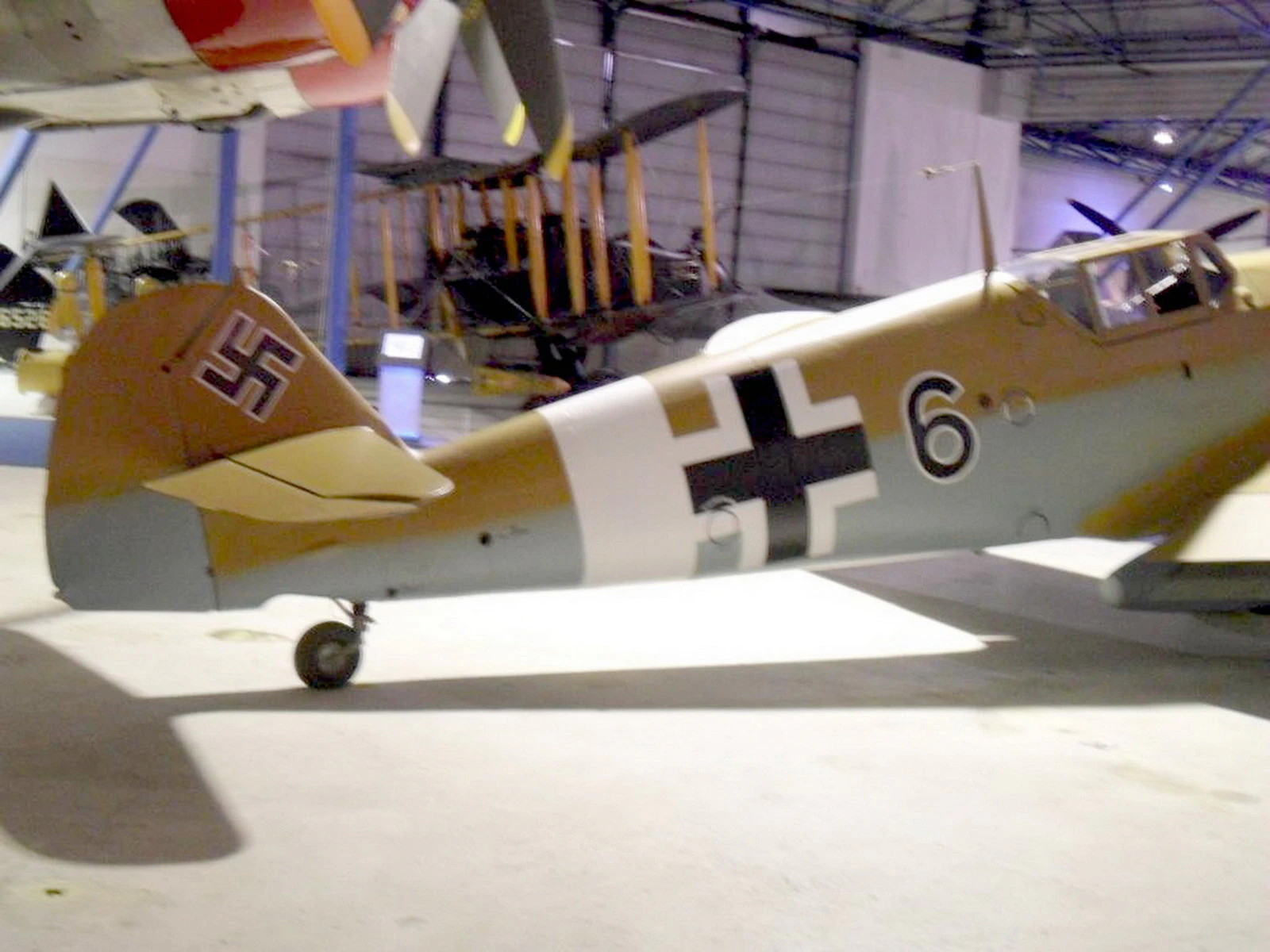
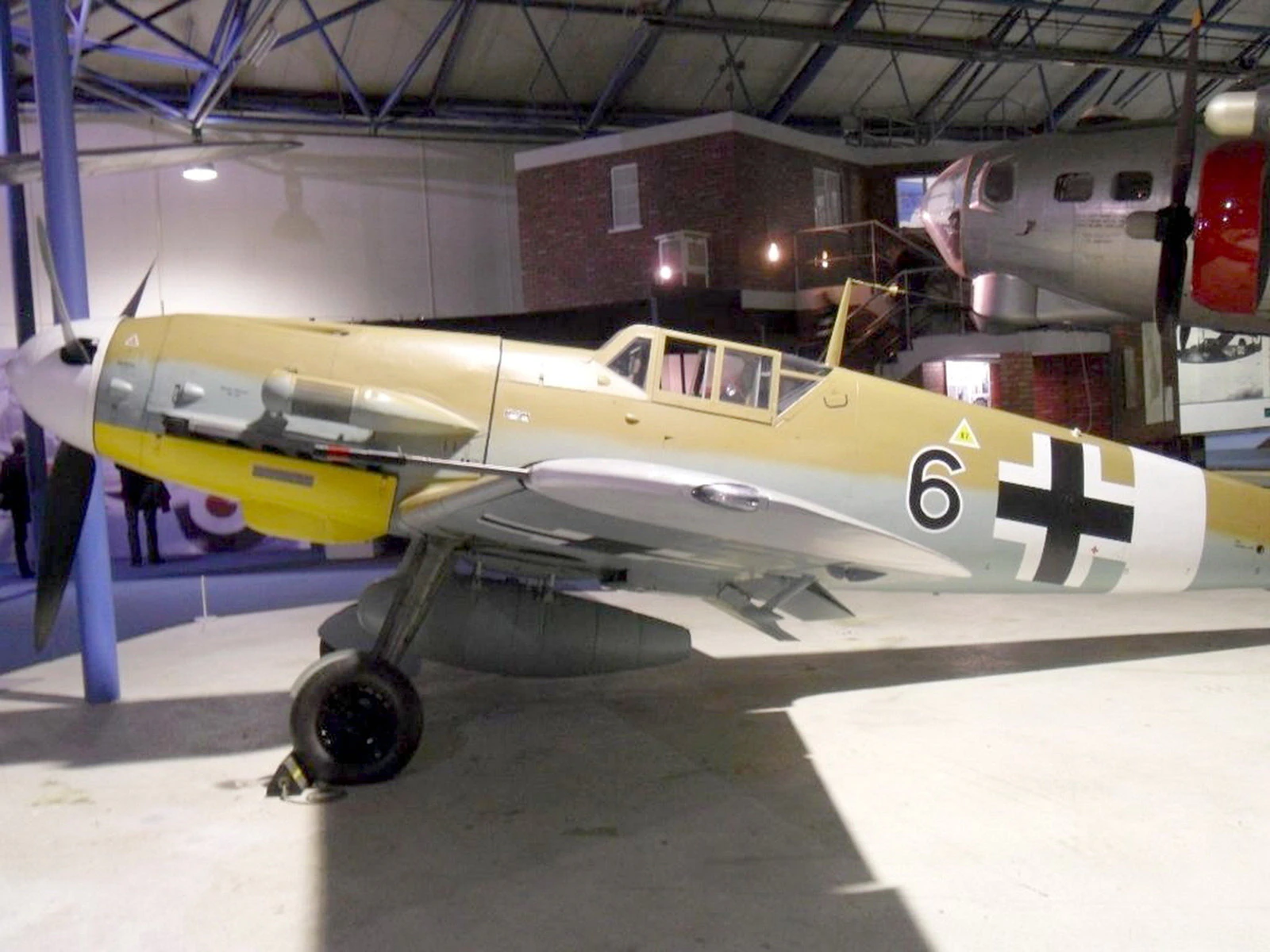
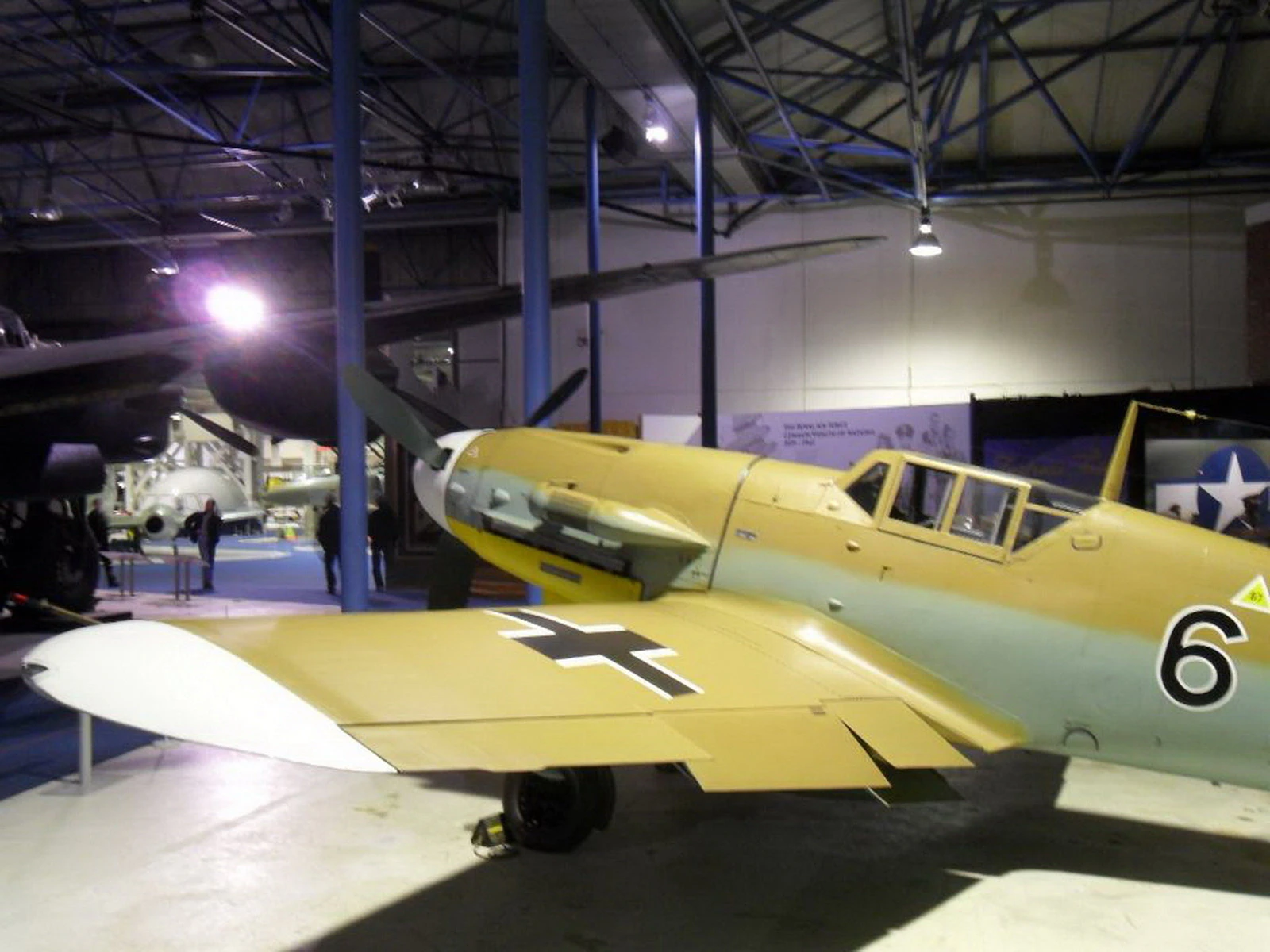
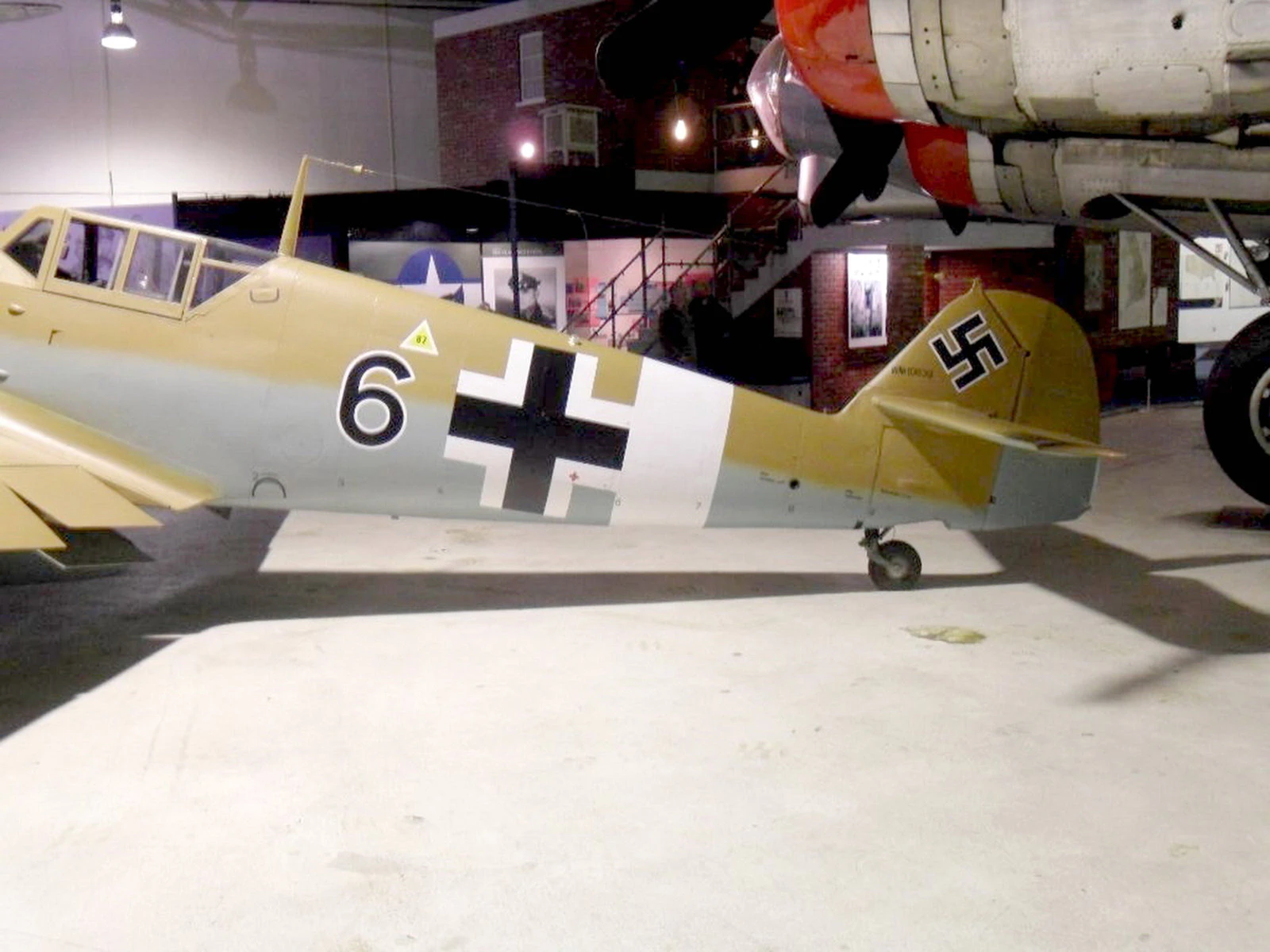
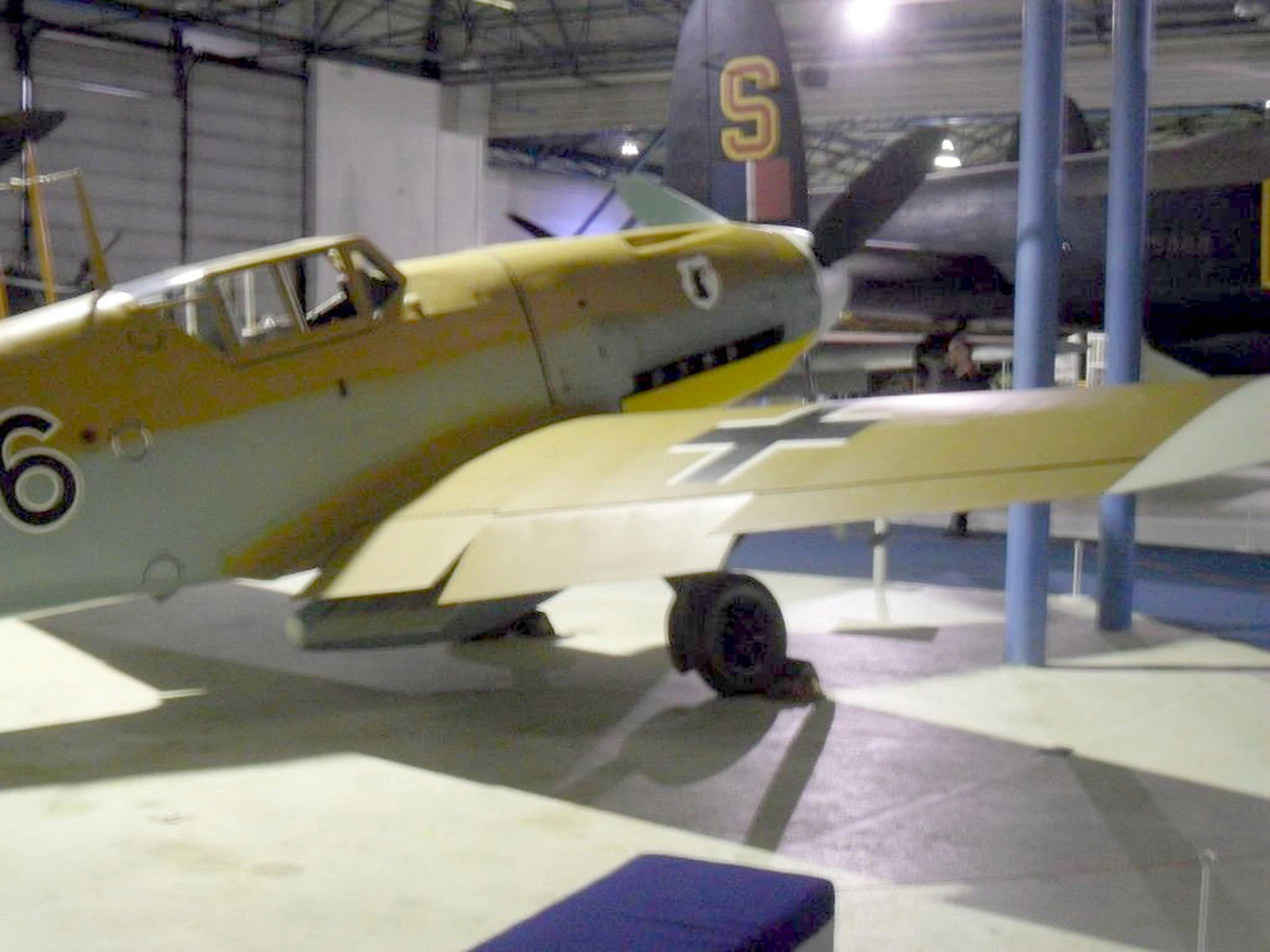
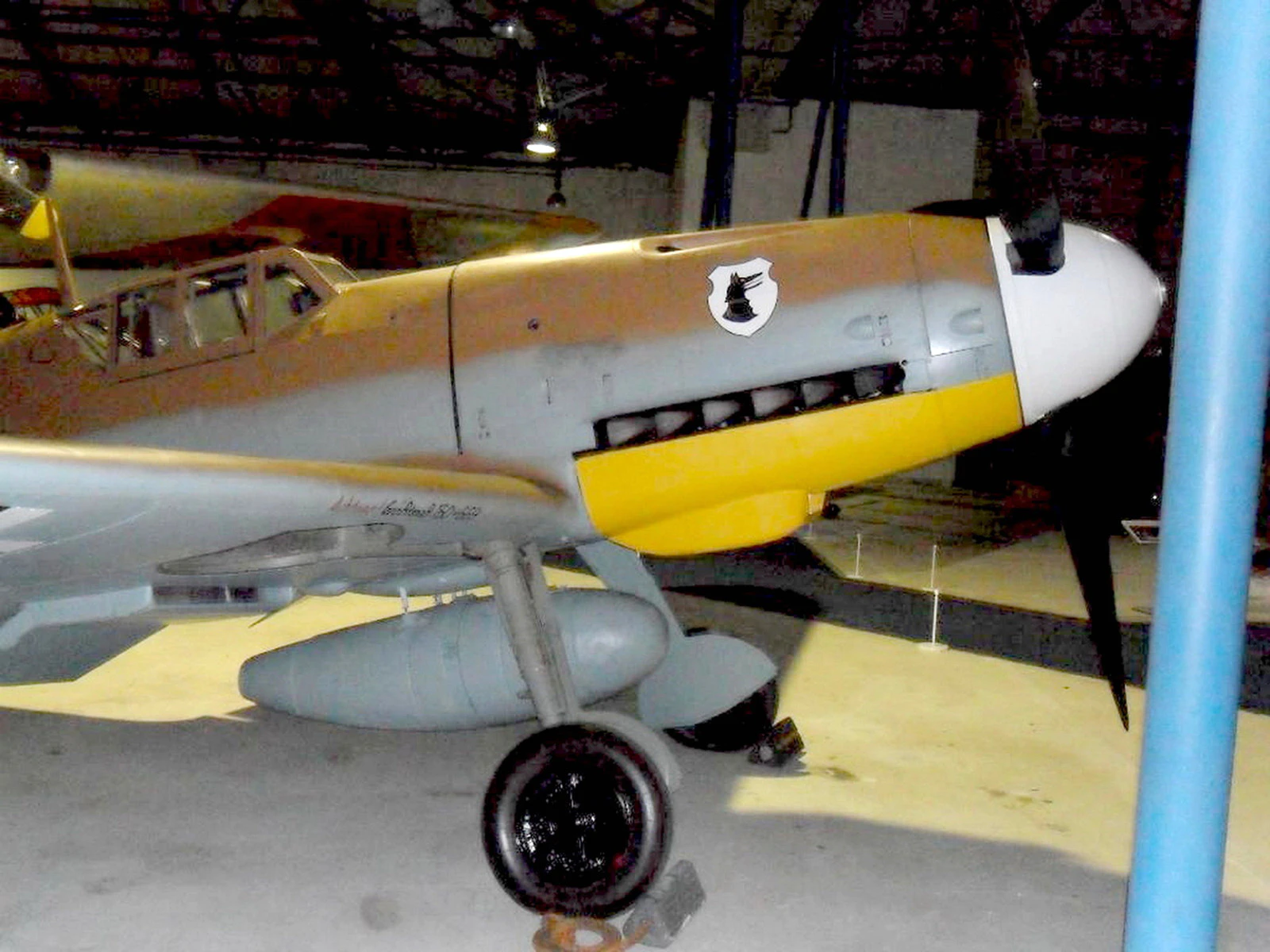
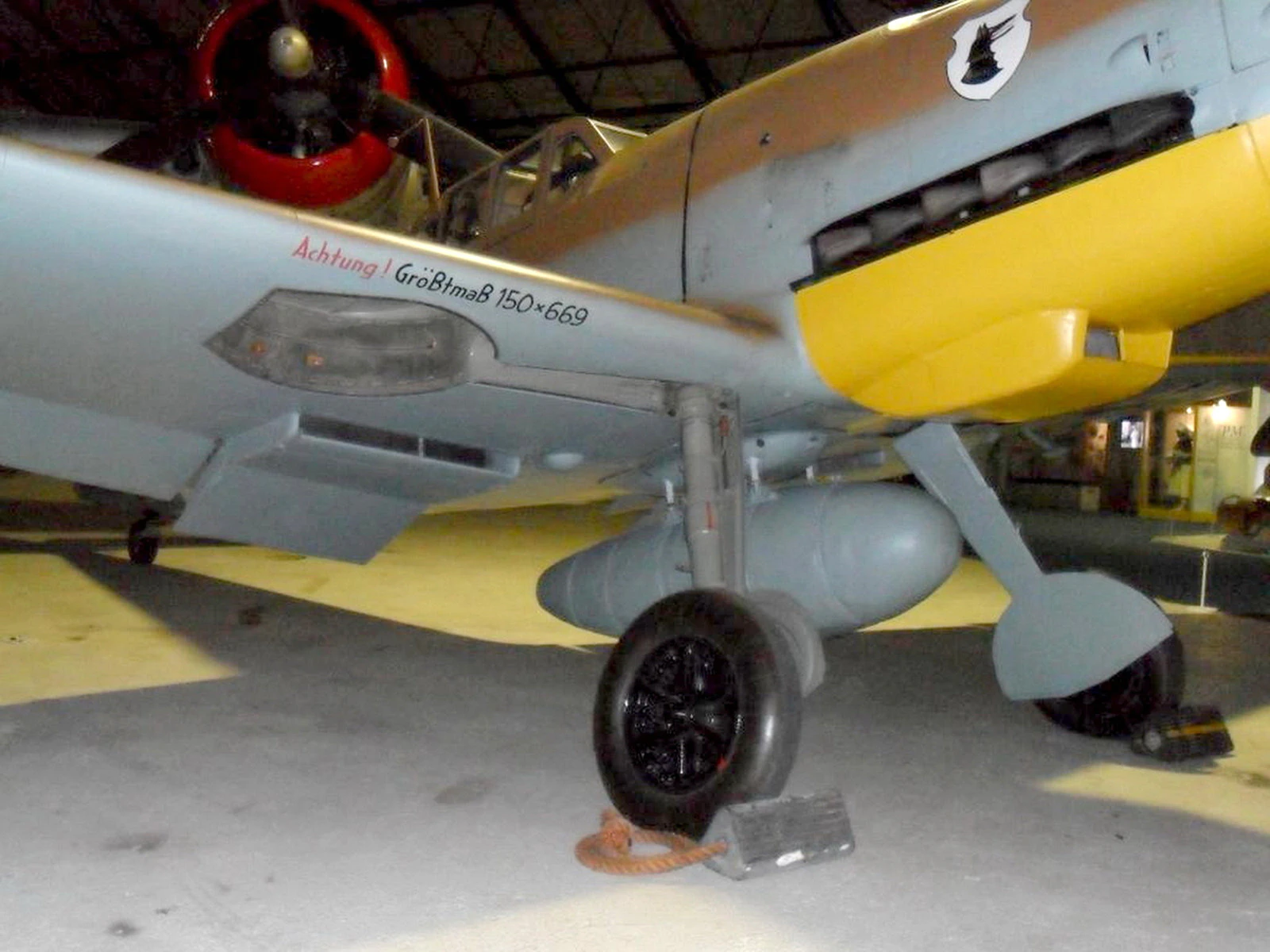
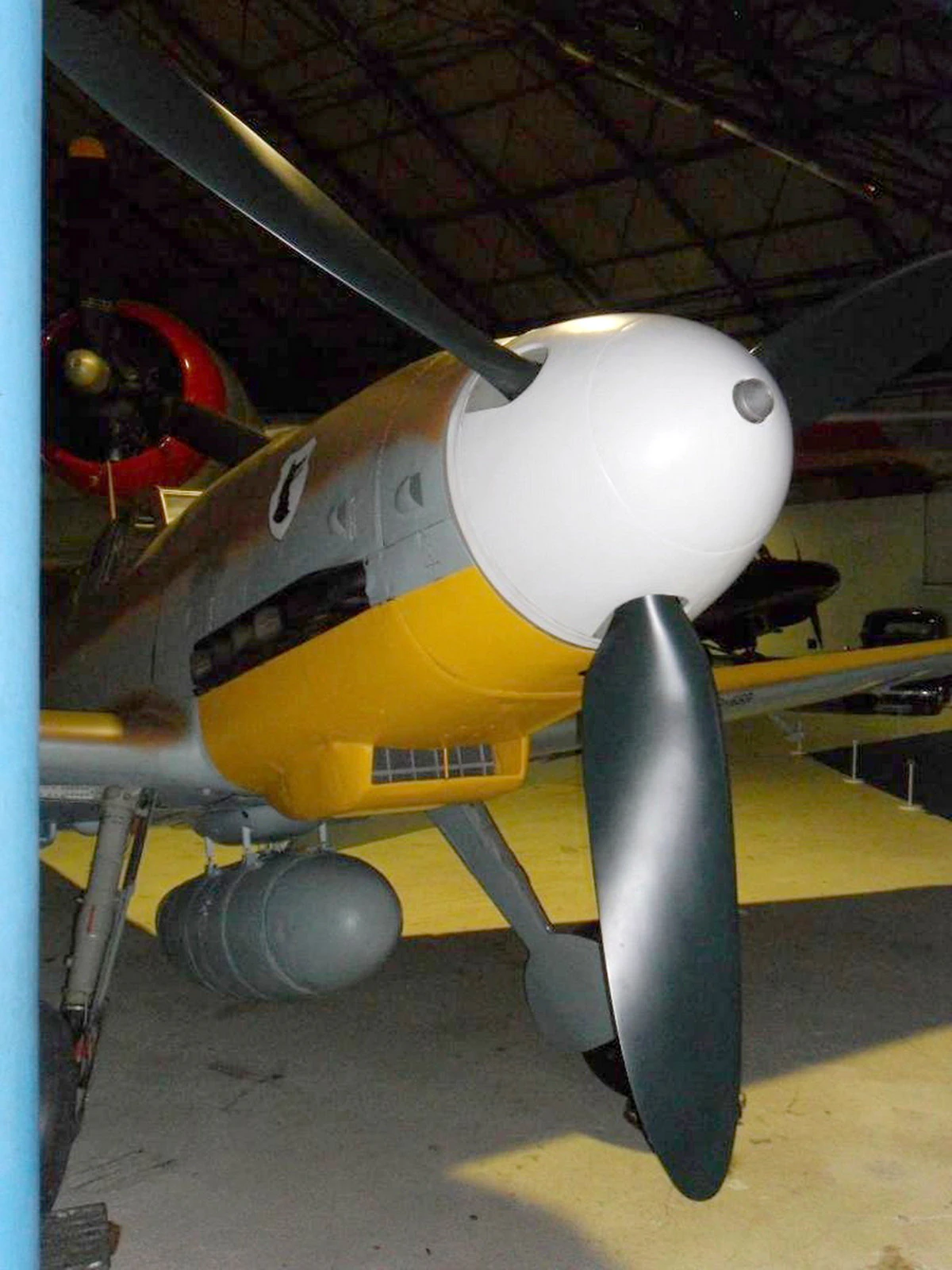
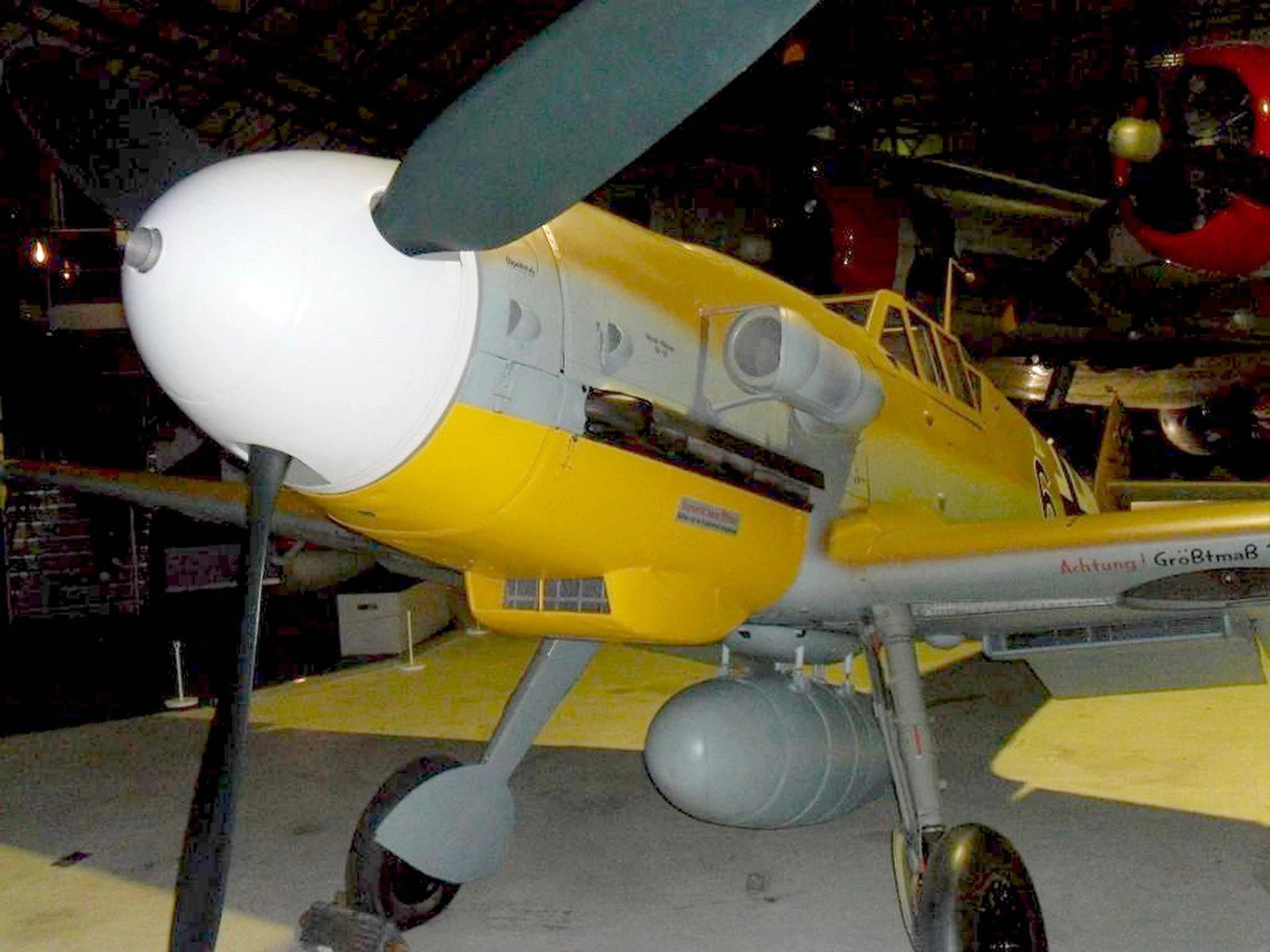

| Bf 109E ウォーク アラウンド | |
|---|---|
| カメラマン | アンドレイ・イスキン |
| ローカライズ | ダックスフォード帝国戦争博物館 |
| 写真 | 42 |
| Messerschmitt Bf.109 G Walk Around | |
|---|---|
| カメラマン | セス・ヘンドリックス |
| ローカライズ | 知りません |
| 写真 | 37 |
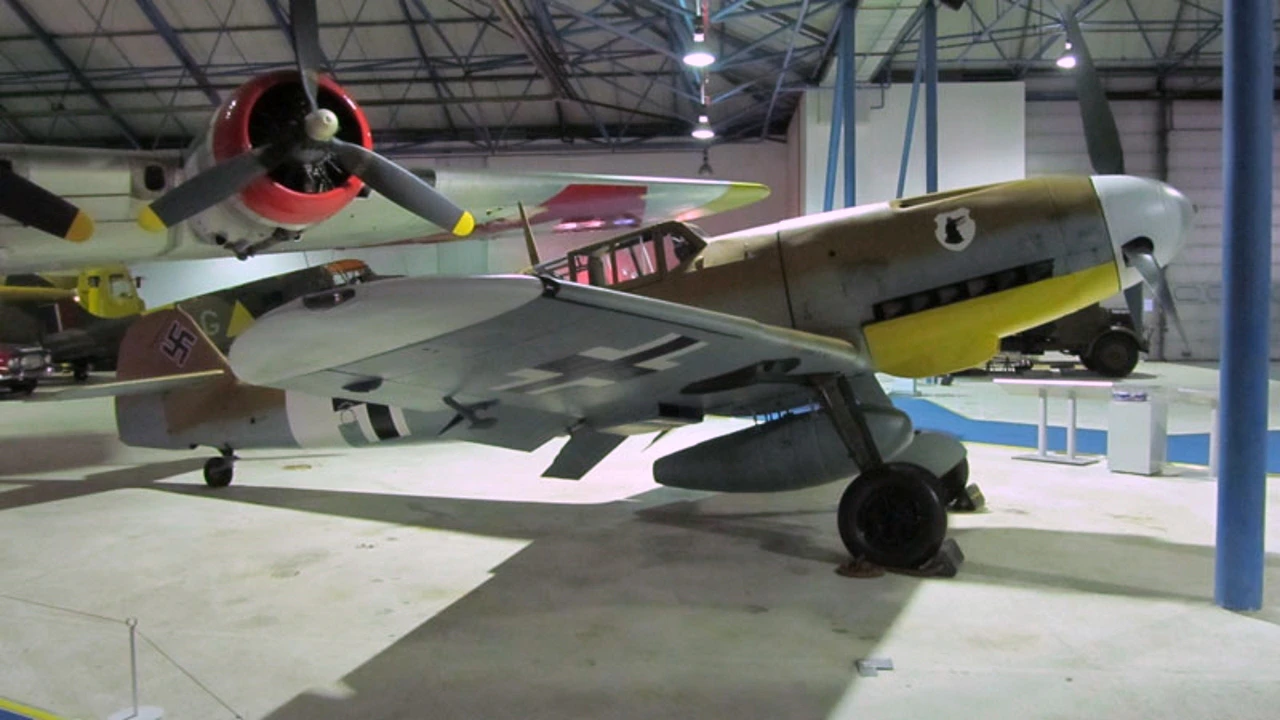
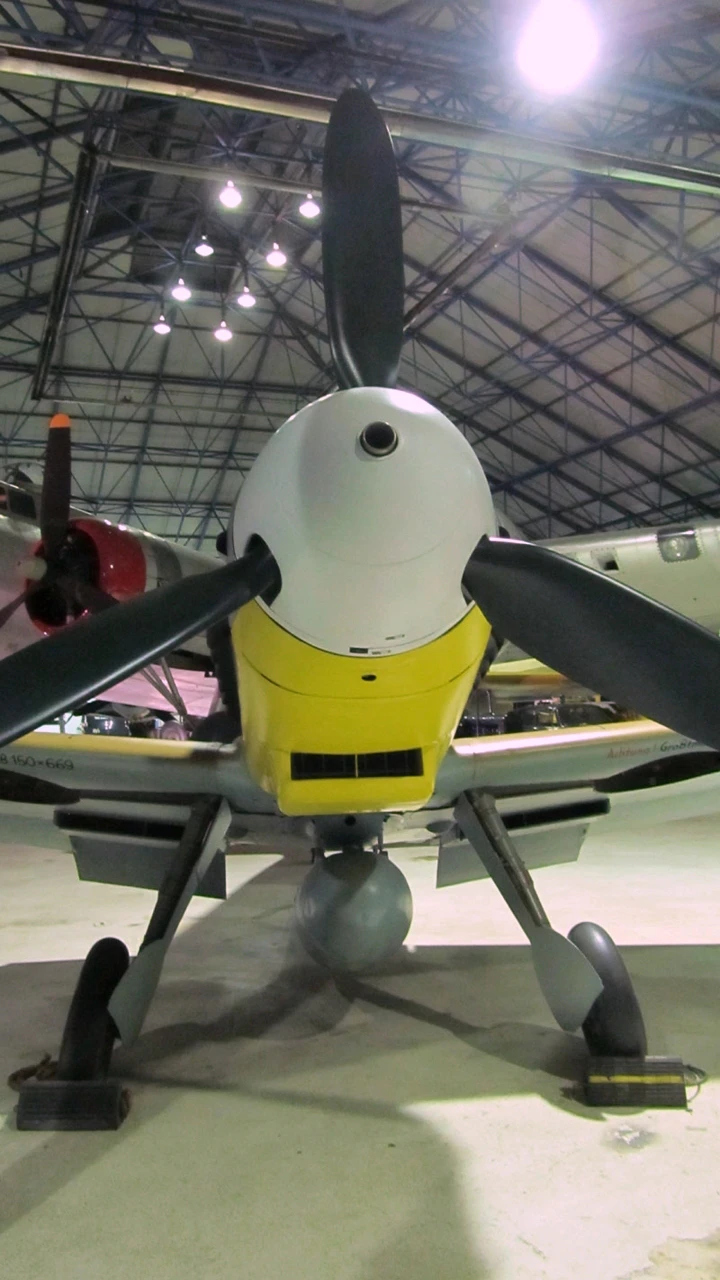
関連項目:


The Standard-Bearer of the Luftwaffe
ザ Bf 109G, or “Gustav,” was the most produced variant of the famous Messerschmitt fighter line, accounting for about 70% of all 109s built. Introduced in 1942, it was designed to handle the increasing weight of heavy armament and armor while fighting at higher altitudes. While the earlier “Friedrich” (Bf 109F) was considered the peak of the 109’s handling, the Gustav was the “brute” that kept the Luftwaffe in the fight against an ever-growing tide of Allied bombers and superior escort fighters.
| Attribute | Technical Specification (Bf 109 G-6) |
|---|---|
| 役割 | High-Altitude Interceptor / Fighter |
| 乗組員 | 1 (Pilot) |
| エンジン | Daimler-Benz DB 605A-1 inverted V12 (1,455 hp) |
| 最高速度 | 640 km/h (398 mph) at 6,300 m |
| Service Ceiling | 12,000 m (39,370 ft) |
| 主砲 | 1 × 20 mm MG 151/20 (engine-mounted) + 2 × 13 mm MG 131 machine guns |
| External Options | Underwing 20 mm cannon pods (Rüstsätze) or rockets |
| Construction | All-metal stressed skin monocoque |
Design Engineering: Power vs. Drag
- The DB 605 Engine: To maintain performance as weight increased, the Gustav used the larger-displacement DB 605. This engine featured an inverted V-layout, which gave the pilot a better view over the nose and allowed for the 20mm cannon to fire through the propeller hub (the Motorkanone).
- The “Beulen” (Bumps): One of the most famous features of the G-6 model was the pair of bulbous fairings in front of the cockpit. These were necessary to house the breeches of the larger 13mm MG 131 machine guns, which had replaced the lighter 7.92mm guns of earlier models.
- Leading-Edge Slats: To compensate for its high wing loading, the 109G retained automatic leading-edge slats. These popped out at low speeds or during sharp turns, providing extra lift and preventing the narrow wings from stalling too early in a dogfight.
- MW 50 and AS Variants: To counter the P-51 Mustang at high altitudes, later Gustavs were fitted with larger superchargers (G-6/AS) or the MW 50 water-methanol injection system, which could boost engine power to nearly 2,000 hp for short bursts.
Operational History: The Ace Maker
- Record-Breaking Stats: The Bf 109G was the mount of the highest-scoring ace in history, Erich Hartmann (352 kills). Most of the Luftwaffe’s top “Experten” scored the majority of their victories in a Gustav on the Eastern Front.
- The “Wild Boar” (Wilde Sau): As Allied bombing intensified, the Gustav was used in nighttime “Wilde Sau” tactics, where single-seat day fighters would hunt bombers over burning German cities, guided by the light of the fires below.
- Weight and Complexity: By 1944, the Gustav had become heavy and difficult to fly for novice pilots. Its narrow landing gear—always a weakness of the 109—led to thousands of accidents on the ground, especially as the airframes were pushed to their limits with heavy underwing cannon pods.
- International Reach: The G-series was exported to Finland, Hungary, Romania, and Italy. The Finnish “Mersu” pilots, in particular, used the Gustav with incredible efficiency to halt Soviet air offensives in 1944.
ビュー : 6945
また、次の項目もご覧ください。
 Messerschmitt Me-108 Taifun – Photos & Video
 Messerschmitt Bf 110 – Photos & Video
 Messerschmitt Me 262 – Photos & Video
 Messerschmitt Me208 – Photos & Video
 HA-1112-M1L ブション - 歩き回る
 メッサーシュミットミー163B - ウォークアラウンド
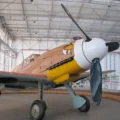 メッサーシュミットBf 109G-2 – 歩き回る
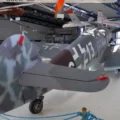 メッサーシュミットBf 109G-6 – 歩き回る
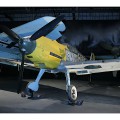 メッサーシュミットMe-109E – 歩き回る
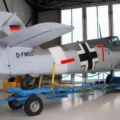 メッサーシュミットBf 109G-4ロット7 - 歩き回る