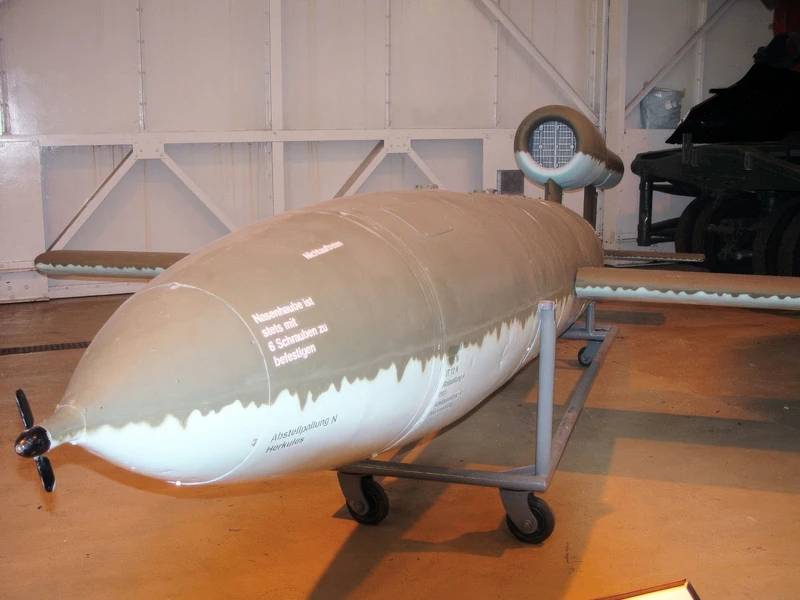
V-1 flying bomb | |
|---|---|
| Ország | Náci Németország |
| Szerepet | Cirkáló rakéta |
| Szolgálatban | 1944–1945 |
| Beépített | Ismeretlen |
A V-1 repülő bomba (németül: Vergeltungswaffe 1 "Vengeance Weapon 1)" – más néven buzz bomb vagy doodlebug, Németországban Kirschkern (cseresznyekő) vagy Maikäfer (májusbogár), valamint hivatalos RLM repülőgép-jelölése szerint Fi 103 egy korai cirkálórakéta volt, és az egyetlen sorozatgyártású repülőgép, amely impulzussugarat használt az áramellátáshoz.
Forrás: V-1 repülő bomba a Wikipédián
| Fieseler Fi 103 V-1 ‘Buzz Bomb’ Walk Around | |
|---|---|
| Fotós | Benolkin Mihály |
| Lokalizáció | Ismeretlen |
| Fénykép | 41 |
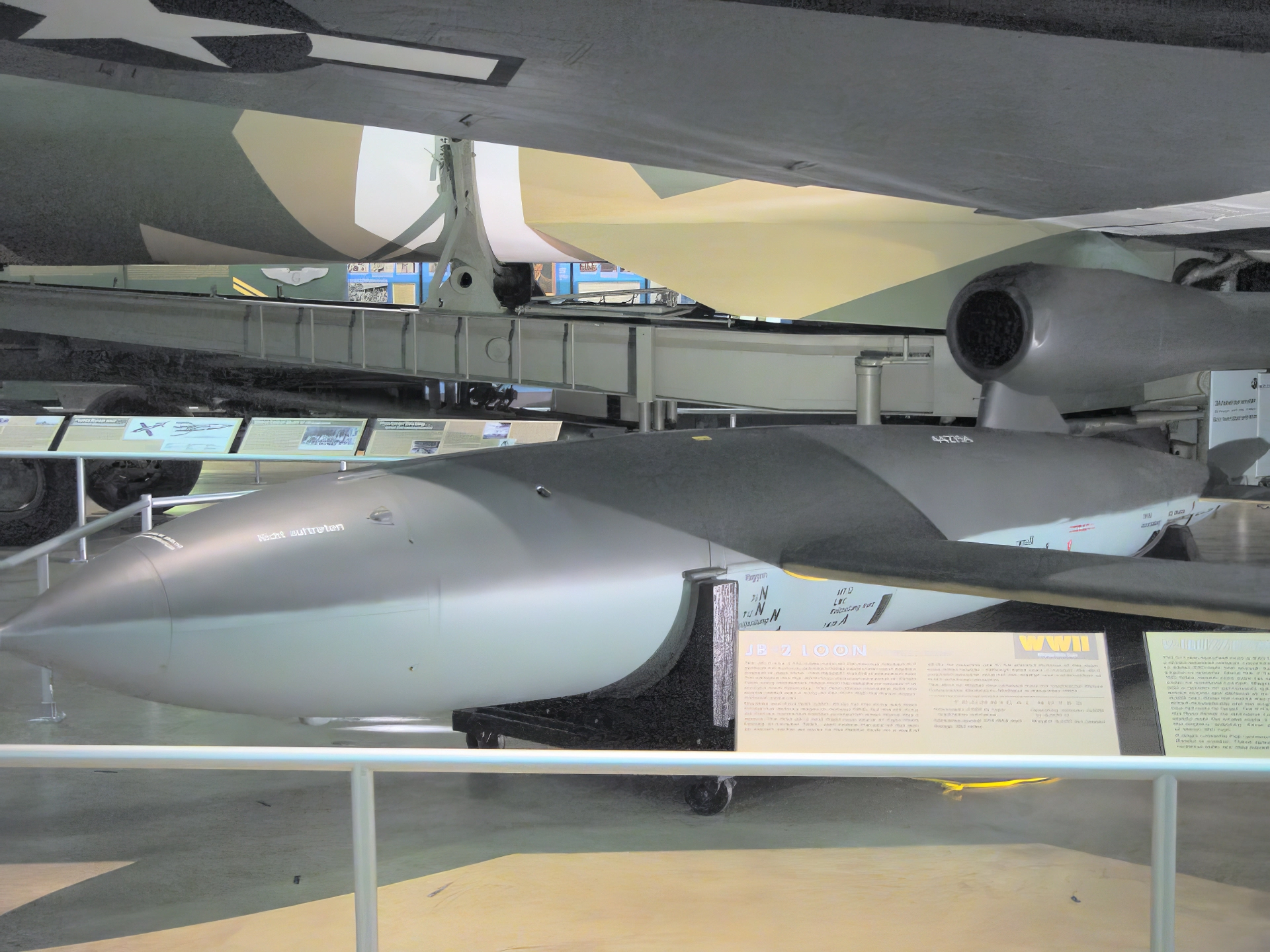
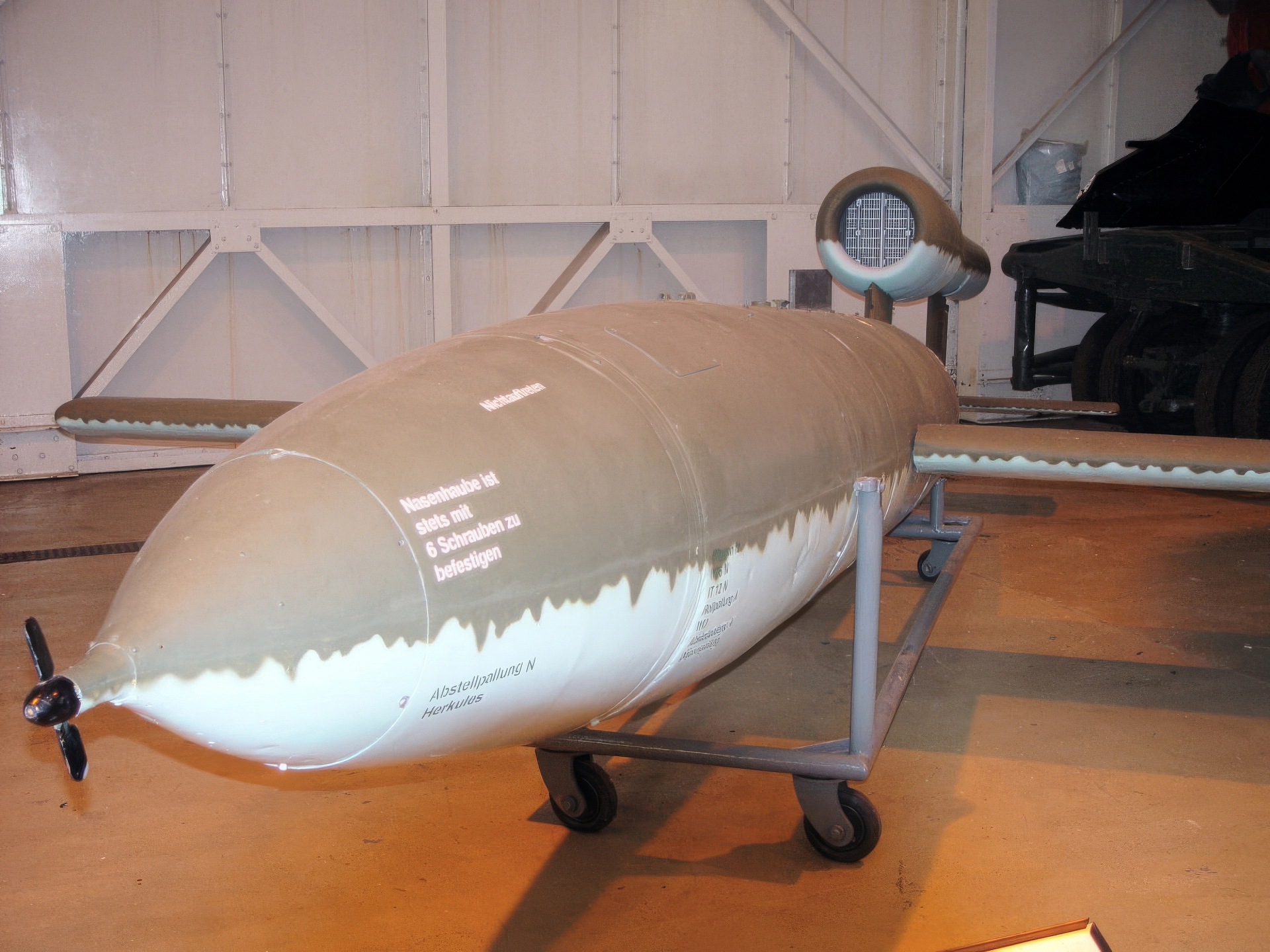
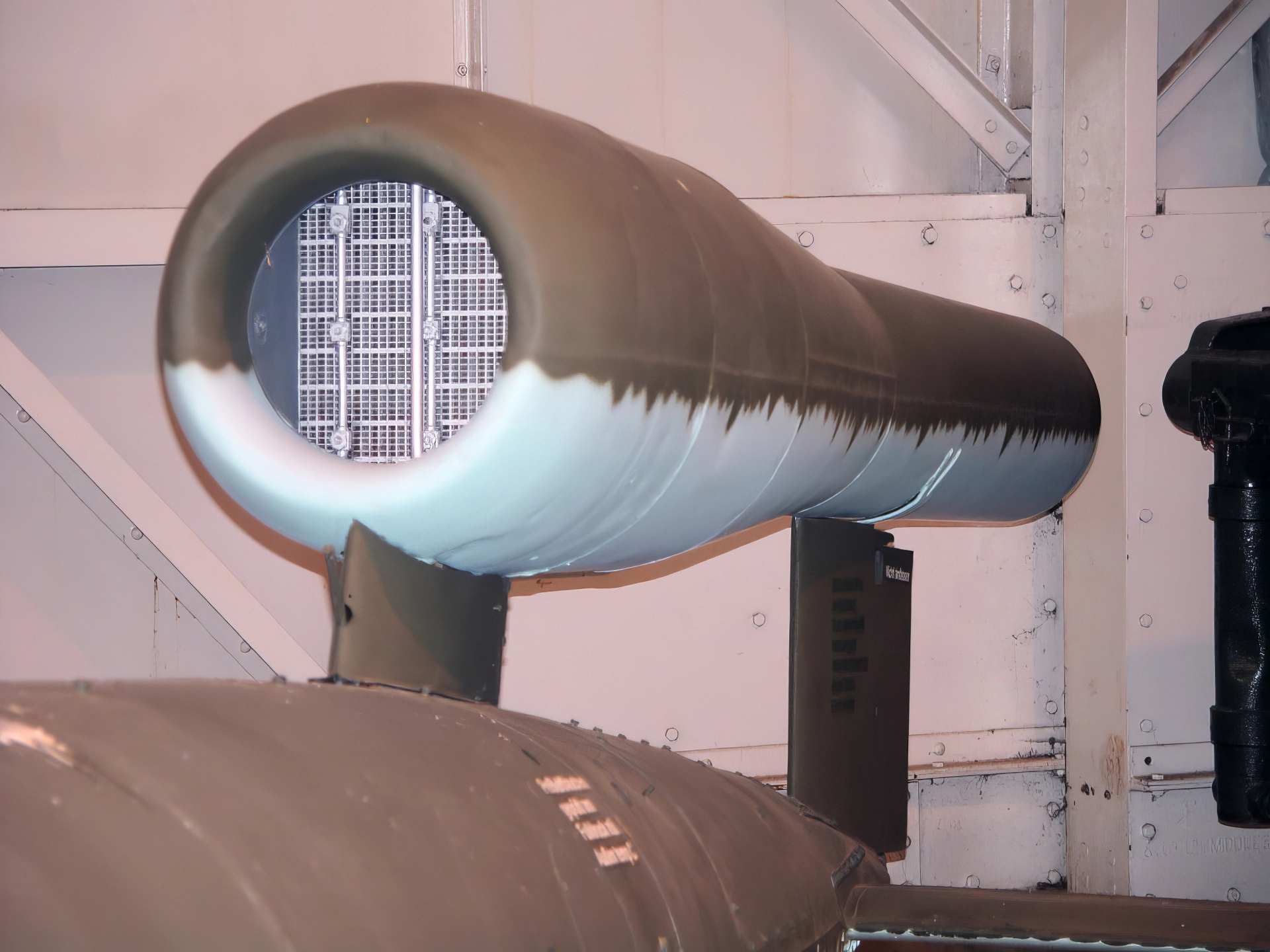
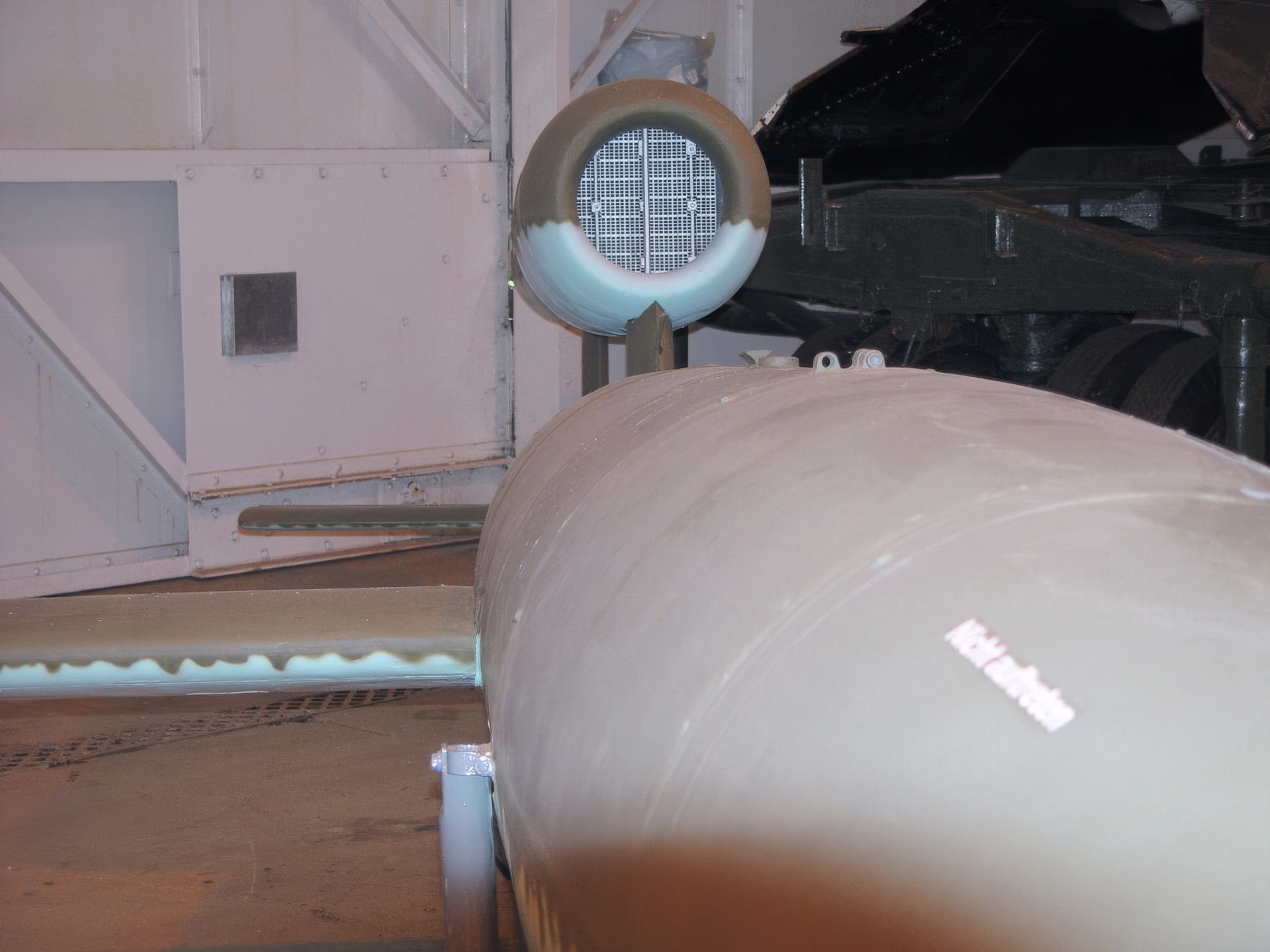
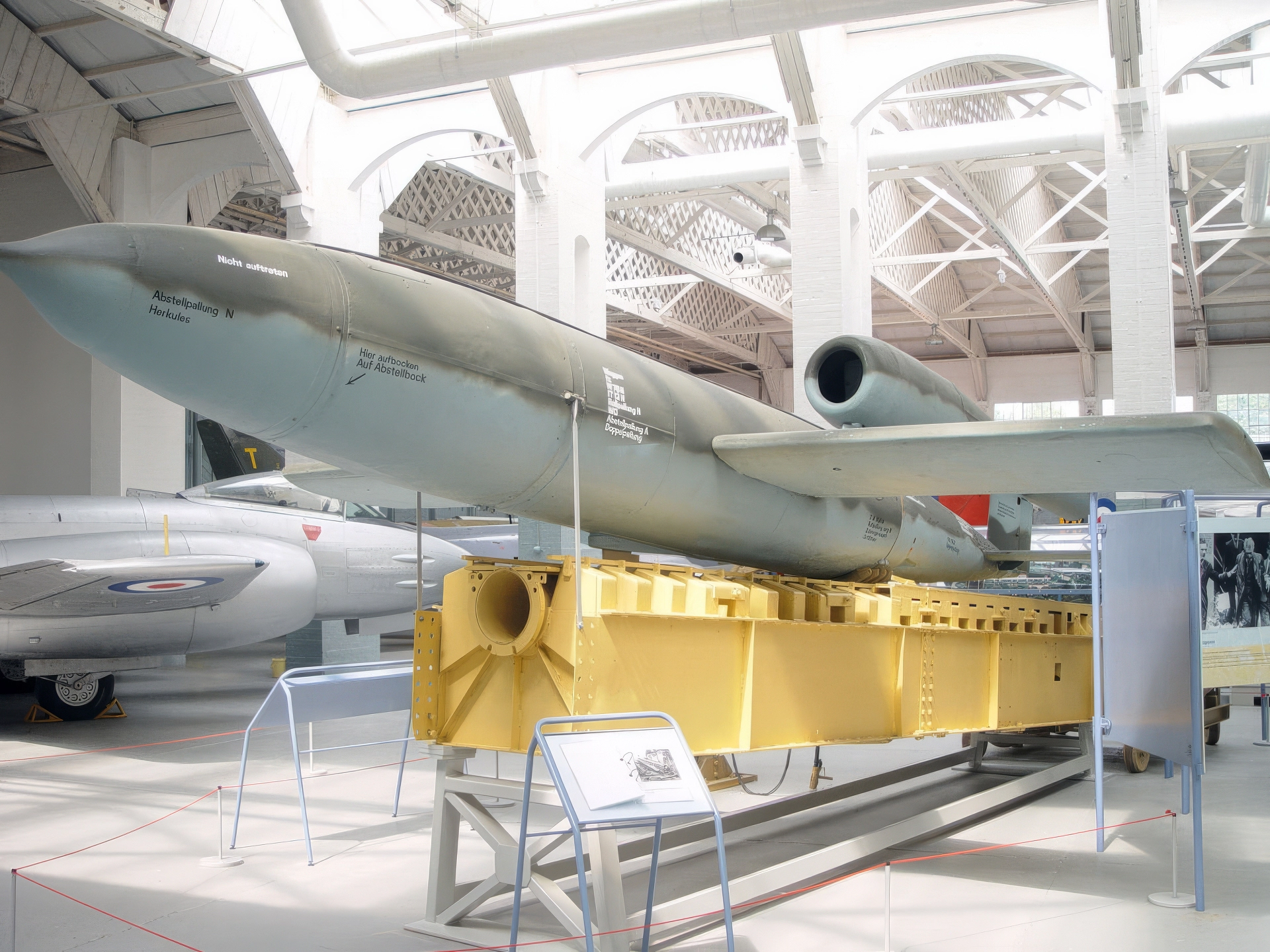
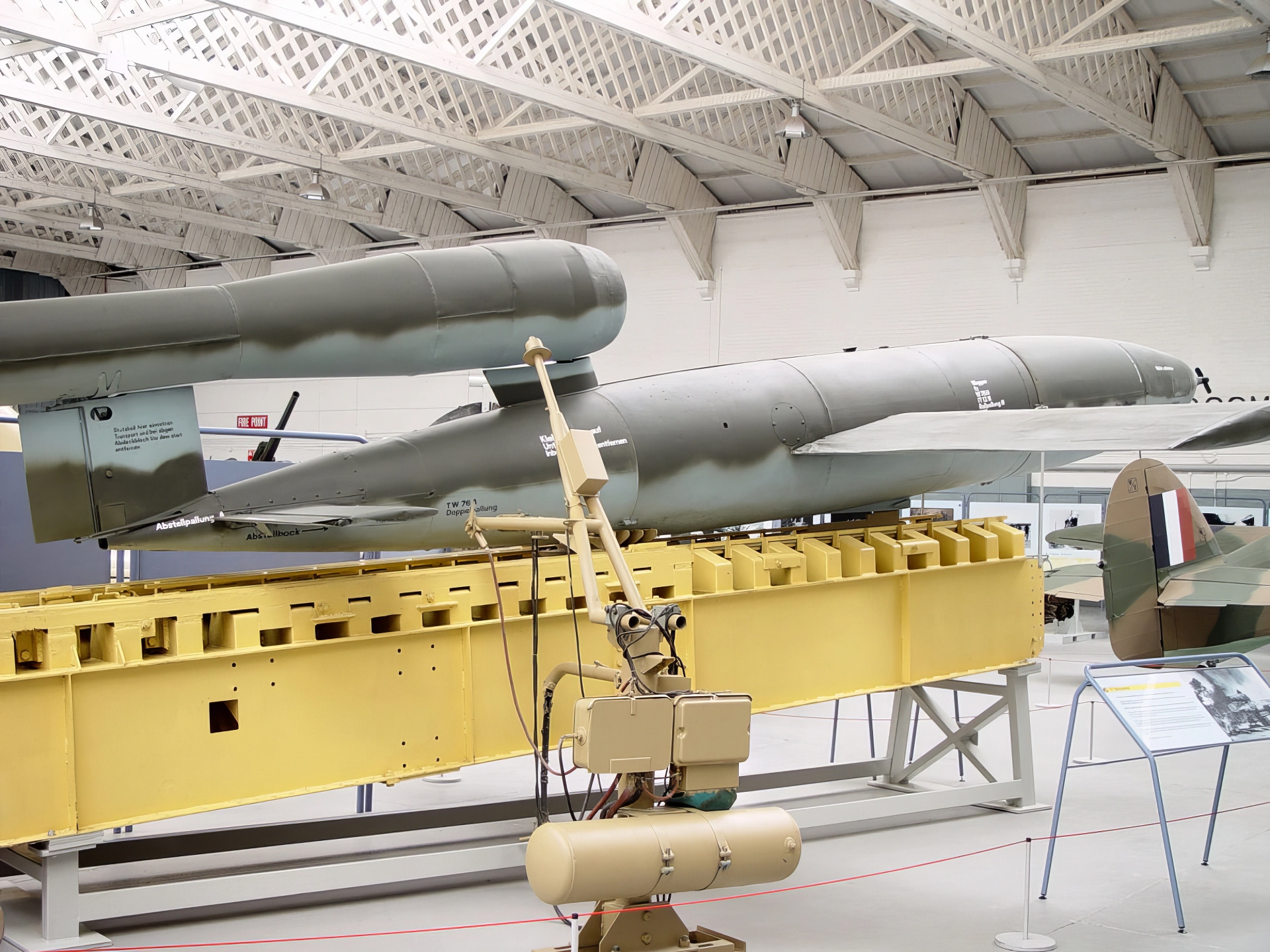
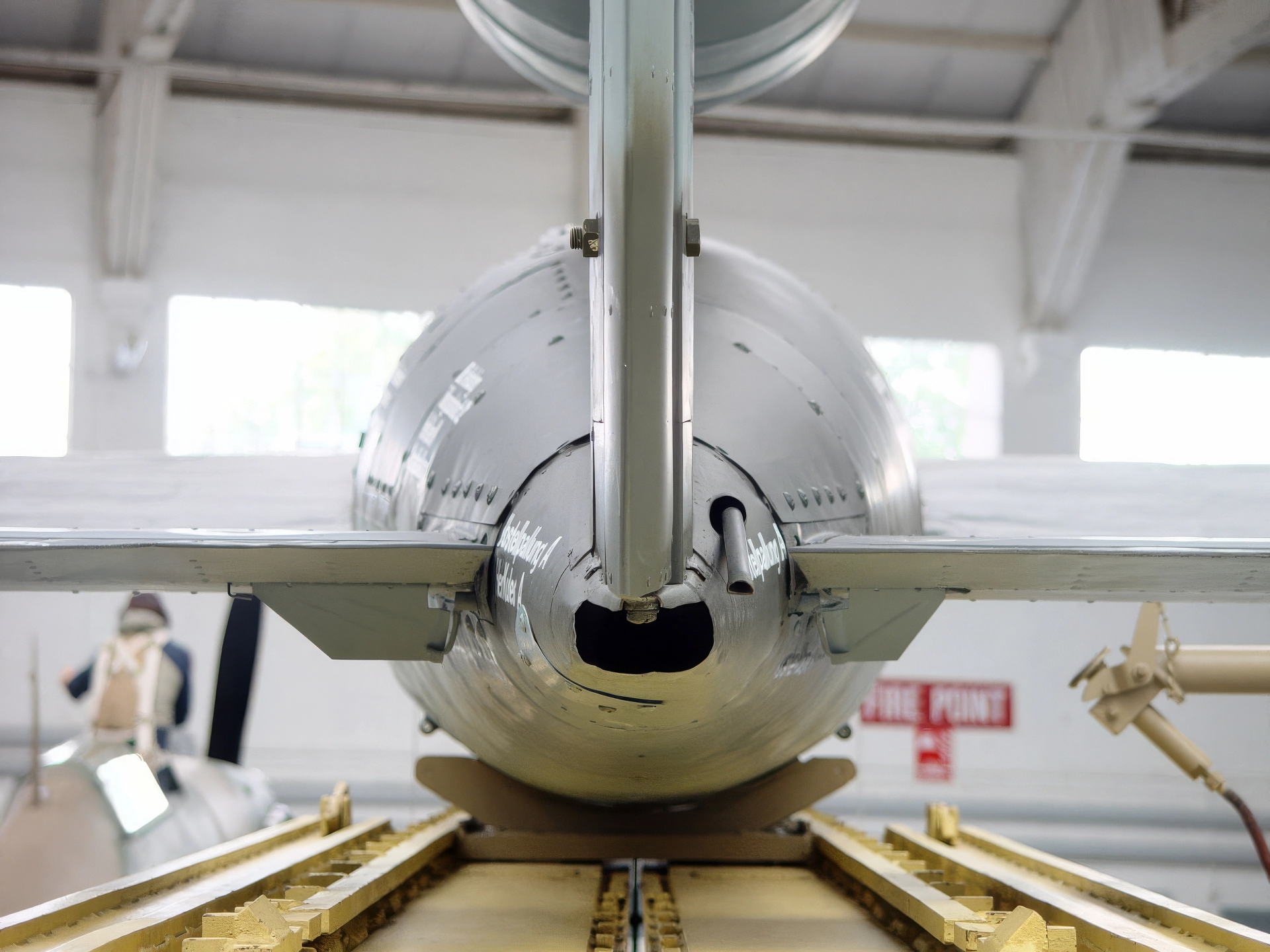
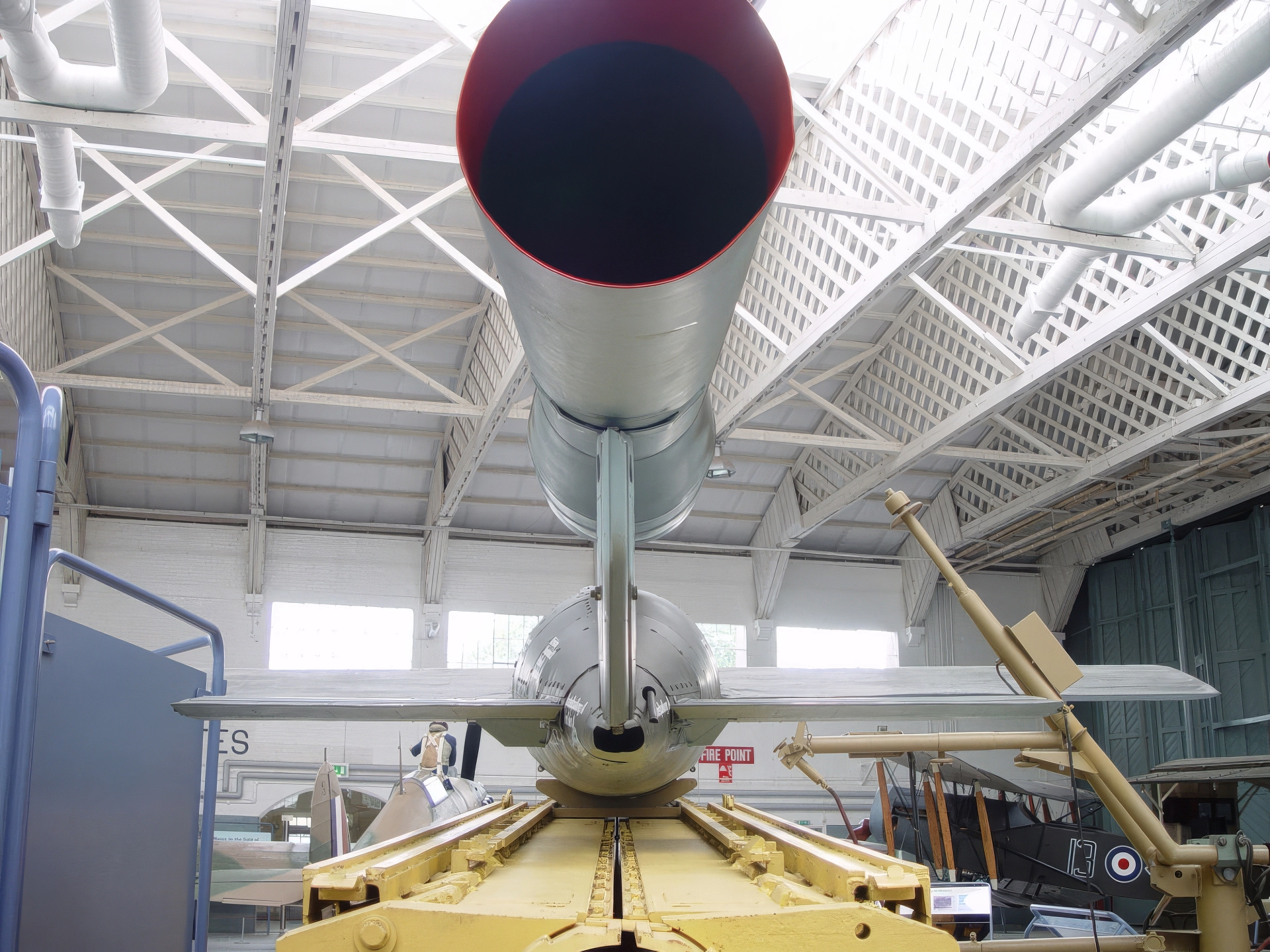
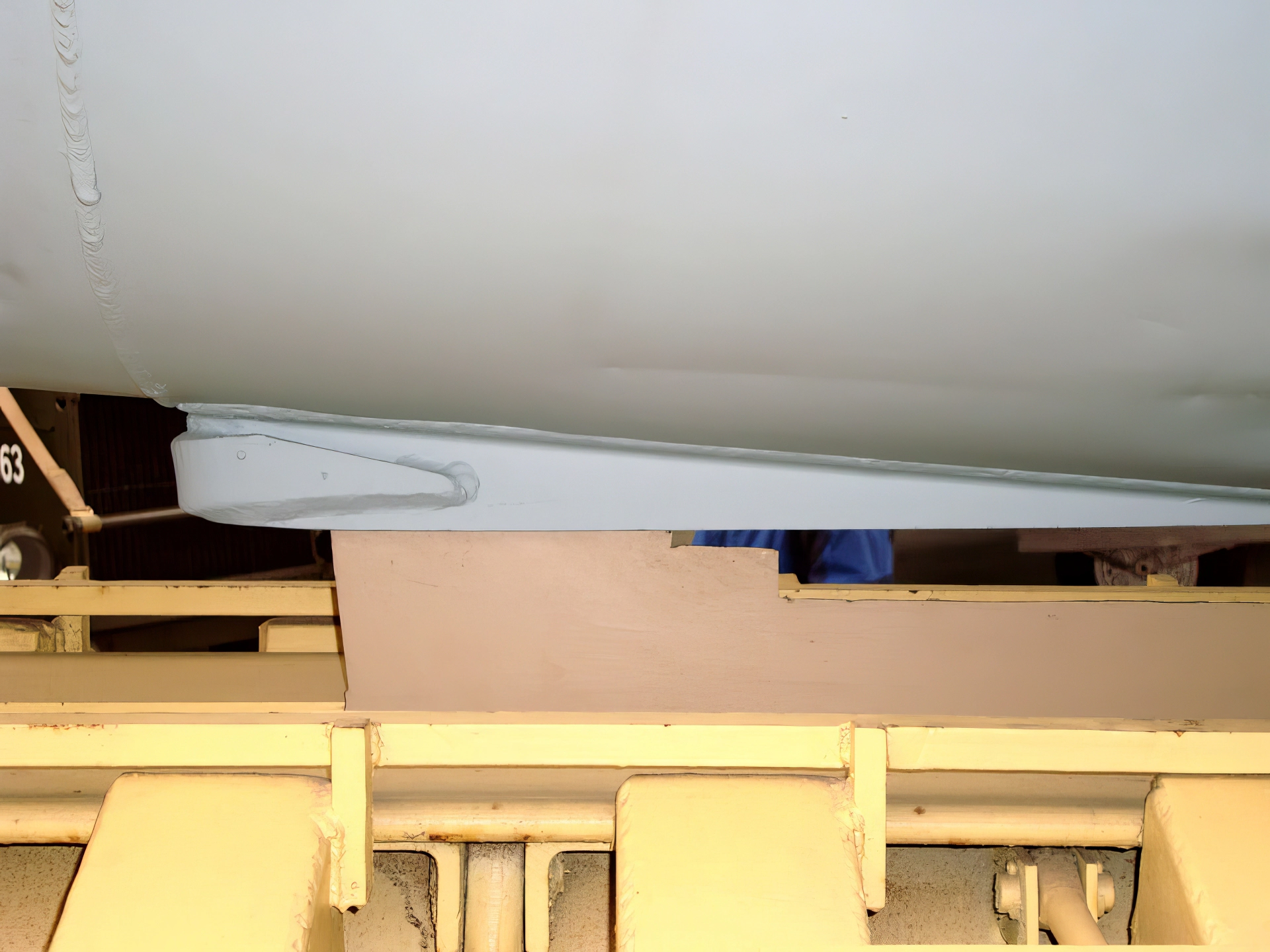

| Fieseler Fi 103 V1 Rreichenberg gerat Walk Around | |
|---|---|
| Fotós | Unknow |
| Lokalizáció | Ismeretlen |
| Fénykép | 14 |
Lásd még:


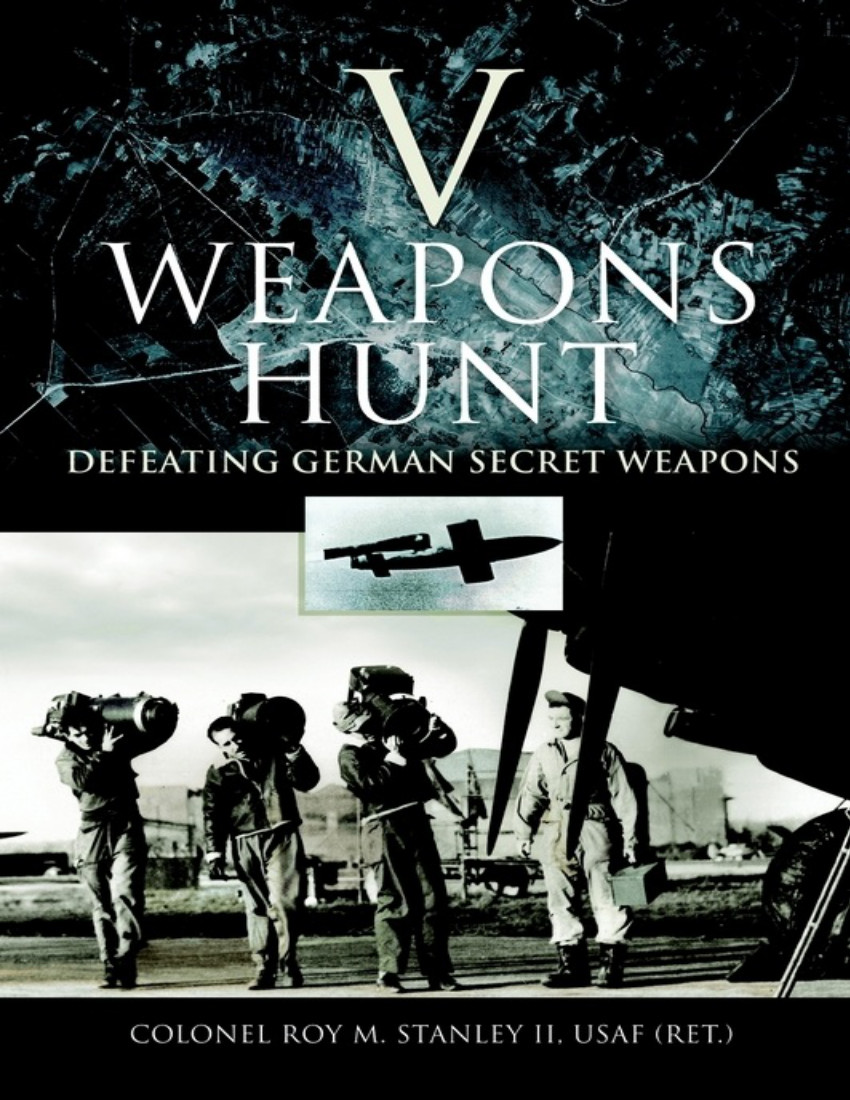
General Characteristics and Role
The Fieseler Fi 103, better known by the Nazi propaganda name Vergeltungswaffe Eins (“Vengeance Weapon 1”) or V-1, was the world’s first operational cruise missile. Developed by Germany during World War II, it was a pilotless aircraft powered by a simple pulsejet engine, which produced a distinctive loud, sputtering sound that earned it the nickname “Buzz Bomb” or “Doodlebug” from the British. The V-1’s primary purpose was to be launched against large target areas, particularly London and later Antwerp, as a terror weapon in response to Allied bombing raids on Germany. Though highly inaccurate, its deployment marked a significant step in missile technology.
| Property | Typical Value |
|---|---|
| Szerepet | Unmanned Surface-to-Surface Cruise Missile / Terror Weapon |
| National Origin | Náci Németország |
| Gyártó | Gerhard Fieseler Werke |
| Service Entry | 13 June 1944 |
| Legénység | 0 (Unmanned) |
| Launch Weight | Approx. 2,150–2,250 kg (4,740–4,960 lb) |
| Hossza | 7.7–8.32 m (25 ft 3 in – 27 ft 3 in) |
| Szárnyfesztávolsága | 5.37 m (17 ft 7 in) |
| Production Total | Approx. 30,000 built |
Powerplant and Performance
- Engine: One Argus As 109-014 Pulsejet impulse duct engine.
- Thrust: Approx. 300 kgf (660 lbf).
- Fuel: Gasoline (propelled by compressed air rather than a fuel pump).
- Maximum Speed: 640–650 km/h (400–405 mph).
- Note: This relatively low speed allowed it to be intercepted by fast fighter aircraft like the Hawker Tempest and Spitfire.
- Operational Range: Approx. 240–330 km (150–205 mi).
- Service Ceiling: Approx. 600–900 m (2,000–3,000 ft).
- Launch Method: Primarily launched from inclined ground-based ramps using a steam catapult (Walter Catapult), or air-launched from Heinkel He 111 bombers.
Guidance and Warhead
- Guidance System: Simple gyrocompass-based autopilot (Askania) for directional stability and a pre-set air log/propeller counter.
- Targeting Mechanism: Distance was controlled by a small nose-mounted propeller which, after a set number of rotations, would trigger a mechanism to cut the fuel supply and cause the missile to dive onto its target.
- Warhead: High-explosive Amatol 39 or Trialen.
- Warhead Weight: Approx. 850 kg (1,870 lb).
- Inaccuracy: The crude guidance system meant the V-1 was inaccurate, limiting its use to large population centers.
- Variant: The Fieseler Fi 103R Reichenberg was a late-war manned version intended for suicide missions, though never operationally deployed.
Megtekintések : 2864
Láthatjuk azt is:
 Bristol Bloodhound – Fotók és videók
 9K33 Osa - Fotók és videók
 Northrop JB-1 denevér – Fotók és videók
 Republic-Ford JB-2 – Fotók és videók
 MIM-3 Nike Ajax – Fotók és videó
 IT-1 rakétatartály – Fotók & Videó
 V-2 rakéta – Fotók & videó
 Tracked Rapier – Fotók & videó
 SA-6 Gainful – Fotók és videó
 M1167 vontató – WalkAround