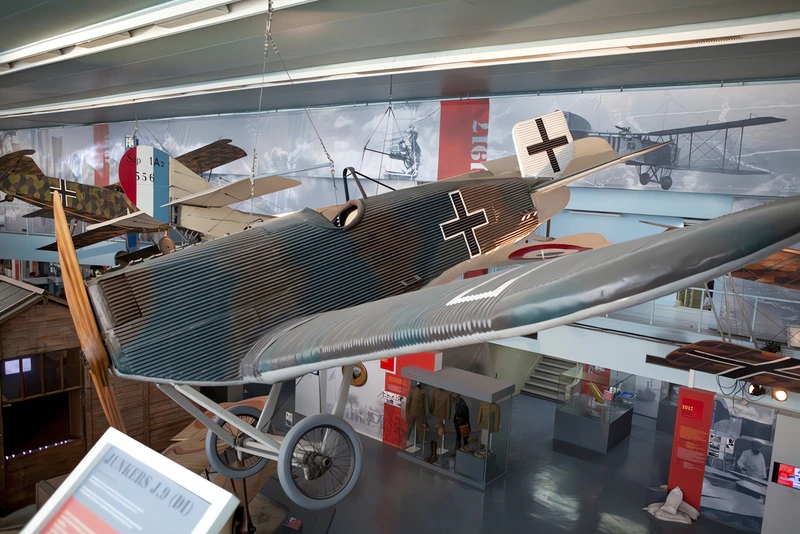
Junkers D.I | |
|---|---|
| Pays | Germany |
| Rôle | Combattant |
| Premier vol | 17 septembre 1917 |
| Construit | 41 |
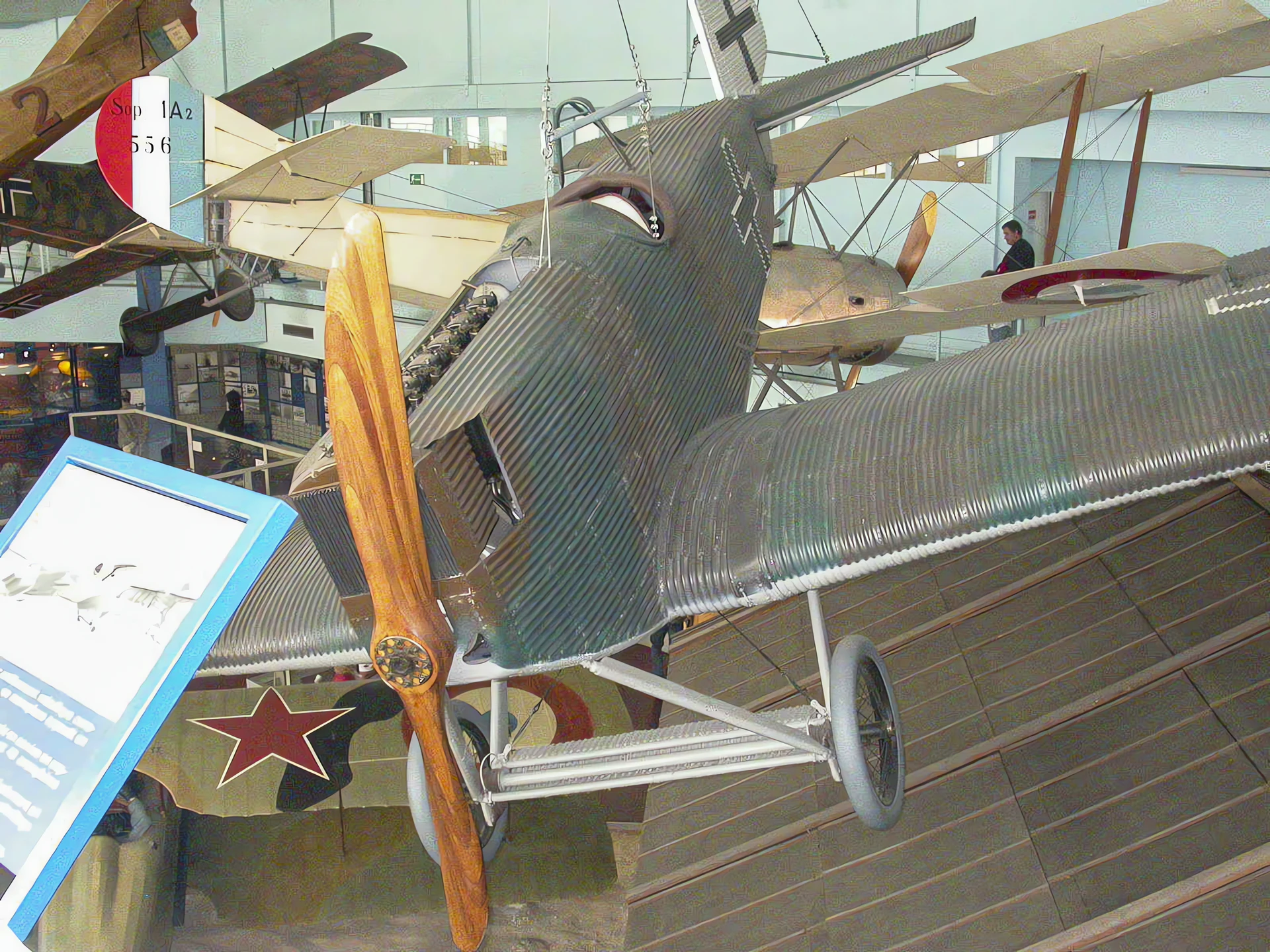
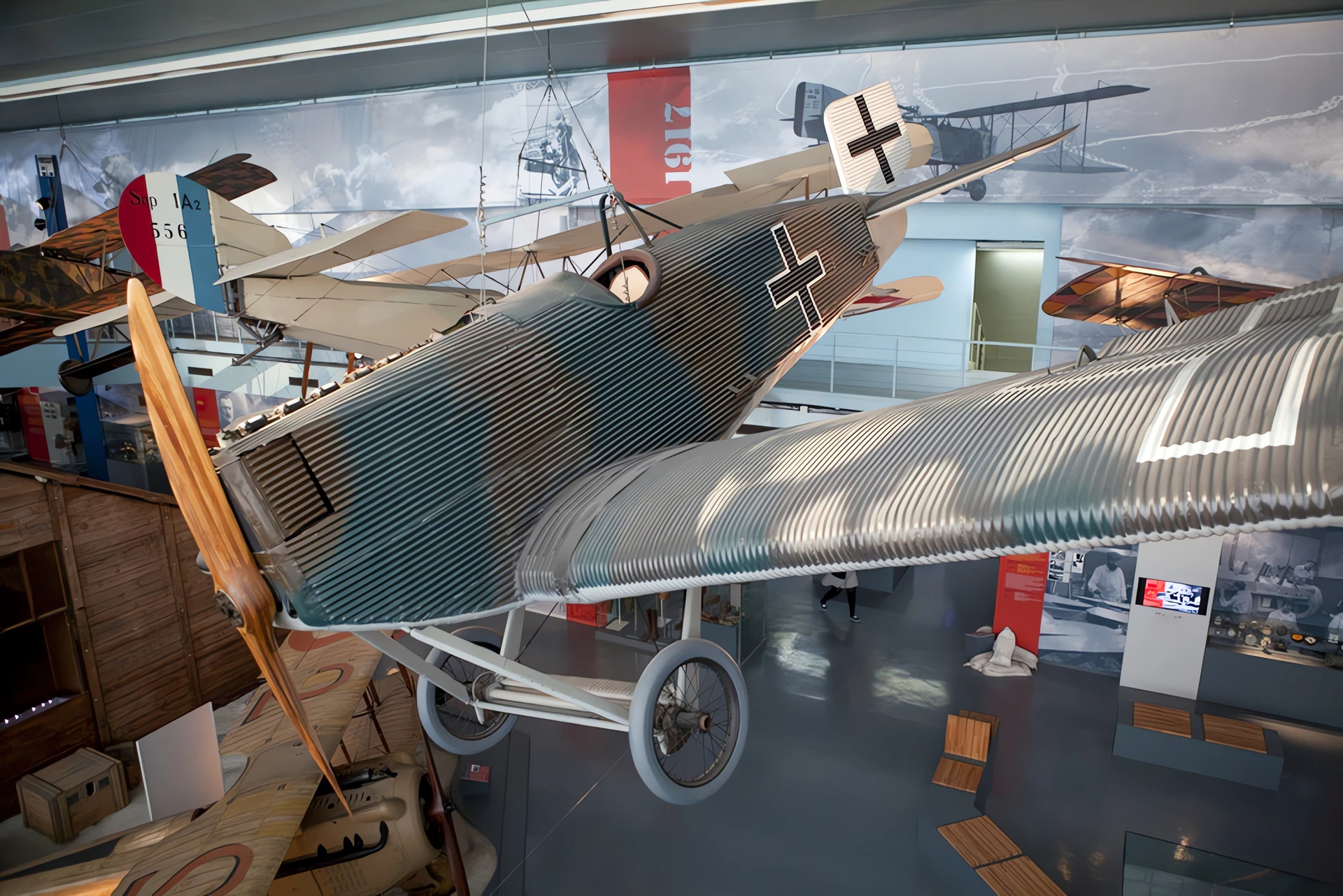
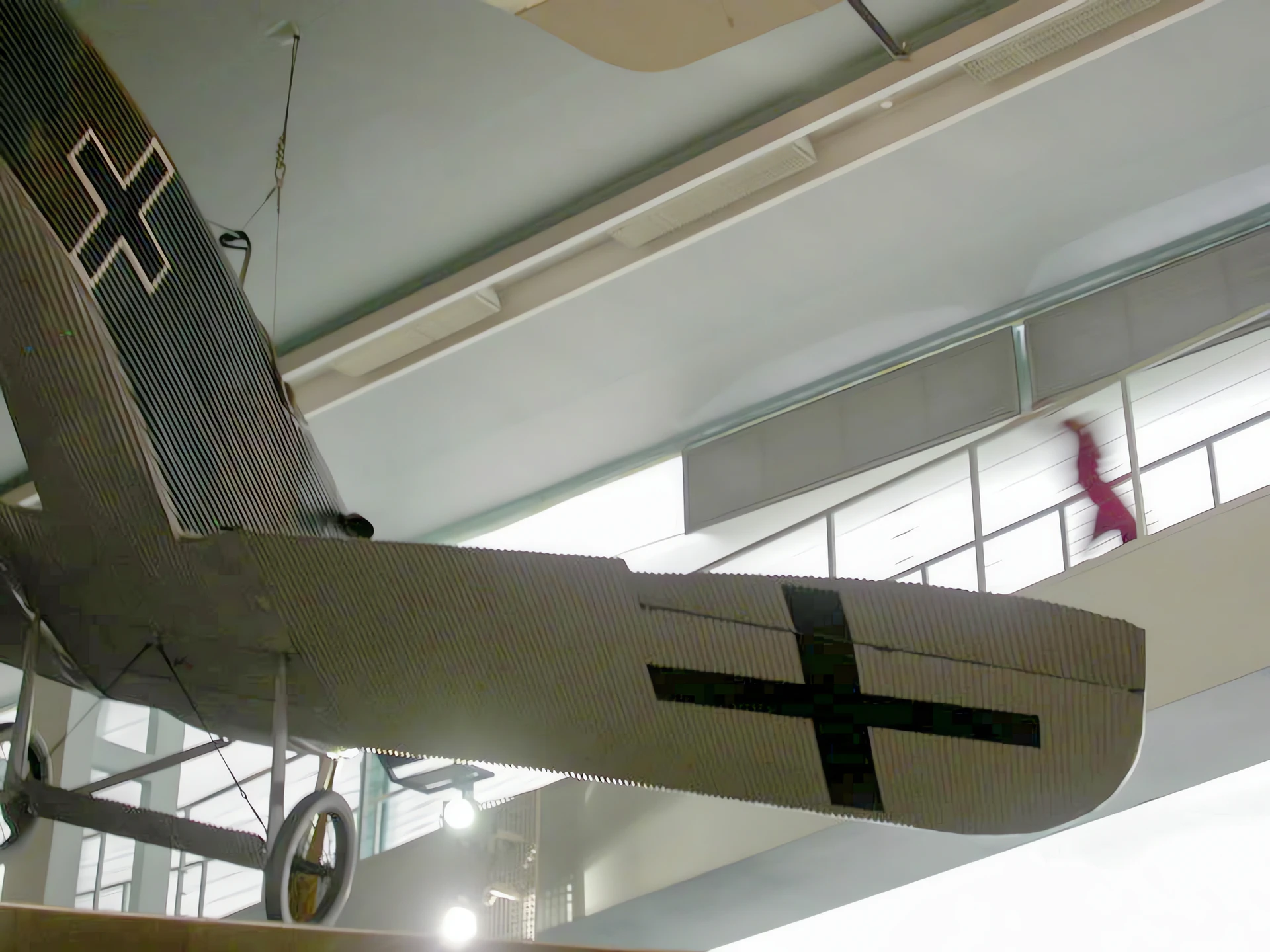
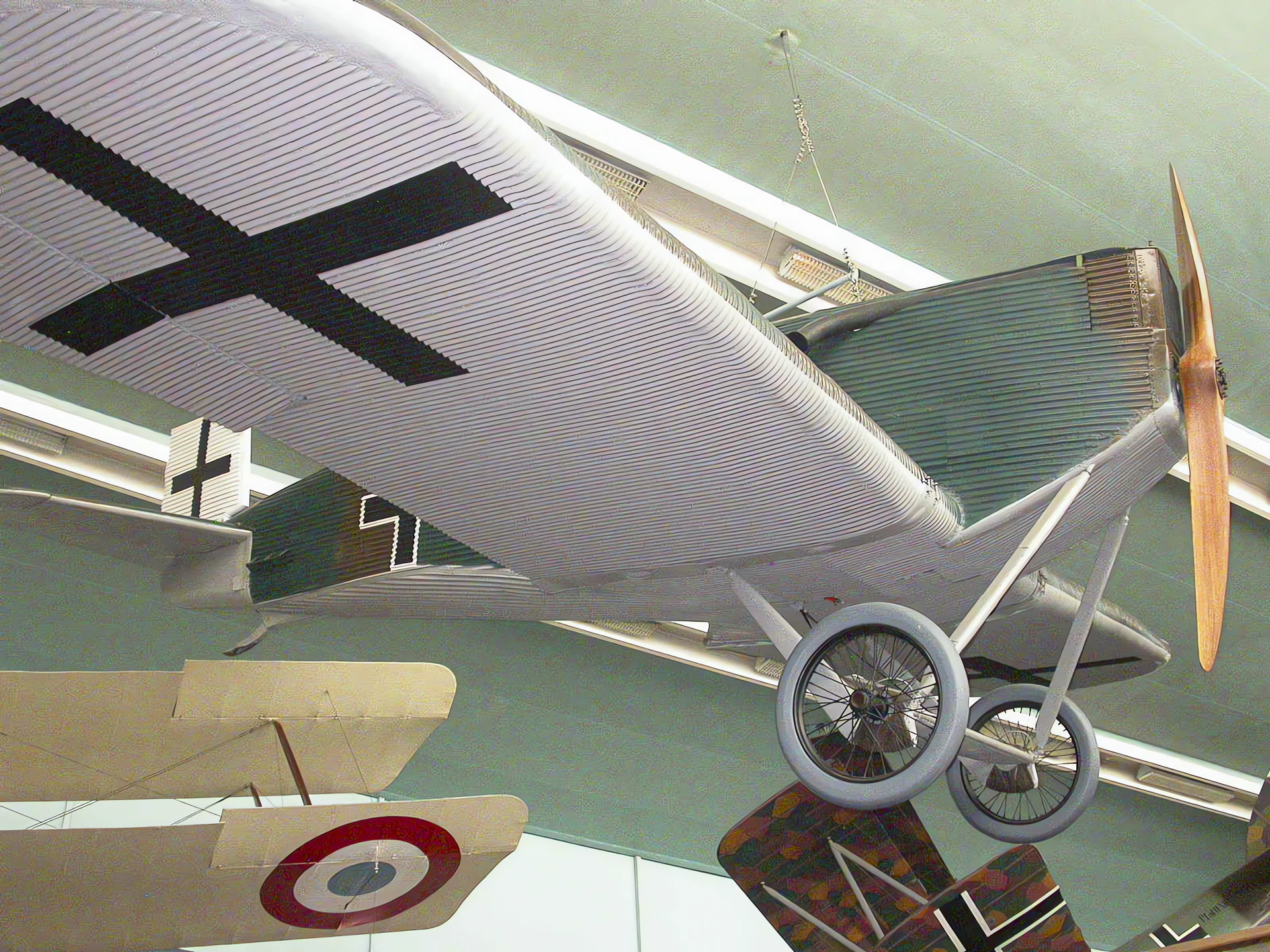
Lla Junkers D.I (désignation d’usine J 9) était un avion de chasse monoplan produit en Allemagne à la fin de la Première Guerre mondiale, important pour devenir le premier chasseur entièrement métallique à entrer en service. Le prototype, une entreprise privée de Junkers nommée J 7, a volé pour la première fois le 17 septembre 1917, passant par près d’une demi-douzaine de changements de détail dans sa conception au cours de ses tests. Lorsqu’il a été présenté à l’Idflieg au début de l’année suivante, il s’est avéré suffisamment impressionnant pour donner lieu à une commande de trois avions supplémentaires pour les essais. Les modifications apportées par Junkers ont été suffisamment importantes pour que la firme renomme l’exemplaire suivant le J 9, qui a été fourni à l’Idflieg au lieu des trois J 7 commandés.
Source: Junkers D.I sur Wikipedia
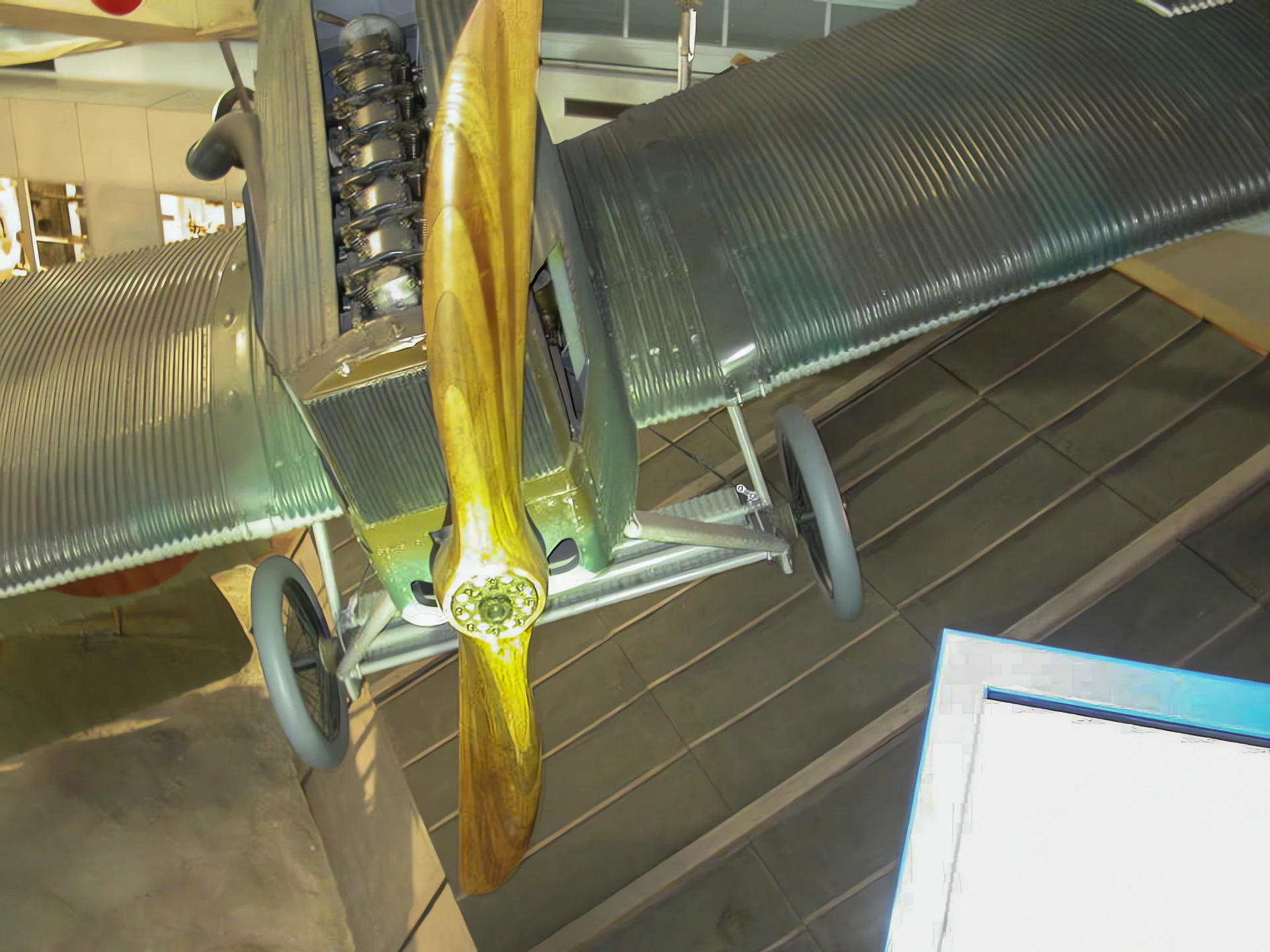
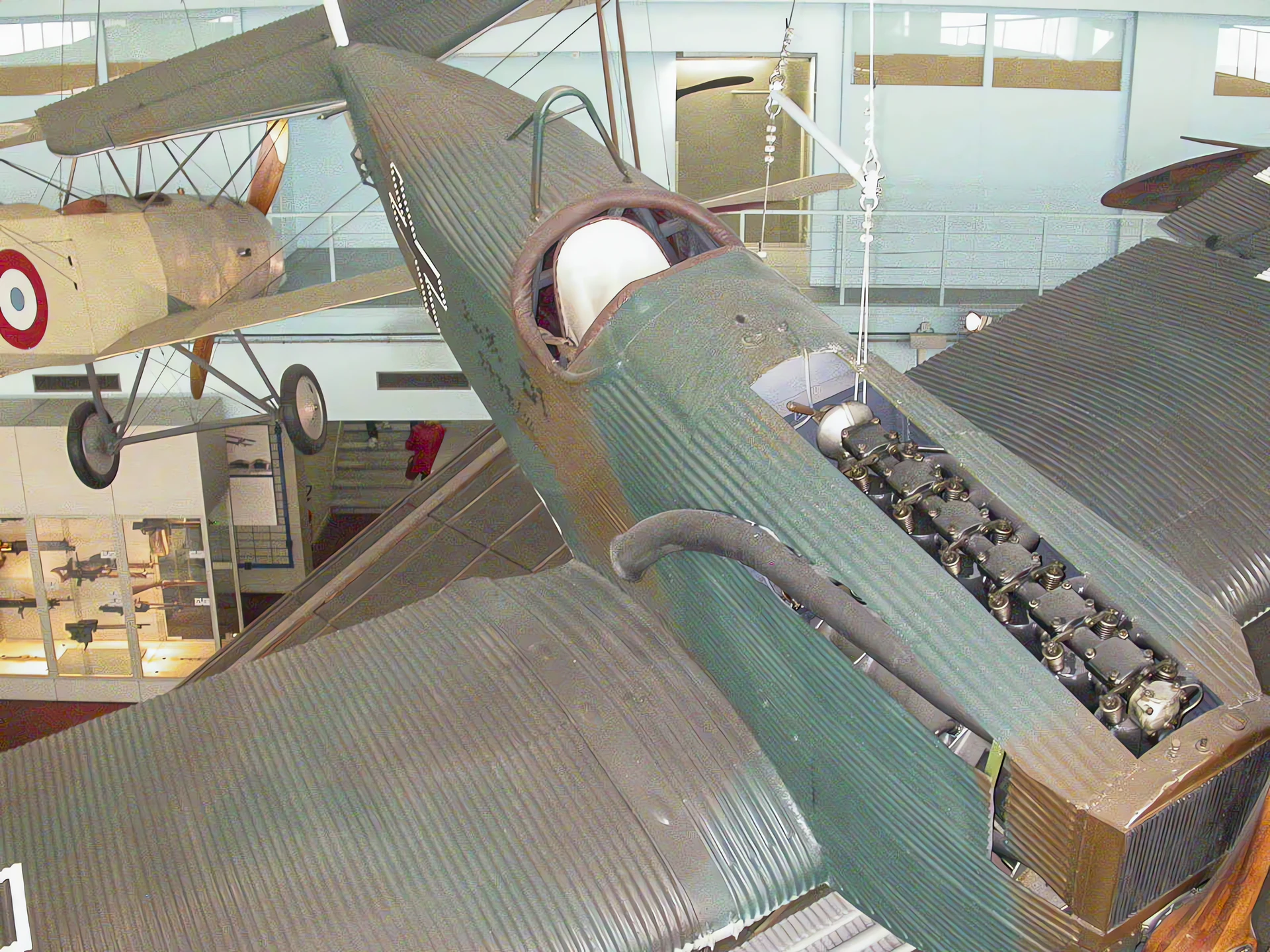
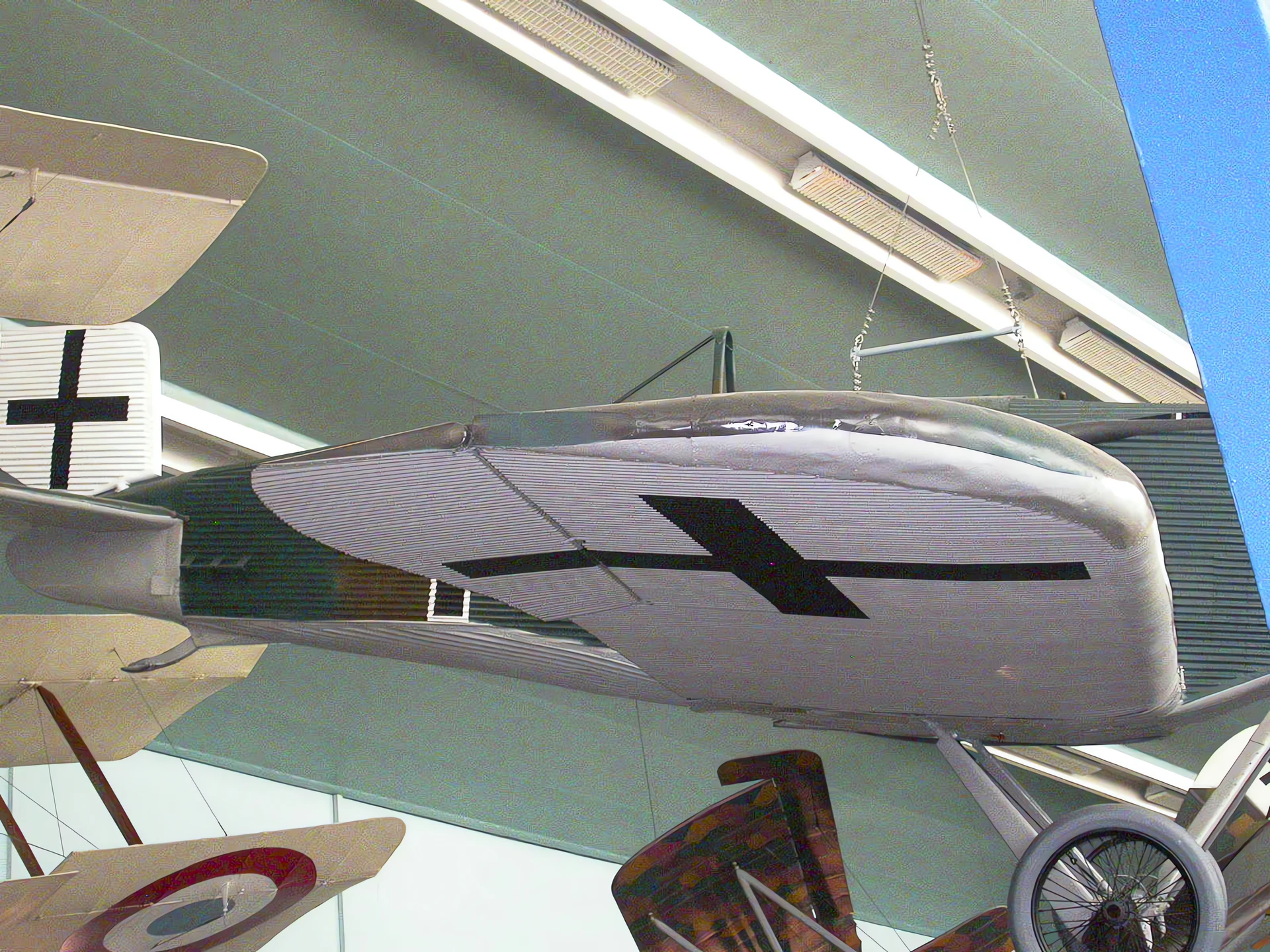
| Junker J9 D1 Walk Around | |
|---|---|
| Photographe | Unknow |
| Localisation | Inconnu |
| Photos | 22 |


Voir aussi :


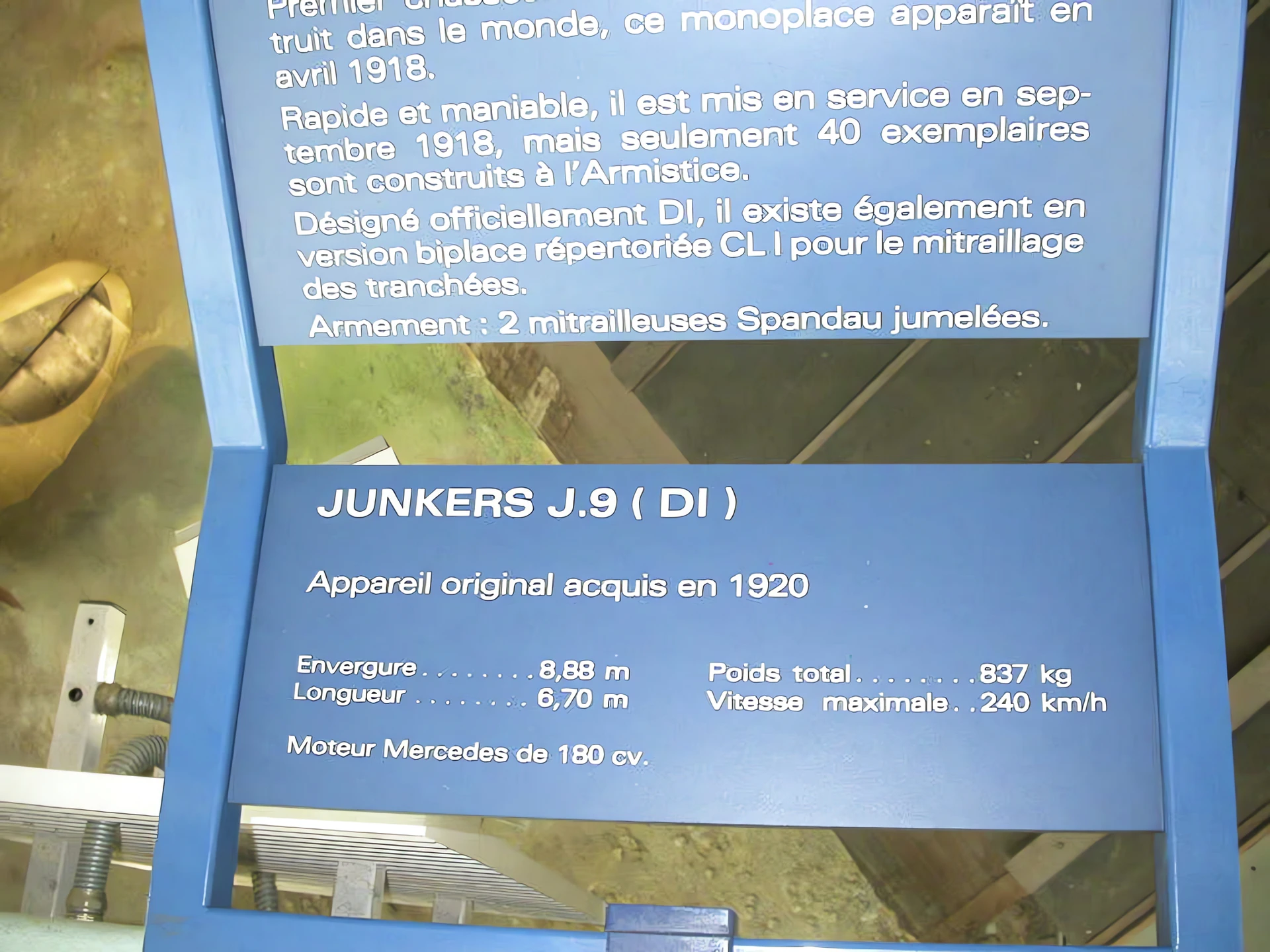
General Characteristics
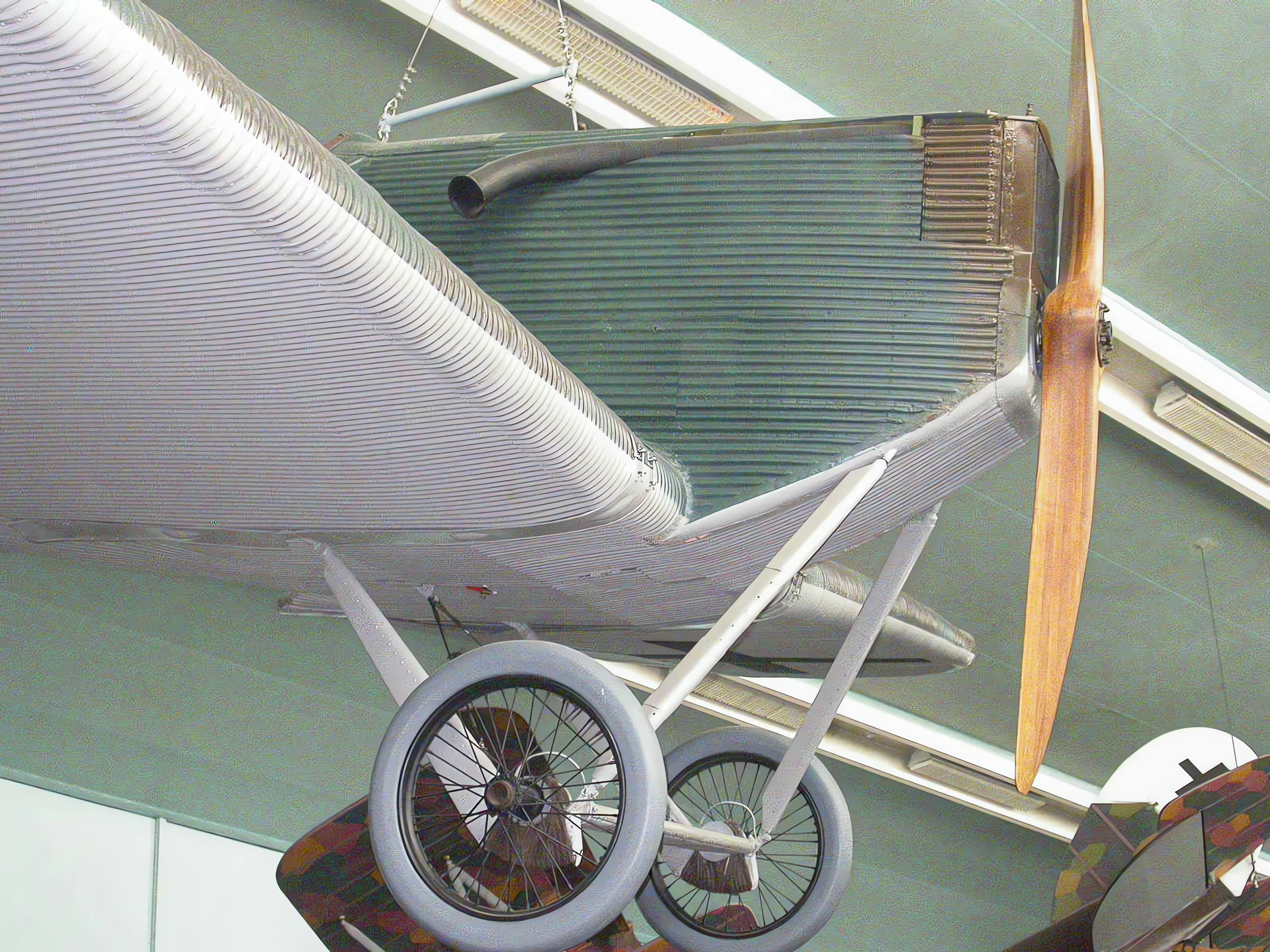
The Junkers J 9 (military designation D.I) was a German monoplane fighter aircraft produced late in World War I, notable for being the world’s first all-metal fighter to enter military service. Designed by Hugo Junkers, the aircraft featured a revolutionary cantilever wing and fuselage entirely covered in corrugated duralumin (an aluminum alloy). This construction method made the aircraft exceptionally durable and easy to maintain compared to conventional wood-and-fabric aircraft, though early models were criticized for low maneuverability. Only a small number of J 9s were delivered before the Armistice, primarily used by the Imperial German Navy for coastal defense and later by paramilitary Freikorps units after the war.
| Property | Typical Value (D.I Production) |
|---|---|
| Rôle | Fighter Aircraft / Naval Fighter |
| National Origin | Germany (German Empire) |
| Fabricant | Junkers-Fokker A.G. |
| First Flight (Prototype J 7) | September 17, 1917 |
| Introduction Date | 1918 |
| No. Built | Approx. 41 |
| Crew | 1 (Pilot) |
| Length | 7.25 m (23 ft 9 in) |
| Envergure | 9.00 m (29 ft 6 in) |
| Max Takeoff Weight | 834 kg (1,839 lb) |
Powerplant and Performance
- Engine: 1 x BMW IIIa water-cooled 6-cylinder inline piston engine (Later production models and prototypes were also fitted with Mercedes D.IIIa/aü engines).
- Power Output: 138 kW (185 hp) (BMW IIIa).
- Maximum Speed: 176 km/h (109 mph) (with BMW IIIa).
- Service Ceiling: 6,000 m (19,700 ft).
- Endurance: 1.5 hours.
- Design Note: Its all-metal, low-wing monoplane design was extremely advanced for its time, predating similar designs by over a decade.
Armement
- Armament: 2 x 7.92 mm LMG 08/15 Spandau machine guns, fixed and synchronized to fire forward through the propeller arc.
- Operational Note: Despite being an advanced design, many German pilots preferred the maneuverability and climb rate of contemporary biplanes, such as the Fokker D.VII, for traditional aerial combat. The J 9 was deemed better suited for specialist roles like naval patrol or balloon attack.
Vues : 1536