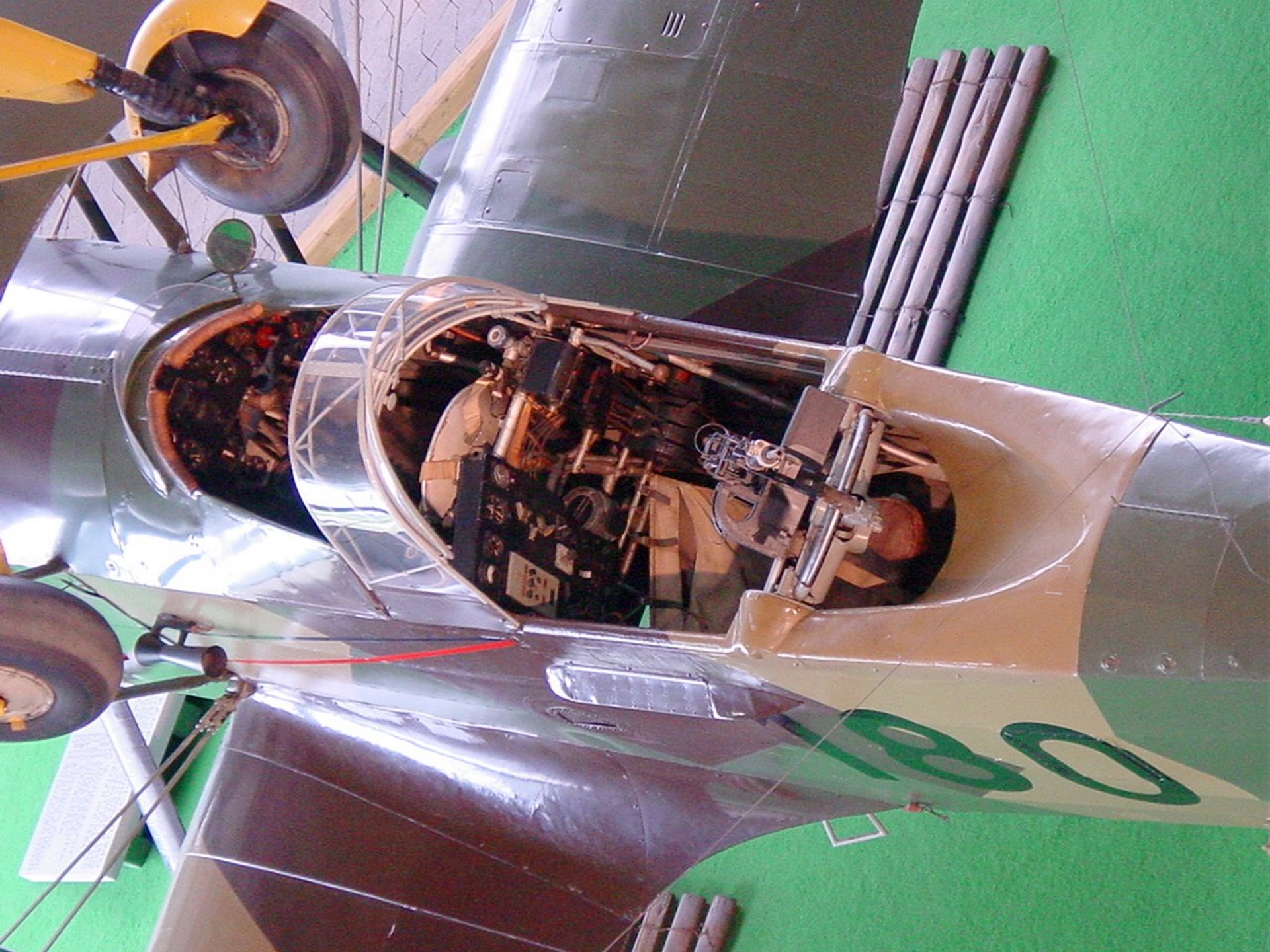
Fokker C.X | |
|---|---|
| Pays | Pays-Bas |
| Type | Chasseur à réaction |
| Photographe | Mikhaïl Mamalygin |
| Description | Album de 20 photos tour d’un « Fokker C.X » |
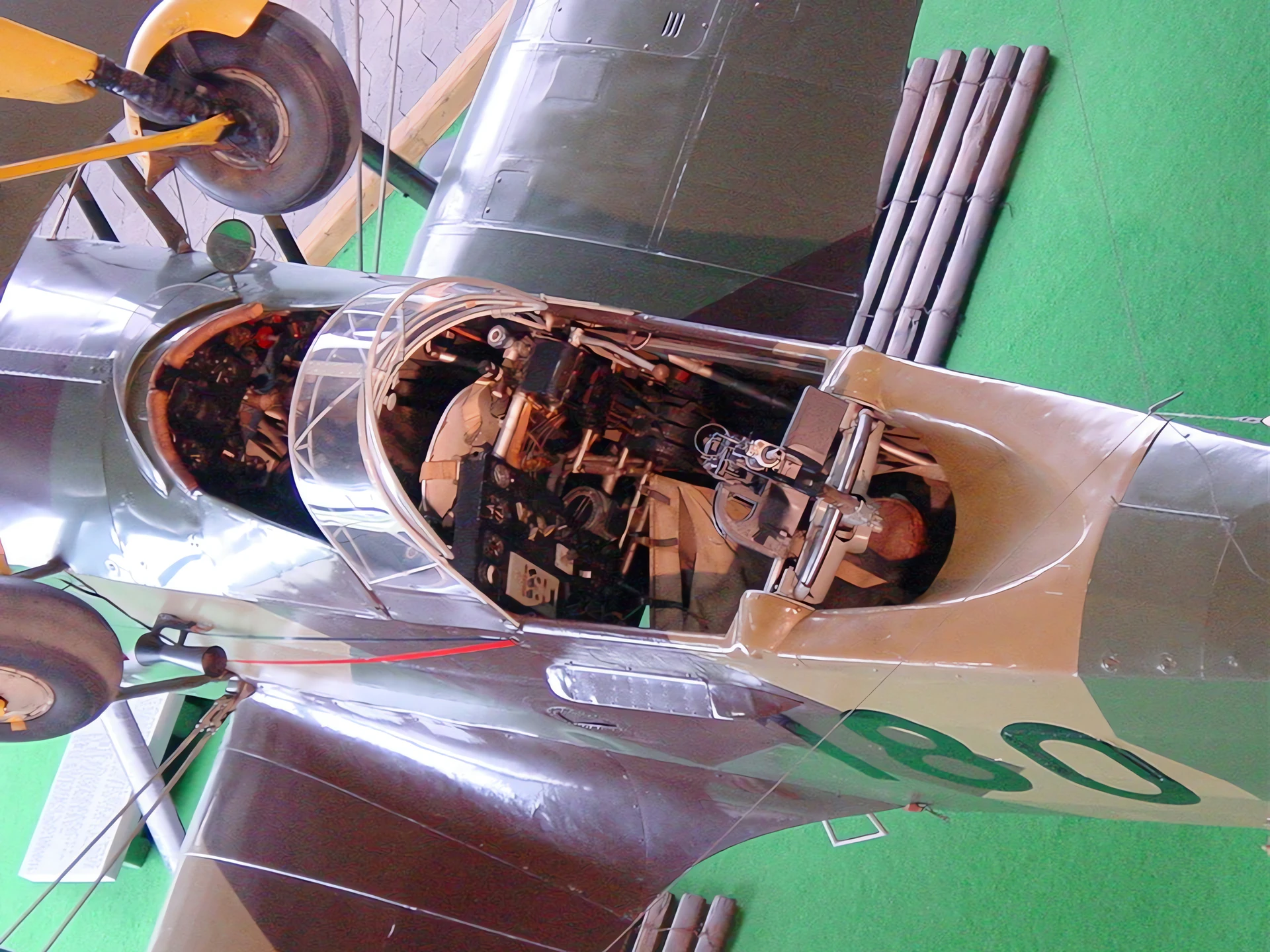
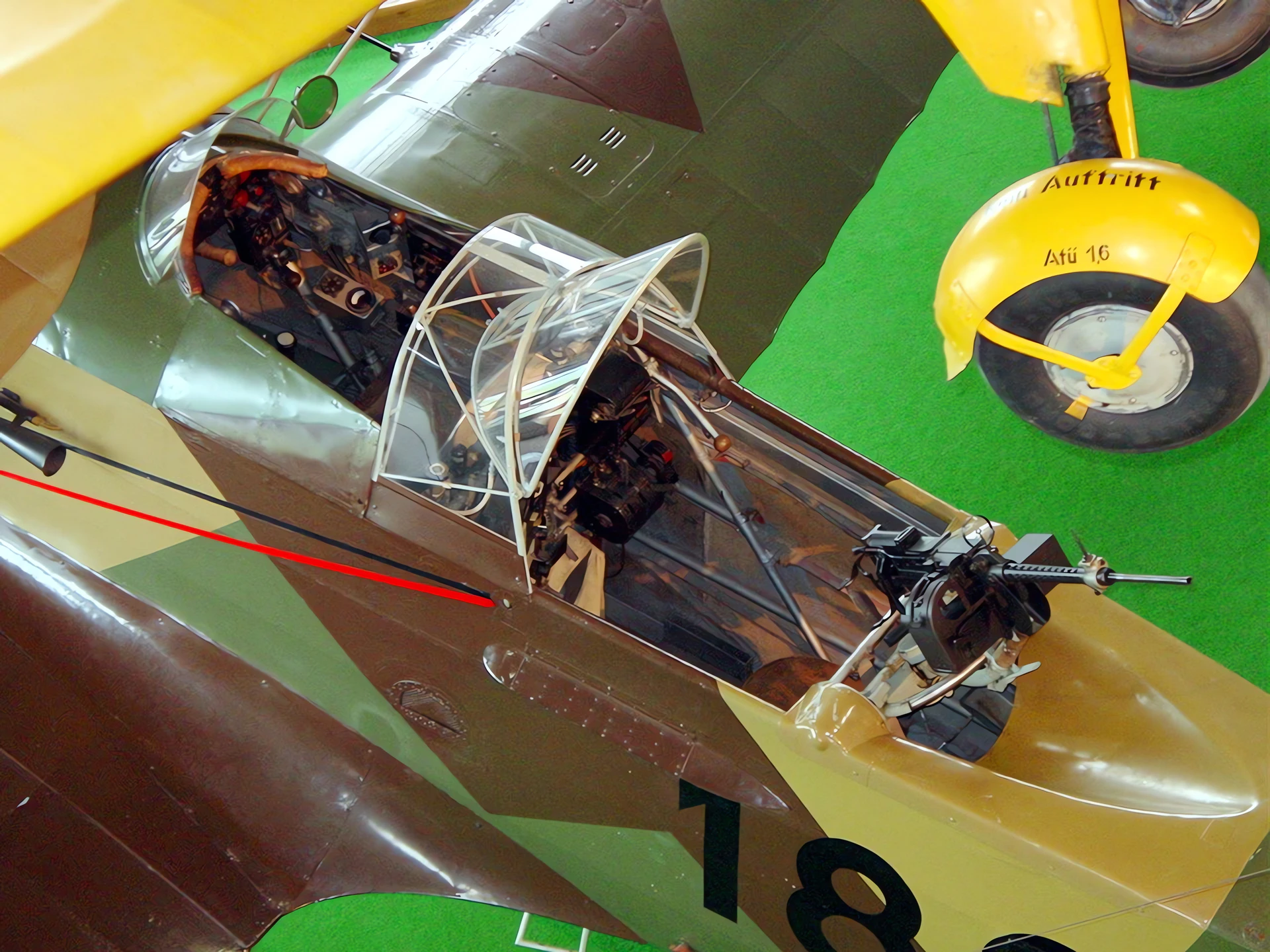
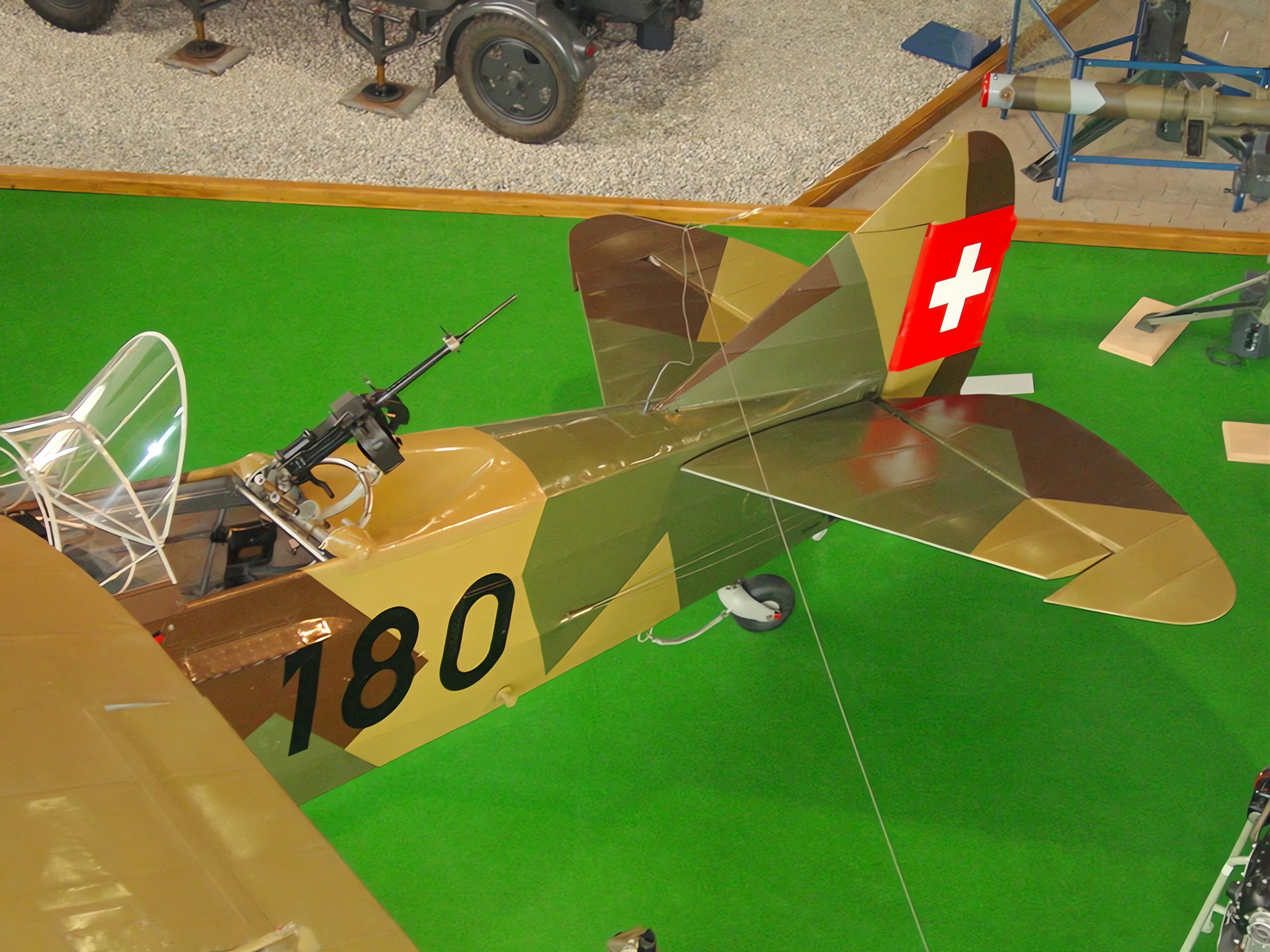
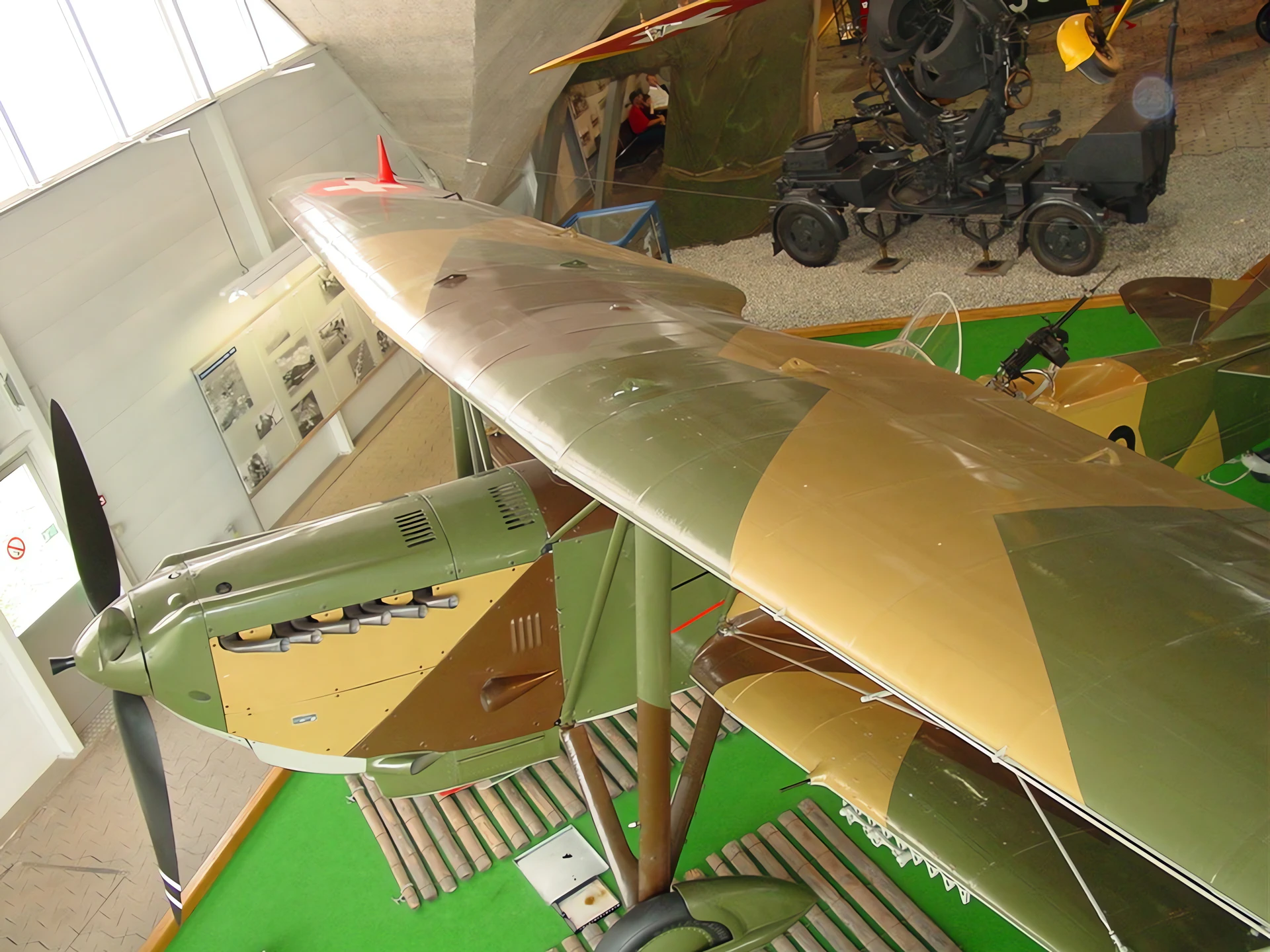
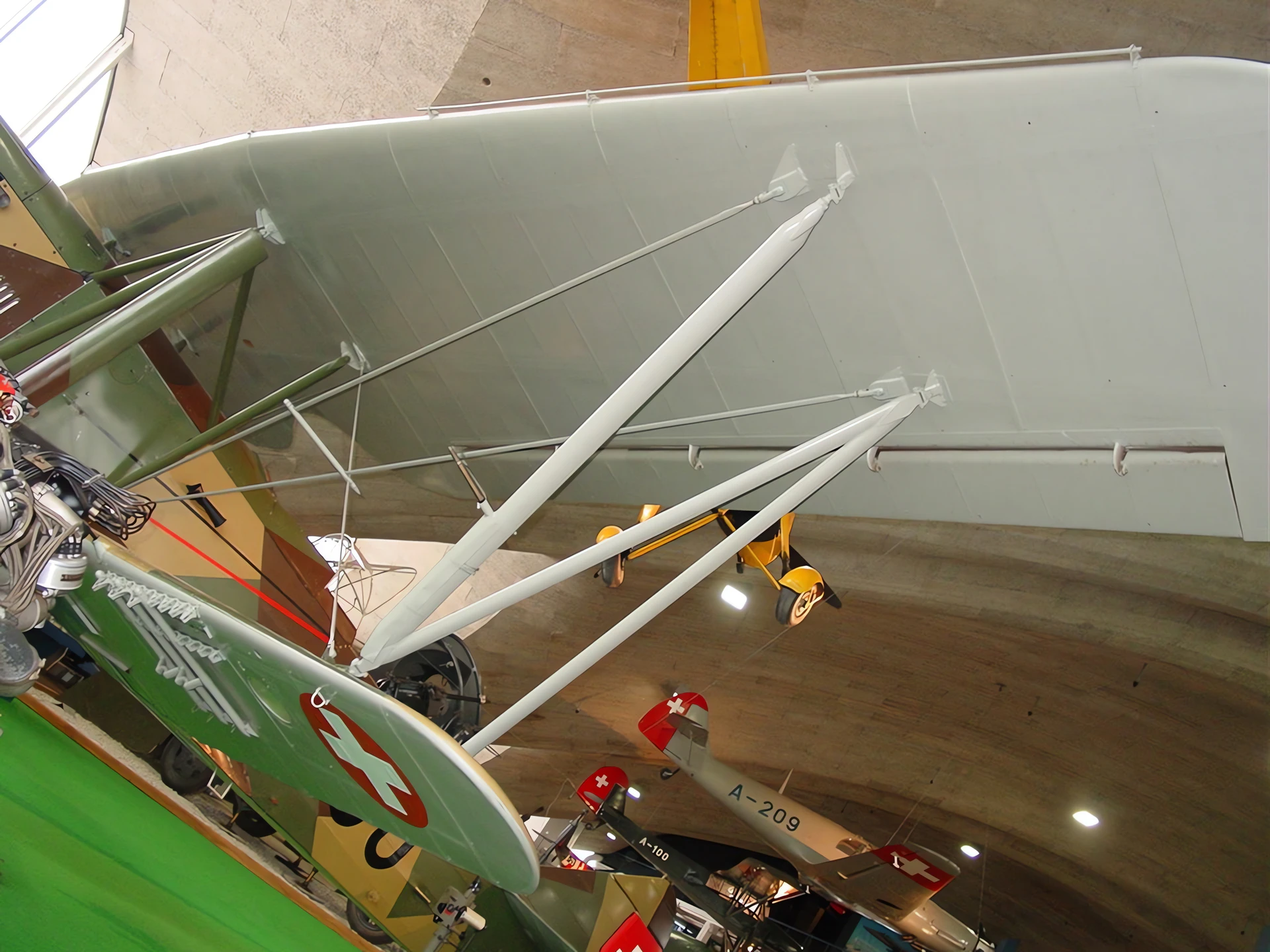
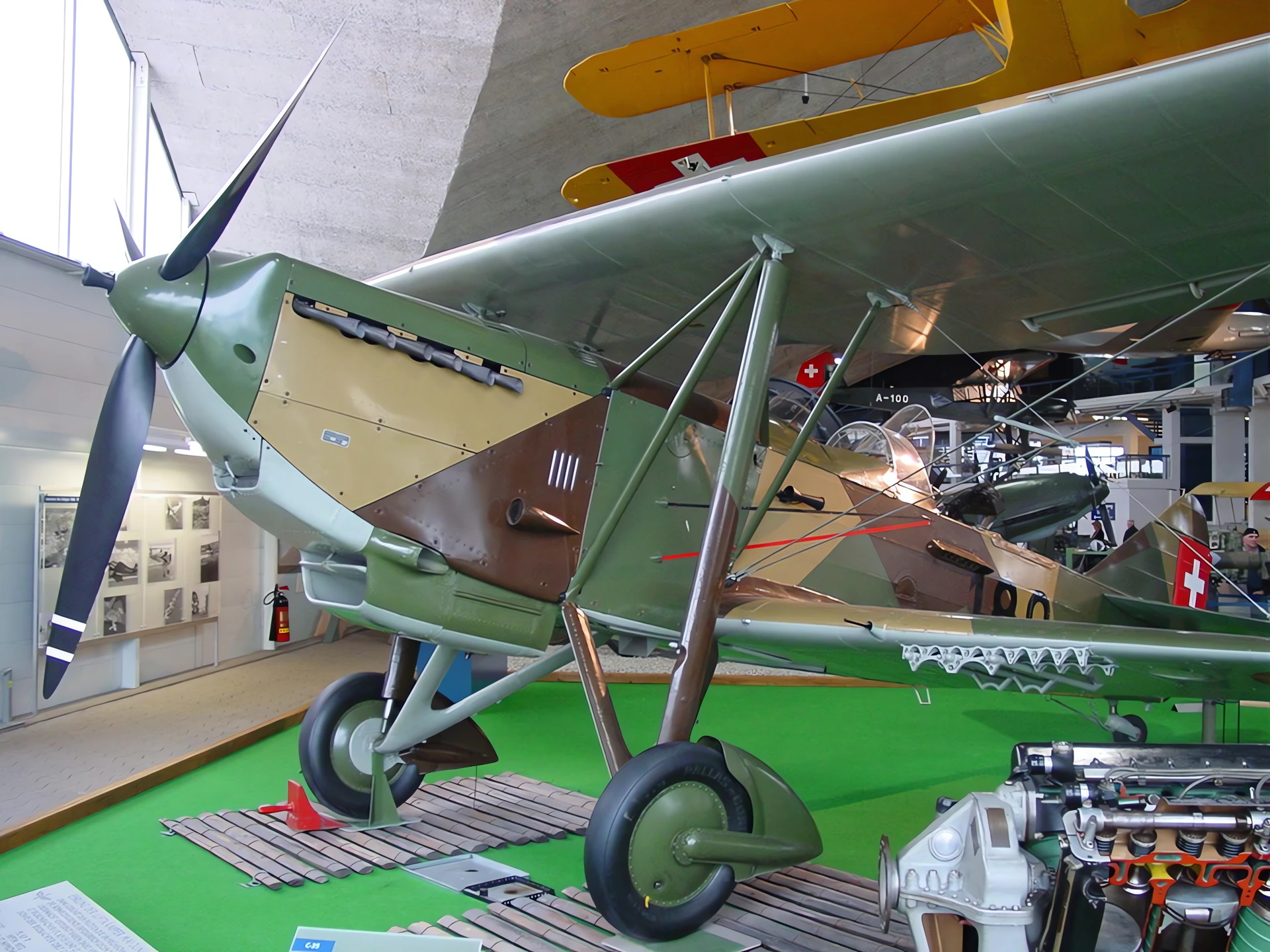
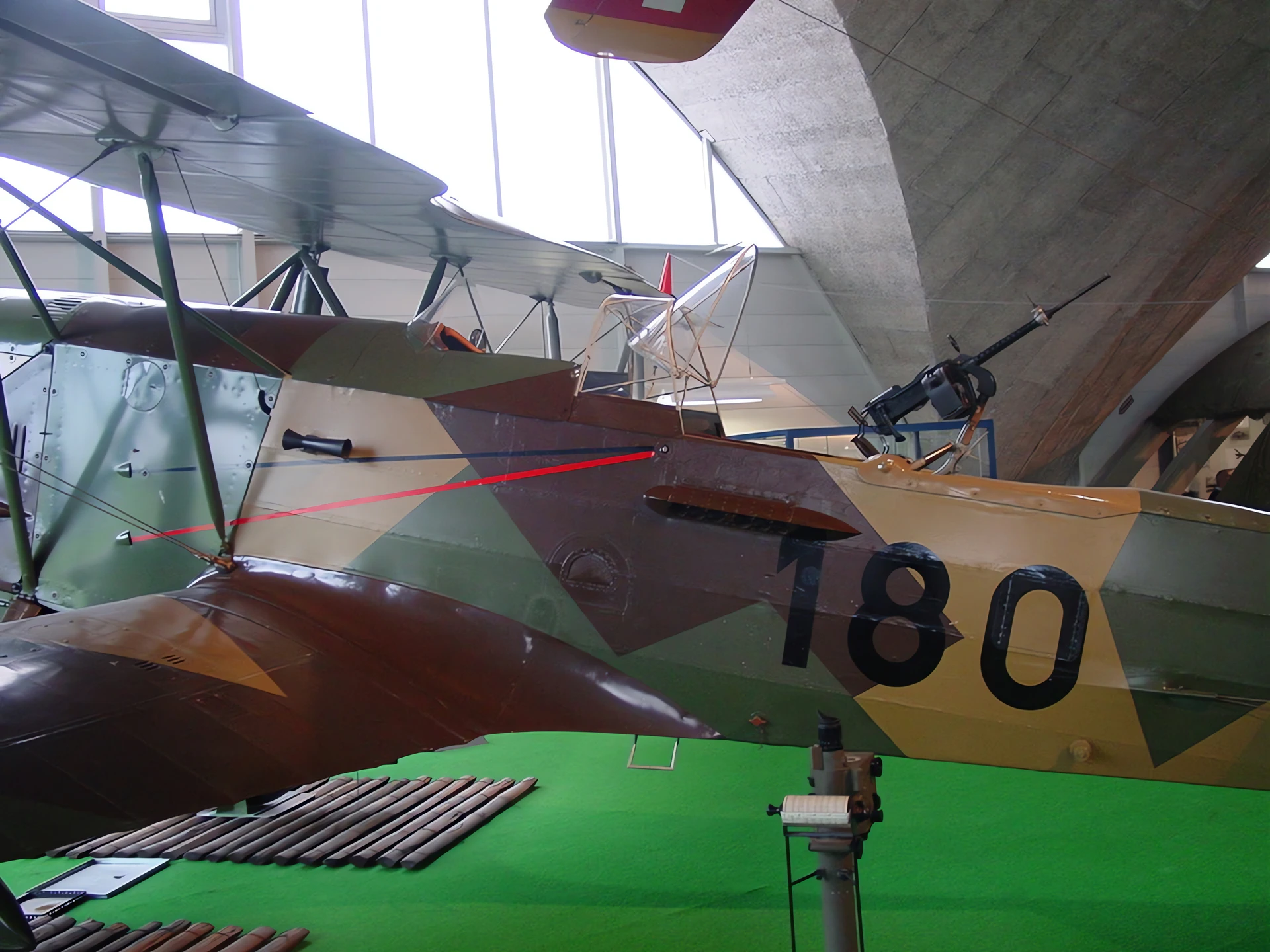
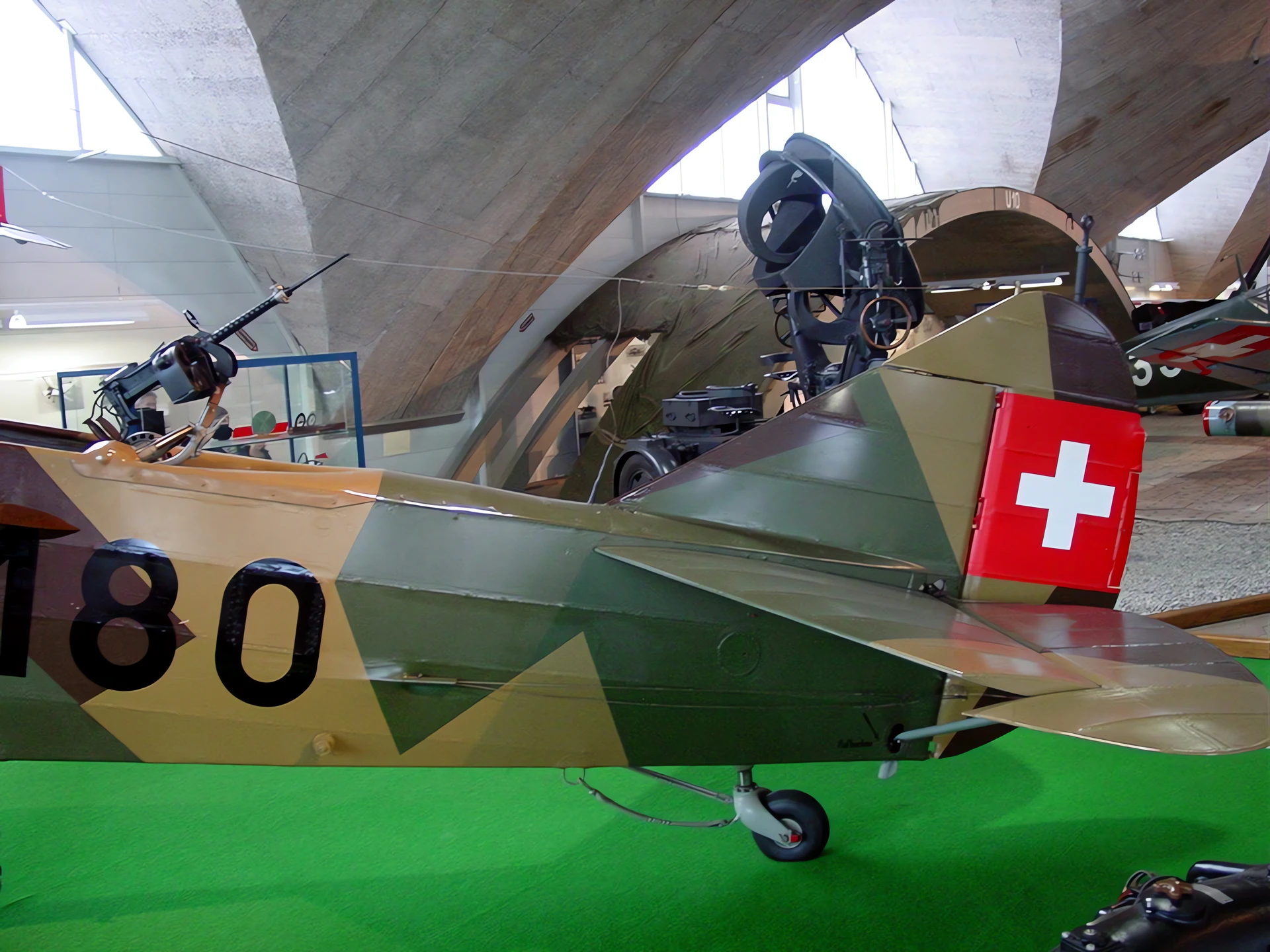
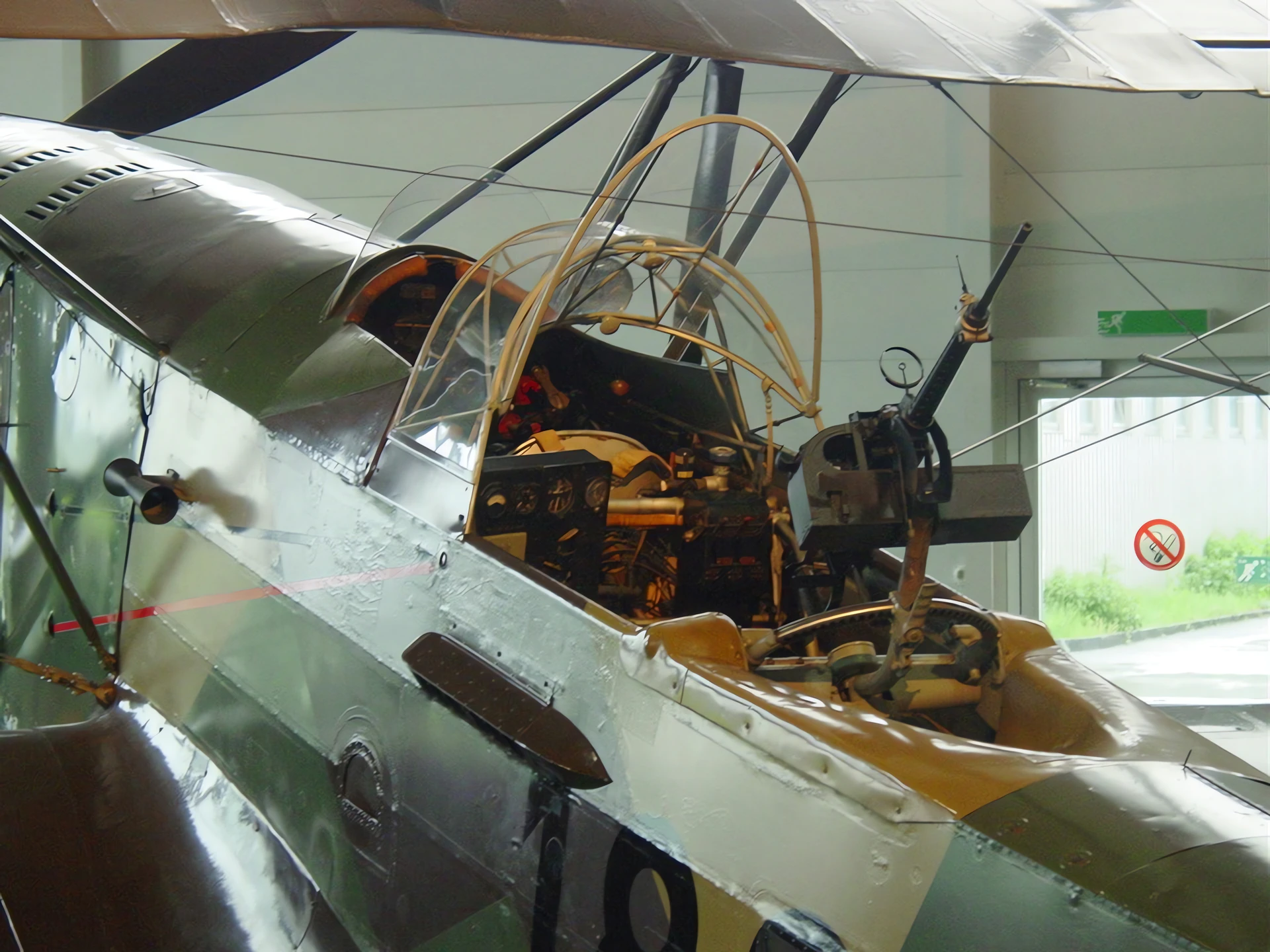
Galerie de photos d’un Fokker C.X at Museum der Schweizerischen Fliegertruppe, The Fokker C.X was a biplane scout and light bomber designed in 1933. It had a crew of two (a pilot and an observer). It was originally designed for the Royal Dutch East Indies Army, in order to replace the Fokker C.V. Like all Fokker aircraft of that time, it was of mixed construction, with wooden wing structures and a welded steel tube frame covered with aluminium plates at the front of the aircraft and with fabric at the rear. The prototype was built in 1934 with a Rolls-Royce Kestrel V engine.
Source: Fokker C.X sur Wiki

 Achetez-moi un café
Voir aussi :


Lla Fokker C.X was a Dutch biplane scout and light bomber designed in 1933. It had a crew of two (a pilot and an observer). It was originally designed for the Royal Dutch East Indies Army, but it also served in the Dutch Air Force, the Finnish Air Force and the Republican Spanish Air Force. The Fokker C.X had a mixed construction, with wooden wing structures and a welded steel tube frame covered with aluminium plates at the front of the aircraft and with fabric at the rear. The prototype was built in 1934 with a Rolls-Royce Kestrel V engine, but later versions used different engines, such as the Bristol Pegasus XII or XXI.
Lla Fokker C.X had a maximum speed of 335 km/h and a range of 900 km. It could carry up to 500 kg of bombs and had one forward-firing machine gun and one rear-firing machine gun for defense. The Fokker C.X saw action in various conflicts, such as the Spanish Civil War, the Winter War, the Continuation War, the Lapland War and the German invasion of the Netherlands in May 1940. It performed well as a scout and light bomber, using a low-level flying tactic to avoid enemy fighters. However, it was soon outclassed by more modern aircraft and suffered heavy losses. The last Fokker C.Xs were retired in 1958.
Vues : 1926
Vous pouvez voir aussi :
 Aero A.12 – Photos & Vidéos
 FVM Ö1 Tummelisa – Photos & Vidéos
 Fokker S.14 Machtrainer – Photos & Vidéos
 Travel Air 2000 – Photos & Vidéos
 Fokker D.VII – Photos & Vidéo
 Hawker Nimrod – Photos et vidéo
 Antonov An-2 – Photos & Vidéo
 Ansaldo SVA – Photos & Vidéo
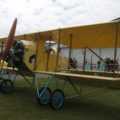 Caudron G.III – Photos & Vidéo
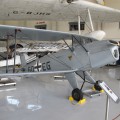 Bucker Bu-131 Jungmann – Photos & Vidéo