Lla Fiat G.91 est un avion de chasse italien conçu et construit par Fiat Aviazione, qui a ensuite fusionné en Aeritalia. Le G.91 a ses origines dans la compétition NBMR-1 organisée par l’OTAN en 1953, qui cherchait un chasseur-bombardier léger « Chasseur léger d’attaque de poids » d’être adopté comme équipement standard dans les forces aériennes des différents pays de l’OTAN. Après avoir examiné plusieurs soumissions, le G.91 a été choisi comme la conception gagnante du concours NBMR-1.
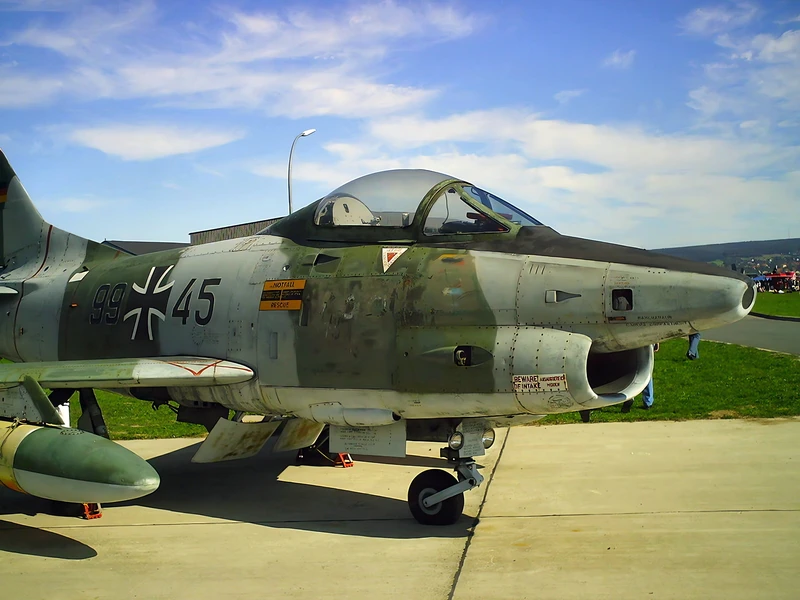
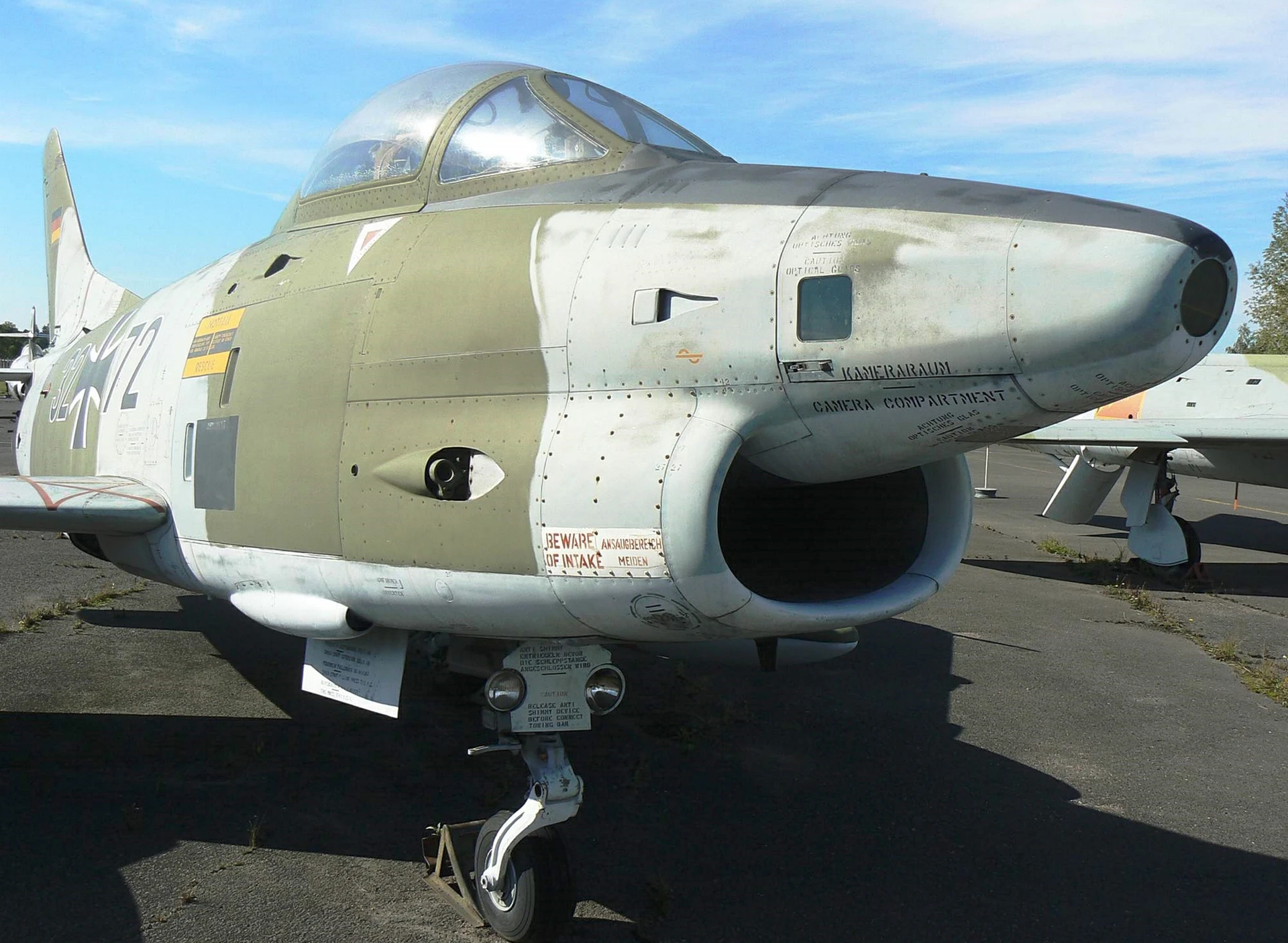
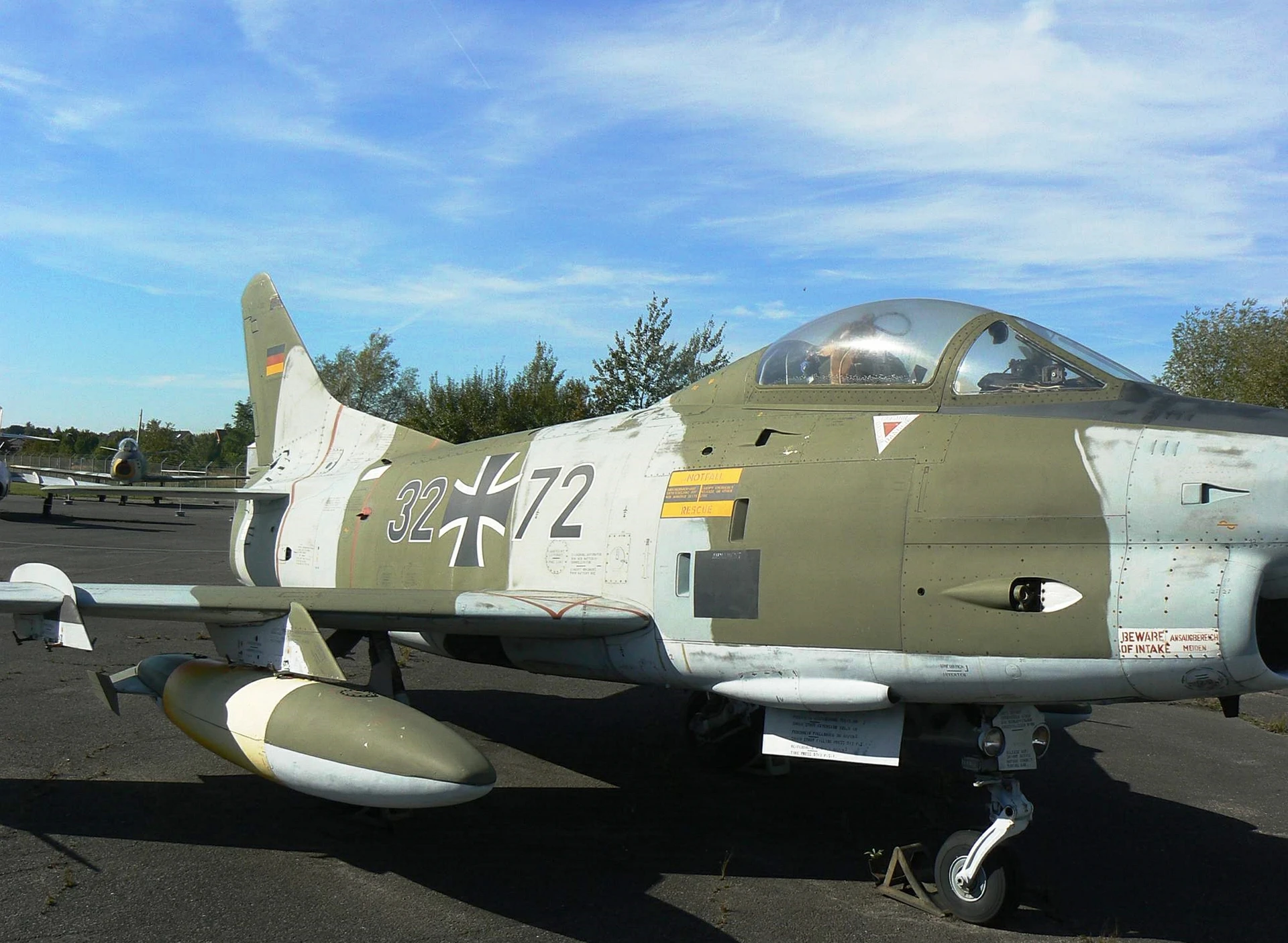
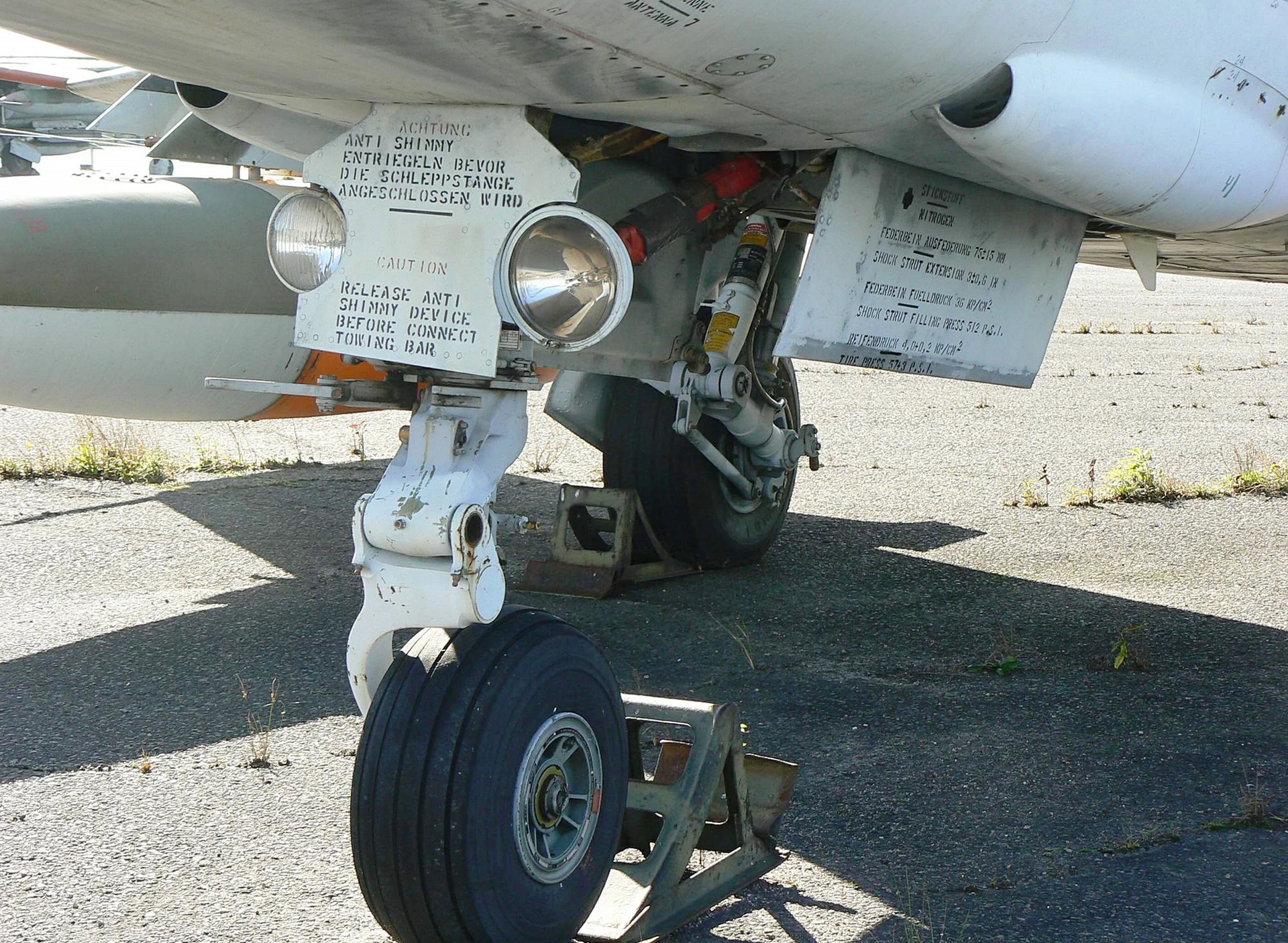
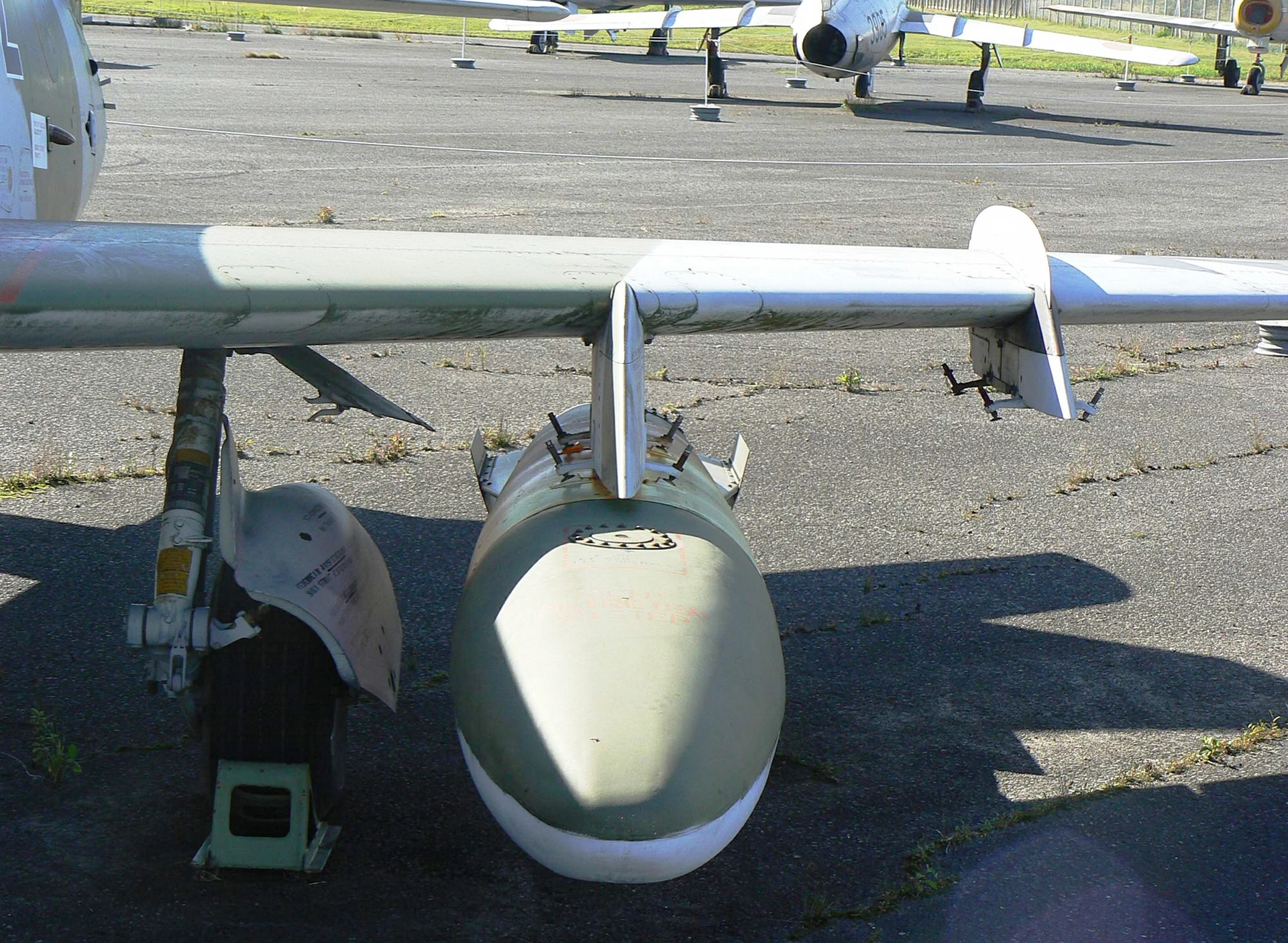
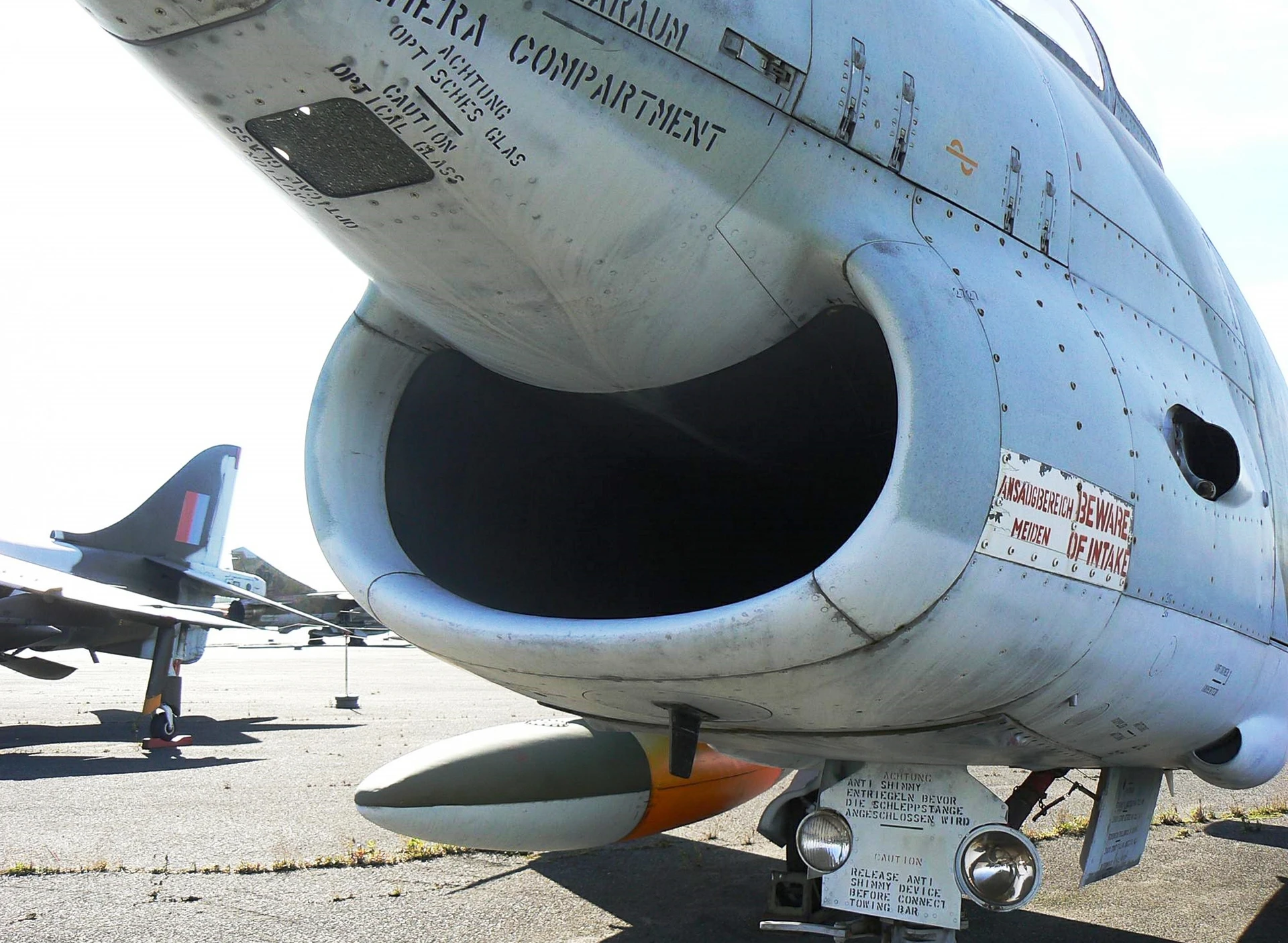
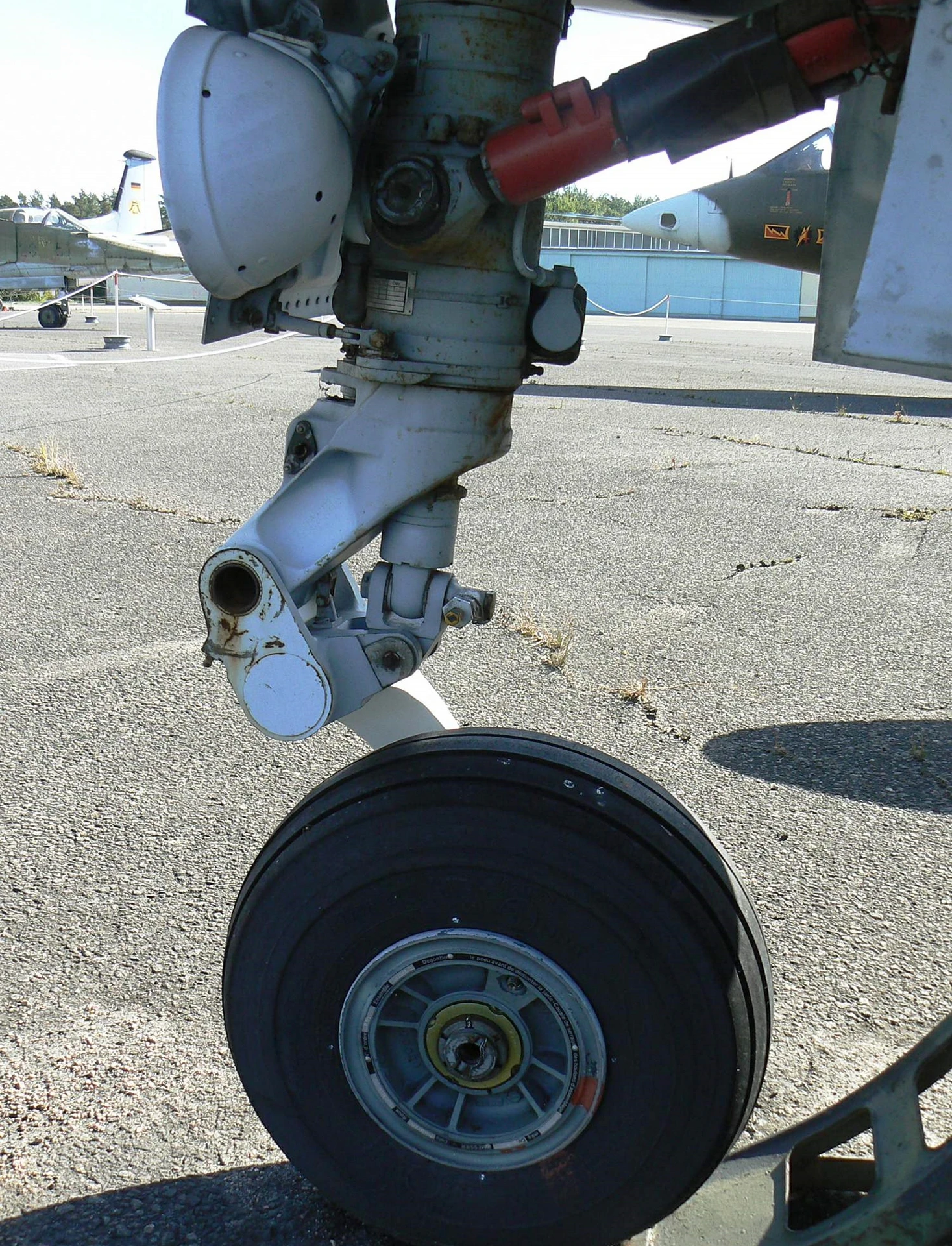
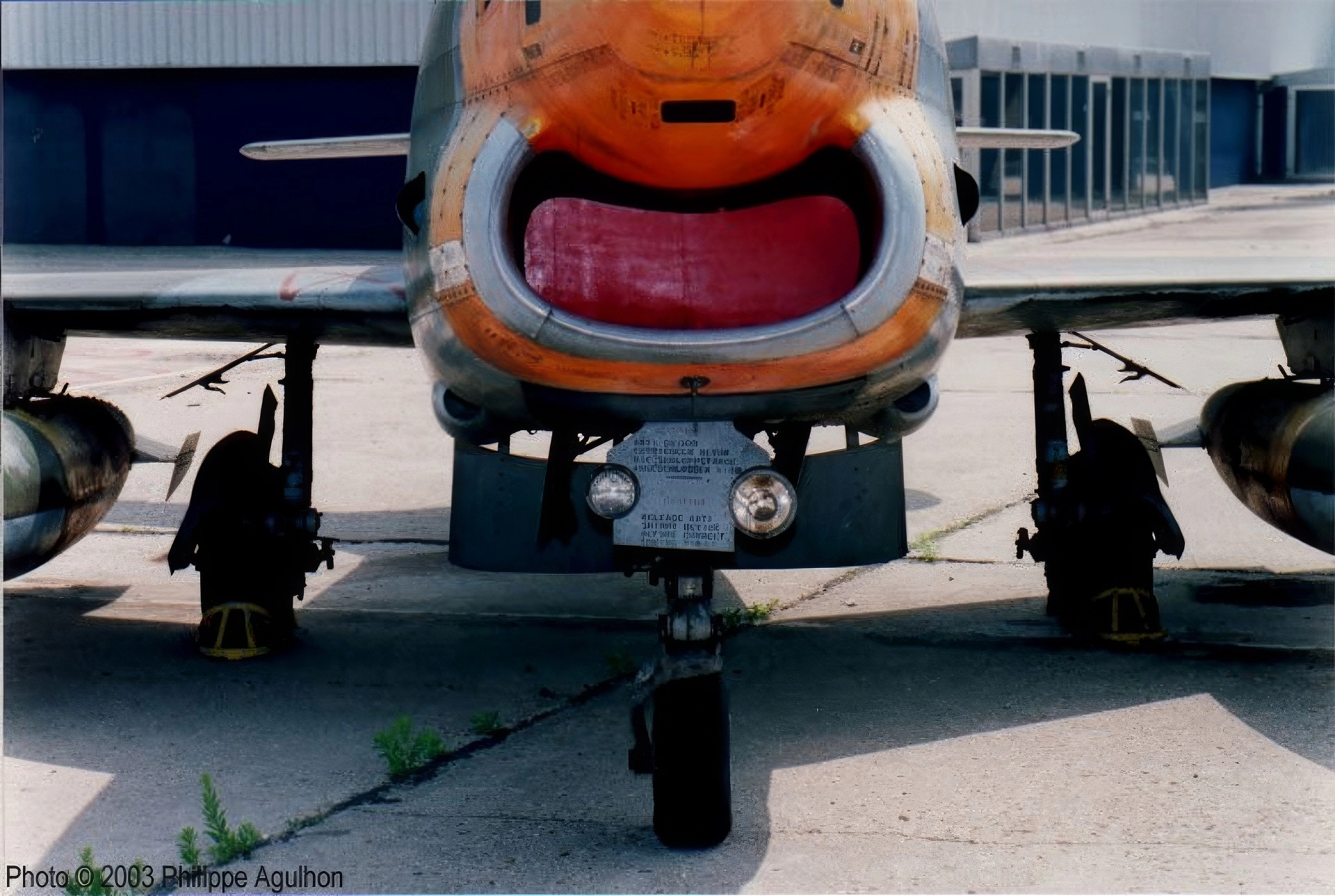
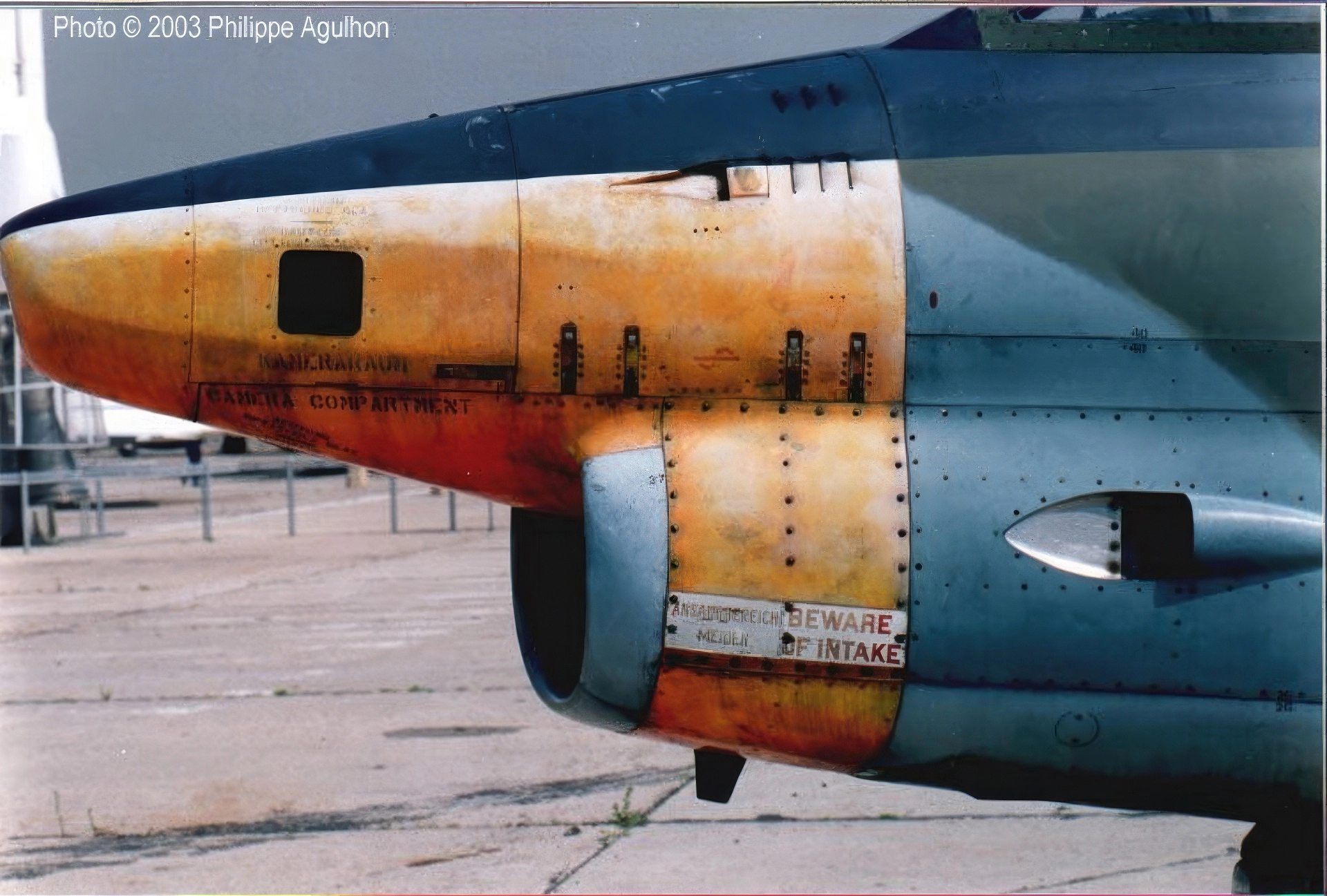
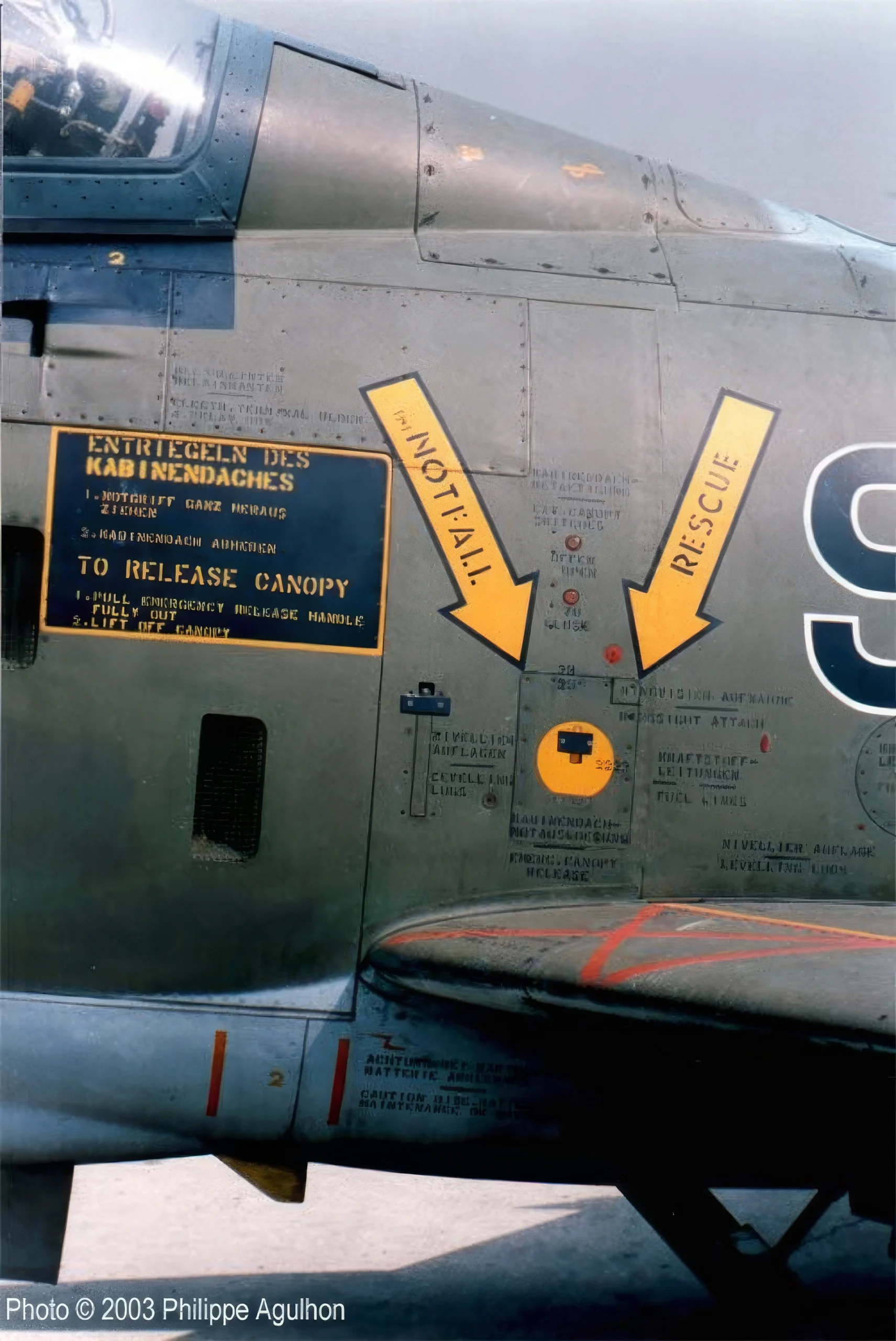
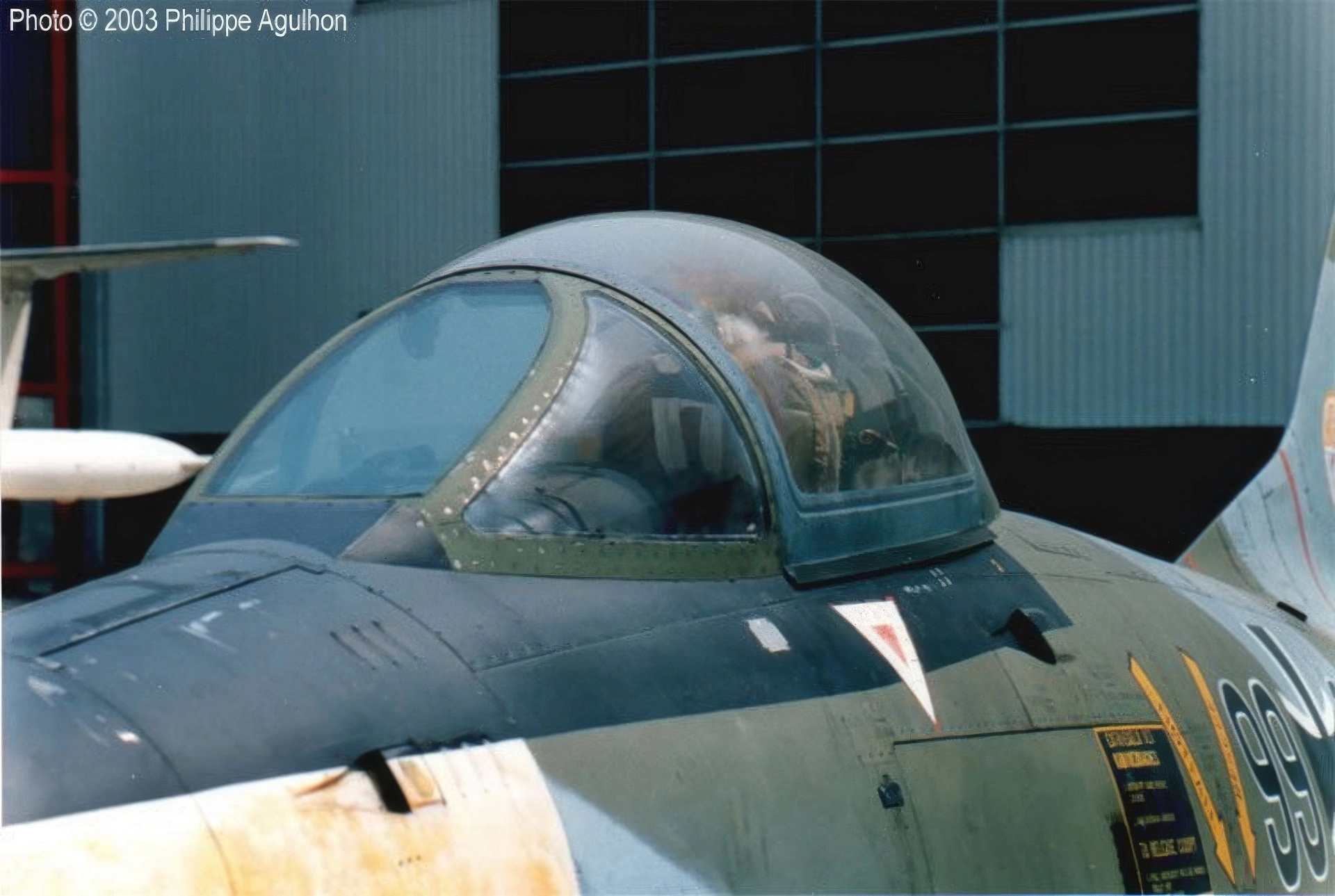
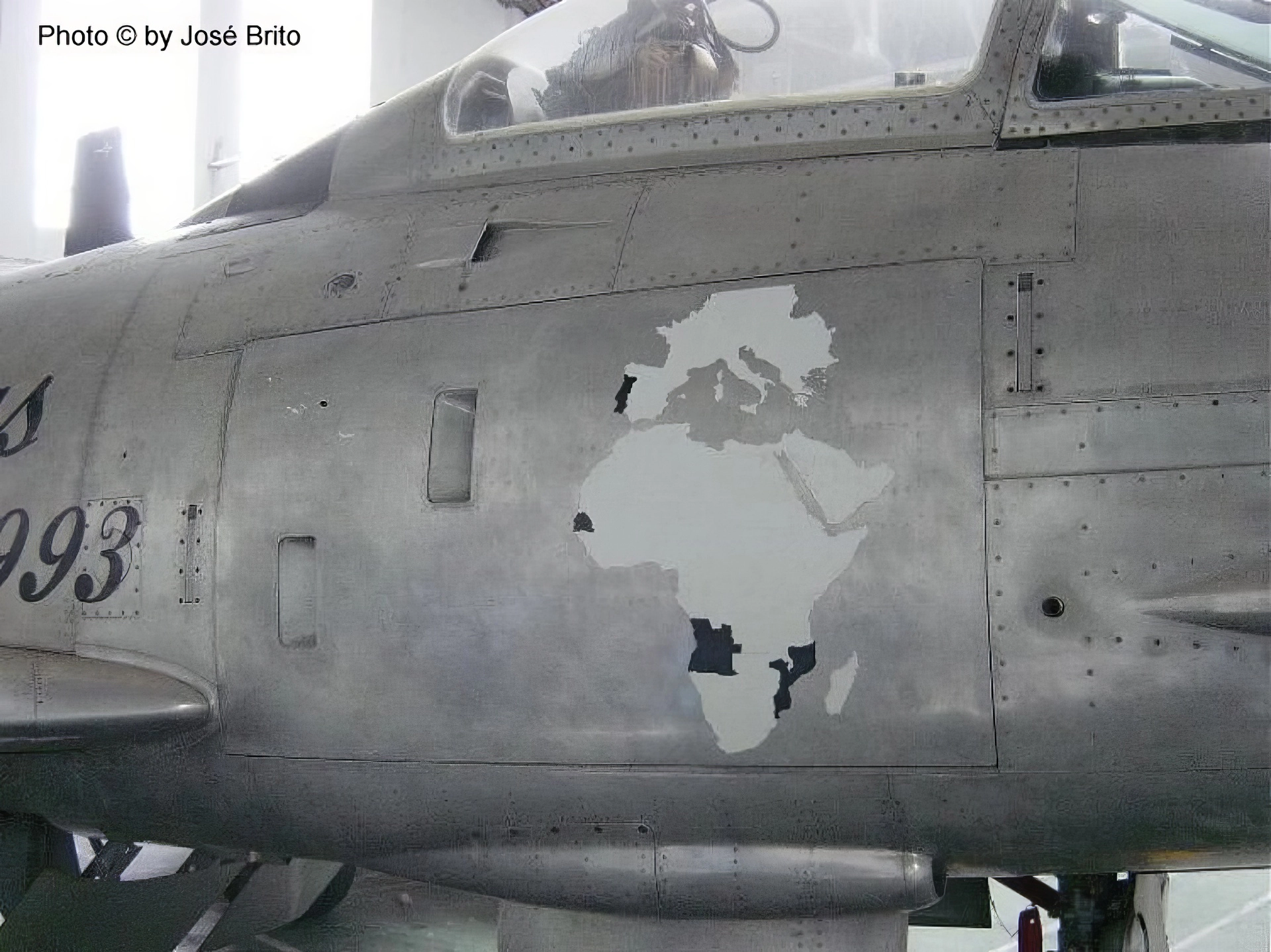
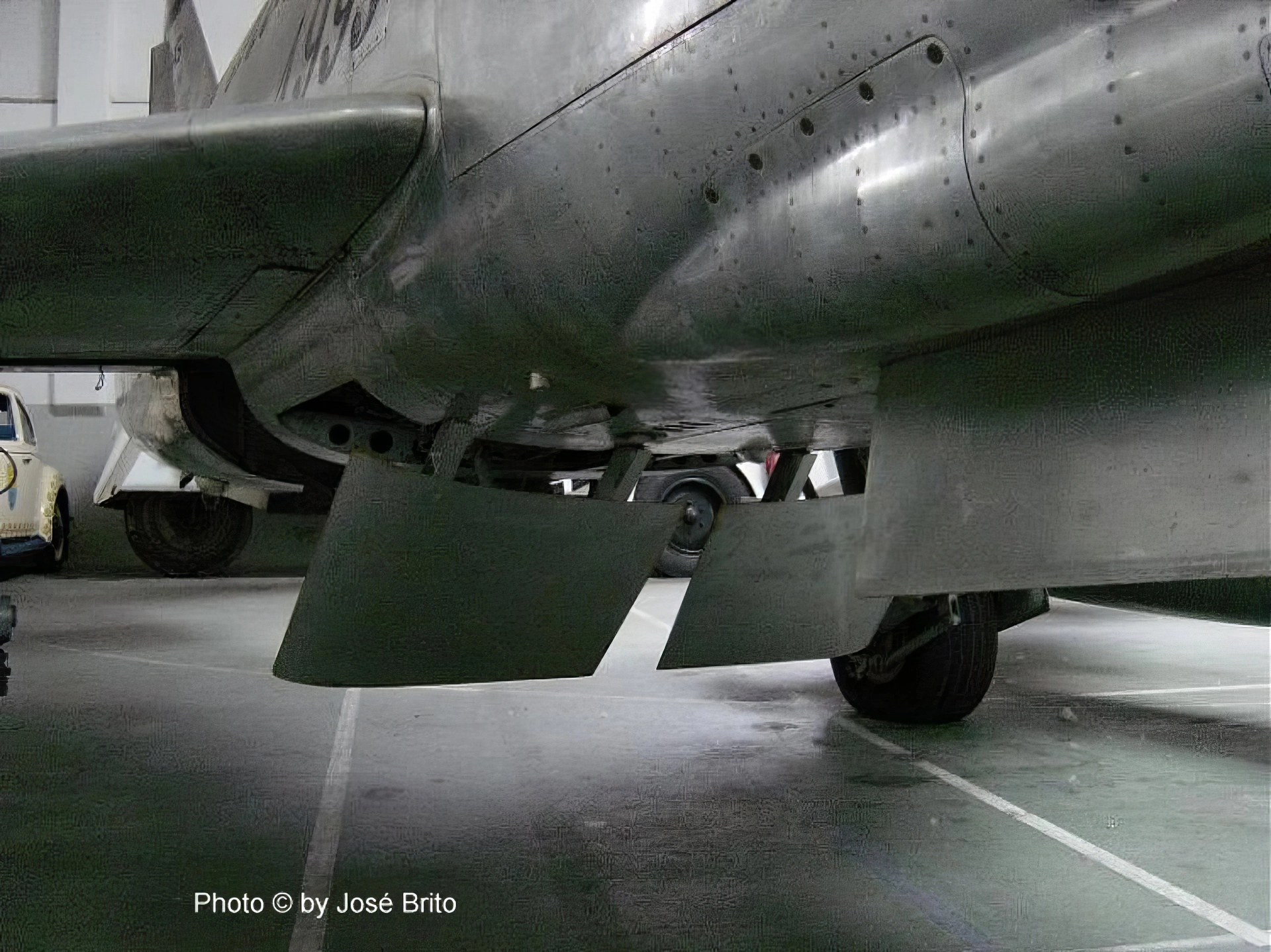
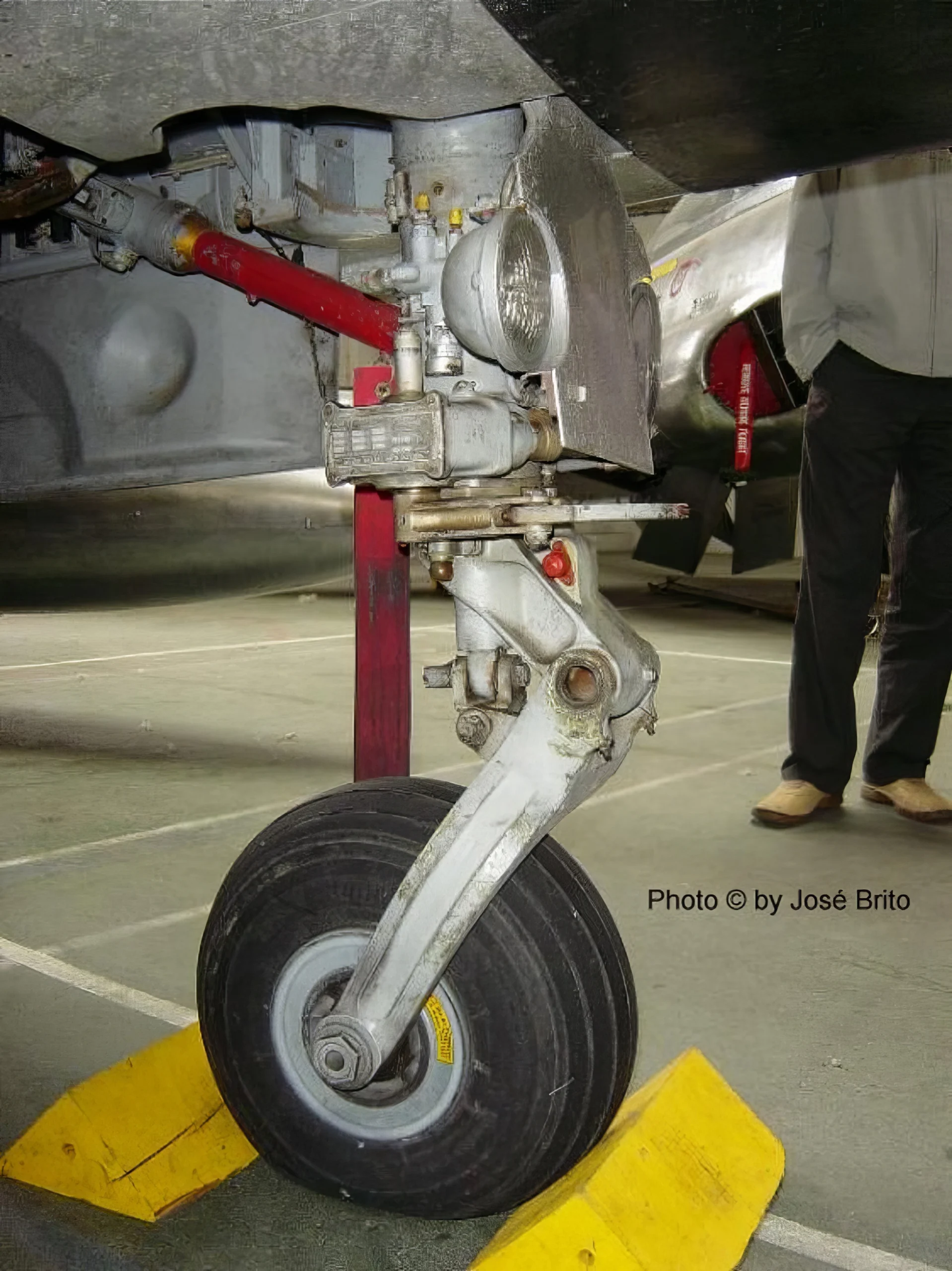
The Fiat G.91 was a lightweight, low-cost jet fighter designed in Italy to fulfill a NATO requirement for a « Chasseur léger d’attaque de poids » (LWFS) in the 1950s. The G.91R/3 was the primary variant procured by the West German Air Force (Luftwaffe). The ‘R’ designation signifies its primary role in tactical reconnaissance, achieved by installing a camera nose section containing three Vinten cameras. The G.91R/3 also retained substantial ground attack capabilities, making it a versatile light fighter-bomber. It was rugged, simple to maintain, and capable of operating from rough forward airstrips, fitting the original NATO doctrine for decentralized combat operations. It became the backbone of the Luftwaffe’s light attack force for two decades.
Italy (License-built by Dornier/Focke-Wulf in Germany)
Fabricant
Fiat Aviazione (now Aeritalia), Dornier, Focke-Wulf
First Flight (G.91)
Le 9 août 1956
Crew
1 (Pilot)
Length
10.30 m (33 ft 9 in)
Envergure
8.56 m (28 ft 1 in)
Height
4.00 m (13 ft 1 in)
Empty Weight
3,100 kg (6,834 lb)
Max Takeoff Weight
5,500 kg (12,125 lb)
Powerplant and Performance
Engine: 1 x Bristol Siddeley Orpheus Mk. 803 turbojet.
Thrust: 22.2 kN (5,000 lbf).
Maximum Speed: 1,075 km/h (668 mph; 580 kn) at sea level (Mach 0.86).
Range (Combat): 400 km (250 mi; 220 nmi).
Service Ceiling: 13,100 m (43,000 ft).
Armament and Reconnaissance
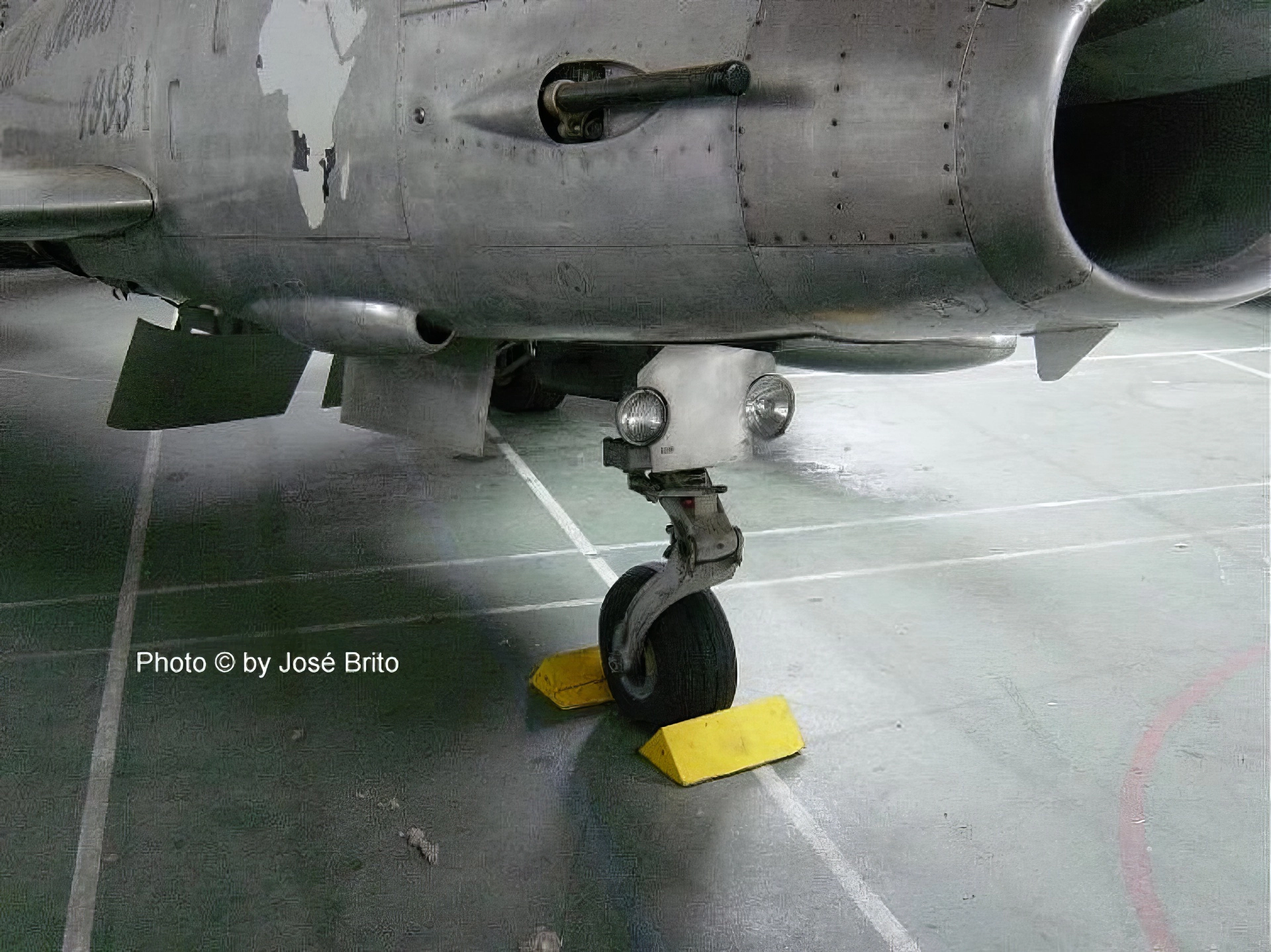
Fixed Armament: 4 x 30 mm DEFA cannons (G.91R/3 variant) or 4 x 12.7 mm Browning machine guns (other variants).
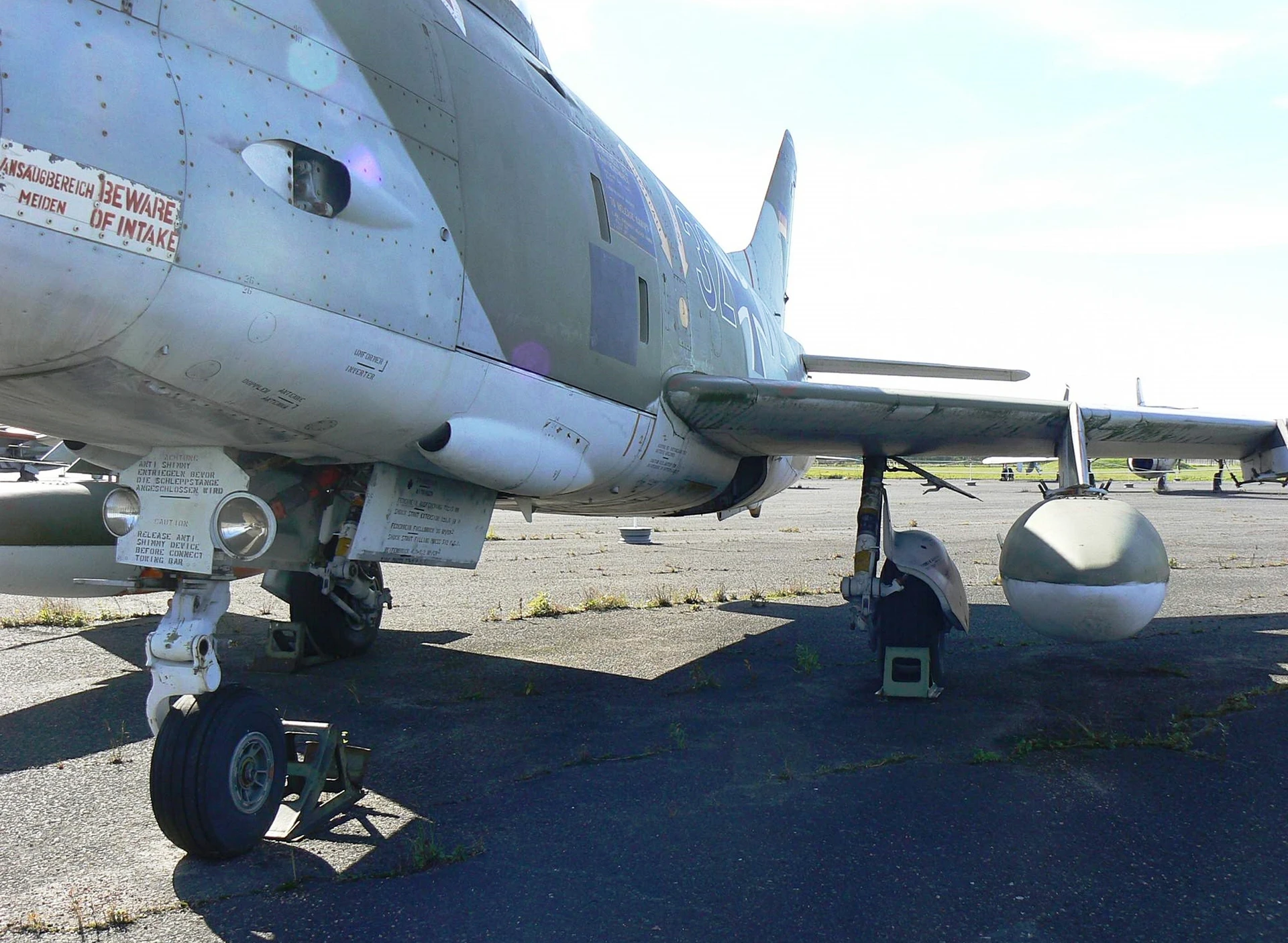
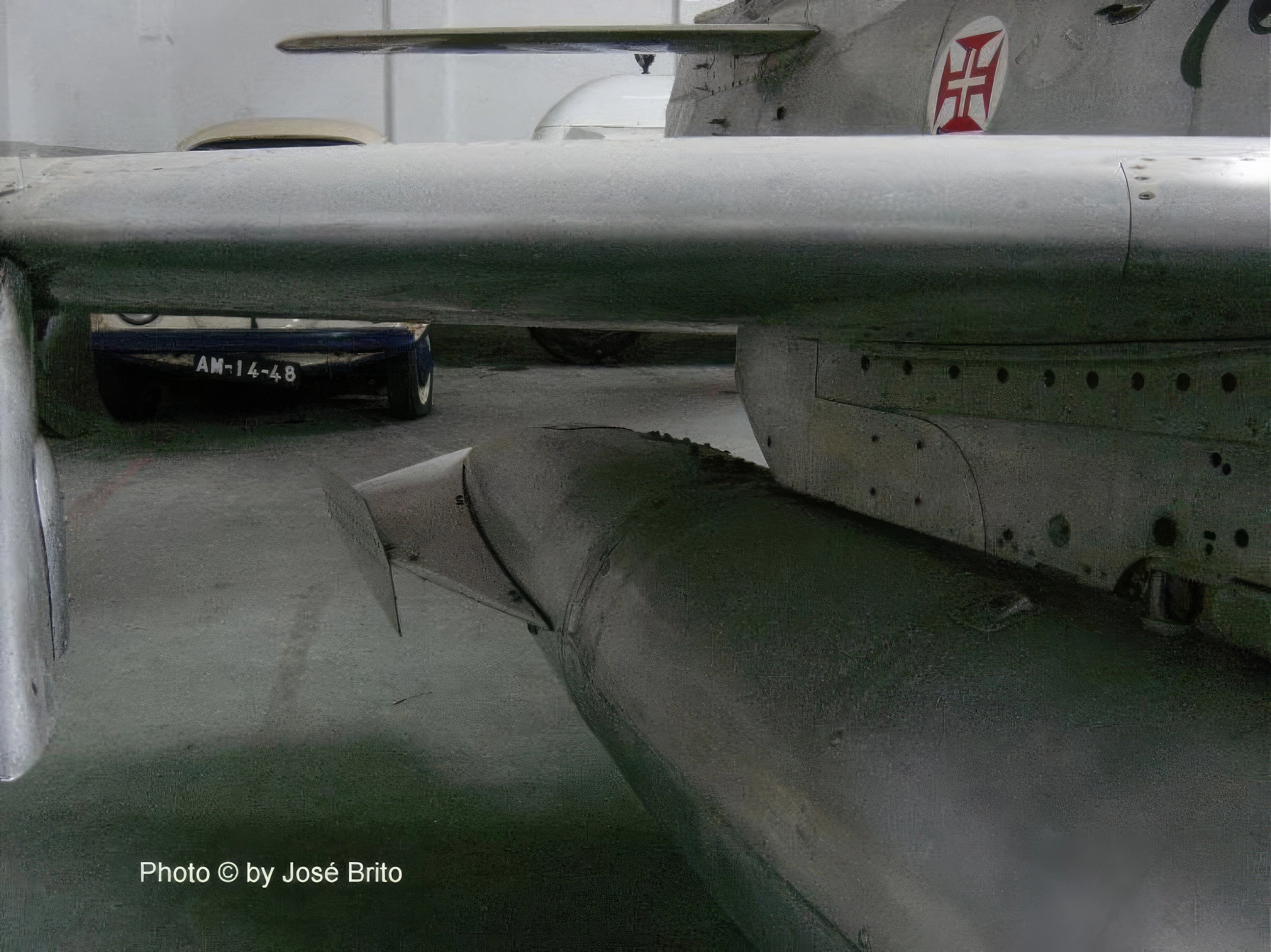
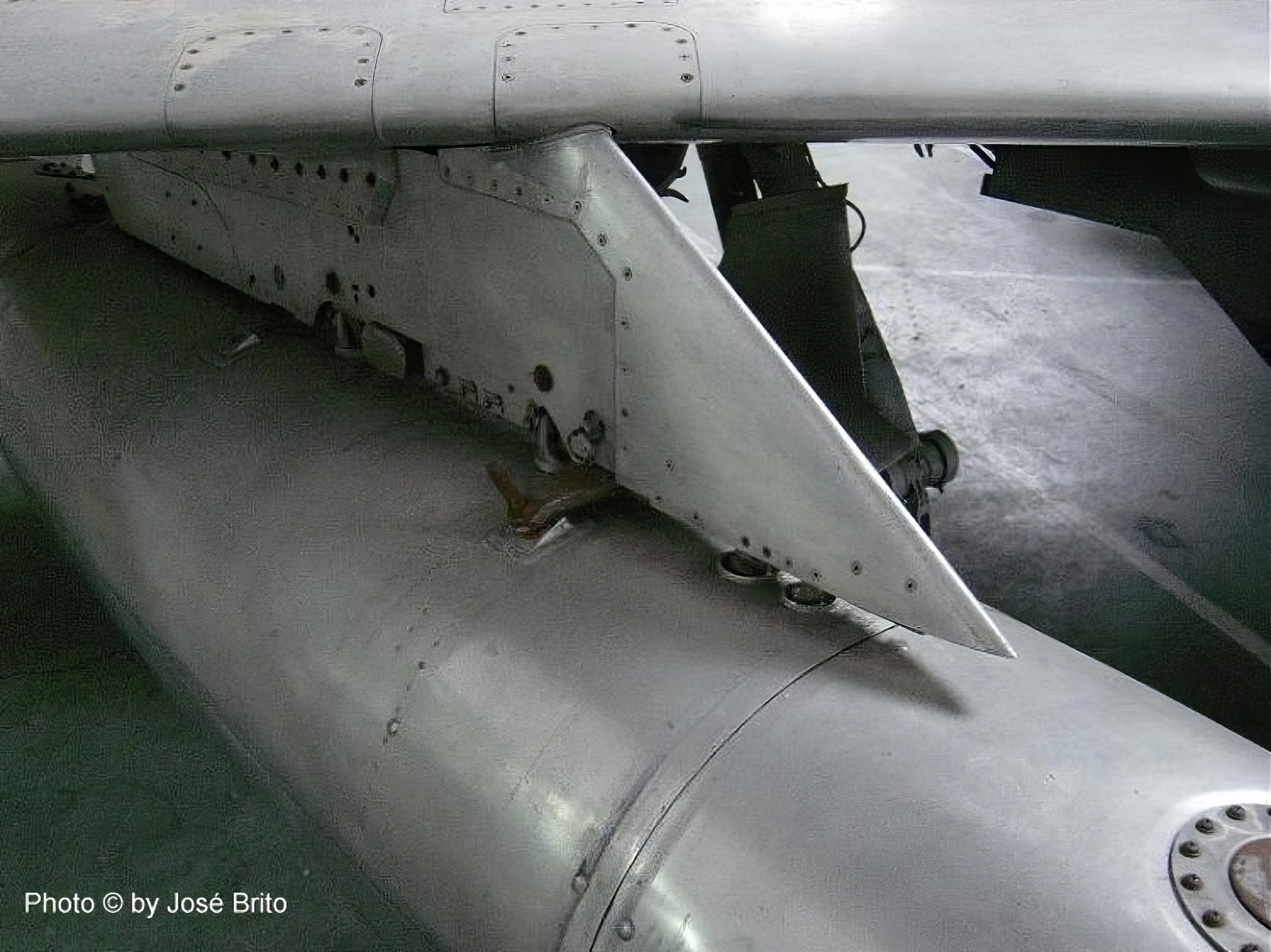
Hardpoints: 4 underwing hardpoints.
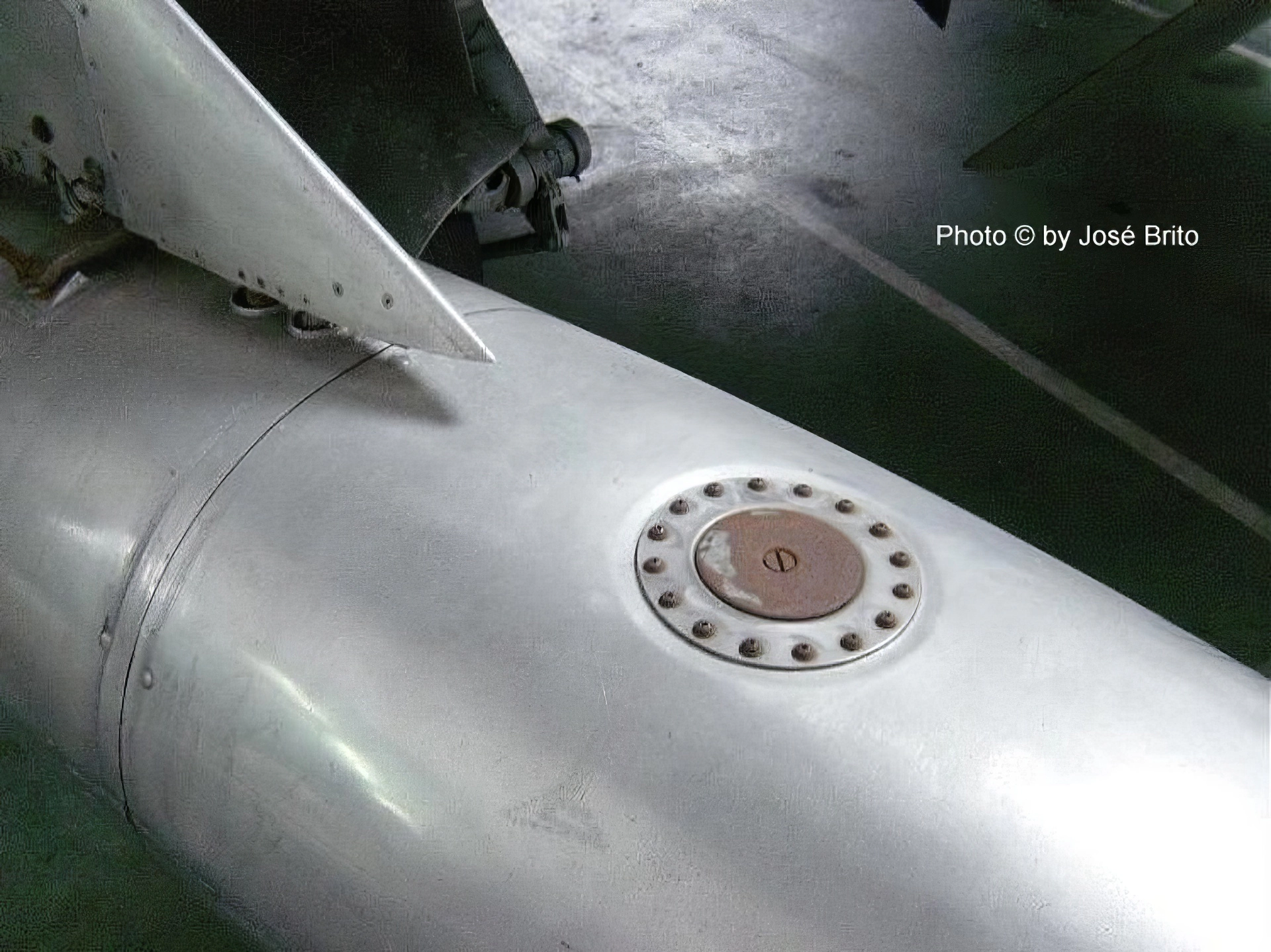
Maximum Payload: 1,000 kg (2,200 lb), including bombs, rockets, and external fuel tanks.
Reconnaissance: The G.91R/3 features three forward and side-facing Vinten cameras in the nose section for photographic tactical reconnaissance missions.
Service Life: The G.91 served in the Luftwaffe until 1982, when it was replaced by the Dassault/Dornier Alpha Jet.

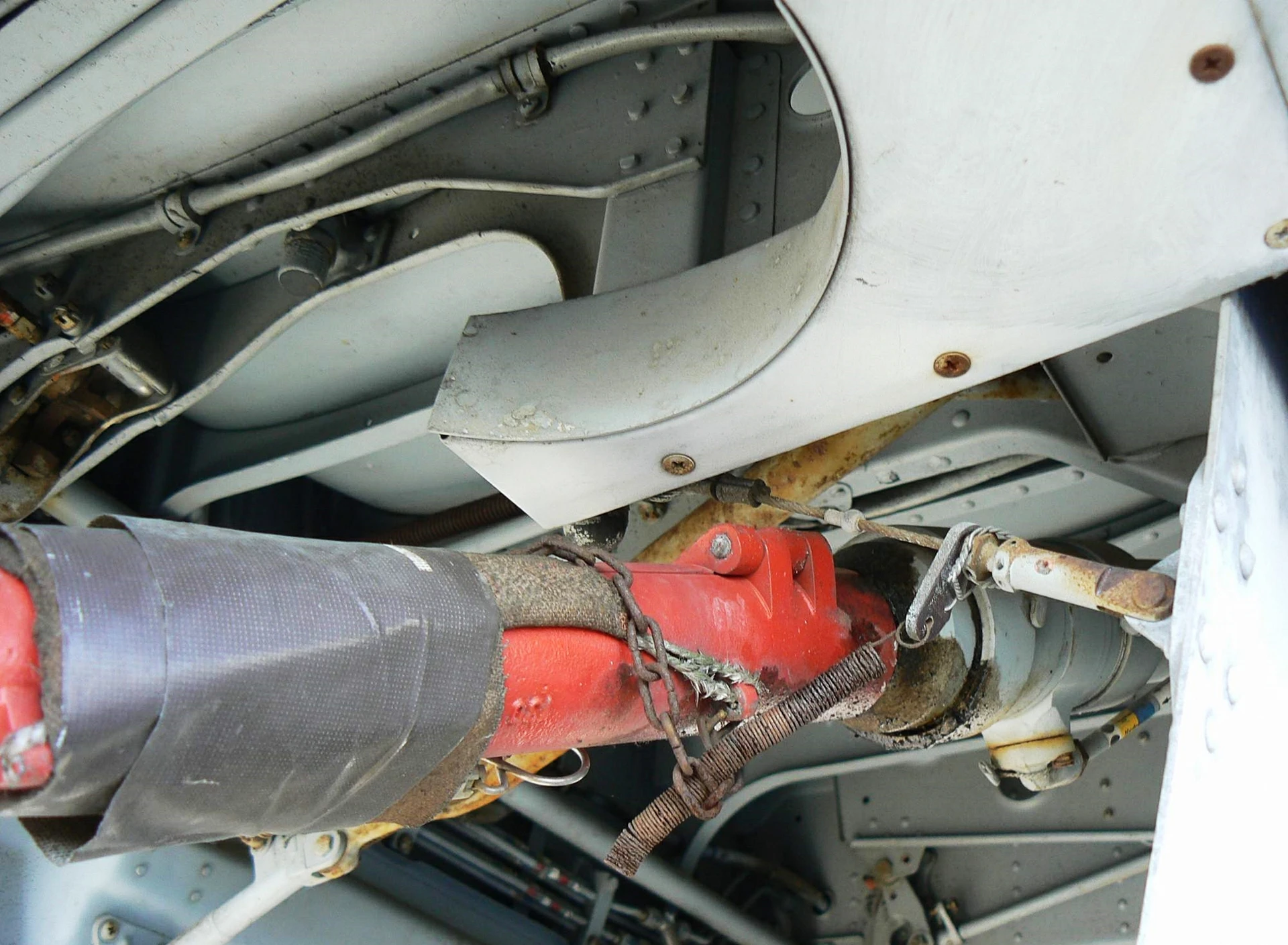


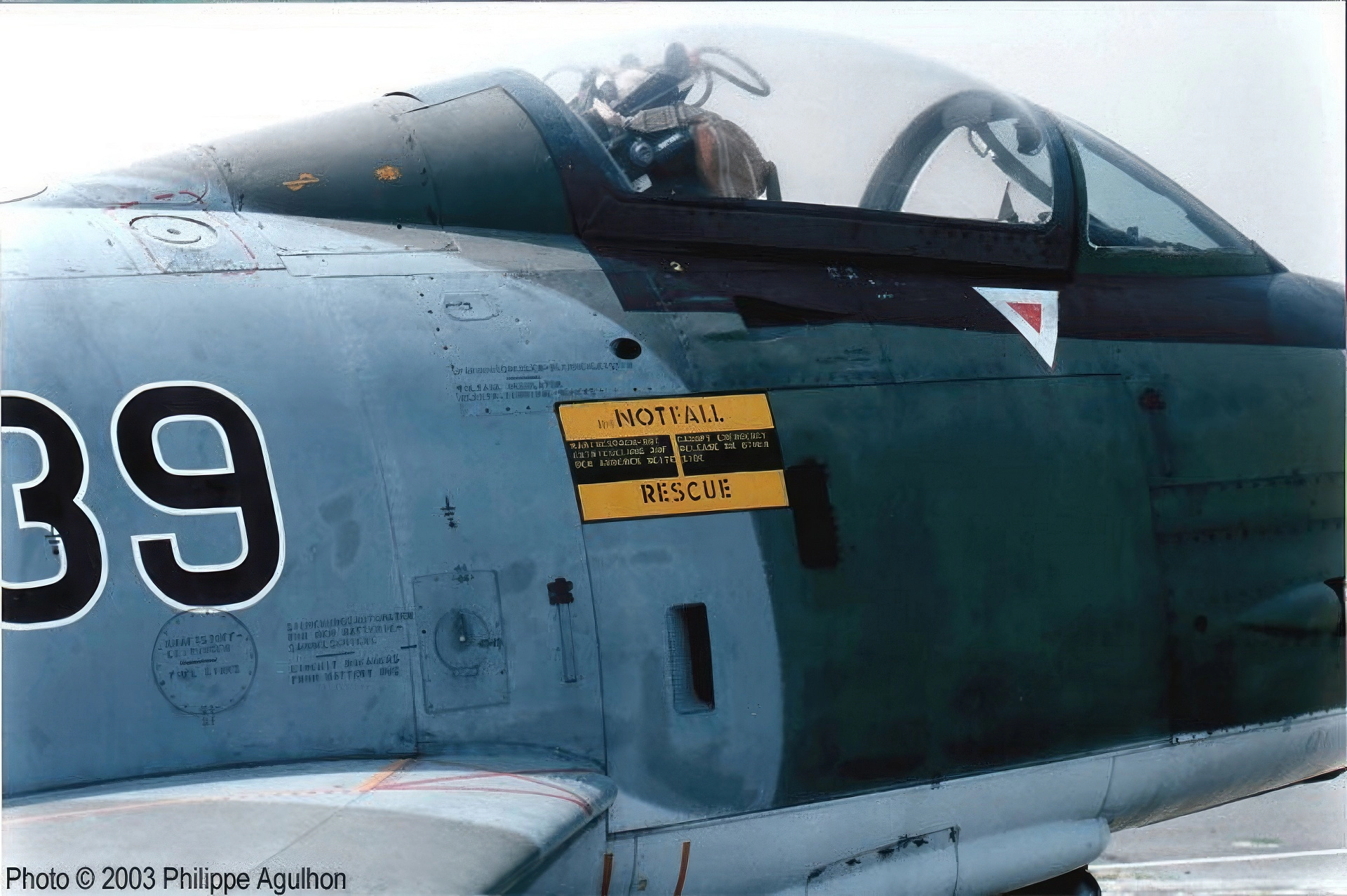
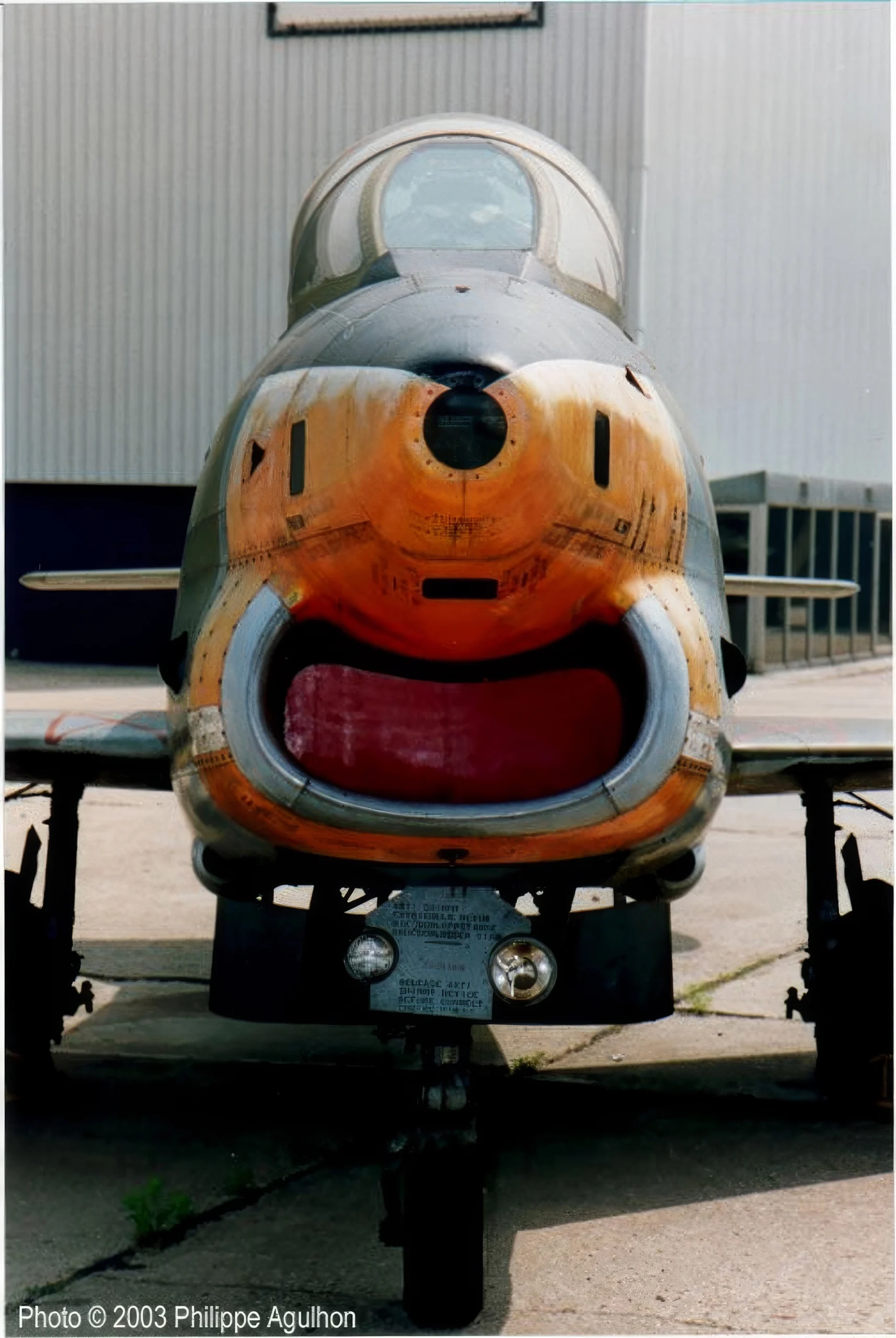
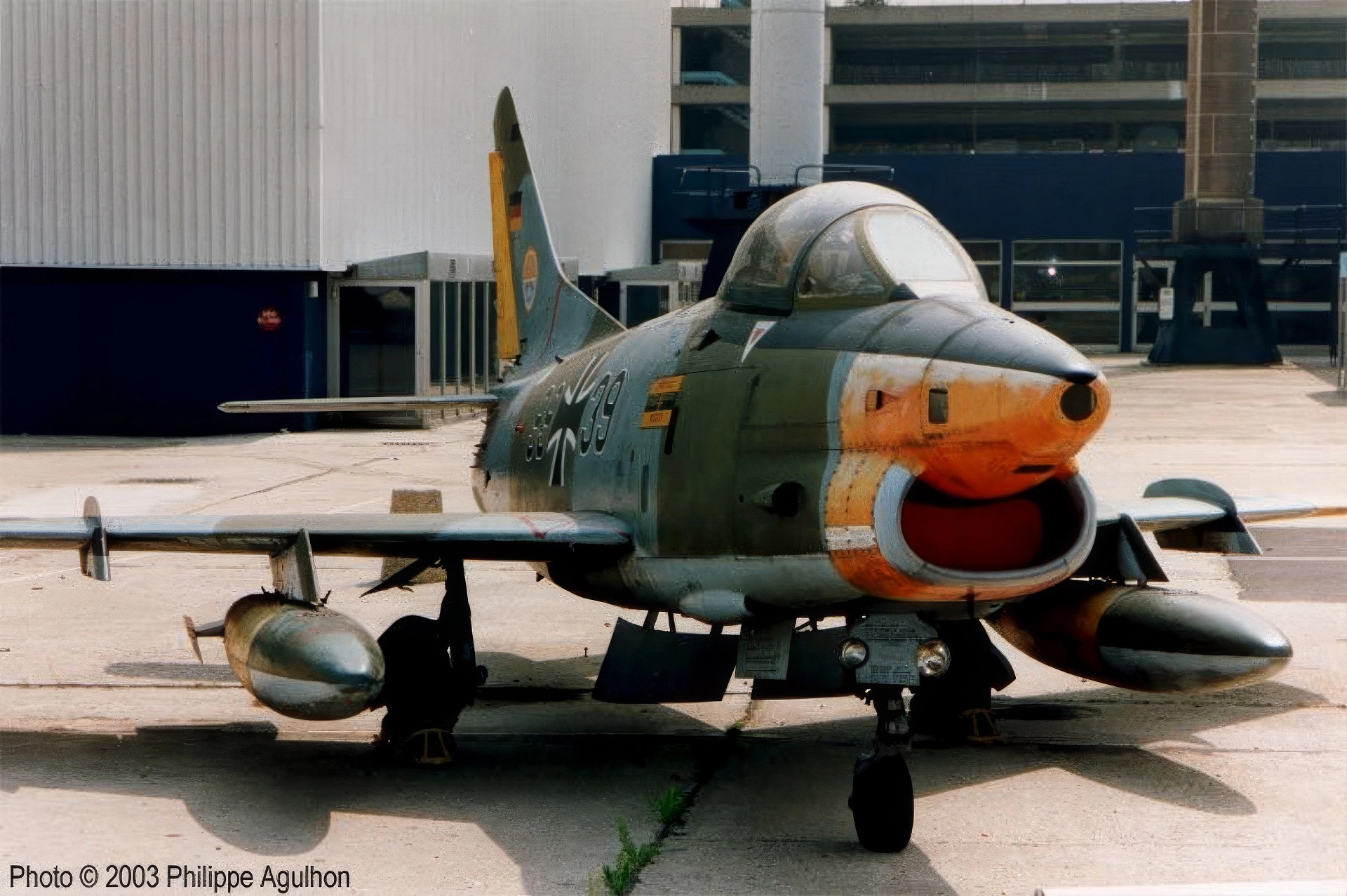
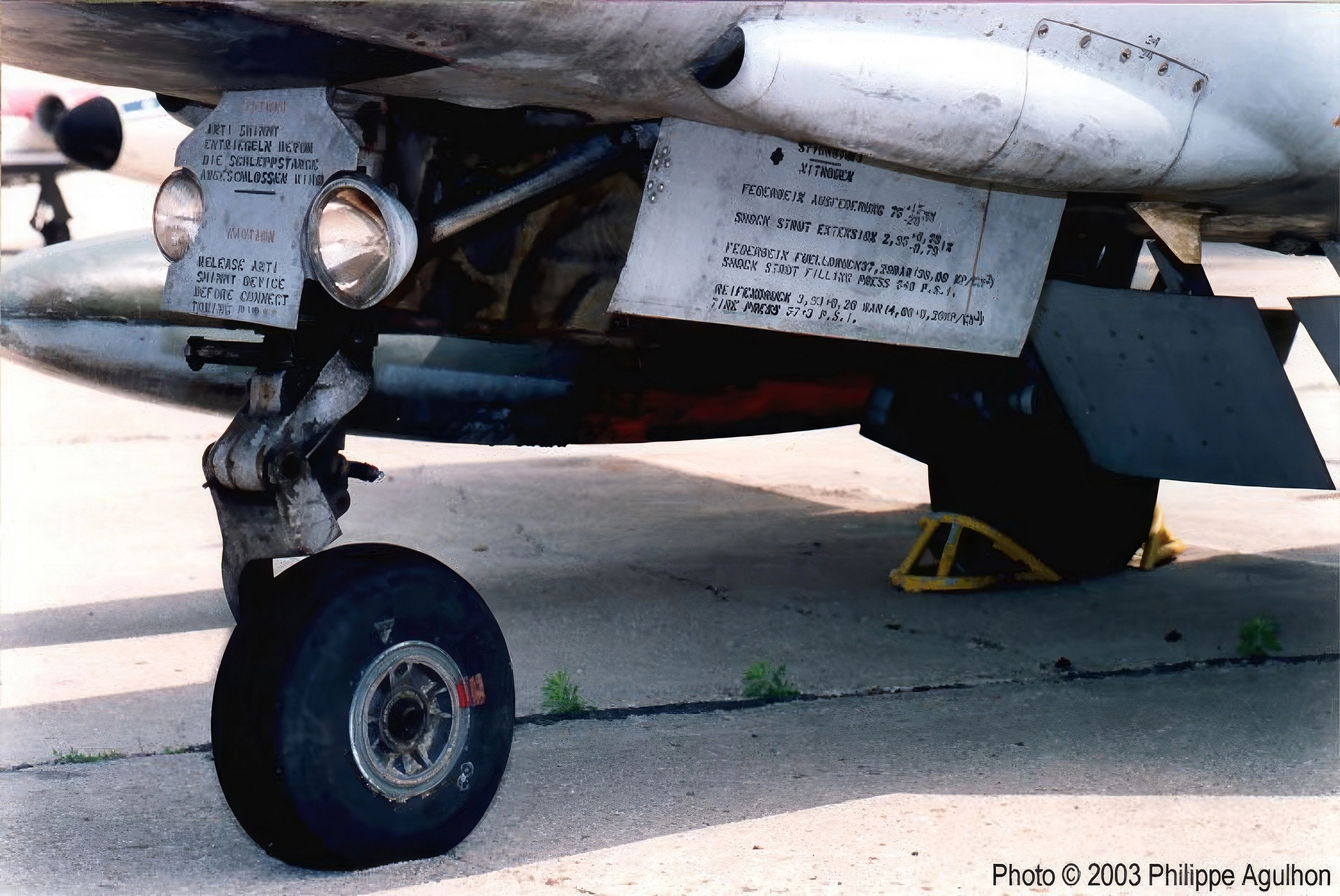
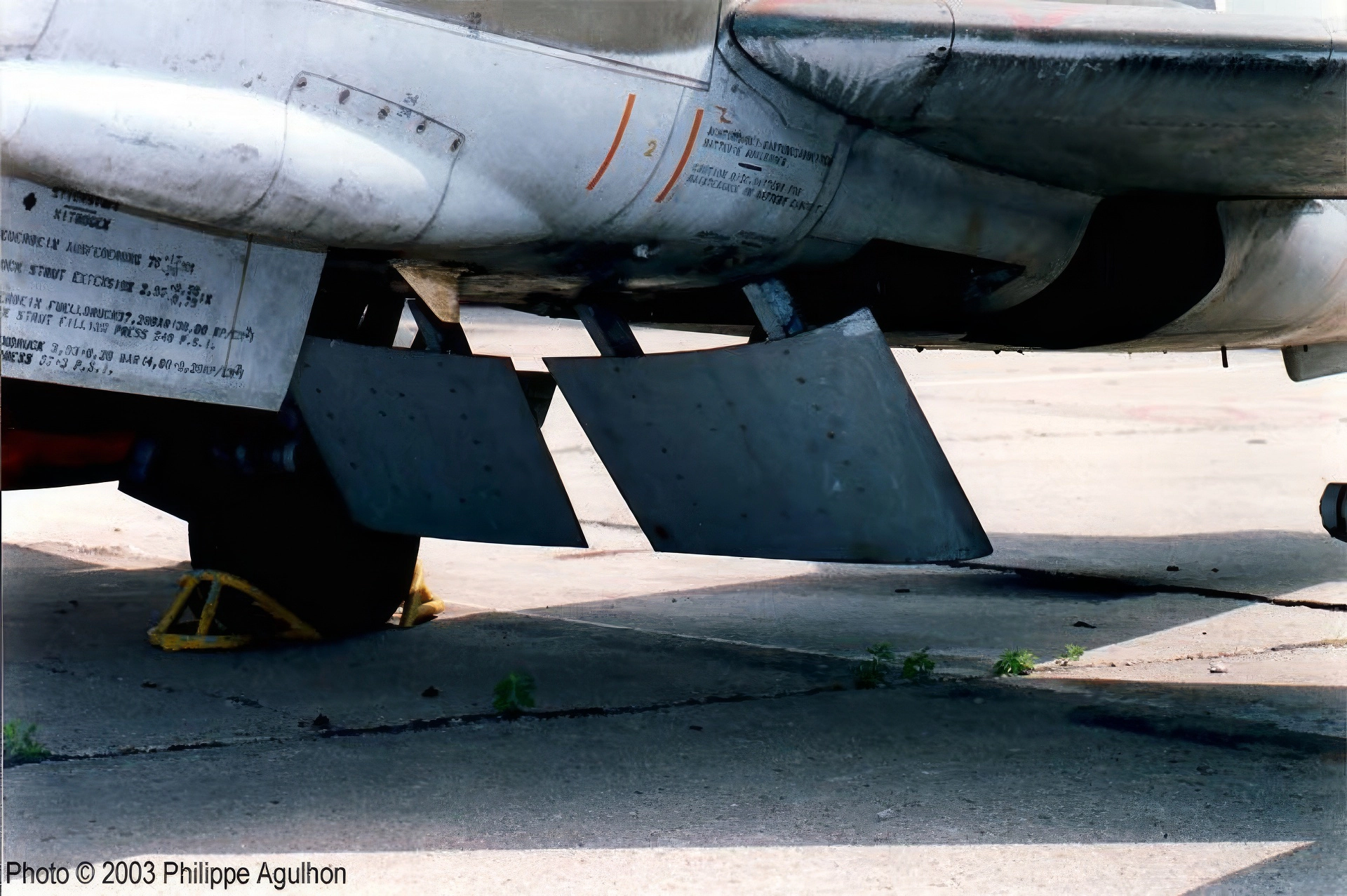
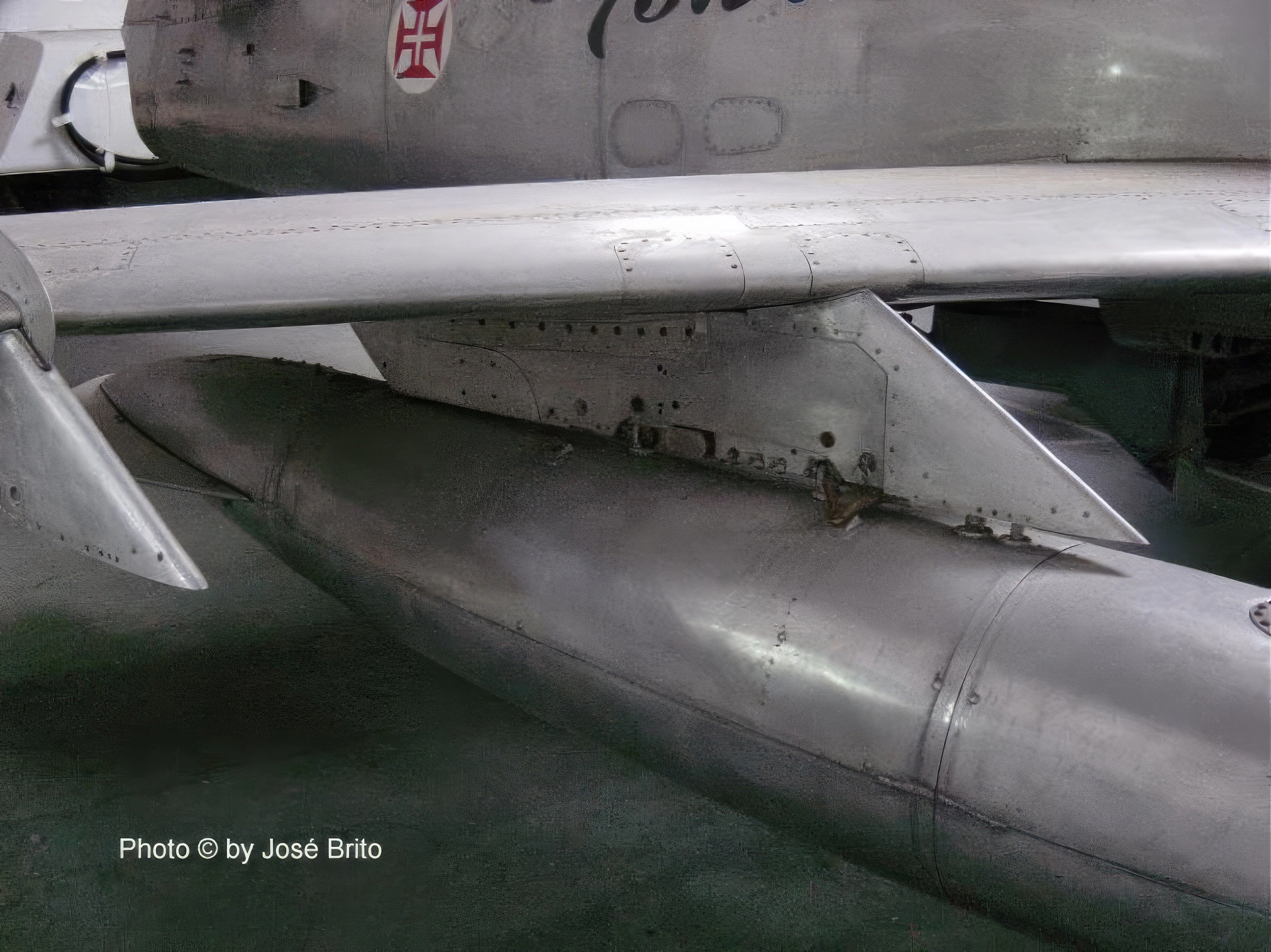
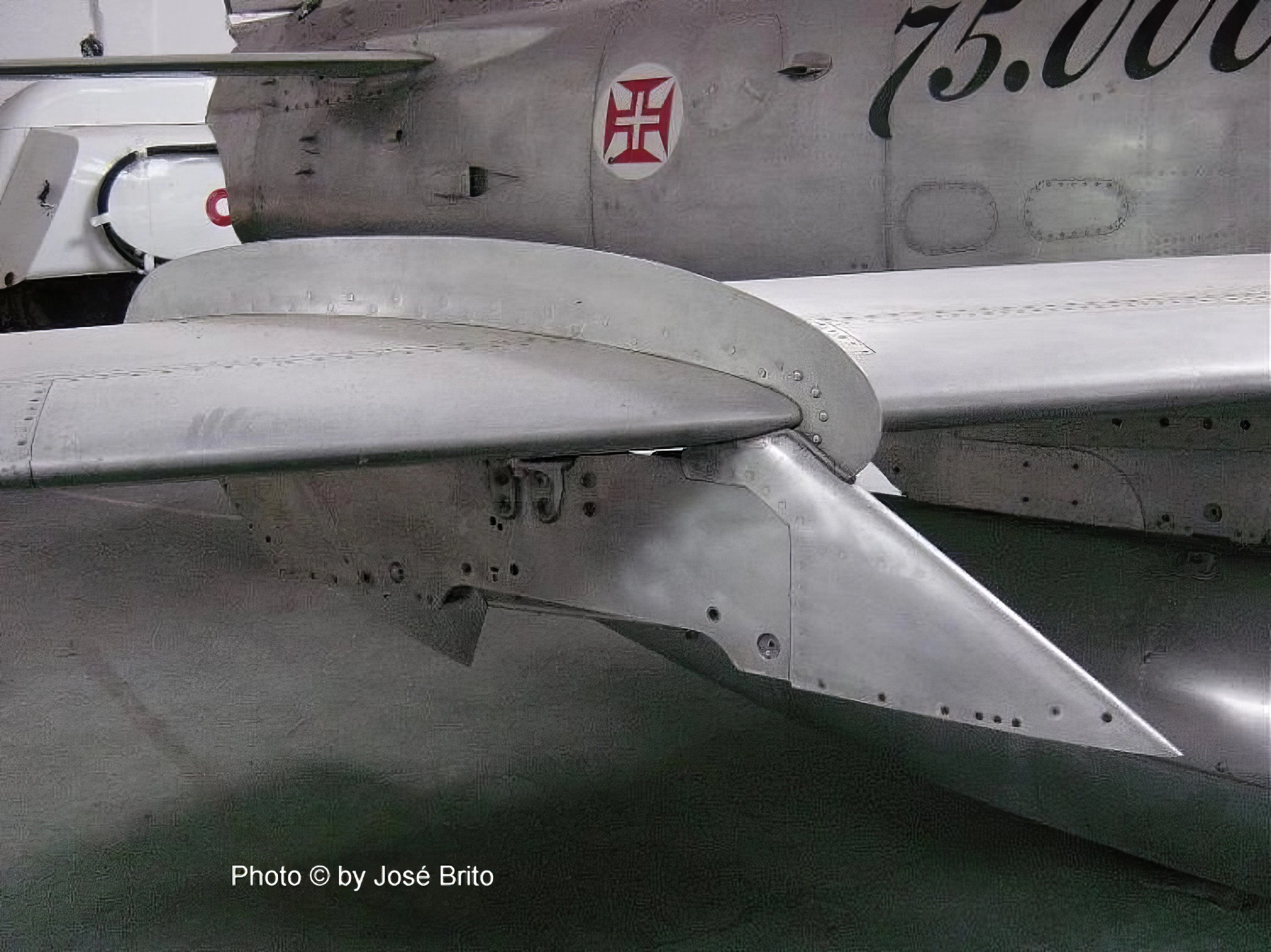
 Fiat CR.46 – Photos et vidéos
 C-130J Hercules – Photos & Vidéo
 Fiat CR.42 – Photos et vidéos
 Fiat CR.32 – Photos & Vidéo
 PZL P.11 – WalkAround
 P-51 Mustang vol2 – Walk Around
 Bell P-63E KingCobra – WalkAround
 Vought F4U Corsair - WalkAround
 F4U-7 Corsair – WalkAround
 Fiat G-55 Centauro – Walk Around