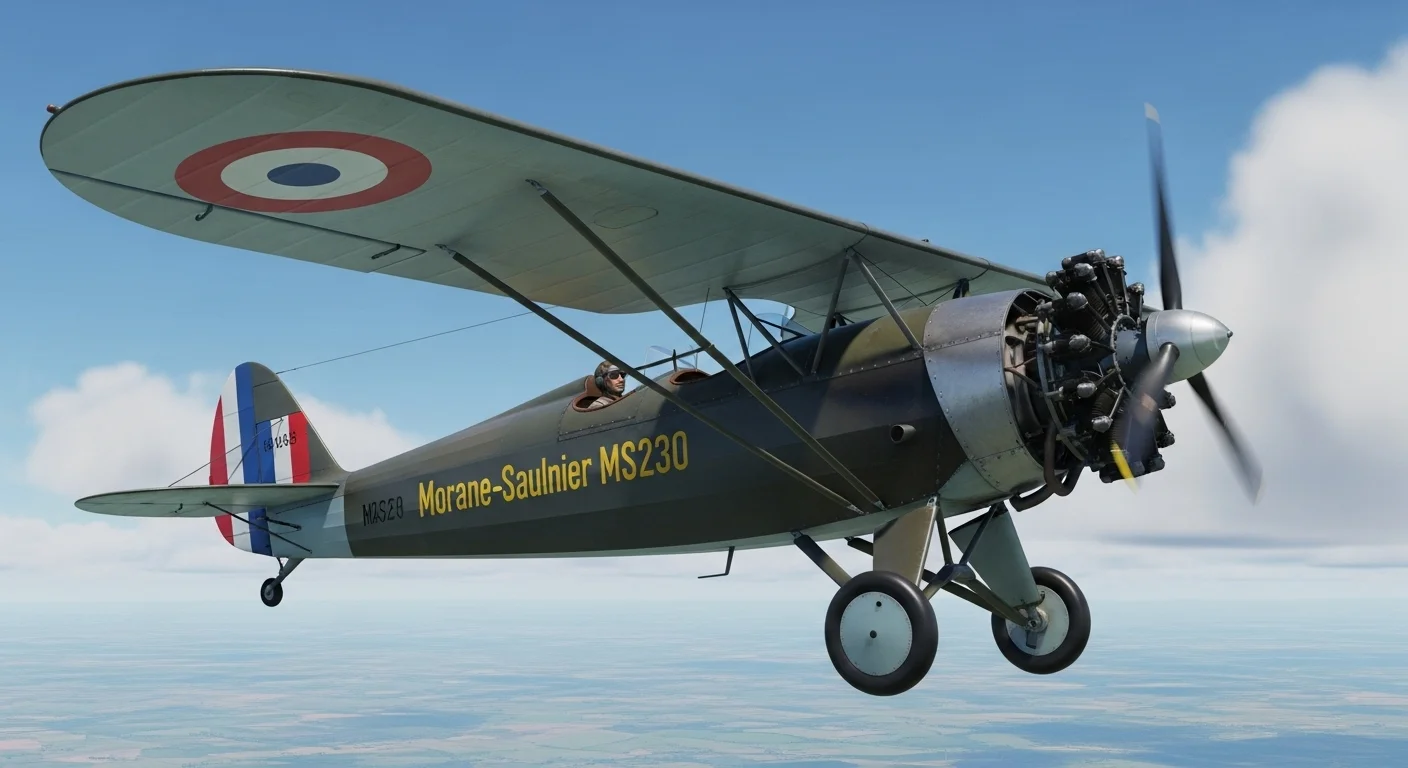
Morane-Saulnier MS.230 | |
|---|---|
| Riik | Prantsusmaa |
| Tüüp | Algklasside treener |
| Esimene lend | Veebruar 1929 |
| Ehitatud | 1000+ |
2007 Morane-Saulnier MS.230 lennuk oli 1930. aastatel Prantsuse Armée de l'Airi peamine algkoolitaja. Peaaegu kõik Teise maailmasõja puhkedes Armée de l'Airi eest lennanud Prantsuse piloodid olid saanud selles masinas oma varaseima lennukoolituse. See oli samaväärne Stearmani koolitajaga Ameerika Ühendriikide lennuteenustes ja de Havillandi tiigrimutiga Briti kuninglikes õhujõududes.
Allikas: Morane-Saulnier MS.230 Wikis
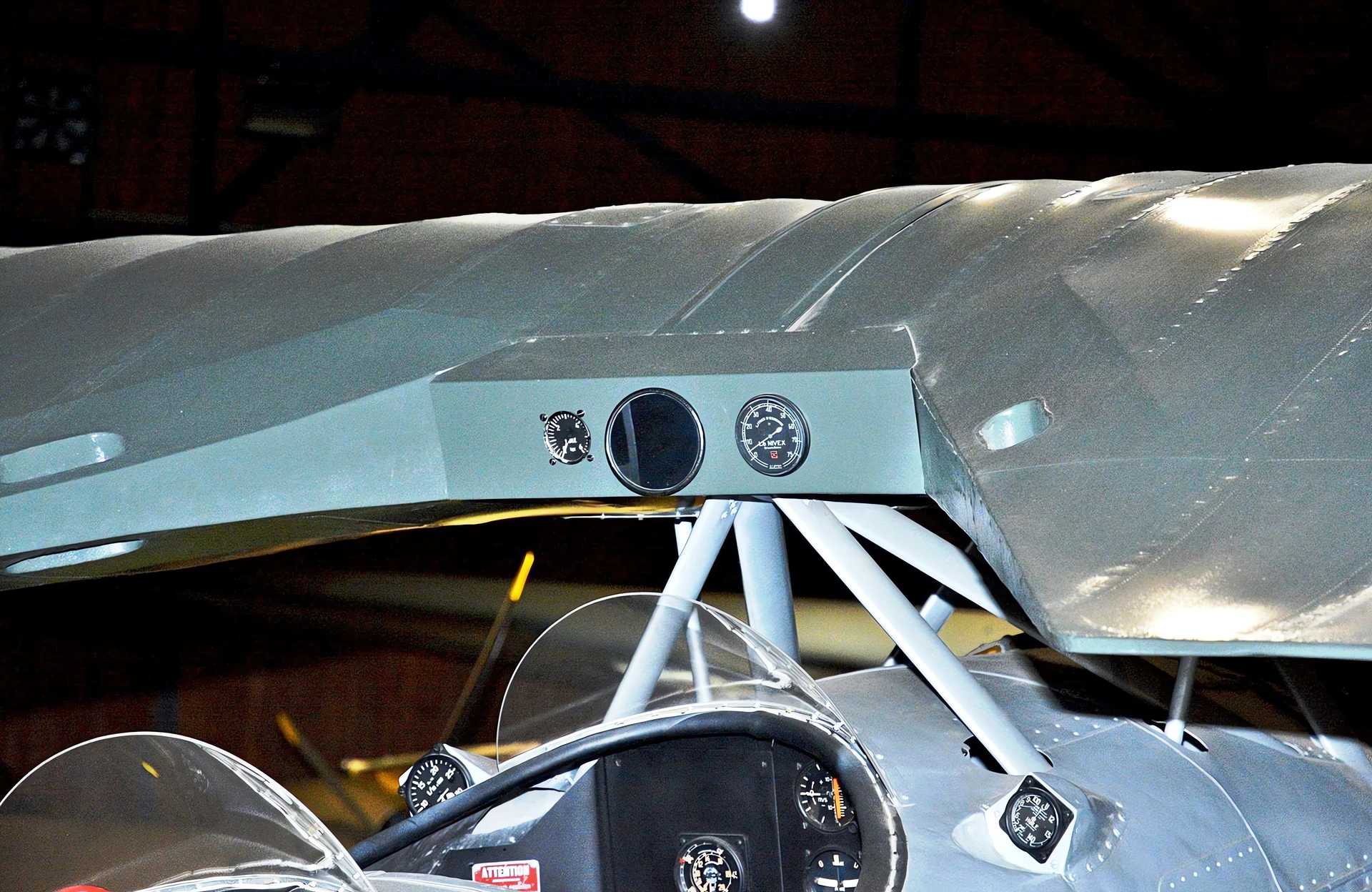
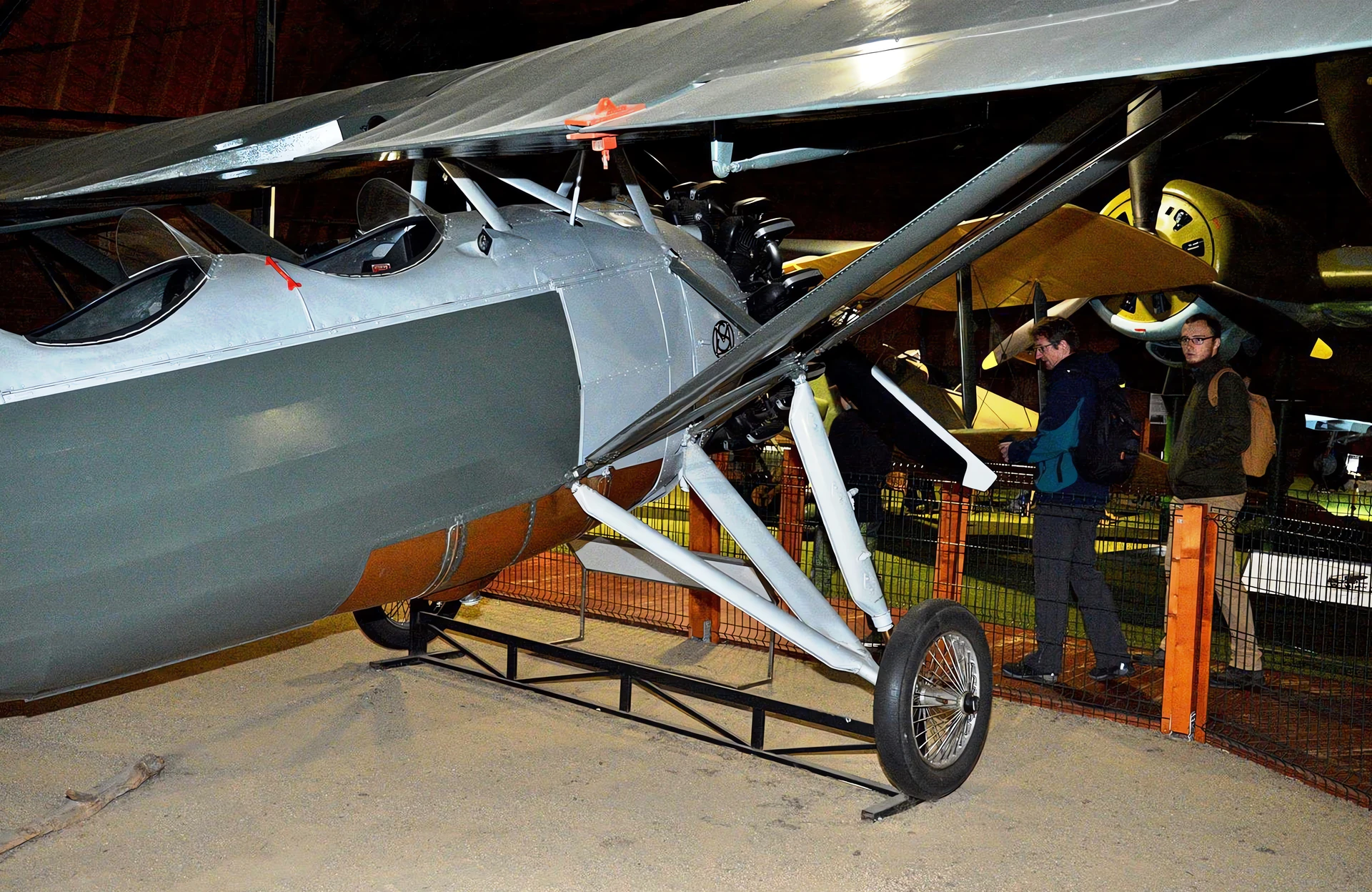
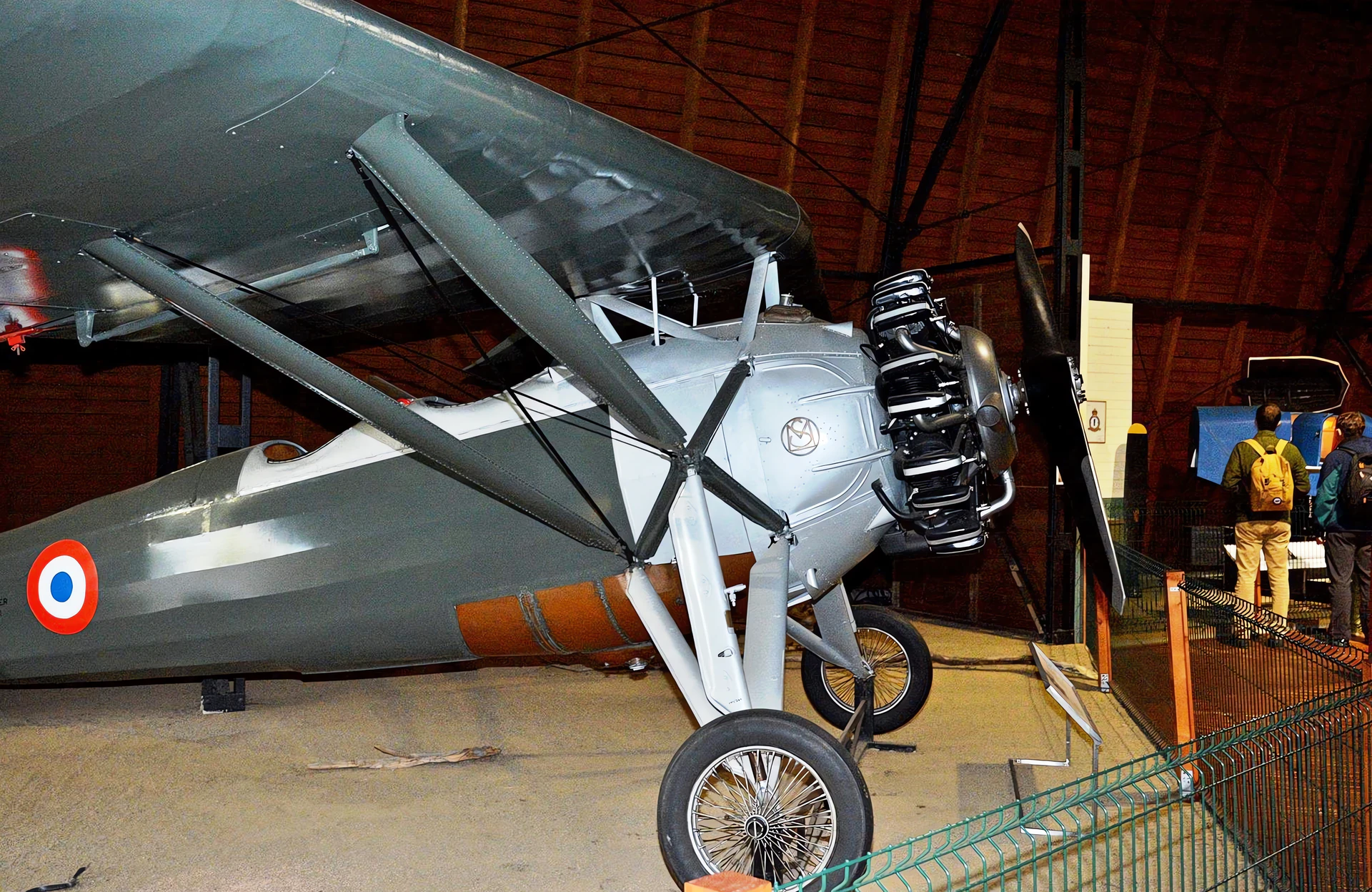
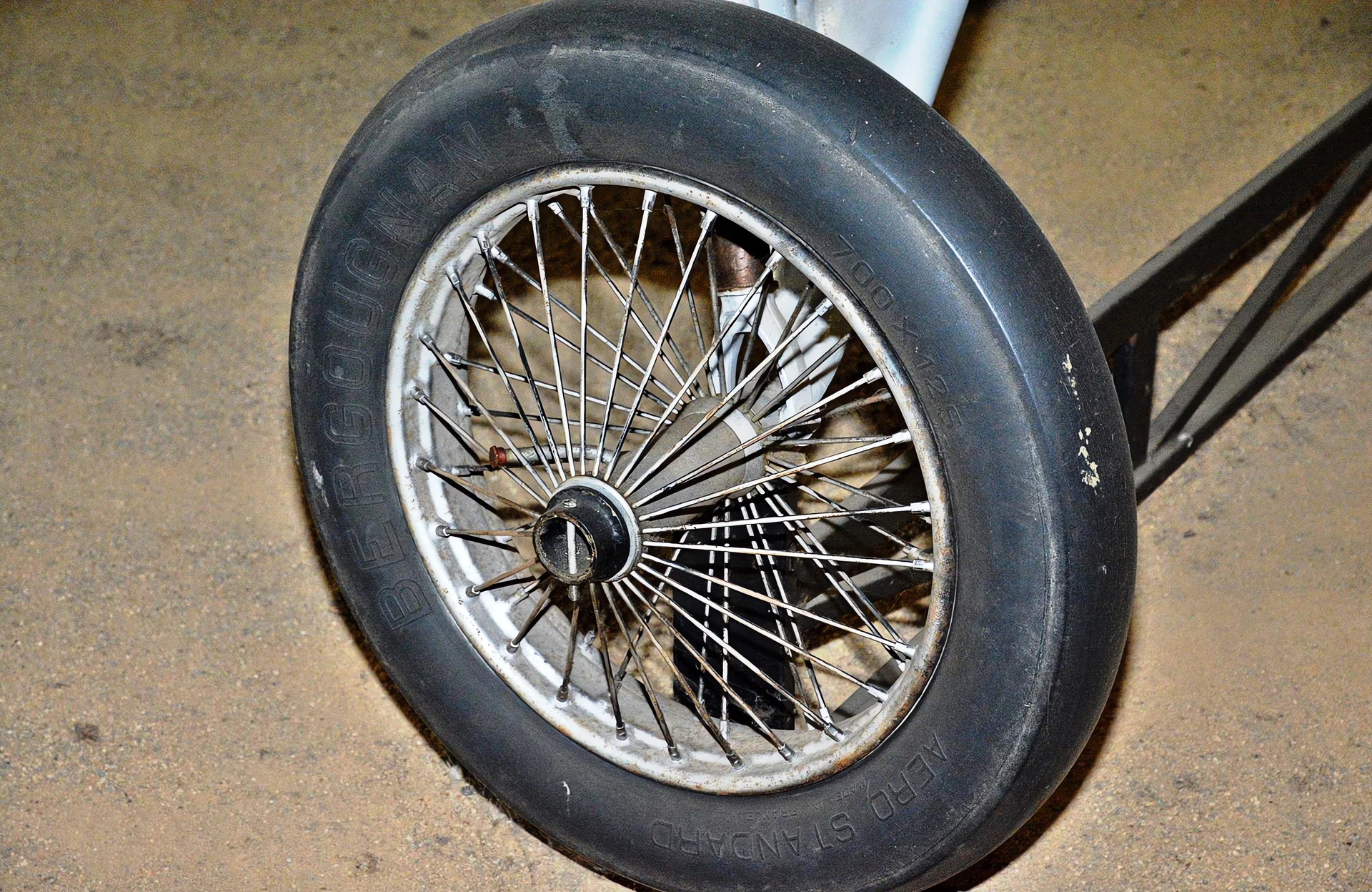
| Morane Saulnier MS-230 Walk Around | |
|---|---|
| Fotograaf | Pavel Senk |
| Lokaliseerimine | Teadmata |
| Fotod | 26 |
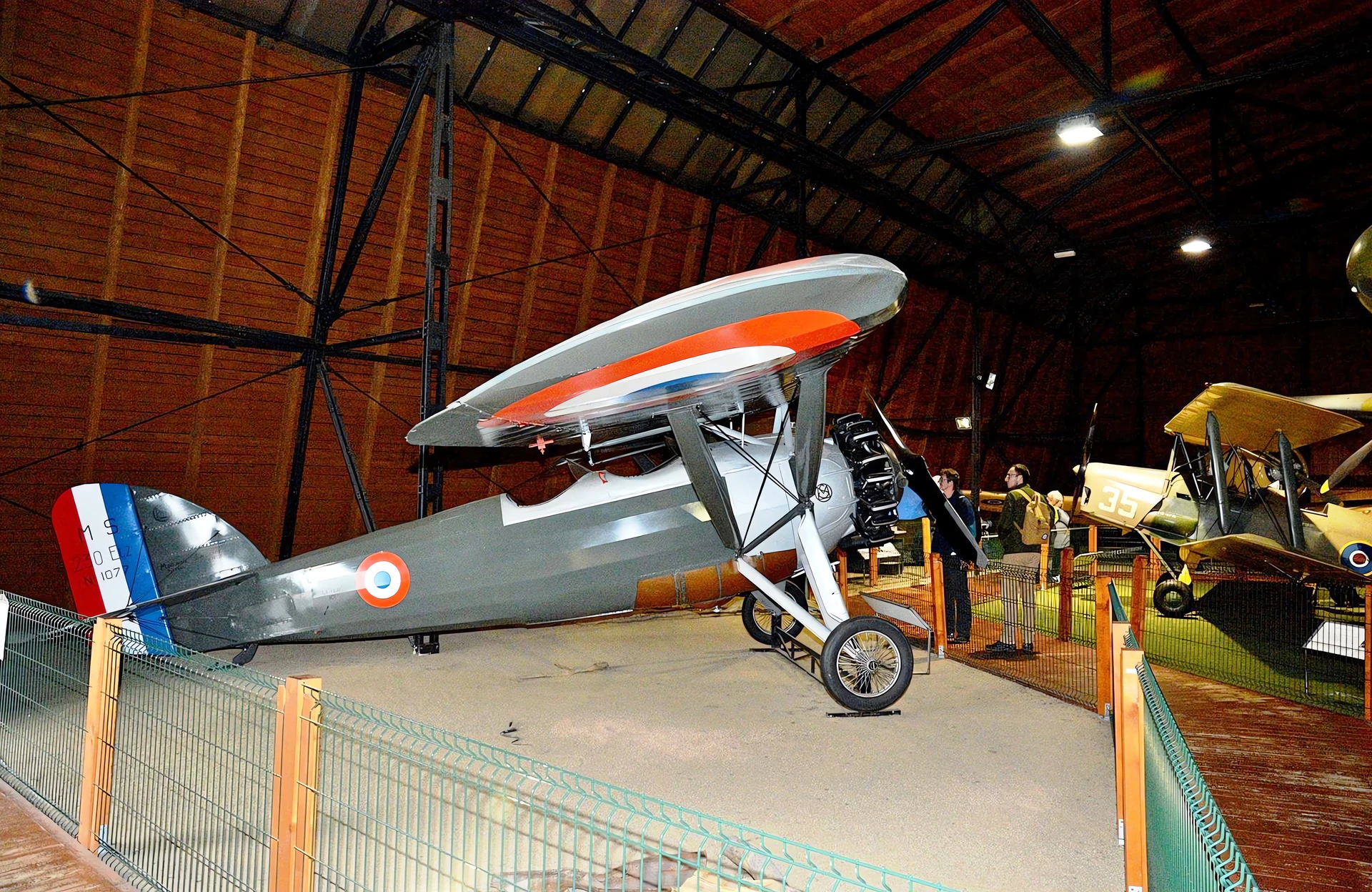
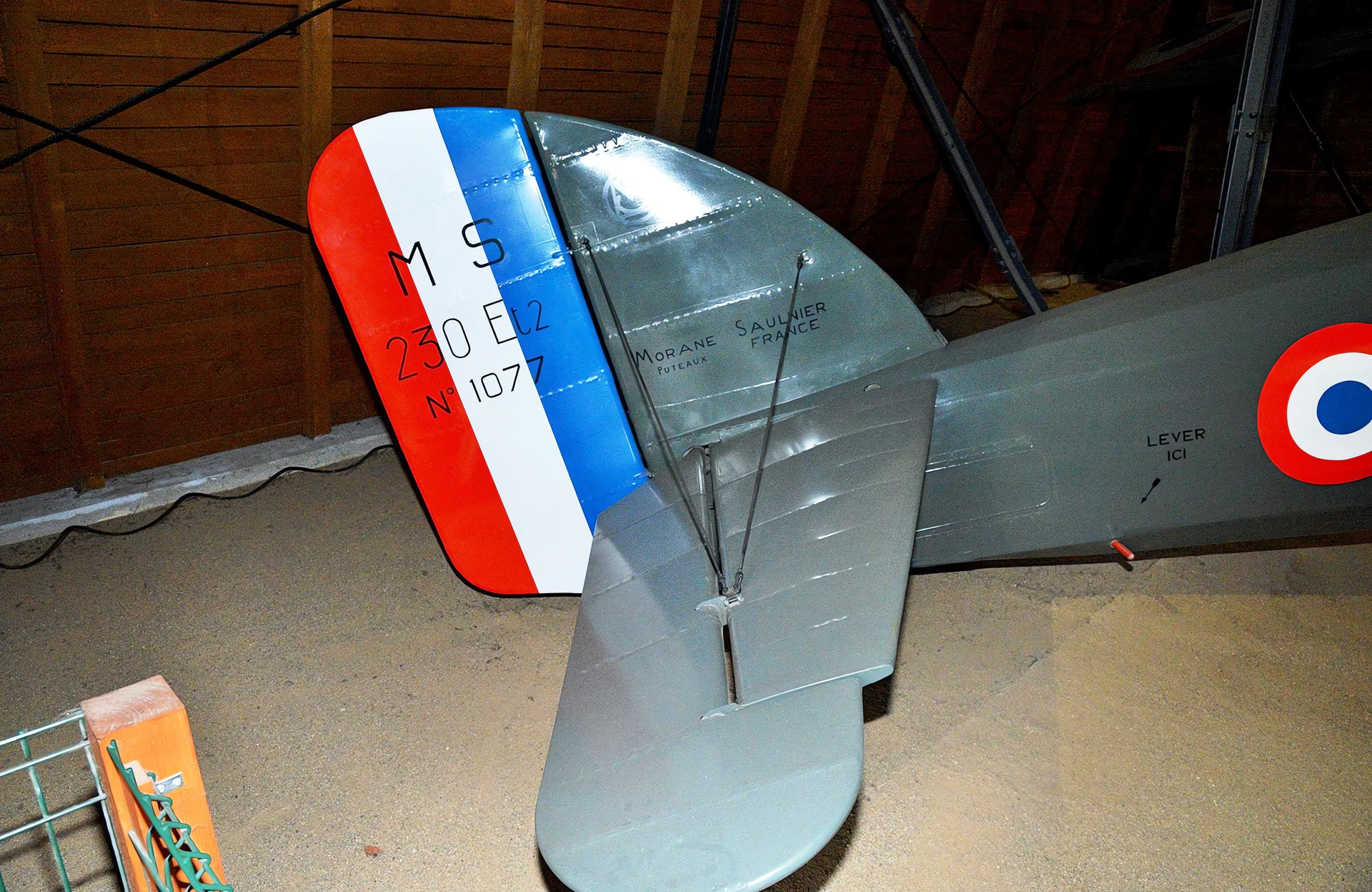
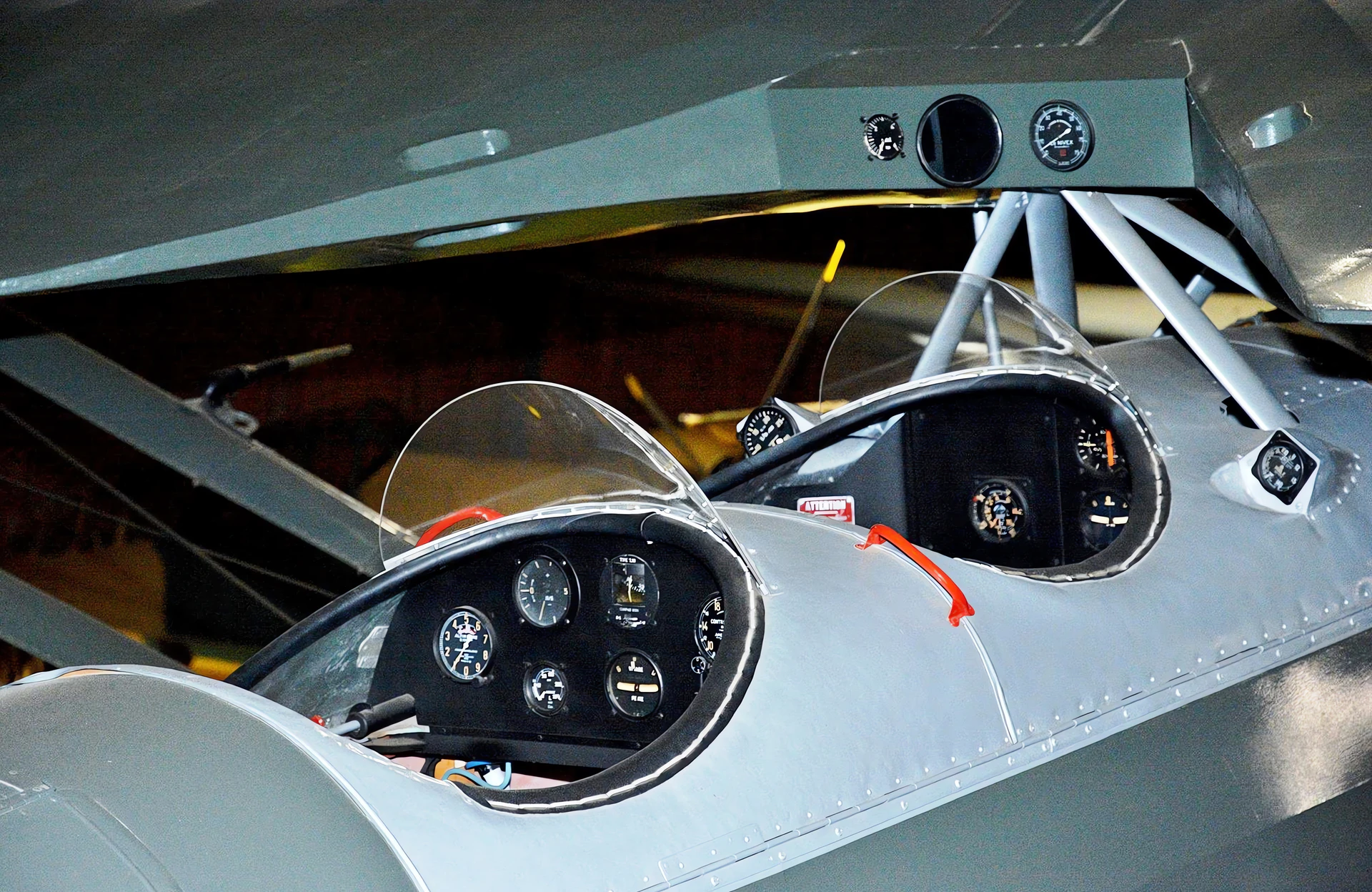
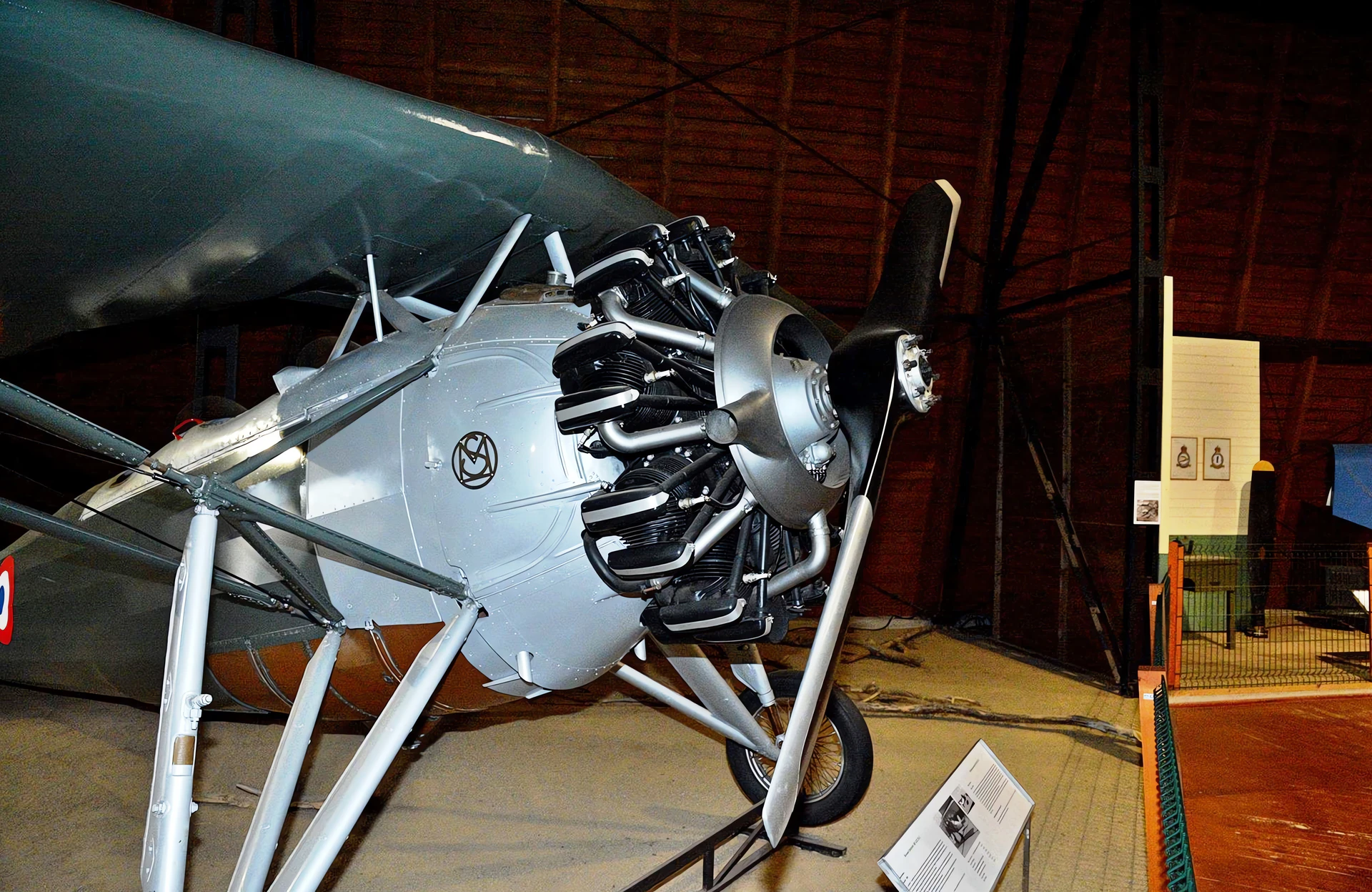
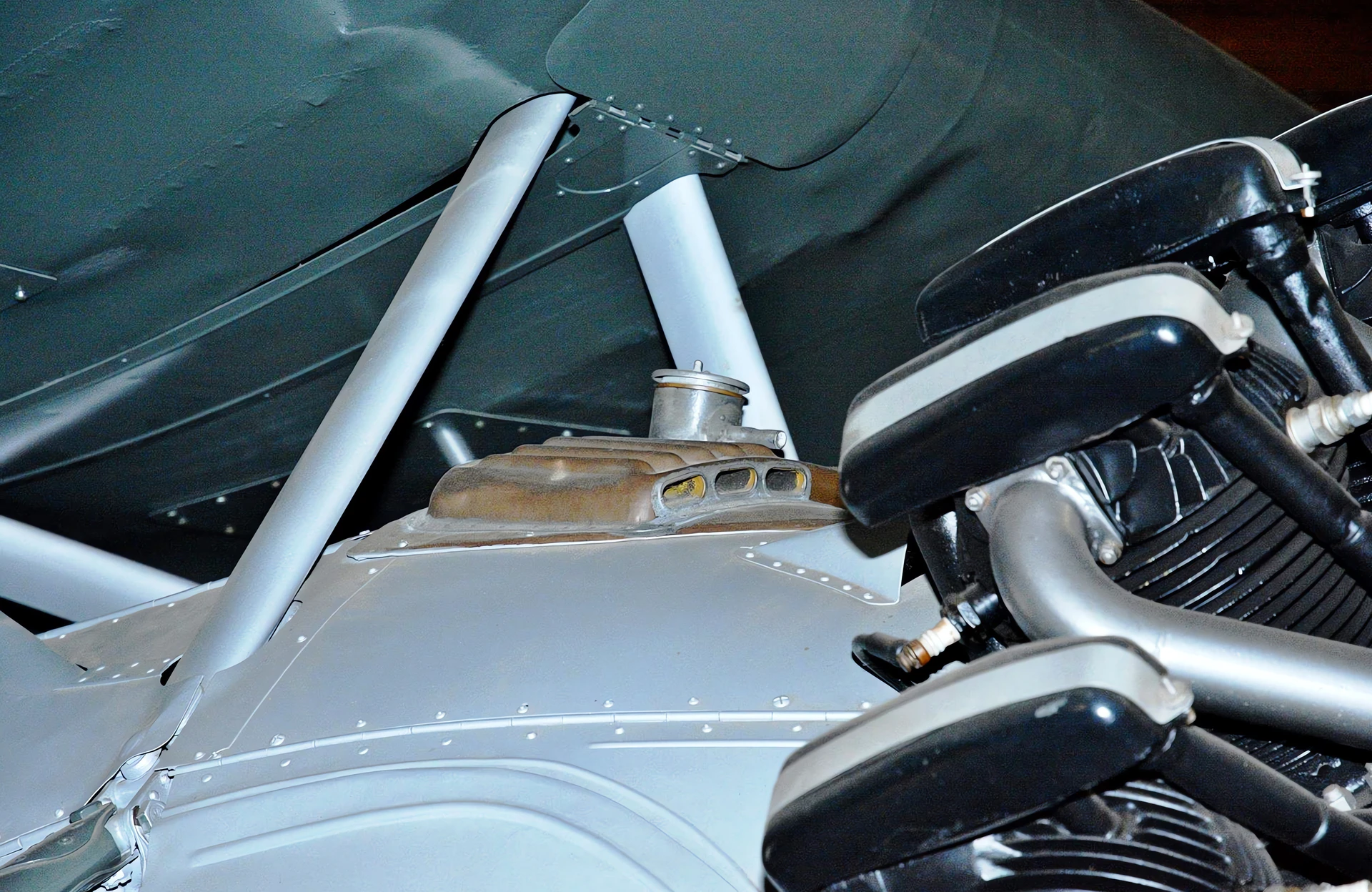


Vaata ka:


The Standard of Interwar Training
2007 Morane-Saulnier MS.230 was the primary advanced trainer for the French Air Force throughout the 1930s. Known for its distinctive “parasol” wing—a single wing mounted above the fuselage on struts—it offered pilots excellent visibility and extremely stable handling. It was a rugged, versatile aircraft that felt just as comfortable performing aerobatics as it did training novice pilots for the transition to faster fighter aircraft.
| Attribute | Standard Specification (MS.230) |
|---|---|
| Rolli | Advanced Trainer / Liaison |
| Meeskonna | 2 (Student and Instructor in tandem) |
| First Flight | Veebruar 1929 |
| Jõuallikas | 1 × Salmson 9Ab 9-cylinder air-cooled radial |
| Horsepower | 230 hp (172 kW) |
| Maximum Speed | 205 km/h (127 mph) |
| Service Ceiling | 5,000 meters (16,400 ft) |
| Ehitamine | Mixed (Metal frame with fabric covering) |
Design and Engineering Features
- Parasol Wing Design: The wing was swept back at a slight angle and mounted high above the fuselage. This specific geometry provided an inherently stable platform that was difficult to stall inadvertently, making it an ideal trainer.
- Wide-Track Landing Gear: Unlike many contemporary aircraft, the MS.230 had a very wide and robust landing gear. This made it much easier to land on the grass airfields of the era without the risk of “ground looping.”
- The Salmson Radial: The 9-cylinder Salmson engine was famous for its reliability and smooth power delivery, a critical factor for an aircraft that would see constant takeoffs and landings all day.
- Visibility: Because the wing was perched high on struts, the instructor and student had an almost 360-degree view of the horizon and the ground, which was a significant safety advantage during busy flight school operations.
Operational History and Export
- Massive Production: Over 1,000 MS.230s were built, a testament to its success. It trained an entire generation of French pilots who would later fly the Dewoitine D.520 and Morane-Saulnier MS.406 in WWII.
- Combat Roles: During the Battle of France in 1940, some MS.230s were pressed into service for reconnaissance and liaison roles. Even after the armistice, they continued to serve with the Vichy French and the Luftwaffe as trainers.
- Global Reach: The aircraft was highly popular abroad, exported to Belgium, Brazil, Greece, Portugal, and Switzerland. Many remained in service well into the 1950s.
- Cinema Star: The MS.230 gained post-war fame in the movie The Blue Max (1966), where it was modified to resemble a WWI German fighter for the aerial stunt sequences.
Vaadatud : 851
Näete ka :
 McDonnell Douglas KC-10 laiendaja - fotod ja video
 McDonnell FH Phantom - fotod ja video
 C-130J Hercules - fotod ja video
 Macchi MC-200 – WalkAround
 PZL P.11 – WalkAround
 P-51 Mustang vol2 – Jalutuskäik ümber
 Bell P-63E KingCobra – WalkAround
 Vought F4U Corsair – WalkAround
 F4U-7 Corsair – WalkAround
 Douglas A-26 Invader – WalkAround