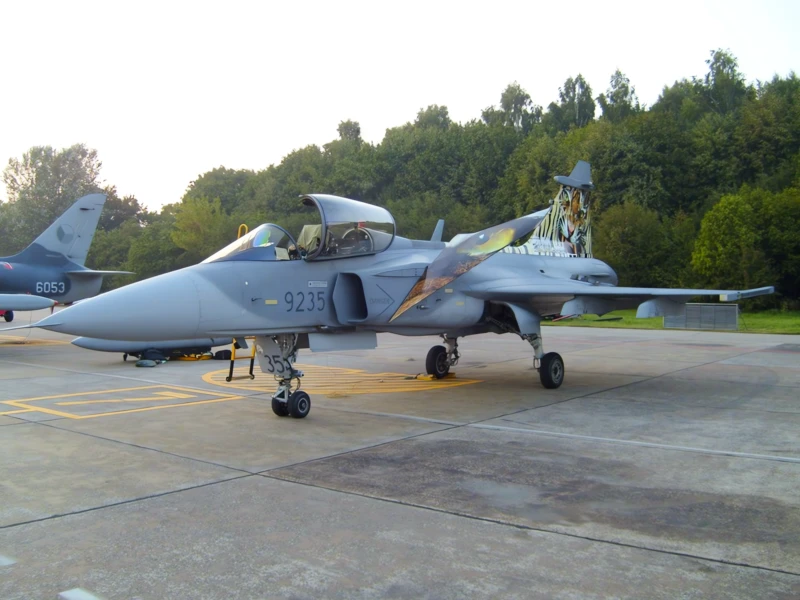
Saab JAS 39 Gripen | |
|---|---|
| País | Suecia |
| Papel | Aviones de combate, ataque y reconocimiento |
| Primer vuelo | 9 de diciembre de 198 |
| Construido | 247 |
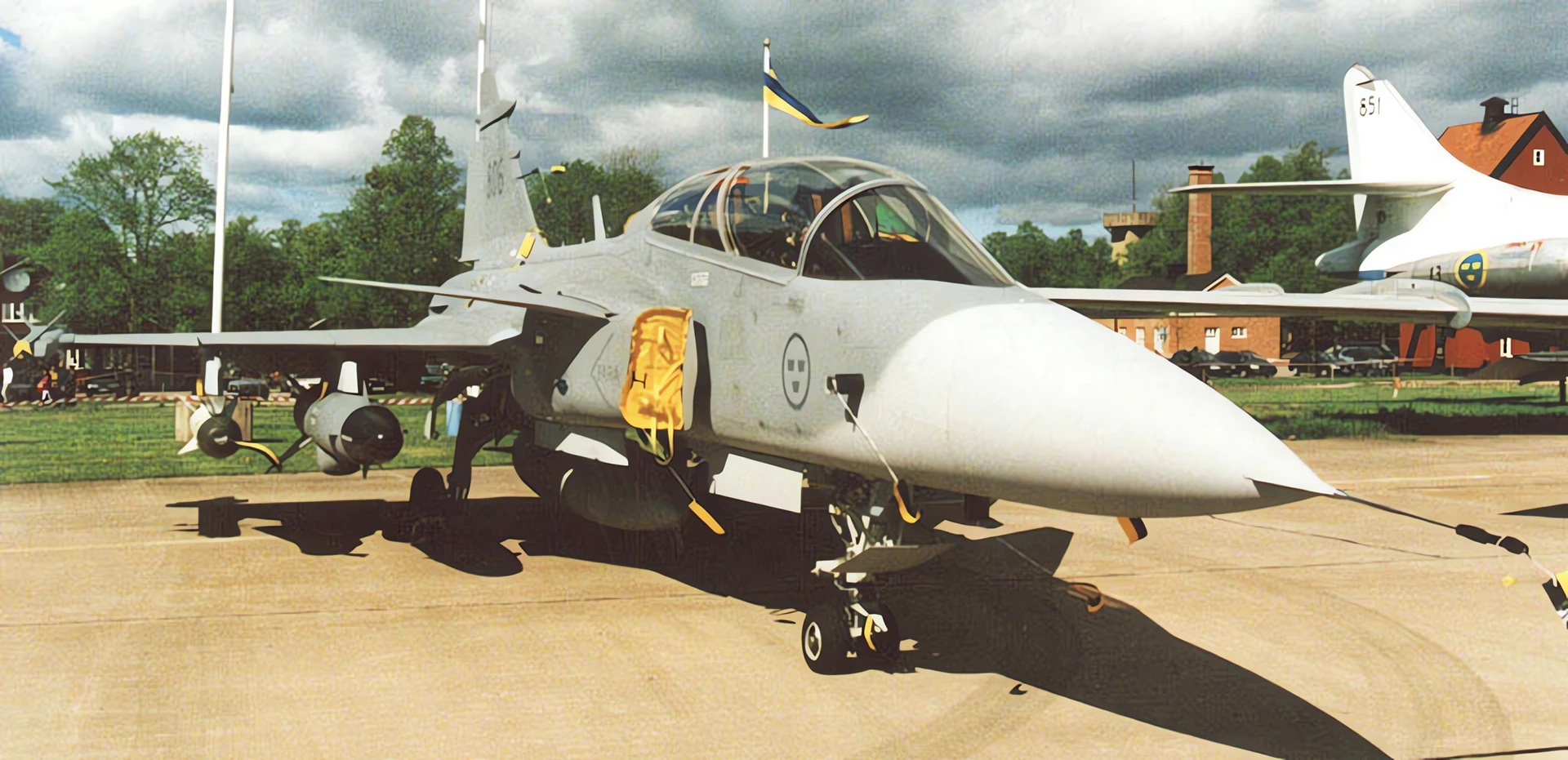
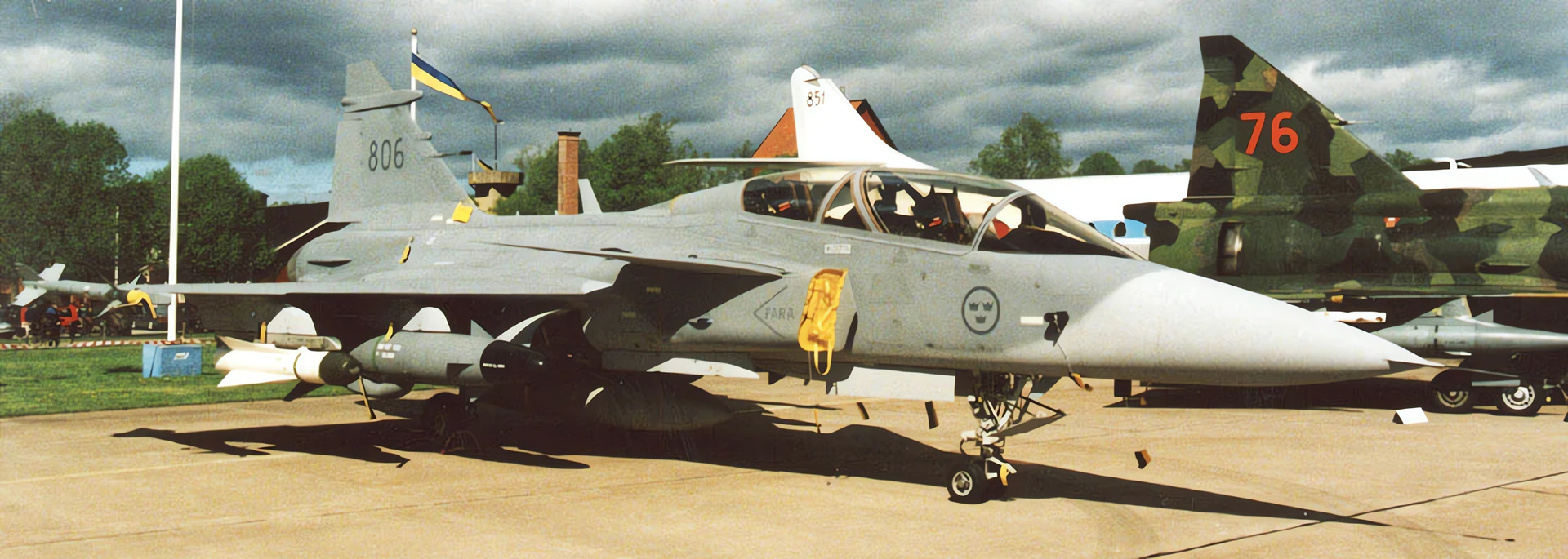
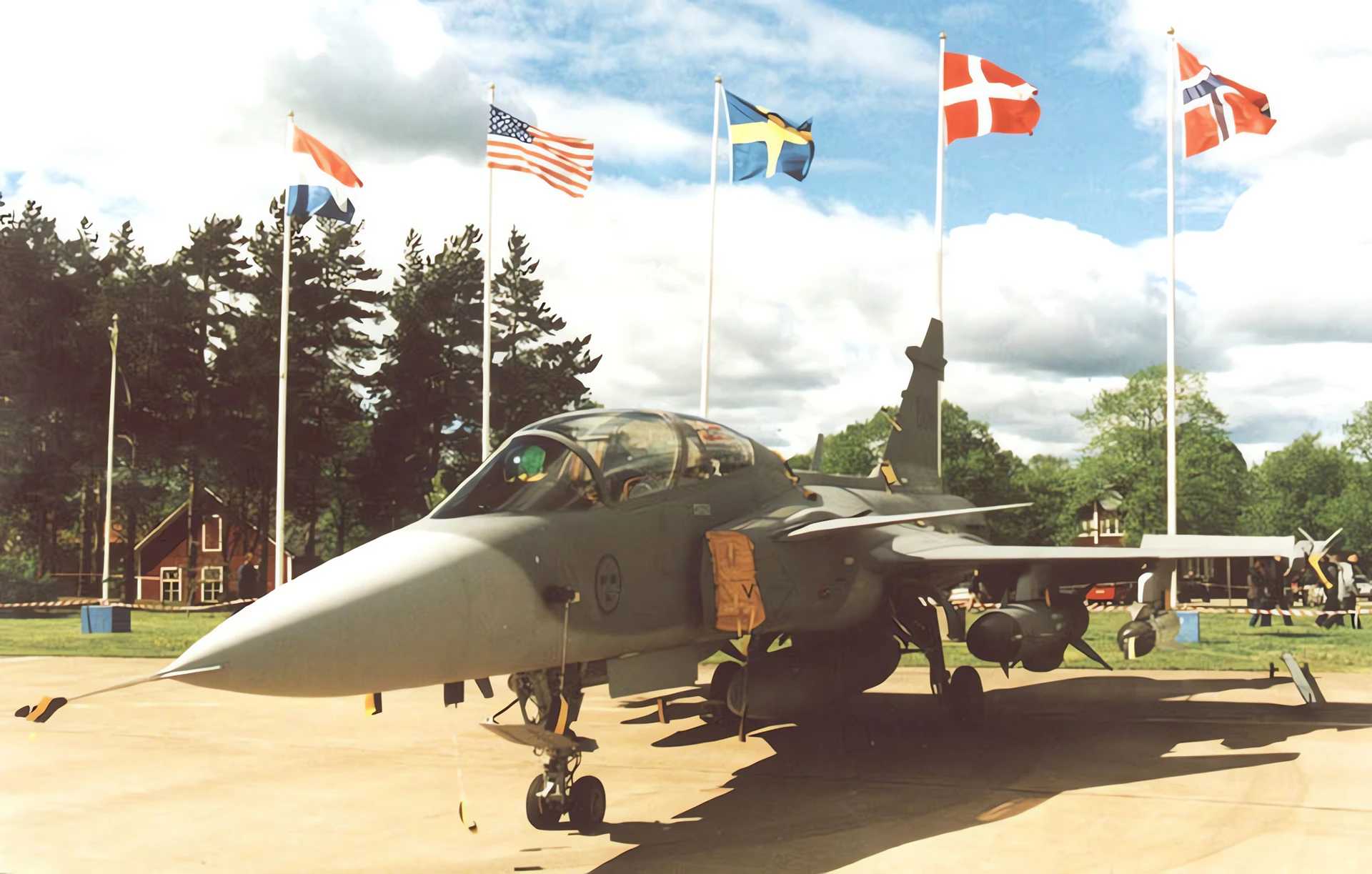
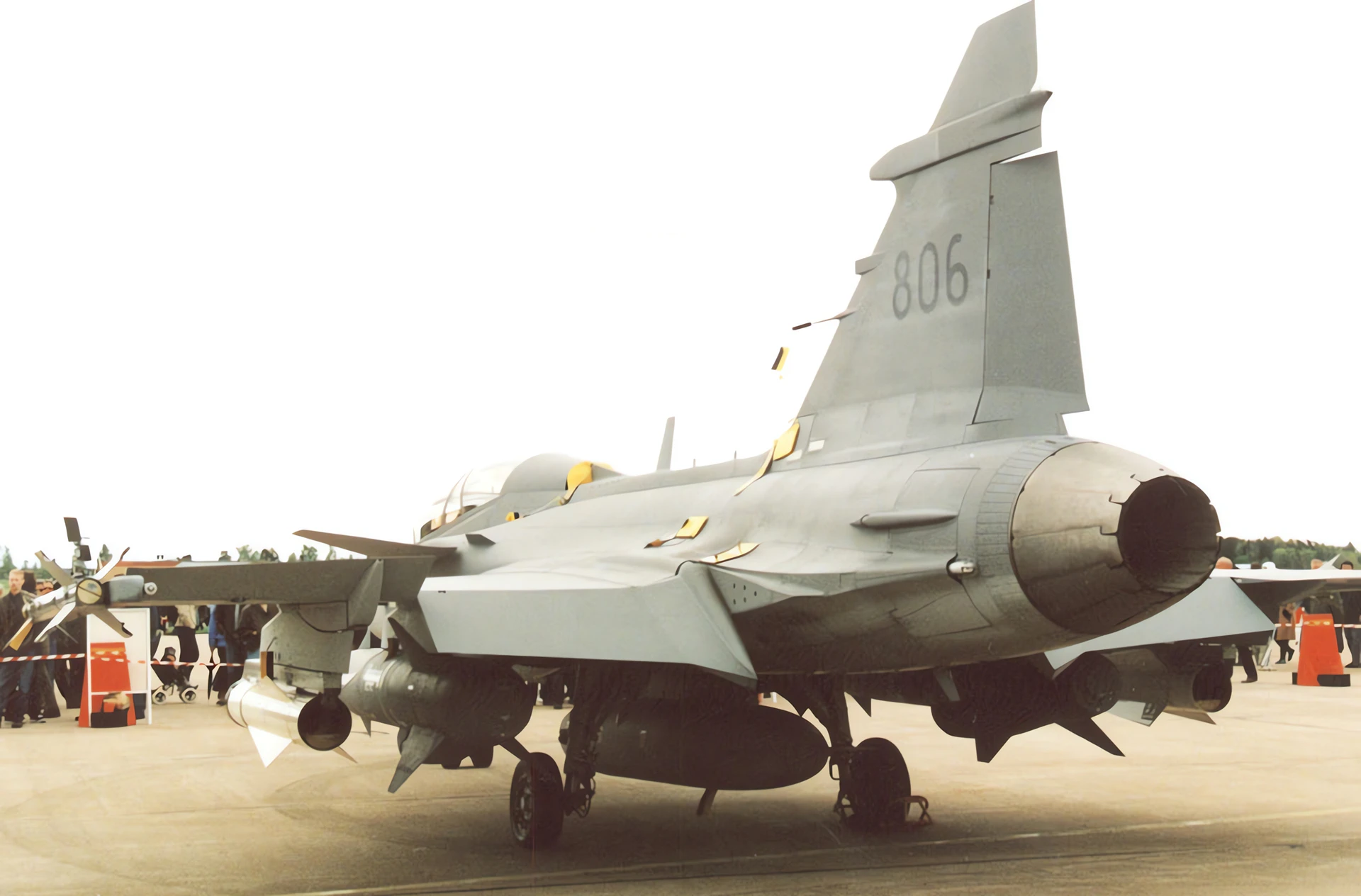
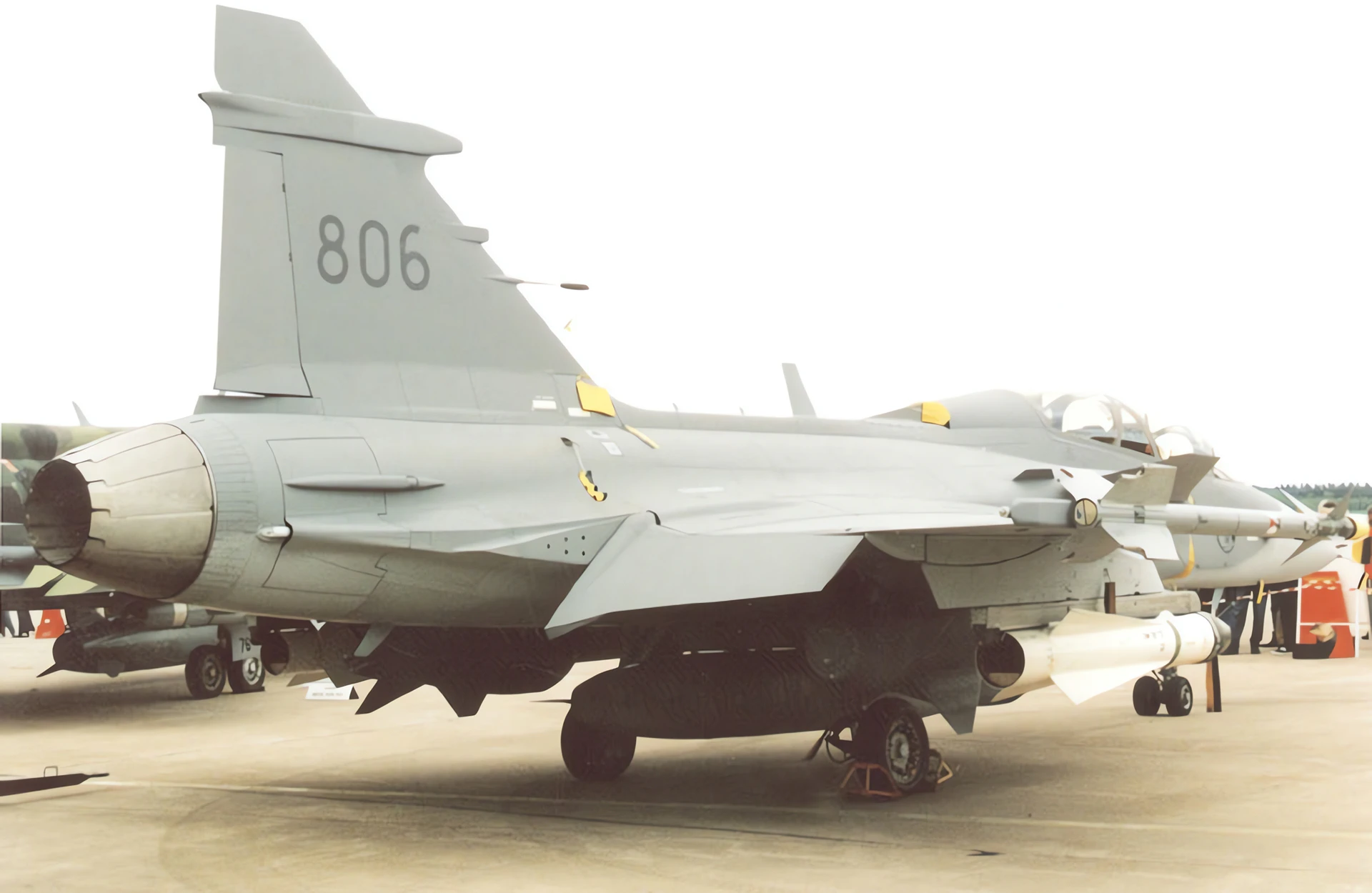
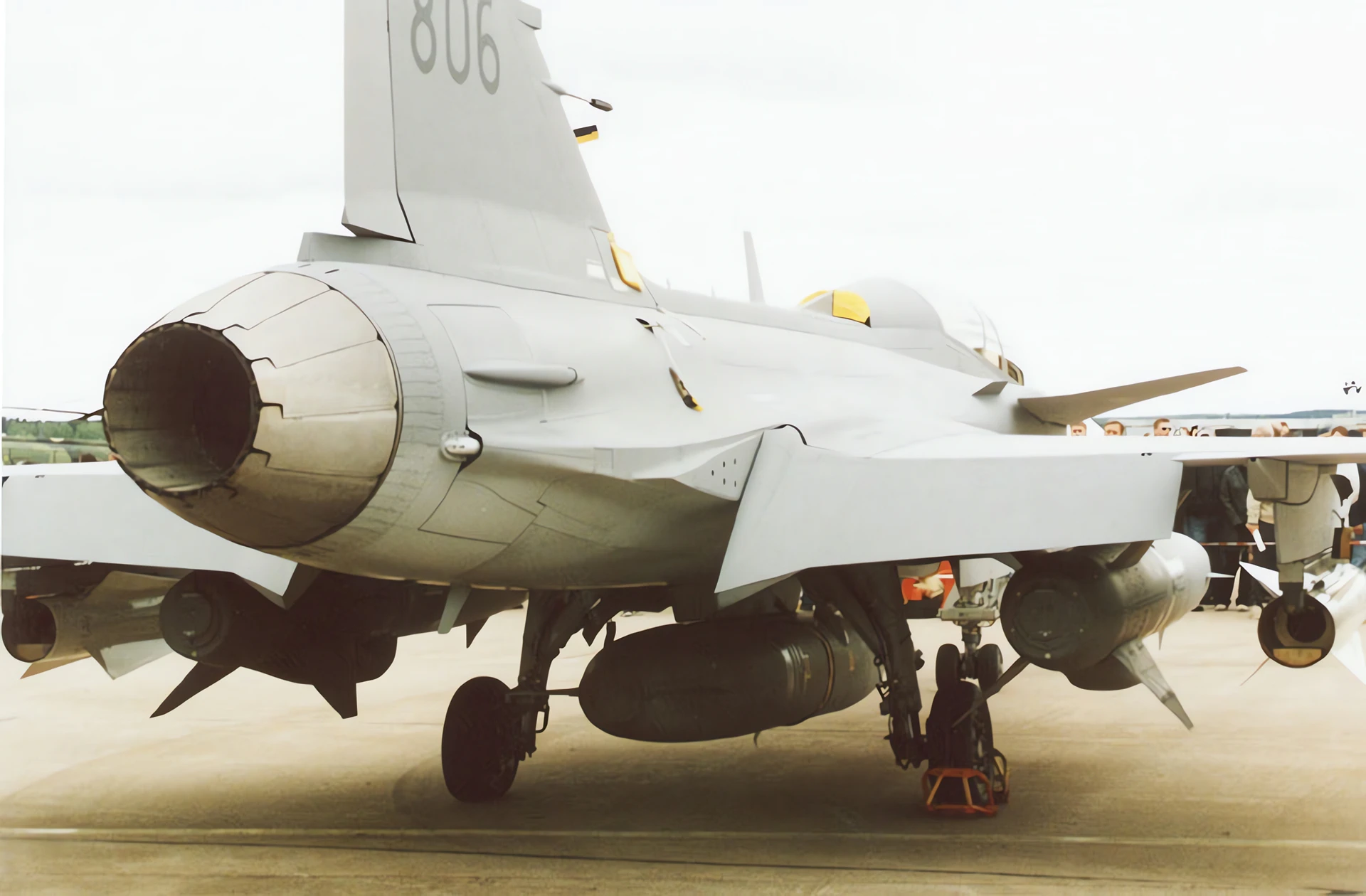
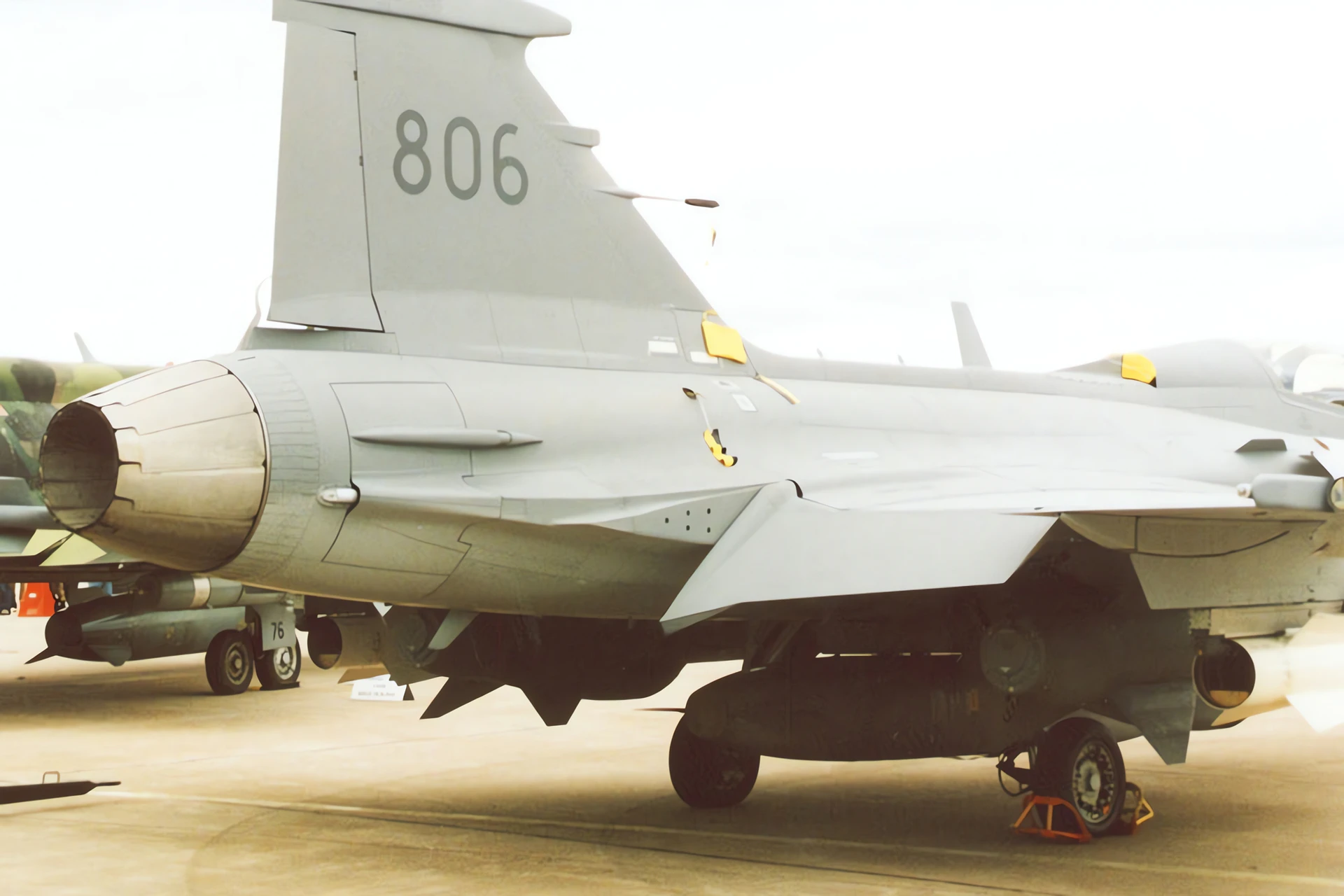
el Saab JAS 39 Gripen (En inglés: "griffin") es un avión de combate multimotor ligero fabricado por la compañía aeroespacial sueca Saab. Fue diseñado para reemplazar al Saab 35 Draken y 37 Viggen en la Fuerza Aérea Sueca (Flygvapnet). El Gripen tiene una configuración de ala delta y canard con un diseño de estabilidad relajado y controles de vuelo fly-by-wire. Está propulsado por el Volvo RM12 y tiene una velocidad máxima de Mach 2. Los aviones posteriores se modifican para las normas de interoperabilidad de la OTAN y para llevar a cabo el reabastecimiento de combustible a bordo.
Fuente: Saab JAS 39 Gripen en Wikipedia
| Jas-39C Grippen (versión completa) Caminar alrededor | |
|---|---|
| Fotógrafo | Unknow |
| Localización | Unknow |
| Fotos | 89 |
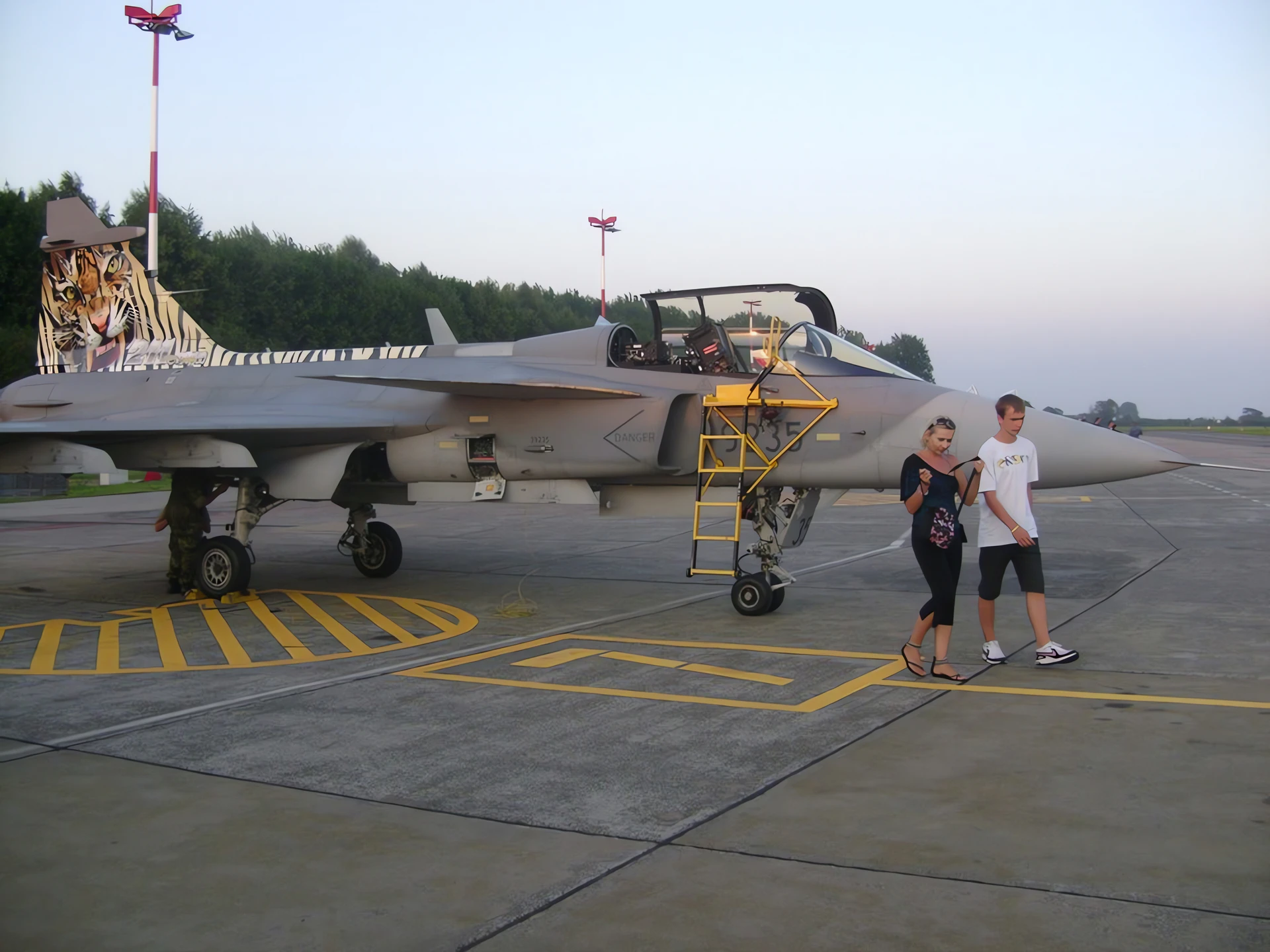
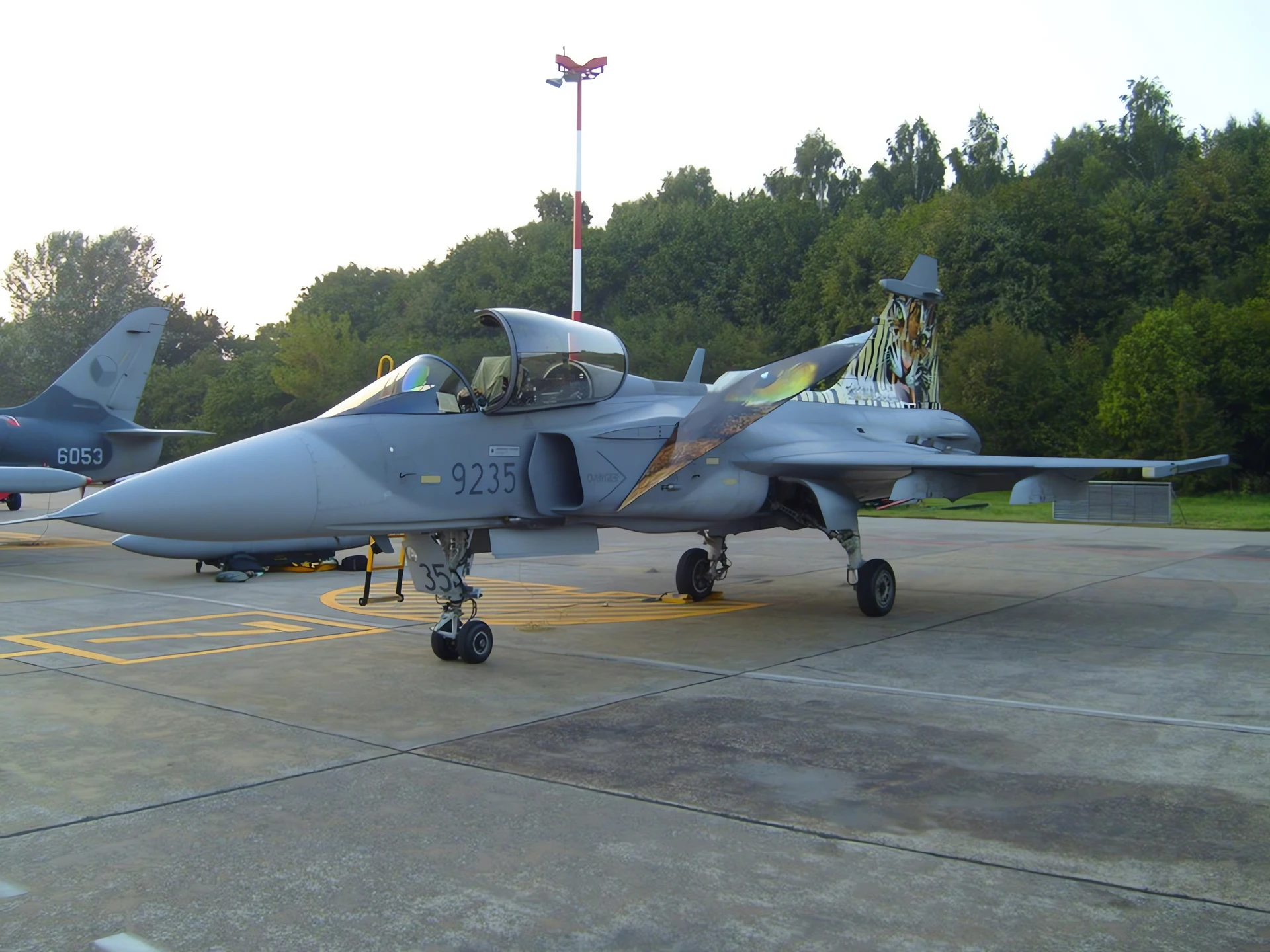
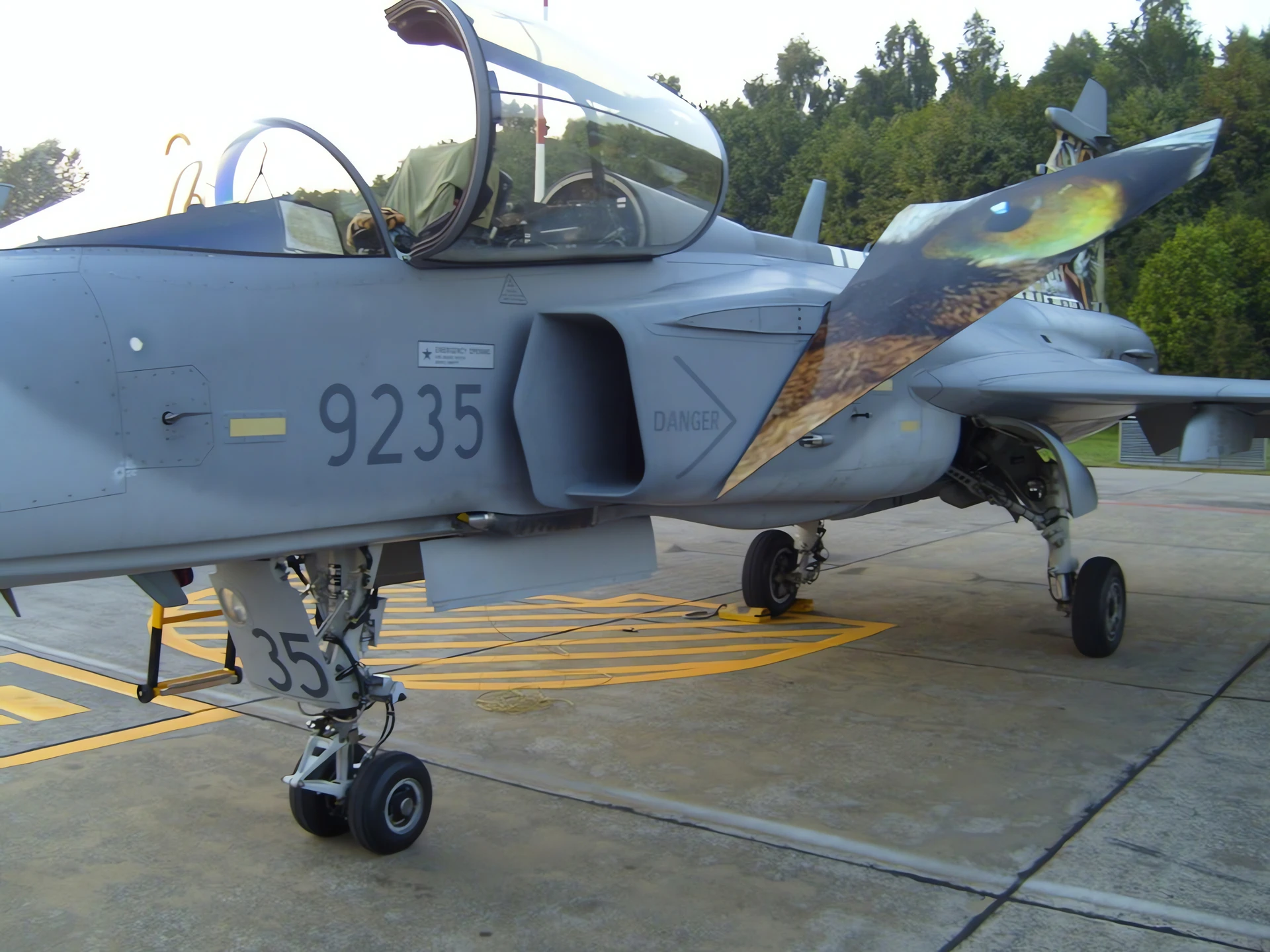
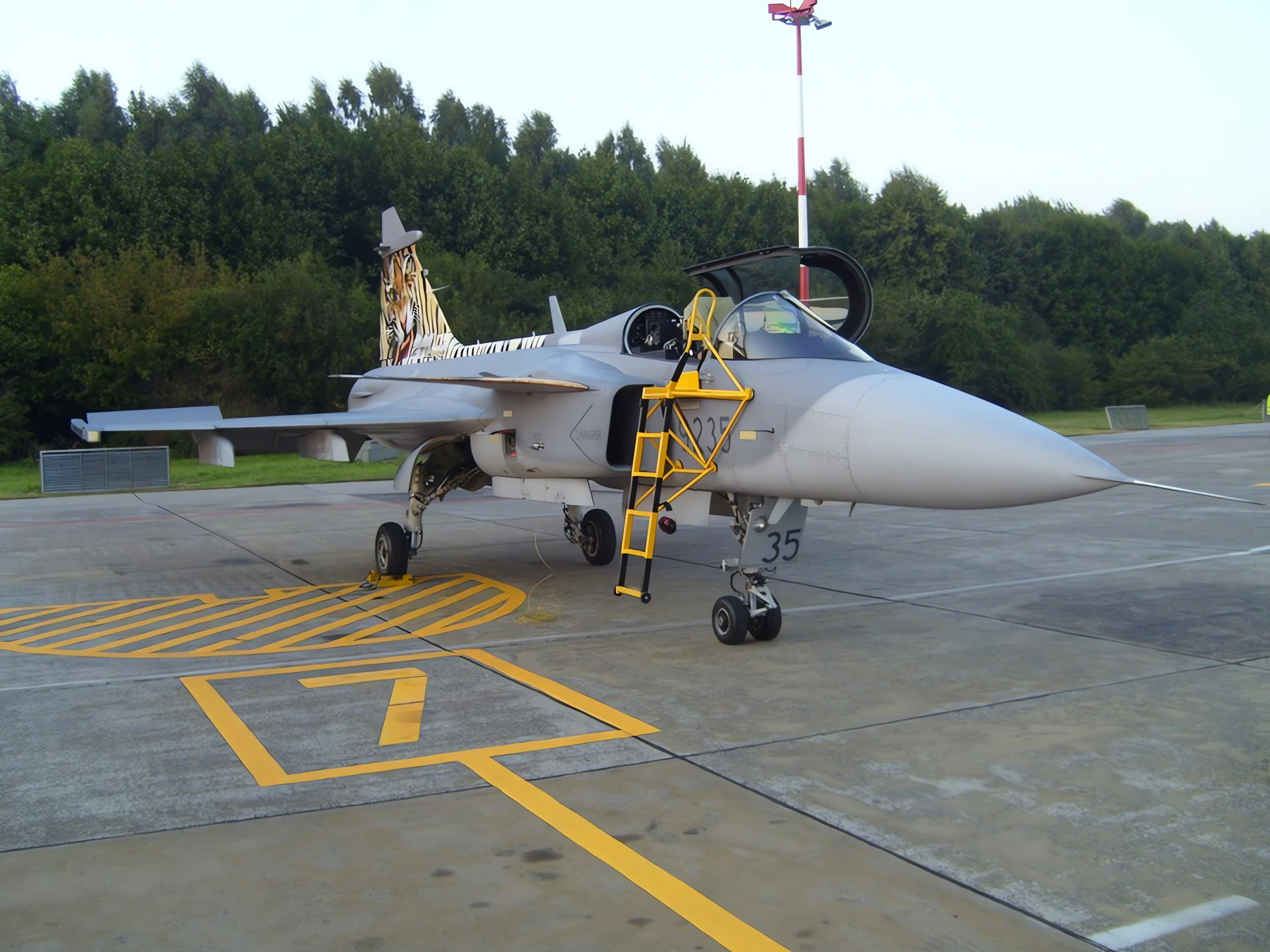
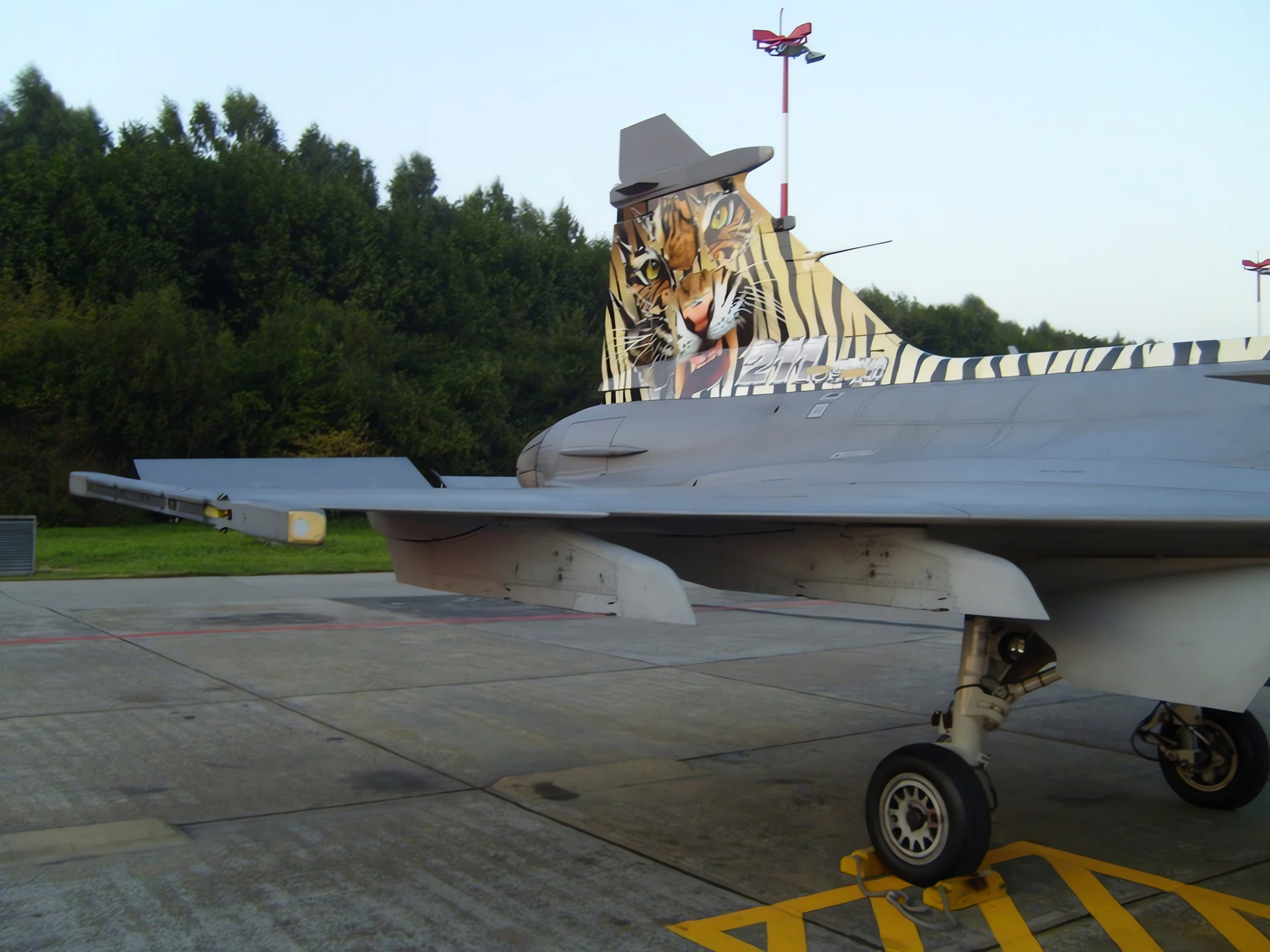
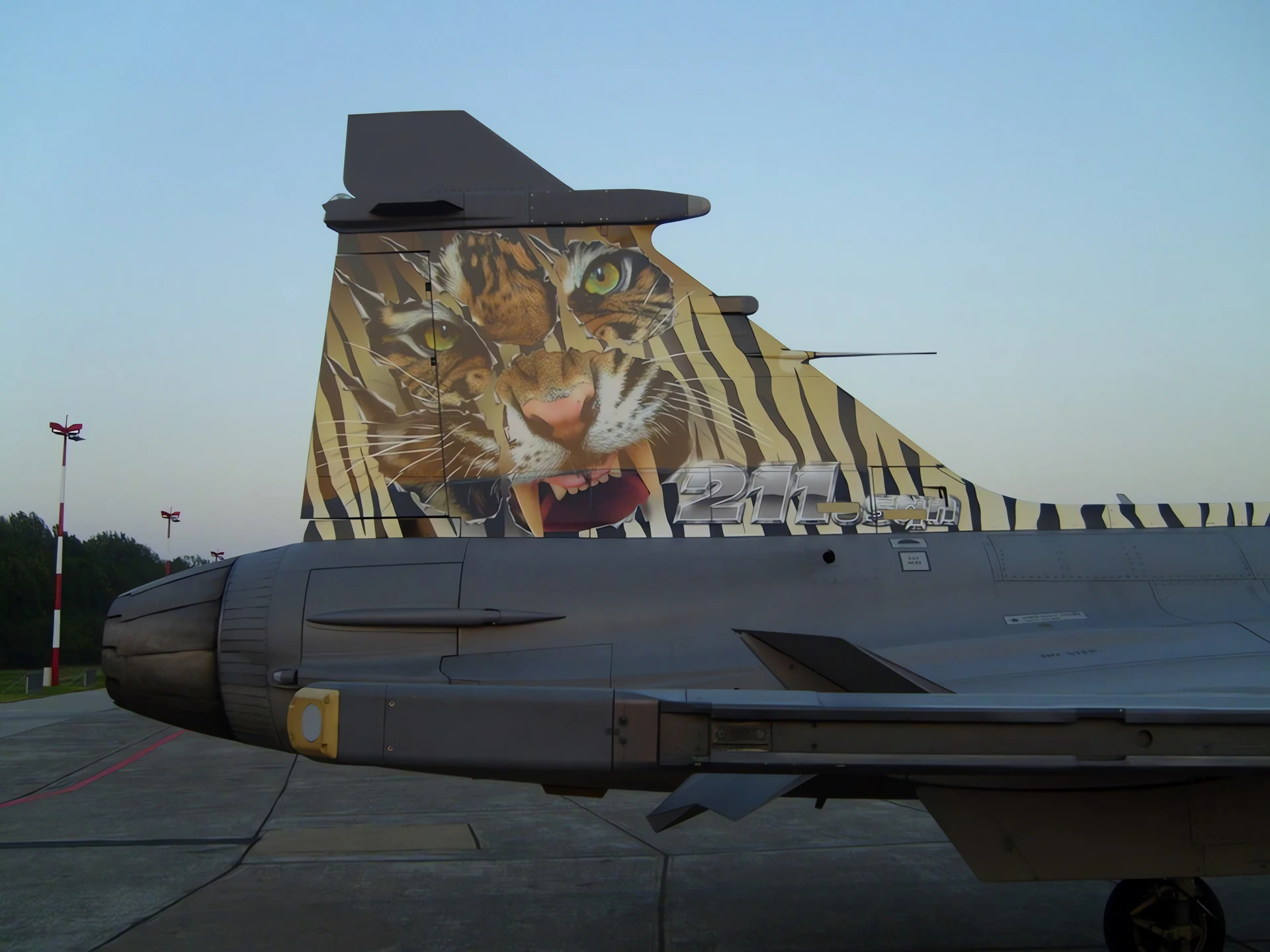
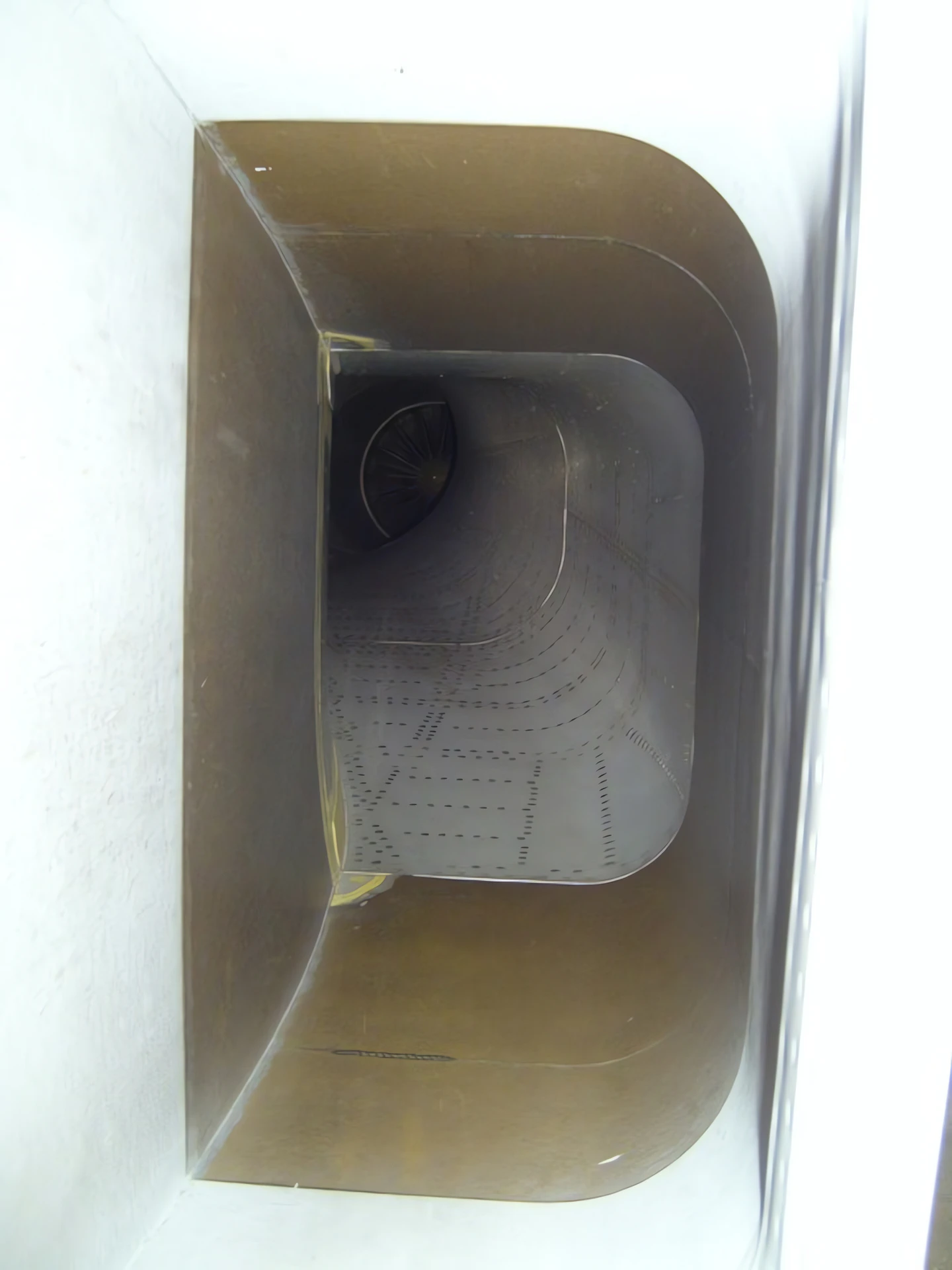
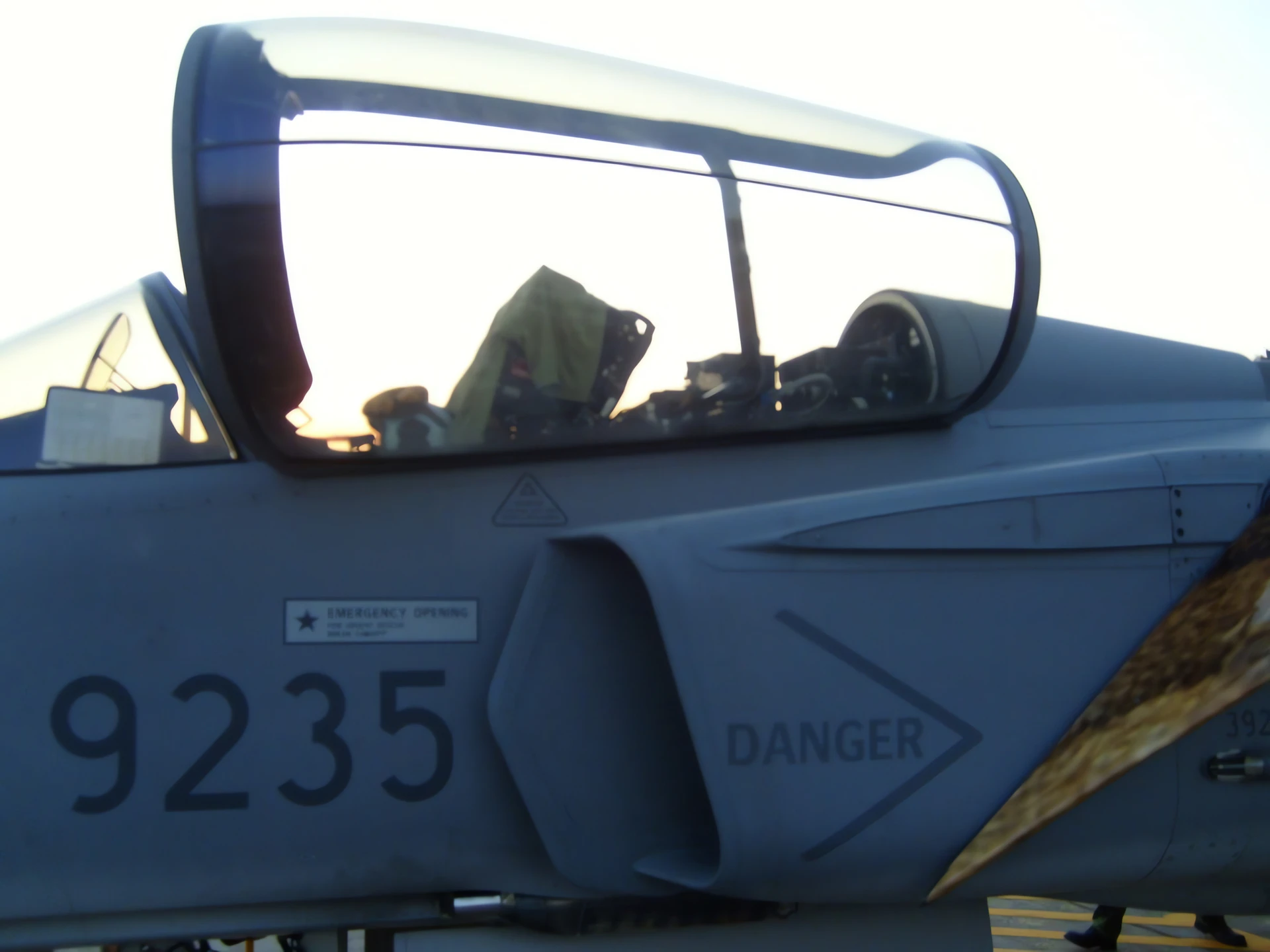
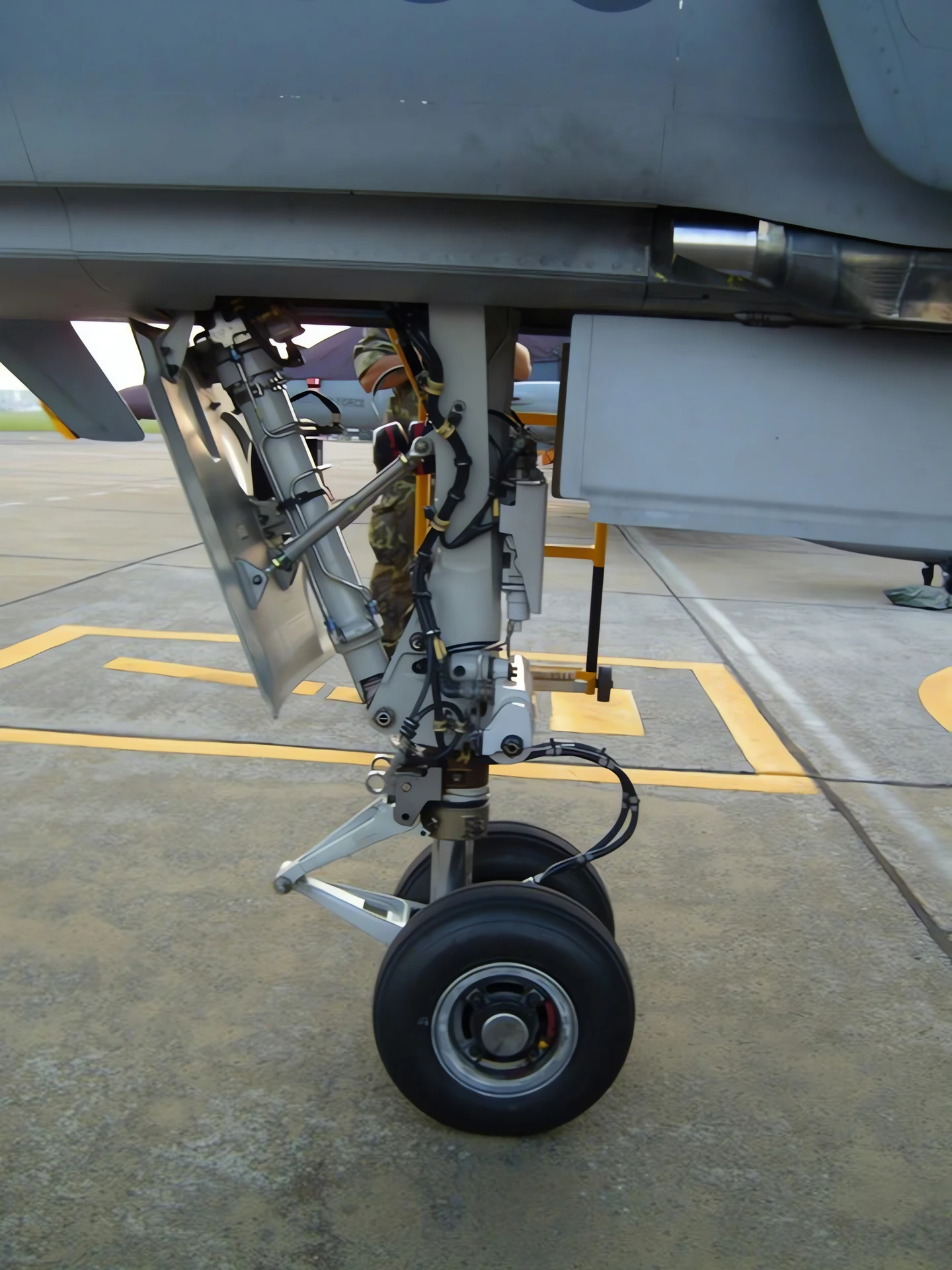

| Saab JAS 39 Gripen Caminar | |
|---|---|
| Fotógrafo | Unknow |
| Localización | Unknow |
| Fotos | 22 |
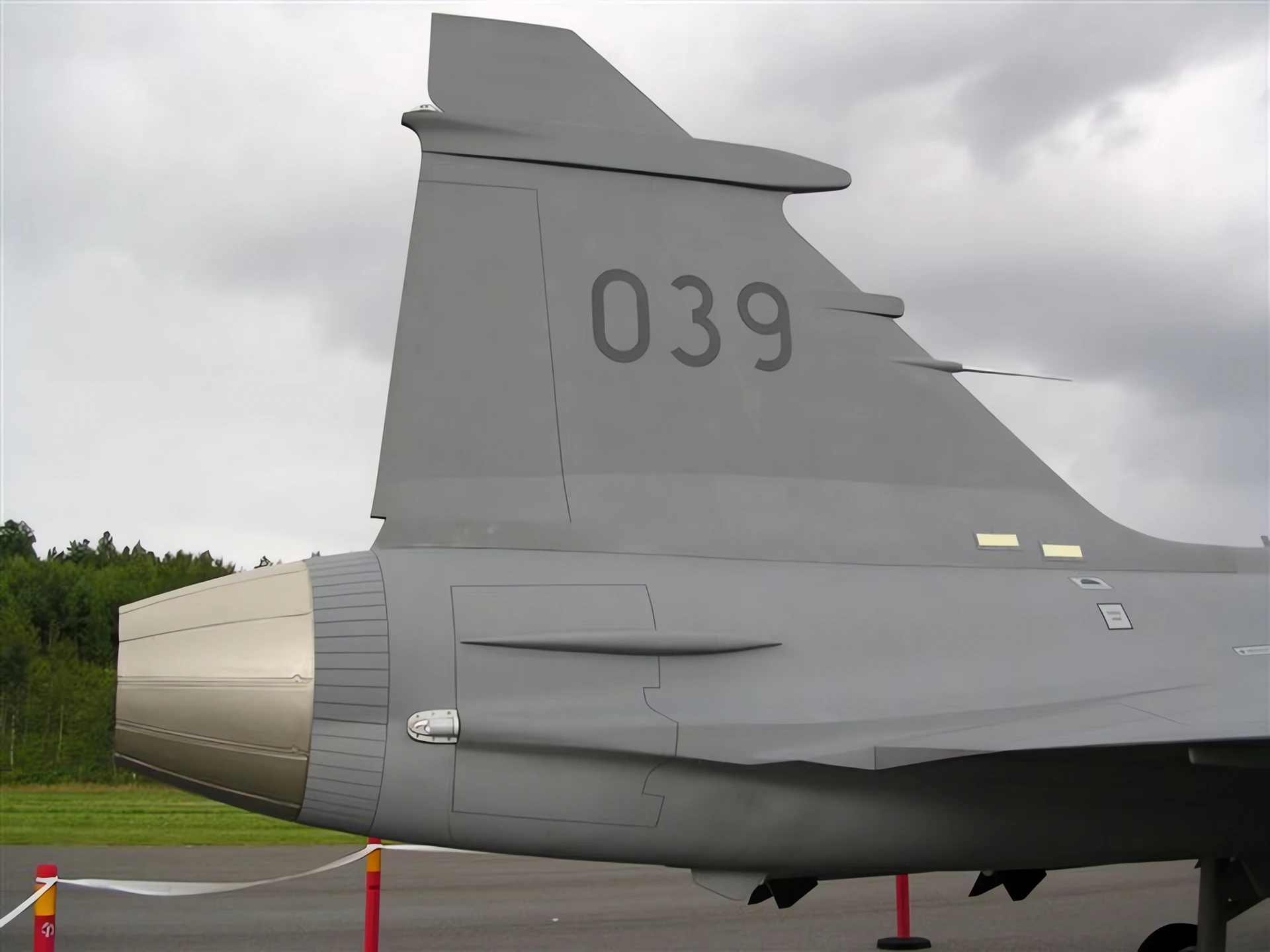
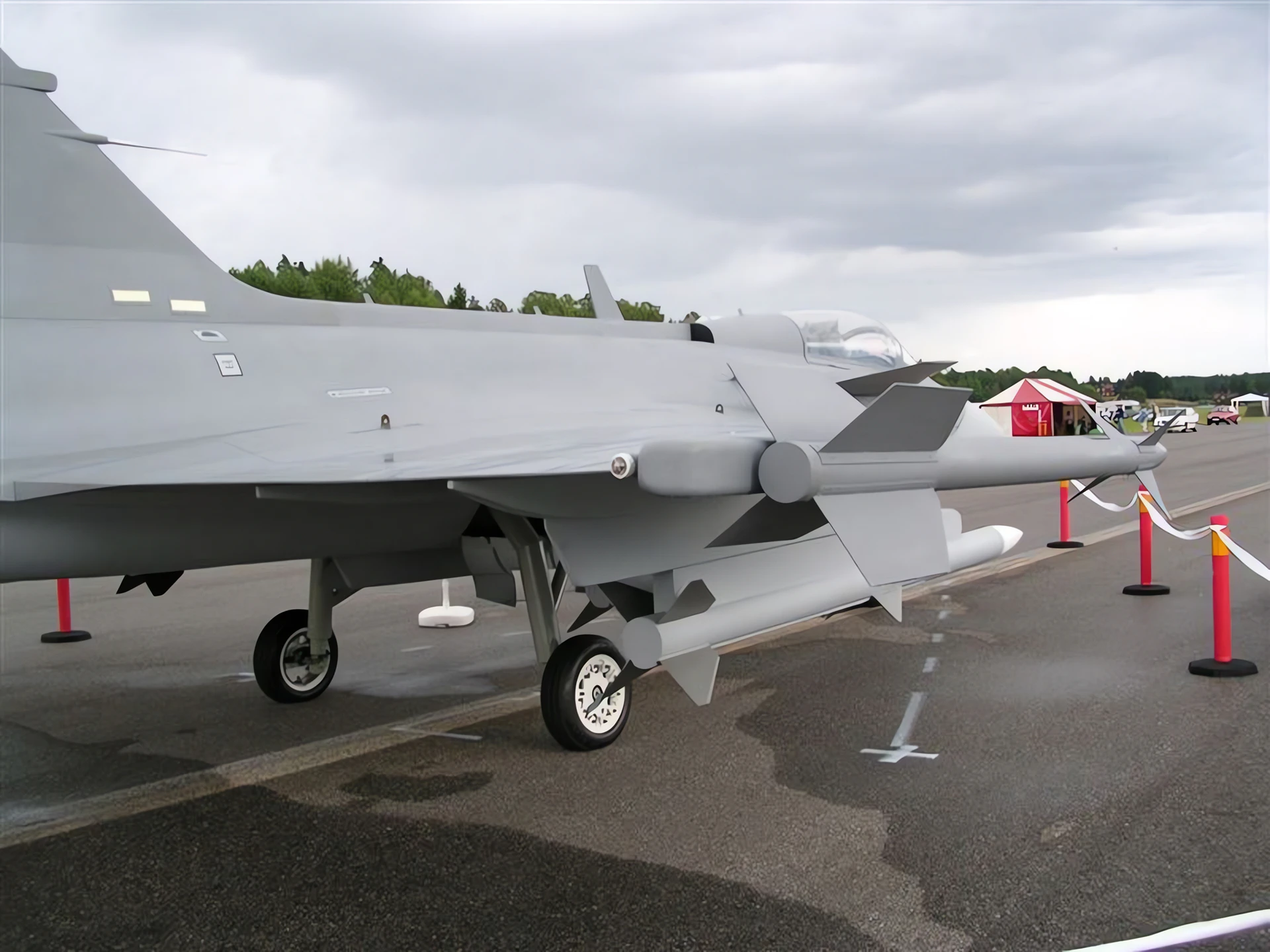
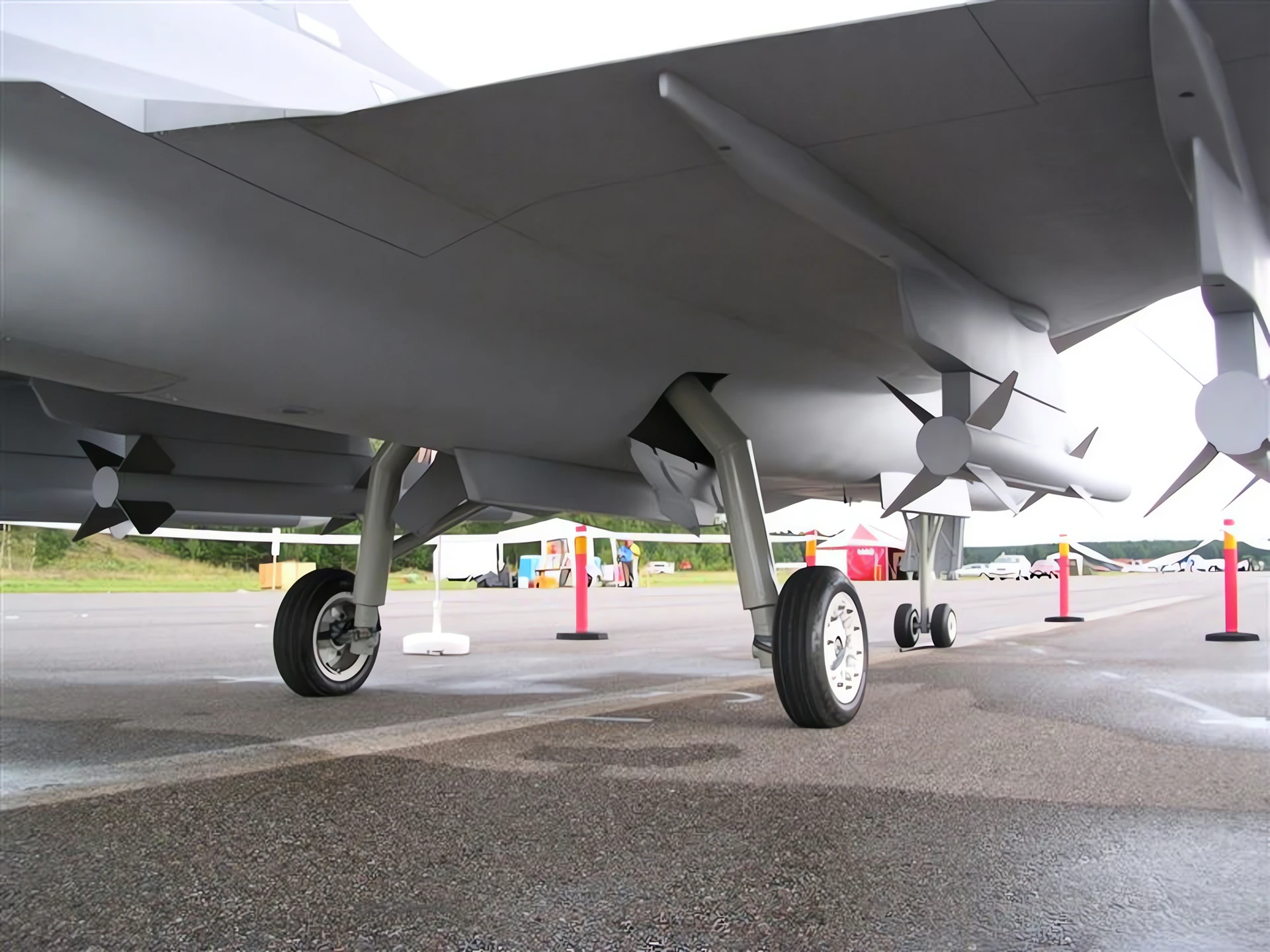
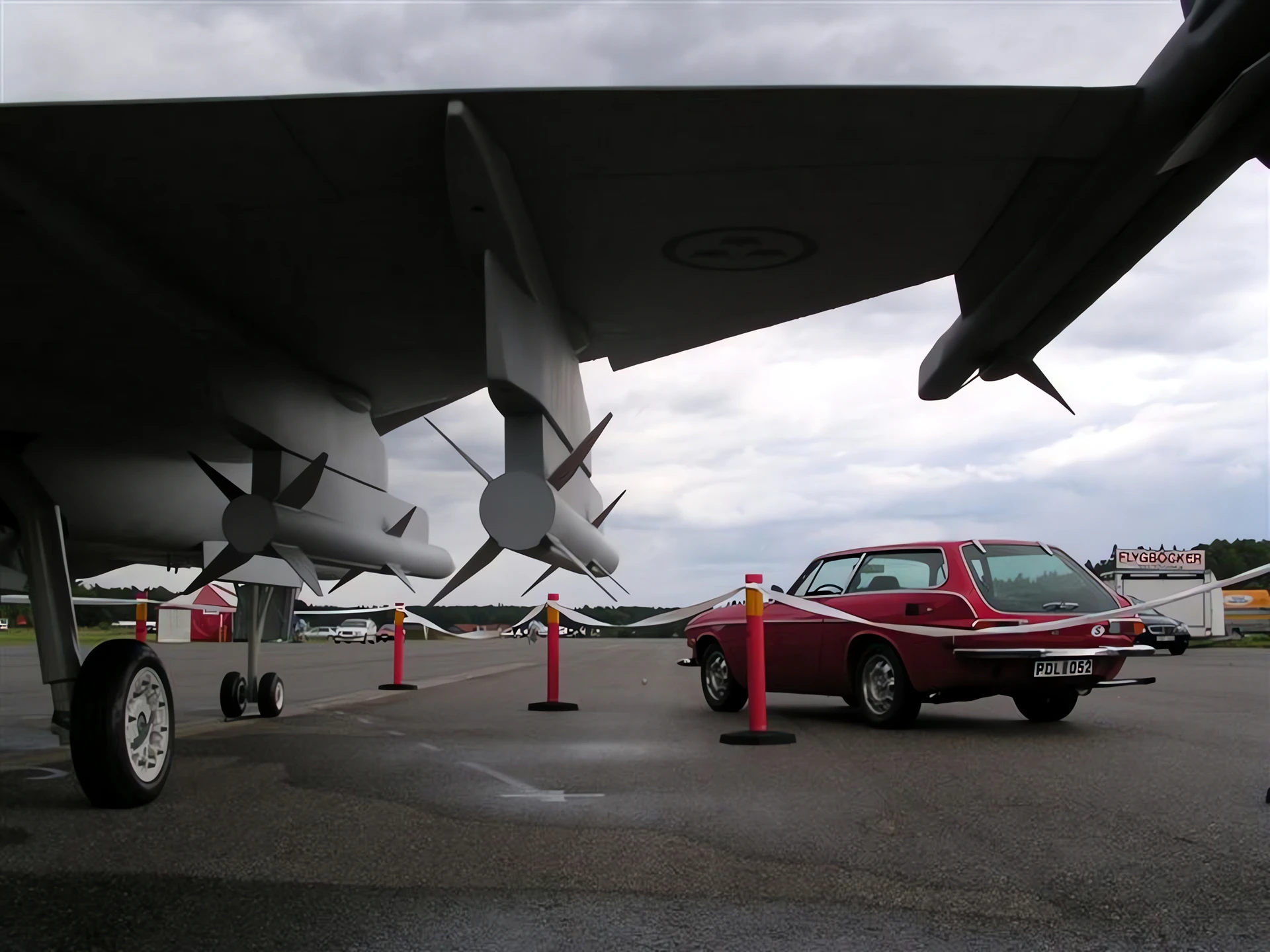
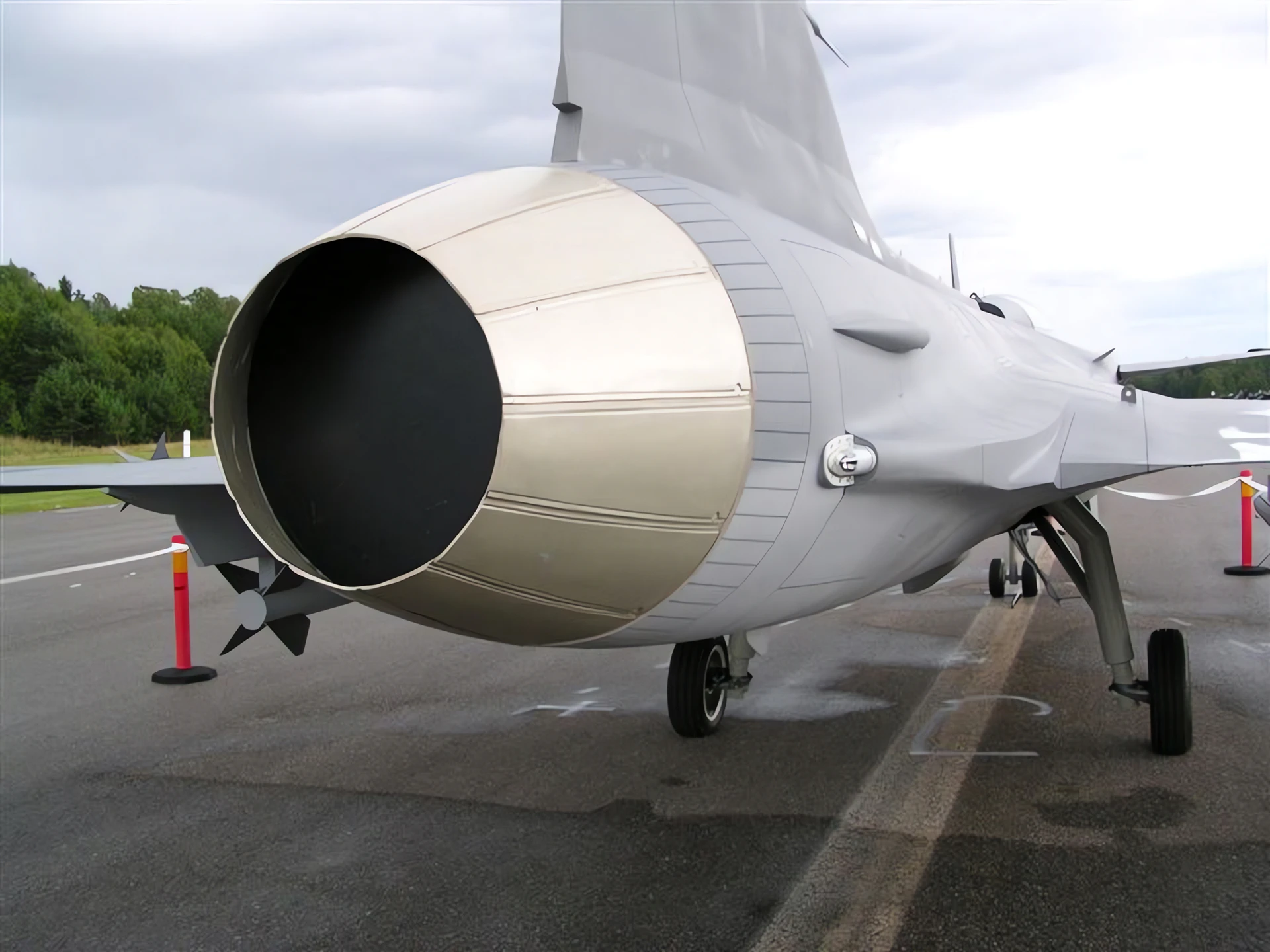
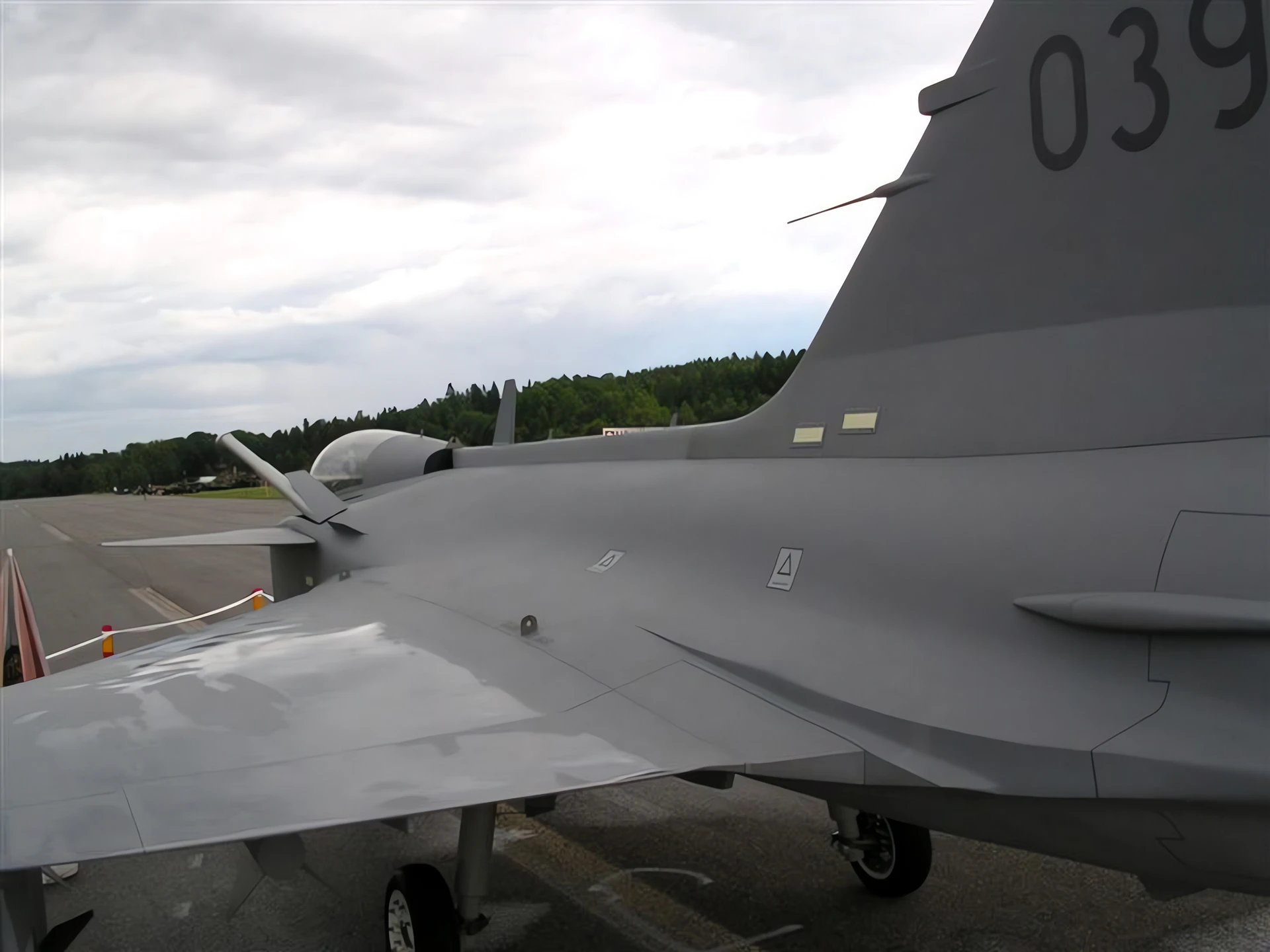
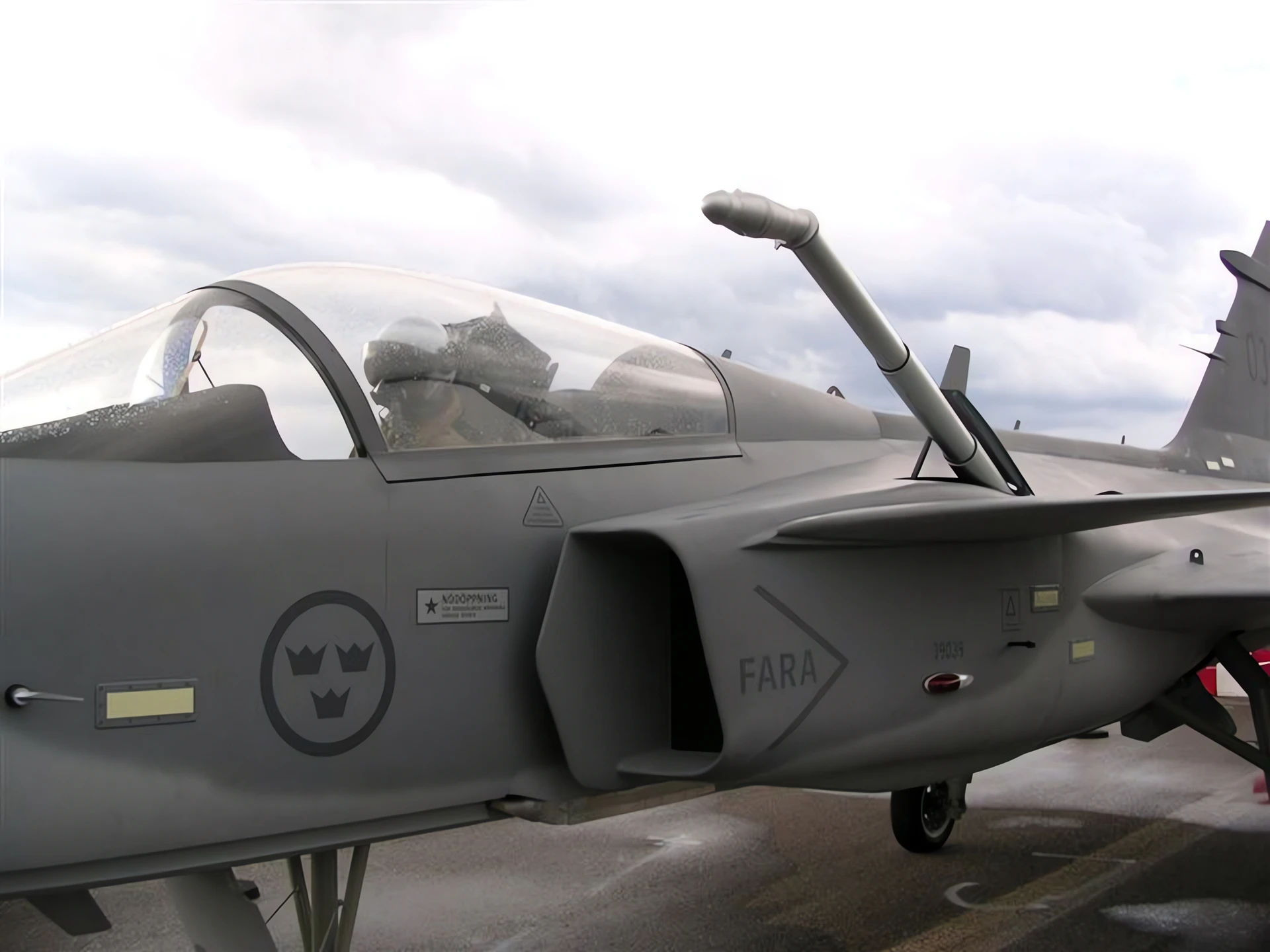
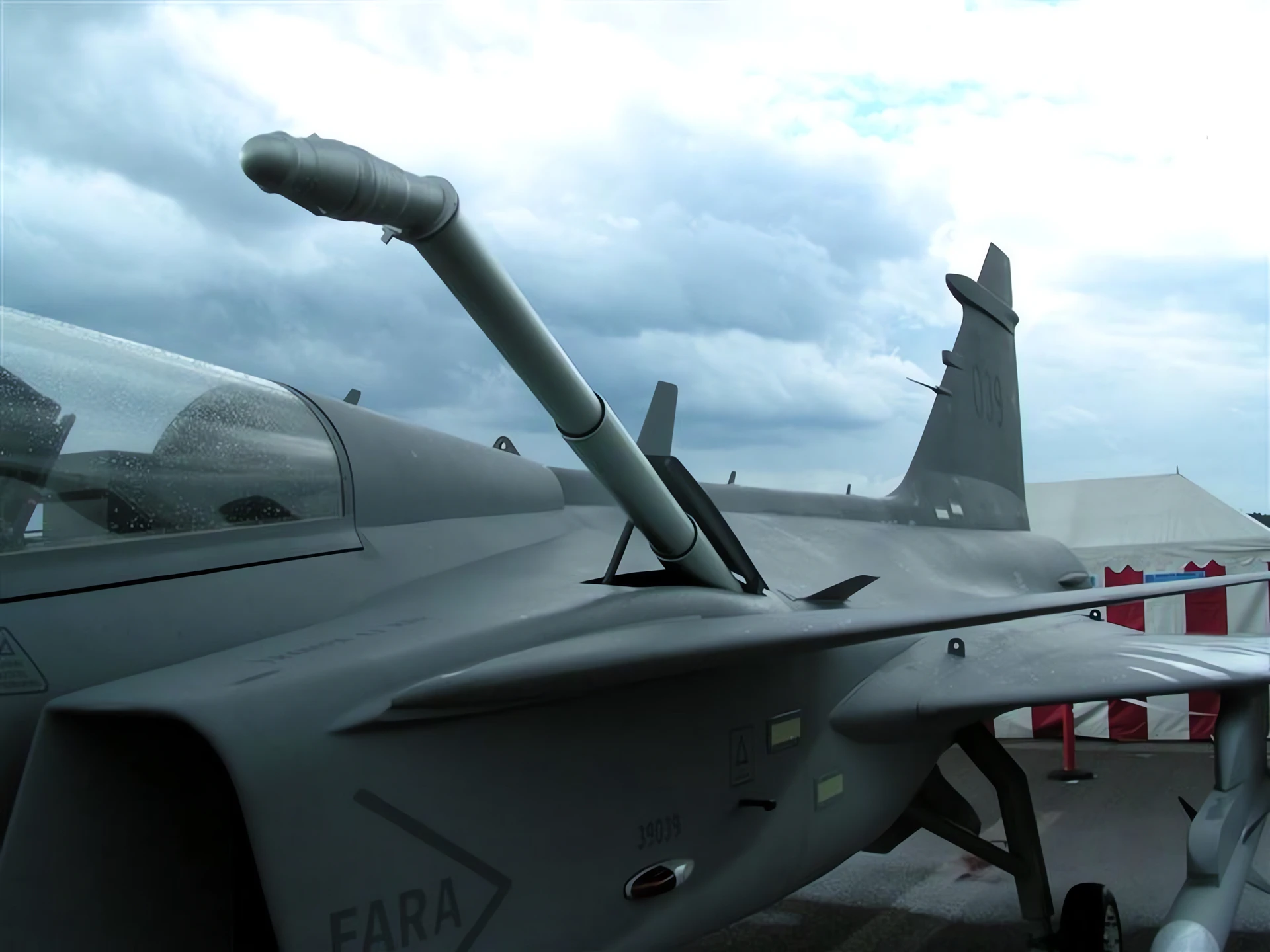
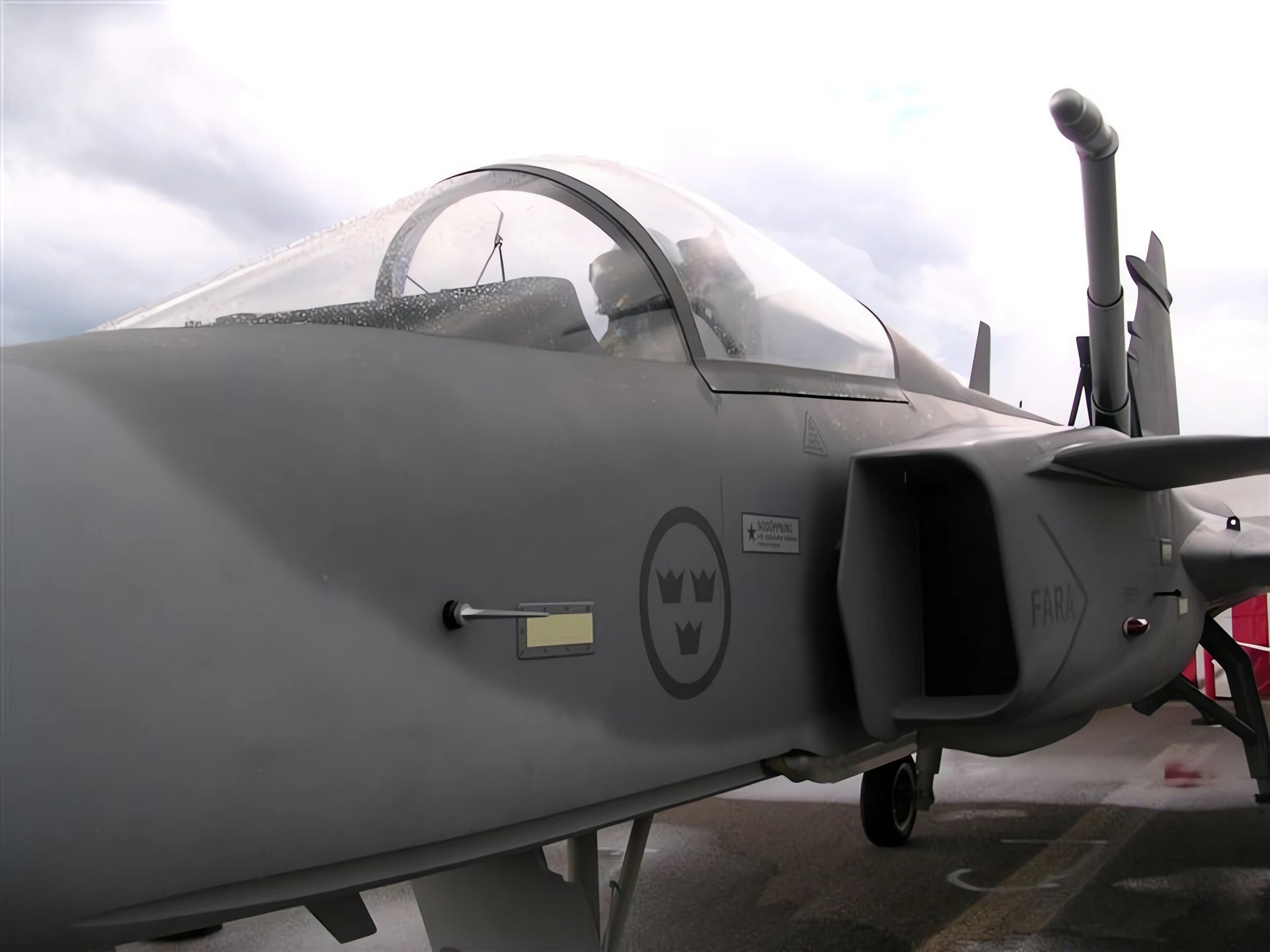
| SAAB J 39B Gripen camina | |
|---|---|
| Fotógrafo | Unknow |
| Localización | Unknow |
| Fotos | 26 |
Ver también:


The “JAS” Philosophy
el Saab JAS 39C Gripen is a lightweight, single-engine multirole fighter designed to replace the Draken and Viggen. The acronym JAS stands for Jakt (Air-to-Air), Attack (Air-to-Surface), and Spaning (Reconnaissance). Unlike larger, more expensive fighters, the Gripen was built for “Total Defense”—the ability to be maintained by conscripts and operated from ordinary highways in the Swedish countryside during a conflict. It is widely considered one of the most cost-effective 4.5-generation fighters in existence.
| Attribute | Technical Specification (JAS 39C) |
|---|---|
| Papel | Multirole / Swing-role Fighter |
| Equipo | 1 (JAS 39D is the 2-seat variant) |
| First Flight (JAS 39A) | December 9, 1988 |
| Planta motriz | 1 × Volvo RM12 (Licensed GE F404) turbofan |
| Thrust | 18,100 lbf (80.5 kN) with afterburner |
| Velocidad máxima | Mach 2.0 (High altitude) |
| Takeoff Distance | 400 meters (1,300 feet) |
| Armamento | 1 × 27mm Mauser BK-27 cannon; 8 hardpoints |
Smart Design for Austere Conditions
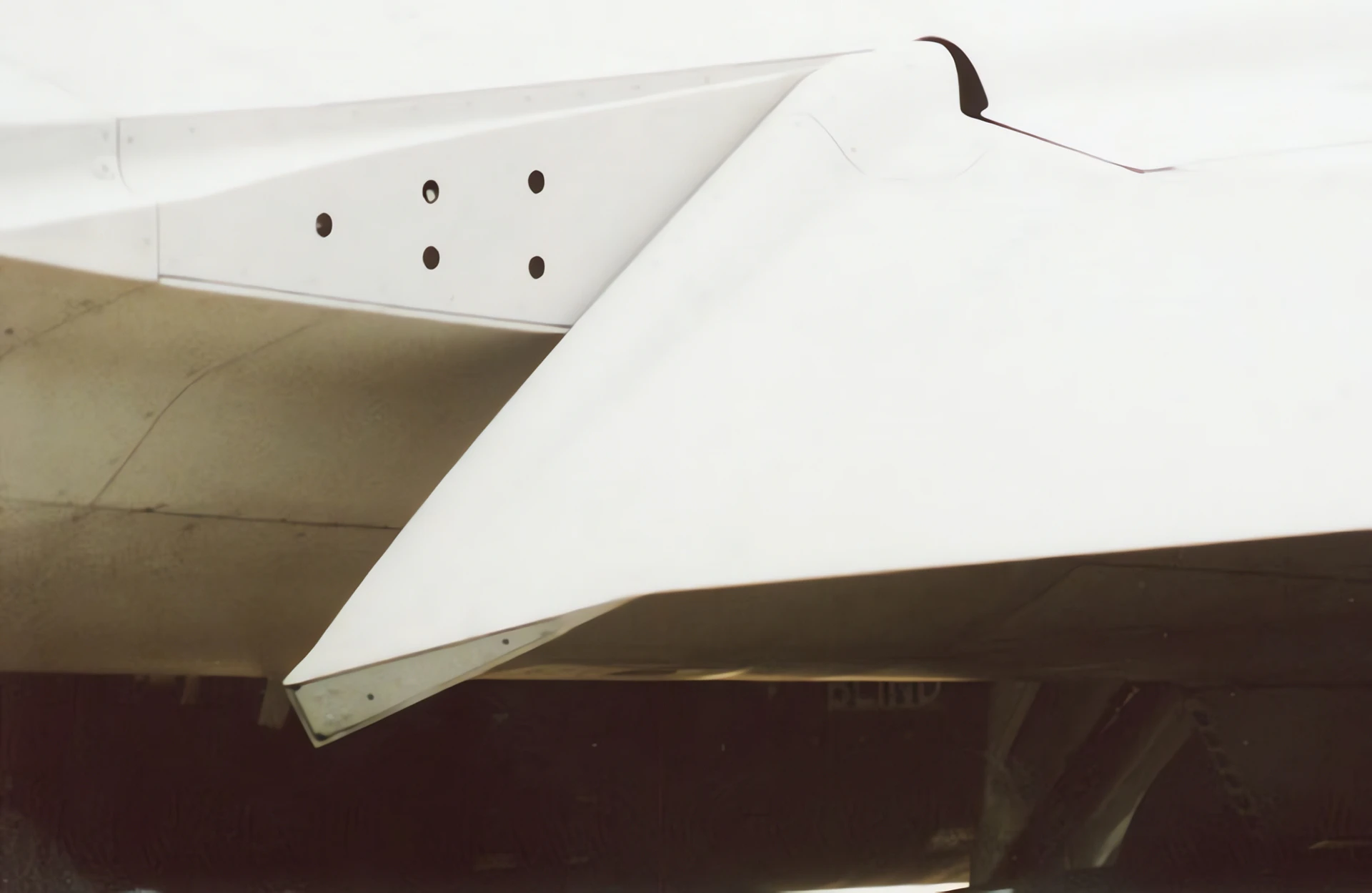
- Road Base Operations: The Gripen is specifically designed to land on a 800-meter stretch of highway. Its canards can be tilted forward after landing to act as massive air brakes, pushing the nose down and allowing for heavy braking without a parachute.
- The “Turnaround” Speed: A team of just one technician and five conscripts can refuel, rearm, and inspect a Gripen for an air-to-air mission in under 10 minutes. This high “sortie rate” allows a small fleet of Gripens to act like a much larger force.
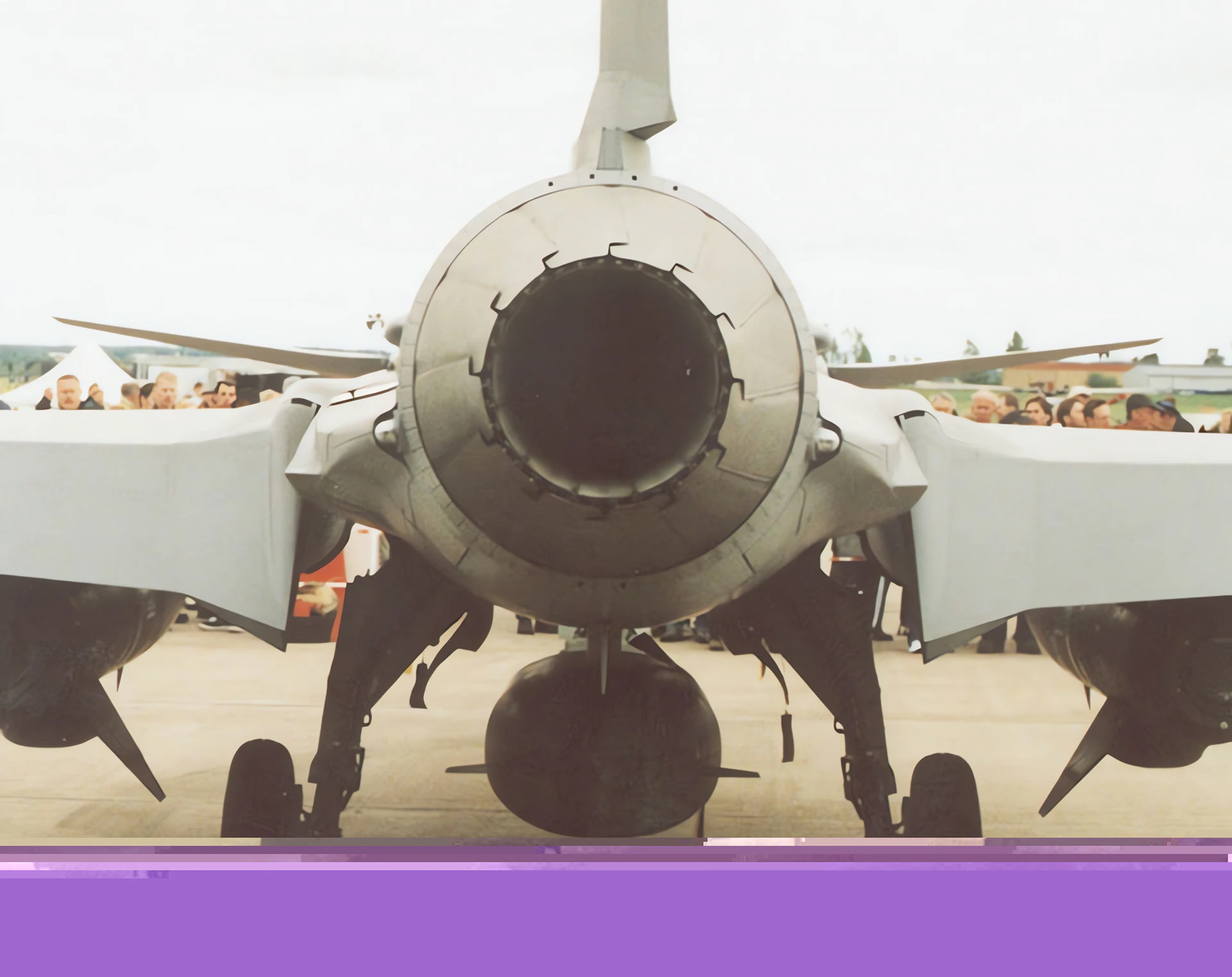
- Volvo RM12 Engine: Based on the General Electric F404 (used in the F/A-18 Hornet), Volvo modified the engine to be more reliable for single-engine operations and more resistant to bird strikes—a common hazard when flying low-level missions over Swedish forests.
- Advanced Data Link (TIDLS): Sweden was a pioneer in data-linking. A Gripen can share its radar view with other Gripens or ground stations silently, allowing one aircraft to track a target while another, with its radar turned off, sneaks in for the kill.
Global Reach & Evolution
- The “C” Standard: The JAS 39C was the first version to be fully NATO-compatible, featuring color cockpit displays, a retractable refueling probe, and English-language interfaces.
- International Operators: Beyond Sweden, the Gripen C/D is operated by South Africa, Hungary, the Czech Republic, and Thailand. It is also used by the UK’s Empire Test Pilots’ School (ETPS) as a premier training platform for future test pilots.
- Precision Arsenal: It was the first fighter in the world to be integrated with the Meteoro long-range missile and can carry a vast array of international weapons, including the IRIS-T, GBU-series bombs, and the RBS-15 anti-ship missile.
- The Gripen E: The newest evolution, the JAS 39E (Gripen E), is currently entering service. It is a significantly larger aircraft with a more powerful engine (GE F414), AESA radar, and much greater fuel capacity.
Vistas : 7719
También puede ver:
 SAAB 340 AEW – Fotos y videos
 Saab 37 Viggen – Fotos y Videos
 Saab 210 – Fotos y Videos
 SAAB B17 – Fotos y Videos
 Saab 21R – Fotos y Video
 Lockheed S-3 Viking – Fotos y Video
 McDonnell Douglas T-45 Goshawk – Fotos y Video
 Saab J-29F Tunnan – Fotos y Video
 Furia marina de Hawker – Camina
 Junkers JU-52 – Caminar