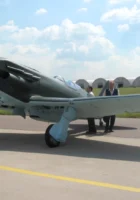
MiG-3

MiG-3

PaísUnión Soviética
TipoInterceptor y aviones de combate
FotógrafoSerguéi Turchin
Descripción

Álbum de 15 fotos walk-around de un «MiG-3»

Galería de fotos de un MiG-3, The Mikoyan-Gurevich MiG-3 (Russian: Микоян и Гуревич МиГ-3) was a Soviet interceptor and fighter aircraft used during World War II. It was a development of the MiG-1 by the OKO (opytno-konstruktorskij otdel — Experimental Design Department) of Zavod (Factory) No. 1 to remedy problems that had been found during the MiG-1’s development and operations. It replaced the MiG-1 on the production line at Factory No. 1 on 20 December 1940 and was built in large numbers during 1941 before Factory No. 1 was converted to build the Ilyushin Il-2.

Fuente: MiG-3 en Wiki

Continuar leyendo

Vistas : 4284

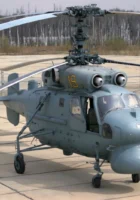
Hormona Ka-25PL

Hormona Ka-25PL

PaísUnión Soviética / Rusia
TipoHelicóptero antisubmarino / multiusos a bordo
Primer vuelo26 de abril de 1963
Construido460

Galería de fotos de un Hormona Ka-25PL, The Kamov Ka-25 (NATO reporting name ‘Hormone’) was a naval helicopter, developed for the Soviet Navy in the USSR from 1958.

Fuente: Hormona Ka-25PL en Wiki

Continuar leyendo

Views : 5737

Kamov Ka-50 Hokum

Kamov Ka-50 Hokum

PaísUnión Soviética / Rusia
TipoHelicóptero de ataque
Primer vuelo17 de junio de 198
Construido32 & 100+

Galería de fotos de un Kamov Ka-50 Hokum, The Kamov Ka-50 “Black Shark” (Russian: Чёрная акула; Chornaya Akula, NATO reporting name: Hokum A) is a single-seat Russian attack helicopter with the distinctive coaxial rotor system of the Kamov design bureau. It was designed in the 1980s and adopted for service in the Russian army in 1995. It is currently manufactured by the Progress company in Arsenyev. It is being used as a heavily armed scout helicopter.

Fuente: Kamov Ka-50 Hokum en Wiki

Continuar leyendo

Views : 10609

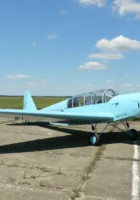
Zlin XII

Zlin XII

PaísChecoslovaquia
TipoAviones deportivos
FotógrafoPetr Koliba
Descripción

Álbum de 60 fotos de un «Zlin XII»

Galería de fotos de un Zlin XII, The Zlín Z-XII was a Czechoslovak twin-seat sports aircraft and the first major design success by the Zlínská Letecká Akciová Společnost (Zlín) aircraft manufacturing company after its founding in Otrokovice after the takeover by the Bata Group.

Fuente: Zlin XII en Wiki

Continuar leyendo

Vistas : 2893

Vickers Valiant B.1

Vickers Valiant B.1

PaísUk
TipoBombardero de gran altitud de cuatro aviones
FotógrafoOndrej Skarka
Descripción

Álbum de 71 fotos de un «Vickers Valiant B.1»

Galería de fotos de un Vickers Valiant B.1, The Vickers-Armstrongs Valiant was a British four-jet high-altitude bomber, once part of the Royal Air Force’s V bomber nuclear force in the 1950s and 1960s. It was developed by Vickers in response to Specification B.35/46 issued by the Air Ministry for a nuclear-armed jet-powered bomber. The Valiant was the first of the V bombers to become operational, and was followed by the Handley Page Victor and the Avro Vulcan; it was noticeably less advanced than its counterparts. The Valiant has the distinction of being the only V bomber to drop live nuclear weapons.

Fuente: Vickers Valiant B.1 en Wikipedia

Continuar leyendo

Vistas : 2919

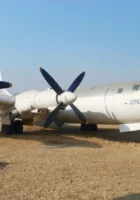
Toro Tupolev Tu-4

Toro Tupolev Tu-4

PaísUnión Soviética
PapelBombardero estratégico
Primer vuelo19 de mayo de 1947
Construido847

Galería de fotos de un Toro Tupolev Tu-4, The Tupolev Tu-4 (NATO reporting name: Bull) was a piston-engined Soviet strategic bomber that served the Soviet Air Force from the late 1940s to mid-1960s. It was a reverse-engineered copy of the American-made Boeing B-29 Superfortress.

Fuente: Tupolev Tu-4 Toro en Wiki

Continuar leyendo

Vistas : 3121

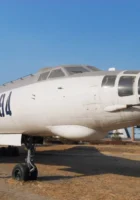
Tejón Tupolev Tu-16

Tejón Tupolev Tu-16

PaísUnión Soviética
TipoBombardero estratégico a reacción bimotor
Primer vuelo27 de abril de 1952
Construido1509

Galería de fotos de un Tejón Tupolev Tu-16, The Tupolev Tu-16 (NATO reporting name: Badger) was a twin-engined jet strategic bomber used by the Soviet Union. It has flown for more than 60 years, and the Chinese licence-built Xian H-6 remains in service with the People’s Liberation Army Air Force.

Fuente: Tupolev Tu-16 Badger en Wiki

Continuar leyendo

Vistas : 4311

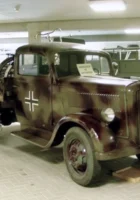
Opel Blitz 3,6-36S

Opel Blitz 3.6

PaísAlemania nazi
TipoCamión de uso general
Producción1930–1975

Galería de fotos de un Opel Blitz 3.6, Opel Blitz (German for “lightning”) was the name given to various German light and middle-weight truck series built by the German Opel automobile manufacturer between 1930 and 1975. The original logo for this truck, two stripes arranged loosely like a lightning symbol in the form of a horizontally stretched letter “Z”, still appears in the current Opel logo. From 1939, the reliable Blitz 3.6 three-ton version was used in large numbers by the German Wehrmacht armed forces throughout World War II. Derived variants included an elongated version and the four-wheel drive Blitz A. To cope with the bad road conditions and the rasputitsa mud seasons on the Eastern Front, a half-tracked Maultier (mule) SdKfz 3 version was built using tracks and suspension based on the Universal Carrier. Among others, these were used as service vehicles for the Messerschmitt Me 323 military transport aircraft. It is also claimed that Opel, a subsidiary of GM, used forced labor to reap unprecedented profits. To what degree GM controlled Opel at the time is subject to debate, but it is clear that GM did in fact play a role in giving Nazi Germany the Opel Blitz truck

Fuente: Opel Blitz 3.6 en Wiki

Continuar leyendo

Views : 13999

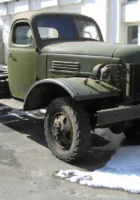
ZiS-151

ZiS-151

PaísUnión Soviética
TipoCamión de uso general
FotógrafosIgor Suhin
Descripción

Álbum de 39 fotos walk-around de un «ZiS-151»

Galería de fotos de un ZiS-151, The ZiS-151 was general-purpose truck produced by the Soviet car manufacturer Automotive Factory No. 2 Zavod imeni Stalina in 1947–1958. In 1956, the factory was renamed to Zavod imeni Likhacheva, and new trucks were called ZiL-151 (ЗиЛ-151). The ZiS-151 was the first major Soviet military all-wheel-drive truck built following World War II, replacing the imported U.S. Studebaker US6 and the earlier Soviet ZiS-6. In early 1948, the cabs were made of wood, soon replaced with a steel cab. Tens of thousands were produced, including specialized versions for hauling different types of cargo. The Soviets also found the trucks an ideal platform for BM-13 Katyusha rocket launchers.

Fuente: ZiS-151 en Wiki

Continuar leyendo

Views : 7210

Cocina de campo

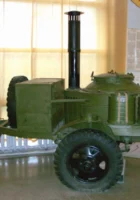
Cocina de campaña del ejército soviético

PaísUnión Soviética
TipoCocina de campaña
FotógrafosYuri Pasholok
Descripción

Álbum de 45 fotos de un «Cocina de campaña del ejército soviético»

Galería de fotos de un Cocina de campaña del ejército soviético, A field kitchen is a mobile kitchen, mobile canteens or food truck used primarily by military services to provide warm food to the troops near the frontline or in temporary encampments.

Fuente: Cocina de campaña del ejército soviético en Wiki

Continuar leyendo

Vistas : 4245