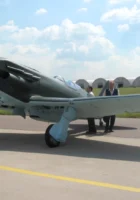
MiG-3 (MiG-3)

MiG-3 (MiG-3)

PaysUnion soviétique
TypeIntercepteur et avion de chasse
PhotographeSergueï Turchin
Description

Album de 15 photos walk-around d’un « MiG-3 »

Galerie de photos d’un MiG-3 (MiG-3), The Mikoyan-Gurevich MiG-3 (Russian: Микоян и Гуревич МиГ-3) was a Soviet interceptor and fighter aircraft used during World War II. It was a development of the MiG-1 by the OKO (opytno-konstruktorskij otdel — Experimental Design Department) of Zavod (Factory) No. 1 to remedy problems that had been found during the MiG-1’développement et les opérations. Il a remplacé le MiG-1 sur la ligne de production de l’usine n ° 1 le 20 Décembre 1940 et a été construit en grand nombre au cours de 1941 avant l’usine n ° 1 a été converti pour construire l’Iliouchine Il-2.

Source: MiG-3 sur Wiki

Lire l’article

Vues : 4284

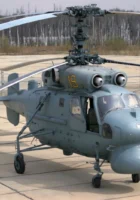
Ka-25PL Hormone

Ka-25PL Hormone

PaysUnion soviétique / Russie
TypeHélicoptère anti-sous-marin / à bord d’un navire polyvalent
Premier volLe 26 avril 1963
Construit460

Galerie de photos d’un Ka-25PL Hormone, The Kamov Ka-25 (NATO reporting name ‘Hormone’) était un hélicoptère de la marine, développé pour la marine soviétique en URSS à partir de 1958.

Source: Ka-25PL Hormone sur Wiki

Lire l’article

Views : 5737

Kamov Ka-50 Hokum

Kamov Ka-50 Hokum

PaysUnion soviétique / Russie
TypeHélicoptère d’attaque
Premier volLe 17 juin 198
Construit32 & 100+

Galerie de photos d’un Kamov Ka-50 Hokum, The Kamov Ka-50 « Requin noir » (Russe: Шёрная акула; Chornaya Akula, nom de rapport de l’OTAN : Hokum A) est un hélicoptère d’attaque russe monoplace avec le système distinctif de rotor coaxial du bureau d’conception de Kamov. Il a été conçu dans les années 1980 et adopté pour servir dans l’armée russe en 1995. Il est actuellement fabriqué par la société Progress à Arsenyev. Il est utilisé comme un hélicoptère scout lourdement armé.

Source: Kamov Ka-50 Hokum sur Wiki

Lire l’article

Views : 10608

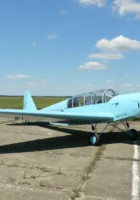
Zlin XII

Zlin XII

PaysTchécoslovaquie
TypeAvions de sport
PhotographePetr Koliba
Description

Album de 60 photos balade d’un « Zlin XII »

Galerie de photos d’un Zlin XII, The Zlín Z-XII was a Czechoslovak twin-seat sports aircraft and the first major design success by the Zlínská Letecká Akciová Společnost (Zlín) aircraft manufacturing company after its founding in Otrokovice after the takeover by the Bata Group.

Source: Zlin XII sur Wiki

Lire l’article

Vues : 2893

Vickers Valiant B.1

Vickers Valiant B.1

PaysRoyaume-uni
TypeBombardier à quatre jets à haute altitude
PhotographeOndrej Skarka
Description

Album de 71 photos walk-around d’un « Vickers Valiant B.1 »

Galerie de photos d’un Vickers Valiant B.1, The Vickers-Armstrongs Valiant was a British four-jet high-altitude bomber, once part of the Royal Air Force’s V bombardier nucléaire force nucléaire dans les années 1950 et 1960. Il a été développé par Vickers en réponse à la spécification B.35/46 publiée par le ministère de l’Air pour un bombardier à réaction nucléaire. Le Valiant fut le premier des bombardiers V à devenir opérationnel, et fut suivi par le Handley Page Victor et l’Avro Vulcan; il était nettement moins avancé que ses homologues. Le Valiant a la particularité d’être le seul bombardier V à larguer des armes nucléaires vivantes.

Source: Vickers Valiant B.1 sur Wikipédia

Lire l’article

Vues : 2919

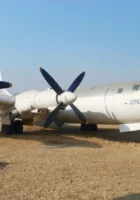
Tupolev Tu-4 Taureau

Tupolev Tu-4 Taureau

PaysUnion soviétique
RôleBombardier stratégique
Premier volLe 19 mai 1947
Construit847

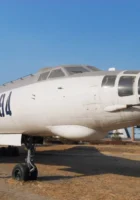
Galerie de photos d’un Tupolev Tu-4 Taureau, The Tupolev Tu-4 (NATO reporting name: Bull) was a piston-engined Soviet strategic bomber that served the Soviet Air Force from the late 1940s to mid-1960s. It was a reverse-engineered copy of the American-made Boeing B-29 Superfortress.

Source: Tupolev Tu-4 Bull sur Wiki

Lire l’article

Vues : 3097

Tupolev Tu-16 Blaireau

Tupolev Tu-16 Blaireau

PaysUnion soviétique
TypeBombardier stratégique bimoteur à réaction
Premier volLe 27 avril 1952
Construit1509

Galerie de photos d’un Tupolev Tu-16 Blaireau, The Tupolev Tu-16 (NATO reporting name: Badger) was a twin-engined jet strategic bomber used by the Soviet Union. It has flown for more than 60 years, and the Chinese licence-built Xian H-6 remains in service with the People’s Liberation Army Air Force.

Source: Tupolev Tu-16 Badger sur Wiki

Lire l’article

Views : 4311

Opel Blitz 3,6-36S

Opel Blitz 3,6

PaysAllemagne nazie
TypeCamion polyvalent
Production1930–1975

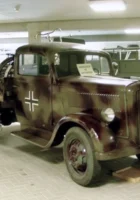
Galerie de photos d’un Opel Blitz 3,6, Opel Blitz (German for « Foudre ») a été le nom donné à diverses séries allemandes de camions légers et moyens construits par le constructeur automobile allemand Opel entre 1930 et 1975. Le logo original de ce camion, deux bandes disposées lâchement comme un symbole de foudre sous la forme d’une lettre horizontalement étirée « Z », still appears in the current Opel logo. From 1939, the reliable Blitz 3.6 three-ton version was used in large numbers by the German Wehrmacht armed forces throughout World War II. Derived variants included an elongated version and the four-wheel drive Blitz A. To cope with the bad road conditions and the rasputitsa mud seasons on the Eastern Front, a half-tracked Maultier (mule) SdKfz 3 version was built using tracks and suspension based on the Universal Carrier. Among others, these were used as service vehicles for the Messerschmitt Me 323 military transport aircraft. It is also claimed that Opel, a subsidiary of GM, used forced labor to reap unprecedented profits. To what degree GM controlled Opel at the time is subject to debate, but it is clear that GM did in fact play a role in giving Nazi Germany the Opel Blitz truck

Source: Opel Blitz 3.6 sur Wiki

Lire l’article

Views : 13997

ZiS-151 ZiS-151 ZiS-151

ZiS-151 ZiS-151 ZiS-151

PaysUnion soviétique
TypeCamion polyvalent
PhotographesIgor Suhin
Description

Album de 39 photos de promenade d’un « ZiS-151 »

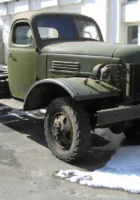
Galerie de photos d’un ZiS-151 ZiS-151 ZiS-151, The ZiS-151 was general-purpose truck produced by the Soviet car manufacturer Automotive Factory No. 2 Zavod imeni Stalina in 1947–1958. In 1956, the factory was renamed to Zavod imeni Likhacheva, and new trucks were called ZiL-151 (ЗиЛ-151). The ZiS-151 was the first major Soviet military all-wheel-drive truck built following World War II, replacing the imported U.S. Studebaker US6 and the earlier Soviet ZiS-6. In early 1948, the cabs were made of wood, soon replaced with a steel cab. Tens of thousands were produced, including specialized versions for hauling different types of cargo. The Soviets also found the trucks an ideal platform for BM-13 Katyusha rocket launchers.

Source: ZiS-151 sur Wiki

Lire l’article

Views : 7188

Cuisine de campagne

Cuisine de campagne de l’armée soviétique

PaysUnion soviétique
TypeCuisine de campagne
PhotographesYuri Pasholok
Description

Album de 45 photos d’une « cuisine de campagne de l’armée soviétique »

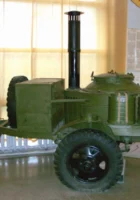
Galerie de photos d’un Cuisine de campagne de l’armée soviétique, A field kitchen is a mobile kitchen, mobile canteens or food truck used primarily by military services to provide warm food to the troops near the frontline or in temporary encampments.

Source: Cuisine de campagne de l’armée soviétique sur Wiki

Lire l’article

Vues : 4244