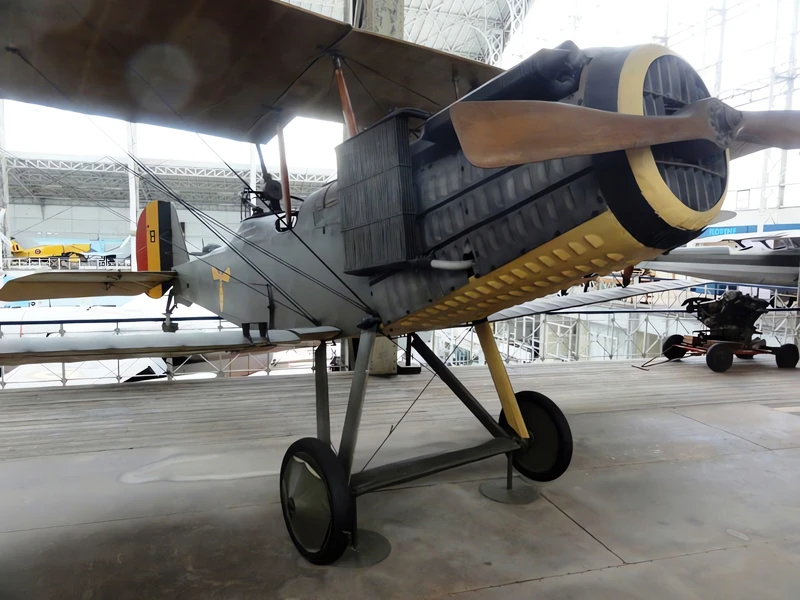
Βασιλικό Εργοστάσιο Αεροσκαφών R.E.8 | |
|---|---|
| Χώρα | Ηνωμένο βασίλειο |
| Ρόλο | Reconnaissance, Bomber |
| Πρώτη πτήση | 17 June 1916 |
| Χτισμένο | 4077 |
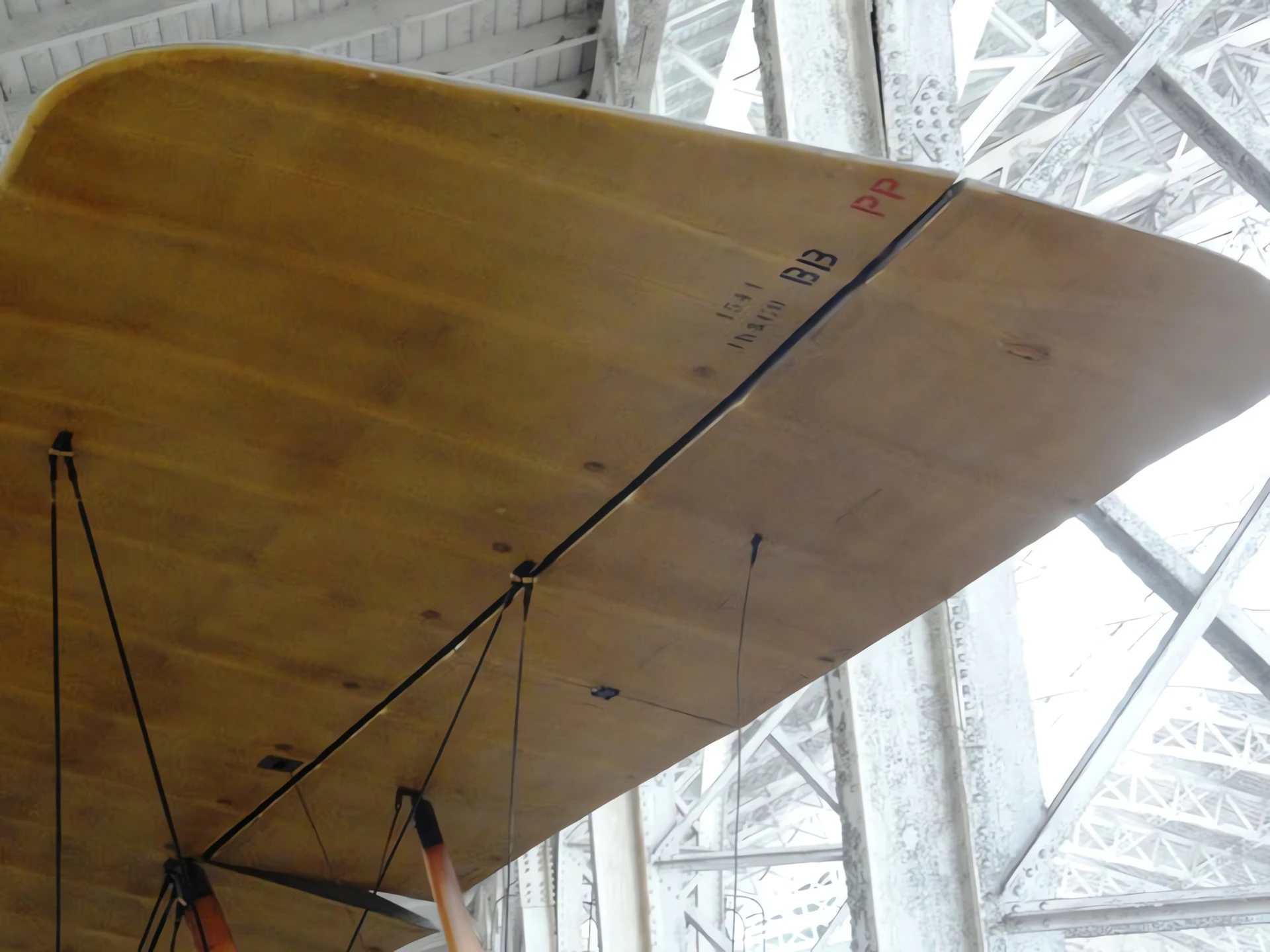
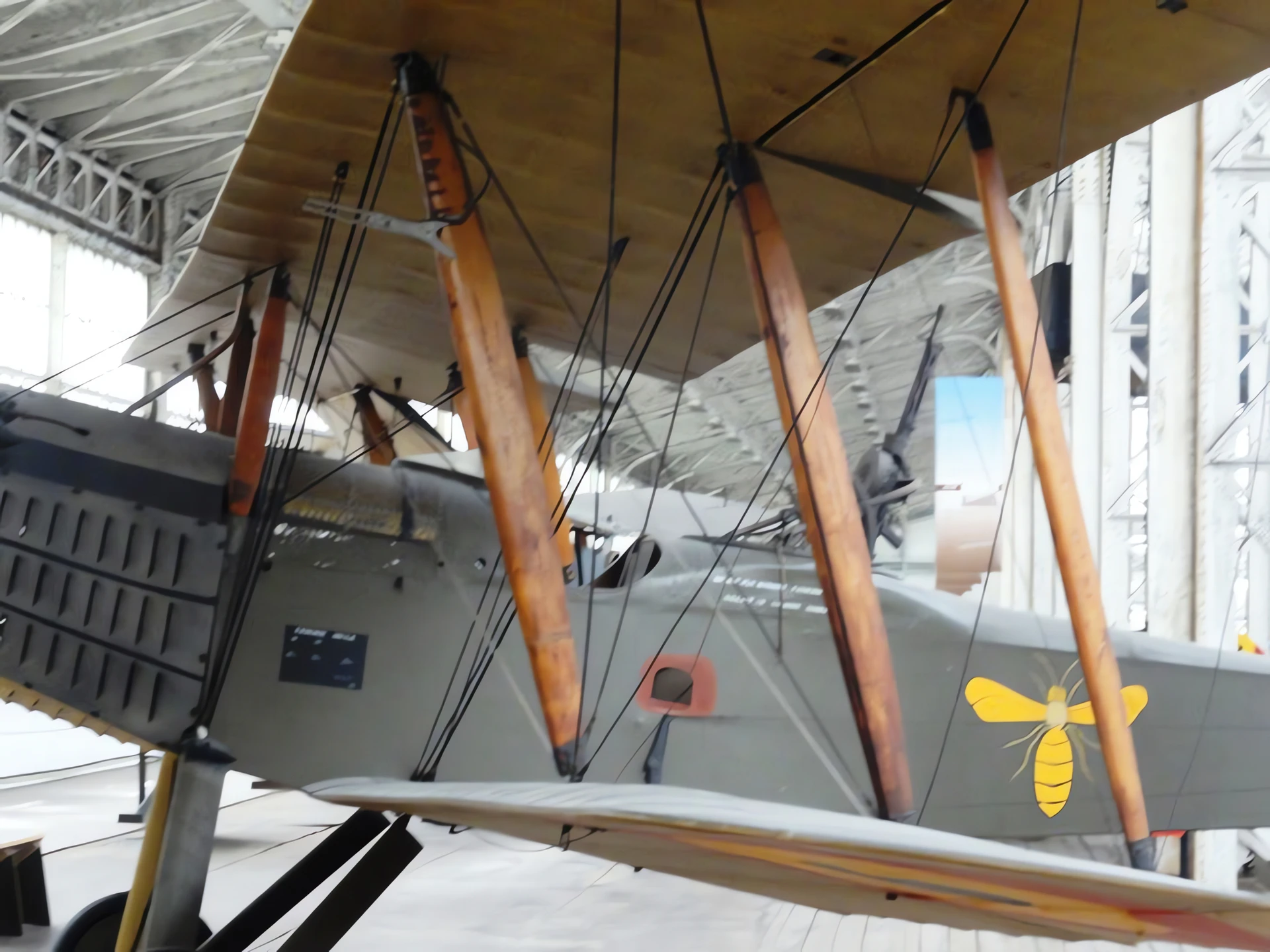
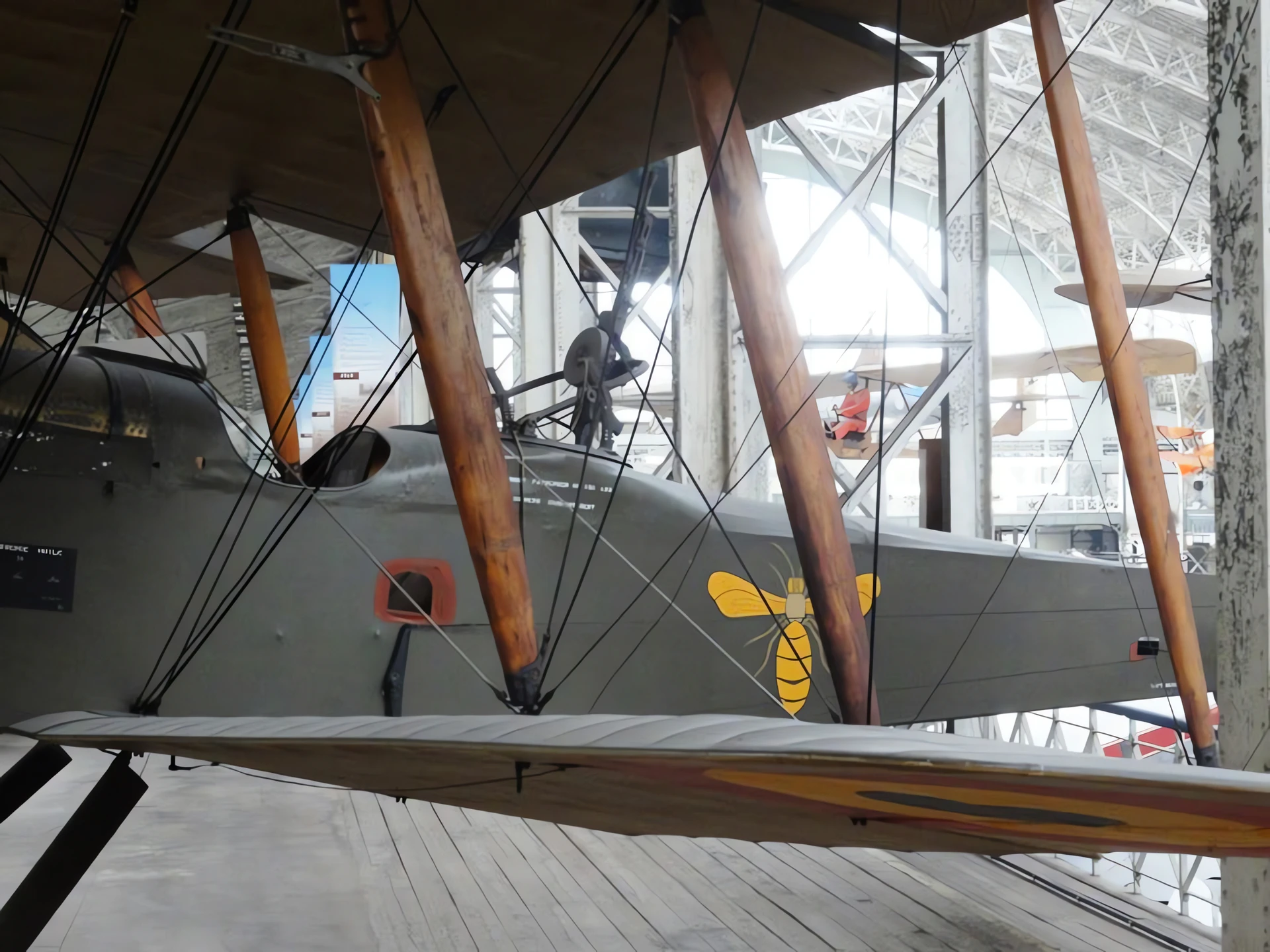
Teh Βασιλικό Εργοστάσιο Αεροσκαφών R.E.8 was a British two-seat biplane reconnaissance and bomber aircraft of the First World War designed and produced at the Royal Aircraft Factory. It was also built under contract by Austin Motors, Daimler, Standard Motors, Siddeley-Deasy and the Coventry Ordnance Works. Intended as a replacement for the vulnerable B.E.2, the R.E.8 was widely regarded as more difficult to fly and gained a reputation in the Royal Flying Corps for being “unsafe” that was never entirely dispelled. Although eventually it gave reasonably satisfactory service, it was never an outstanding combat aircraft. Nonetheless, it remained the standard British reconnaissance and artillery observation aircraft from mid-1917 to the end of the war, serving alongside the rather more popular Armstrong Whitworth F.K.8.
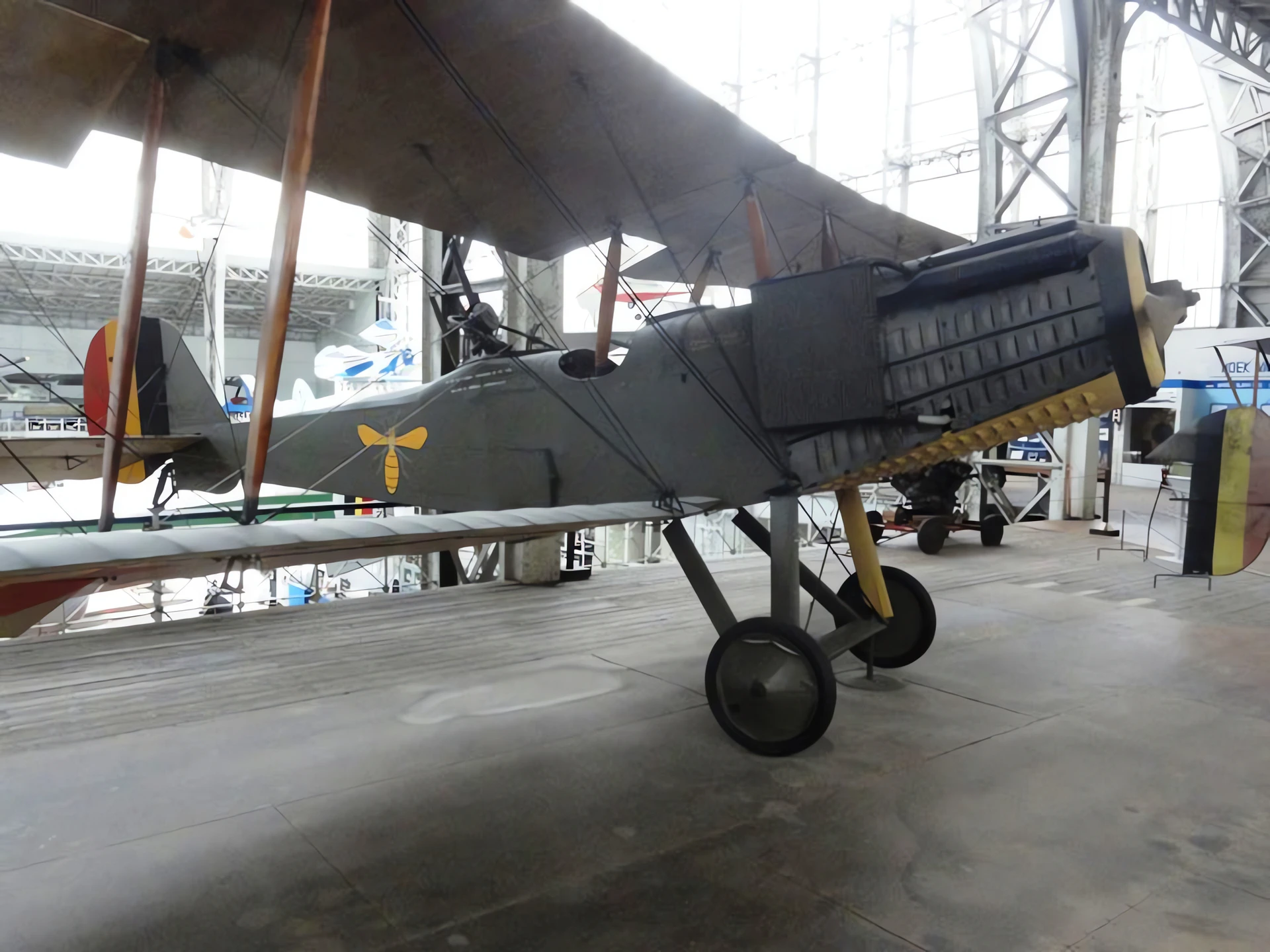
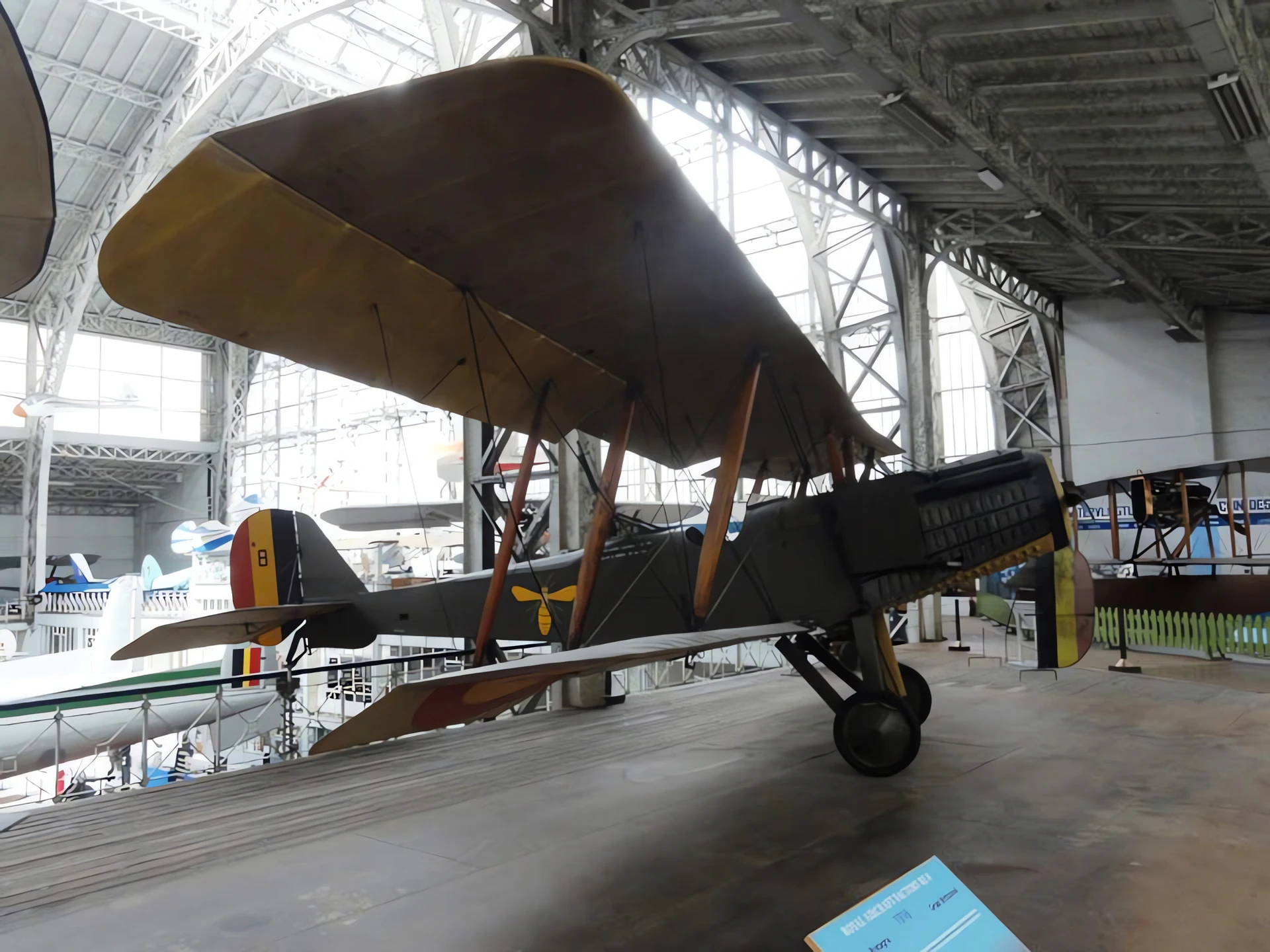
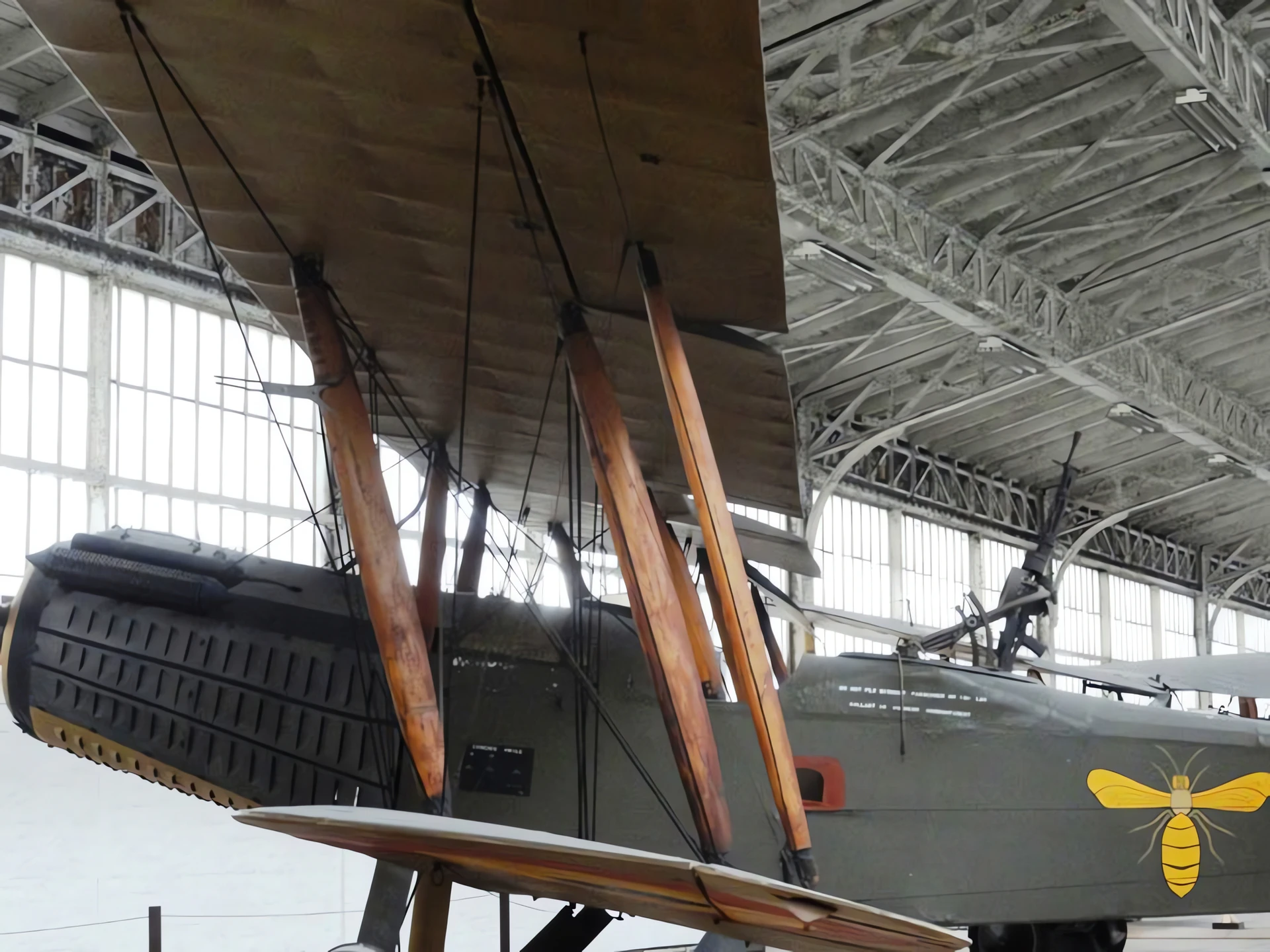
| Royal aircraft factory R.E.8 Walk Around | |
|---|---|
| Φωτογράφος | Meindert de Vreeze |
| Εντοπισμού | Αγνοώ |
| Φωτογραφίες | 28 |
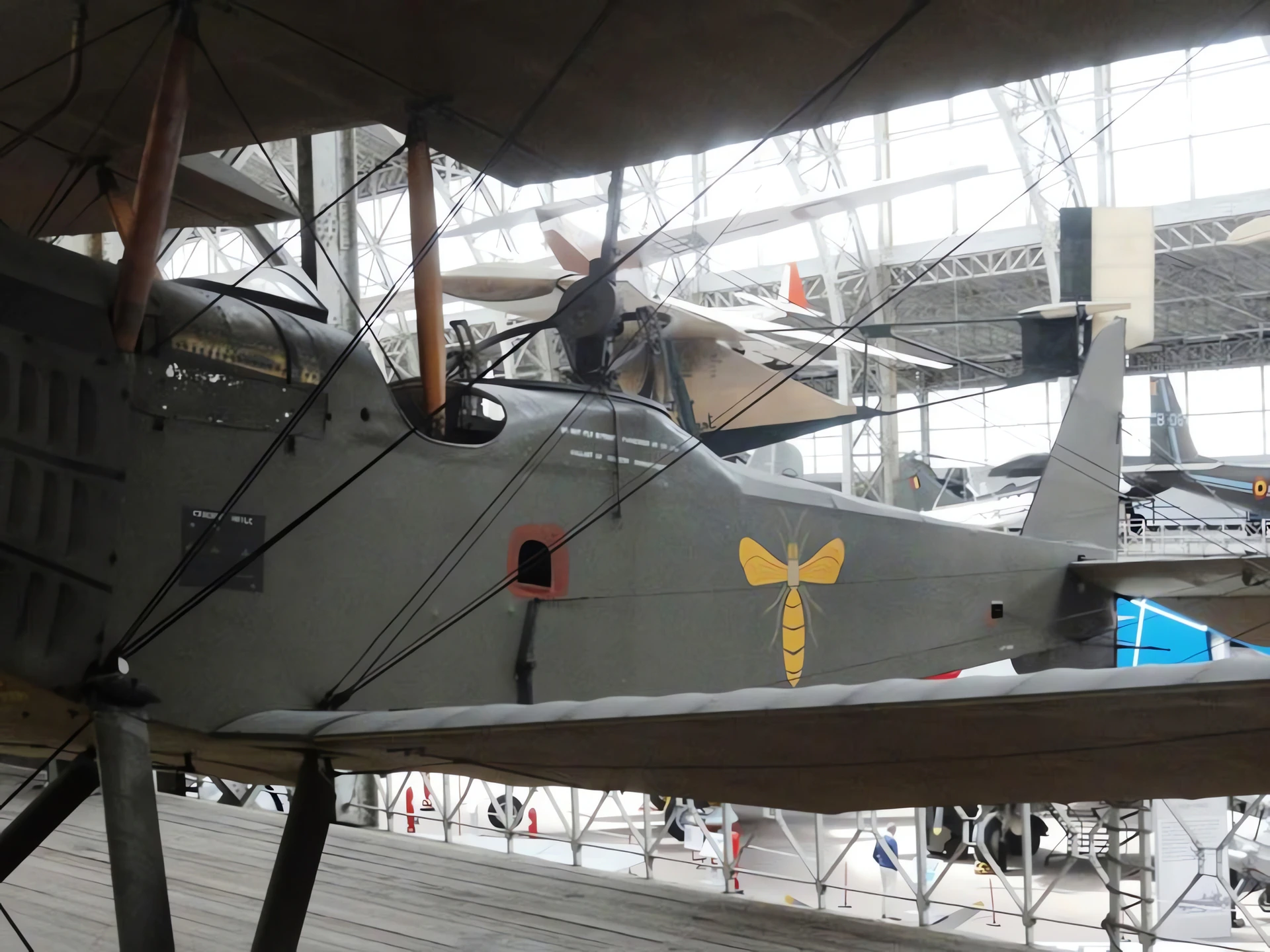
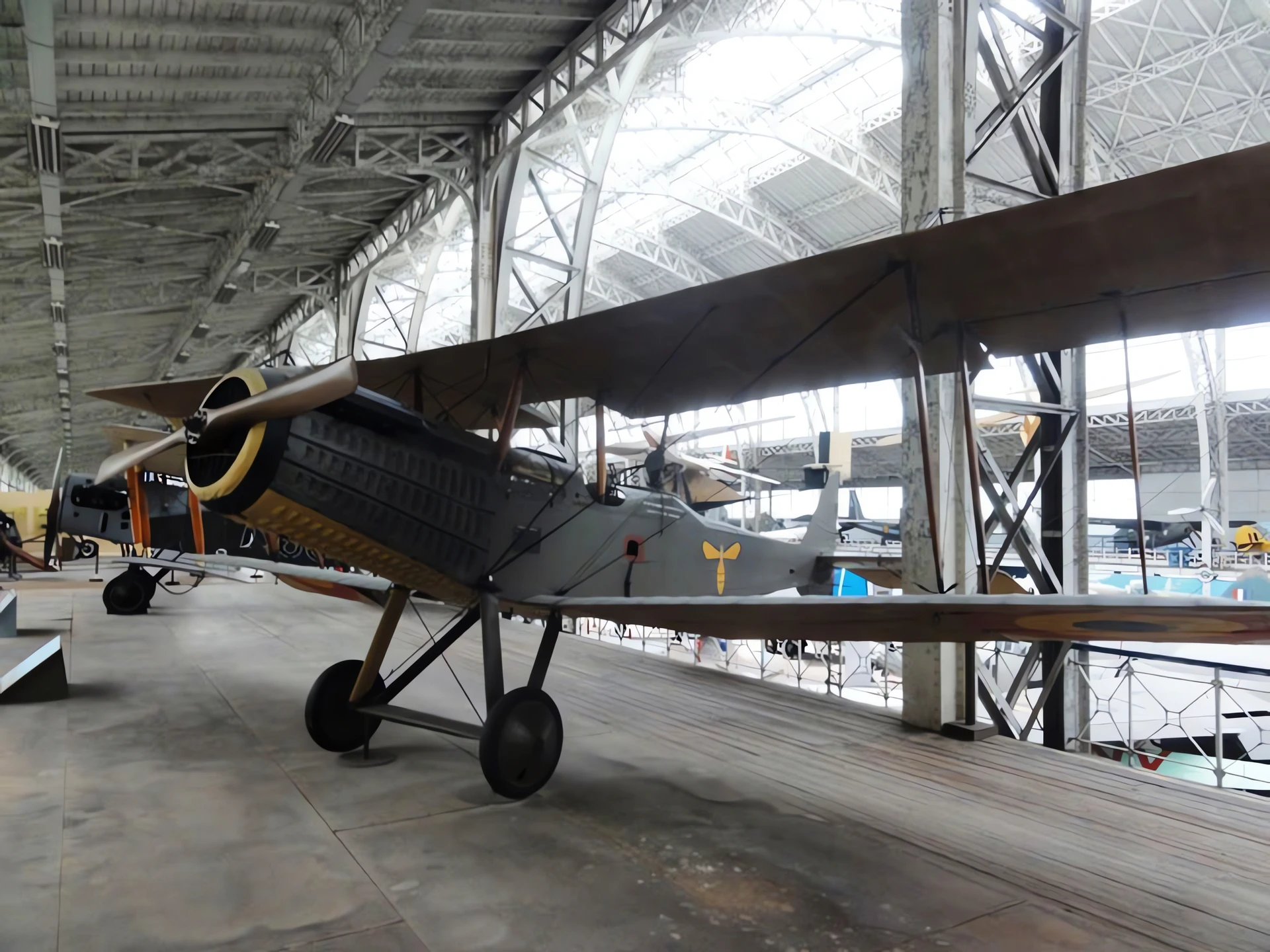


Δείτε επίσης:


General Characteristics
The R.E.8 (Reconnaissance Experimental 8) was a British two-seat biplane used extensively by the Royal Flying Corps (RFC) and later the Royal Air Force (RAF) during World War I. Designed by the Royal Aircraft Factory as a replacement for the vulnerable B.E.2, the R.E.8 was intended to be more robust, better armed, and capable of defending itself against German fighters while performing its primary duties of artillery spotting and photographic reconnaissance. Due to its distinctive shape and sometimes tricky handling (particularly on landing), it was often nicknamed the “Harry Tate” after a popular music hall comedian. Despite a poor initial reputation, it became the standard reconnaissance aircraft on the Western Front from 1917 onwards, known for its stability as a photo platform and its reliability.
| Property | Typical Value (R.E.8) |
|---|---|
| Ρόλο | Reconnaissance, Artillery Spotting, Light Bombing |
| National Origin | Ηνωμένο Βασίλειο |
| Κατασκευαστής | Royal Aircraft Factory (and various contractors) |
| First Flight | June 1916 |
| Service Entry | Late 1916 |
| No. Built | ~4,077 |
| Πλήρωμα | 2 (Pilot and Observer/Gunner) |
| Μήκος | 8.48 m (27 ft 10 in) |
| Εκπέτασμα | 12.80 m (42 ft 0 in) |
| Max Takeoff Weight | 1,302 kg (2,870 lb) |
Powerplant and Performance
- Engine: 1 x RAF 4a 12-cylinder air-cooled V-engine.
- Power Output: 112 kW (150 hp).
- Maximum Speed: 164 km/h (102 mph) at 2,000 m (6,500 ft).
- Service Ceiling: 4,000 m (13,100 ft).
- Endurance: 3 hours.
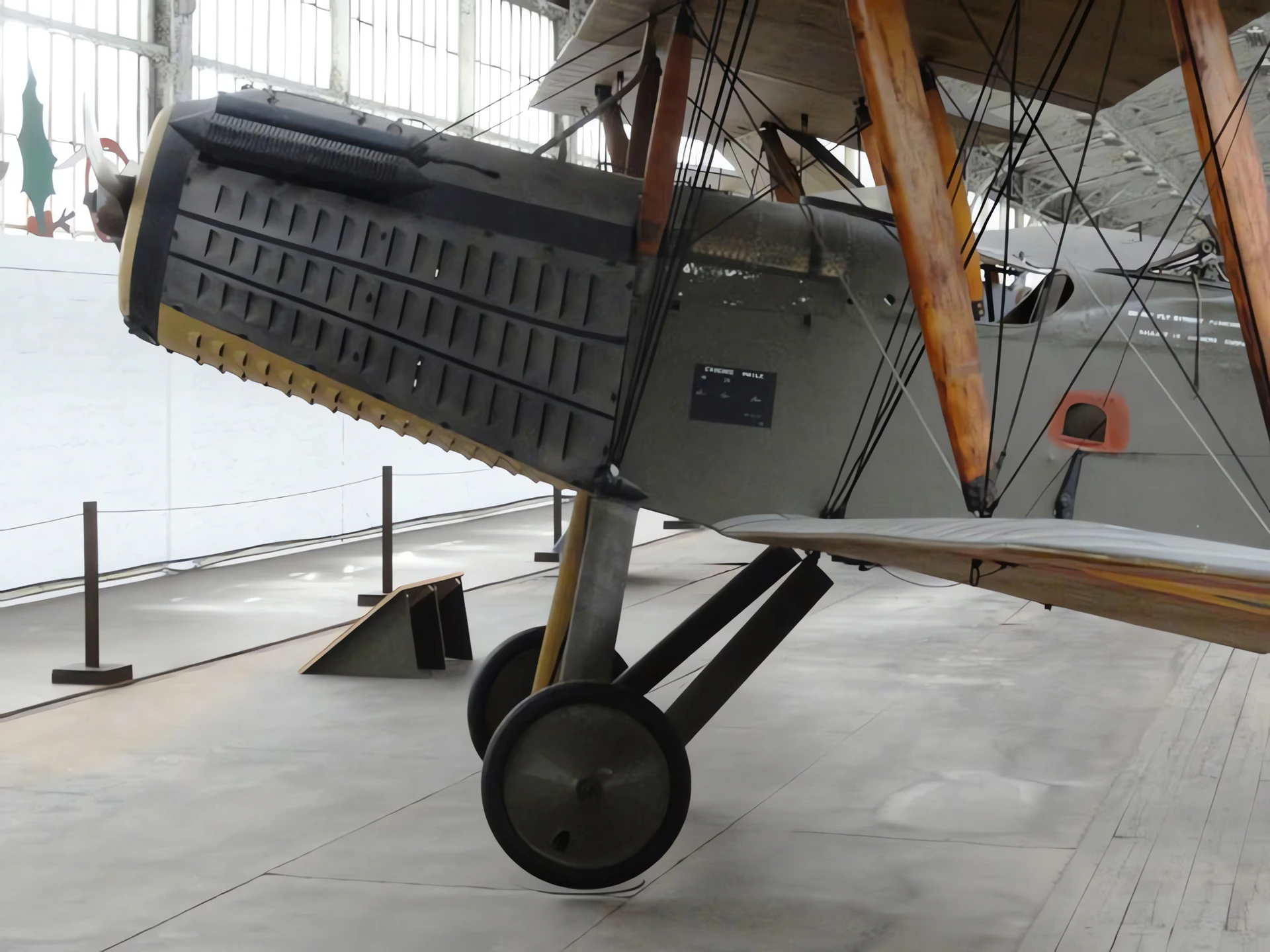
- Design Note: The engine was positioned slightly behind the propeller, resulting in a short nose and the distinctive “broken nose” appearance, which also contributed to the tricky handling characteristics.
Armament and Duties
- Pilot Armament: 1 x 7.7 mm (.303 in) Vickers machine gun, synchronized to fire through the propeller.
- Observer Armament: 1 x 7.7 mm (.303 in) Lewis machine gun on a flexible Scarff ring mount (a major improvement for rear defense).
- Ordnance: Could carry a small bomb load of up to 102 kg (224 lb) of bombs for trench strafing or close air support.
- Primary Duty: Reconnaissance. The R.E.8 was crucial for photographing enemy positions and adjusting Allied artillery fire (artillery spotting) via wireless telegraphy, making it one of the most strategically important aircraft of the war.
- Operational History: Despite being slow and vulnerable to German fighters like the Albatros D.III, its stability and improved defensive capability allowed R.E.8 crews to often fight their way out of trouble, earning the respect of frontline troops.
Θεάσεις : 732
Μπορείτε επίσης να δείτε:
 Hawker Fury – Φωτογραφίες & Βίντεο
 EKW C-35 – Φώτο &; Βίντεο
 SPAD S.XI – Περπατήστε
 Hanriot HD.1 – Photos & Videos
 Focke-Wulf Fw 44 – Φώτο & Βίντεο
 Fairey Ξιφίας – Φώτο & Βίντεο
 Fokker D.VII – Φώτο &; Βίντεο
 Royal Aircraft Factory S.E.5 – Φώτο &; Βίντεο
 SPAD S.VII Cabruna &; Ruffo – Φώτο &; Βίντεο
 Stearman PT-13D Kaydet- Φωτογραφίες &; Βίντεο