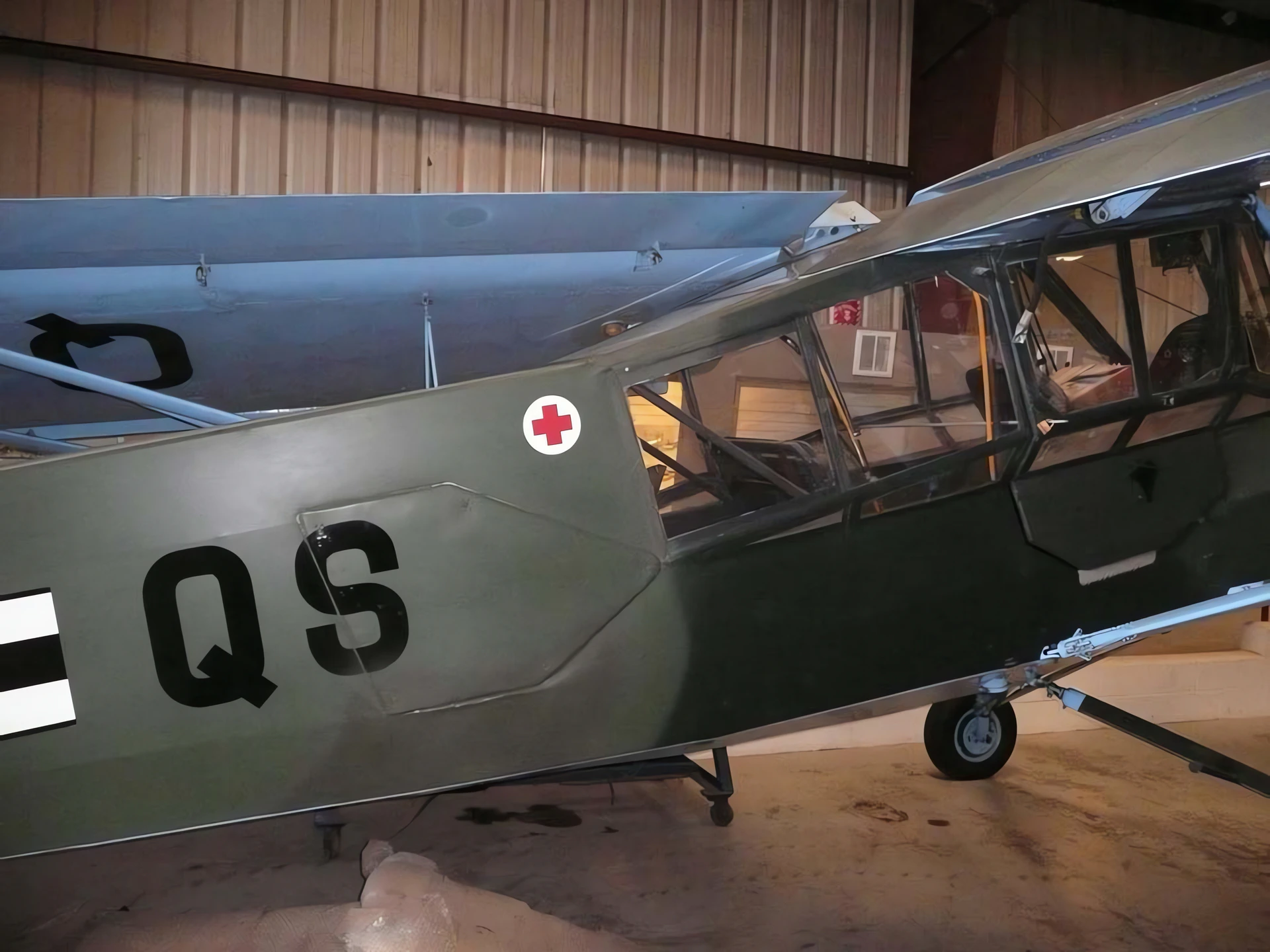
Teh Φι Φίλερ Φι 156 Στορτς (Αγγλικά: Πελαργός) ήταν ένα μικρό γερμανικό αεροσκάφος σύνδεσης που κατασκευάστηκε από τον Fieseler πριν και κατά τη διάρκεια του Β ' Παγκοσμίου Πολέμου. Η παραγωγή συνεχίστηκε σε άλλες χώρες στη δεκαετία του 1950 για την ιδιωτική αγορά. Παραμένει διάσημο για την εξαιρετική απόδοση STOL. Οι γαλλικές μεταγενέστερες παραλλαγές εμφανίζονται συχνά σε αεροπορικές επιδείξεις.
Περίμενε, ψάχνοντας το Fieseler Fi 156 για σένα...
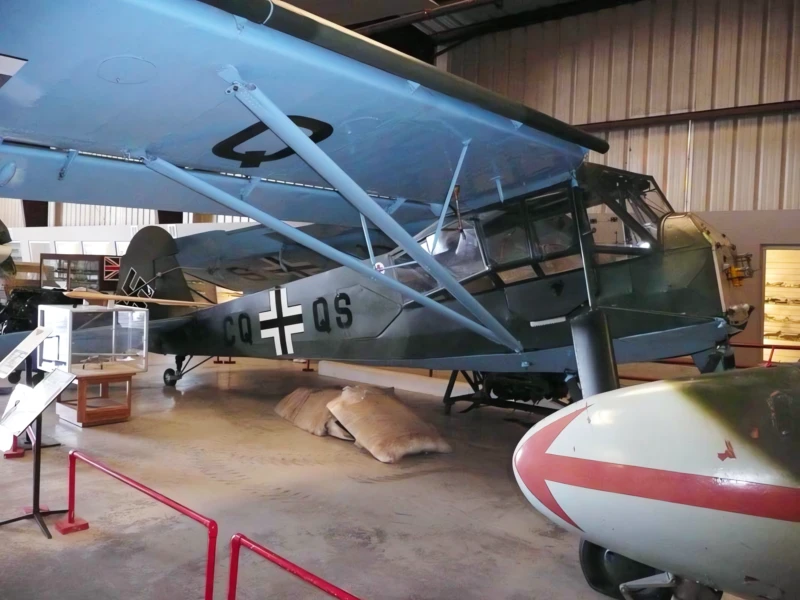
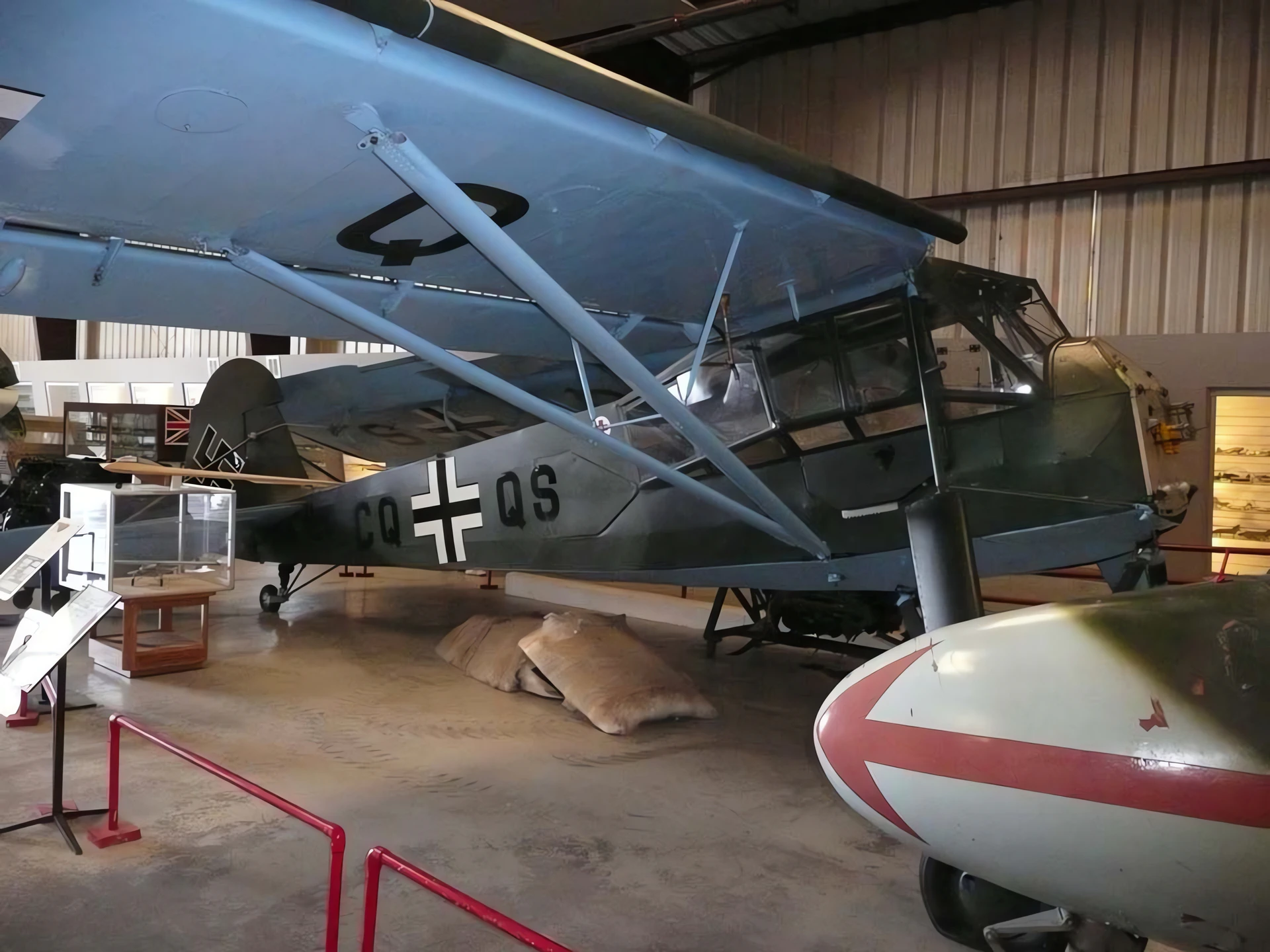
Fieseler Fi 156 Storch Walk Around
Φωτογράφος
Unknow
Εντοπισμού
Αγνοώ
Φωτογραφίες
44
Fieseler Fi-156-C7 Storch Walk Around
Φωτογράφος
Ράντι Ρέι
Εντοπισμού
Βασιλικό Μουσείο Πολεμικής Αεροπορίας Cosford
Φωτογραφίες
16
Δείτε επίσης:
Feiseler Fi-156 Storch Walk Around
Φωτογράφος
Βλαντιμίρ Γιακούμποφ
Εντοπισμού
Συλλογή Ιπτάμενη Κληρονομιάς
Φωτογραφίες
49
Mraz K-65 ‘Cap’ Walk Around
Φωτογράφος
Πάβελ Σενκ
Εντοπισμού
Αγνοώ
Φωτογραφίες
11
The Master of Slow Flight
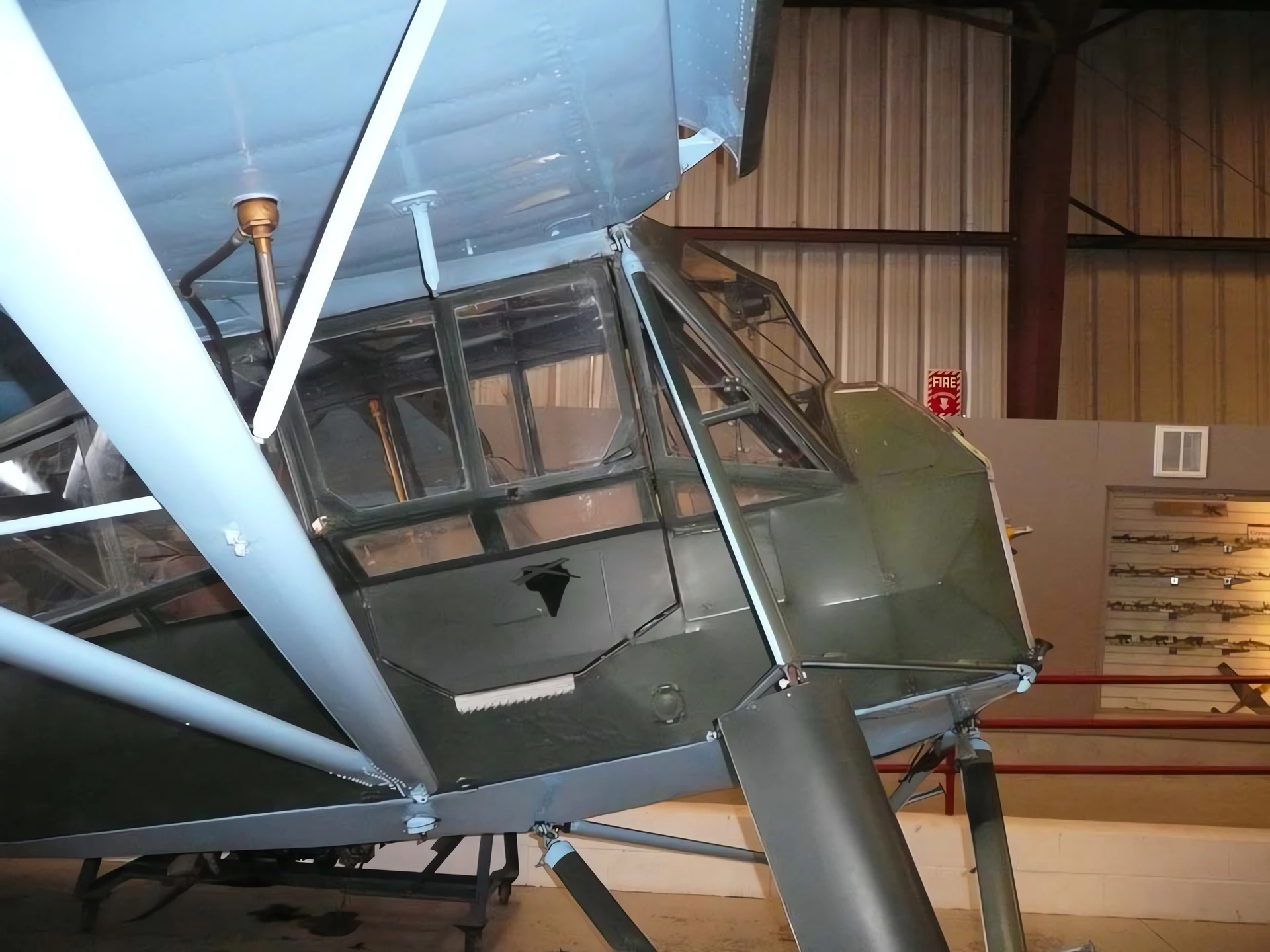
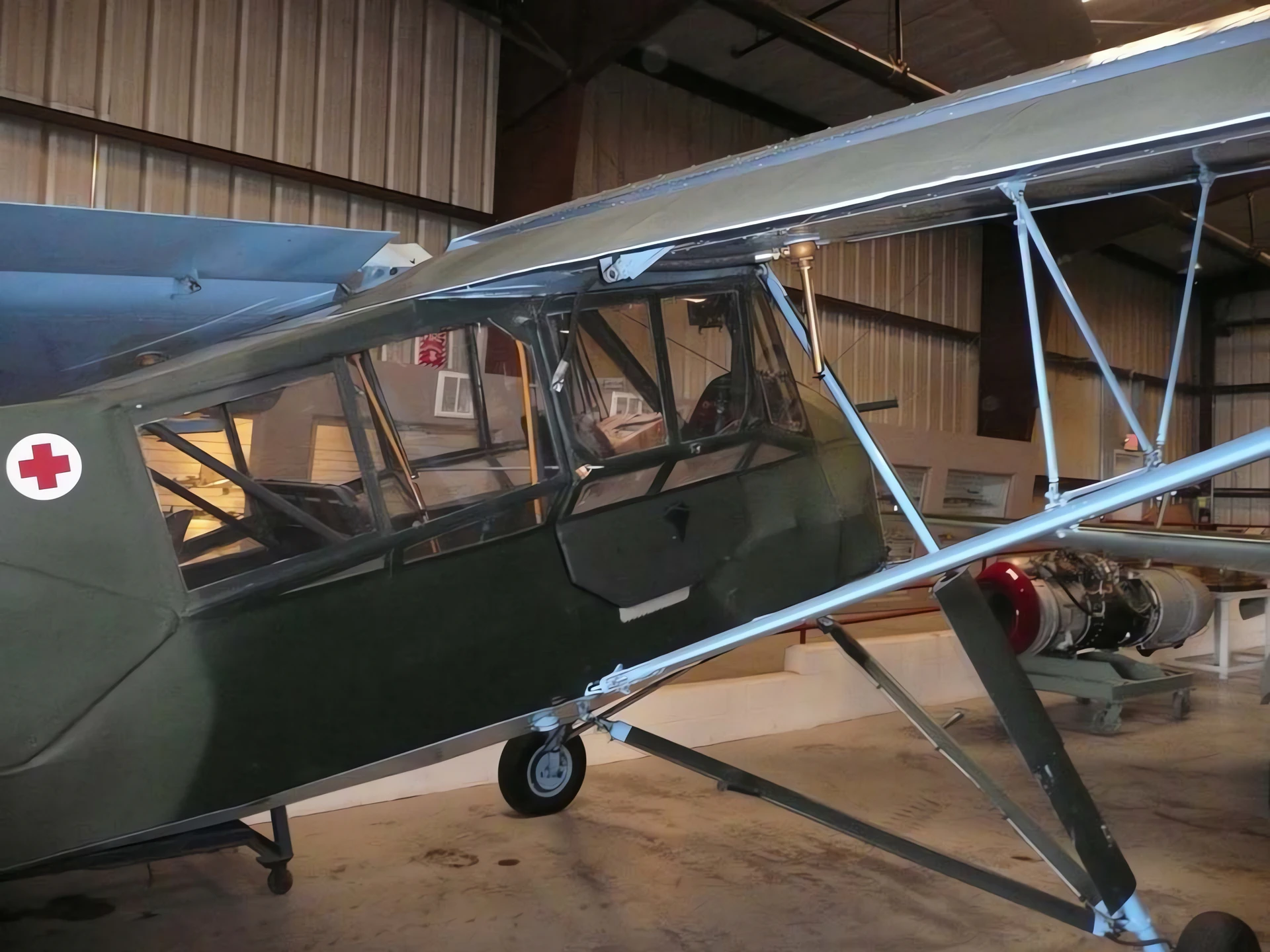
Teh Φι Φίλερ Φι 156 Στορτςwas a legendary German liaison and observation aircraft of WWII. Named for its spindly, long-stroke landing gear that resembled the legs of a stork, it was the world’s first trueΣΤΟΛ(Short Take-Off and Landing) aircraft. Its ability to take off into a stiff breeze in just 150 feet and land in even less made it indispensable for high-stakes rescue missions and front-line reconnaissance. It was so slow-flying that in a headwind, it could practically hover or even fly backward relative to the ground.
Attribute
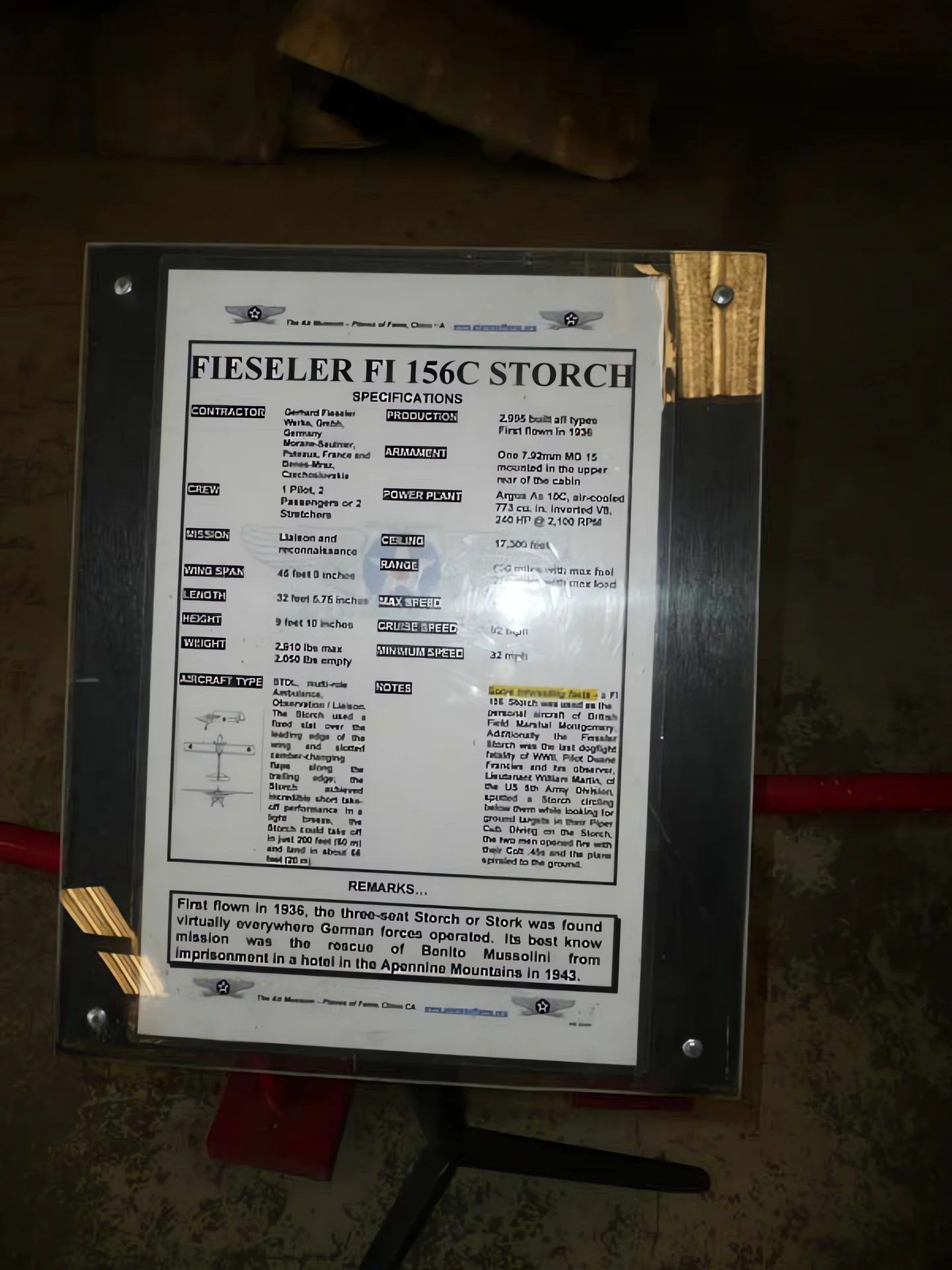
Technical Specification (Fi 156C-3)
Ρόλο
Liaison / Observation / Air Ambulance
Πλήρωμα
2 or 3
First Flight
May 24, 1936
Πλάστης ισχύος
1 × Argus As 10C inverted V-8 air-cooled engine
Horsepower
240 hp (179 kW)
Maximum Speed
109 mph (175 km/h)
Minimum Speed
31 mph (50 km/h)
Οπλισμός
1 × 7.92mm MG 15 machine gun (Rear-facing)
Aerodynamic Magic
Fixed Leading-Edge Slats:The Storch featured fixed slats along the entire leading edge of its wings. These slats directed air over the top of the wing at high angles of attack, preventing stalls at incredibly low speeds.
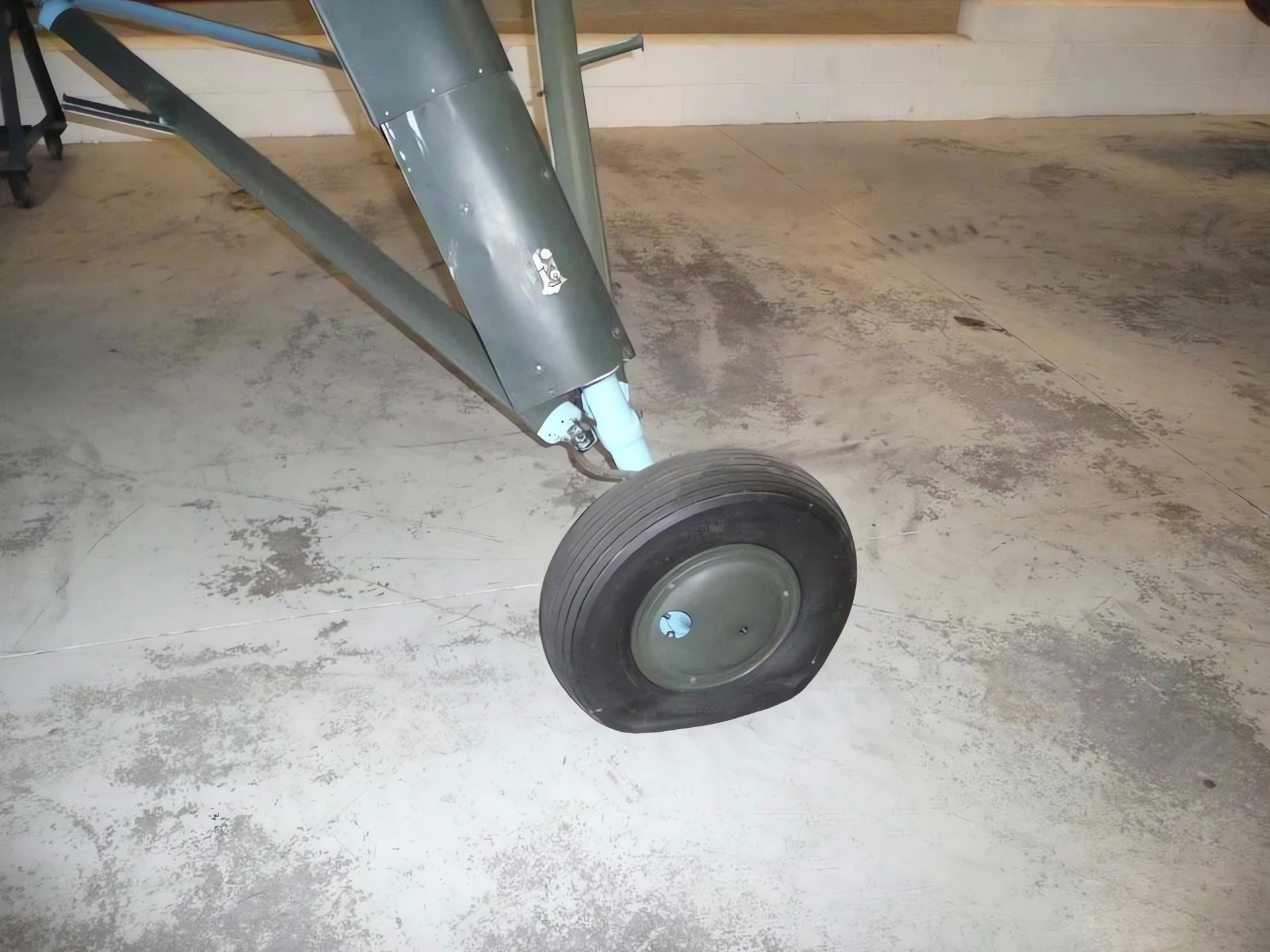
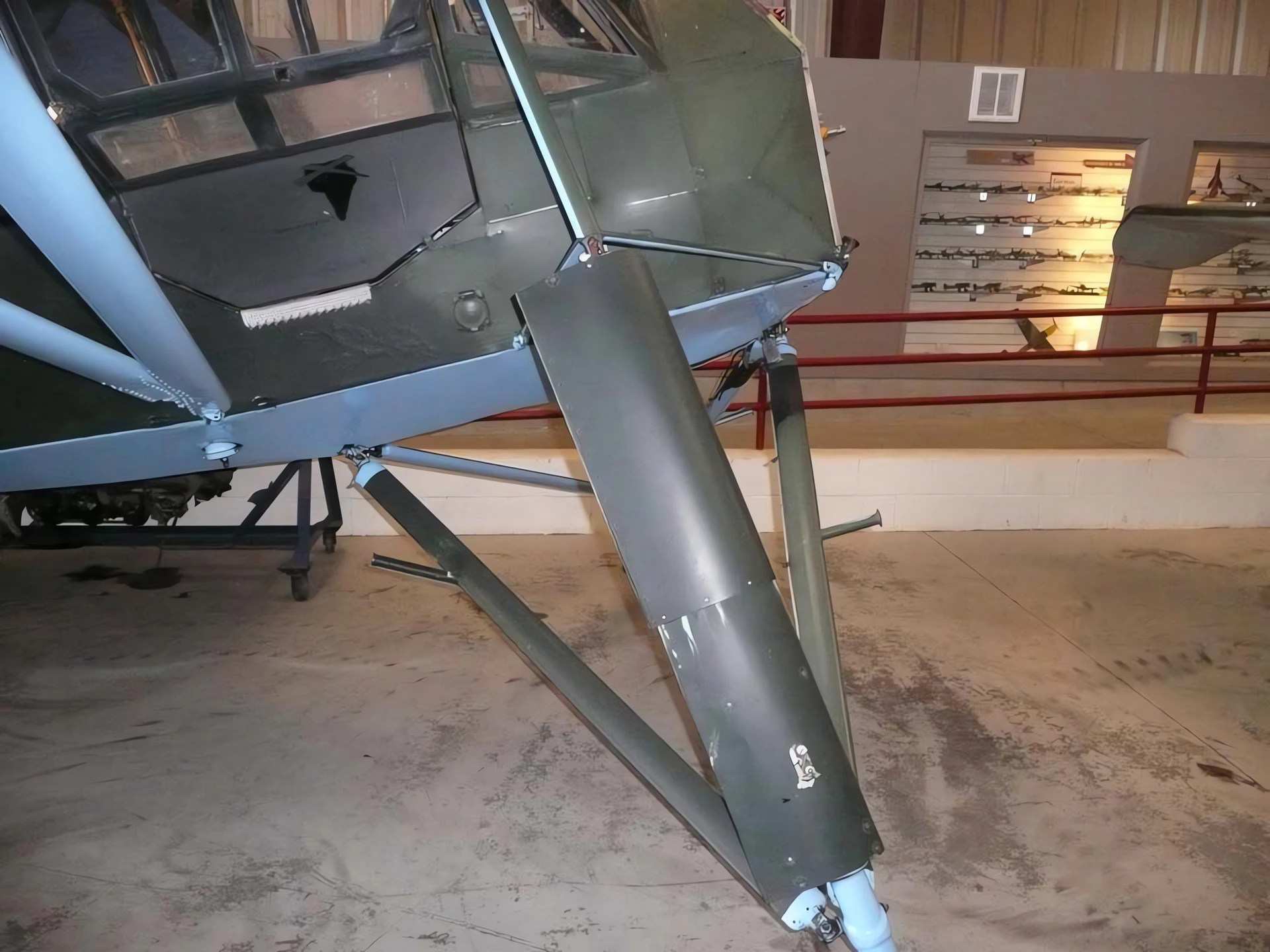
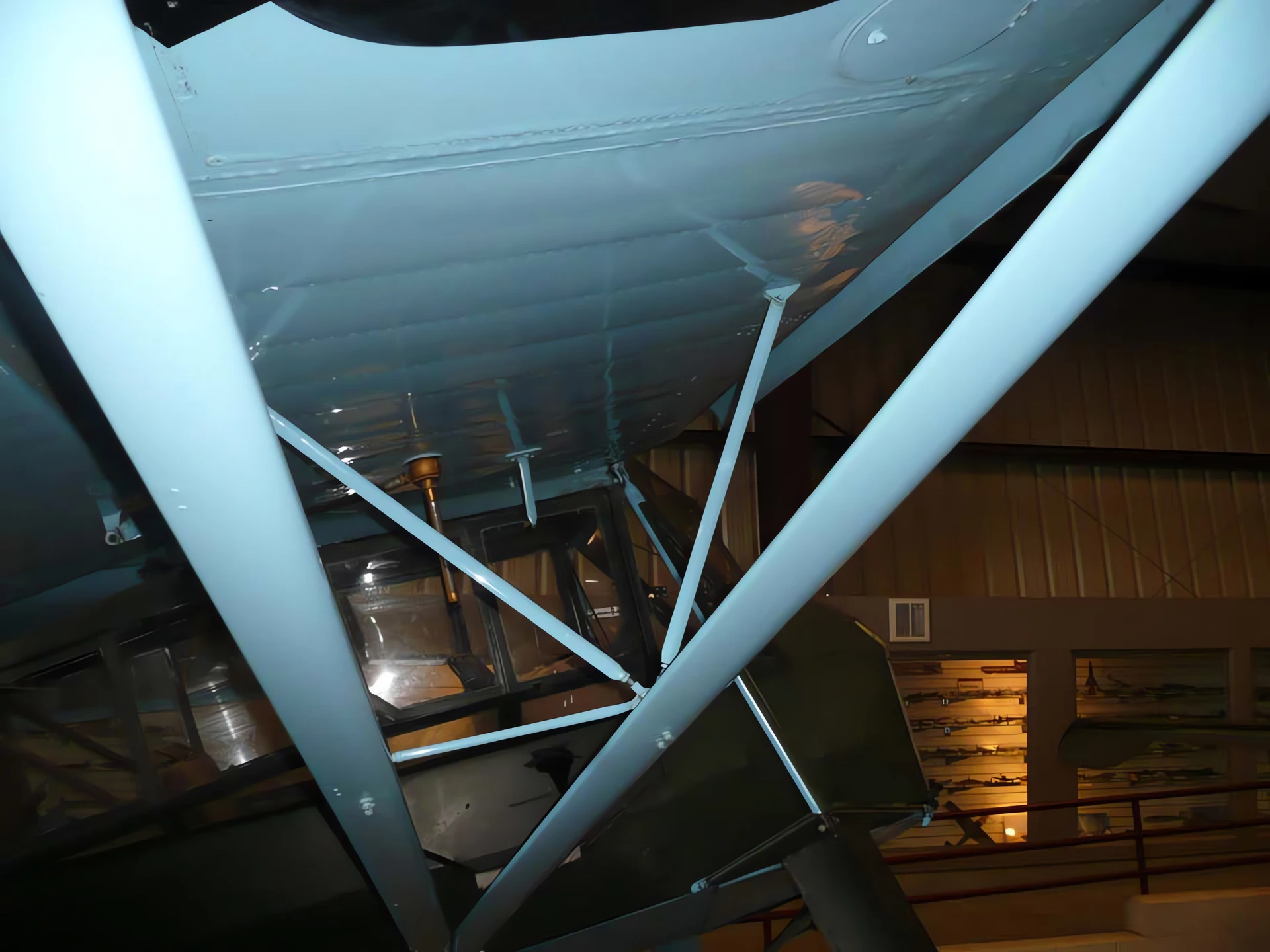
Long-Stroke Landing Gear:The massive oil-and-spring shock absorbers were designed to absorb the impact of a “drop-in” landing on rough, unprepared ground, allowing the pilot to plant the aircraft exactly where needed.
Folding Wings:For transport by truck or storage in small barns near the front lines, the Storch’s wings could be folded back against the fuselage, a rare feature for a land-based aircraft of that size.
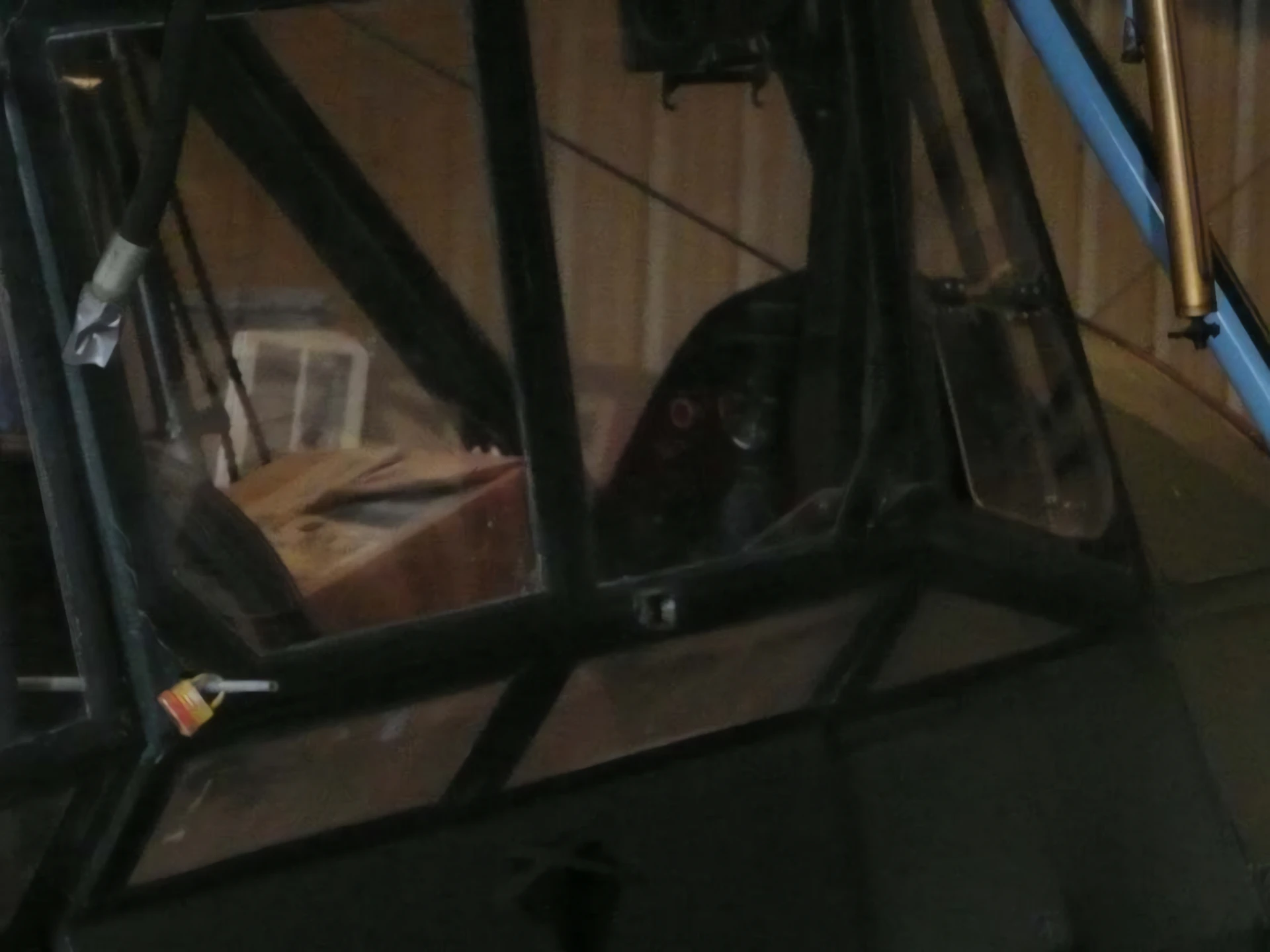
Unrivaled Visibility:The cockpit featured extensive “greenhouse” glazing that bulged out from the sides, allowing the pilot and observer to look directly downward to spot enemy positions or pick a landing spot.
Historic Missions and Legacy
The Gran Sasso Raid:The Storch’s most famous moment came in 1943, when a pilot landed an Fi 156 on a tiny, boulder-strewn mountain ledge to rescue the deposed Italian dictatorBenito Mussolini.
The Last Flight into Berlin:In the final days of the war, test pilotHanna Reitschflew a Storch into the heart of a besieged Berlin, landing on a makeshift strip near the Brandenburg Gate under heavy Soviet fire.
Post-War Production:Because the design was so effective, production continued long after the war. In France, it was built as theMorane-Saulnier Criquet, which saw extensive service in the First Indochina War.
Preservation:Due to its ruggedness, many Storchs survive in flying condition today, frequently appearing at airshows where they amaze crowds with their “walking speed” flight paths.


 Aero L-29 Delfín – Φώτο &; Βίντεο
 Verville-Sperry M-1 Messenger – Φώτο &; Βίντεο
 Μιτσουμπίσι A6M Μηδέν – Περίπατος
 Τυφώνας Hawker - Περπατήστε γύρω
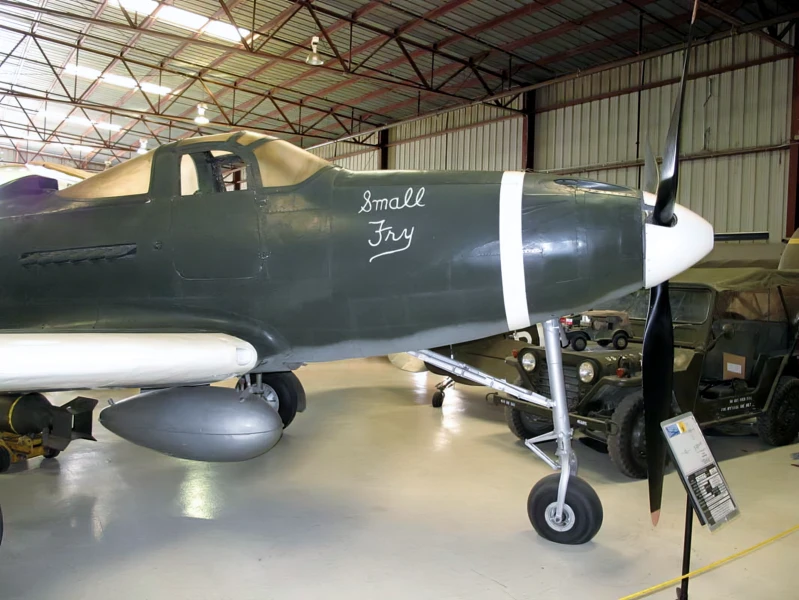 Καμπάνα P-39N Αϊρακόμπρα – WalkAround
 Ενοποιημένος απελευθερωτής Β-24M – Περίπατος
 P-47D Κεραυνός - Περίπατος
 Α-20 Όλεθρο – Περίπατος
 TBM-3E Avenger – με τα Πόδια Γύρω από
 Fiat G-55 Κενταύρου – Περπατήστε γύρω