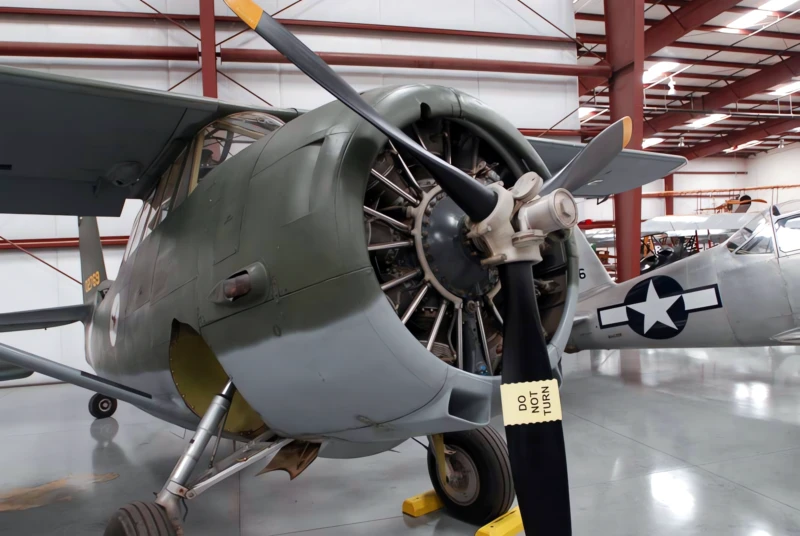
Curtiss O-52 Owl | |
|---|---|
| Χώρα | Ηπα |
| Ρόλο | Αναγνώρισης |
| Σε λειτουργία | 1940 |
| Χτισμένο | 203 |
Teh Curtiss O-52 "Κουκουβάγια" was an observation aircraft used by the United States Army Air Corps before and during World War II. Developed in 1939, the Curtiss O-52 was the last “heavy” observation aircraft developed for the US Army Air Corps. The concept of the two-seat observation aircraft, classed as the “O” series aircraft, dated to World War I, and in 1940, the Army Air Corps ordered 203 Curtiss O-52s for observation duties. By 1941, the O-52 was no match for modern combat conditions.
| Curtiss O-52A-1-CW Owl Walk Around | |
|---|---|
| Φωτογράφος | Άλεξ Μπουρλίγκα |
| Εντοπισμού | Μουσείο Αέρα Γιάνκηδων |
| Φωτογραφίες | 46 |
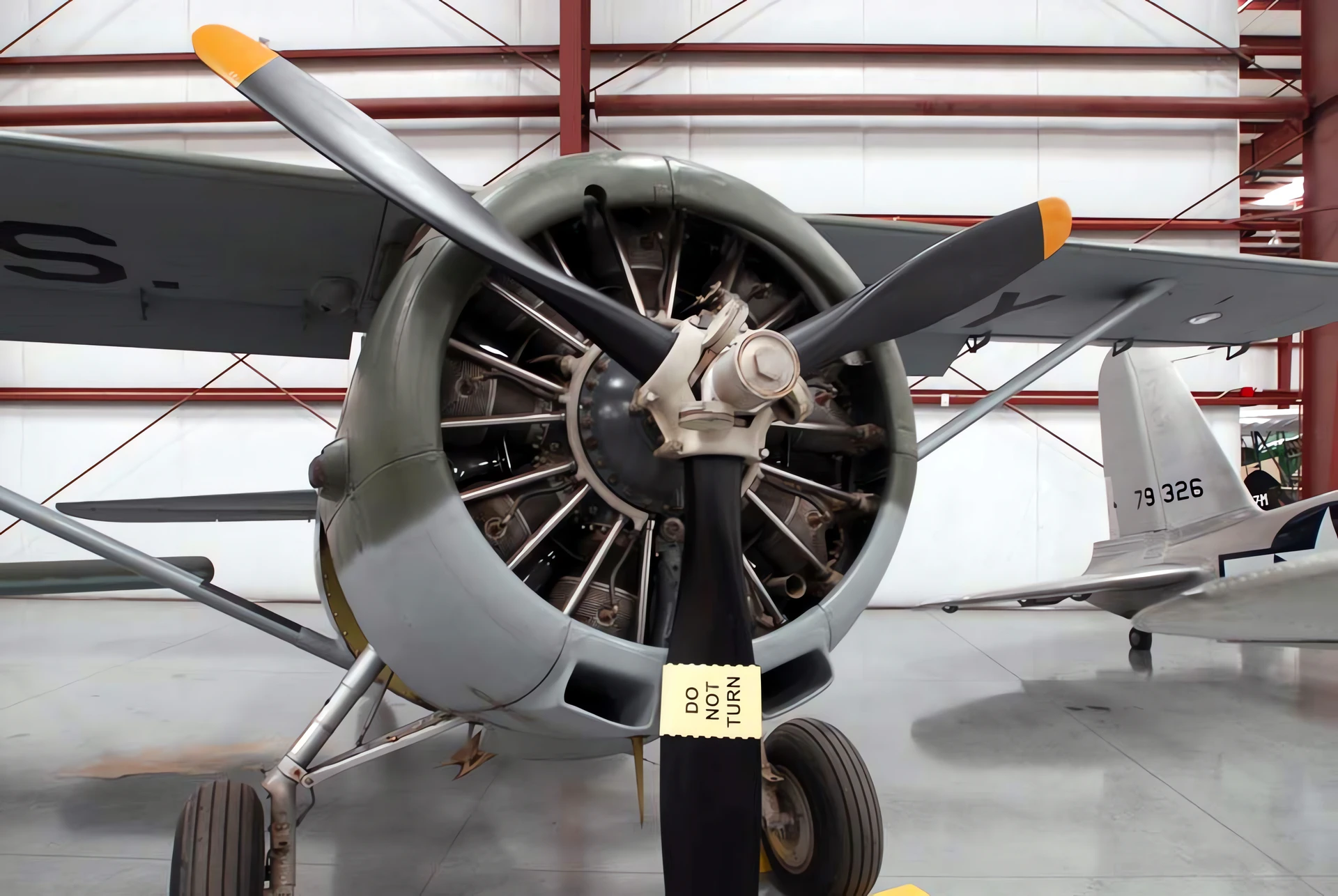
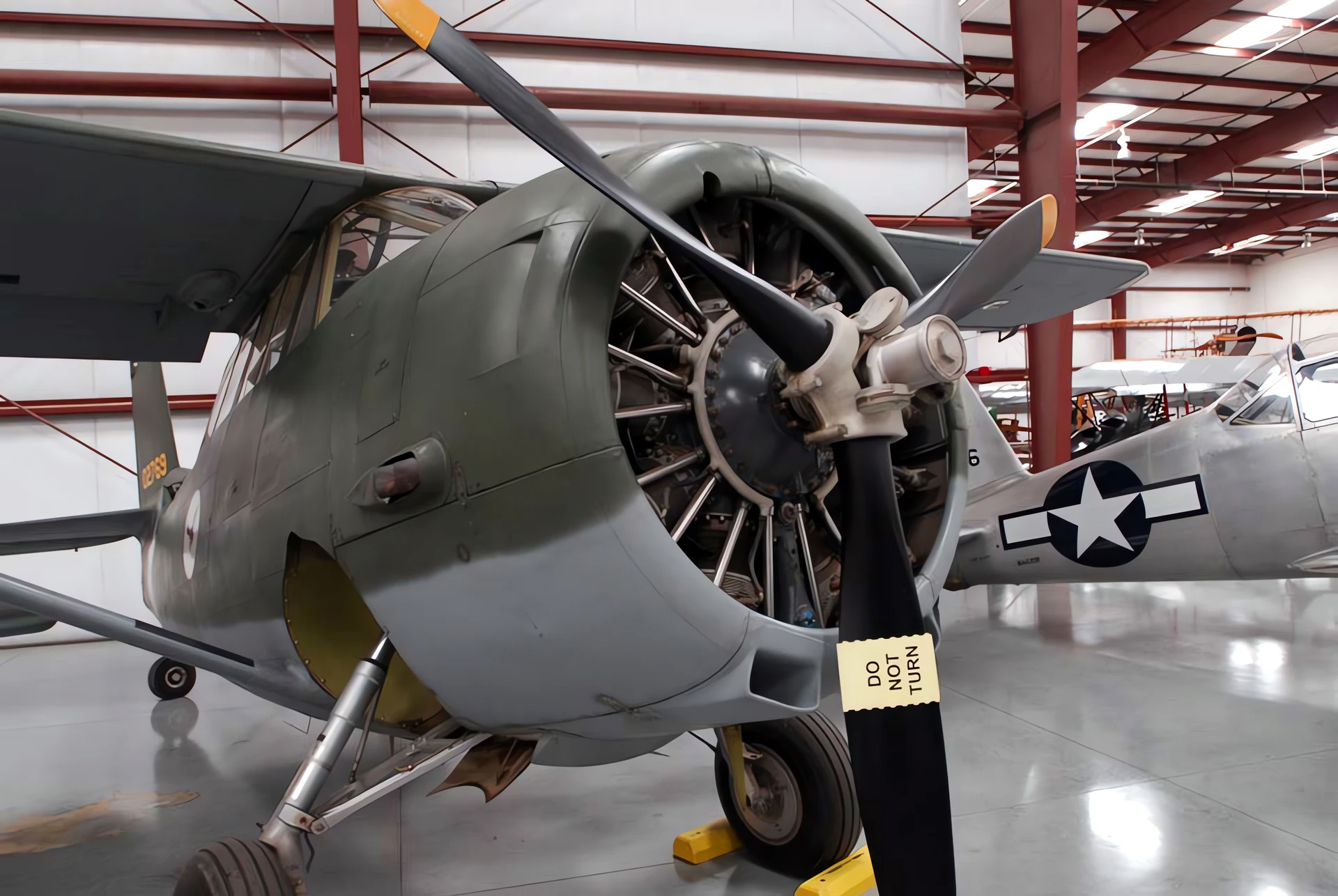
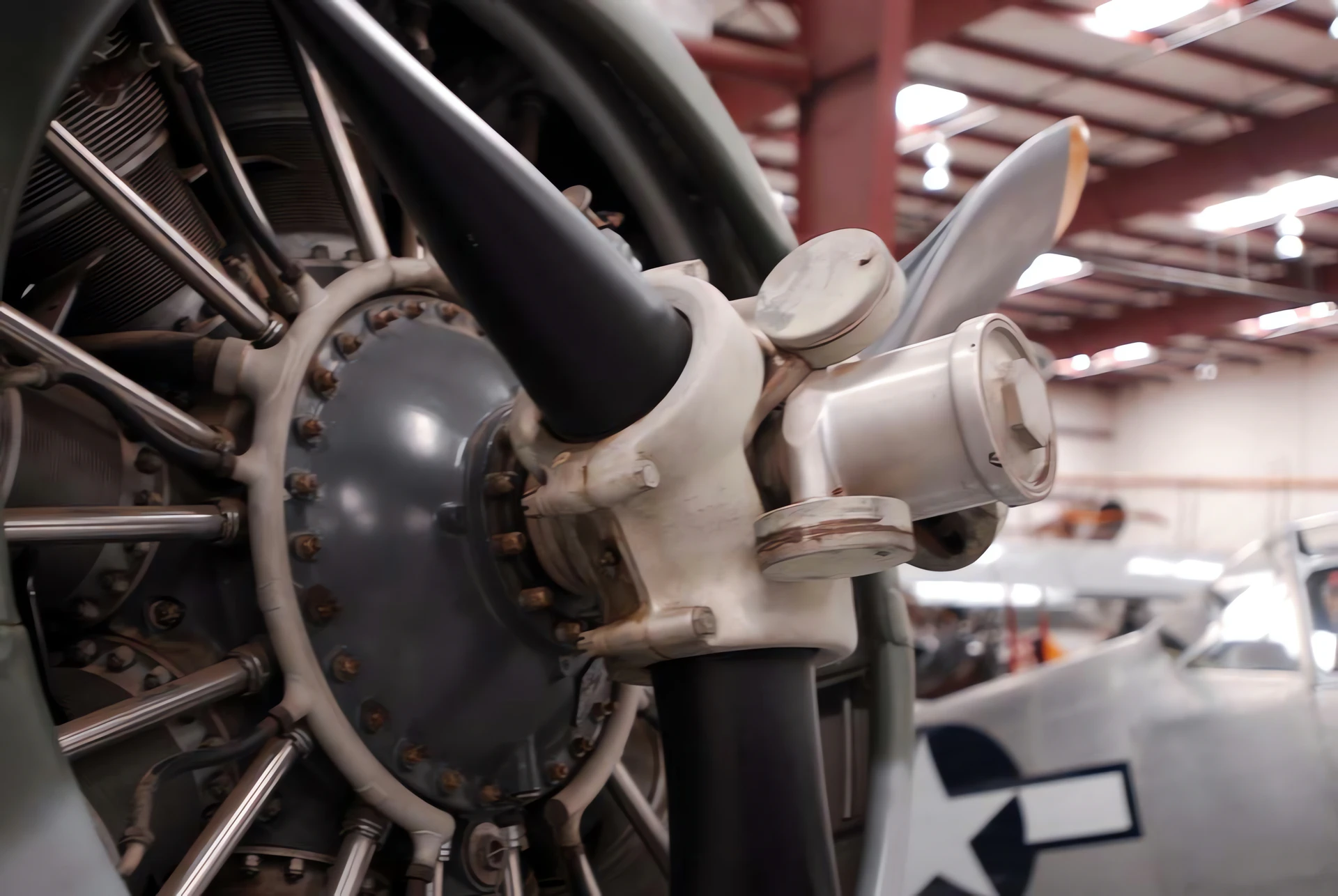
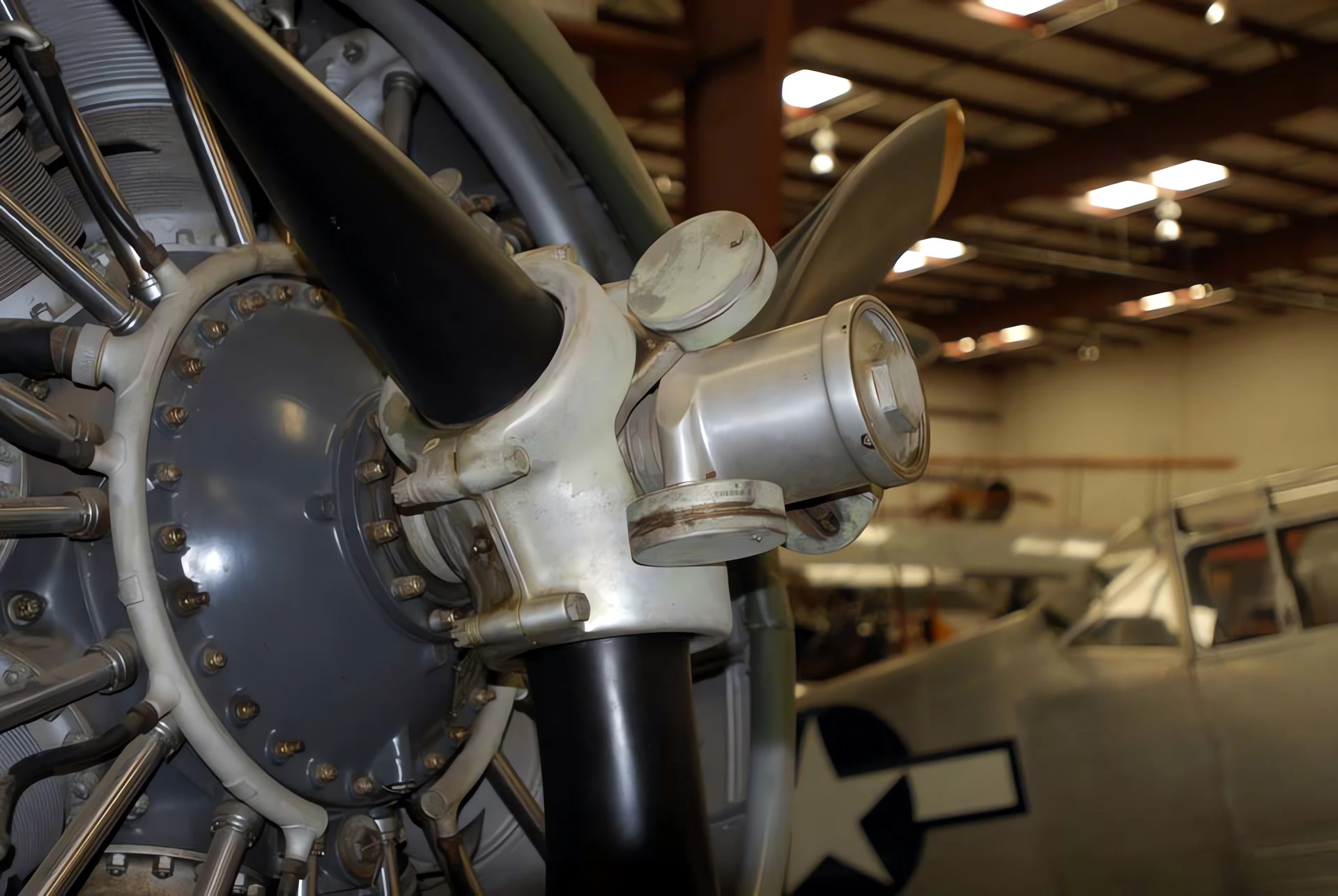
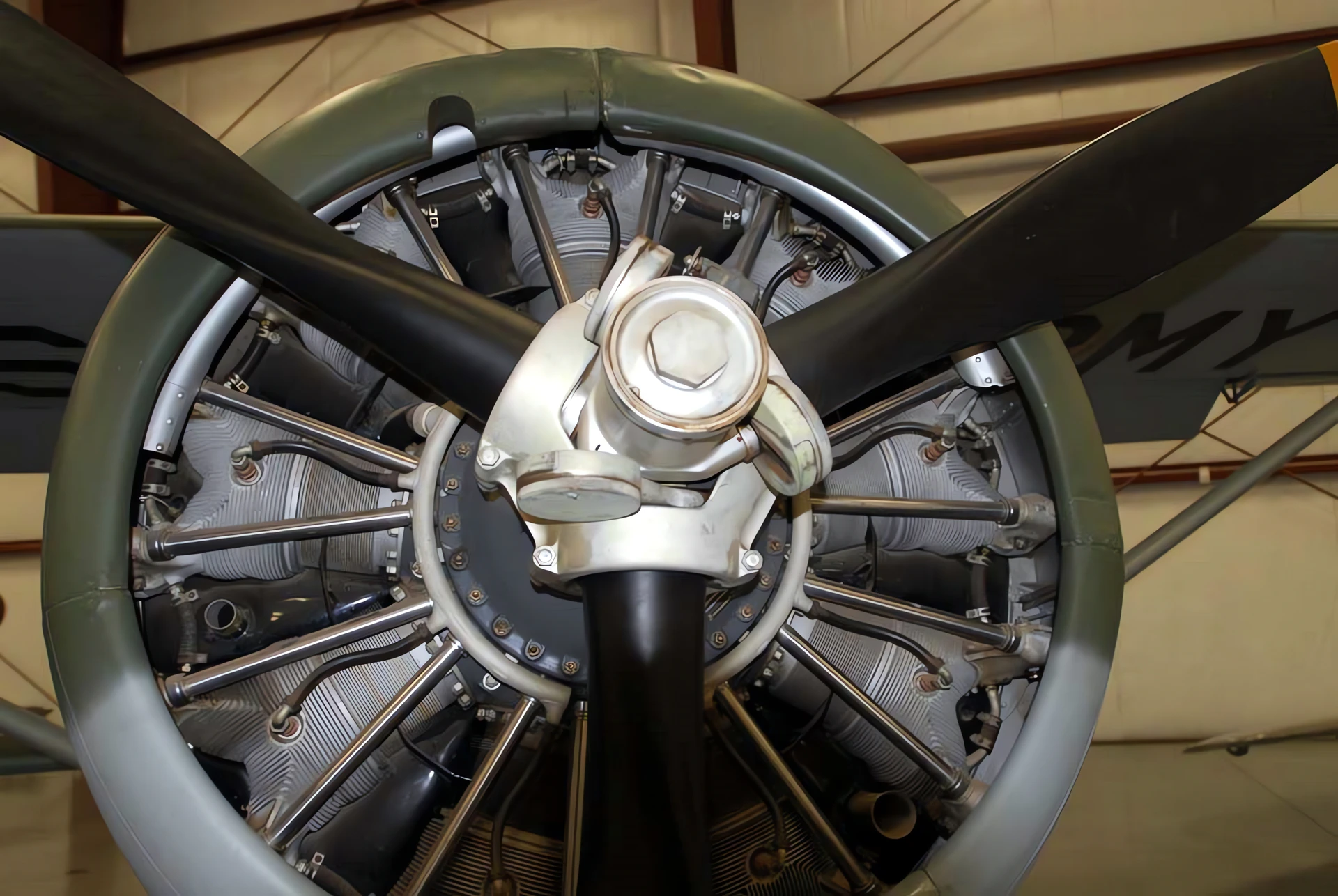
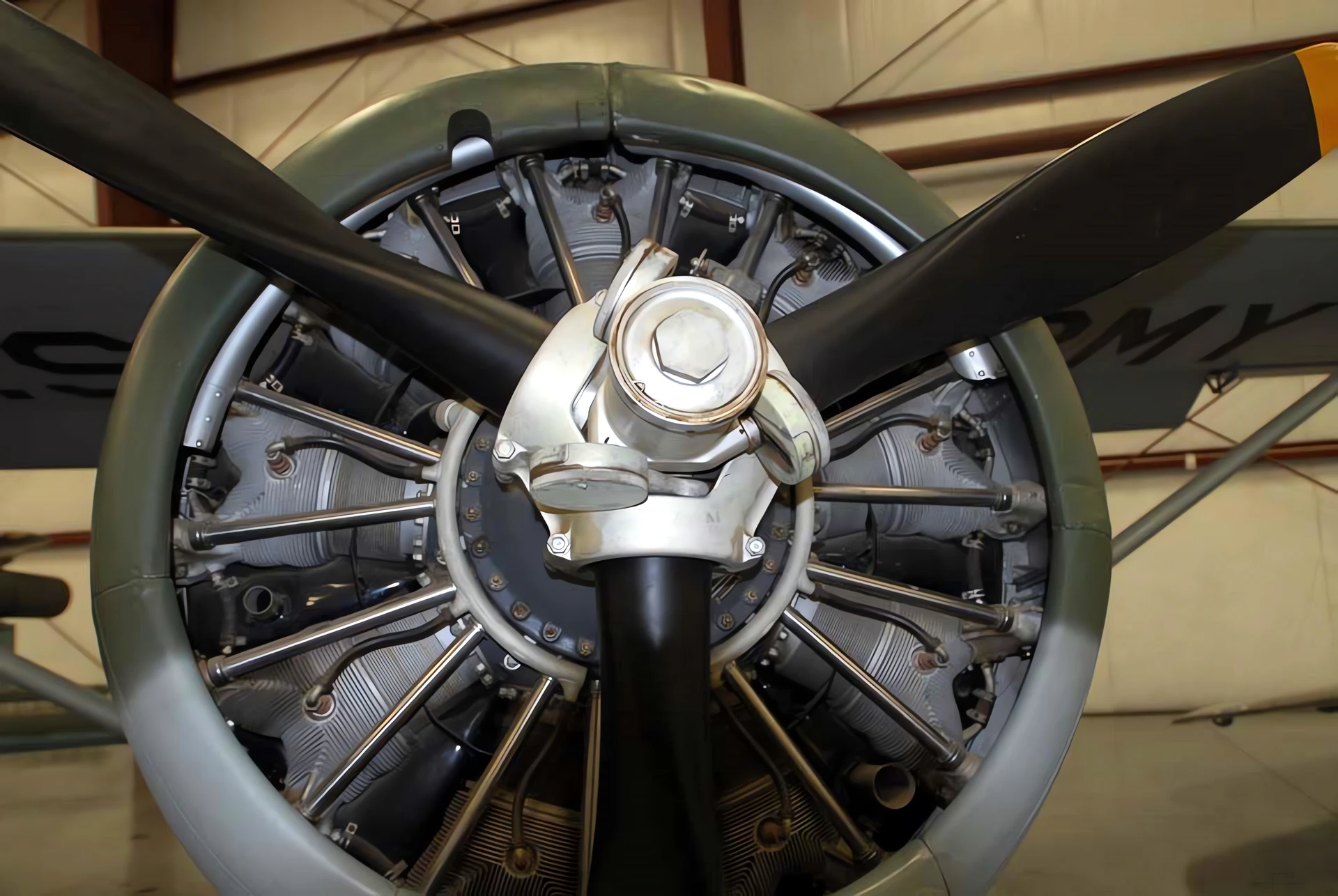
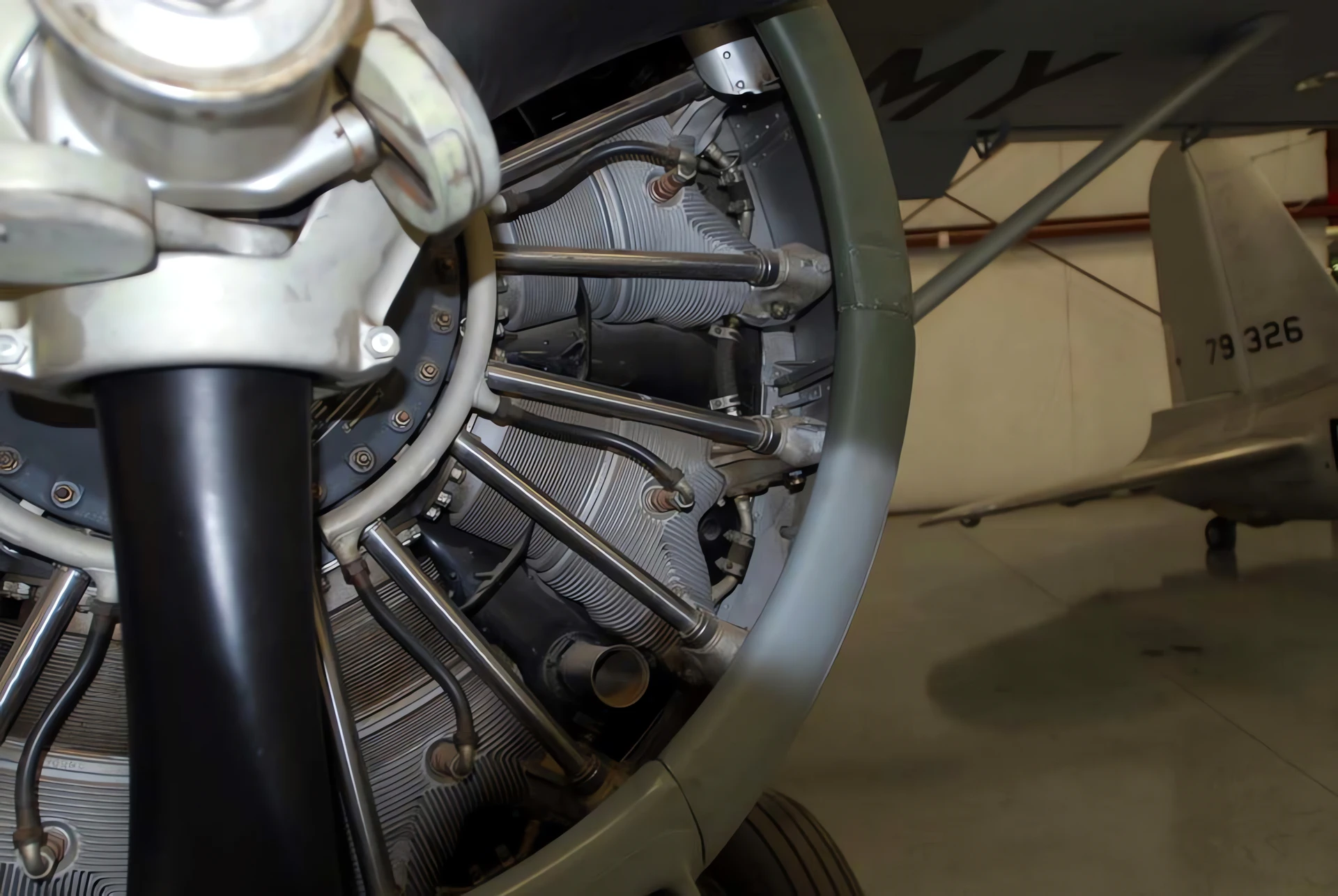
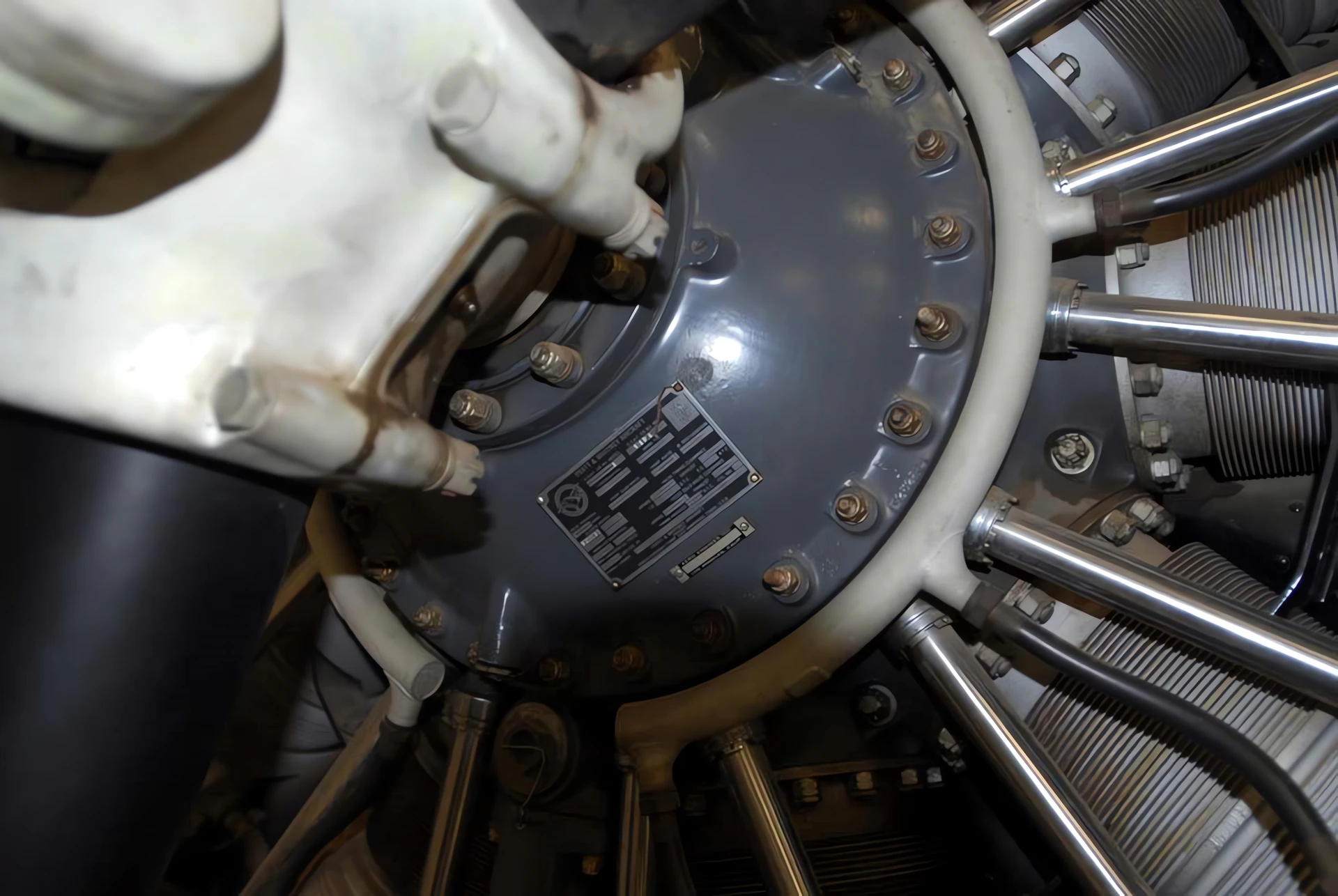
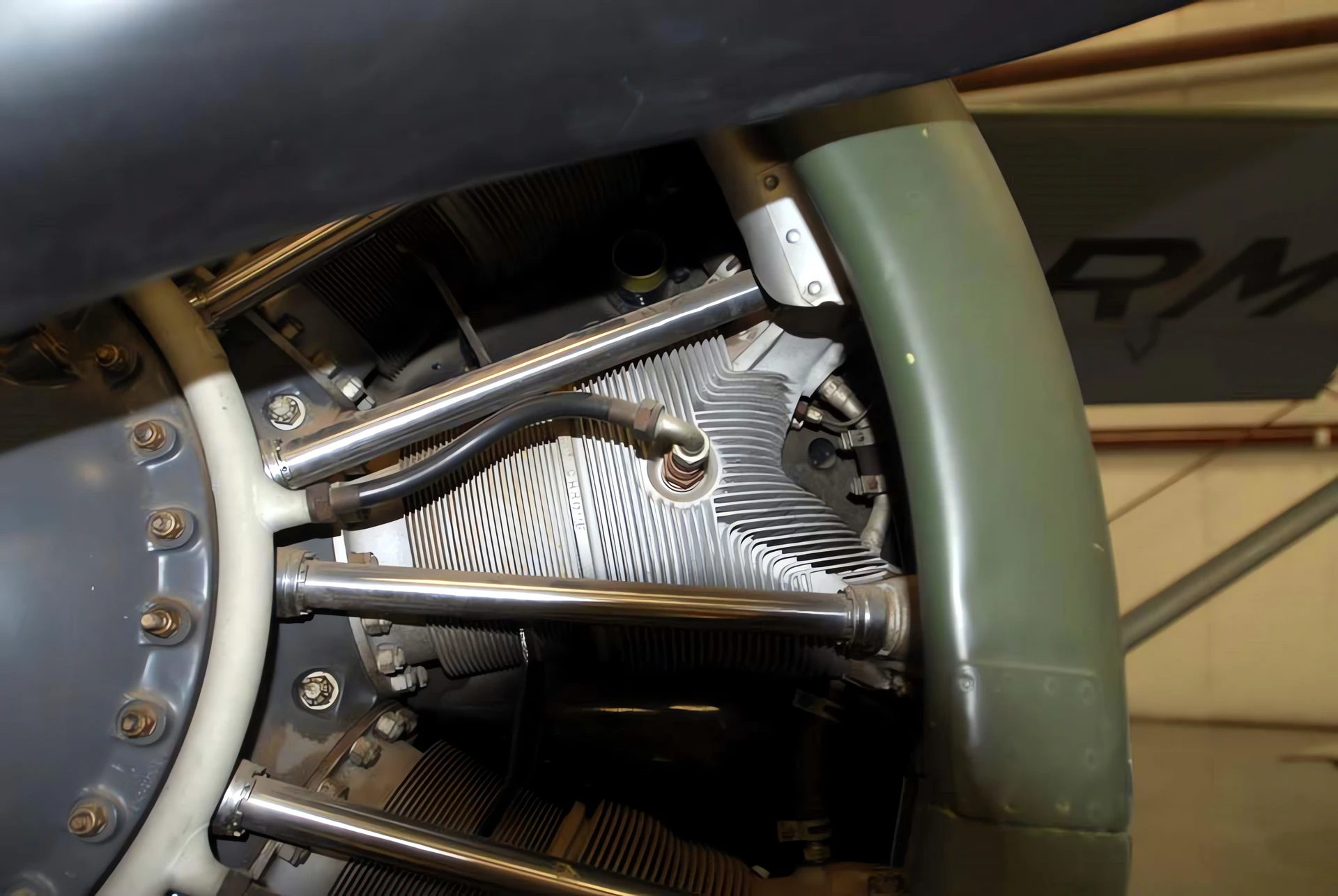

| Curtiss O-52 Owl Walk Around | |
|---|---|
| Φωτογράφος | Ronald van Voorst |
| Εντοπισμού | Αγνοώ |
| Φωτογραφίες | 37 |
Δείτε επίσης:


A Specialized Eye in the Sky
Teh Κουκουβάγια Curtiss O-52 represented the pinnacle of the “heavy observation” aircraft concept used by the U.S. Army Air Corps just before World War II. Developed in 1939, it was designed to provide a stable, high-visibility platform for artillery spotting and reconnaissance. Although it featured advanced technology like retractable landing gear and a complex flap system, the rapid advancement of faster, more versatile fighter-reconnaissance planes soon made the dedicated, slow-moving O-52 obsolete for front-line combat.
| Attribute | Technical Specification (O-52) |
|---|---|
| Ρόλο | Observation / Reconnaissance |
| Πλήρωμα | 2 (Pilot and Observer/Gunner) |
| First Flight | 1940 |
| Πλάστης ισχύος | 1 × Pratt & Whitney R-1340-48 Wasp radial |
| Horsepower | 600 hp (447 kW) |
| Maximum Speed | 220 mph (354 km/h) |
| Εκπέτασμα | 40 ft 9 in (12.42 m) |
| Οπλισμός | 1 × fixed forward .30 cal; 1 × flexible rear .30 cal |
Design and High-Visibility Engineering
- Parasol High-Wing: To provide the observer with an unobstructed view of the ground, the O-52 utilized a high-wing design braced by massive struts. This allowed the pilot and observer to look directly downward without the wing blocking their line of sight.
- Retractable Landing Gear: In a move toward modernization, the O-52 featured main landing gear that retracted into large “fairings” or pods on the side of the fuselage, similar to the Grumman F4F Wildcat.
- The “Greenhouse” Canopy: The cockpit was covered in an extensive amount of glass, extending far back to the observer’s station. This provided nearly 360-degree visibility, which was essential for tracking enemy movements and shell splashes.
- Short Field Capability: The aircraft was equipped with full-span leading-edge slots and large trailing-edge flaps, allowing it to operate from the short, unimproved grass strips often found near the front lines.
Service: From Coast Patrol to Lend-Lease
- The Anti-Submarine Role: After the attack on Pearl Harbor, the O-52 was pulled from its intended observation role and used for short-range anti-submarine patrols along the U.S. Atlantic and Pacific coasts.
- Lend-Lease to the USSR: A total of 30 O-52s were sent to the Soviet Union under Lend-Lease. The Soviets used them for artillery spotting, and unlike the Americans, they found the aircraft relatively effective in the specific role for which it was designed, despite its vulnerability.
- Training the Next Generation: In the U.S., the O-52 spent most of its career as a high-performance trainer for observers and as a “hack” aircraft for administrative duties before being phased out by the lighter “L-birds” like the Piper Grasshopper.
- Survivors: Because so few were built (203 total), they are extremely rare today. One of the few preserved examples can be found at the National Museum of the United States Air Force in Dayton, Ohio.
Απόψεις : 1963
Μπορείτε επίσης να δείτε:
 Curtiss F11C Goshawk – Φώτο & Βίντεο
 Κέρτις P-36 Γεράκι – Φωτογραφίες & Βίντεο
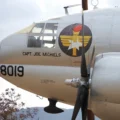 Κέρτις C-46 Κομάντο – Φωτογραφίες & Βίντεο
 Curtiss JN-4D, Jenny – Φώτο &; Βίντεο
 Curtiss P-6 Hawk – Φώτο & Βίντεο
 Curtiss-Wright SNC-1 Falcon – Φώτο & Βίντεο
 Curtiss N-9H – Φώτο & Βίντεο
 Curtiss F9C-2 Sparrowhawk – Φώτο & Βίντεο
 Curtiss XF15C-1 – Φώτο & Βίντεο
 Α-20 Όλεθρο – Περίπατος