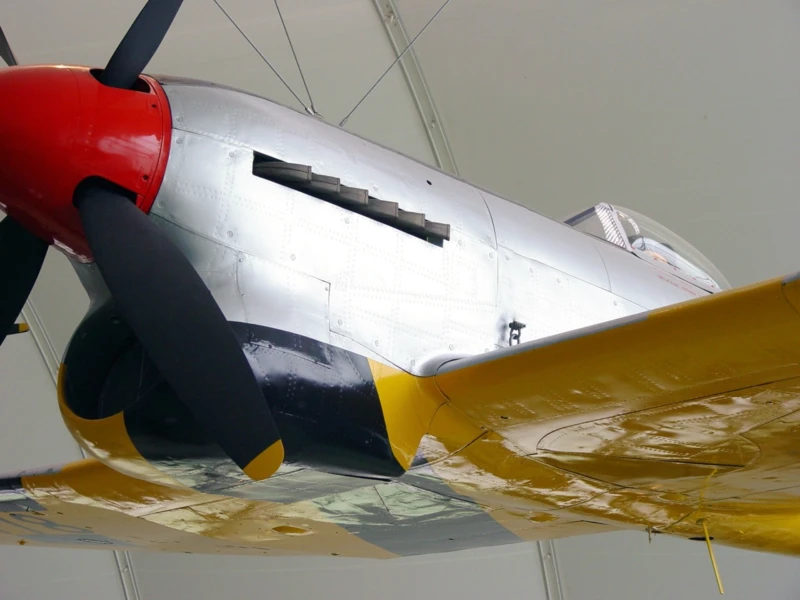
Hawker Tempest V | |
|---|---|
| Land | Großbritannien |
| Rolle | Kampfflugzeuge |
| Erstflug | 2. September 1942 |
| Gebaut | 1702 |
Fotogalerie eines Hawker Tempest V at The Royal Air Force Museum at Hendon, The Hawker Tempest was a British fighter aircraft primarily used by the Royal Air Force (RAF) in the Second World War. The Tempest was an improved derivative of the Hawker Typhoon, the type originally being known as the Typhoon II, which was intended to address the Typhoon’s unexpected fall-off of performance at high altitude by replacing its wing with a thinner laminar flow design. Having diverged considerably from the Typhoon, it was chosen to rename the aircraft Tempest. The Tempest emerged as one of the most powerful fighters of the World War II and was the fastest propeller-driven aircraft of the war at low altitude.
Quelle: Hawker Tempest V auf Wiki
| Hawker Tempest V | |
|---|---|
| Fotograf | Sergei Alexandrowitsch Archakow |
| Lokalisierung | Unbekannter |
| Fotos | 15 |
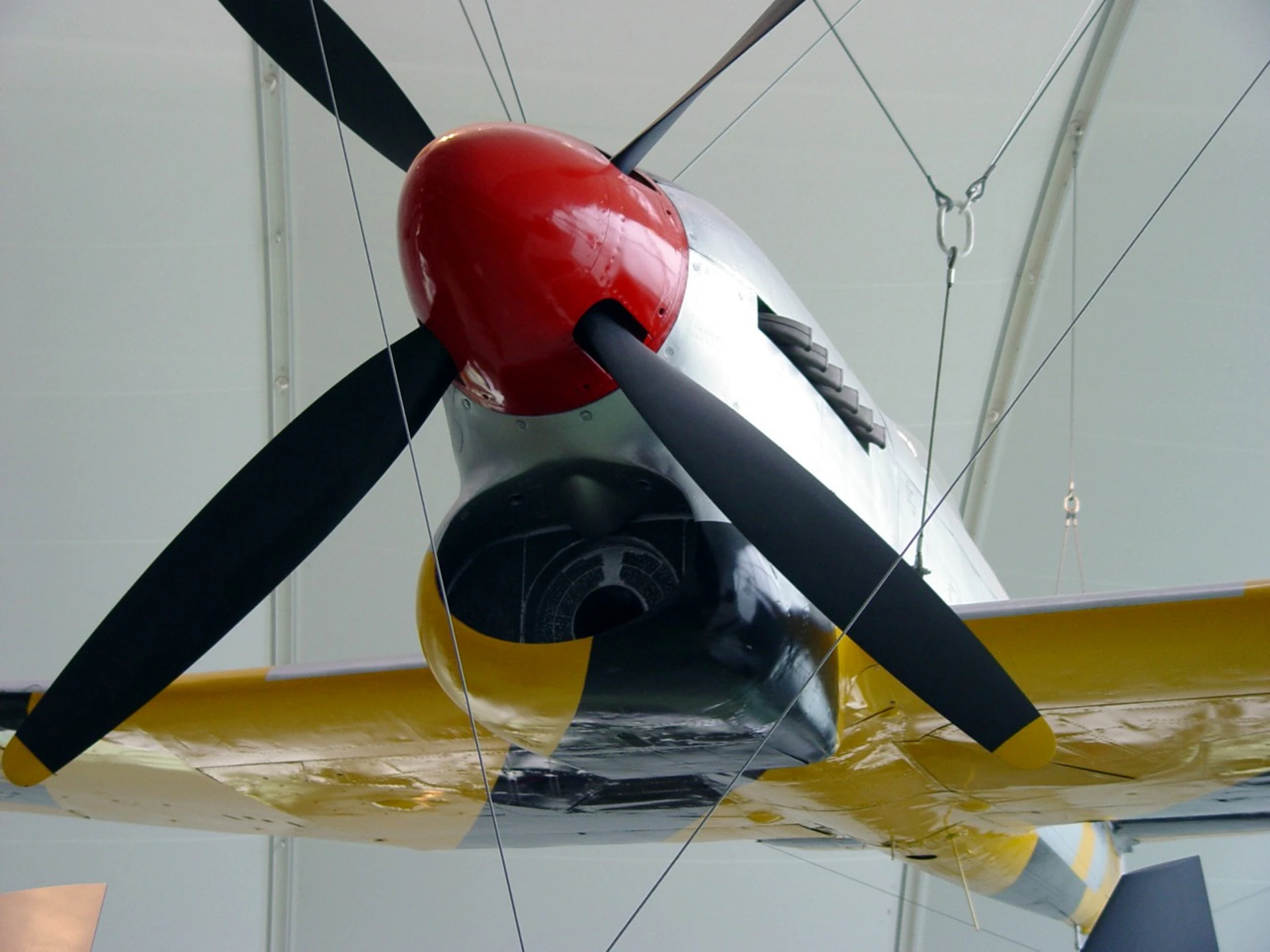
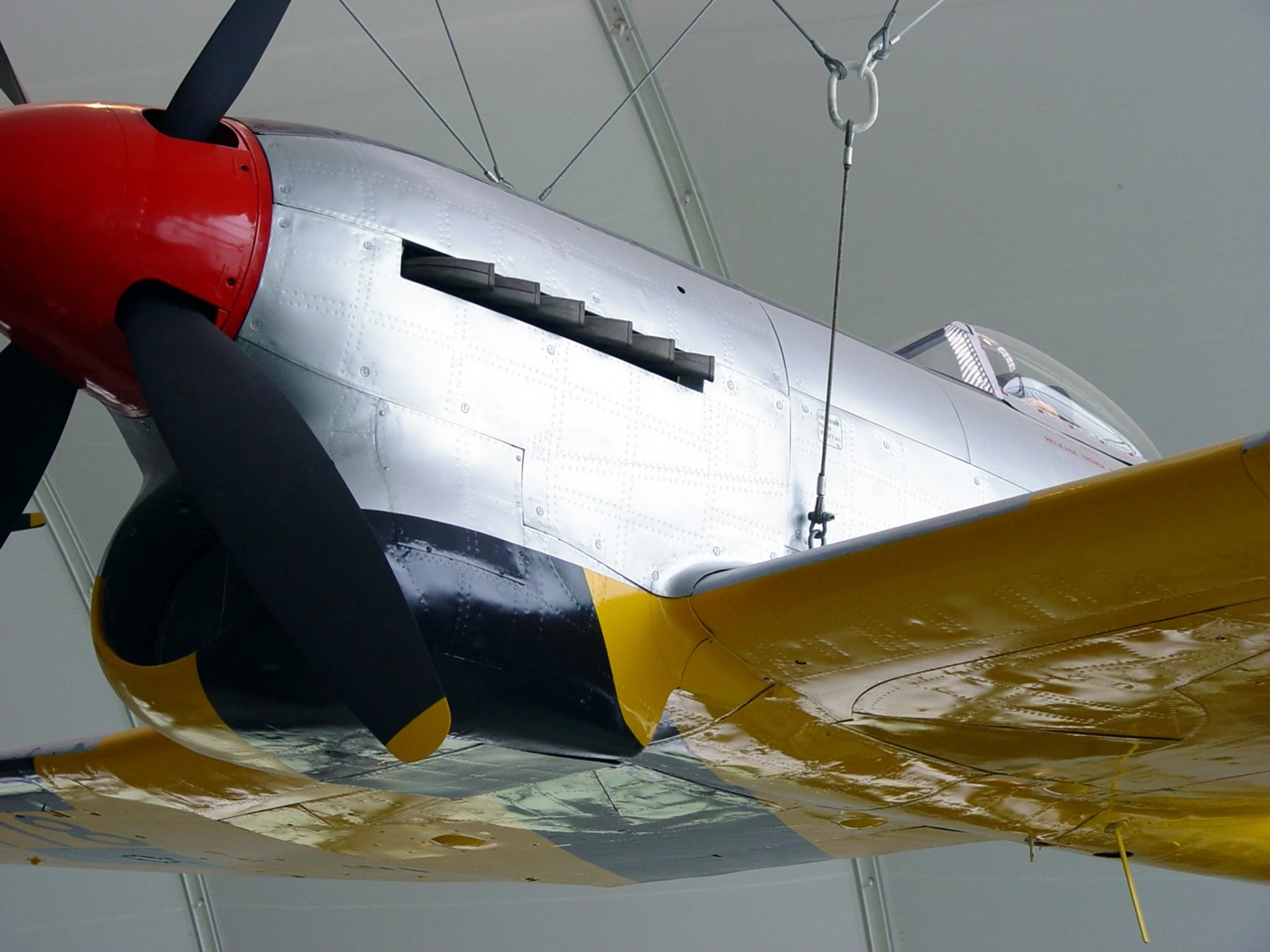
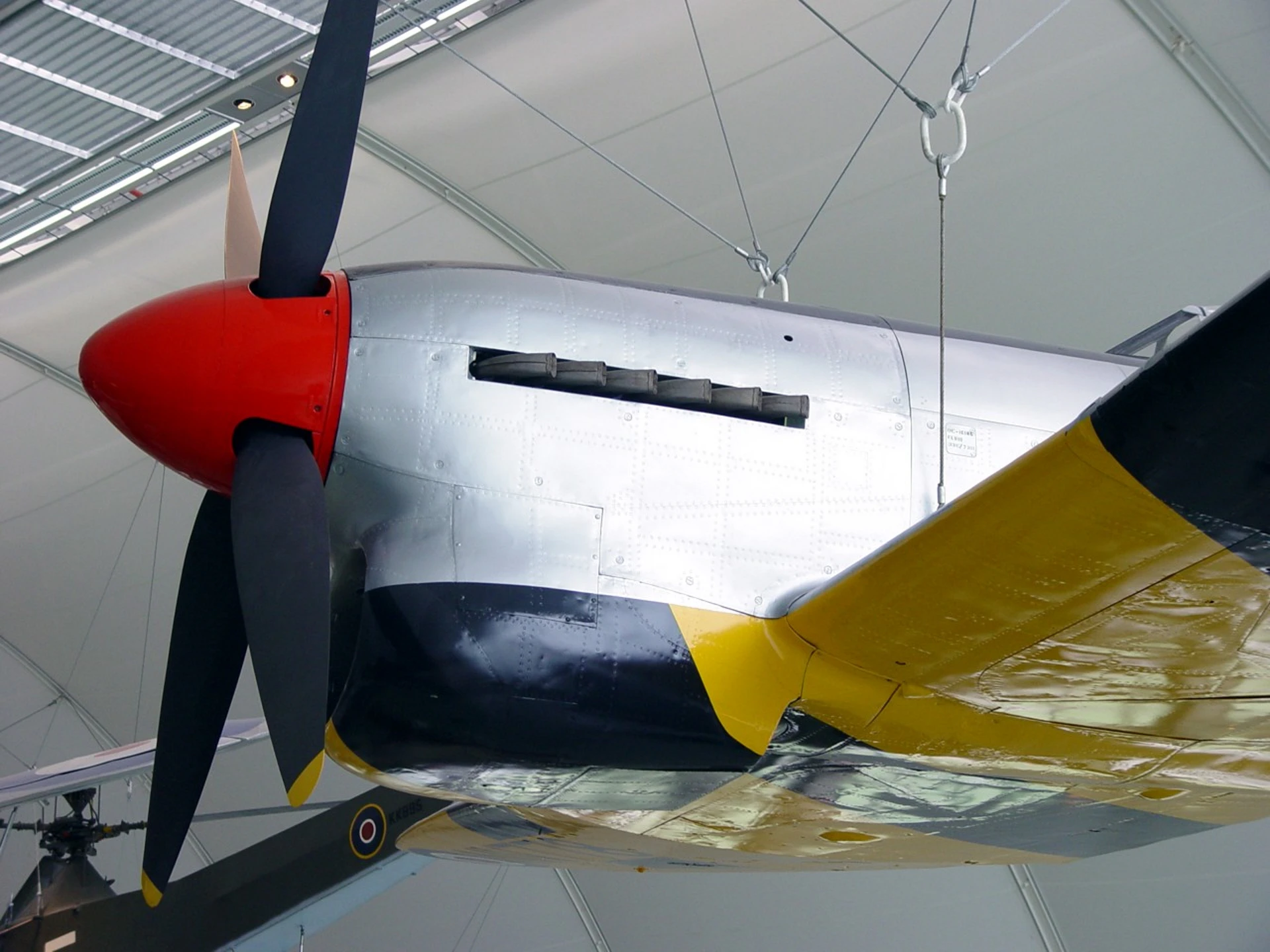
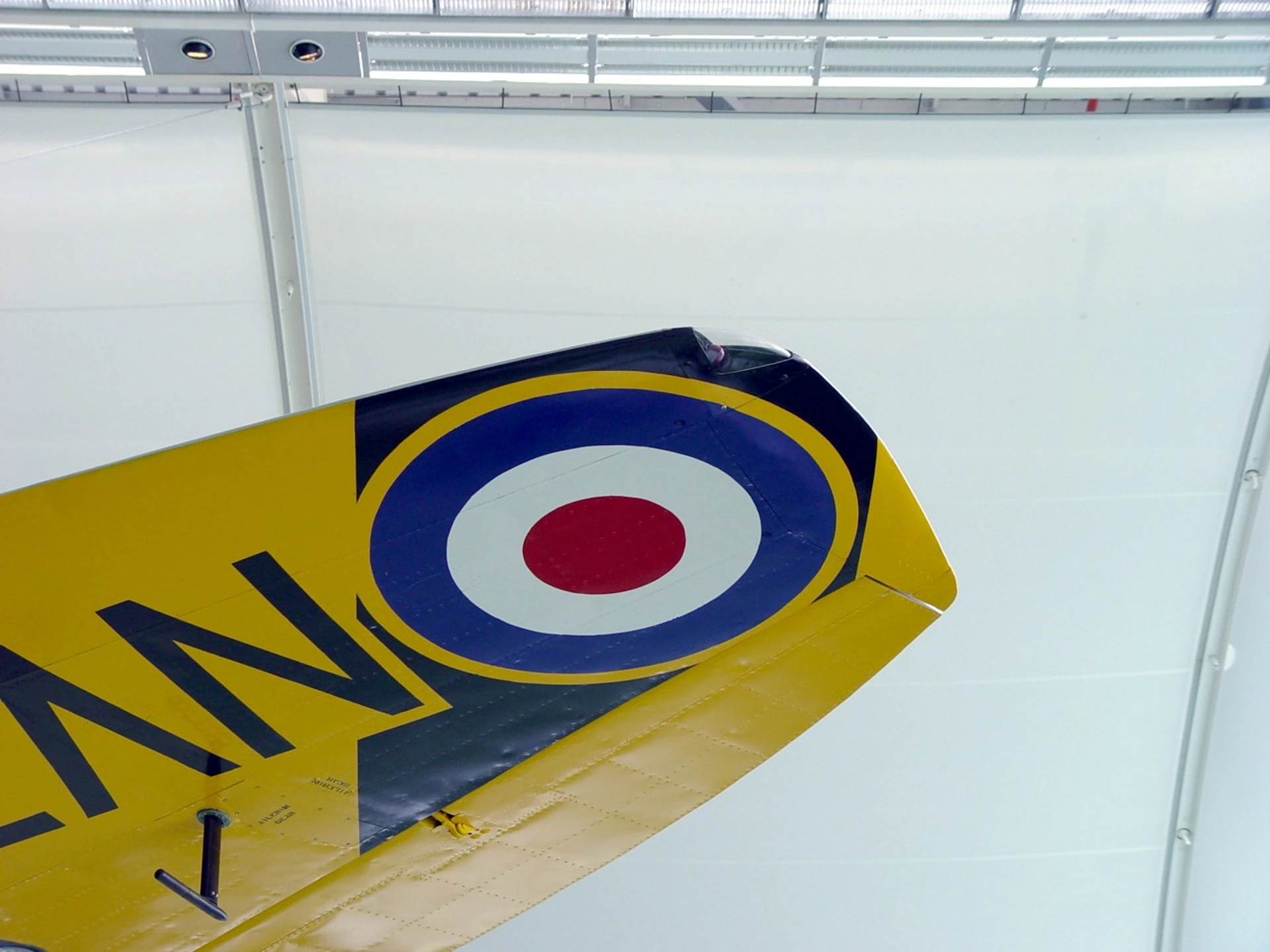
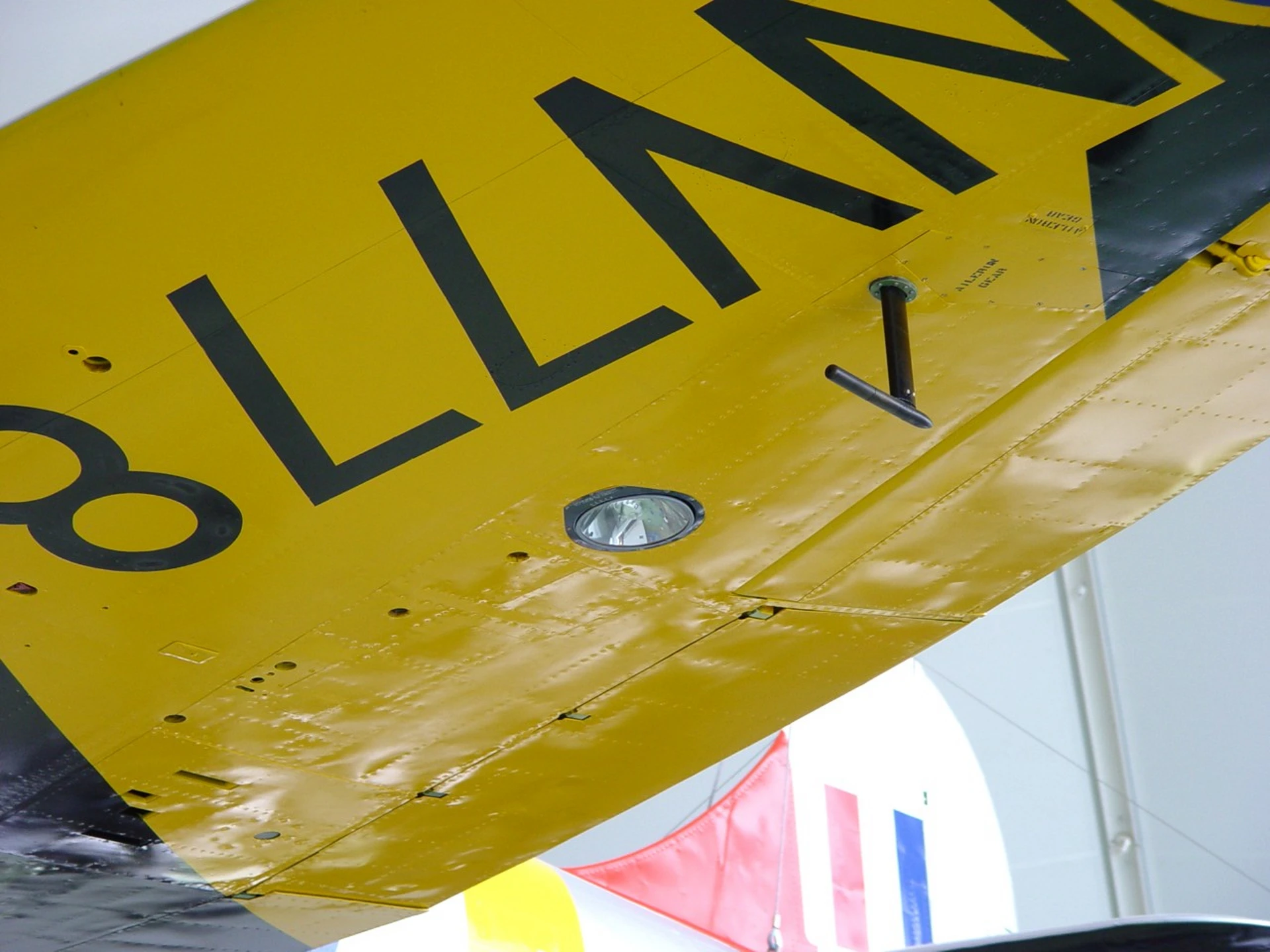
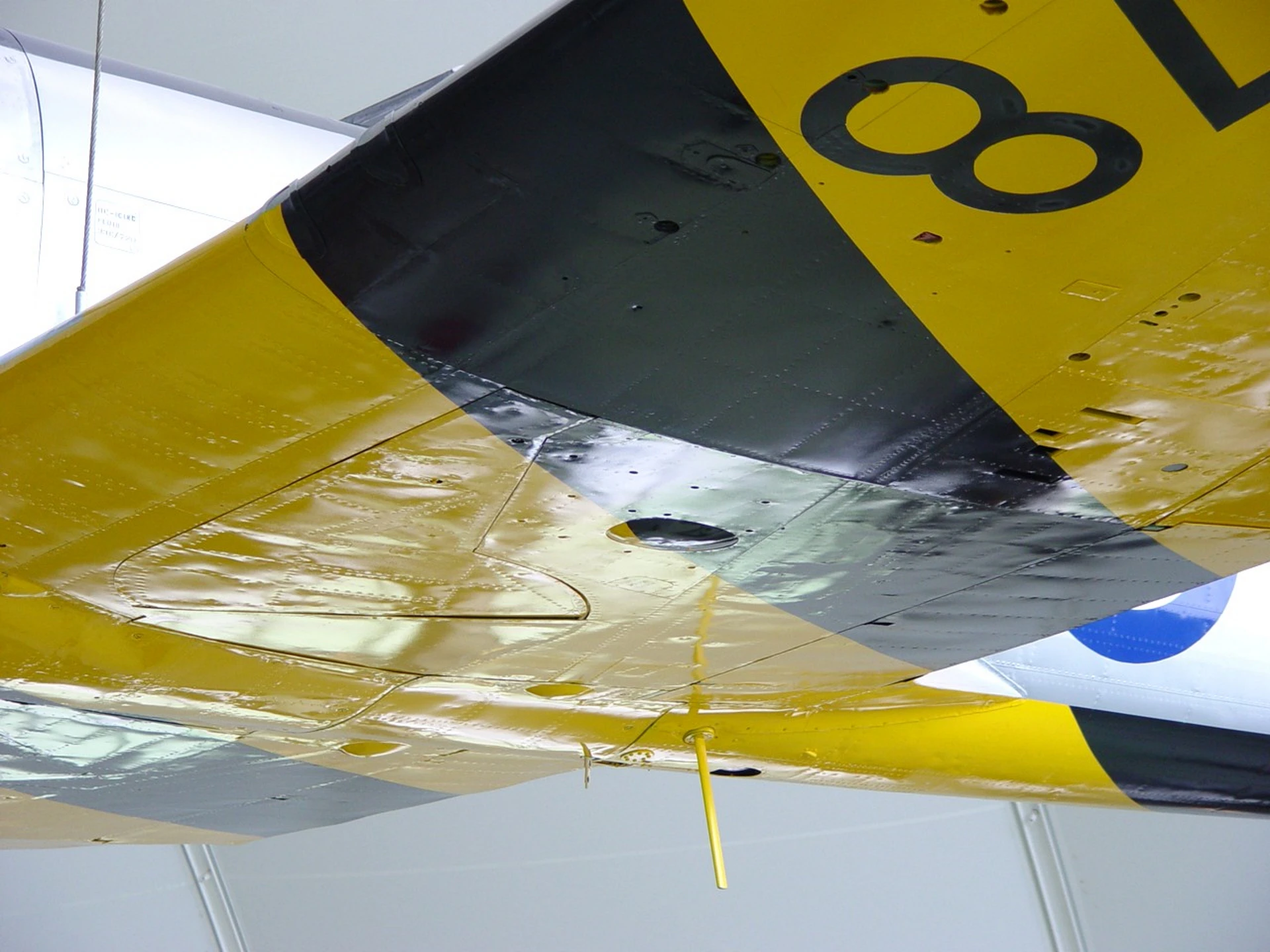
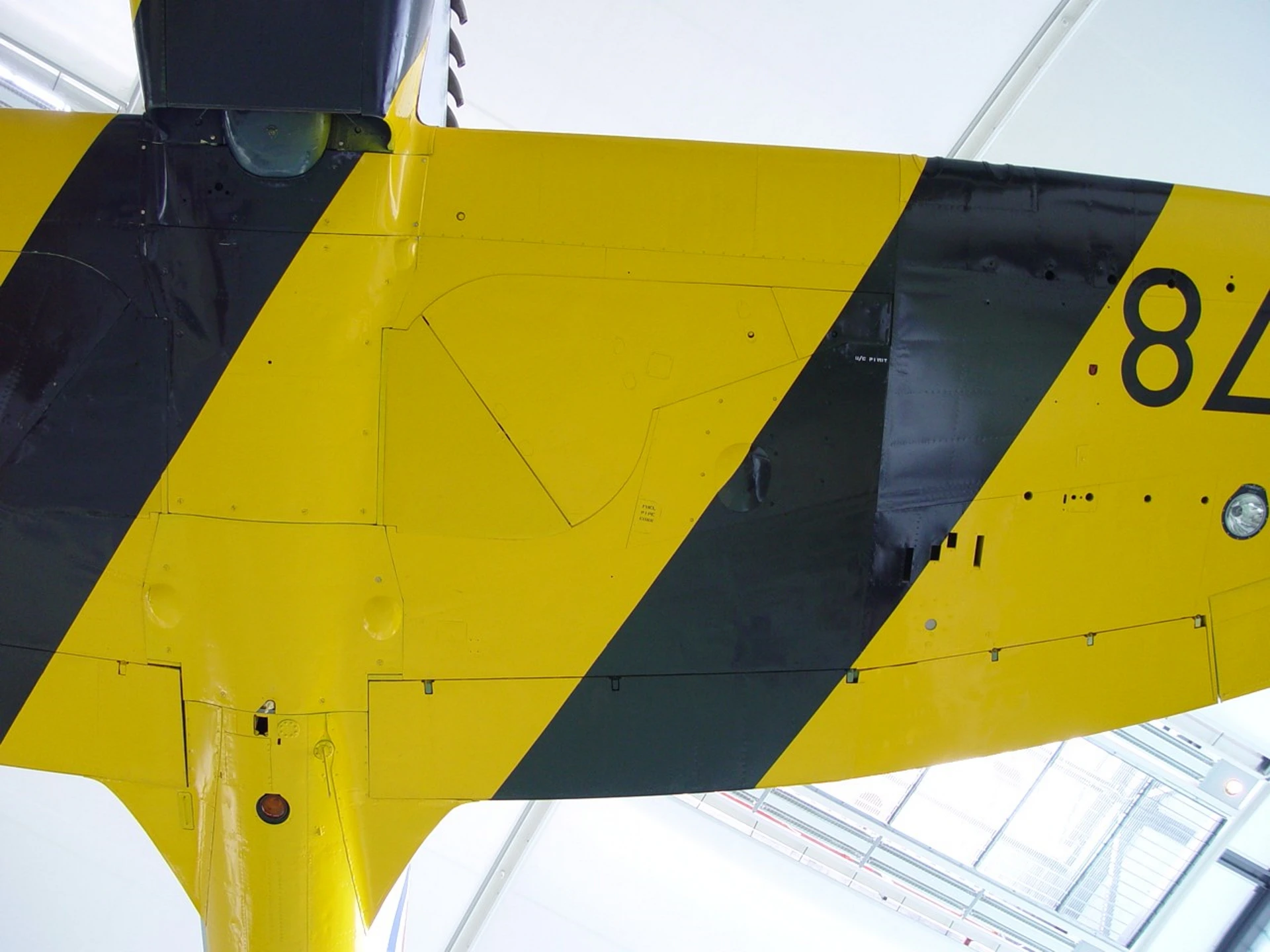
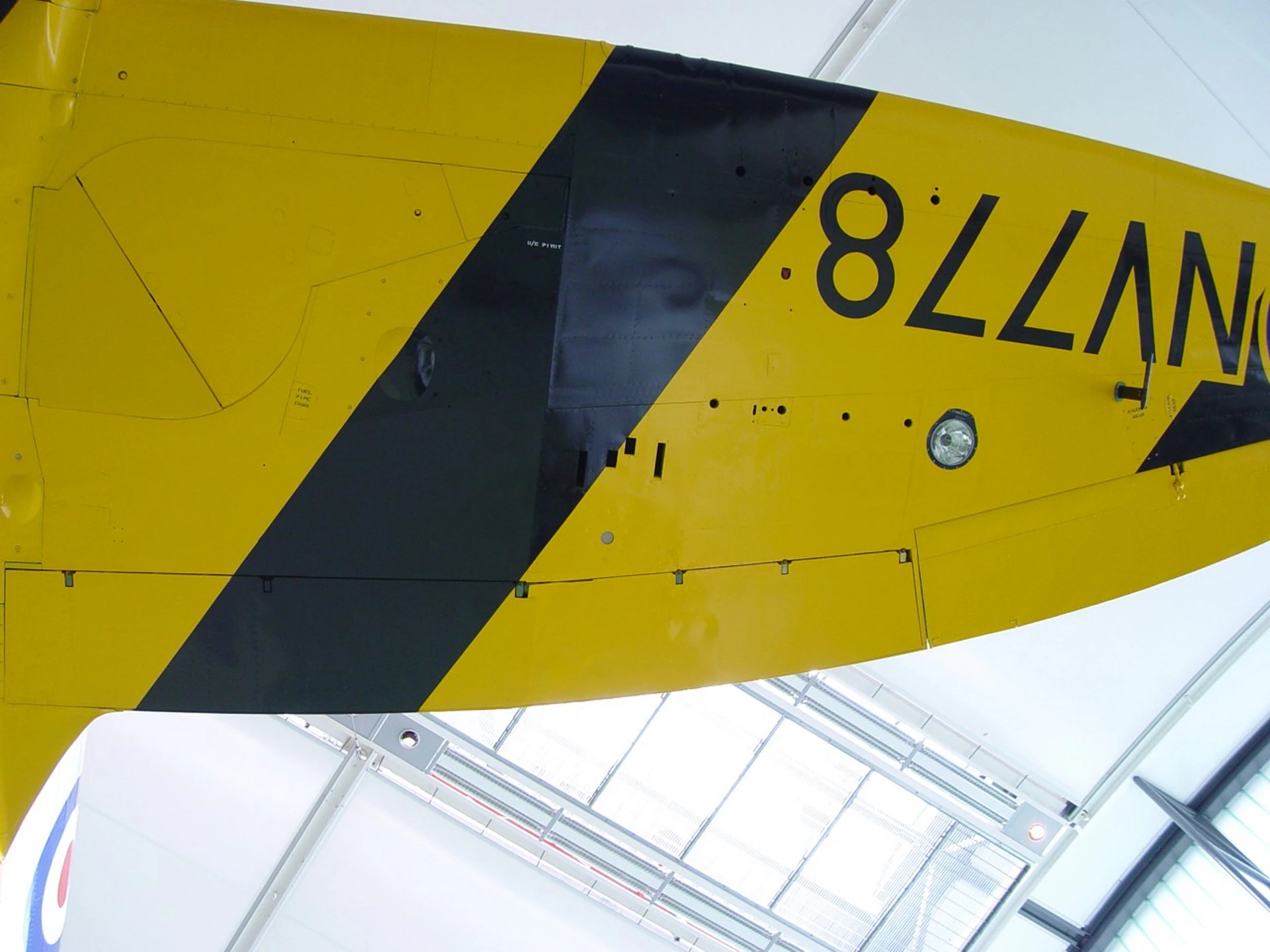
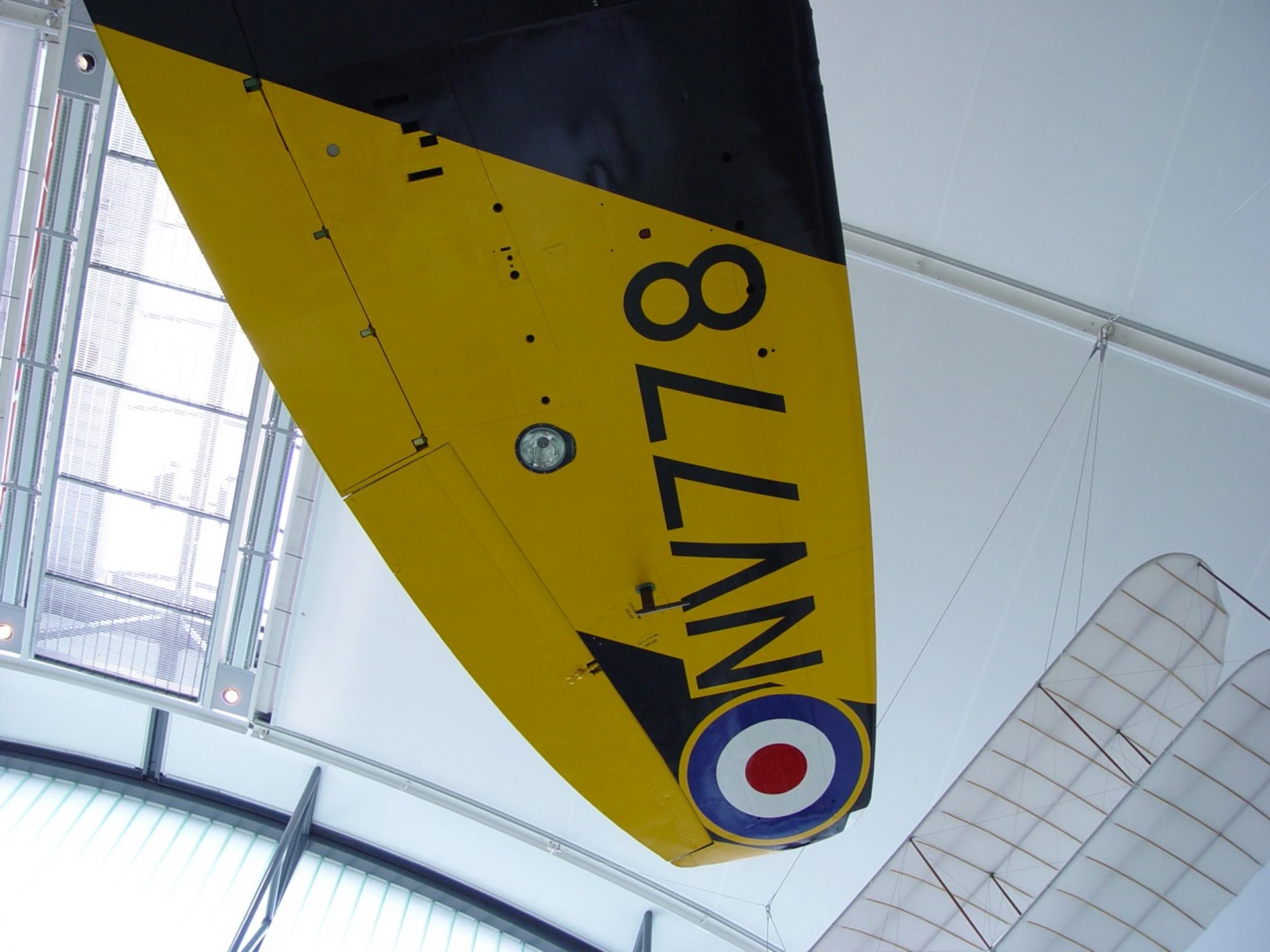

 Kaufen Sie mir einen Kaffee
| Hawker Tempest mk. II Walk Around | |
|---|---|
| Fotograf | Ronald van Voorst |
| Lokalisierung | Unbekannter |
| Fotos | 24 |
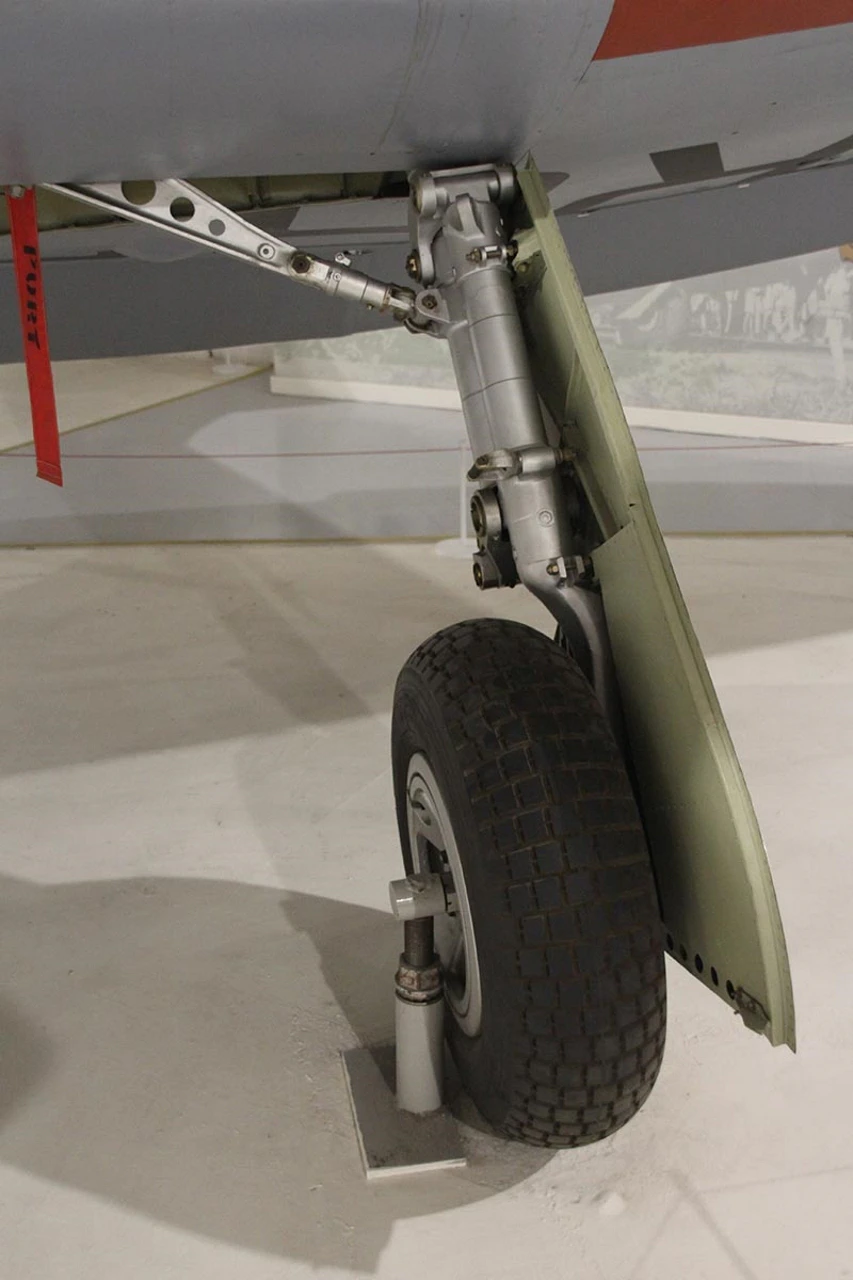
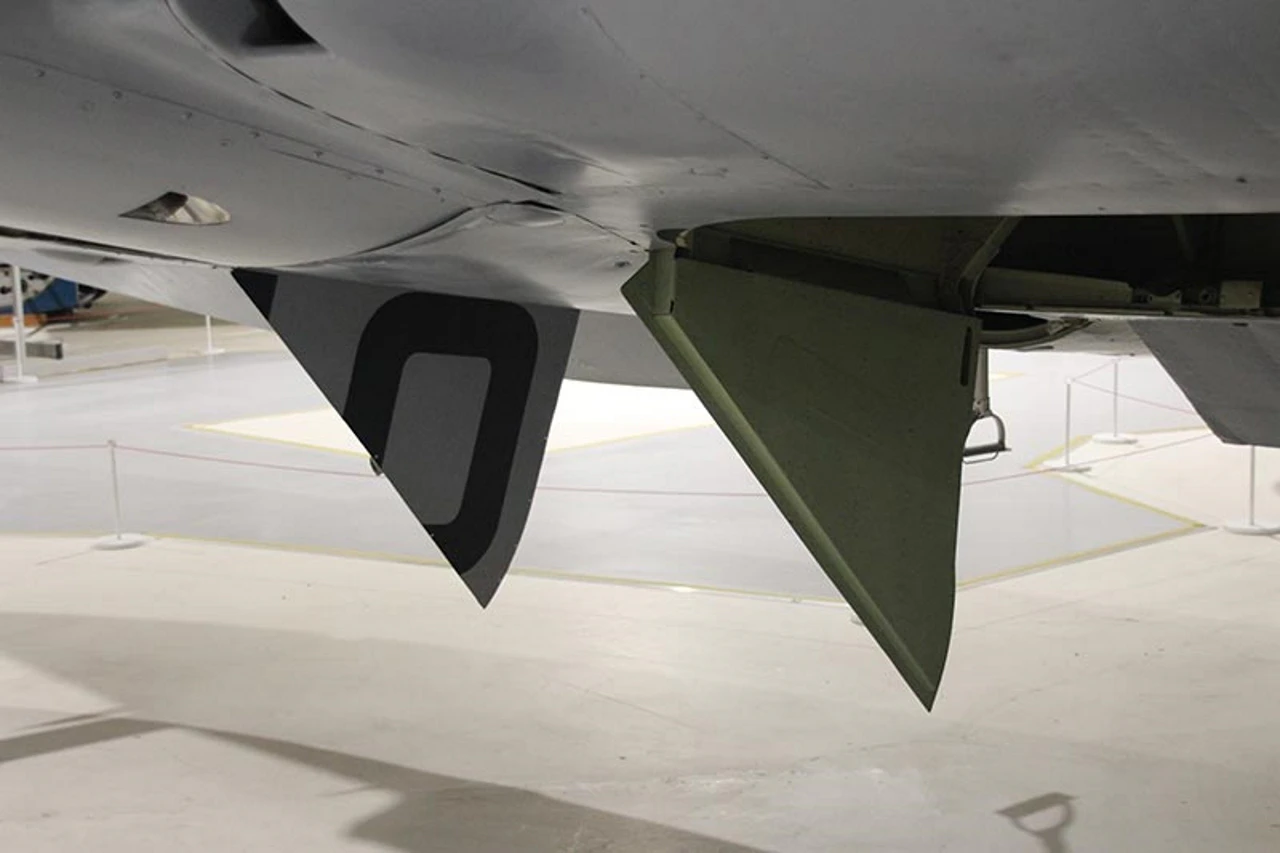
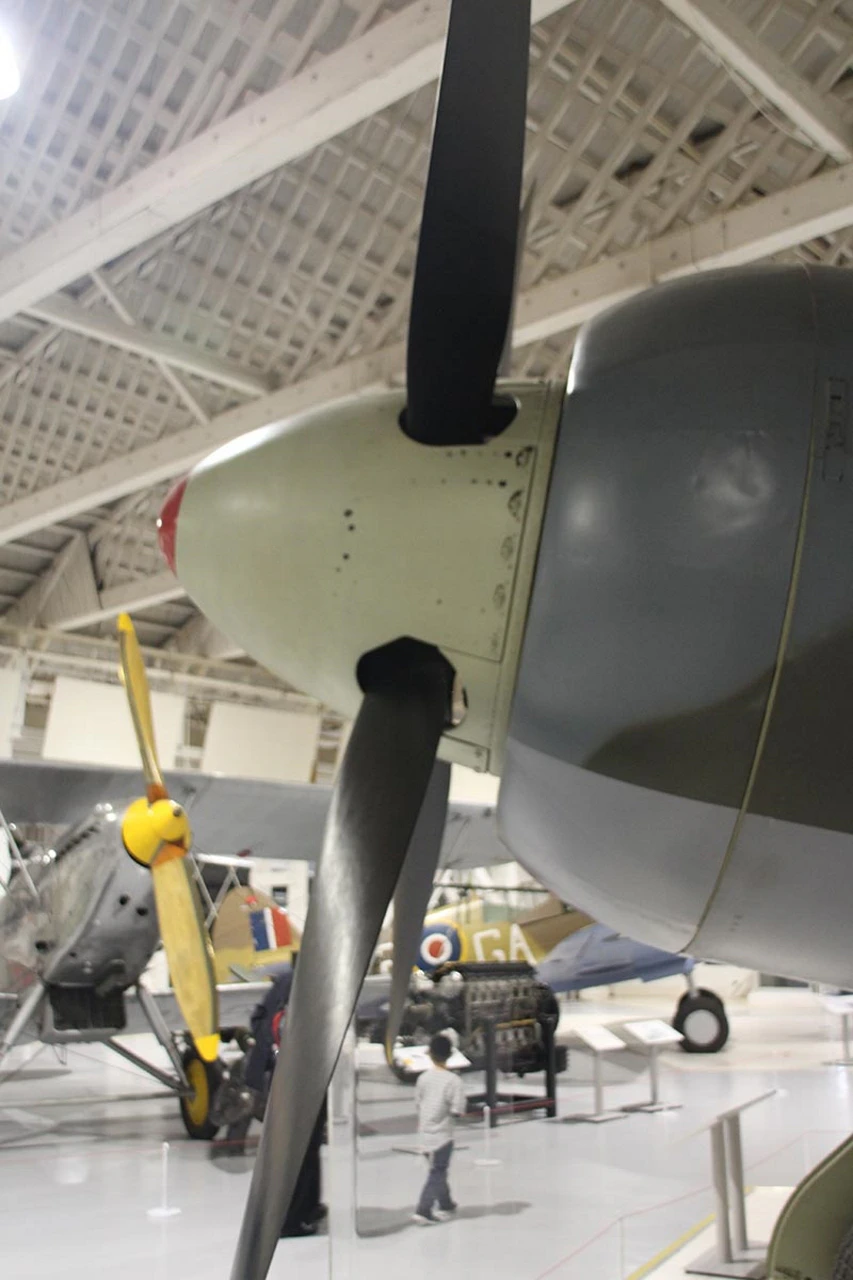
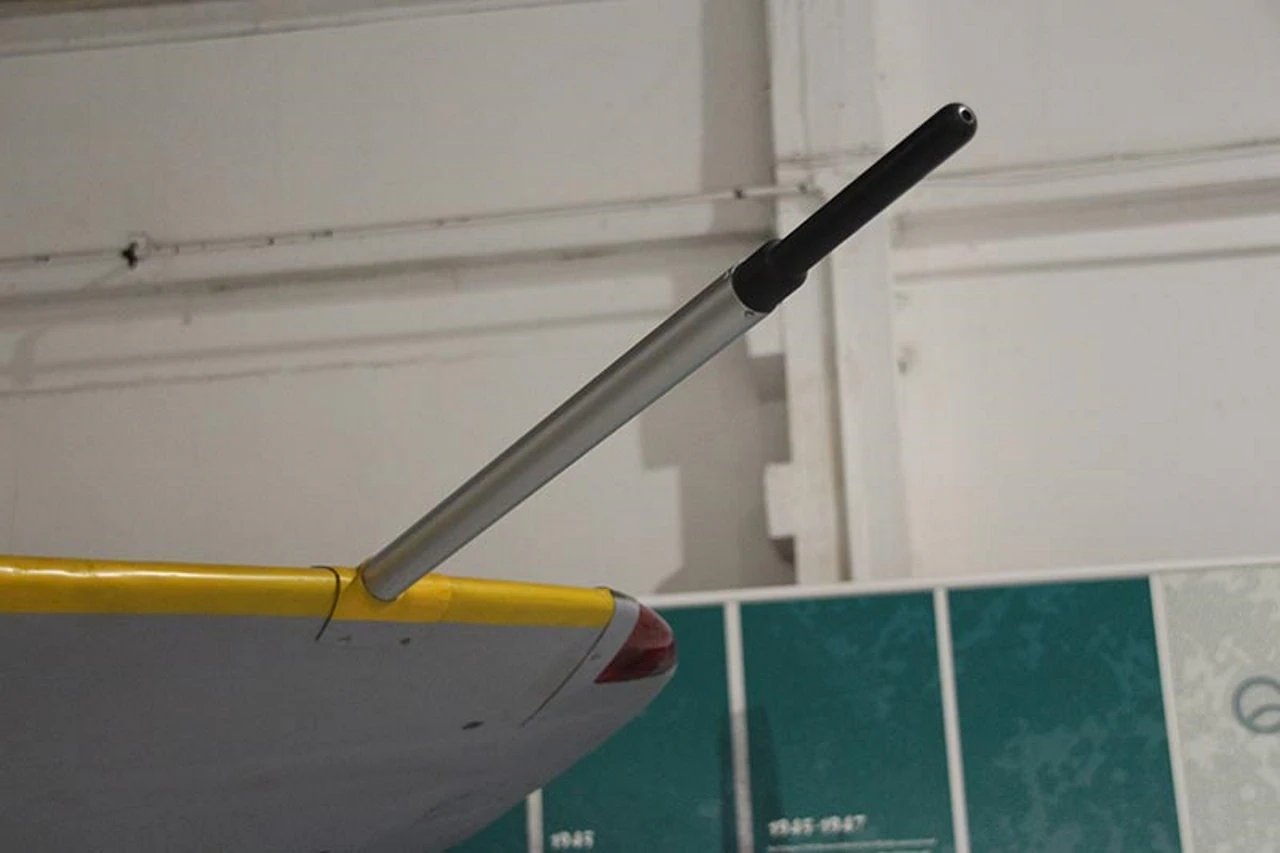
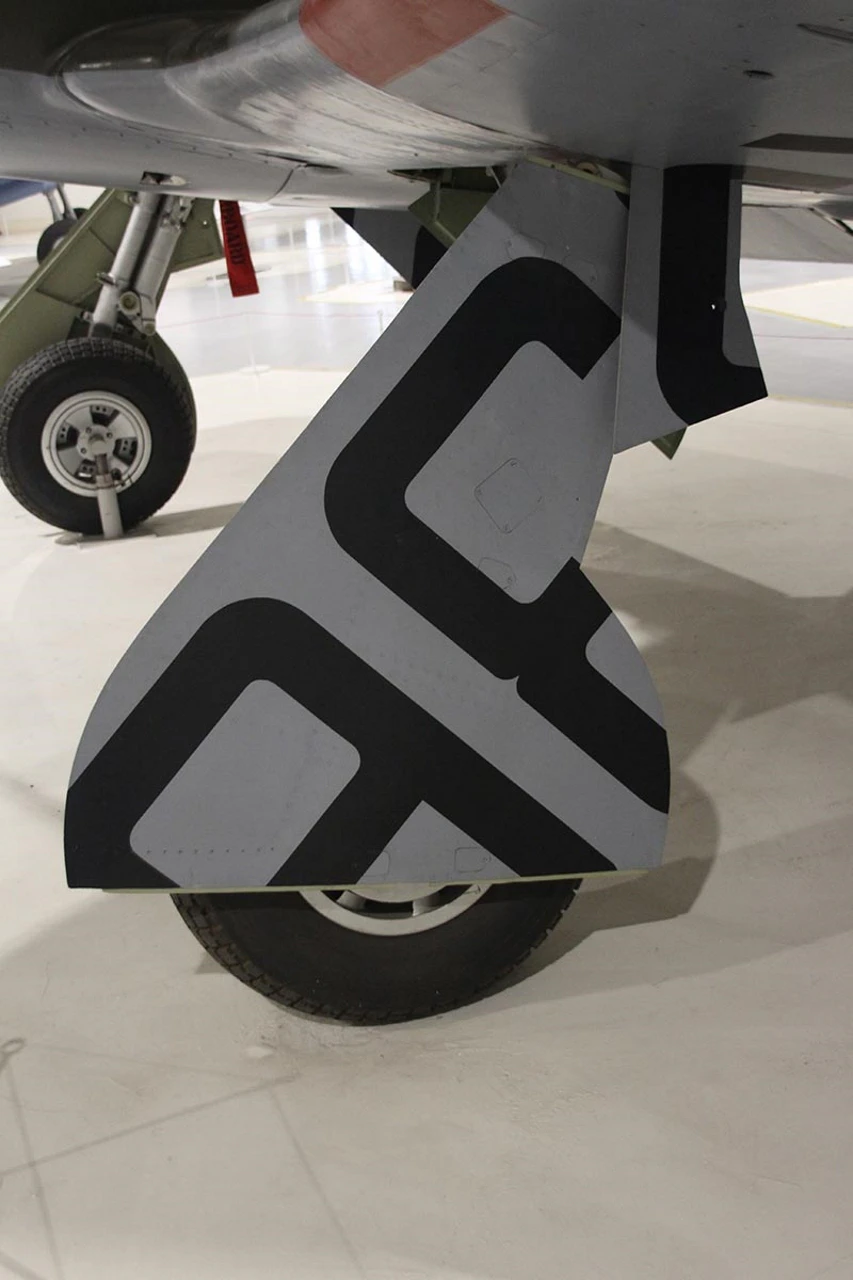
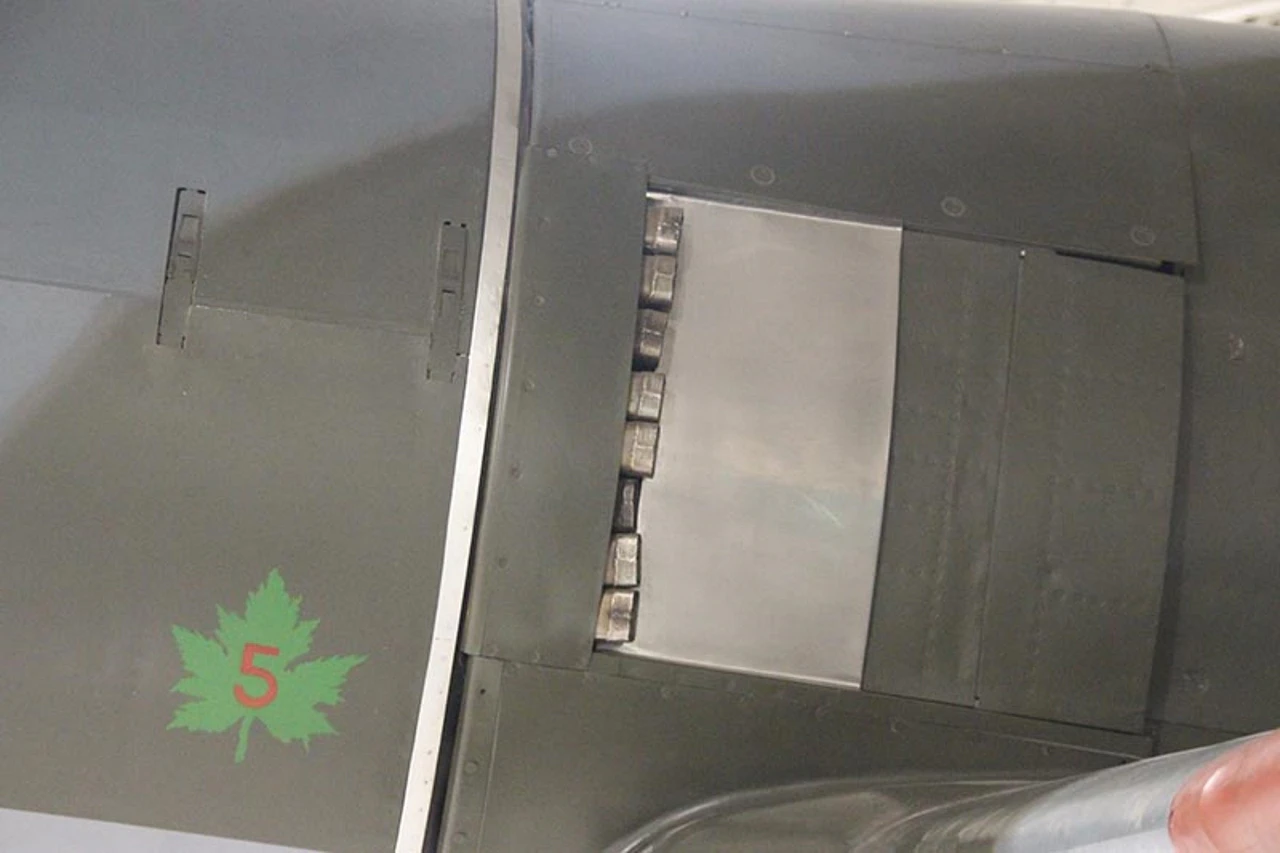
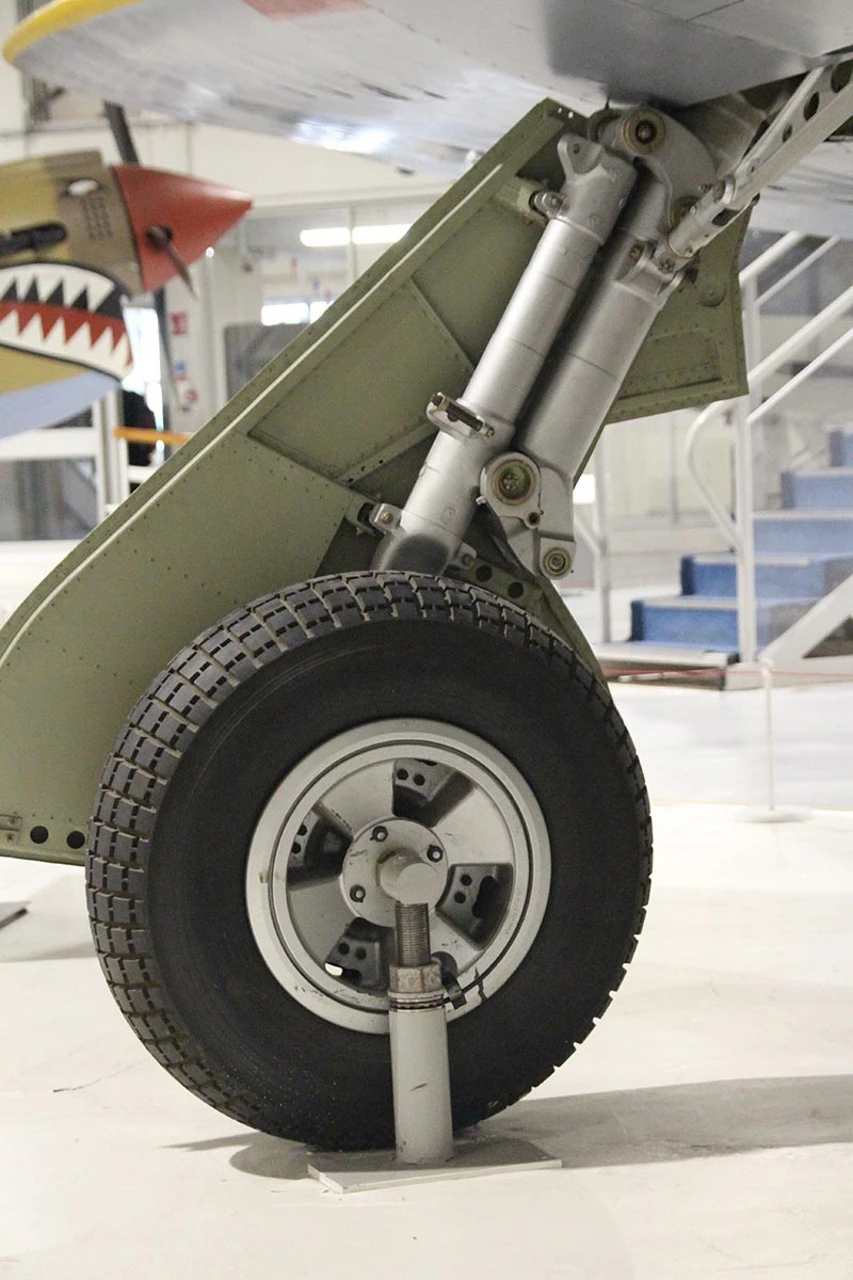
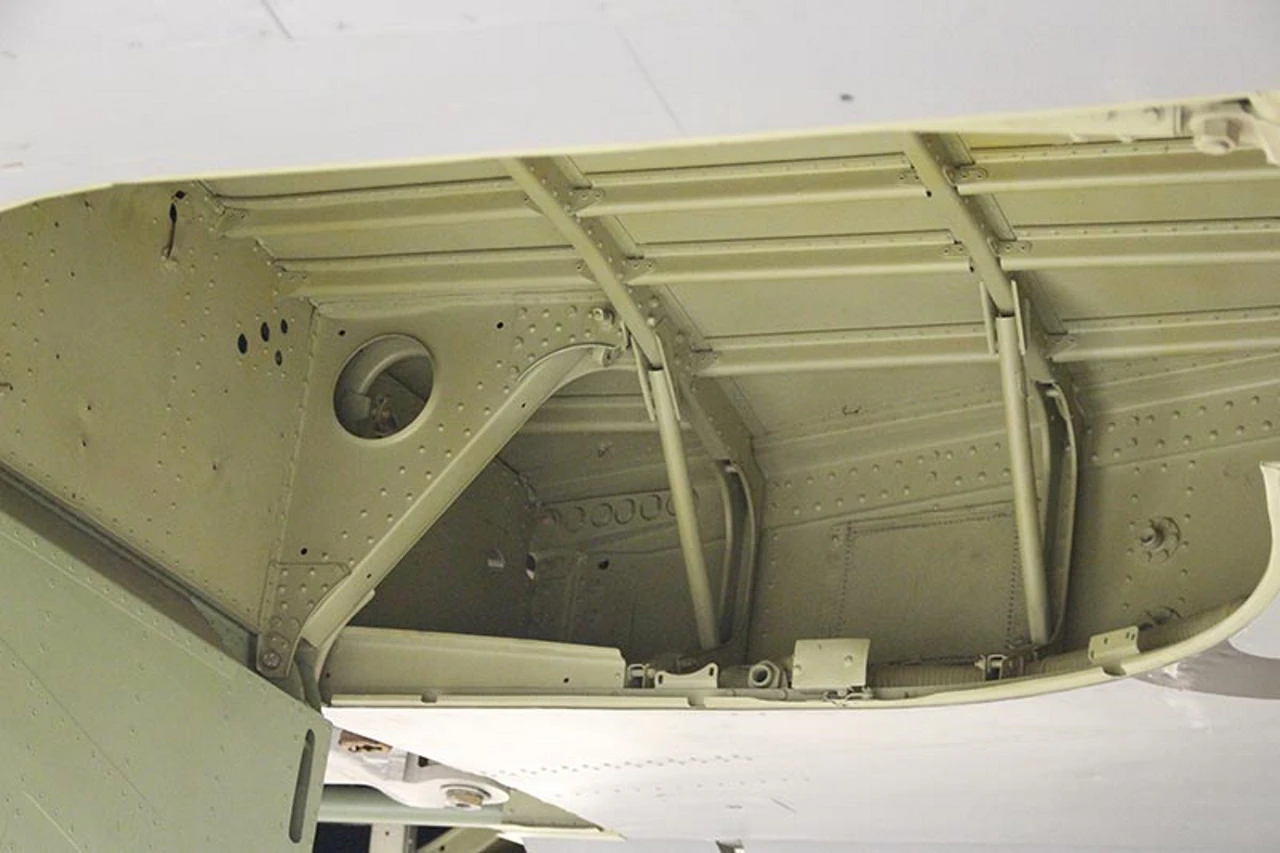
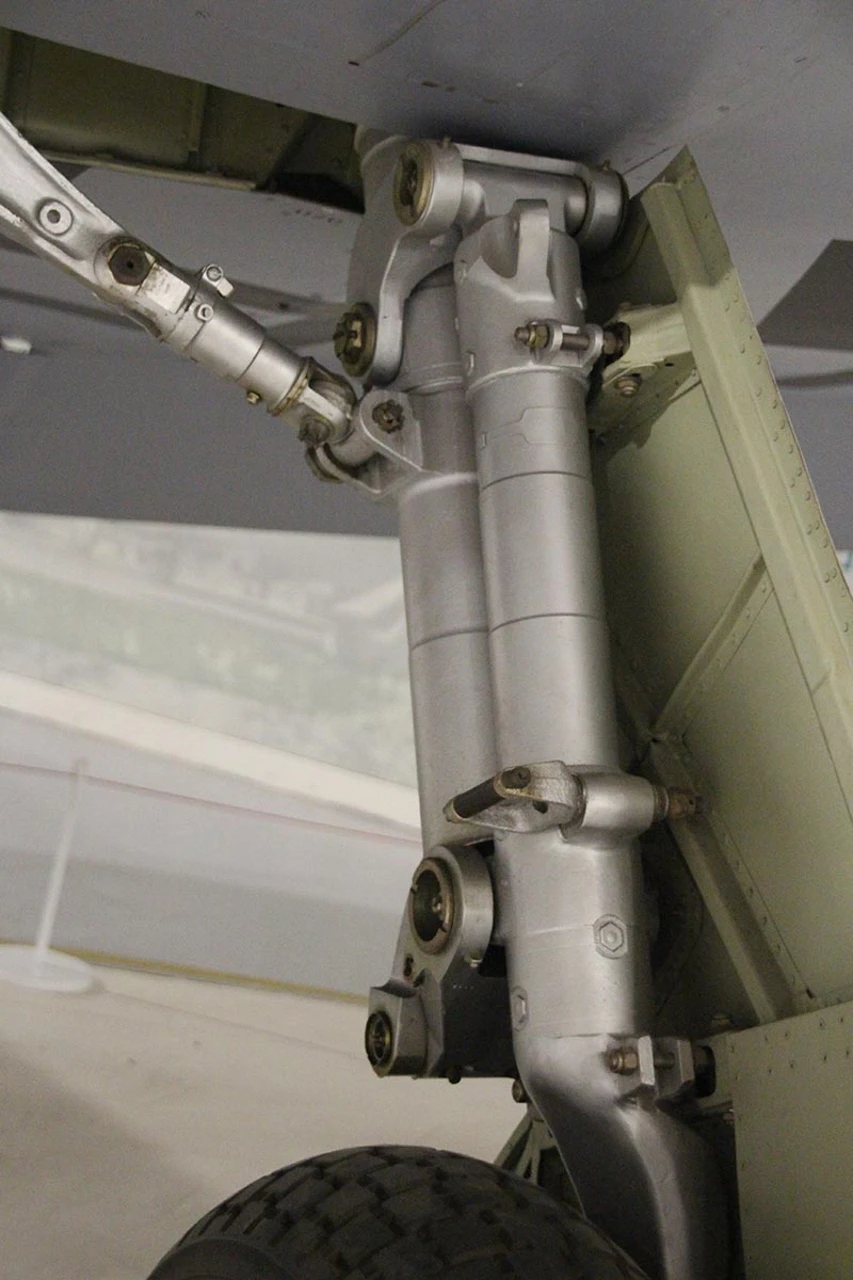
| Hawker Tempest TT.5 Walk Around | |
|---|---|
| Fotograf | Unbekannter |
| Lokalisierung | Unbekannter |
| Fotos | 48 |
Siehe auch:


The Evolution of the Typhoon
das Hawker Tempest Mk V was born from a desire to fix the “thick wing” problems of its predecessor, the Typhoon. By utilizing a new laminar-flow wing and the monstrously powerful Napier Sabre II engine, Hawker created one of the fastest piston-engined fighters of the war. While the Spitfire was a ballerina, the Tempest was a heavyweight boxer—brutally fast at low altitudes, heavily armed, and stable enough to be used for the most dangerous missions of 1944 and 1945, including hunting V-1 flying bombs and Messerschmitt Me 262 jets.
| Attribute | Technical Specification (Mk V) |
|---|---|
| Rolle | Fighter / Interceptor / Fighter-Bomber |
| Crew | 1 (Pilot) |
| Triebwerk | 1 × Napier Sabre IIB liquid-cooled H-24 sleeve-valve engine |
| Horsepower | 2,180 hp (1,625 kW) |
| Höchstgeschwindigkeit | 435 mph (700 km/h) at 18,500 ft |
| Hauptbewaffnung | 4 × 20 mm Hispano Mk V cannons (short-barrel, wing-mounted) |
| Low-Level Speed | 376 mph (605 km/h) at sea level |
| Produktion | 801 Mk V units built |
Design Engineering: The H-24 Beast
- The Napier Sabre Engine: Unlike the V12 Merlin, the Sabre was an “H-24” engine—essentially two flat-12 engines stacked on top of each other. It used sleeve valves instead of traditional poppet valves, allowing it to reach incredibly high RPMs and generate immense power from a relatively compact size.
- Laminar Flow Wing: The Tempest featured a much thinner wing than the Typhoon, with the maximum thickness moved further back. This reduced drag significantly and prevented the compressibility issues that plagued earlier high-speed fighters.
- The “Chin” Radiator: To cool the massive 24-cylinder engine, a giant circular radiator was placed under the nose. This gave the Tempest its aggressive, “bulldog” appearance and led to its nickname as the “engine with wings.”
- Internal Fuel Capacity: By moving the oil tank and some plumbing out of the wings and into the fuselage, Hawker was able to fit more fuel internally, giving the Tempest the range it needed for long-range “Rhubarb” sweeps over occupied Europe.
A Record-Breaking War Career
- The V-1 “Diver” Patrols: Because of its incredible low-altitude speed, the Tempest was the primary defense against the V-1 Flying Bomb. Tempest pilots accounted for 638 V-1 “kills” between June and August 1944.
- Me 262 Hunter: The Tempest was one of the few Allied aircraft fast enough to catch a Messerschmitt Me 262 jet, usually by loitering near German airfields and pouncing while the jets were slow and vulnerable during takeoff or landing.
- Pierre Clostermann: The famous French ace flew the Tempest with No. 3 Squadron RAF. His book The Big Show provides a harrowing account of the Tempest’s power and the danger of the “Sabre” engine’s temperamental nature.
- Post-War Zenith: The design was so successful that it evolved into the Hawker Fury/Sea Fury, widely considered the ultimate expression of piston-engined fighter technology before the jet age took over completely.
Aufrufe : 4755
Sie können auch sehen:
 Vought F7U Cutlass – Fotos & Videos
 EmSuper Tucanobraer EMB 314 – Fotos & Videos
 Boeing 80 – Fotos & Videos
 Lockheed C-5 Galaxy – Fotos & Videos
 Canadair CF-104 Starfighter – Fotos & Videos
 SPAD S.XIII – Fotos & Videos
 CASA 2.111 vol3 – WalkAround
 AV-8B Harrier II Plus – WalkAround
 Mikojan MiG-29 – WalkAround
 C-17 Globemaster – WalkAround