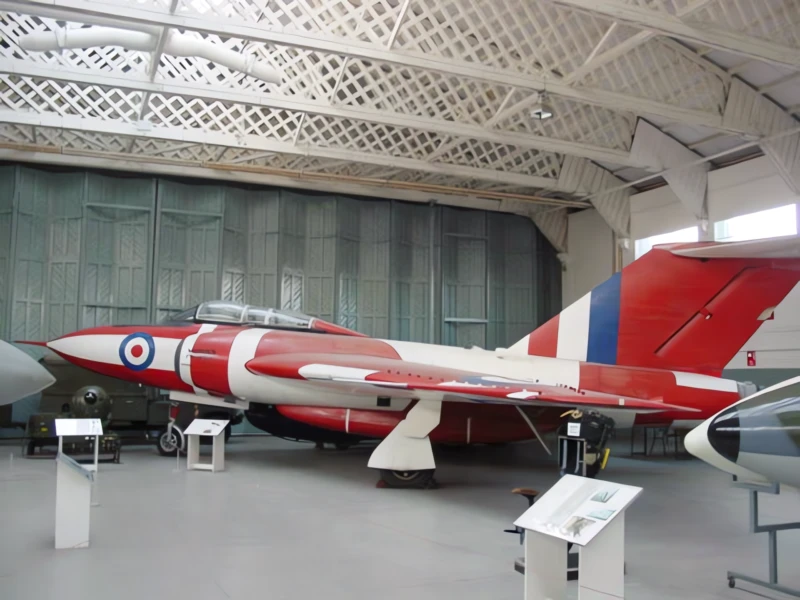
Gloster Javelin | |
|---|---|
| Land | Großbritannien |
| Rolle | Allwetterjäger/Abfangjäger |
| Erstflug | 26. November 1951 |
| Gebaut | 436 |
das Gloster Javelin is a twin-engined T-tailed delta-wing subsonic night and all-weather interceptor aircraft that served with Britain’s Royal Air Force from the mid-1950s until the late 1960s. The last aircraft design to bear the Gloster name, it was introduced in 1956 after a lengthy development period and received several upgrades during its lifetime to its engines, radar and weapons, including support for the De Havilland Firestreak air-to-air missile. The Javelin was succeeded in the interceptor role by the English Electric Lightning, a supersonic aircraft capable of flying at more than double the Javelin’s top speed, which was introduced into the RAF only a few years later. The Javelin served for much of its life alongside the Lightning; the last Javelins were withdrawn from operational service in 1968 following the introduction of successively more capable versions of the Lightning.
Quelle: Gloster Javelin auf Wikipedia
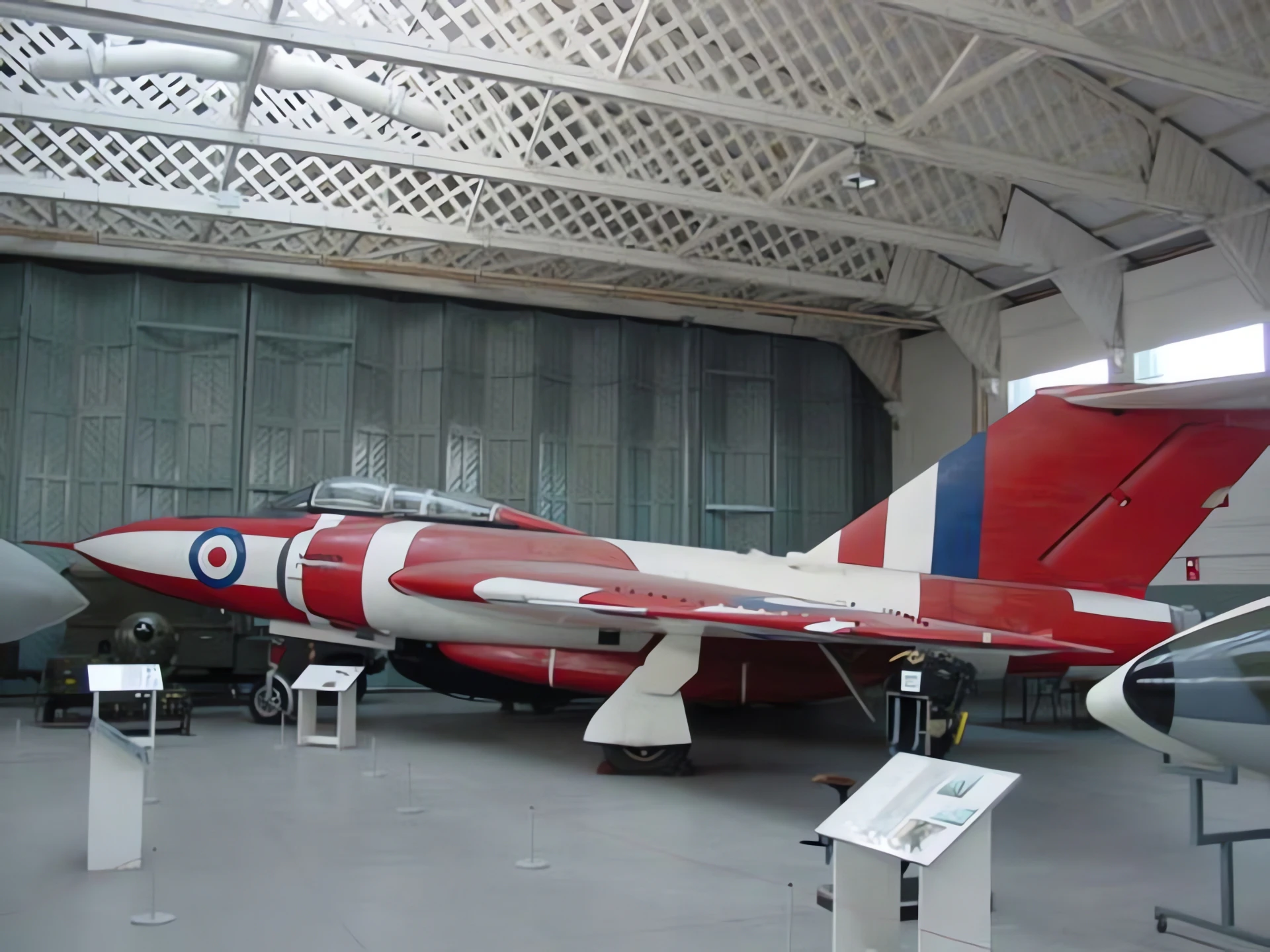
| Gloster Javelin FAW9 Rundgang | |
|---|---|
| Fotografen | Cees Hendriks |
| Lokalisierung | Unbekannter |
| Fotos | 43 |
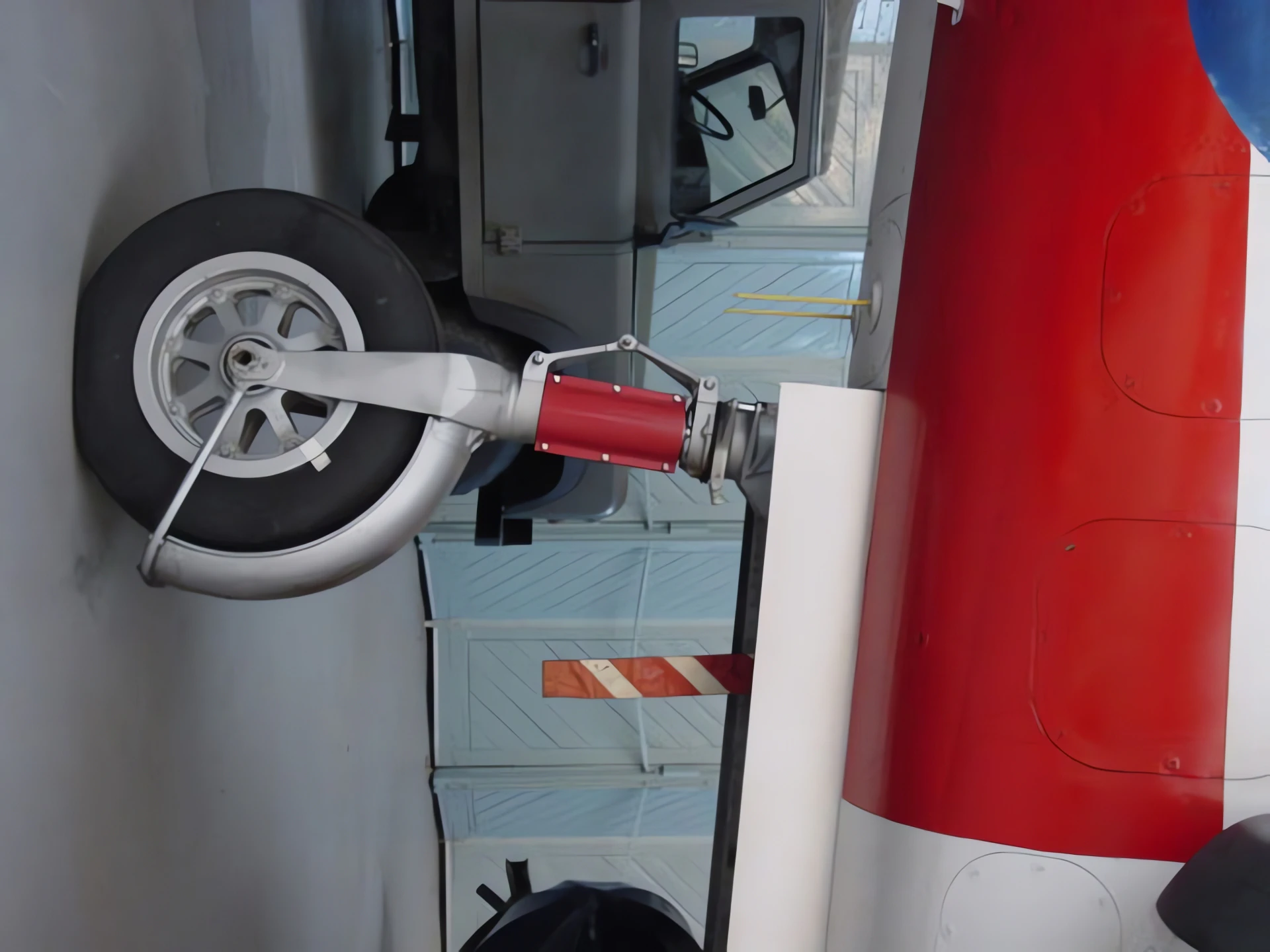
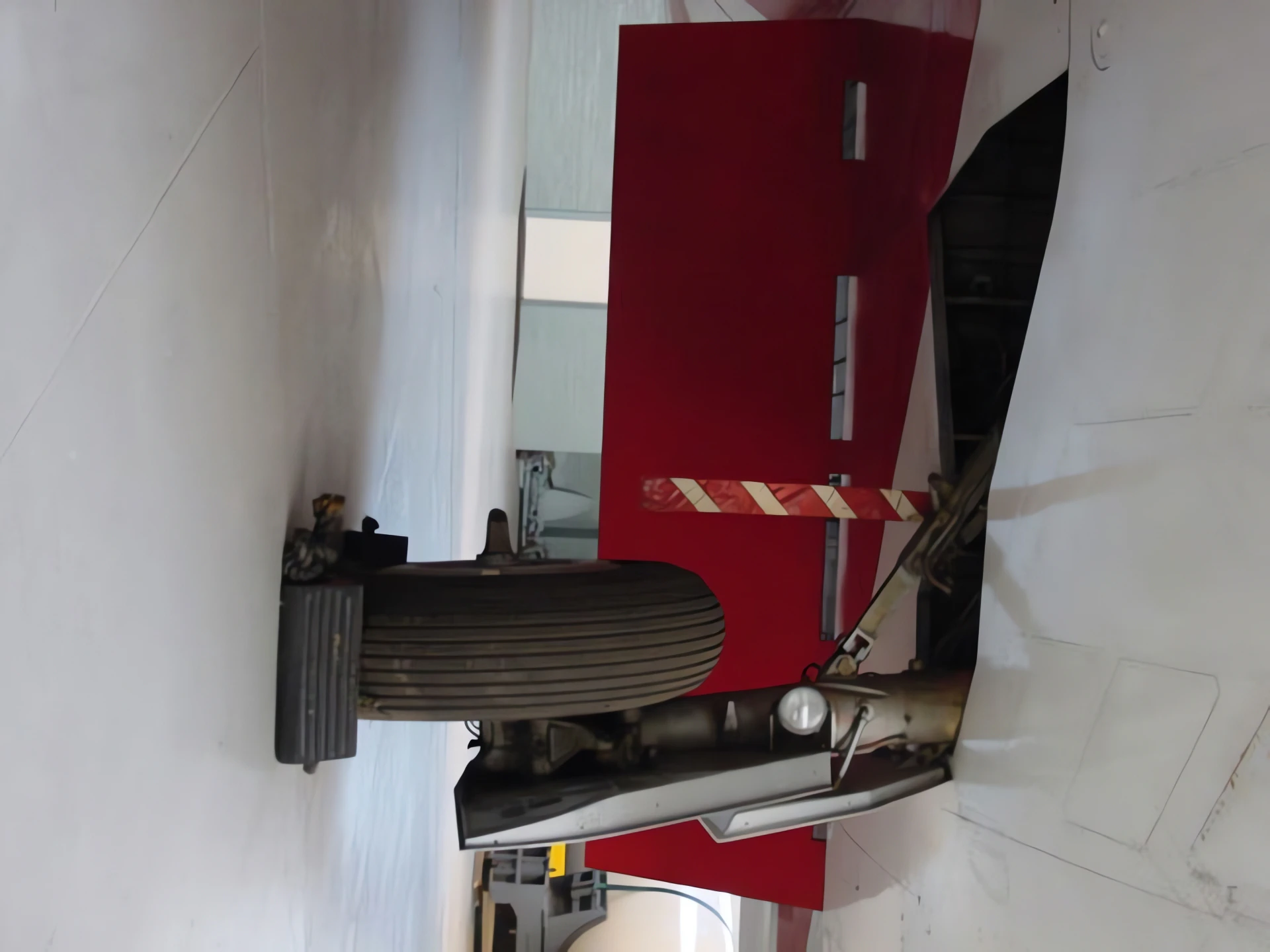
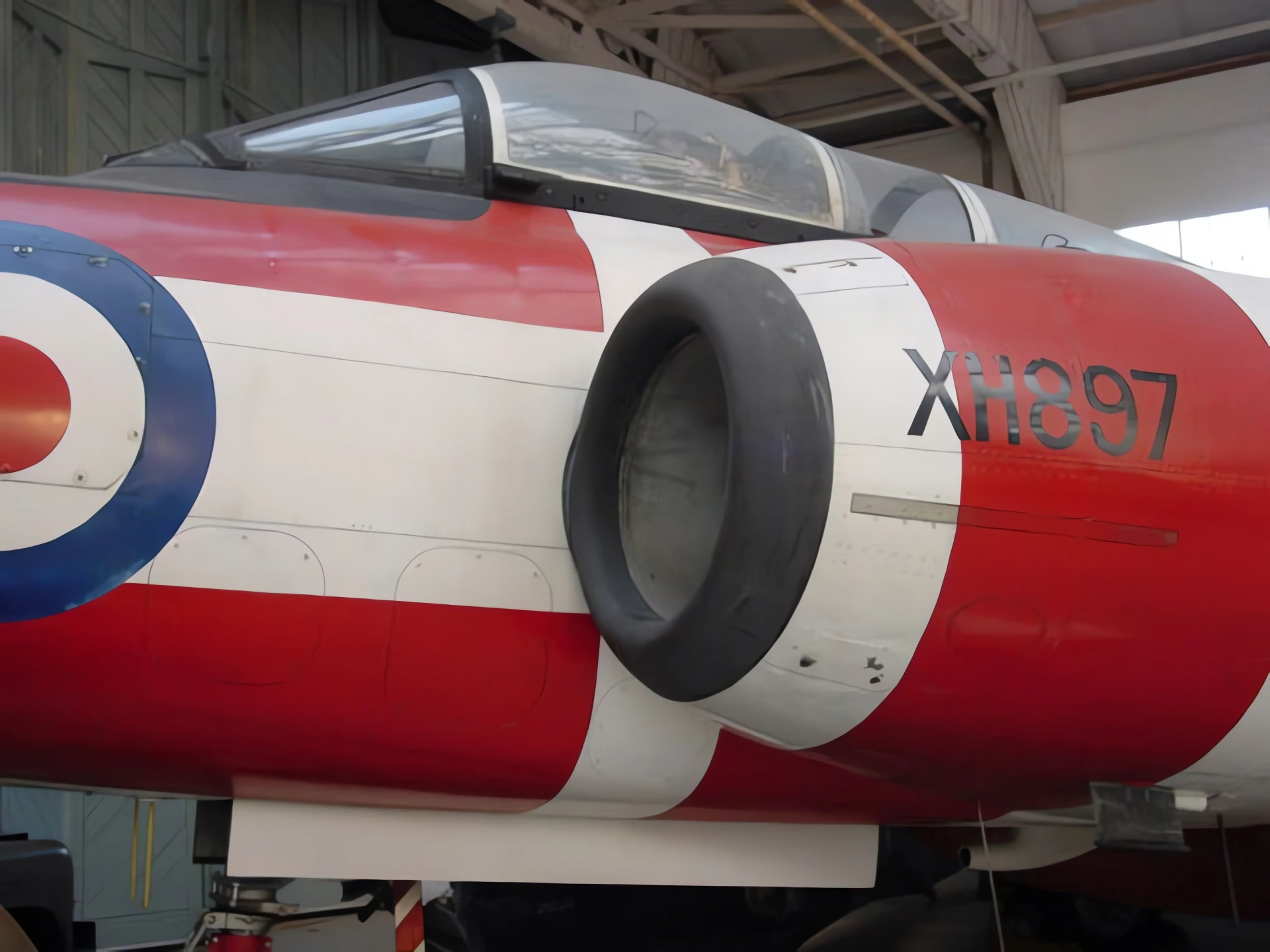
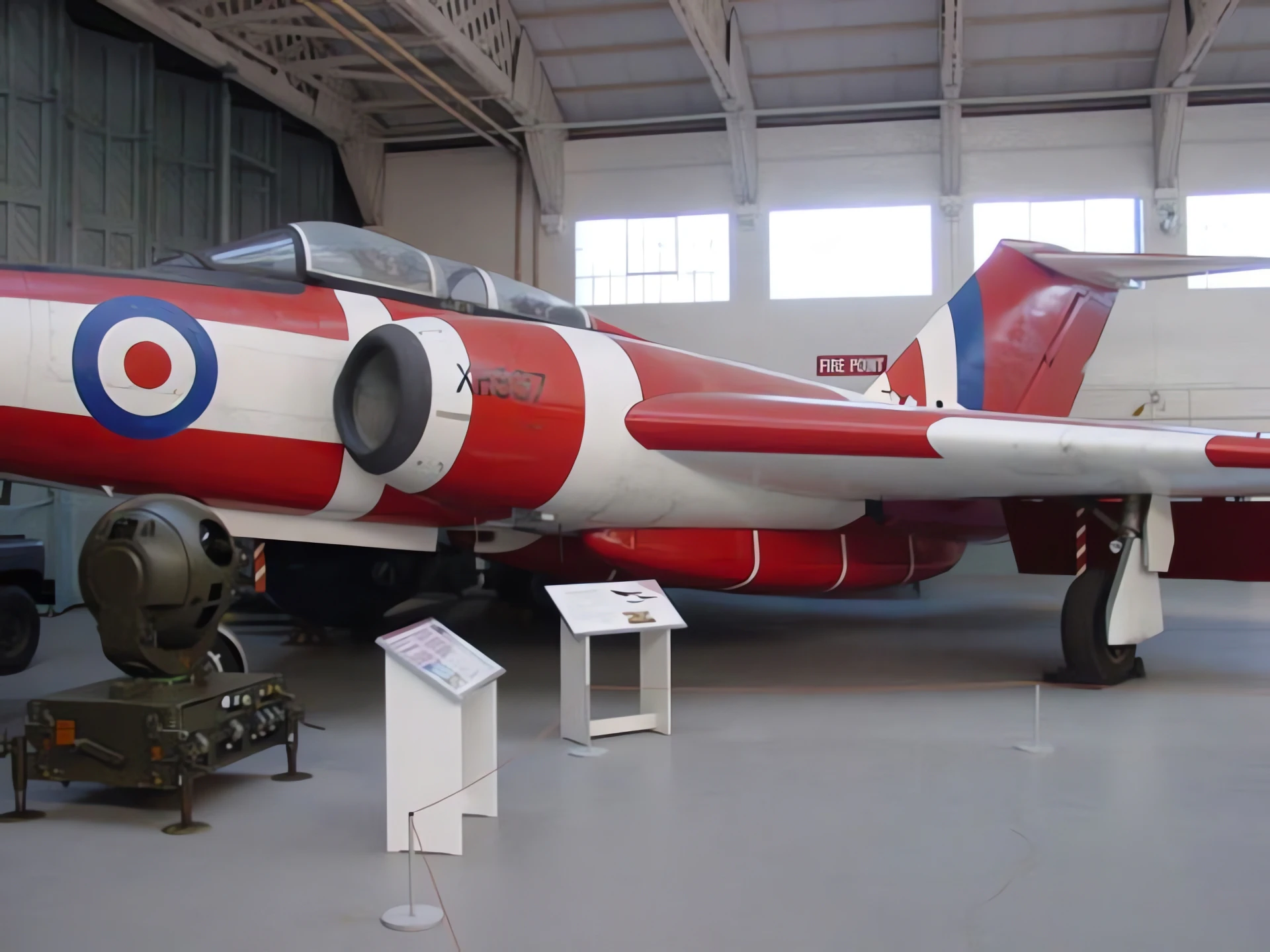
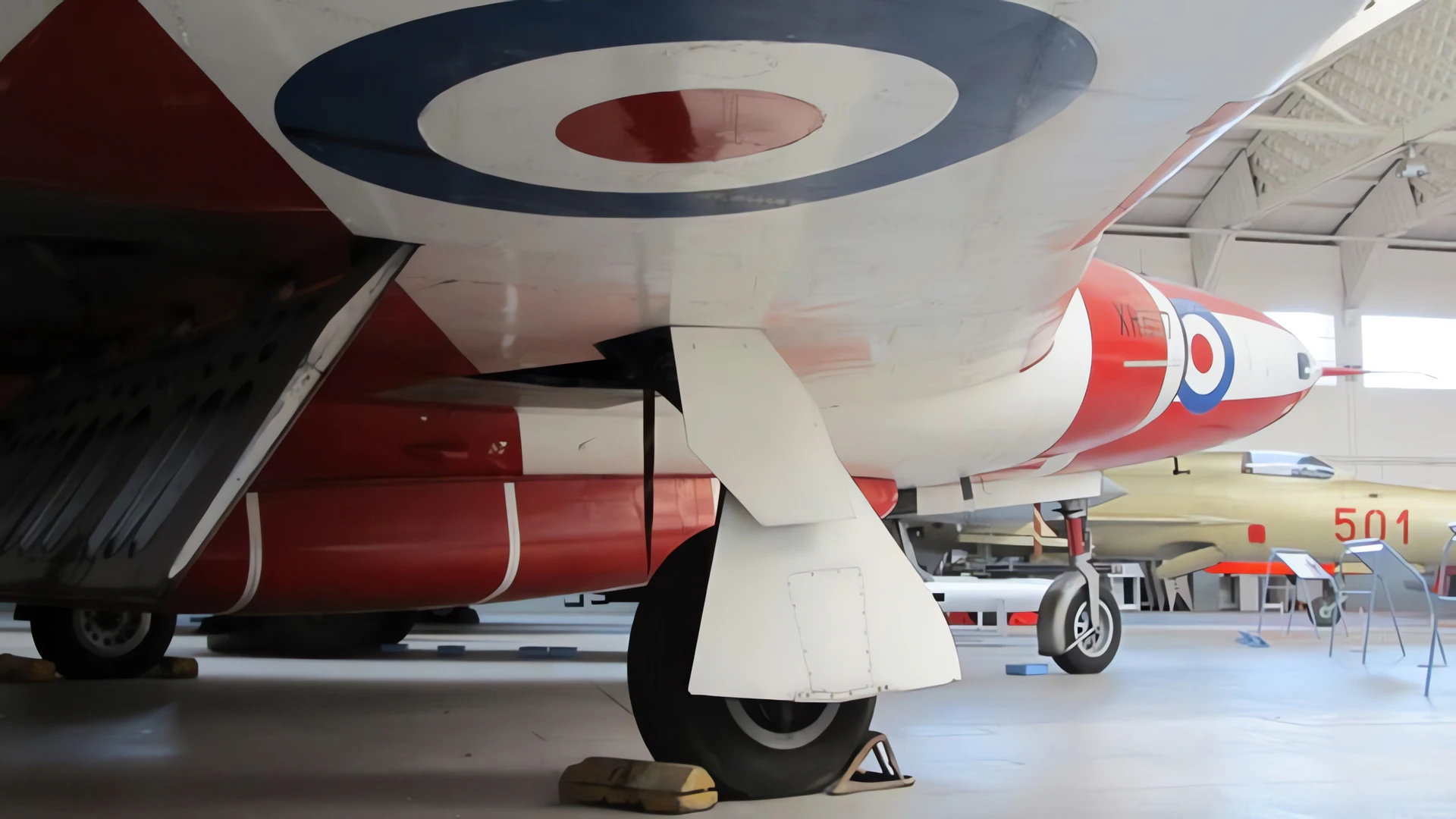
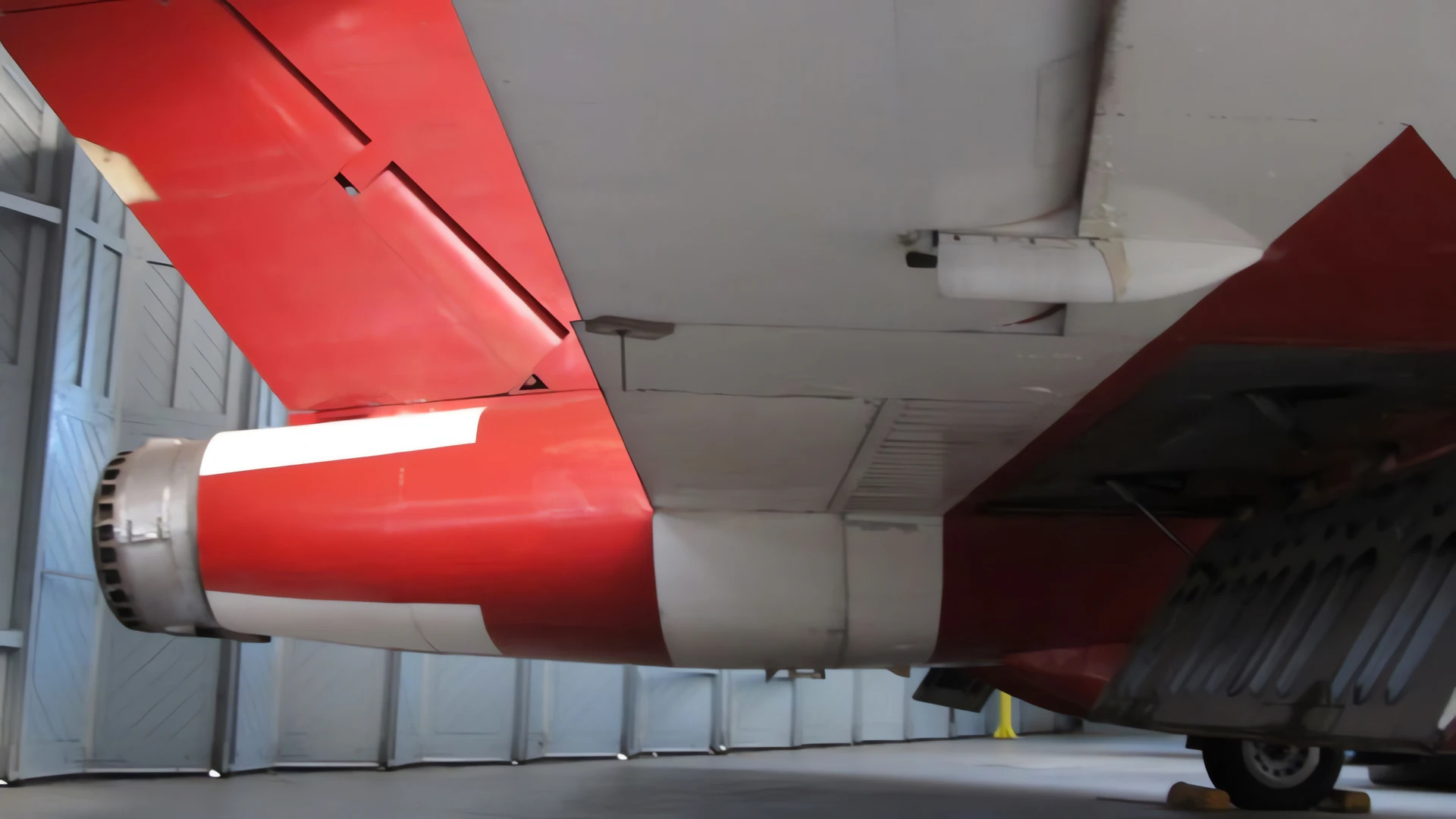
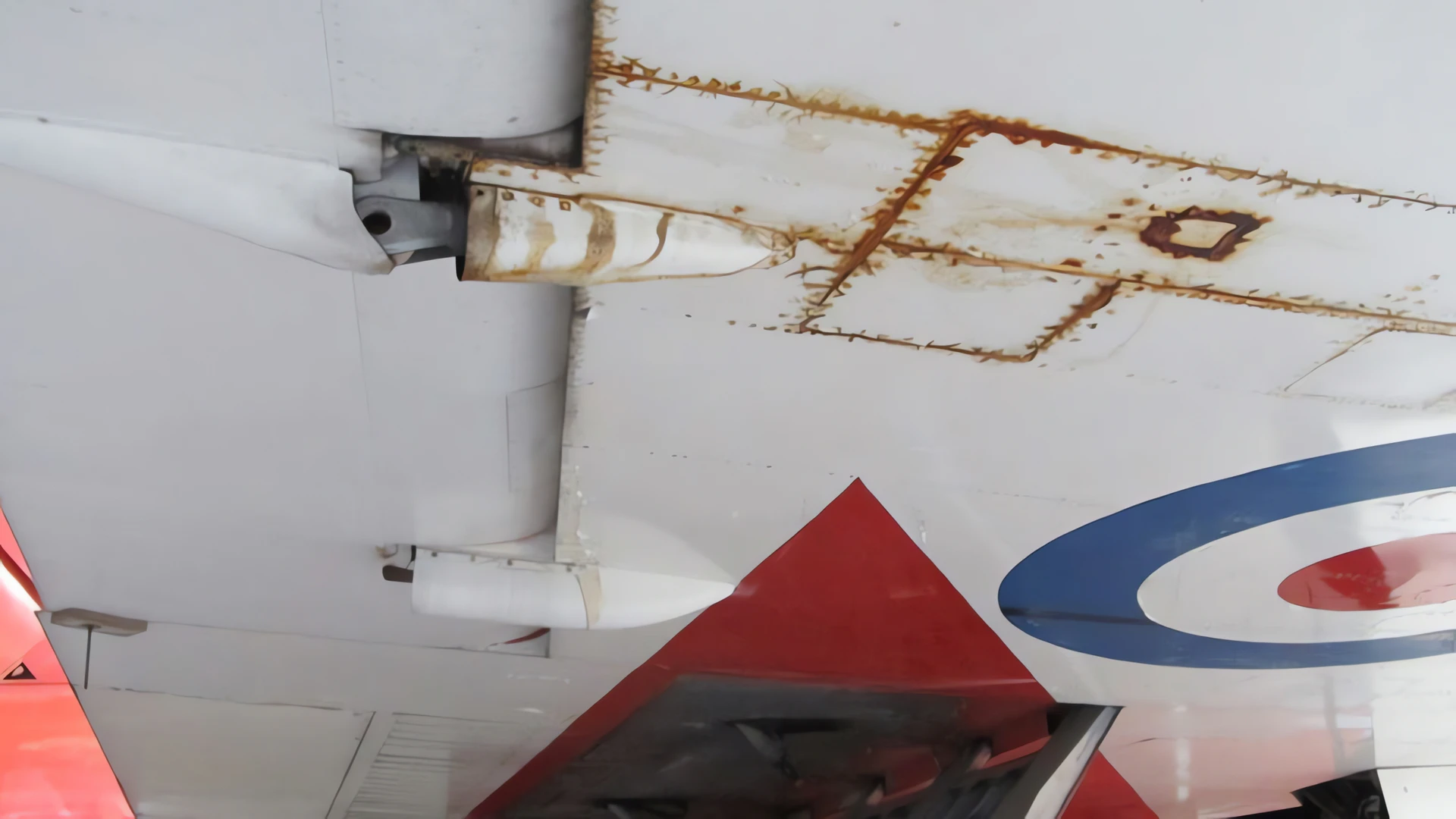

| Gloster Javelin FAW 7 Rundgang | |
|---|---|
| Fotografen | Unbekannter |
| Lokalisierung | Unbekannter |
| Fotos | 18 |
| Gloster Javelin Mk.9 Spaziergang | |
|---|---|
| Fotografen | Unbekannter |
| Lokalisierung | Unbekannter |
| Fotos | 36 |
Siehe auch:


The Ultimate All-Weather Interceptor
das Gloster Javelin FAW.9 was the final and most capable operational version of the first purpose-built all-weather interceptor for the Royal Air Force. With its massive delta wing and high T-tail, it was designed to hunt Soviet nuclear bombers at high altitudes, regardless of the weather or time of day. While it was eventually eclipsed in speed by the English Electric Lightning, the Javelin FAW.9 remained a stable, long-range weapons platform that bridged the gap between early jet fighters and modern missile-armed interceptors.
| Attribute | Technical Specification (FAW.9) |
|---|---|
| Rolle | All-Weather Interceptor (Fighter All-Weather) |
| Crew | 2 (Pilot and Radar Operator) |
| Introduction (Mk.9) | 1960 (Upgraded from FAW.7) |
| Triebwerk | 2 × Bristol Siddeley Sapphire 7R turbojets with reheat |
| Thrust | 12,300 lbf (54.7 kN) per engine with afterburner |
| Höchstgeschwindigkeit | 710 mph (1,140 km/h) / Mach 0.93 |
| Primary Armament | 4 × de Havilland Firestreak IR air-to-air missiles |
| Sekundärbewaffnung | 2 or 4 × 30mm ADEN cannons (wing-mounted) |
Design Refinement: The FAW.9 Upgrades
- The “Reheat” Engine: The FAW.9 was essentially a remanufactured FAW.7 fitted with the Sapphire 7R engine. These were the first Javelins to feature an afterburner (reheat), which significantly improved acceleration and climb rates during scrambles.
- “Drooped” Leading Edge: To improve handling at low speeds and high angles of attack—critical for carrier approaches and landing—the FAW.9 featured a modified, “drooped” wing leading edge. This cured many of the stability issues found in earlier marks.
- In-Flight Refueling: Many Mk.9s were designated FAW.9(F/R), featuring a large, non-retractable refueling probe on the starboard side of the nose. This allowed the Javelin to conduct long-range ferry flights and extended combat air patrols.
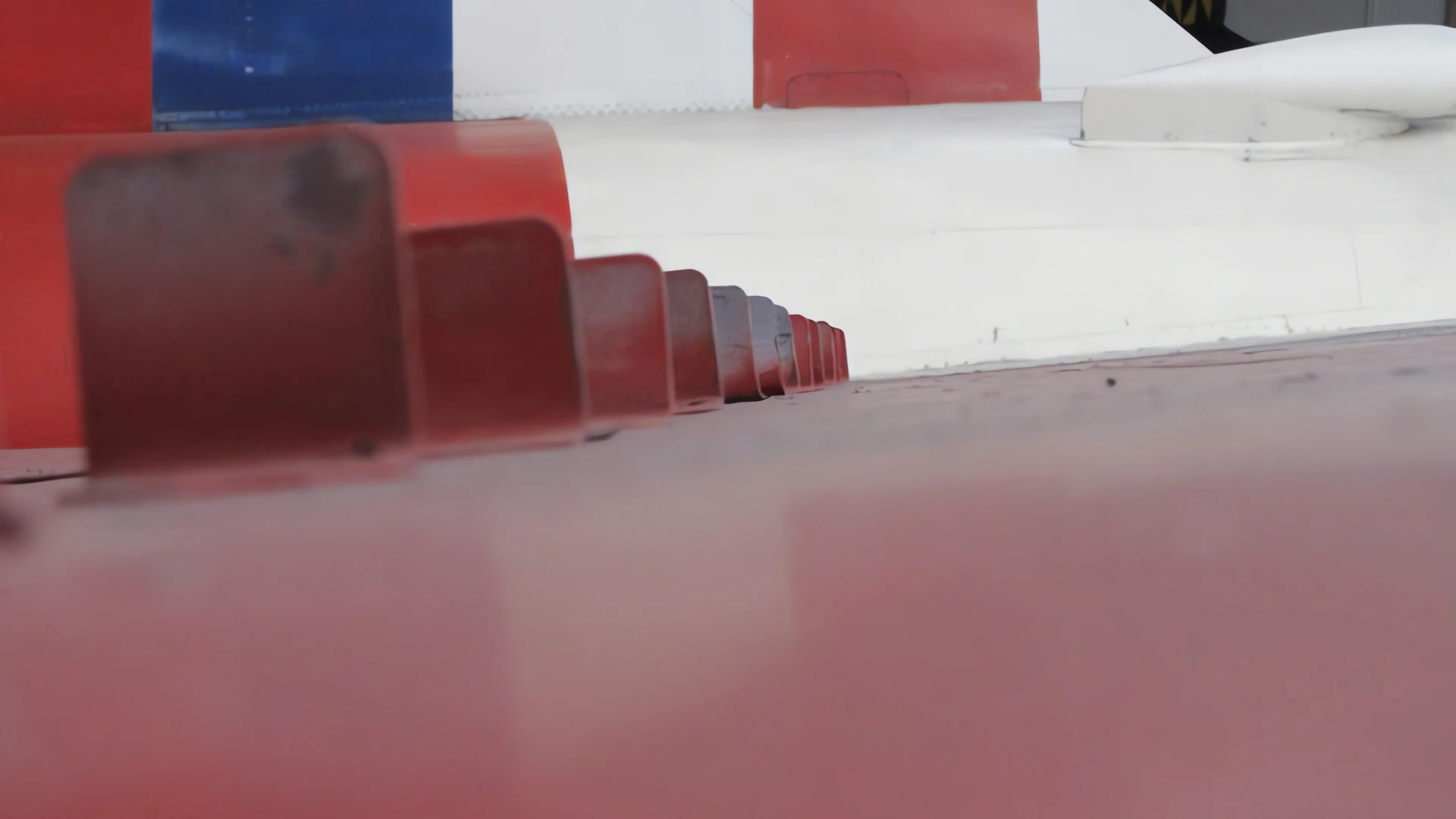
- Vortex Generators: If you look at the top of a Javelin’s wing, you’ll see rows of small metal fins. These “vortex generators” kept the airflow attached to the wing at high speeds, preventing the sudden “pitch-up” that had caused several early prototypes to crash.
The Legend of “The Last Javelin”
- Service in the Far East: The Javelin FAW.9 saw its most active service in Singapore with No. 60 and No. 64 Squadrons during the Indonesian Confrontation. They flew patrols over the dense jungles, acting as a vital deterrent against Indonesian incursions.
- The Only “Kill”: In 1964, a Javelin intercepted an Indonesian C-130 Hercules. While trying to evade the Javelin, the Hercules crashed into the jungle. This remains the only “kill” credited to the type, though no weapons were fired.
- Calibrating the Future: The very last Javelin to fly, XH897, was used by the Aeroplane and Armament Experimental Establishment (A&AEE) as a high-speed chase plane to calibrate the pitot tubes of the Concorde Und die Tornado.
- The “Flatiron”: Ground crews nicknamed it the “Flatiron” because of its massive, triangular delta shape. Despite its size and weight, pilots generally found it to be a very stable and forgiving aircraft to fly at high altitudes.
Aufrufe : 3357
Sie können auch sehen:
 Loening OL – Fotos & Video
 Curtiss O-52 Owl – Fotos & Video
 Curtiss-Wright AT-9 – Fotos & Video
 Lockheed P-2 Neptune – Fotos & Video
 P-47G Thunderbolt – WalkAround
 Hawker Sea Fury FBII vol2 – Walk Around
 P-51D Mustang vol2 – Walk Around
 B-17G Flying Fortress – WalkAround
 Messerschmitt Bf 109G-2 – Walk Around
 General Motors FM-2 Wildcat – WalkAround