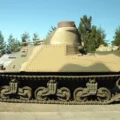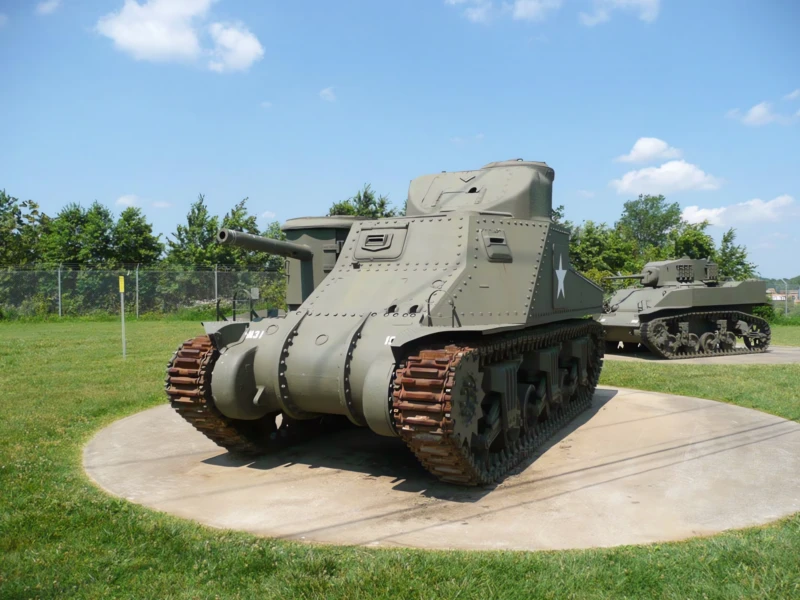
M31B1 | |
| Land | Usa |
| Type | Tank Recovery Køretøj |
| Produceret | August 1941 – december 1942 |
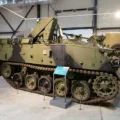
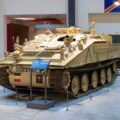
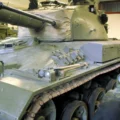
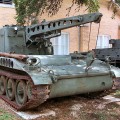
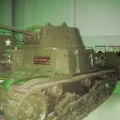
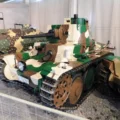
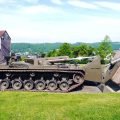
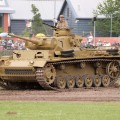
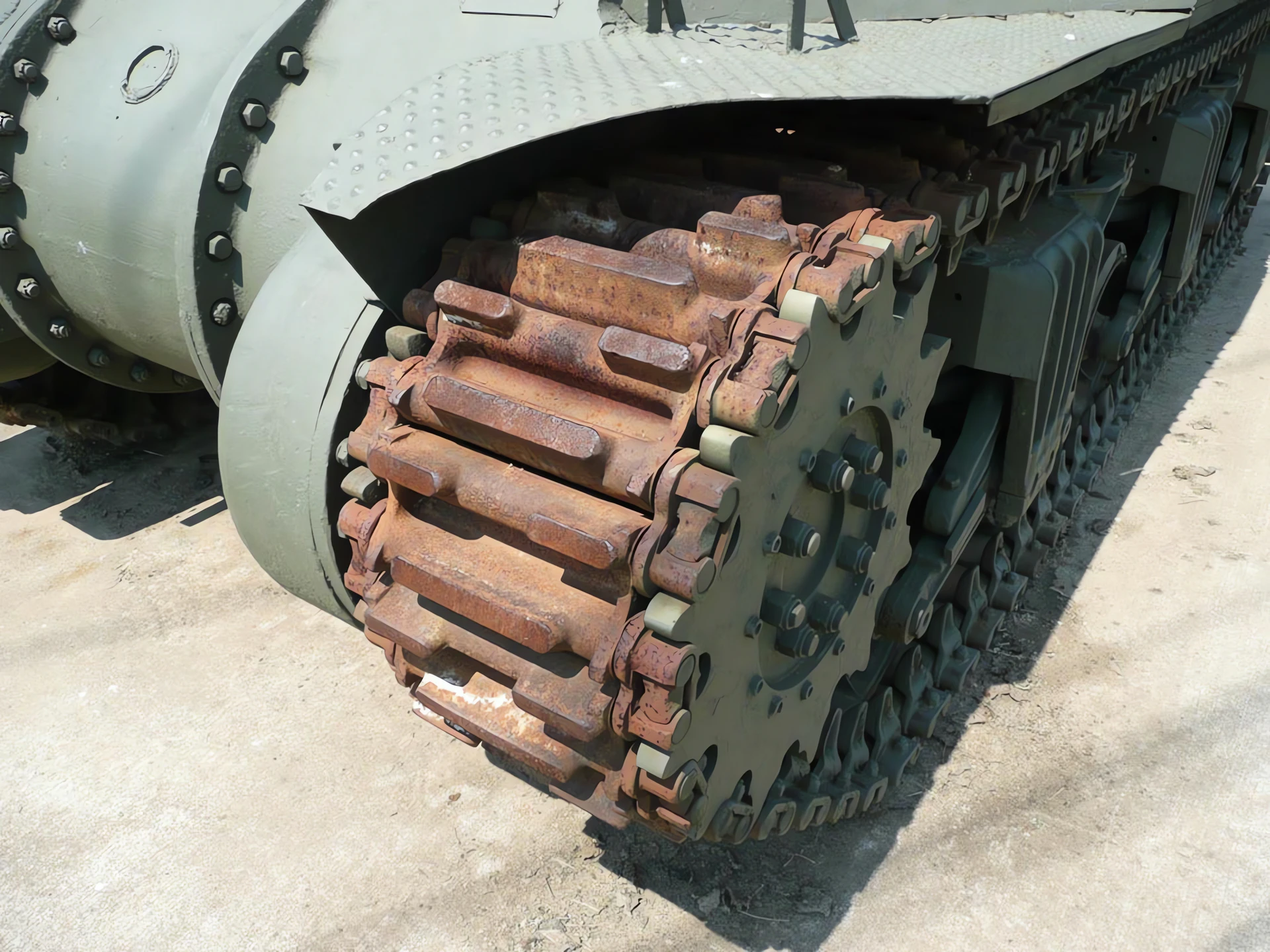
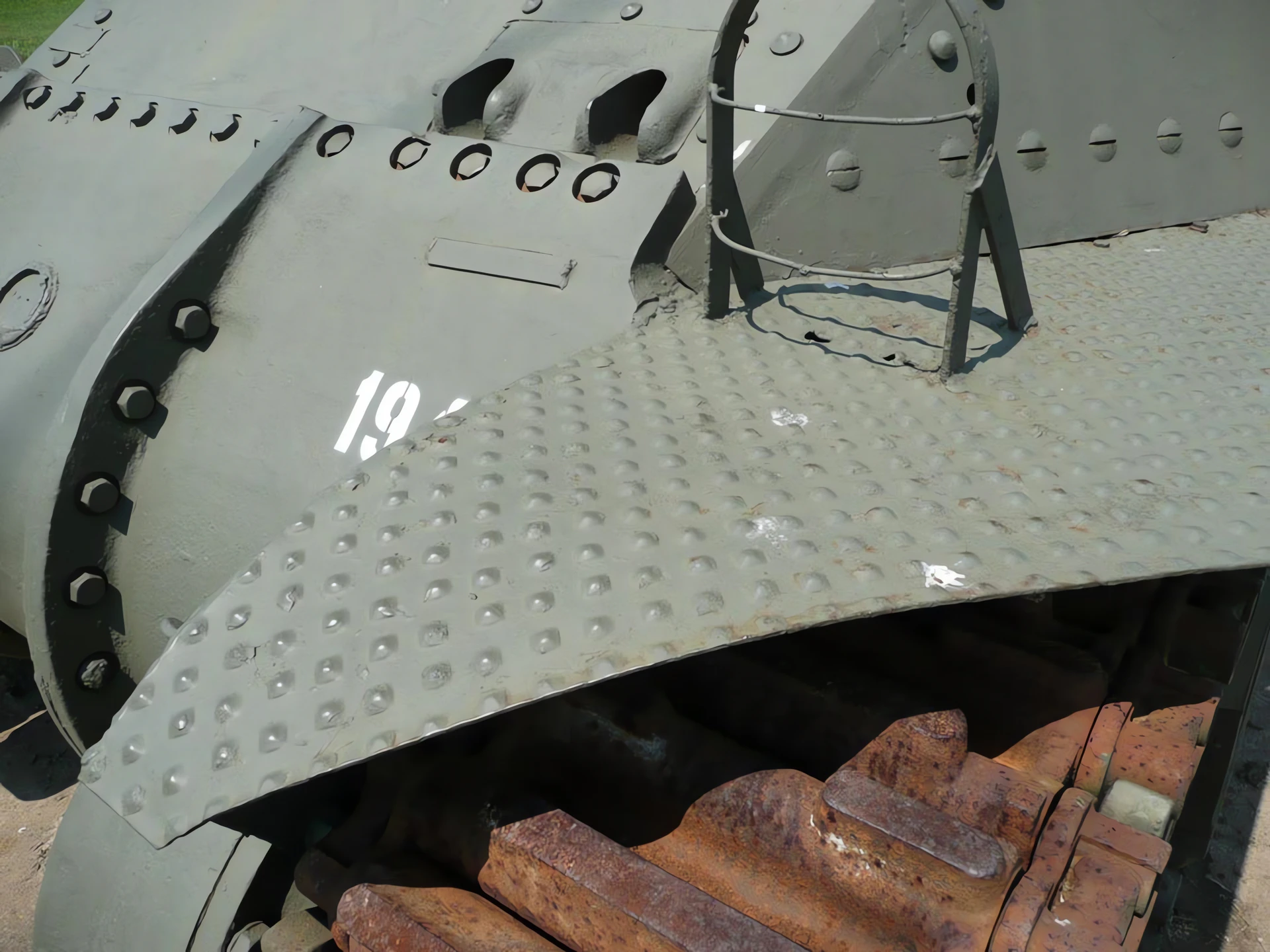
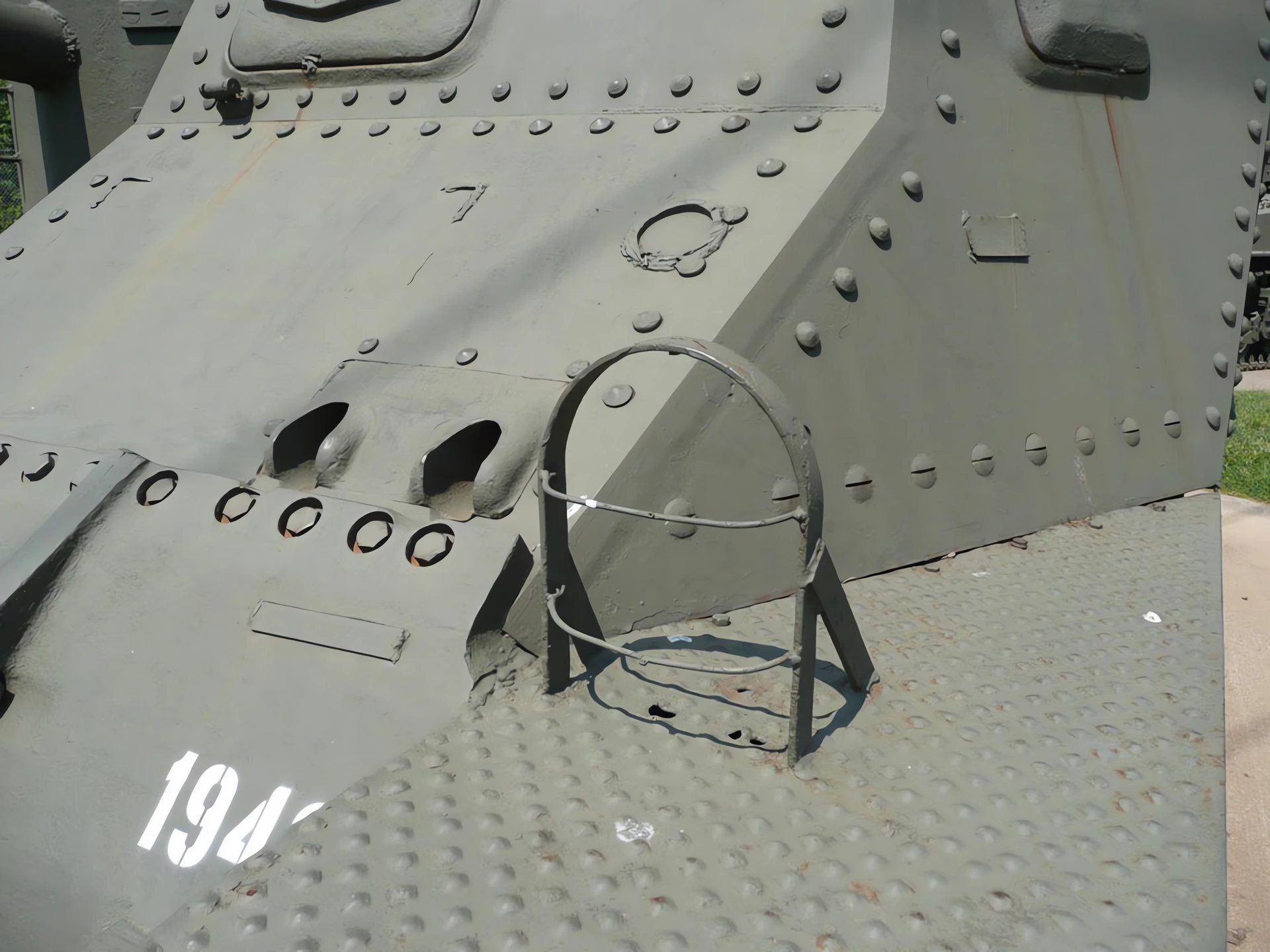
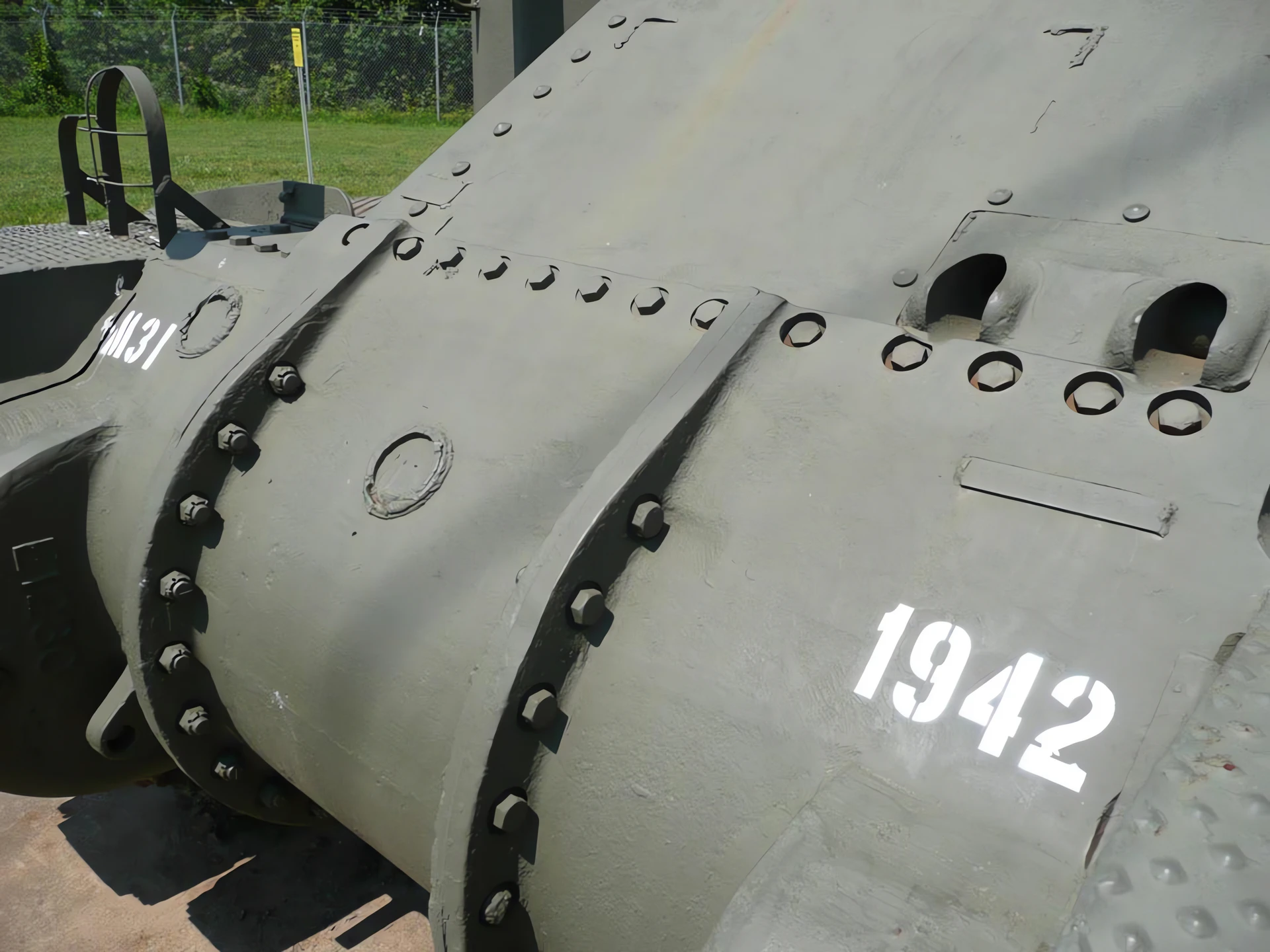
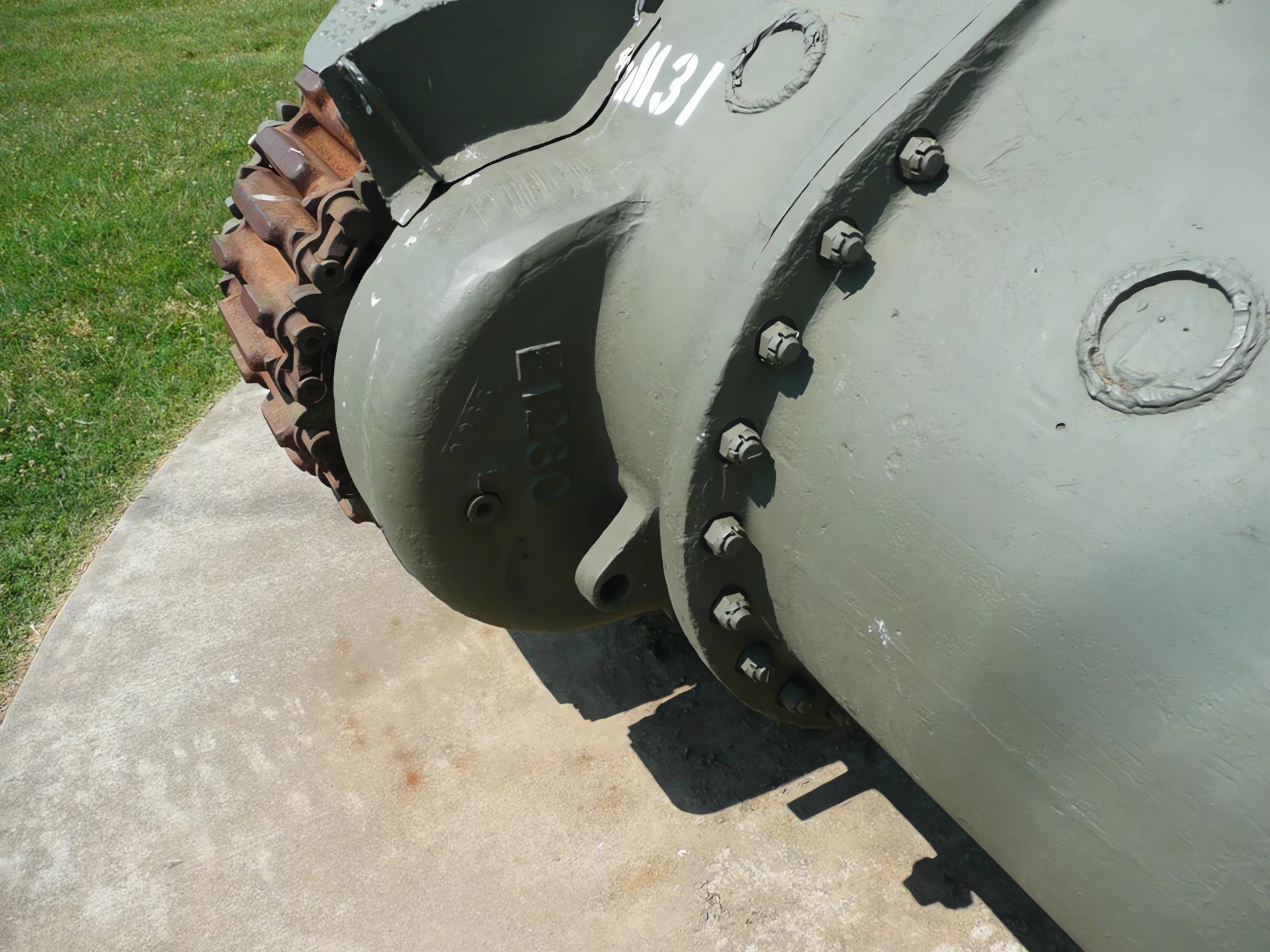
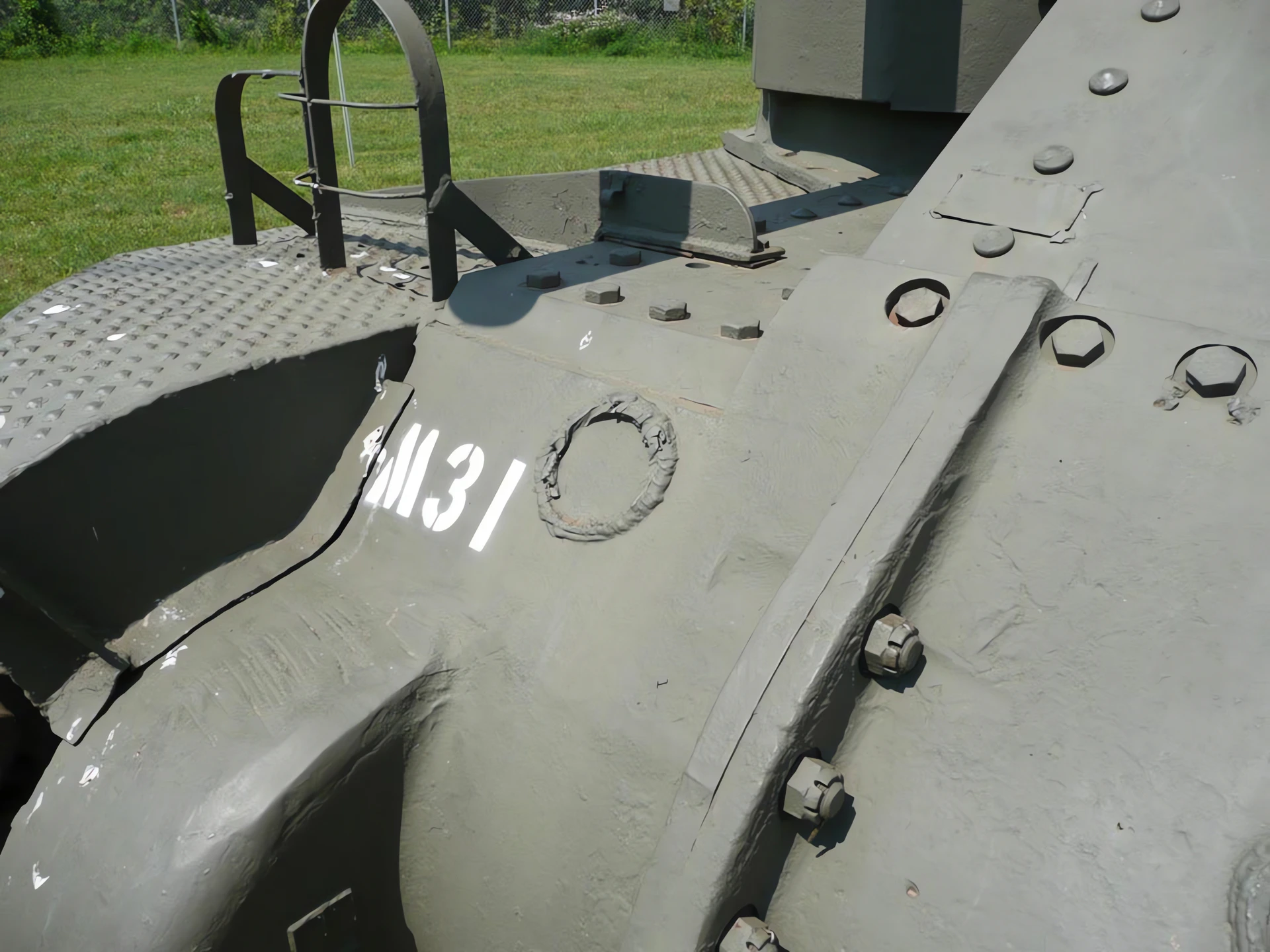
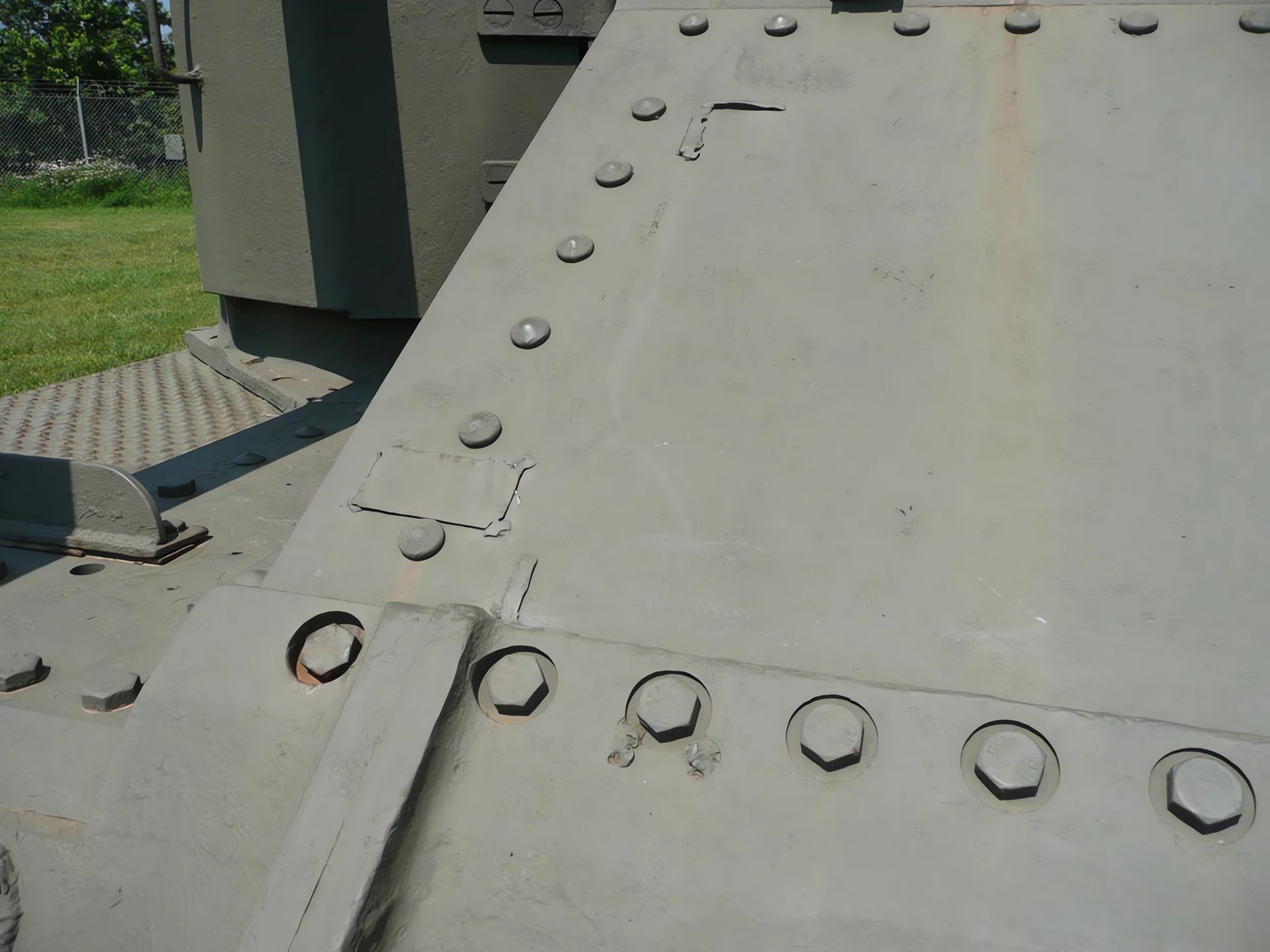
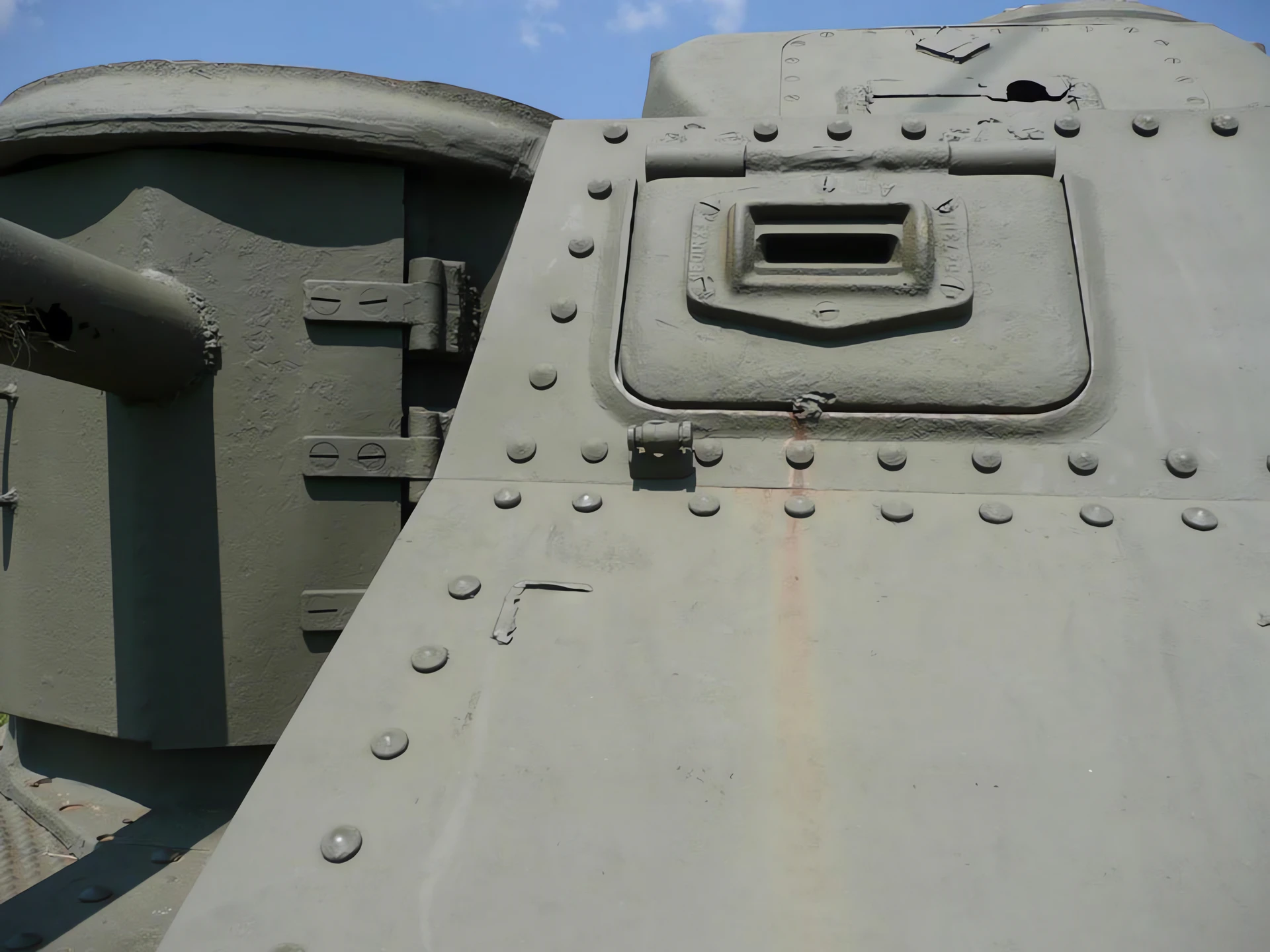
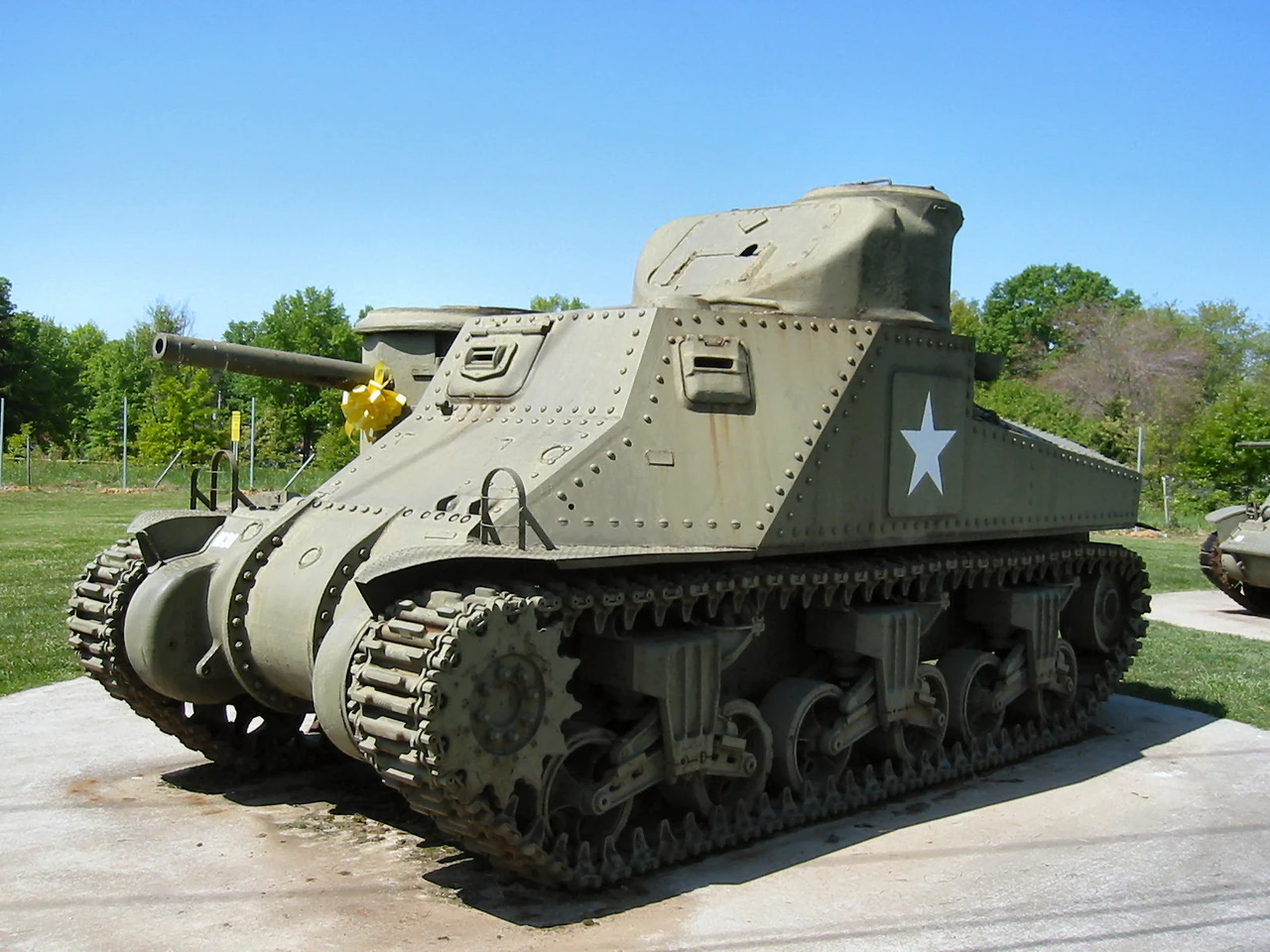
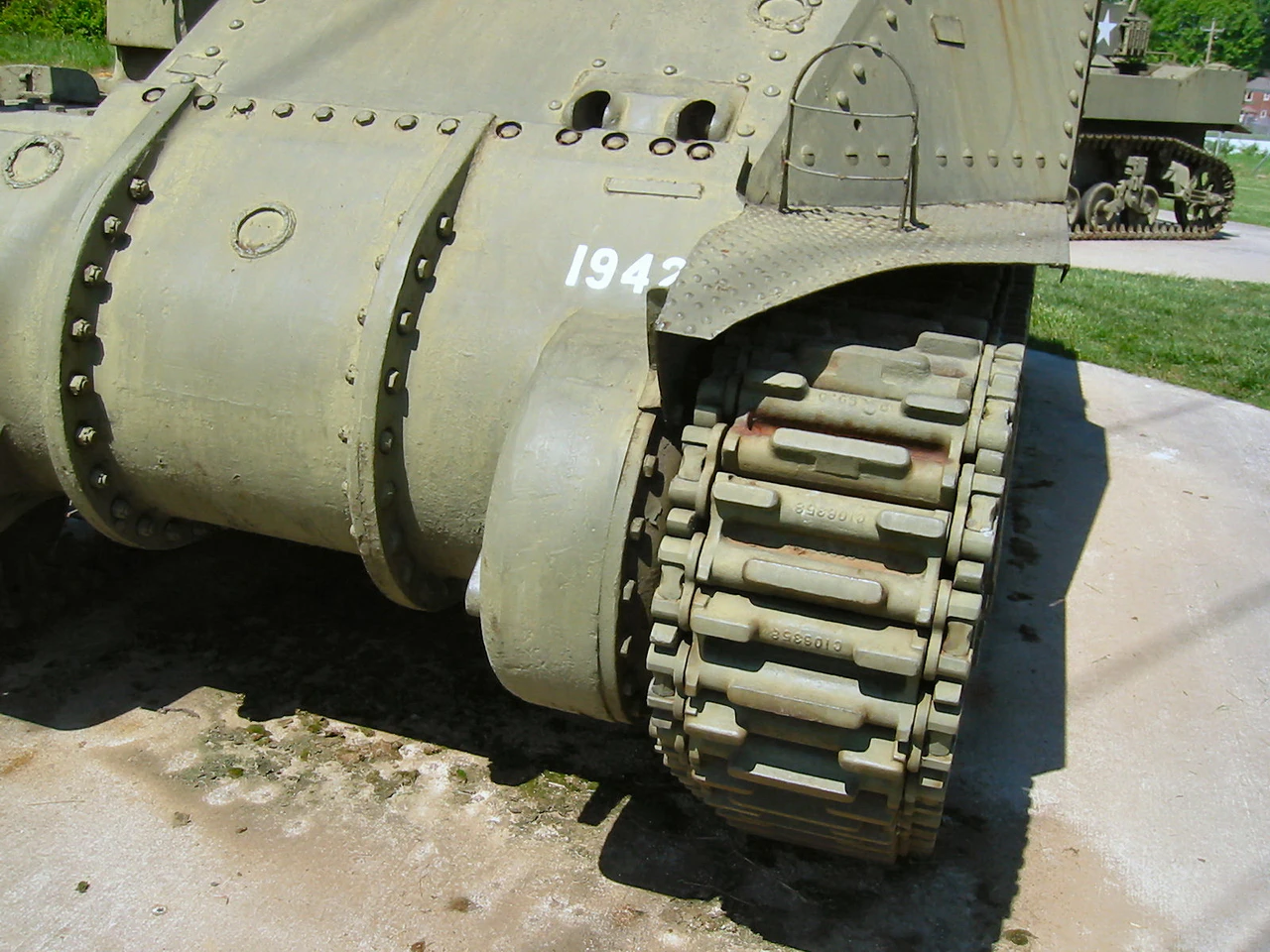
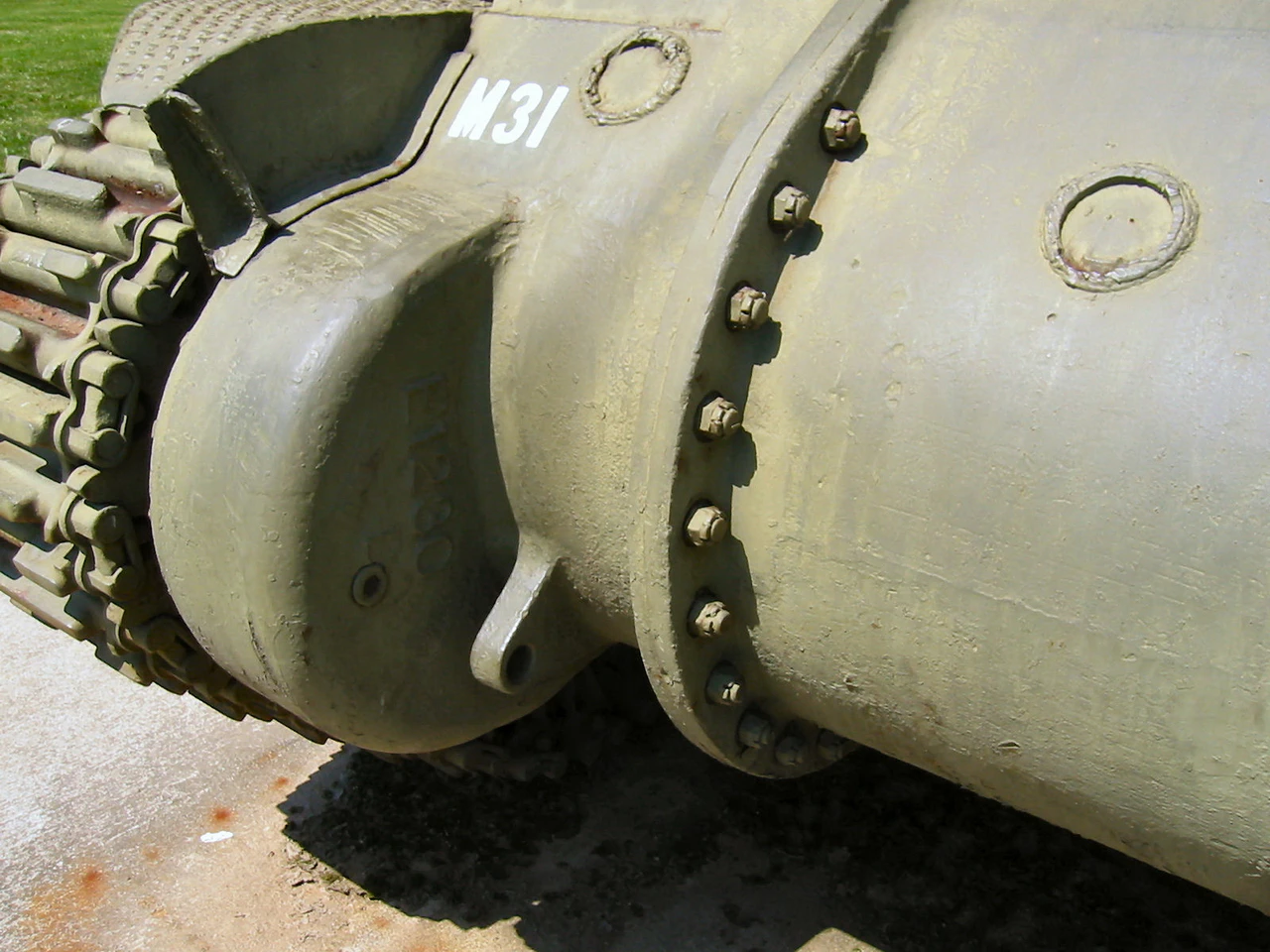
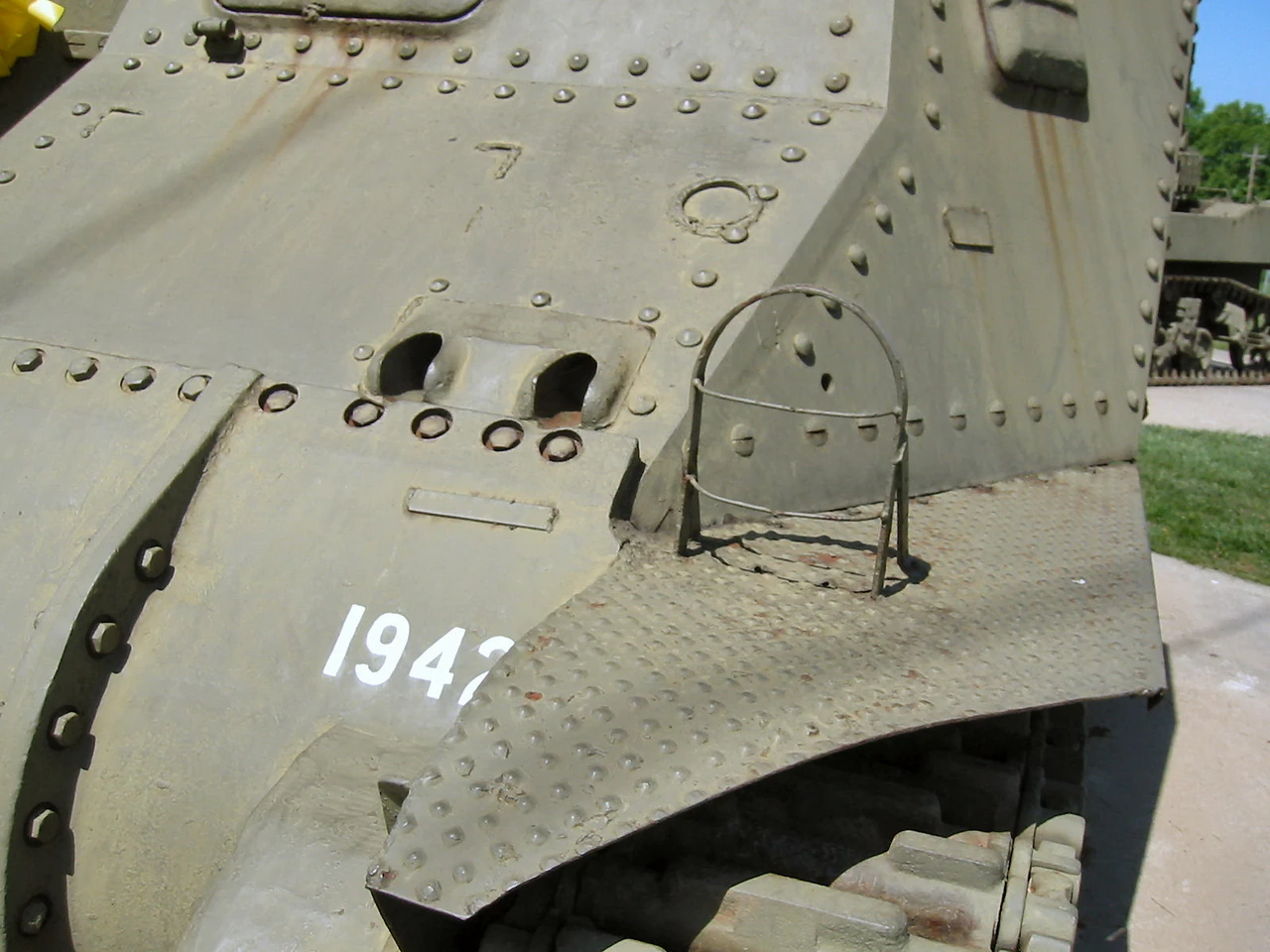
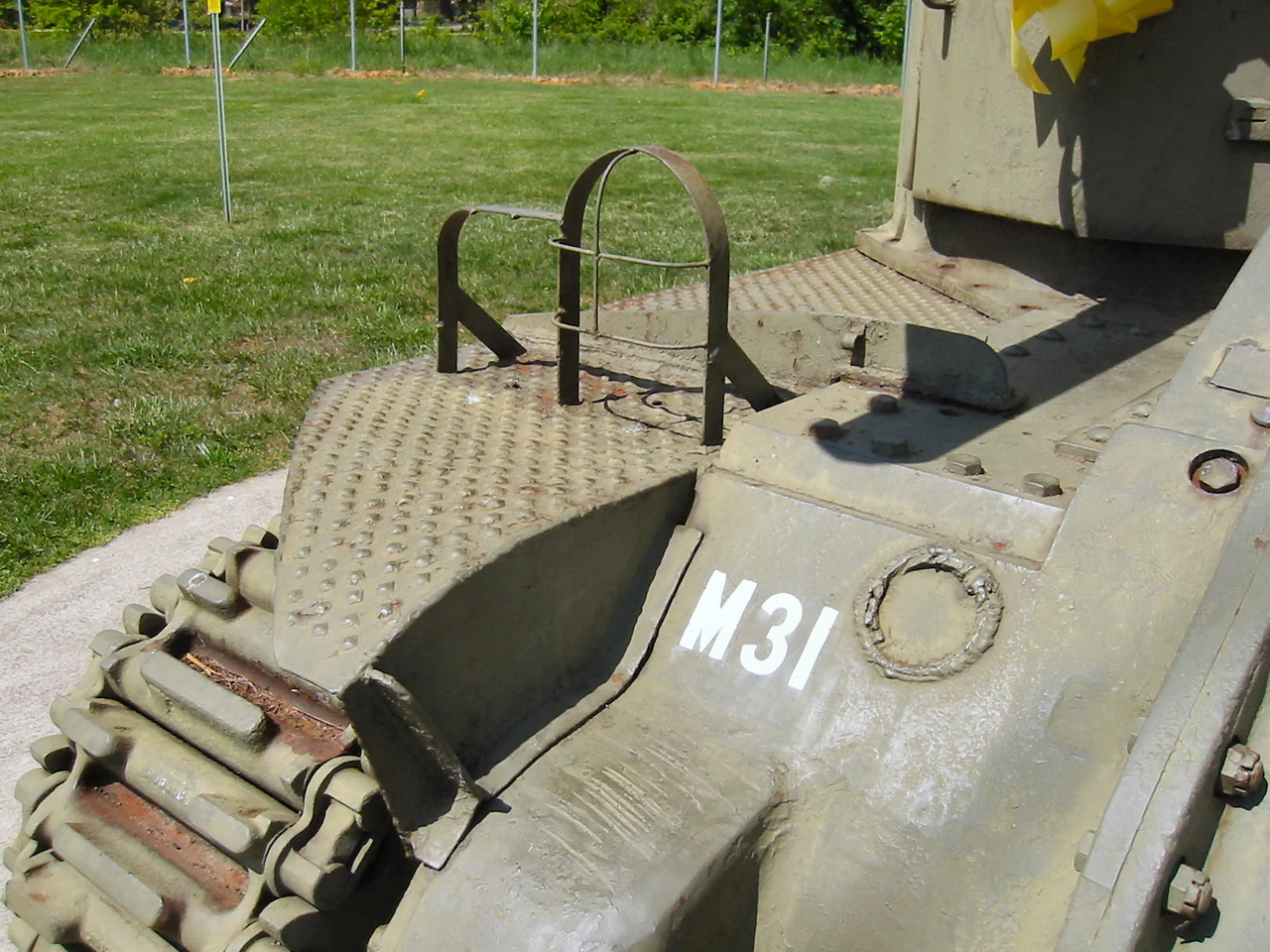
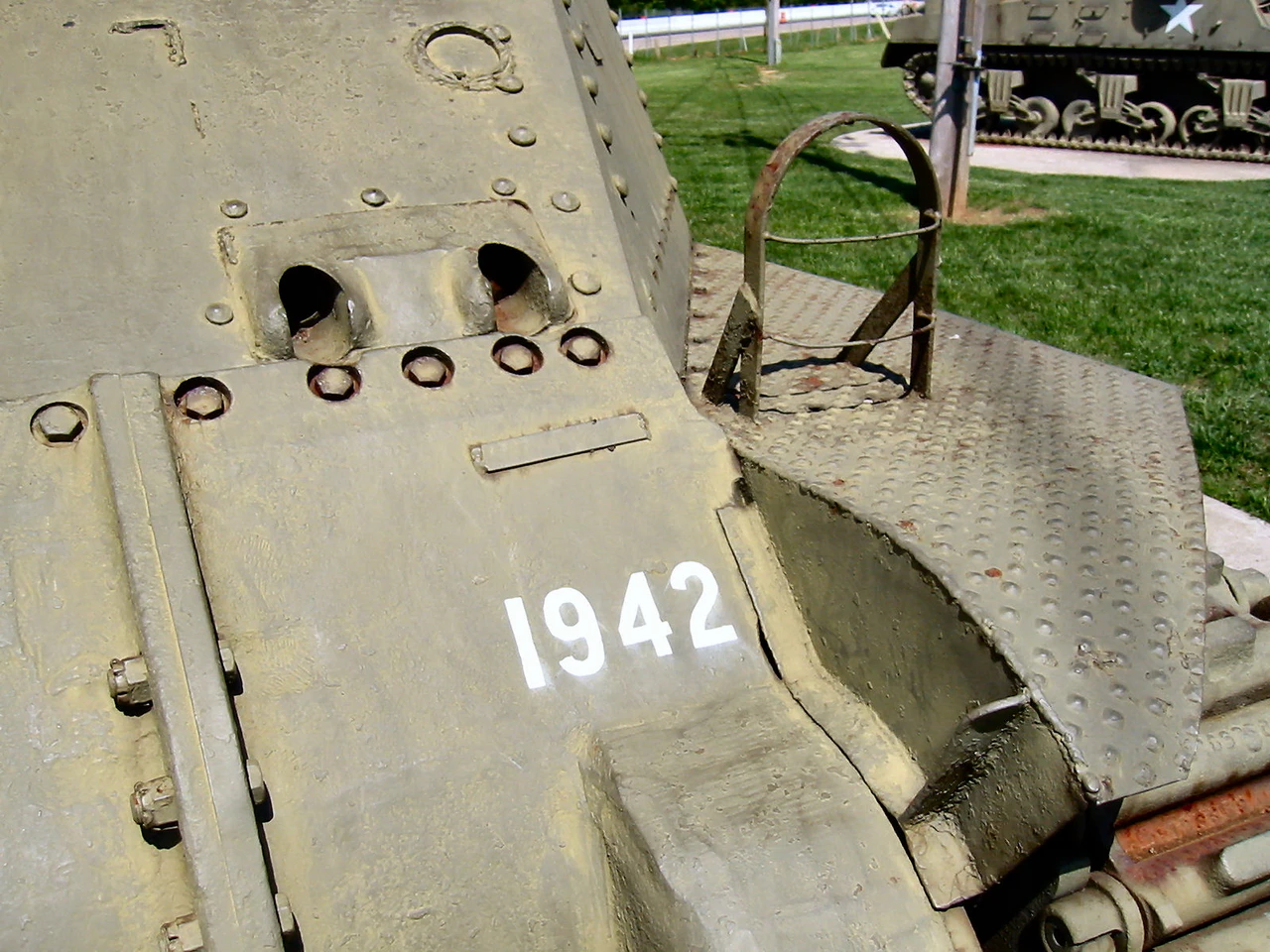
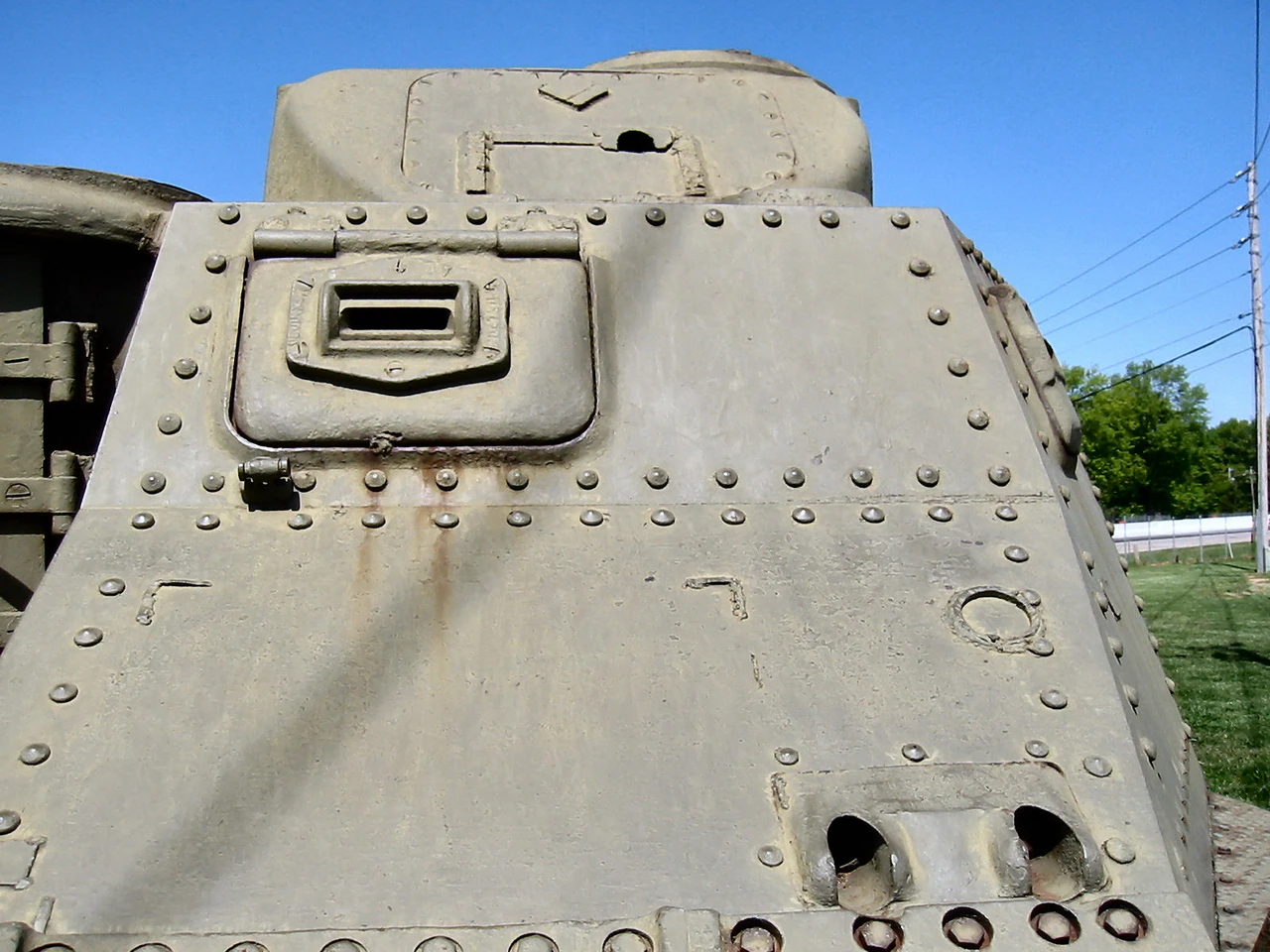
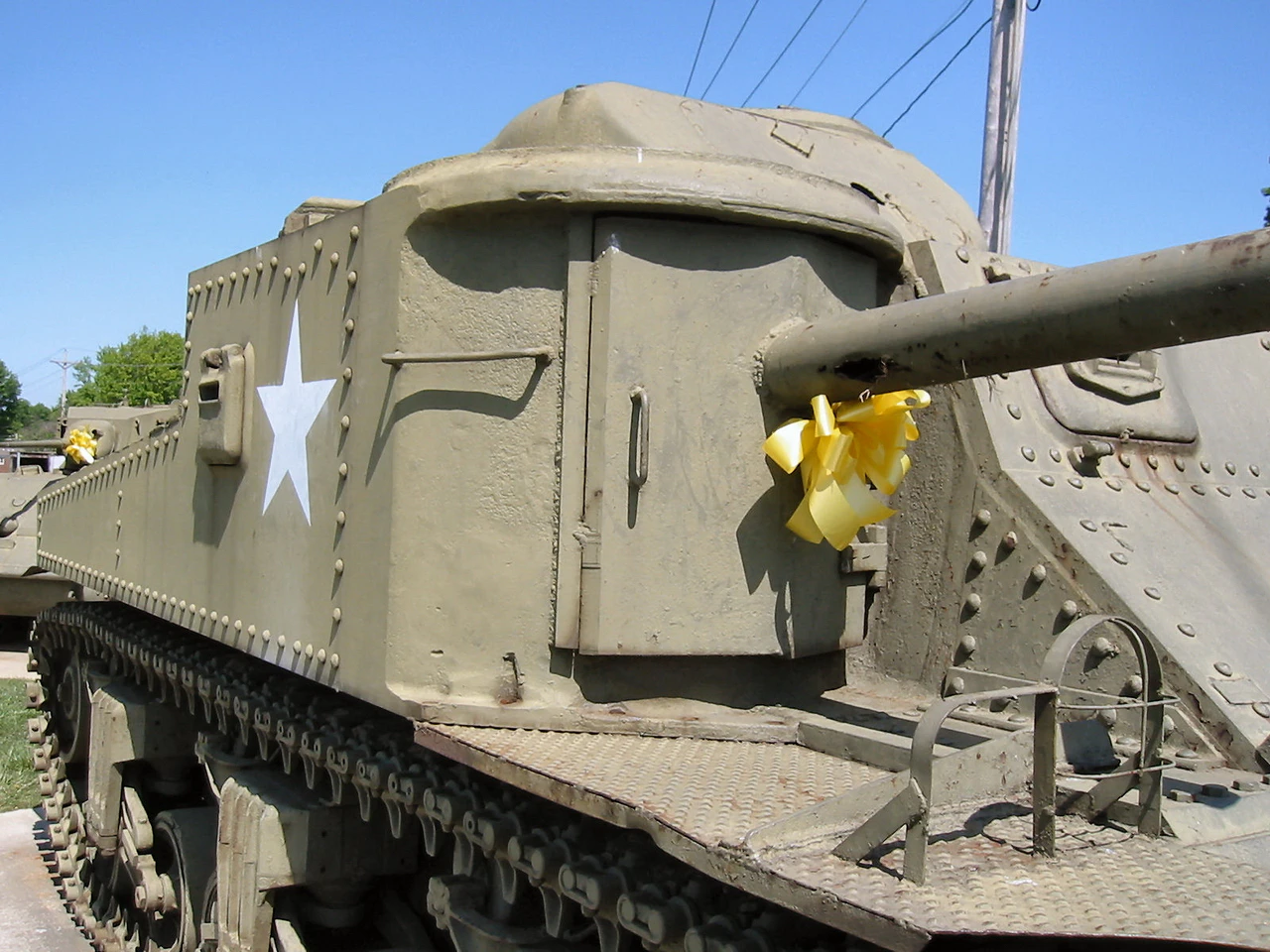
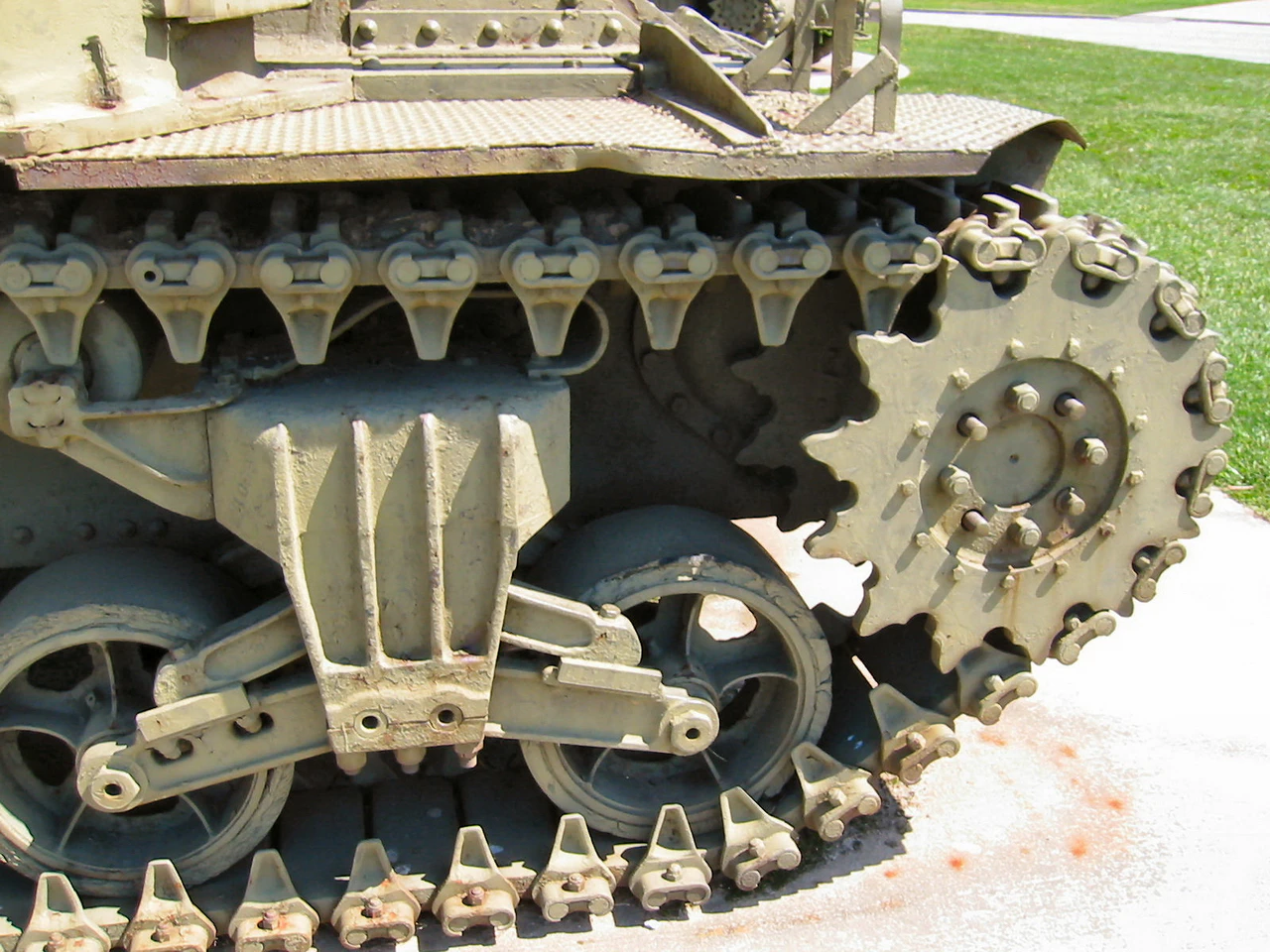
Fotogalleri af en M31B1 tank opsving køretøj, The Medium Tank M3 was an American tank used during World War II. In Britain, the tank was called by two names based on the turret configuration and crew size. Tanks employing US pattern turrets were called the “Lee”, named after Confederate General Robert E. Lee. Variants using British pattern turrets were known as “Grant”, named after U.S. General Ulysses S. Grant. M31B1 tank opsving køretøj: Based on M3A3.
Kilde: M31B1 på Wiki
| M31B1 | |
|---|---|
| Fotograf | Vladimir Yakubov |
| Lokalisering | Patton Museum |
| Billeder | 94 |

 Køb mig en kop kaffe
Se også:


| M31B2 TRV (Tank Recovery Vehicle) | |
|---|---|
| M31B2 | Tank Recovery Vehicle baseret på M3A5 |
| Fotograf | Dmitry Kiyatkin |
| Lokalisering | Unknow |
| Billeder | 22 |
| M31 B2 ARV | |
|---|---|
| Fotograf | Unknow |
| Lokalisering | |
| Billeder | 22 |
The First Heavy Lifter
Before the M88 took over the role, the M31B1 was the primary recovery vehicle for American armored divisions. Built on the chassis of the obsolete M3 Lee/Grant medium tank, it was a clever piece of recycling. The “B1” designation indicated it was specifically converted from the M3A3 (the welded-hull, diesel-powered variant). To the untrained eye, it looked like a combat tank, but its “guns” were actually dummies designed to deter enemy infantry while the crew performed the dangerous work of winching a stuck Sherman out of the mud.
| Attribute | Technical Specification (M31B1) |
|---|---|
| Rolle | Armored Recovery Vehicle (ARV) |
| Besætning | 6 (Commander, Driver, and Maintenance Crew) |
| Chassis | M3A3 Lee (Welded Hull) |
| Kraftværk | 1 × General Motors 6046 (Twin 6-cylinder diesel) |
| Horsepower | 375–410 hp |
| Winch Capacity | 27,215 kg (60,000 lbs) |
| Crane (Boom) Lift | 4,535 kg (10,000 lbs) |
| Defensive Armament | 2 × .30 cal machine guns (Cowl and AA mount) |
Design Engineering: Deception and Leverage
- Dummy Weaponry: To prevent enemy anti-tank gunners from prioritizing the recovery vehicle, the M31 kept the silhouette of the M3 Lee. The 75mm gun in the sponson and the 37mm in the turret were replaced with hollow wooden or steel tubes.
- Gar Wood Winch: The heart of the M31 was its massive internal winch. It could be routed out through the front or the rear of the vehicle, allowing the crew to pull from whichever direction was safest or most efficient.
- The “A-Frame” Boom: A folding crane was mounted on the rear. When stowed, it lay flat against the hull; when deployed, it could lift engines, transmissions, or even light light tanks for field repairs.
- Storage Sponsons: Since the 75mm gun was removed, the large internal space was converted into a massive tool chest, holding oxygen-acetylene torches, welding equipment, and tow bars.
Combat History: Towing Through Europe
- The Diesel Advantage: The B1 model used the GM 6046 diesel engine, which was highly prized for its immense torque—perfect for towing a 30-ton Sherman—and its lower fire risk compared to the gasoline-powered M31 variants.
- Normandy and Beyond: M31s landed shortly after the first wave of tanks. They were vital in clearing the narrow roads of the “Bocage” country in France, where a single disabled tank could halt an entire division’s advance.
- Transition to the M32: While the M31 did the heavy lifting early on, it was eventually supplemented and replaced by the M32 ARV, which was built on the more modern M4 Sherman chassis. However, the M31B1 remained in service until the end of the war due to its ruggedness.
- The British “Grant ARV”: The British also utilized this design, converting their Grant tanks into ARVs, which served with great success in the North African desert where mechanical breakdowns were frequent.
Visninger : 3707