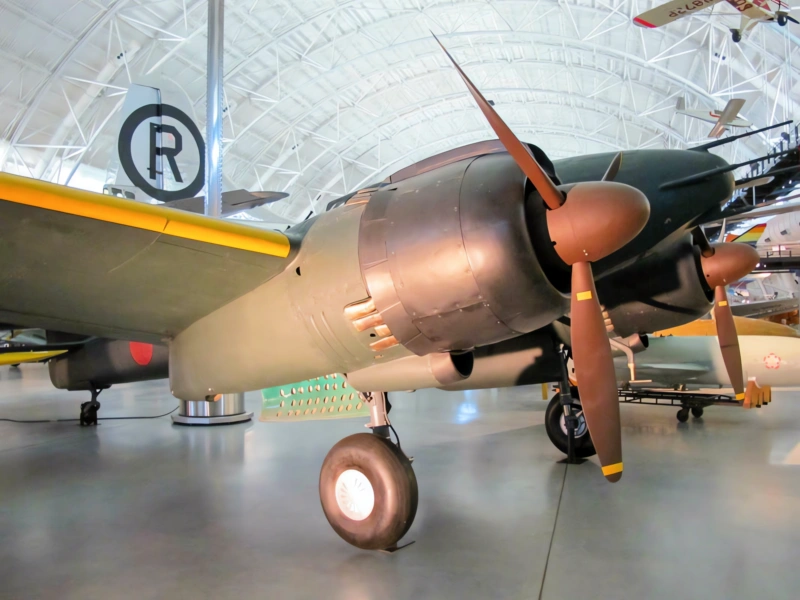
Накаджима J1N1-S Геко | |
| Страна | Япония |
| Тип | Двудвигателни въздухоплавателни средства |
| Снимка | Владимир Якубов |
| Намерите | Национален музей на въздуха и космическото пространство |
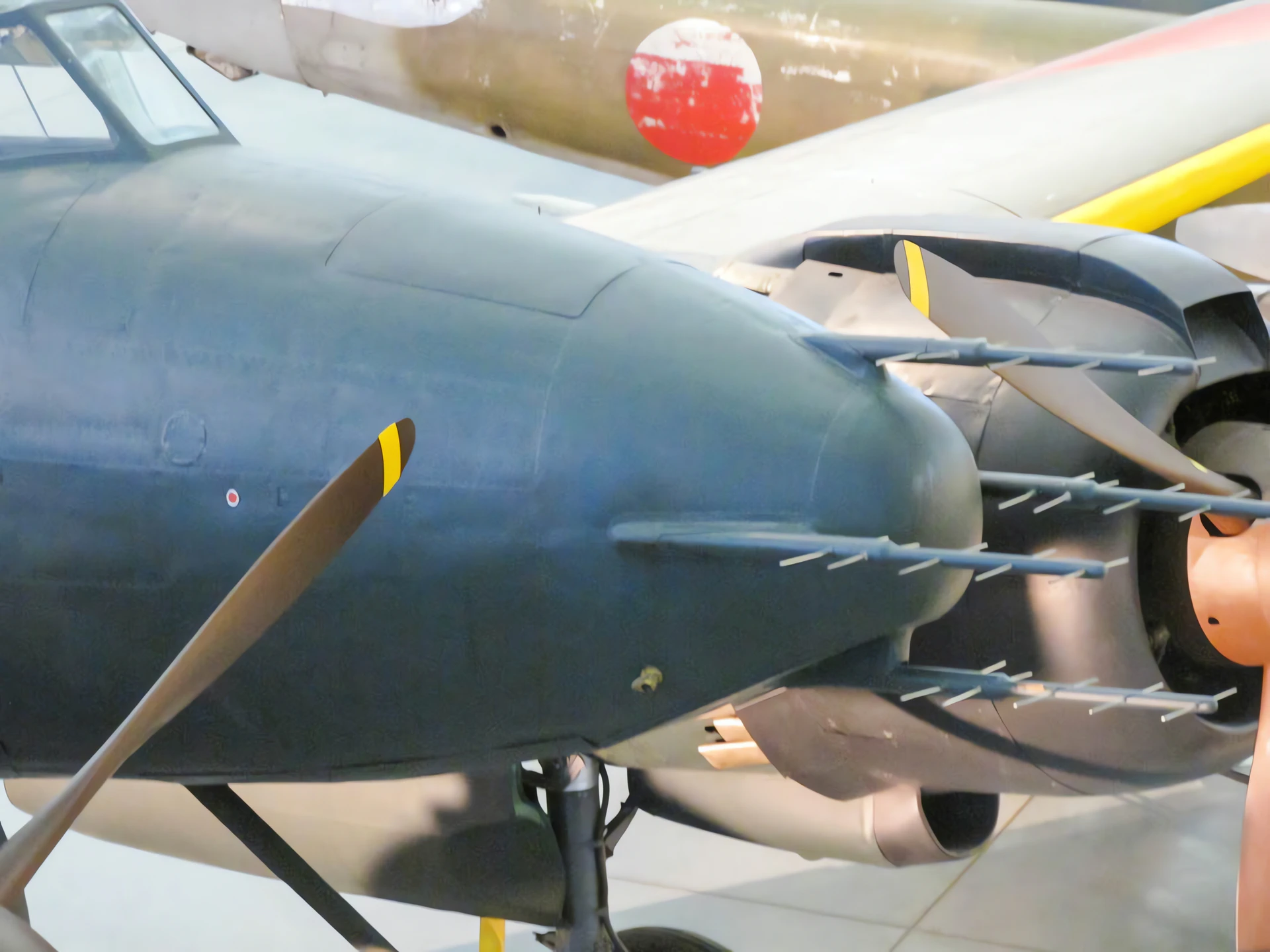
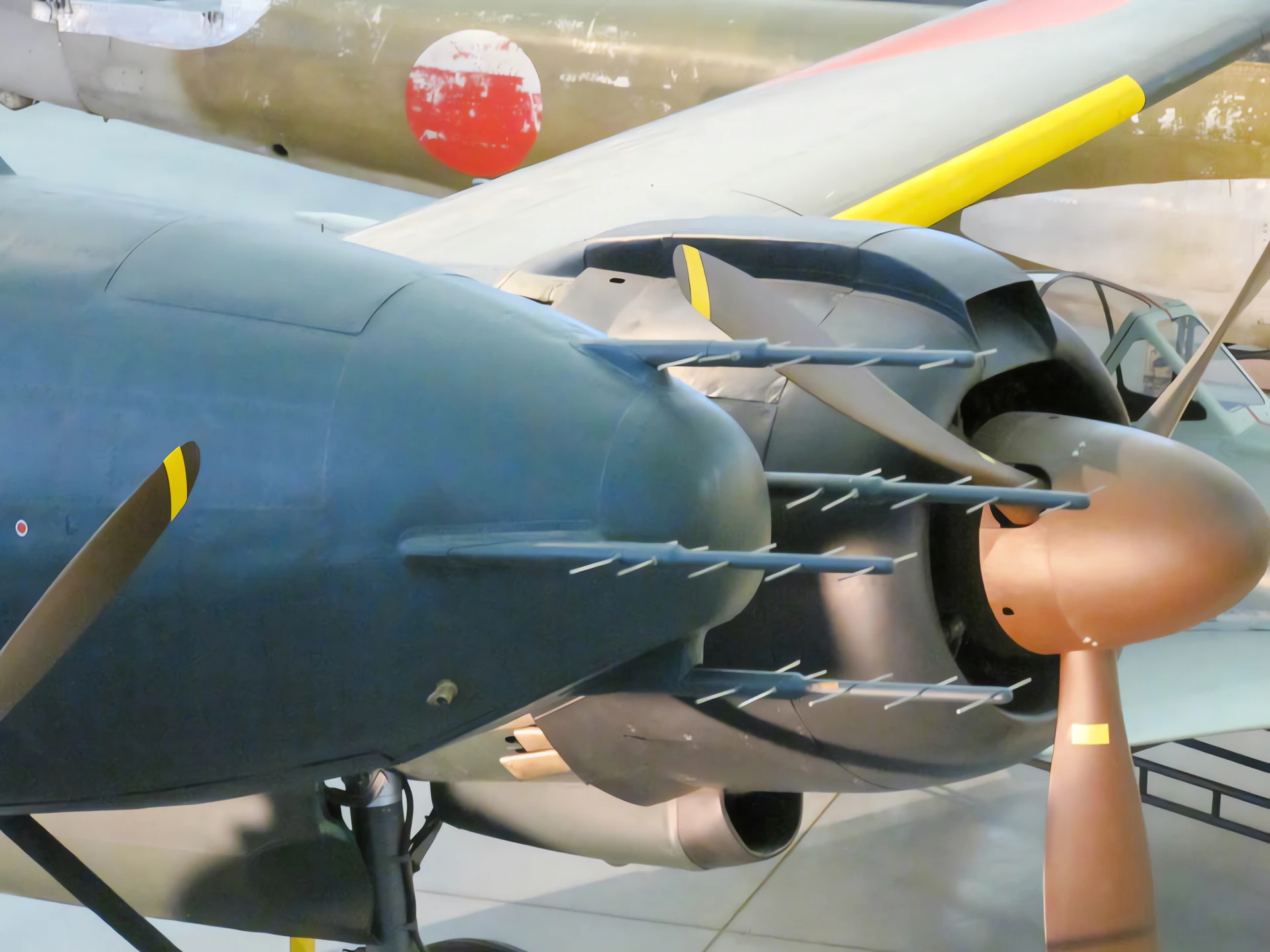
| Описание | Албум на 64 снимки разходка около а «Nakajima J1N1-S Геко» |
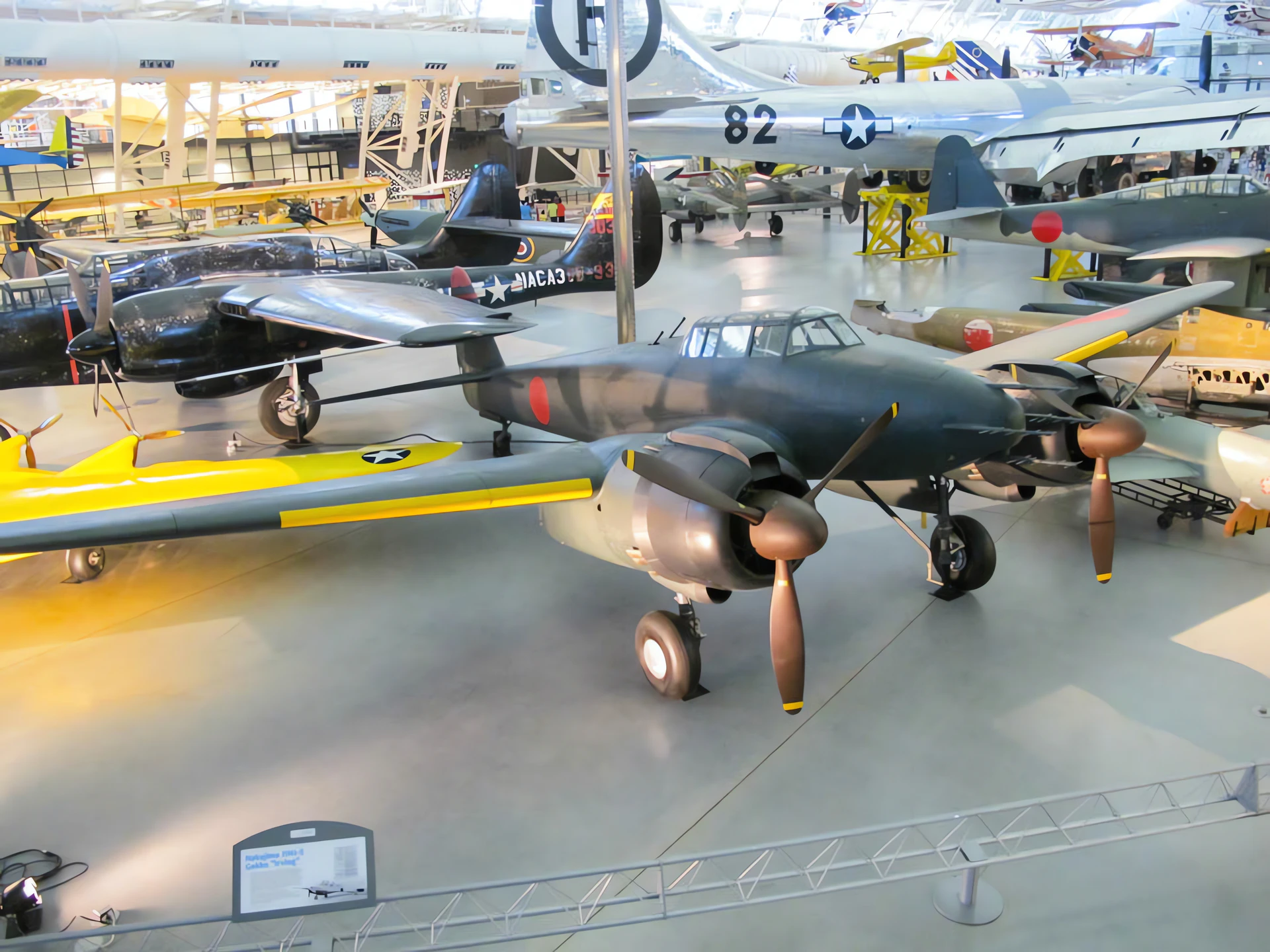
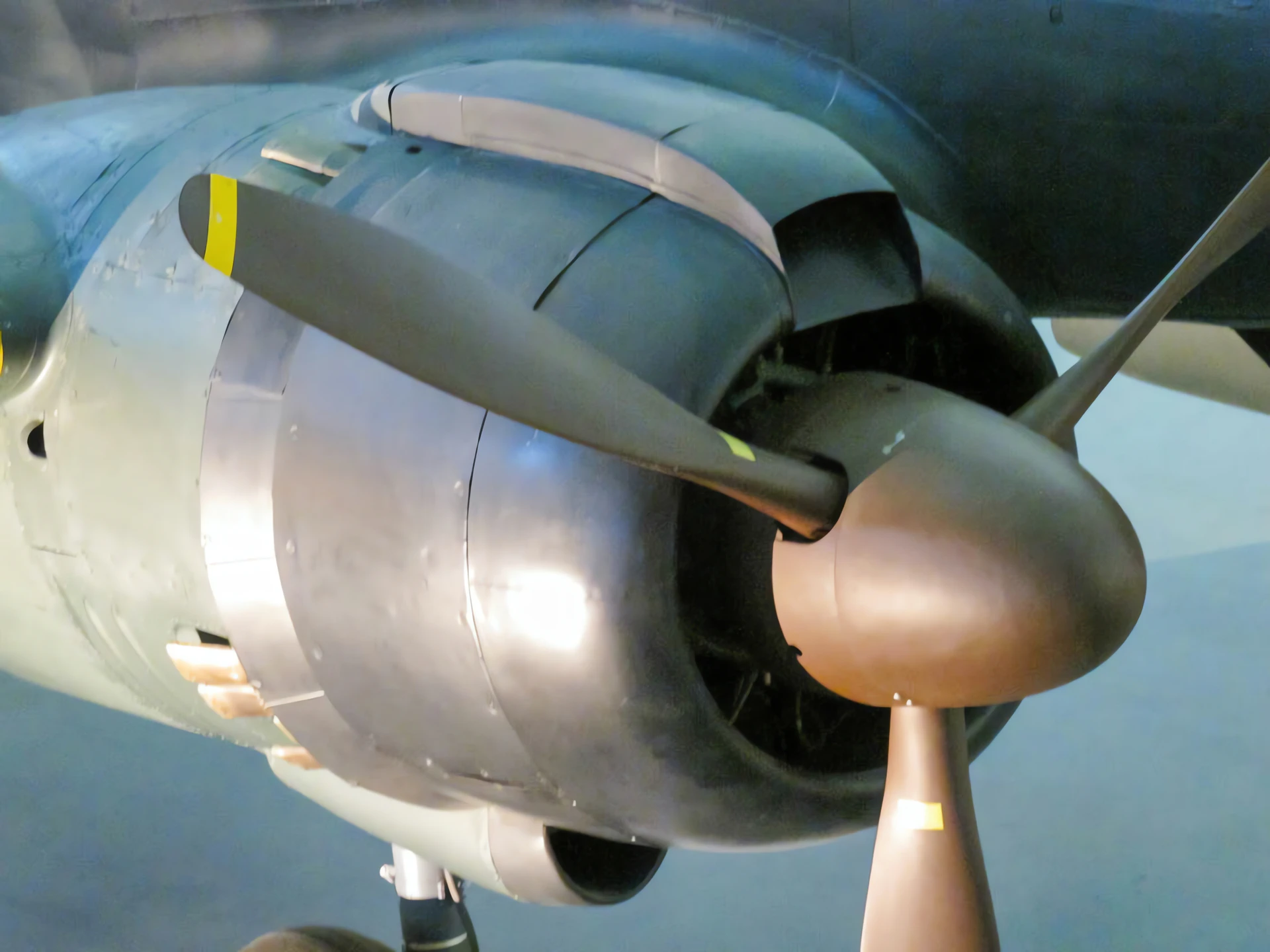
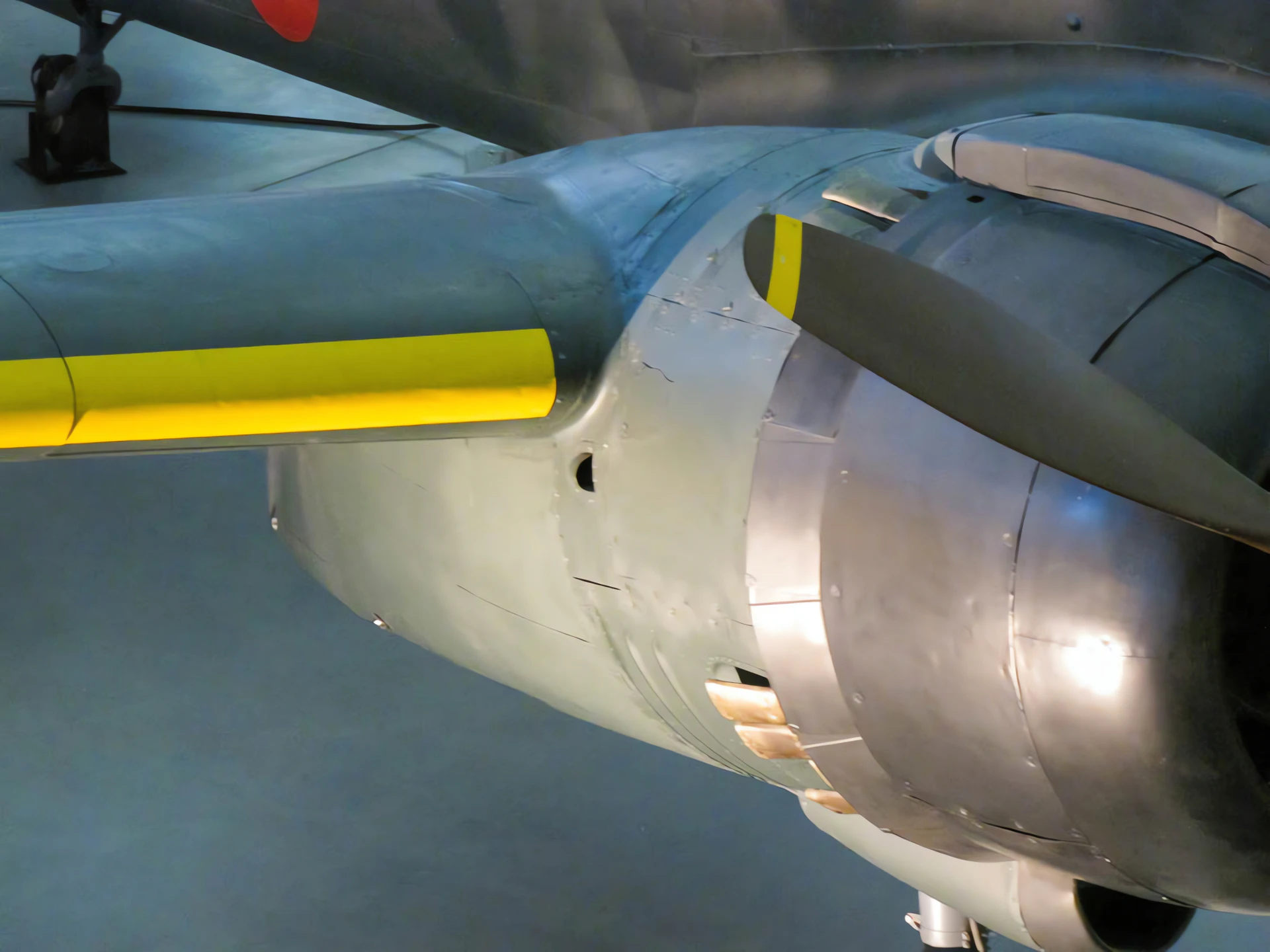
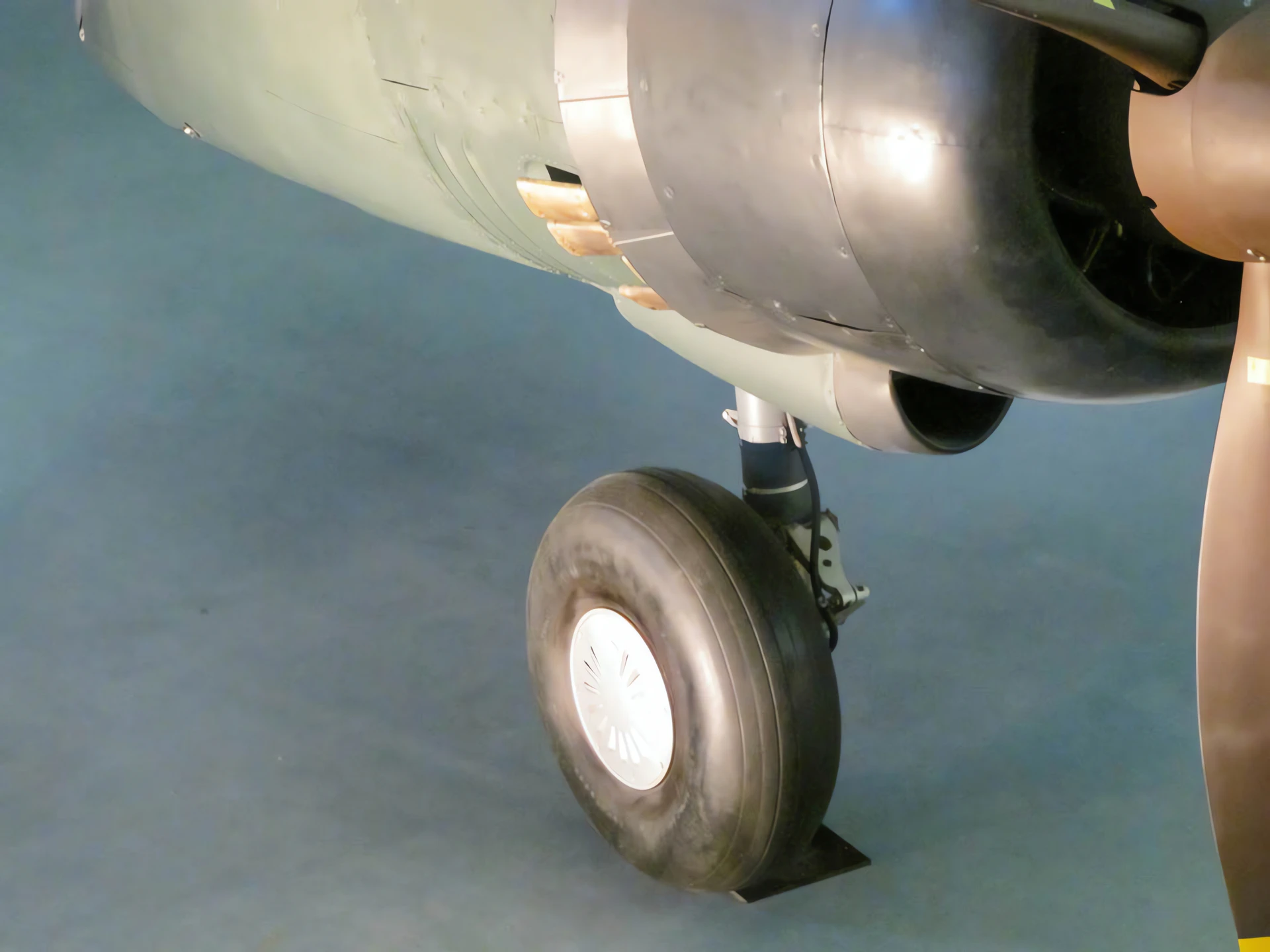
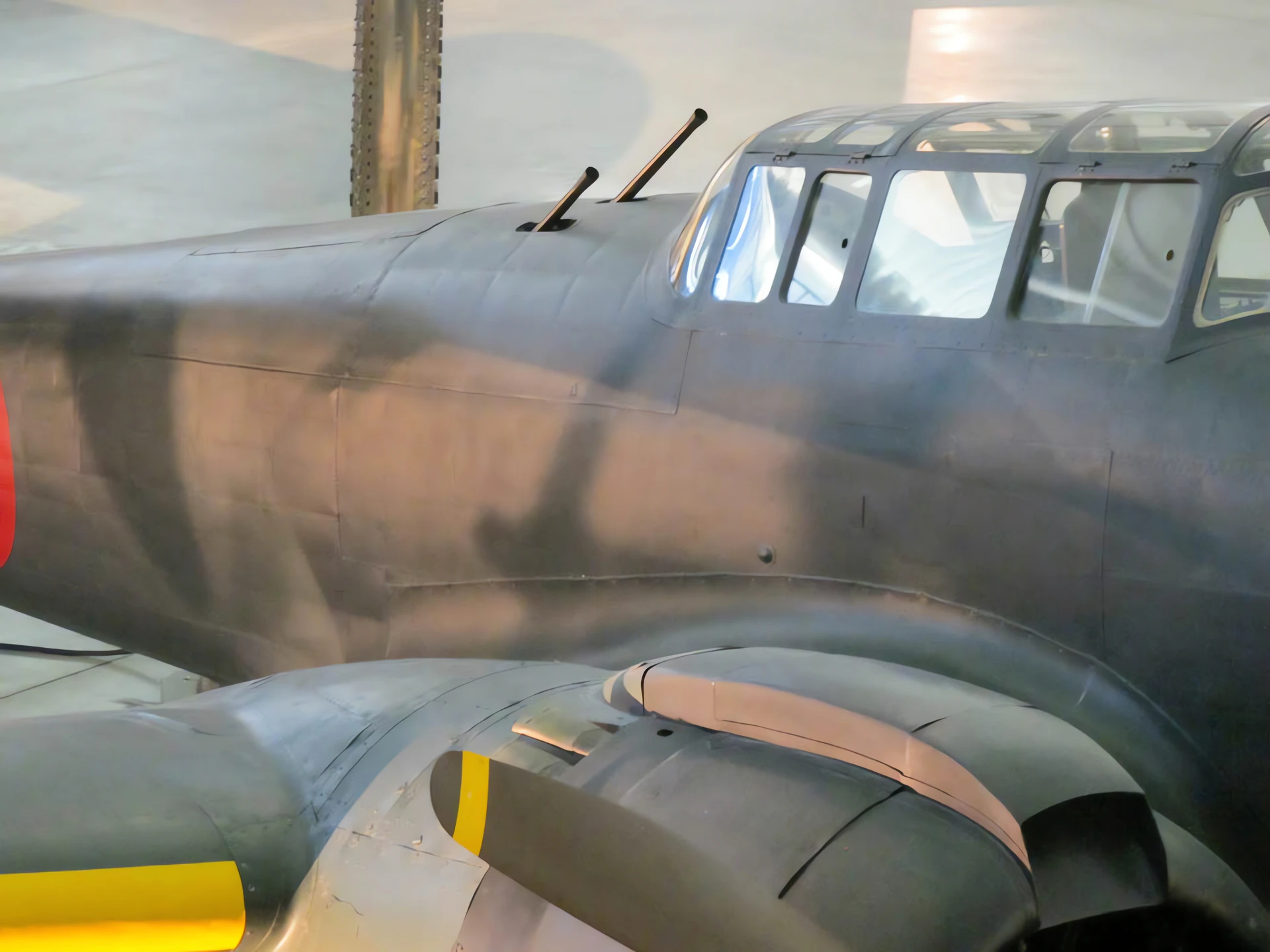
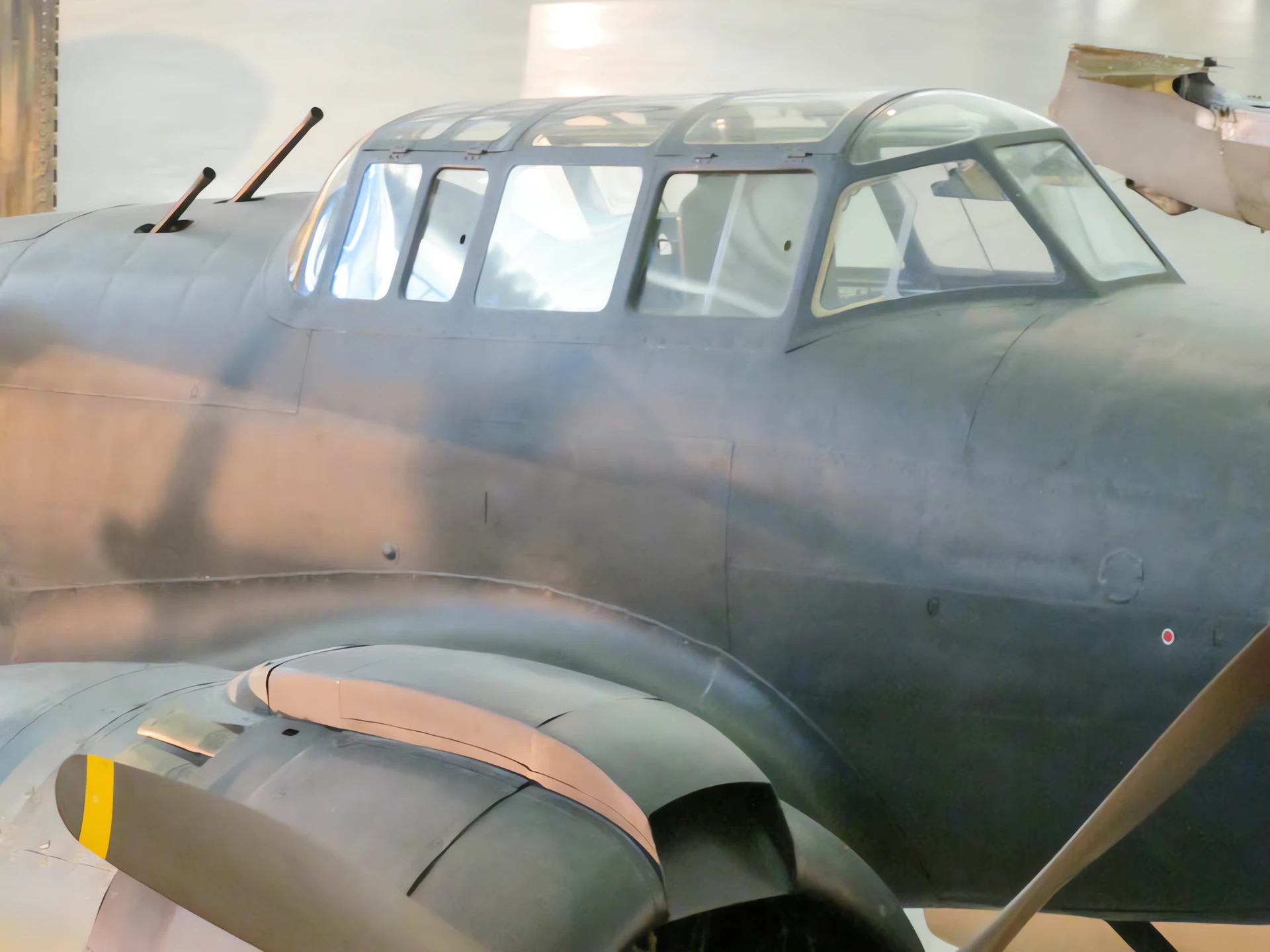
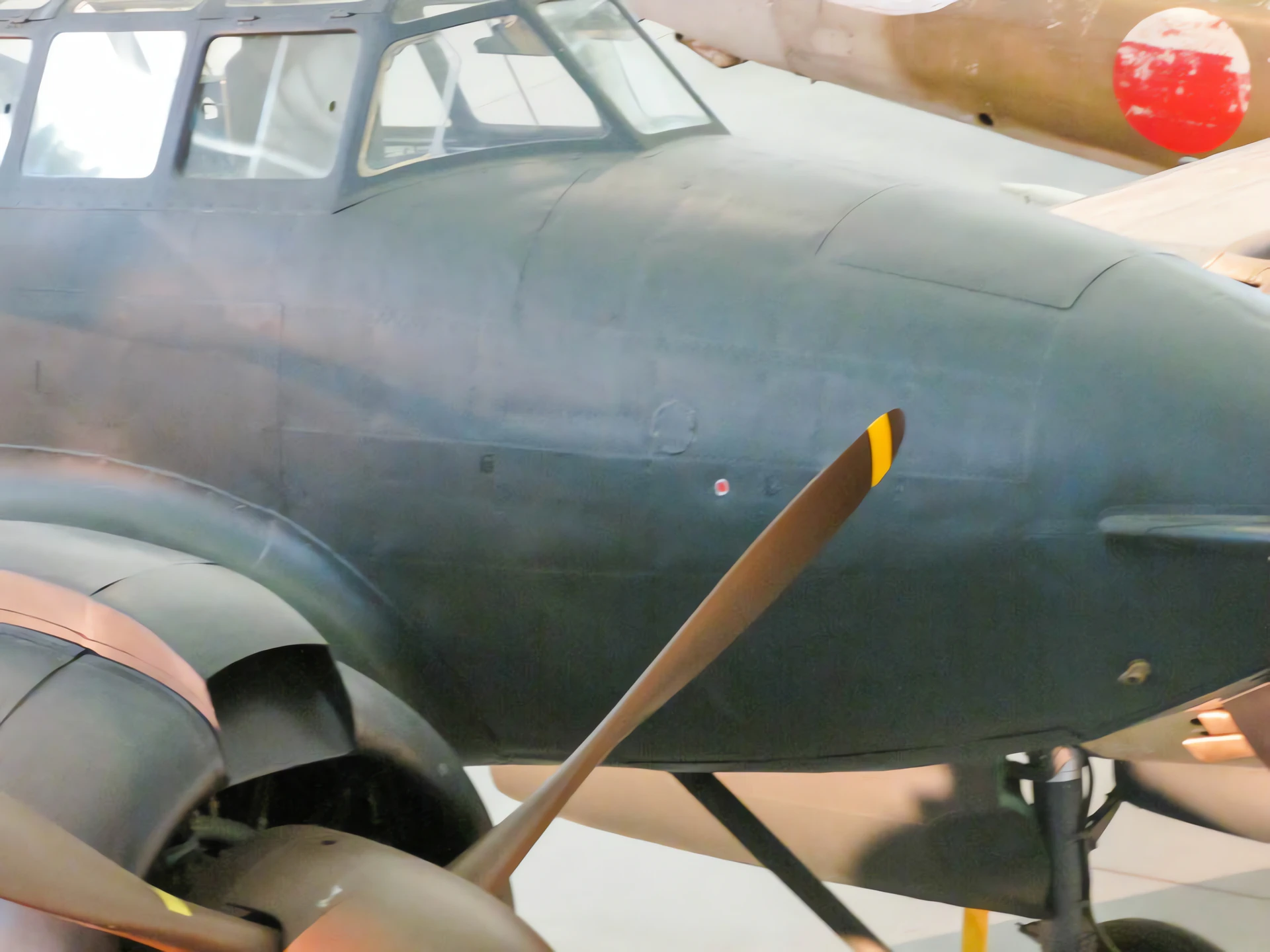
Фото галерия на Накаджима J1N1-S Геко, The Nakajima J1N1 Gekko (月光 “Moonlight”) was a twin-engine aircraft used by the Japanese Imperial Navy during World War II and was used for reconnaissance, night fighter, and kamikaze missions. The first flight took place in May 1941. It was given the Allied reporting name “Irving”, since the earlier reconnaissance version the J1N1-C, was mistaken for a fighter.
Източник: Накаджима J1N1-S Геко на Уики

| Спецификации | |
|---|---|
| Роля | Изтребител Самолет |
| Производителя | Самолетна компания Накаджима |
| Първи полет | май 1941 г. | Въвеждането | 1942 |
| Пенсиониран | 1945 |
| Брой построени | 479 |
 Купи ми кафе
Вижте също:


1. Накаджима J1N1-S Геко was a twin-engine fighter developed by the Nakajima Aircraft Company for the Japanese Imperial Navy during World War II. It was originally designed as a long-range escort fighter, but it proved to be too slow and heavy for that role. Instead, it was modified into a reconnaissance plane, and later into a successful night fighter and kamikaze attacker. The J1N1-S Gekko had a crew of two, a pilot and a navigator/radio operator, and was armed with four 20 mm cannons mounted in the fuselage, two firing upwards and two downwards at a 30-degree angle. This allowed the Gekko to attack Allied bombers from above or below, avoiding their defensive fire.
1. Дж1Н1-С Геко also had a radar system to help locate and track enemy aircraft in the dark. The Gekko was given the Allied codename “Irving”, after the earlier reconnaissance version was mistaken for a fighter. The Gekko first saw combat in May 1943, when a field-modified J1N1-C shot down two B-17s over Rabaul. The J1N1-S Gekko was officially introduced in June 1943, and served until the end of the war, mainly in the Pacific theater. It was one of the few Japanese aircraft that could challenge the Allied air superiority at night, and claimed over 200 kills. However, it also suffered heavy losses from Allied fighters and anti-aircraft fire, and many were used in suicide missions in the final stages of the war. The Nakajima J1N1-S Gekko was a versatile and innovative aircraft that demonstrated the Japanese ingenuity and adaptability in the face of adversity.
Гледания : 3868
Можете да видите също :
 Мартин 4-0-4 – Снимки и видео
 Bristol F.2 Fighter – Снимки и видеоклипове
 Northrop JB-1 Bat – Снимки и видеоклипове
 Convair F2Y Sea Dart – снимки и видеоклипове
 Майлс Магистър – Снимки и видео
 Avro Canada VZ-9 Avrocar – Снимки и видеоклипове
 Republic RC-3 Seabee – Снимки и видеоклипове
 Convair C-131 самарянин – снимки и видеоклипове
 Лисунов Ли-2 – мобилна
 P-38L Мардж – мобилна