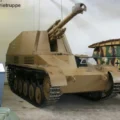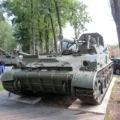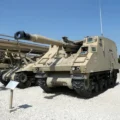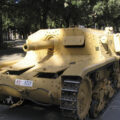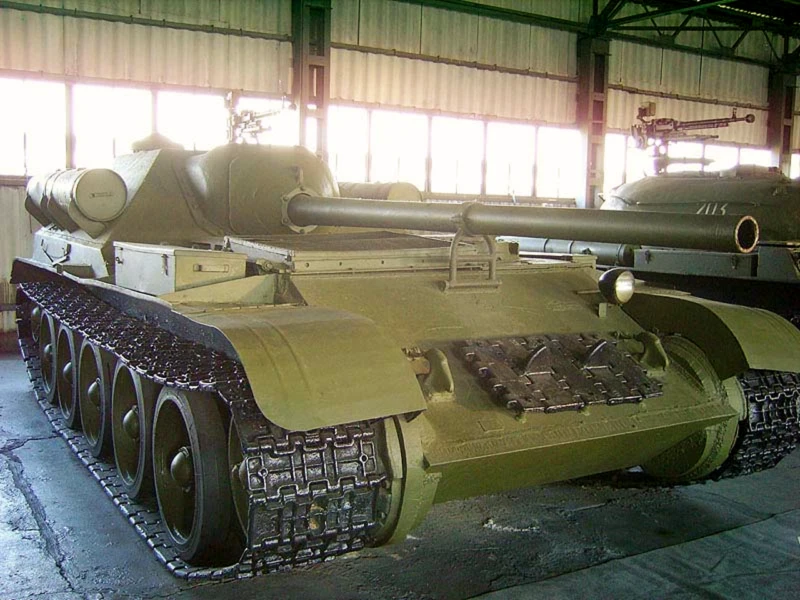
苏-101乌拉尔马什 | |
|---|---|
| 国家 | 苏联 |
| 作用 | 自行火炮(原型) |
| 设计 | 1944-1945 |
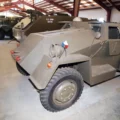
这 乌拉尔马什-1 (Уралмаш-1)是二战期间研制的苏联原型自行火炮。这是一辆无塔、履带式装甲战车,由位于叶卡捷琳堡的乌拉尔马什设计局(UZTM)于1944年秋季至1945年春季设计。它使用T-44中型坦克的底盘,打算取代苏-100,它本身在1944年底才与红军一起服役。乌拉尔马什-1型坦克的两个原型机于1945年初制造,一个带有100毫米D-10坦克枪,另一个带有122毫米D-25S坦克枪。虽然最初建议大规模生产,但1945年5月与德国的战争结束最终导致该项目因缺乏必要性而被取消。如果乌拉尔马什-1已经投入使用, 100毫米变种将被指定为SU-101(СУ-101),而122毫米变种将被指定为SU-102(СУ-102),根据苏联军事名称,"SU"标签代表萨莫霍德纳亚乌斯坦诺夫卡,或自行火炮。
| 苏-101"乌拉尔马什"四处走动 | |
|---|---|
| 摄影师 | 弗拉基米尔·库宾卡盔甲博物馆 |
| 本地化 | 未知 |
| 照片 | 29 |
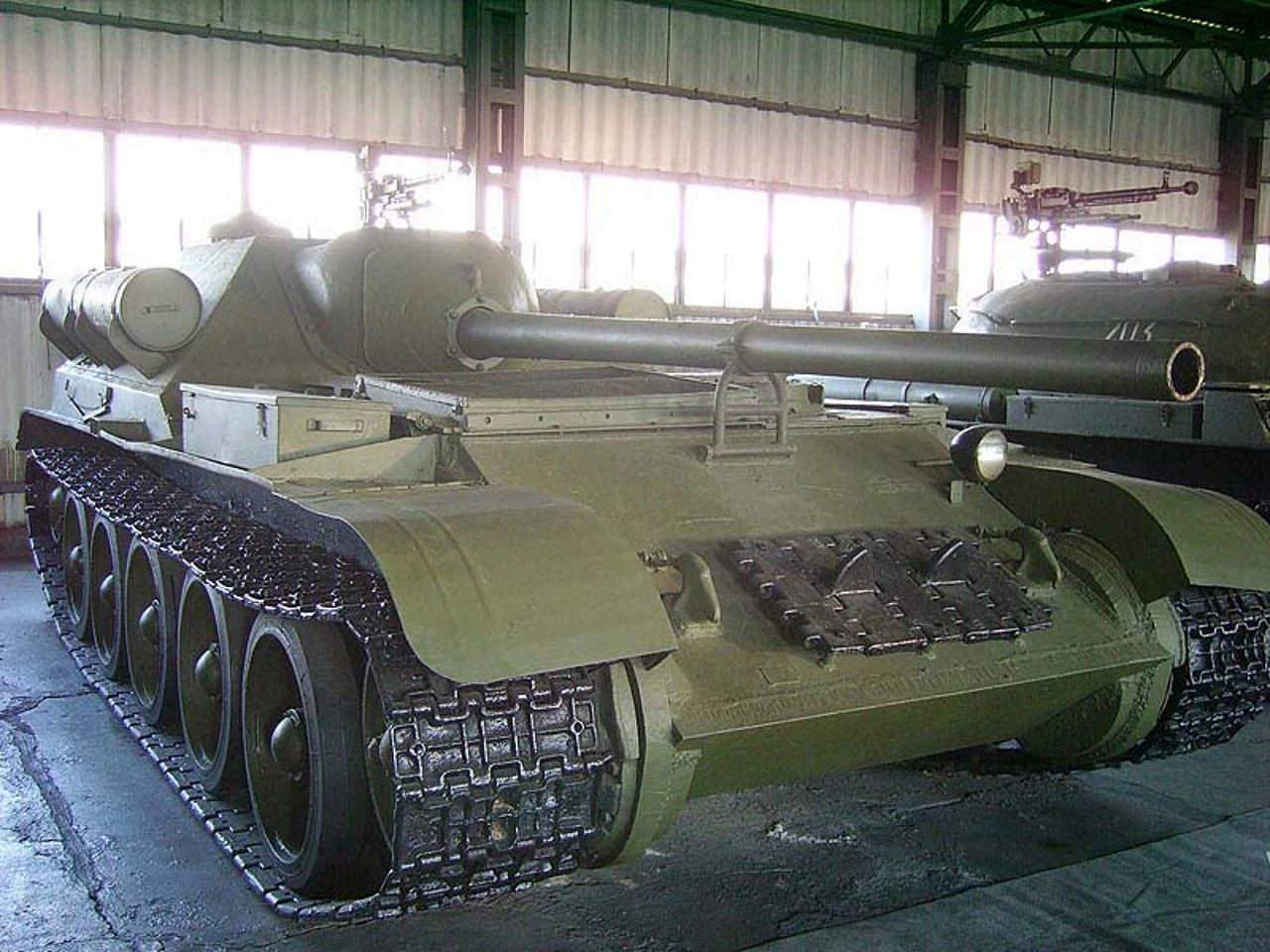
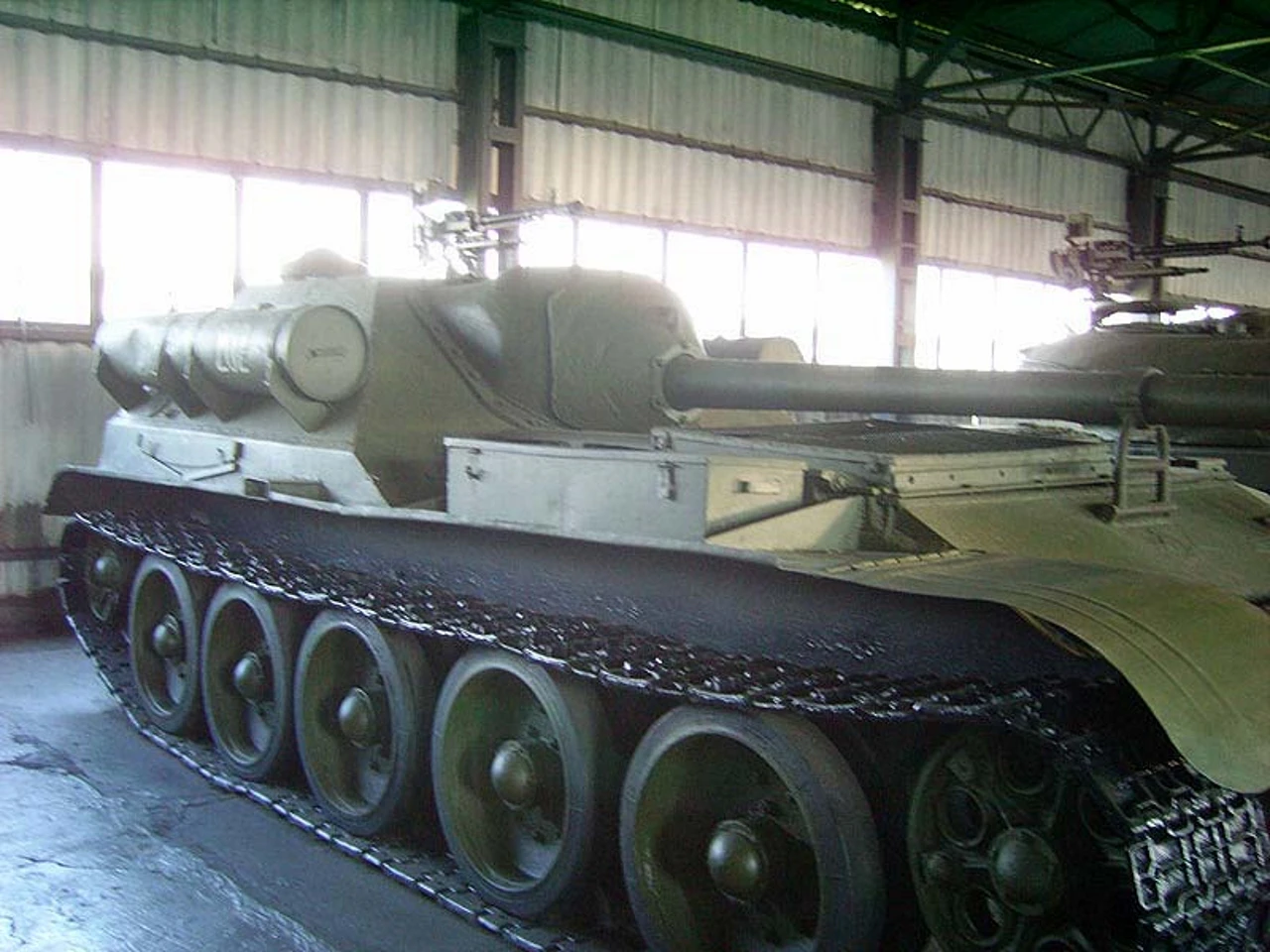
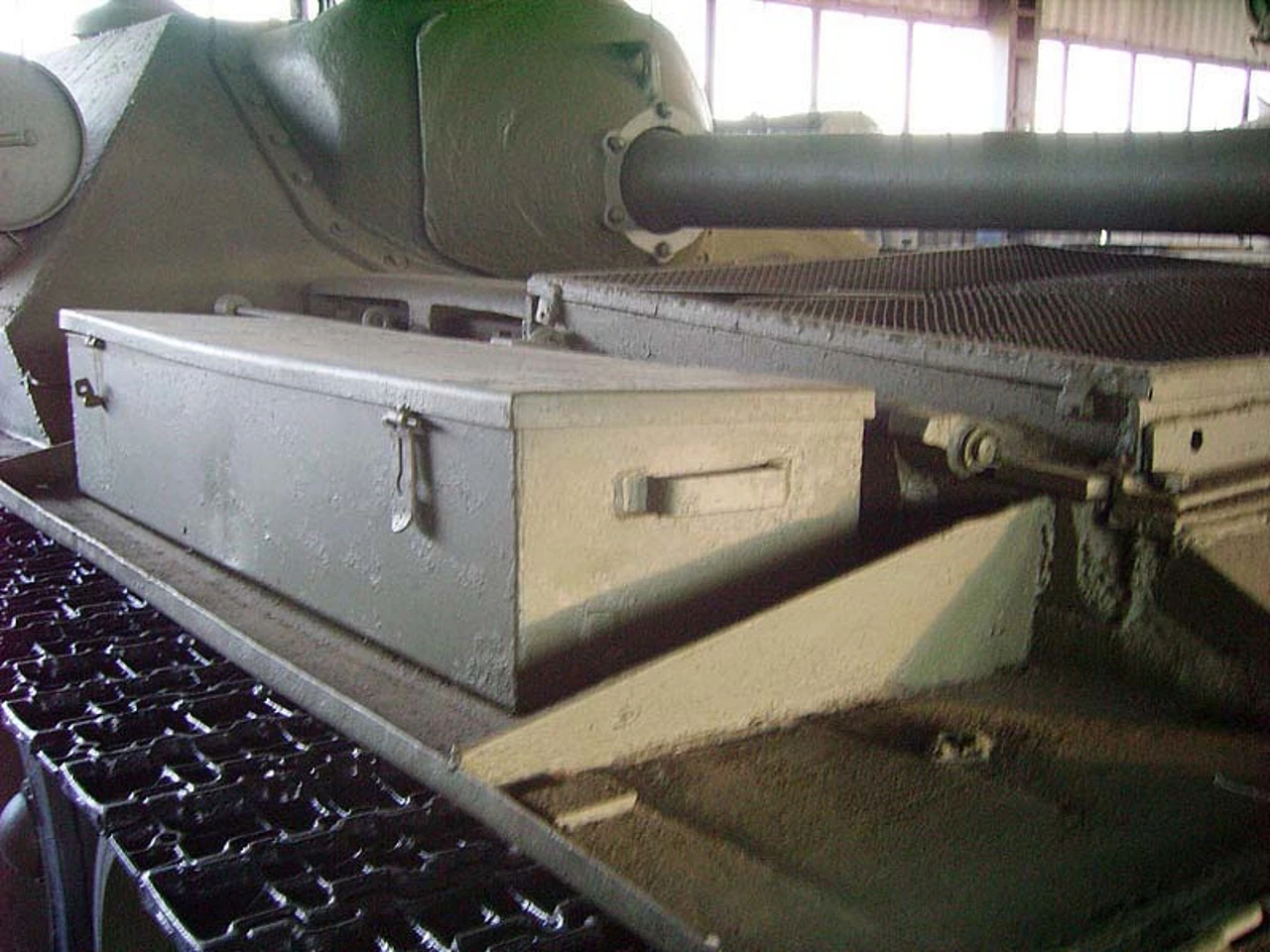
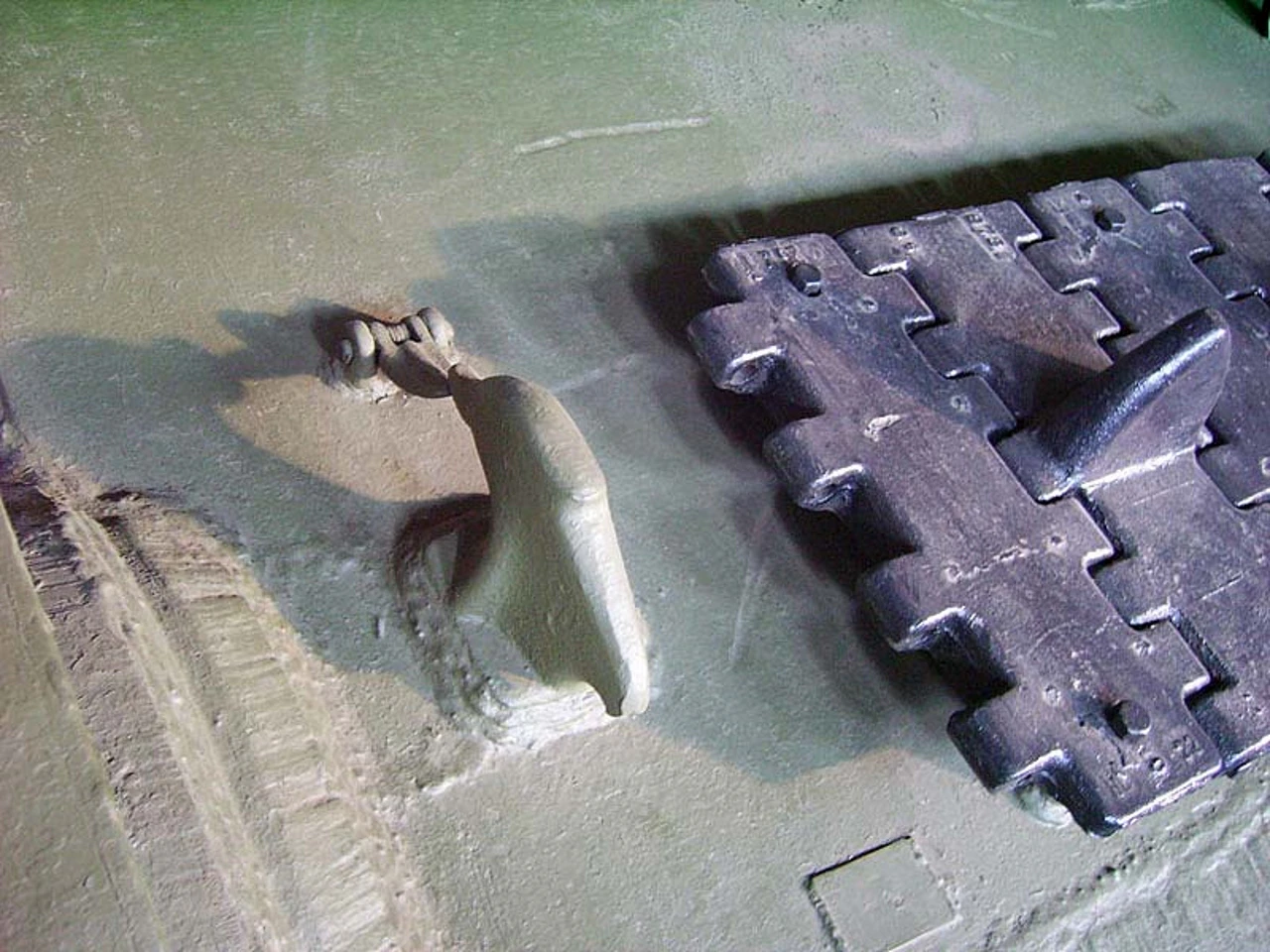
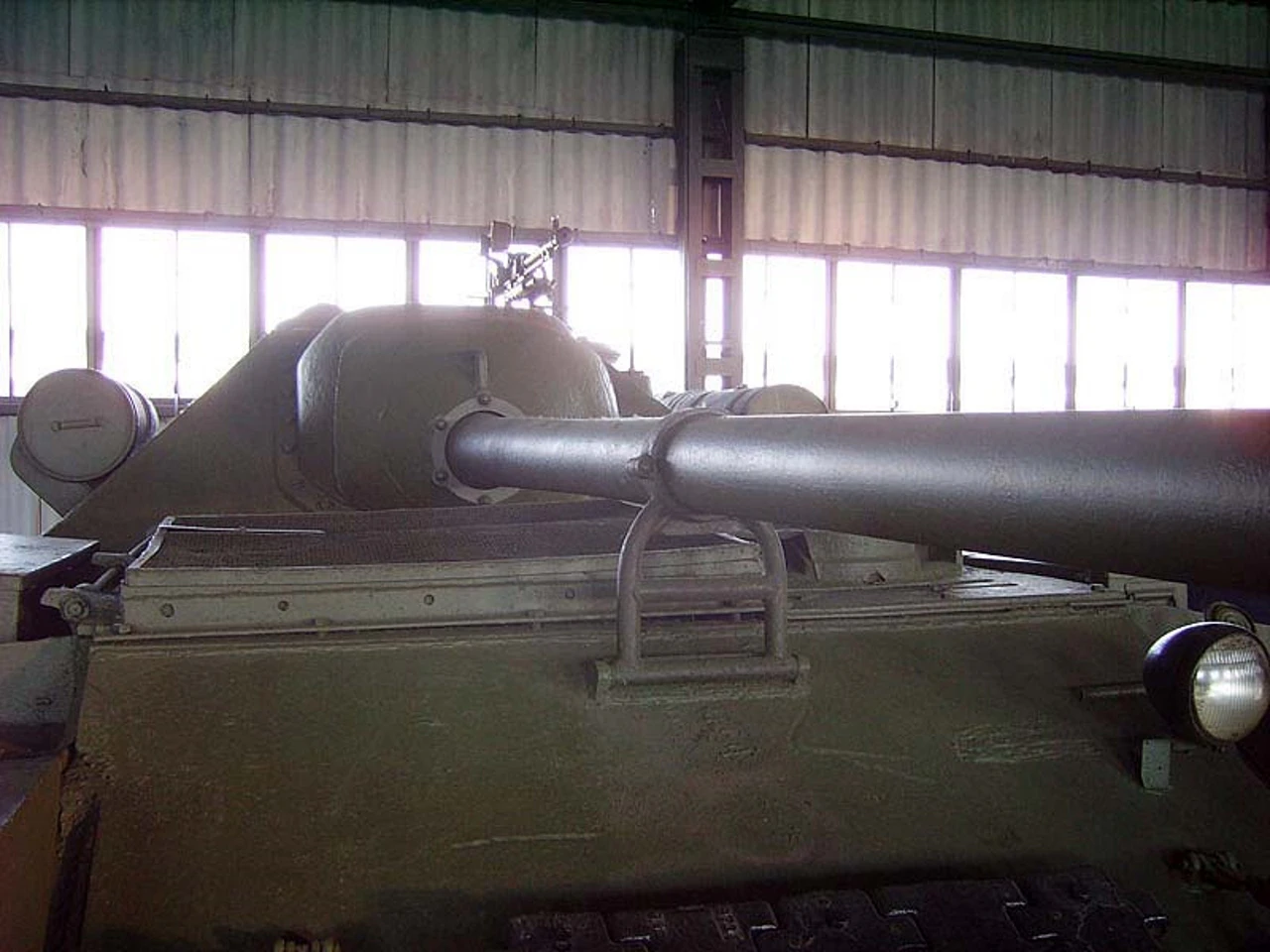
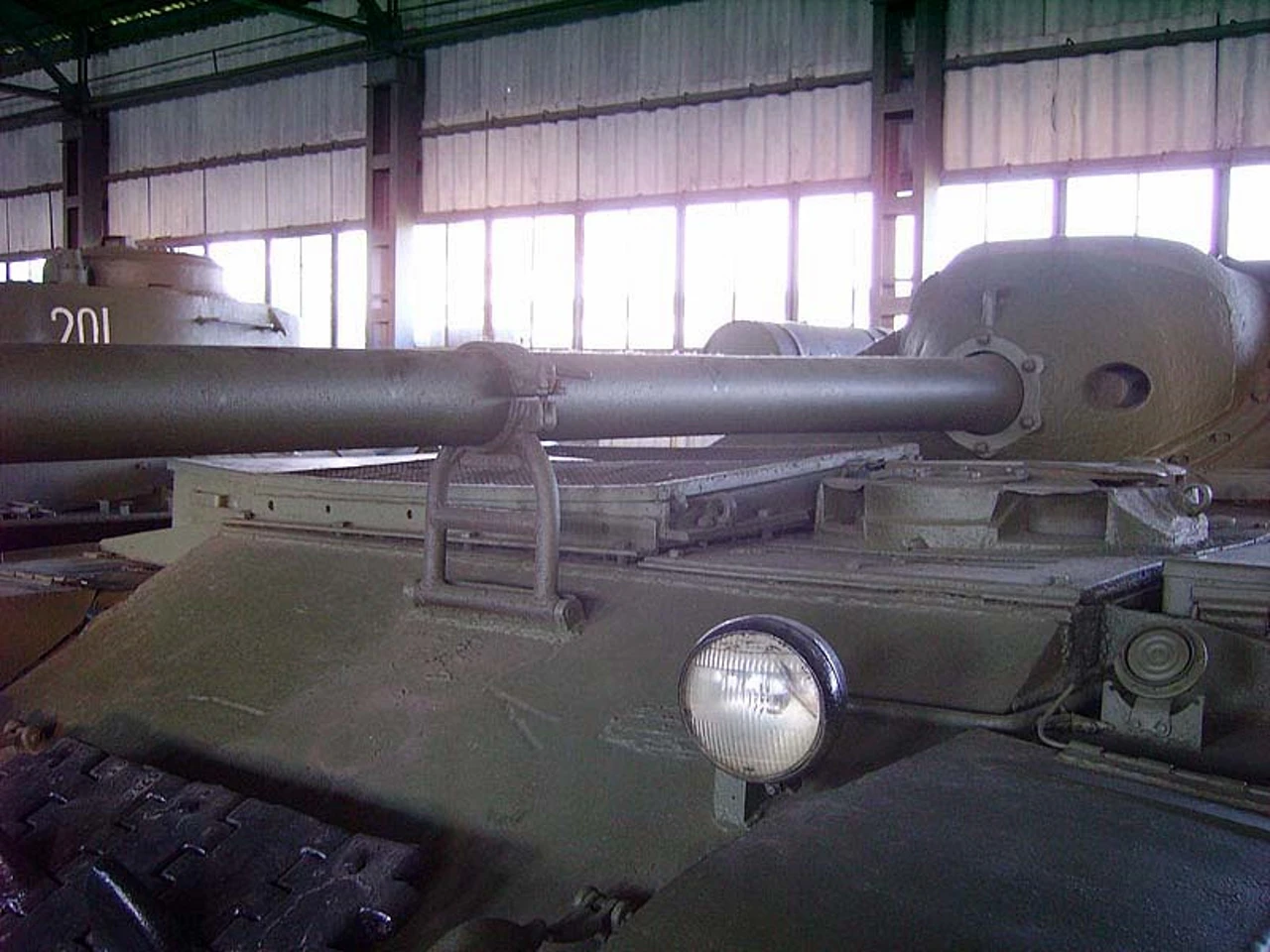
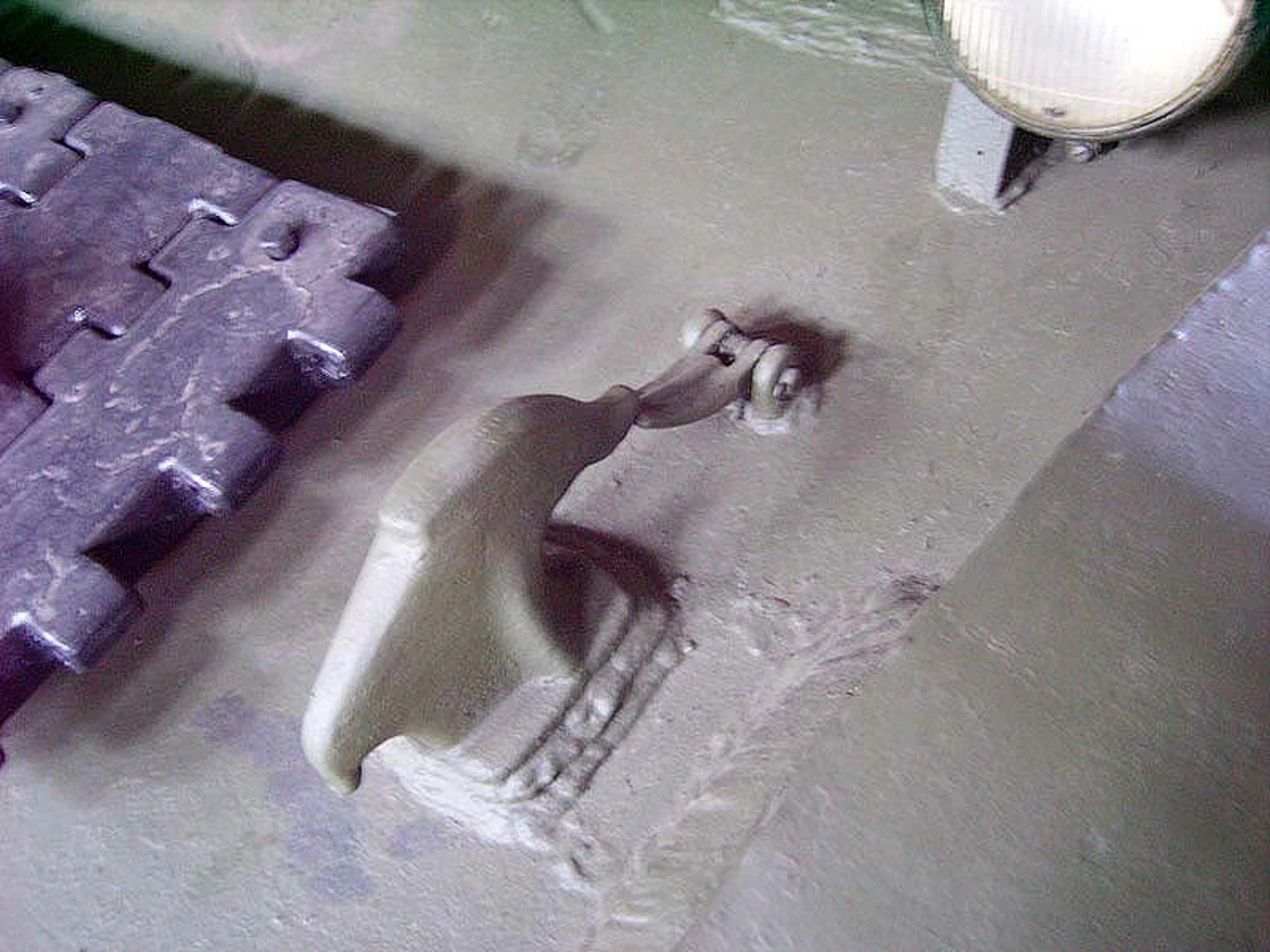
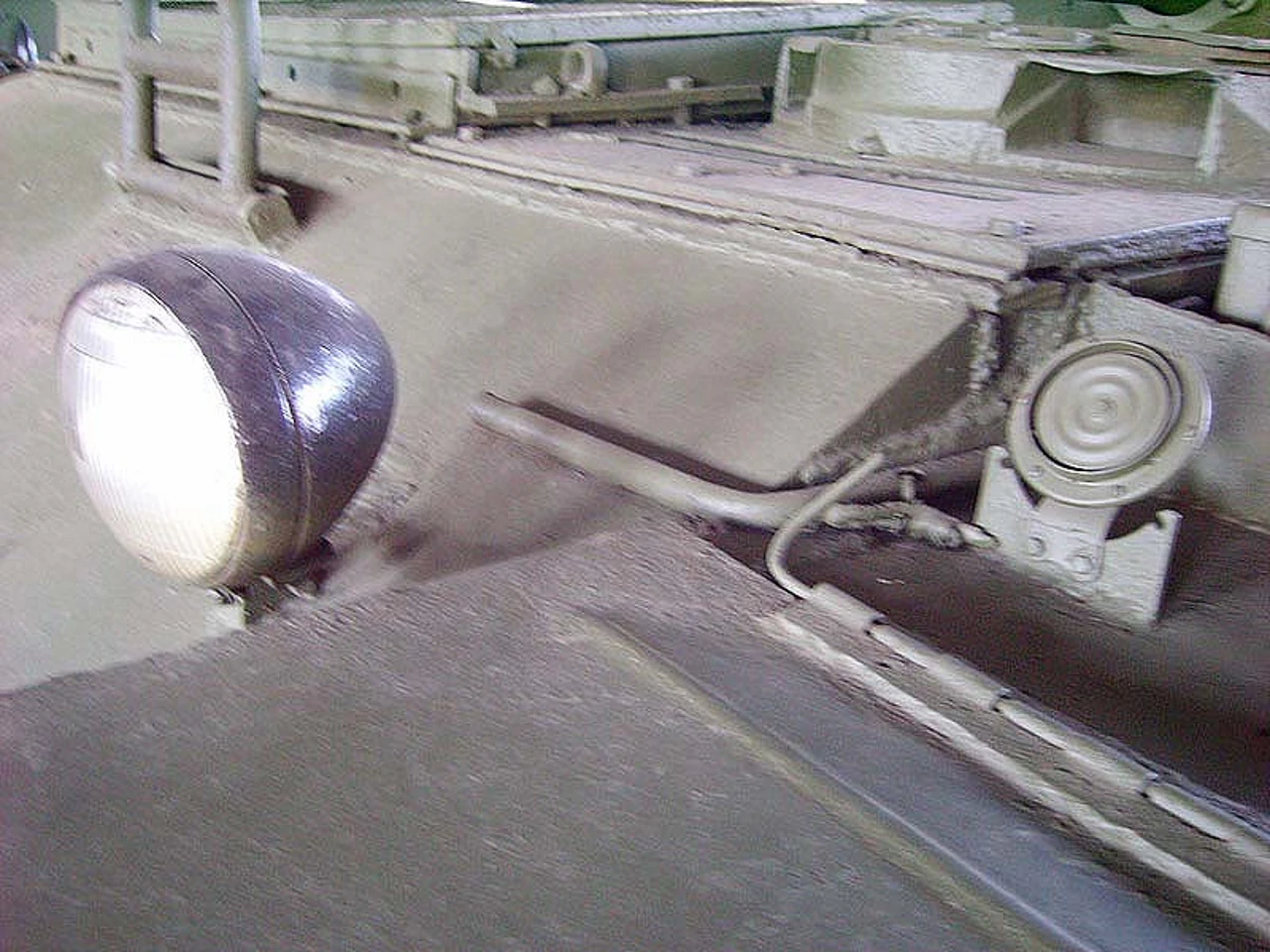
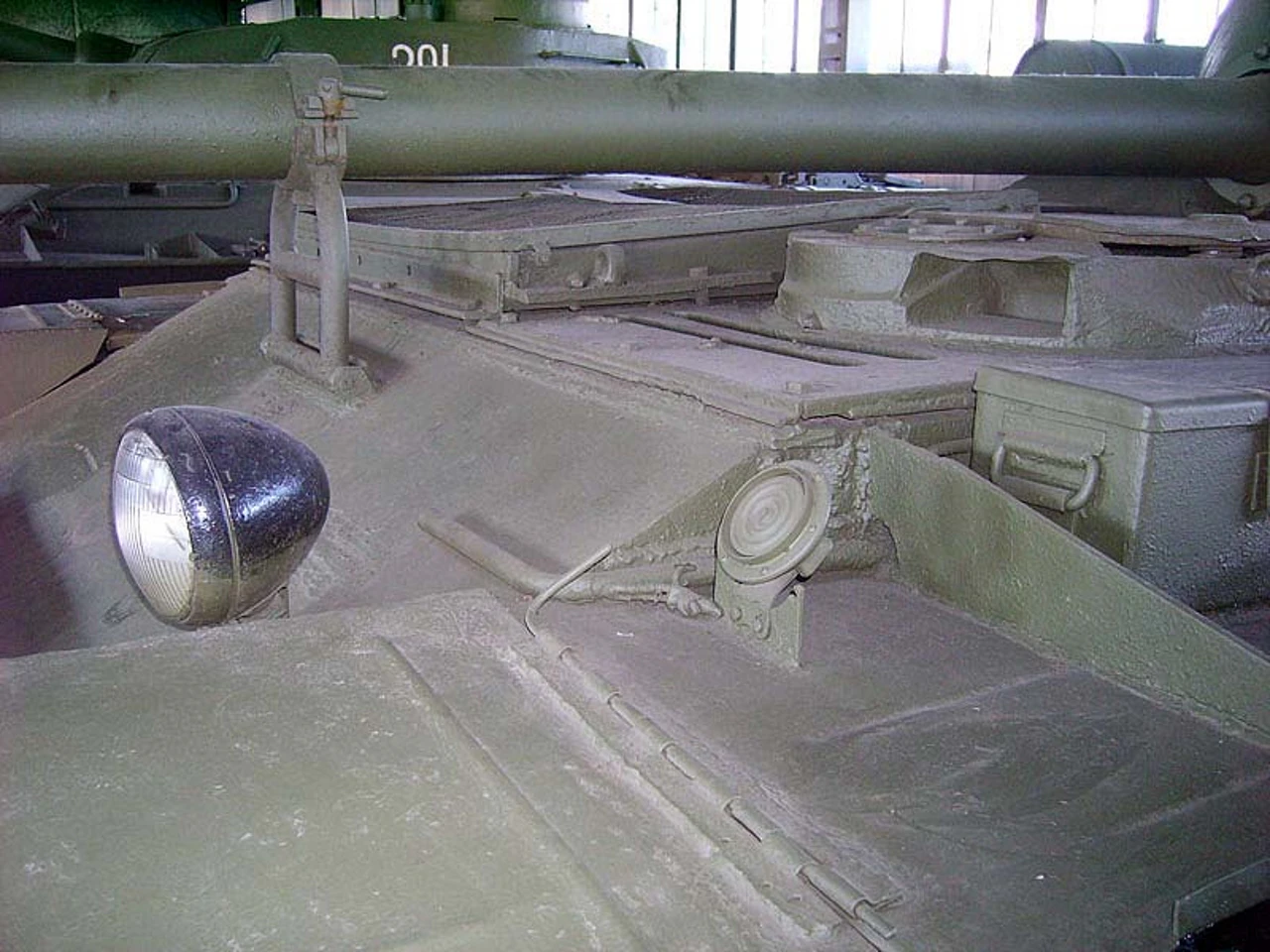

| SU-101乌拉尔马什坦克歼击车走来走去 | |
|---|---|
| 摄影师 | 未知 |
| 本地化 | |
| 照片 | 32 |
另请参阅:


The “Last Word” in Tank Hunting
这 苏-101 (also known as the Uralmash-1) was an experimental Soviet self-propelled gun developed at the very end of WWII. Based on the chassis of the T-44 tank, it was designed to replace the Su-100. Its most radical feature was the rear-mounted casemate, a complete reversal of Soviet design tradition. This layout was intended to solve the “long-nose” problem of previous tank destroyers, where the gun barrel often stuck out so far it would dig into the ground or hit obstacles during maneuvers.
| Attribute | Technical Specification (Su-101) |
|---|---|
| 作用 | Self-Propelled Gun / Tank Destroyer |
| 船员 | 4 (Commander, Gunner, Loader, Driver) |
| First Prototype | April 1945 |
| 主要武器装备 | 100 mm D-10S gun |
| 次要武器 | 12.7 mm DShK anti-aircraft machine gun |
| Frontal Armor | 120 mm (sloped at 55 degrees) |
| 动力装置 | V-44 diesel (500 hp) |
| Top Speed | 54 km/h (33.5 mph) |
A Masterclass in Ballistic Protection
- Rear-Mounted Casemate: By moving the fighting compartment to the rear, the designers were able to shorten the overall length of the vehicle significantly. This improved the weight distribution and allowed the heavy 100mm (or 122mm on the Su-102) gun to be mounted with minimal overhang.
- Extreme Sloped Armor: The Su-101 featured armor plates sloped at aggressive angles. Its 120mm frontal plate was effectively much thicker against incoming kinetic energy shells, making it nearly invulnerable to the German 88mm PaK 43 from the front.
- Engine-Forward Protection: Like the modern Israeli Merkava, the engine was placed at the front. This provided an additional layer of mechanical “armor” for the crew sitting in the rear compartment.
- Low Silhouette: Despite the powerful gun, the vehicle stood only 2.1 meters high, making it an exceptionally difficult target to spot and hit in an ambush.
The “Oven” Problem
- The Heat Issue: The most significant flaw of the Su-101 was the heat. Because the engine was directly in front of the crew with poor ventilation, the interior temperatures became unbearable during summer testing, sometimes reaching 50°C (122°F).
- Cramped Fighting Compartment: The rear-mounted design and low profile left very little room for the crew. Working the large 100mm shells in such a tight space was exhausting and dangerous during rapid fire.
- The Su-102 Variant: A second prototype, the Su-102, was built using a massive 122mm D-25S gun. The recoil of this gun proved to be so violent for the light T-44 chassis that it caused structural concerns.
- Post-War Fate: By the time the issues were being ironed out, the war was over and the T-54 tank was entering production. The T-54’s rotating turret offered similar firepower with much more versatility, rendering the fixed-casemate Su-101 obsolete. The only surviving prototype is now a star attraction at the **Kubinka Tank Museum**.
意见 : 2400