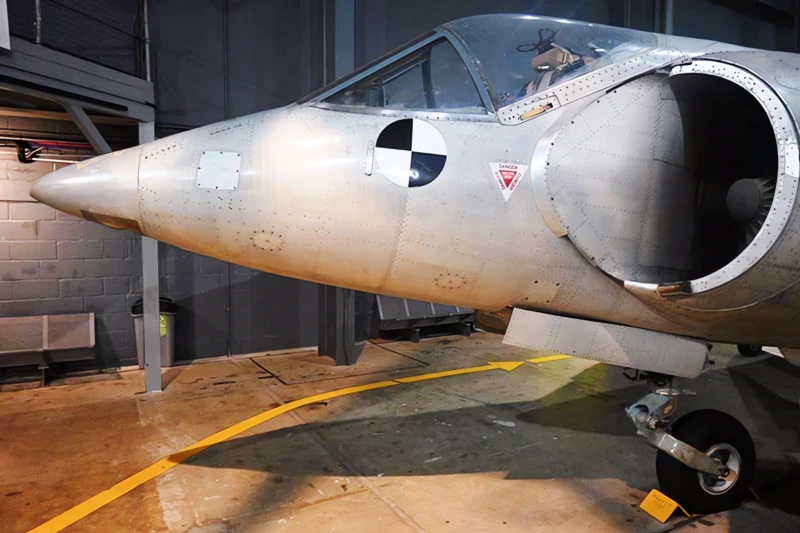
Hawker Siddeley P.1127 | |
| Državi | Uk |
| Vrsta | Eksperimentalna letala V/STOL |
| Prvi let | 19. november 1960 (P.1127) – 7. marec 1964 (Kestrel) |
| Zgrajena | 6 P.1127s – 9 Kestrels |
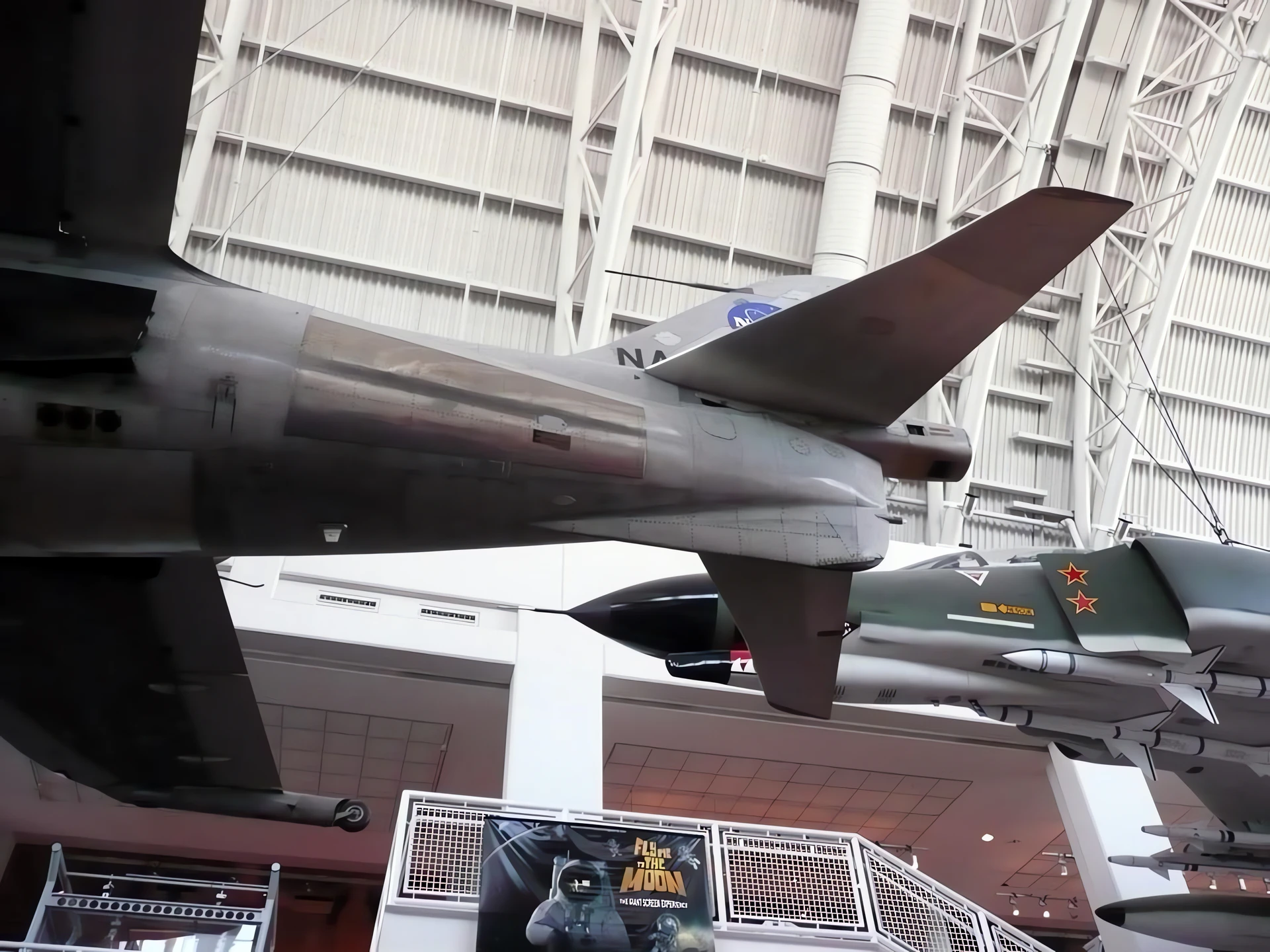
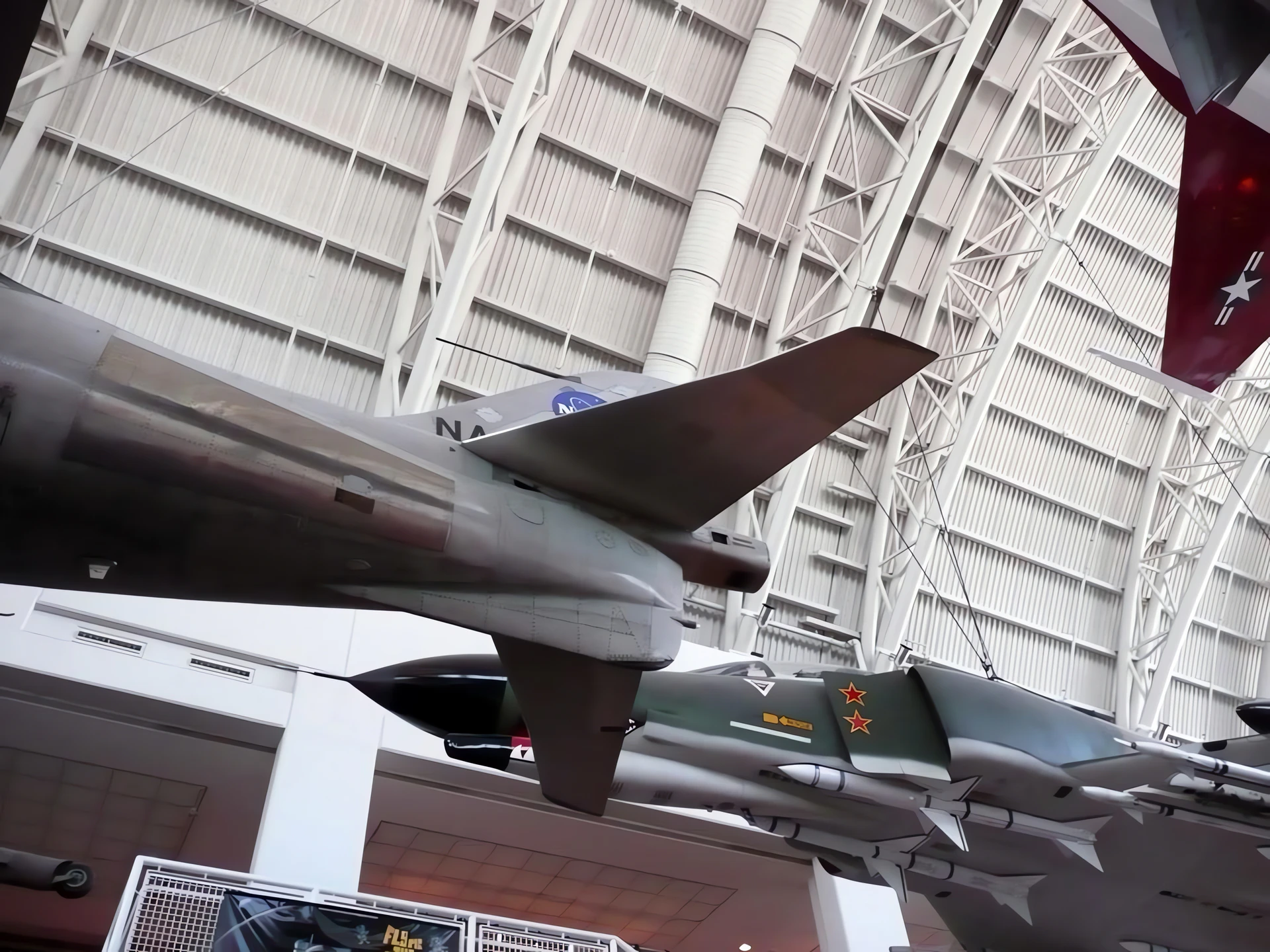
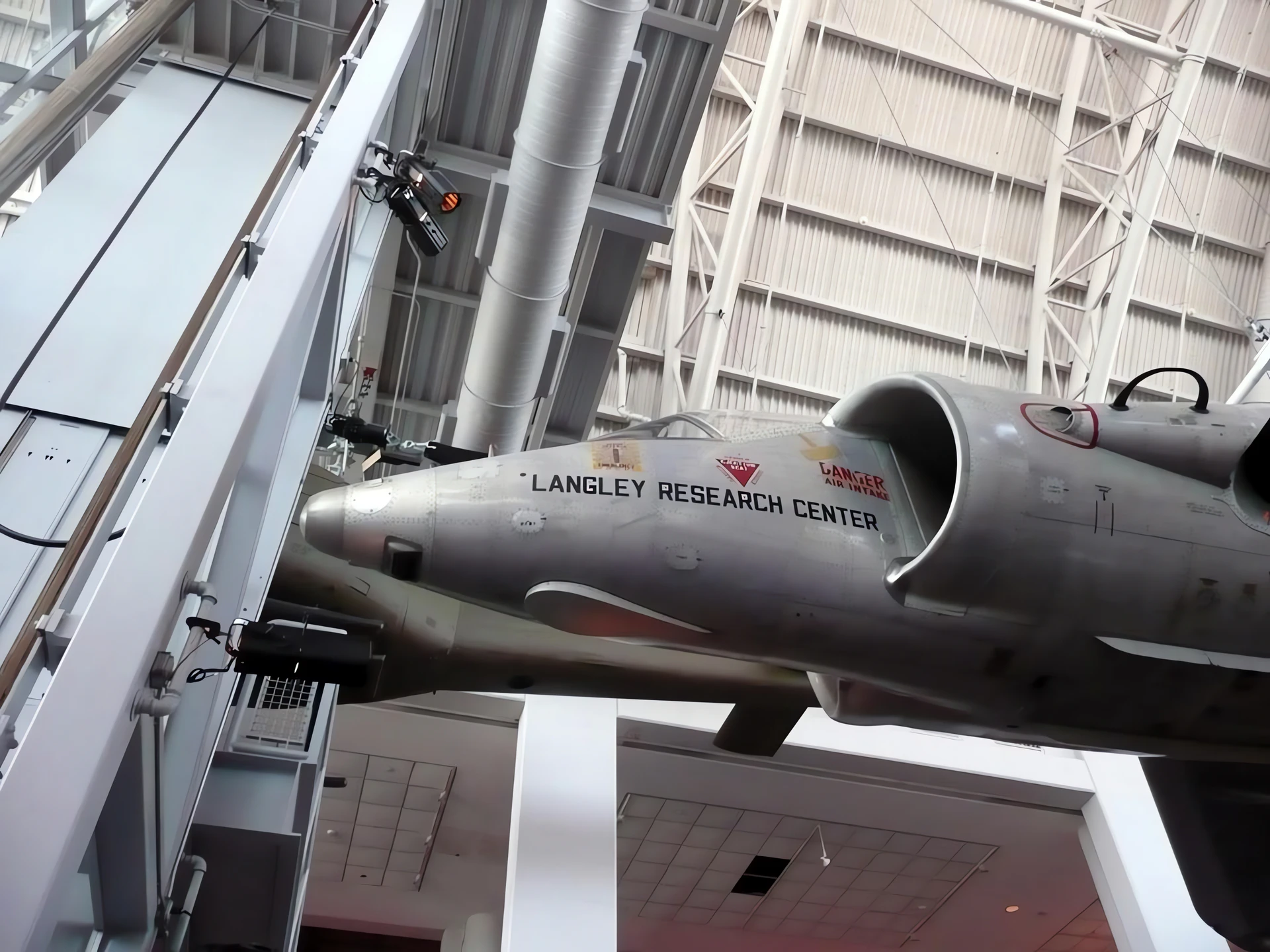
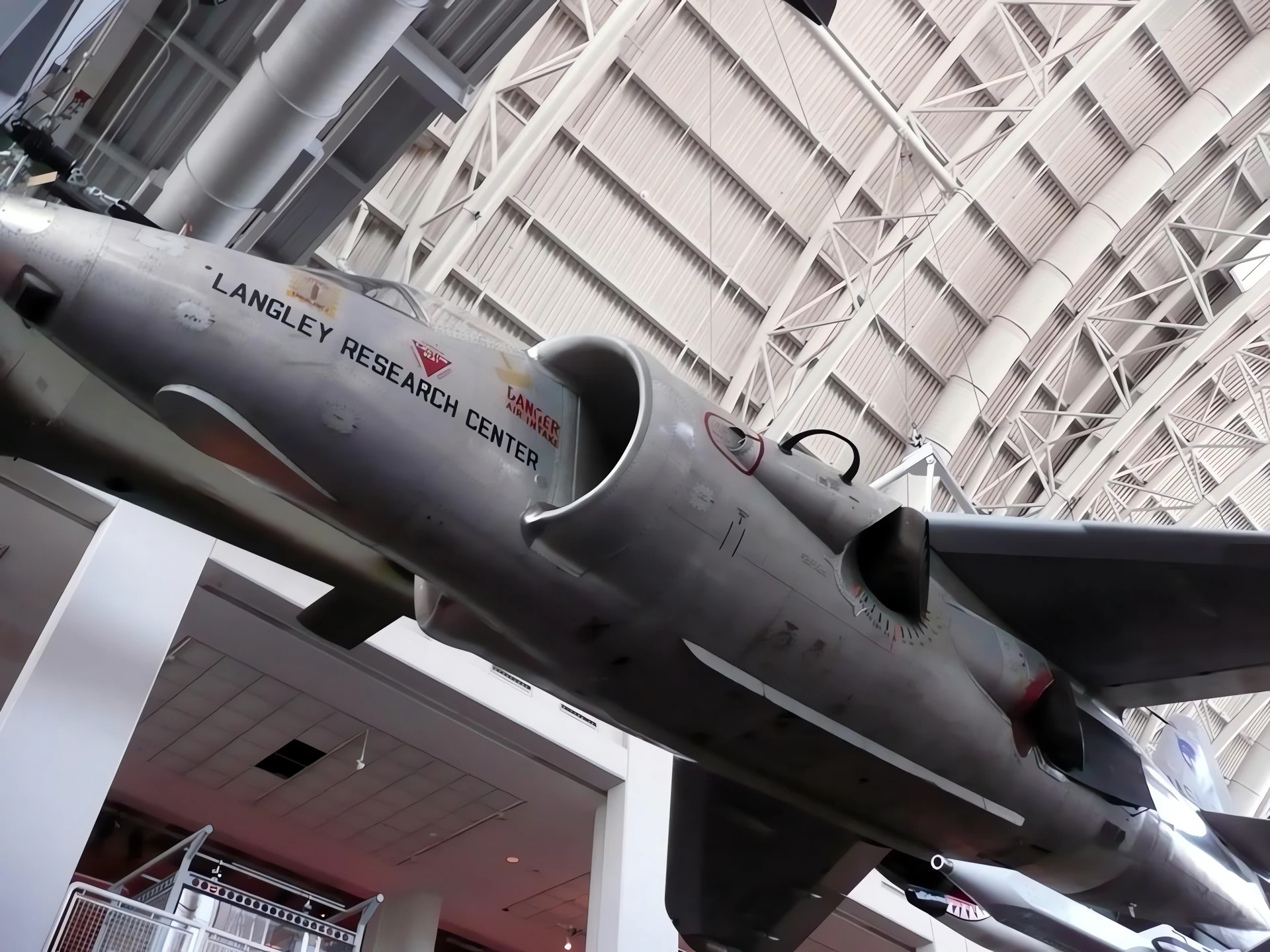
V Hawker P.1127 in Hawker Siddeley Kestrel FGA.1 so eksperimentalno in razvojno letalo, ki je pripeljalo do lovca-bombnika Hawker Siddeley Harrier, prvega vertikalnega in/ali kratkega letala za pristajanje in pristajanje (V/STOL). Razvoj P.1127 se je začel leta 1957, kar je izkoristilo izbiro bristolske motorne družbe, da vlaga v ustvarjanje Pegasus vektored-potisnega motorja. Testiranje se je začelo julija 1960 in do konca leta je letalo doseglo tako vertikalni polet kot horizontalni let.
| Hawker XV-6A Kestrel Sprehod Okoli | |
|---|---|
| Fotograf | Vladimir Jakubov |
| Lokalizacijo | Virginia Air & Space Center, Hampton, VA |
| Fotografije | 106 |
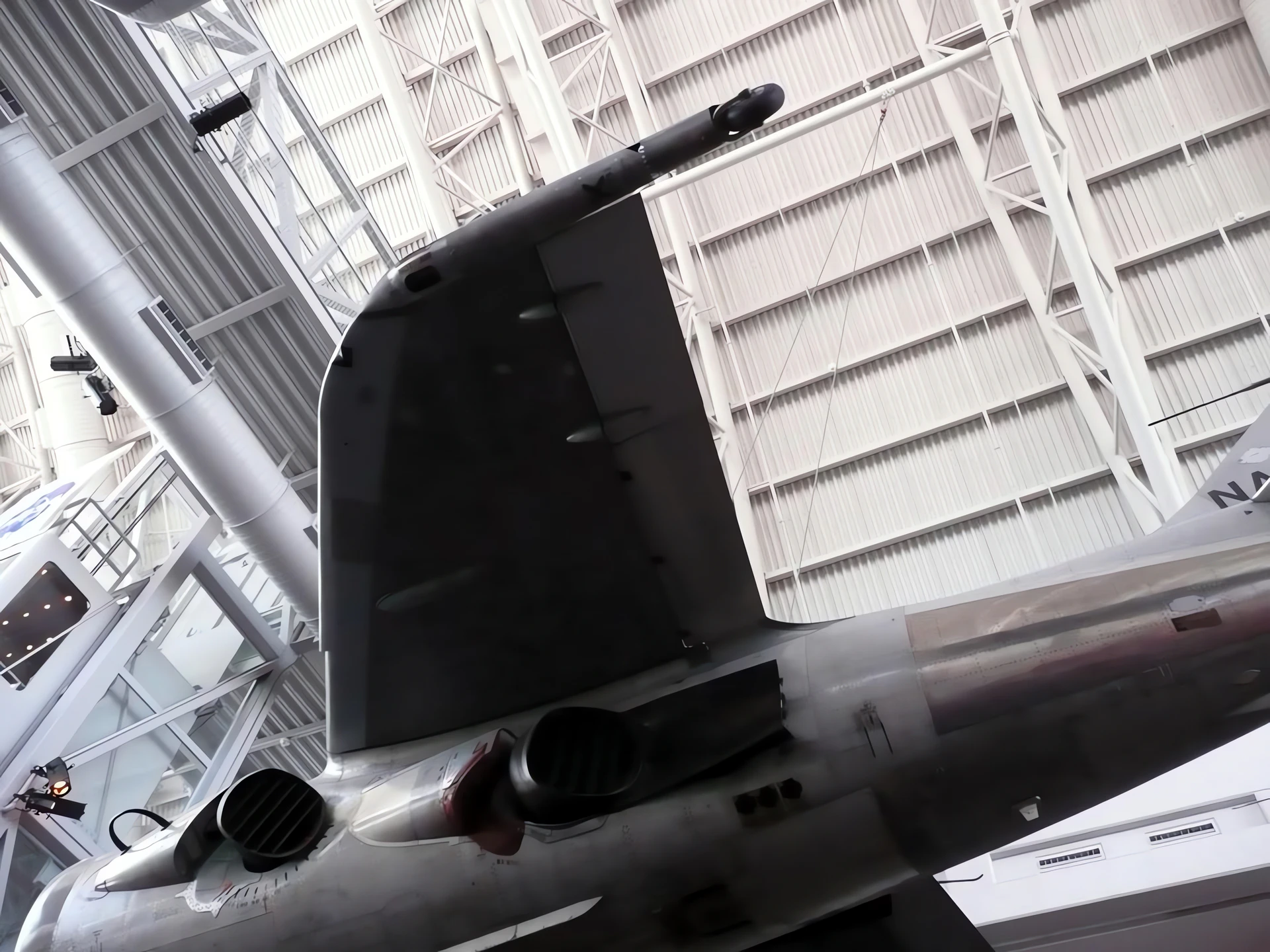
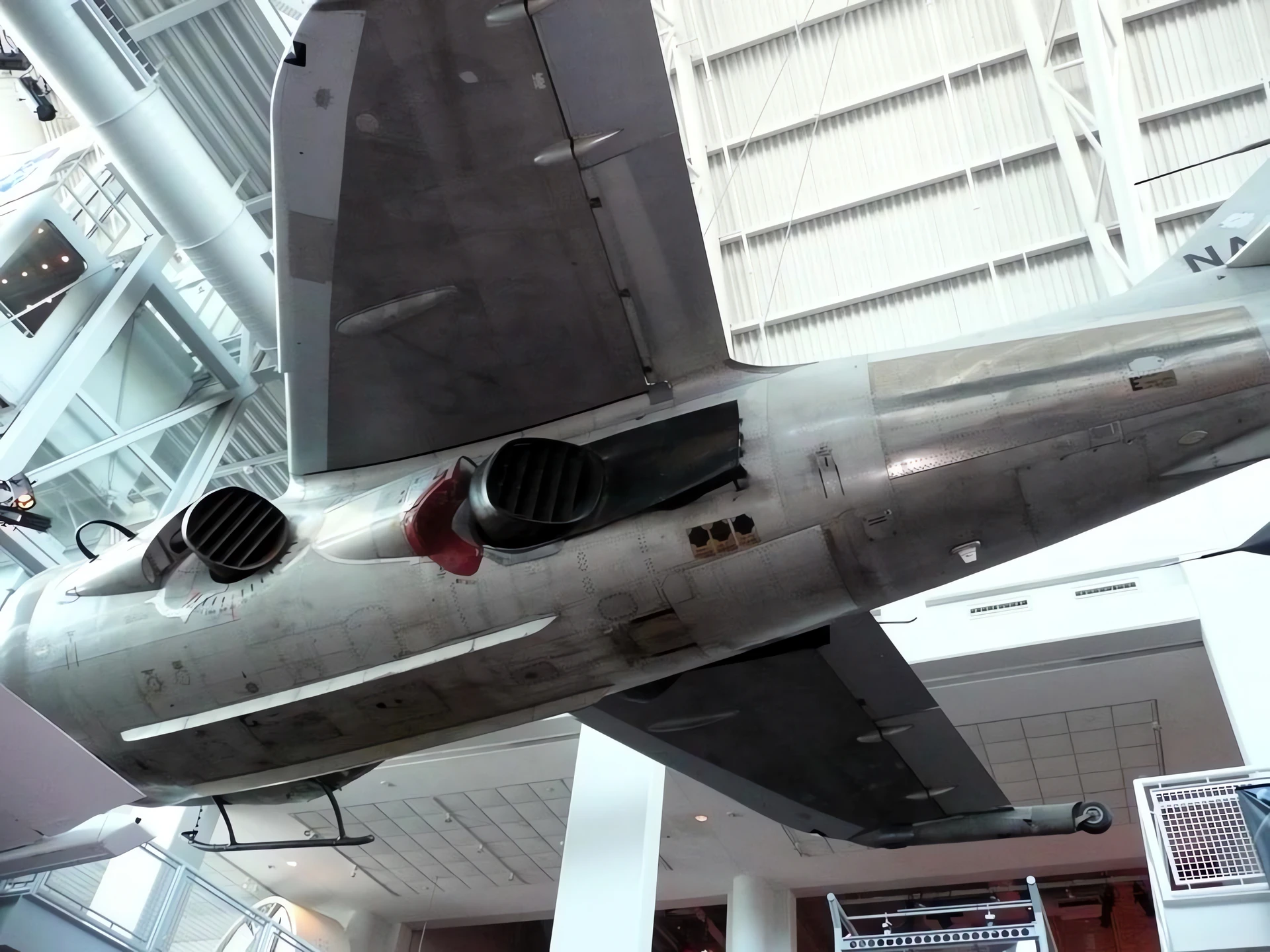
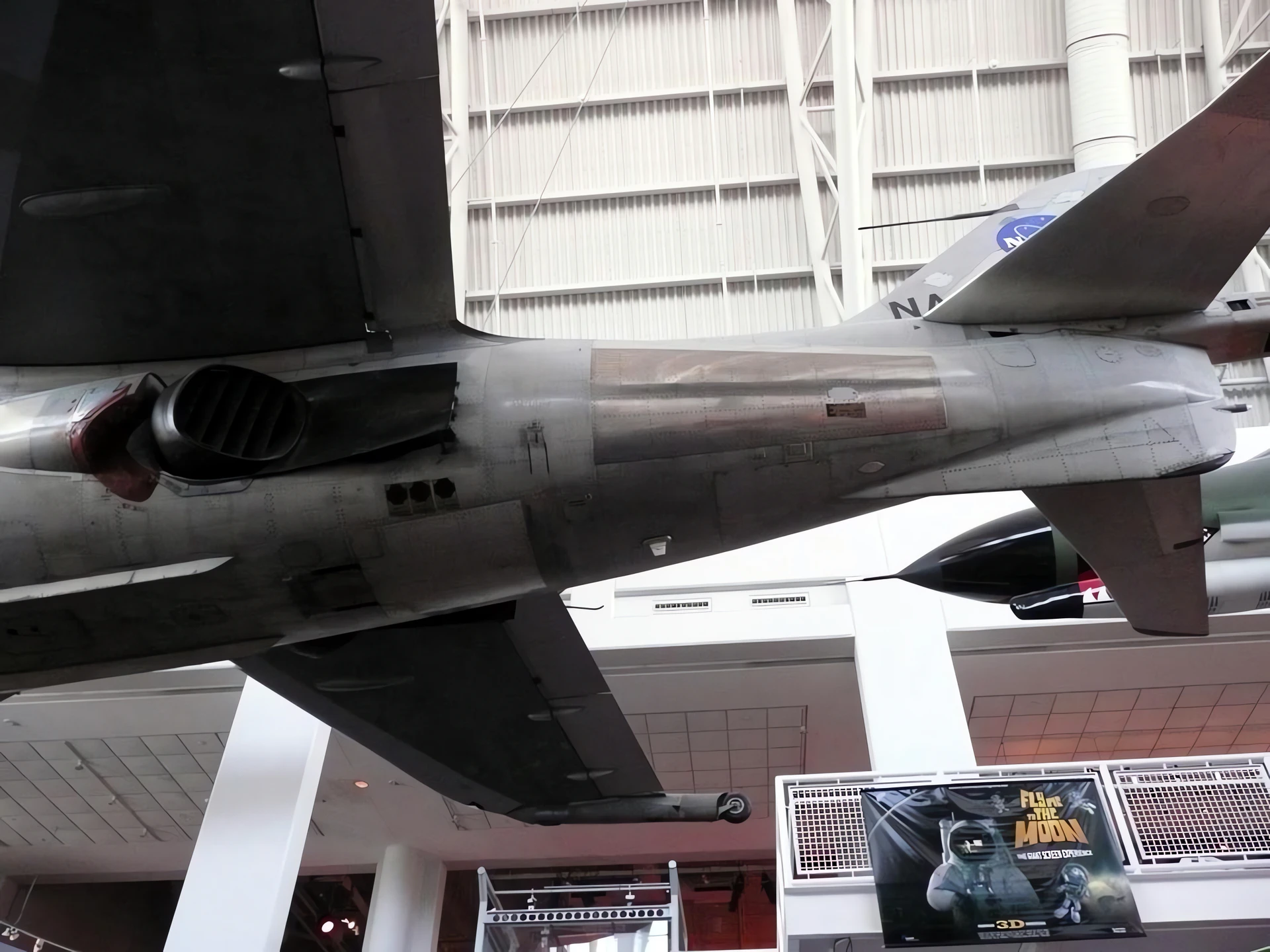
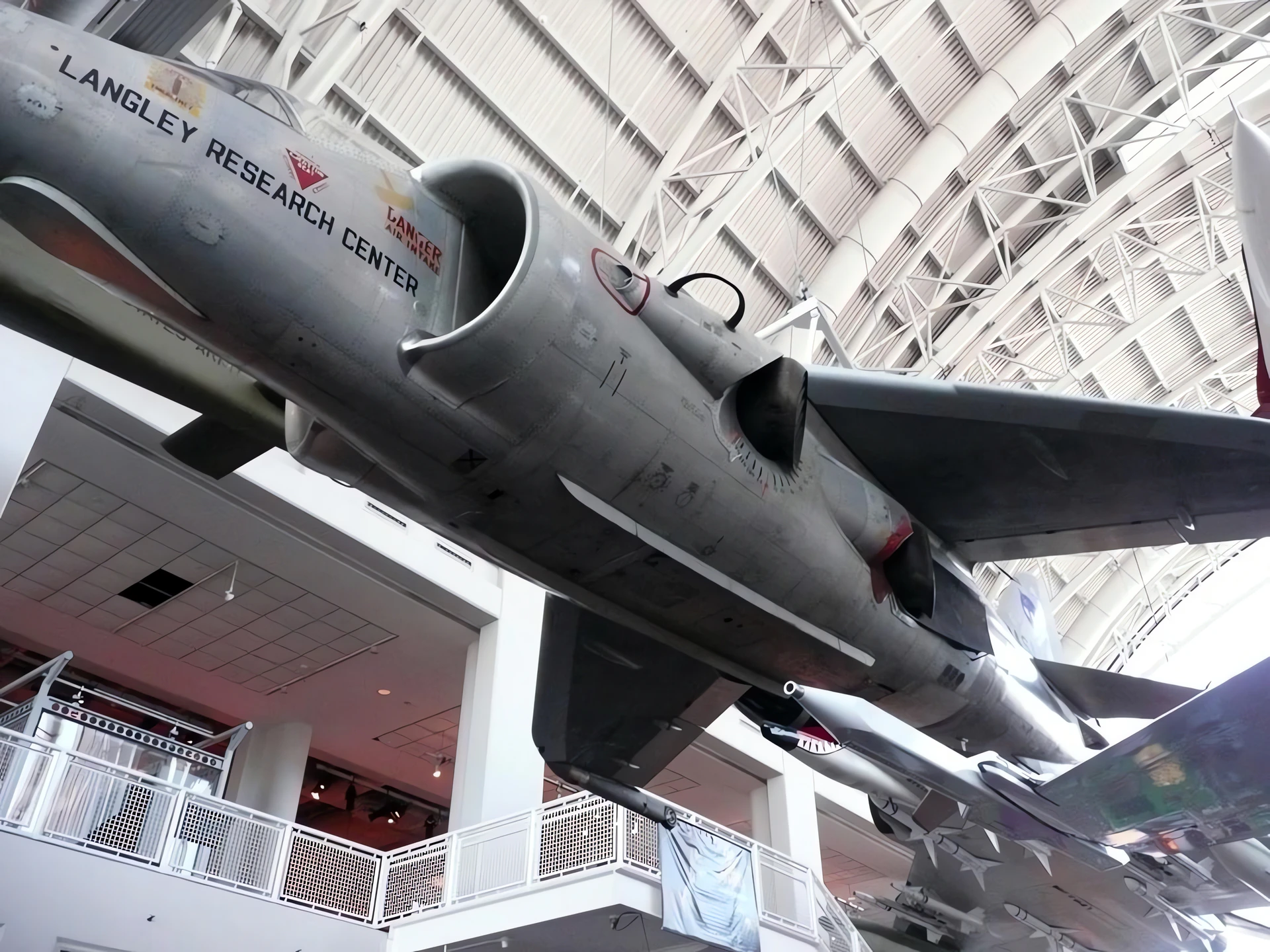
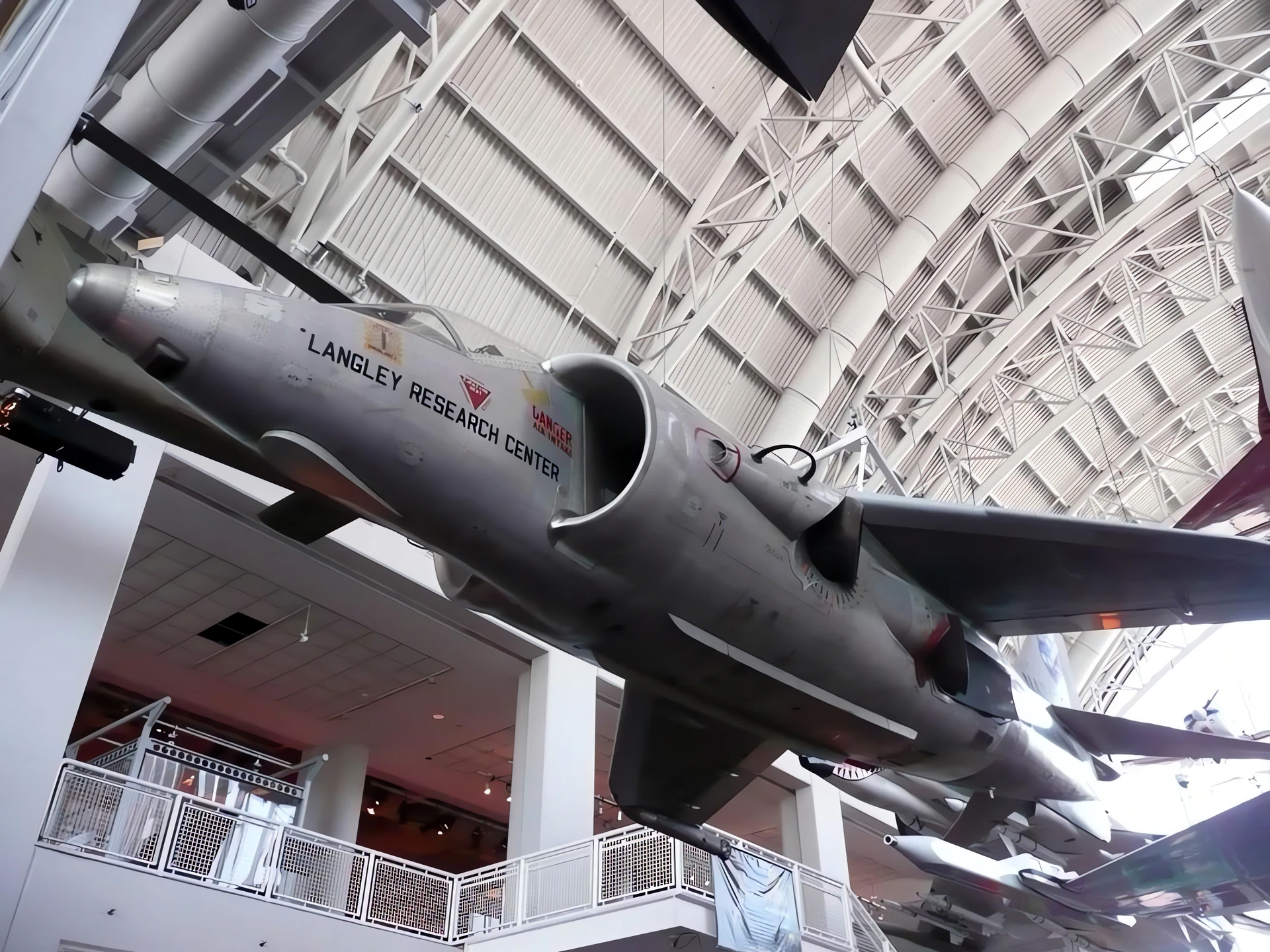

| Hawker Siddeley P.1127 Harrier Walk Around | |
|---|---|
| Fotograf | Burhand Donke |
| Lokalizacijo | Neznano |
| Fotografije | 21 |
Glej tudi:


| Hawker P.1127 Walk Around | |
|---|---|
| Fotograf | Meindert de Vreeze |
| Lokalizacijo | Neznano |
| Fotografije | 41 |
Development and the Tripartite Evaluation
The Hawker Siddeley Kestrel was an experimental V/STOL (Vertical/Short Take-Off and Landing) aircraft developed in the early 1960s as a follow-up to the P.1127. It served as a critical technology demonstrator for the “vectored thrust” concept. In 1964, a unique “Tripartite Evaluation Squadron” was formed, consisting of pilots and ground crews from the UK, the United States, and West Germany. This joint team spent a year proving that a jet fighter could operate from unprepared fields, forest clearings, and small ship decks, effectively laying the operational groundwork for the future Harrier.
| Attribute | Standard Specification (Kestrel FGA.1 / XV-6A) |
|---|---|
| Vlogo | V/STOL Evaluation Aircraft |
| Posadke | 1 (Pilot) |
| Powerplant | 1 x Bristol Siddeley Pegasus 5 (15,200 lbf thrust) |
| Maximum Speed | 1,142 km/h (710 mph) / Mach 0.92 at sea level |
| Dolžina | 12.95 meters (42 ft 6 in) |
| Peruti | 6.99 meters (22 ft 11 in) |
| Maximum Weight | 7,030 kg (15,500 lb) |
| First Flight | March 7, 1964 |
The Pegasus Engine and Vectored Thrust
- Single-Engine Solution: Unlike other VTOL designs that used multiple “lift engines,” the Kestrel used one Pegasus turbofan with four rotating nozzles to direct all thrust for both hover and forward flight.
- Reaction Control System: Because aerodynamic surfaces (flaps/rudders) don’t work in a hover, the Kestrel used “puffer” jets at the nose, tail, and wingtips, fed by engine bleed air, to maintain balance.
- Landing Gear: It featured a unique “zero-track” bicycle landing gear—two main wheels in tandem under the fuselage and small outrigger wheels on the wingtips for stability.
- VIFF Capability: During testing, pilots discovered they could “Vector In Forward Flight” (VIFF), rotating the nozzles during air combat to decelerate rapidly or turn tighter than conventional aircraft.
Transition to the United States
- The XV-6A Designation: After the tripartite trials ended in 1965, six of the aircraft were shipped to the US for further testing by the Army, Navy, and Air Force, receiving the American designation XV-6A.
- Marine Corps Interest: While the US Air Force and Army eventually passed on the design, the US Marine Corps was so impressed by the XV-6A trials that they pushed for the acquisition of its successor, the AV-8A Harrier.
- Preservation: Several Kestrels survive today, most notably at the National Museum of the US Air Force in Dayton, Ohio, and the Pima Air & Space Museum in Arizona.
Ogledi: 2101
Prav tako si lahko ogledate:
 Severnoameriški NA-64 Yale – Fotografije & Video posnetki
 Sud-Ouest Triton – Fotografije & Video
 Culver PQ-14 Kadet – Fotografije & Video
 Northrop F-20 Tigershark – Fotografije & Video
 Aeronca L-3 – Fotografije & Video
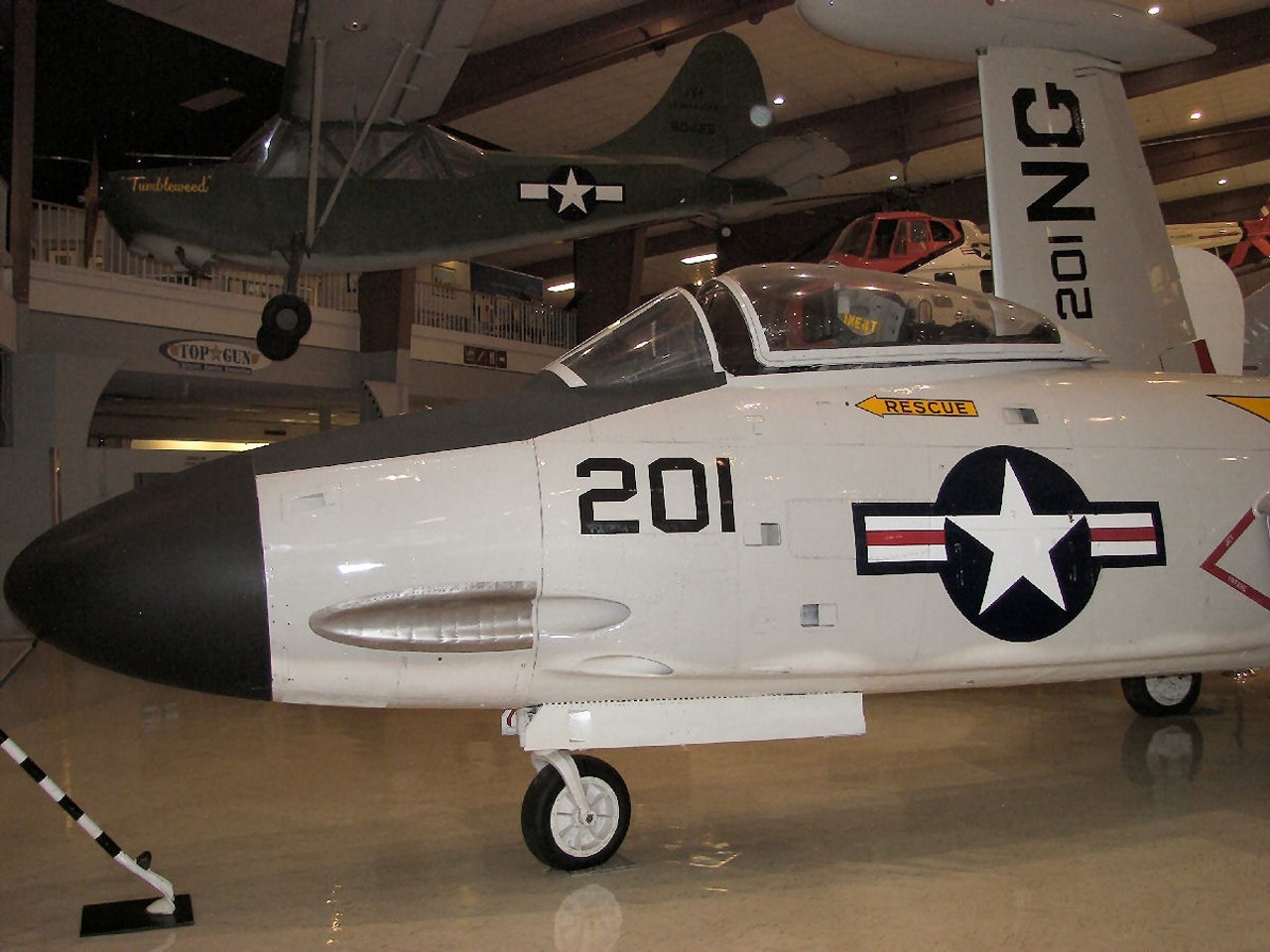 McDonnell F2H Banshee – Fotografije & Video
 Macchi MC-202 – WalkAround
 Fairey Bitka – WalkAround
 Hawker Sea Fury – Sprehod Okoli
 Junkers JU-52 – Sprehod Okoli