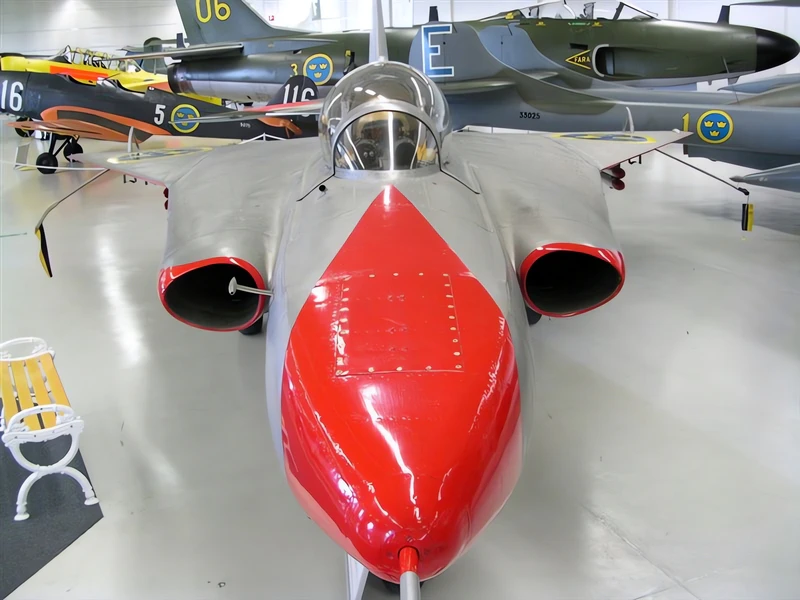
Saab 210 | |
|---|---|
| País | Suécia |
| Papel | Aeronaves experimentais |
| Primeiro voo | 21 de Janeiro de 1952 |
| Construído | 1 |
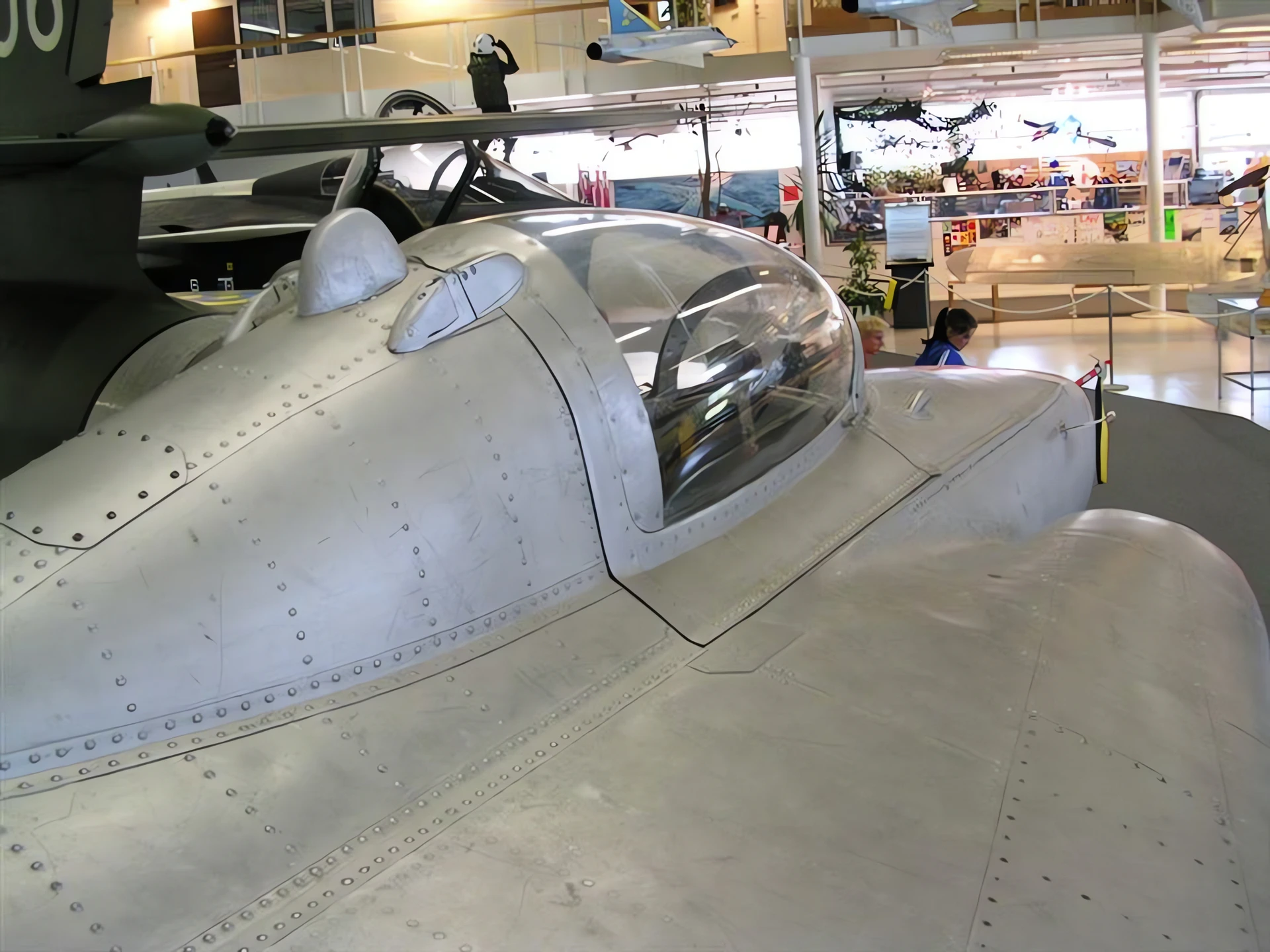
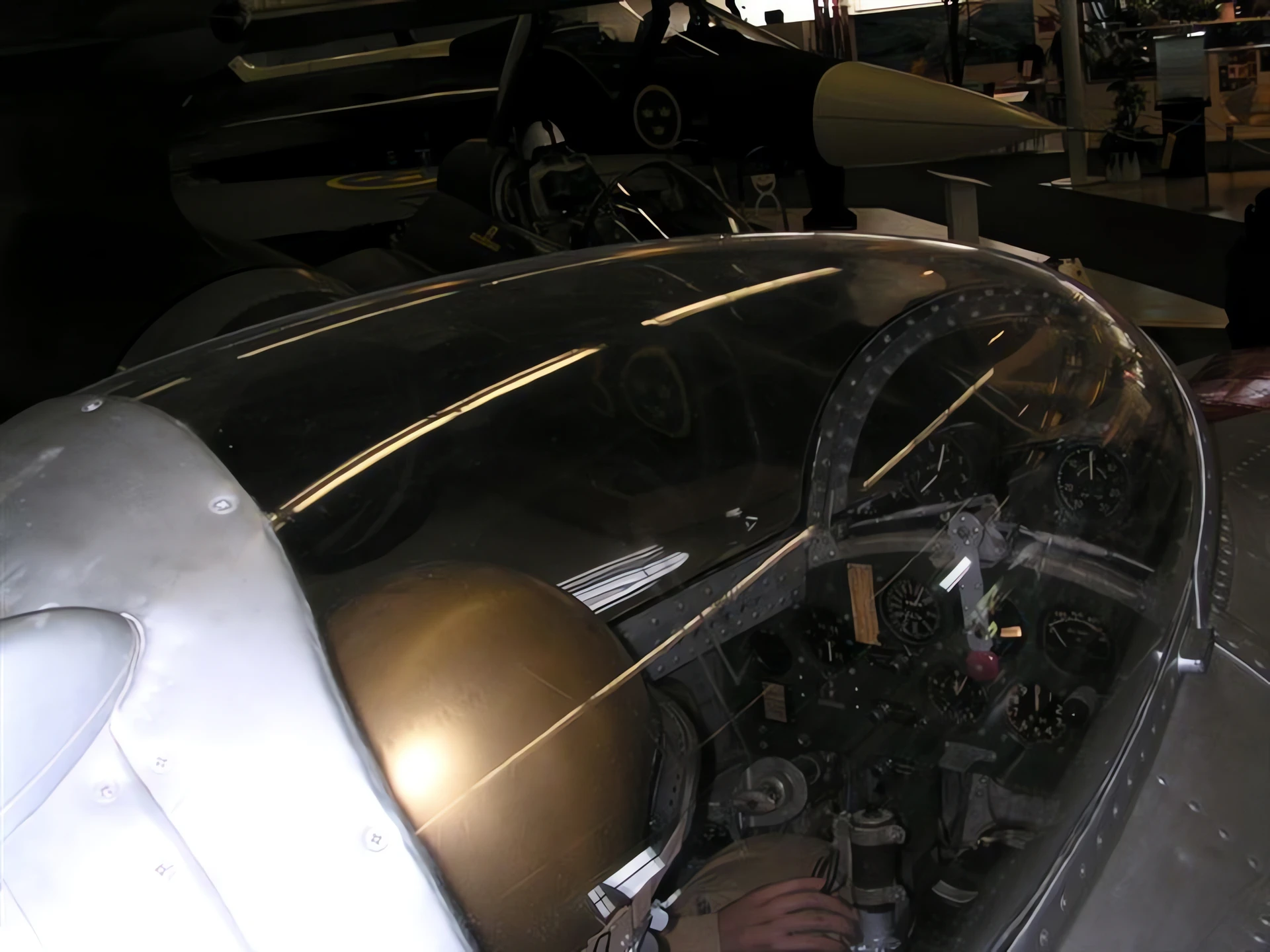
O Saab 210 Draken (o Dragon ou o Kite) é um banco de testes reduzido para o conceito de delta duplo no desenvolvimento do caça J 35. Embora nunca tenha sido oficialmente nomeado nada além de Draken pela Saab, logo se tornou conhecido por seu apelido não oficial Lilldraken (o Pequeno Dragão ou o Pequeno Papagaio) após o primeiro voo do protótipo do Saab 35. Seu primeiro voo foi em 21 de janeiro de 1952.
Fonte: Saab 210 na Wikipédia
| SAAB 210 Lilldraken Walk Around | |
|---|---|
| Photographer | Unknow |
| Localisation | Unknow |
| Photos | 29 |
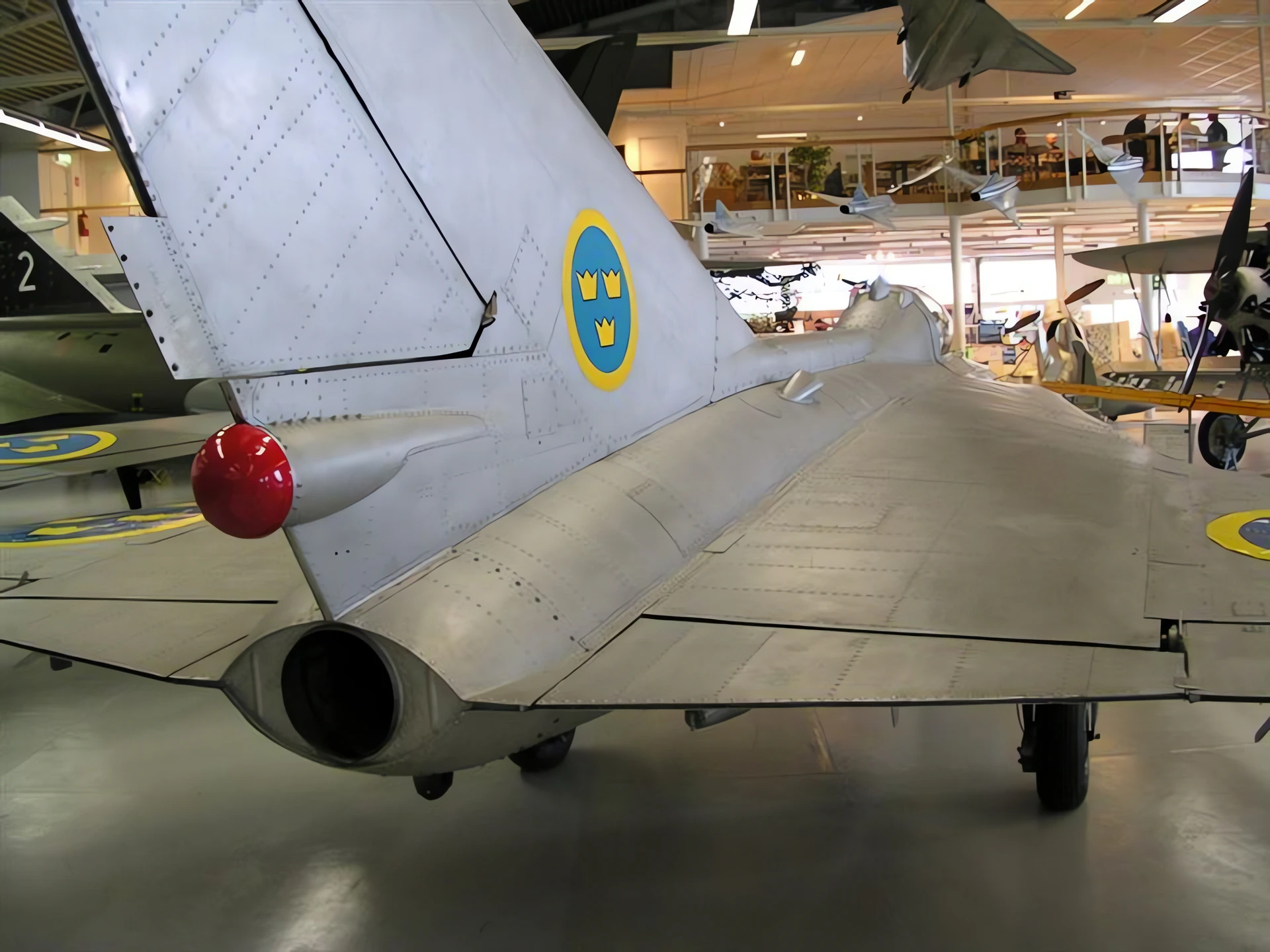
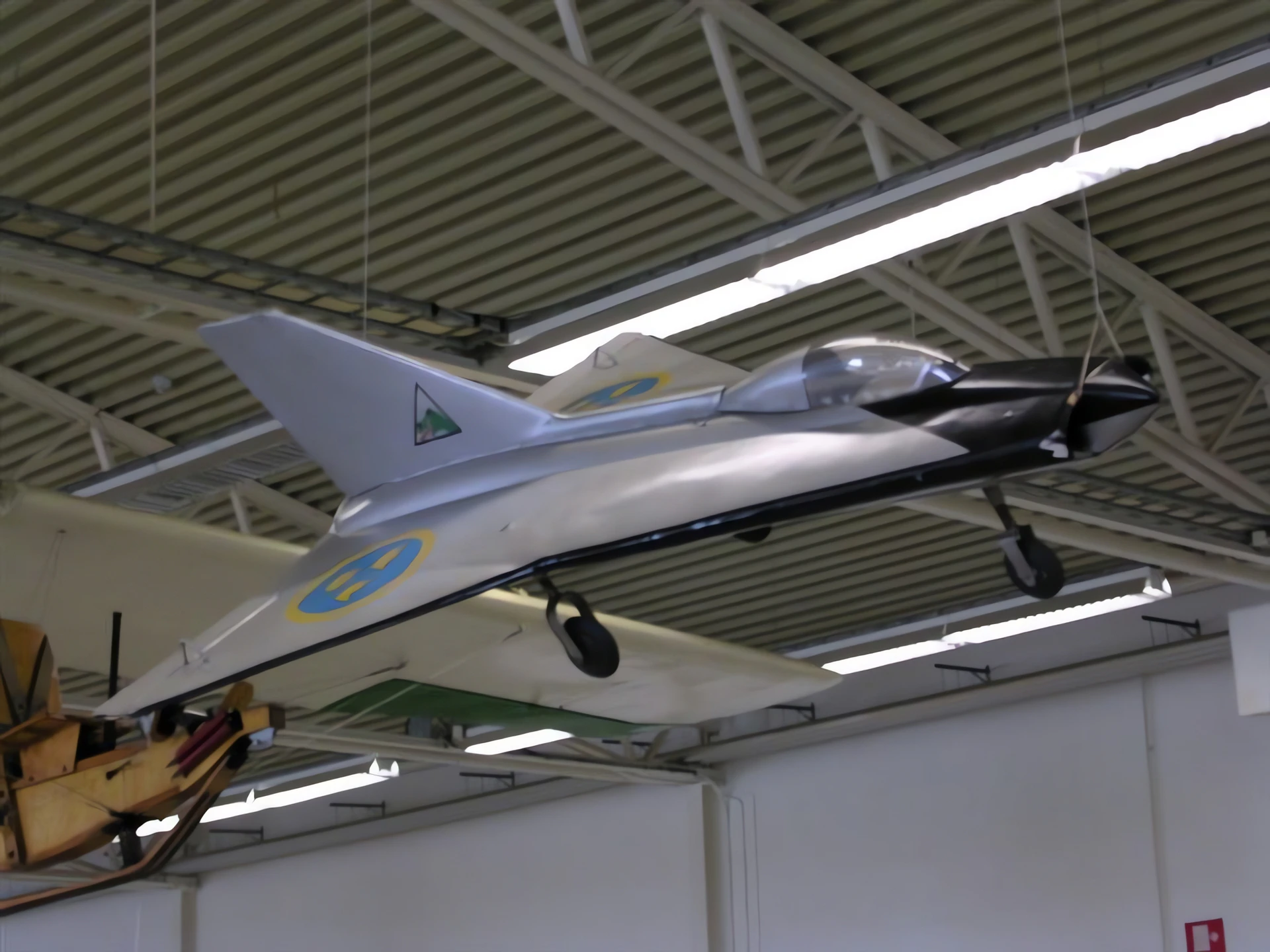
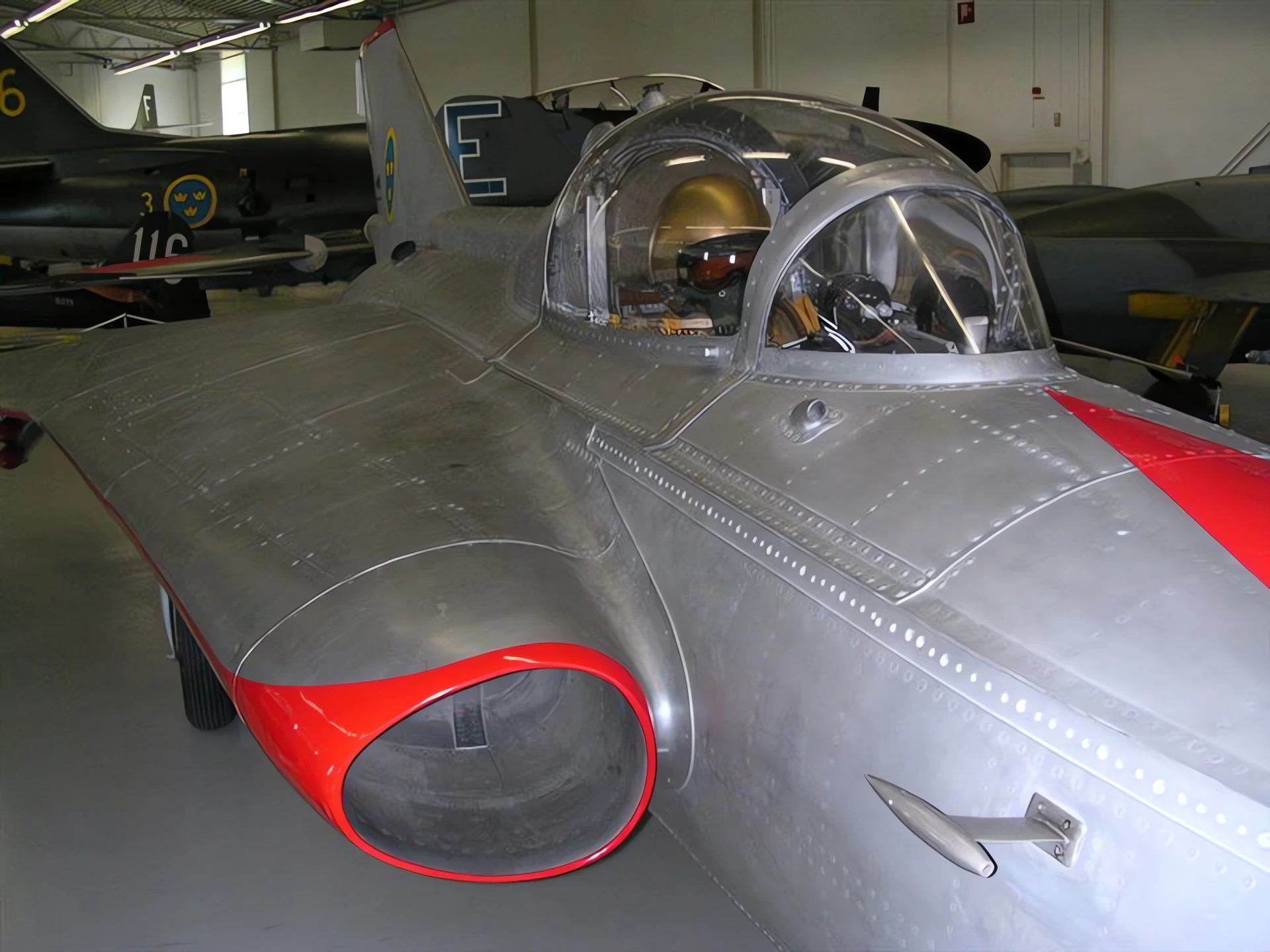
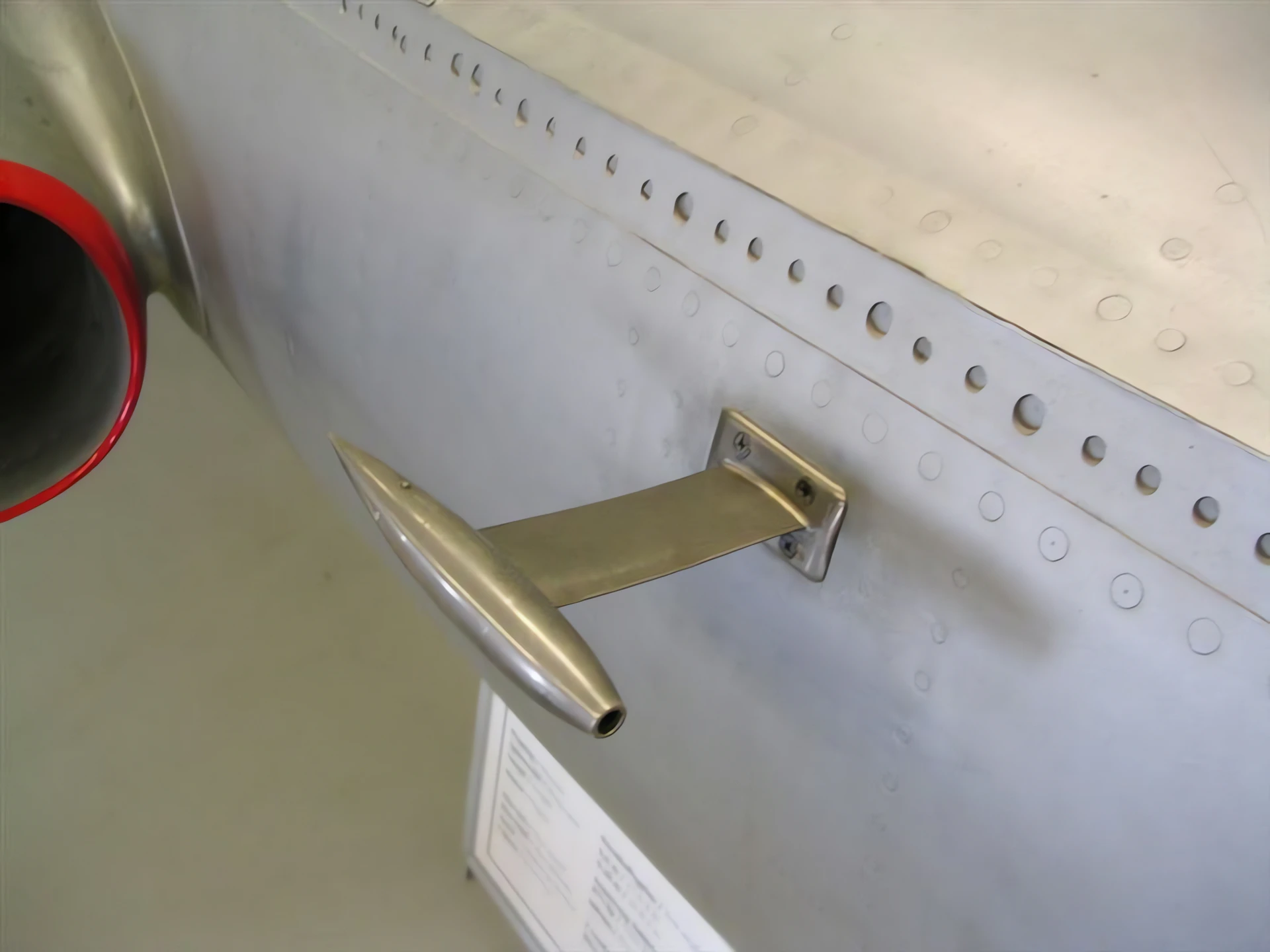
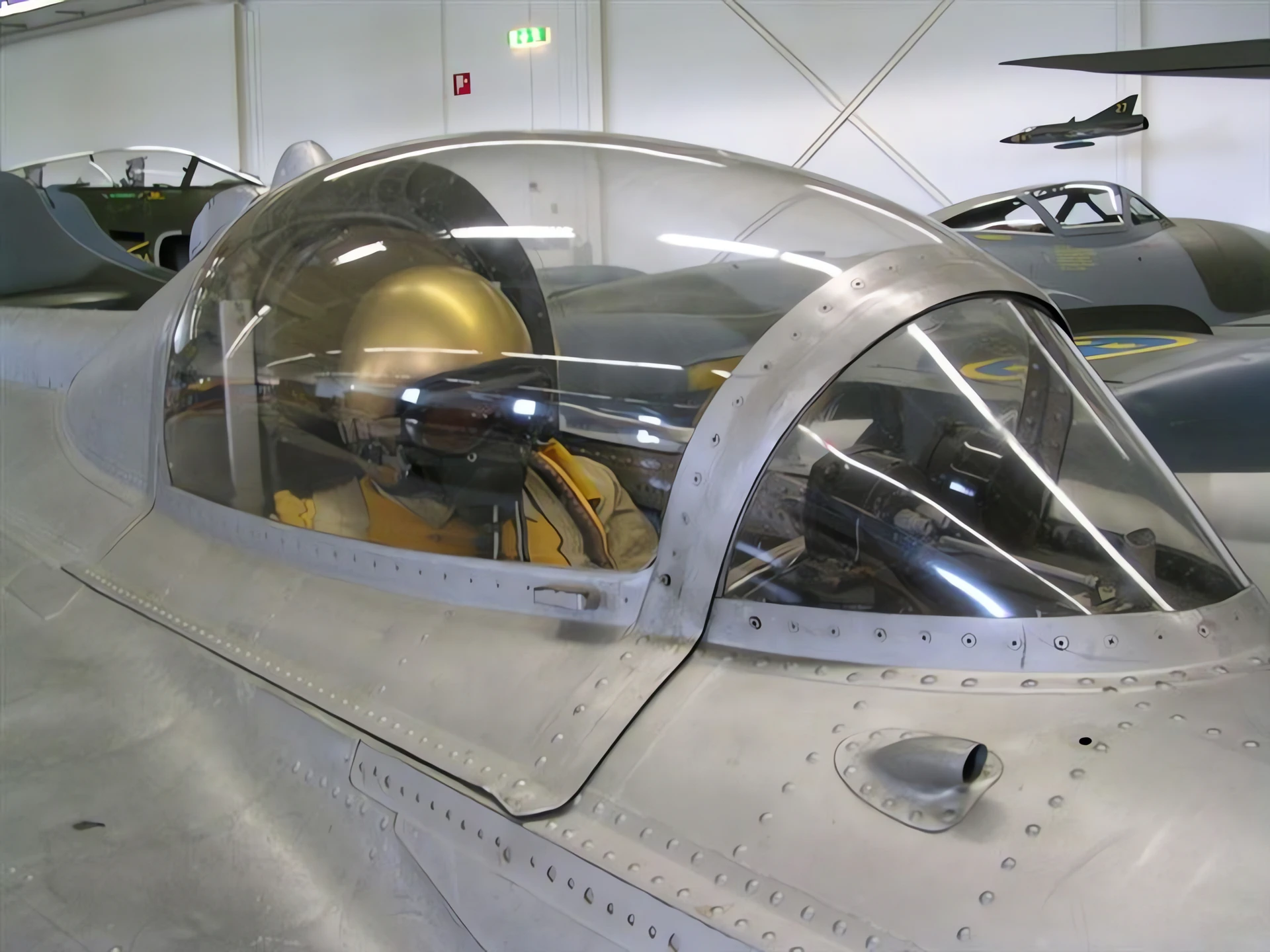
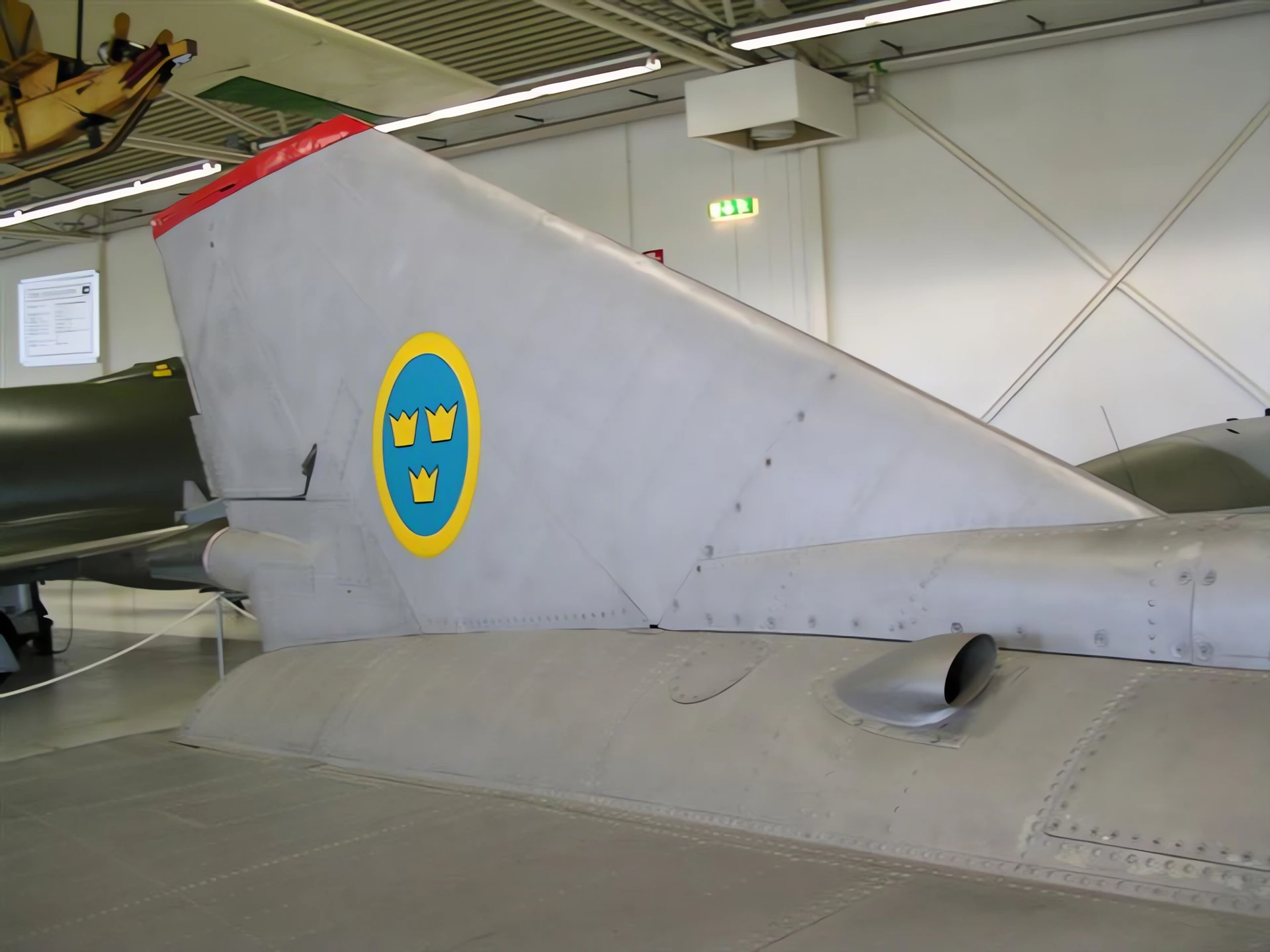
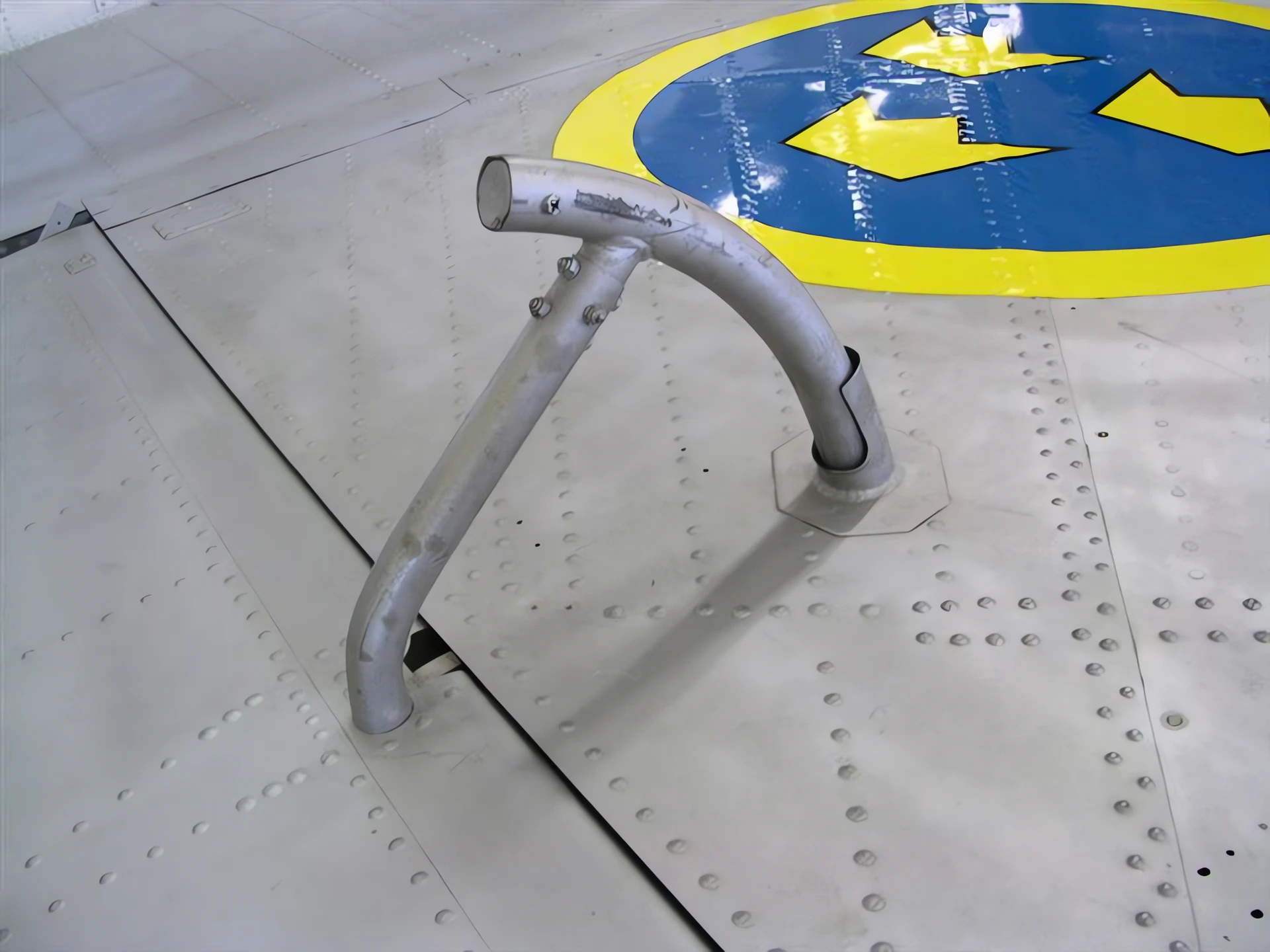

Veja também:


General Characteristics and Role
The SAAB 210 Lilldraken (“Little Dragon”) was a revolutionary Swedish experimental aircraft designed and built by Saab in the early 1950s. It was created purely as a one-third scale research platform to test the novel and complex double delta wing configuration proposed for the supersonic Saab 35 Draken fighter. The Lilldraken was a critical step in the Draken’s development, as the double delta design—characterized by a small, highly-swept inner delta wing and a larger, less-swept outer delta—was entirely new and its aerodynamic properties needed real-world validation, especially at low speeds. Its unique profile and small size made it one of the most distinctive and important experimental aircraft of its era.
| Property | Typical Value (SAAB 210) |
|---|---|
| Papel | Experimental/Aerodynamic Testbed |
| National Origin | Suécia |
| Fabricante | Saab AB |
| First Flight | 21 de Janeiro de 1952 |
| tripulação | 1 (Pilot) |
| Configuração | Low-wing monoplane, double delta wing, tricycle landing gear |
| comprimento | 6.1 m (20 ft 0 in) |
| Envergadura | 4.79 m (15 ft 8 in) |
| Max Speed | Approx. 340 km/h (211 mph) |
Design Innovations and Performance
- Engine: 1 x Armstrong Siddeley Adder turbojet engine (non-afterburning).
- Thrust: Approx. 475 kgf (1,047 lbf).
- Key Innovation: The primary purpose was to test the double delta wing, which was necessary to give the subsequent Draken fighter both high-speed performance (via the inner delta) and low-speed stability (via the outer delta).
- Air Intakes: The Lilldraken featured large lateral air intakes on either side of the cockpit, which were also representative of the intended design for the larger Draken.
- Test Program: The aircraft successfully performed numerous flights, validating the stability, control, and general handling characteristics of the radical double delta configuration before the full-scale fighter was finalized.
Legacy and Final Status
- Successor: The knowledge gained from the Lilldraken program was directly applied to the full-scale development and successful deployment of the Mach 2-capable Saab 35 Draken fighter.
- Operational Status: Only one example of the SAAB 210 was ever built.
- Preservation: The single prototype is now preserved and displayed at the Flygvapenmuseum (Swedish Air Force Museum) in Linköping, Sweden.
Visualizações : 1348
Você pode ver também:
 SAAB 340 AEW – Fotos e Vídeos
 Saab 37 Viggen – Fotos e Vídeos
 SAAB B17 – Fotos e Vídeos
 Saab 21R – Fotos e Vídeo
 Saab JAS 39 Gripen – Fotos e Vídeo
 Saab J-29F Tunnan – Fotos & Vídeo
 Libertador B-24M consolidado – WalkAround
 P-47D Thunderbolt - WalkAround
 A-20 Havoc - WalkAround
 TBM-3E Vingador - Ande por aí