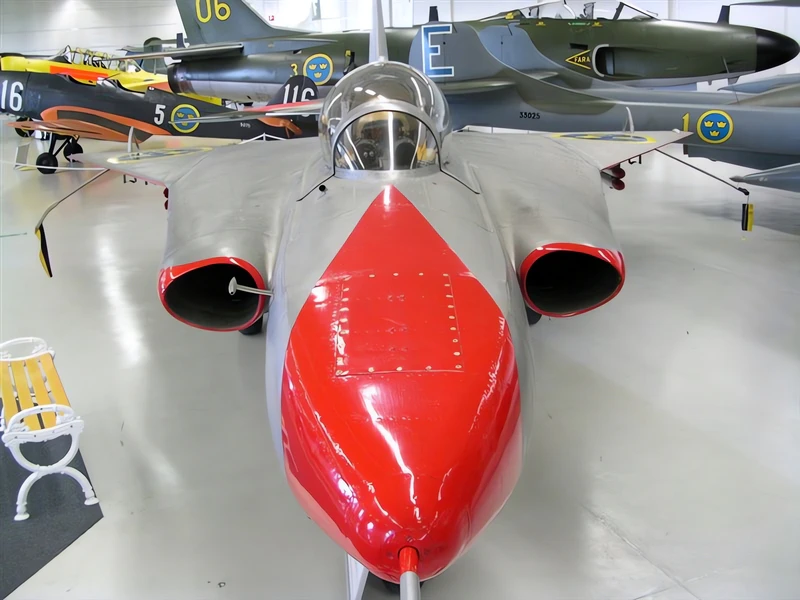
Saab 210 | |
|---|---|
| Pays | Suède |
| Rôle | Avions expérimentaux |
| Premier vol | Le 21 janvier 1952 |
| Construit | 1 |
Lla Saab 210 Draken (le Dragon ou le Cerf-volant) est un lit d’essai réduit pour le concept de double delta dans le développement du chasseur J 35. Bien que jamais officiellement nommé autre chose que Draken par Saab, il est rapidement devenu connu par son surnom officieux Lilldraken (le Petit Dragon ou le Petit Cerf-volant) après le premier vol du prototype de la Saab 35. Son premier vol a eu lieu le 21 janvier 1952.
Source: Saab 210 sur Wikipedia
| SAAB 210 Lilldraken Walk Around | |
|---|---|
| Photographer | Unknow |
| Localisation | Unknow |
| Photos | 29 |
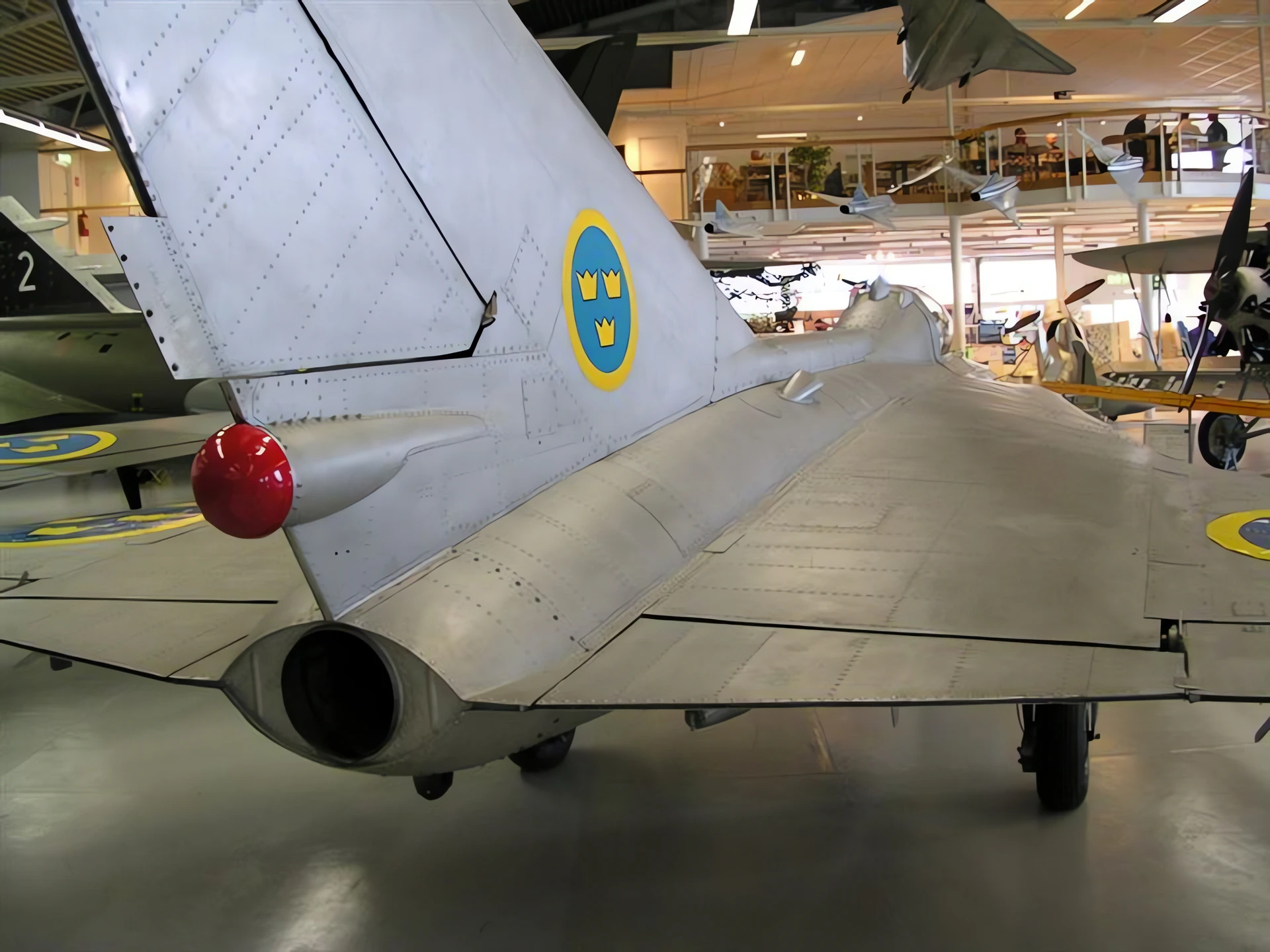
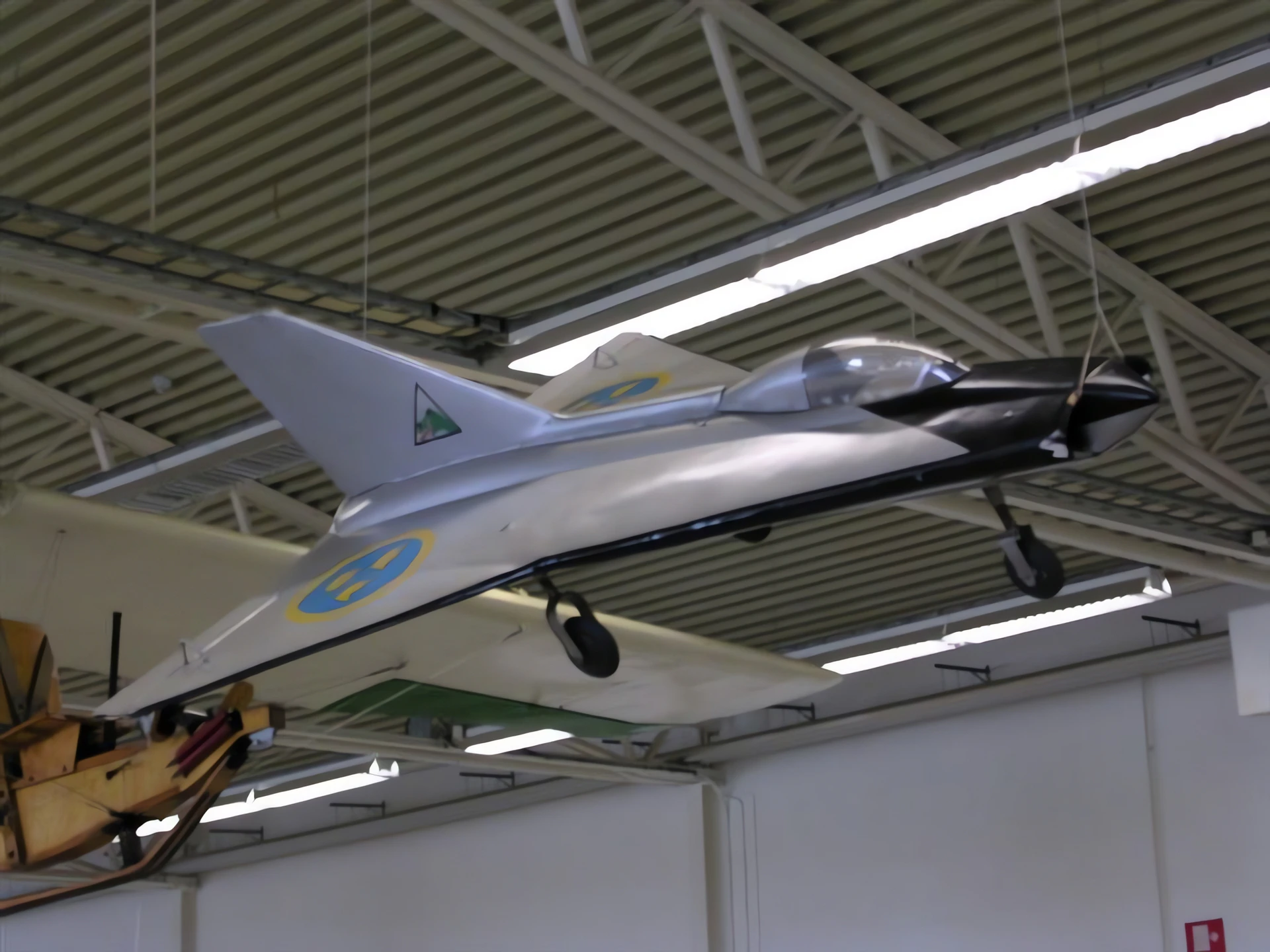
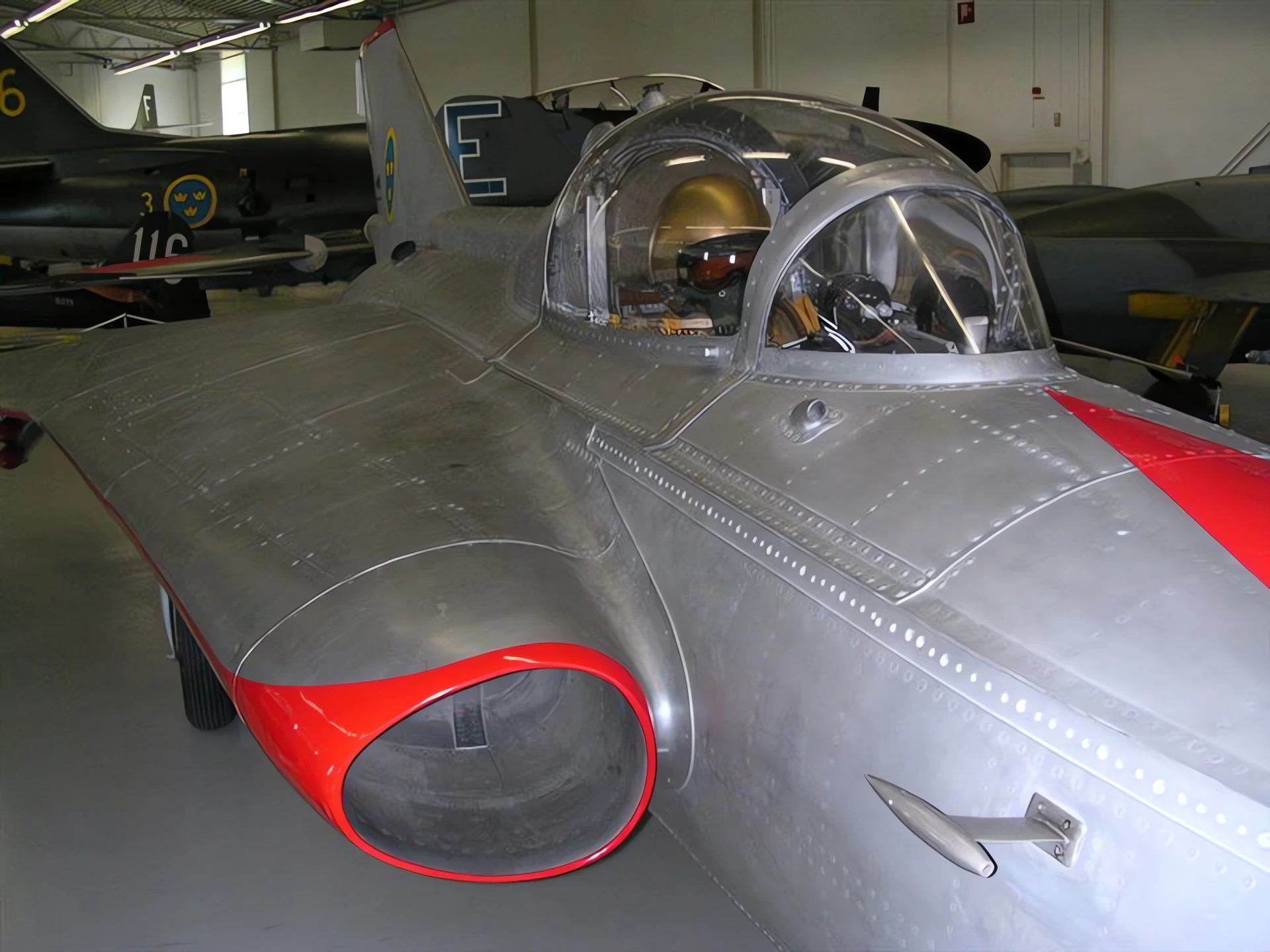
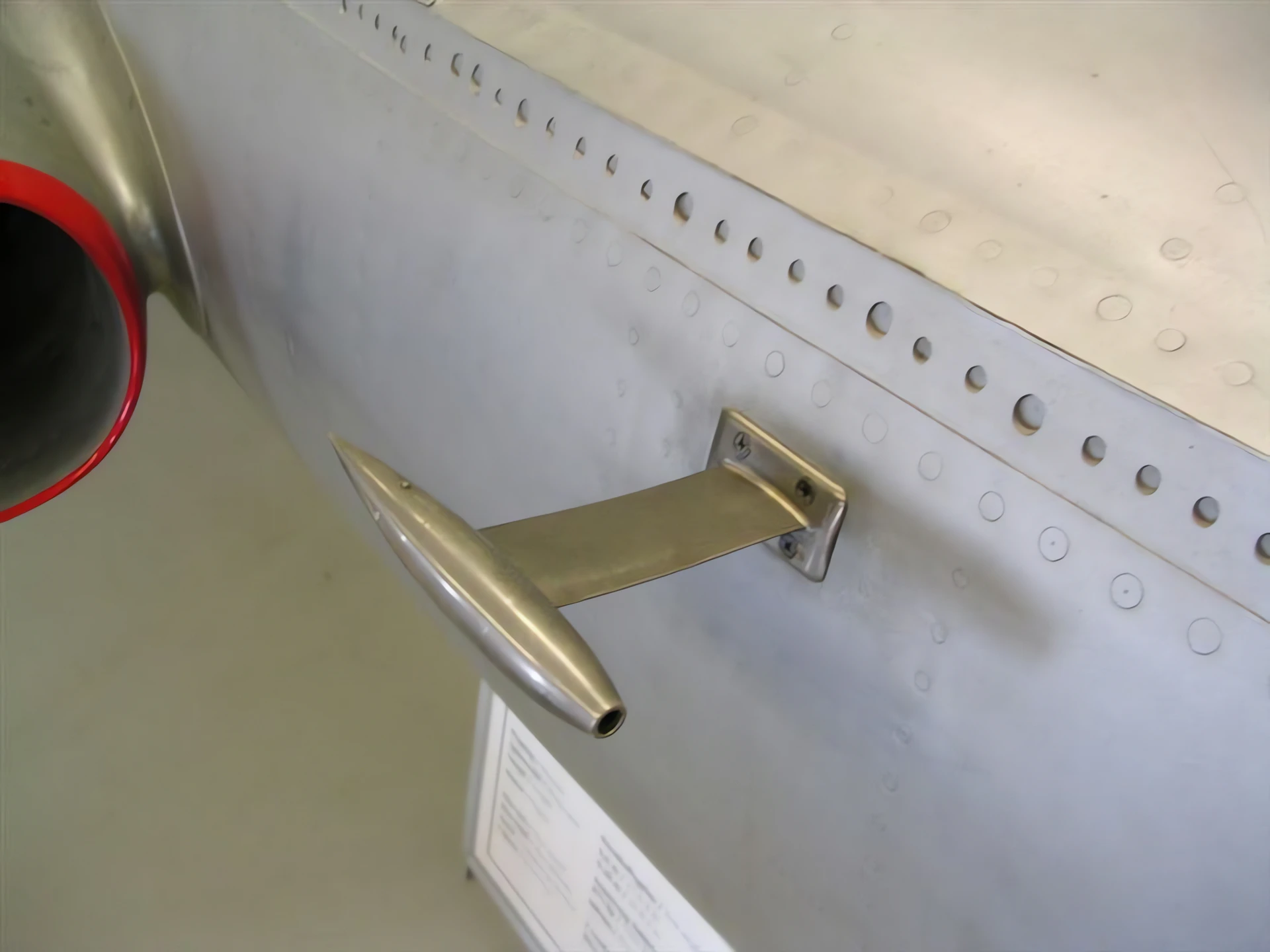
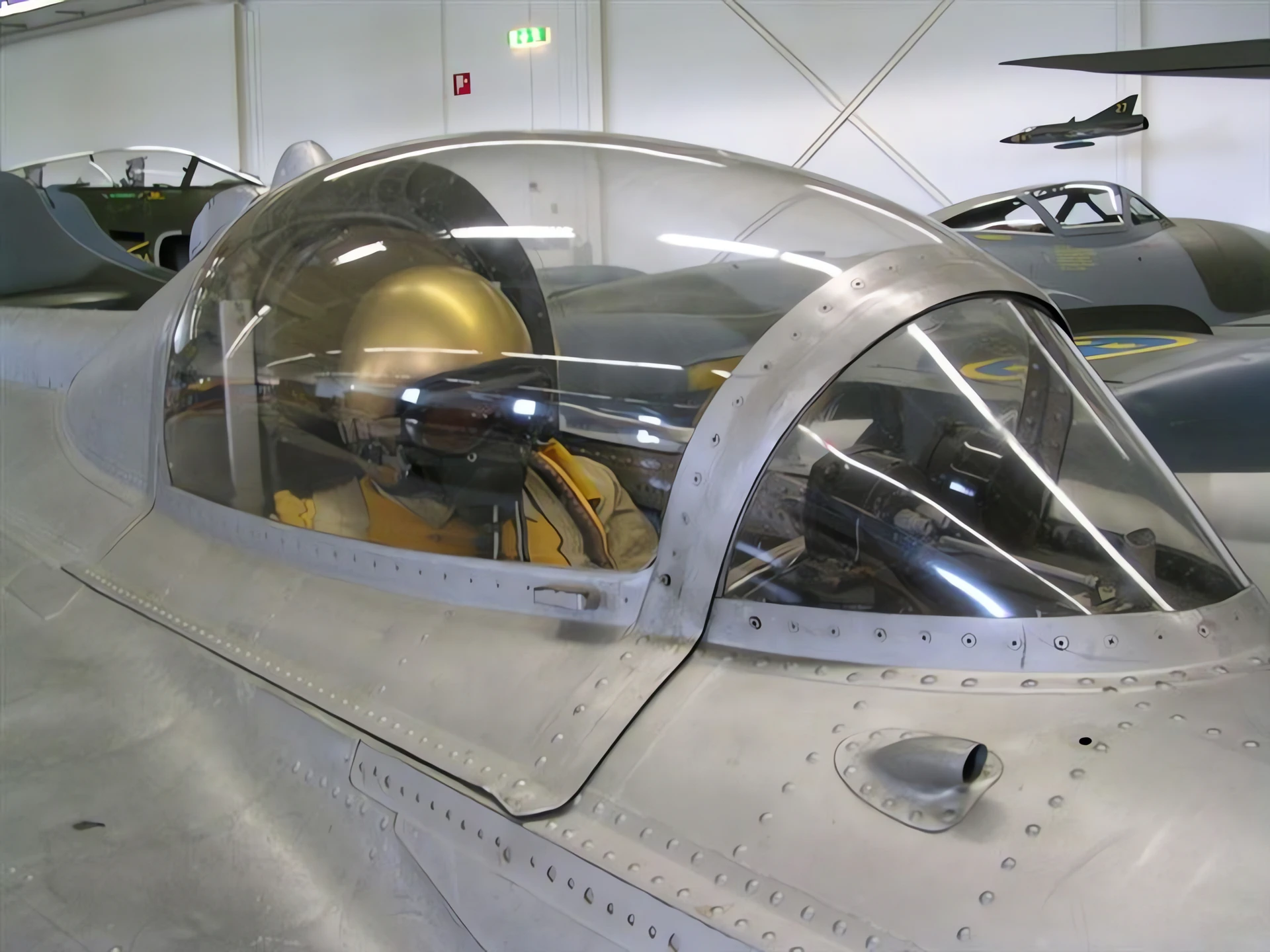
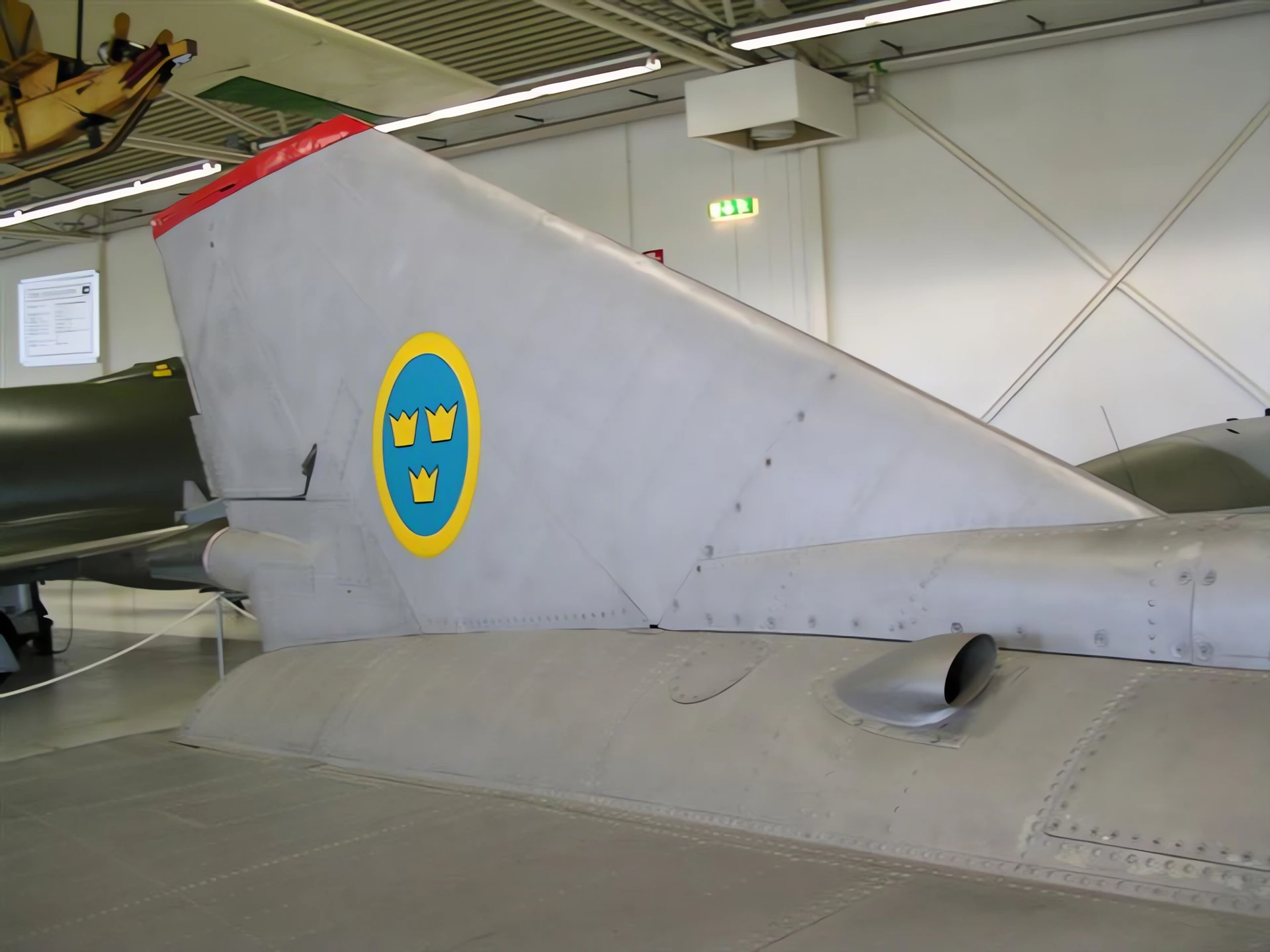
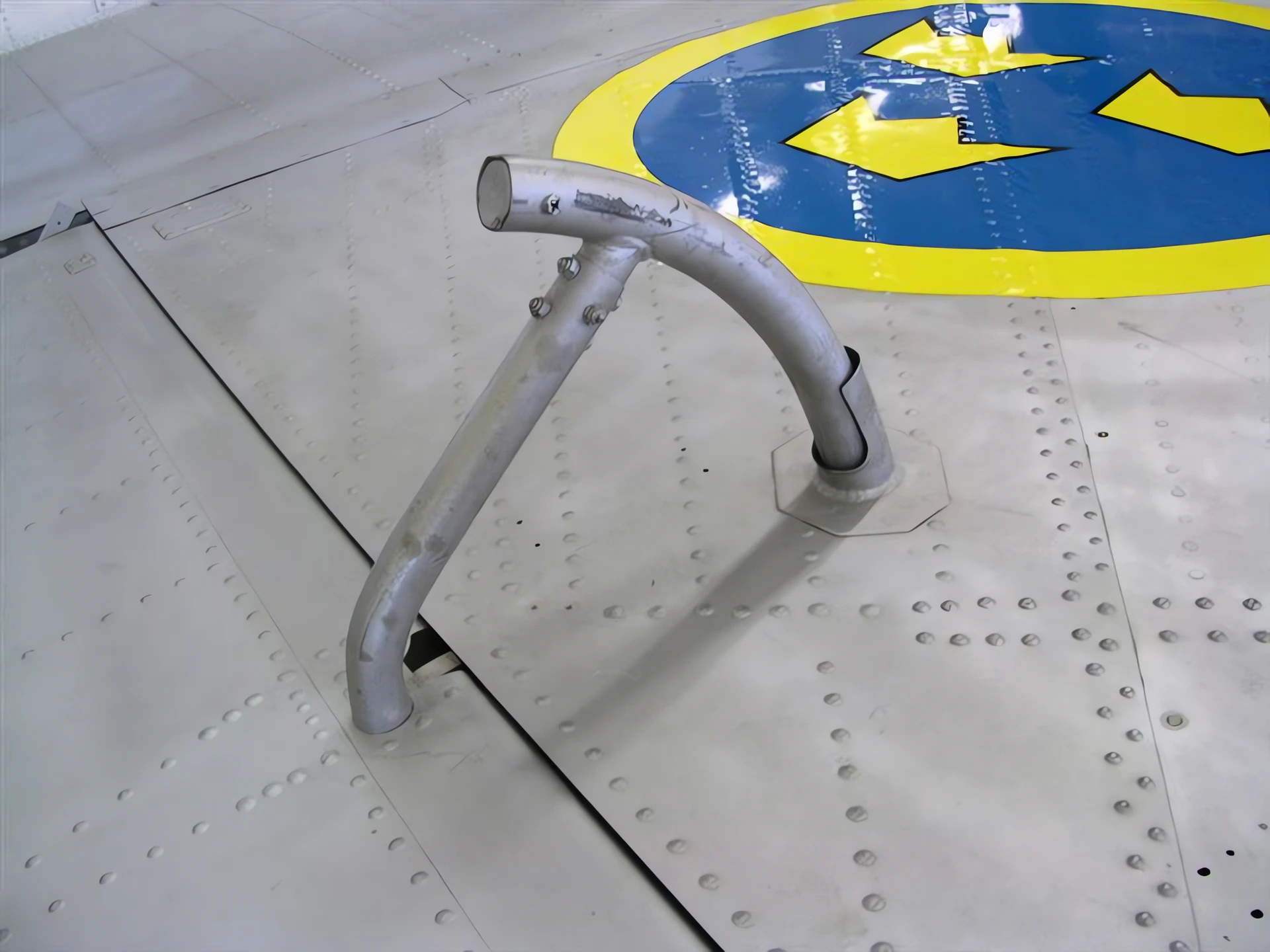

Voir aussi :


General Characteristics and Role
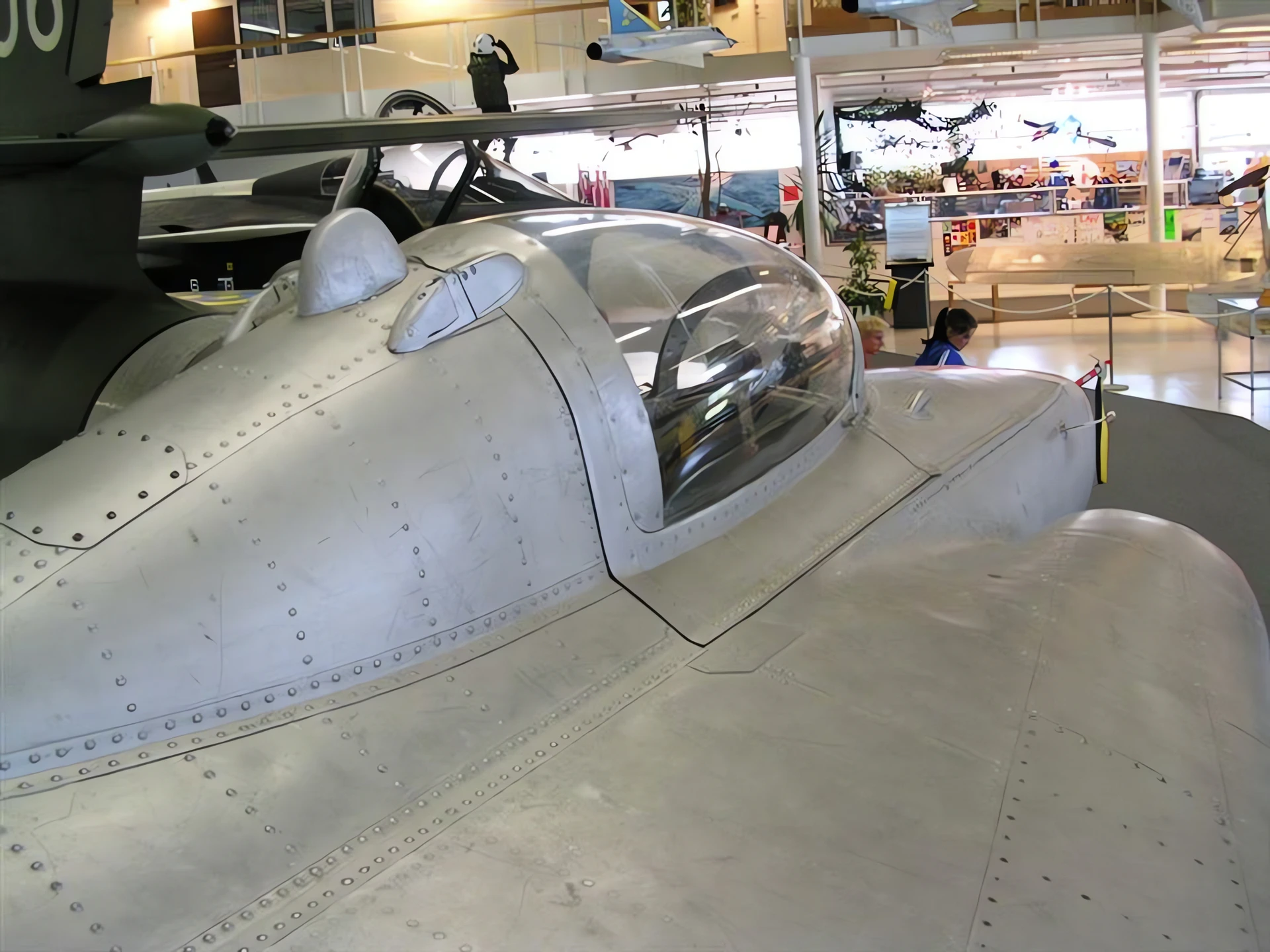
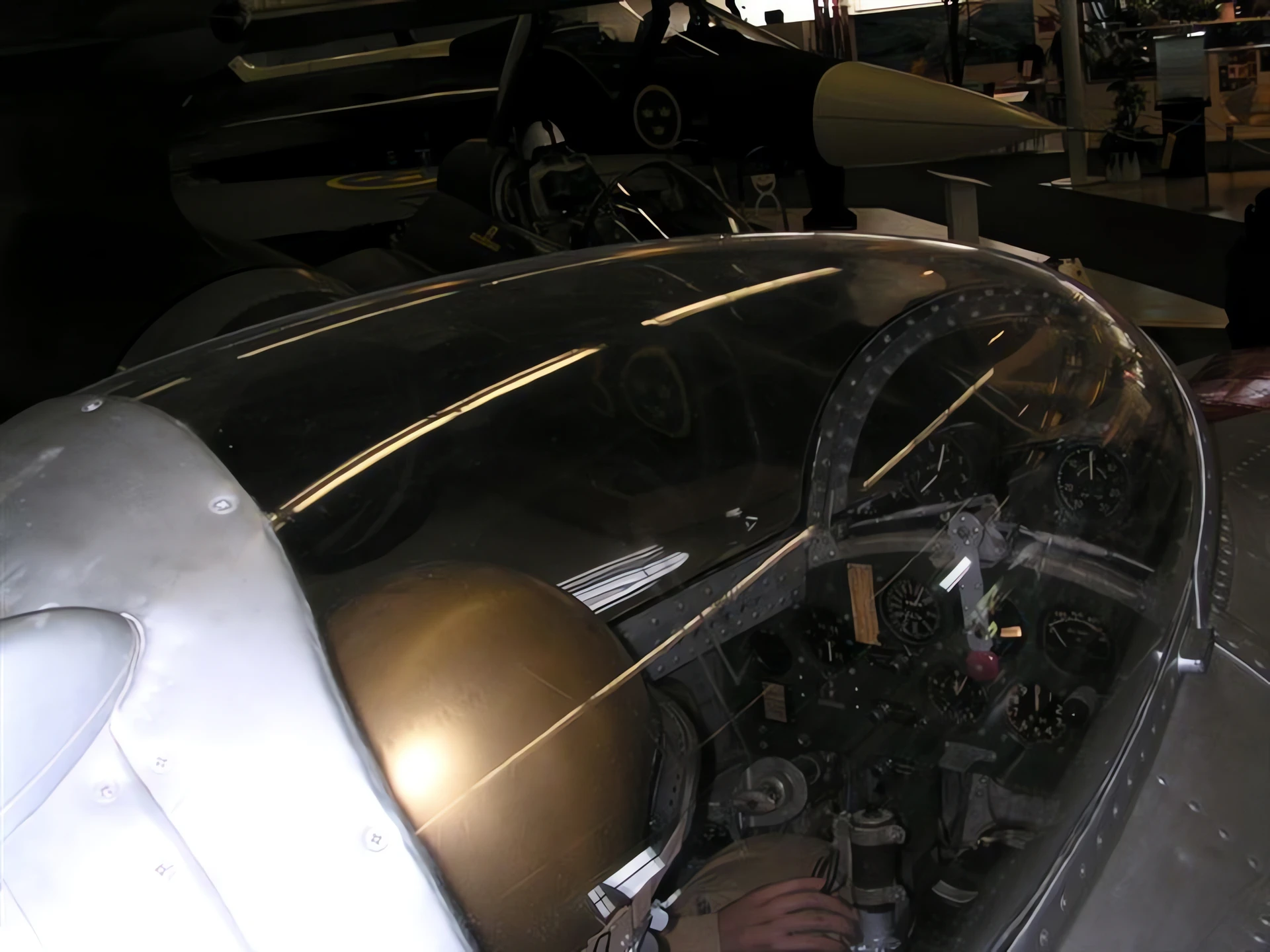
The SAAB 210 Lilldraken (« Petit Dragon ») was a revolutionary Swedish experimental aircraft designed and built by Saab in the early 1950s. It was created purely as a one-third scale research platform to test the novel and complex double delta wing configuration proposed for the supersonic Saab 35 Draken fighter. The Lilldraken was a critical step in the Draken’s development, as the double delta design—characterized by a small, highly-swept inner delta wing and a larger, less-swept outer delta—was entirely new and its aerodynamic properties needed real-world validation, especially at low speeds. Its unique profile and small size made it one of the most distinctive and important experimental aircraft of its era.
| Property | Typical Value (SAAB 210) |
|---|---|
| Rôle | Experimental/Aerodynamic Testbed |
| National Origin | Suède |
| Fabricant | Saab AB |
| First Flight | Le 21 janvier 1952 |
| Crew | 1 (Pilot) |
| Configuration | Low-wing monoplane, double delta wing, tricycle landing gear |
| Length | 6.1 m (20 ft 0 in) |
| Envergure | 4.79 m (15 ft 8 in) |
| Max Speed | Approx. 340 km/h (211 mph) |
Design Innovations and Performance
- Engine: 1 x Armstrong Siddeley Adder turbojet engine (non-afterburning).
- Thrust: Approx. 475 kgf (1,047 lbf).
- Key Innovation: The primary purpose was to test the double delta wing, which was necessary to give the subsequent Draken fighter both high-speed performance (via the inner delta) and low-speed stability (via the outer delta).
- Air Intakes: The Lilldraken featured large lateral air intakes on either side of the cockpit, which were also representative of the intended design for the larger Draken.
- Test Program: The aircraft successfully performed numerous flights, validating the stability, control, and general handling characteristics of the radical double delta configuration before the full-scale fighter was finalized.
Legacy and Final Status
- Successor: The knowledge gained from the Lilldraken program was directly applied to the full-scale development and successful deployment of the Mach 2-capable Saab 35 Draken fighter.
- Operational Status: Only one example of the SAAB 210 was ever built.
- Preservation: The single prototype is now preserved and displayed at the Flygvapenmuseum (Swedish Air Force Museum) in Linköping, Sweden.
Vues : 1346
Vous pouvez voir aussi :
 SAAB 340 AEW – Photos & Vidéos
 Saab 37 Viggen – Photos & Vidéos
 SAAB B17 – Photos & Vidéos
 Saab 21R – Photos & Vidéo
 Saab JAS 39 Gripen – Photos & Vidéo
 Saab J-29F Tunnan – Photos & Vidéo
 Consolidated B-24M Liberator – WalkAround
 P-47D Thunderbolt - WalkAround
 A-20 Havoc – WalkAround
 TBM-3E Avenger – Walk Around