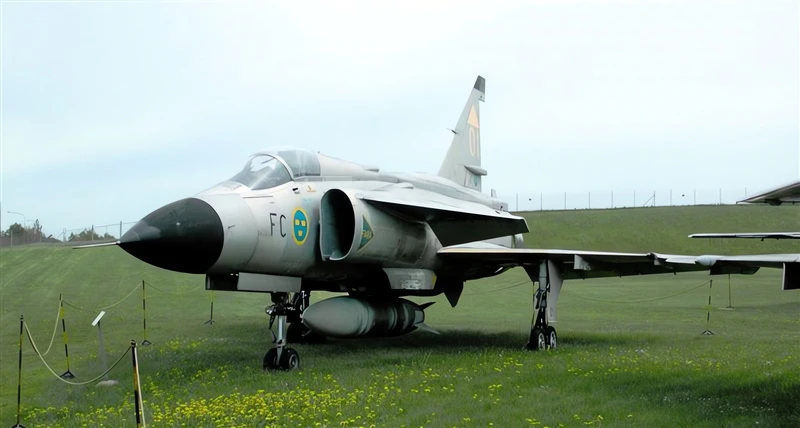
Saab 37 Viggen | |
|---|---|
| Pays | Suède |
| Rôle | Attaque, chasseur, reconnaissance |
| Premier vol | Le 8 février 1967 |
| Construit | 329 |
Lla Saab 37 Viggen (« Thunderbolt ») est un avion de combat suédois monoplace, monomoteur et à courte portée à la retraite. Des travaux de développement du type ont été entrepris à Saab en 1952 et, à la suite de la sélection d’une configuration d’aile delta radicale, l’avion qui en a résulté a effectué son premier vol le 8 février 1967 et est entré en service le 21 juin 1971. Le Viggen détient la distinction d’être le premier canard design à être produit en quantité. Le Viggen était aussi l’avion de chasse le plus avancé d’Europe jusqu’à l’introduction de la Panavia Tornado en service opérationnel en 1981.
Source: Saab 37 Viggen sur Wikipedia
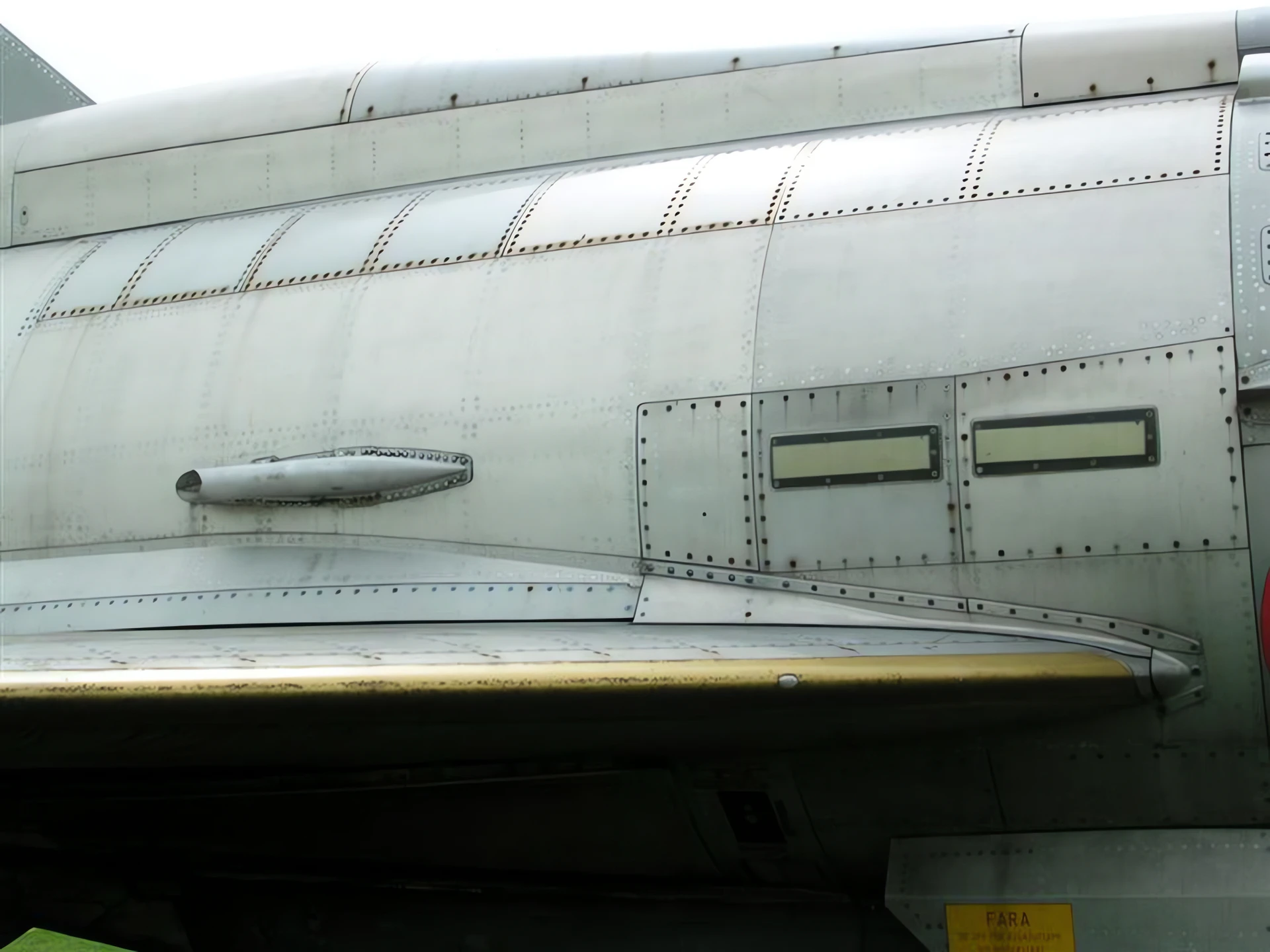
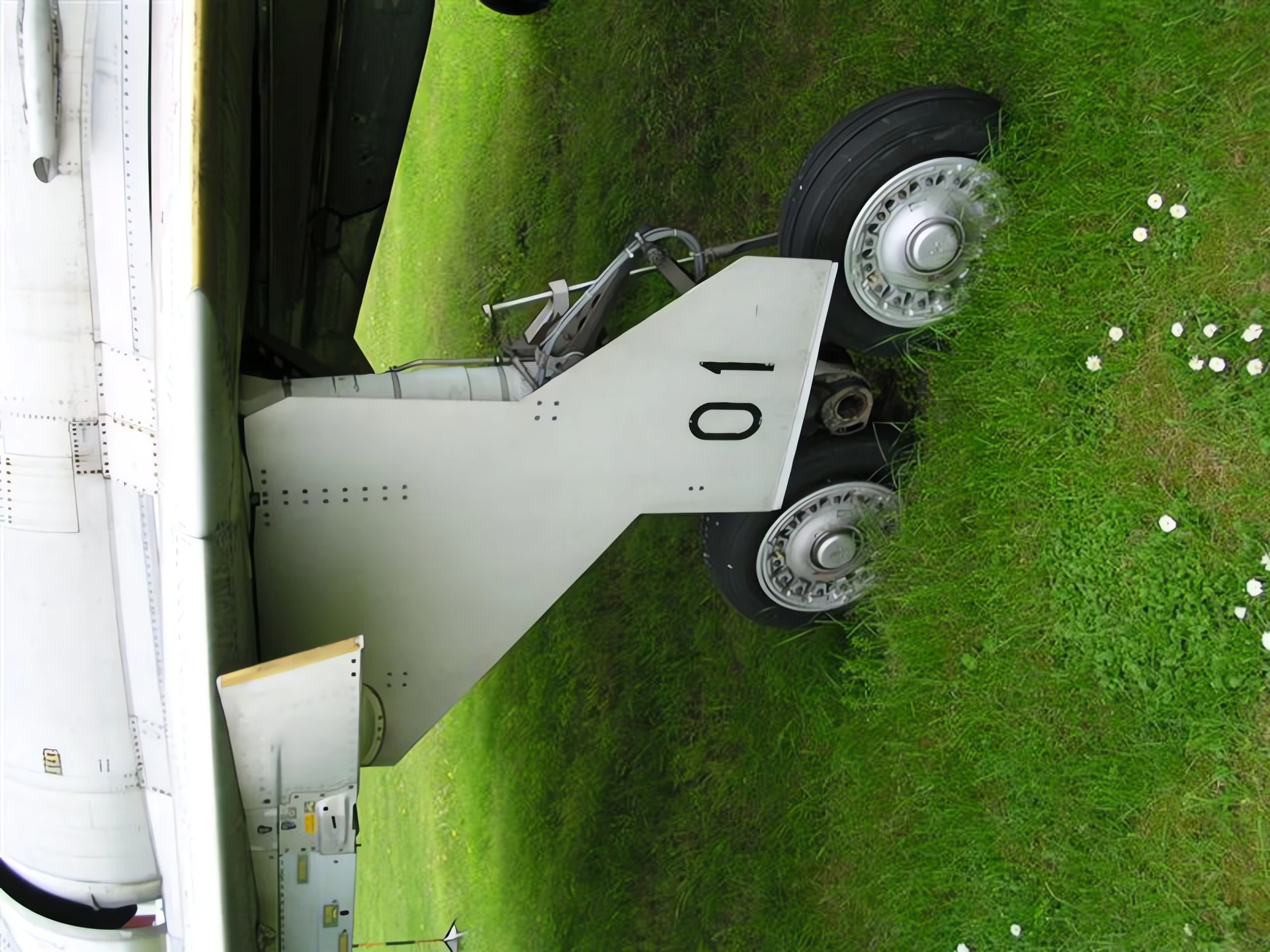
| SAAB AJ.37-1 prototype Walk Around | |
|---|---|
| Photographer | Vladimir Yakubov |
| Localisation | Unknow |
| Photos | 85 |
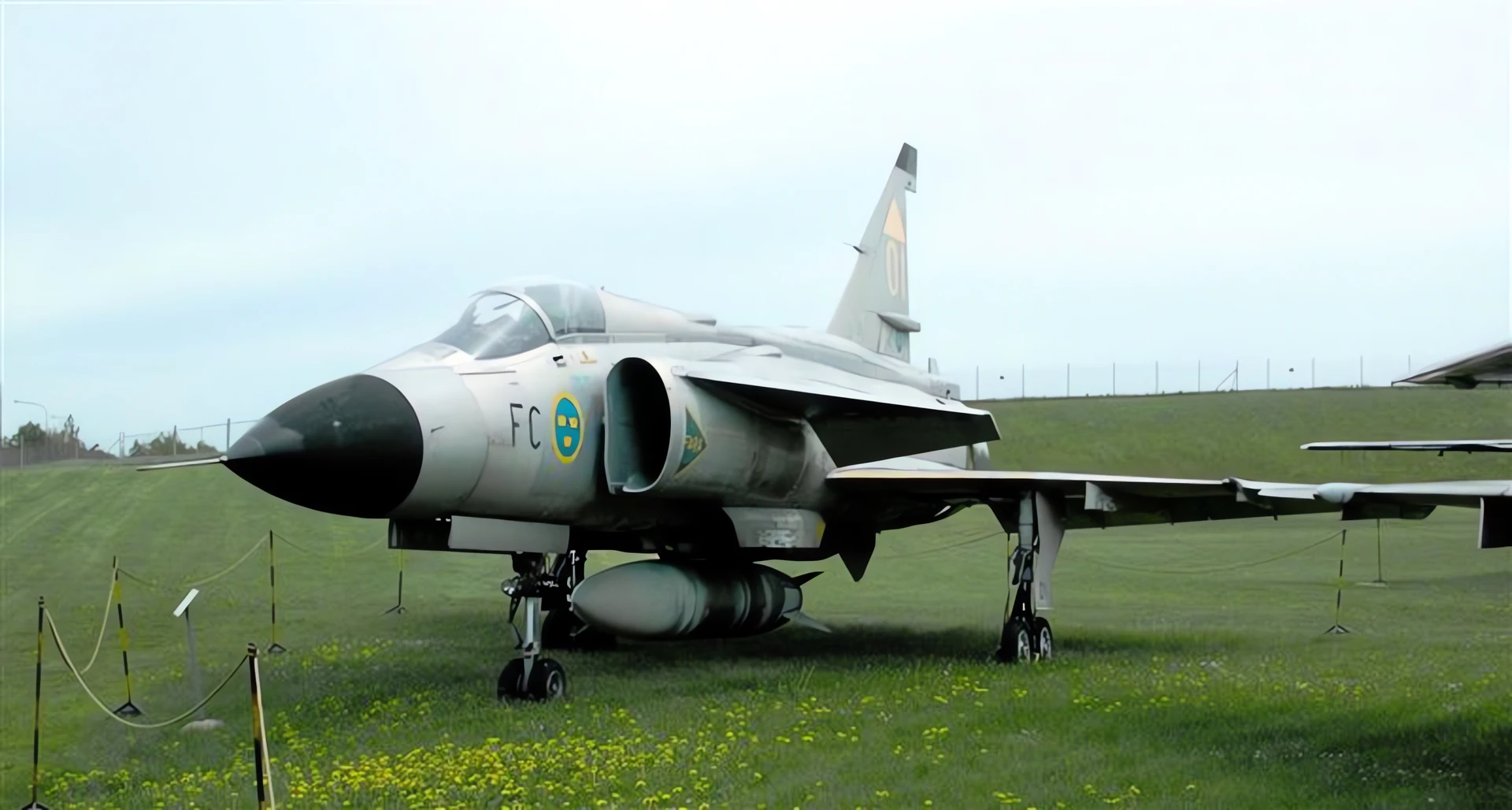
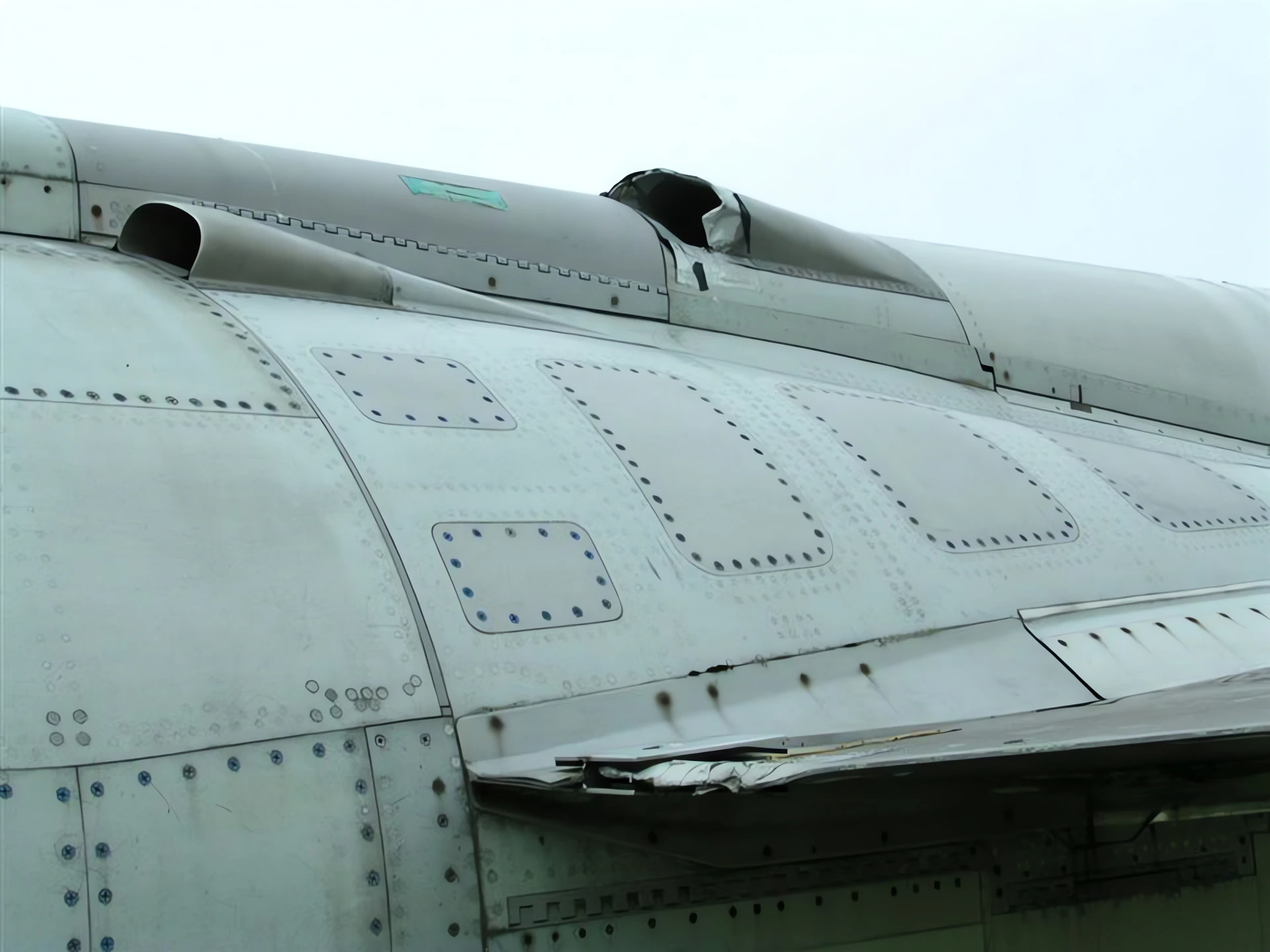
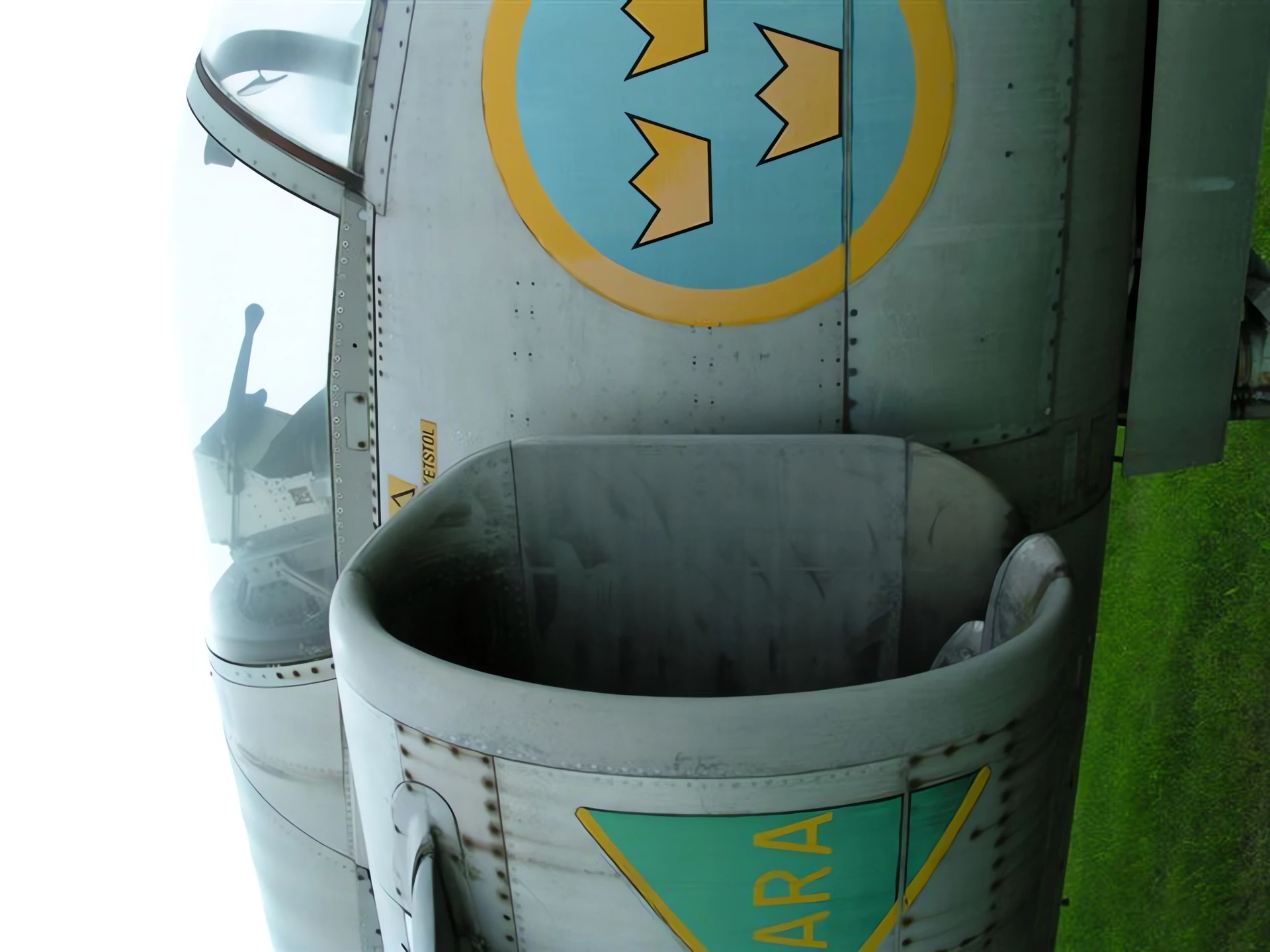
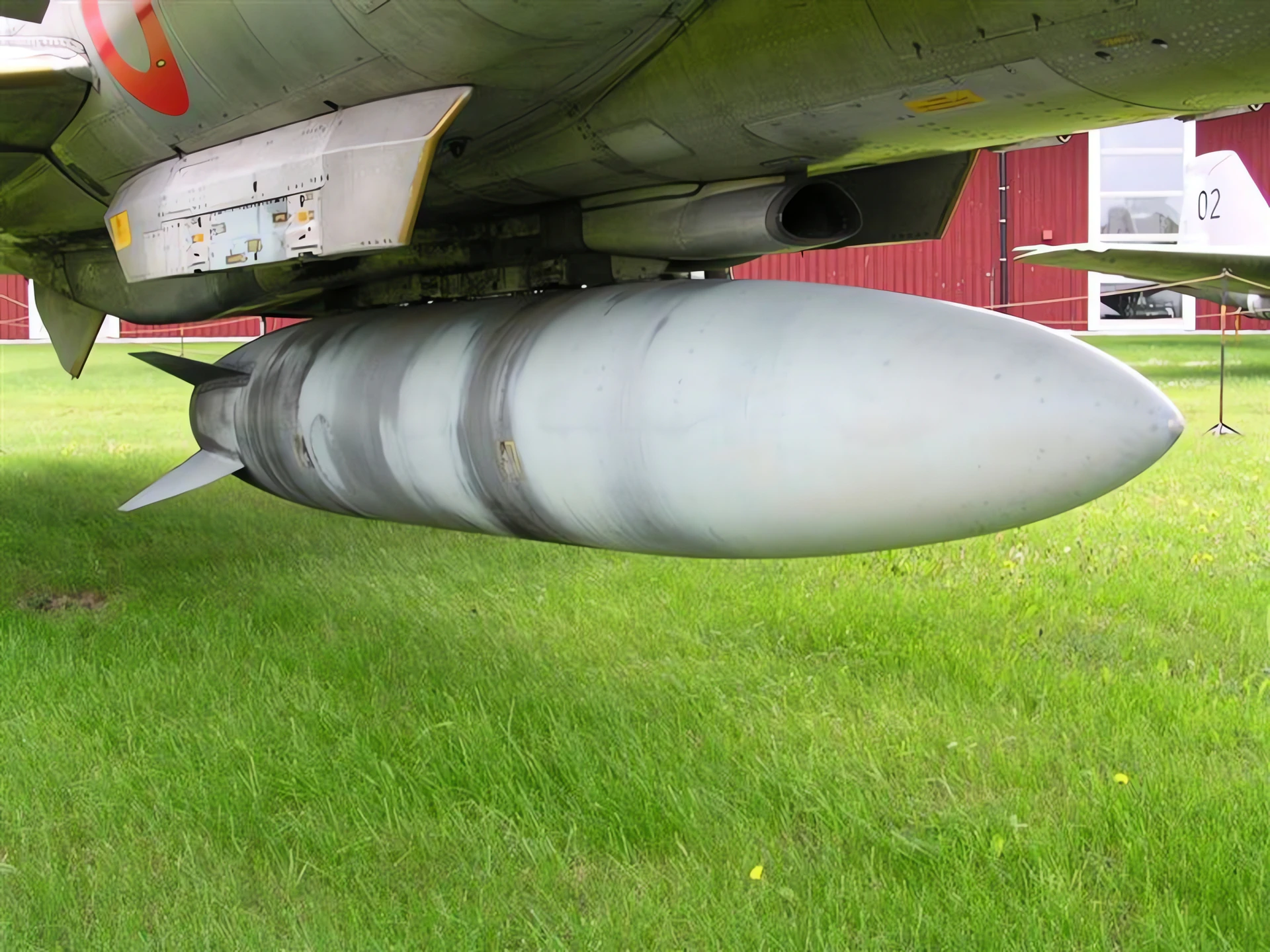
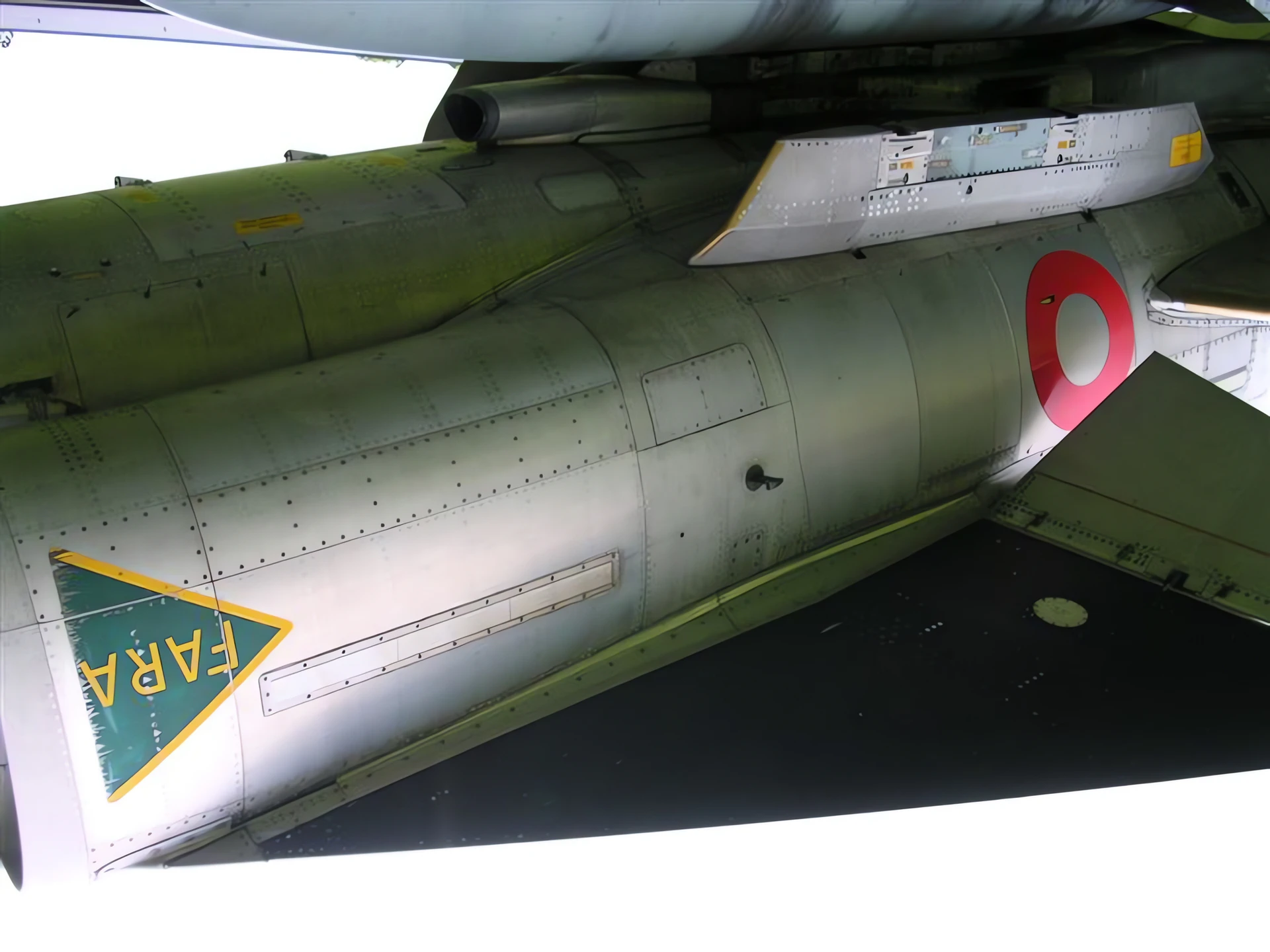
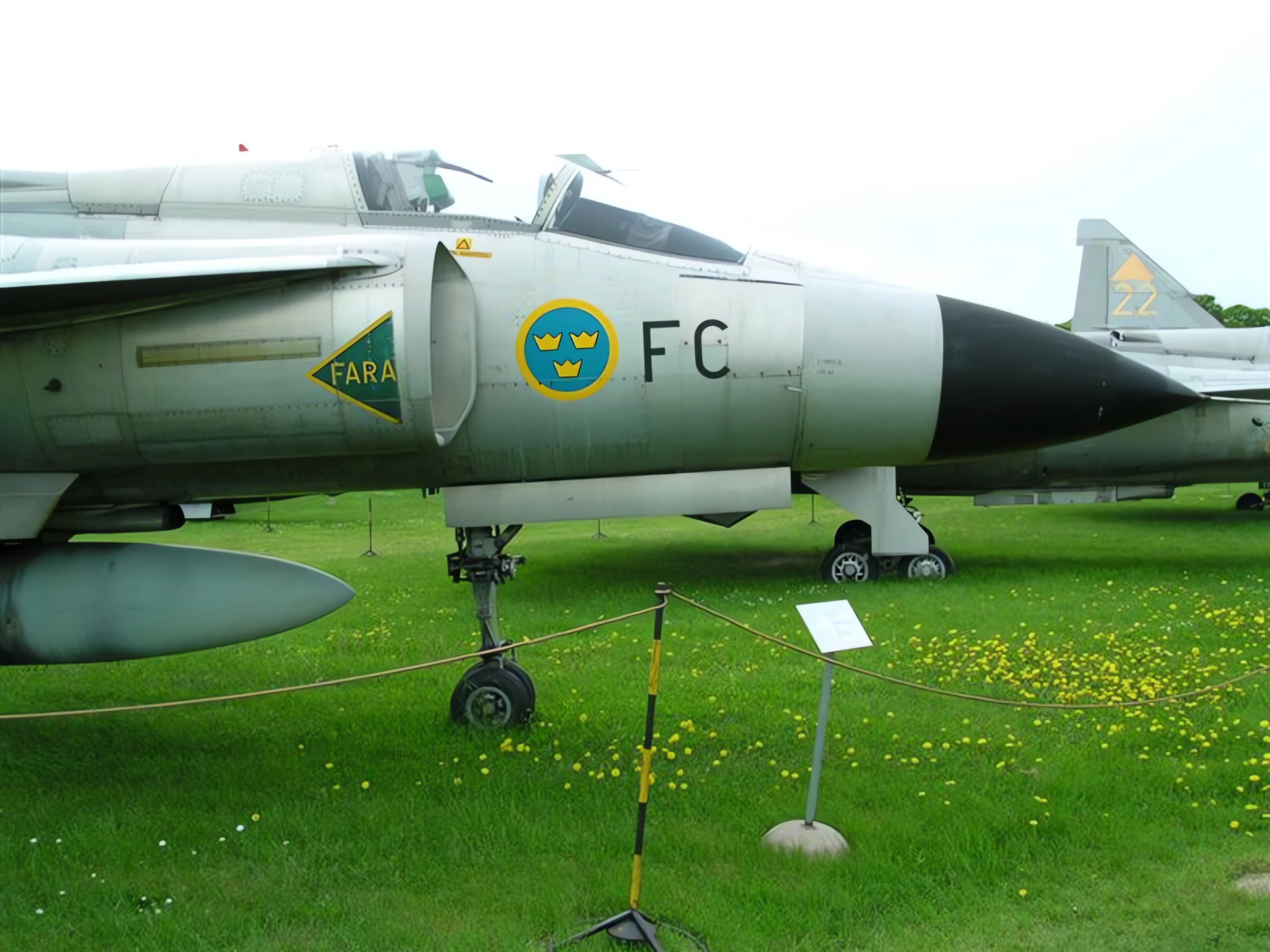
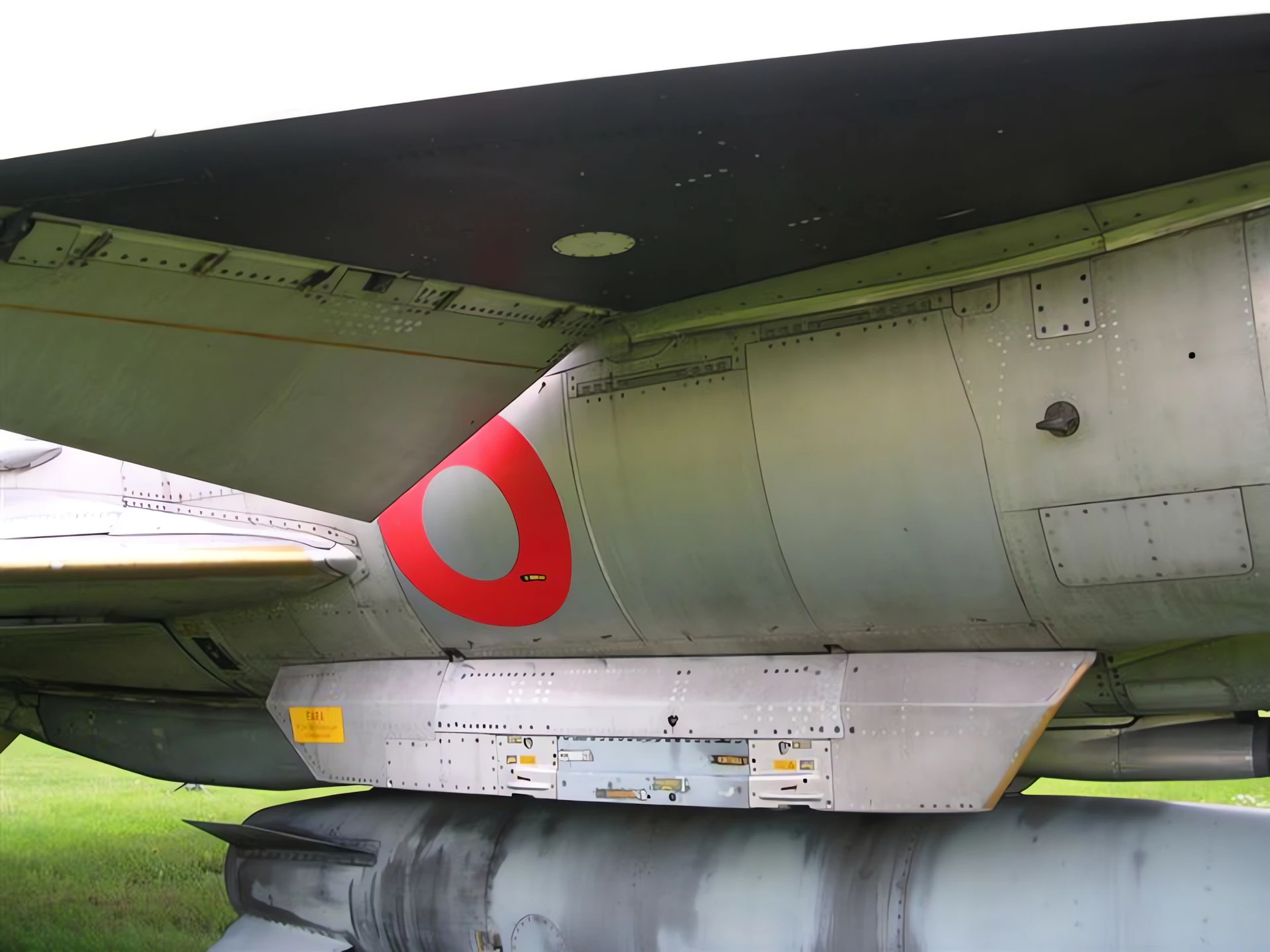

| SK 37 Viggen proto Walk Around | |
|---|---|
| Photographe | Inconnu |
| Localisation | Inconnu |
| Photos | 64 |
Voir aussi :


| Saab 37 Viggen SKE Walk Around | |
|---|---|
| Photographe | Inconnu |
| Localisation | Inconnu |
| Photos | 20 |
Lla « Roadway » Combattant
Lla SAAB AJ 37 Viggen (Thunderbolt) was a revolutionary multi-role combat aircraft designed to fulfill Sweden’s unique « Bas 60 » defense doctrine. In the event of a Soviet invasion, the Swedish Air Force planned to operate from dispersed road bases—standard highways converted into temporary runways. The Viggen was engineered for STOL (Short Take-Off and Landing) performance, allowing it to land on a 500-meter stretch of road and be refueled and rearmed by conscripts in less than 20 minutes.
| Attribute | Technical Specification (AJ 37) |
|---|---|
| Rôle | Attack Fighter (Attack-Jakt) |
| Crew | 1 (Pilot) |
| First Flight | February 8, 1967 |
| Groupe motopropulseur | 1 × Volvo Flygmotor RM8A (Licensed Pratt & Whitney JT8D) |
| Afterburning Thrust | 115.7 kN (26,015 lbf) |
| Vitesse maximale | Mach 2.1 (2,231 km/h at altitude) |
| Landing Speed | 220 km/h (Incredible for a Mach 2 jet) |
| Hardpoints | 7 (Up to 7,000 kg of ordnance) |
Revolutionary Aerodynamics: Canards and Reversers
- Canard Configuration: The Viggen was the first mass-produced fighter to utilize a fixed canard wing with flaps. This created extra lift at low speeds, allowing the aircraft to maintain a high angle of attack for short landings without stalling.
- Thrust Reverser: To stop on short, icy Swedish roads, the Viggen was equipped with a massive thrust reverser (similar to commercial airliners). The pilot could engage it just before touchdown, allowing the jet to stop in roughly 500 meters. It could even « back up » on its own power.
- Double Delta Wing: The main wing used a double-delta shape to provide stability at supersonic speeds while maintaining the lift needed for low-altitude attack missions.
- The RM8 Engine: Volvo Flygmotor took a civilian airliner engine (from the DC-9/727) and added a massive, Swedish-designed afterburner, creating one of the most powerful fighter engines of its era.
The Electronic Frontier
- CK37 Computer: The Viggen was the first aircraft in the world to use an integrated circuit-based central computer. This handled navigation, fire control, and fuel monitoring, allowing a single pilot to perform the work usually requiring two.
- Head-Up Display (HUD): To help pilots land on narrow roads in bad weather, the Viggen featured a sophisticated HUD that projected a « virtual runway » or landing pole for the pilot to follow.
- Lla « Splinter » Camouflage: Perhaps the most iconic paint scheme in aviation history, the four-color « M90 » splinter pattern was designed to hide the aircraft against the Swedish forests when viewed from above by Soviet satellites or aircraft.
Variantes
While the AJ 37 was the ground-attack version, the airframe evolved into the SF 37 (Reconnaissance), the SK 37 (Two-seat trainer), and the ultimate version, the JA 37 Jaktviggen (Interceptor), which featured a more powerful engine and a built-in 30mm Oerlikon KCA cannon.
Vues : 4497
Vous pouvez voir aussi :
 SAAB 340 AEW – Photos & Vidéos
 Saab 210 – Photos & Vidéos
 SAAB B17 – Photos & Vidéos
 Saab 21R – Photos & Vidéo
 Saab JAS 39 Gripen – Photos & Vidéo
 Saab J-29F Tunnan – Photos & Vidéo
 Consolidated B-24M Liberator – WalkAround
 P-47D Thunderbolt - WalkAround
 A-20 Havoc – WalkAround
 TBM-3E Avenger – Walk Around