Saab 210 | |
|---|---|
| 国家 | 瑞典 |
| 作用 | 实验飞机 |
| 首次飞行 | 21 一月 1952 |
| 建立 | 1 |
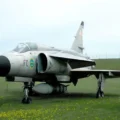
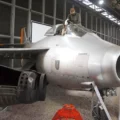
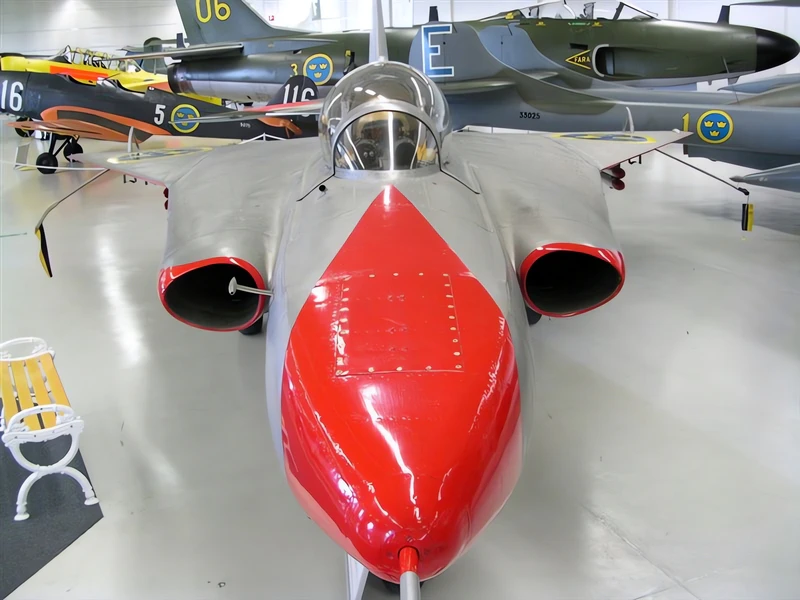
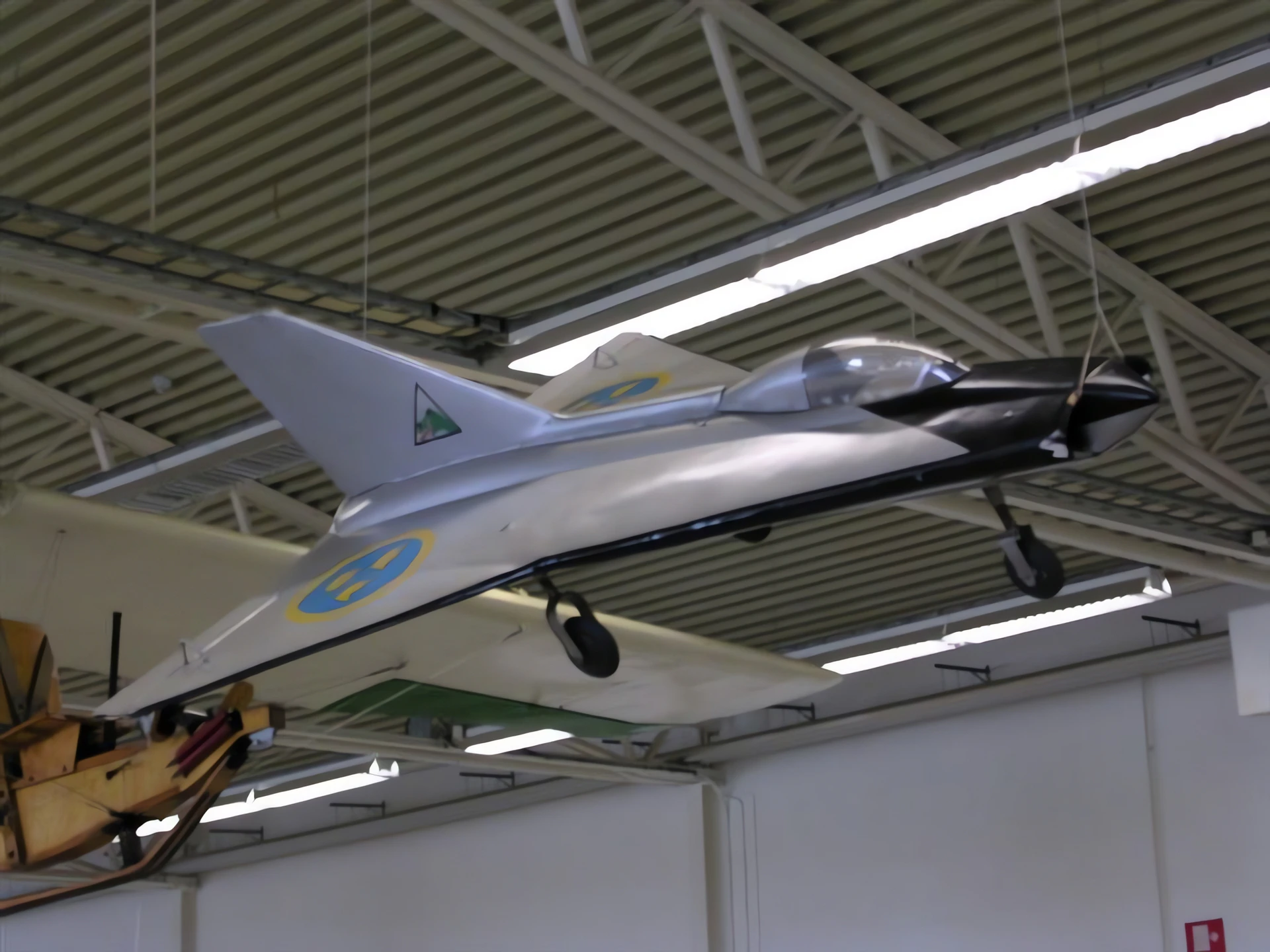
这 萨博 210 德拉肯 (龙或风筝)是J 35战斗机开发中双三角概念的缩小试验台。虽然萨博从未正式命名过Draken以外的任何东西,但在萨博35原型机首次飞行后,它很快就以其非官方昵称Lilldraken(小龙或小风筝)而闻名。它的首次飞行是在1952年1月21日。
| SAAB 210 Lilldraken Walk Around | |
|---|---|
| Photographer | Unknow |
| Localisation | Unknow |
| Photos | 29 |
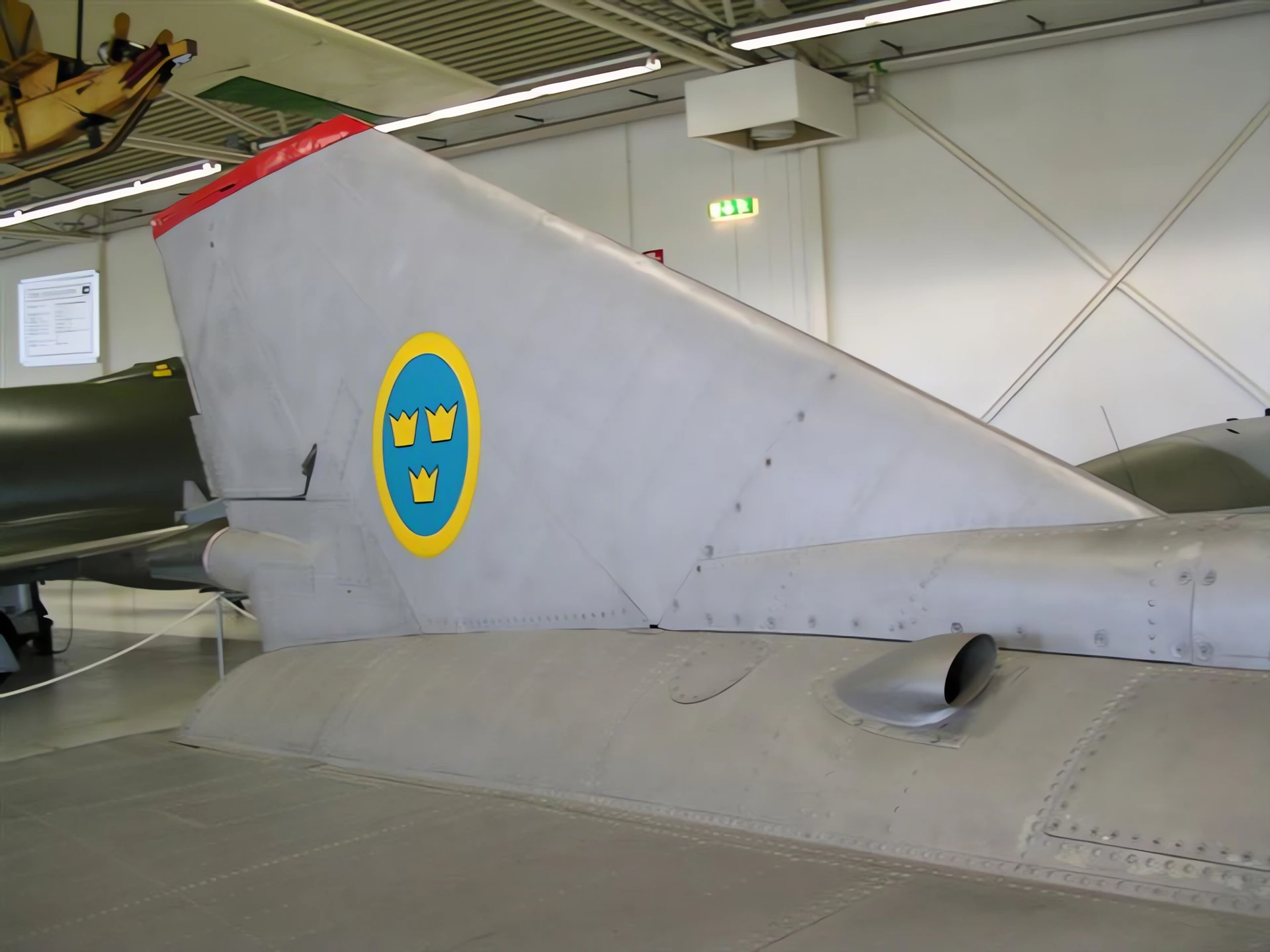
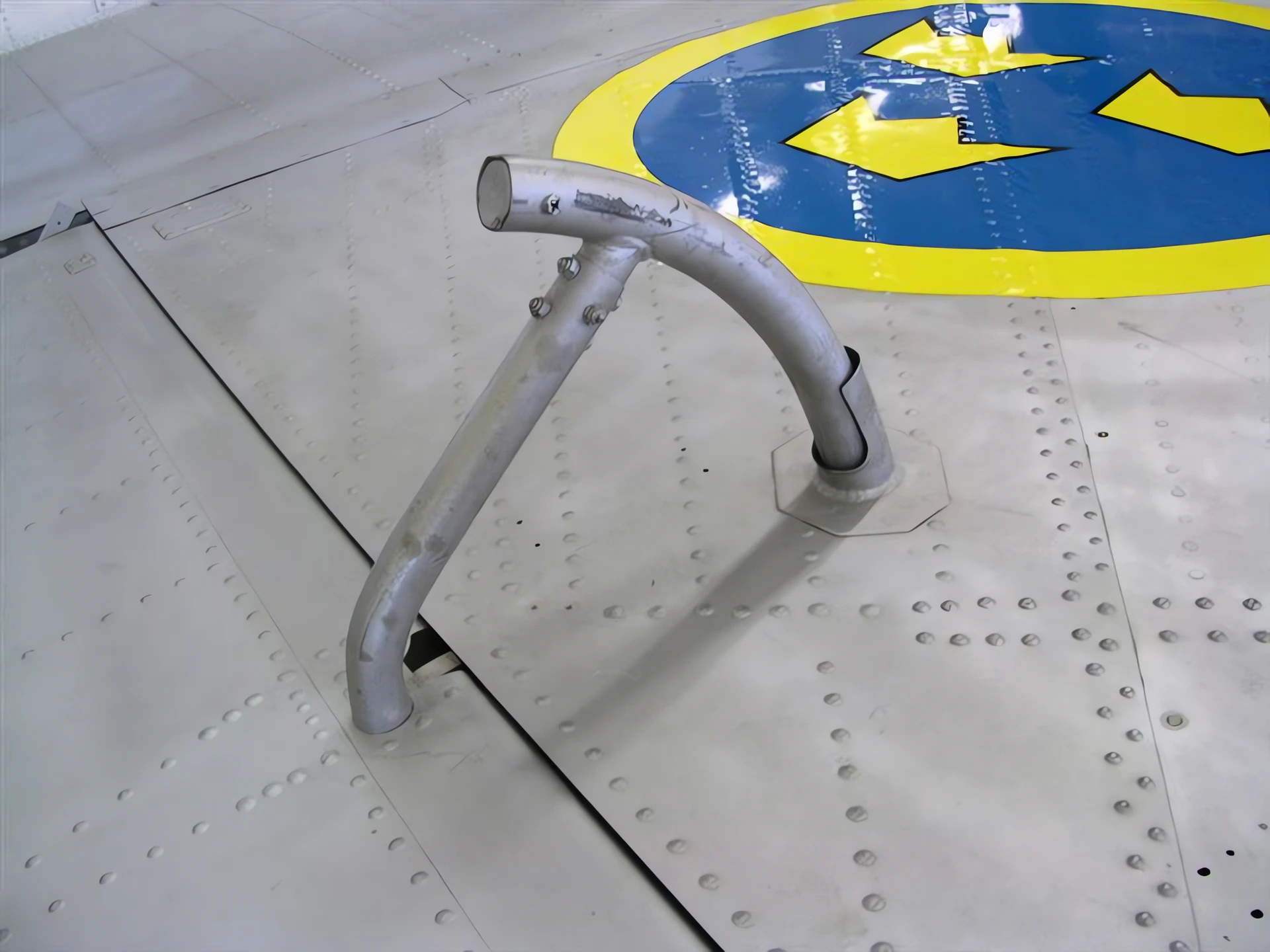
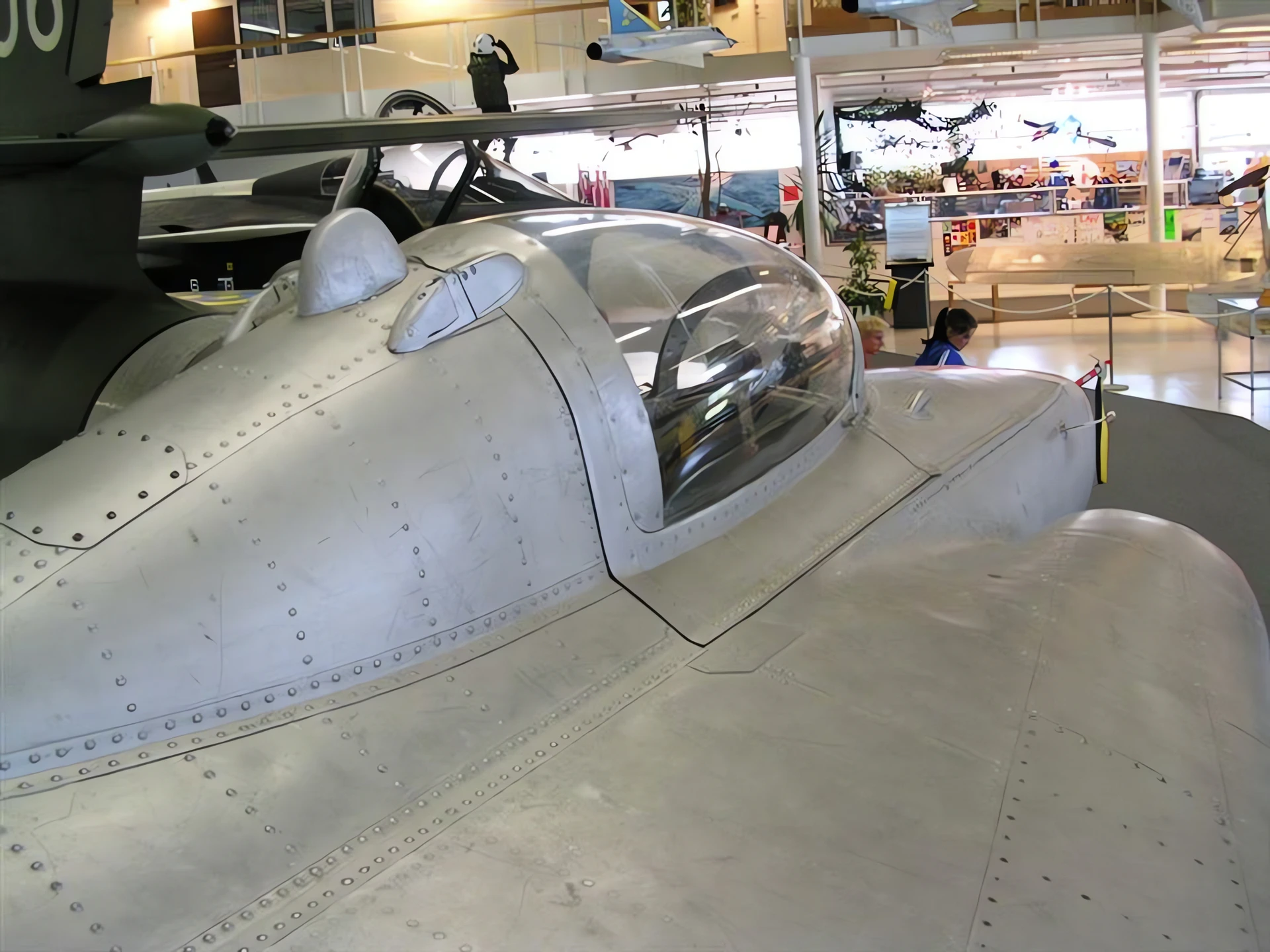
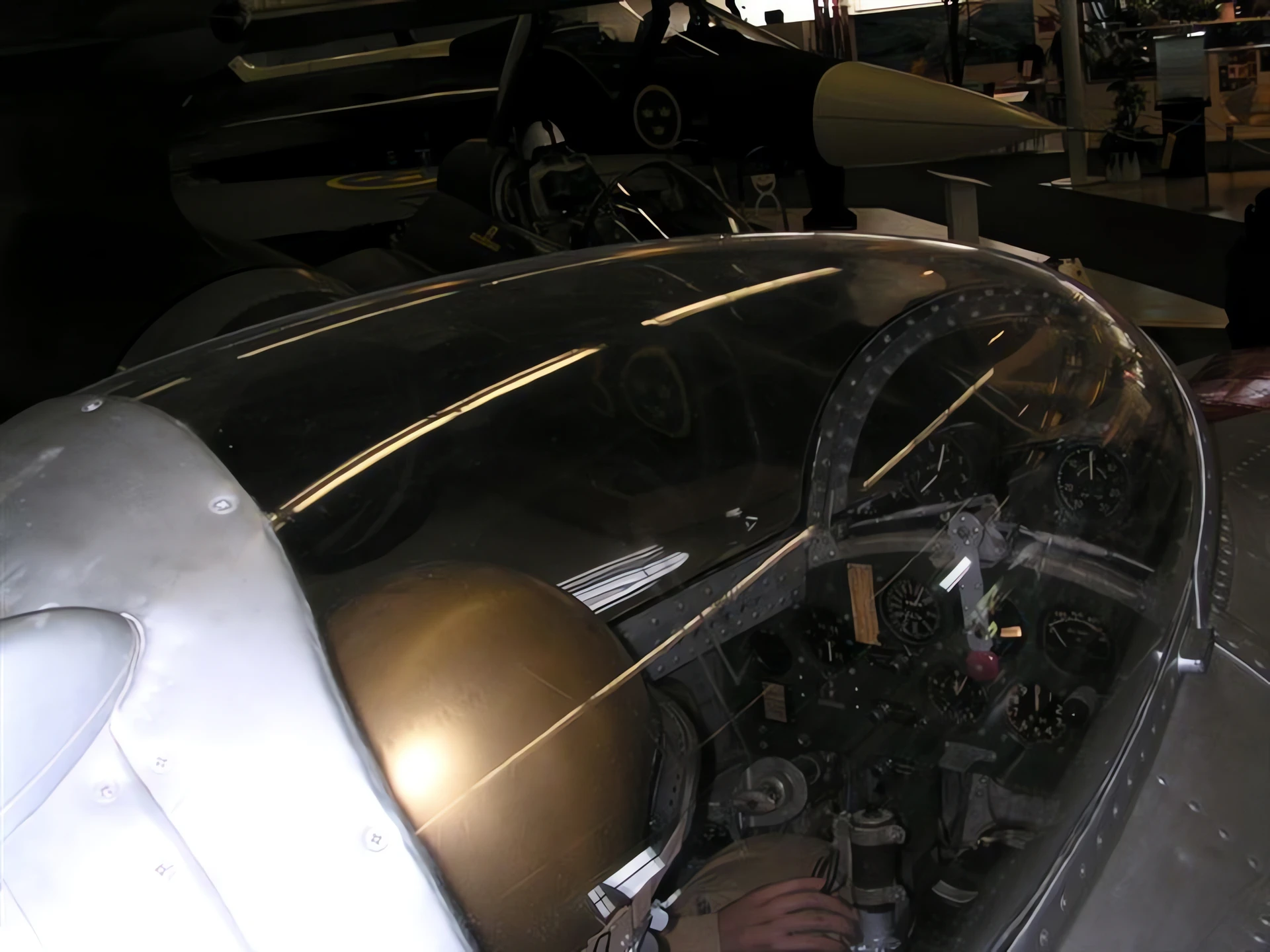

另请参阅:


General Characteristics and Role
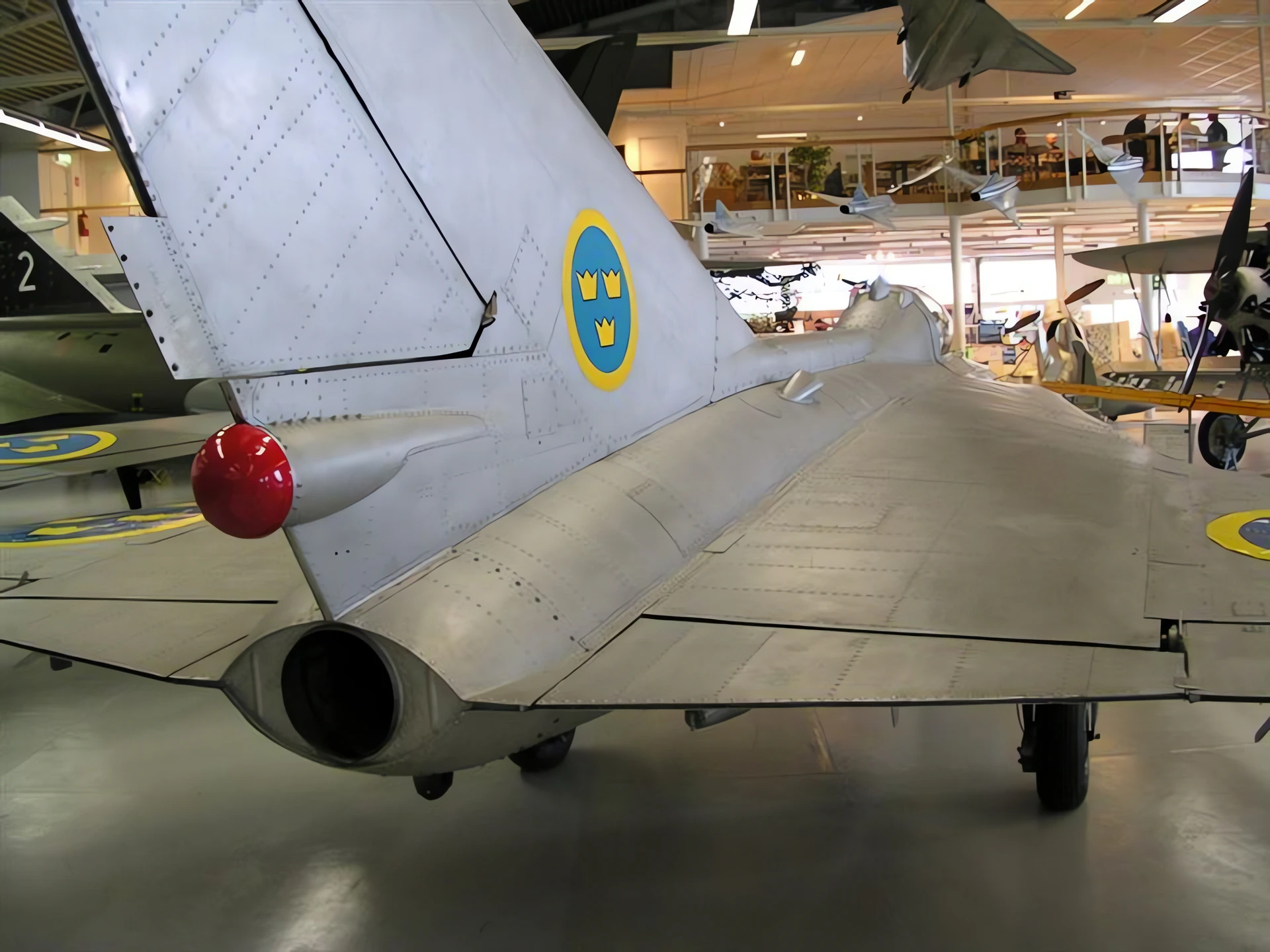
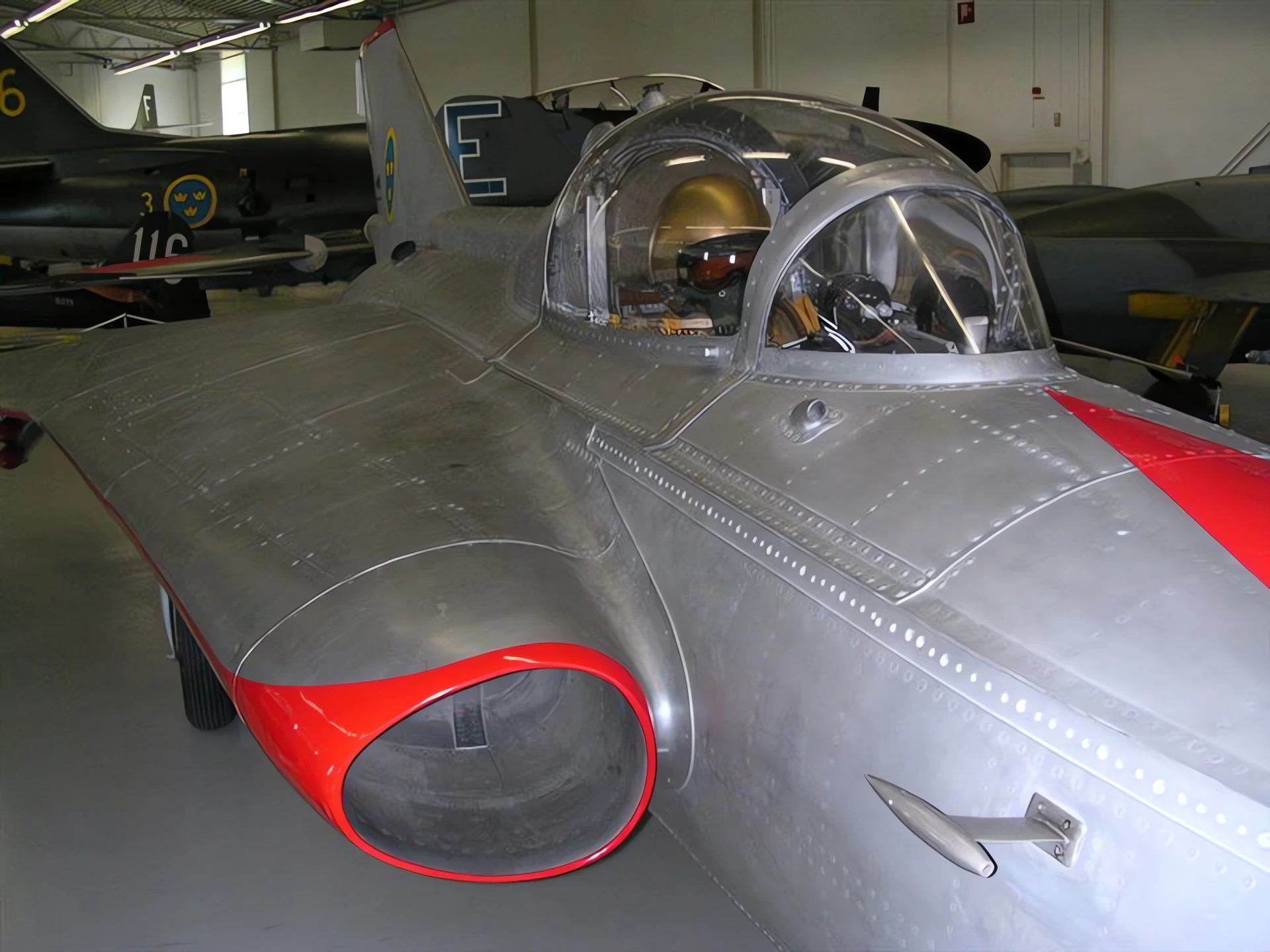
The SAAB 210 Lilldraken (“Little Dragon”) was a revolutionary Swedish experimental aircraft designed and built by Saab in the early 1950s. It was created purely as a one-third scale research platform to test the novel and complex double delta wing configuration proposed for the supersonic Saab 35 Draken fighter. The Lilldraken was a critical step in the Draken’s development, as the double delta design—characterized by a small, highly-swept inner delta wing and a larger, less-swept outer delta—was entirely new and its aerodynamic properties needed real-world validation, especially at low speeds. Its unique profile and small size made it one of the most distinctive and important experimental aircraft of its era.
| Property | Typical Value (SAAB 210) |
|---|---|
| 作用 | Experimental/Aerodynamic Testbed |
| National Origin | 瑞典 |
| 制造商 | Saab AB |
| First Flight | 21 一月 1952 |
| 船员 | 1 (Pilot) |
| 配置 | Low-wing monoplane, double delta wing, tricycle landing gear |
| 长度 | 6.1 m (20 ft 0 in) |
| 翼展 | 4.79 m (15 ft 8 in) |
| Max Speed | Approx. 340 km/h (211 mph) |
Design Innovations and Performance
- Engine: 1 x Armstrong Siddeley Adder turbojet engine (non-afterburning).
- Thrust: Approx. 475 kgf (1,047 lbf).
- Key Innovation: The primary purpose was to test the double delta wing, which was necessary to give the subsequent Draken fighter both high-speed performance (via the inner delta) and low-speed stability (via the outer delta).
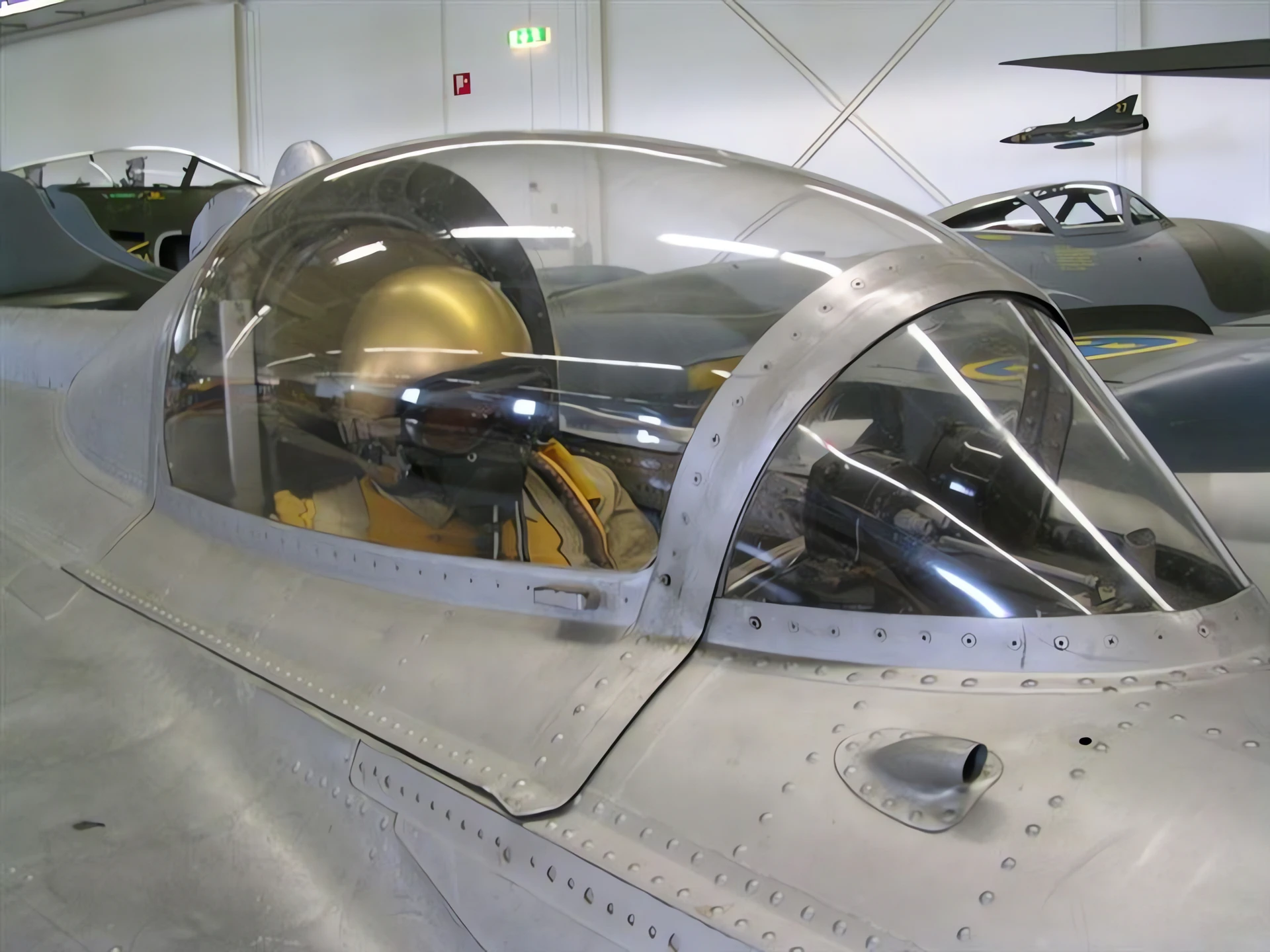
- Air Intakes: The Lilldraken featured large lateral air intakes on either side of the cockpit, which were also representative of the intended design for the larger Draken.
- Test Program: The aircraft successfully performed numerous flights, validating the stability, control, and general handling characteristics of the radical double delta configuration before the full-scale fighter was finalized.
Legacy and Final Status
- Successor: The knowledge gained from the Lilldraken program was directly applied to the full-scale development and successful deployment of the Mach 2-capable Saab 35 Draken fighter.
- Operational Status: Only one example of the SAAB 210 was ever built.
- Preservation: The single prototype is now preserved and displayed at the Flygvapenmuseum (Swedish Air Force Museum) in Linköping, Sweden.
视图: 1346