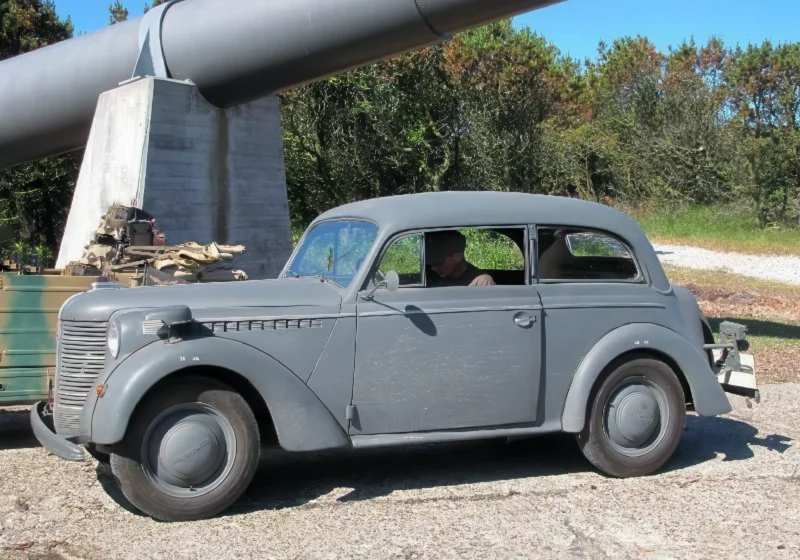
Opel Olympia | |
|---|---|
| Kraju | Niemcy |
| Typu | Samochód |
| Produkcji | 1935–1970 |
| Zbudowany | Niewiedzy |
Tthe Opel Olympia is a compact car produced by the German automaker Opel from 1935 to 1940, from 1947 to 1953 and again from 1967 to 1970. The 1935 Olympia was Germany’s first mass-produced car with an all-steel unitized body (monocoque). This revolutionary technology reduced the weight of the car by 180 kilograms (400 lb.) compared to its predecessor. Production of the unibody design required new production methods and materials. Spot welding, advanced types of steel, and a new production line layout were among the many advances introduced by the Olympia.
Źródła: Opel Olympia na Wikipedii
| Opel Olympia WalkAround | |
|---|---|
| Fotograf | Unknow |
| Lokalizacja | Niewiedzy |
| Zdjęcia | 26 |
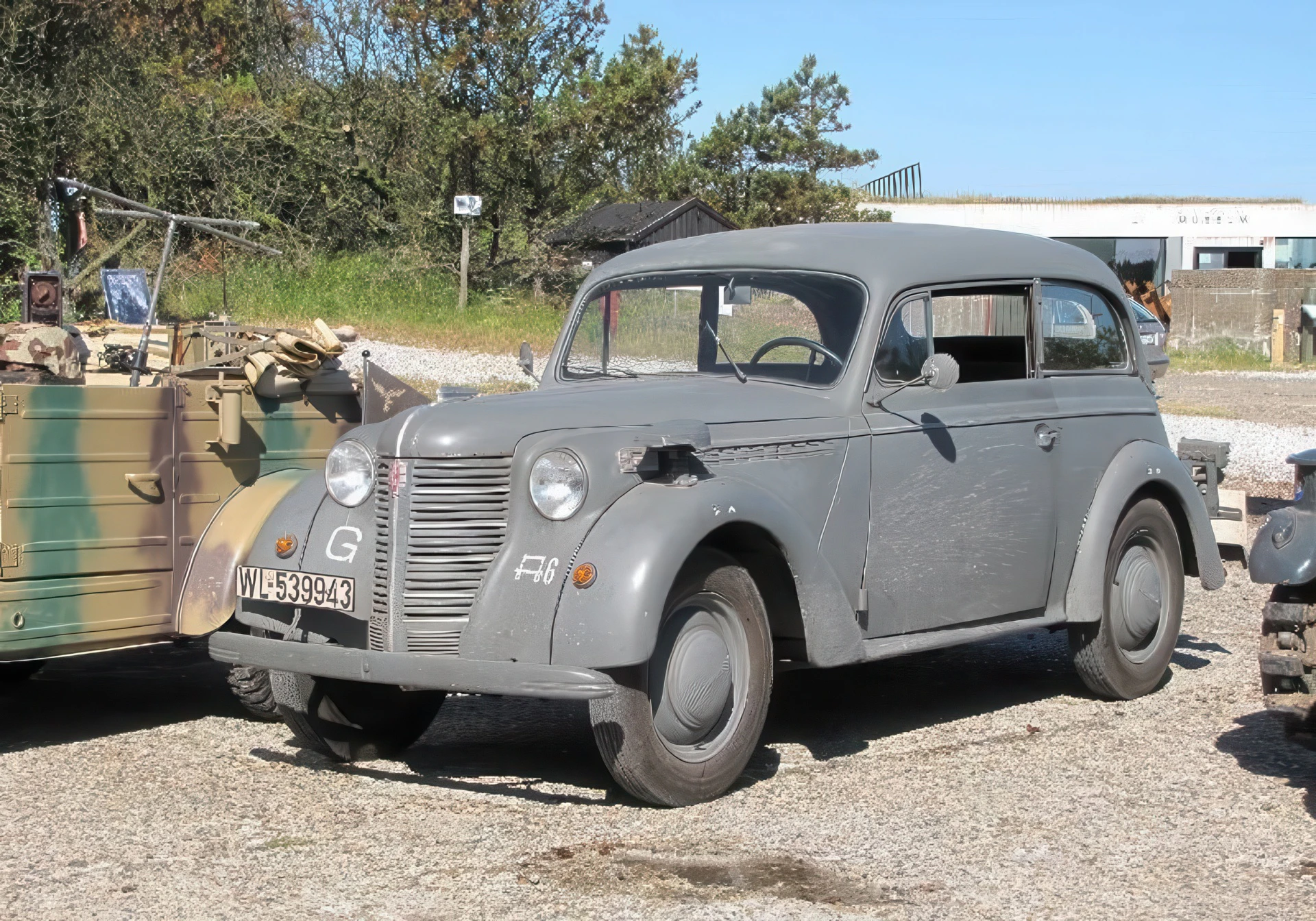


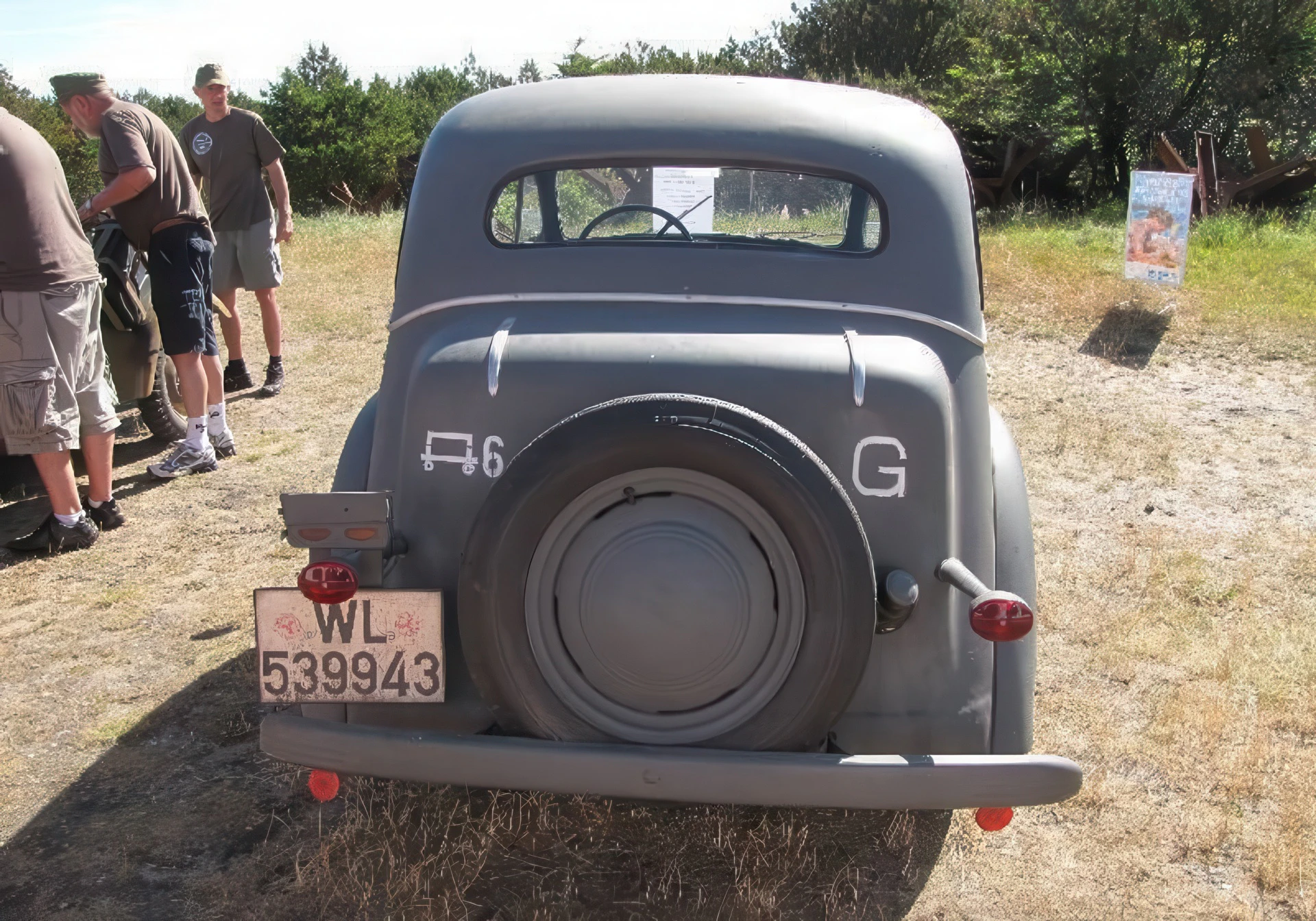

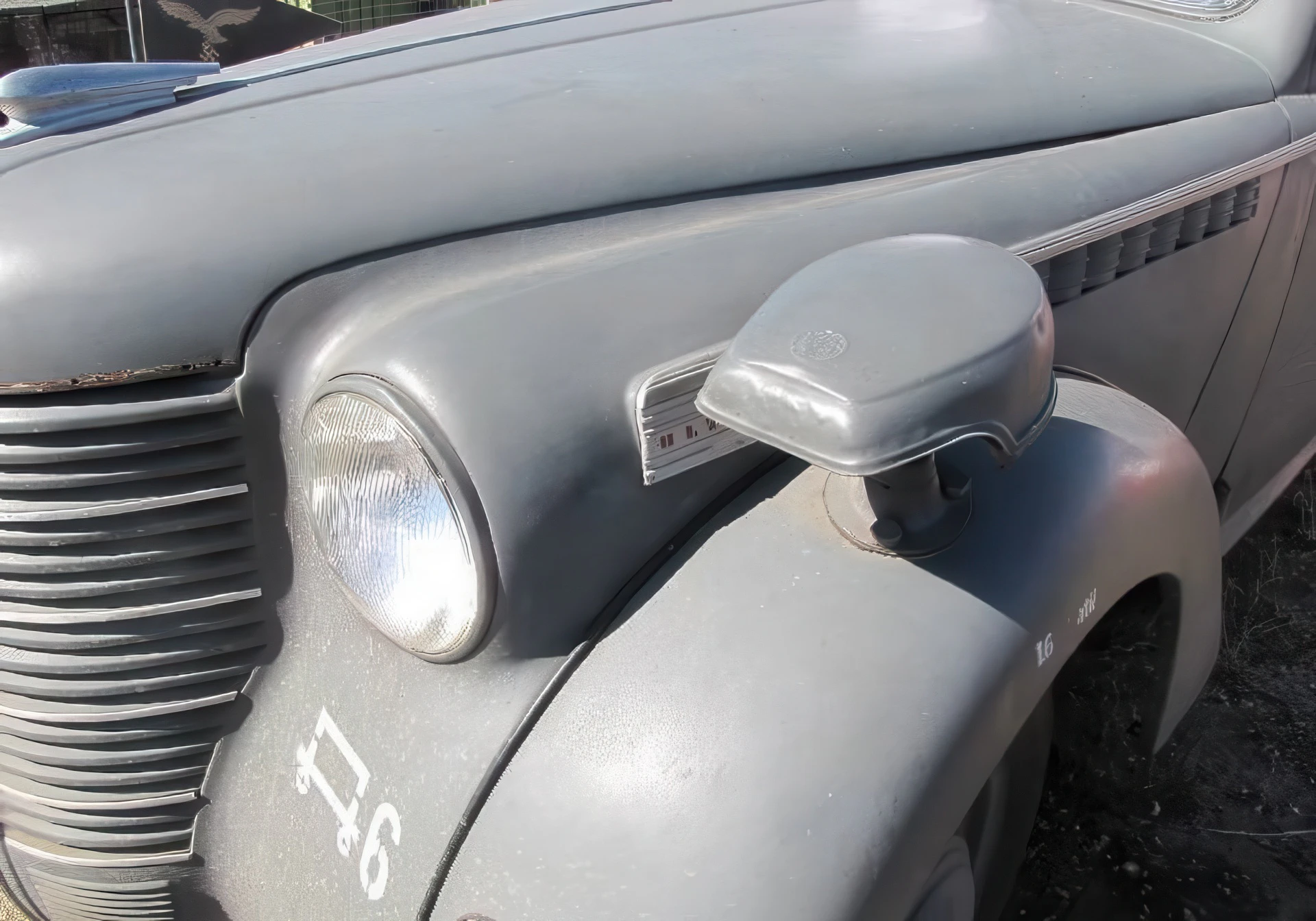
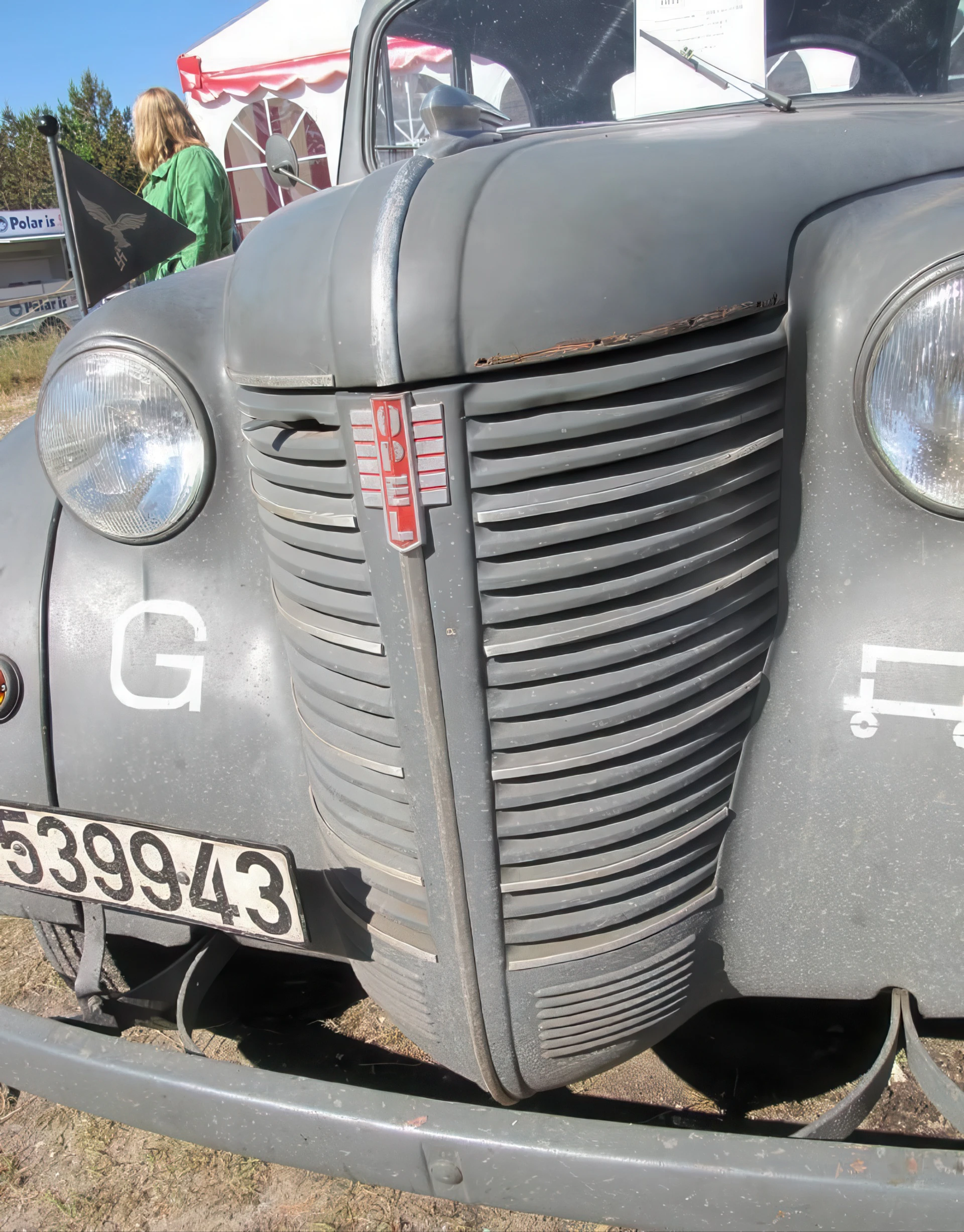
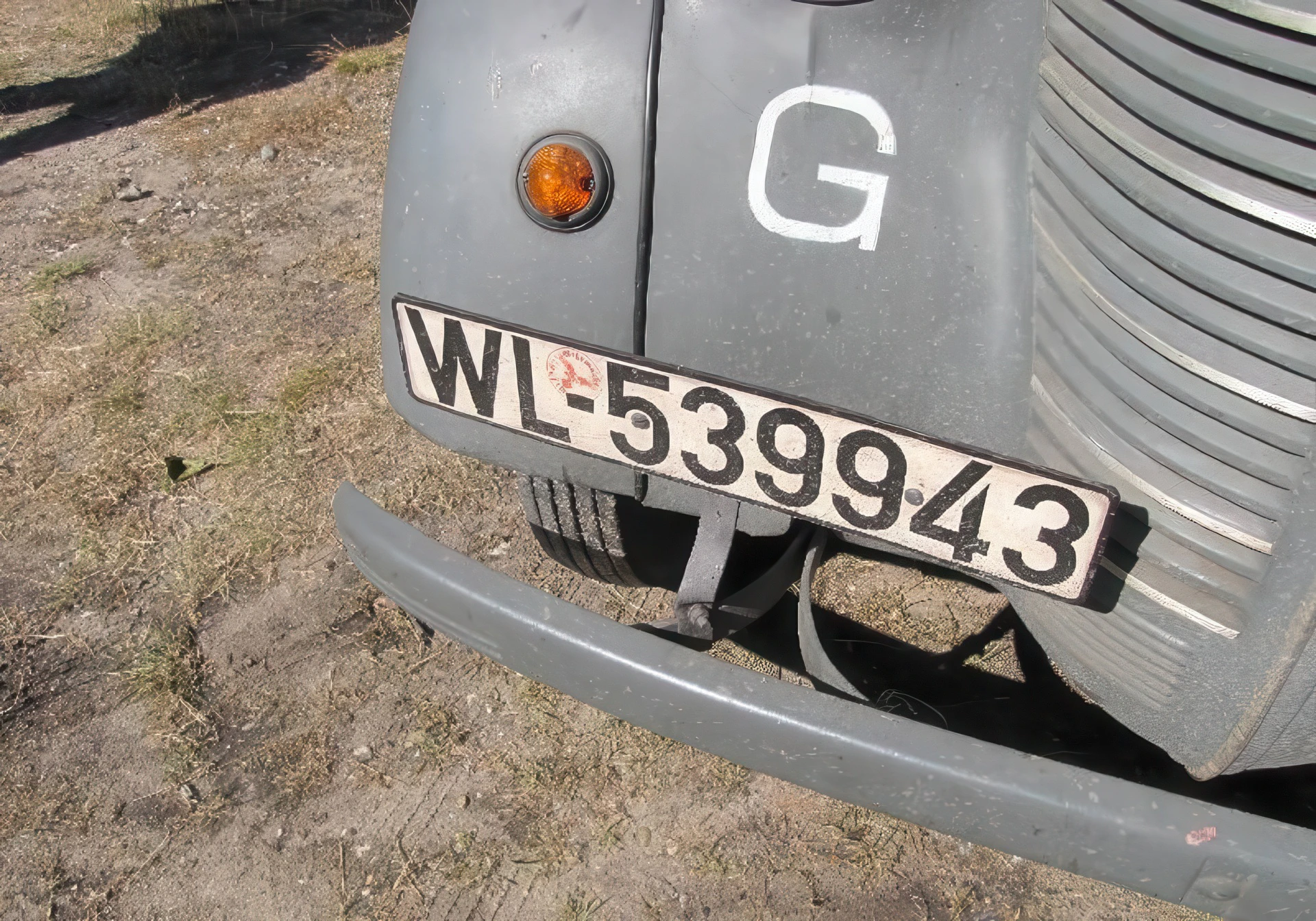


| OPEL Olympia Walk Around | |
|---|---|
| Fotograf | Unknow |
| Lokalizacja | Niewiedzy |
| Zdjęcia | 18 |
Zobacz też:


General Characteristics (P-38/Olympia 1937 Model)
The Opel Olympia was a significant German car, famously the first mass-produced German car to feature an all-steel, unitary body construction (monocoque chassis). It was introduced for the 1936 Berlin Olympics, hence its name.
| Property | Value (1937–1940 Model) |
|---|---|
| Roli | Compact Passenger Automobile |
| Producent | Opel (General Motors subsidiary) |
| Wprowadzone | 1935 (Launched for 1936) |
| Seating | 4 passengers |
| Curb Weight | Approx. 835–920 kg (1,841–2,028 lb) |
| Style nadwozia | 2-Door Sedan (Limousine) and 2-Door Cabriolet |
Engine and Design
- Engine: Opel 1.3 Litre (1,288 cc) 4-cylinder, water-cooled, side-valve/overhead-valve (OHV in later models) gasoline engine.
- Power Output: 24 hp (18 kW) at 3,500 rpm (1.3 Litre P-38 model).
- Top Speed: Approx. 95–100 km/h (59–62 mph).
- Transmission: 3-speed manual gearbox (4-speed manual in later models).
- Key Innovation: Pioneered unitary construction in Germany, which significantly reduced weight and increased safety and rigidity compared to traditional body-on-frame designs.
- Post-War Production: Production resumed in 1947, making it Opel’s first post-war vehicle model.
Chassis and Suspension
- Front Suspension: Independent suspension with a transverse leaf spring (typical of the era).
- Rear Suspension: Live axle with semi-elliptical leaf springs.
- Brakes: Hydraulic drum brakes on all four wheels (an improvement over some earlier mechanical systems).
- Variants: The Olympia Rekord introduced in the 1950s was a major redesign, featuring a completely modern pontoon body style.
Widoki : 1796