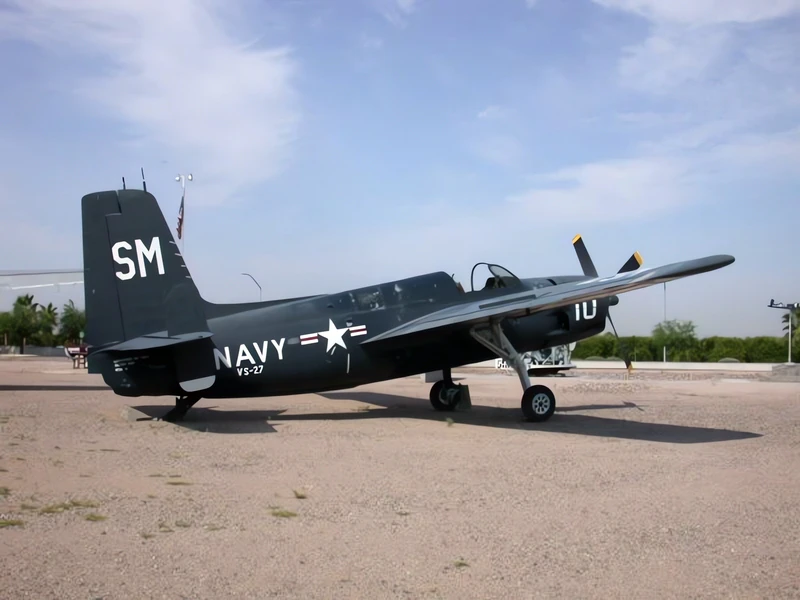
Grumman AF Guardian | |
|---|---|
| Kraju | Stany Zjednoczone Ameryki |
| Roli | Samoloty do zwalczania okrętów podwodnych |
| Pierwszy lot | 19 grudnia 1945 |
| Zbudowany | 389 |
Tthe Grumman AF Guardian Był pierwszym specjalnie zbudowanym samolotem do zwalczania okrętów podwodnych (ASW) bazującym na lotniskowcu, który wszedł do służby w Marynarce Wojennej Stanów Zjednoczonych. Składał się z dwóch płatowców, jednego dla sprzętu wykrywającego, drugiego dla uzbrojenia. Guardian pozostał w służbie do sierpnia 1955 roku, kiedy to został zastąpiony przez dwusilnikowy Grumman S-2 Tracker. Guardian był największym jednosilnikowym samolotem transportowym z napędem tłokowym, jaki kiedykolwiek wszedł do służby.
Źródła: Grumman AF Guardian na Wikipedii
| AF Guardian Walk Around | |
|---|---|
| Fotograf | Fotios Rouch |
| Lokalizacja | Niewiedzy |
| Zdjęcia | 35 |
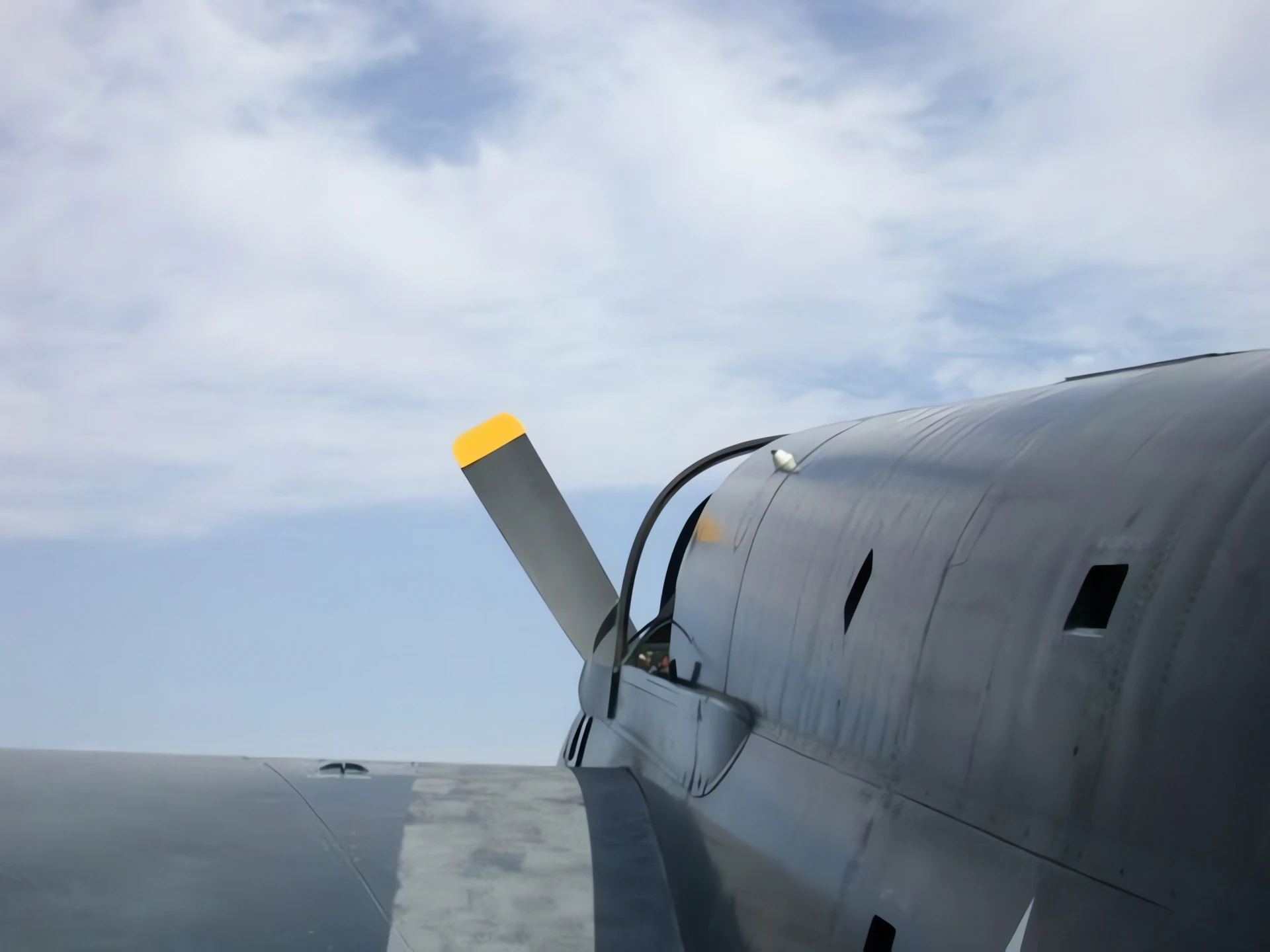
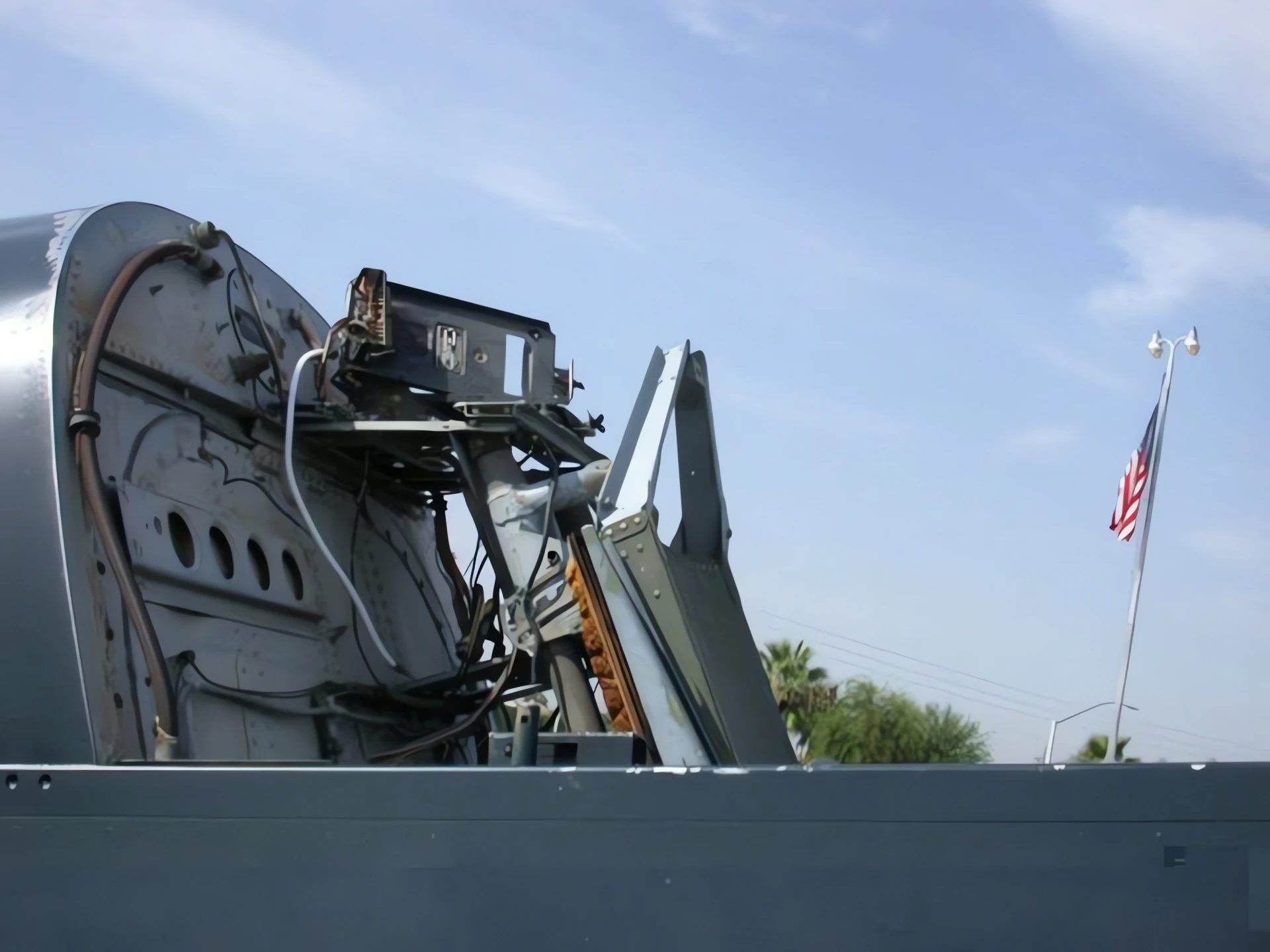
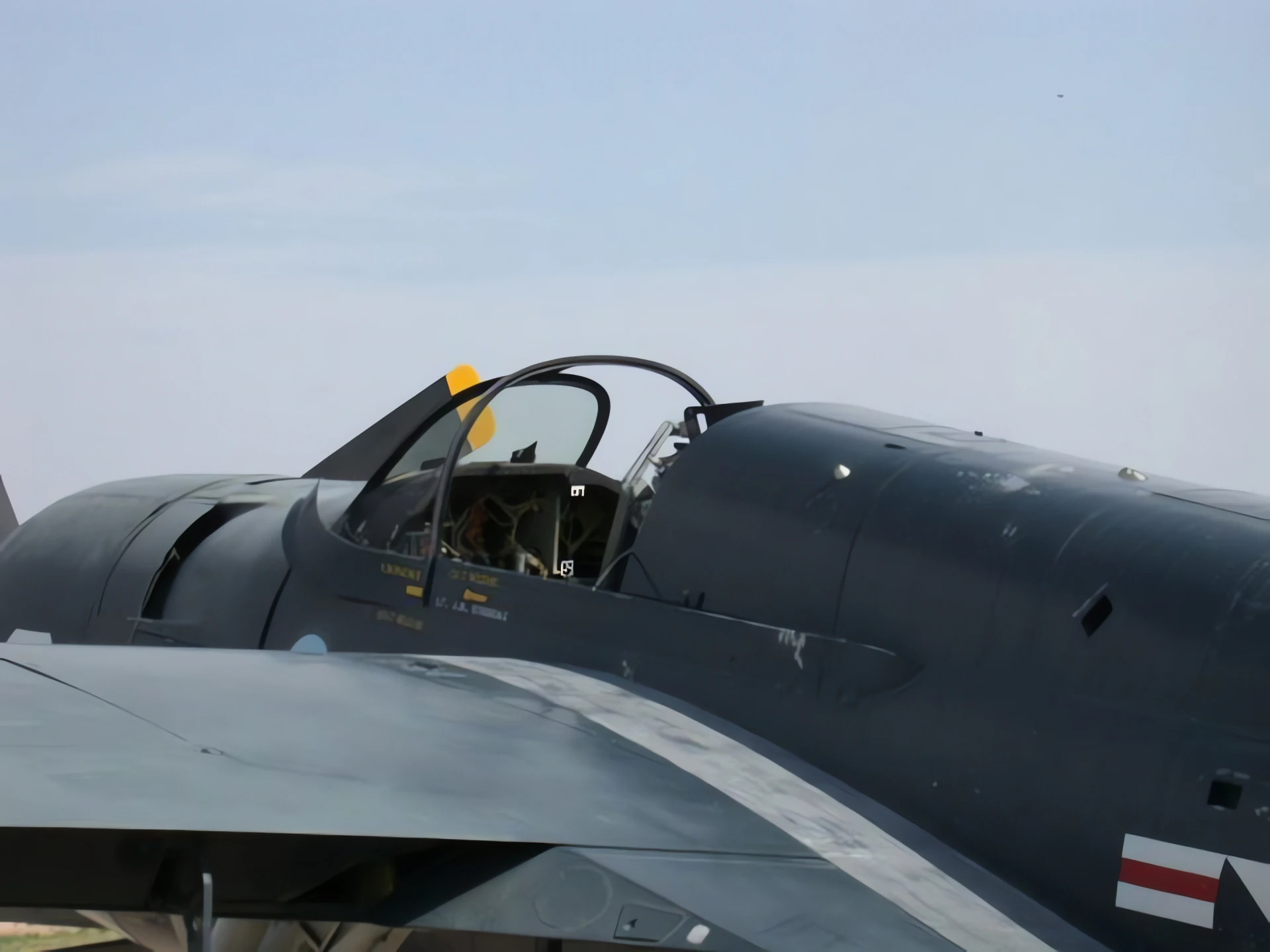
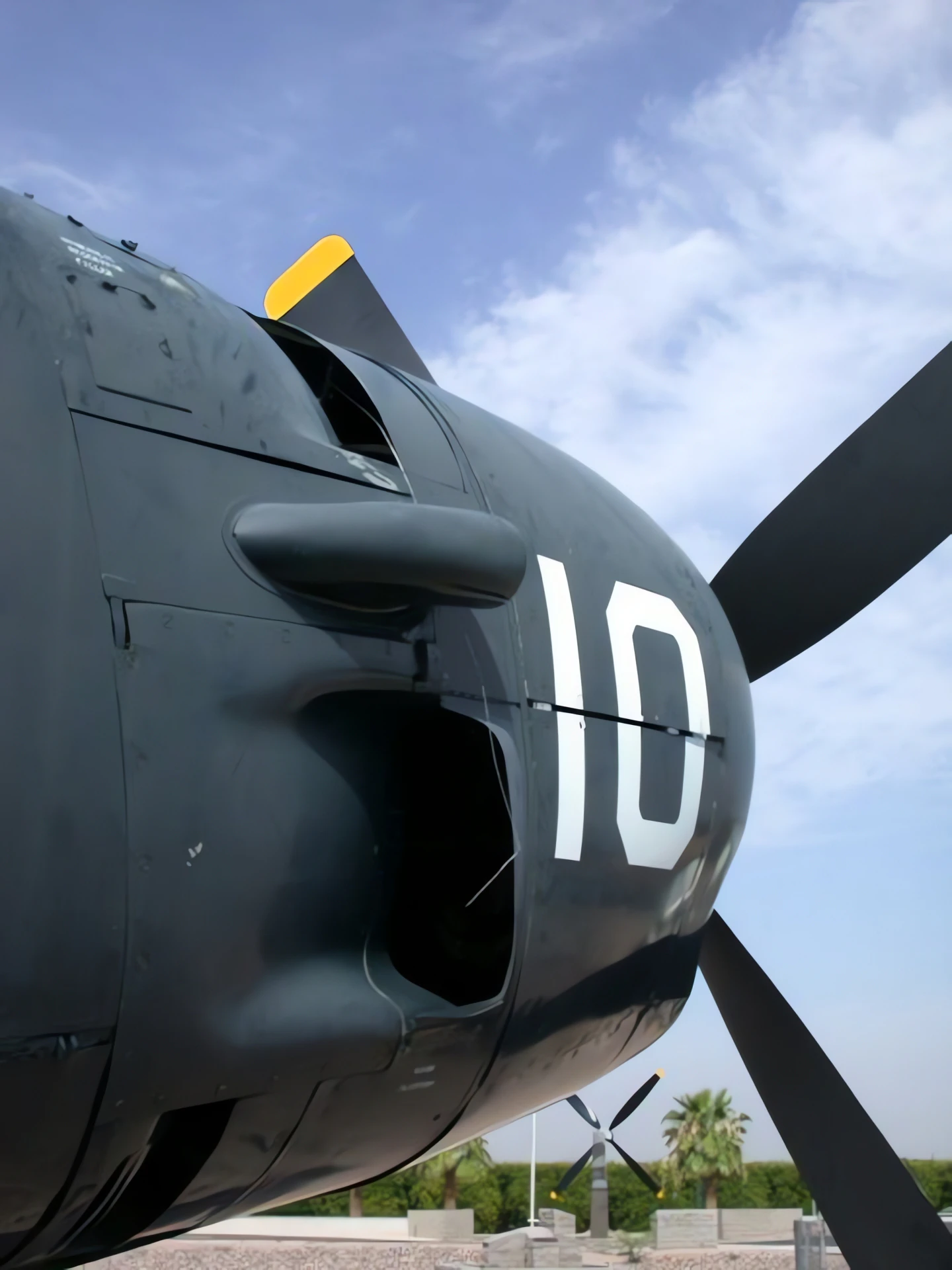
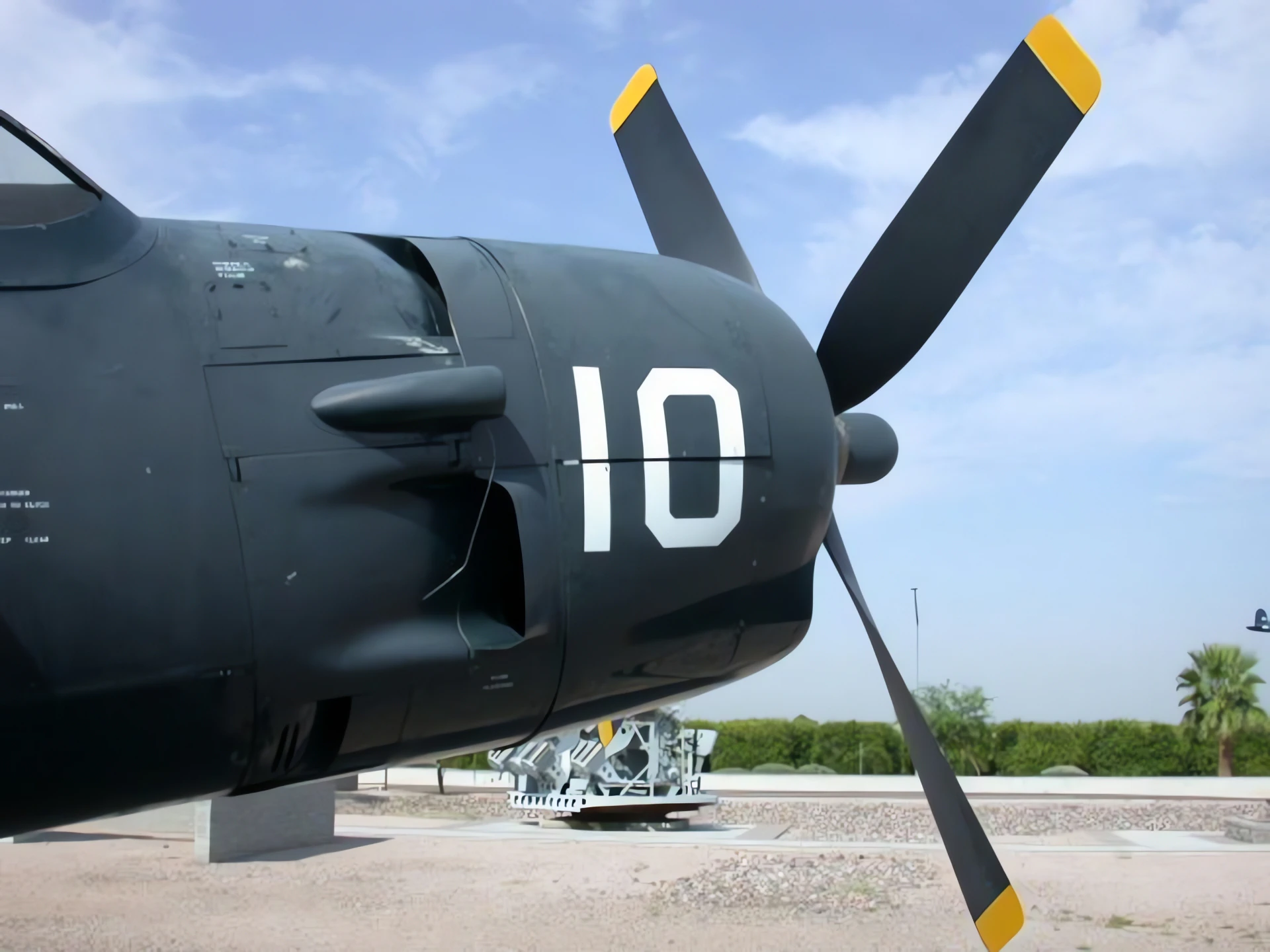
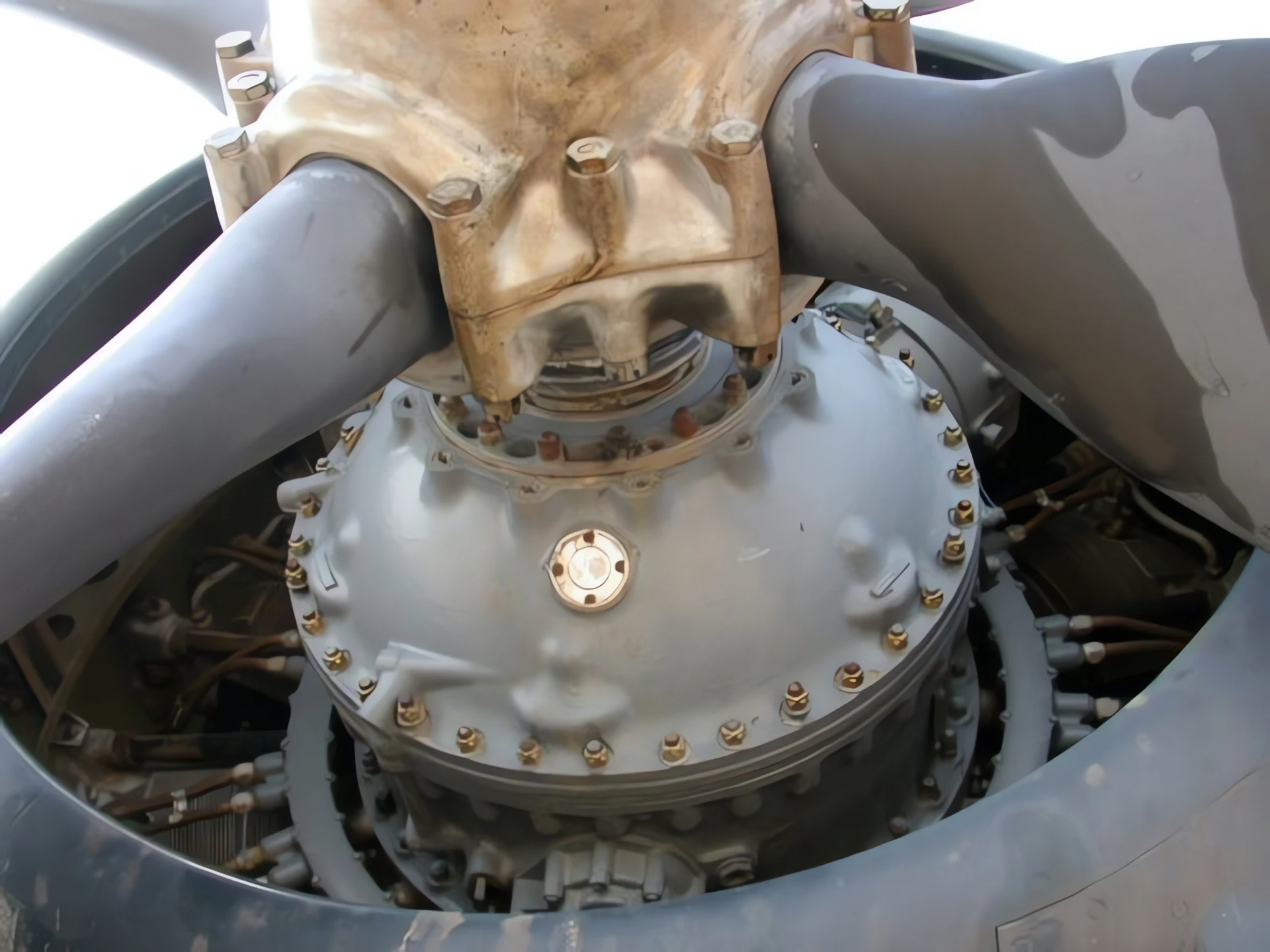
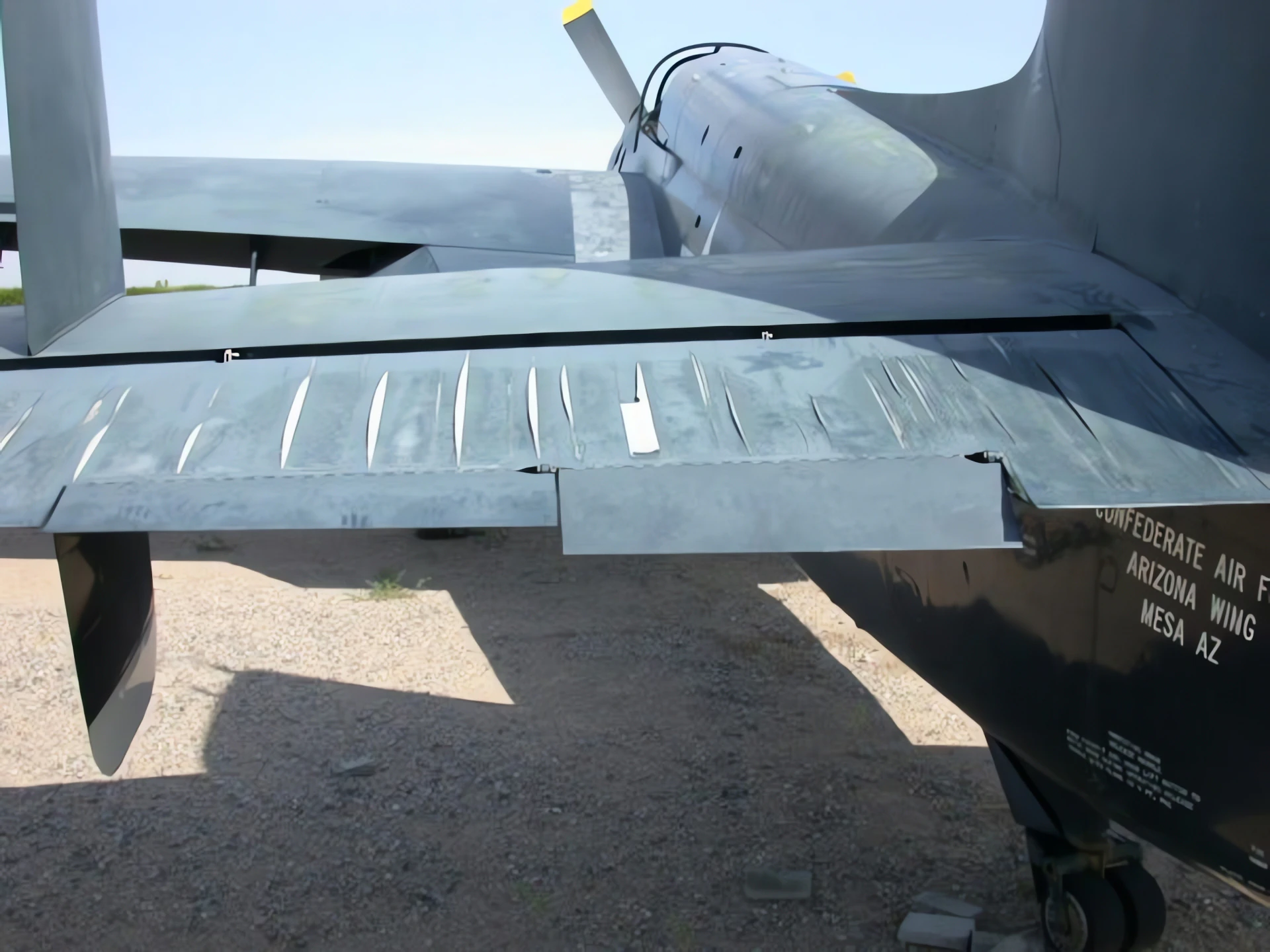
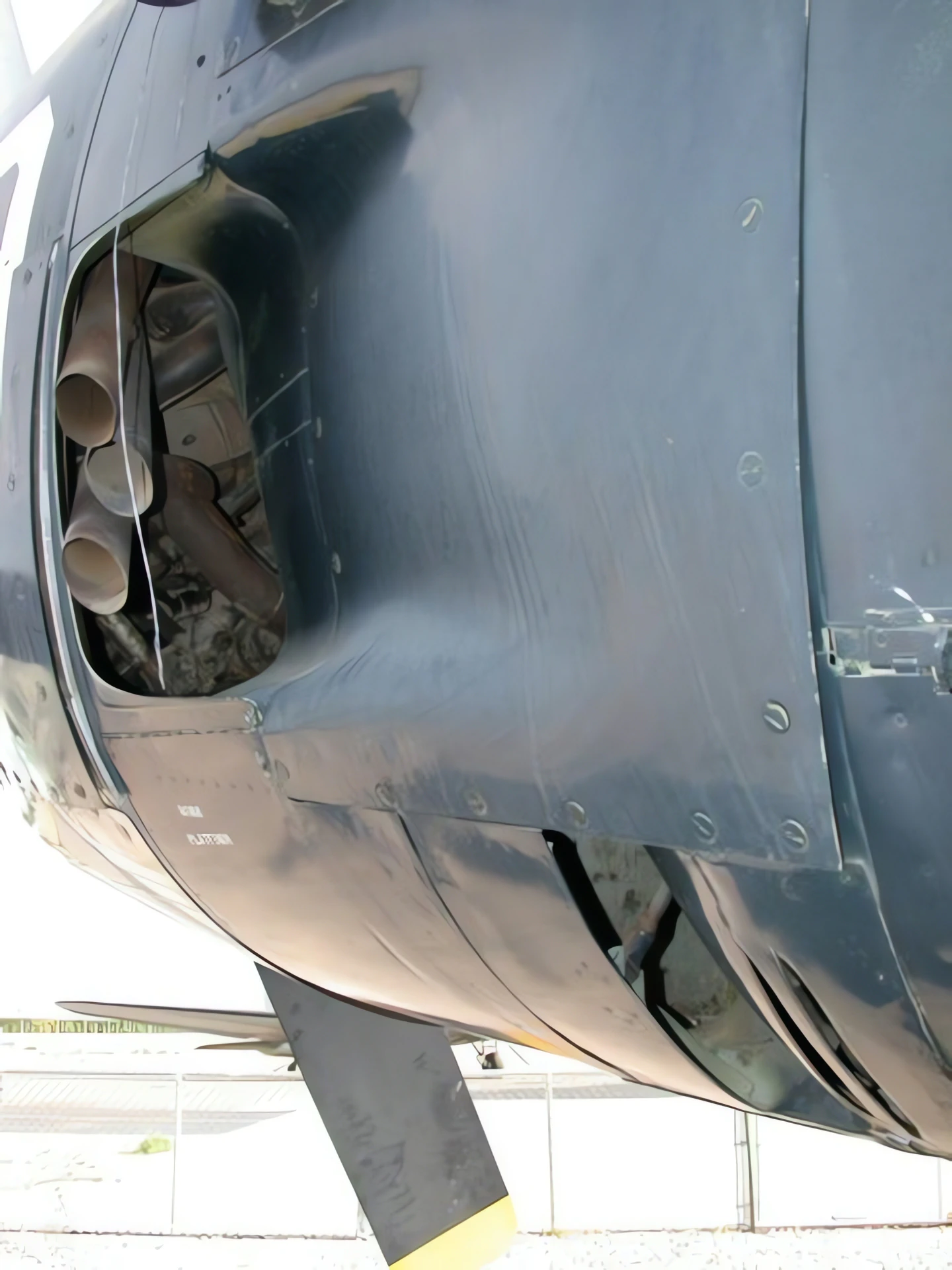


Zobacz też:


General Characteristics and Role
The Grumman AF Guardian was the first purpose-built, carrier-based Anti-Submarine Warfare (ASW) system in the world. It was a large, single-engine aircraft that operated as a hunter-killer team consisting of two specialized variants flown in tandem: the AF-2W (Hunter), which carried the radar and detection gear to locate the submarine, and the AF-2S (Killer), which carried the ordnance to attack it. Developed for the US Navy in the late 1940s, it filled a critical gap in capability during the early Cold War era, where the threat of Soviet submarines was rapidly increasing. The Guardian was the last piston-engine aircraft designed for combat roles flown by the US Navy, preceding the shift to twin-engine jet and turboprop ASW aircraft.
| Property | Typical Value (AF-2S / AF-2W) |
|---|---|
| Roli | Anti-Submarine Warfare (ASW) Hunter-Killer |
| National Origin | Stany Zjednoczone |
| Producent | Grumman Aircraft Engineering Corporation |
| Service Entry | September 1950 |
| Załogi | 4 (AF-2S) / 3 (AF-2W) |
| Długość | 13.21 m (43 ft 4 in) |
| Rozpiętość | 18.49 m (60 ft 8 in) |
| Wysokość | 5.02 m (16 ft 5.5 in) |
| Empty Weight | 6,776 kg (14,940 lb) |
| Max Takeoff Weight | 10,433 kg (23,000 lb) |
Powerplant and Performance
- Engine: One Pratt & Whitney R-2800-48W Double Wasp 18-cylinder, air-cooled radial engine.
- Power Output: 1,864 kW (2,500 hp).
- Maximum Speed: 507 km/h (315 mph; 274 kn).
- Cruise Speed: 238 km/h (148 mph; 129 kn).
- Range: 2,415 km (1,500 mi; 1,300 nmi).
- Endurance: Up to 5.5 hours, necessary for long anti-submarine patrols.
ASW Equipment and Variants
- AF-2W (Hunter): Featured a large, distinctive radar dome (radome) under the fuselage containing the AN/APS-20 search radar, replacing the bomb bay. It lacked offensive armament.
- AF-2S (Killer): Carried the ordnance. Its large bomb bay could accommodate:
- Torpedoes (e.g., Mk 13).
- Depth charges (conventional or nuclear).
- Rockets (underwing hardpoints).
- Operational Use: Guardians primarily flew from the smaller Escort Carriers (CVEs) or early versions of modern carriers and were gradually replaced by the twin-engine Grumman S-2 Tracker starting in the mid-1950s.
Liczba wyświetleń : 2152
Możesz również zobaczyć:
 Lockheed Model 10 Electra – zdjęcia i filmy
 Lockheed C-5 Galaxy – Zdjęcia i filmy
 Northrop Grumman X-47B – zdjęcia i filmy
 Grumman G-73 Mallard – Zdjęcia & Filmy
 Lockheed LC-130 – Zdjęcia i filmy
 Lockheed U-2 – Zdjęcia i film
 Lockheed P-2 Neptune – Zdjęcia & Film
 Northrop Grumman EA-6B Prowler – Zdjęcia & Film
 Lockheed P-38 Lightning – Zdjęcia & Wideo
 Lockheed F-22A Raptor – Zdjęcia & Wideo