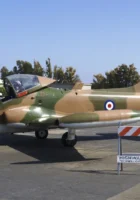
Brytyjski samolot Jet Provost T.Mk.5A

BAC Jet Provost

KrajuUk
RoliWojskowy samolot szkoleniowy
Pierwszy lot26 czerwca 1954
Zbudowany734

Tthe BAC Jet Provost to brytyjski samolot szkolno-treningowy, który był używany przez Royal Air Force (RAF) od 1955 do 1993 roku. Został pierwotnie opracowany przez Hunting Percival z wcześniejszego podstawowego trenażera Percival Provost napędzanego silnikiem tłokowym, a później wyprodukowany przez British Aircraft Corporation (BAC). Oprócz wielu zamówień RAF, Jet Provost, czasami z lekkim uzbrojeniem, był eksportowany do wielu sił powietrznych na całym świecie. Projekt został również rozwinięty w mocniej uzbrojony wariant ataku naziemnego pod nazwą BAC Strikemaster.

Źródła: BAC Jet Provost na Wikipedii

Czytaj dalej

Liczba wyświetleń : 1147

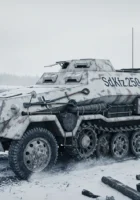
Sd.Kfz. 250 war

Sd.Kfz. 250

KrajuNiemcy
TypuPółgąsienicowy transporter opancerzony
W eksploatacji1941–1945
Zbudowany6600+

Tthe Sd.Kfz. 250 (German: Sonderkraftfahrzeug 250; ‘special motor vehicle’) was a light armoured half-track, very similar in appearance to the larger Hanomag-designed Sd.Kfz. 251, and built by the DEMAG firm, for use by Nazi Germany in World War II. Most variants were open-topped and had a single access door in the rear. The Sd. Kfz 250 was adopted in 1939 to supplement the standard half-track. Production delays meant that the first vehicle did not appear until mid-1941.

Źródła: Sd.Kfz. 250 na Wikipedii

Czytaj dalej

Liczba wyświetleń : 4235

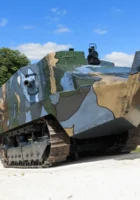
Schneider CA1

Schneider CA1

KrajuFrancja
TypuCzołg ciężki
W eksploatacji1916–1918 (Francja) / 1921–1936 (Hiszpania)
Zbudowany400

Tthe Schneider CA 1 (originally named the Schneider CA) was the first French tank, developed during the First World War. The Schneider was inspired by the need to overcome the stalemate of trench warfare which on the Western Front prevailed during most of the Great War. It was designed specifically to open passages for the infantry through barbed wire and then to suppress German machine gun nests. After a first concept by Jacques Quellennec devised in November 1914, the type was developed from May 1915 onwards by engineer Eugène Brillié, paralleling British development of tanks the same year. Colonel Jean Baptiste Eugène Estienne in December 1915 began to urge for the formation of French armoured units, leading to an order in February 1916 for four hundred Schneider CA tanks, which were manufactured by SOMUA, a subsidiary of Schneider located in a suburb of Paris, between September 1916 and August 1918.

Źródła: Schneider CA1 na Wkipedii

Czytaj dalej

Liczba wyświetleń : 2272

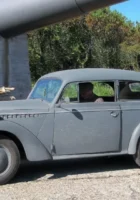
Opel Olympia

Opel Olympia

KrajuNiemcy
TypuSamochód
Produkcji1935–1970
ZbudowanyNiewiedzy

Tthe Opel Olympia is a compact car produced by the German automaker Opel from 1935 to 1940, from 1947 to 1953 and again from 1967 to 1970. The 1935 Olympia was Germany’s first mass-produced car with an all-steel unitized body (monocoque). This revolutionary technology reduced the weight of the car by 180 kilograms (400 lb.) compared to its predecessor. Production of the unibody design required new production methods and materials. Spot welding, advanced types of steel, and a new production line layout were among the many advances introduced by the Olympia.

Źródła: Opel Olympia na Wikipedii

Czytaj dalej

Widoki : 1986

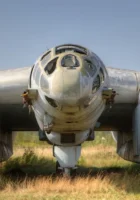
Bartini Beriew VVA-14

Bartini Beriew VVA-14

KrajuRadzieckiego
TypuAmfibie ASW
Pierwszy lot4 września 1972
Zbudowany2

Tthe Bartini Beriew VVA-14 Vertikaľno-Vzletayushchaya Amfibiya (samolot amfibijny pionowego startu) był samolotem z efektem skrzydła w ziemi opracowanym w Związku Radzieckim na początku 1970 roku. Zaprojektowany, aby móc startować z wody i latać z dużą prędkością na długich dystansach, miał wykonywać prawdziwe loty na dużych wysokościach, ale także mieć możliwość sprawnego latania tuż nad powierzchnią morza, wykorzystując aerodynamiczny efekt ziemi. VVA-14 został zaprojektowany przez włoskiego projektanta Roberta Bartiniego w odpowiedzi na postrzegany wymóg zniszczenia okrętów podwodnych z pociskami Polaris marynarki wojennej Stanów Zjednoczonych. Ostatni samolot został wycofany w 1987 roku.

Źródła: Bartini Beriev VVA-14 na Wiki

Czytaj dalej

Liczba wyświetleń : 3891

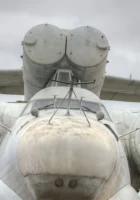
Ekranoplan klasy Lun

Ekranoplan klasy Lun

KrajuRadzieckiego
RoliPojazd szturmowy/transportowy
W eksploatacji 1987–koniec lat 1990.
Zbudowany2

Tthe Ekranoplan klasy Lun (also called Project 903) is a ground effect vehicle (GEV) designed by Rostislav Alexeyev in 1975 and used by the Soviet and Russian navies from 1987 until sometime in the late 1990s. It flew using lift generated by the ground effect acting on its large wings when within about four metres (13 ft) above the surface of the water. Although they might look similar to traditional aircraft, ekranoplans like the Lun are not classified as aircraft, seaplanes, hovercraft, or hydrofoils. Rather, crafts like the Lun-class ekranoplan are classified as maritime ships by the International Maritime Organization due to their use of the ground effect, in which the craft glides just above the surface of the water.

Źródła: Ekranoplan klasy Lun na Wikipedii

Czytaj dalej

Liczba wyświetleń : 2187

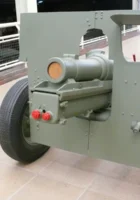
3,7-calowy haubica

QF 3.7-inch howitzer

KrajuUk
RoliPistolet górski
W eksploatacji1917–obecnie
ZbudowanyNiewiedzy

Ordnance, QF 3,7-calowa haubica to działo górskie, używane przez armie brytyjskie i Wspólnoty Narodów w pierwszej i drugiej wojnie światowej oraz między wojnami.

Źródła: 3,7-calowa haubica QF na Wikipedii

Czytaj dalej

Liczba wyświetleń : 1774

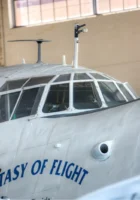
Krótki Sunderland ML814

Short Sunderland

KrajuUk
RoliWojskowy bombowiec latający
Pierwszy lot16 października 1937
Zbudowany749

Tthe Krótki S.25 Sunderland was a British flying boat patrol bomber, developed and constructed by Short Brothers for the Royal Air Force (RAF). The aircraft took its service name from the town (latterly, city) and port of Sunderland in North East England. Developed in parallel with the civilian S.23 Empire flying boat, the flagship of Imperial Airways, the Sunderland was developed specifically to conform to the requirements of British Air Ministry Specification R.2/33 for a long-range patrol/reconnaissance flying boat to serve with the Royal Air Force (RAF). As designed, it served as a successor to the earlier Short Sarafand flying boat. Sharing several similarities with the S.23, it featured a more advanced aerodynamic hull and was outfitted with various offensive and defensive armaments, including machine gun turrets, bombs, aerial mines, and depth charges. The Sunderland was powered by four Bristol Pegasus XVIII radial engines and was outfitted with various detection equipment to aid combat operations, including the Leigh searchlight, the ASV Mark II and ASV Mark III radar units, and an astrodome.

Źródła: Krótki Sunderland na Wikipedii

Czytaj dalej

Liczba wyświetleń : 1410

Boeing X-32 (prototyp)

Boeing X-32

KrajuStany Zjednoczone Ameryki
RoliKoncepcyjne samoloty demonstracyjne
Pierwszy lot18 września 2000
Zbudowany2

Tthe Boeing X-32 to koncepcyjny samolot demonstracyjny, który został zaprojektowany na zawody Joint Strike Fighter. Przegrał z demonstratorem Lockheed Martin X-35, który został dalej rozwinięty w Lockheed Martin F-35 Lightning II.

Źródła: Boeing X-32 na Wikipedii

Czytaj dalej

Liczba wyświetleń : 1624