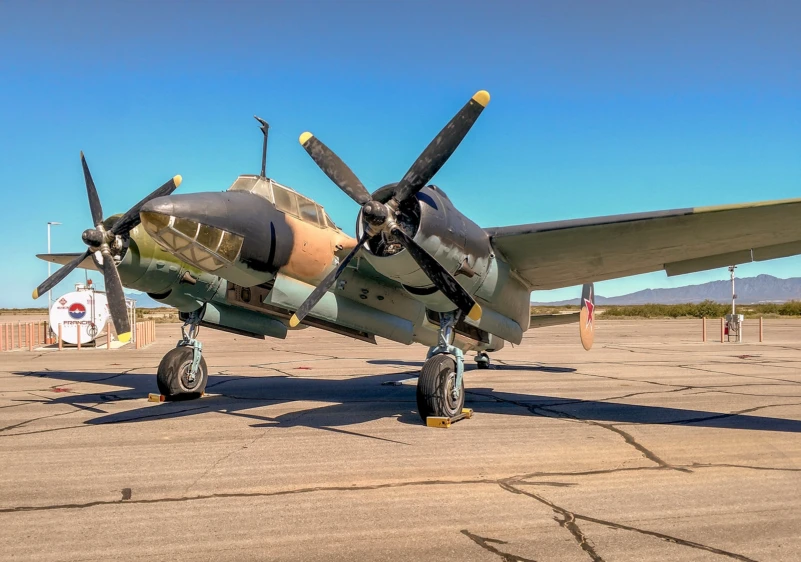
Tupolev TU-2 | |
|---|---|
| Country | Soviet Union |
| Role | Bomber aircraft |
| First flight | 29 January 1941 |
| Built | 2257 |
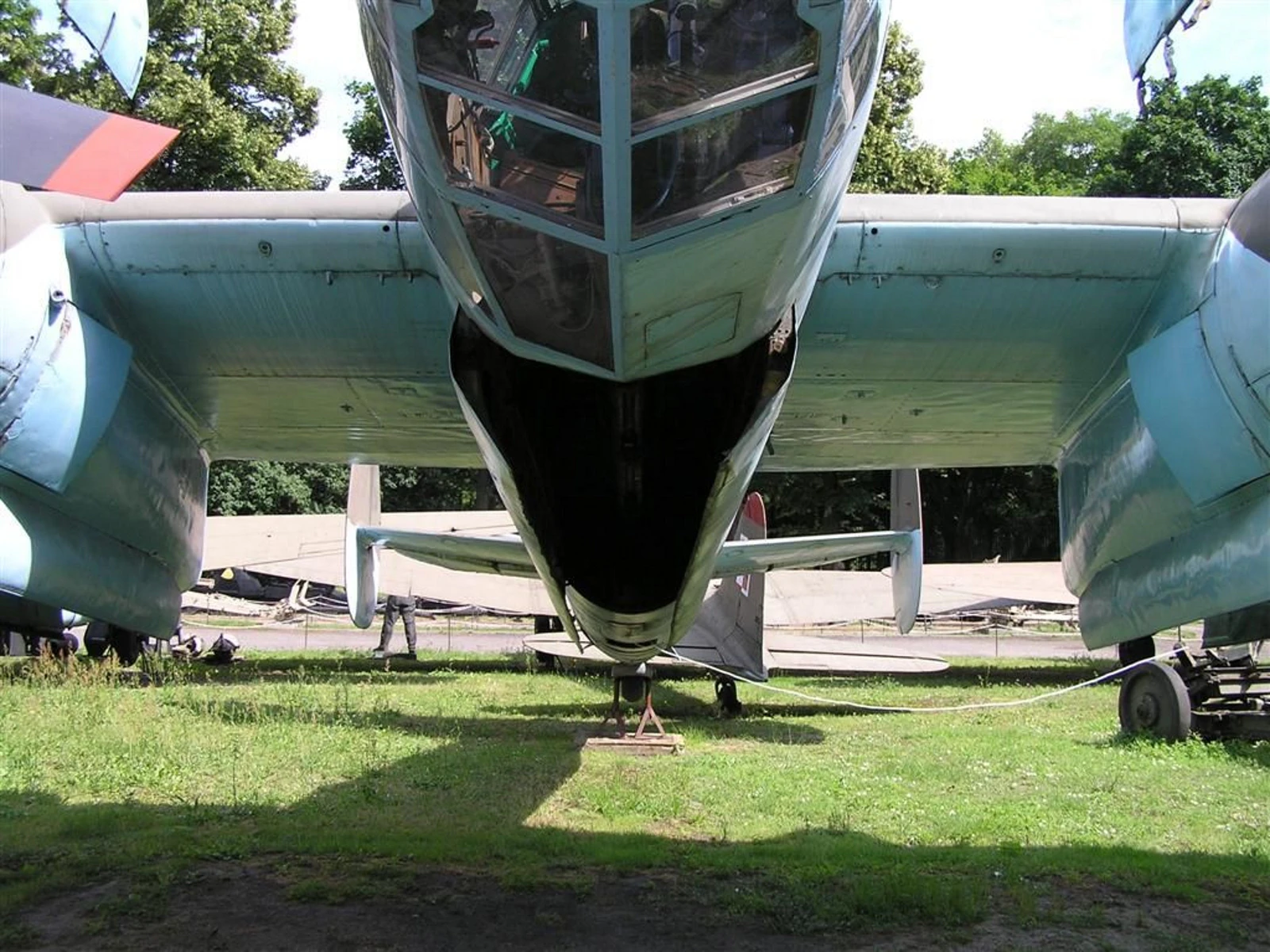
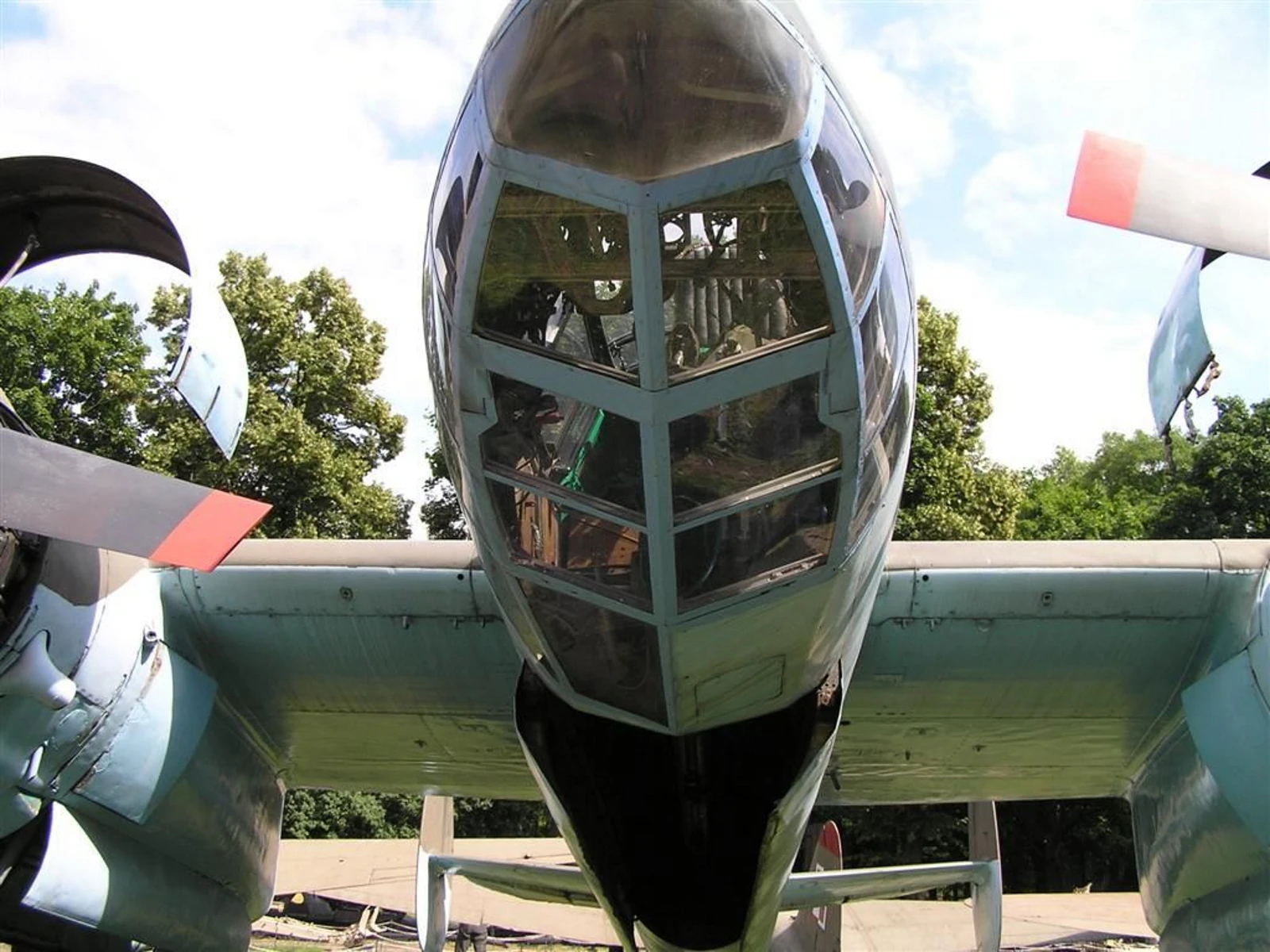
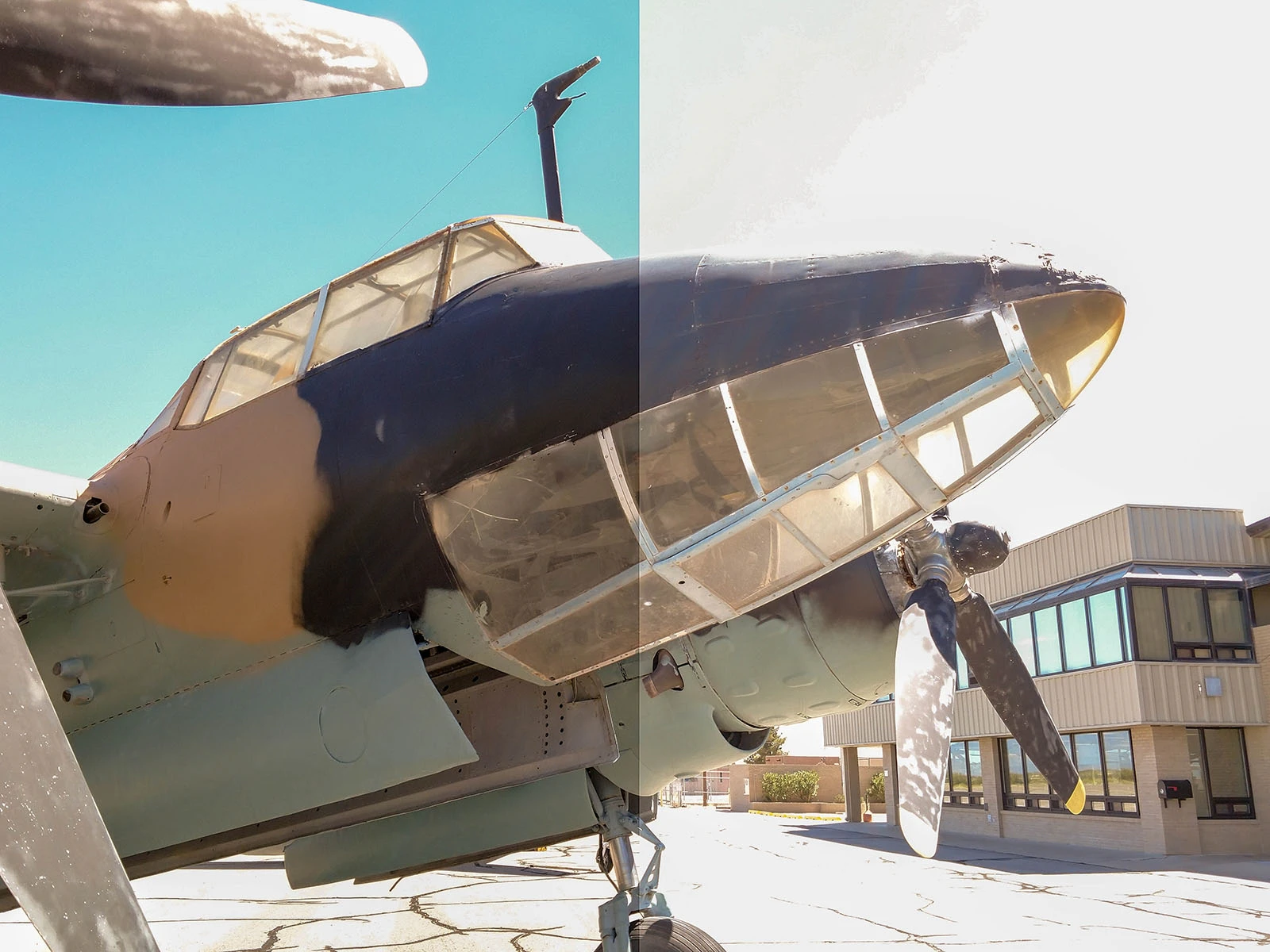
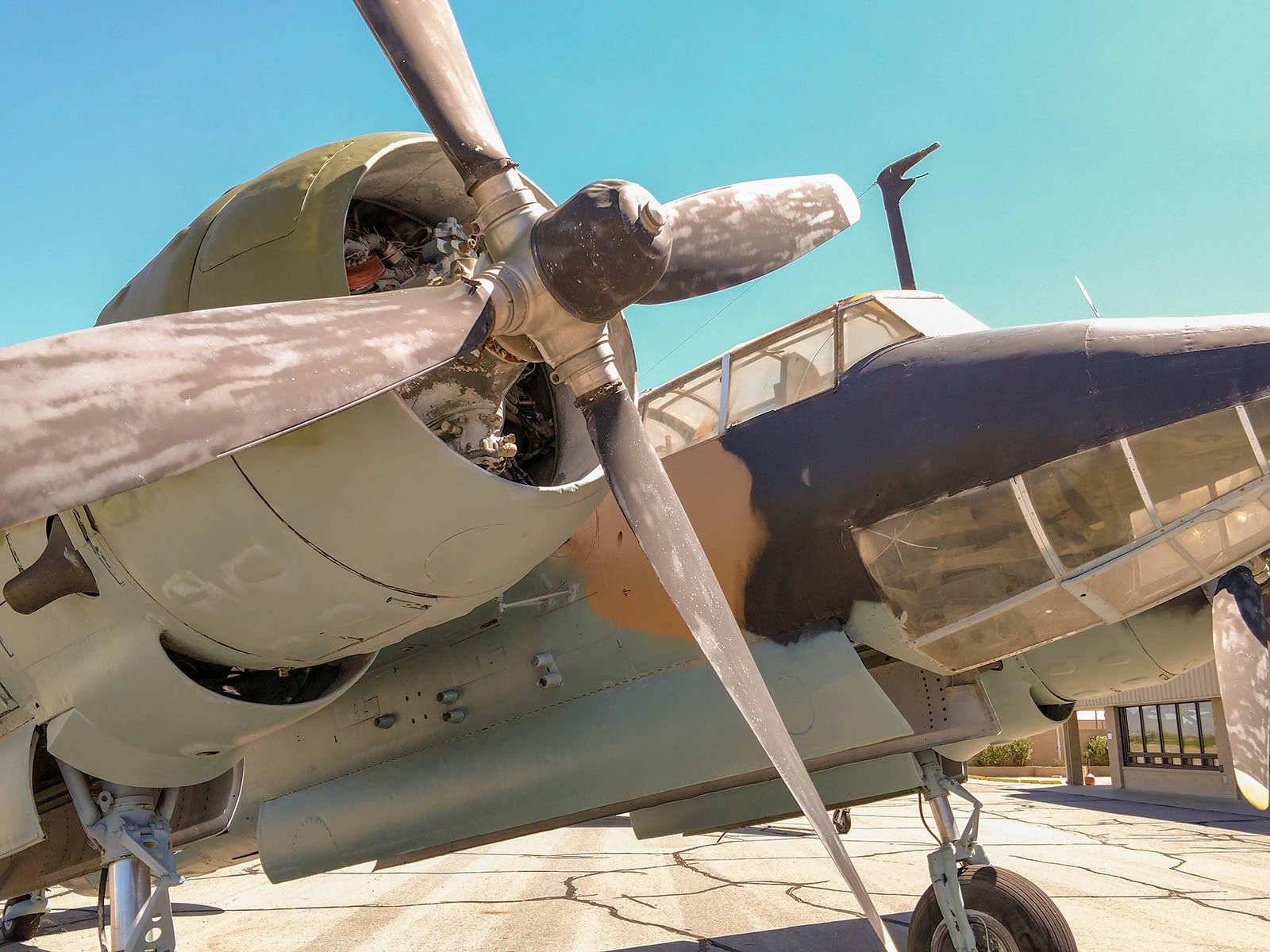
Photo gallery of a Tupolev TU-2S, The Tupolev Tu-2 (development names ANT-58 and 103; NATO reporting name Bat) was a twin-engine Soviet high-speed daylight and frontline (SDB and FB) bomber aircraft of World War II vintage. The Tu-2 was tailored to meet a requirement for a high-speed bomber or dive-bomber, with a large internal bombload, and speed similar to that of a single-seat fighter. Designed to challenge the German Junkers Ju 88, the Tu-2 proved comparable, and was produced in torpedo, interceptor and reconnaissance versions. The Tu-2 was one of the outstanding combat aircraft of World War II and it played a key role in the Red Army’s final offensives
Source: Tupolev TU-2 on Wiki
| Tupolev TU-2 | |
|---|---|
| Photographer | Unknow |
| Localisation | Unknow |
| Photos | 13 |
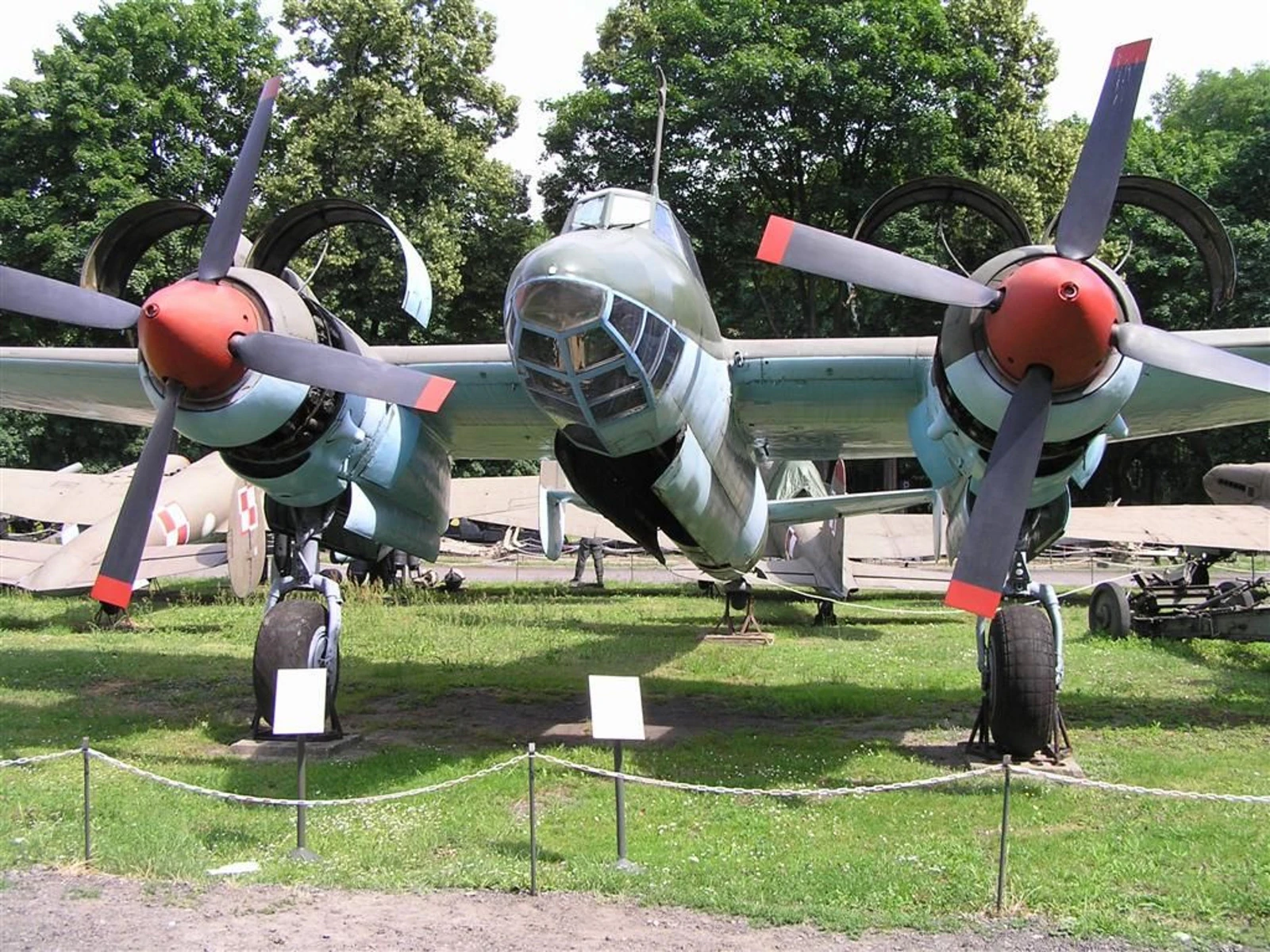
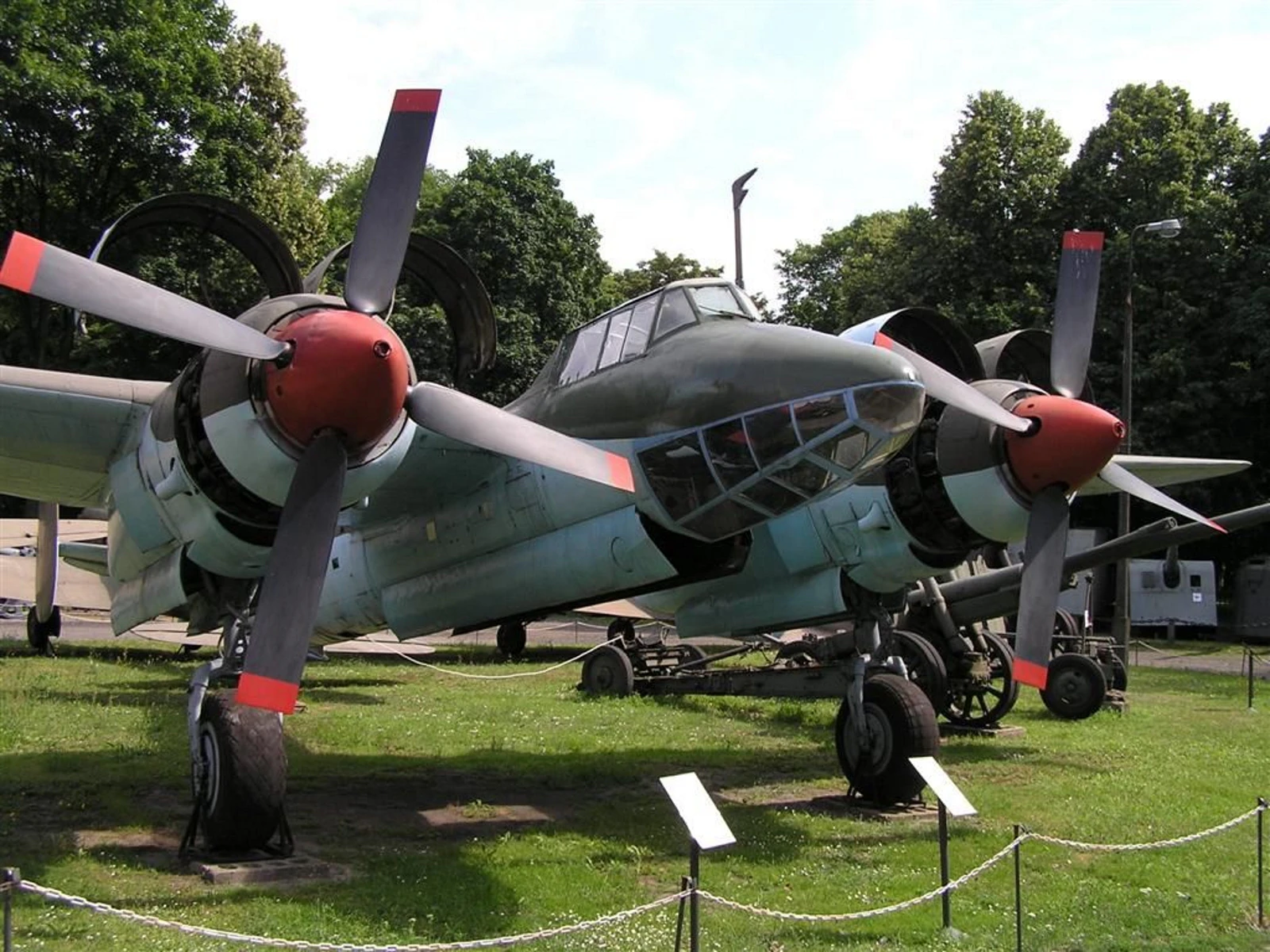
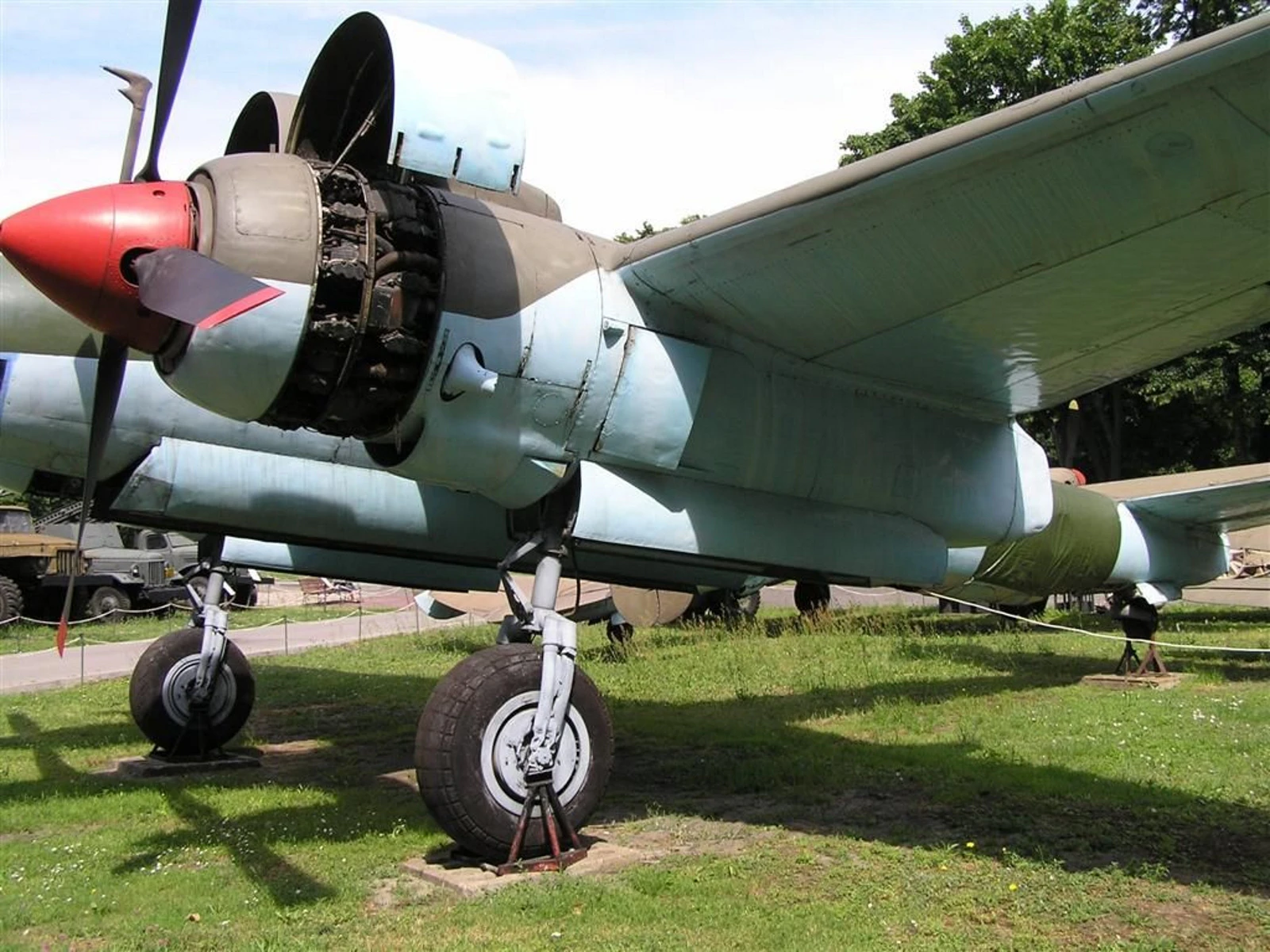

| Tu-2 Bat Walk Around | |
|---|---|
| Photographer | Michael Benolkin |
| Localisation | Unknow |
| Photos | 47 |
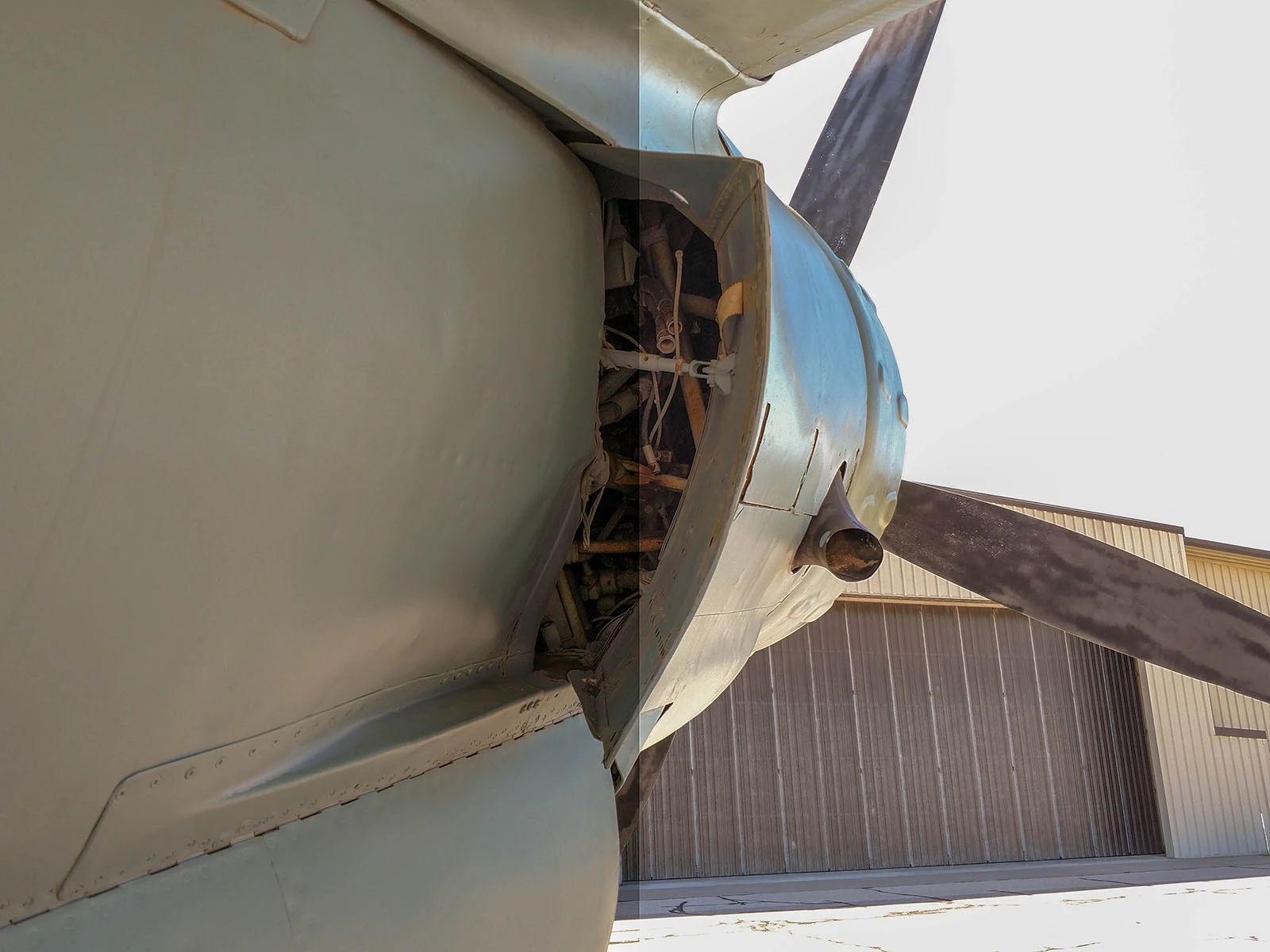
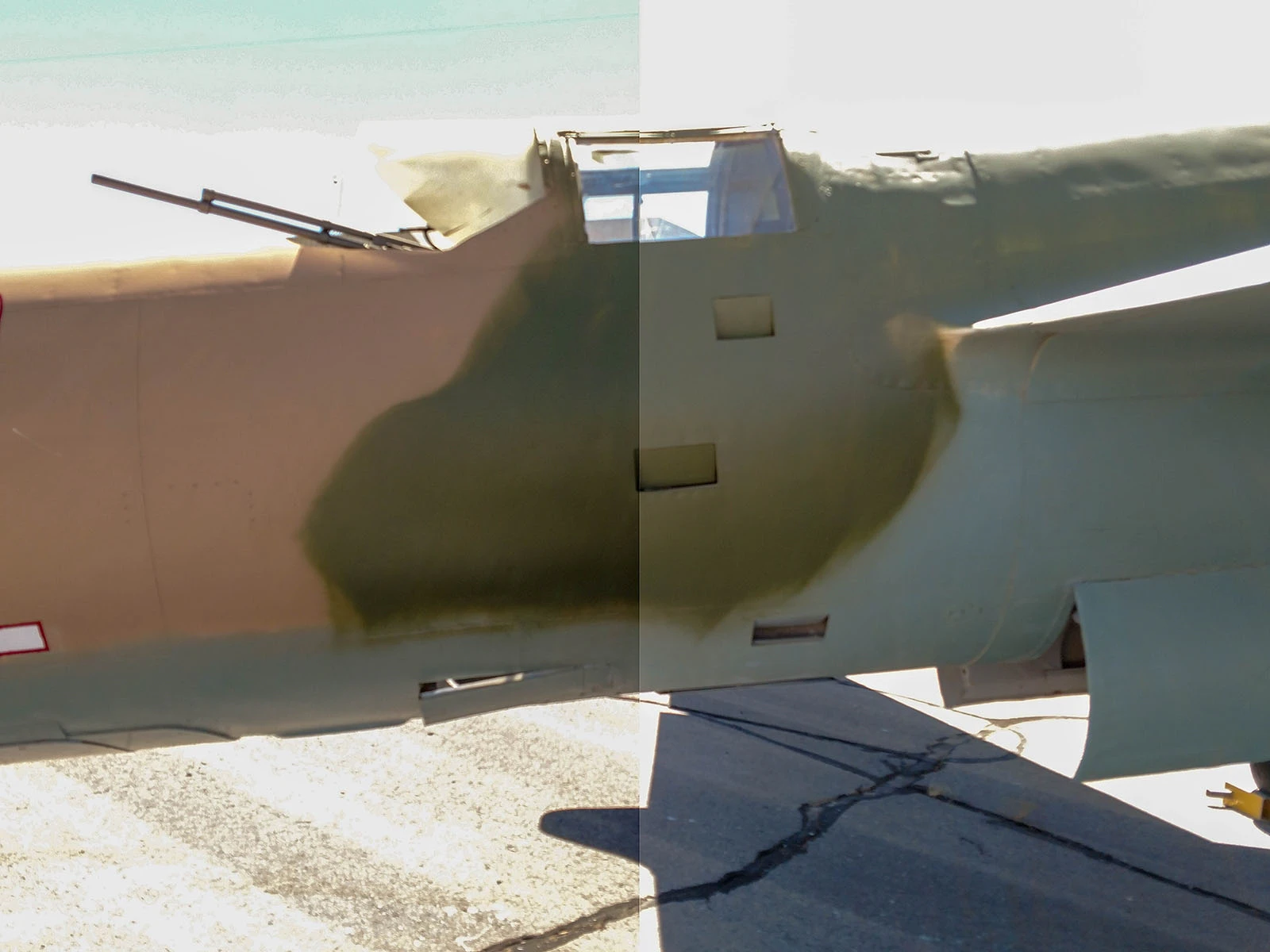

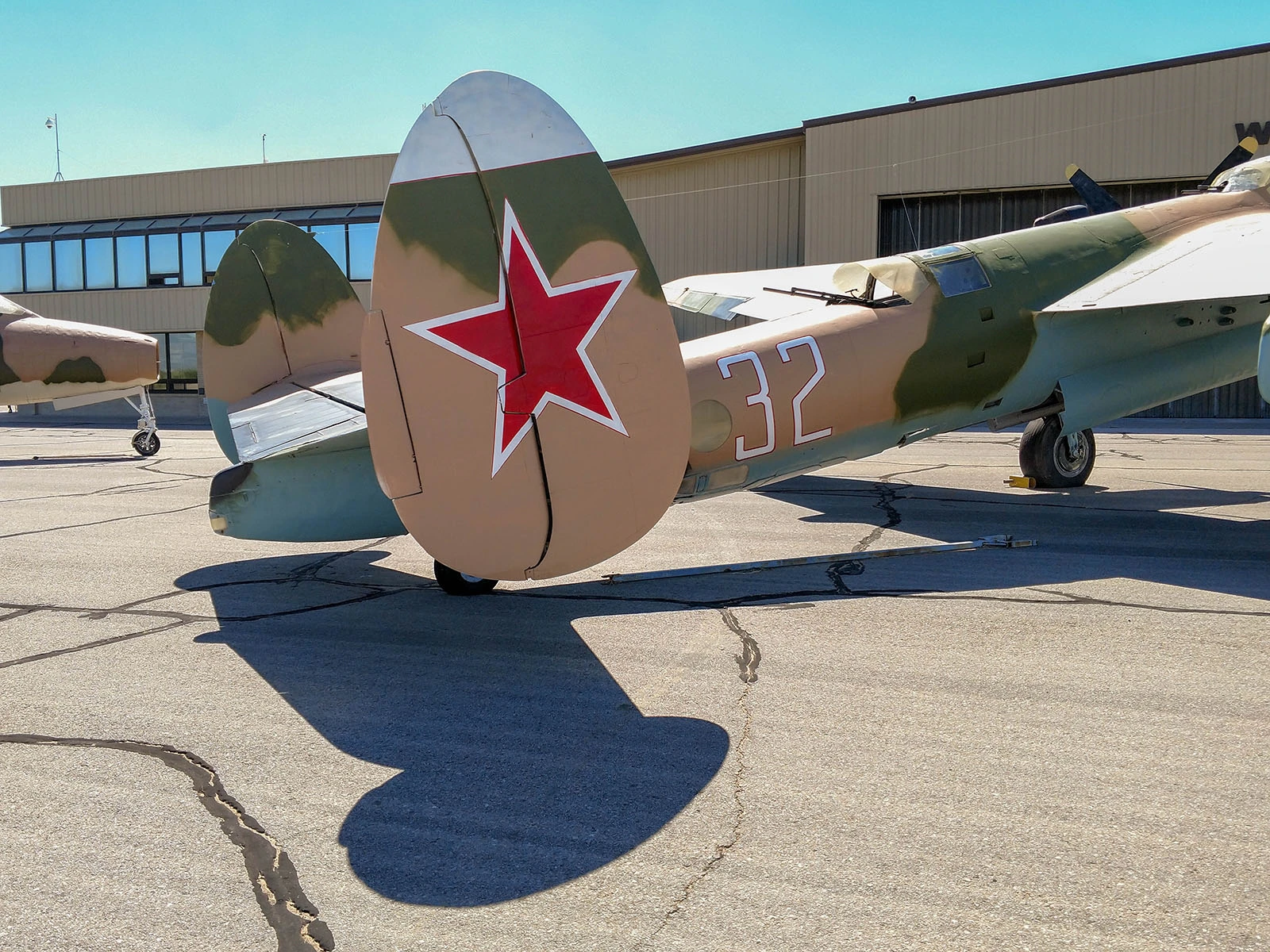
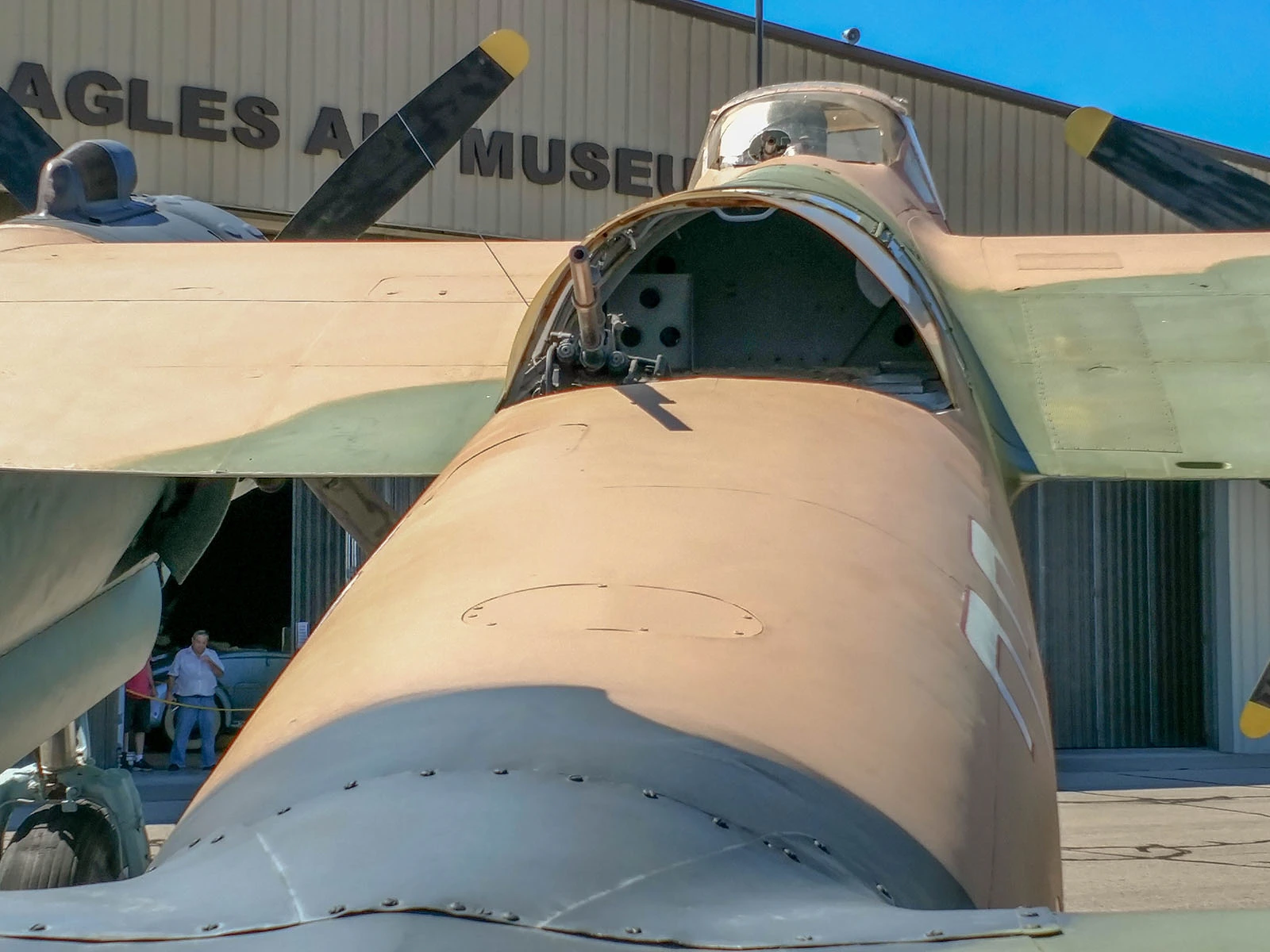
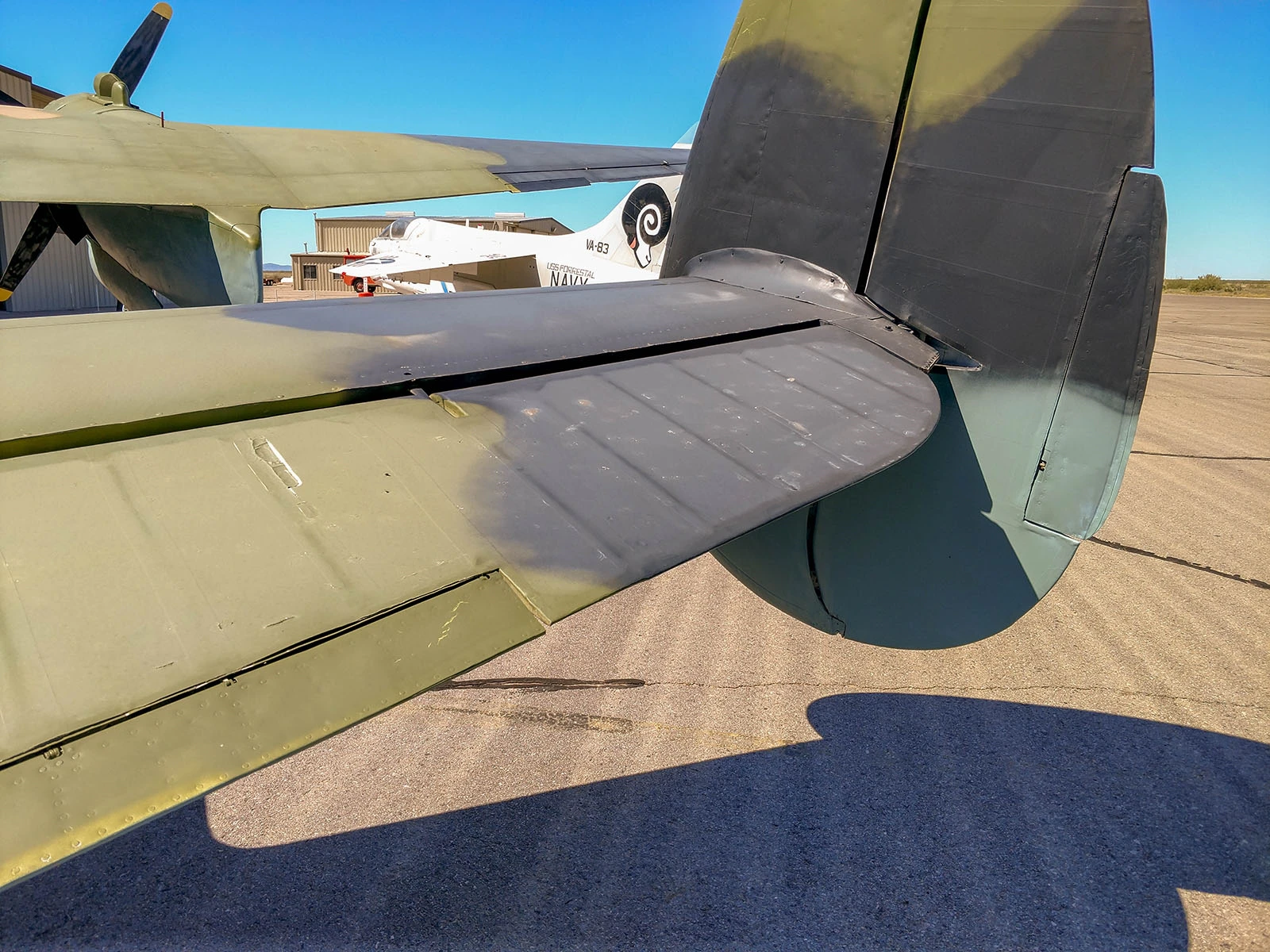
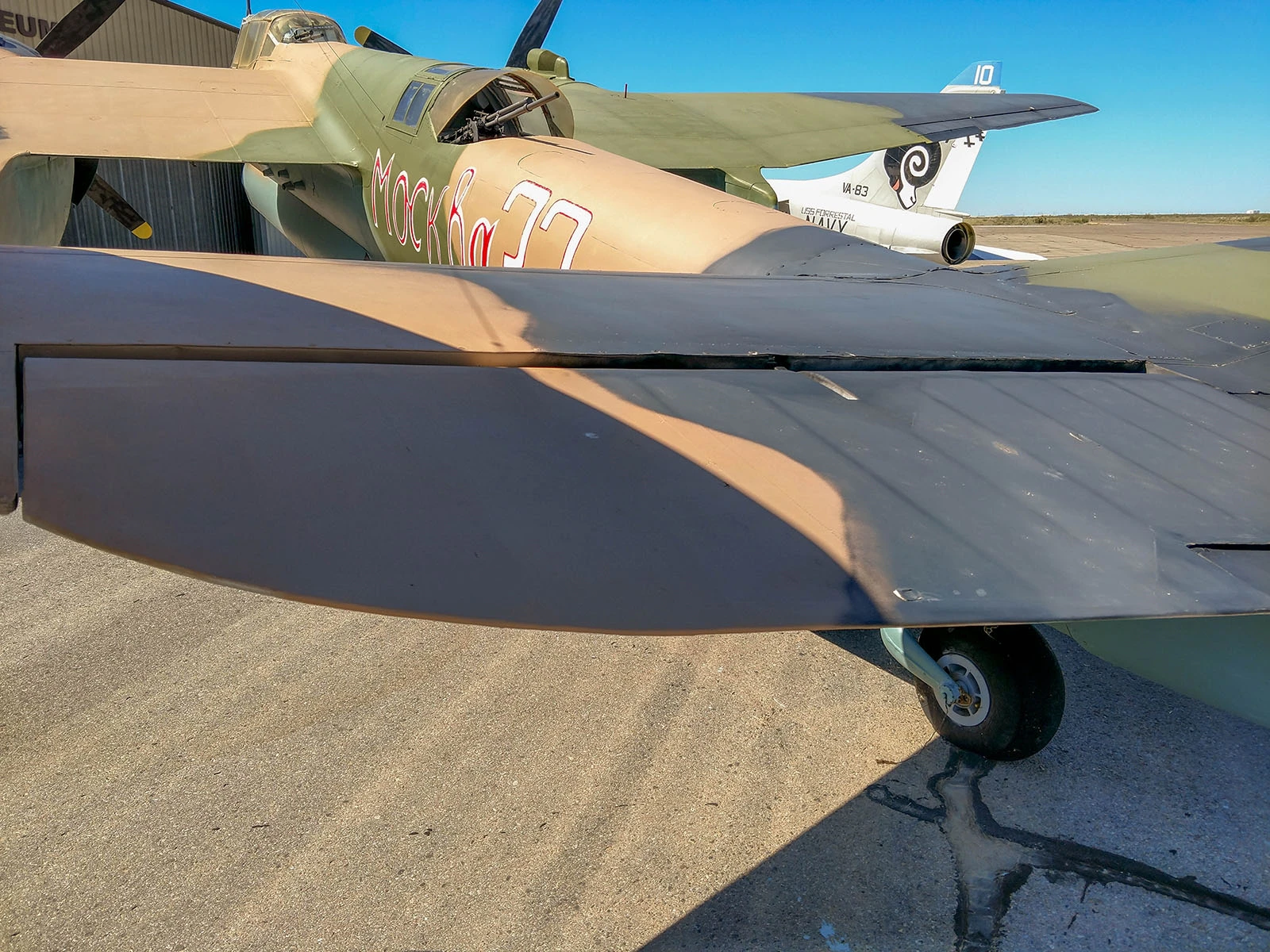
See also:


The “Bat” Born in Captivity
The Tupolev Tu-2 (NATO reporting name “Bat”) was a twin-engine high-speed daylight bomber that many historians consider the finest Soviet aircraft of World War II. Its development story is legendary: Andrei Tupolev designed the aircraft while imprisoned in a Sharashka (a secret NKVD prison laboratory). Despite its troubled beginnings, the Tu-2 was a triumph of engineering—fast enough to outrun many German fighters, rugged enough to survive intense flak, and versatile enough to act as a dive bomber, torpedo bomber, and interceptor.
| Attribute | Technical Specification (Tu-2S) |
|---|---|
| Role | Frontline / Dive Bomber |
| Crew | 4 (Pilot, Navigator/Bombardier, Gunner, Radio Op/Gunner) |
| First Flight | January 29, 1941 (ANT-58) |
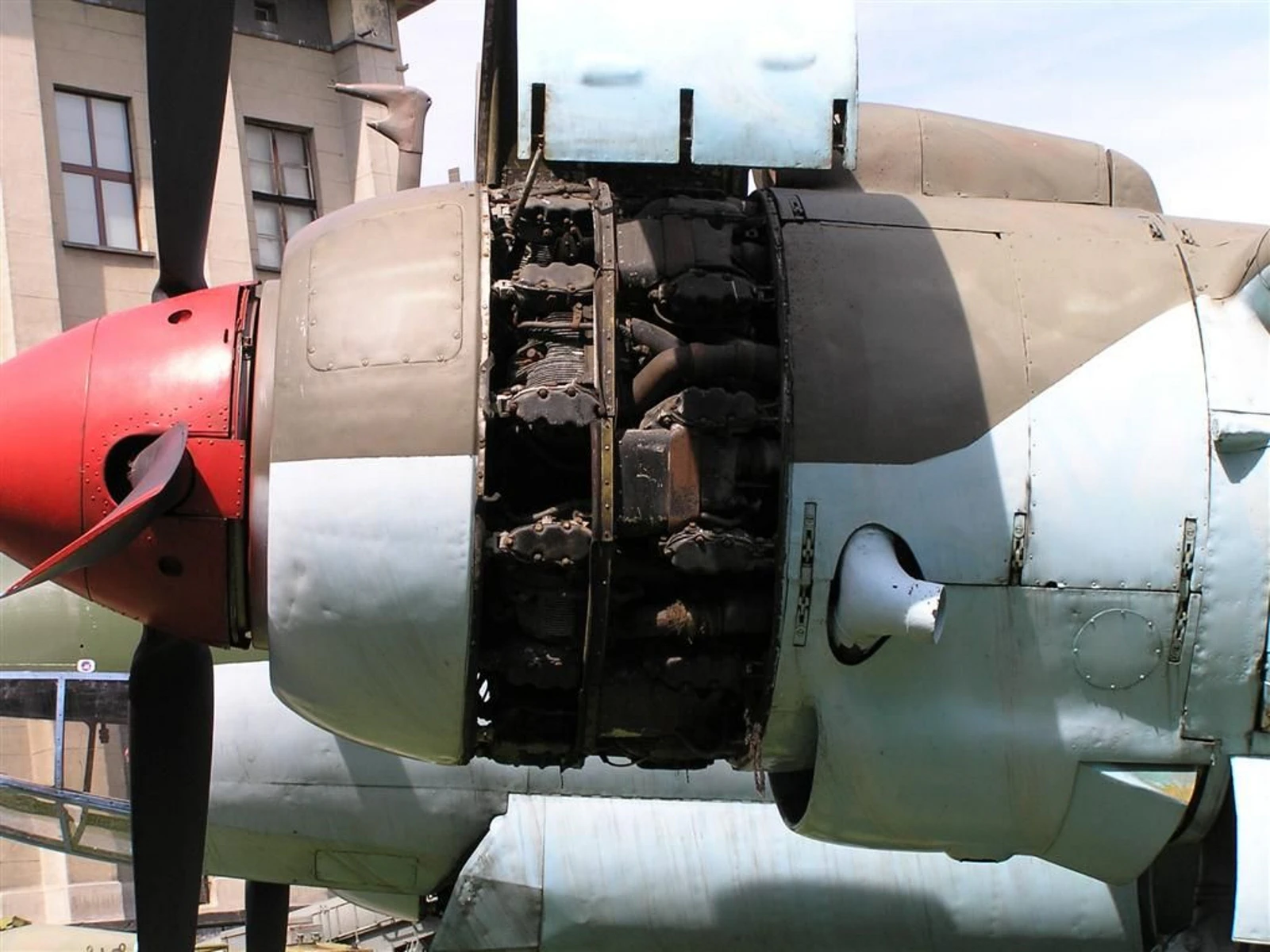
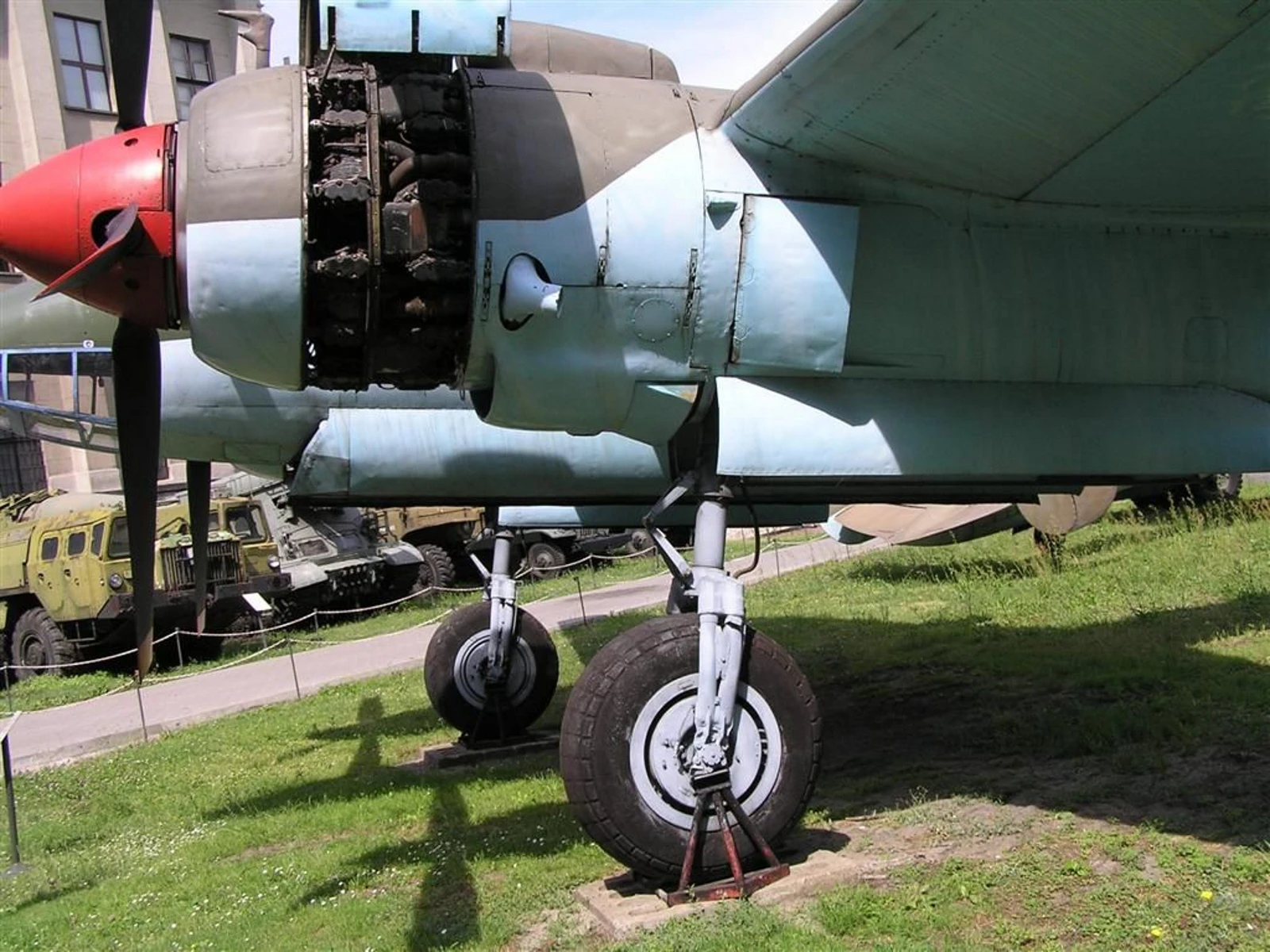
| Powerplant | 2 × Shvetsov ASh-82 radial engines |
| Horsepower | 1,850 hp (1,380 kW) each |
| Maximum Speed | 340 mph (547 km/h) at altitude |
| Internal Bomb Load | 1,500 kg (Standard) / 3,000 kg (Maximum) |
| Fixed Armament | 2 × 20 mm ShVAK cannons in wing roots |
Design Engineering: Speed and Survivability
- The High-Lift Wing: The Tu-2 featured a large mid-wing design with high-lift devices that allowed it to operate from short, muddy frontline airfields that grounded other heavy bombers.
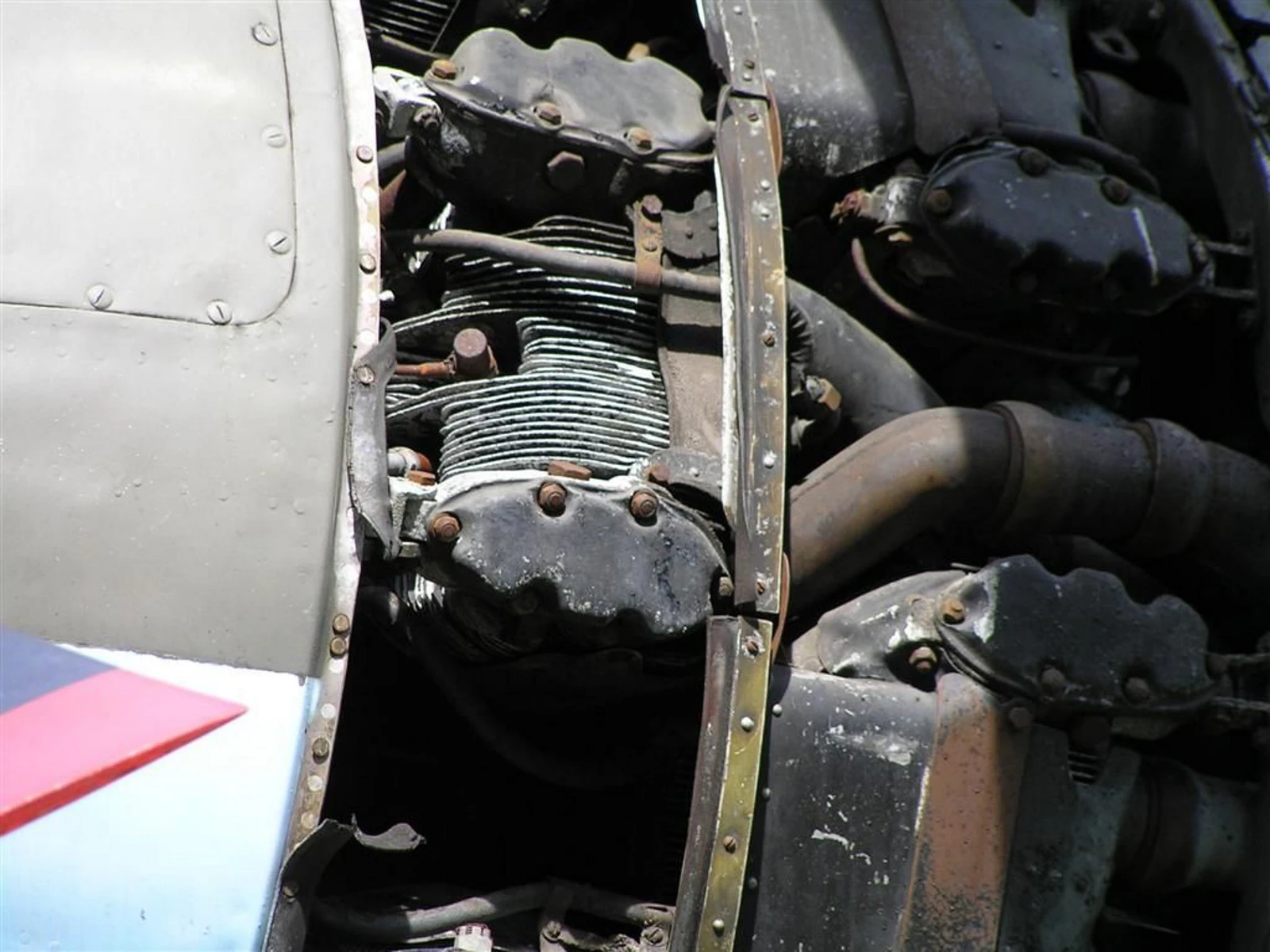
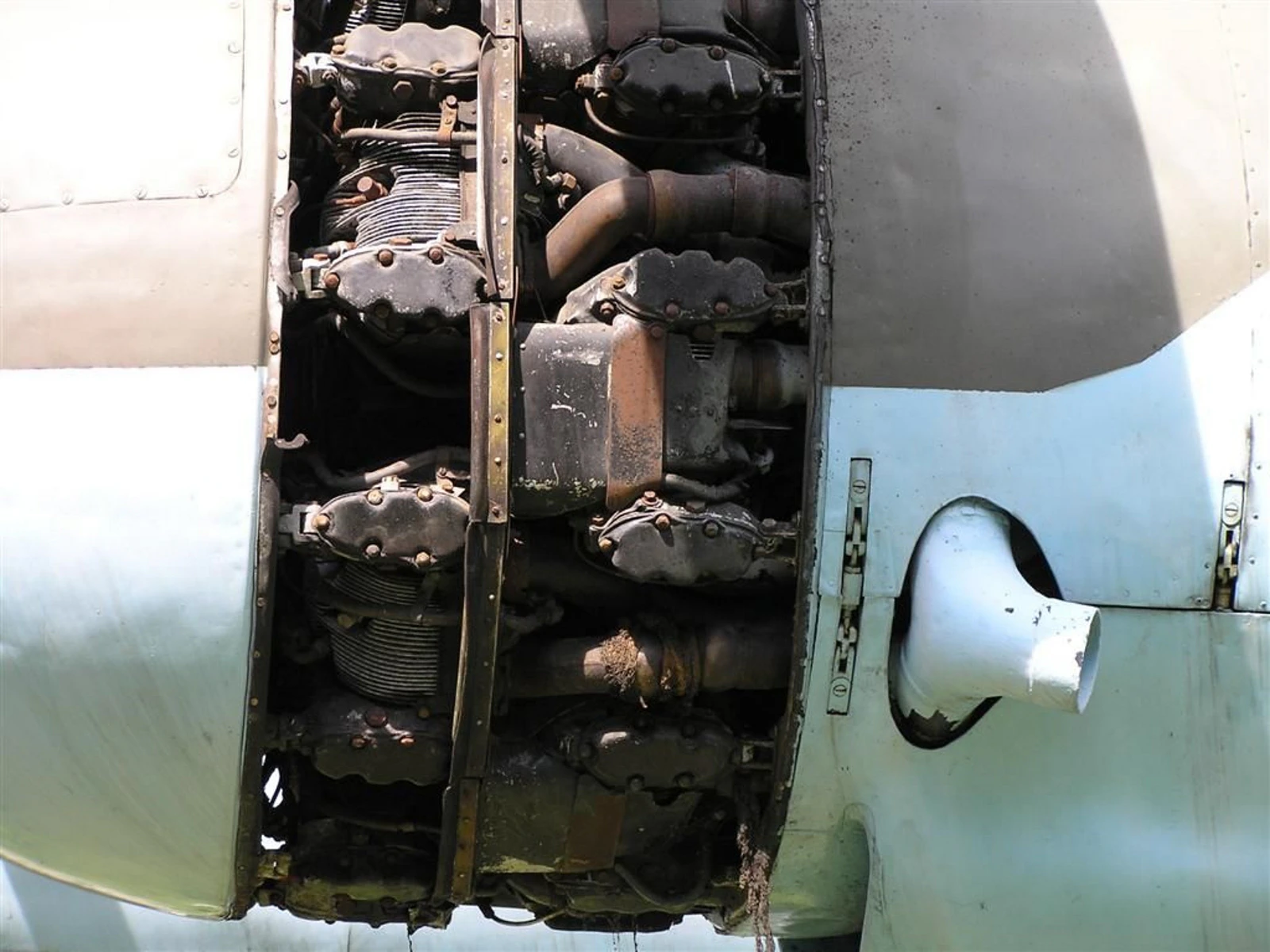
- ASh-82 Radial Engines: By using air-cooled radial engines instead of liquid-cooled ones, the Tu-2 became incredibly durable. A single bullet to a radiator would down a Pe-2, but the Tu-2 could fly home with cylinders shattered by flak.
- Defensive Firepower: The “Bat” was bristling with defense, usually carrying three flexible 12.7mm UBT machine guns in dorsal and ventral positions, covering almost every angle of approach for enemy fighters.
- Modular Bomb Bay: The internal bomb bay was designed to be modular, allowing for a single massive 1,000kg bomb or a cluster of smaller anti-tank munitions. It also featured external racks for heavy torpedoes or rockets.
A Career Across Eras
- Battle of Kursk and Beyond: Although it arrived in small numbers initially, the Tu-2 proved its worth during the massive battles of 1943. Its speed and dive-bombing accuracy made it the preferred tool for smashing German rail hubs and panzer concentrations.
- The “Fire Hedgehog” (Tu-2Sh): In a terrifying experimental variant, the Soviets fitted a Tu-2 with a pallet of 88 PPSh-41 submachine guns in the bomb bay, tilted downward to strafe enemy infantry columns.
- Cold War Veteran: After WWII, the Tu-2 remained a staple of the Soviet Air Force and was exported to China, North Korea, and Poland. It saw significant action during the Korean War, flying missions against UN forces.
- The Basis for the Tu-4: The experience Tupolev gained with the Tu-2’s airframe and systems was vital when he was tasked with the “reverse-engineering” of the American B-29 Superfortress to create the Tu-4.
Views : 4291
You can see also :
 Tupolev Tu-134 – Photos & Video
 Boeing KC-97 Stratofreighter – Photos & Videos
 Fokker S.14 Machtrainer – Photos & Videos
 Aichi D3A – Photos & Videos
 Tupolev Tu-142 – Photos & Video
 Tupolev Tu-22M – Photos & Video
 Tupolev Tu-95MS Bear – Photos & Video
 Tupolev Tu-4 Bull – Photos & Video
 Tupolev Tu-16 Badger – Photos & Video
 Mirage IIIC – WalkAround