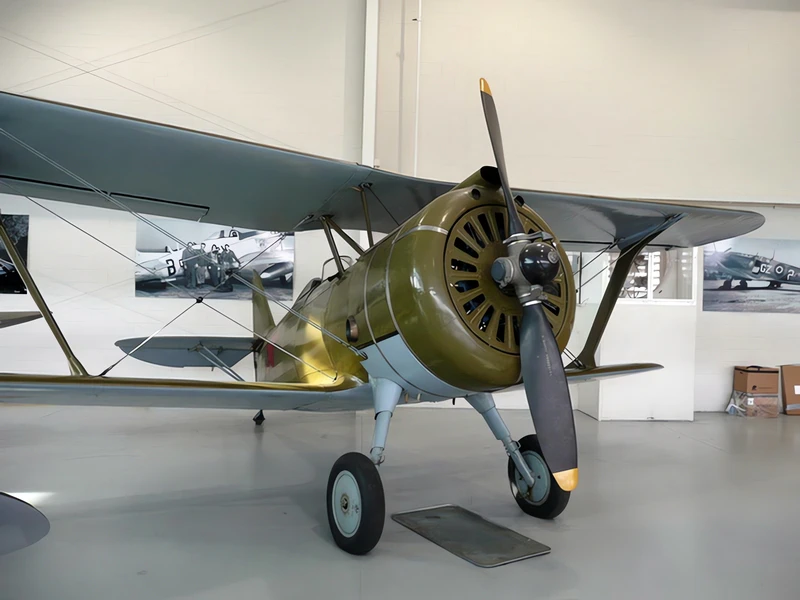
Polikarpov I-15 | |
|---|---|
| Country | Soviet Union |
| Role | Fighter |
| First flight | October 1933 |
| Built | 3300+ |
The Polikarpov I-15 (Russian: И-15) was a Soviet biplane fighter aircraft of the 1930s. Nicknamed Chaika (Russian: Чайка, “Seagull”) because of its gulled upper wings, it was operated in large numbers by the Soviet Air Force, and together with the Polikarpov I-16 monoplane, was one of the standard fighters of the Spanish Republicans during the Spanish Civil War, where it was called Chato (snub-nose).
Source: Polikarpov I-15 on Wikipedia
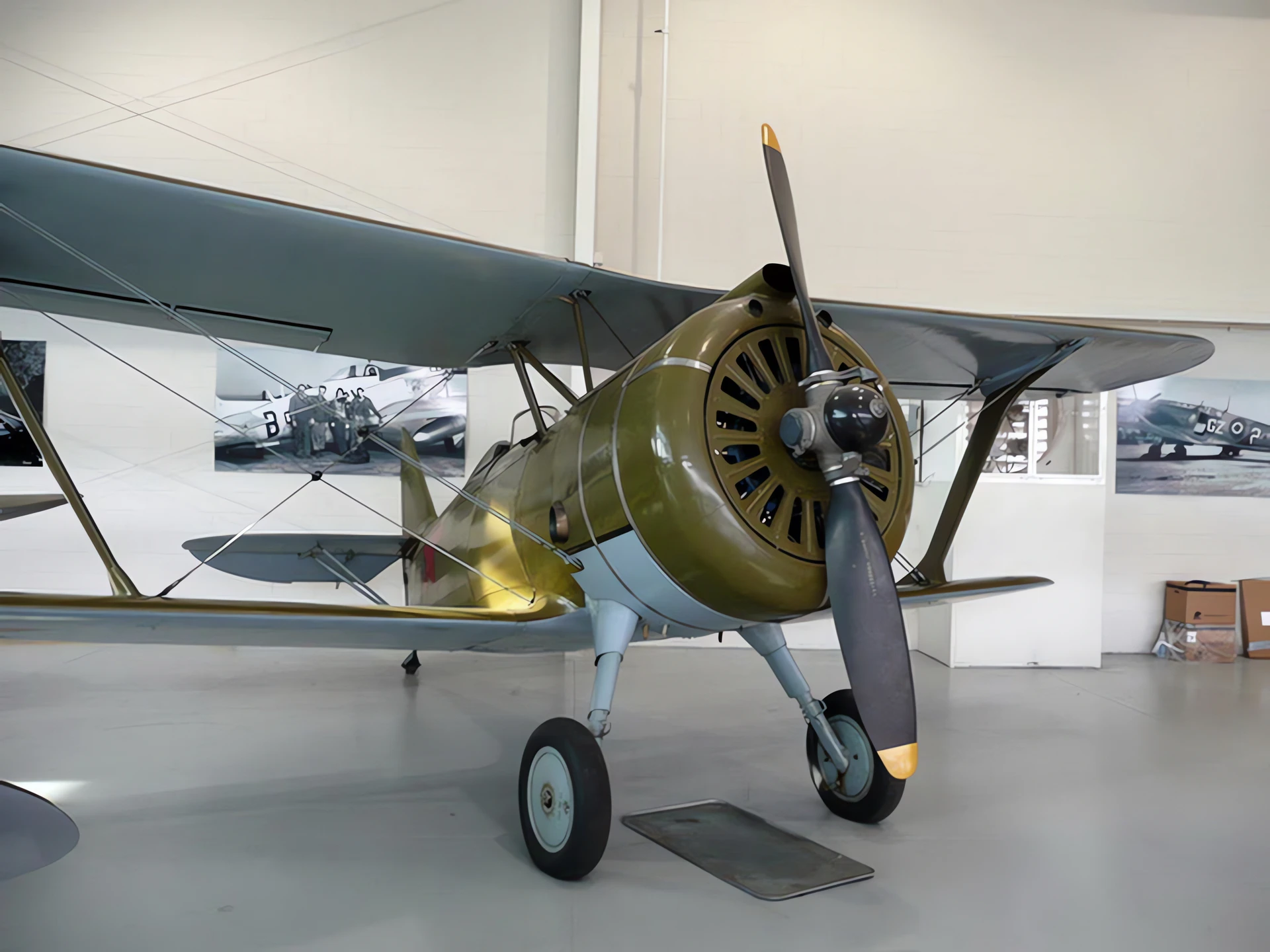
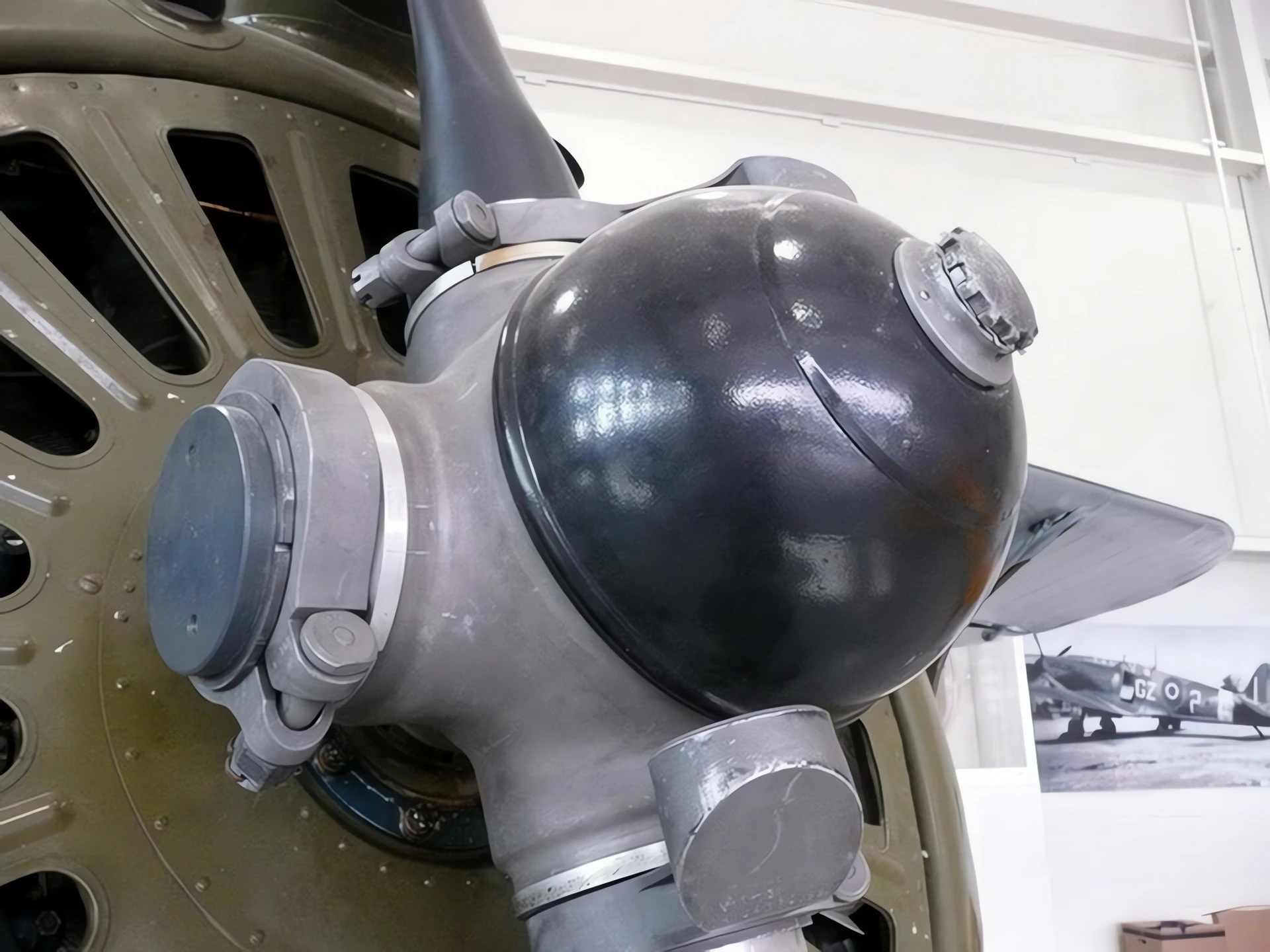
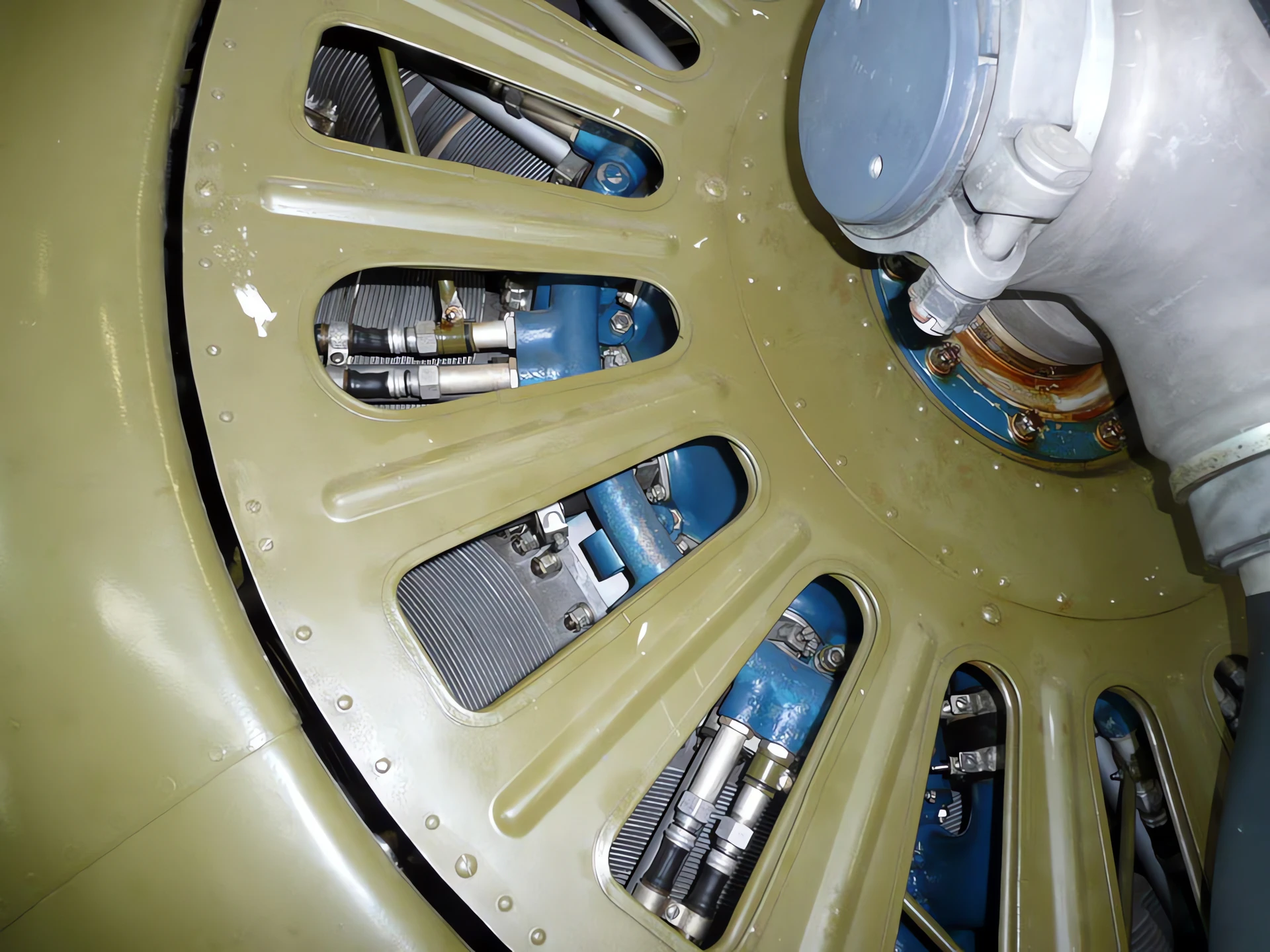
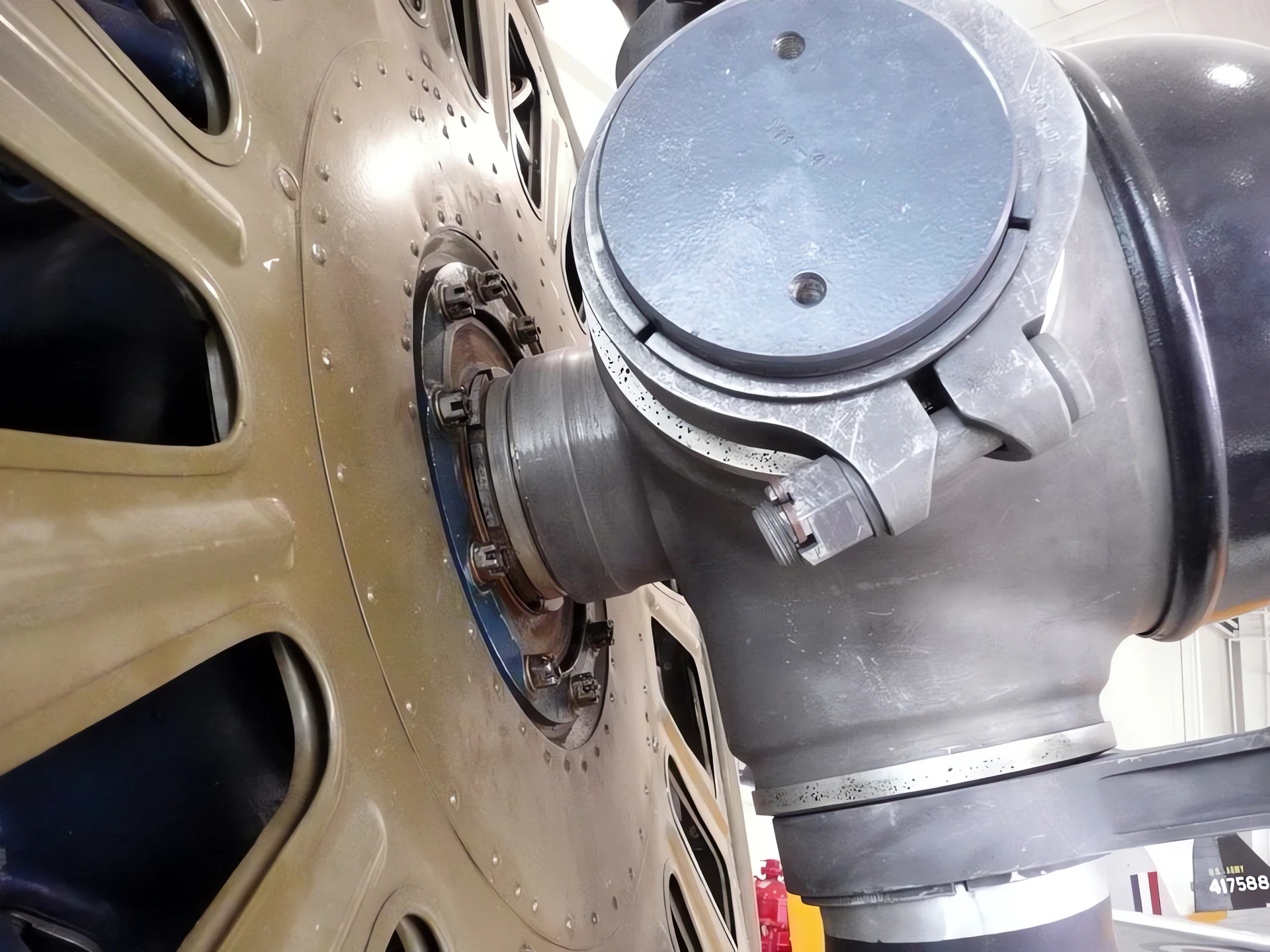
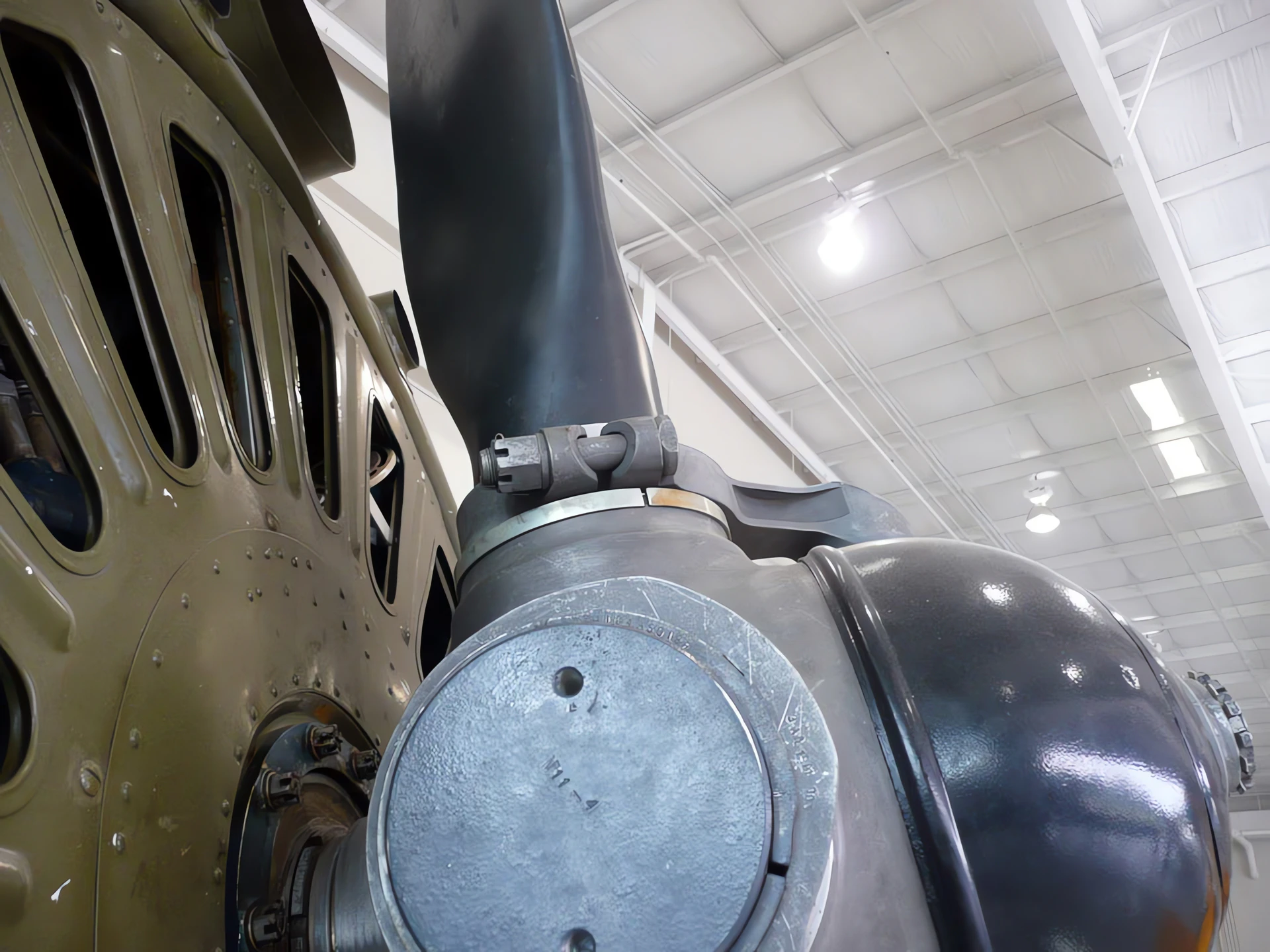
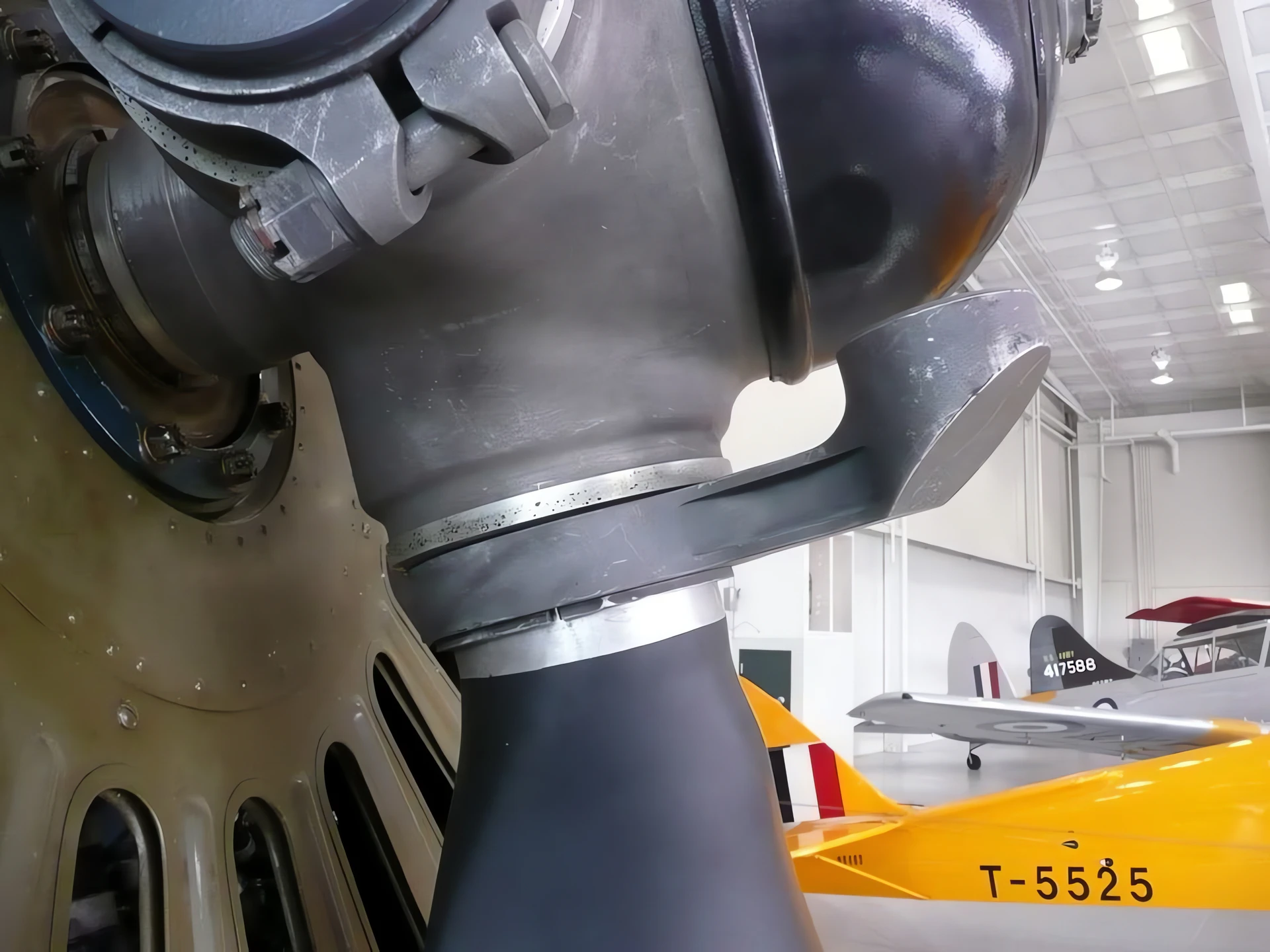
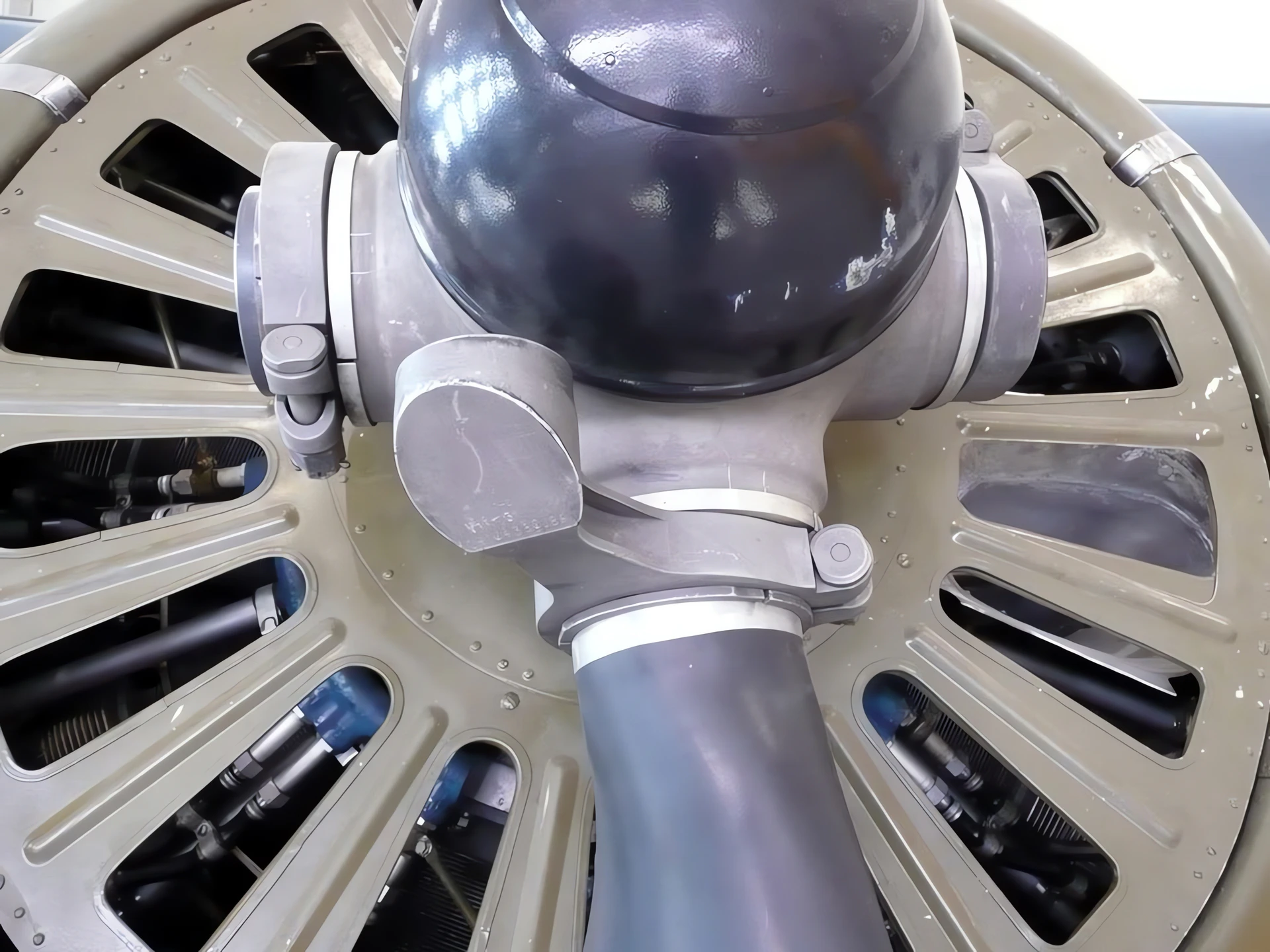
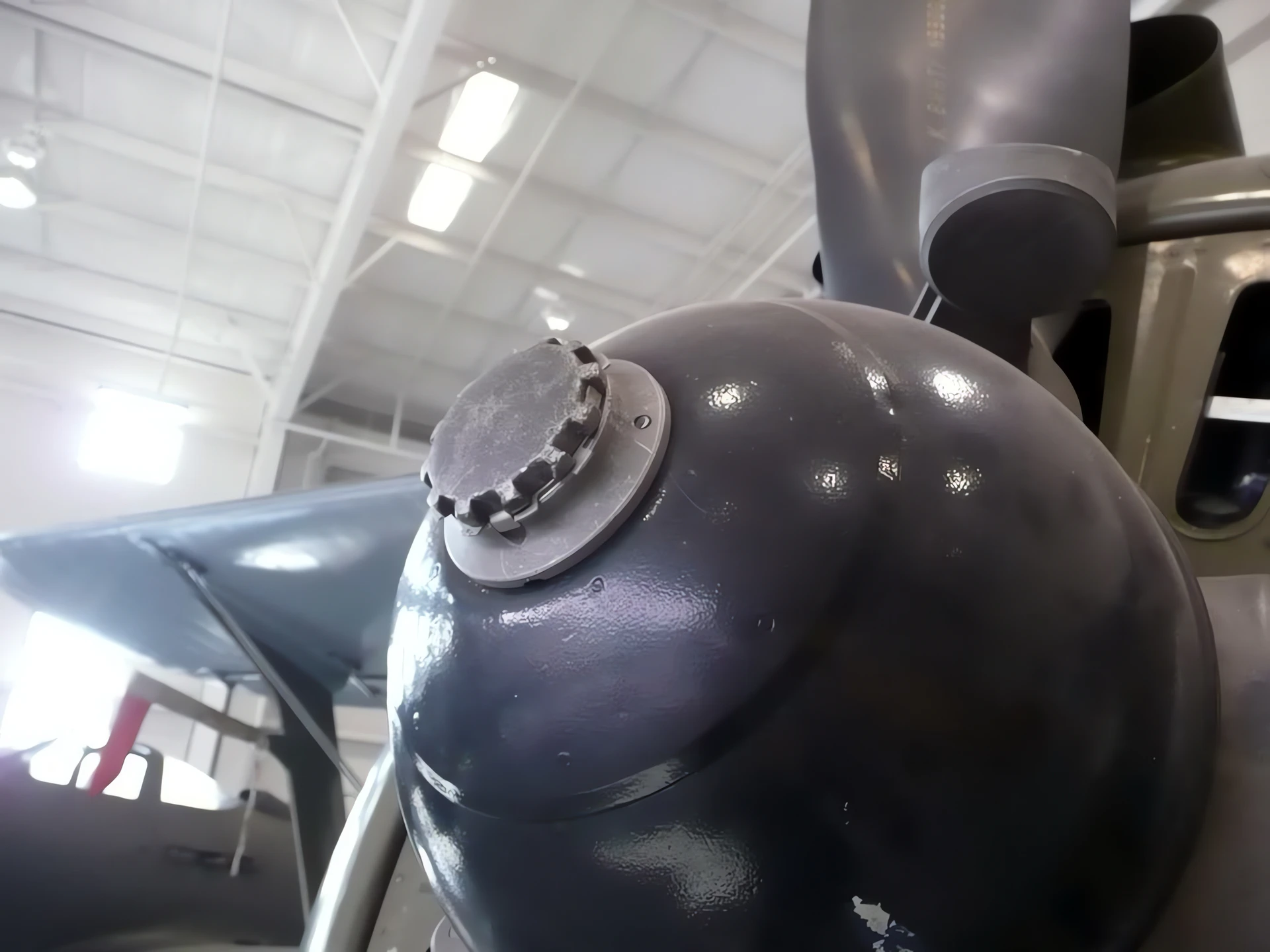
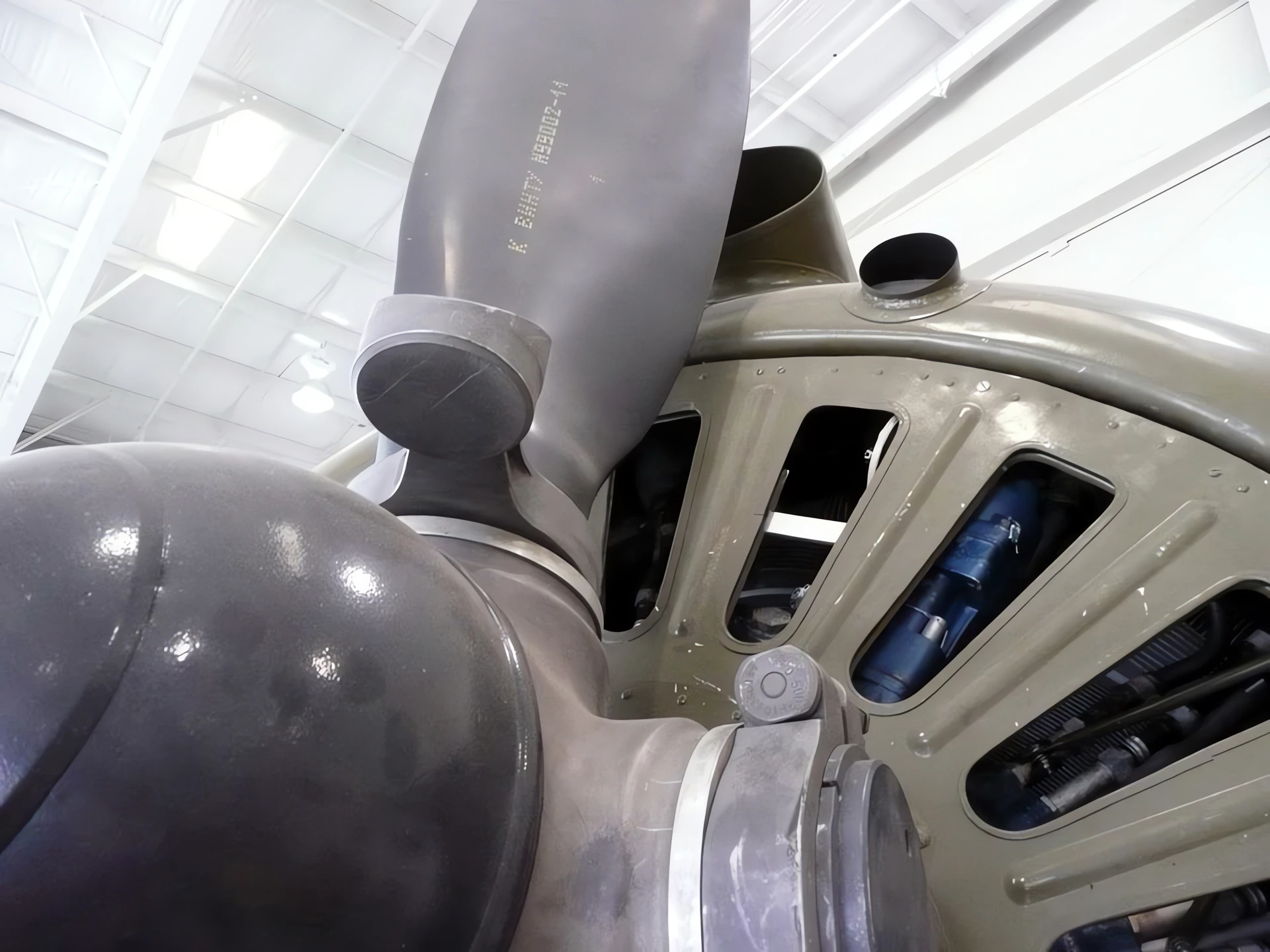
| Polikarpov I-152 Walk Around | |
|---|---|
| Photographer | Vladimir Yakubov |
| Localisation | Unknow |
| Photos | 177 |

See also:


General Characteristics and Role
The Polikarpov I-152, better known as the I-15bis, was a Soviet biplane fighter aircraft developed in the mid-1930s. It was a direct, albeit more conservative, development of the successful Polikarpov I-15 “Chaika” (Seagull). The I-15bis reverted to the conventional full upper wing (instead of the distinct “gull wing” of the original I-15), which simplified construction but slightly reduced performance. Despite being technically obsolete by the time the Soviet Union entered World War II, it saw extensive use in the Spanish Civil War, the Soviet-Japanese border conflicts, and as a primary fighter aircraft in the early stages of the Eastern Front, often transitioning into a ground-attack role.
| Property | Typical Value (I-15bis) |
|---|---|
| Role | Fighter / Ground Attack |
| National Origin | Soviet Union (USSR) |
| Manufacturer | Polikarpov Design Bureau |
| First Flight | 1937 |
| Crew | 1 (Pilot) |
| Length | 6.27 m (20 ft 7 in) |
| Wingspan (Upper) | 10.20 m (33 ft 6 in) |
| Height | 3.30 m (10 ft 10 in) |
| Empty Weight | 1,000 kg (2,205 lb) |
| Max Takeoff Weight | 1,670 kg (3,682 lb) |
Powerplant and Performance
- Engine: One Shvetsov M-25V nine-cylinder, air-cooled radial engine.
- Power Output: 560 kW (750 hp).
- Maximum Speed: 370 km/h (230 mph; 200 kn) at 3,000 m (9,843 ft).
- Range: 770 km (480 mi; 420 nmi).
- Service Ceiling: 9,800 m (32,200 ft).
- Climb Rate: 7.7 m/s (1,520 ft/min).
Armament and Variants
- Fixed Armament: 4 x 7.62 mm PV-1 machine guns (or later, 4 x 7.62 mm ShKAS machine guns) in the fuselage.
- External Ordnance: Up to 150 kg (331 lb) of bombs or 6 x RS-82 unguided rockets carried on underwing racks (a major feature that extended its service life).
- Key Design Differences from I-15: The primary change was the upper wing design. The I-15bis had a standard, straight-across upper wing supported by struts, lacking the inverted “gull wing” center section of the original I-15.
- I-15ter (I-153): The next version, the I-153 Chaika, reverted to the “gull wing” design but introduced a retractable landing gear, significantly improving performance.
Views : 2507
You can see also :
 Aero A.12 – Photos & Videos
 Avia BH-11 – Photos & Videos
 FVM Ö1 Tummelisa – Photos & Videos
 Fokker C.V – Photos & Videos
 Travel Air 2000 – Photos & Videos
 Spijker V.2 – Photos & Video
 Supermarine Walrus – Photos & Video
 Caudron G.III – Photos & Video
 Polikarpov Po-2 – Photos & Video
 Bucker Bu-131 Jungmann – Photos & Video