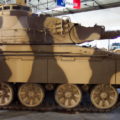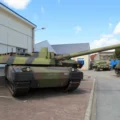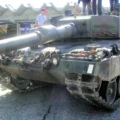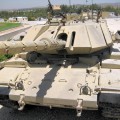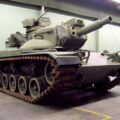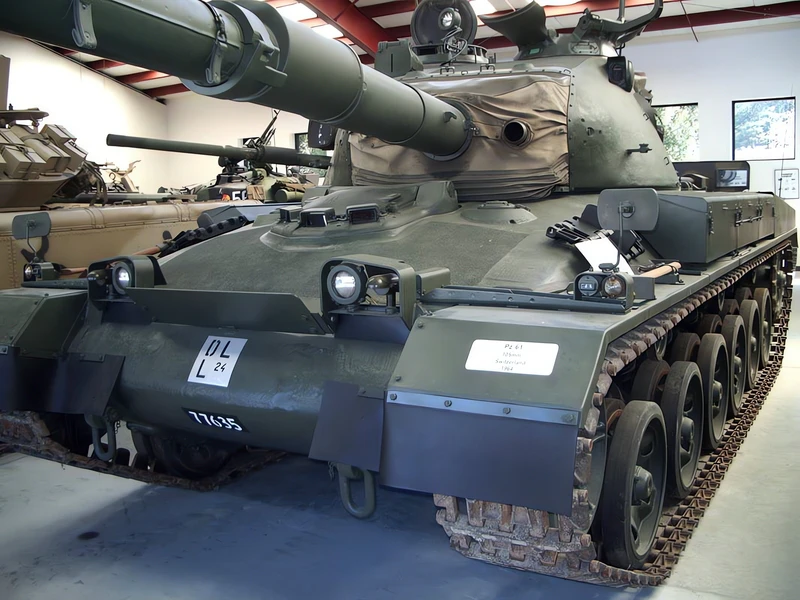
Panzer 68 | |
|---|---|
| Country | Switzerland |
| Role | Main battle tank |
| In service | 1971 – 2003 |
| Built | 300 |
The Panzer 68 was a Swiss main battle tank developed by the Eidgenoessische Konstruktionswerkstaette in Thun in the late 1960s.
Source: Panzer 68 on Wikipedia
| Pz 68 Series 1 Walk Around | |
|---|---|
| Photographer | Vladimir Yakubov |
| Localisation | Unknow |
| Photos | 56 |
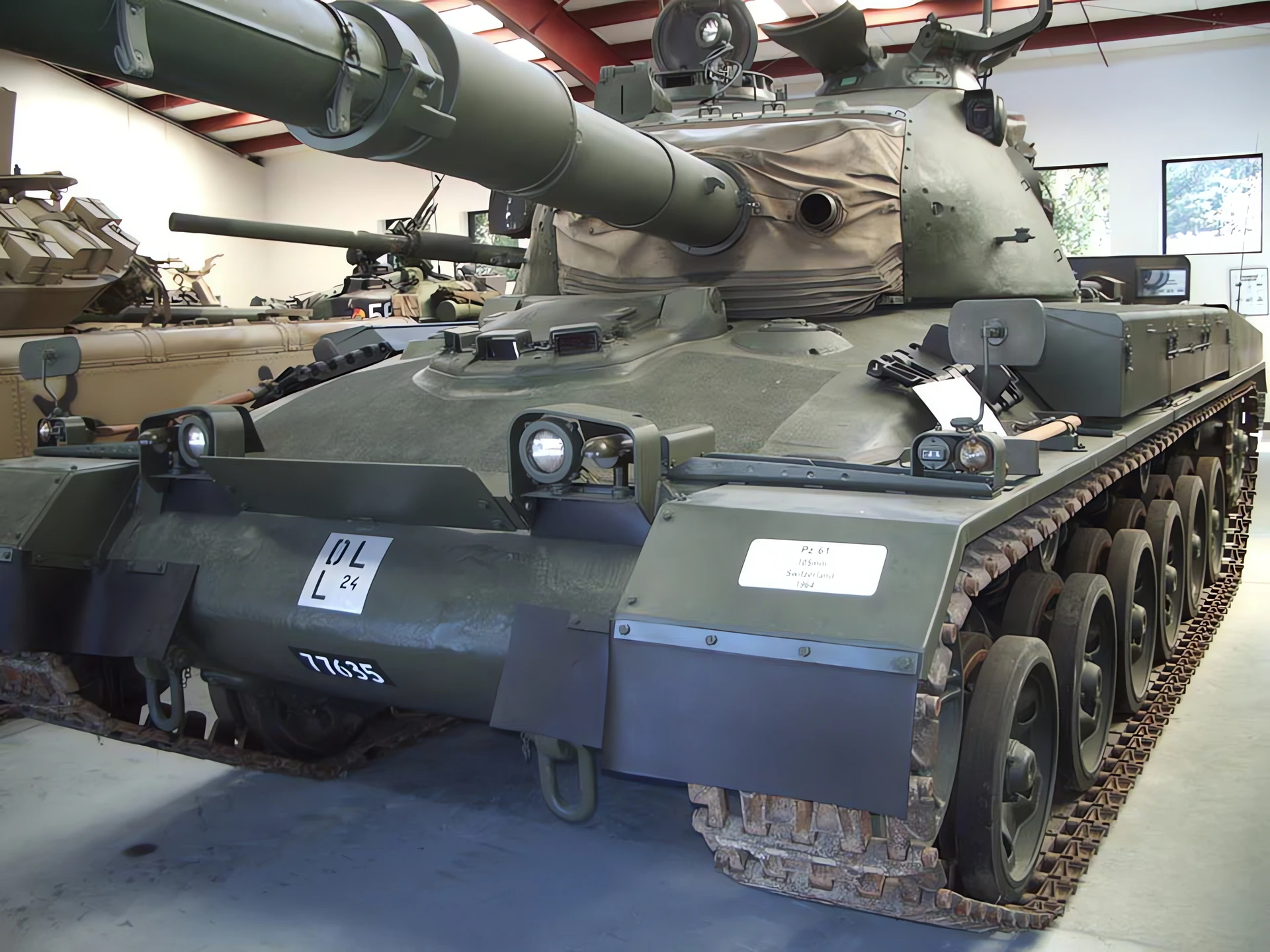
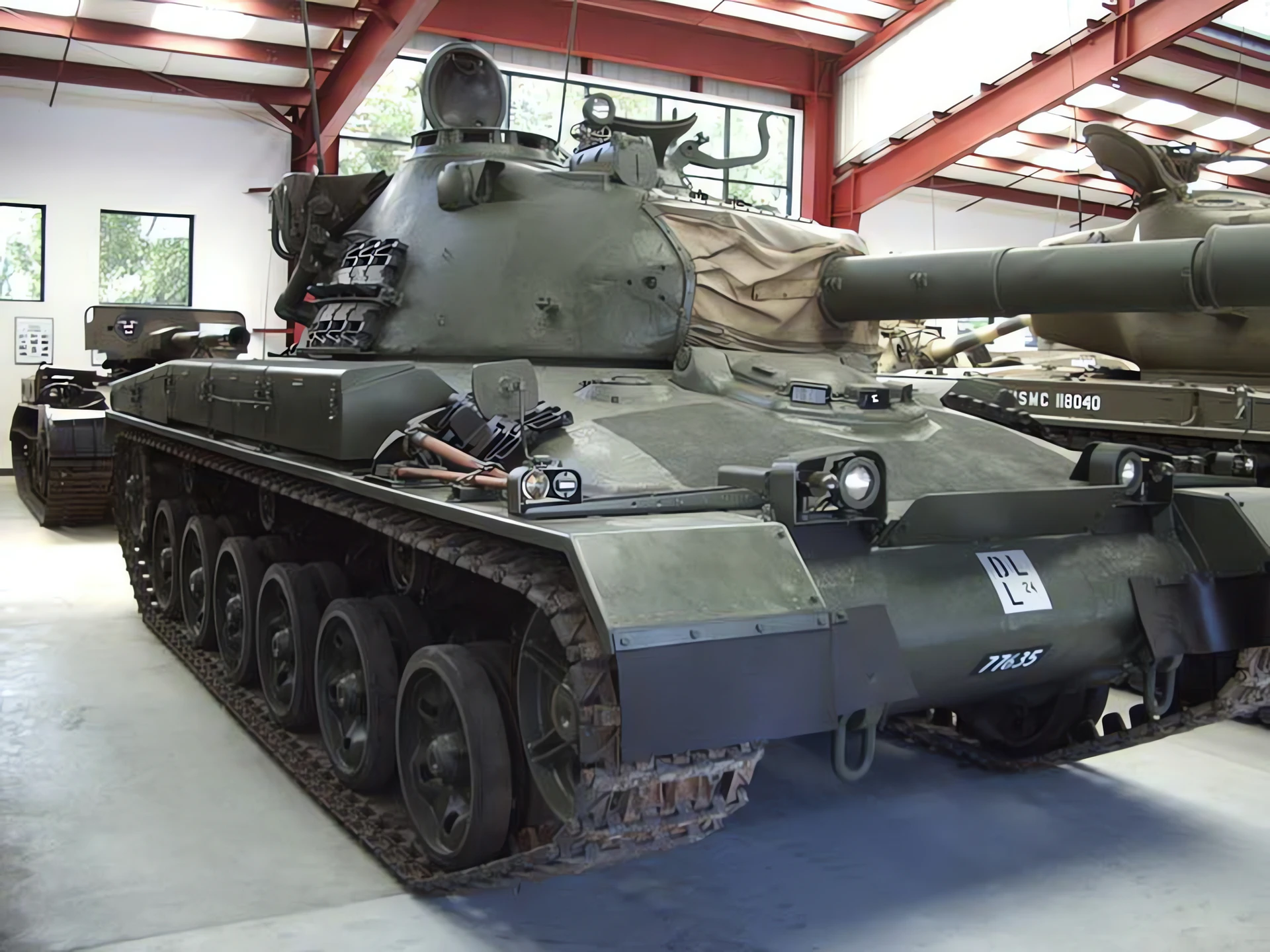
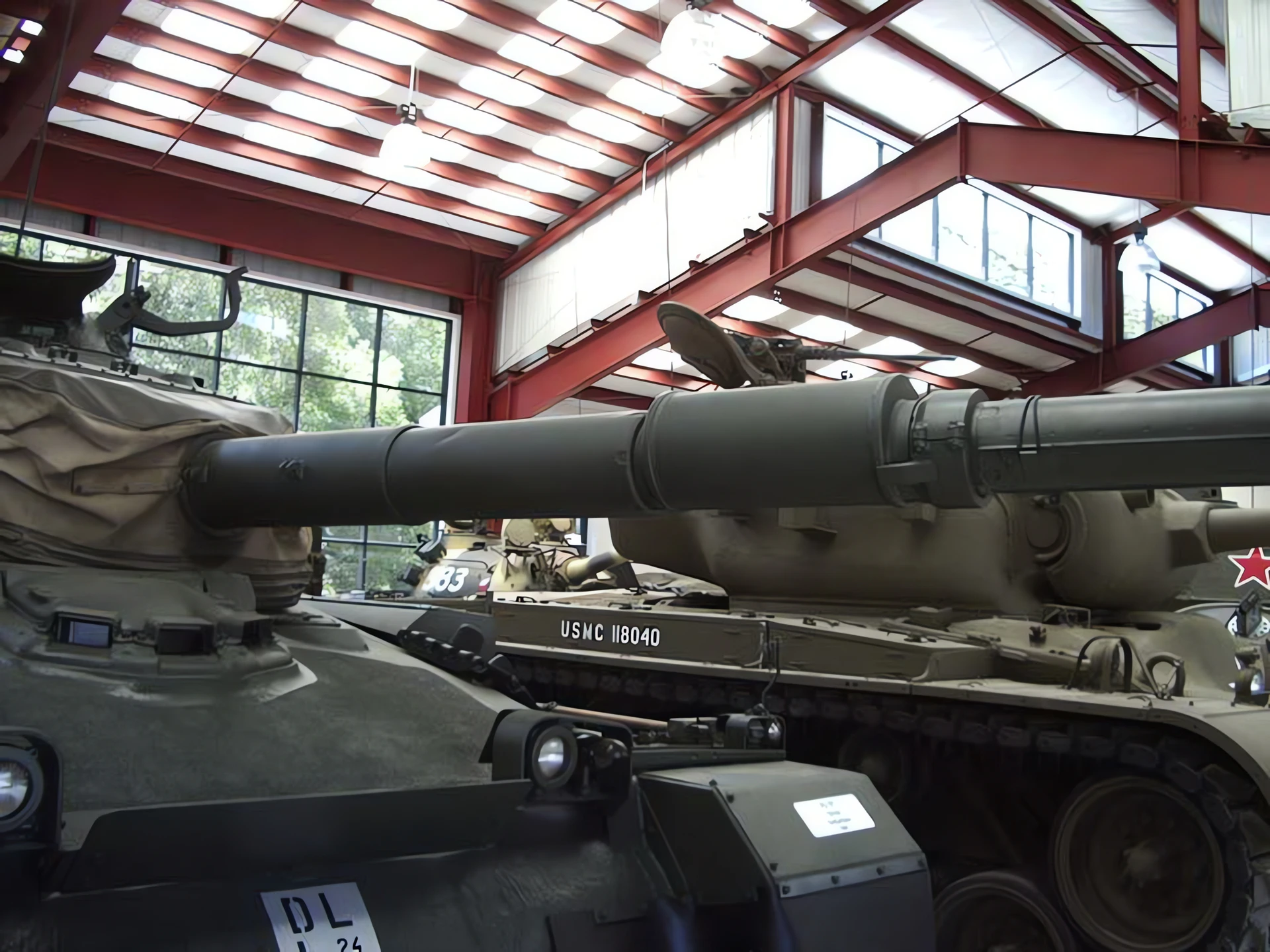
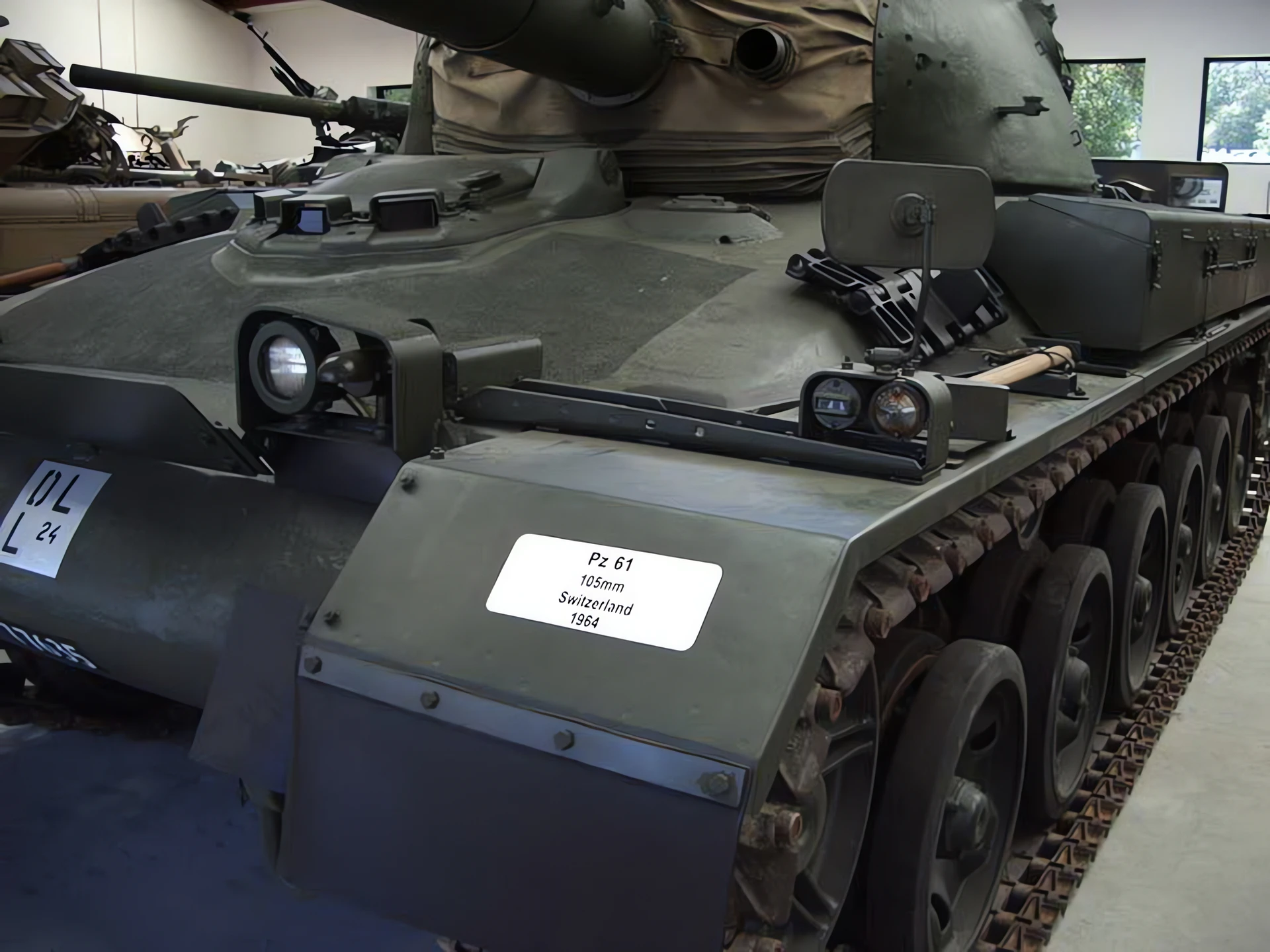
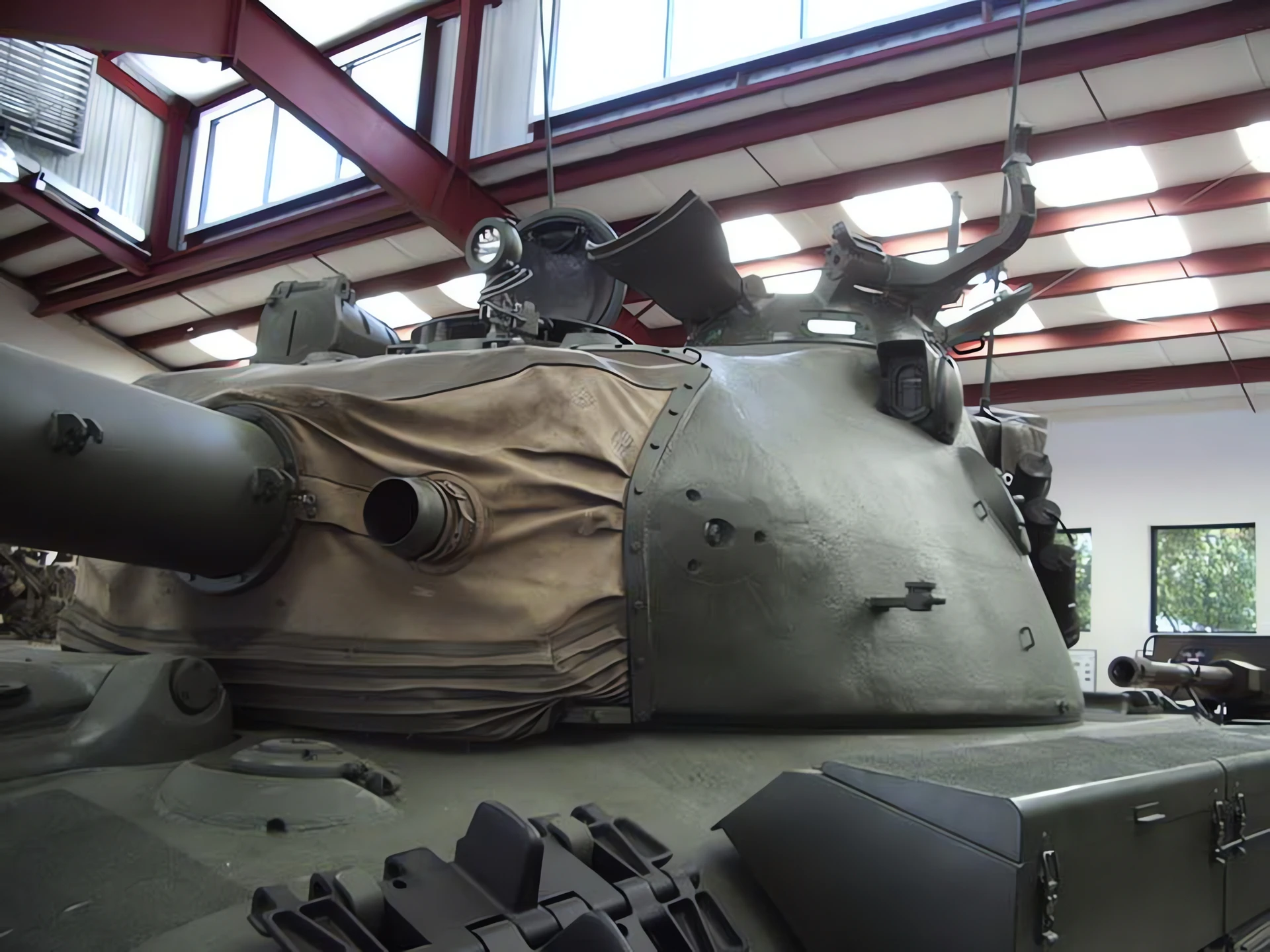
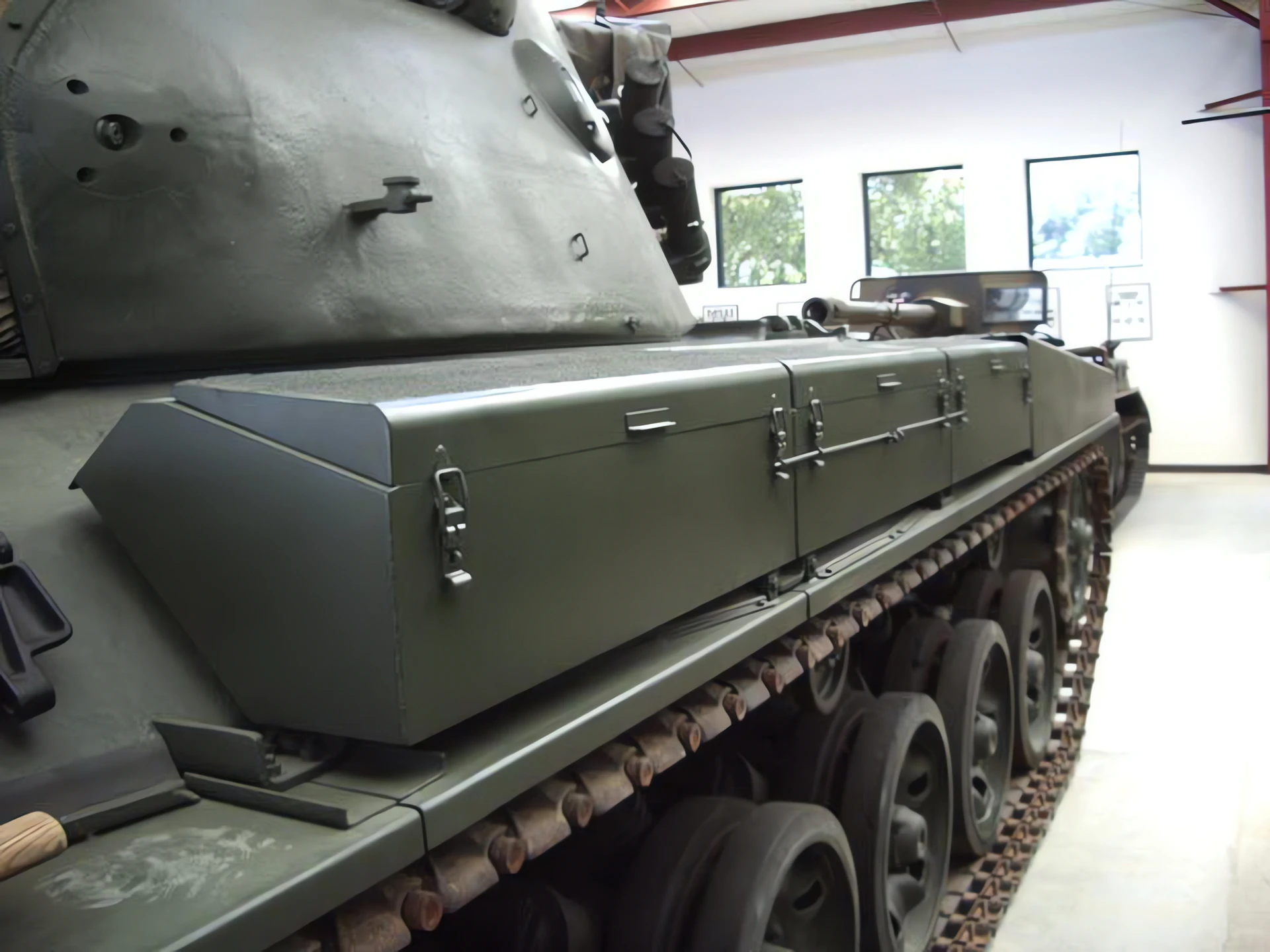
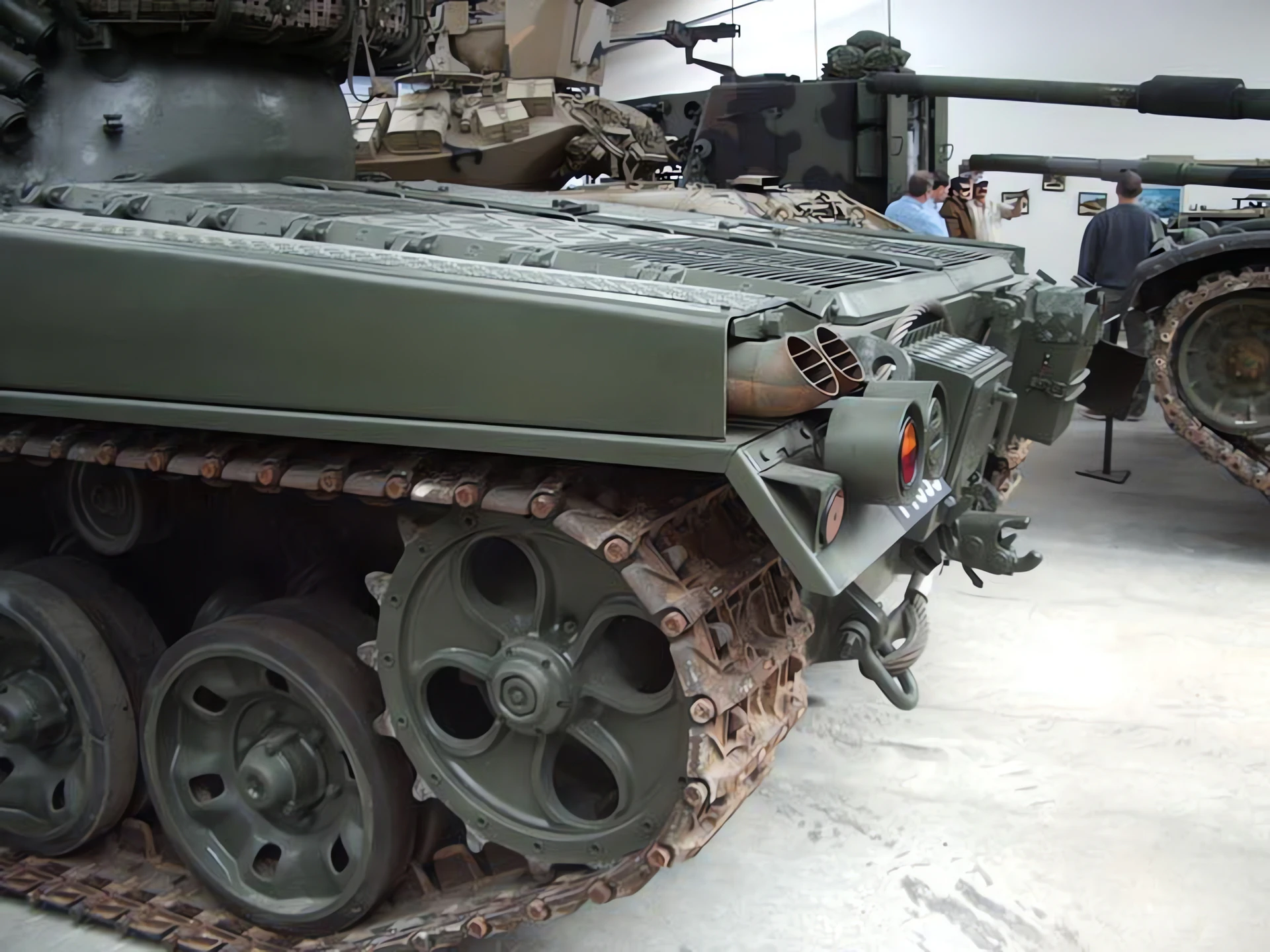
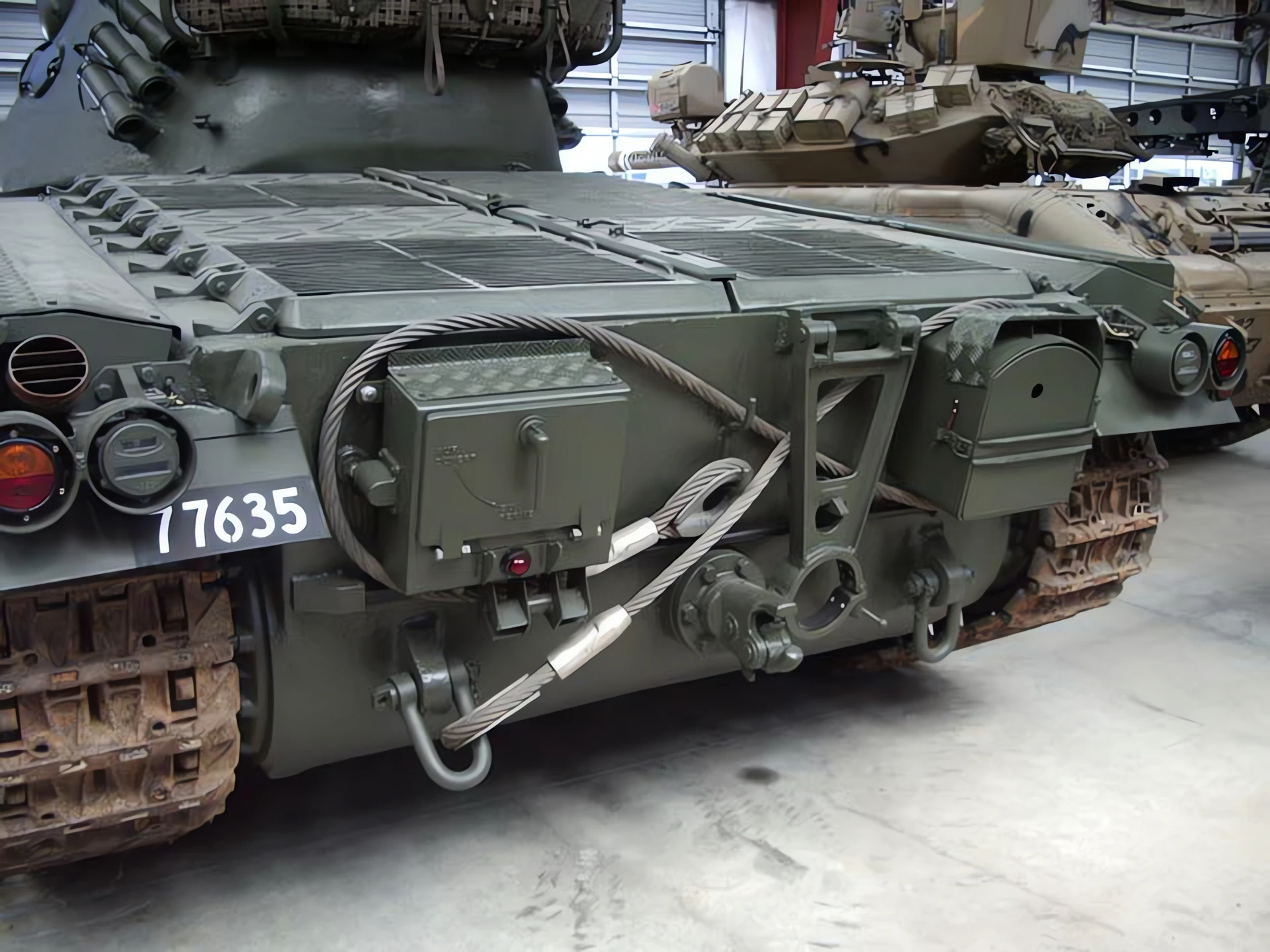

See also:


General Characteristics and Role
The Panzer 68 (Pz 68) was a Swiss main battle tank (MBT) developed by Eidgenössische Konstruktionswerkstätte (K + W) Thun, succeeding the Pz 61. The Series 1 was the initial production batch. It was specifically designed for Switzerland’s unique operational environment, prioritizing good all-terrain performance and high firepower for defensive roles in the Alps and the Swiss Plateau. While outwardly similar to the earlier Pz 61, the Pz 68 featured significant improvements, including a more powerful engine and wider tracks for better performance in snow and rough terrain. However, the tank gained notoriety in the 1970s due to several technical and design flaws that required extensive modernization programs throughout its service life.
| Property | Typical Value (Pz 68 Series 1) |
|---|---|
| Role | Main Battle Tank (MBT) |
| National Origin | Switzerland |
| Manufacturer | K + W Thun (Federal Construction Works) |
| Service Entry (Series 1) | 1971 |
| Crew | 4 (Commander, Gunner, Loader, Driver) |
| Main Armament | 105 mm Royal Ordnance L7 rifled gun |
| Secondary Armament | 2 x 7.5 mm MG 51 machine guns (coaxial and anti-aircraft) |
| Length (Gun Forward) | 9.50 m (31 ft 2 in) |
| Width | 3.14 m (10 ft 4 in) |
| Height | 2.72 m (8 ft 11 in) |
| Combat Weight | 39.7 tonnes (43.8 short tons) |
Powerplant and Performance
- Engine: 1 x MTU MB 837 BA-500 8-cylinder diesel engine.
- Power Output: 485 kW (650 hp).
- Maximum Speed (Road): 55 km/h (34 mph).
- Range (Road): 350 km (220 mi).
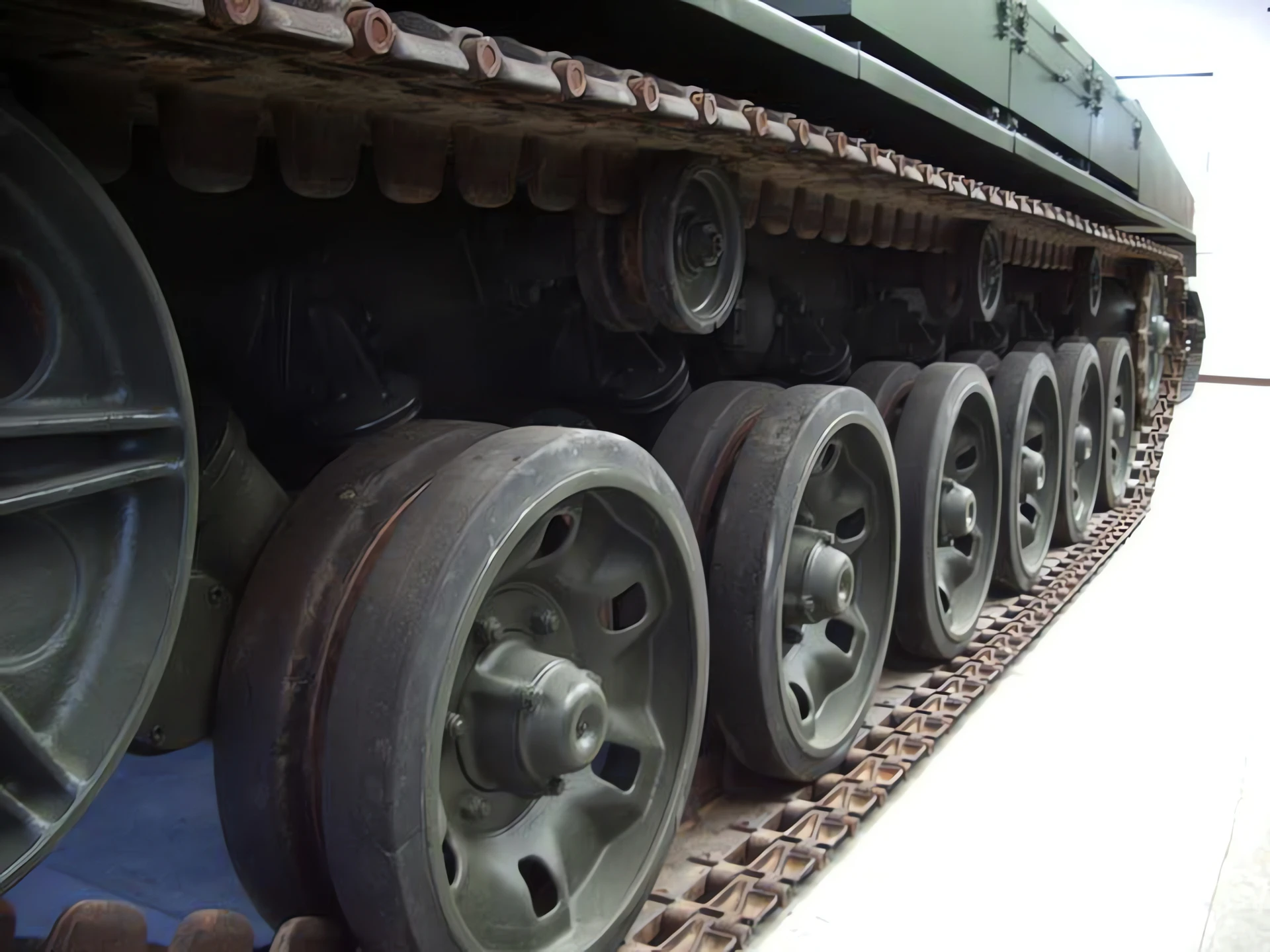
- Suspension: Horstmann-type coil spring suspension, known for durability and good off-road performance.
- Wider Tracks: The Pz 68 was fitted with wider tracks compared to the Pz 61 to reduce ground pressure, aiding movement on soft ground and snow.
Protection and Notorious Flaws
- Armour: Conventional cast and welded steel armor, providing adequate protection for the era, particularly against older Soviet tank rounds.
- L7 Gun: The British-designed 105 mm L7 gun was the NATO standard for the time, offering excellent accuracy and firepower.
- Infamous Flaws: Early Pz 68 series were plagued by issues, most notably: The heater could spray hot exhaust into the fighting compartment; the NBC (Nuclear, Biological, Chemical) protection system did not function correctly; and, most seriously, operating the radio transmitter at full power could cause the turret to rotate.
- Service Life: Despite initial issues, the Pz 68 received numerous upgrades (Series 2/3/4) and served in the Swiss military until it was finally phased out in the early 2000s, replaced by the Leopard 2 (Pz 87).
Views : 1744