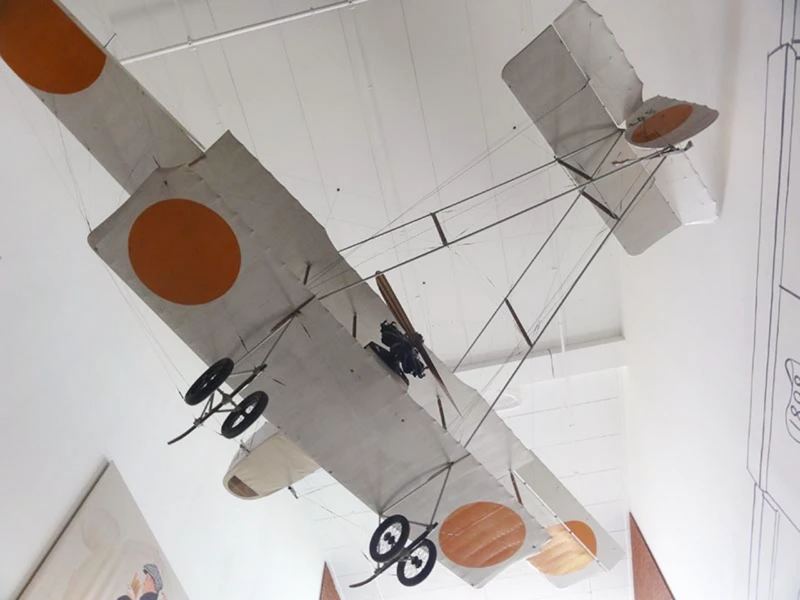
Farman HF.20 | |
|---|---|
| Country | France |
| Role | Reconnaissance aircraft |
| Period | First World War |
The Farman HF.20 and its derivatives were a family of reconnaissance aircraft produced in France shortly before and during the First World War. It was a refined version of the Farman MF.11 “Shorthorn” that did away with the type’s distinctive landing skids, and incorporated design features from Henri Farman’s designs. It entered service with the French, Belgian and Serbian armies in 1913 (two aircraft conducted reconnaissance during the Siege of Shkodër in the First Balkan War and one crashed), and with the British RFC and RNAS shortly after the outbreak of war. The type was also licence-built in the UK by Airco and Grahame-White. The HF.20 was seriously underpowered, and a variety of engines were trialled in the hope of correcting this, none with much success. The problem was eventually solved only when an engine of twice the power of the original powerplant was fitted to the HF.27 variant, by which time the aircraft was already obsolete. Nevertheless, the performance of the HF.20 made it adequate for use on secondary fronts.
Source: Farman HF.20 on Wikipedia
| Farman HF.20 biplane Walk Around | |
|---|---|
| Photographer | Meindert de Vreeze |
| Localisation | Unknow |
| Photos | 26 |
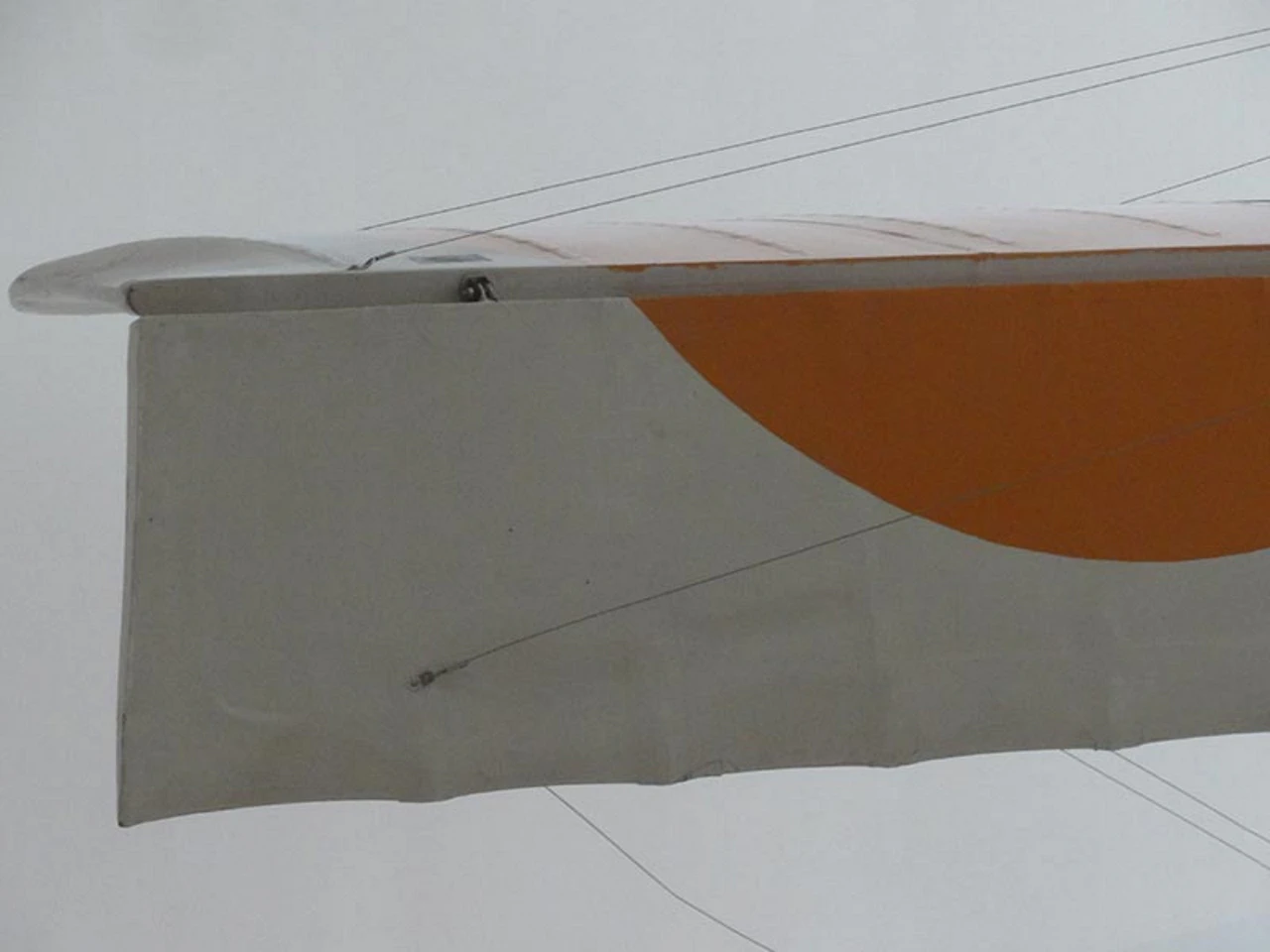
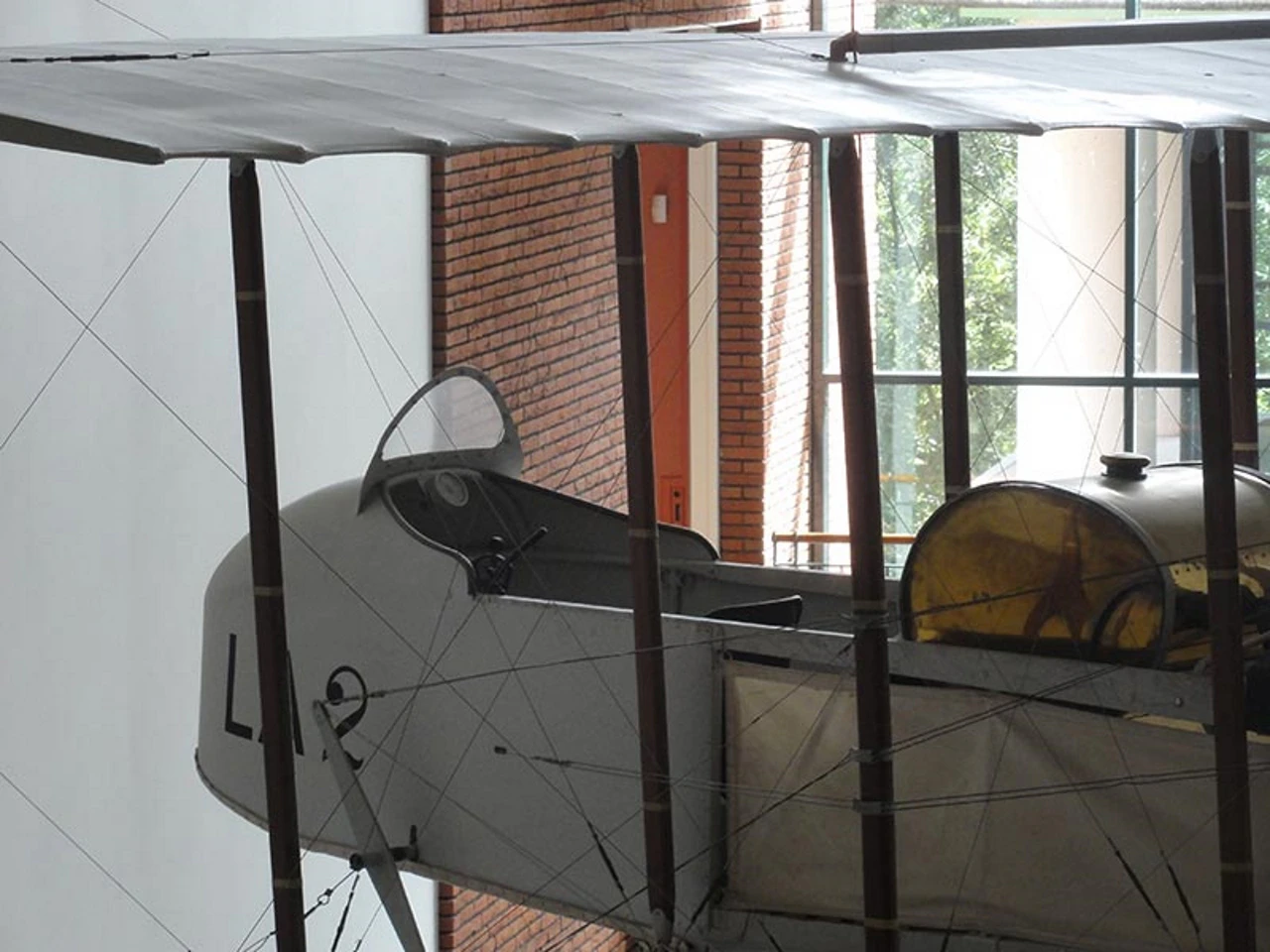

See also:


The Eye in the Sky of 1914
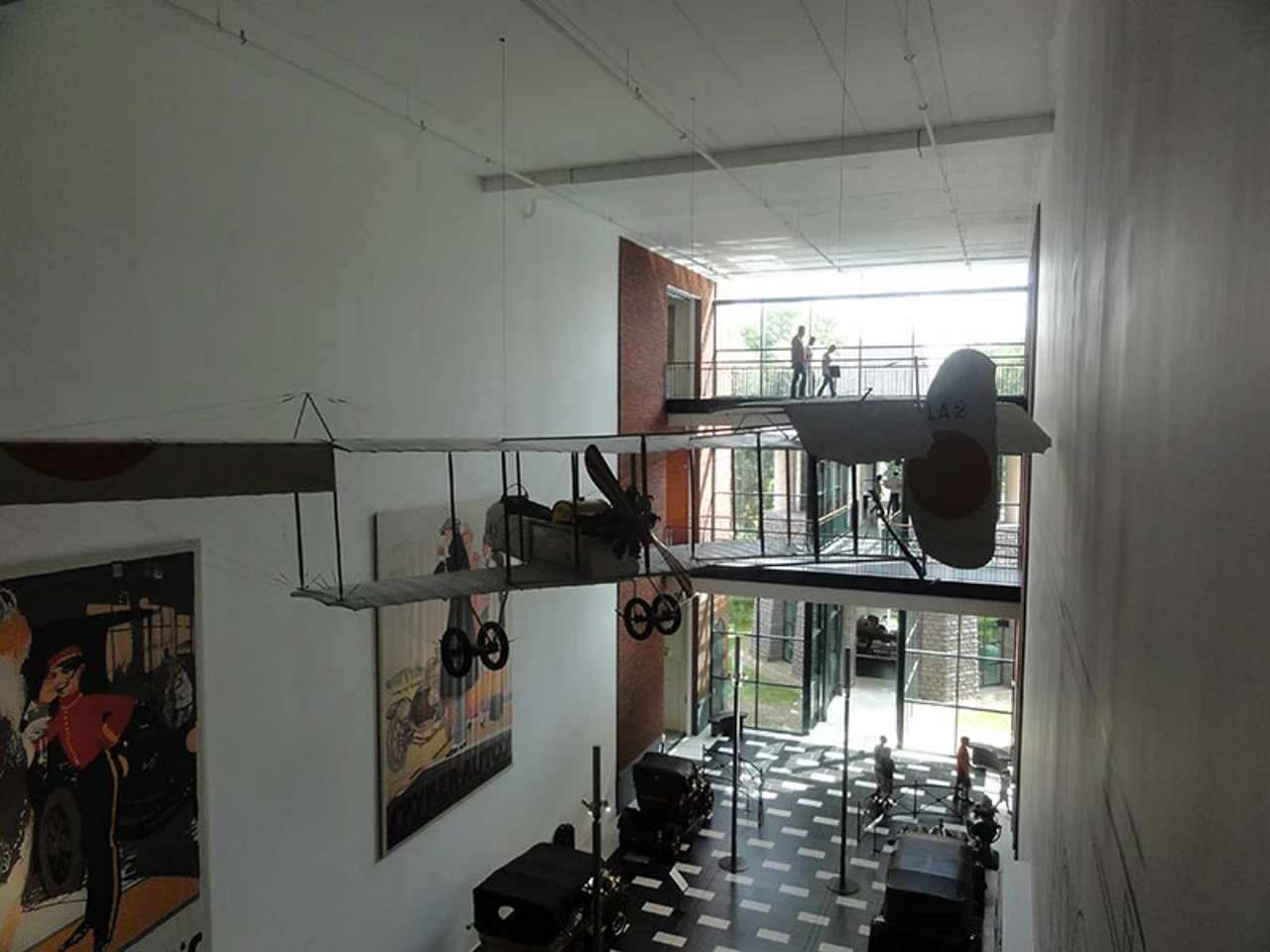
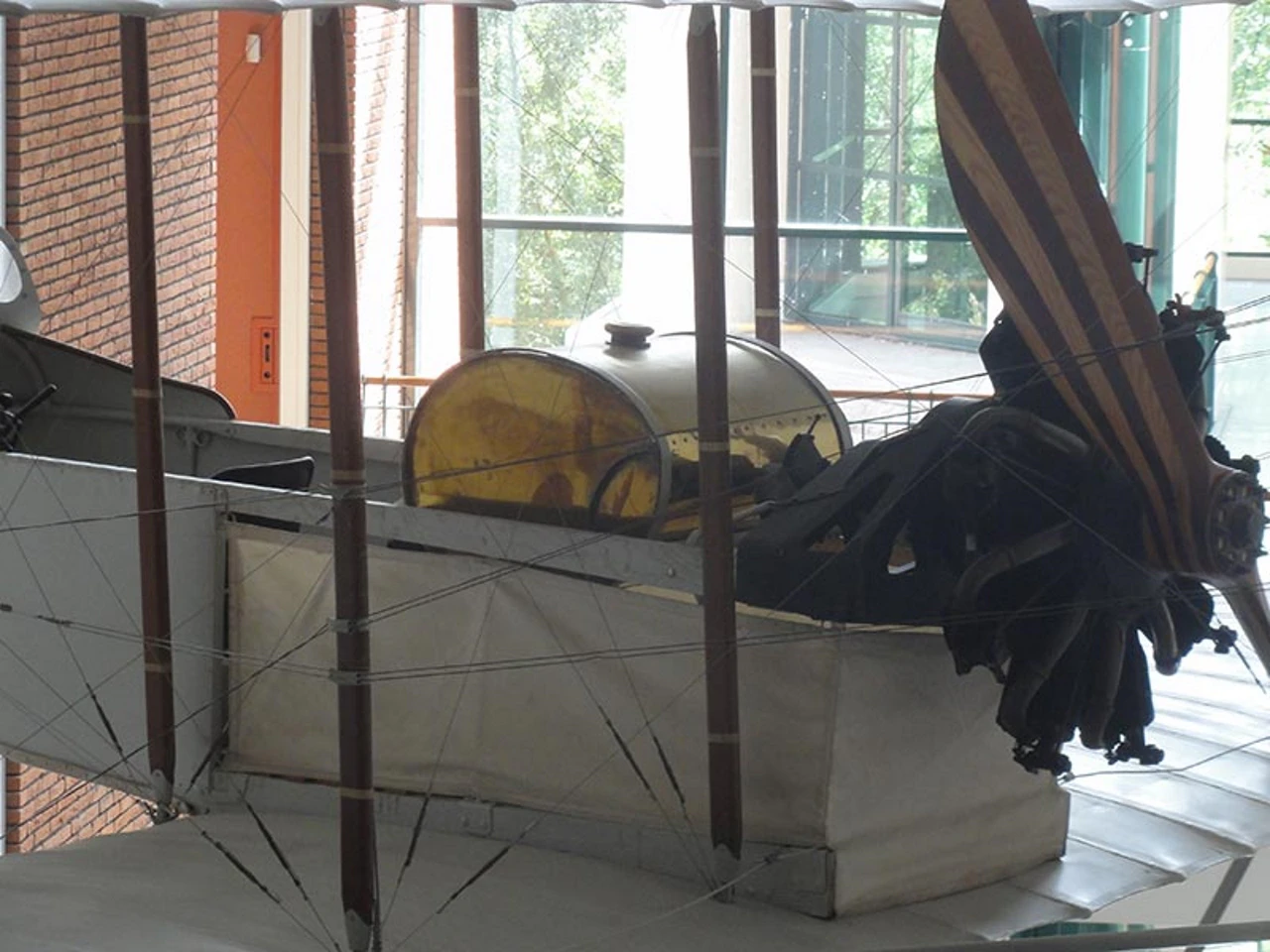
The Farman HF.20 was a quintessential “pusher” biplane designed by Henri Farman. Emerging just before World War I, it was one of the first aircraft designed with a specific military mission in mind: observation. Its unique layout—with the engine and propeller behind the crew—gave the observer an unobstructed view of the battlefield, a critical advantage in the early days of reconnaissance. While quickly outpaced by faster “tractor” designs, the HF.20 served as the backbone of early French, British, and Belgian air arms, participating in the very first aerial bombing and machine-gun combat missions.
| Attribute | Technical Specification (HF.20) |
|---|---|
| Role | Reconnaissance / Light Bomber / Trainer |
| Crew | 2 (Pilot and Observer) |
| First Flight | 1913 |
| Powerplant | 1 × Gnome Lambda 7-cylinder rotary engine |
| Horsepower | 80 hp (60 kW) |
| Maximum Speed | 105 km/h (65 mph) |
| Service Ceiling | 1,050 m (3,440 ft) |
| Armament | 1 × hand-held machine gun; small load of light bombs/darts |
Design Philosophy: Form Follows Visibility
- The Pusher Layout: By placing the engine at the rear of the crew nacelle, Farman eliminated the “propeller flicker” and oil spray that plagued pilots of traditional aircraft. Most importantly, it allowed the observer to sit at the very front with a 180-degree view of the ground.
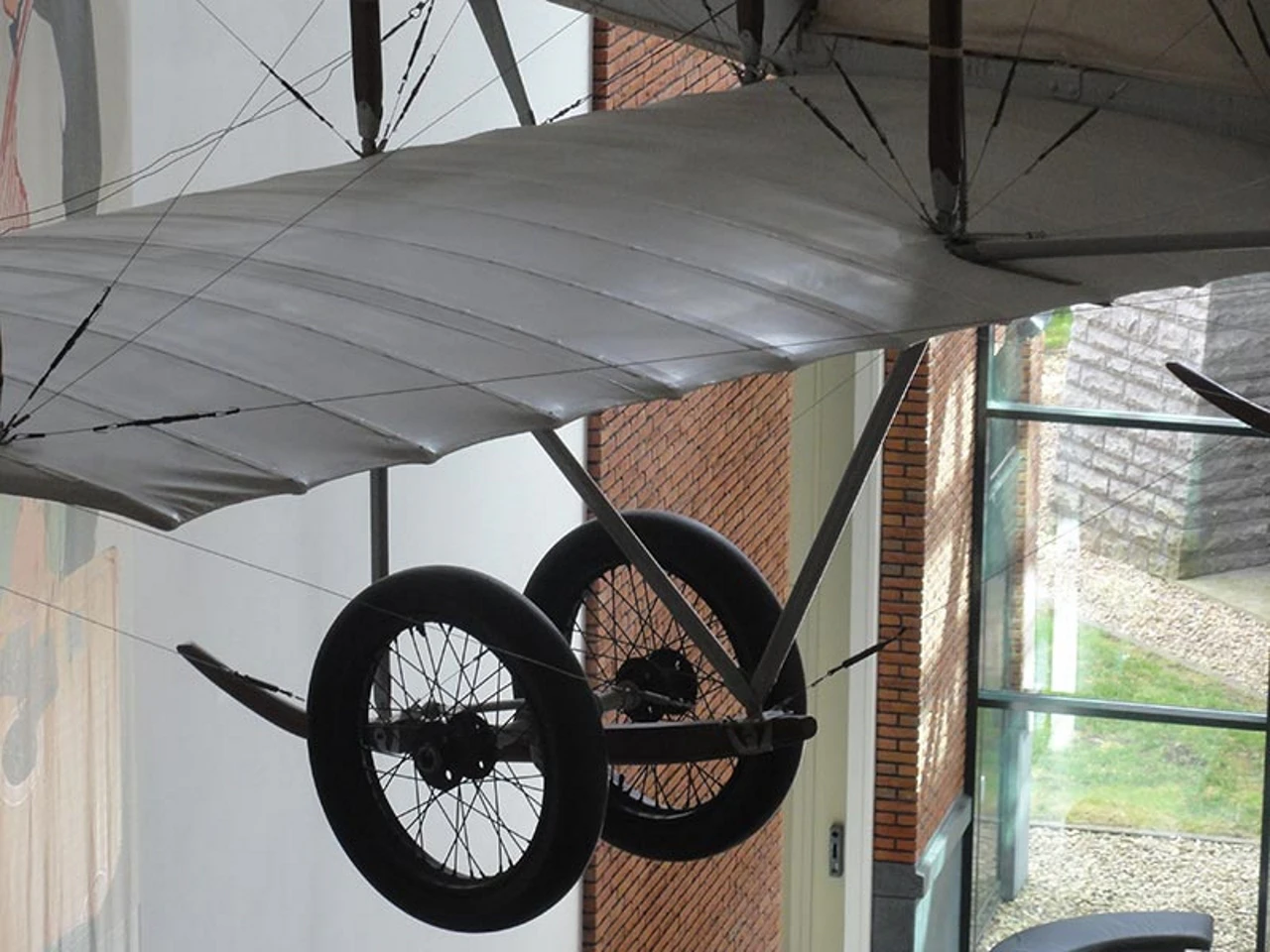
- The “Longhorn” Influence: The HF.20 was a refinement of the earlier Maurice Farman designs. It removed the distinctive “front elevator” skids (which earned the earlier model the nickname “Longhorn”), resulting in a cleaner, more aerodynamic front end.
- Rotary Engine Quirks: Like most French planes of the era, it used a Gnome rotary engine, where the entire engine block spun with the propeller. This provided cooling but created significant gyroscopic effects that made the plane “nose up” or “nose down” during turns.
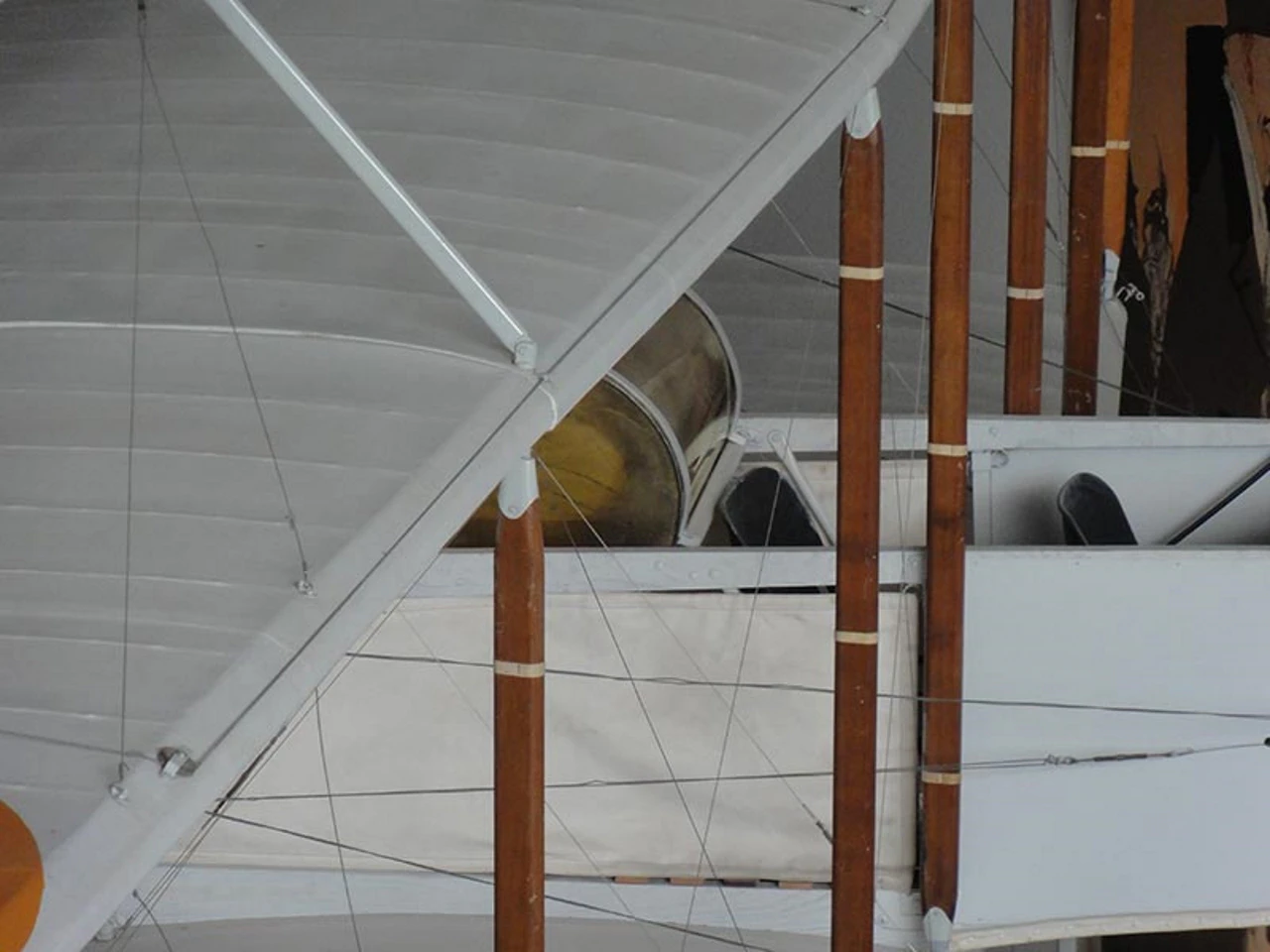
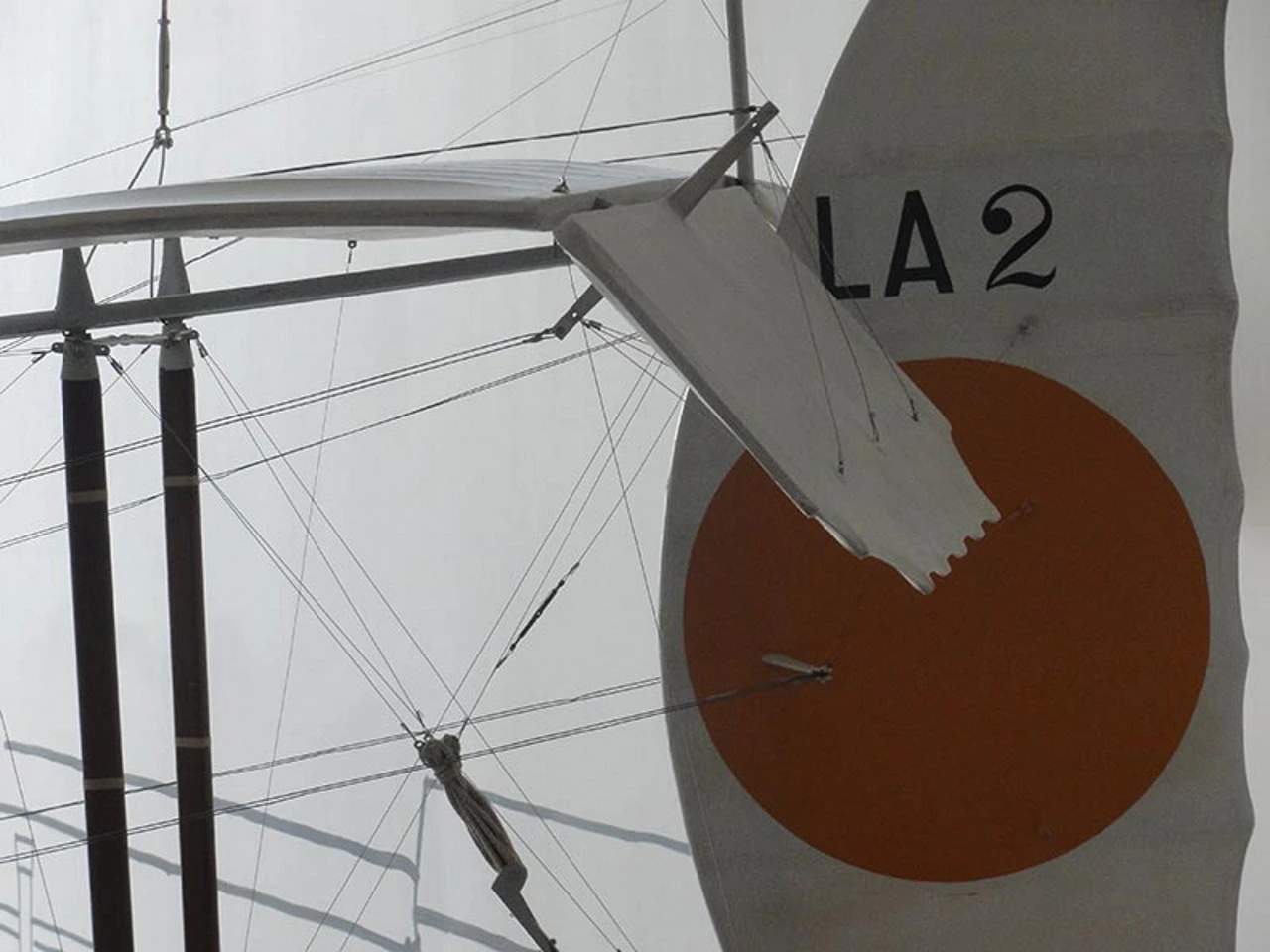
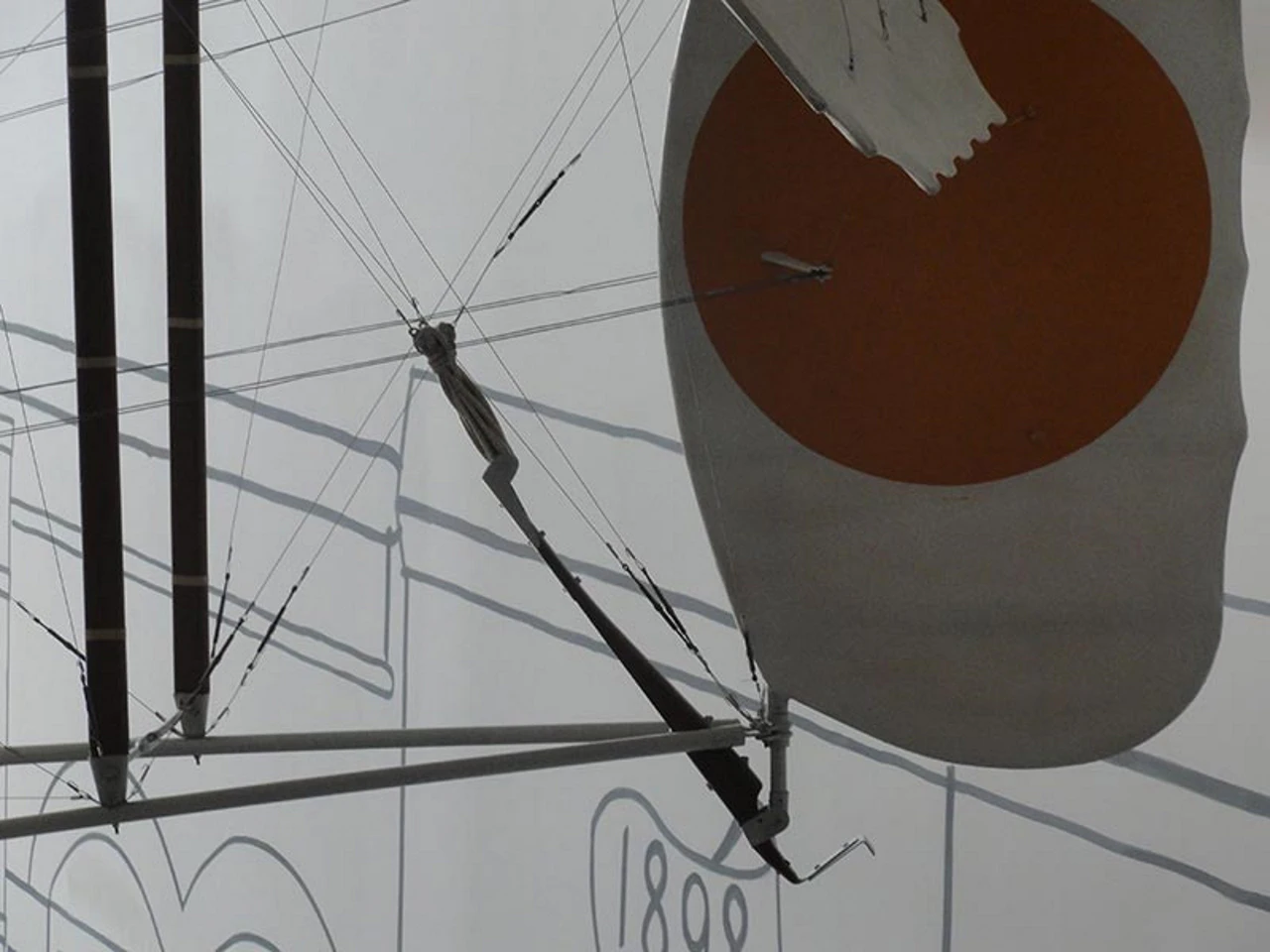
- Fragile Framework: The tail was held in place by an intricate web of wooden booms and steel wires. While light, this “birdcage” structure was incredibly drag-heavy and limited the aircraft’s top speed.
Combat Milestones and Obsolecence
- The First Bombing: On August 18, 1914, a French HF.20 pilot carried out one of the war’s first bombing raids, dropping hand-held incendiary bombs on a German Zeppelin hangar near Metz.
- The Machine Gun Experiment: In August 1914, British pilot L.A. Strange famously mounted a Lewis gun to his HF.20 to intercept a German scout. However, the extra weight of the gun and ammunition made the underpowered Farman unable to climb, allowing the enemy to escape.
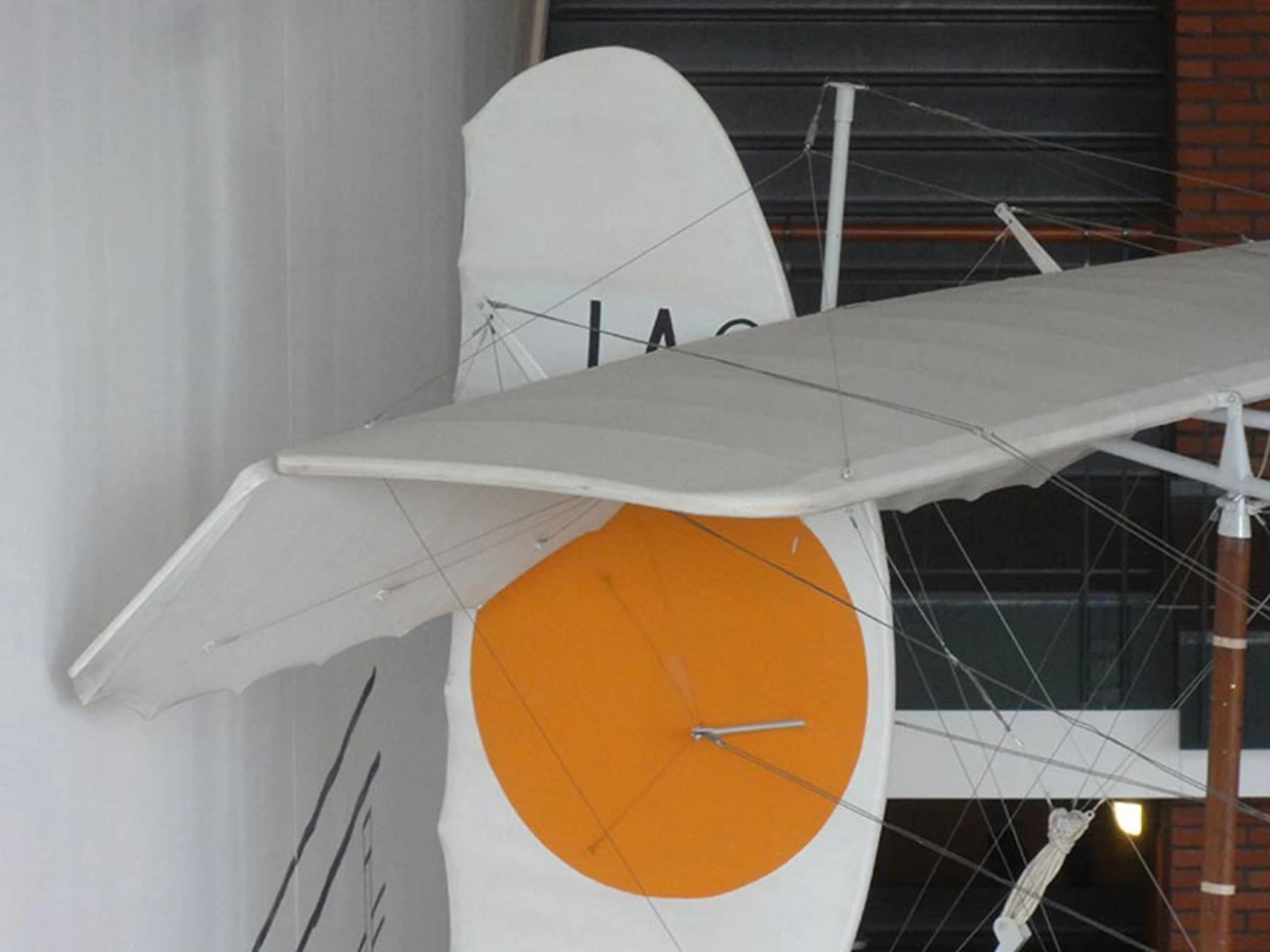
- Global Reach: Despite its limitations, the HF.20 was a global success. It was used by the Imperial Russian Air Service, the Royal Hellenic Navy during the Balkan Wars, and even the Imperial Japanese Navy.
- Short Operational Life: By 1915, the “Farman pusher” was a deathtrap against new German fighters like the Fokker E.I. It was quickly relegated to secondary fronts (like Africa and the Middle East) or used as a primary trainer for new recruits.
Views : 1935
You can see also :
 Aero A.10 – Photos & Videos
 Aero A.12 – Photos & Videos
 Avia BH-11 – Photos & Videos
 FVM Ö1 Tummelisa – Photos & Videos
 Fokker C.V – Photos & Videos
 Travel Air 2000 – Photos & Videos
 Hawker Nimrod – Photos & Video
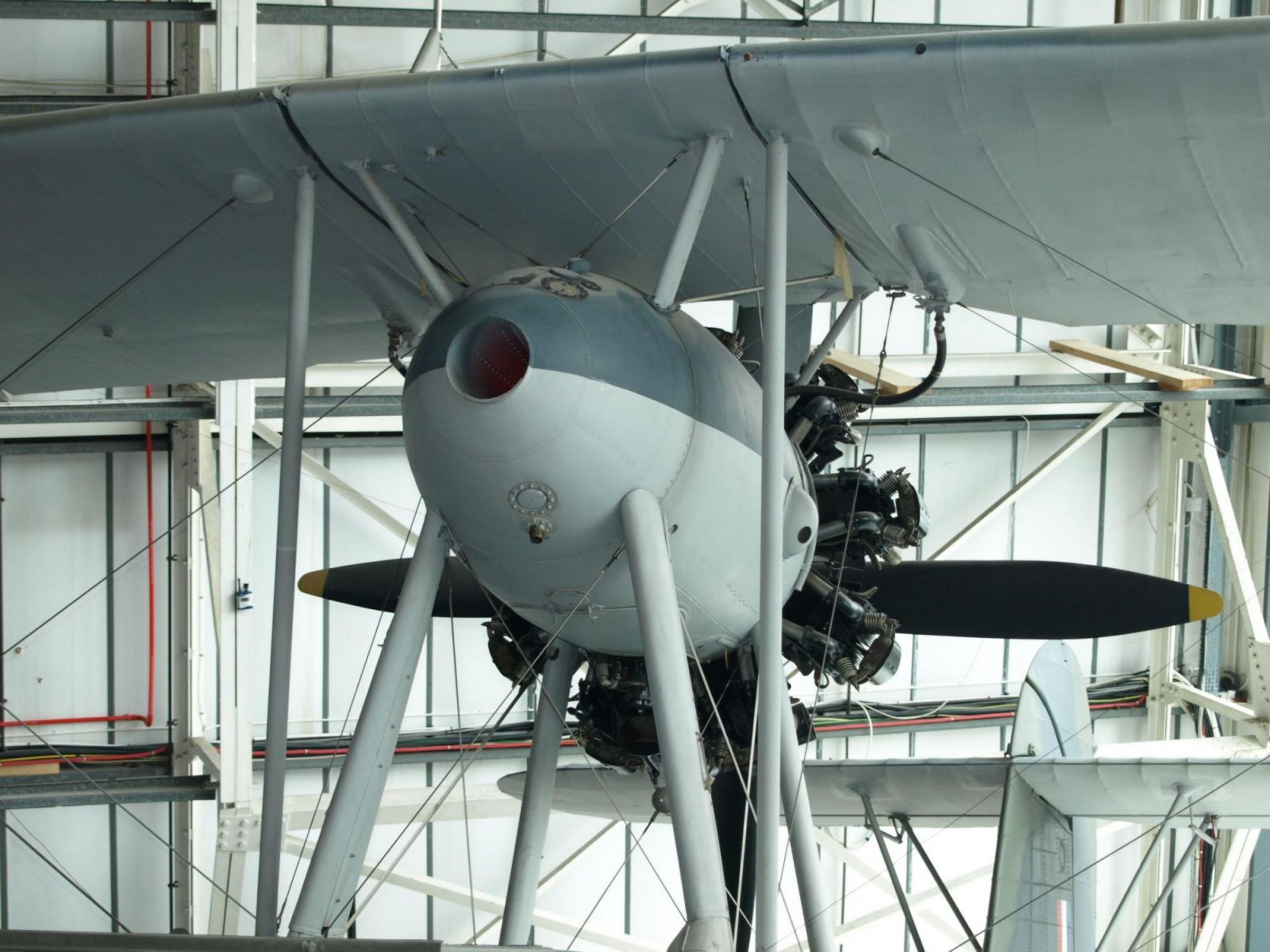 Supermarine Walrus – Photos & Video
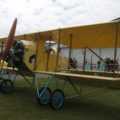 Caudron G.III – Photos & Video
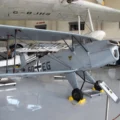 Bucker Bu-131 Jungmann – Photos & Video