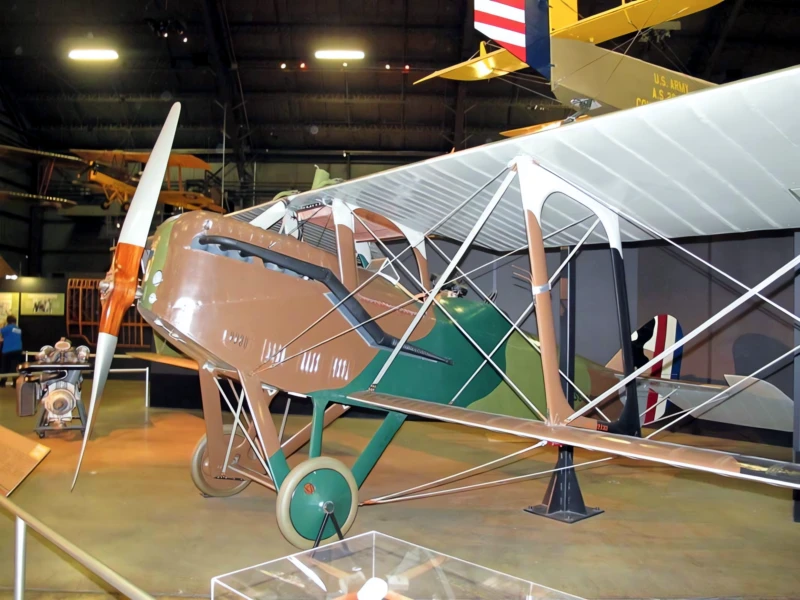
Packard-Le Père LUSAC-11 | |
|---|---|
| Land | Norge , Norge |
| Rolle | Jagerfly |
| Første flytur | 15. mai 1918 |
| Bygget | 30 |
Den LUSAC-11 (Lepère United States Army Combat) var et tidlig amerikansk toseters jagerfly. Det var et fransk design, bestilt og bygget i USA under første verdenskrig og bestilt i stort antall av United States Army Air Corps, men disse ble kansellert på slutten av krigen, og bare 30 ble bygget. Typen ble brukt til eksperimentelle formål, og satte flere høyderekorder i løpet av 1920-tallet.
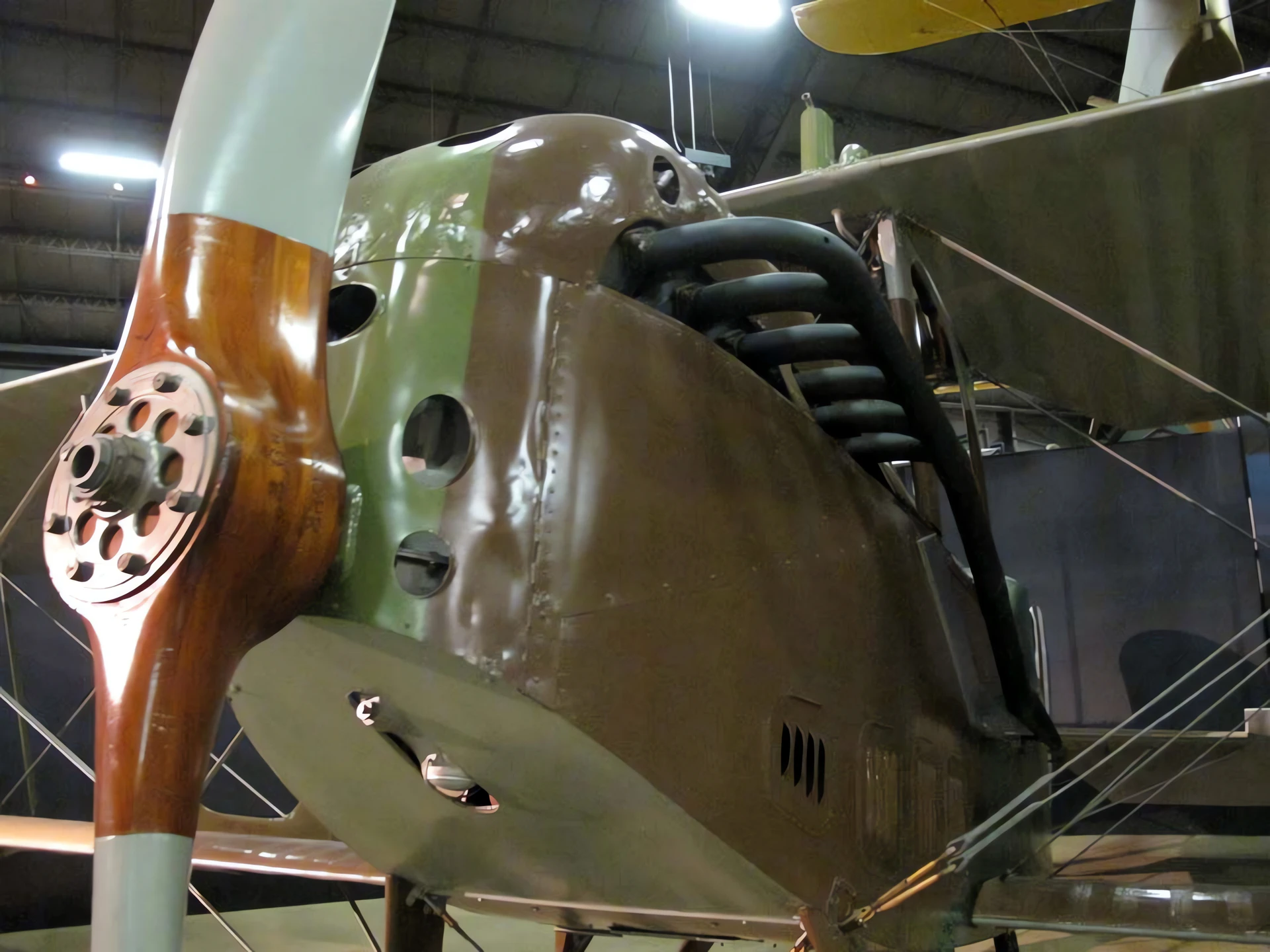
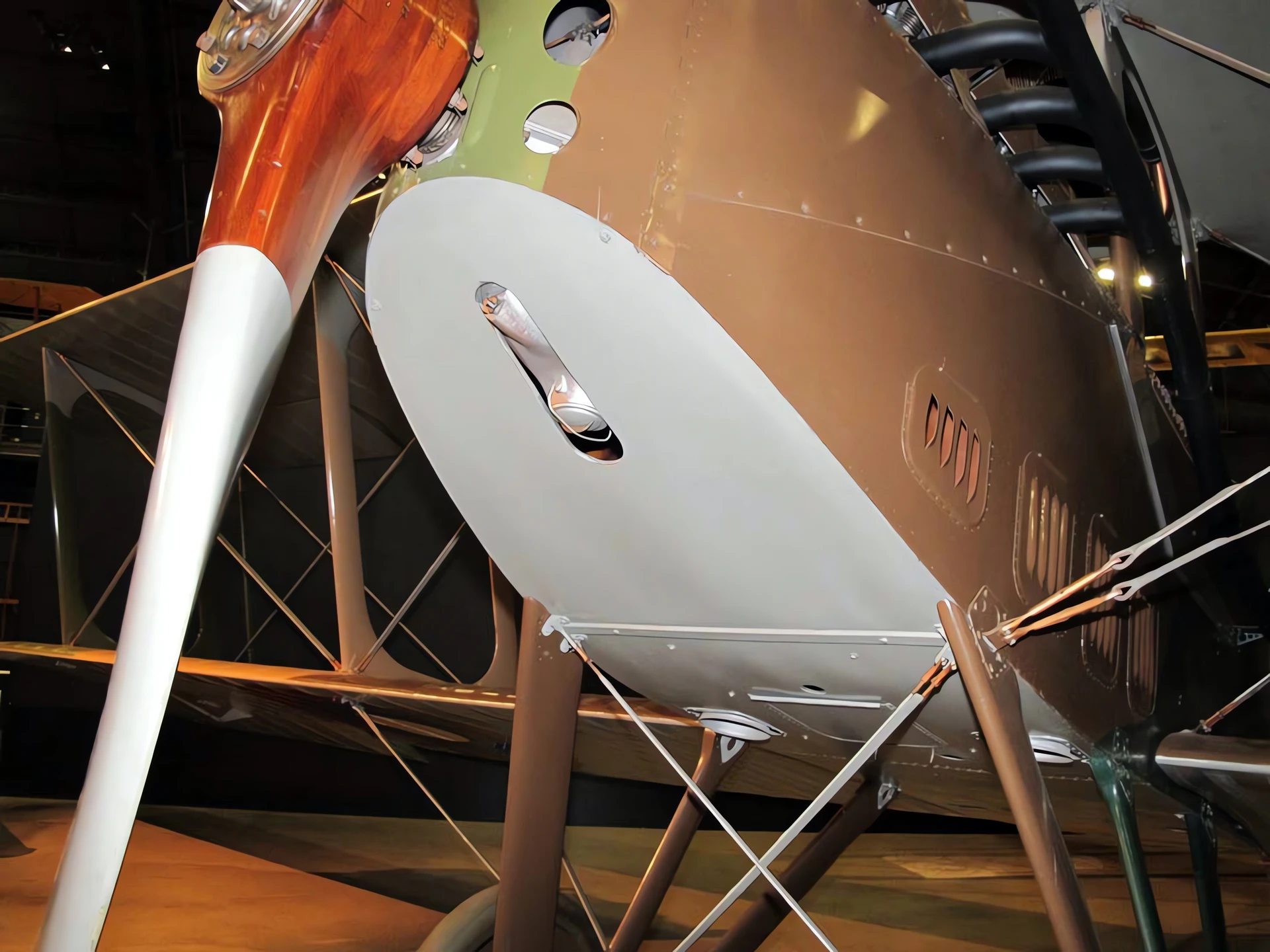
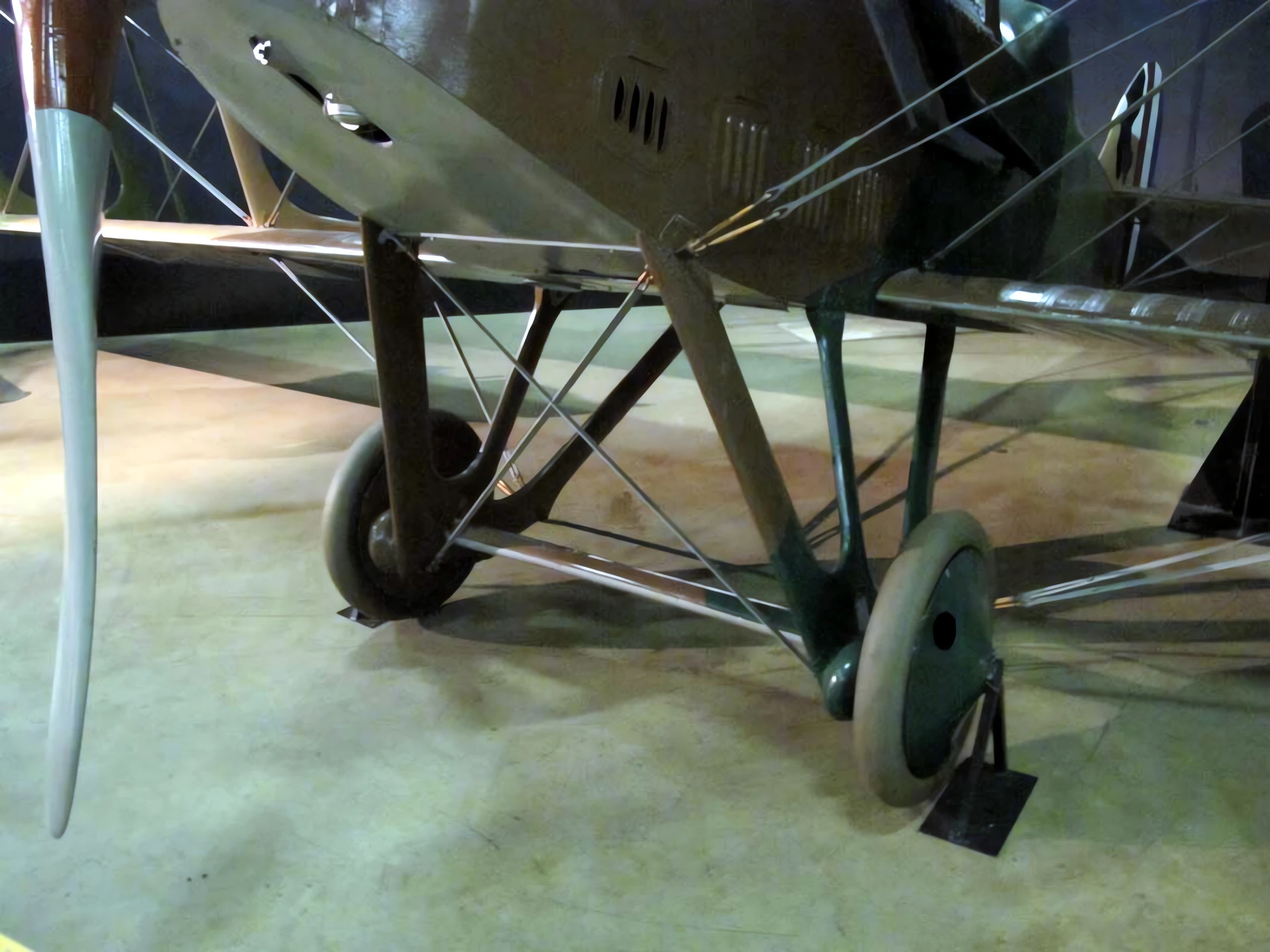
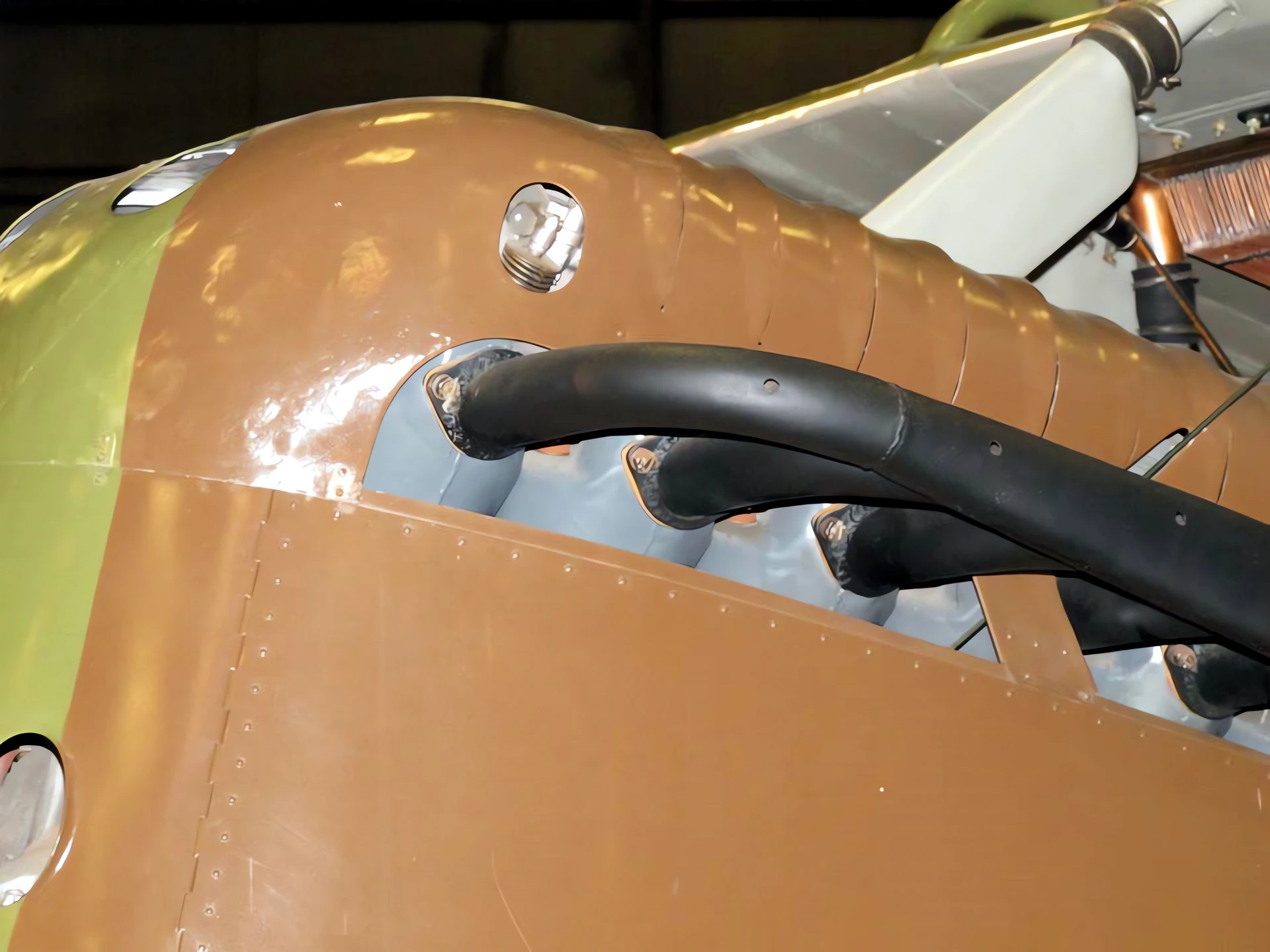
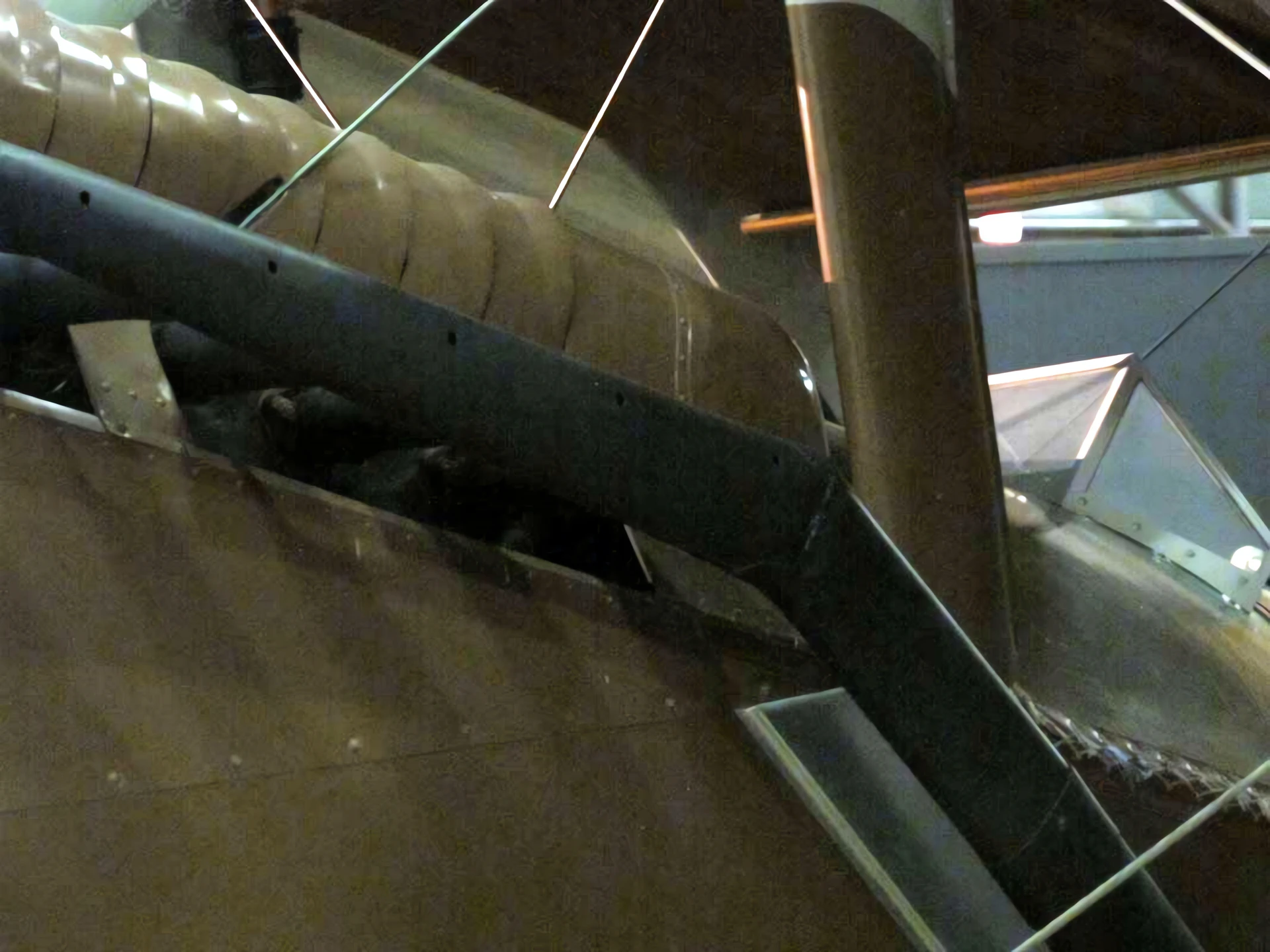
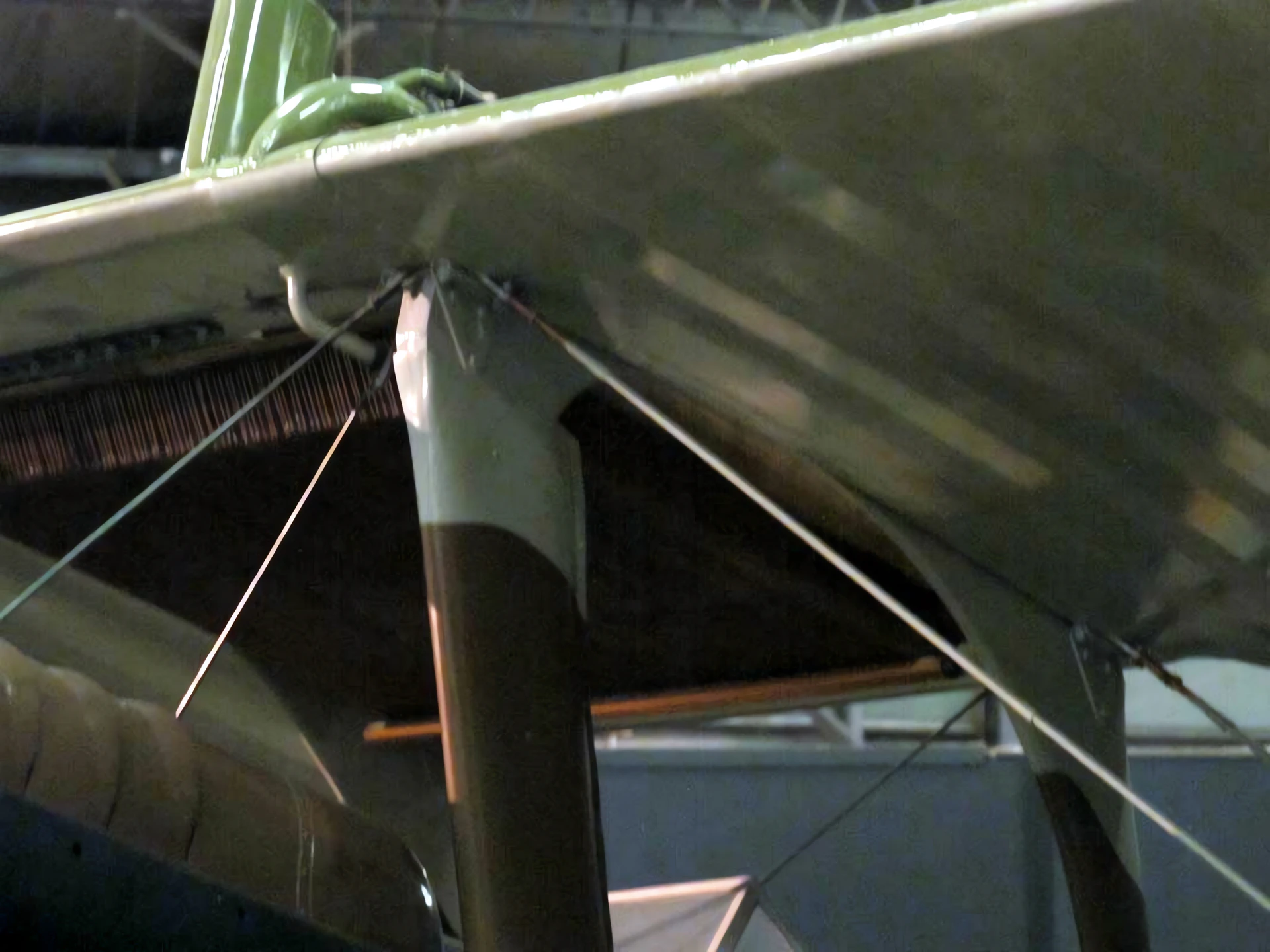
| Packard LePere LUSAC-11 Walk Around | |
|---|---|
| Fotograf | Vladimir Yakubov |
| Lokalisering | Nasjonalmuseet i USAF |
| Bilder | 35 |
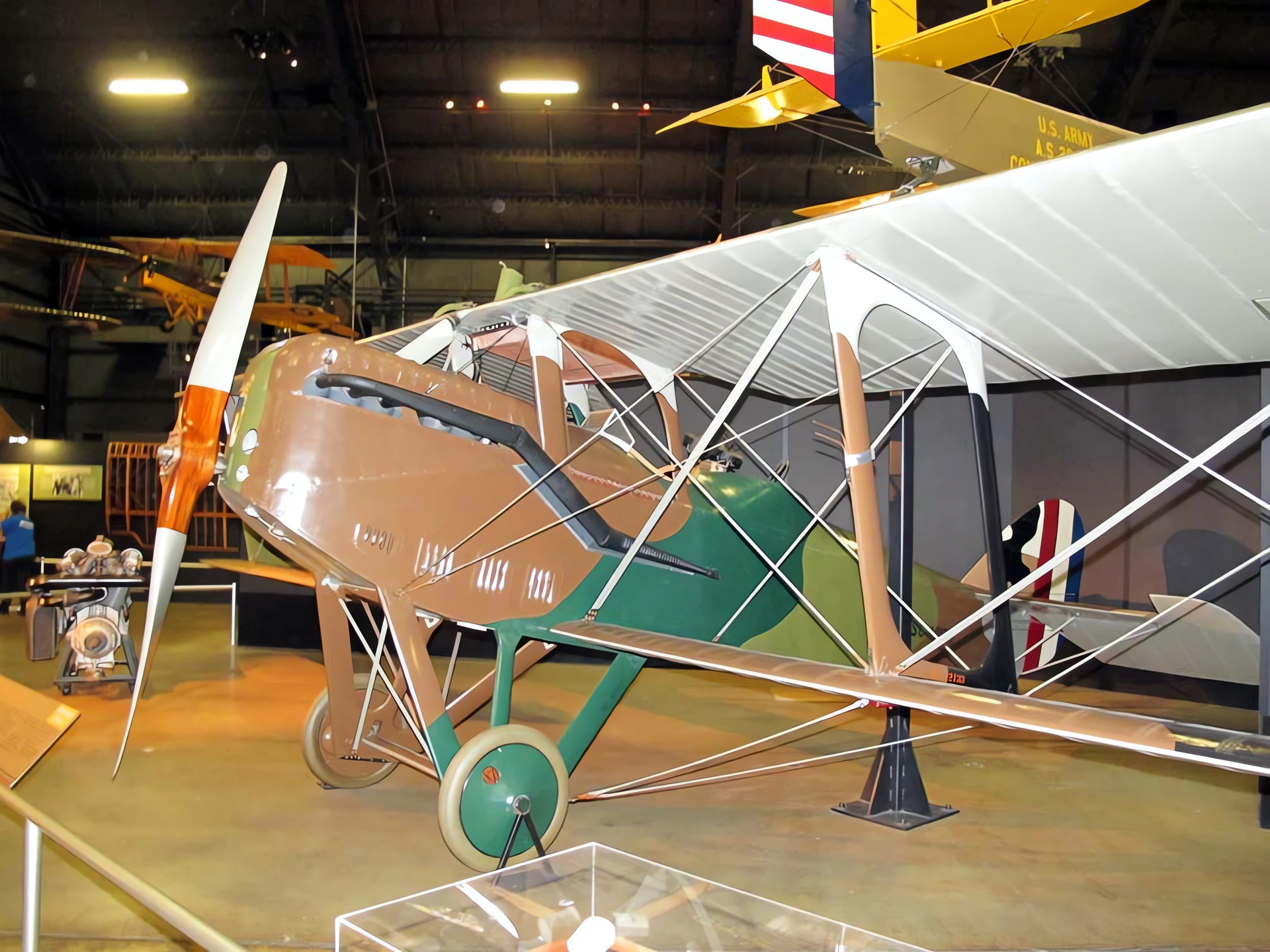
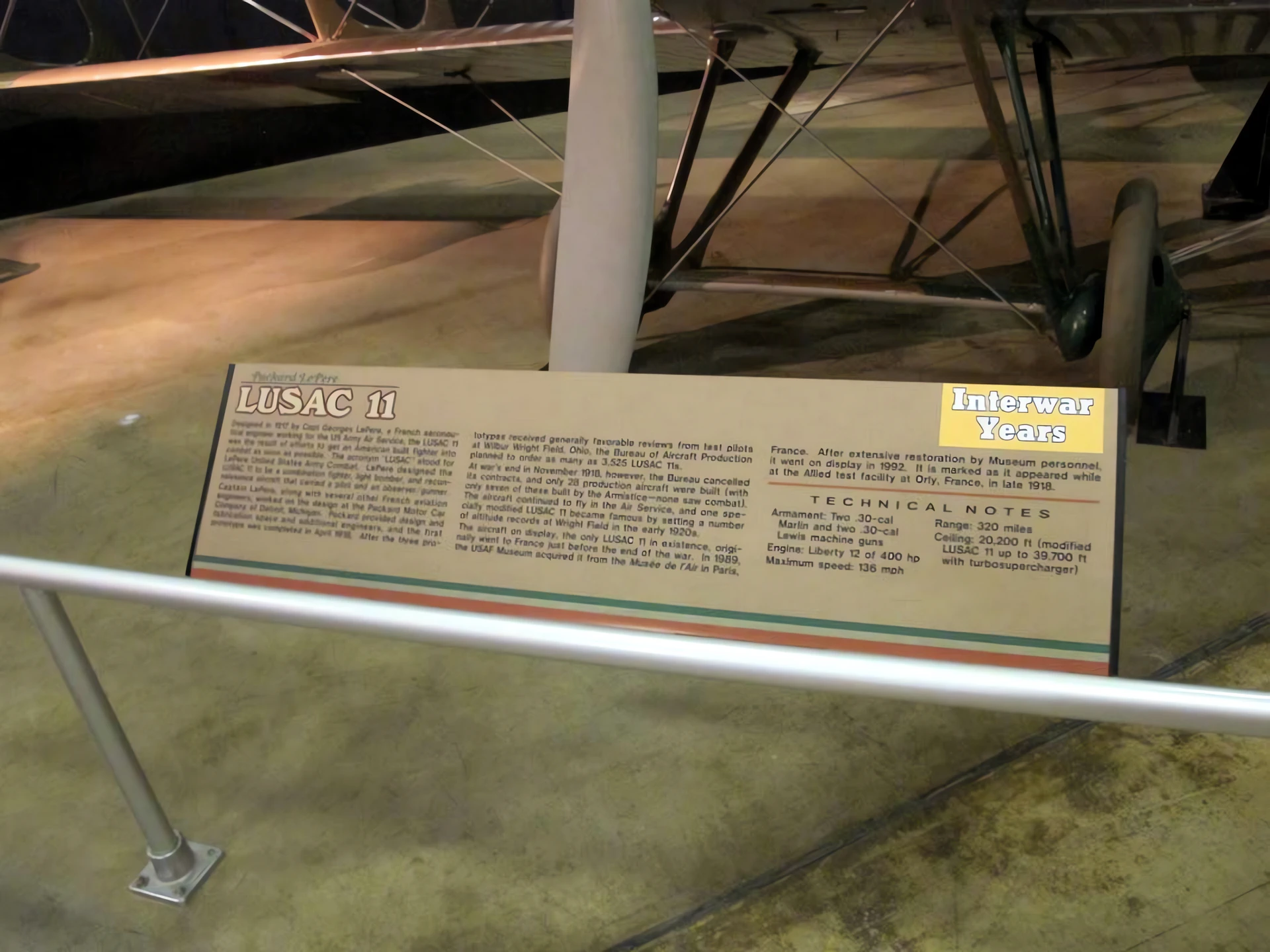
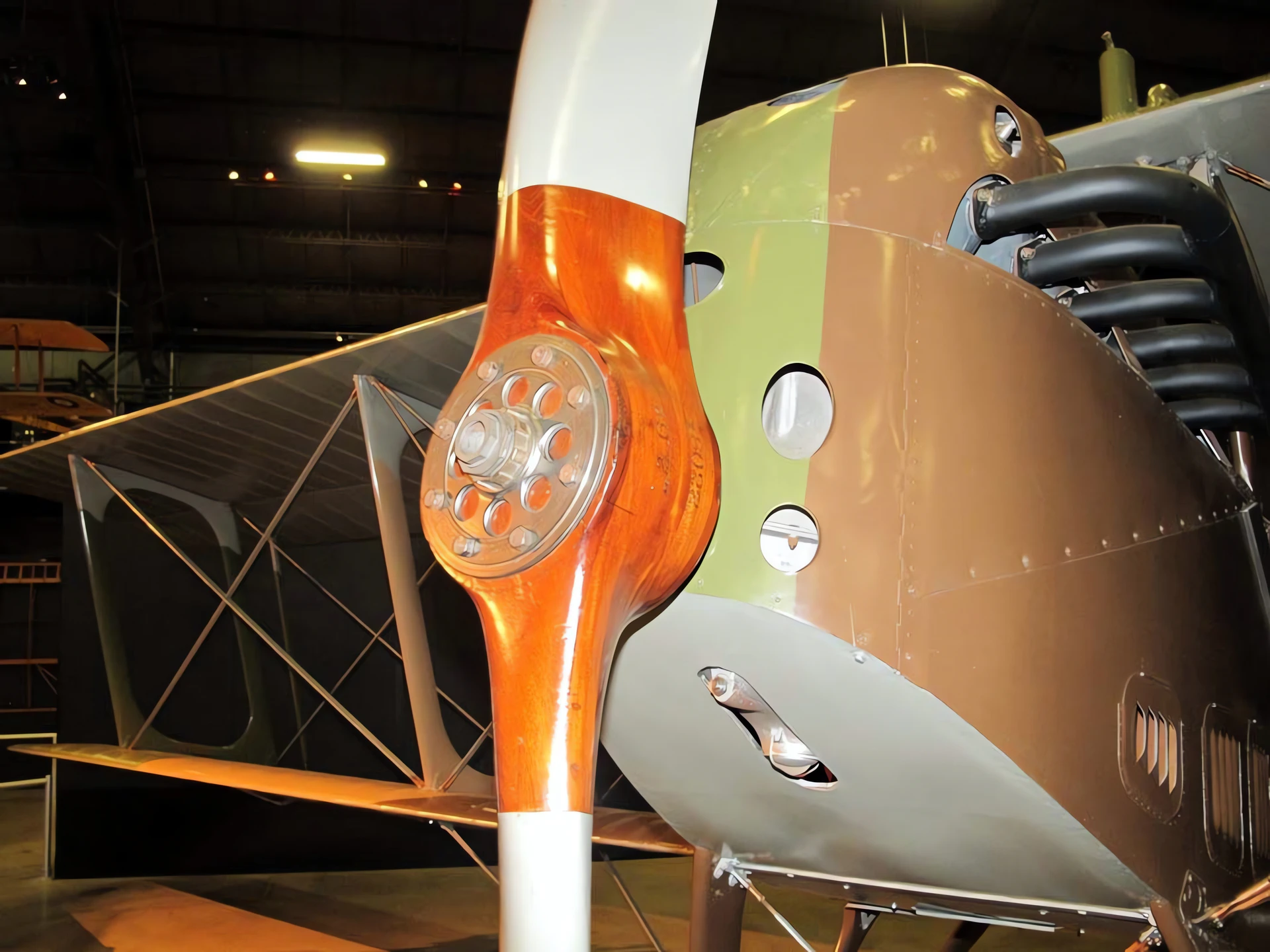

Les også:


A French Design with American Muscle
Den Packard LePère LUSAC-11 (Lepère United States Army Combat) was a two-seat fighter designed by Captain Georges LePère of the French Air Service for production in the United States. While it arrived too late to see combat in World War I, it became a legendary testbed in the early 1920s. Armed with the powerful American Liberty Engine, it was one of the fastest and highest-climbing aircraft of its era, serving as the platform for pioneering research into high-altitude flight and turbocharging.
| Attribute | Technical Specification (LUSAC-11) |
|---|---|
| Rolle | Two-Seat Fighter / Reconnaissance |
| Mannskapet | 2 (Pilot and Observer/Gunner) |
| First Flight | May 15, 1918 |
| Kraftverk | 1 × Liberty L-12 water-cooled V-12 engine |
| Horsepower | 425 hp (317 kW) |
| Maximum Speed | 136 mph (219 km/h) |
| Service Ceiling | 20,200 feet (Standard) / 34,500+ feet (Modified) |
| Bevæpning | 2 × .30 cal Marlins (Forward); 2 × .30 cal Lewis guns (Rear) |
Engineering for the Stratosphere
- The Liberty Engine Integration: Unlike many contemporary biplanes that used lower-powered rotary engines, the LUSAC-11 was designed specifically around the liquid-cooled Liberty L-12. This engine provided a massive power-to-weight ratio for the time.
- Veneer Fuselage: The aircraft featured a plywood-veneer monocoque fuselage, which was much stronger and more aerodynamic than the traditional fabric-on-wood-frame construction used on most WWI fighters.
- Turbo-Supercharging Research: The LUSAC-11 was famously used by Dr. Sanford Moss to test the first exhaust-driven turbo-superchargers. This allowed the engine to maintain power even as the air thinned at high altitudes.
- Staggered Wings: The biplane wings were staggered to improve the pilot’s visibility and aerodynamic efficiency, a hallmark of LePère’s clean French design philosophy.
A Legacy of Records
- Shattering the Ceiling: On September 28, 1921, Lieutenant John A. Macready flew a specially modified LUSAC-11 to a world-record altitude of 34,509 feet. At this height, the air was so thin and cold that Macready required a primitive supplemental oxygen system.
- The McCook Field Era: Most LUSAC-11s spent their careers at McCook Field in Ohio, the center of U.S. Army Air Service engineering. They were used to test everything from new propellers to early flight instruments.
- Late to the Fight: Of the 3,500 units originally ordered, only about 25 were completed before the Armistice led to mass cancellations. Only two were actually shipped to France before the war ended.
- Survivor: The only remaining LUSAC-11 is a centerpiece of the National Museum of the United States Air Force in Dayton, Ohio, restored to represent the aircraft used in the 1921 record flight.
Visninger: 2056
Du kan også se :
 Messerschmitt Me 410 - Bilder og Video
 McDonnell Douglas F / A-18 Hornet - Bilder og Video
 Mitsubishi A6m Zero – Gå Rundt
 Hawker Hurricane – Gå Rundt
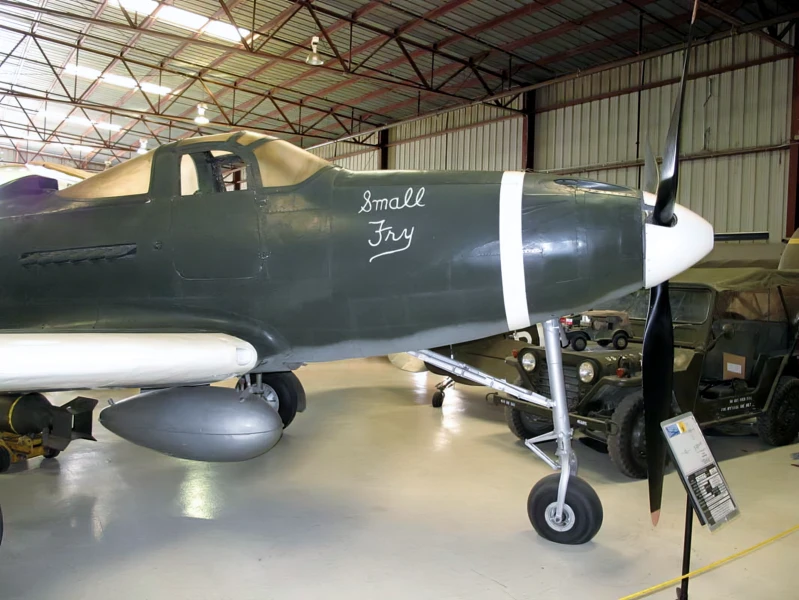 Bell P-39N Airacobra – WalkAround
 Konsolidert B-24M Liberator – WalkAround
 P-47D Thunderbolt – WalkAround
 A-20 Kaos – WalkAround
 TBM-3E Avenger - Gå rundt
 Fiat G-55 Centauro – Gå Rundt