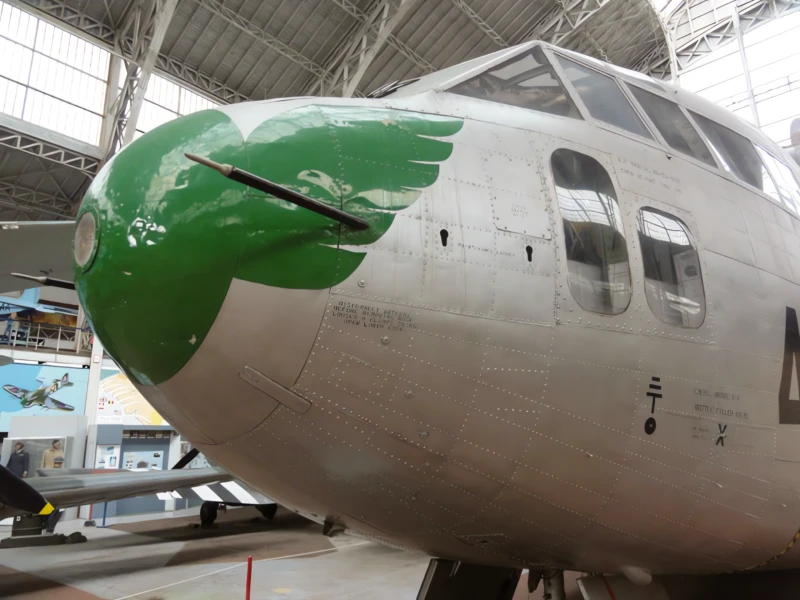
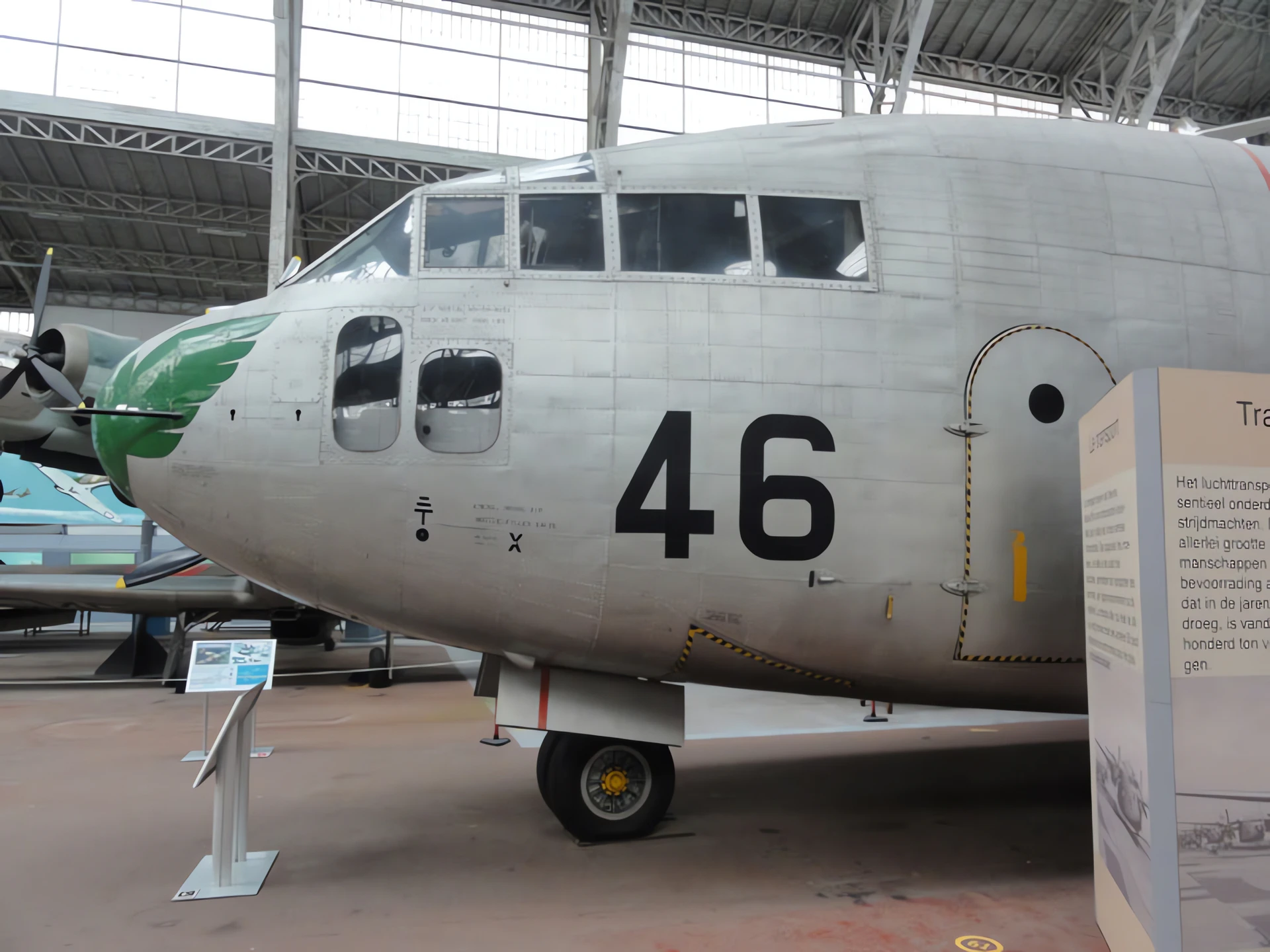
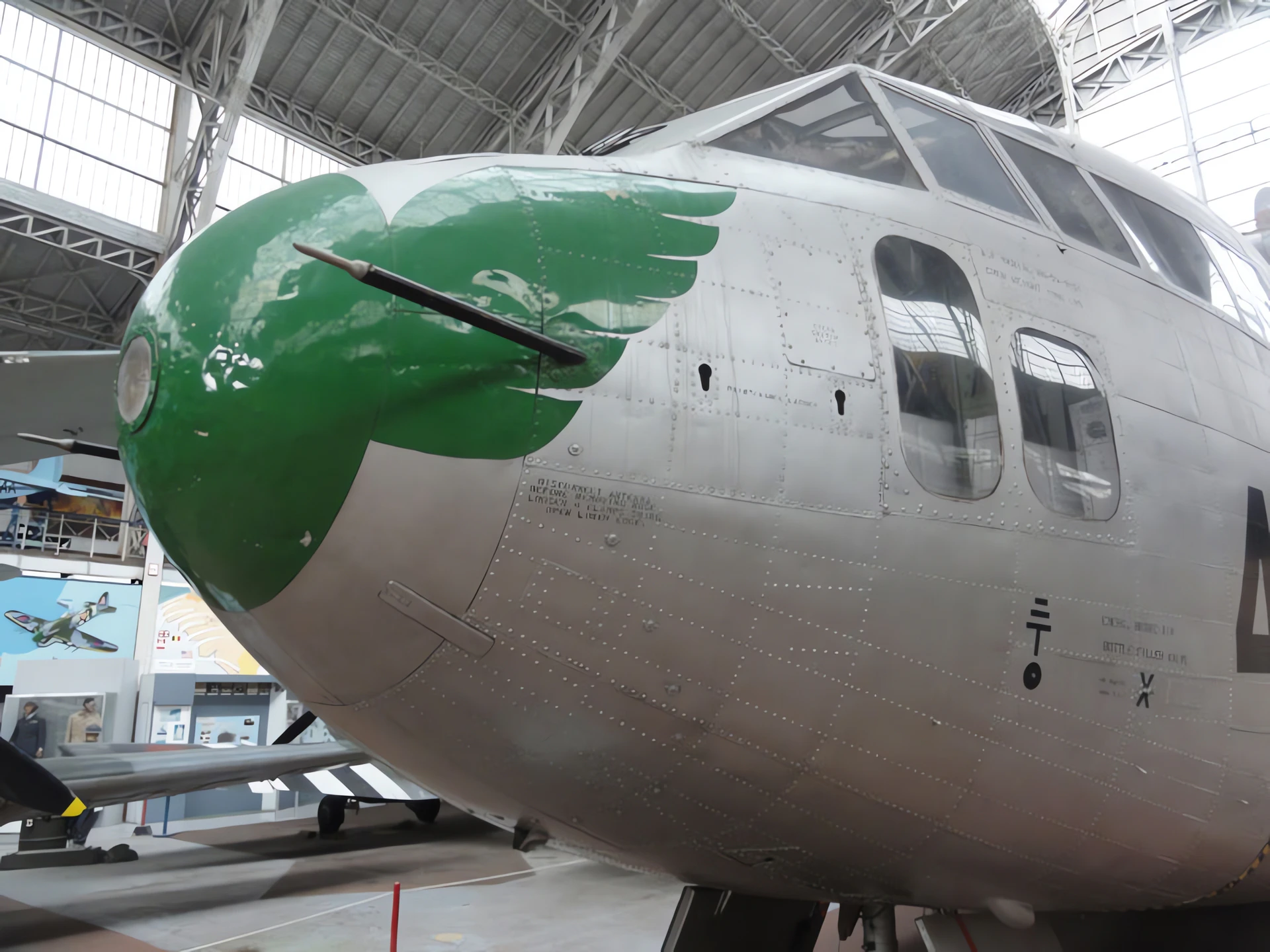
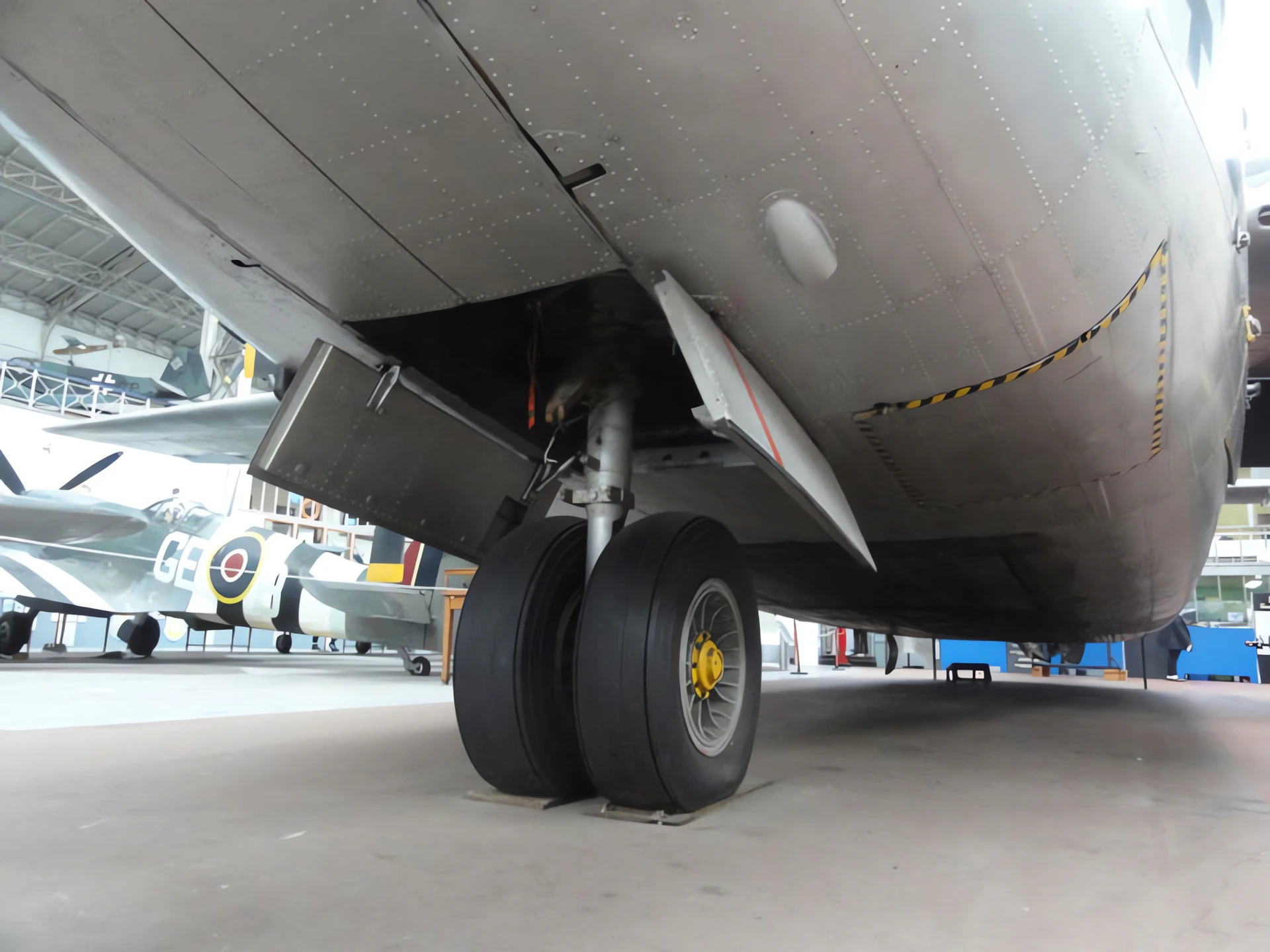
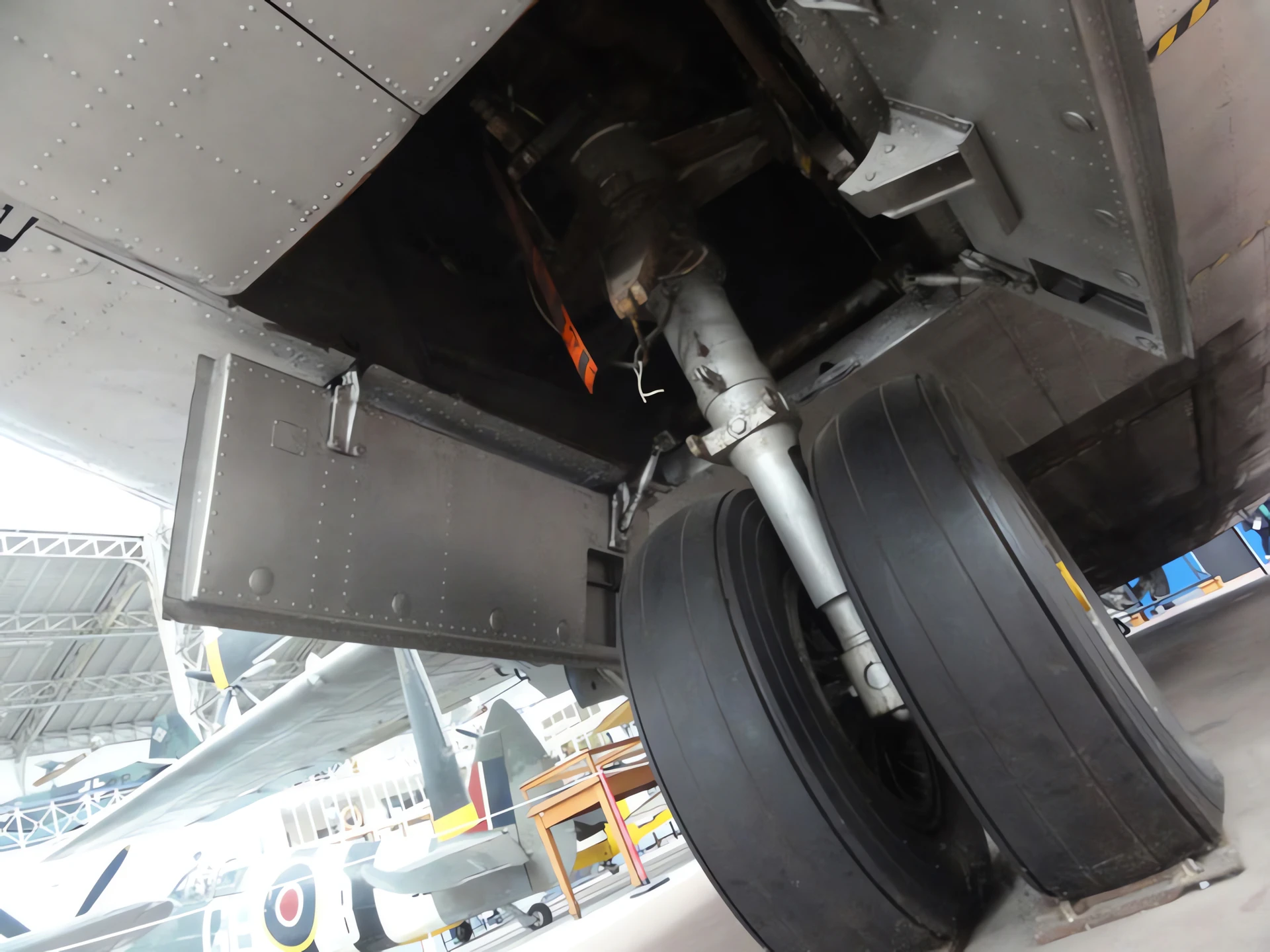
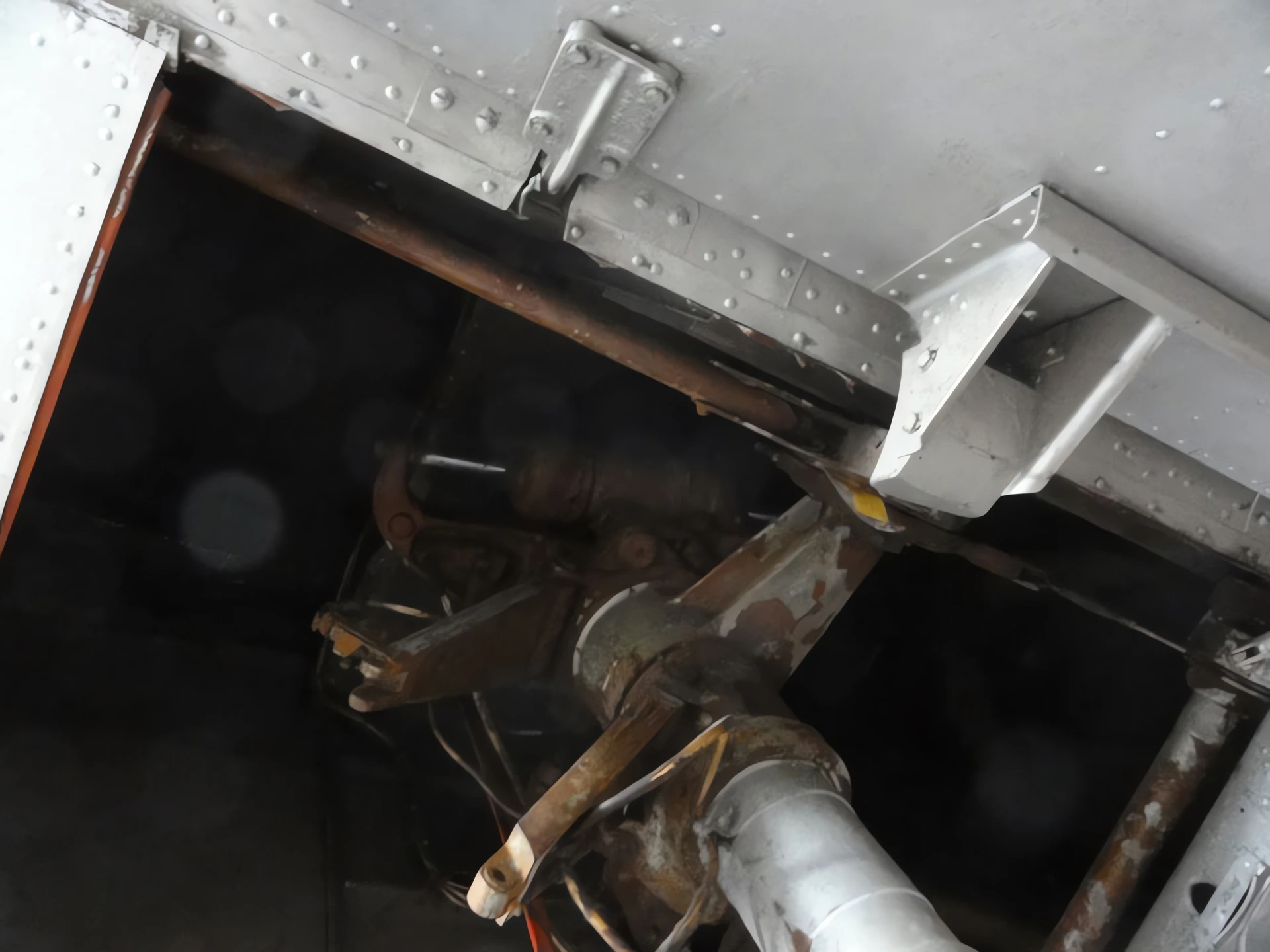
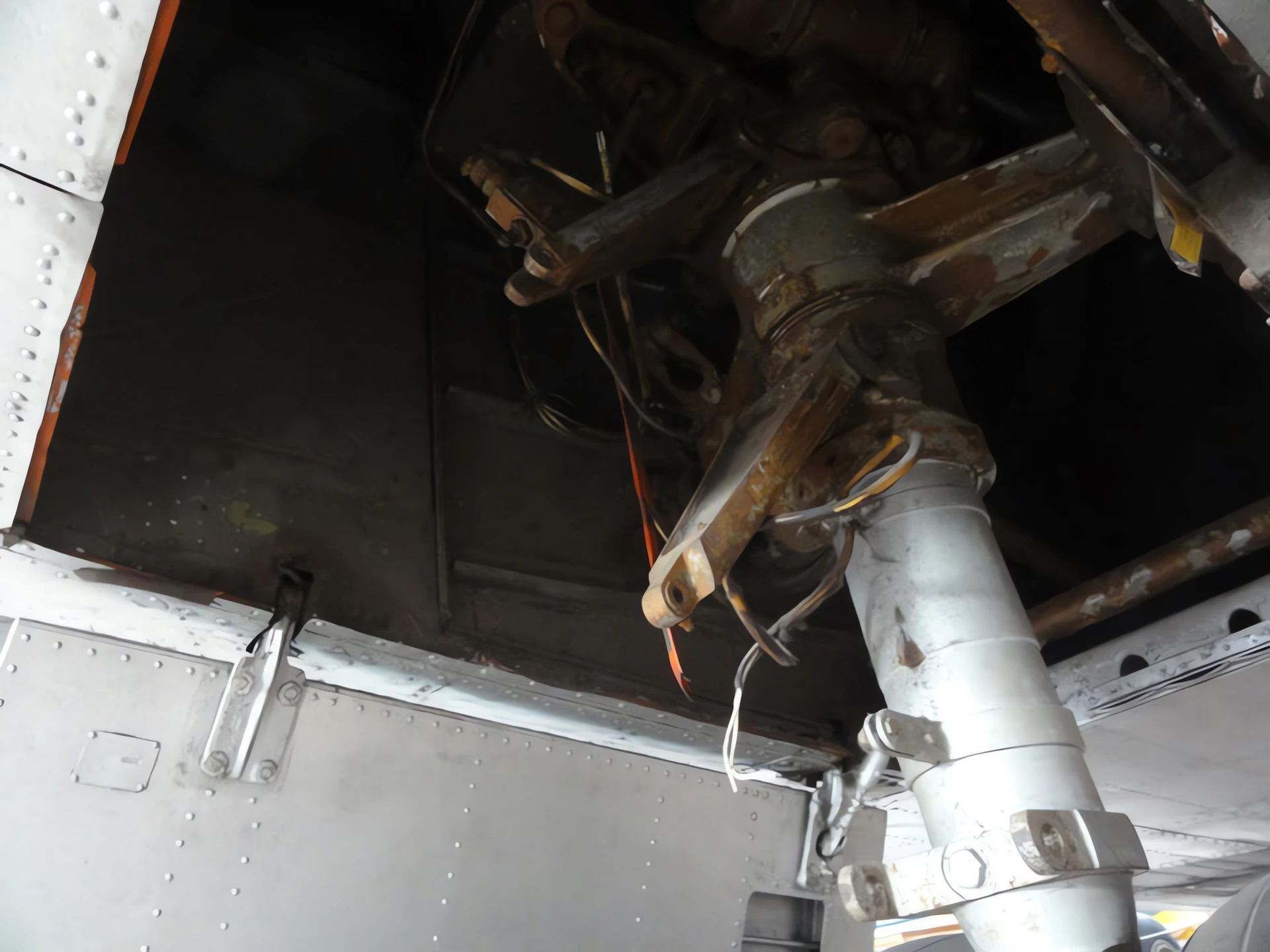
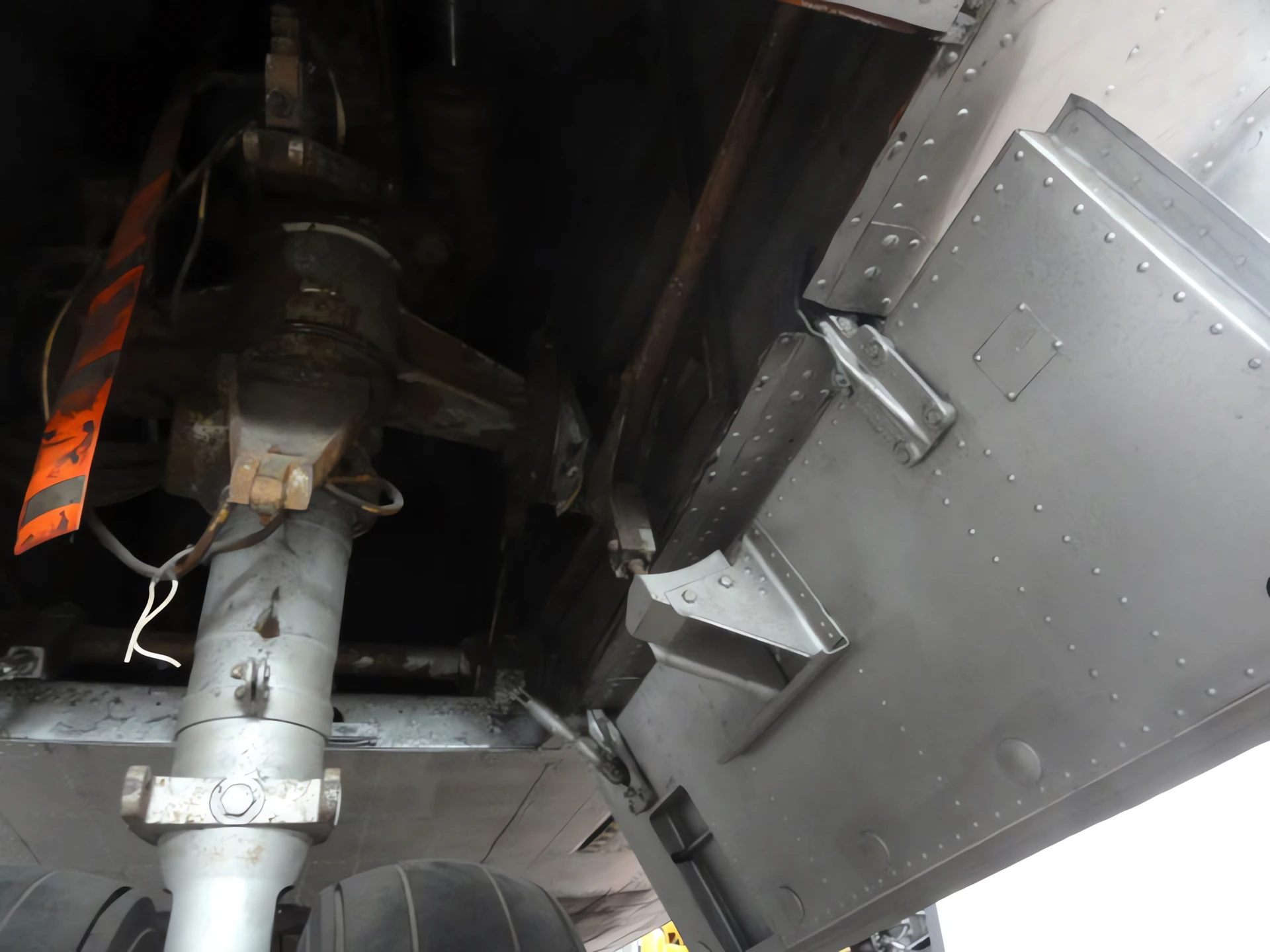
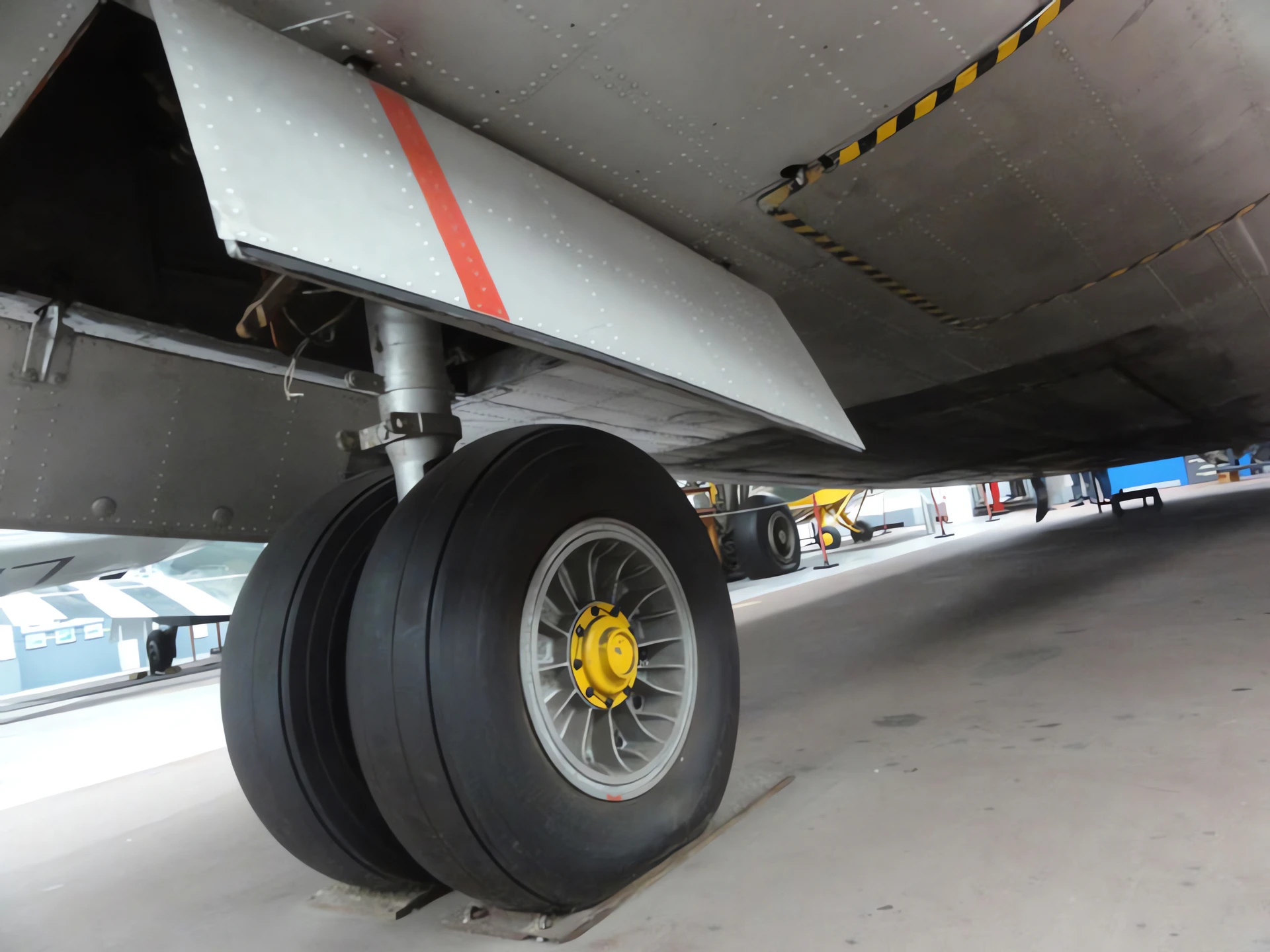
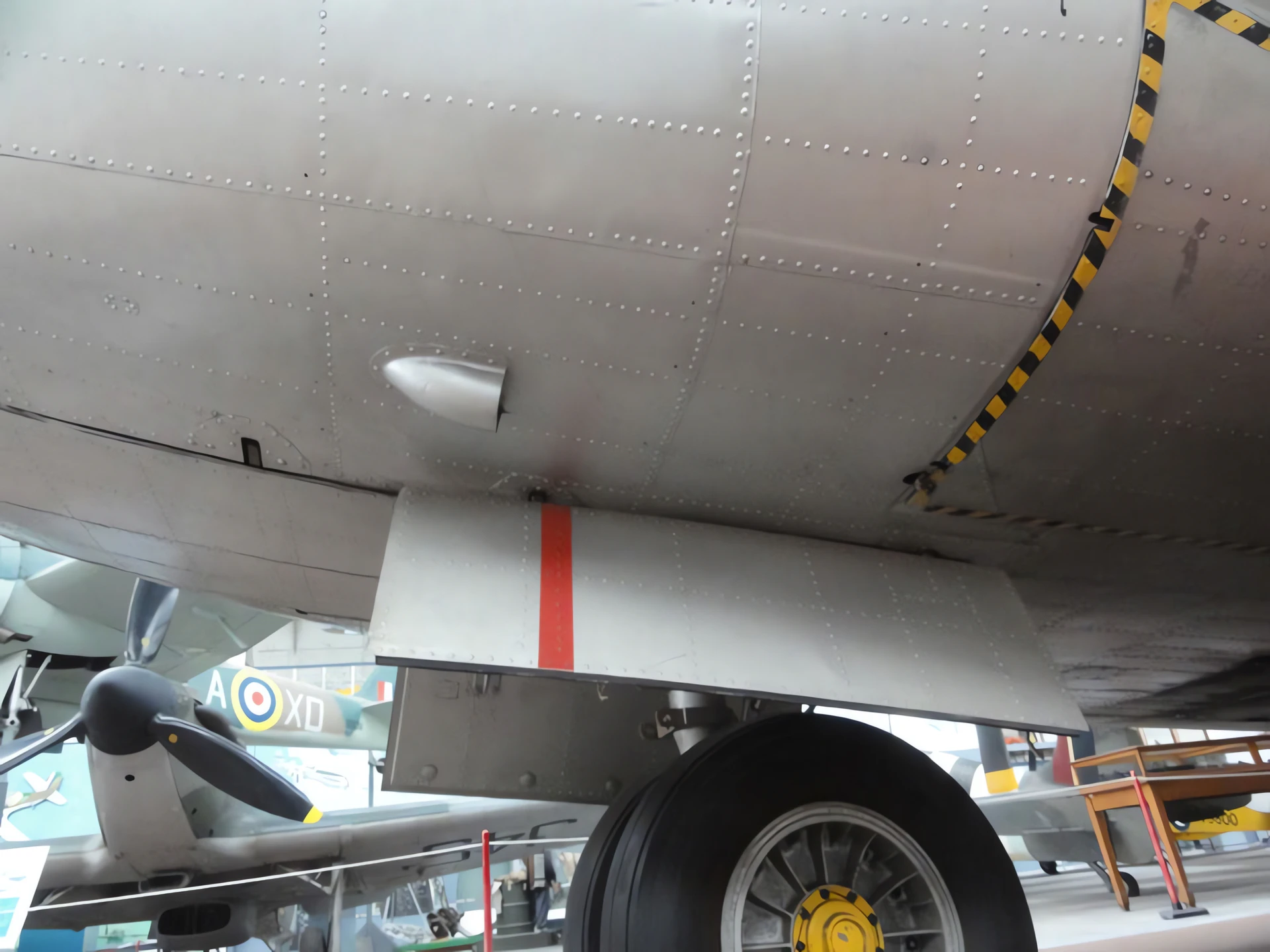
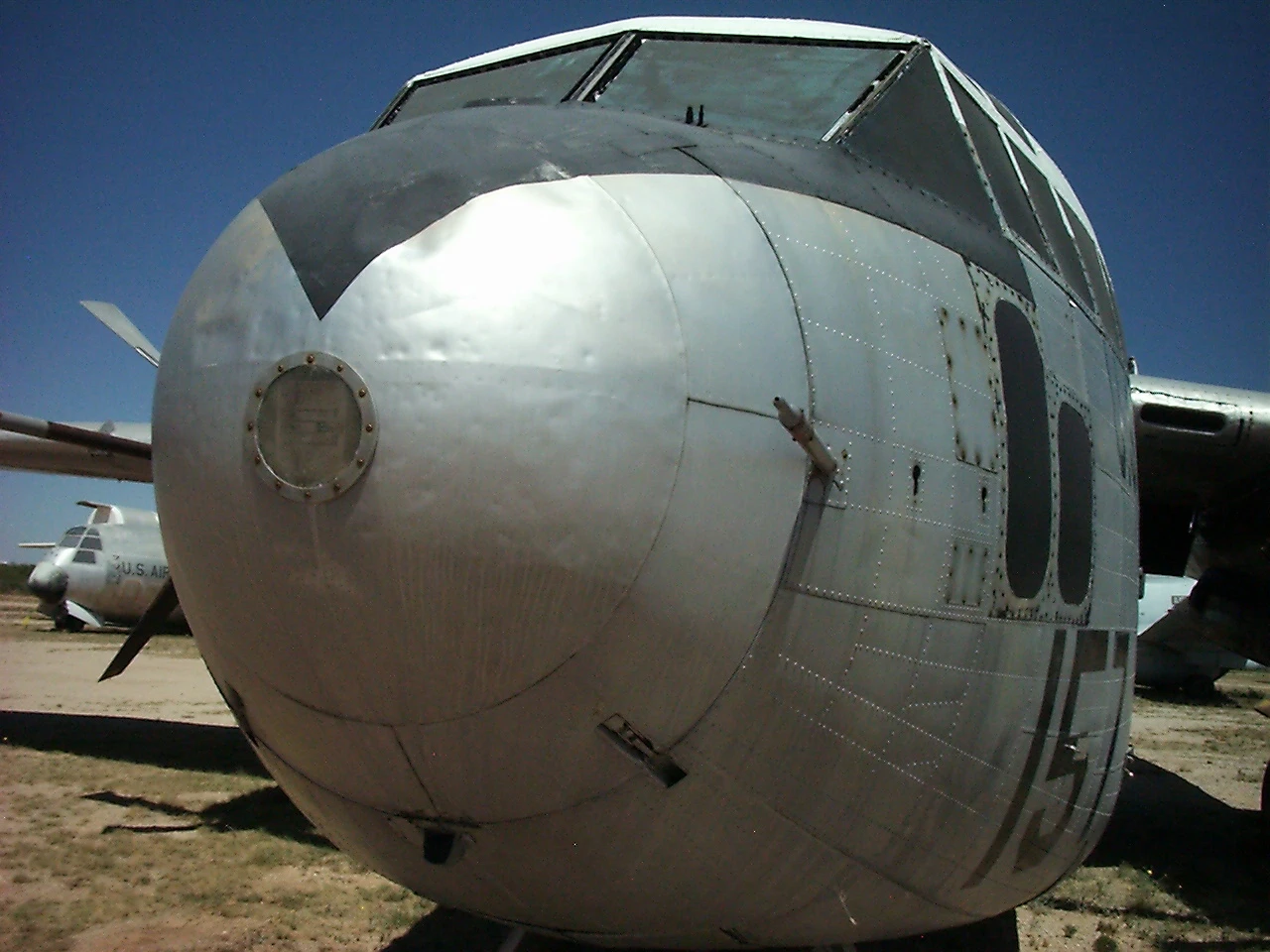
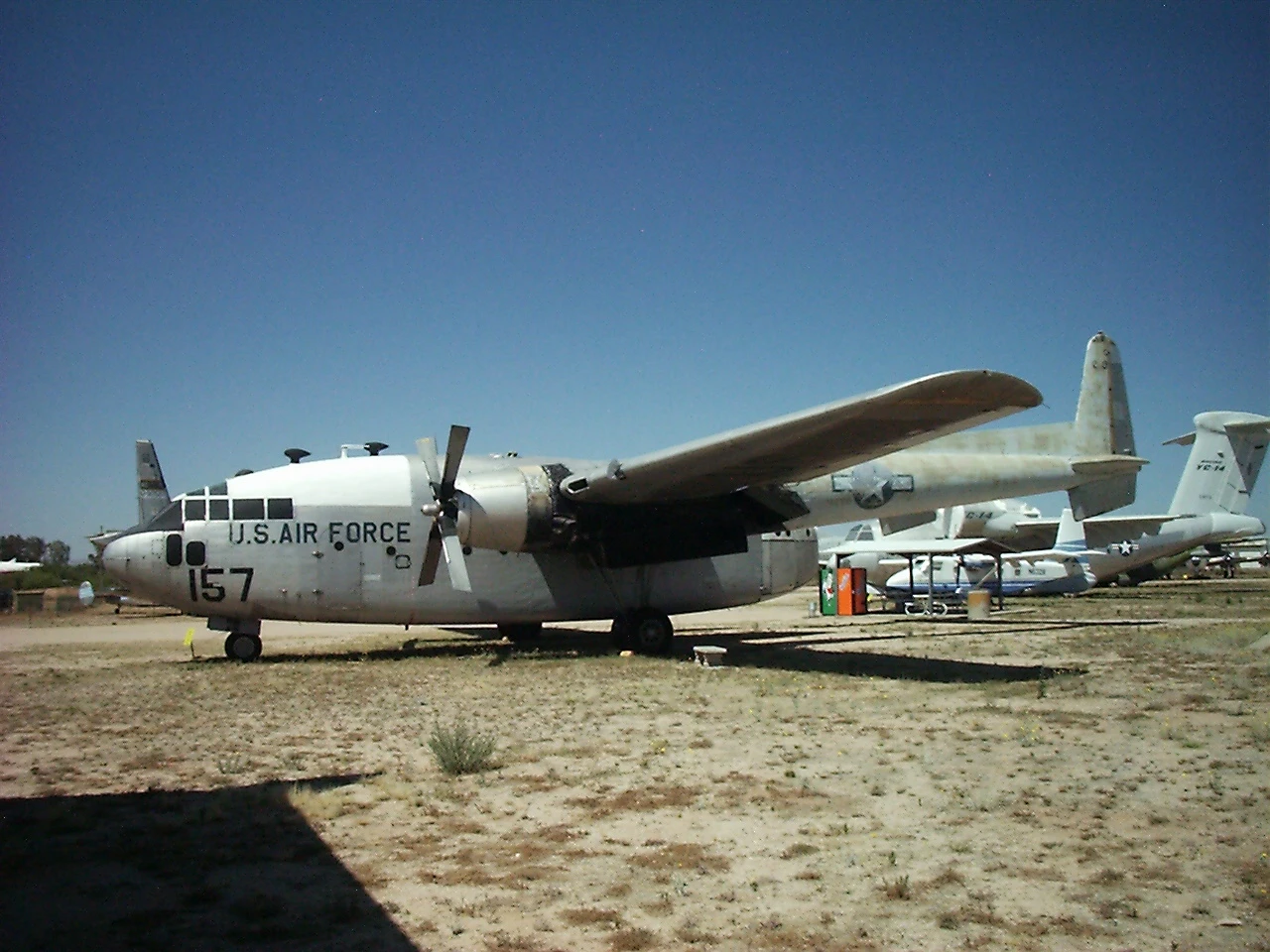
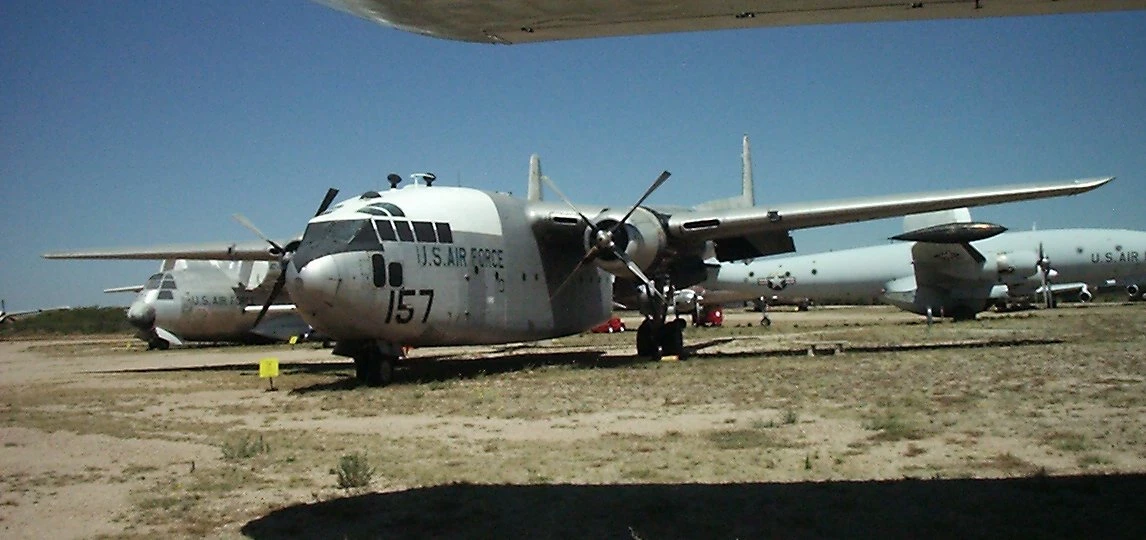
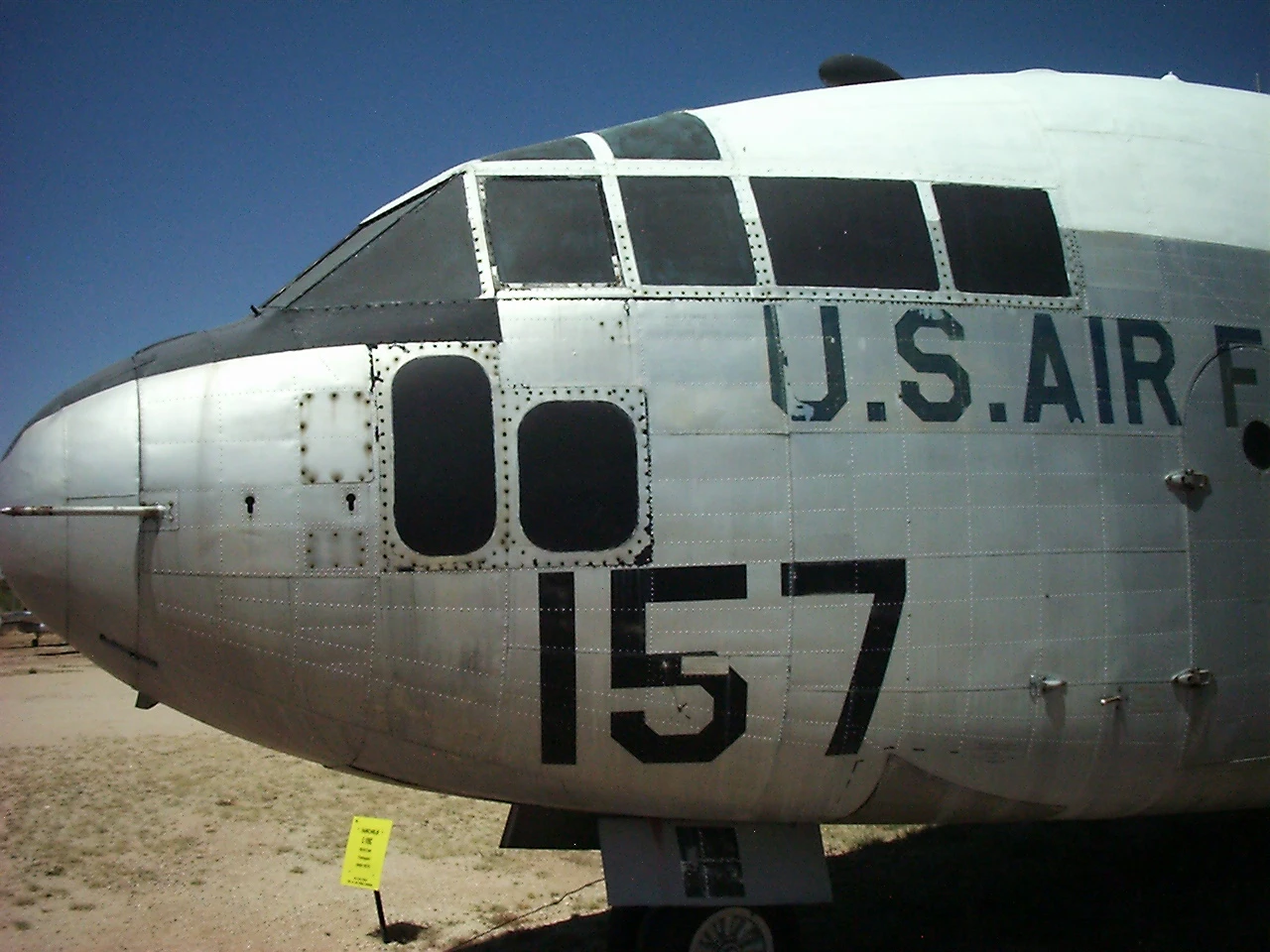
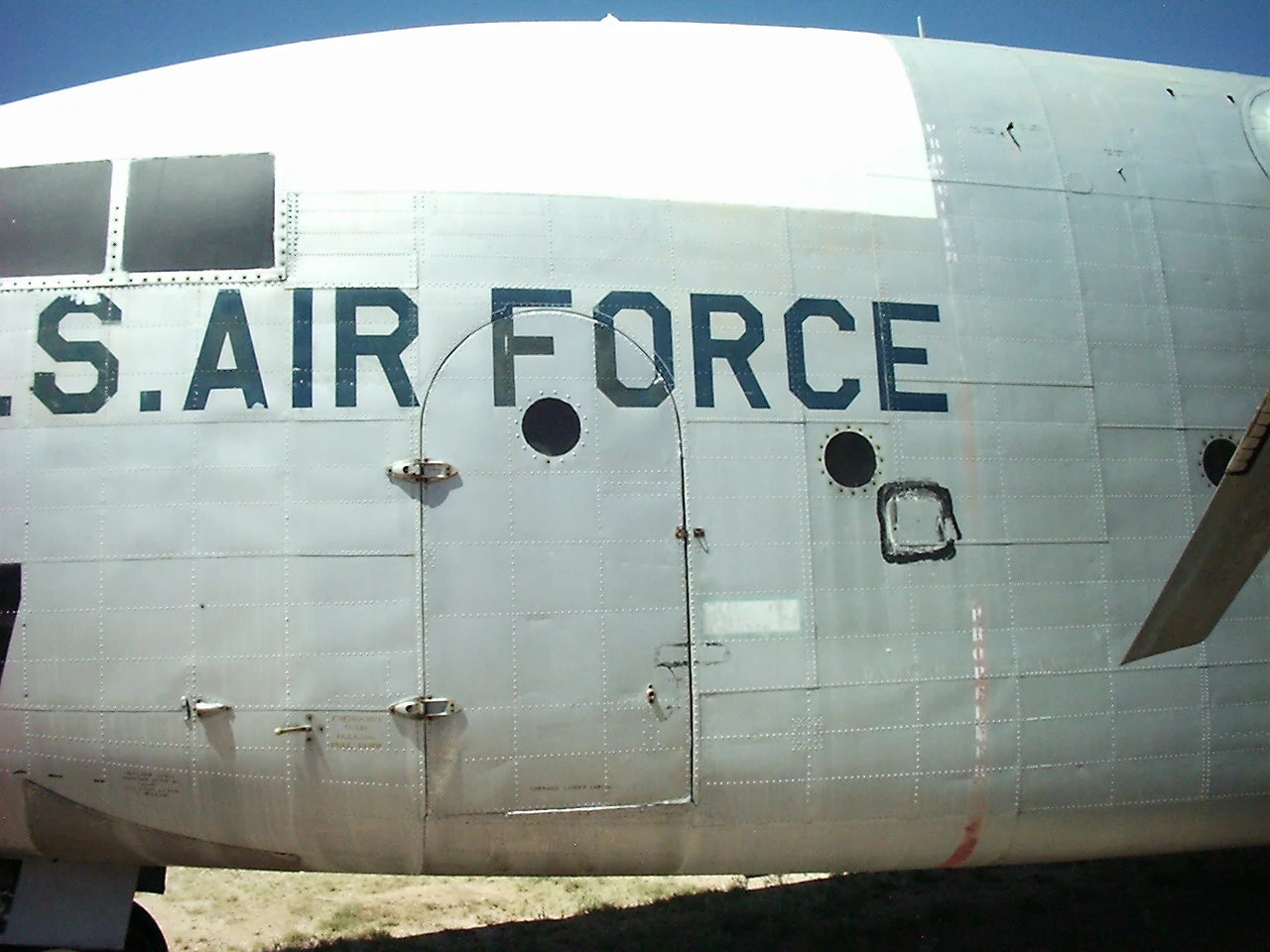
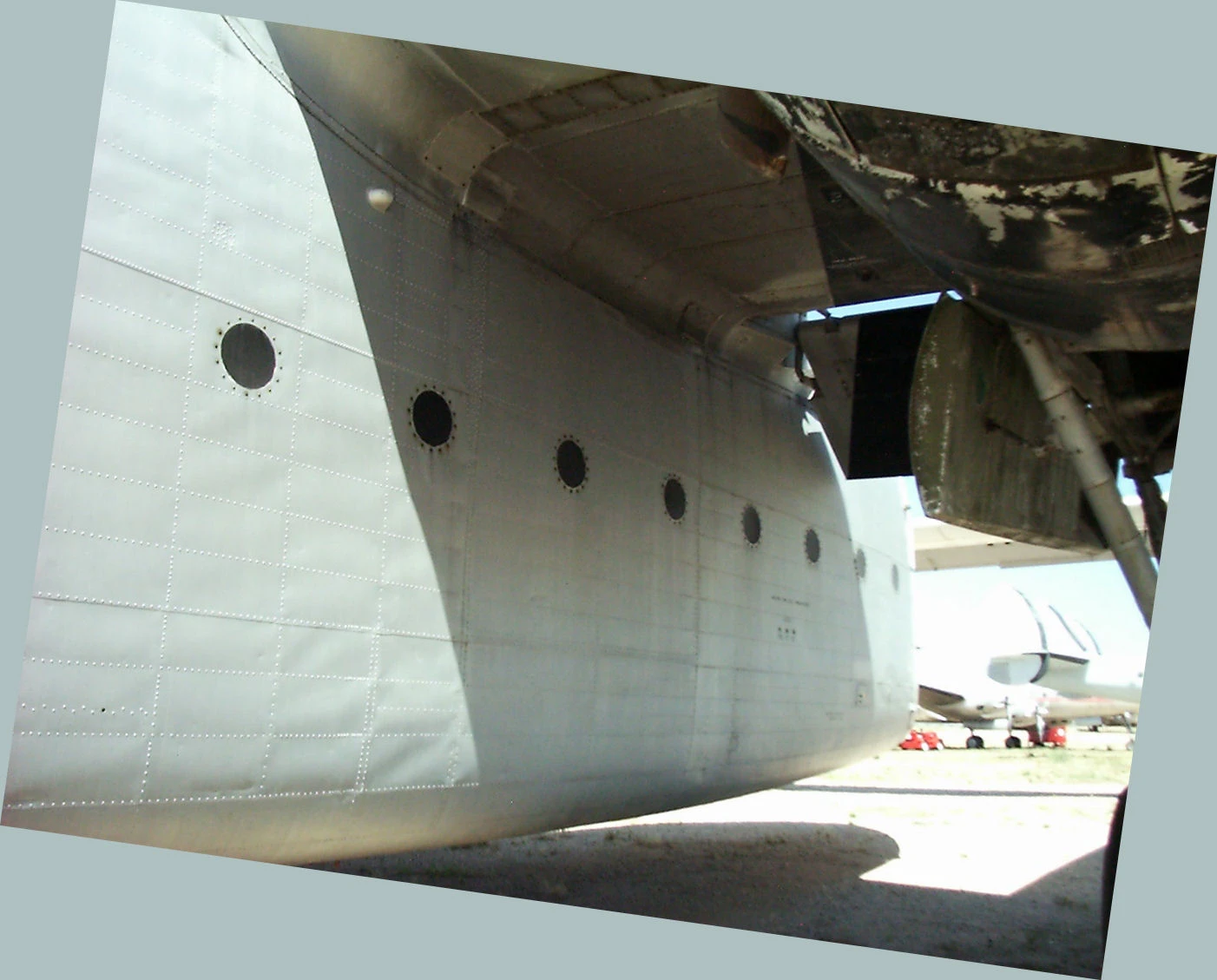
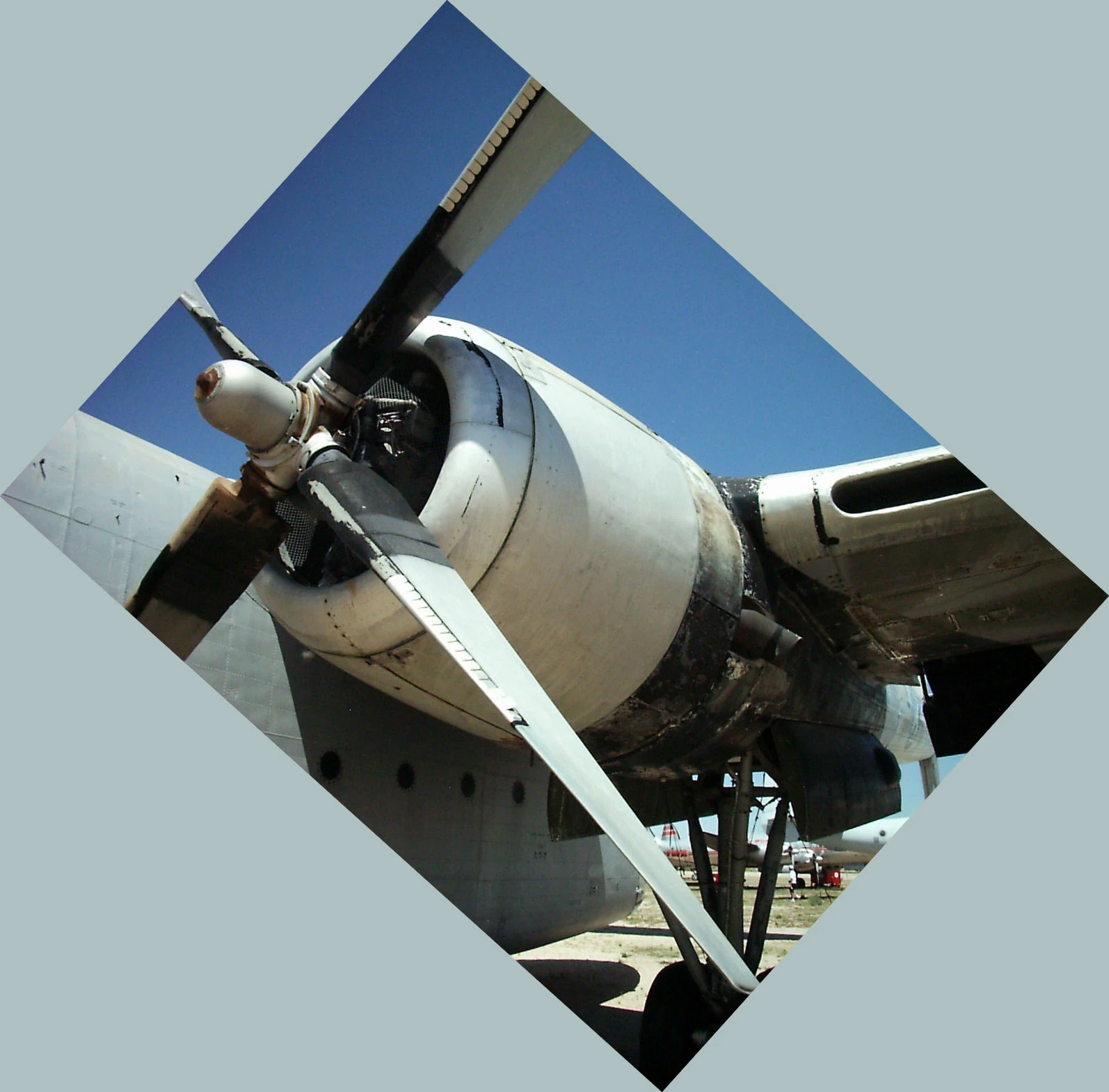
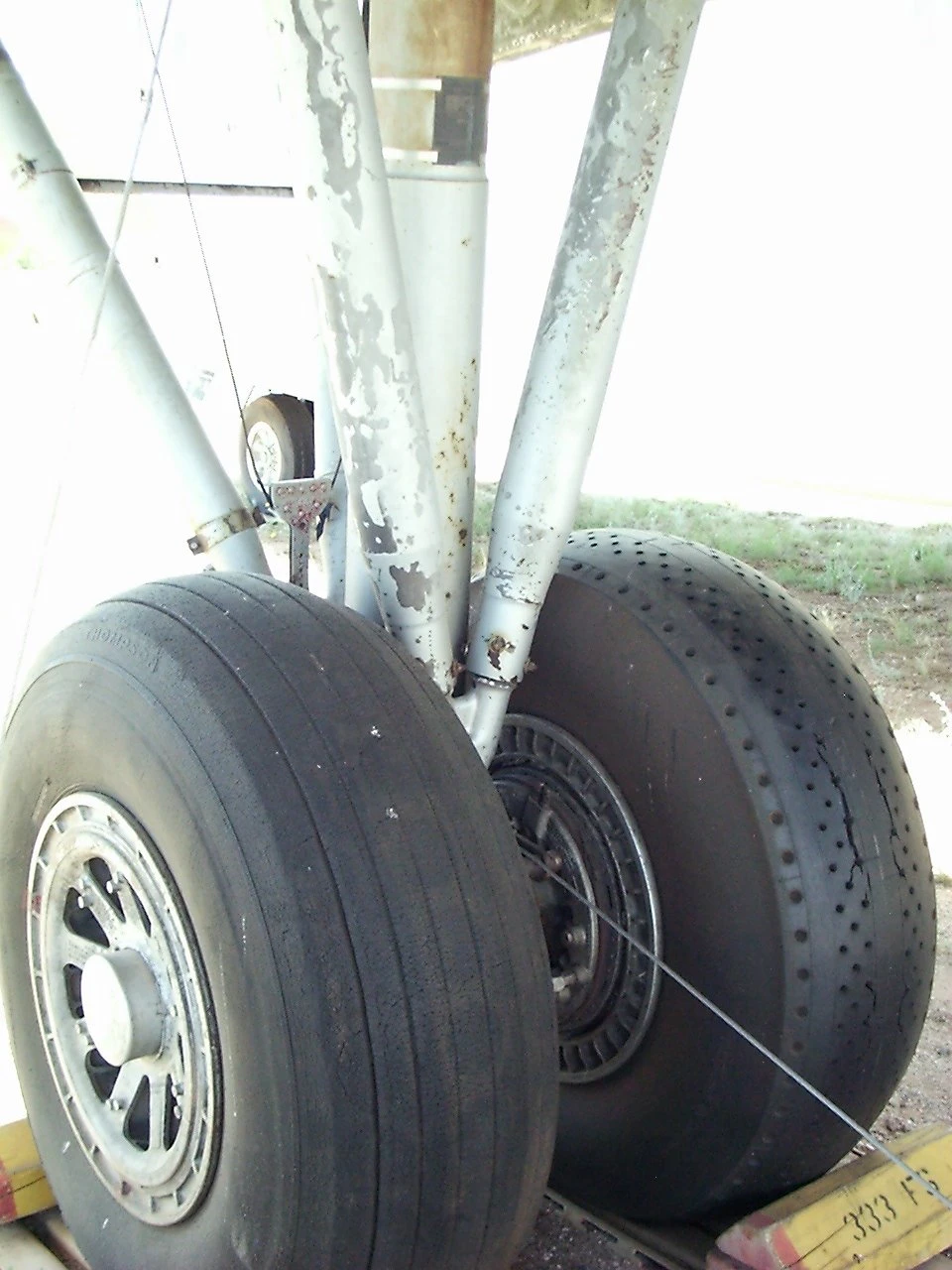
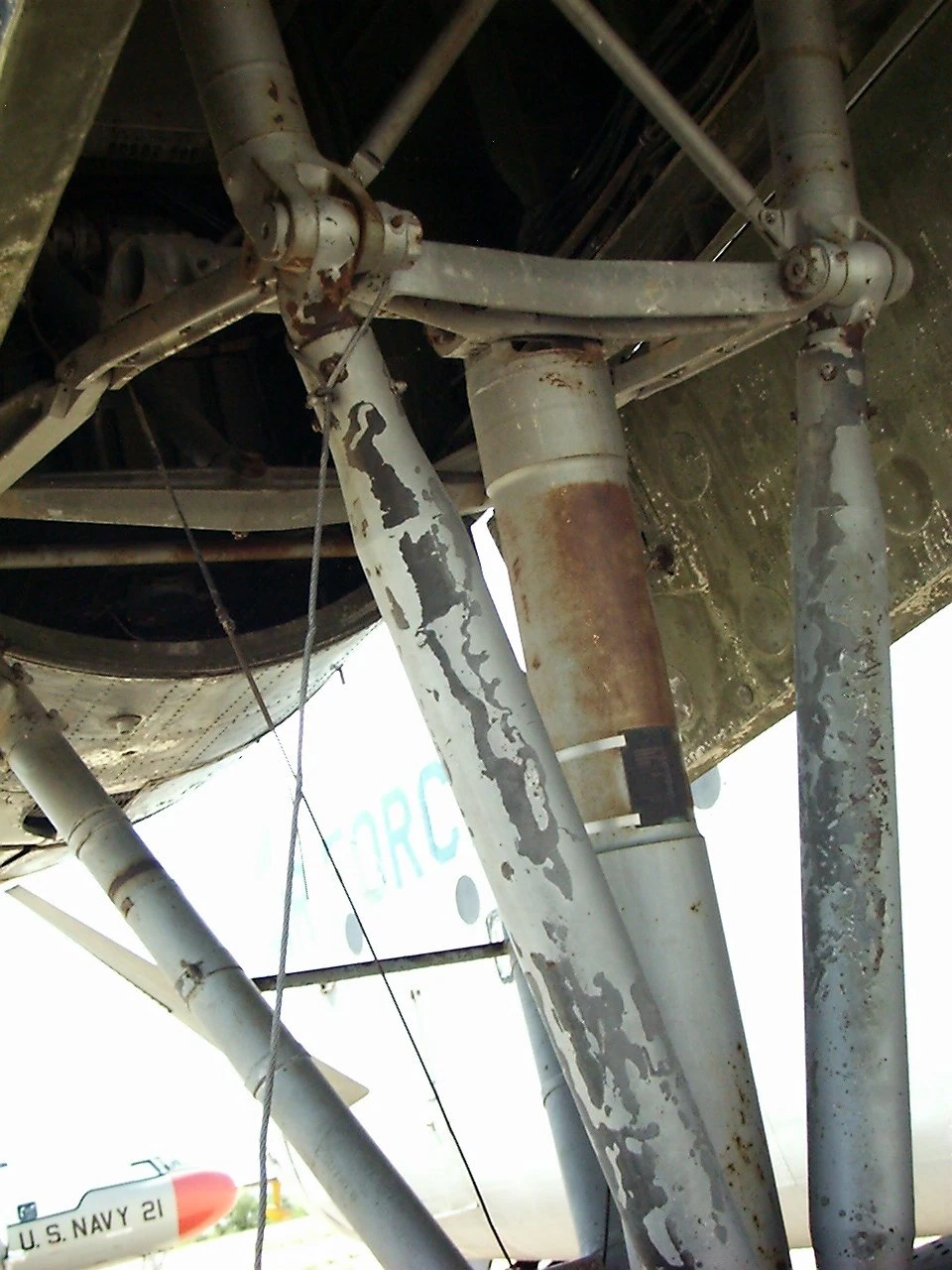
De Fairchild C-119 Vliegende Boxcar (Navy and Marine Corps aanduiding R4Q) was een Amerikaans militair transportvliegtuig ontwikkeld uit de Tweede Wereldoorlog-tijdperk Fairchild C-82 Packet, ontworpen om vracht, personeel, zwerfvuilpatiënten en gemechaniseerde apparatuur te vervoeren, en om vracht en troepen per parachute te droppen. De eerste C-119 maakte zijn eerste vlucht in november 1947 en tegen de tijd dat de productie in 1955 stopte, waren er meer dan 1.100 C-119's gebouwd. Het vrachttransportvermogen en het ongewone ontwerp met dubbele giek leverden het de bijnaam "Flying Boxcar" op.
De Fairchild C-119 Vliegende Boxcarwas the definitive tactical transport of the early Cold War. Developed from the WWII-era C-82 Packet, it was designed specifically to solve the “tail-dragging” problem of previous transports like the C-47. By using a twin-boom tail and a high-mounted wing, Fairchild created a massive, unobstructed cargo hold that sat level with the ground, allowing trucks to drive directly into the belly of the plane. It earned its nickname “Flying Boxcar” because its fuselage dimensions were nearly identical to a standard railroad boxcar.
Attribute
Technical Specification (C-119C)
Role
Military Transport / Cargo Aircraft
Bemanning
5 (Pilot, Co-pilot, Navigator, Radio Operator, Crew Chief)
Capaciteit
67 troops or 10,000 lbs (4,500 kg) of cargo
First Flight
November 17, 1947
Krachtbron
2 × Pratt & Whitney R-4360 Wasp Major 28-cylinder radials
Horsepower
3,500 hp (2,610 kW) each
Maximum Speed
281 mph (452 km/h)
Bereik
1,770 miles (2,850 km)
Industrial Design: Loading and Versatility
Clamshell Rear Doors:The rear of the fuselage consisted of two massive doors that swung outward. This allowed for the paradropping of bulky items, like jeeps and light tanks, which had never been possible before.
High-Wing Twin-Boom:The tail was supported by two separate booms extending from the engine nacelles. This design kept the tail surfaces high and away from the dust and debris of frontline dirt strips, while providing a clear path for vehicles loading from the rear.
The “Corncob” Engines:The C-119 utilized the massive R-4360 “Wasp Major” engines. These featured 28 cylinders arranged in four rows, earning the nickname “corncob” for their appearance. While powerful, they were notoriously complex to maintain.
Jet Augmentation:In later years, many C-119s were modified (as the C-119K) with two auxiliary J85 turbojet engines under the wings to help with takeoffs in “high and hot” conditions.
Cold War Service & The Gunship Legacy
Korean War Hero:The C-119 was vital during the Korean War, notably dropping portable bridge sections to help trapped U.S. Marines escape from the Chosin Reservoir.
AC-119 “Shadow” and “Stinger”:During the Vietnam War, many Boxcars were converted into side-firing gunships. Armed with Gatling guns and infrared sensors, they prowled the Ho Chi Minh trail at night.
Satellite Recovery:Specialized C-119s were used by the Air Force to perform mid-air recoveries of film canisters dropped from early spy satellites (the Corona project), snagging the parachutes with a “trapeze” rig in mid-flight.
Firefighting “Boxcars”:After military retirement, many C-119s spent decades as “air tankers,” dropping fire retardant on forest fires across North America due to their ability to carry heavy loads at low altitudes.