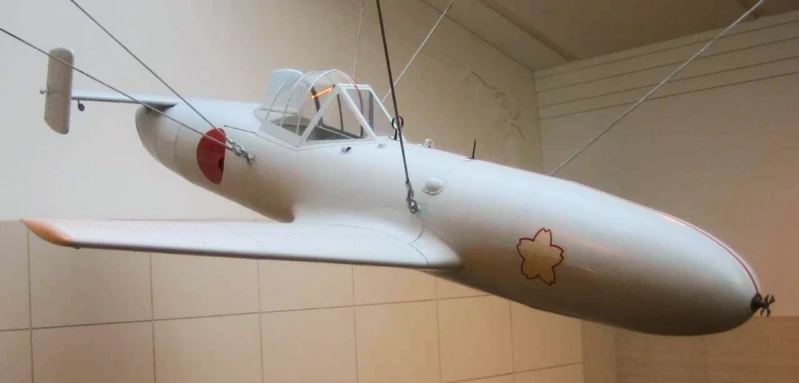
Yokosuka MXY-7 Ohka | |
|---|---|
| Šalies | Japonija |
| Vaidmenį | Kamikadzių atakos lėktuvai |
| Pirmasis skrydis | 1944 m. spalio mėn. |
| Sukurtas skaičius | 852 |
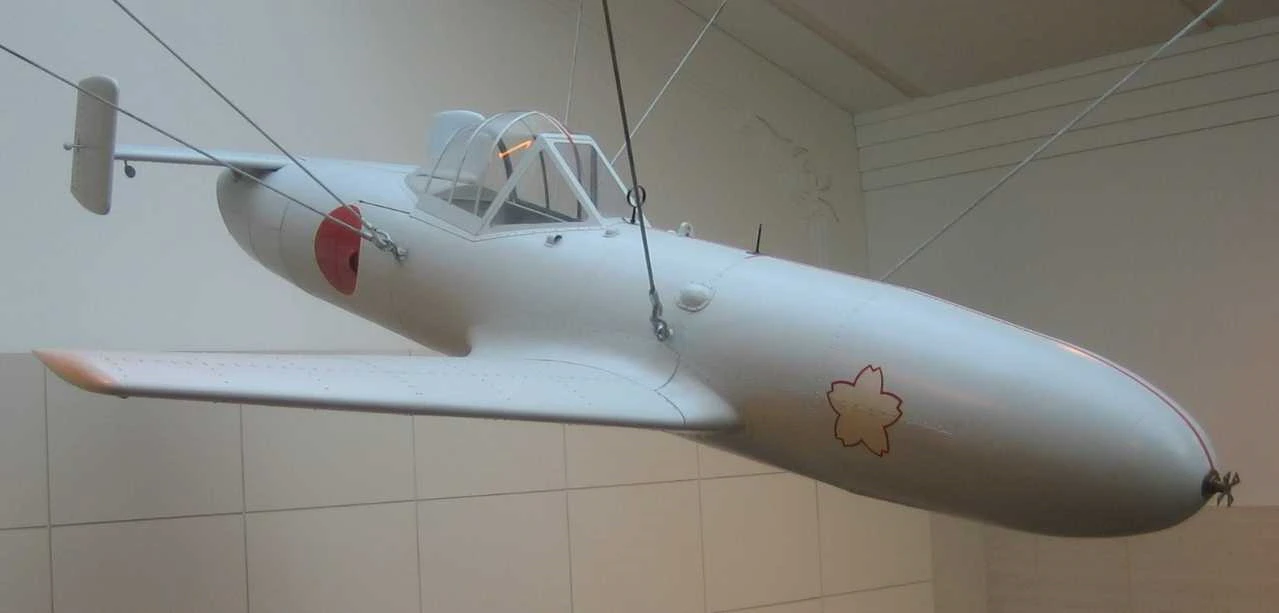
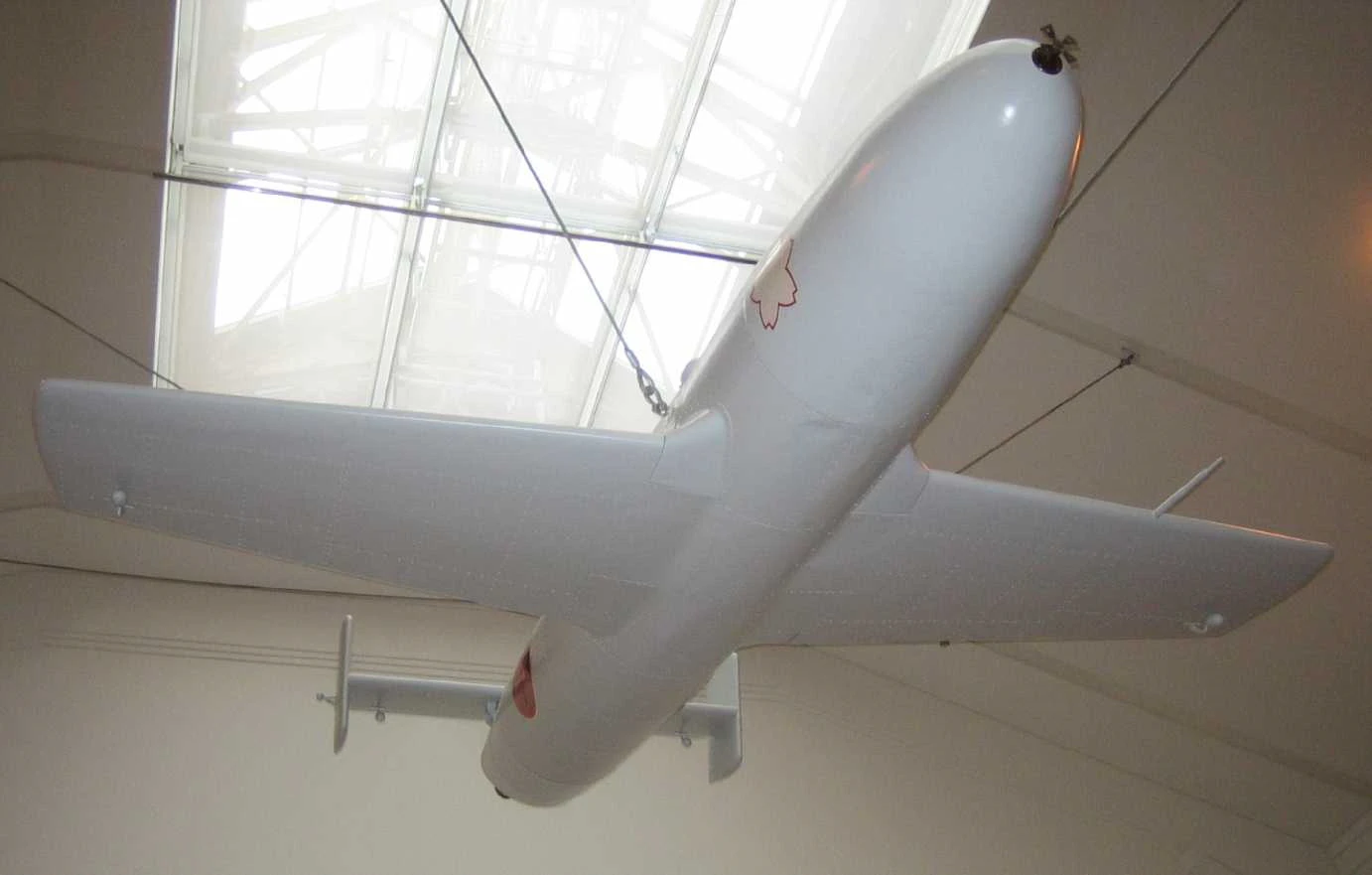
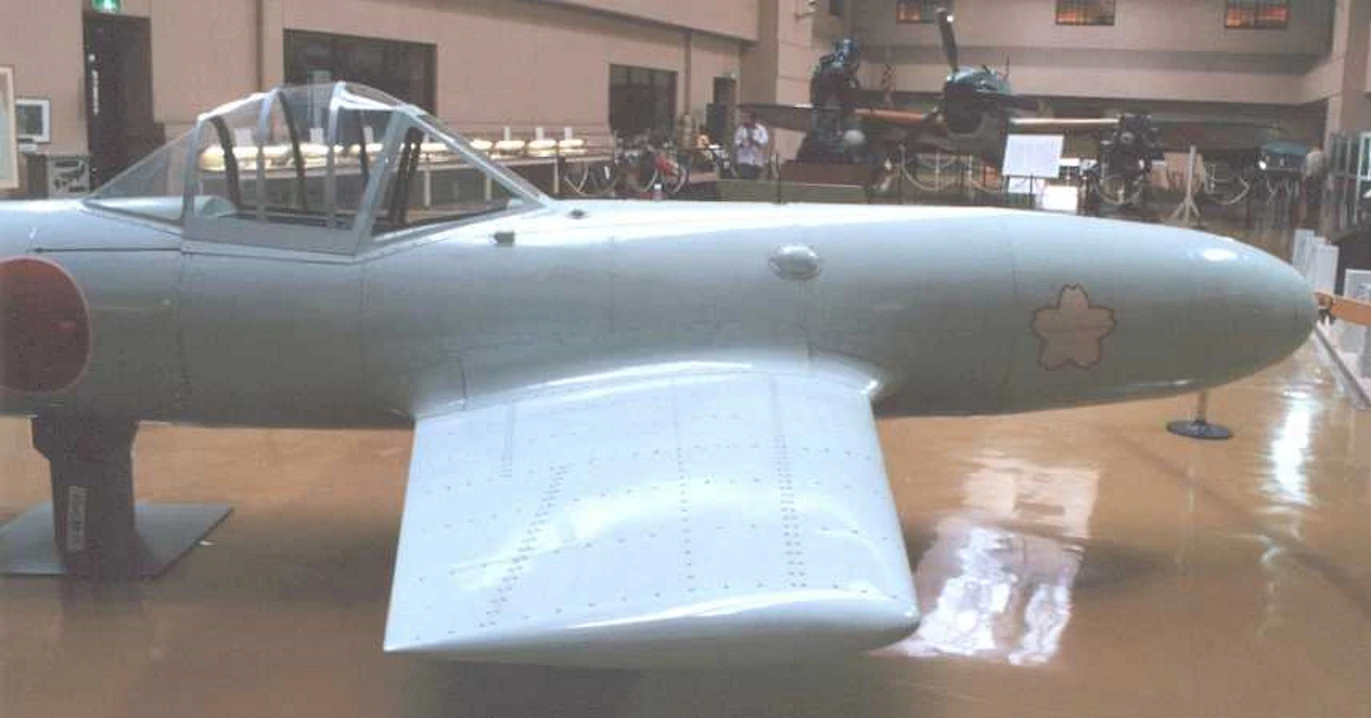
Nuotraukų galerija Yokosuka MXY-7 Ohka, The Yokosuka MXY-7 Ohka (櫻花 Ōka?, “cherry blossom”; 桜花 in modern orthography) was a purpose-built, rocket powered human-guided anti-shipping kamikaze attack aircraft employed by Japan towards the end of World War II. United States sailors gave the aircraft the nickname Baka
Šaltinis: Yokosuka MXY-7 Ohka on Wiki
| Yokosuka MXY-7 Ohka | |
|---|---|
| Fotografas | David Smith |
| Lokalizavimo | Nežinoti |
| Nuotraukos | 37 |
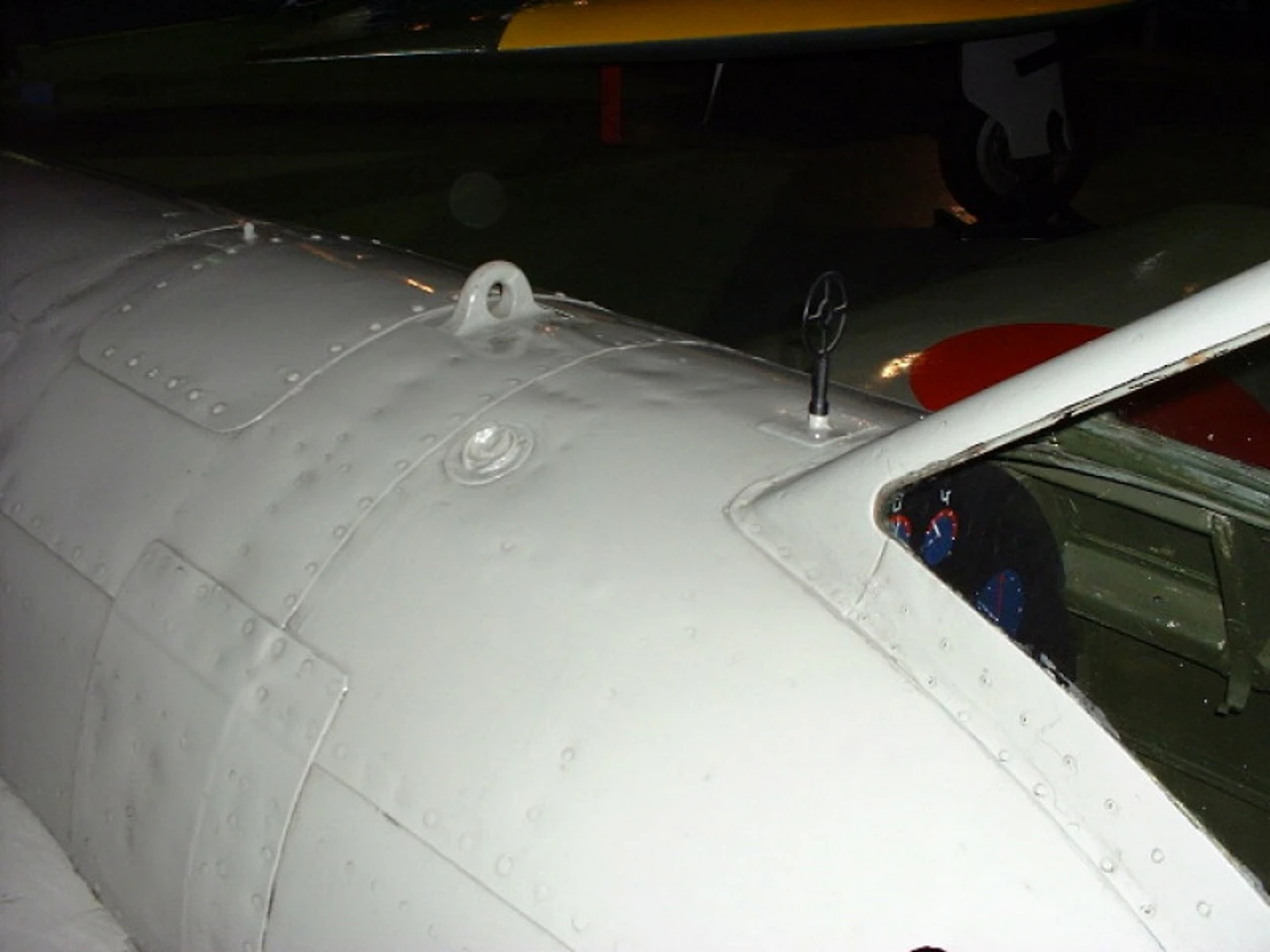
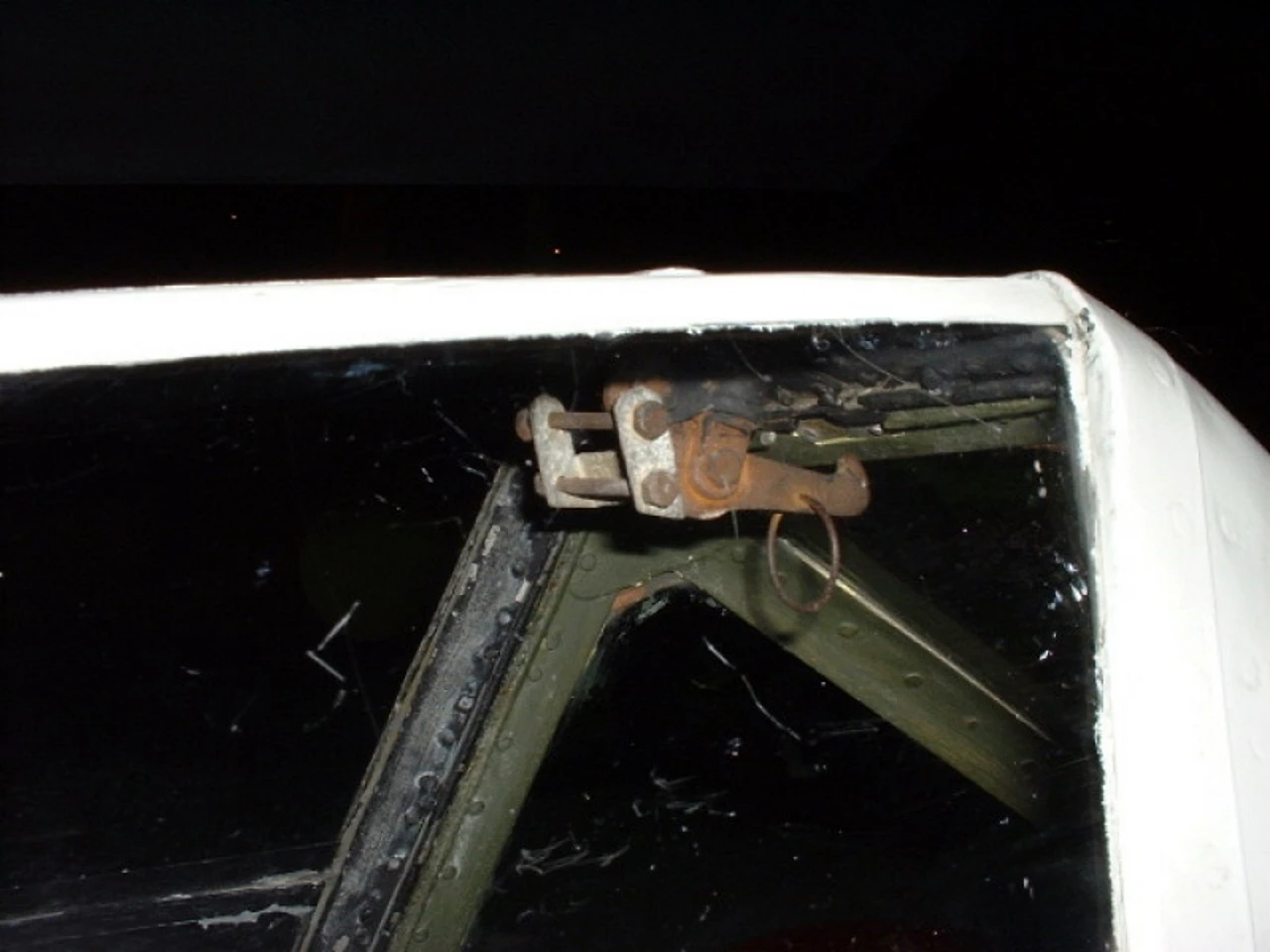
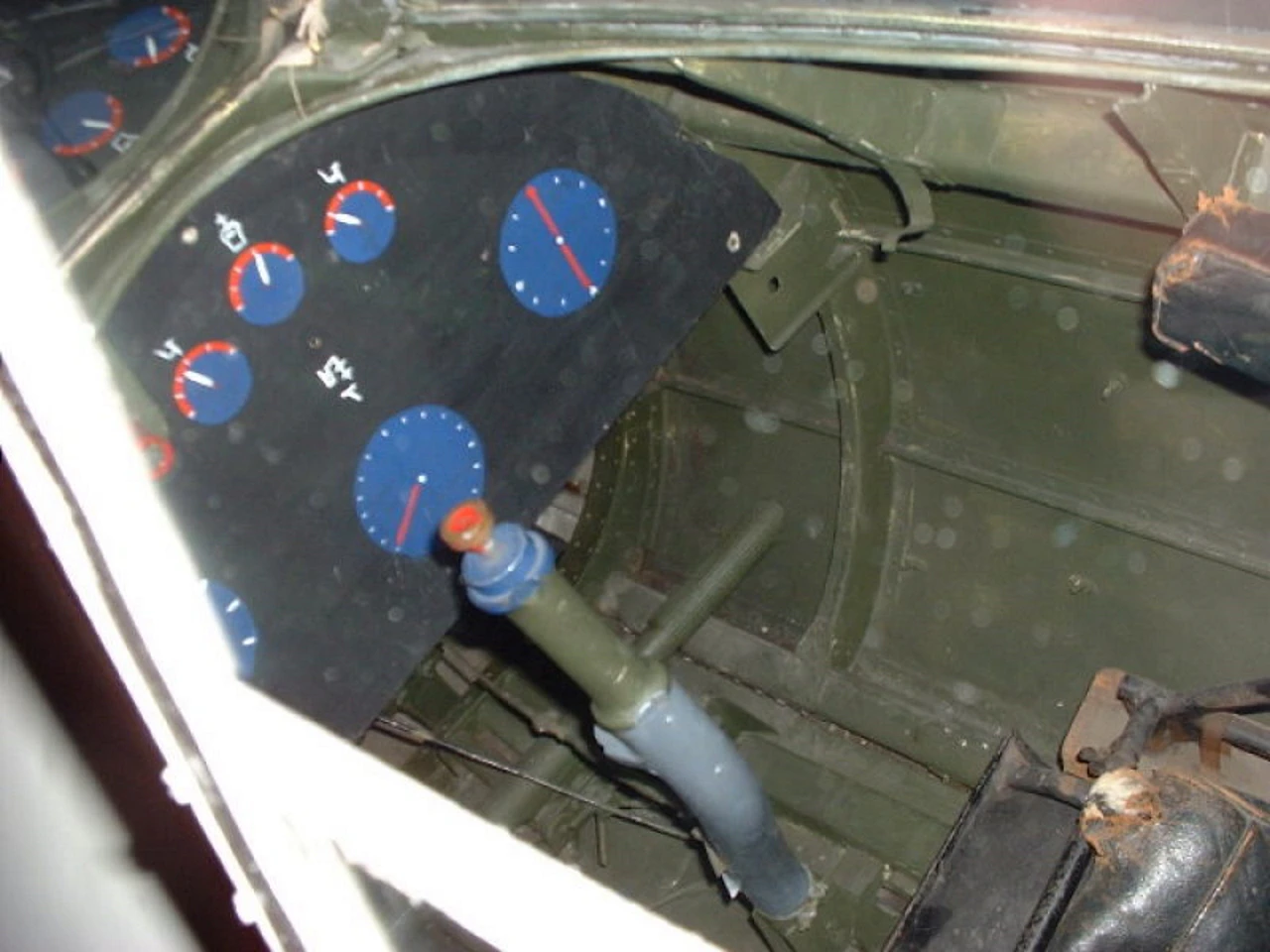
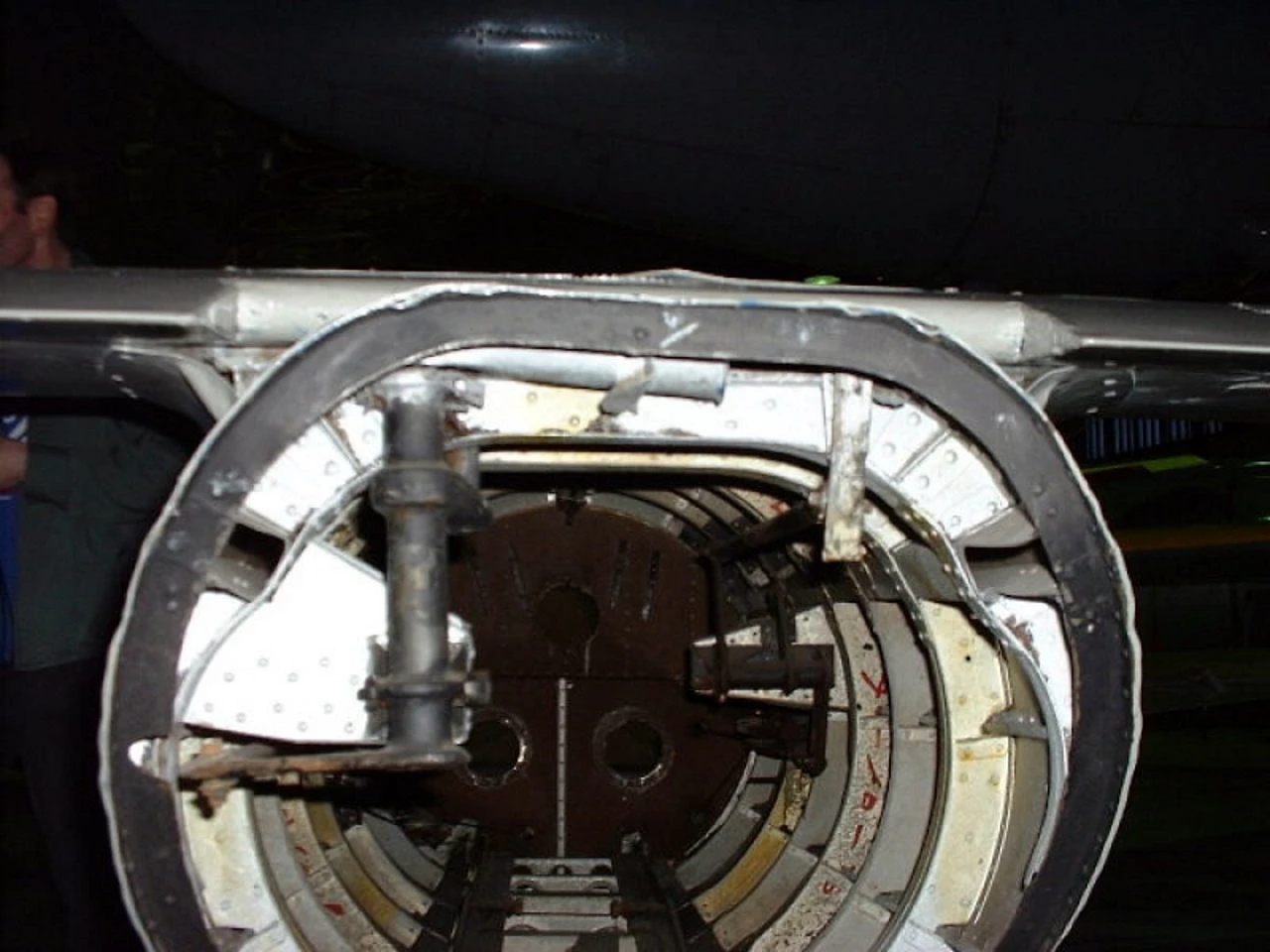
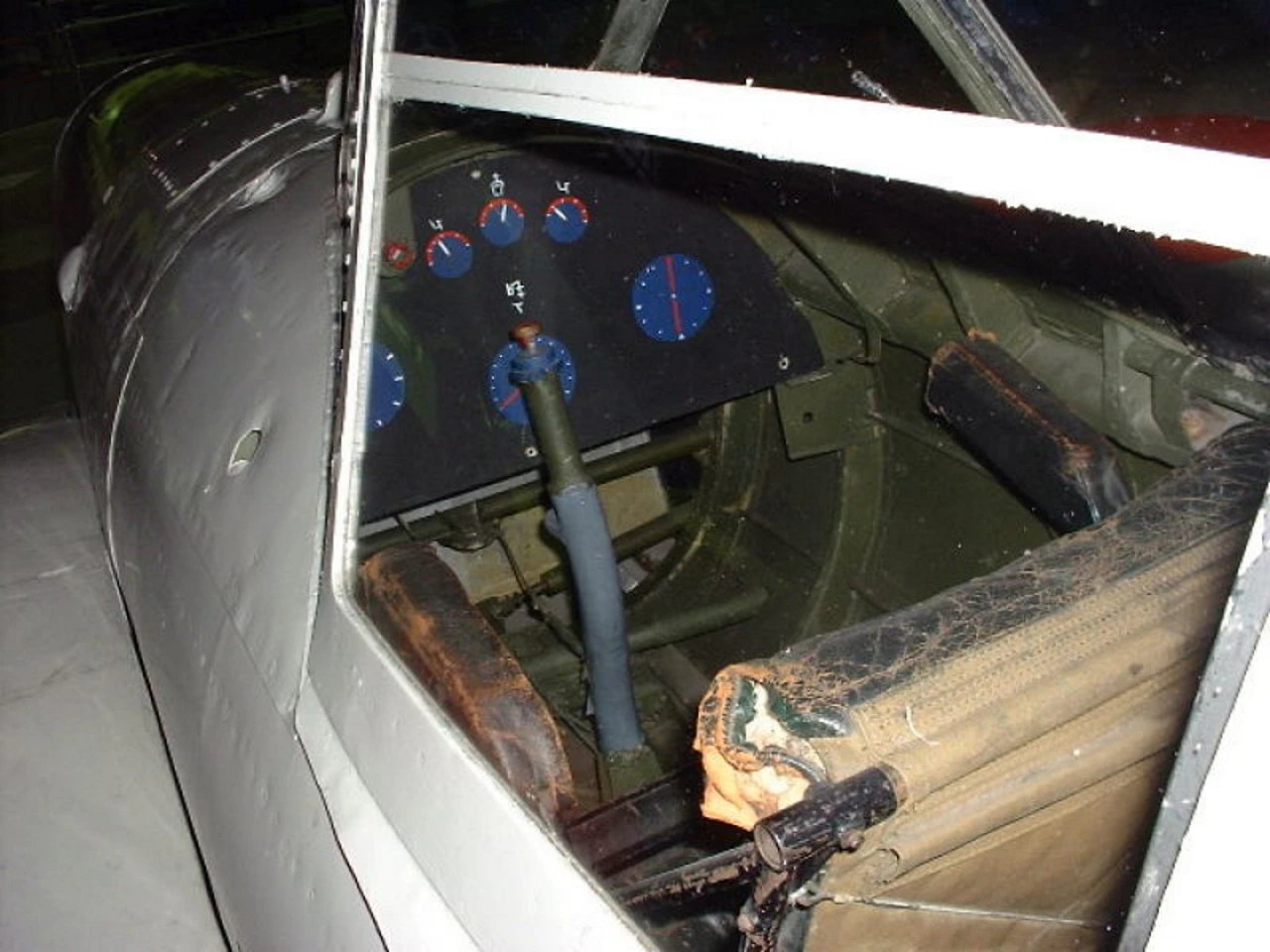
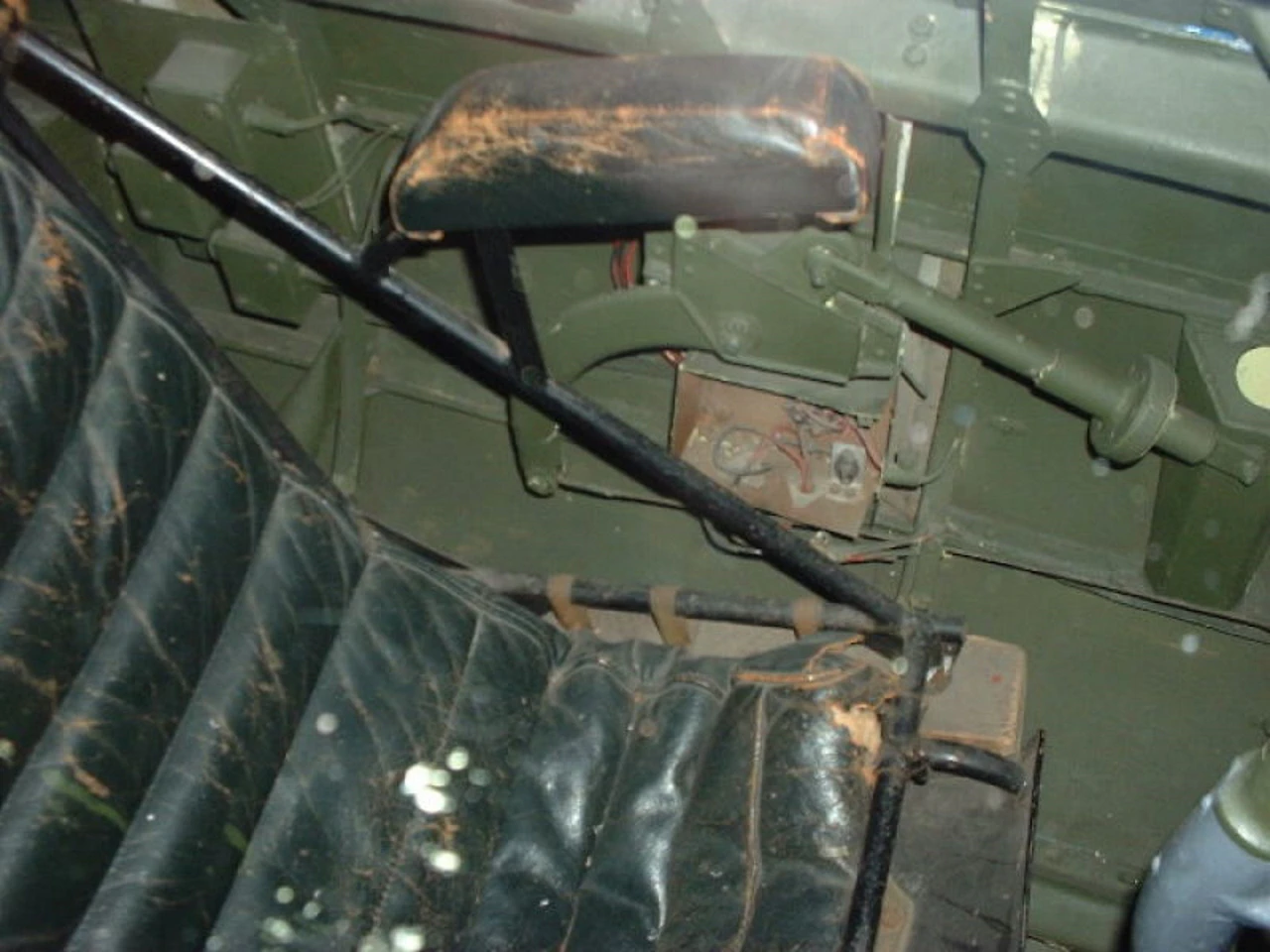
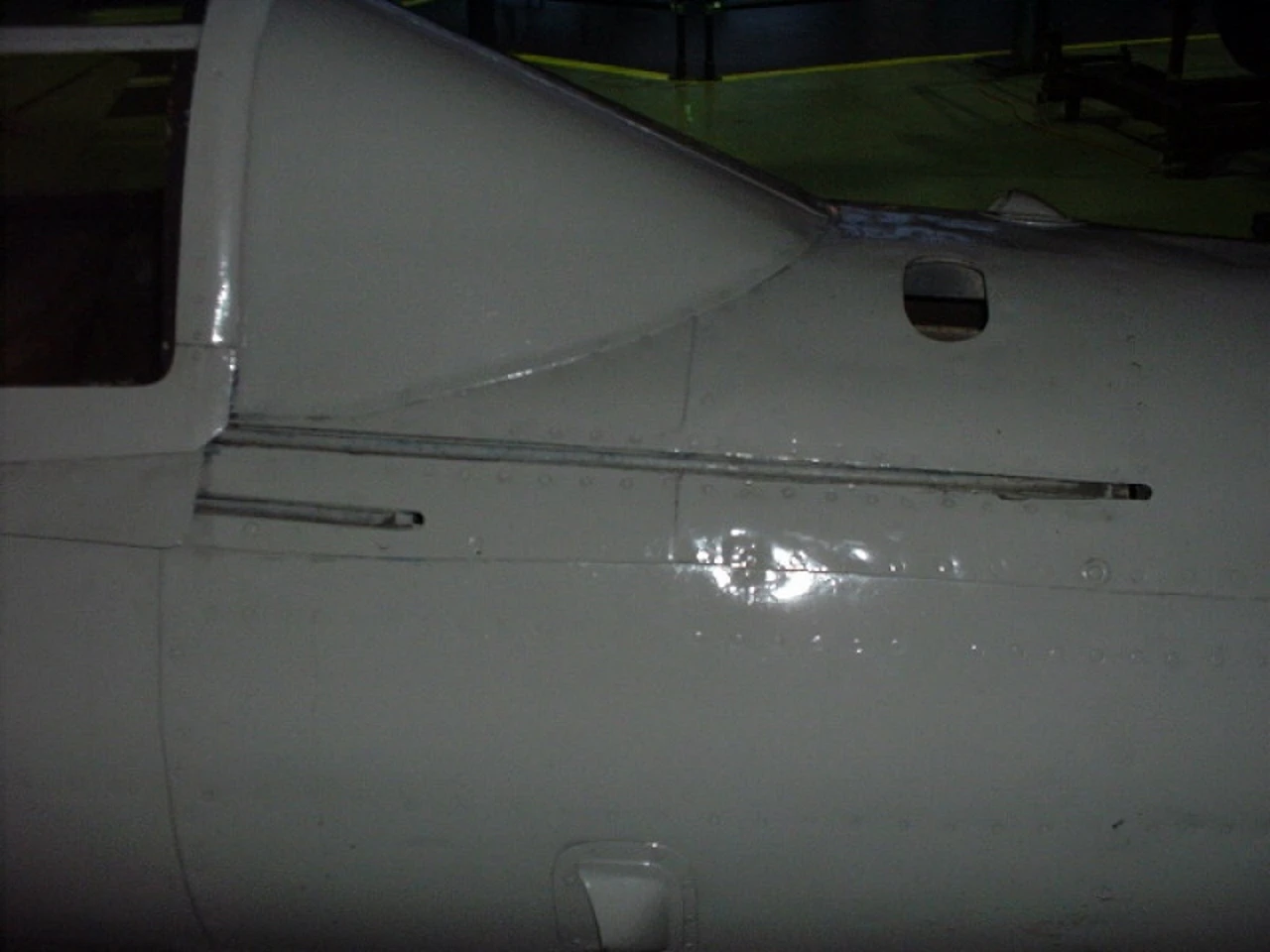
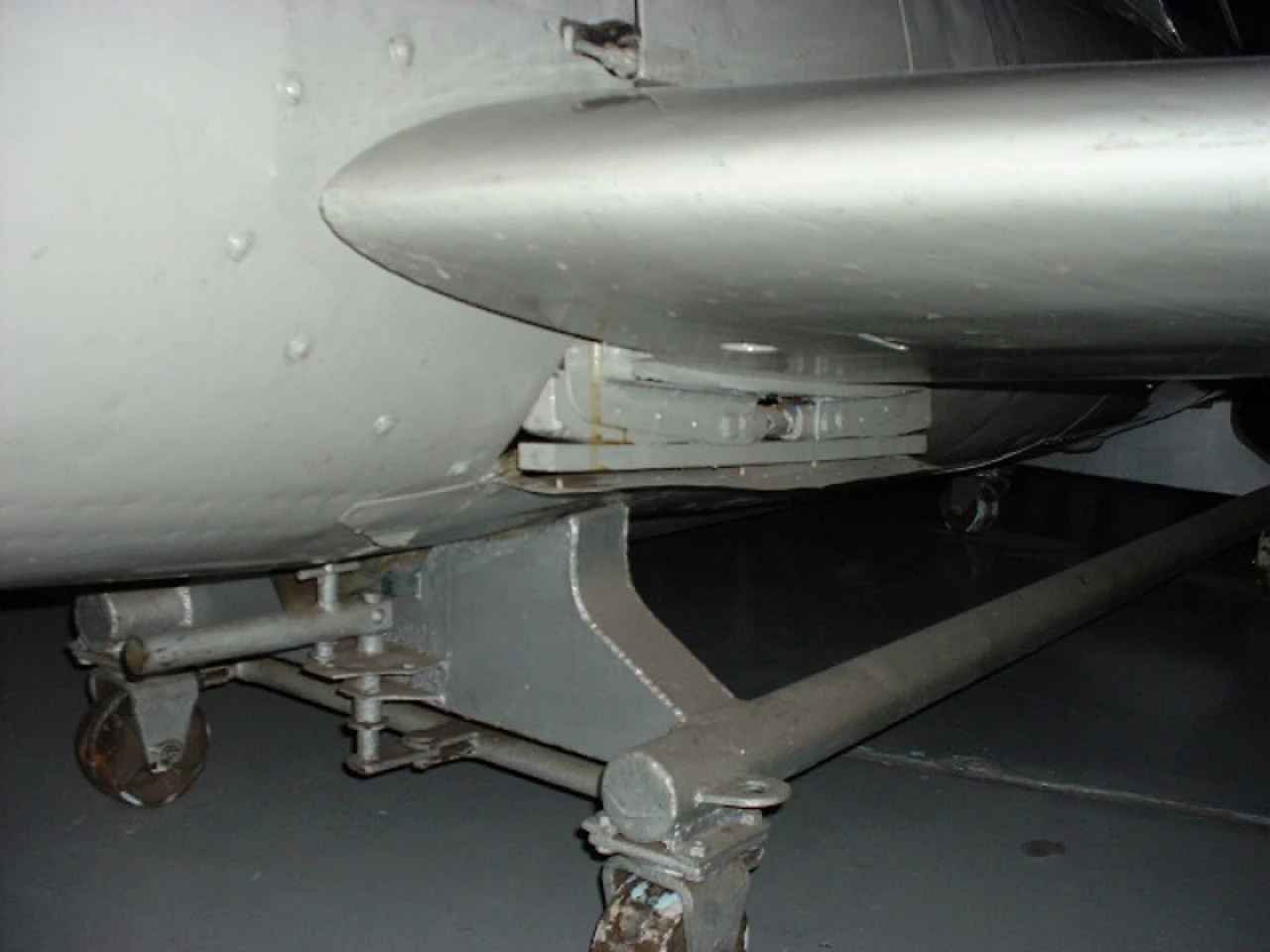
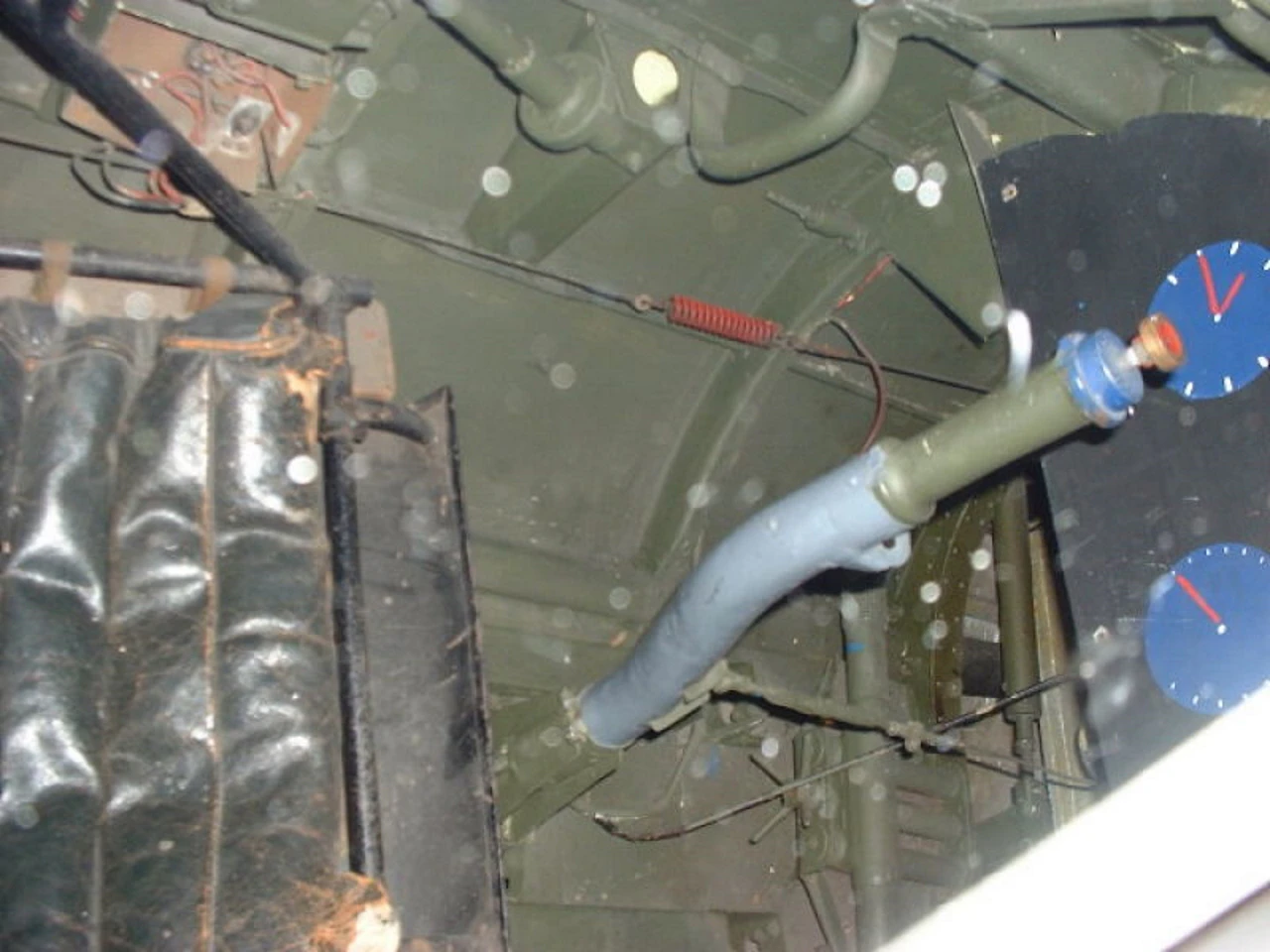

| Yokosuka MXY7 Ohka Walk Around | |
|---|---|
| Fotografas | Unknow |
| Lokalizavimo | Nežinoti |
| Nuotraukos | 32 |
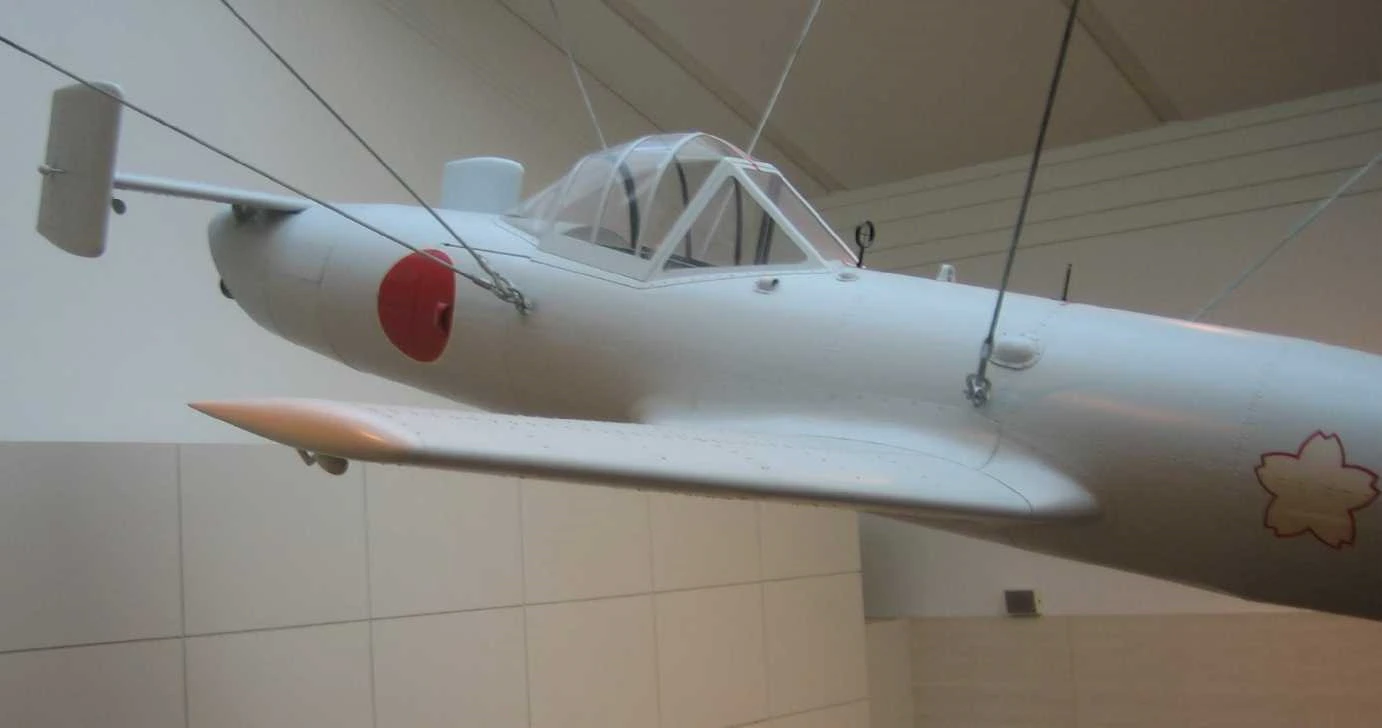
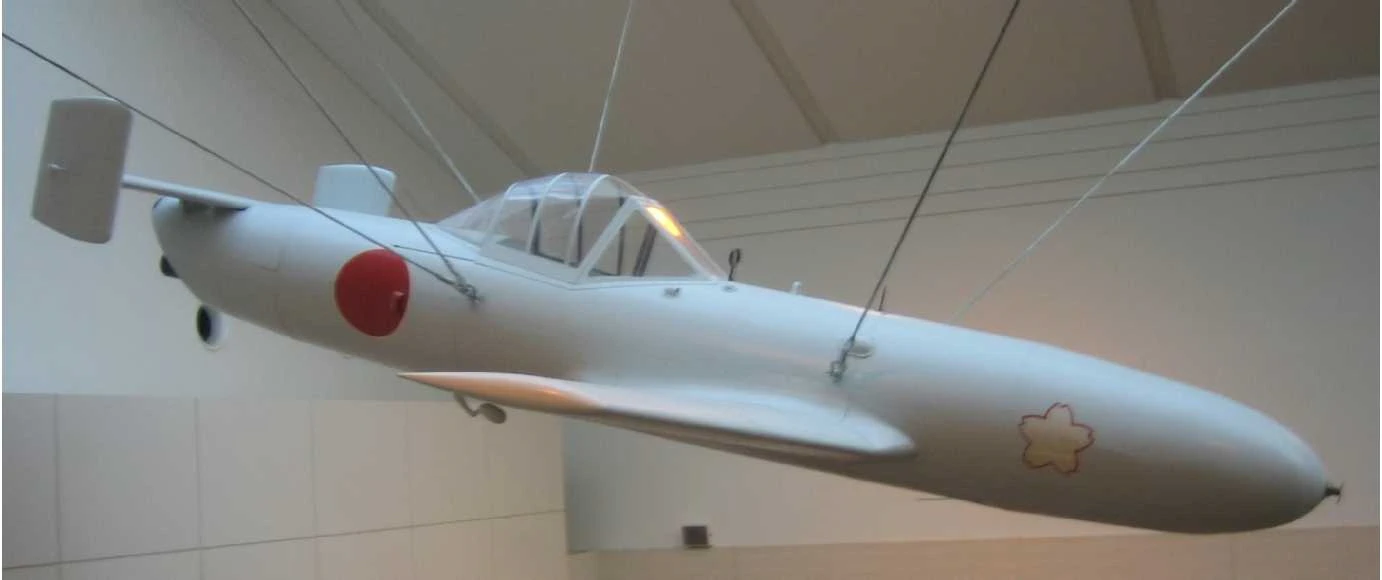
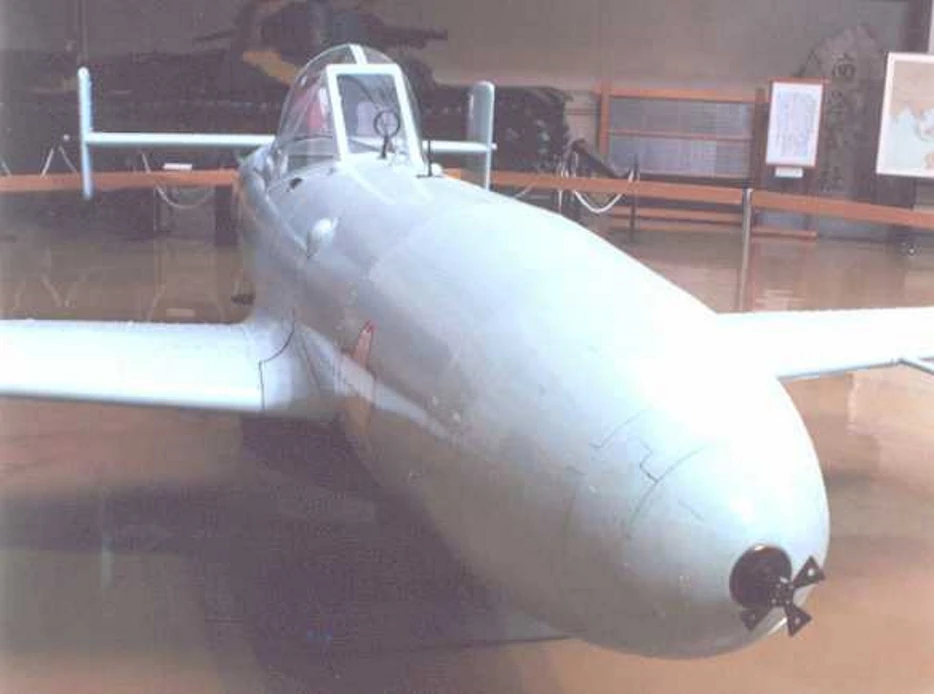
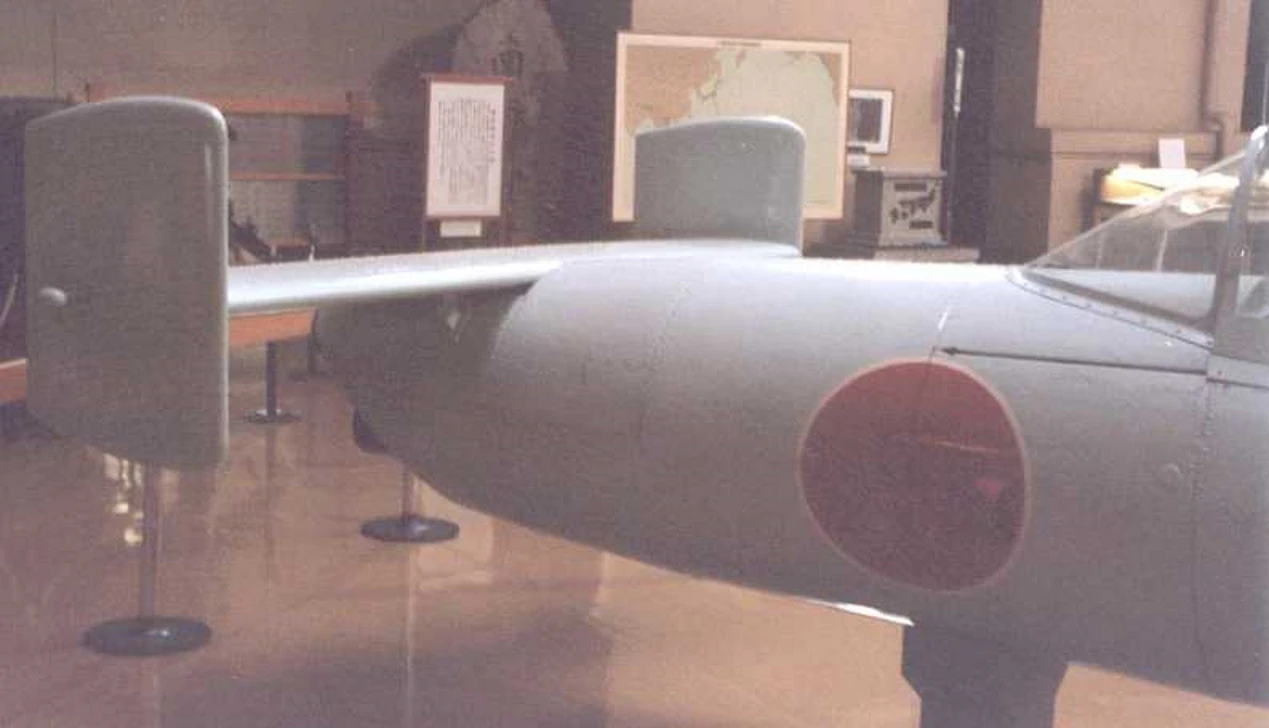
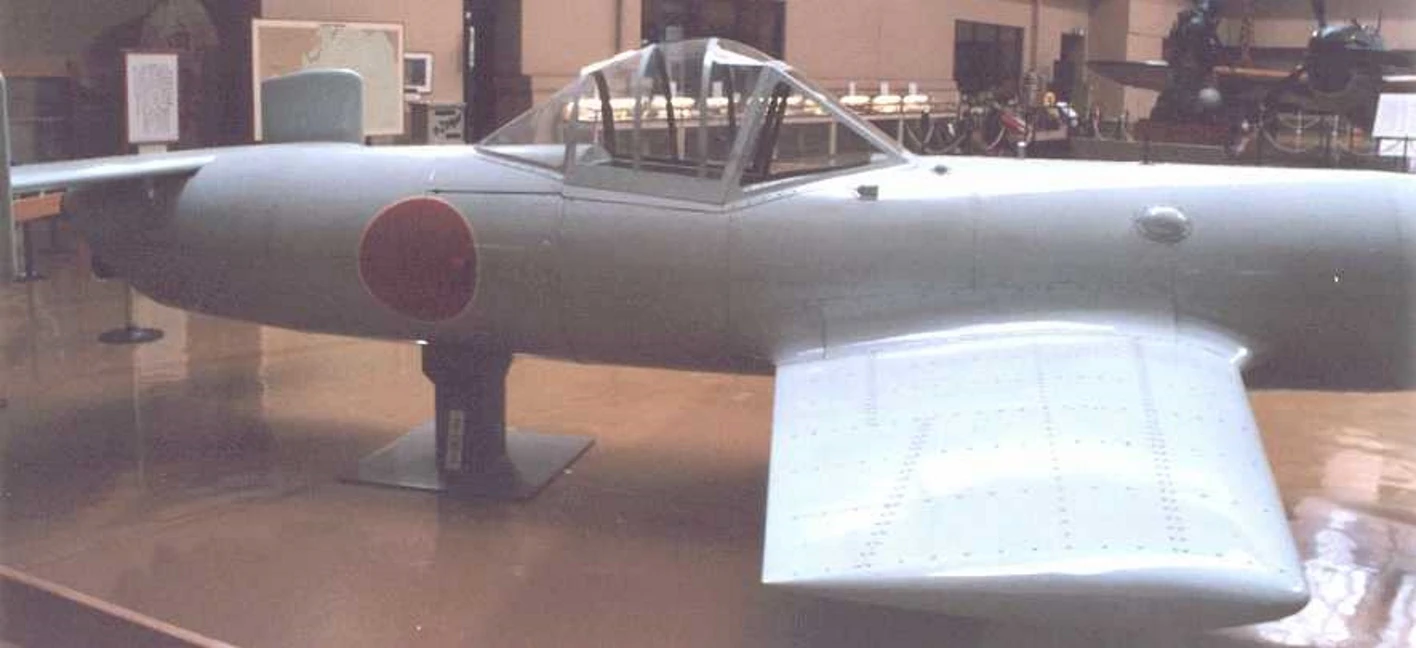
Taip pat žiūrėkite:


The Spear of Desperation
2007 Yokosuka MXY-7 Ohka was a piloted, rocket-powered kamikaze aircraft used by the Imperial Japanese Navy in the final stages of WWII. Unlike other aircraft adapted for suicide missions, the Ohka was designed from the ground up as a flying bomb. It was carried to the vicinity of the target by a Mitsubishi G4M2e “Betty” mother ship and released. Once detached, the pilot would glide toward the target and then ignite three solid-fuel rockets for a high-speed terminal dive that was nearly impossible to intercept. To the Japanese, it was the “Cherry Blossom”; to the Allies, it was known by the reporting name “Baka” (Japanese for “idiot” or “fool”).
| Attribute | Technical Specification (Model 11) |
|---|---|
| Vaidmenį | Human-Guided Anti-Ship Missile |
| Įgulos | 1 (Pilot) |
| Warhead | 1,200 kg (2,646 lb) of Tri-Nitro-Anisole (Ammonal) |
| Jėgainė | 3 × Type 4 Mark 1 Model 20 solid-fuel rockets |
| Thrust | 800 kg (1,764 lb) total |
| Top Speed | 630 km/h (Level) / 800+ km/h (In dive) |
| Operational Range | 37 km (23 miles) after release |
| Sparnų ilgis | 5.12 meters (16 ft 9 in) |
Design Engineering: A Ballistic Sledgehammer
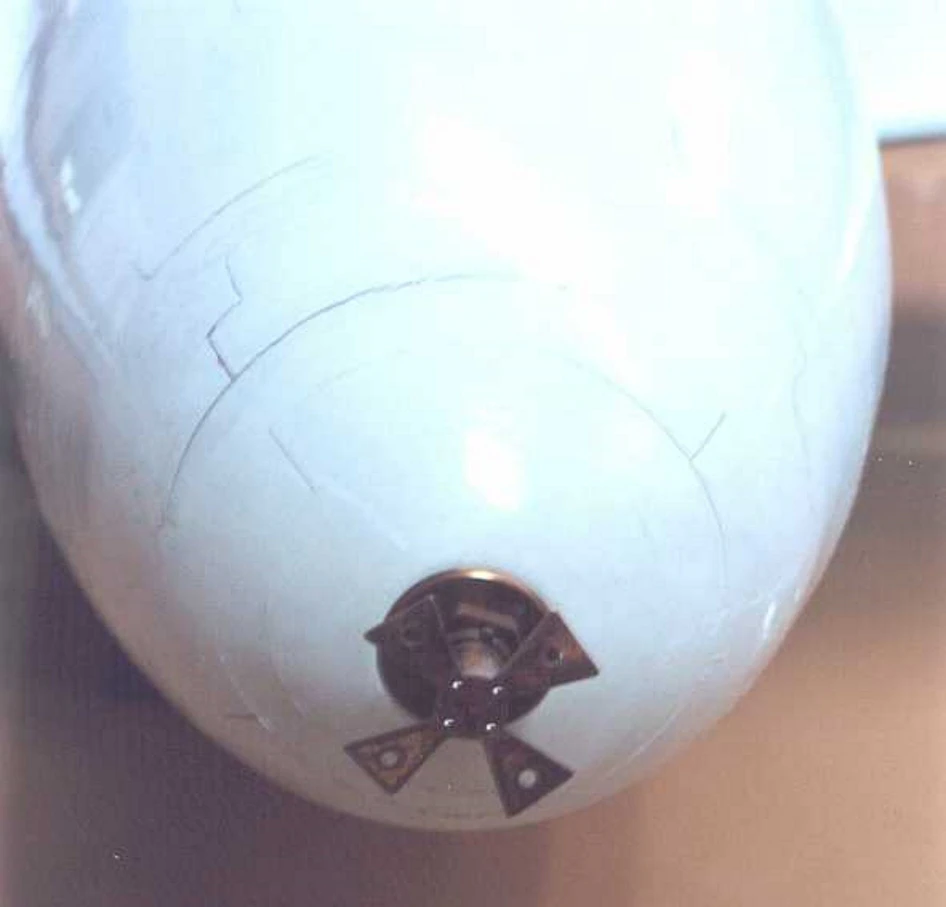
- The Warhead Nose: The front third of the aircraft was entirely occupied by a massive 1,200 kg armor-piercing bomb. It was designed to penetrate the thick deck armor of Allied aircraft carriers and battleships before detonating deep within the hull.
- Wood and Metal Construction: To conserve strategic materials, the wings and tail surfaces were primarily made of wood. Only the central fuselage housing the pilot and warhead was made of aluminum.
- Rudimentary Controls: The cockpit was extremely basic, containing only a compass, altimeter, airspeed indicator, and the ignition switch for the rockets. There was no landing gear; the Ohka was a one-way weapon.
- Rocket Ignition Sequence: The pilot typically glided as far as possible to conserve fuel. The three rockets provided only about 8 to 10 seconds of powered flight, intended to accelerate the craft to transonic speeds during the final approach to bypass the “curtain of fire” from Allied AA guns.
The Operational Reality
- The “Betty” Vulnerability: The biggest flaw in the Ohka system was its delivery method. The G4M “Betty” bomber was already vulnerable to interceptors; when burdened with a 4,700 lb Ohka, it became a slow, unmaneuverable target. Most Ohkas were destroyed while still attached to their mother ships.
- USS Mannert L. Abele: The most “successful” Ohka mission occurred on April 12, 1945, when an Ohka struck the destroyer USS Mannert L. Abele, breaking the ship in two and sinking it almost instantly.
- Psychological Warfare: While the actual number of ships sunk by Ohkas was low, the sight of a rocket-powered aircraft diving at 500 mph was terrifying to Allied sailors and forced a massive increase in the number of “picket” ships used for early warning.
- Post-War Evaluation: Captured Ohkas were studied by Allied engineers. They were impressed by the simple but effective aerodynamics of the tiny craft, though the concept was quickly rendered obsolete by the advent of guided surface-to-air and air-to-surface missiles.
Views : 3263
Taip pat galite pamatyti:
 Bréguet 1050 Alizé – nuotraukos ir vaizdo įrašai
 Phönix D.I – Nuotraukos ir vaizdo įrašai
 Mitsubishi G4M - nuotraukos ir vaizdo įrašai
 Nieuport 27 – nuotraukos ir vaizdo įrašai
 Martin 4-0-4 - Nuotraukos ir vaizdo įrašai
 "Bristol F.2 Fighter" - nuotraukos ir vaizdo įrašai
 "Northrop JB-1 Bat" – nuotraukos ir vaizdo įrašai
 "Convair F2Y Sea Dart" – nuotraukos ir vaizdo įrašai
 KFIR C-1 – WalkAround
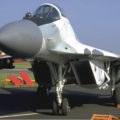 MiG-29 – WalkAround