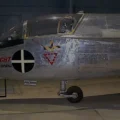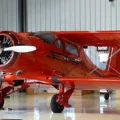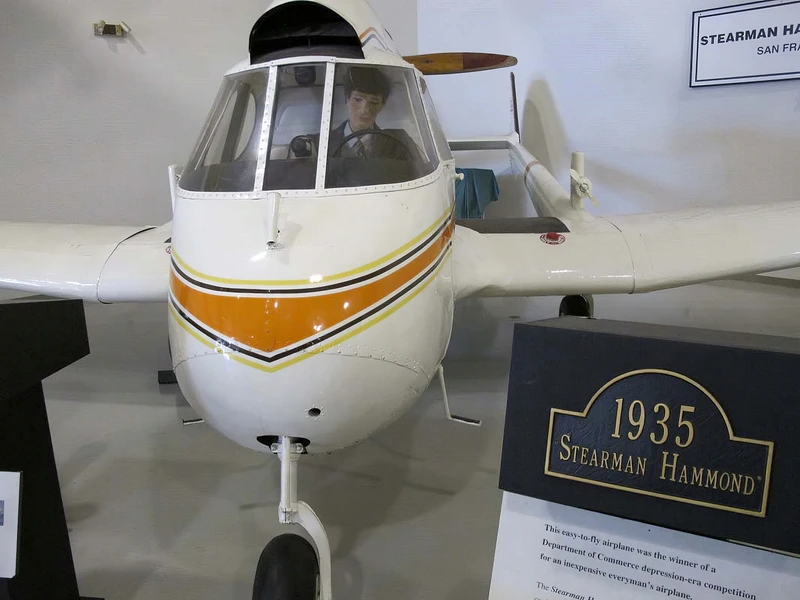
Stearman Hammond Y-1S | |
|---|---|
| 국가 | 미국 |
| 역할 | 유틸리티 모노플레인 |
| 첫 비행 | Unknow |
| 내장 | 20 |
Tthe 스티어맨-해먼드 Y-1 Stearman-Hammond Aircraft Corporation이 제작 한 1930 년대 미국 유틸리티 단엽기였으며 미국 해군과 영국 왕립 공군에 의해 평가되었습니다
소스: Stearman Hammond Y-1S 위키피디아
| Stearman Hammond Y-1S Walk Around | |
|---|---|
| 사진 작가 | 블라디미르 야쿠보프 |
| 로컬라이제이션 | Hiller Air Museum, 산 카를로스, CA |
| 사진 | 47 |
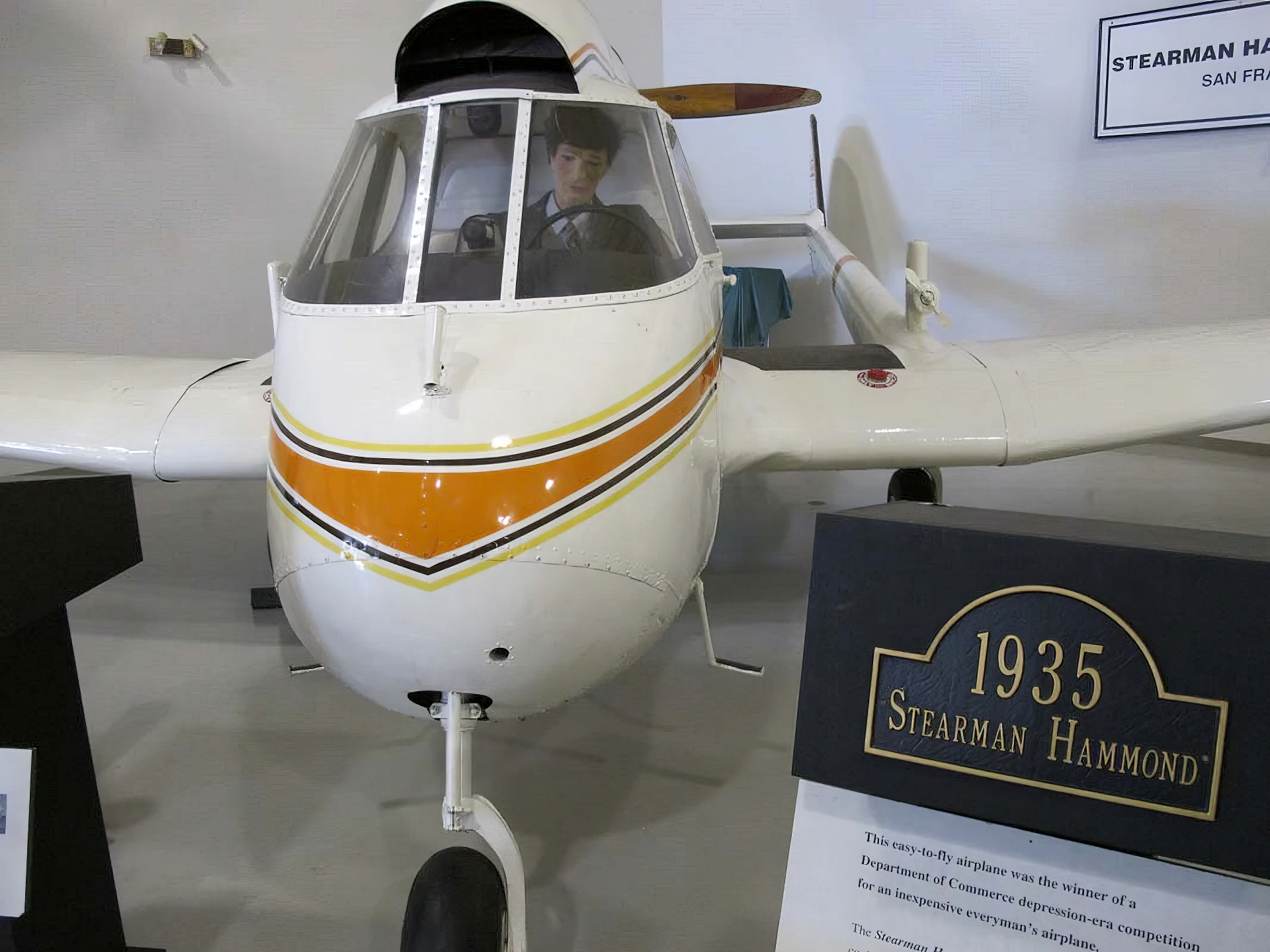
Stearman Hammond Y-1S 01

Stearman Hammond Y-1S 03

Stearman Hammond Y-1S 02
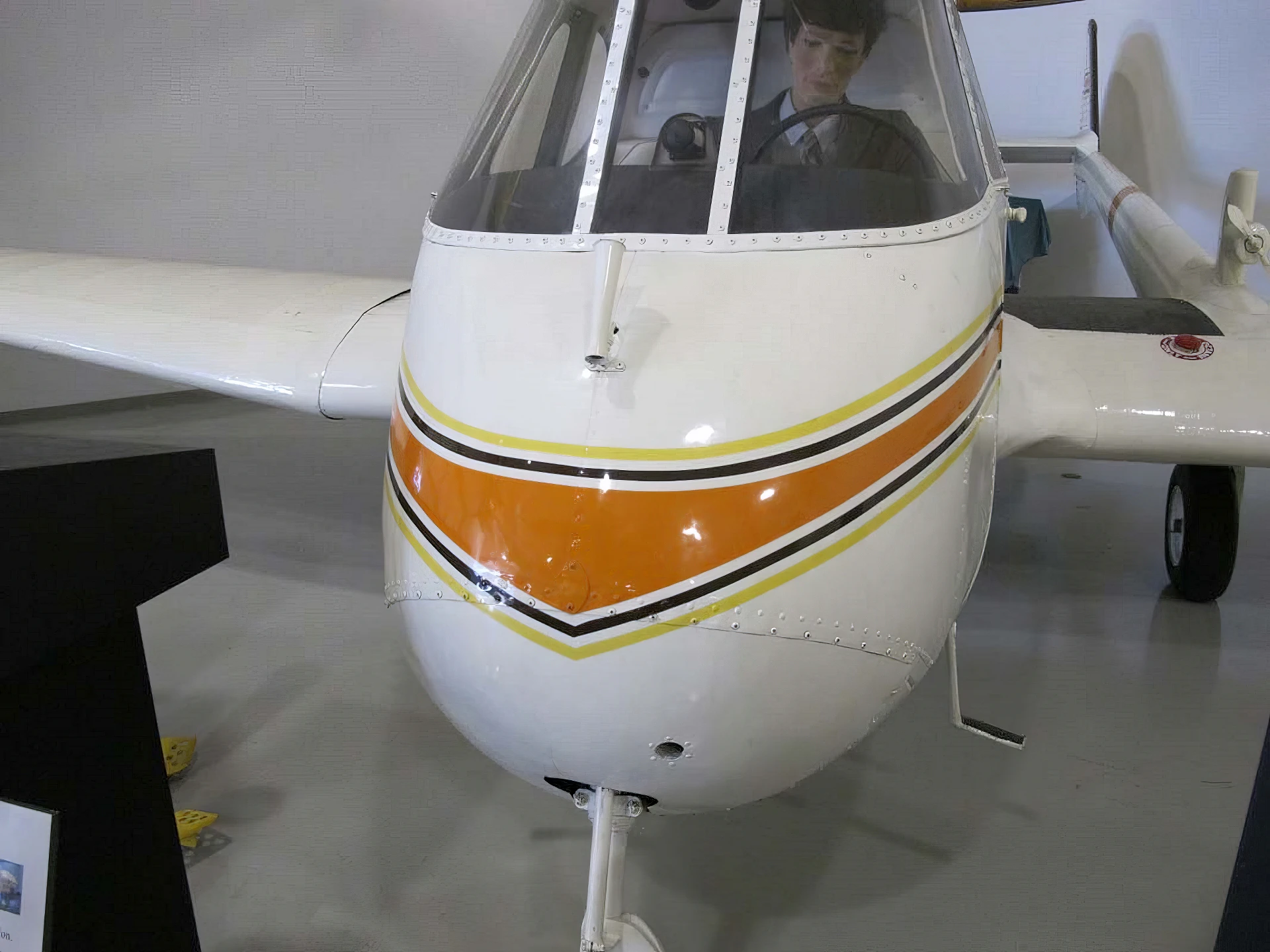
Stearman Hammond Y-1S 04

Stearman Hammond Y-1S 05

Stearman Hammond Y-1S 06
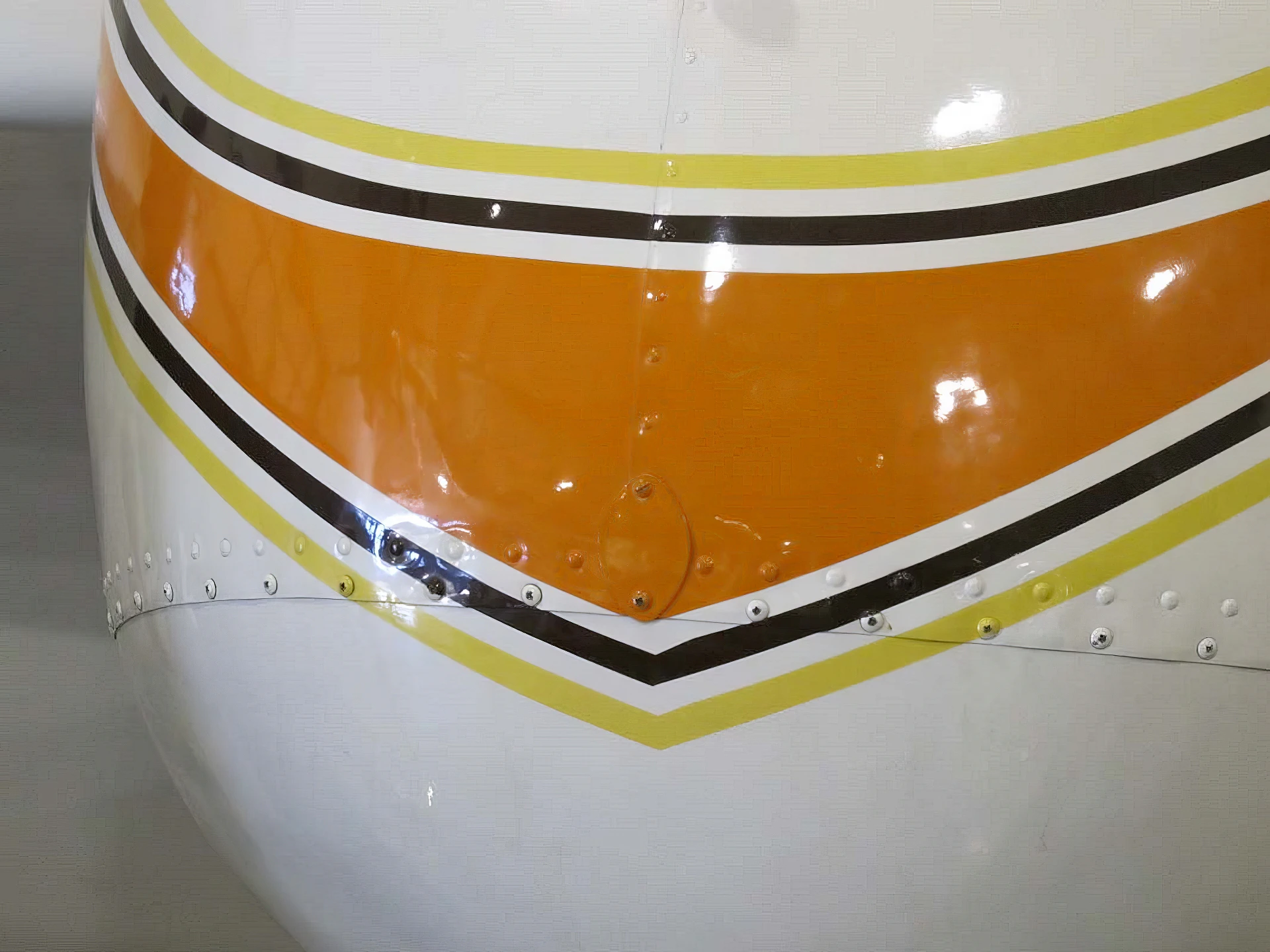
Stearman Hammond Y-1S 07
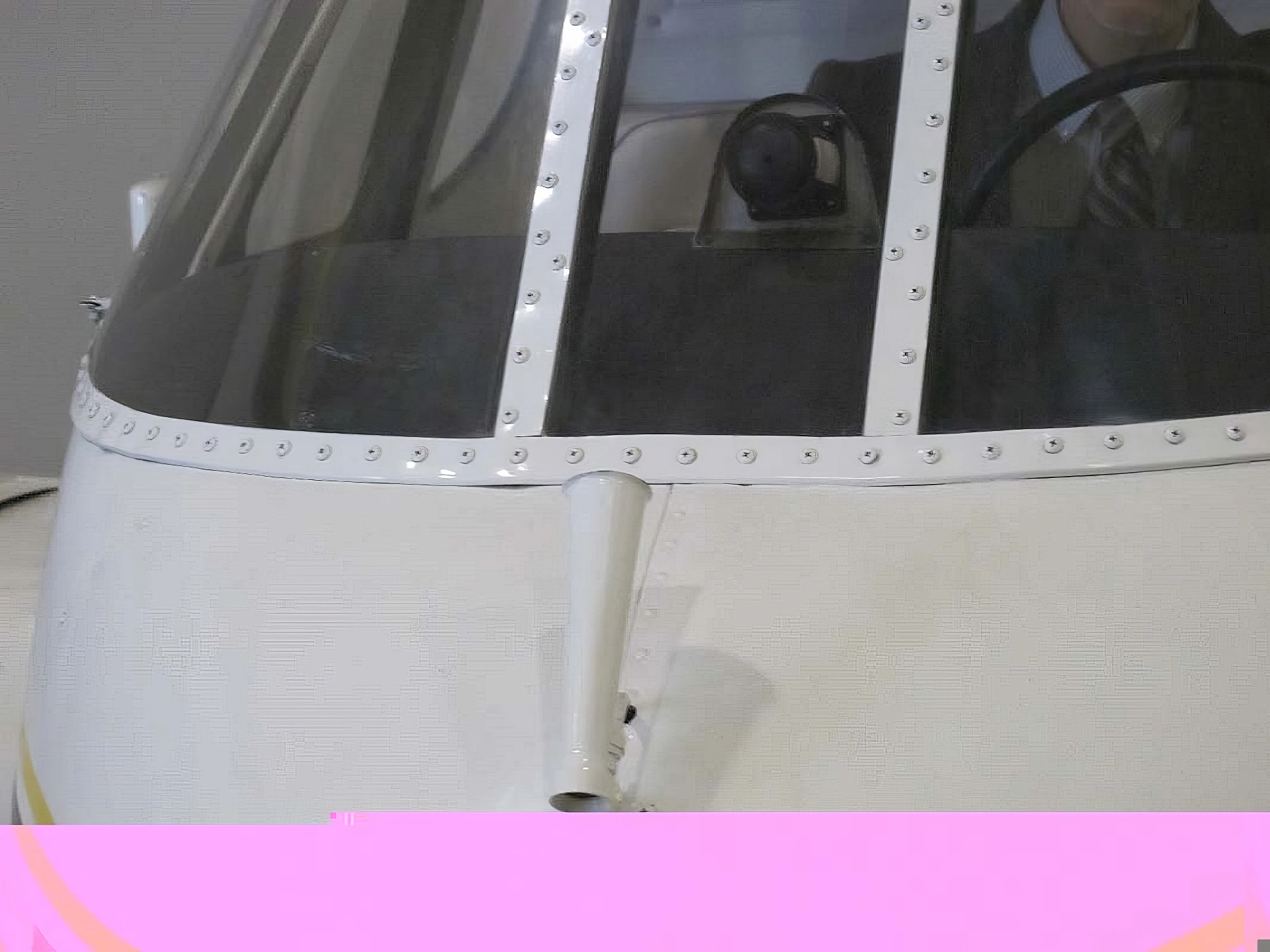
Stearman Hammond Y-1S 08
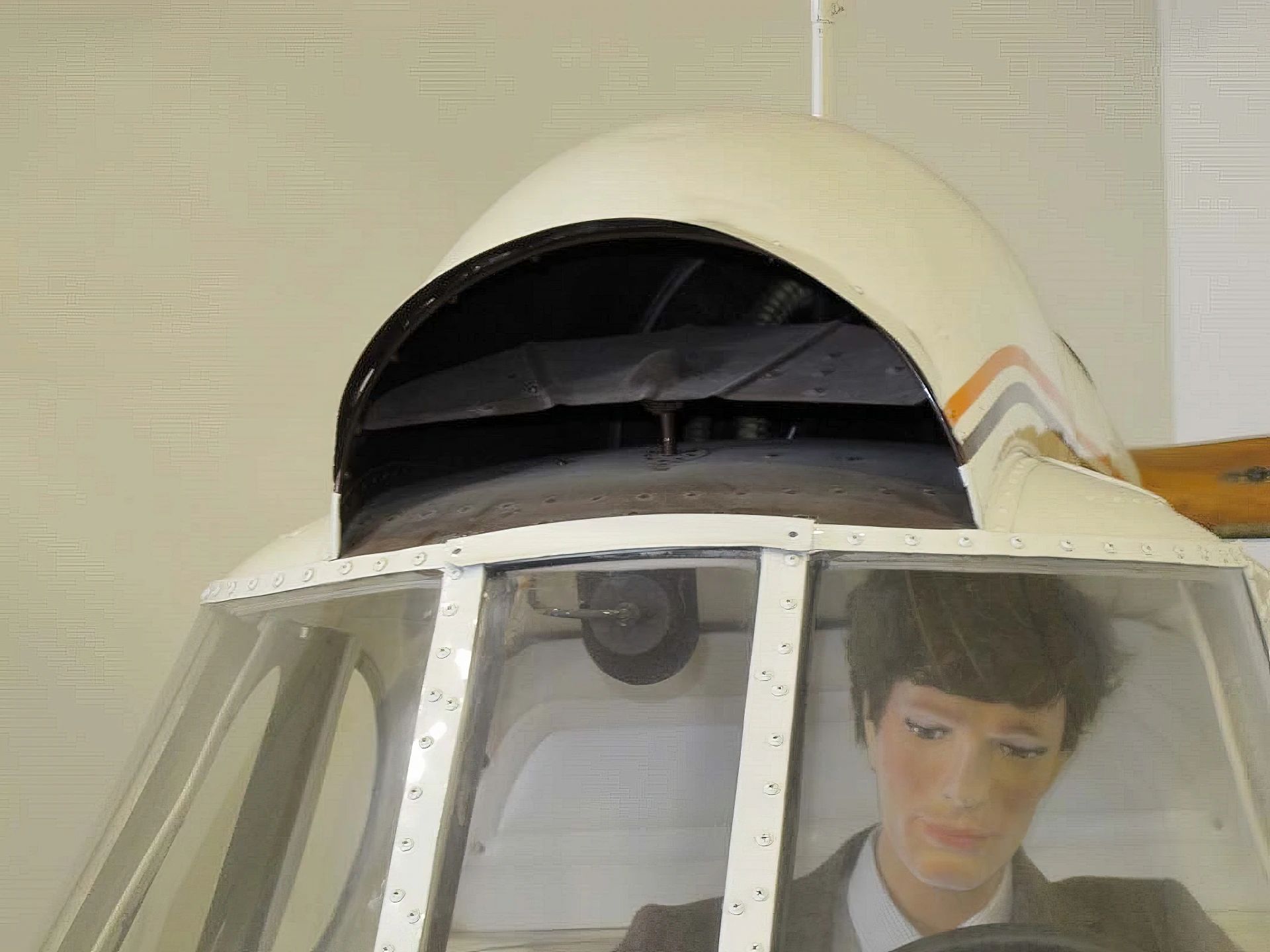
Stearman Hammond Y-1S 09
대기,검색 Stearman 해먼드 Y-1S 당신을 위해...


참고 항목:


General Characteristics
The Stearman-Hammond Y-1S was a unique, two-seat experimental aircraft designed in the mid-1930s with safety and ease of control as its primary goals. Its unusual pusher propeller configuration and tricycle landing gear were radical for the time.
| Property | Value (Y-1S Production Model) |
|---|---|
| 역할 | Experimental Light Aircraft, Safety Design |
| 제조업체 | Stearman-Hammond Aircraft Corporation |
| First Flight | 1934 |
| 승무원 | 1 pilot |
| Passenger Capacity | 1 passenger (side-by-side seating) |
| Maximum Take-Off Weight | 950 kg (2,090 lb) |
| 구축된 번호 | 20 (Approximate) |
Design and Powerplant
- Engine: One Menasco B6S six-cylinder air-cooled inverted in-line engine.
- Power Output: 150 hp (112 kW).
- Propeller: Two-bladed propeller mounted behind the wing trailing edge in a pusher configuration.
- Landing Gear: Featured a tricycle landing gear (nose wheel and two main wheels), a highly advanced and rare feature in the 1930s, designed to prevent ground looping.
- Flight Controls: Simplified three-control system. Notably, yaw and roll were controlled by combined rudders/ailerons (“rudderons”), intended to be easier for non-professional pilots.
- Configuration: High-wing, twin-boom monoplane.
Performance and History
- Maximum Speed: 204 km/h (127 mph).
- Cruise Speed: 185 km/h (115 mph).
- Operational Range: Approximately 725 km (450 miles).
- Historical Note: The Y-1S won the U.S. Bureau of Air Commerce’s competition for a safe, low-cost private aircraft, but poor sales due to its high price and unusual configuration led to the company’s collapse.
- Legacy: Although a commercial failure, its innovative design elements, particularly the pusher engine and tricycle gear, influenced later aircraft safety and general aviation design.
전망 : 634