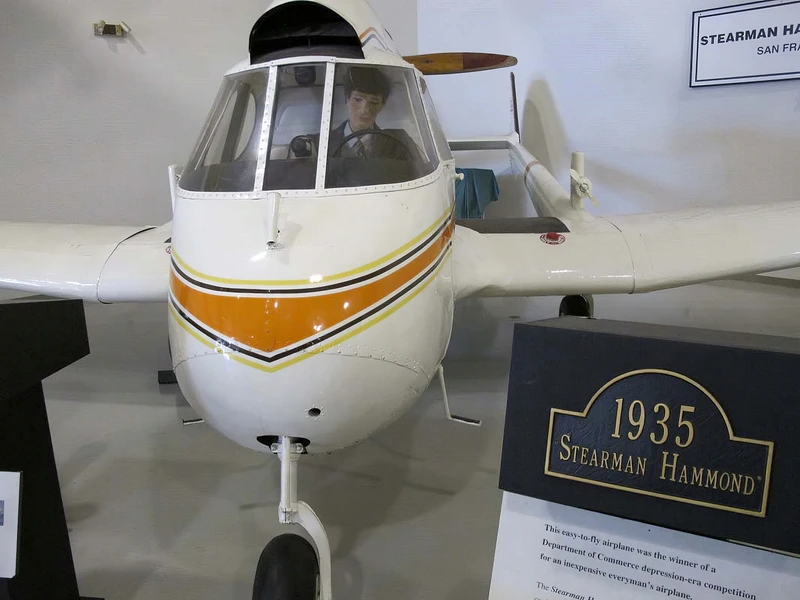
Stearman Hammond Y-1S | |
|---|---|
| Land | Usa |
| Roll | Verktyg monoplan |
| Första flygningen | Unknow |
| Byggd | 20 |
Den Stearman-Hammond Y-1 var ett amerikanskt monoplan från 1930-talet som byggdes av Stearman-Hammond Aircraft Corporation och utvärderades av USA:s flotta och brittiska Royal Air Force
Källkod: Stearman Hammond Y-1S på Wikipedia
| Stearman Hammond Y-1S Walk Around | |
|---|---|
| Fotograf | Vladimir Yakubov |
| Lokalisering | Hiller Air Museum, San Carlos, Kalifornien |
| Bilder | 47 |
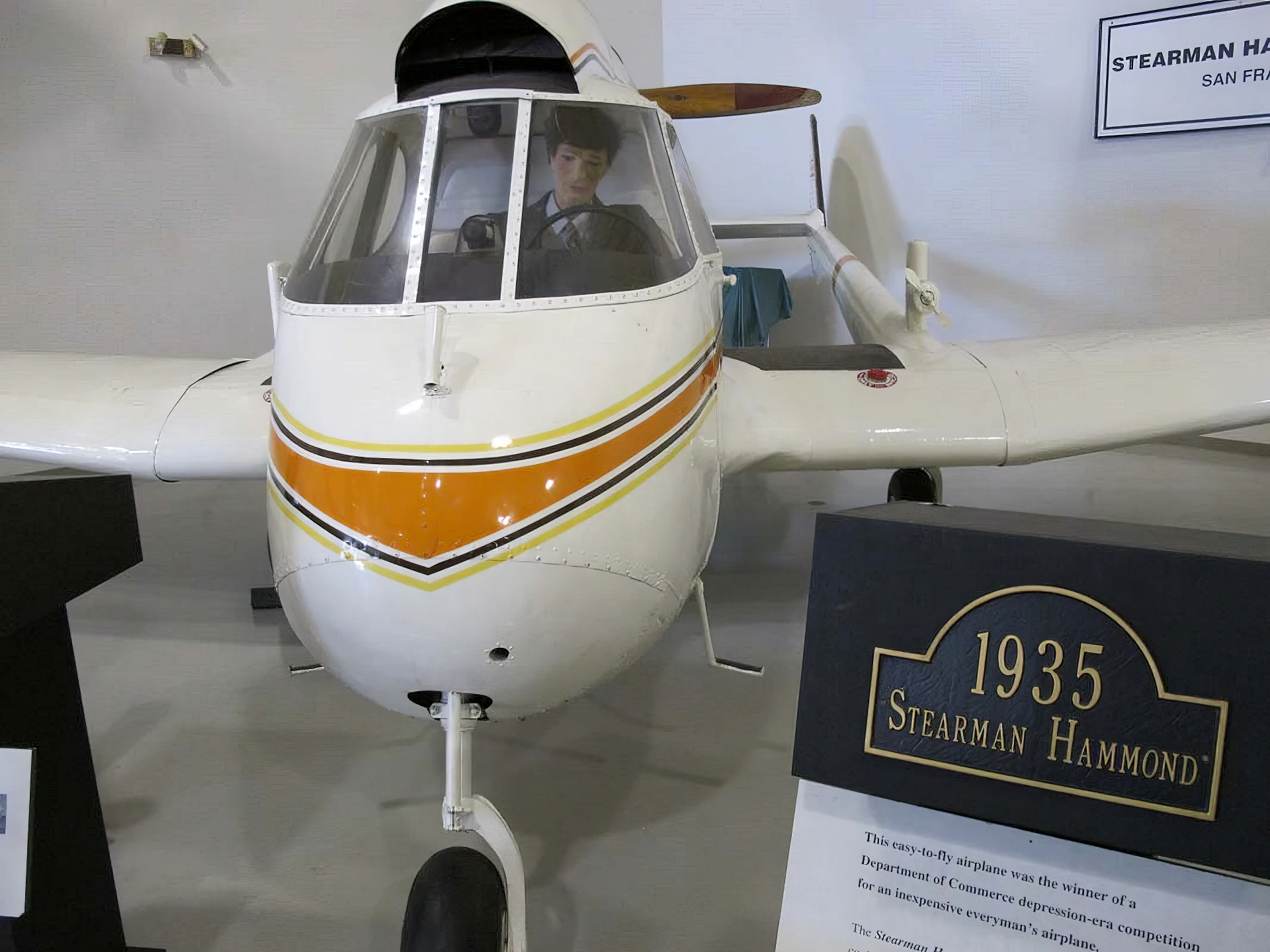
Stearman Hammond Y-1S 01

Stearman Hammond Y-1S 03

Stearman Hammond Y-1S 02
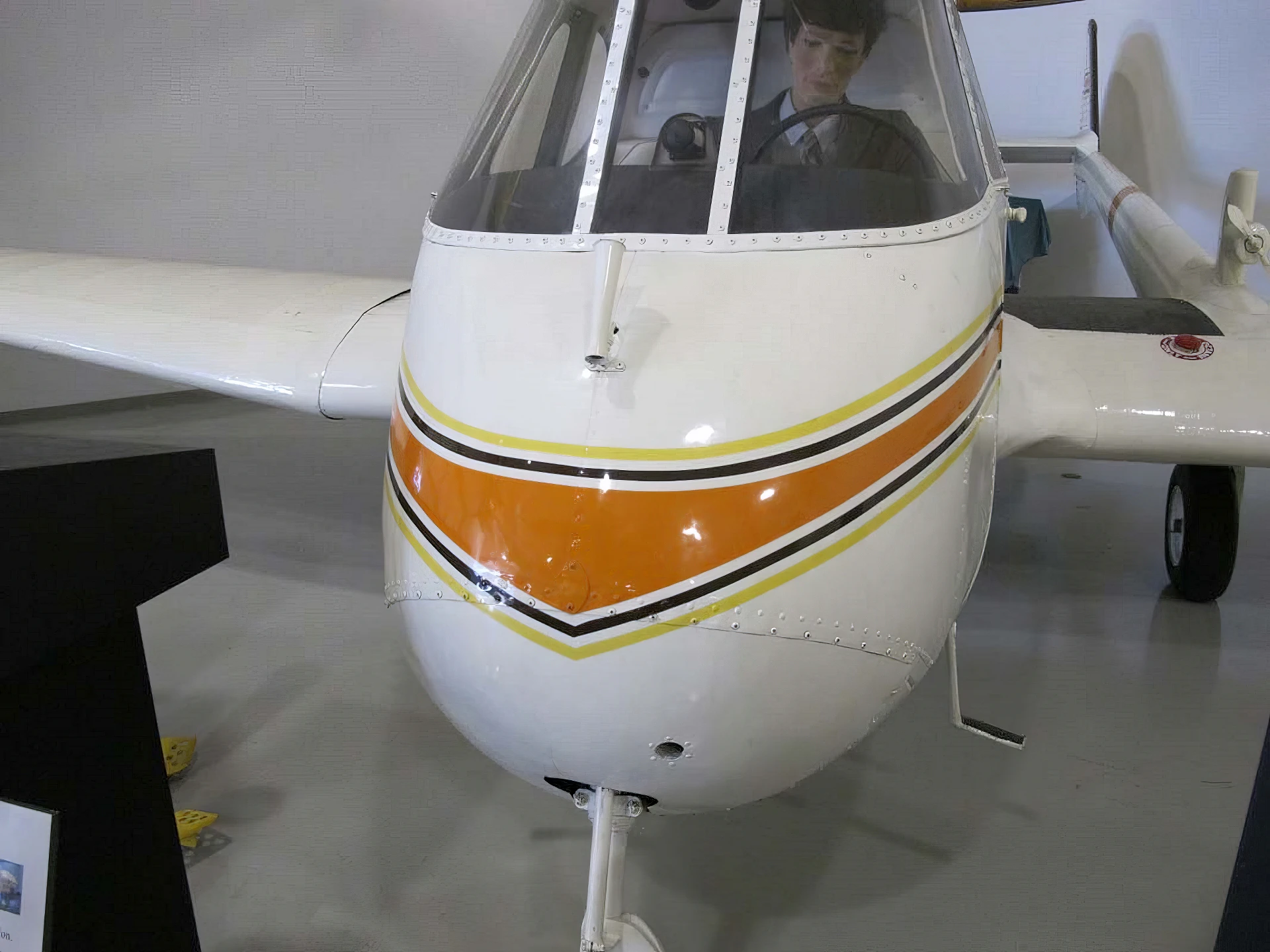
Stearman Hammond Y-1S 04

Stearman Hammond Y-1S 05

Stearman Hammond Y-1S 06
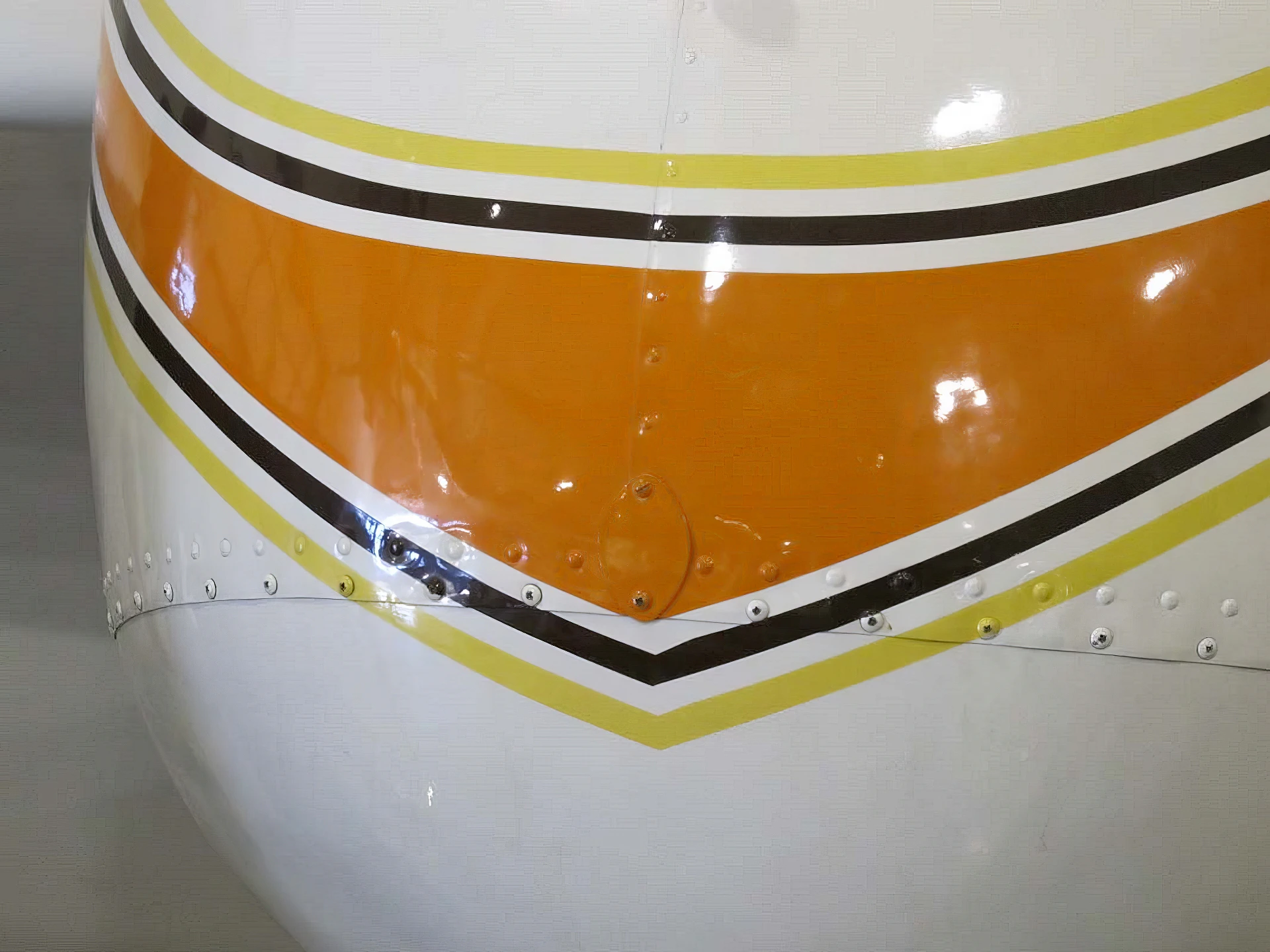
Stearman Hammond Y-1S 07
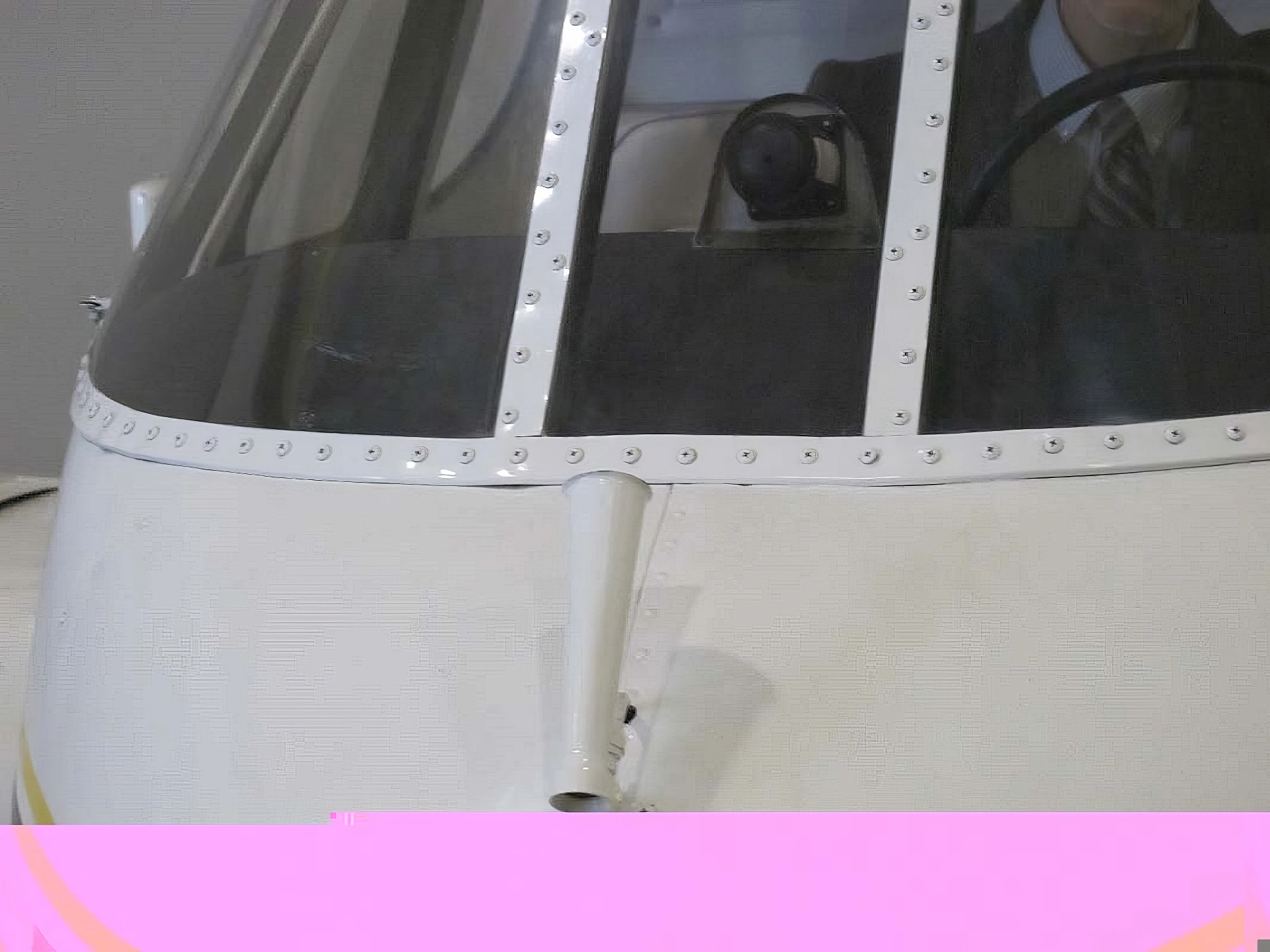
Stearman Hammond Y-1S 08
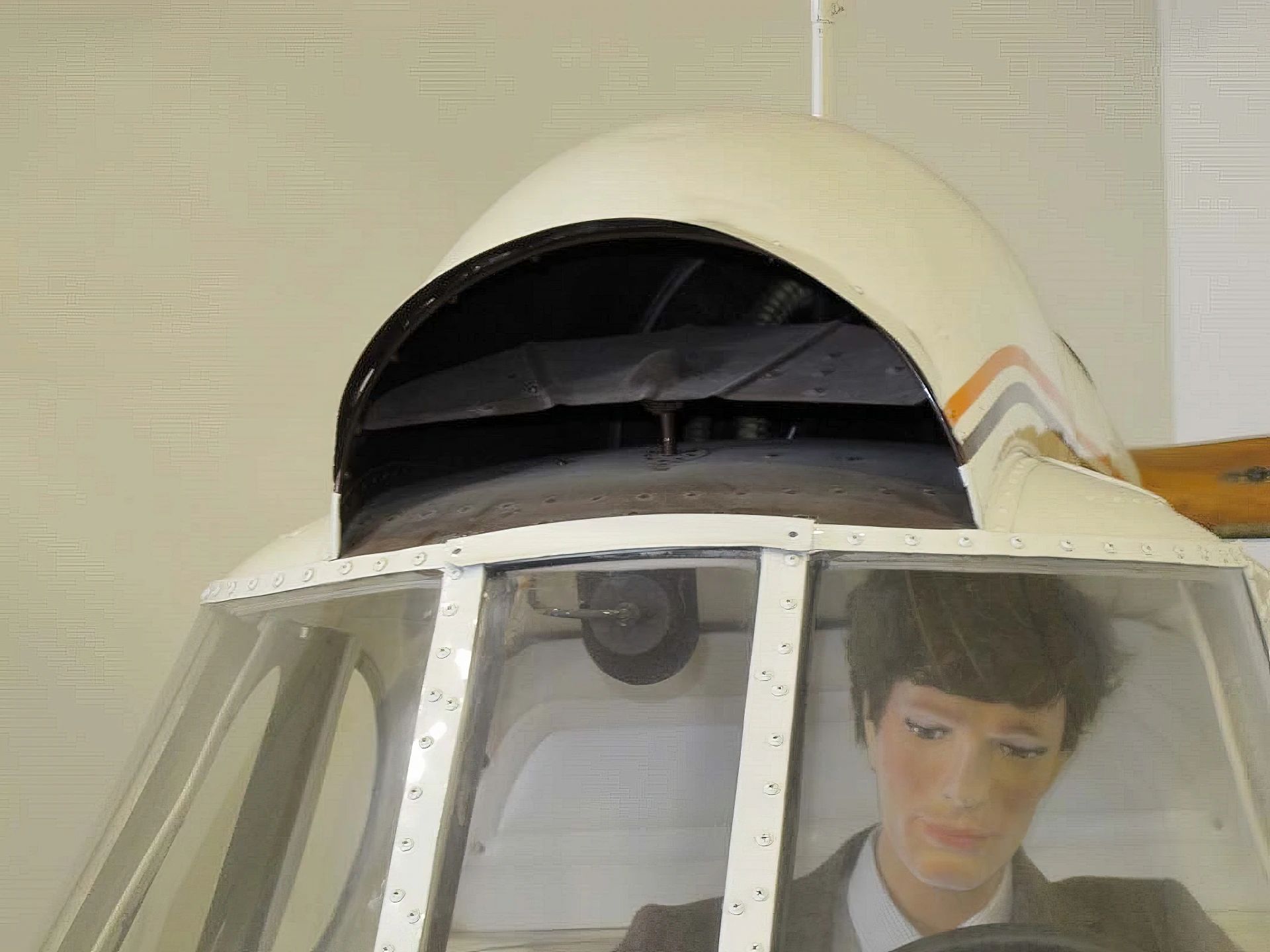
Stearman Hammond Y-1S 09
Vänta, söker Stearman Hammond Y-1S för dig...


Se även:


General Characteristics
The Stearman-Hammond Y-1S was a unique, two-seat experimental aircraft designed in the mid-1930s with safety and ease of control as its primary goals. Its unusual pusher propeller configuration and tricycle landing gear were radical for the time.
| Property | Value (Y-1S Production Model) |
|---|---|
| Roll | Experimental Light Aircraft, Safety Design |
| Tillverkare | Stearman-Hammond Aircraft Corporation |
| First Flight | 1934 |
| besättning | 1 pilot |
| Passenger Capacity | 1 passenger (side-by-side seating) |
| Maximum Take-Off Weight | 950 kg (2,090 lb) |
| Byggda nummer | 20 (Approximate) |
Design and Powerplant
- Engine: One Menasco B6S six-cylinder air-cooled inverted in-line engine.
- Power Output: 150 hp (112 kW).
- Propeller: Two-bladed propeller mounted behind the wing trailing edge in a pusher configuration.
- Landing Gear: Featured a tricycle landing gear (nose wheel and two main wheels), a highly advanced and rare feature in the 1930s, designed to prevent ground looping.
- Flight Controls: Simplified three-control system. Notably, yaw and roll were controlled by combined rudders/ailerons (“rudderons”), intended to be easier for non-professional pilots.
- Configuration: High-wing, twin-boom monoplane.
Performance and History
- Maximum Speed: 204 km/h (127 mph).
- Cruise Speed: 185 km/h (115 mph).
- Operational Range: Approximately 725 km (450 miles).
- Historical Note: The Y-1S won the U.S. Bureau of Air Commerce’s competition for a safe, low-cost private aircraft, but poor sales due to its high price and unusual configuration led to the company’s collapse.
- Legacy: Although a commercial failure, its innovative design elements, particularly the pusher engine and tricycle gear, influenced later aircraft safety and general aviation design.
Visningar : 638
Du kan också se:
 Embraer C-390 Millennium – Foton &; Videor
 BAC TSR-2 – Foton och videor
 Airco DH.9 – Foton och videor
 Polikarpov I-15 – Foton &; Videor
 Handley Page HP.115 – Foton och videor
 Canadair CP-107 Argus – Foton &; Videor
 Beechcraft Model 17 Staggerwing – Foton & Videor
 Boeing C-97 Stratofreighter – Foton & Videor
 Cessna 150 – Foton och videor
 Focke-Wulf FW-190 – Gå runt