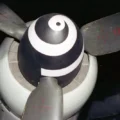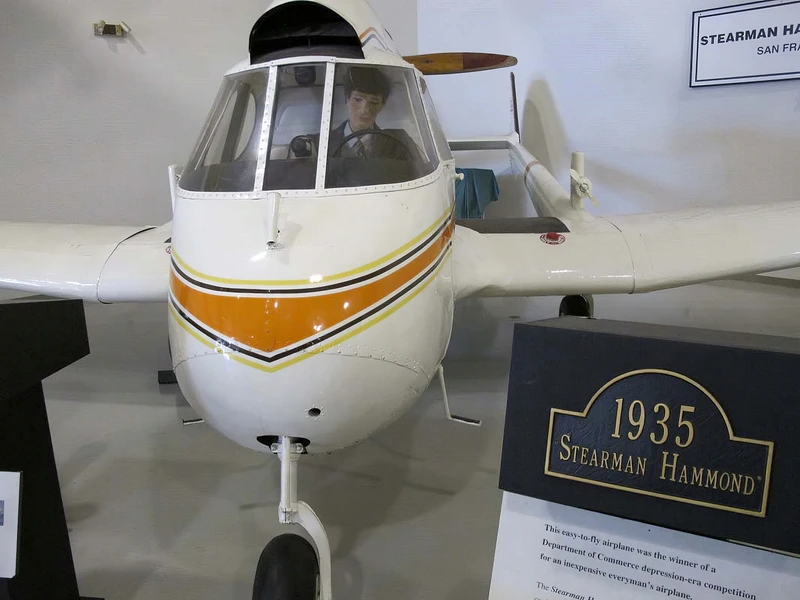
Stearman Hammond Y-1S | |
|---|---|
| 国 | 米国 |
| 役割 | ユーティリティ単葉機 |
| 初飛行 | 知りません |
| 構築 | 20 |
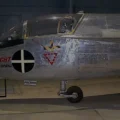
ザ ステアマン・ハモンド Y-1 は、1930年代のアメリカのユーティリティ単葉機で、ステアマン・ハモンド・エアクラフト・コーポレーションによって製造され、アメリカ海軍とイギリス空軍によって評価されました
ソース: ステアマン ハモンド Y-1S をウィキペディアで
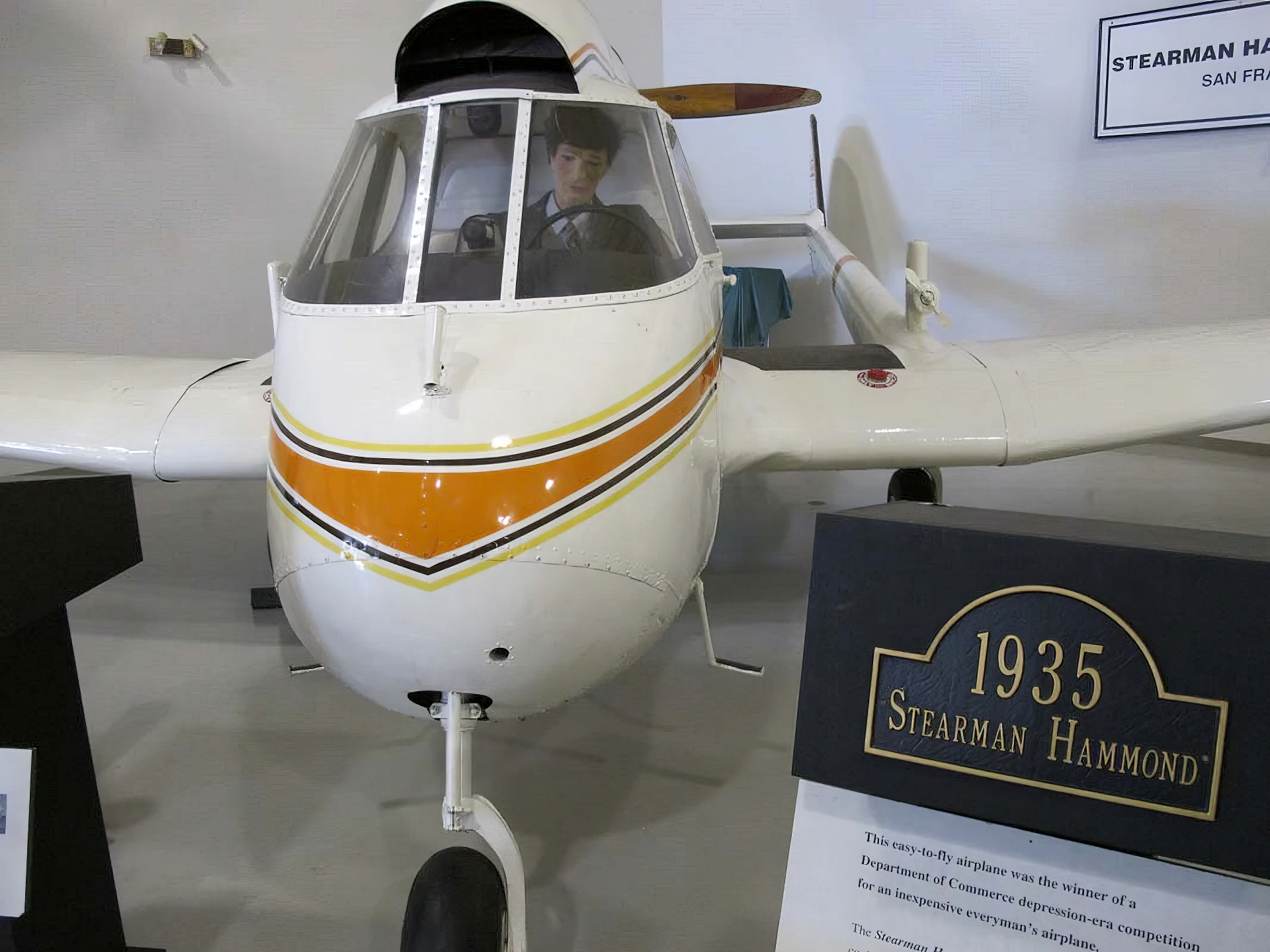
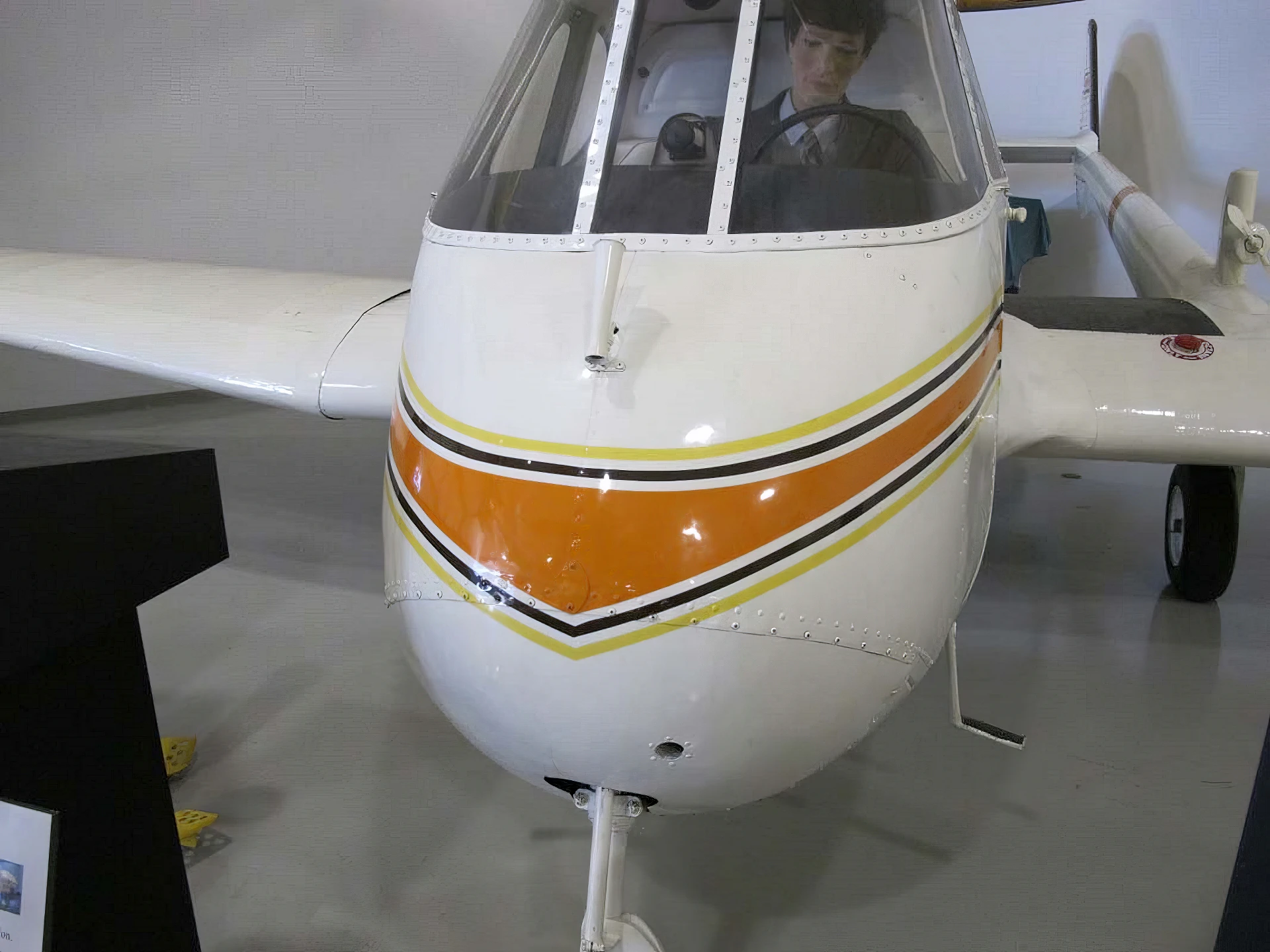
| Stearman Hammond Y-1S Walk Around | |
|---|---|
| カメラマン | ウラジーミル・ヤクボフ |
| ローカライズ | ヒラー航空博物館、カリフォルニア州サンカルロス |
| 写真 | 47 |




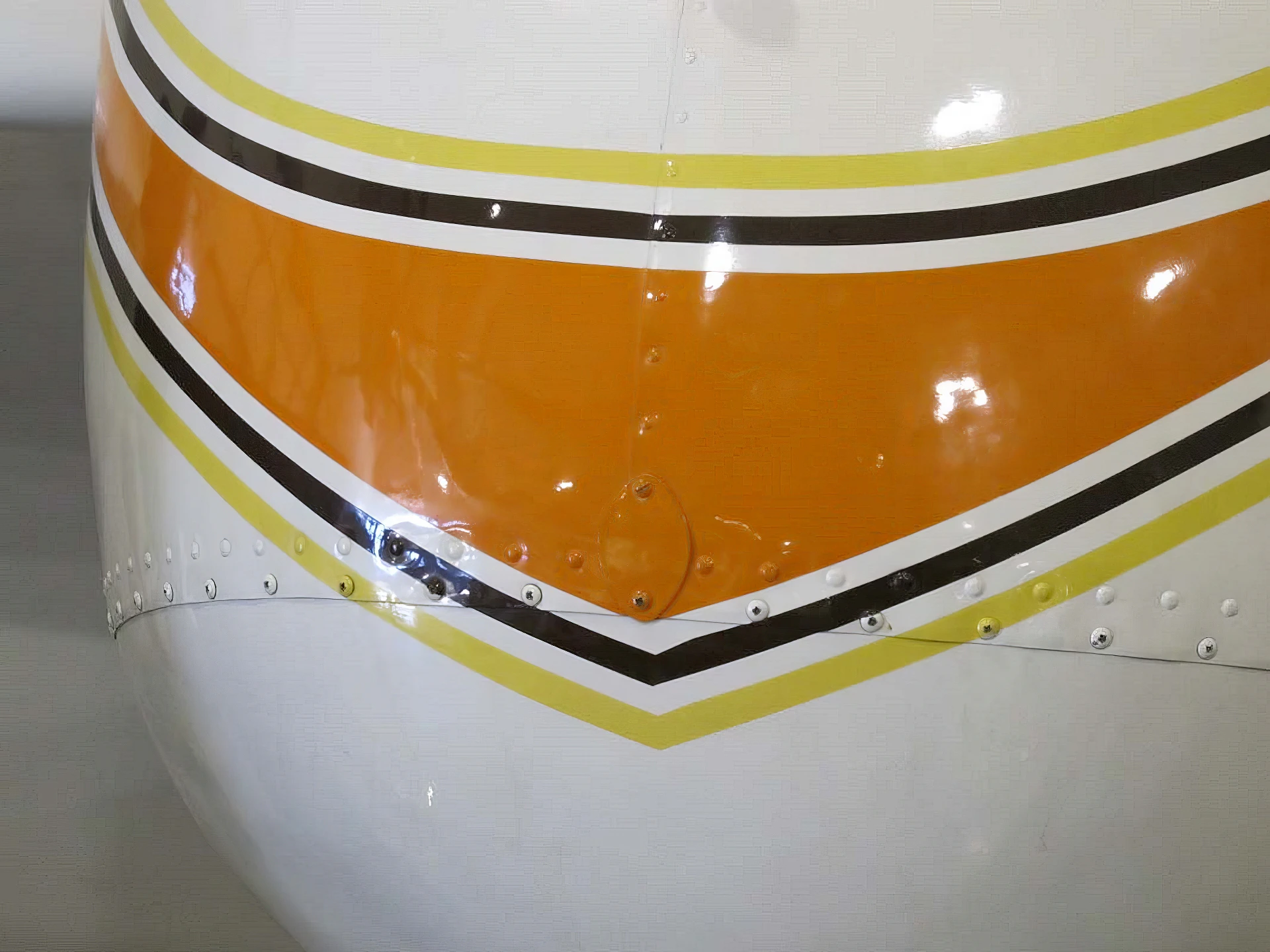
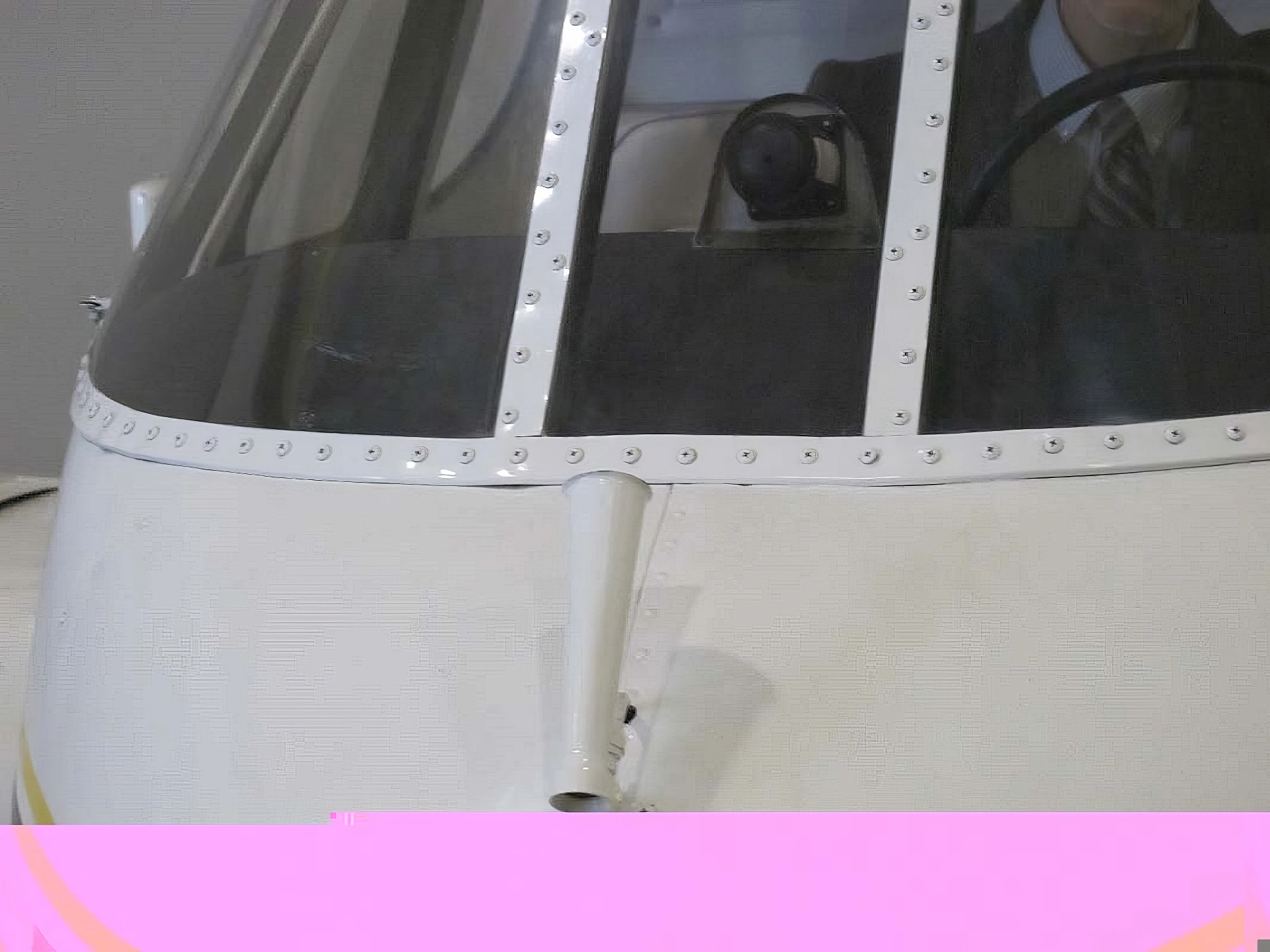
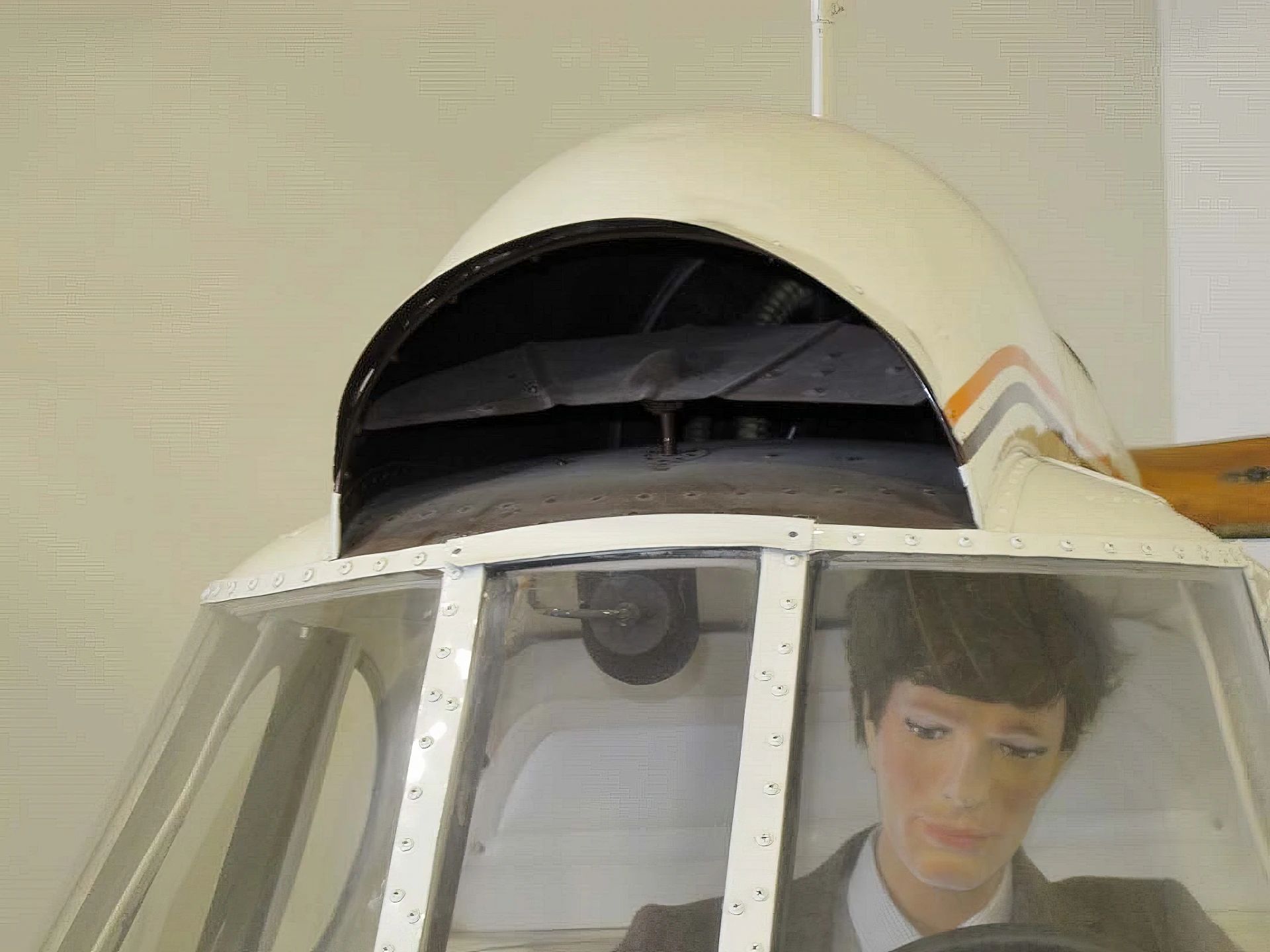
待検索ステアマンハモンドY-1Sいます---


関連項目:


General Characteristics
The Stearman-Hammond Y-1S was a unique, two-seat experimental aircraft designed in the mid-1930s with safety and ease of control as its primary goals. Its unusual pusher propeller configuration and tricycle landing gear were radical for the time.
| Property | Value (Y-1S Production Model) |
|---|---|
| 役割 | Experimental Light Aircraft, Safety Design |
| メーカー | Stearman-Hammond Aircraft Corporation |
| First Flight | 1934 |
| 乗組員 | 1 pilot |
| Passenger Capacity | 1 passenger (side-by-side seating) |
| Maximum Take-Off Weight | 950 kg (2,090 lb) |
| ビルド数 | 20 (Approximate) |
Design and Powerplant
- Engine: One Menasco B6S six-cylinder air-cooled inverted in-line engine.
- Power Output: 150 hp (112 kW).
- Propeller: Two-bladed propeller mounted behind the wing trailing edge in a pusher configuration.
- Landing Gear: Featured a tricycle landing gear (nose wheel and two main wheels), a highly advanced and rare feature in the 1930s, designed to prevent ground looping.
- Flight Controls: Simplified three-control system. Notably, yaw and roll were controlled by combined rudders/ailerons (“rudderons”), intended to be easier for non-professional pilots.
- Configuration: High-wing, twin-boom monoplane.
Performance and History
- Maximum Speed: 204 km/h (127 mph).
- Cruise Speed: 185 km/h (115 mph).
- Operational Range: Approximately 725 km (450 miles).
- Historical Note: The Y-1S won the U.S. Bureau of Air Commerce’s competition for a safe, low-cost private aircraft, but poor sales due to its high price and unusual configuration led to the company’s collapse.
- Legacy: Although a commercial failure, its innovative design elements, particularly the pusher engine and tricycle gear, influenced later aircraft safety and general aviation design.
再生 : 682