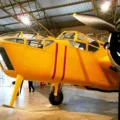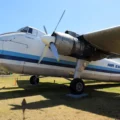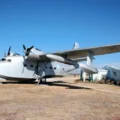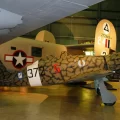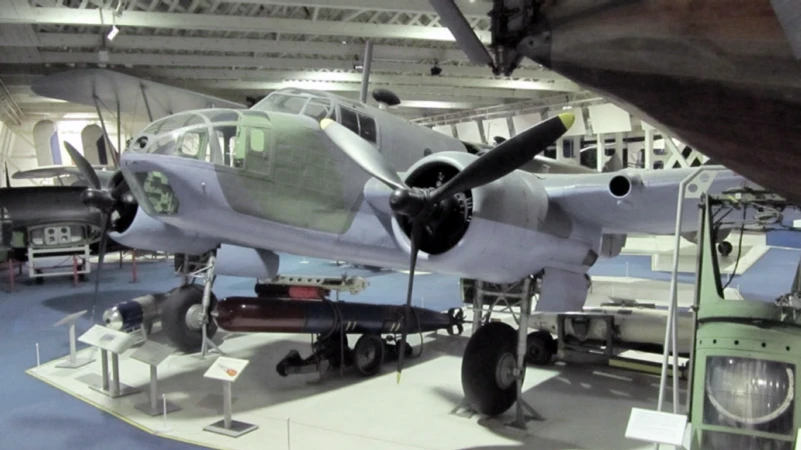
ブリストル ボーフォート | |
|---|---|
| 国 | 英国 |
| 役割 | 魚雷爆撃機 |
| 初飛行 | 1938年10月15日 |
| 構築 | 1121 |
ザ ブリストル ボーフォート (manufacturer designation Type 152) was a British twin-engined torpedo bomber designed by the Bristol Aeroplane Company, and developed from experience gained designing and building the earlier. At least 1,180 Beauforts were built by Bristol and other British manufacturers. The Australian government’s Department of Aircraft Production (DAP) also manufactured variants of the Beaufort. These are often known collectively as the DAP Beaufort. More than 700 Australian-built Beauforts saw service with the Royal Australian Air Force in the South West Pacific theatre, where they were used until the end of the war.
ソース: ウィキペディアのブリストル・ボーフォート
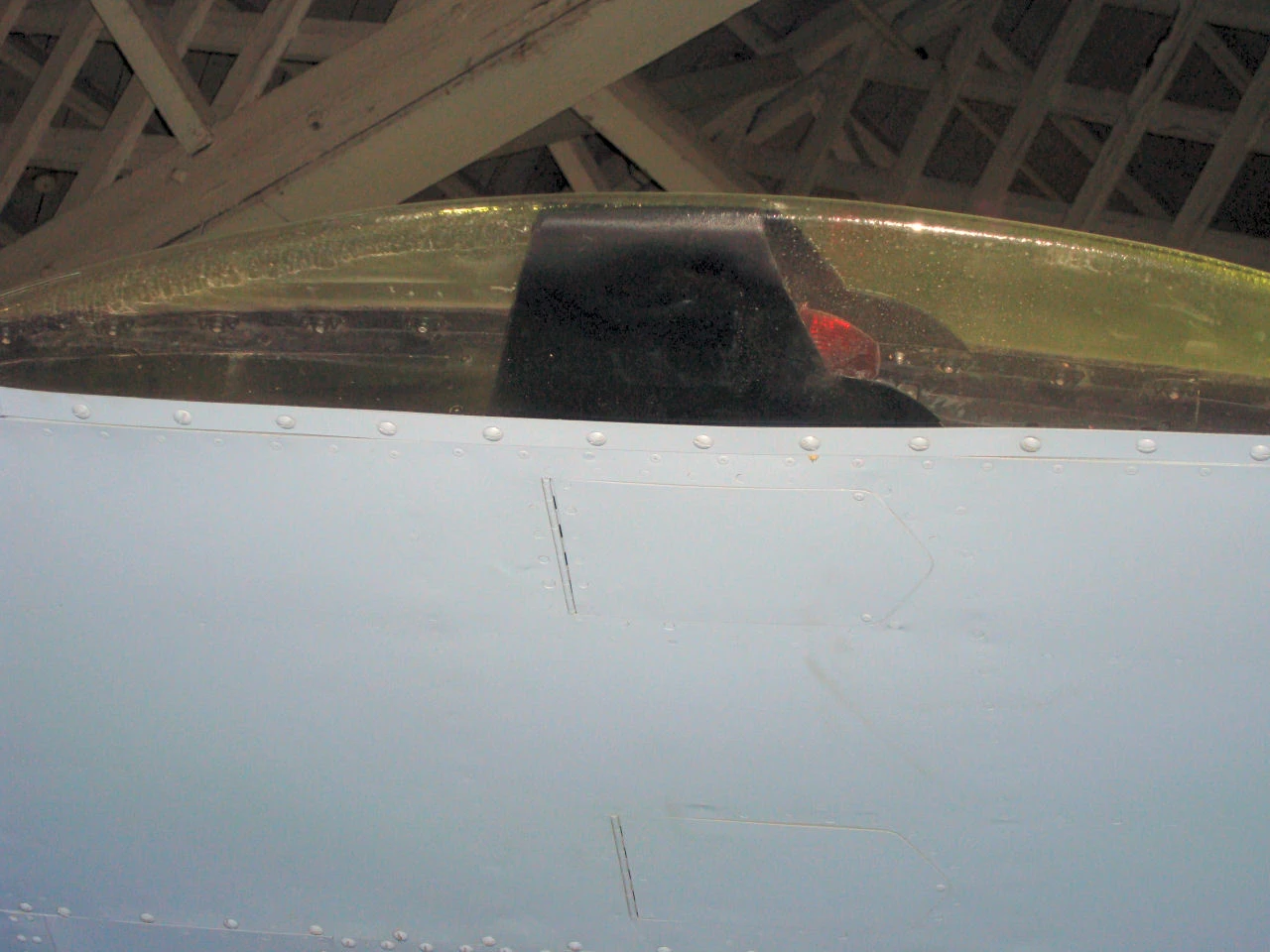
| ブリストルボーフォート8世ウォークアラウンド | |
|---|---|
| カメラマン | セス・ヘンドリックス |
| ローカライズ | 知りません |
| 写真 | 25 |
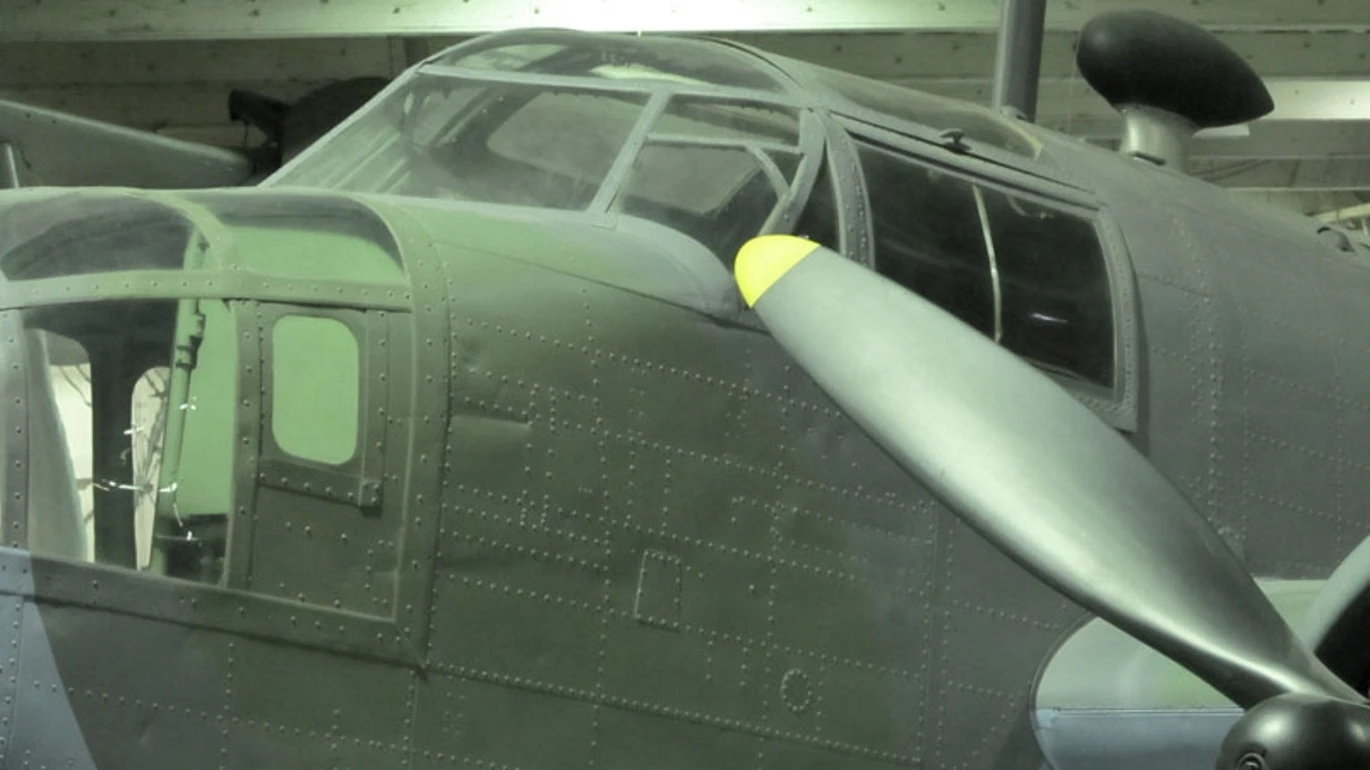
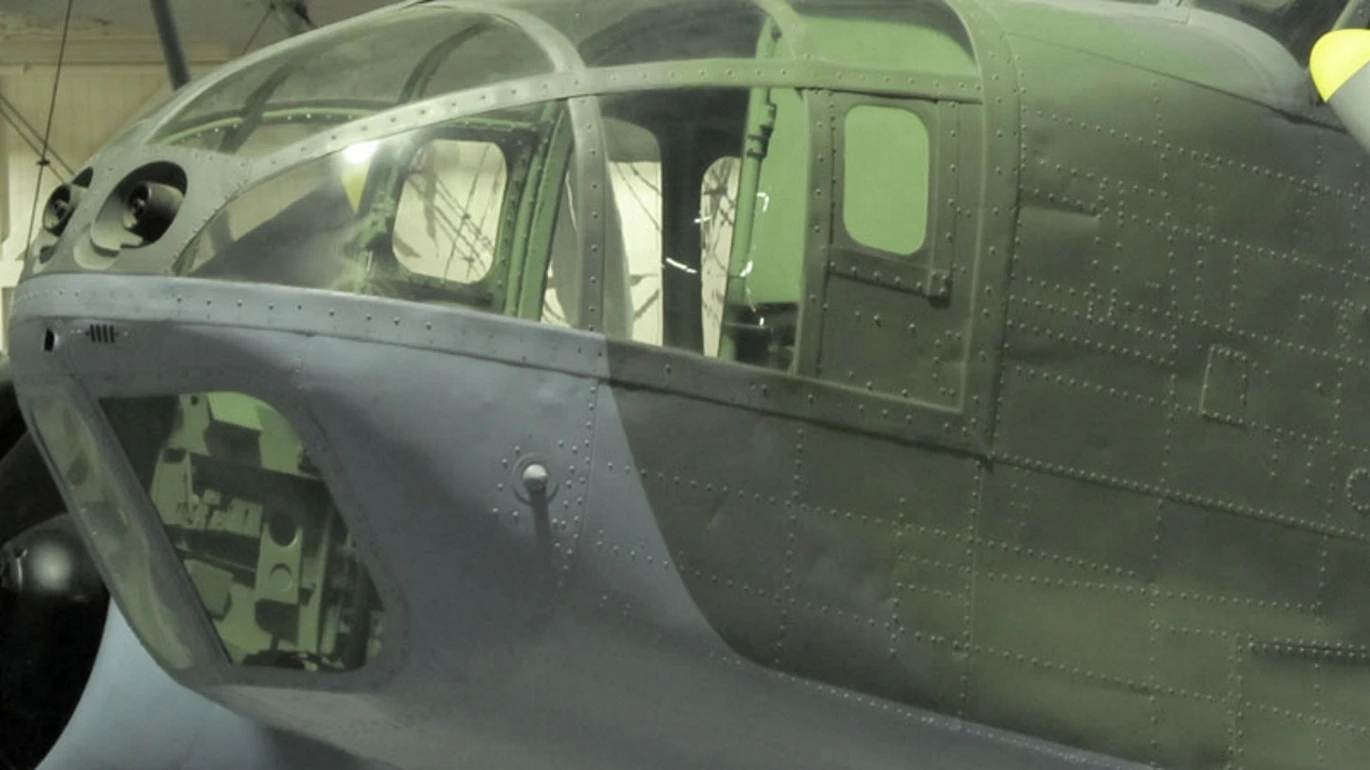
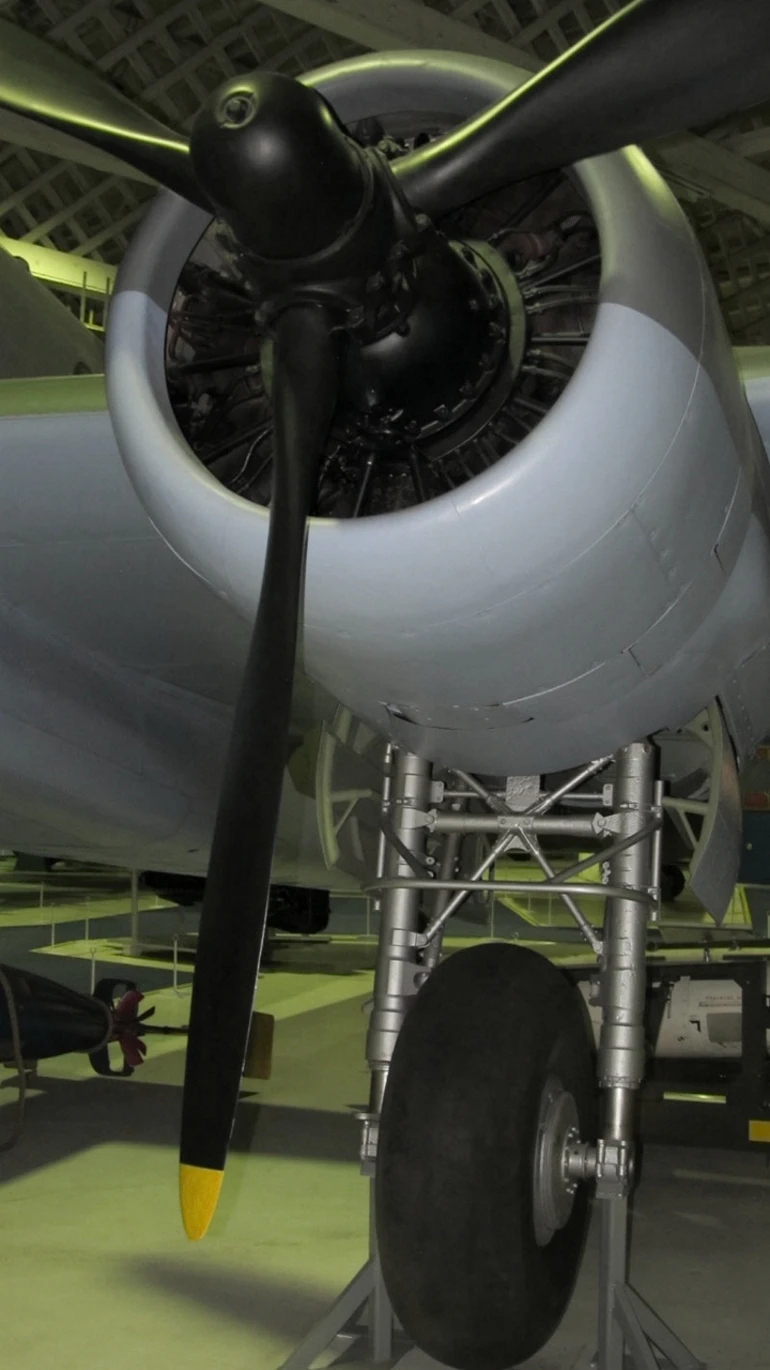
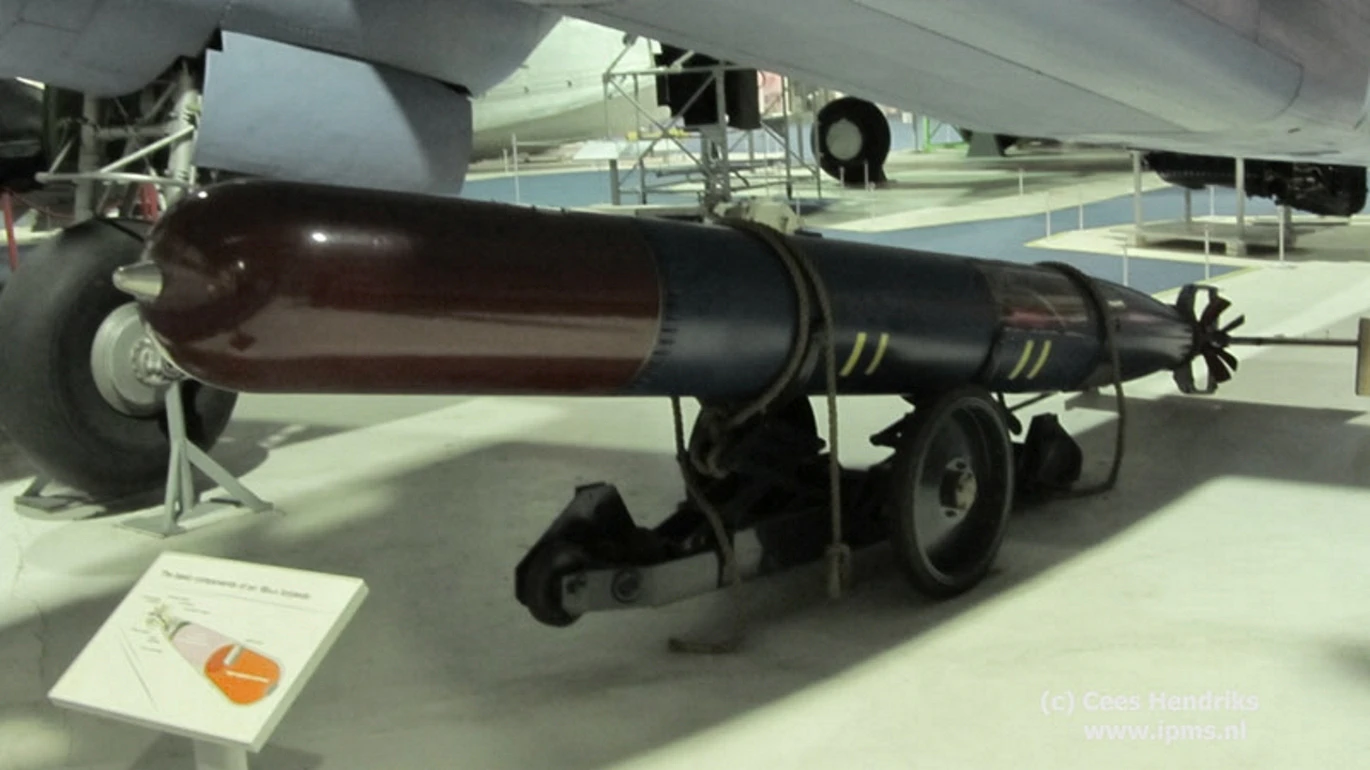
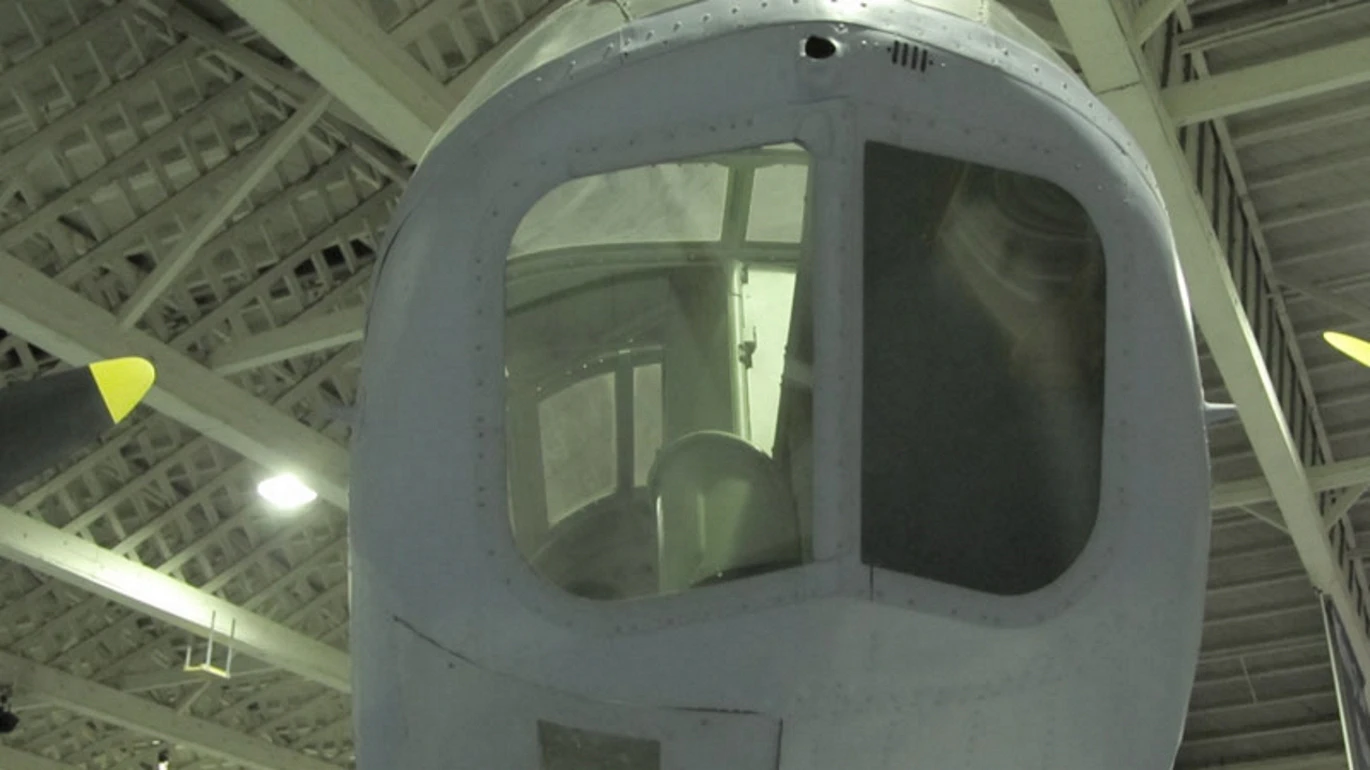
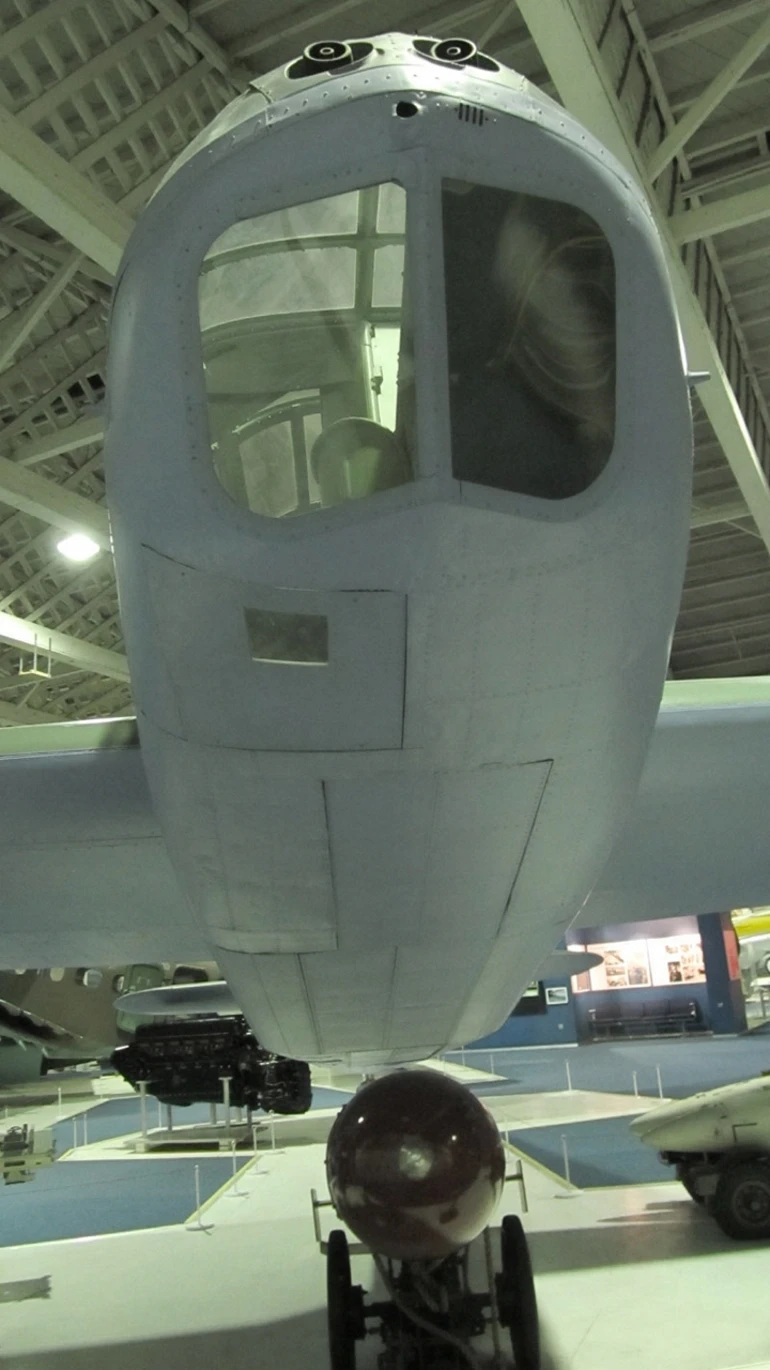
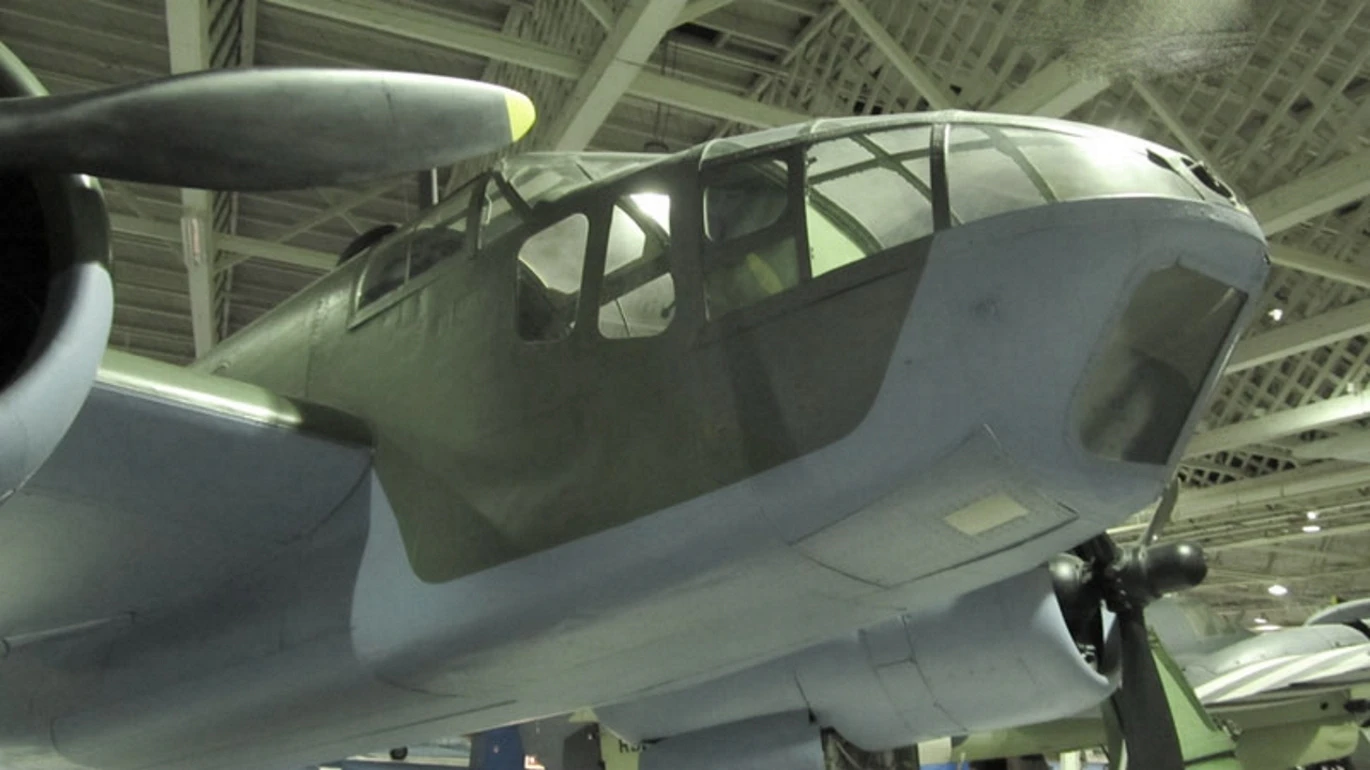
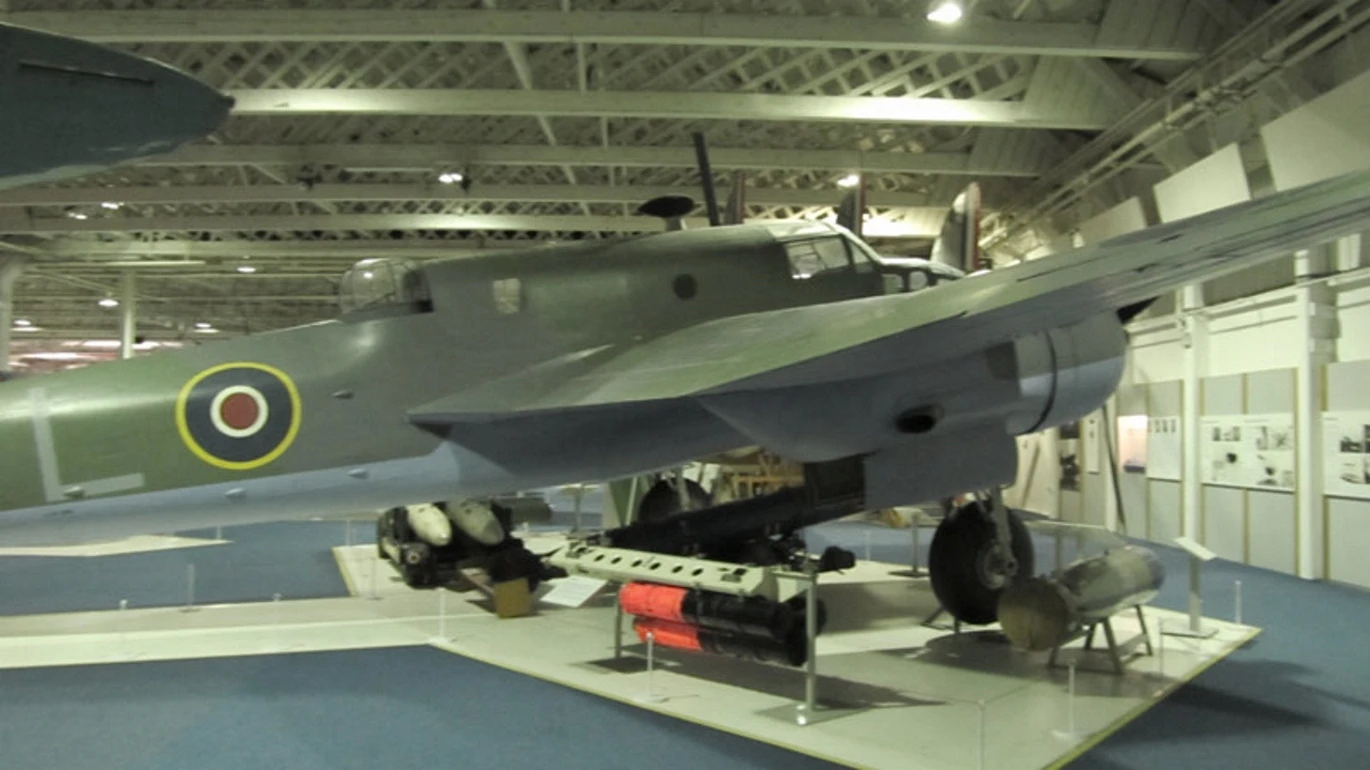
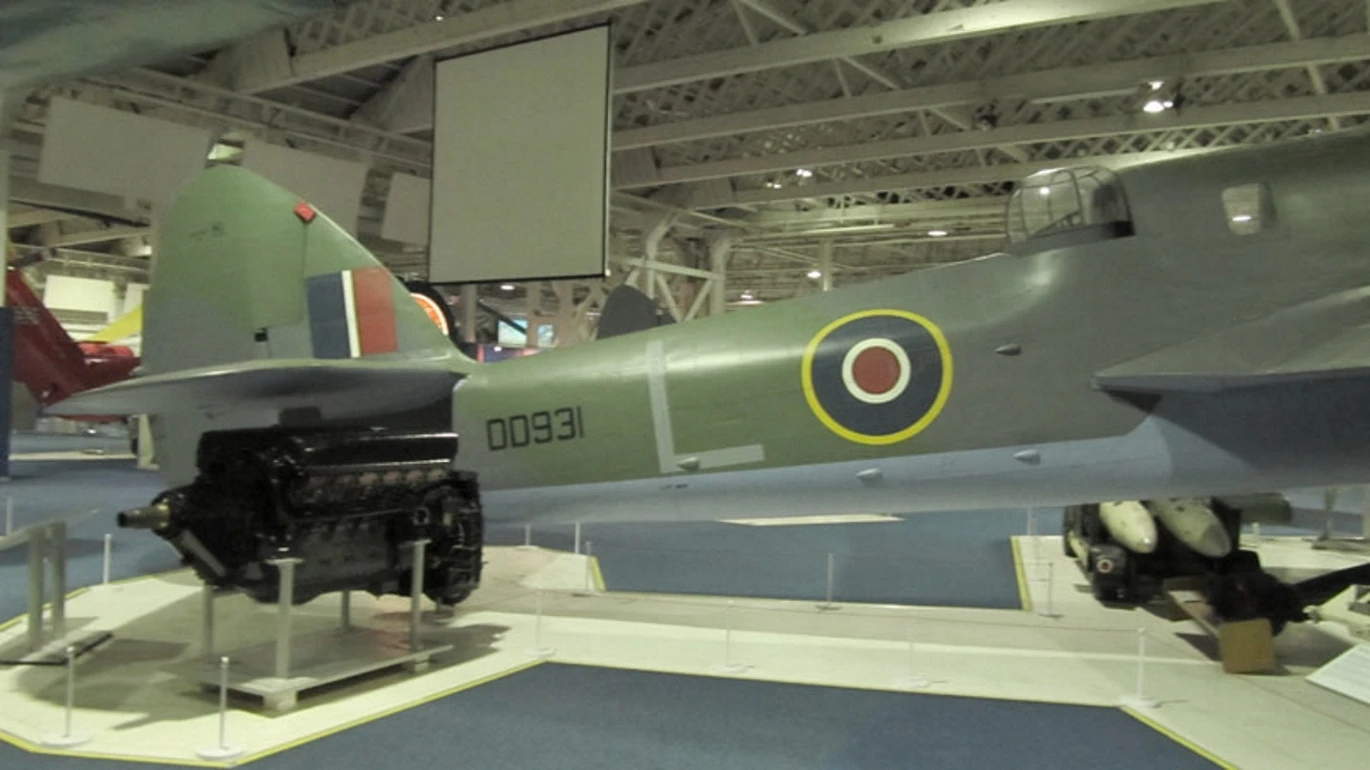

| Bristol Beaufort Mk.VIII Walk Around | |
|---|---|
| カメラマン | Michael Benolkin |
| ローカライズ | 知りません |
| 写真 | 24 |
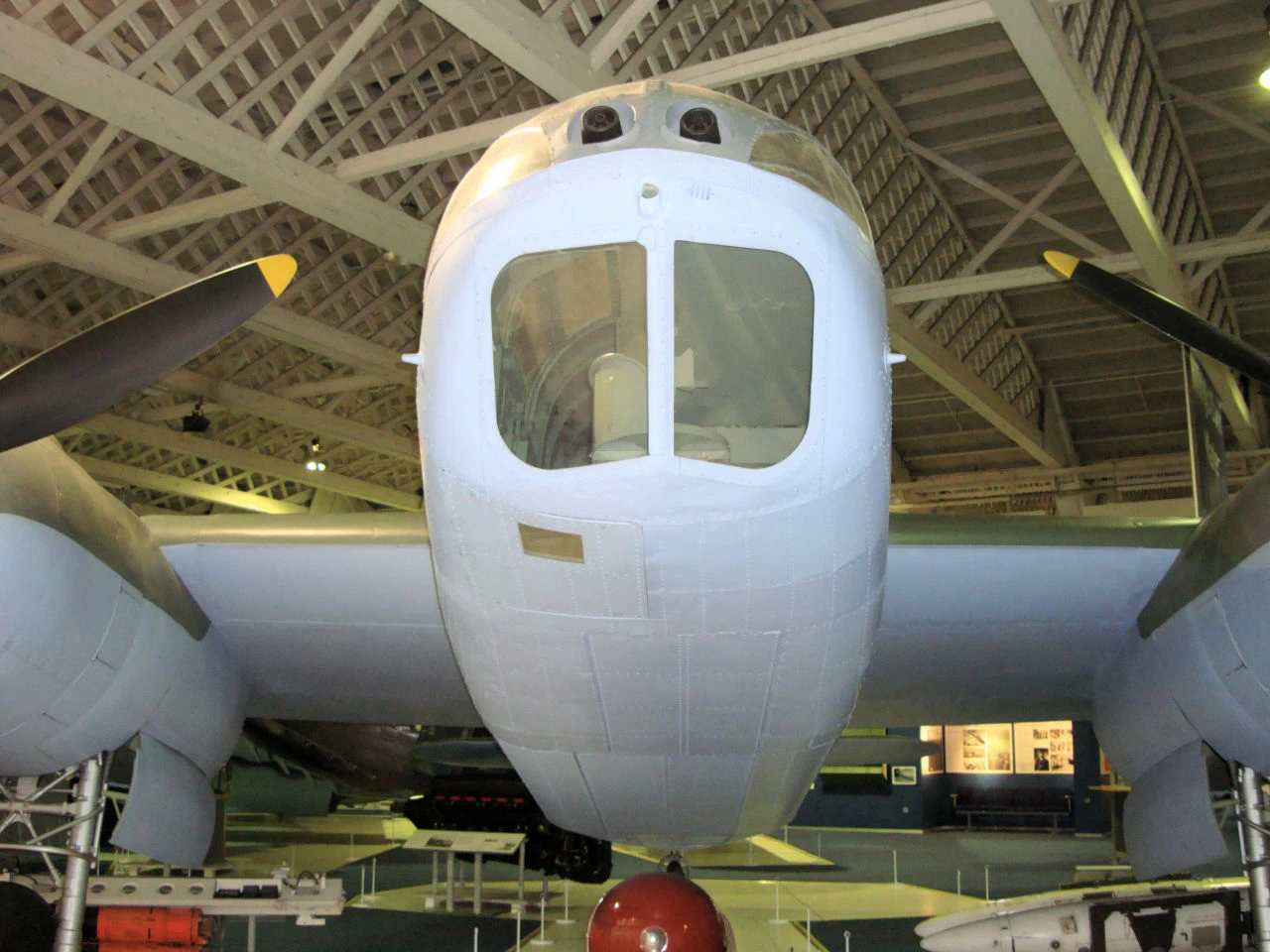
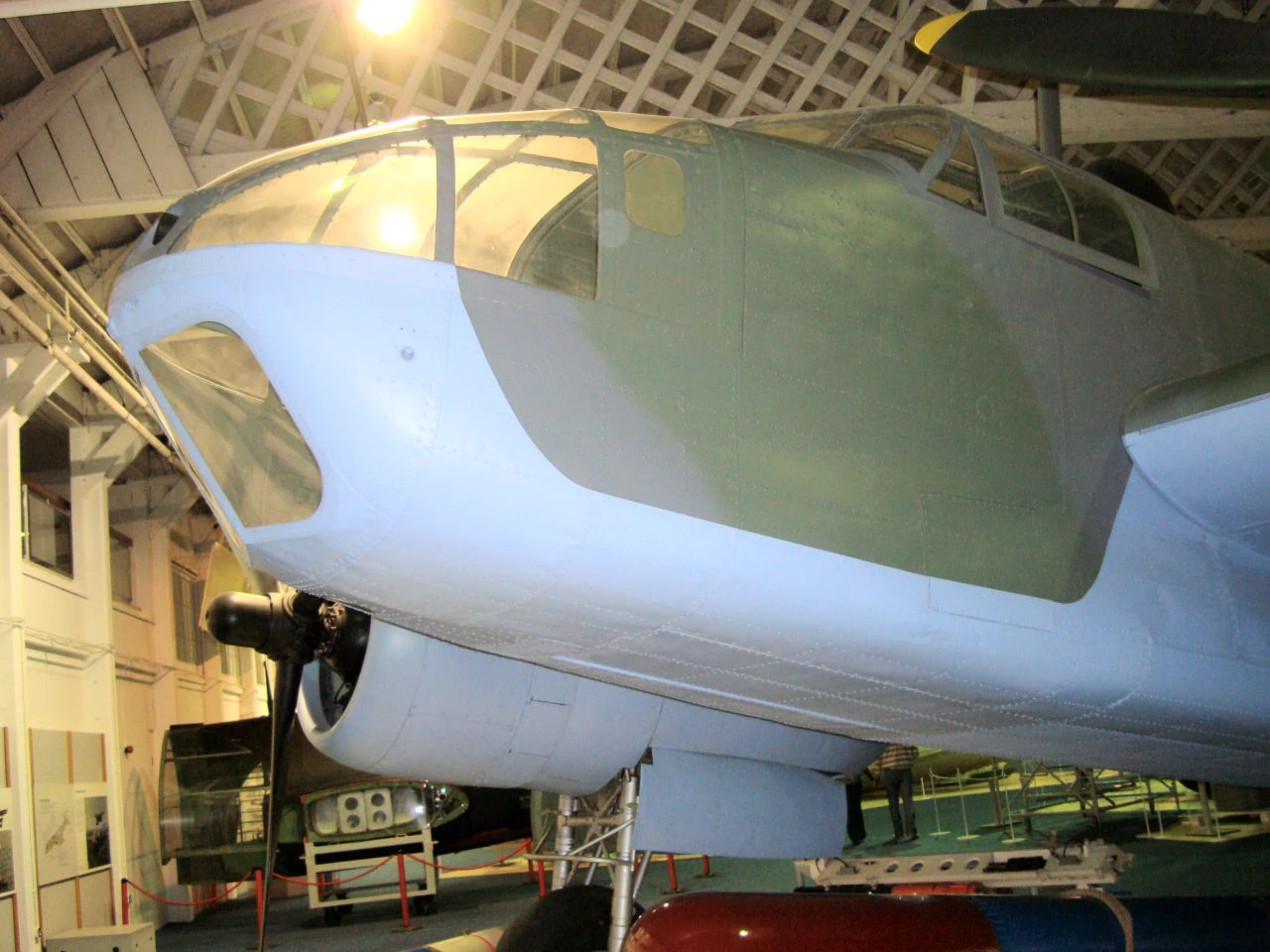
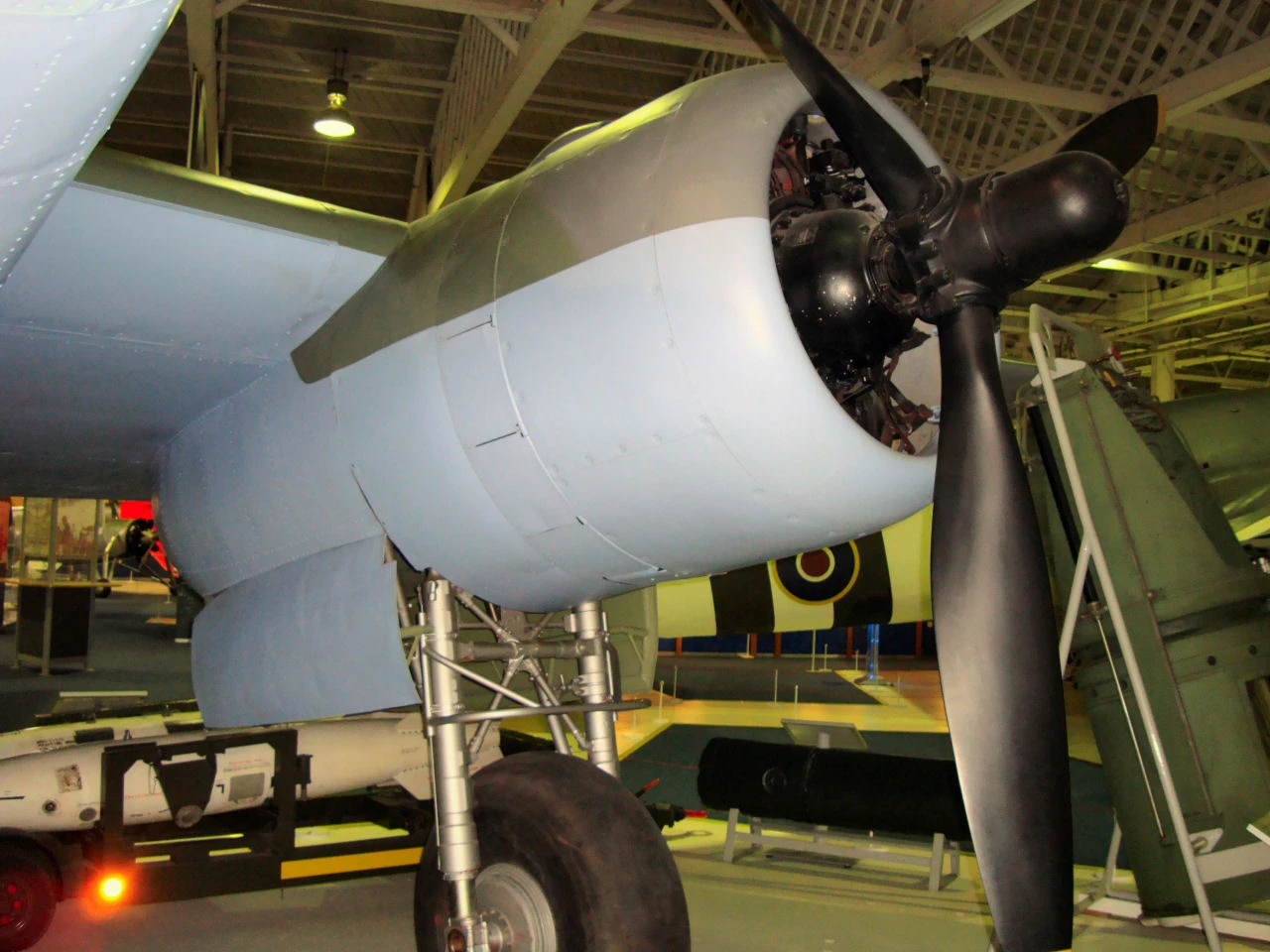
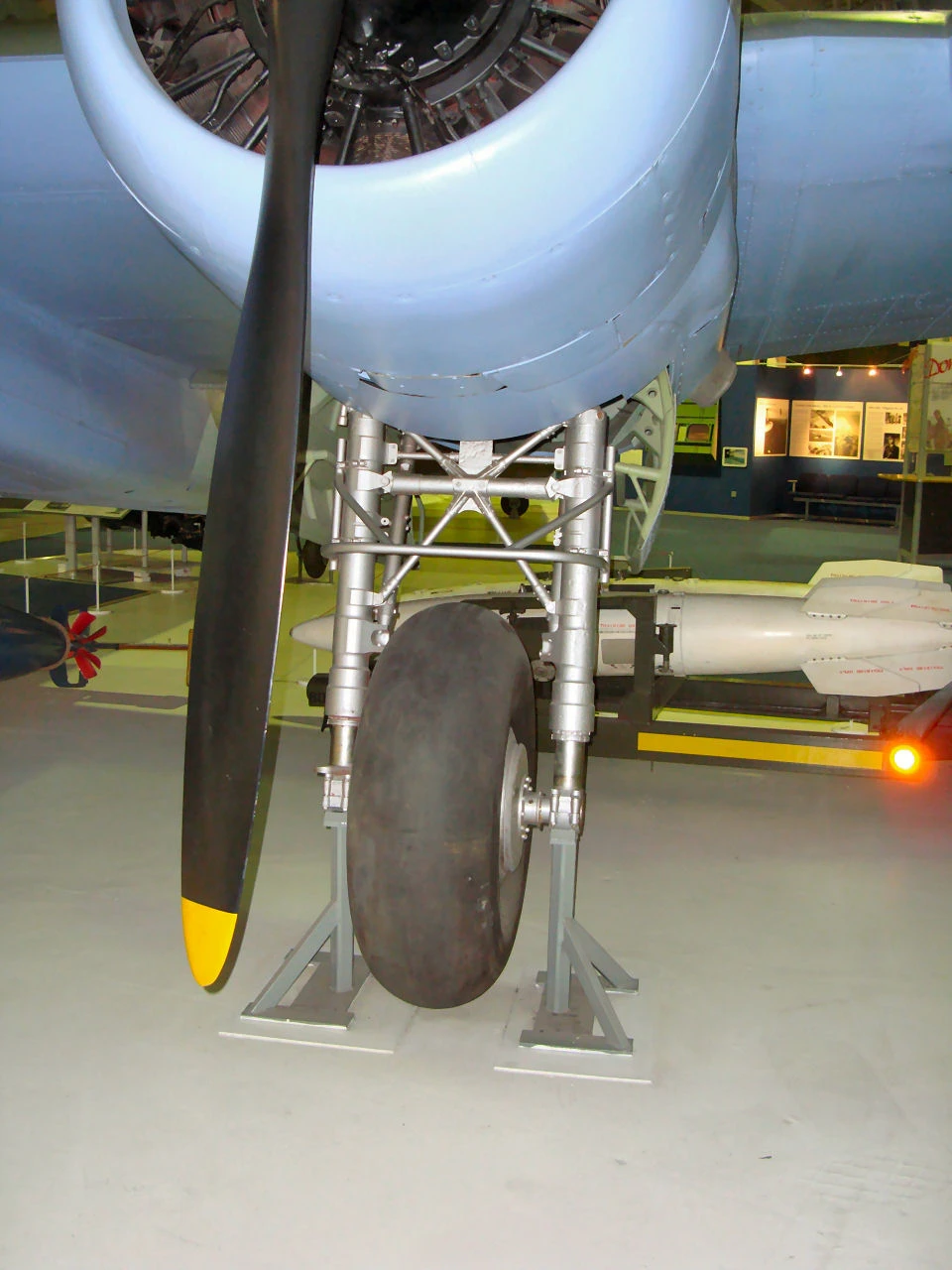
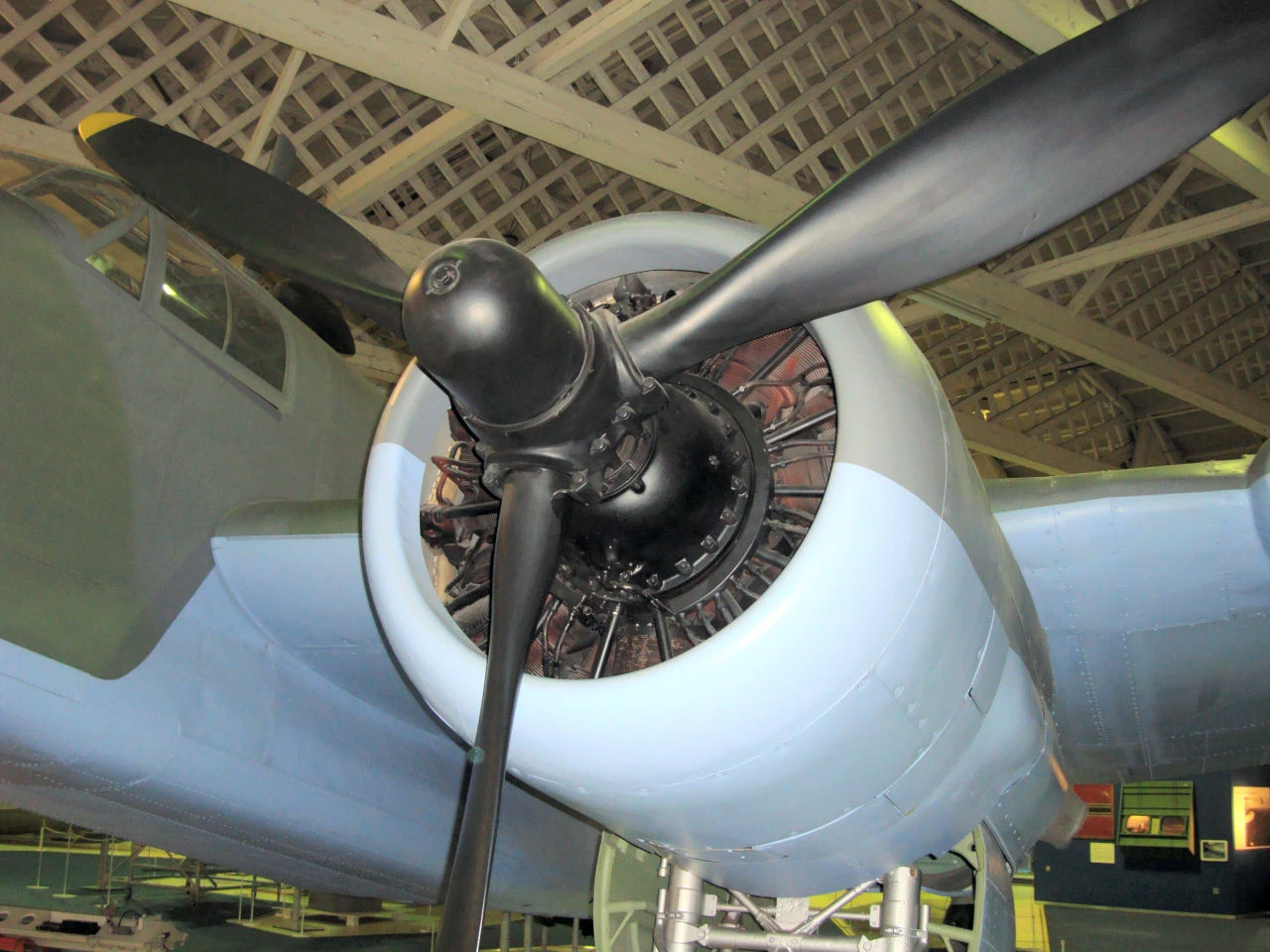
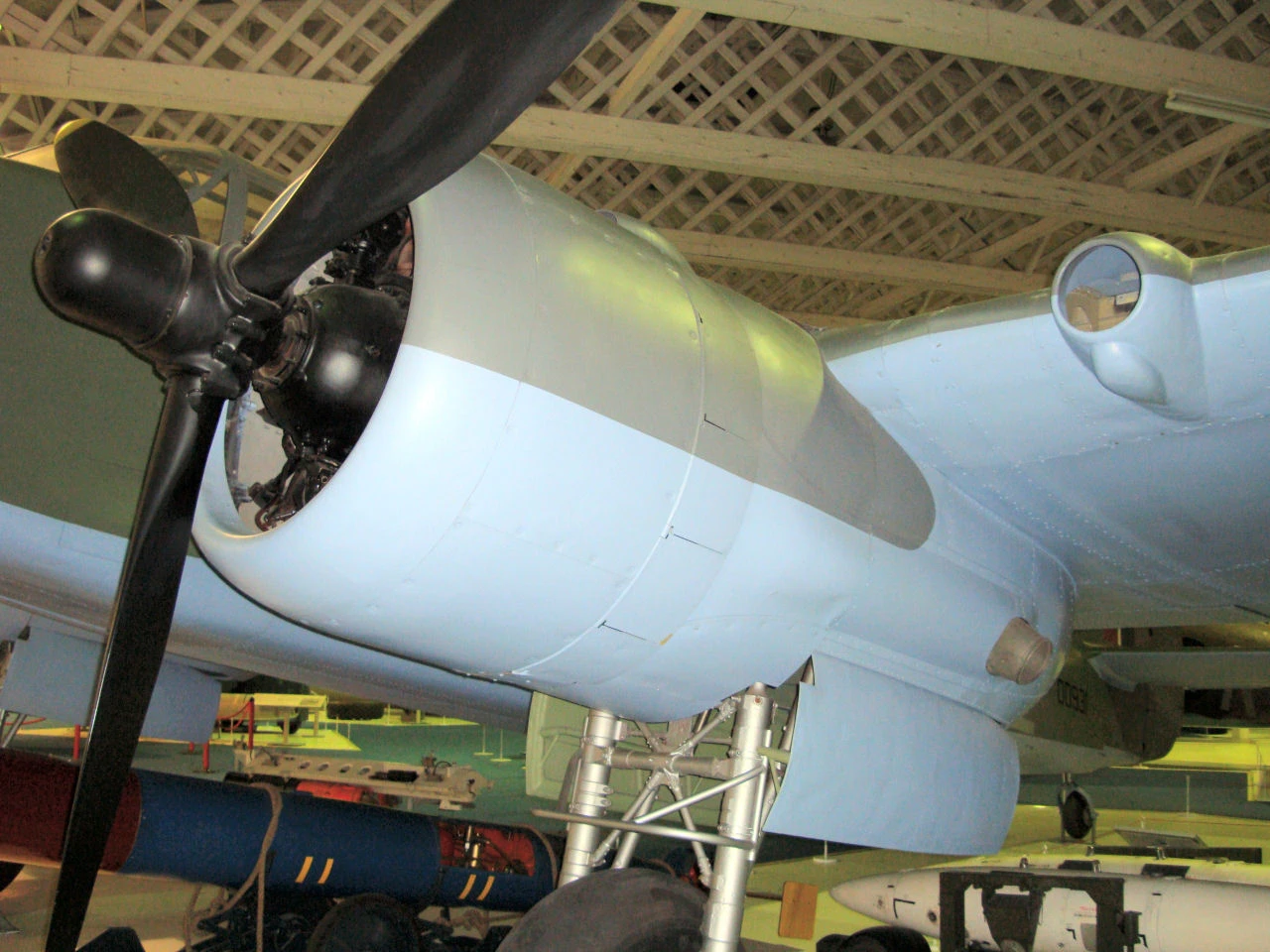
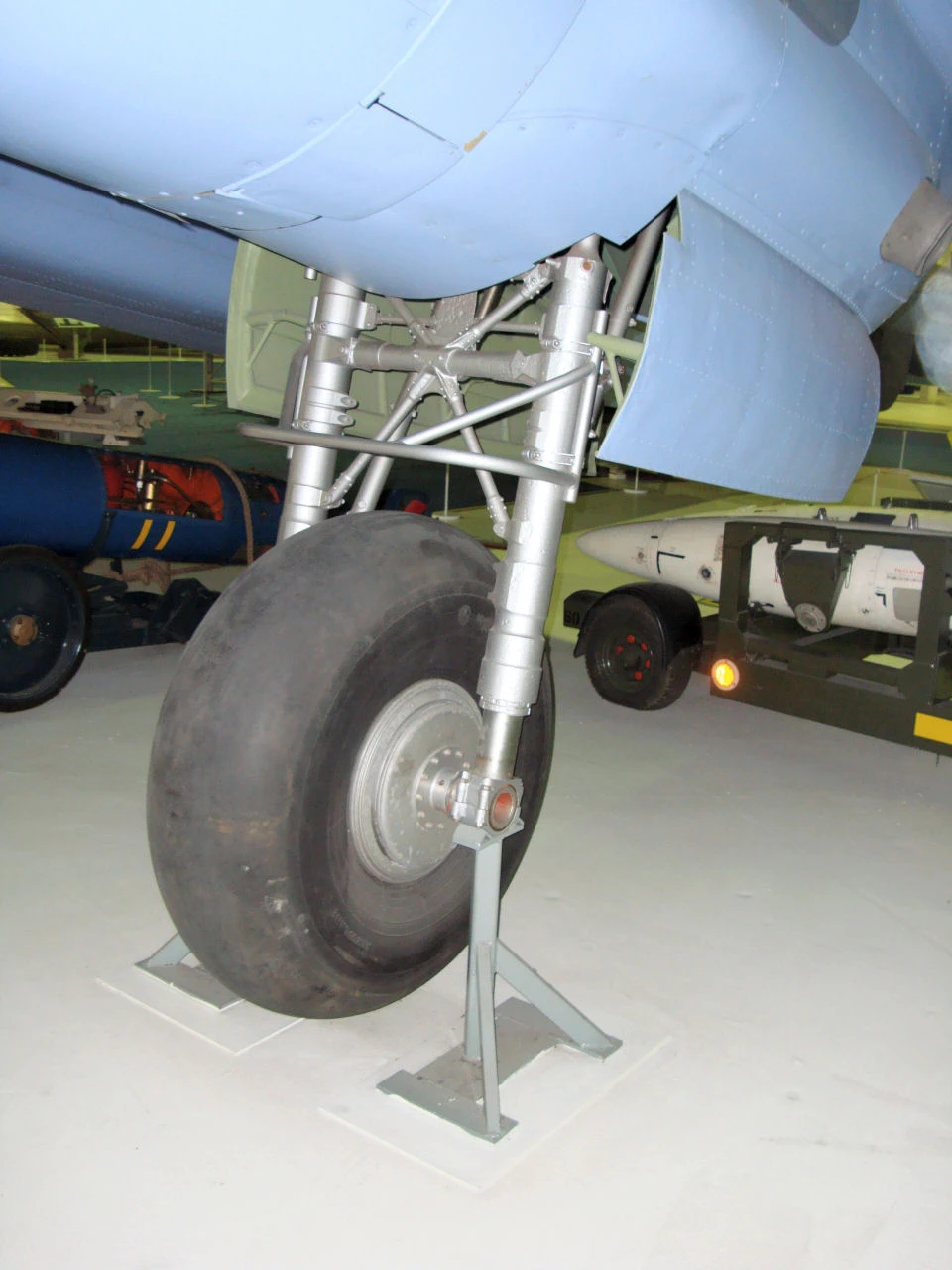
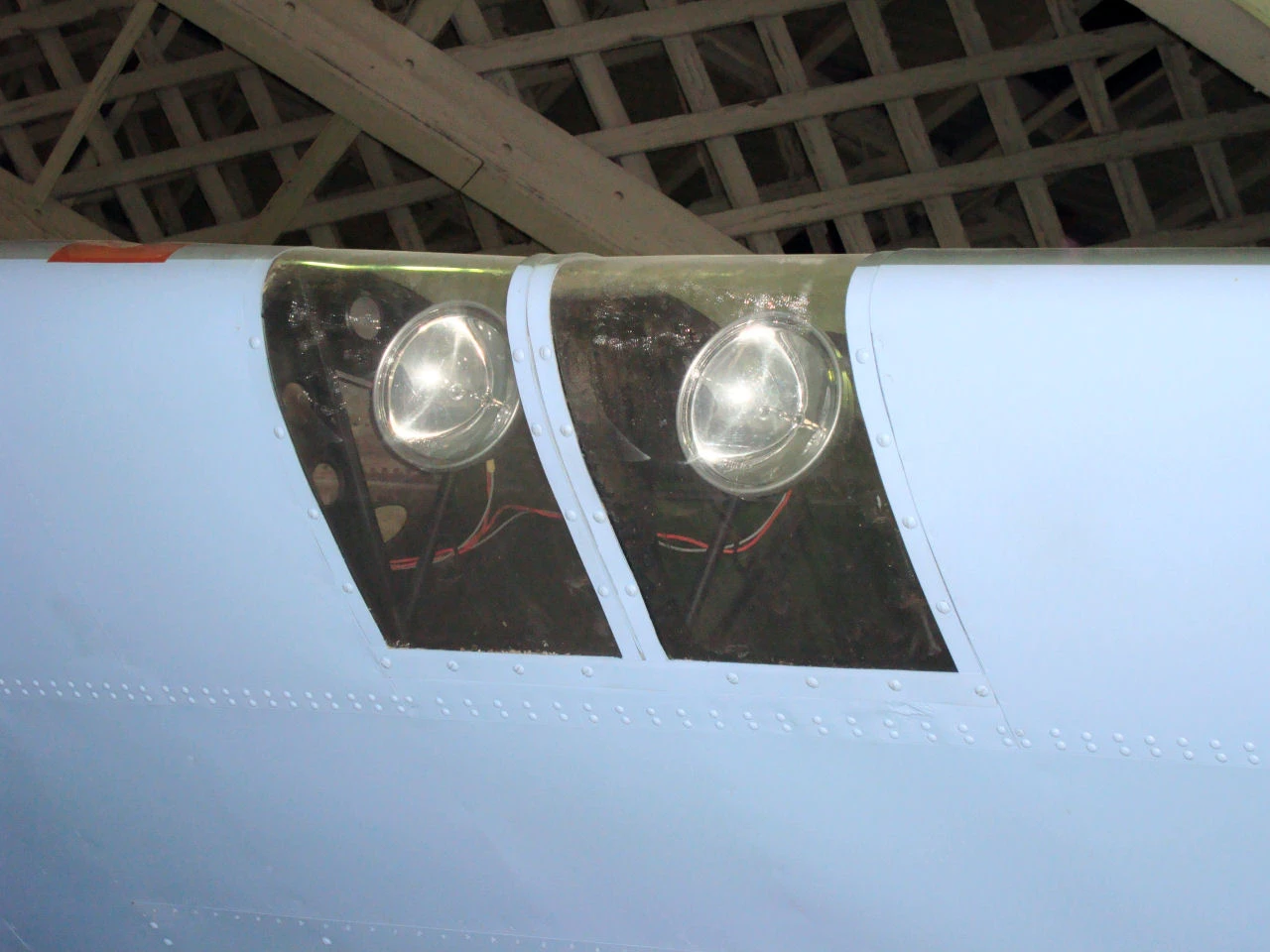
関連項目:


The Maritime Workhorse
ザ ブリストル ボーフォート was a British twin-engined torpedo bomber developed from the experience gained with the earlier Blenheim light bomber. While it looked similar to its predecessor, it was larger, heavier, and featured a much deeper fuselage to accommodate a semi-recessed torpedo. As the standard land-based torpedo bomber for RAF Coastal Command from 1940 to 1943, it was the primary weapon used to strike at German capital ships and Axis supply lines in the Mediterranean.
| Attribute | Technical Specification (Beaufort Mk I) |
|---|---|
| 役割 | Torpedo Bomber / General Reconnaissance |
| 乗組員 | 4 (Pilot, Navigator/Bomb Aimer, Radio Op, Gunner) |
| First Flight | October 15, 1938 |
| パワープラント | 2 × Bristol Taurus 14-cylinder sleeve-valve radials |
| Horsepower | 1,130 hp (843 kW) per engine |
| 最高速度 | 265 mph (426 km/h) at 6,000 ft |
| 範囲 | 1,035 miles (1,666 km) with full load |
| 武装 | Up to 6 × .303 machine guns; 1 × 1,605 lb torpedo or 2,000 lb bombs/mines |
Engineering for the Sea
- The “Sleeve-Valve” Taurus: The Beaufort used the complex Bristol Taurus engine. While powerful for its size, early versions were notorious for overheating, leading to a temporary grounding of the entire fleet shortly after it entered service.
- Semi-Recessed Torpedo: To reduce drag while carrying a massive 18-inch Mk XII torpedo, the Beaufort’s bomb bay was designed so the weapon sat partially inside the fuselage rather than dangling entirely beneath it.
- The “Wasp” Upgrade (Mk II): Because of the temperamental nature of the Taurus engine, the Mk II was fitted with American Pratt & Whitney Twin Wasp engines. These provided better reliability and a slightly higher service ceiling.
- ASV Radar: Later Mk IA variants were some of the first maritime strike aircraft to be fitted with ASV (Air-to-Surface Vessel) radar, featuring “Yagi” antennae on the nose and wings to hunt ships through fog and darkness.
Operational Legacy
- The Channel Dash: Beauforts were heavily involved in the desperate attempts to stop the Scharnhorst そして Gneisenau during their famous escape through the English Channel in 1942.
- The Malta Siege: Operating from the island of Malta, Beaufort squadrons took a terrible toll on Rommel’s supply convoys in North Africa, often flying at wave-top height to avoid intense anti-aircraft fire.
- Australian Production: Australia produced 700 Beauforts (DAP Beauforts) under license. These aircraft became the backbone of the RAAF in the Pacific, serving as highly effective land-based bombers against Japanese forces in New Guinea.
- The Beaufighter Connection: The Beaufort’s wing and tail design were so robust that they served as the foundation for the legendary ブリストル・ボーファイター heavy fighter, which eventually replaced the Beaufort in the strike role.
再生 : 4310