Jagdpanther | |
|---|---|
| Land | Nari Tyskland |
| Roll | Tankjagare |
| I bruk | 1944–1945 |
| Byggd | 413 |
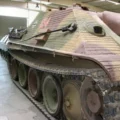
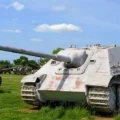
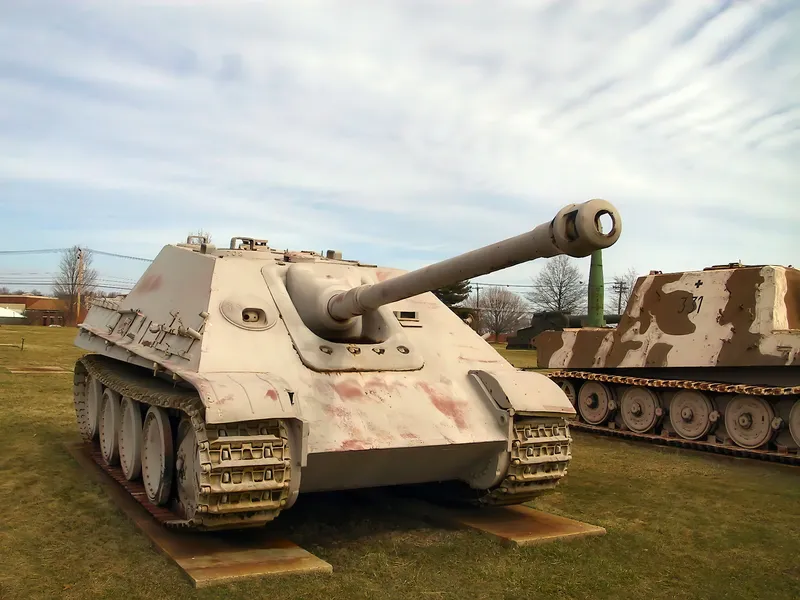
Den Jagdpanther SdKfz 173, var en stridsvagnsjagare byggd av Nazityskland under andra världskriget baserad på panterns chassi. Det kom i tjänst 1944 under de senare stadierna av kriget på öst- och västfronten. Jagdpanther kombinerade den 8,8 cm långa KwK 43-kanonen i Tiger II och rustningen och upphängningen av Panther-chassit,[1] även om den led av det allmänna dåliga tillståndet för tysk ammunitionsproduktion, underhåll och träning under den senare delen av kriget, vilket resulterade i små produktionsnummer, brist på reservdelar och dålig besättningsberedskap.
Källkod: Jagdpanther på Wikipedia
| Jagdpanther | |
|---|---|
| Fotograf | Unknow |
| Lokalisering | Unknow |
| Bilder | 132 |
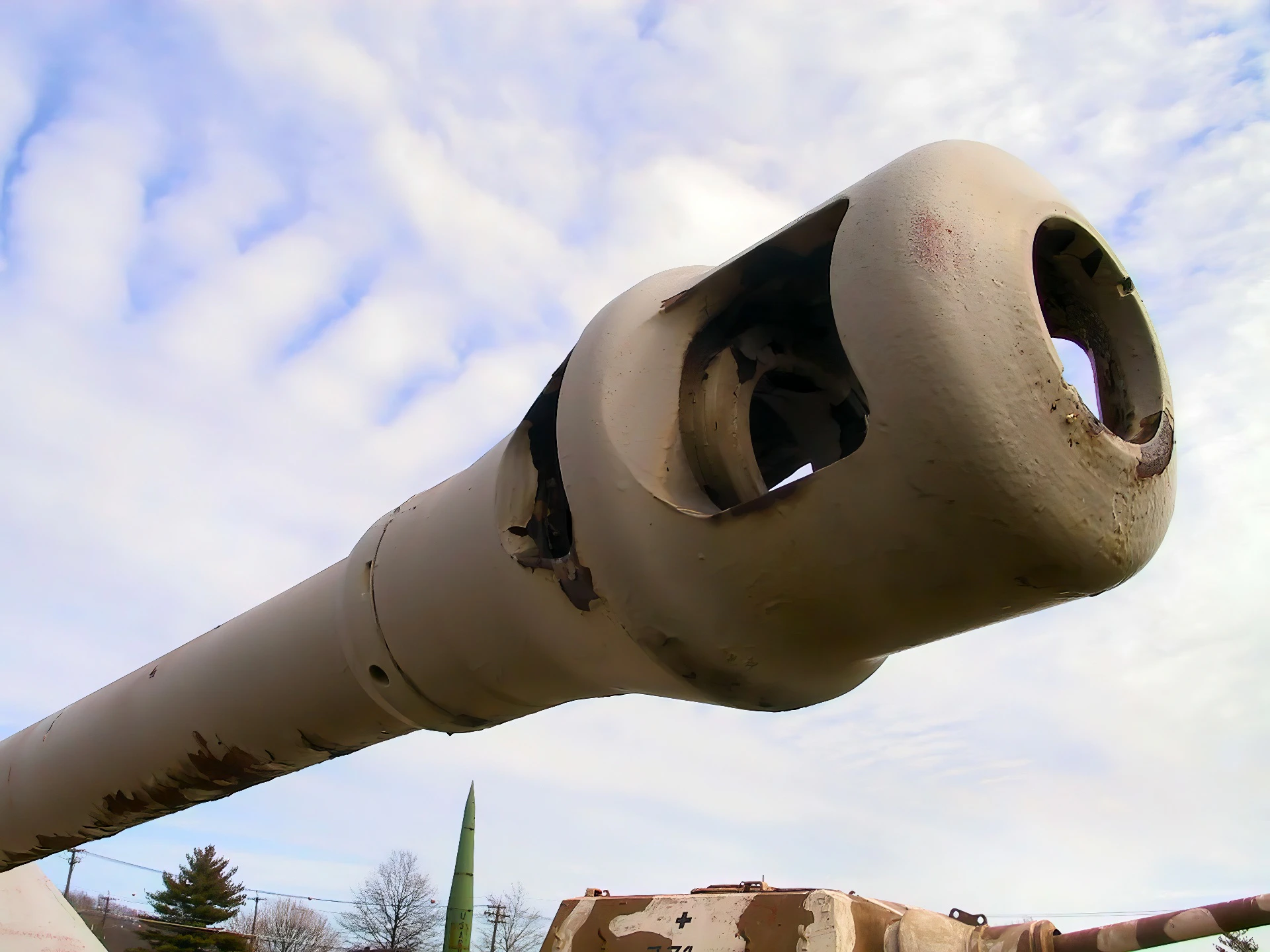
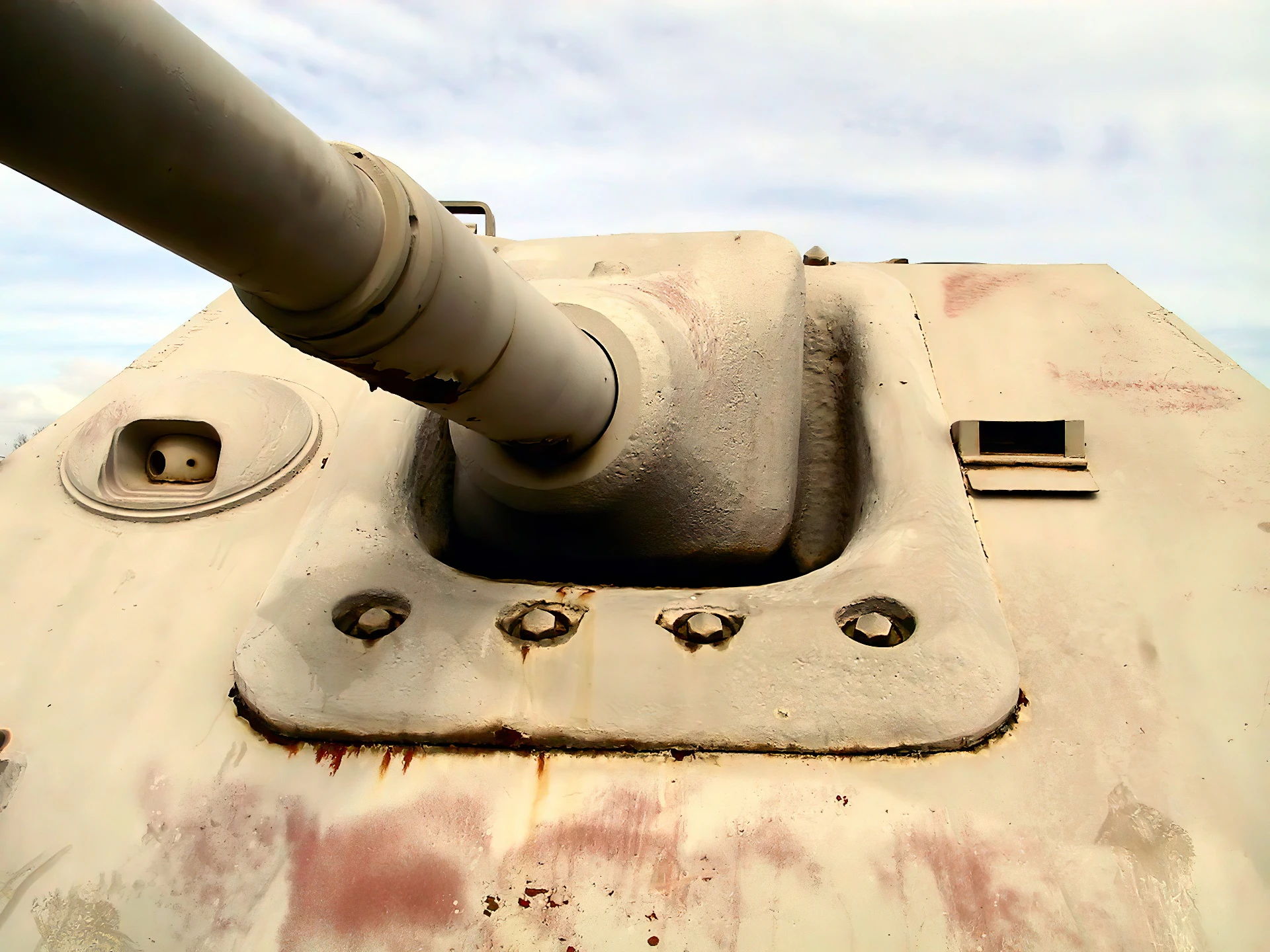
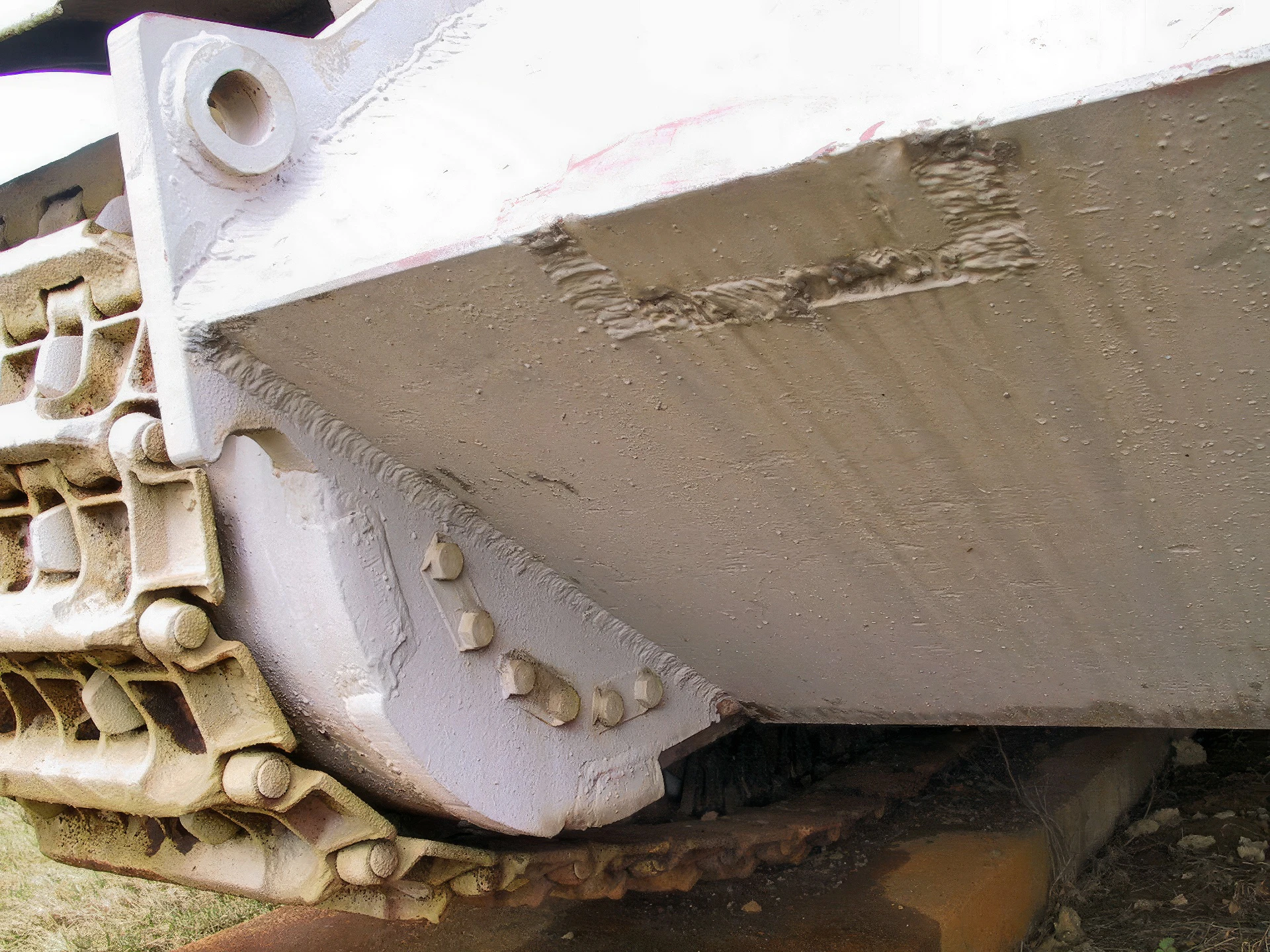
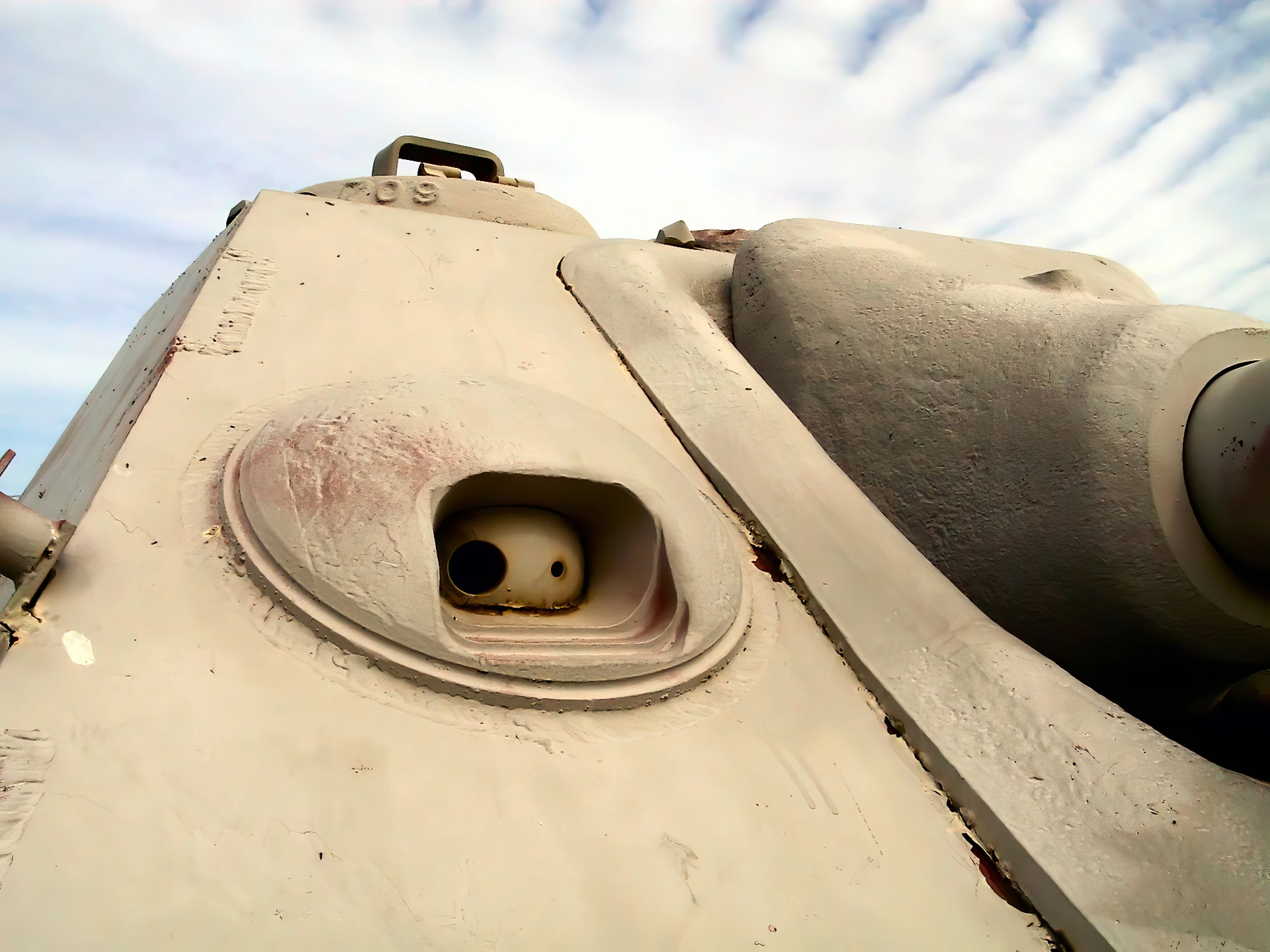

| Jagdpanther Walk Around | |
|---|---|
| Fotograf | Bill Maloney |
| Lokalisering | Unknow |
| Bilder | 16 |
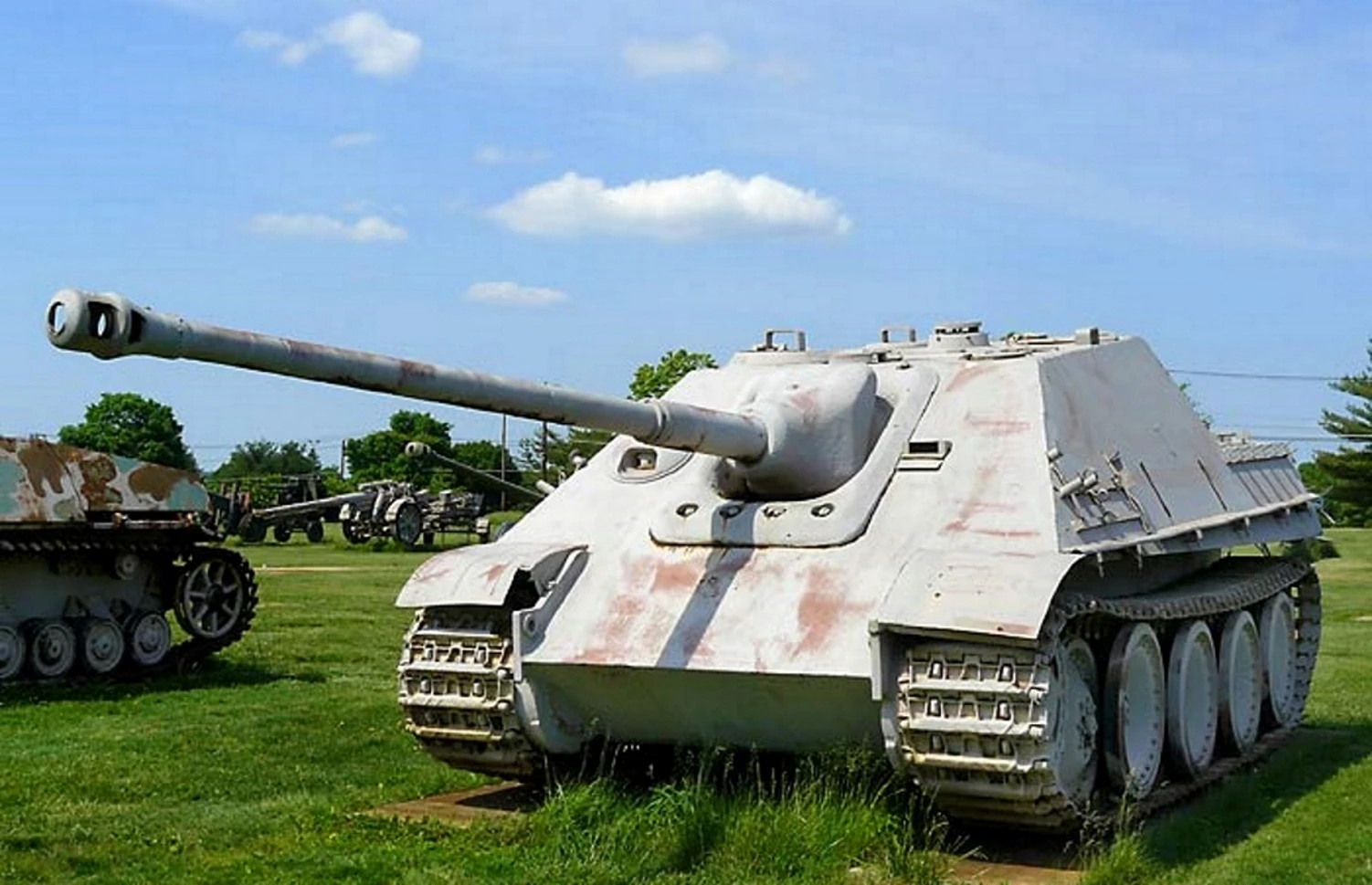
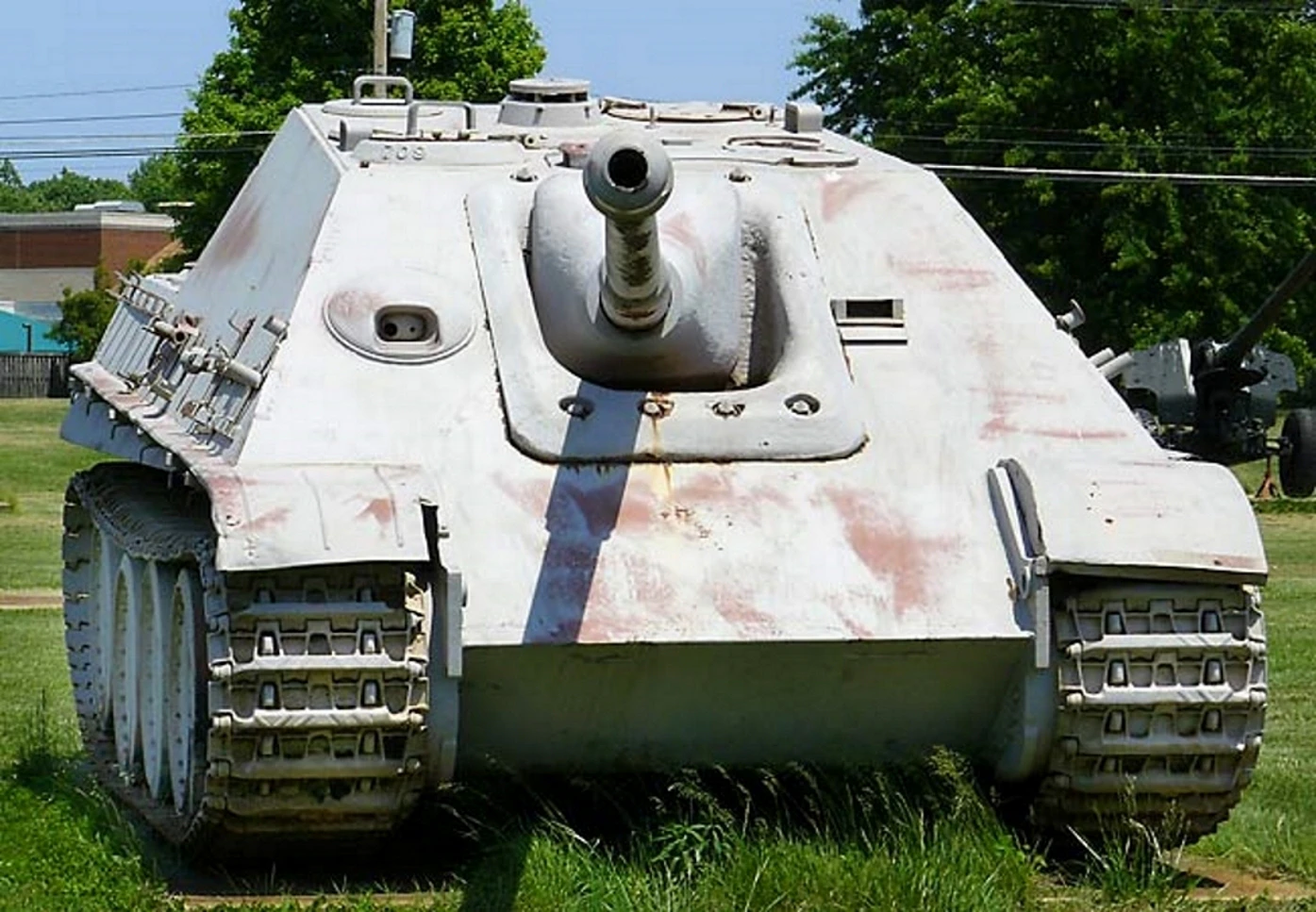
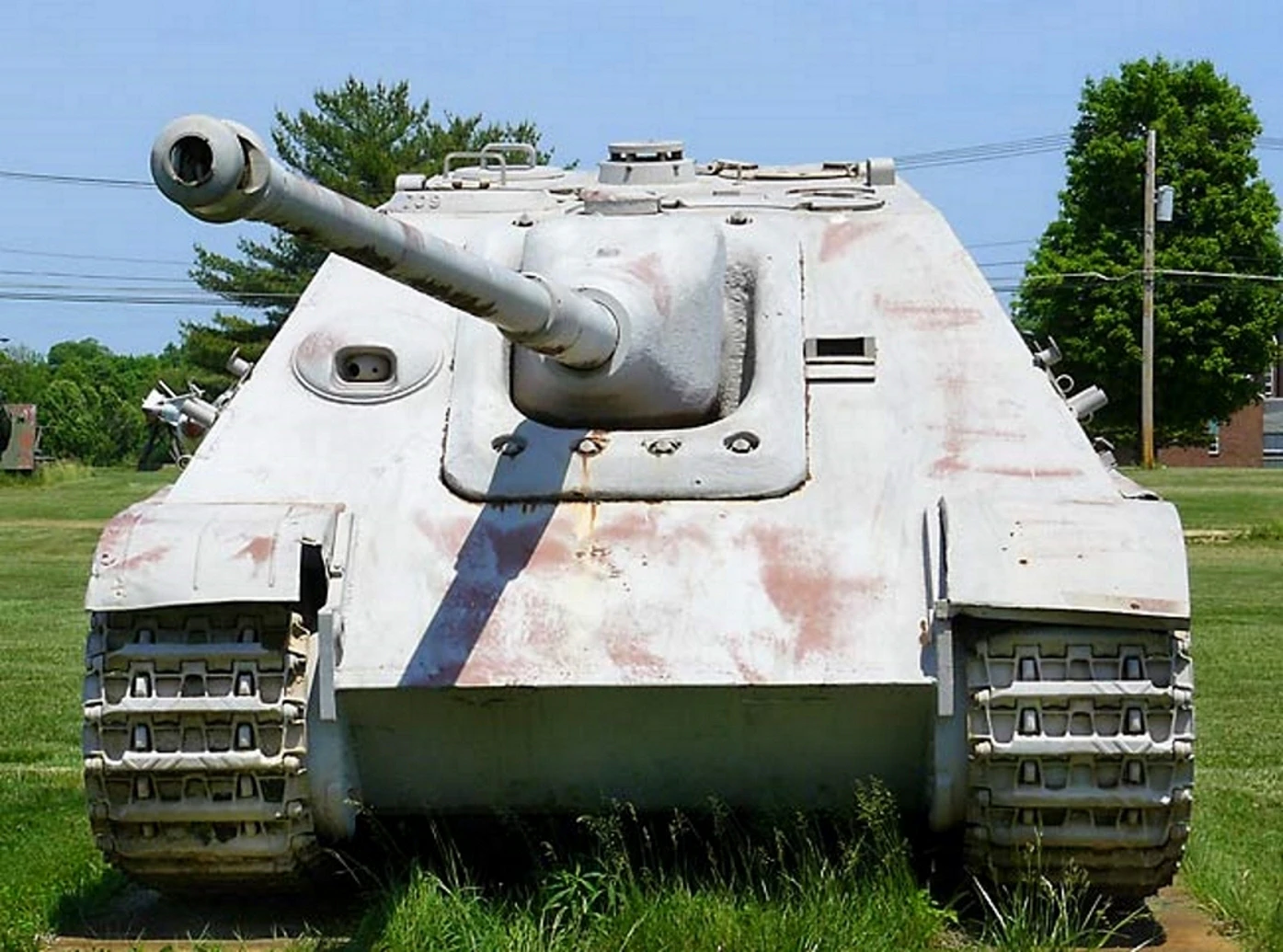
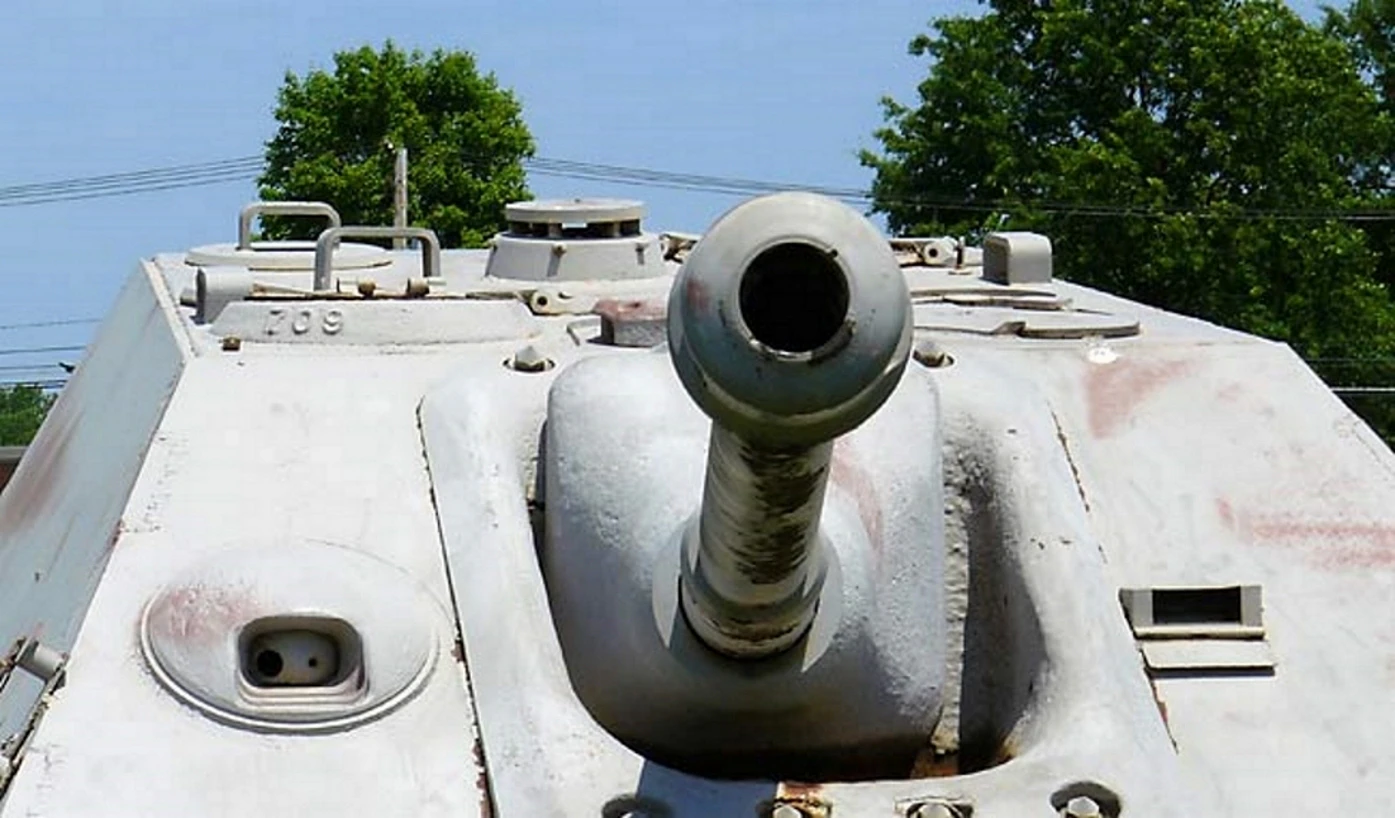
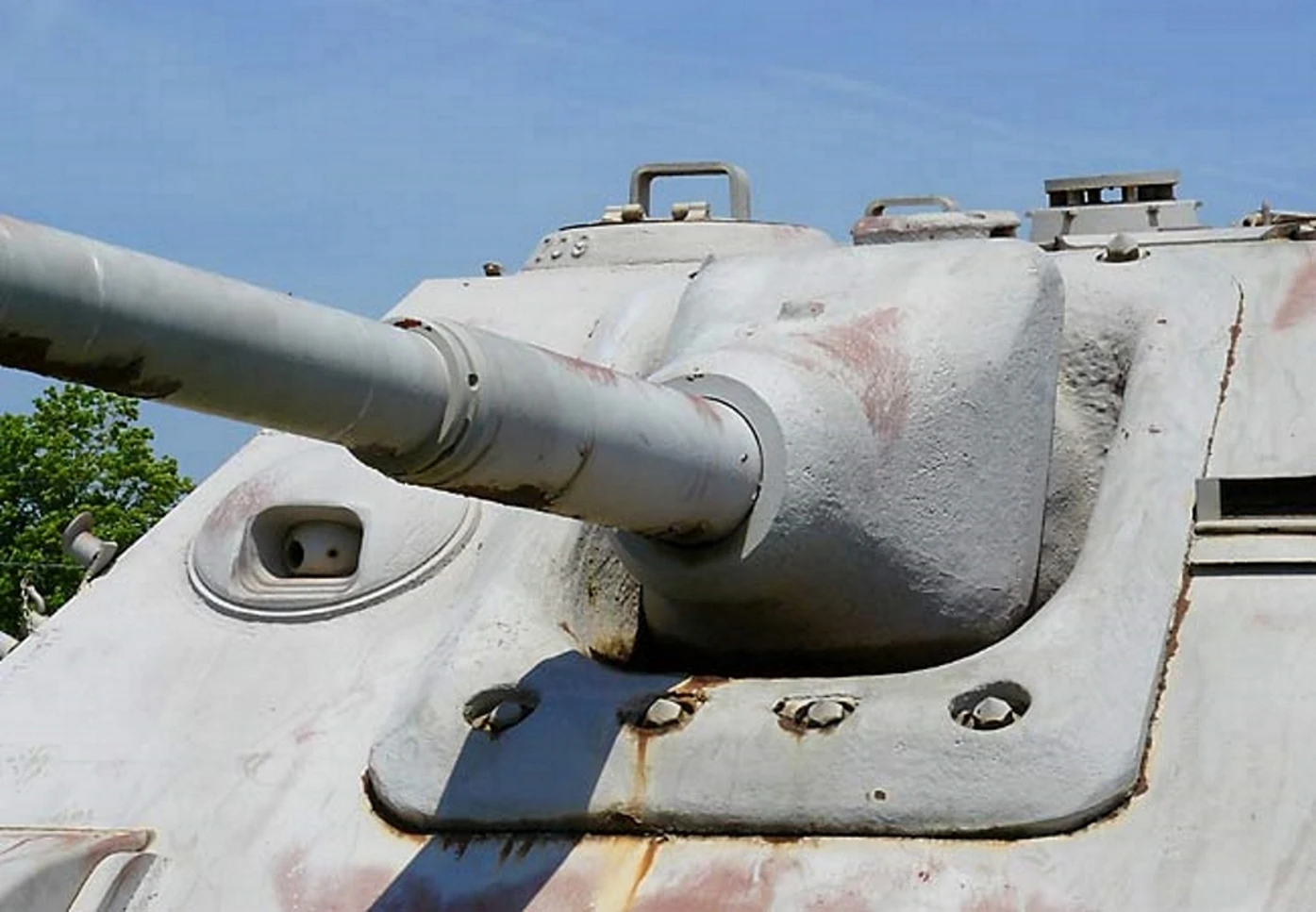
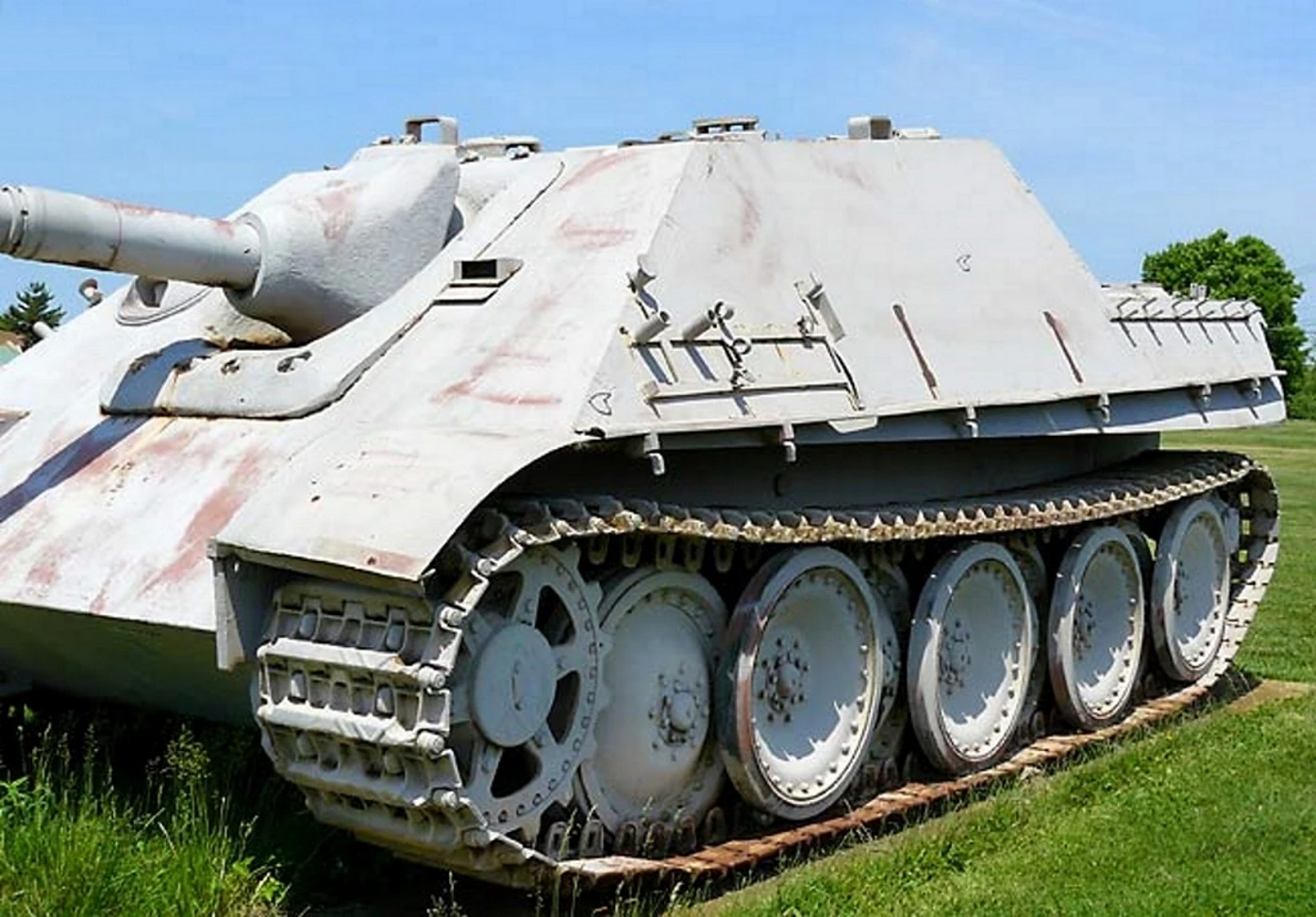
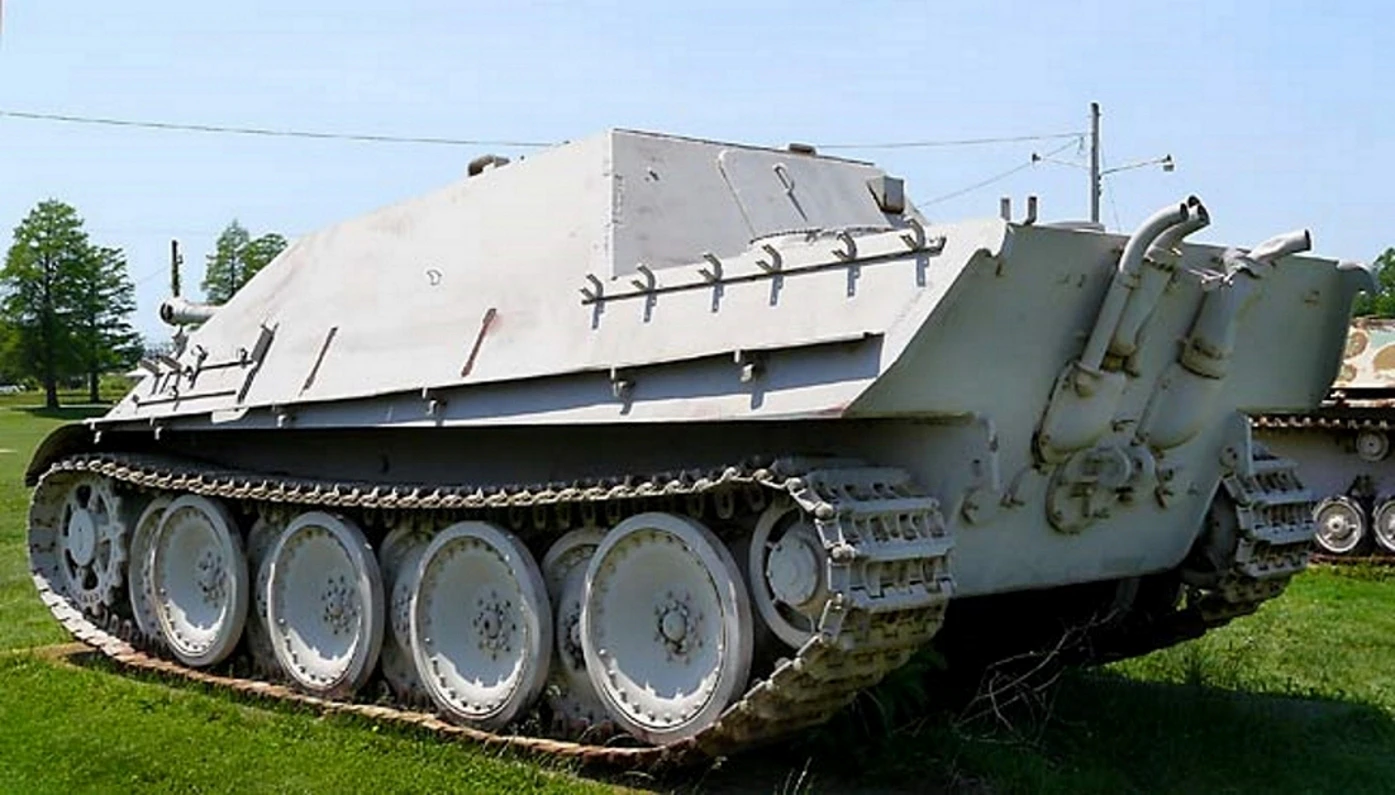
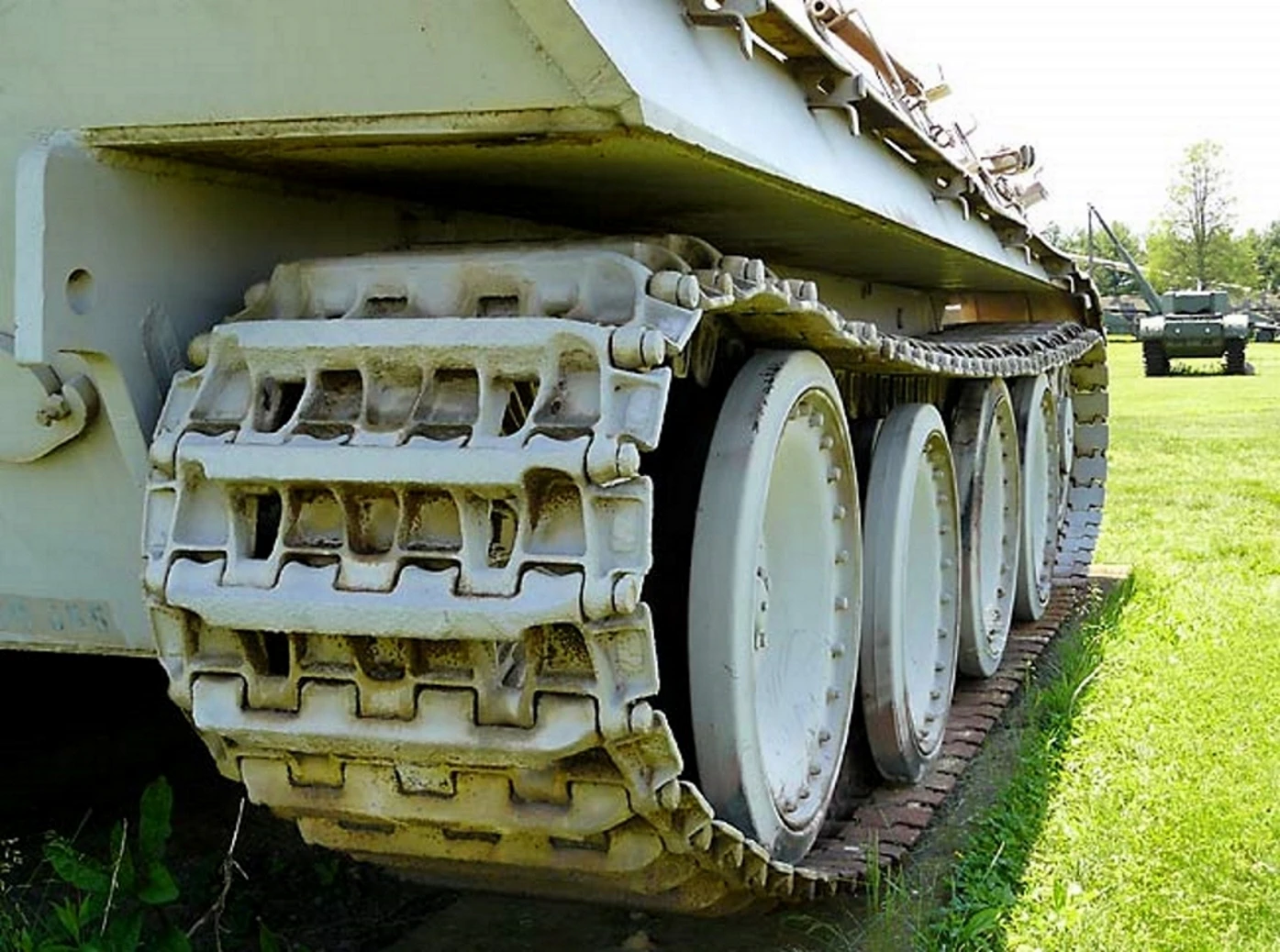
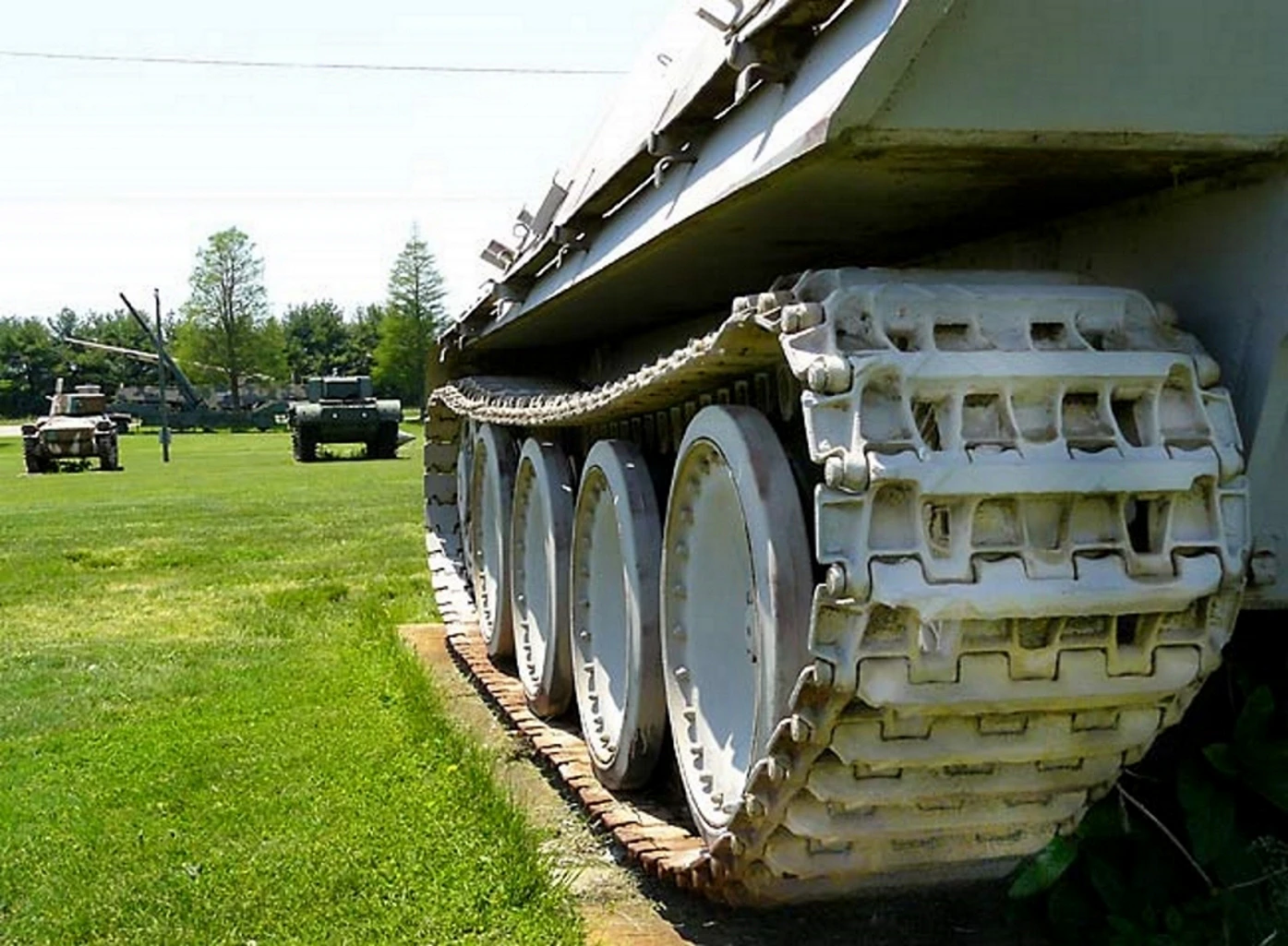
| SdKfz 173 Jagdpanther Walk Around | |
|---|---|
| Fotograf | Vladimir Yakubov |
| Lokalisering | Musee des Blindes, Saumur |
| Bilder | 74 |
Se även:


| Jagdpanther Walk Around | |
|---|---|
| Fotograf | Unknow |
| Lokalisering | Unknow |
| Bilder | 71 |
The Sleek Apex Predator of the Tank Destroyers
Den Jagdpanther (Hunting Panther), officially designated as the Sd.Kfz. 173, is widely considered by military historians to be the most successful and aesthetically refined German tank destroyer of World War II. It represents the perfect marriage of two of Germany’s finest wartime engineering accomplishments: the highly mobile, sloped chassis of the Panther medium tank and the devastating, long-barreled 8.8 cm Pak 43 anti-tank gun (the same weapon found on the much heavier King Tiger). Unlike earlier improvised tank destroyers that relied on tall, thin, or open-topped superstructures, the Jagdpanther featured a fully integrated, low-profile armored casemate with steeply sloped sides. This created an incredibly formidable defensive combat vehicle. It possessed the agility to outmaneuver heavy Allied thrusts and the terrifying firepower to knock out any opposing tank from far beyond their return-fire range.
| Attribute | Technical Specification (Sd.Kfz. 173 Jagdpanther Standard) |
|---|---|
| Roll | Heavy Tank Destroyer (Schwerer Panzerjäger) |
| besättning | 5 (Commander, Gunner, Loader, Driver, Radio Operator/Bow Gunner) |
| Kraftverk | 1 × Maybach HL 230 P30 23-liter V12 liquid-cooled gasoline engine (700 hp) |
| Maximum Speed | 46 km/h (29 mph) on roads | 24 km/h (15 mph) cross-country |
| Combat Weight | 45.5 metric tons (50.2 short tons) |
| Operational Range | ~250 km (155 miles) on roads | ~100 km (62 miles) cross-country |
| Primary Armament | 1 × 8.8 cm Pak 43/3 or 43/4 L/71 gun (57 to 60 rounds carried) |
| Secondary Armament | 1 × 7.92mm MG 34 machine gun in a ball mount in the front glacis | 1 × Nahverteidigungswaffe (close-defense mortar) |
| Armor Thickness | Front Glacis Plate: 80mm angled at 55° (~140mm effective) | Sides: 50mm angled at 30° |
| Production Total | 415 units manufactured primarily by MIAG and MNH between January 1944 and April 1945 |
Design Engineering: The Panther Spine and the Seamless Steel Wedge
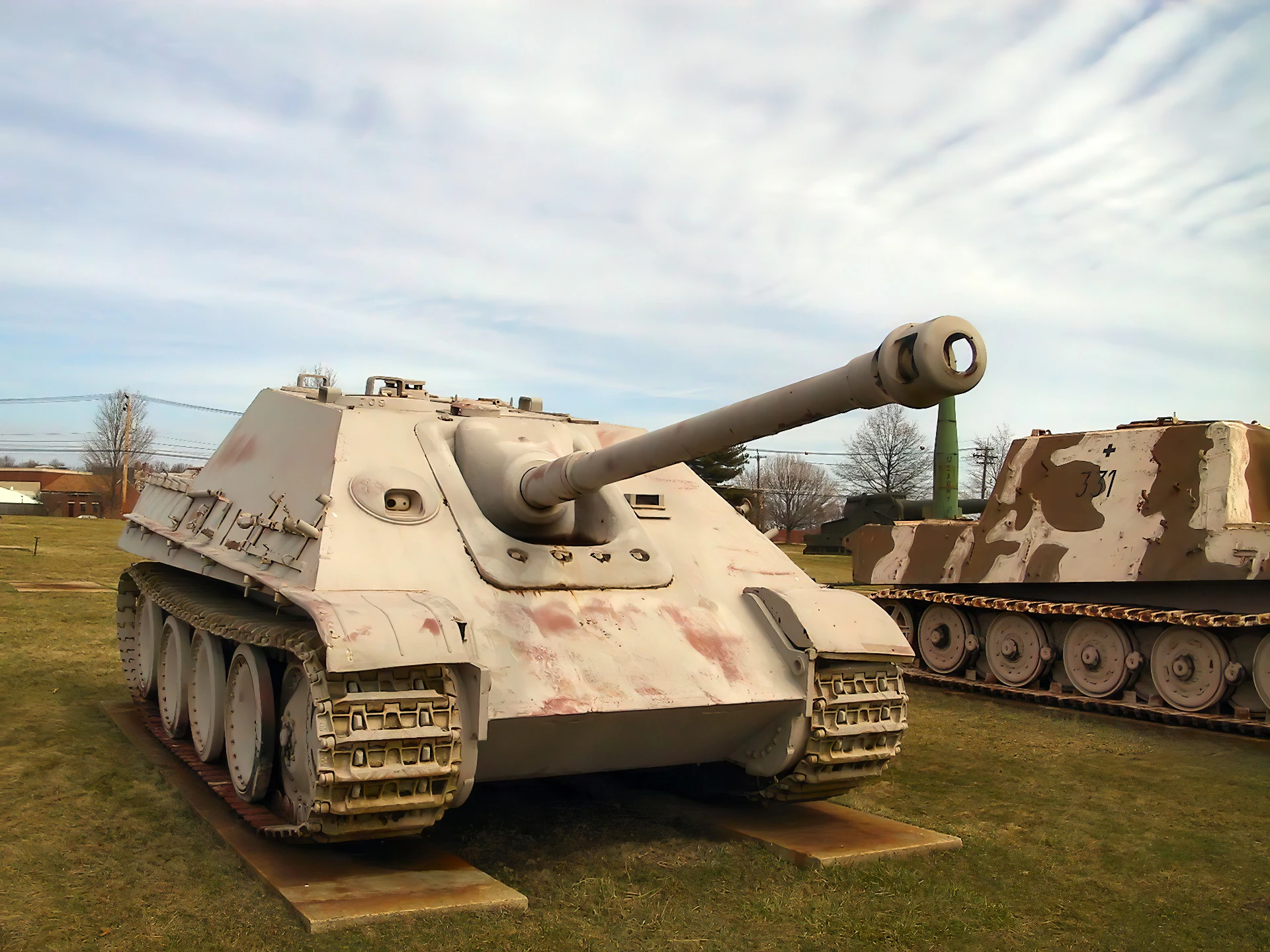
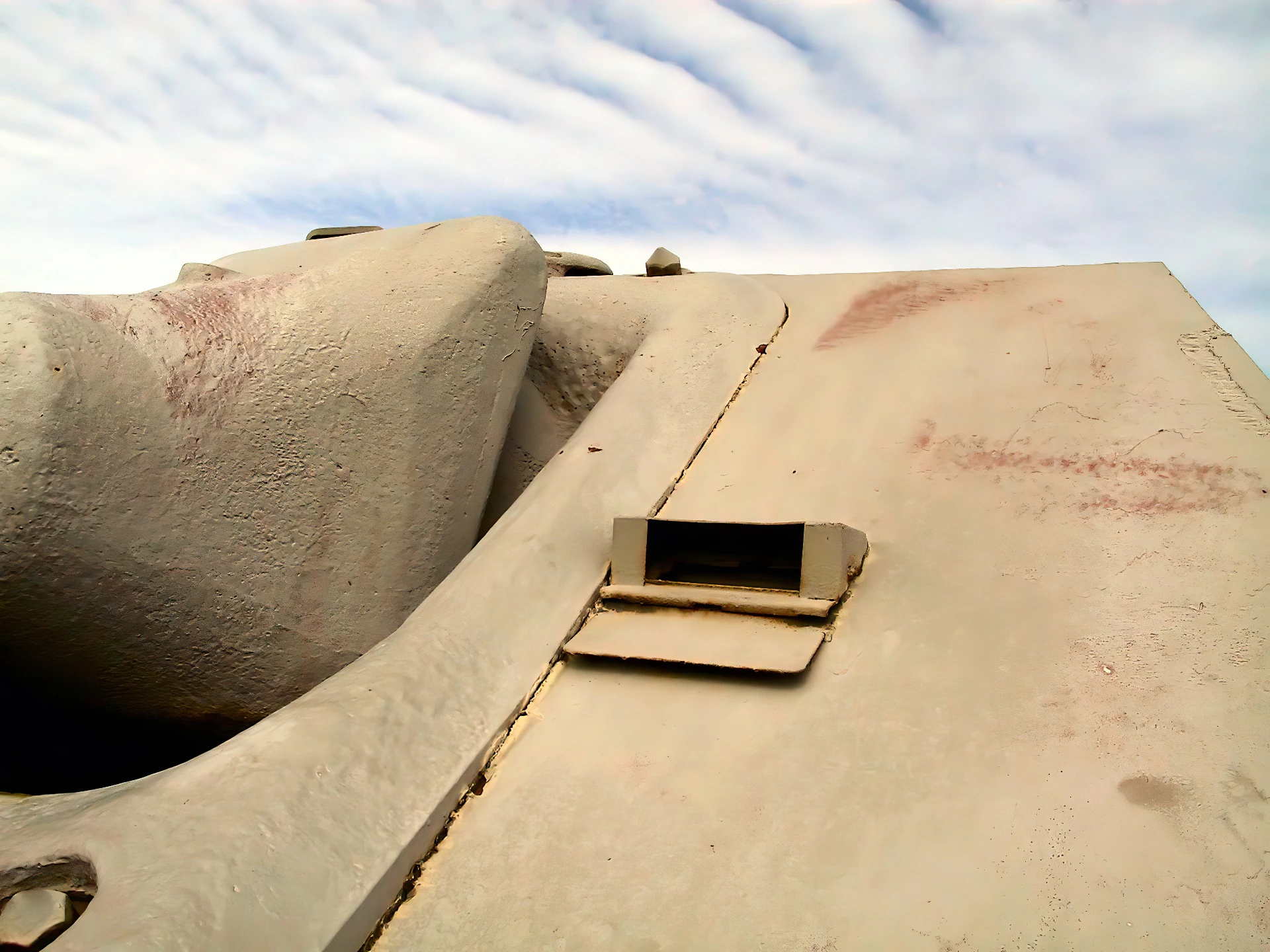
- The Unified Sloped Casemate: What made the Jagdpanther so structurally sound was its continuous frontal geometry. Rather than bolting a separate armored box onto a flat tank deck, German designers extended the Panther tank’s 80mm front glacis plate straight up to the roof line at a sharp 55-degree angle. This seamless slope yielded an effective physical armor thickness of nearly 140mm. It was highly effective at deflecting incoming Soviet 85mm and Allied 76mm rounds, making the vehicle practically invulnerable from the front.
- The King’s Gun (8.8 cm Pak 43 L/71): By mounting the incredibly powerful Pak 43 gun in a turretless hull, Germany created a tank-killing platform that was much lighter and more mobile than the 68-ton King Tiger. The gun was mounted in a massive, curved steel protective collar known as the *Saukopf* (Sow’s Head) mantlet. Capable of firing high-velocity armor-piercing projectiles with flat trajectories, it could easily punch through any Allied tank’s armor at distances of over 2,000 meters.
- Superior Power-to-Weight Ratio: Since the Jagdpanther weighed around 45 metric tons—significantly lighter than the massive Ferdinand/Elefant (65 tons) or Jagdtiger (71 tons) tank destroyers—its 700-horsepower Maybach V12 engine was not nearly as overstressed. This gave it excellent tactical mobility and speed, allowing it to navigate hills, deep mud, and rough forest tracks that would ground heavier German armored vehicles.
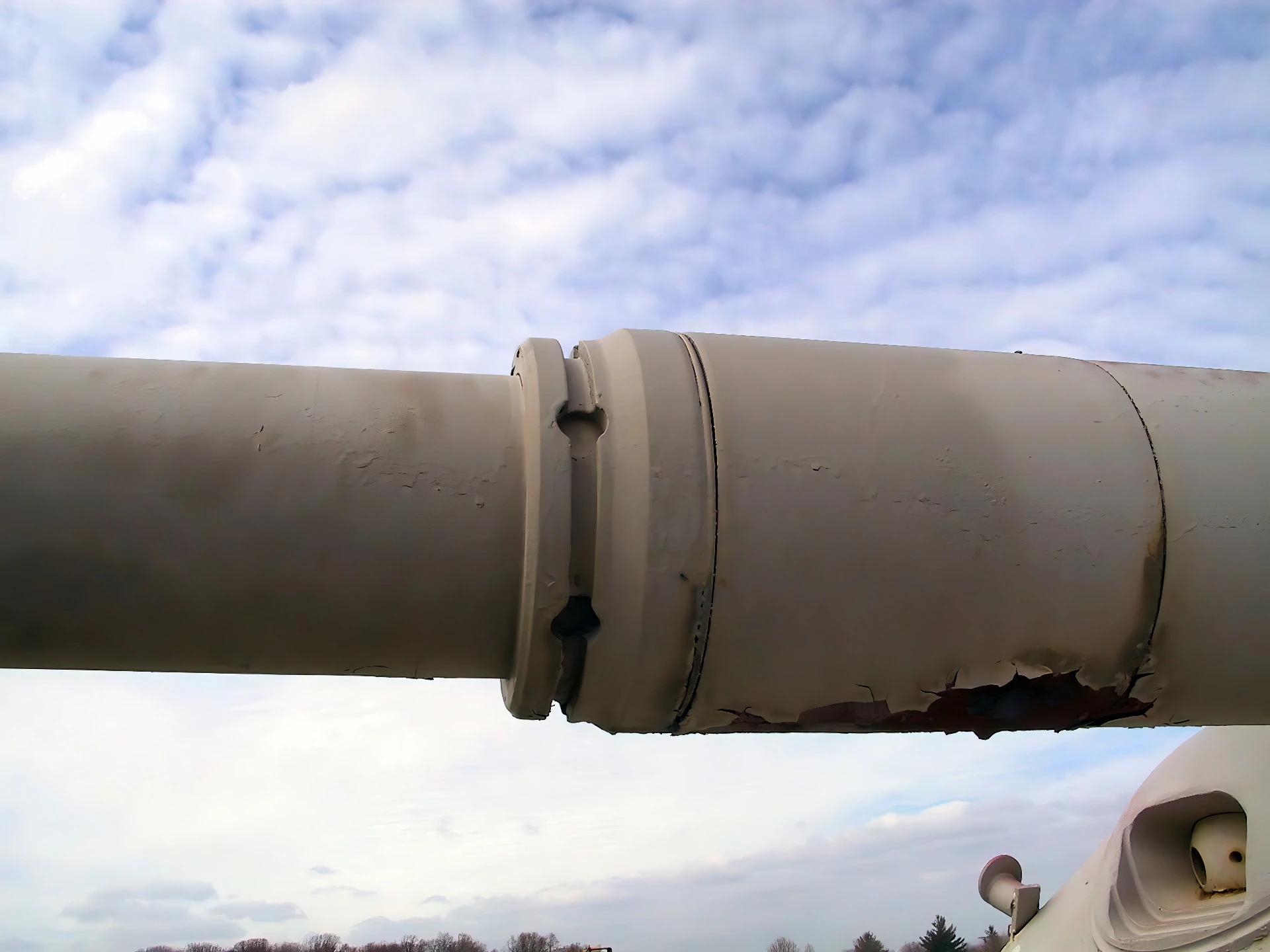
- The Two-Piece Gun Barrel Upgrade: Early-production Jagdpanthers utilized a single, long monobloc gun barrel. However, the extreme pressures generated by the propellant gases wore out the gun barrels quickly. Later models were upgraded to use a two-piece barrel system. This allowed field mechanics to quickly swap out only the heavily worn rear half of the barrel (the chamber and forcing cone) rather than replacing the entire heavy 6-meter steel tube, drastically streamlining frontline logistics.
Operational History: The Ambush at Les Loges to the Defenses of the Reich
- The Devastating Debut at Normandy (1944): The Jagdpanther made its first major impact in July 1944 during the Normandy campaign. Near the French village of Les Loges, a mere three Jagdpanthers of the *schwere Panzerjäger-Abteilung 654* ambushed an advancing squadron of the British 6th Guards Tank Brigade. Utilizing their superior range and concealment, the three Jagdpanthers knocked out 11 Churchill tanks in a matter of minutes before slipping away into the woods completely unscathed.
- Defensive Elite of the Independent Battalions: Jagdpanthers were primarily issued to elite, independent Heavy Tank Destroyer Battalions (*schwere Panzerjäger-Abteilungen*). Instead of being mixed directly into standard infantry divisions, they were held in tactical reserves to be deployed as concentrated counter-attack forces. When used defensively behind cover, they functioned as mobile, long-range sniper nests that could utterly stall massive Allied armored spearheads.
- Rushed Production and Strategic Bottlenecks: Despite the vehicle’s incredible tactical success, Germany’s collapsing industrial infrastructure severely limited its impact. Allied strategic bombing raids targeted the MIAG assembly plant in Braunschweig and the critical steel factories producing the complex gears and final drives. Consequently, only 415 Jagdpanthers were ever completed out of an originally planned monthly run of 150 units, leaving German commanders constantly starved of these elite tank killers.
- The Ardennes and the Final Battles of 1945: The Jagdpanther saw intensive action during the winter Ardennes Offensive, where they spearheaded efforts to break through American lines. In the final months of 1945, they fought desperate delaying actions on both fronts. Even as fuel became critically scarce, individual Jagdpanthers dug into rubble-filled streets or rural treelines, taking down dozens of Soviet and Allied tanks before they were finally abandoned, destroyed by air strikes, or blown up by their own crews to prevent capture.
Views : 17984