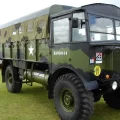
국제 수확기 M-2-4-233 | |
| 국가 | 미국 |
| 역할 | 1 톤 화물 트럭 |
| 내장 | Unknow |
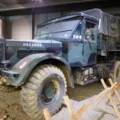
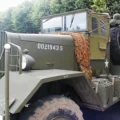
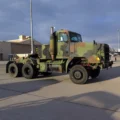
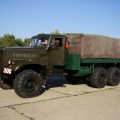
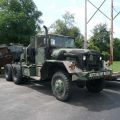
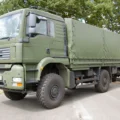
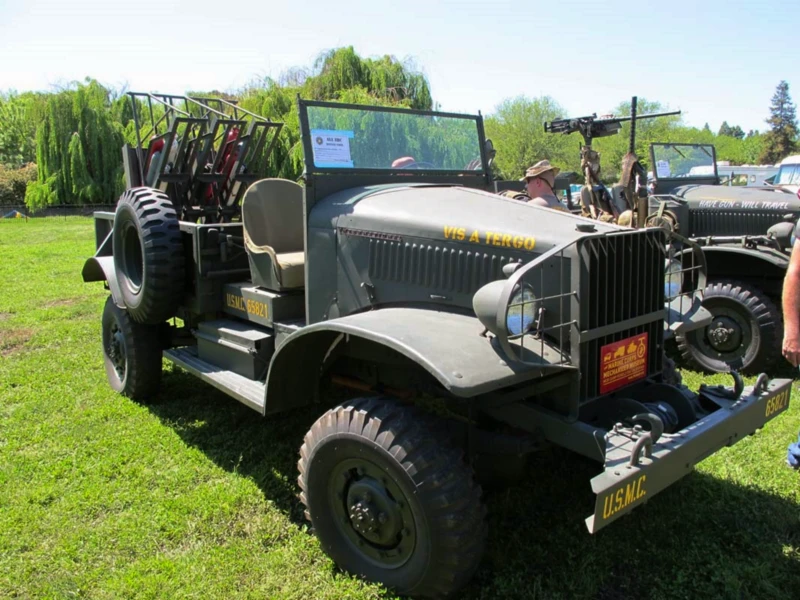
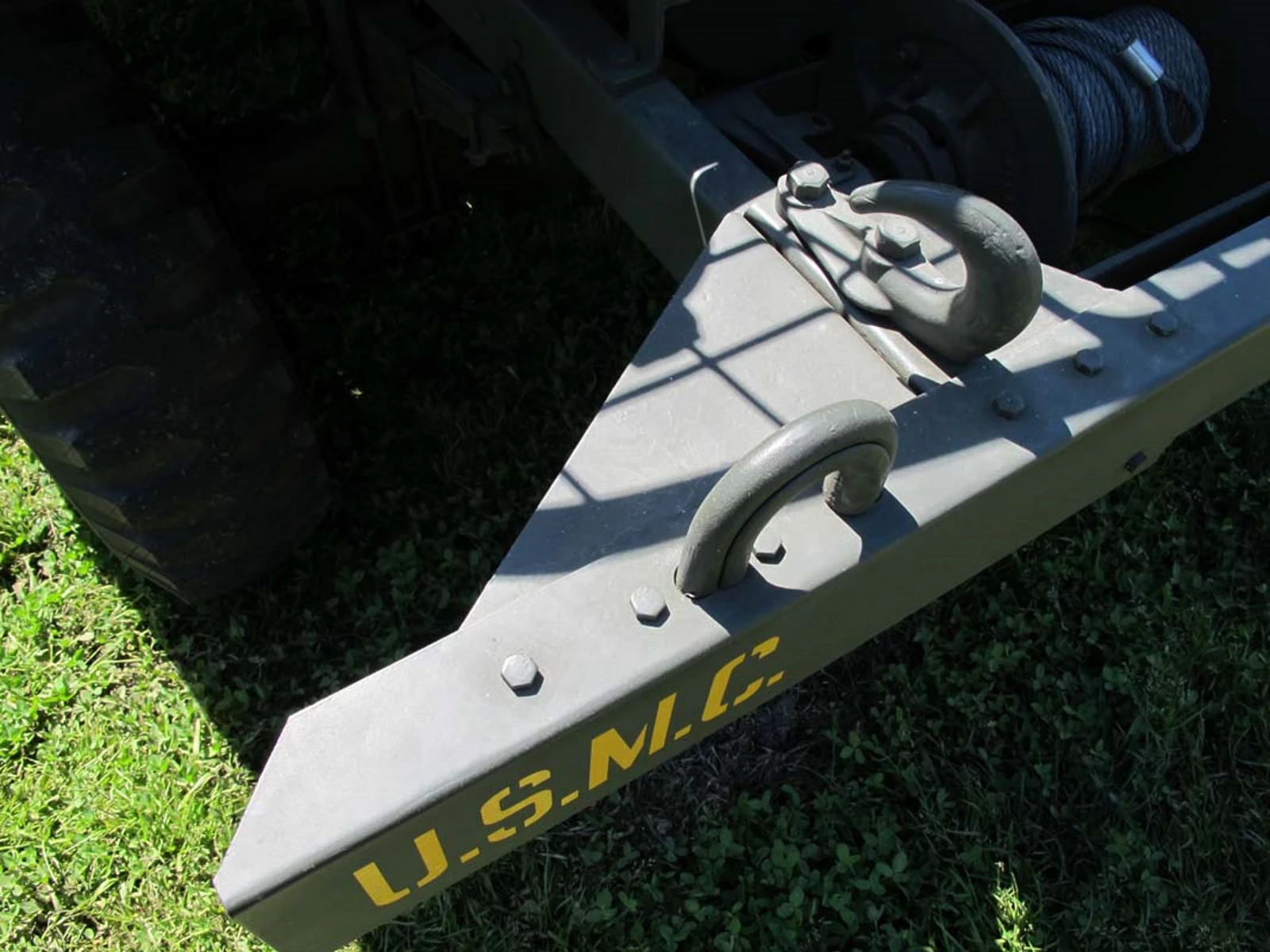
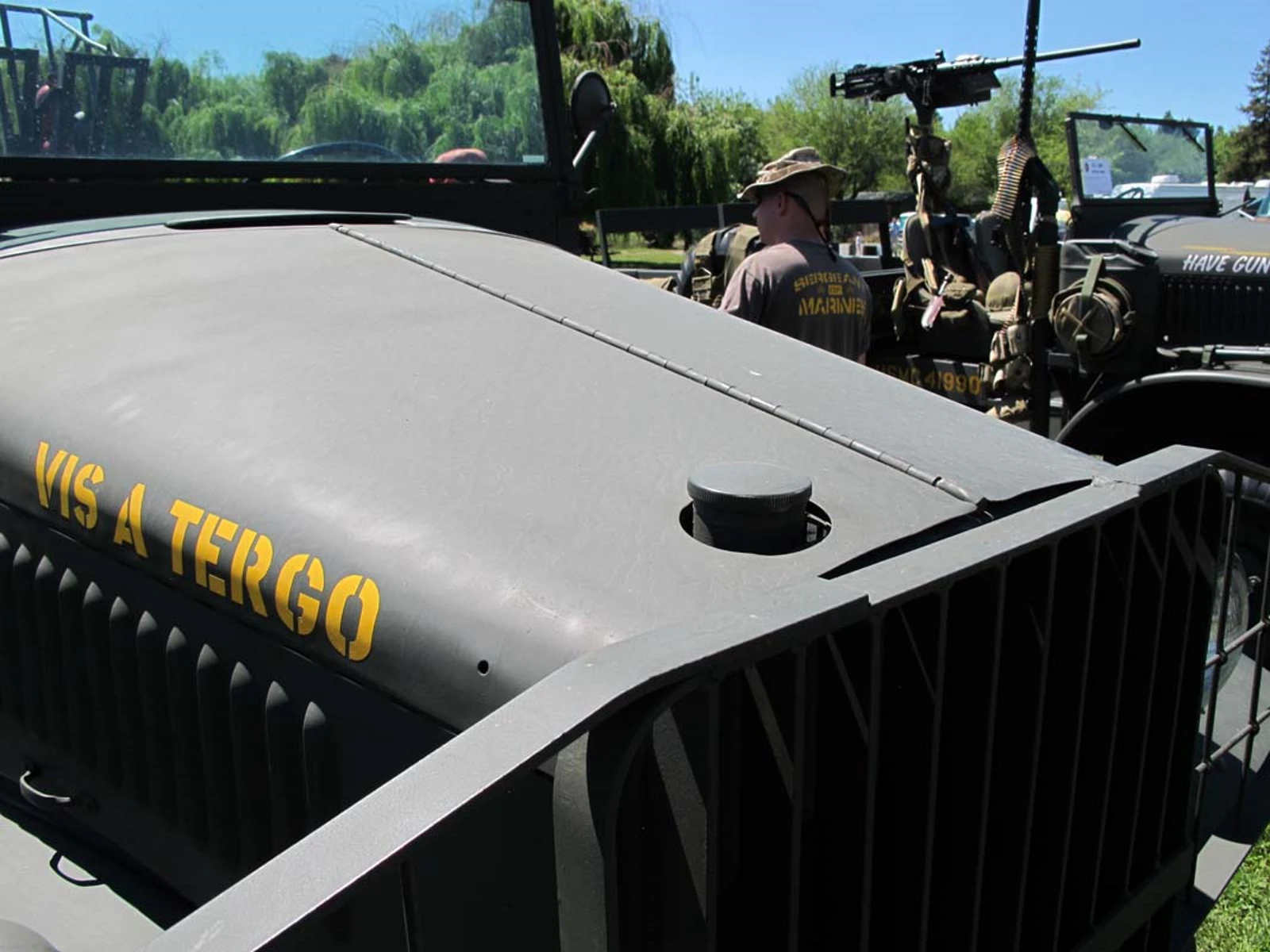
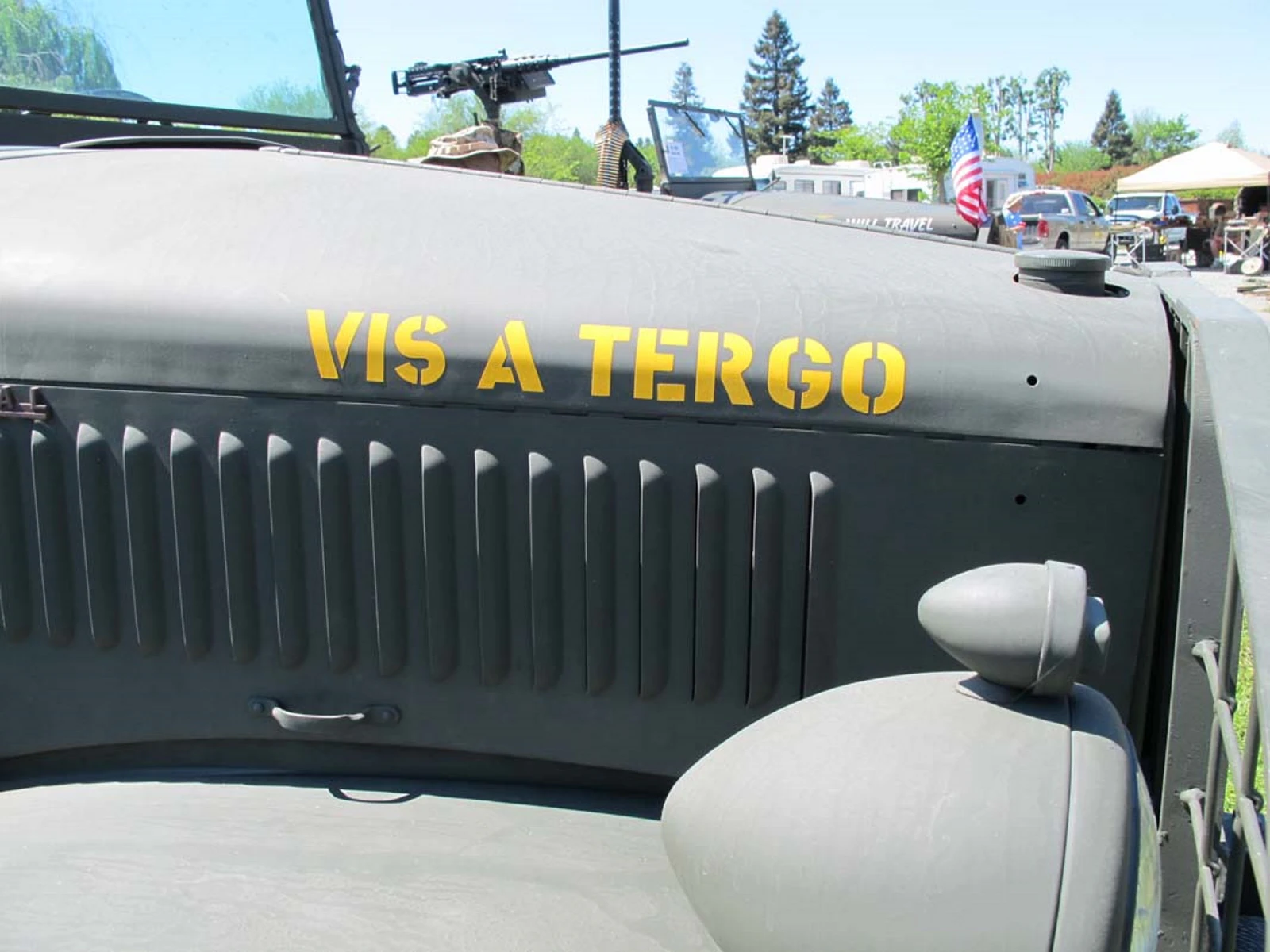
사진 갤러리 국제 수확기 M-2-4-233, The M-2-4 is a one-ton, two-axle, four-wheel-drive cargo truck built by I.H.C. and supplied to the U.S. Navy and Marine Corps during WWII. Production of the 1-ton M-2-4 began in 1941 with an order for 584 cargo trucks. The vast majority of these were open-cab cargo trucks, but a few were built with closed civilian “K” cabs with military fenders and hoods. Winches were furnished on 70 of the 584 trucks. The balance of the 10,450 vehicles were open-cab cargo trucks.
| International Harvester M-2-4-233 | |
|---|---|
| 사진 작가 | 블라디미르 야쿠보프 |
| 로컬라이제이션 | MVCC Camp Delta 2012 |
| 사진 | 33 |
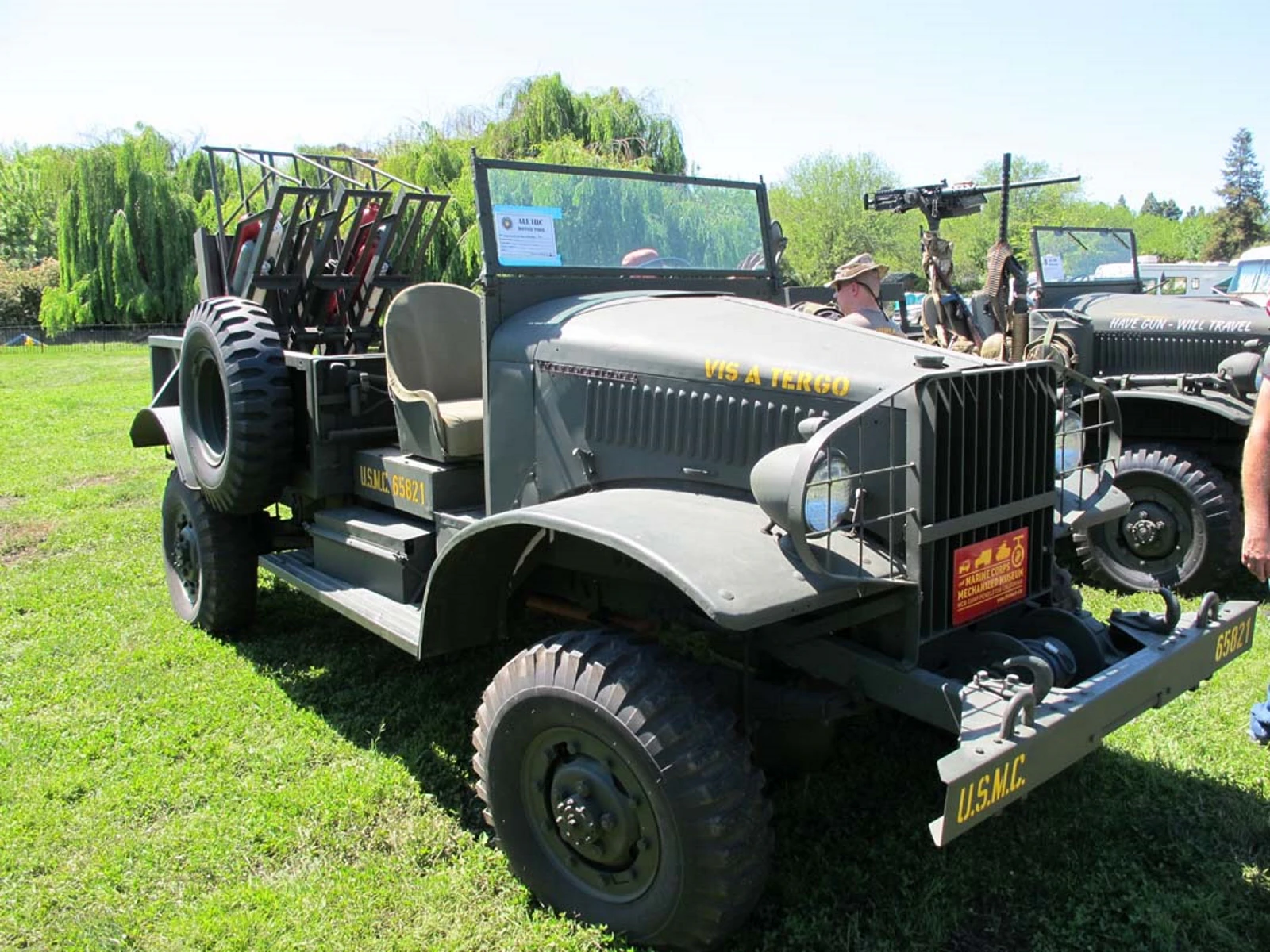
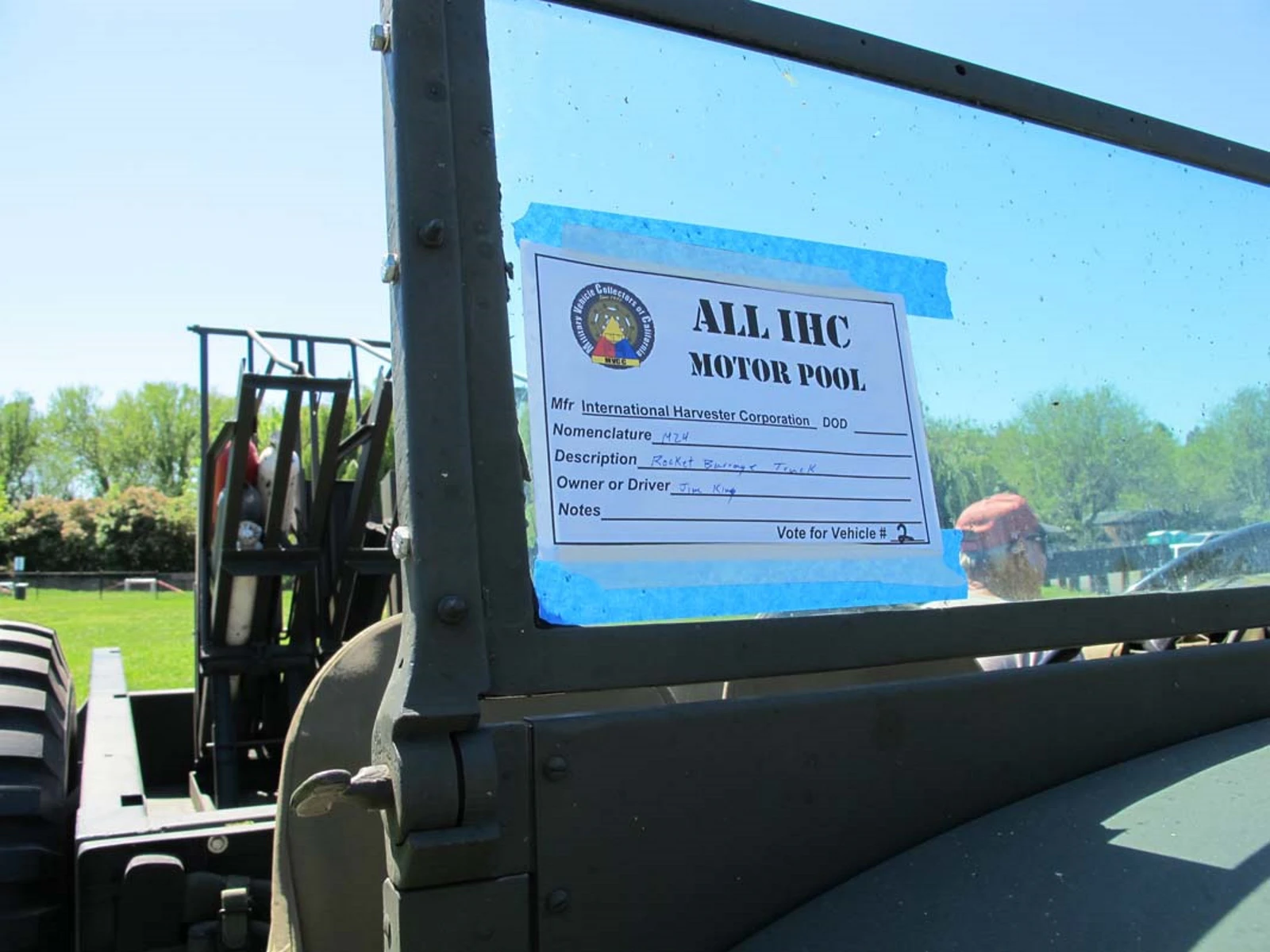
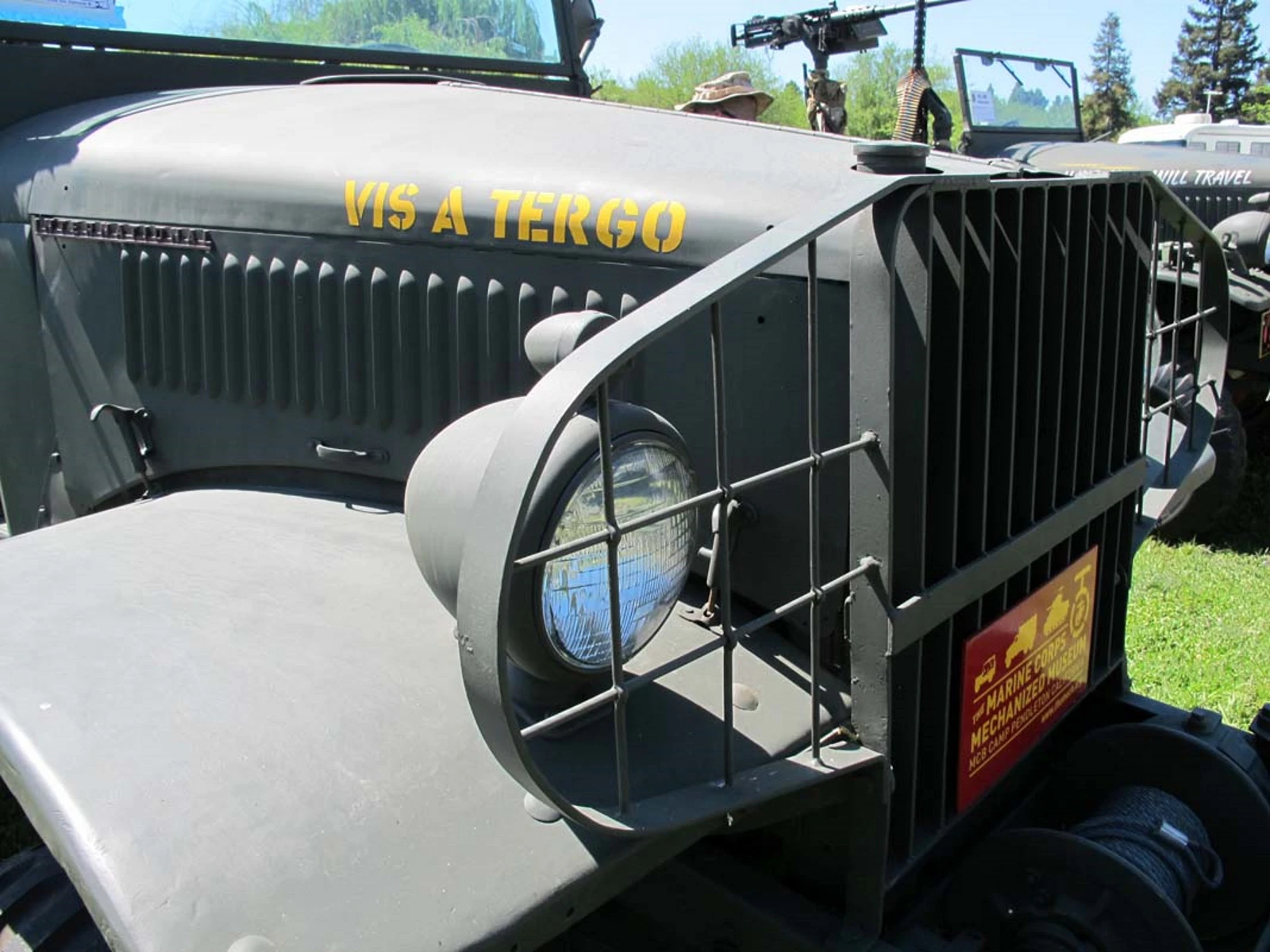
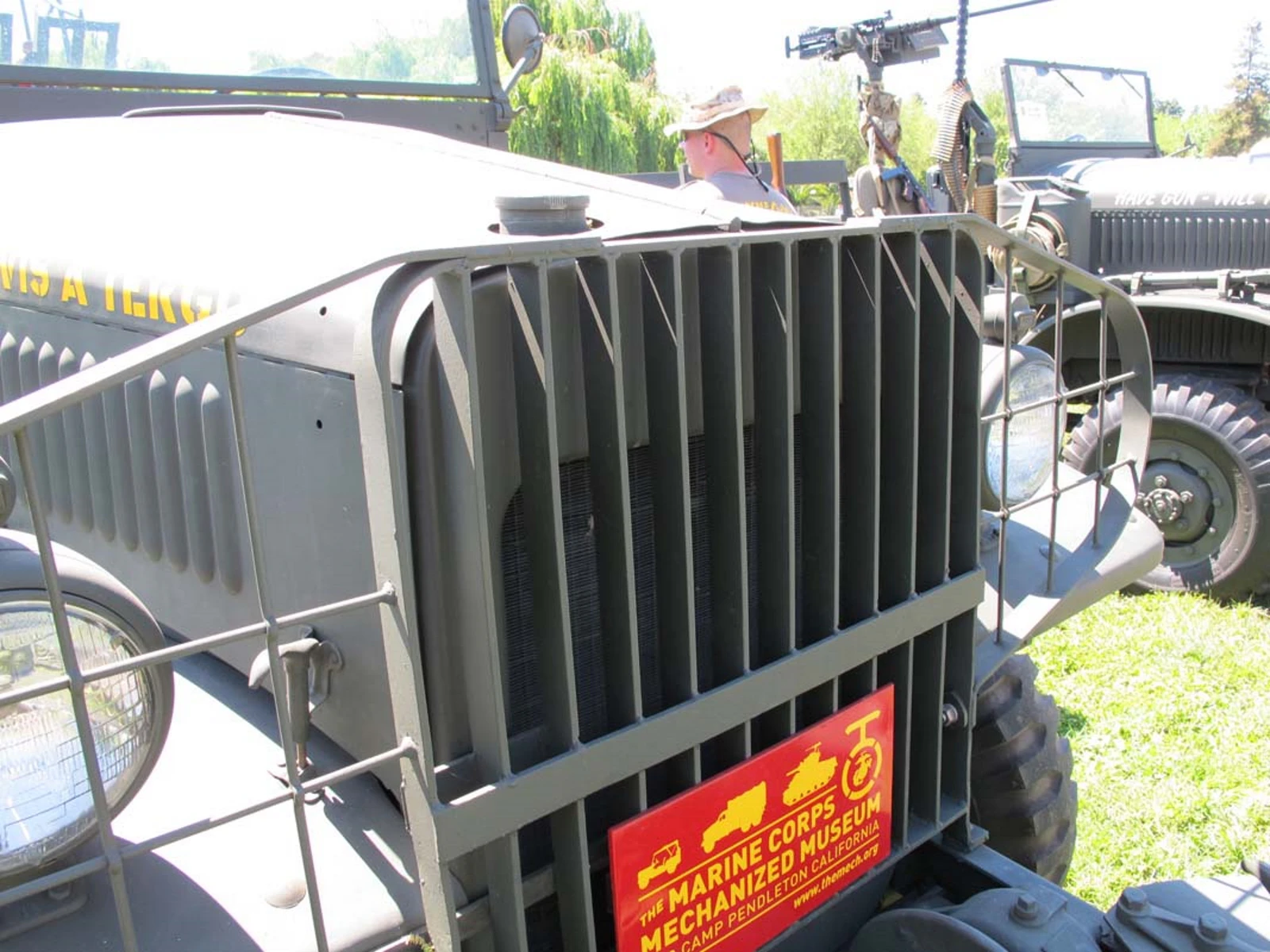
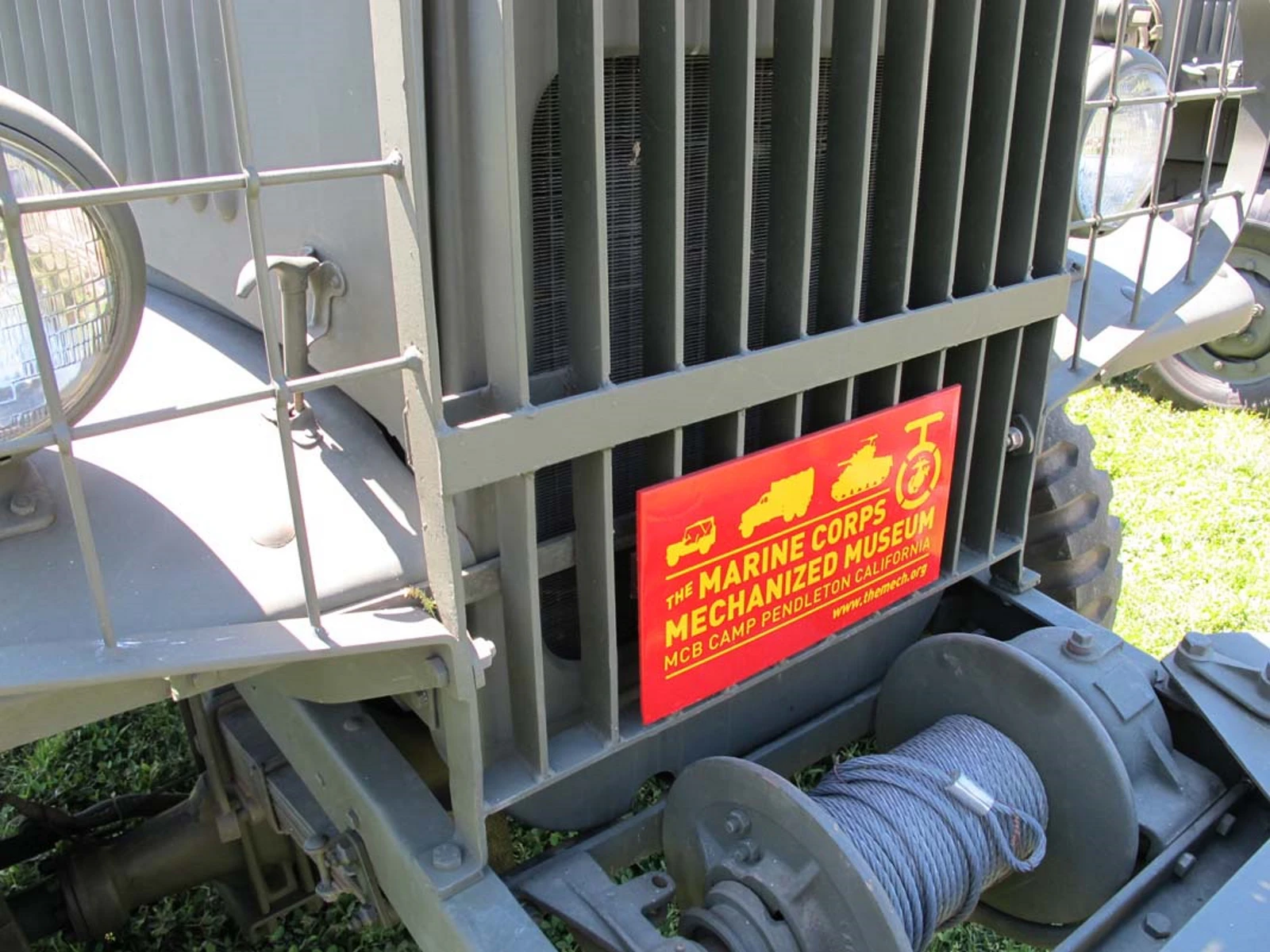
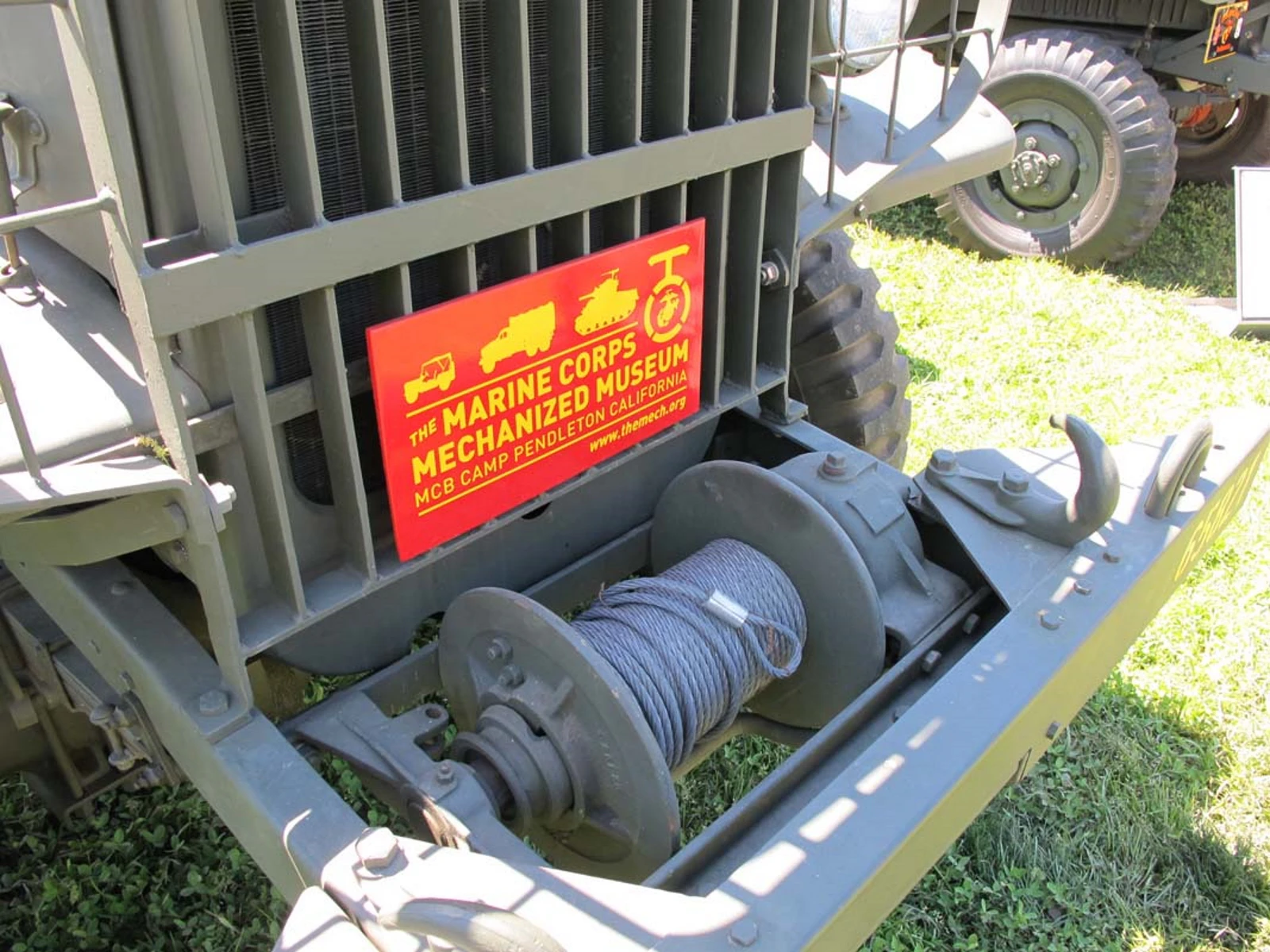

| International Harvester M-2-4-233 | |
|---|---|
| 사진 작가 | 블라디미르 야쿠보프 |
| 로컬라이제이션 | Unknow |
| 사진 | 98 |
 커피 사줘
커피 사줘참고 항목:


The Marine Corps’ Custom Ride
While the US Army leaned heavily on Dodge for its light trucks, the United States Marine Corps (USMC) had its own preferences, leading to the development of the International Harvester M-2-4. Specifically designed for the rigors of amphibious warfare, the “233” (referring to its 125-inch wheelbase model) was a rugged, highly mobile 1-ton truck. It earned a legendary reputation in the Pacific islands, where it slogged through deep mud and volcanic sand that often bogged down larger vehicles. It was the bridge between the nimble Jeep and the massive 2.5-ton “Deuce and a Half.”
| Attribute | Technical Specification (M-2-4-233) |
|---|---|
| 역할 | Cargo & Personnel Transport / Artillery Prime Mover |
| Payload Capacity | 1 Ton (Off-road) |
| Drive Train | 4×4 (Four-Wheel Drive) |
| 동력 장치 | 1 × IHC Green Diamond 233 Inline-6 gasoline |
| Displacement | 233 cubic inches (3.8 liters) |
| Horsepower | 93 hp at 3,400 RPM |
| Transmission | 4-speed manual (plus 2-speed transfer case) |
| Fuel Capacity | 20 Gallons |
Design Engineering: Built for the Beach
- Green Diamond Engine: The heart of the truck was the IHC Green Diamond 233. It was a flathead six-cylinder known for its simplicity and high torque at low speeds—essential for crawling through Pacific island swamps.
- The “Combat” Wheels: The M-2-4 featured heavy-duty divided rim wheels (combat rims), allowing for easier tire changes in the field and the ability to run on very low tire pressure for traction in soft sand.
- Open Cab Configuration: Most units were delivered with open cabs and canvas tops. This served two purposes: it allowed for easy air transport/stacking on ships and made it much easier for crews to bail out if the truck was targeted or hit a mine.
- Two-Speed Transfer Case: The truck featured a sophisticated (for the time) transfer case that allowed the driver to engage “low range” four-wheel drive, providing the mechanical advantage needed to pull 37mm or 75mm anti-tank guns up steep embankments.
A Legacy of Island Hopping
- The Marine Standard: Over 10,000 M-2-4s were produced. While some went to the Navy and Coast Guard, the vast majority were USMC property, becoming as much a symbol of the Corps as the LVT (Landing Vehicle Tracked).
- Lend-Lease Survivor: Some M-2-4s were sent to the Soviet Union via Lend-Lease, where they were highly prized for their durability compared to domestic Soviet light trucks.
- The Winch Advantage: Many models were fitted with a massive front-mounted Gar Wood winch. In the dense jungles of Guadalcanal or Iwo Jima, these winches were often used more to pull other vehicles out of the mud than to move the M-2-4 itself.
- Post-War Utility: Because they were built so tough, many M-2-4s were sold as surplus after 1945 and became the foundation of early American 4×4 civilian trucking and firefighting in rural areas.
조회수:3219