베를리엣 CBA |
|
|---|---|
| 국가 | 프랑스 |
| 형식 | 트럭 |
| 생산 | 1913–1932 |
| 내장 | Unknow |
Tthe 베를리엣 CBA is a series of medium-duty trucks with chain drive, initially for the military and later also for commercial use. It was produced by the French manufacturer Berliet from 1913 to 1932, and was one of the most used trucks in World War I. It was replaced by the Berliet GD series.
소스: 키 피 디 아
| Berliet CBA Walk Around | |
|---|---|
| 사진 작가 | Unknow |
| 로컬라이제이션 | Unknow |
| 사진 | 72 |
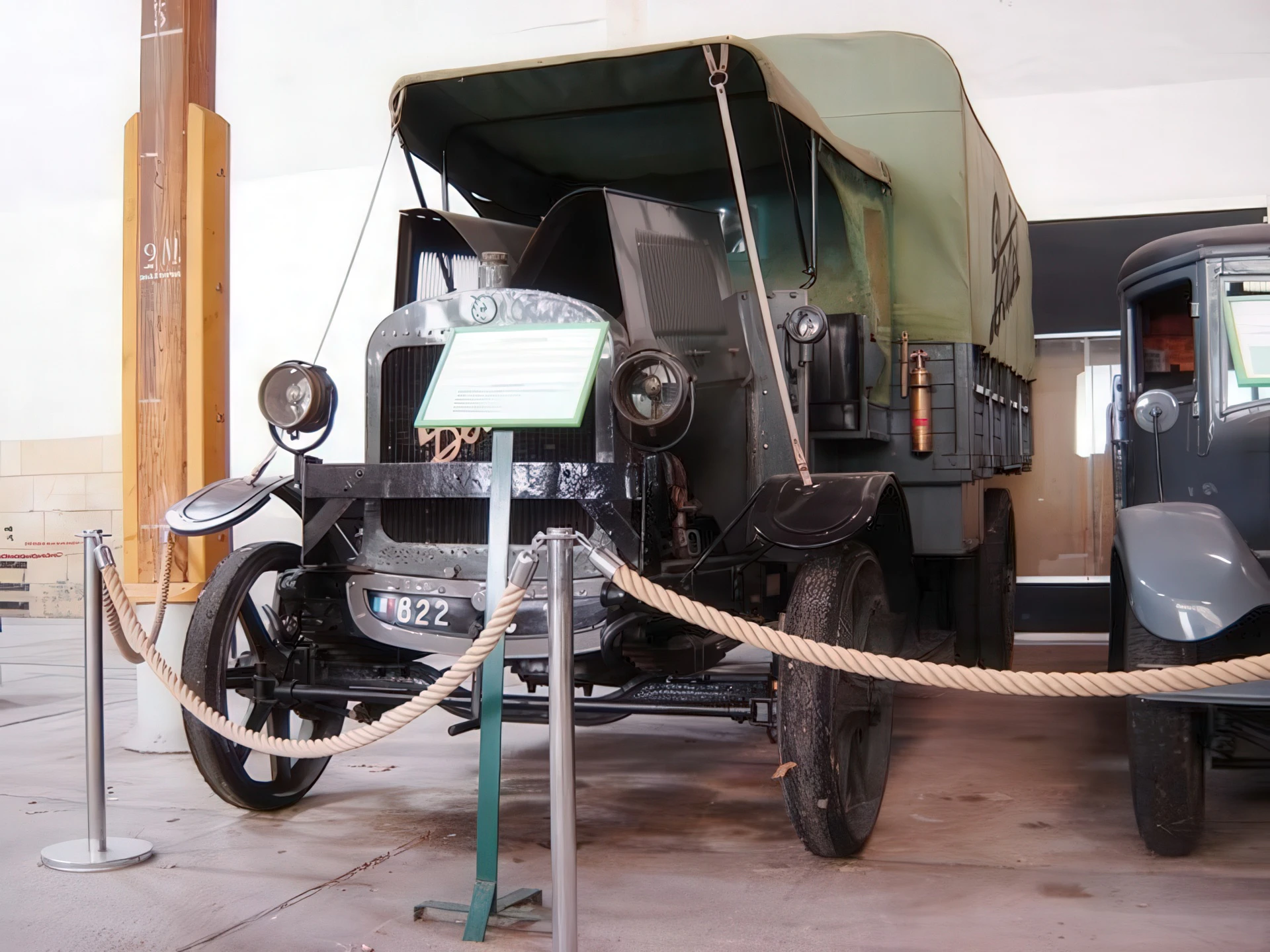
Berliet CBA 01
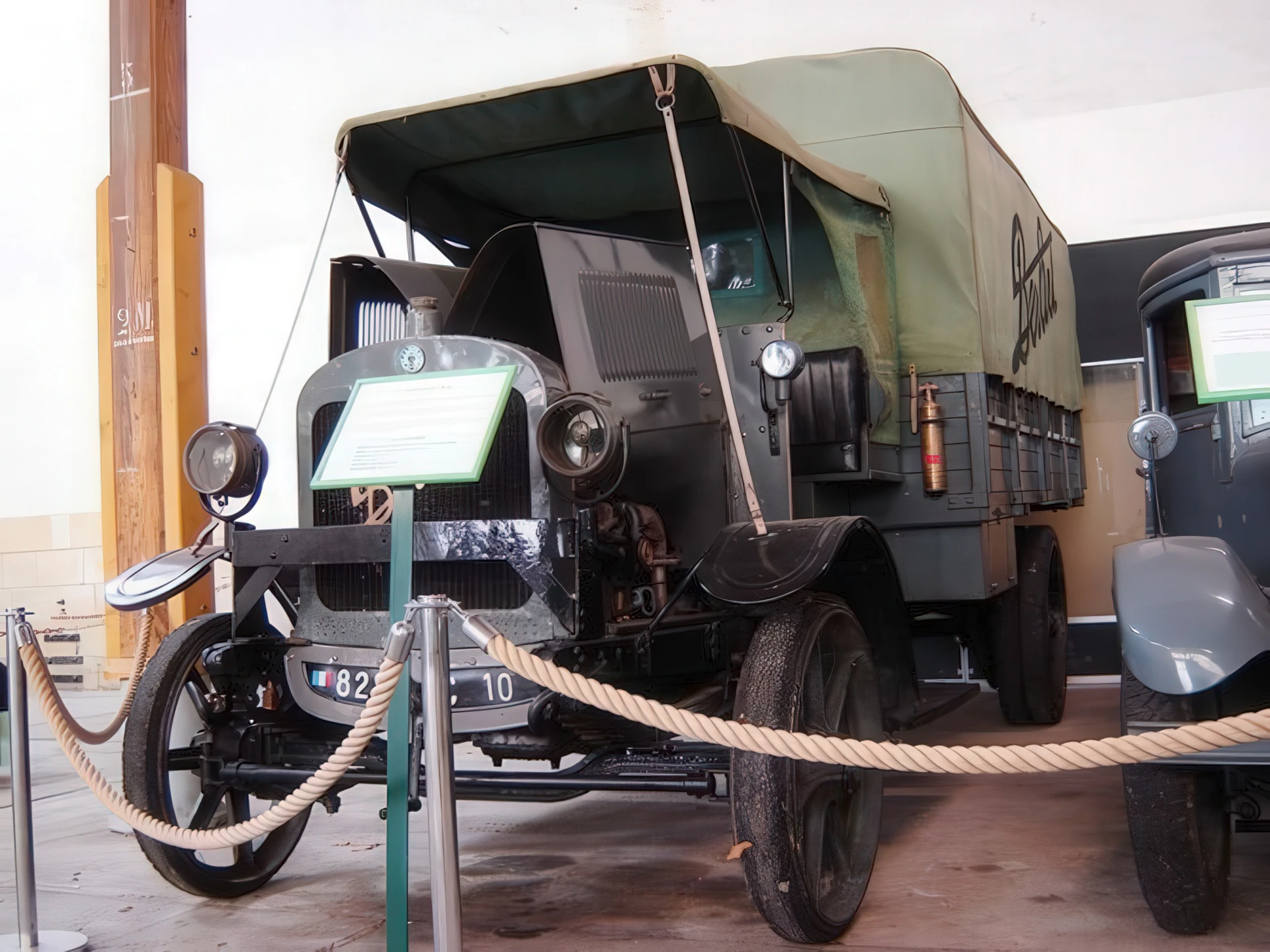
Berliet CBA 02

Berliet CBA 03
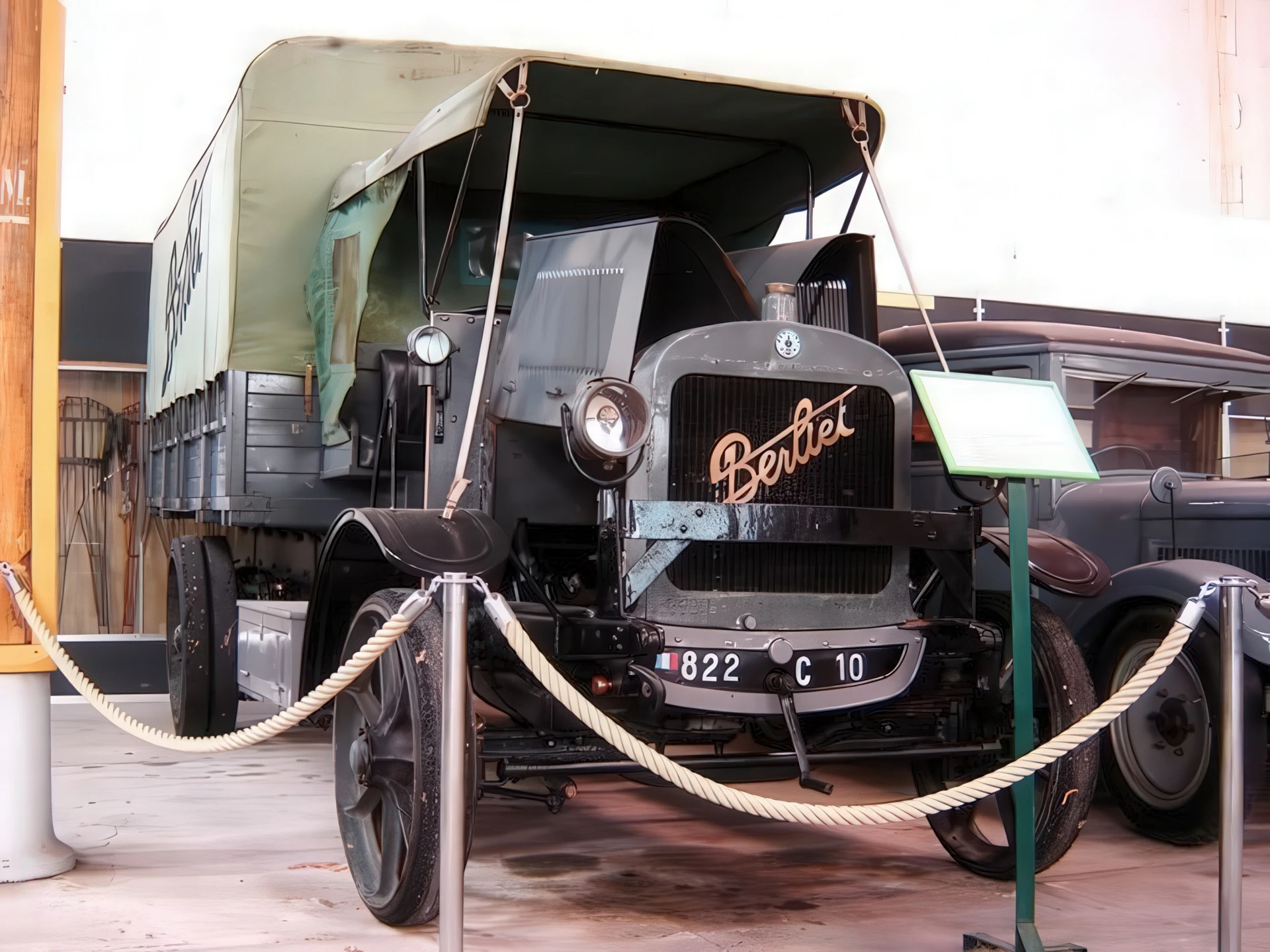
Berliet CBA 04
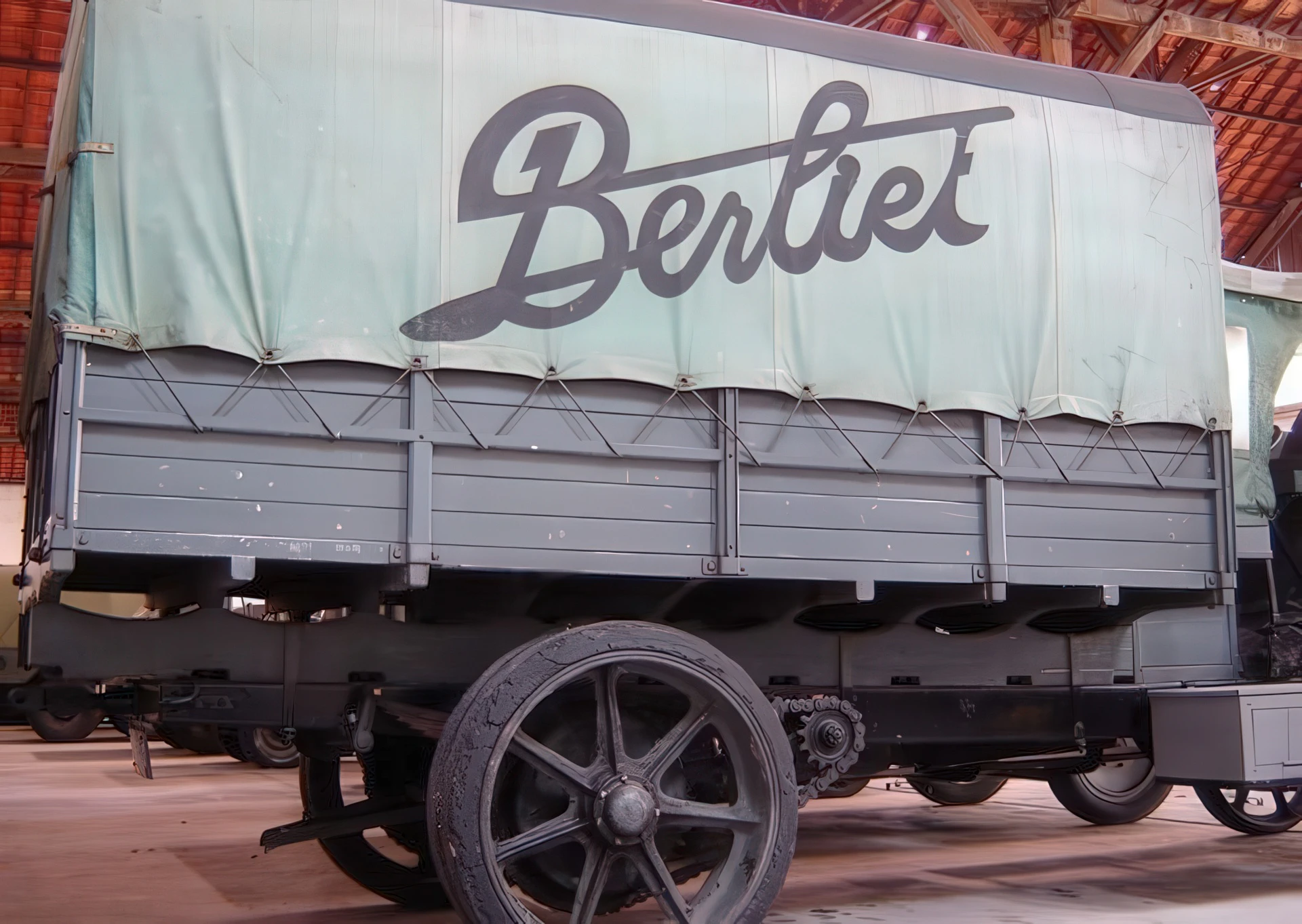
Berliet CBA 05
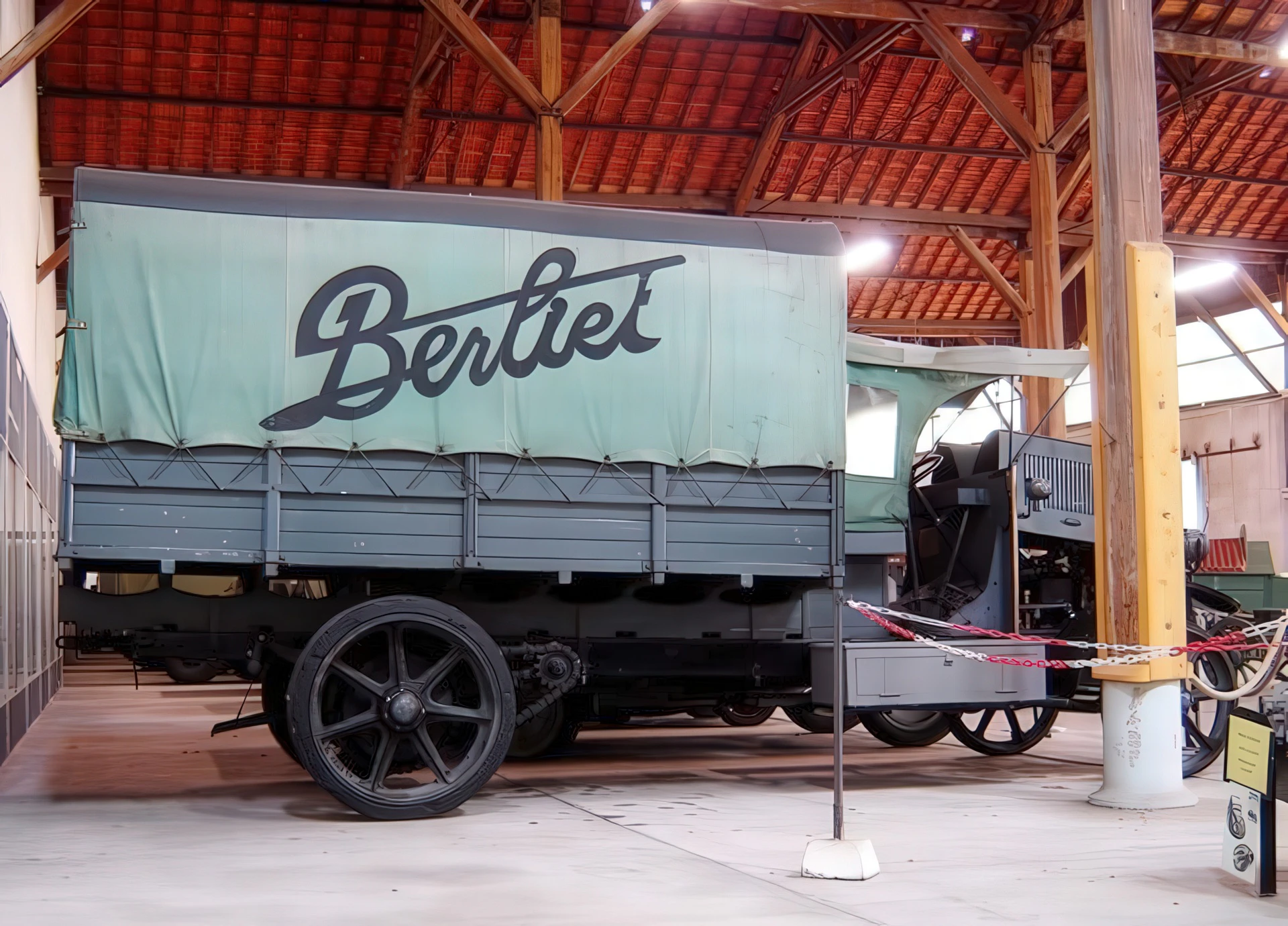
Berliet CBA 06

Berliet CBA 07
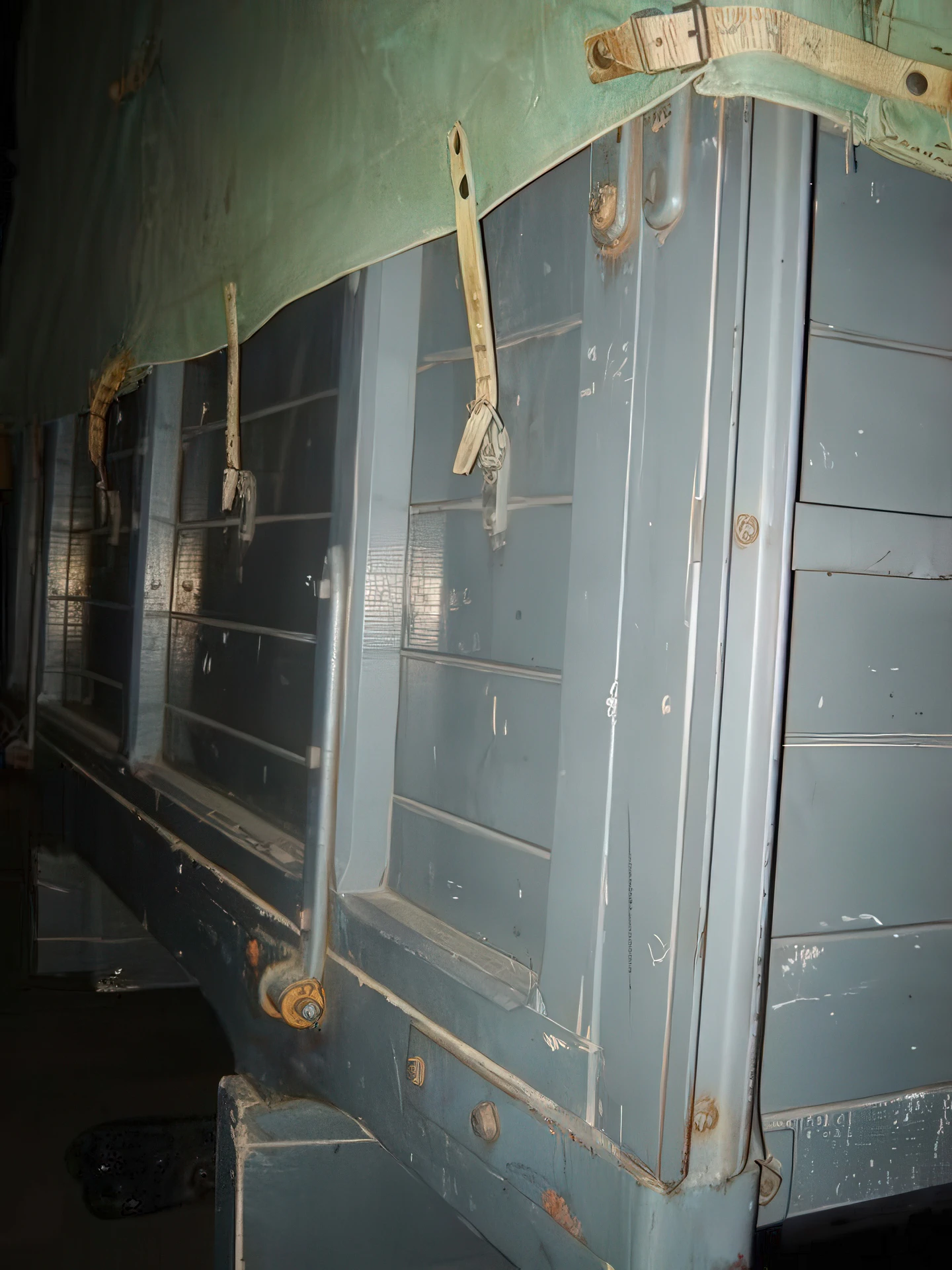
Berliet CBA 08
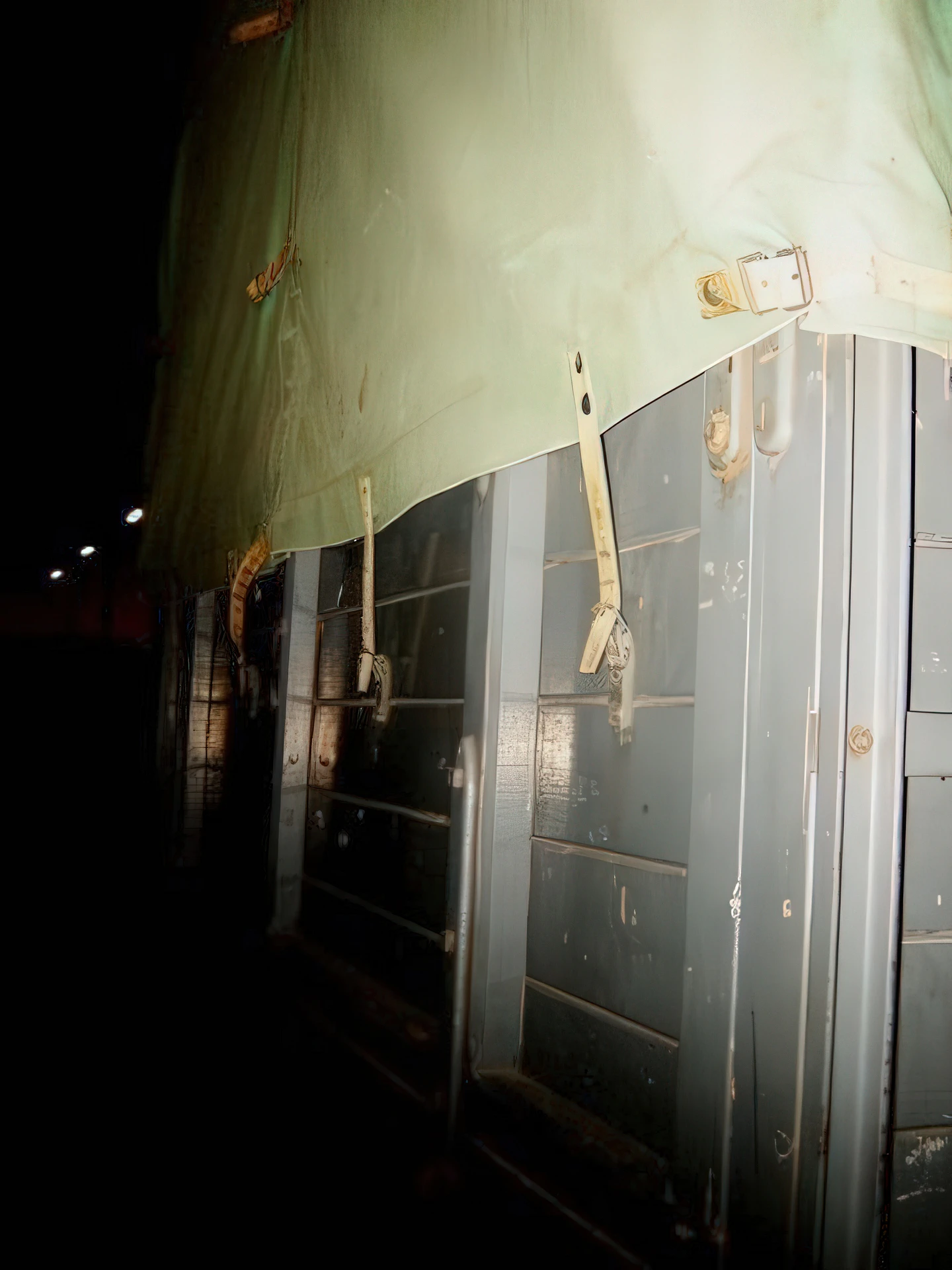
Berliet CBA 09
Wait, Searching Berliet CBA for you…

참고 항목:


Industrial Strength and Wartime Logistics
The Berliet CBA is perhaps the most iconic French vehicle of the Great War. Introduced in 1913, it was designed by Marius Berliet and Léon Monier to be simple, robust, and capable of extreme endurance. Its reputation was cemented in 1916 during the Battle of Verdun, where it became the backbone of the “Voie Sacrée” (Sacred Road). Over 3,500 trucks—the majority of them Berliet CBAs—ran in a non-stop “noria” (convoy system), supplying the front with men and munitions. By the end of WWI, Berliet had delivered 25,000 units, a feat achieved by implementing the world’s first heavy-vehicle assembly line.
| Property | Standard Specification (Berliet CBA 1913/1916) |
|---|---|
| 역할 | Medium Utility / Military Cargo Truck |
| Payload Capacity | 3.5 to 5 Tonnes |
| 동력 장치 | Berliet Type Z: 4-cylinder petrol (cast in pairs) |
| Displacement | 5,322 cm³ |
| Horsepower | 22–25 CV (Fiscal Horsepower) |
| Transmission | 4-speed Manual with Chain Drive |
| 최대 속도 | 25–30 km/h (approx. 15–18 mph) |
| Curb Weight | 3,500 kg (approx. 7,700 lb) |
Technical Design and Durability
- The “Unbreakable” Engine: The Type Z engine was specifically engineered for heavy-duty work with oversized components, earning the truck its nickname “l’increvable” (the unbreakable).
- Chain Drive Reliability: In an era where cardan (shaft) drives were still fragile under heavy loads, Berliet utilized a simple, massive chain-drive system to the rear wheels. This allowed for easier repairs in field conditions.
- Dual Braking System: The CBA featured a foot-operated transmission brake for normal deceleration and a robust hand-operated lever that applied internal expanding brakes to the rear wheels for emergencies or heavy loads.
- Solid Rubber Tires: Designed for weight rather than comfort, the CBA rode on large wooden wheels fitted with solid rubber “bandages,” eliminating the risk of punctures but making for a very rough ride.
Post-War Service and Legacy
- Mass Production Record: At its peak in 1918, Berliet was producing 1,000 CBAs per month—roughly 40 per day—setting a global industrial record at the time.
- Longevity: Although designed in 1913, the CBA remained in production until 1932. Due to its ruggedness, many were used by French artillery units as late as 1940 to tow 75mm cannons during the early stages of World War II.
- Civilian Utility: After 1918, thousands of surplus CBAs were converted into fire engines, garbage trucks, and construction vehicles, continuing to serve French infrastructure well into the 1950s and 60s.
조회수:358