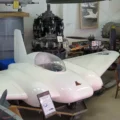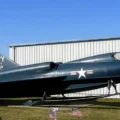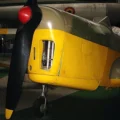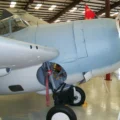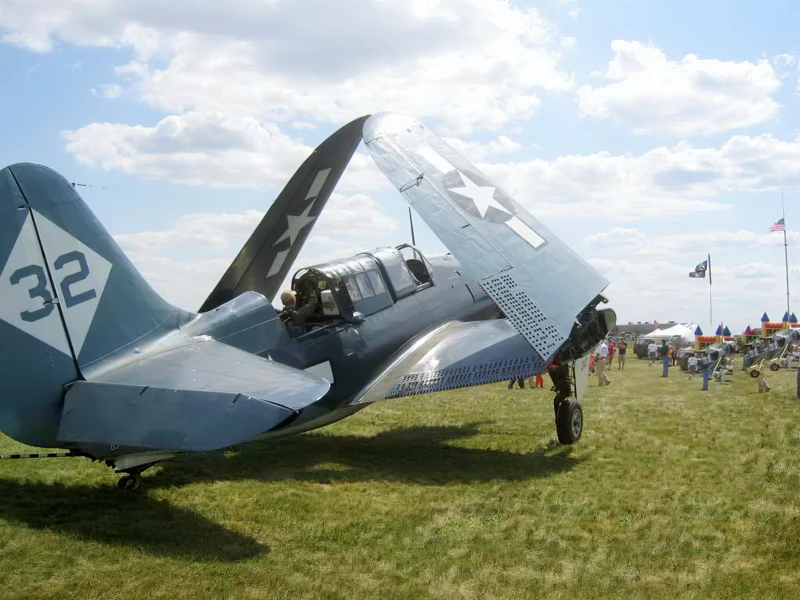
커티스 SB2C-5 헬다이버 | |
|---|---|
| 국가 | 미국 |
| 형식 | 봄 바르 디어 |
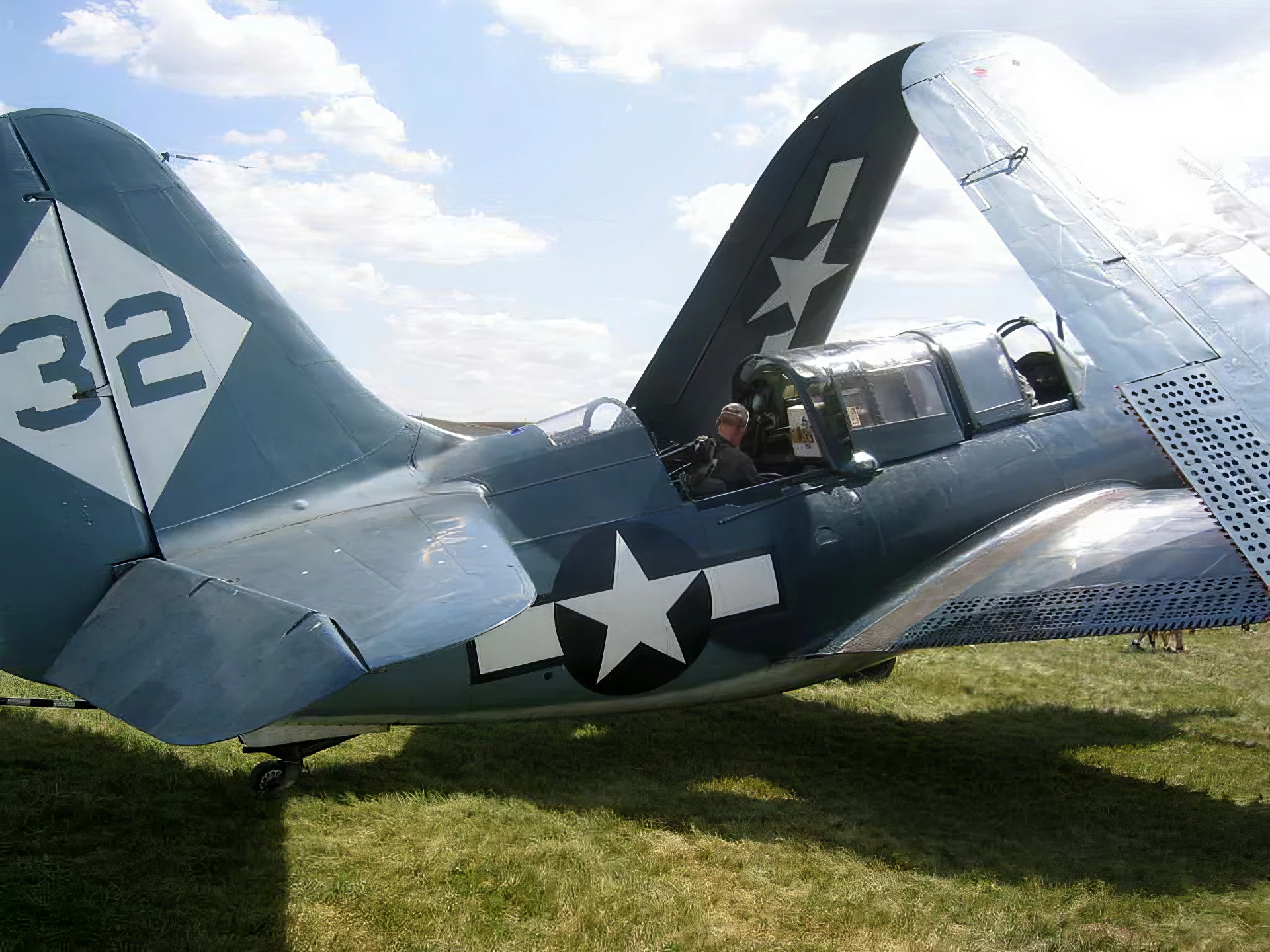
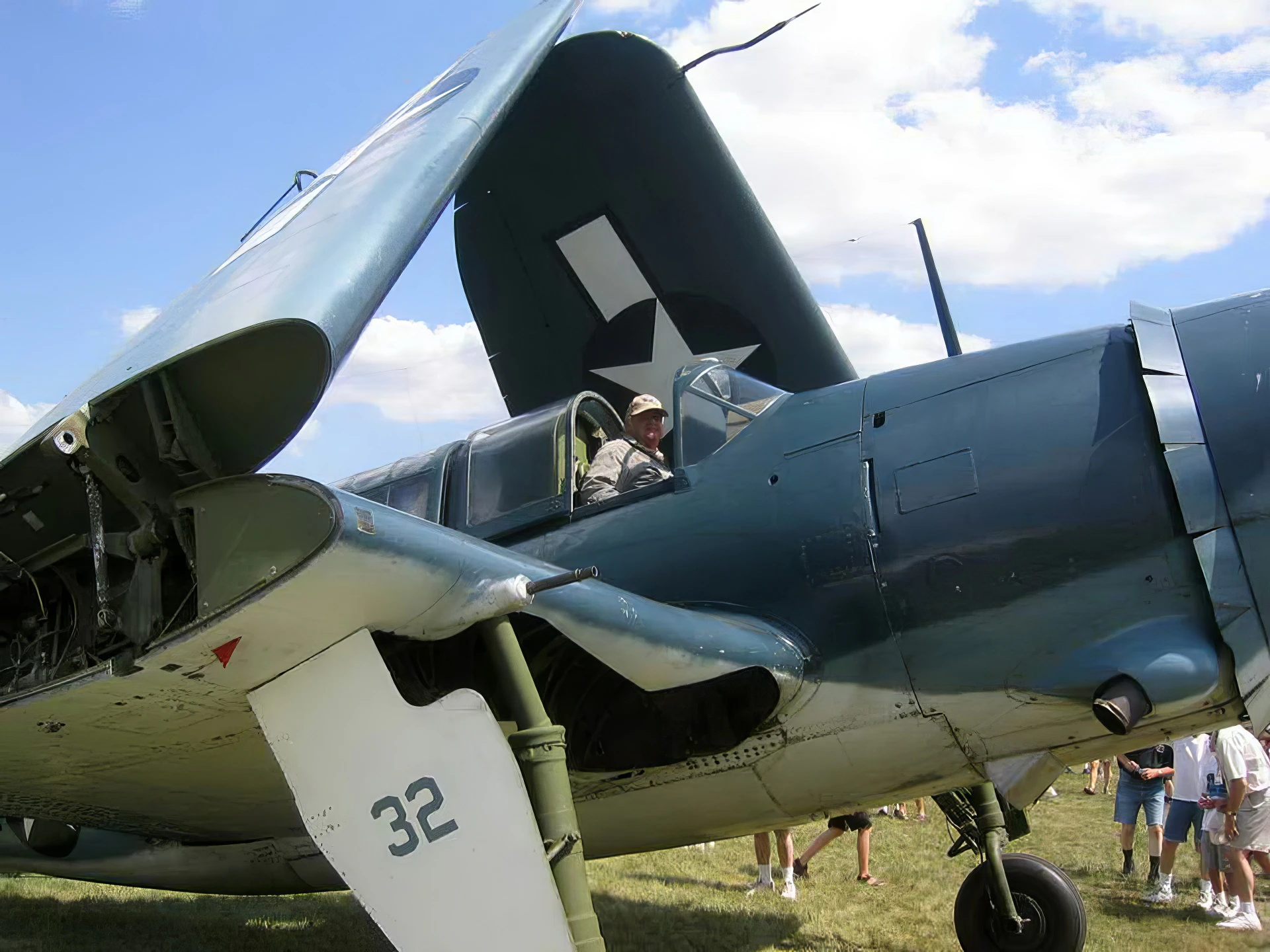
비행기 SB2C 헬다이버 회사에 의해 지어졌습니다 커티스 et que ses équipages ont surnommé «La bête» (The Beast) est un avion militaire qui a évolué durant la Seconde Guerre mondiale. L’usine 커티스 브루스터뿐만 아니라 5 월 39 일 미 해군으로부터 미 해군 항공 모함에 승선 한 급강하 폭격기로 Douglas SBD Dauntless를 교체하라는 명령을 받았습니다. 이 프로토타입은 1940년 12월 18일 첫 시험 비행을 한 후 며칠 동안 사고로 파괴되었습니다. 이 사건으로 인해 지연이 누적되었고, 초기 프로젝트와 비교하여 수많은 수정으로 인해 1942 년 6 월에만 첫 번째 생산 비행이 이루어졌습니다. 그의 첫 번째 전쟁 임무는 1943 년 11 월 11 일 일본군이 점령 한 라바울 섬을 폭격하기위한 공격 중에 수행 된 것으로 보입니다.
| Curtiss SB2C-5 Helldiver | |
|---|---|
| 사진 작가 | Unknow |
| 로컬라이제이션 | Unknow |
| 사진 | 37 |

참고 항목:


The Curtiss SB2C Helldiver was a single-engine, two-seat carrier-based dive bomber developed for the United States Navy during World War II. It was designed to replace the highly successful Douglas SBD Dauntless, offering greater speed, range, and ordnance capacity.
While designed to be a significant leap forward, the Helldiver suffered from numerous technical and handling problems during its early development and service introduction. Its challenging low-speed handling characteristics and large size earned it the notorious nicknames, such as “The Beast” 그리고 “Son-of-a-Bitch 2nd Class” (a play on its SB2C designation). Despite its poor reputation among pilots, extensive modifications eventually made it the principal U.S. Navy dive bomber in the Pacific theater, credited with sinking more Japanese naval tonnage than any other type.
The SB2C-5 Variant
The SB2C-5 was the final and most refined production version of the Helldiver series, featuring numerous improvements based on combat experience:
Armament and Payload
The Helldiver was built to carry a heavy and varied load of weapons, utilizing an internal bomb bay to maintain aerodynamic efficiency during flight:
| 형식 | Details |
|---|---|
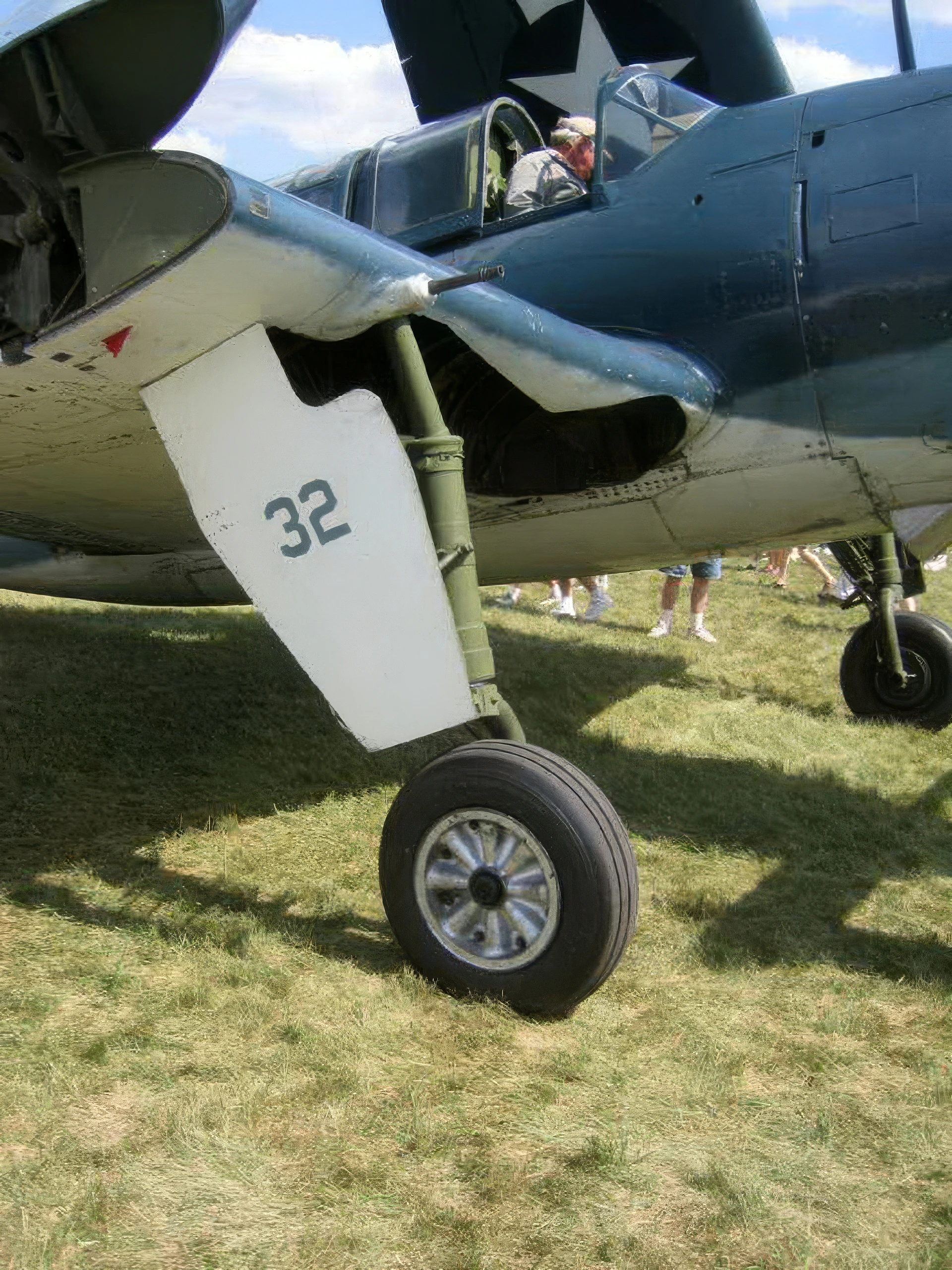
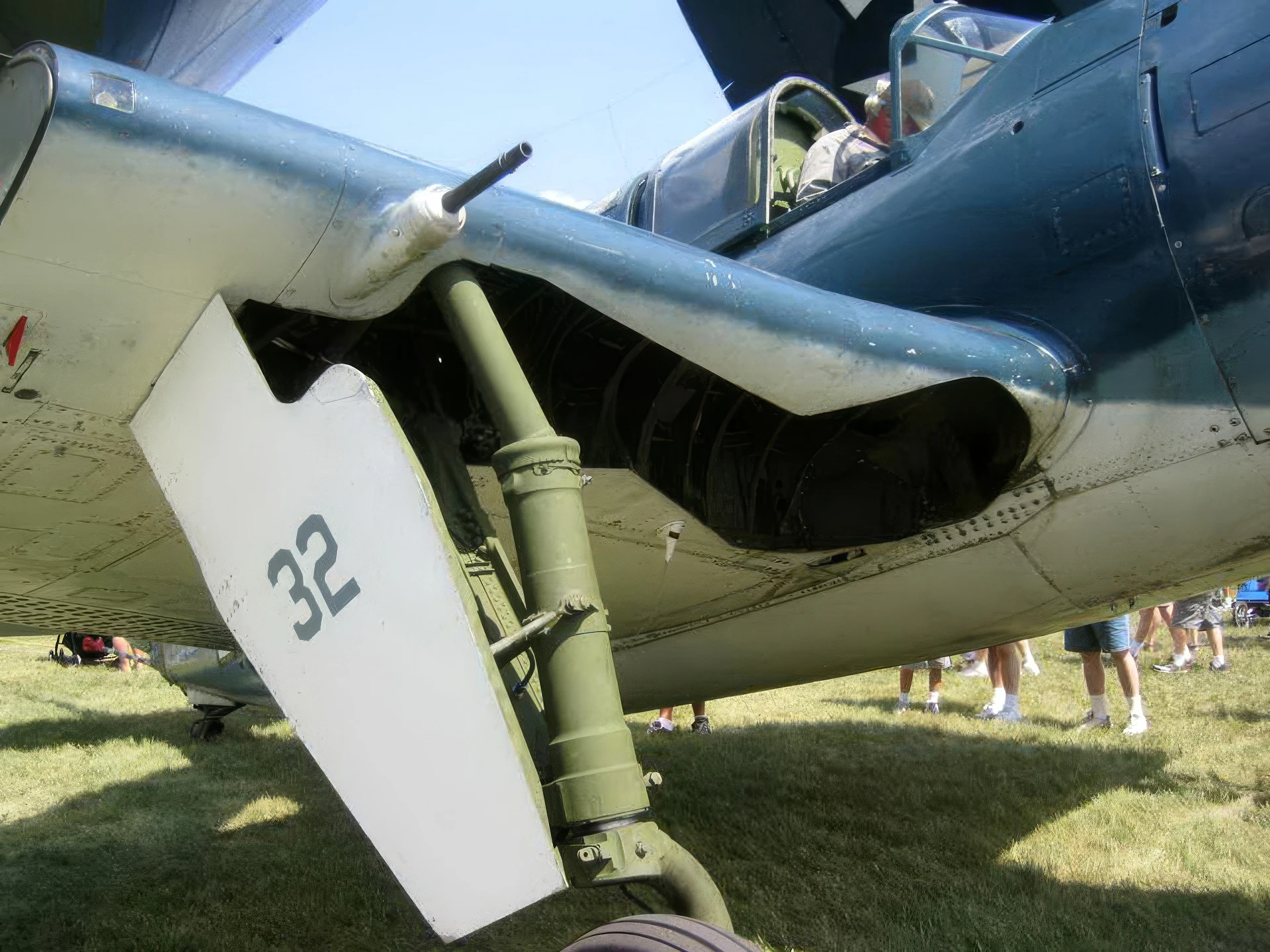
| Fixed Guns | 2 × 20 mm AN/M2 cannons mounted in the wings. |
| Defensive Guns | 2 × 7.62 mm (.30 cal) machine guns in a flexible dorsal mount for the rear gunner. |
| Internal Payload | Up to 2,000 lbs (907 kg) of bombs, or 1 × Mark 13-2 torpedo. |
| External Payload | Up to 8 × High Velocity Aircraft Rockets (HVAR) or additional bombs on underwing hardpoints. |
Key Design Characteristics
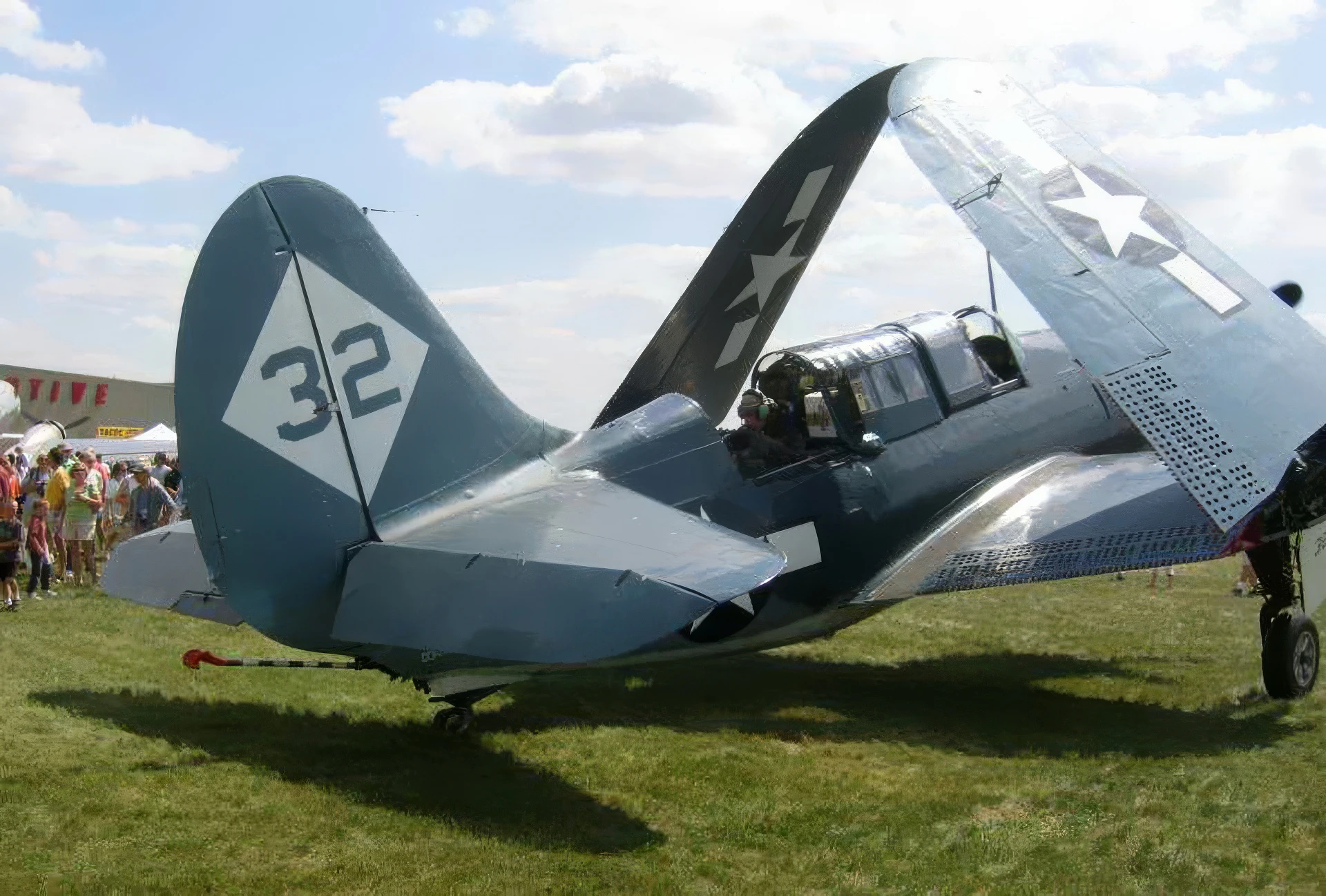
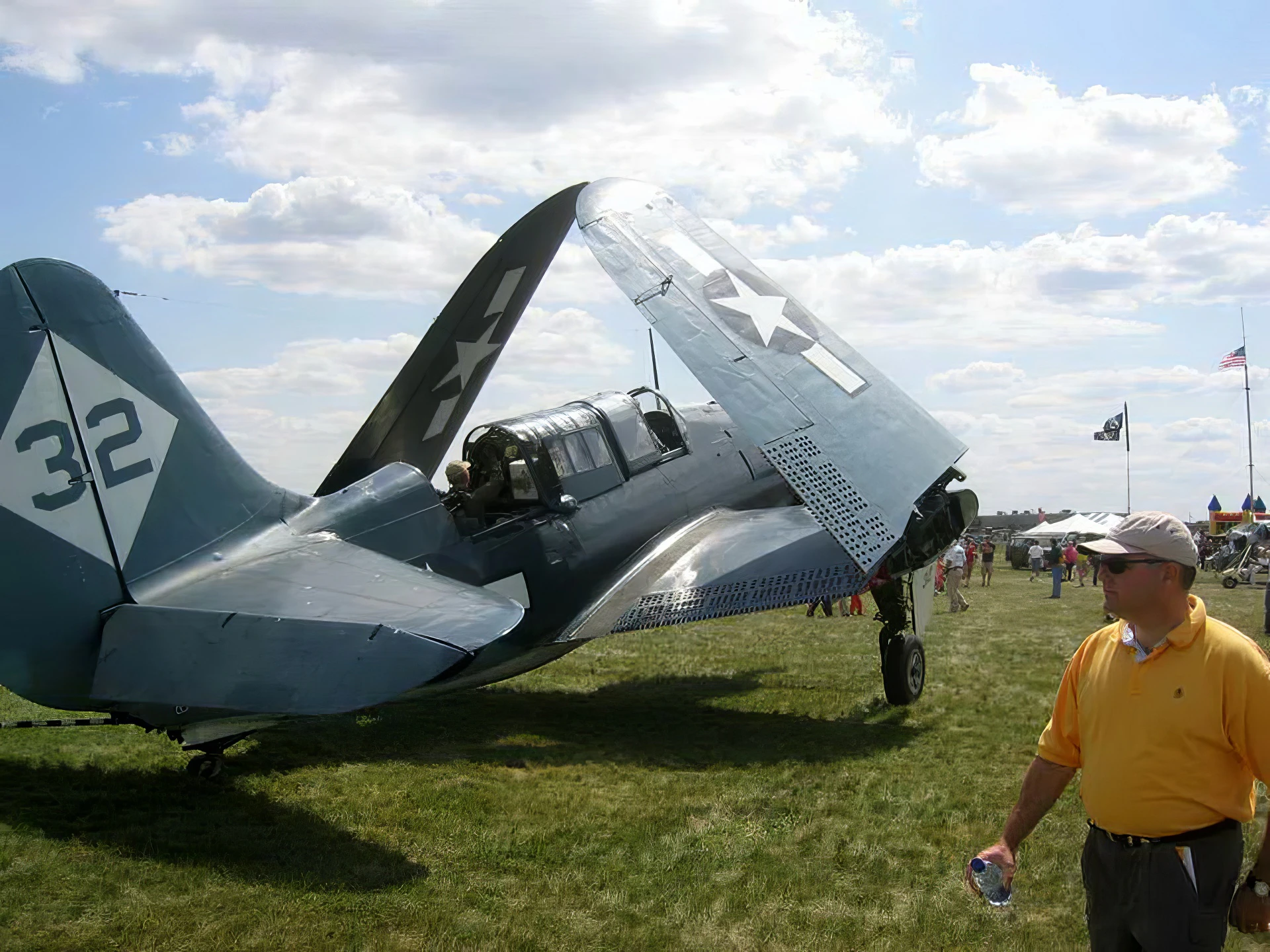
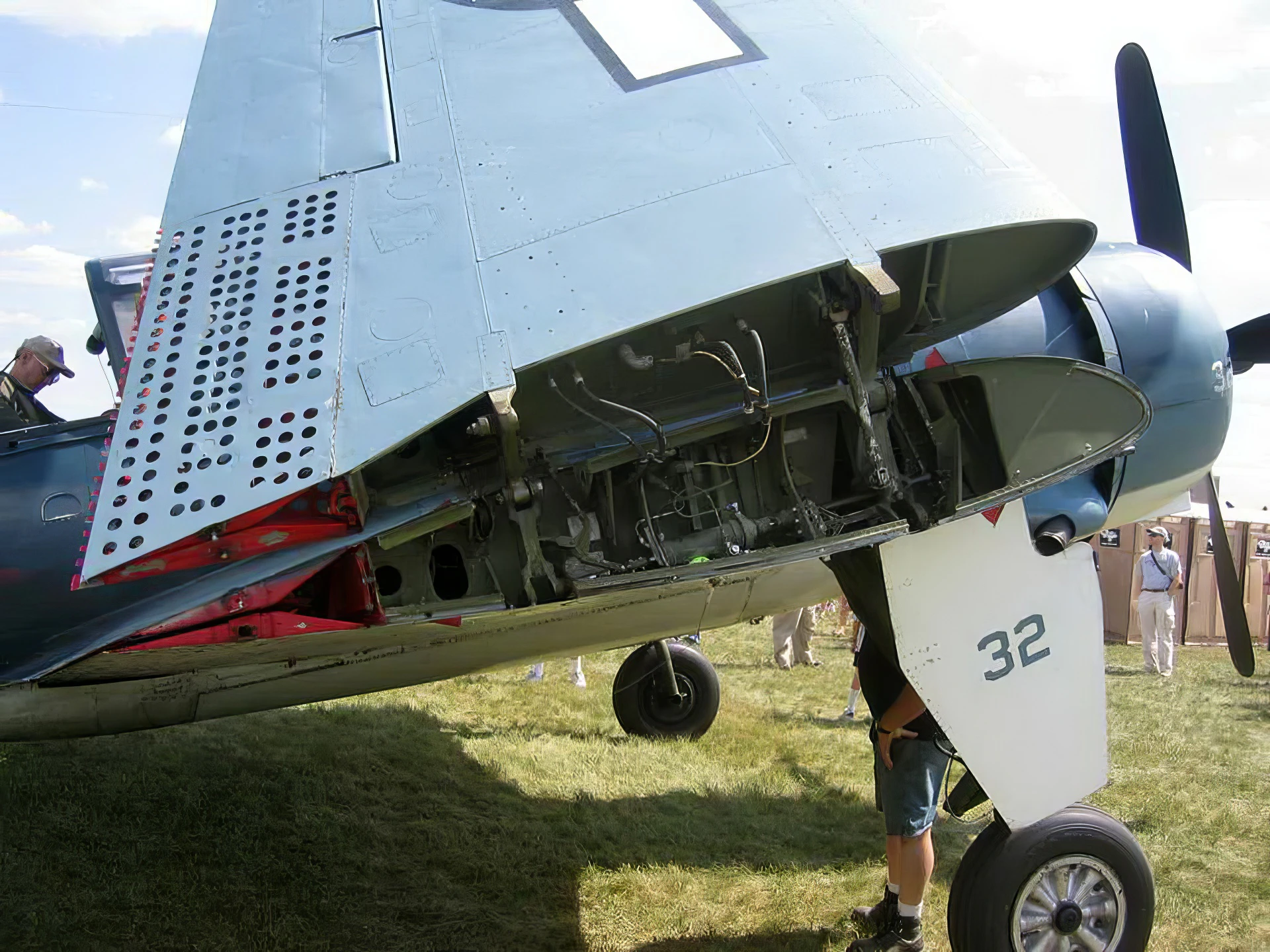
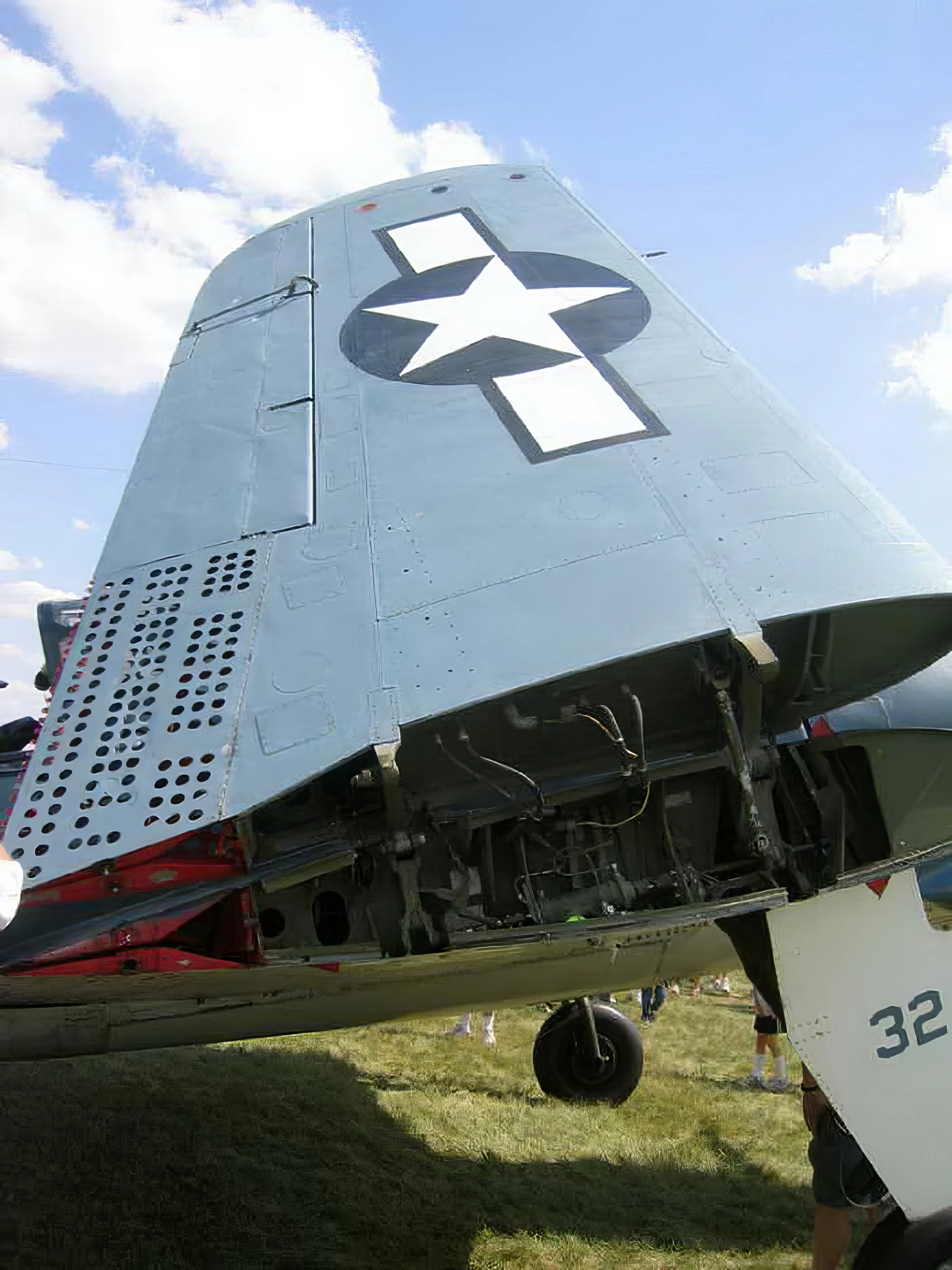
- Dive Brakes: Featured large, distinctive perforated (or “Swiss cheese”) split flaps that extended to slow the aircraft and prevent structural failure during steep, high-speed dives, ensuring accurate bomb release.
- Internal Bomb Bay: Allowed the Helldiver to carry its primary ordnance load completely within the fuselage, reducing drag compared to carrying bombs externally.
- Increased Fuel: The SB2C-5 variant had an increased fuel capacity, boosting its operational range.
- Canopy: Later models, including the -5, often featured a frameless canopy for the pilot to improve visibility.
The arrival of air-to-ground rockets and the development of more versatile fighter-bombers ultimately made the specialized dive bomber obsolete, cementing the Curtiss Helldiver as the last of its kind in U.S. Navy service.
Views : 4077