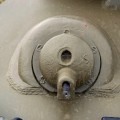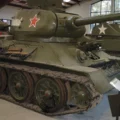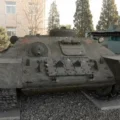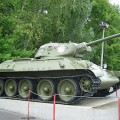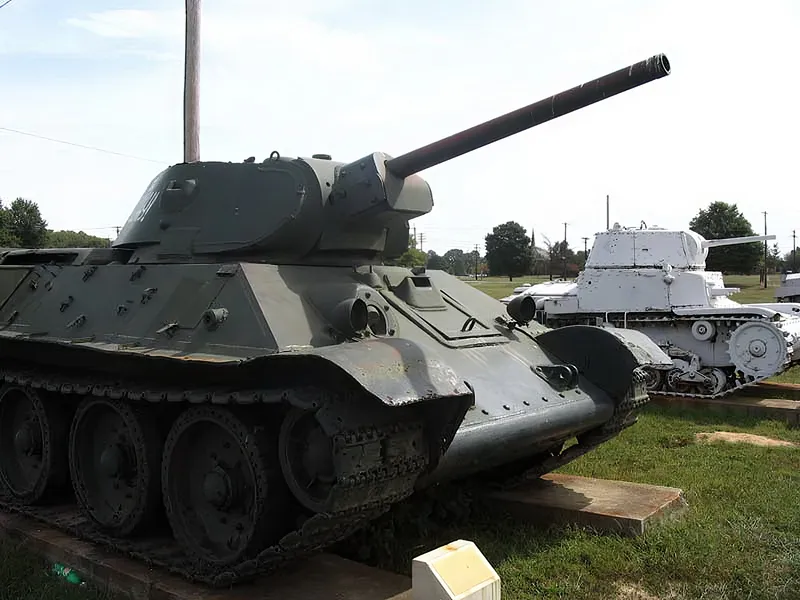
T-34/76 모델 1941 | |
|---|---|
| 국가 | 소련 사회주의 연방 공화국 |
| 형식 | 중형 전차 |
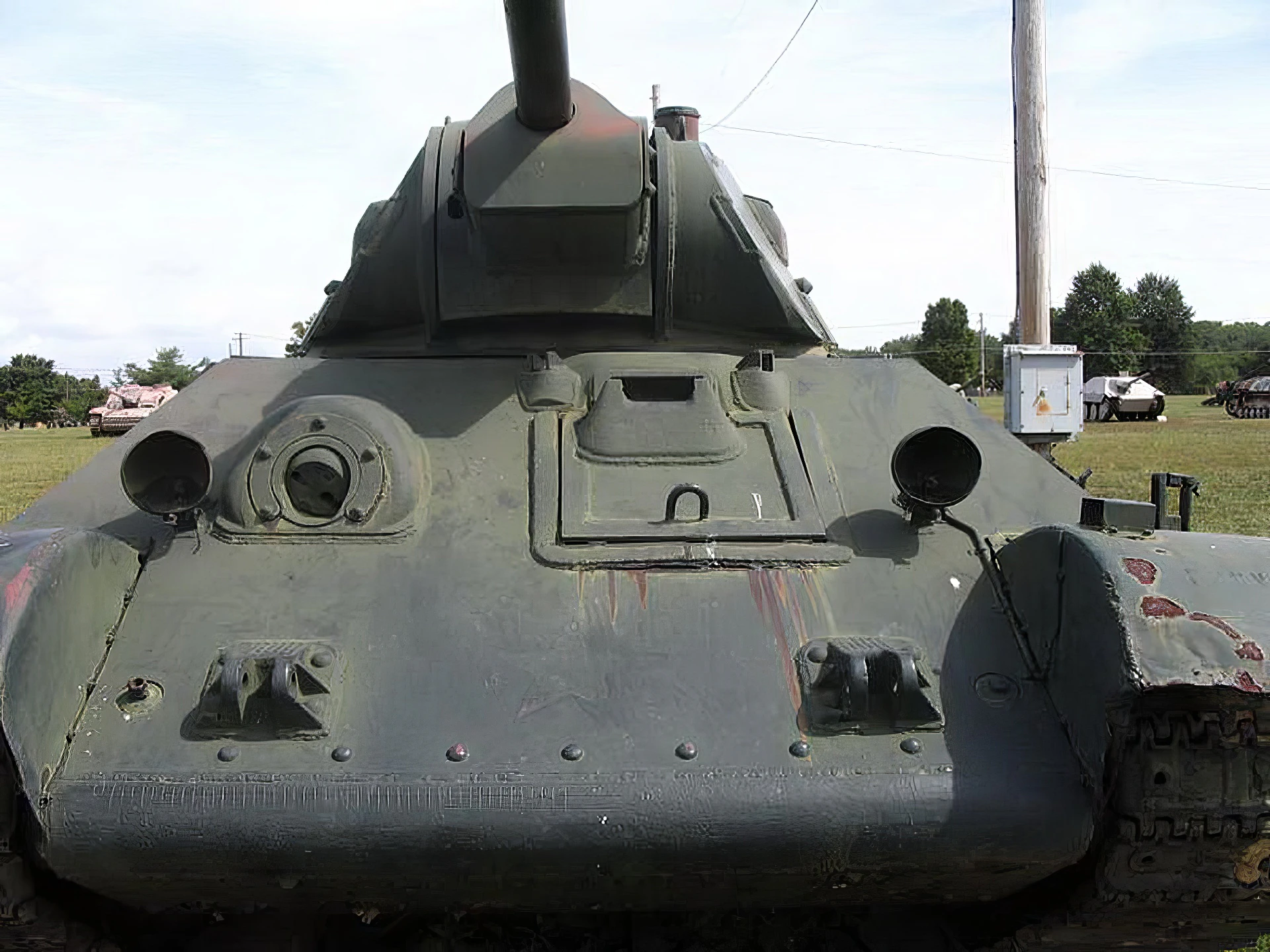
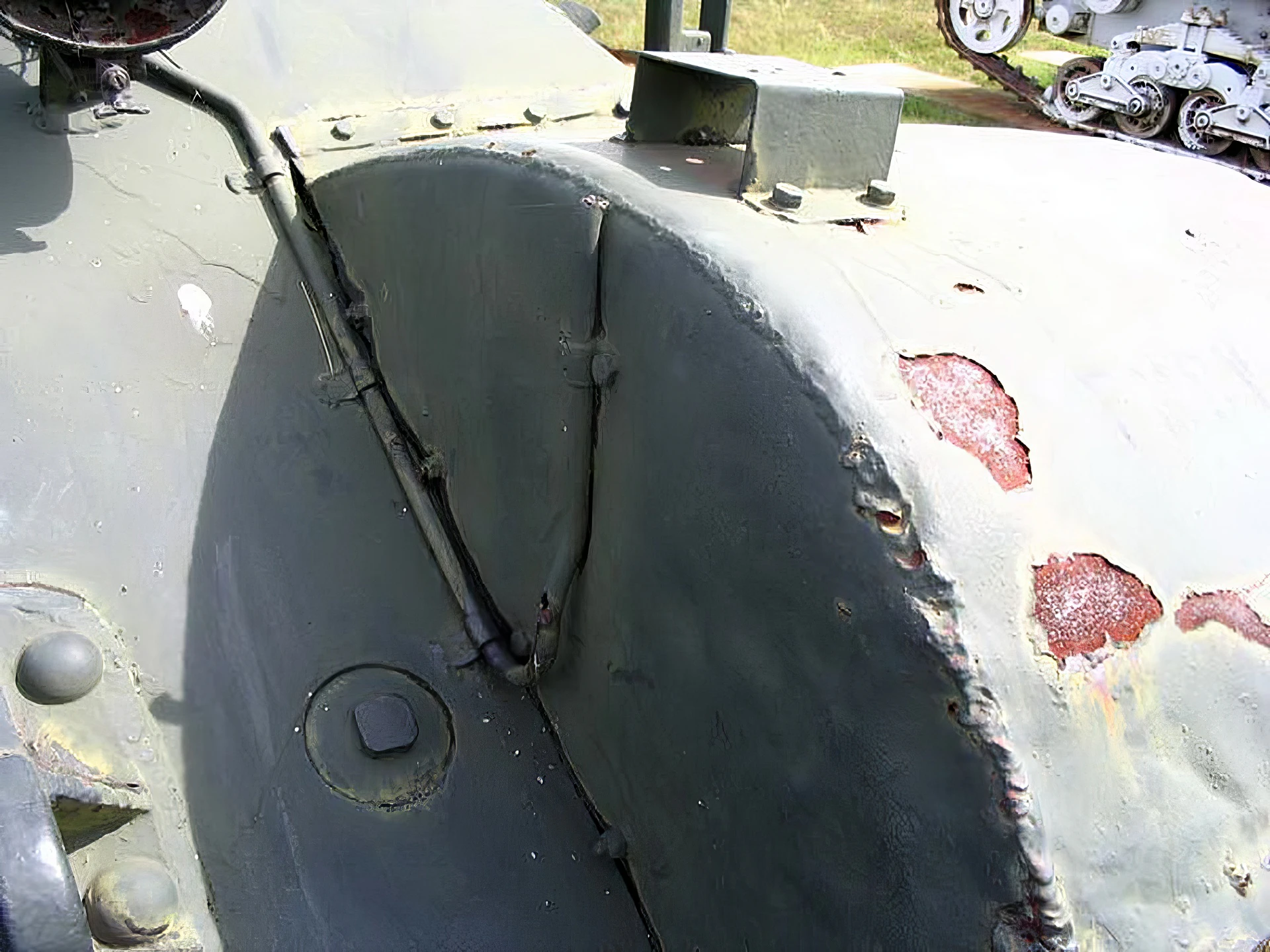
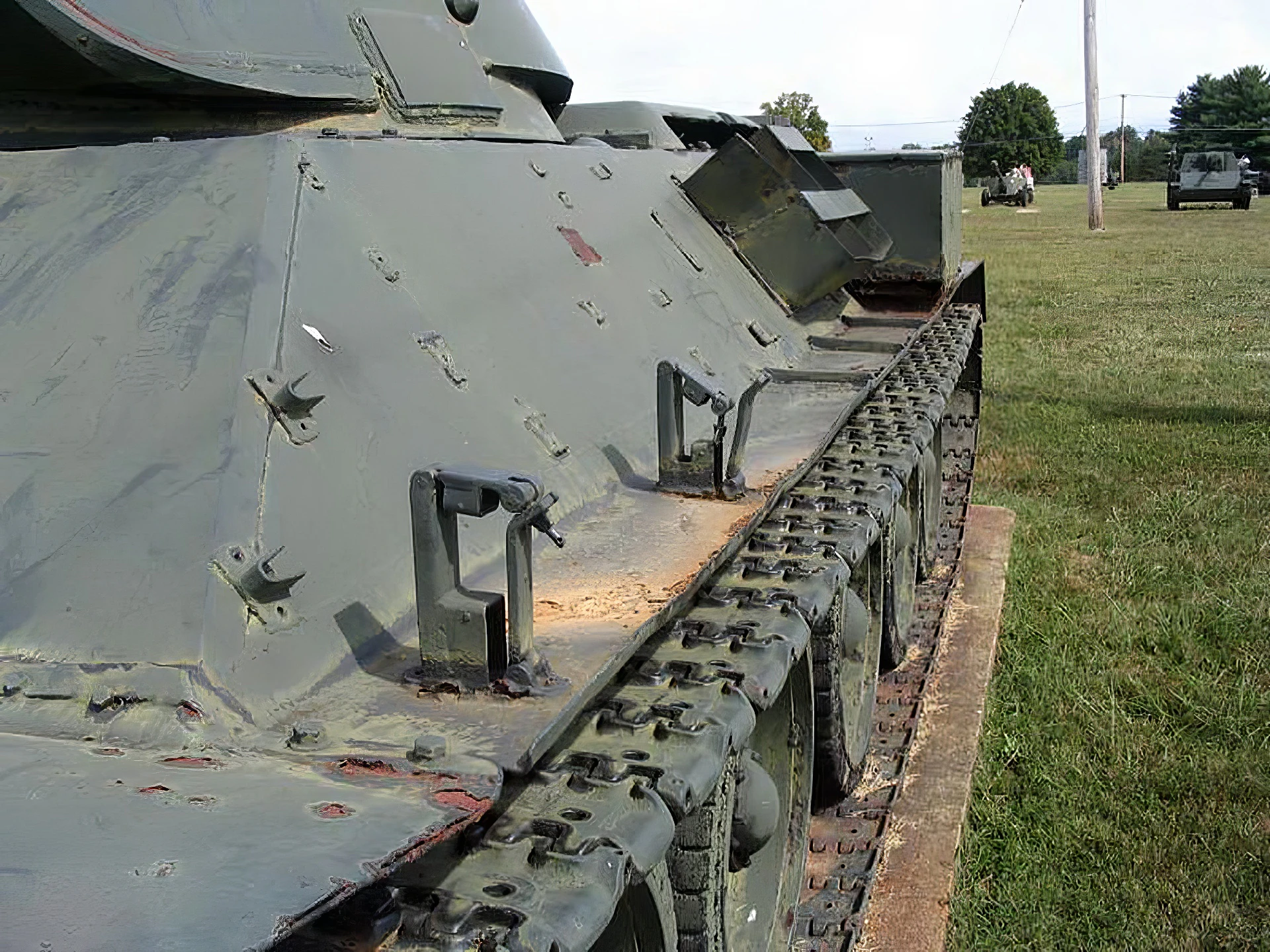
Tthe T-34 1940년 홍군과 함께 복무한 중형 전차입니다. 당시, 그것은 장갑 차량의 품질을 정의 세 가지 주요 요인 사이의 놀라운 균형이었다, 즉 화력, 보호 및 이동성. 이러한 성공은 독일군 침공에 맞서 소련의 강점 중 하나였다. 이에 대응하기 위해 T-34에서 기술적 특성의 일부를 빌린 기갑-V '팬더'와 같은 탱크 설계 정책을 개발하여 검토해야 합니다. 외국 의 작품에 의해 빠르게 능가하지만, T-34 1940년부터 1958년까지 생산량이 유지될 것이며, 총 판매량은 84,070부로 추정되며, 후속작인 T-54와 T-55 바로 뒤에 역대 두 번째로 생산된 탱크가 될 것입니다.
| T-34/76 Modèle 1941 | |
|---|---|
| 사진 작가 | Unknow |
| 로컬라이제이션 | Unknow |
| 사진 | 26 |
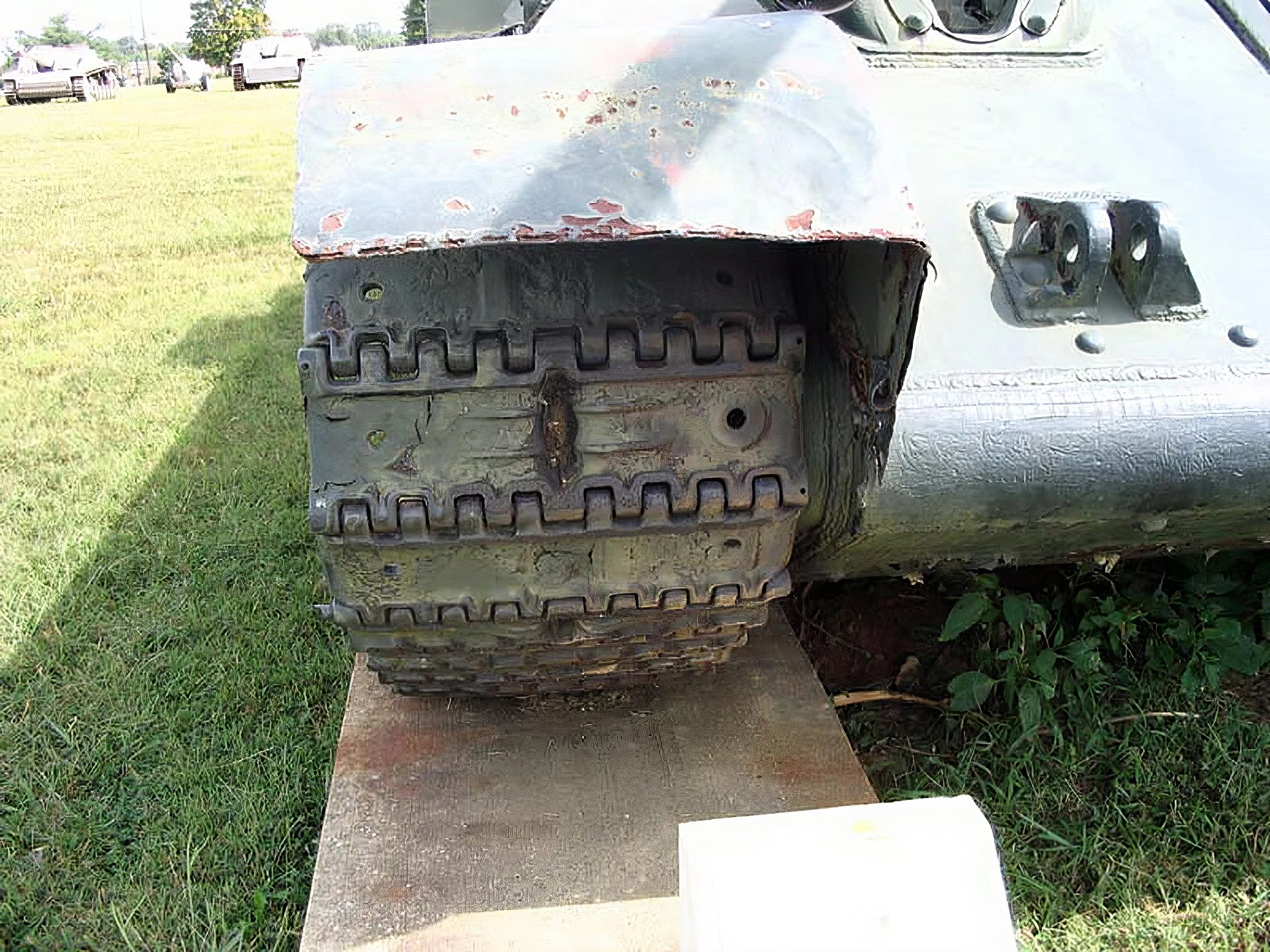
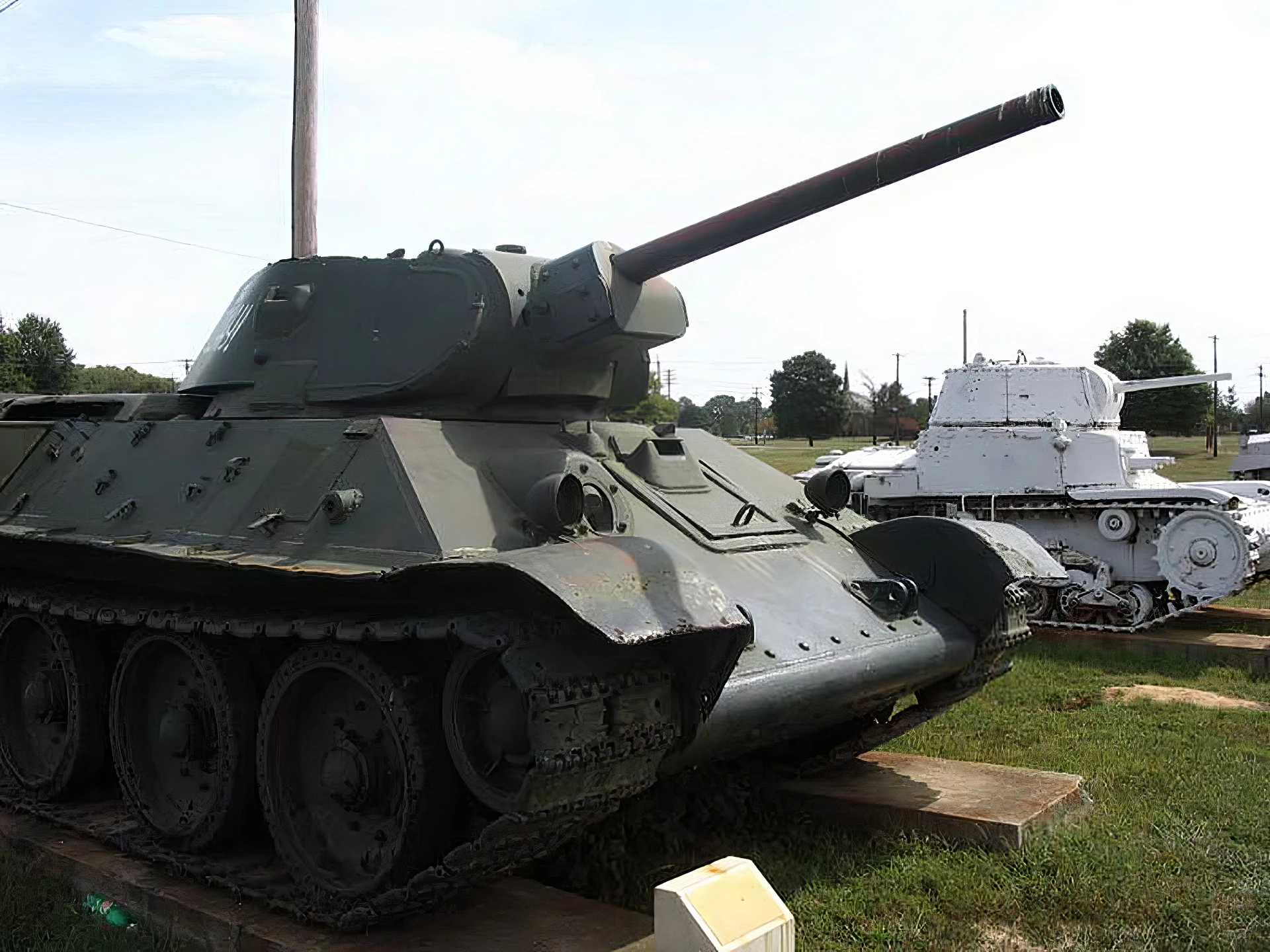
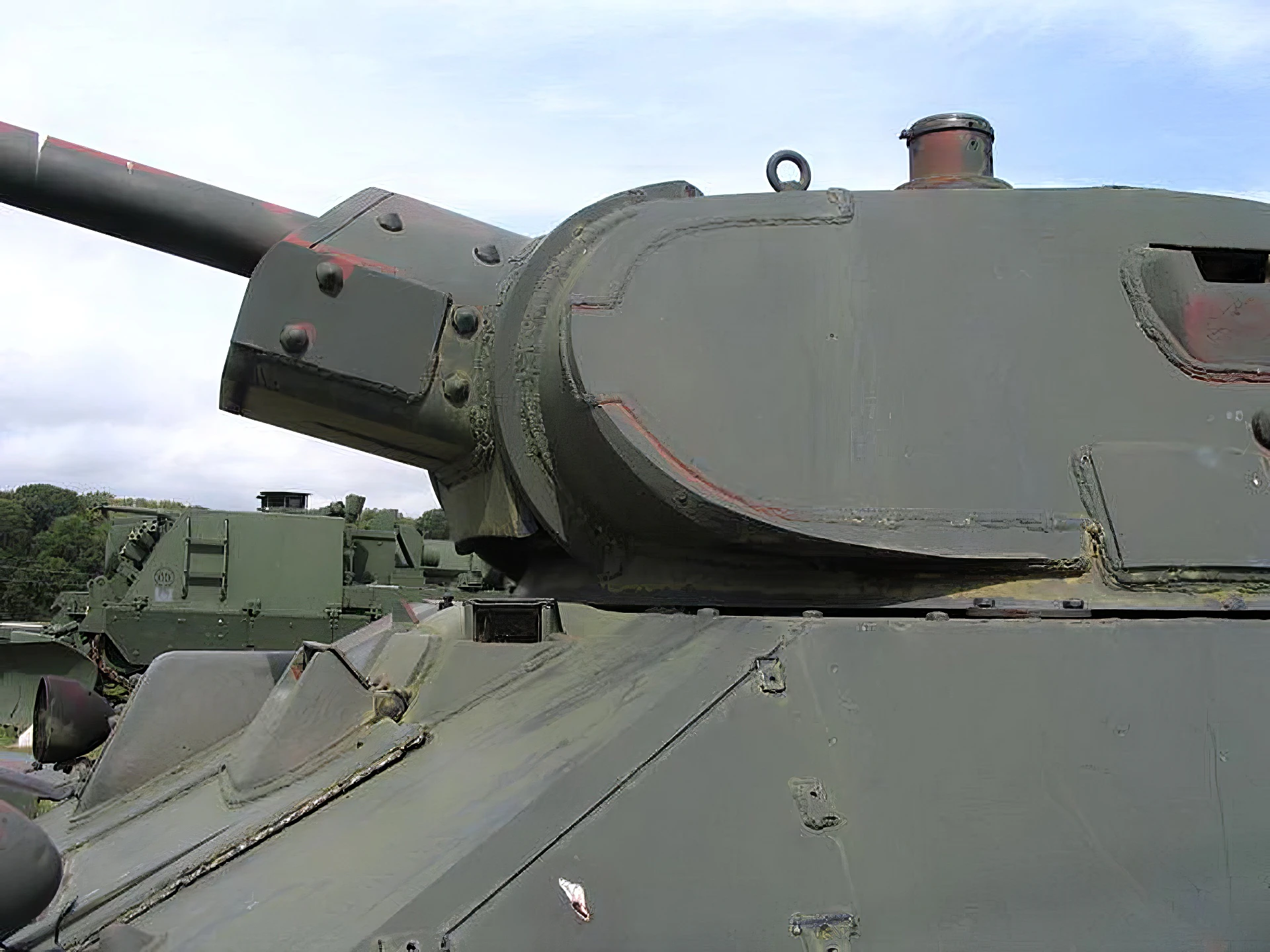
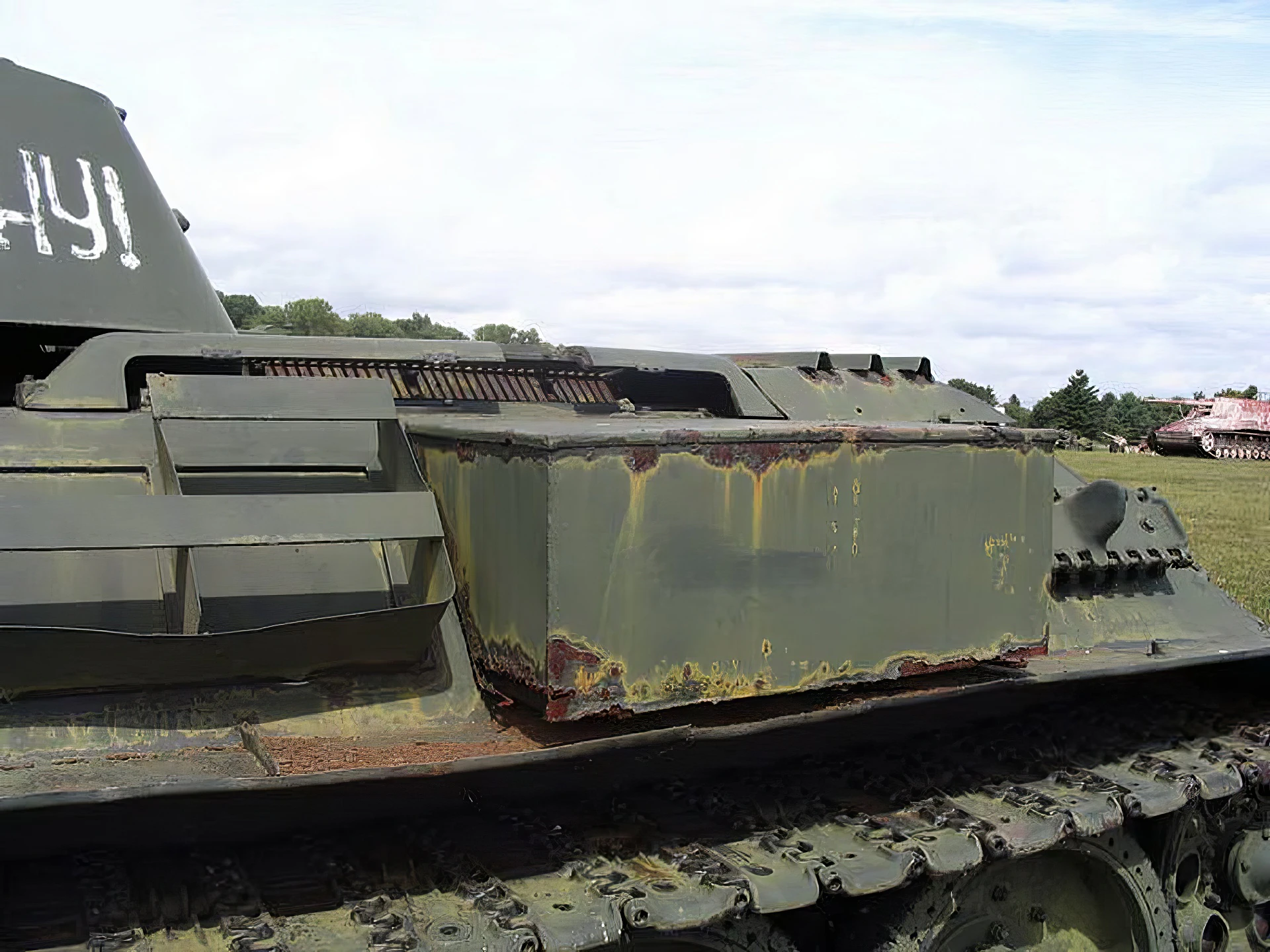

| T-34-76 | |
|---|---|
| 사진 작가 | Unknow |
| 로컬라이제이션 | Unknow |
| 사진 | 12 |
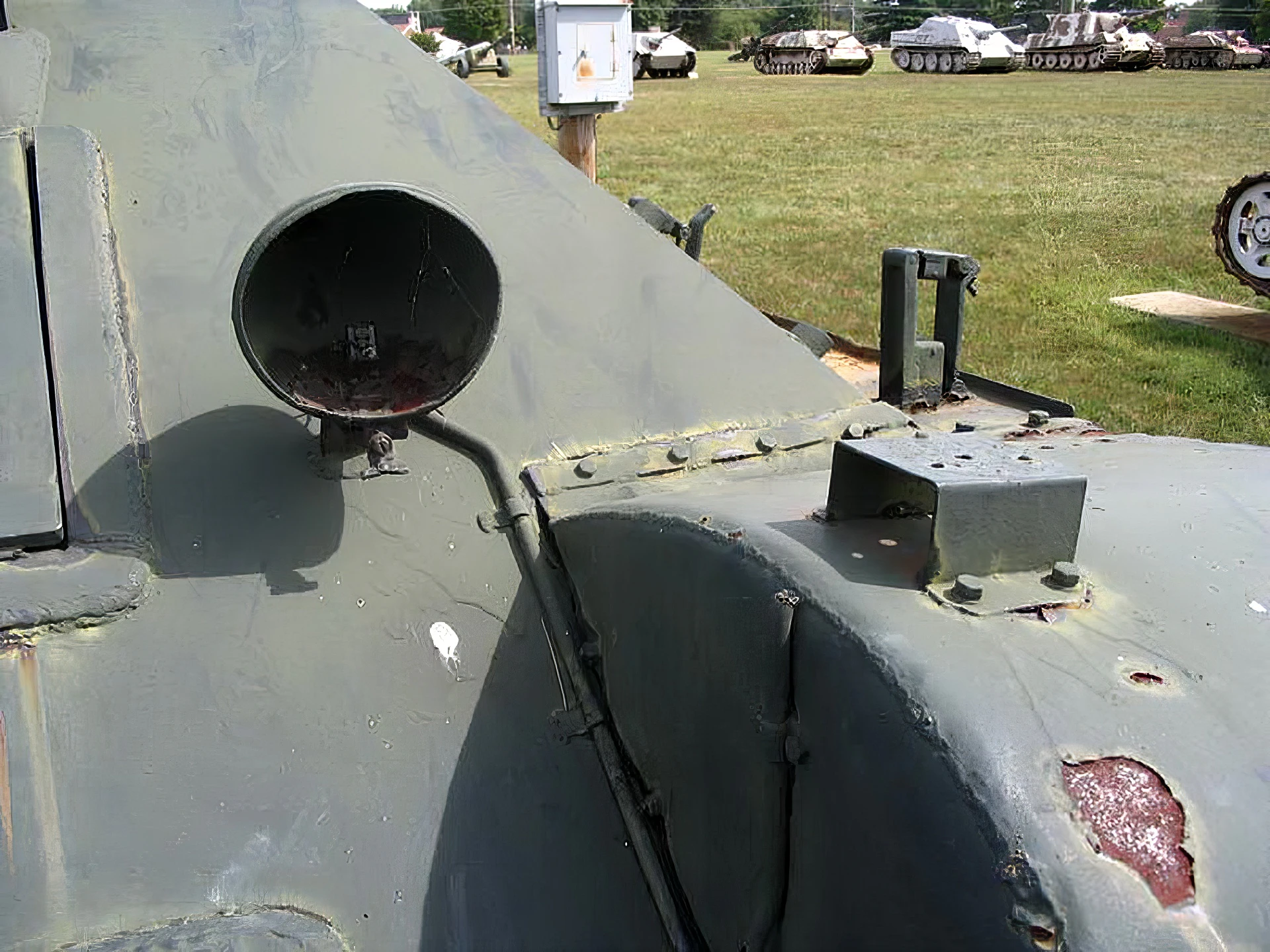
| T-34-76 Mod. 1943 Walk Around | |
|---|---|
| 사진 작가 | Unknow |
| 로컬라이제이션 | Unknow |
| 사진 | 43 |
참고 항목:


Tthe T-34/76 was a Soviet medium tank introduced in 1940. It is widely regarded as one of the most important and influential tank designs of World War II, combining revolutionary sloped armor, a powerful diesel engine, and a capable 76.2 millimeter gun, which gave it a major edge over contemporary German tanks in 1941.
Key Specifications (Model 1941/42)
| 특징 | Detail |
|---|---|
| 역할 | 중형 전차 |
| 승무원 | 4 (Commander/Gunner, Loader, Driver, Radio Operator/Hull Machine Gunner) |
| 주무장 | 76.2 millimeter F-34 Tank Gun |
| 엔진 | V-2 Diesel Engine, 500 horsepower (approx.) |
| Armor Thickness (Hull Front) | 45 millimeter sloped at 60 degrees |
| 최대 속도 | 53 kilometers per hour (33 mph) |
| 무게 | Around 26.5 metric tonnes |
Revolutionary Design Elements
The T-34’s initial success stemmed from three primary innovations:
- Sloped Armor: The highly angled armor plating greatly increased the effective thickness and deflected incoming rounds, making it difficult for early German anti-tank guns to penetrate.
- V-2 Diesel Engine: This engine provided superior power-to-weight, excellent range, and used diesel fuel, which was less flammable than the gasoline used by most contemporary German and Western Allied tanks.
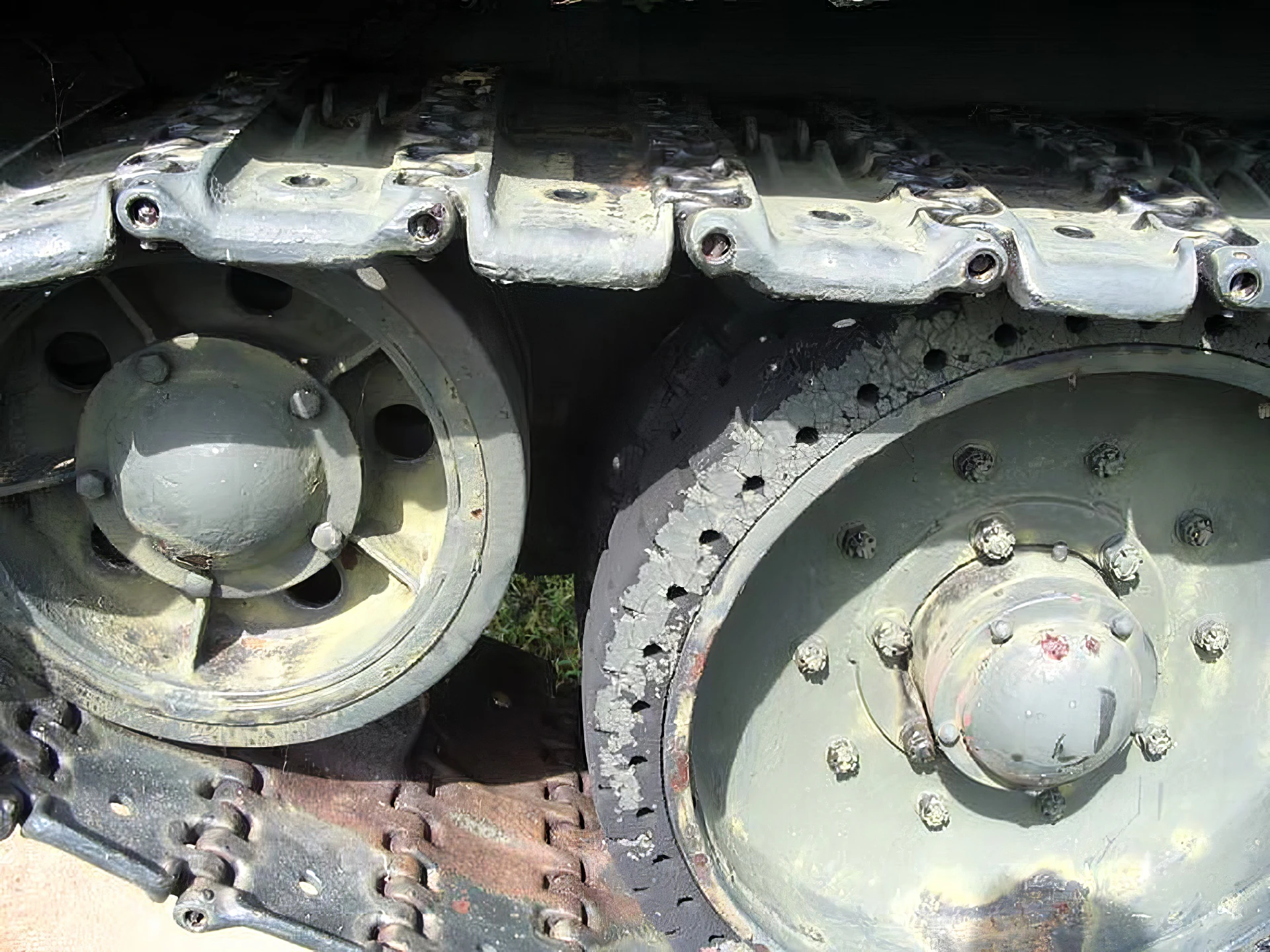
- Wide Tracks: The broad tracks and Christie suspension gave the tank superior mobility over the mud, snow, and poor roads of the Eastern Front, where German tanks often struggled.
Production Priority: Due to the desperate need for tanks following the German invasion (Operation Barbarossa), the Soviet government prioritized rapid, mass production over quality control, leading to high numbers of tanks but also initial issues with reliability, particularly with the gearbox and engine.
Views : 4083