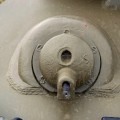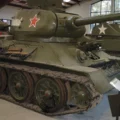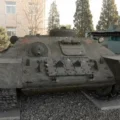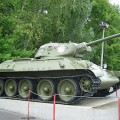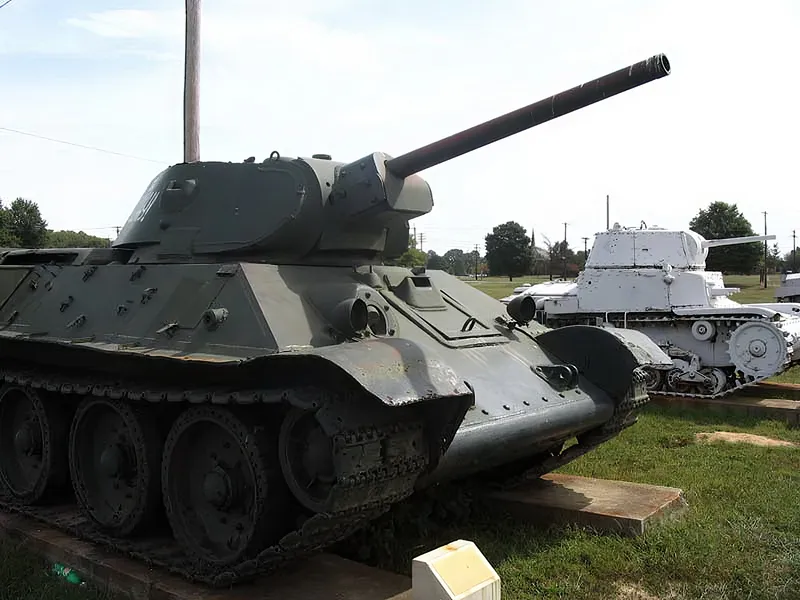
T-34/76 Model 1942 | |
|---|---|
| Betaalt | Ussr |
| Type | Middelgrote tank |
De T-34 is een middelgrote tank die in 1940 in dienst kwam bij het Rode Leger. In die tijd vormde het een opmerkelijk evenwicht tussen de drie belangrijkste factoren die de kwaliteit van een gepantserd voertuig bepaalden, namelijk: vuurkracht, bescherming en mobiliteit. Dit succes maakte het een van de sterke punten van de Sovjet-Unie in het licht van de invasie van de Wehrmacht. Om dit tegen te gaan, zal deze laatste ook zijn gepantserde ontwerpbeleid moeten herzien door bijvoorbeeld de Panzer-V 'Panther' te ontwikkelen, die een deel van zijn technische kenmerken van de T-34 heeft geleend. Hoewel snel ingehaald door buitenlandse producties, T-34 zal nog steeds in productie blijven van 1940 tot 1958, met een totaal van geproduceerde eenheden geschat op 84.070 exemplaren, waardoor het de tweede meest geproduceerde tank aller tijden is, net achter zijn opvolgers, de T-54 en T-55.
| T-34/76 Modèle 1941 | |
|---|---|
| Fotograaf | Unknow |
| Lokalisatie | Onbewust |
| Foto 's | 26 |
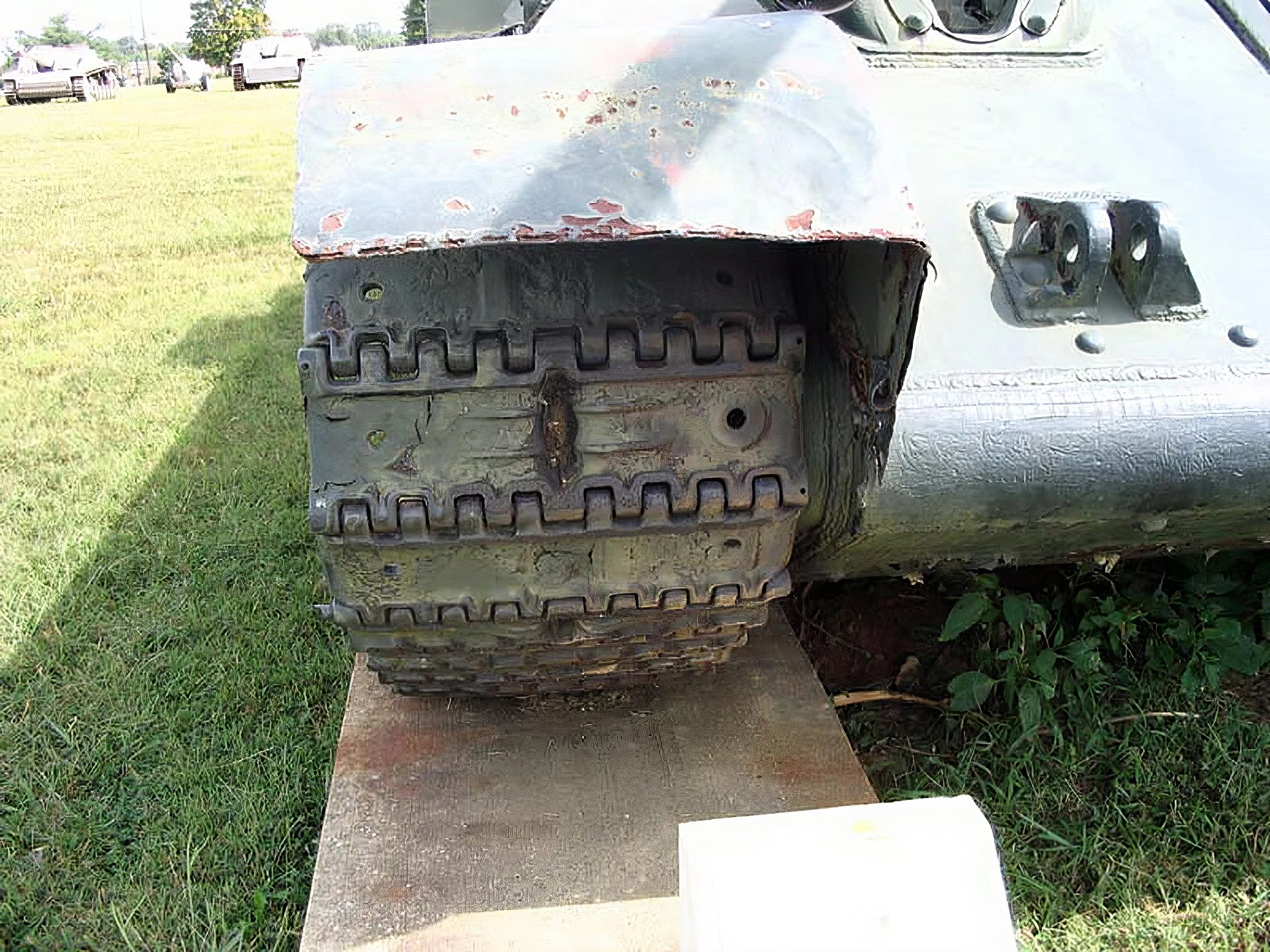
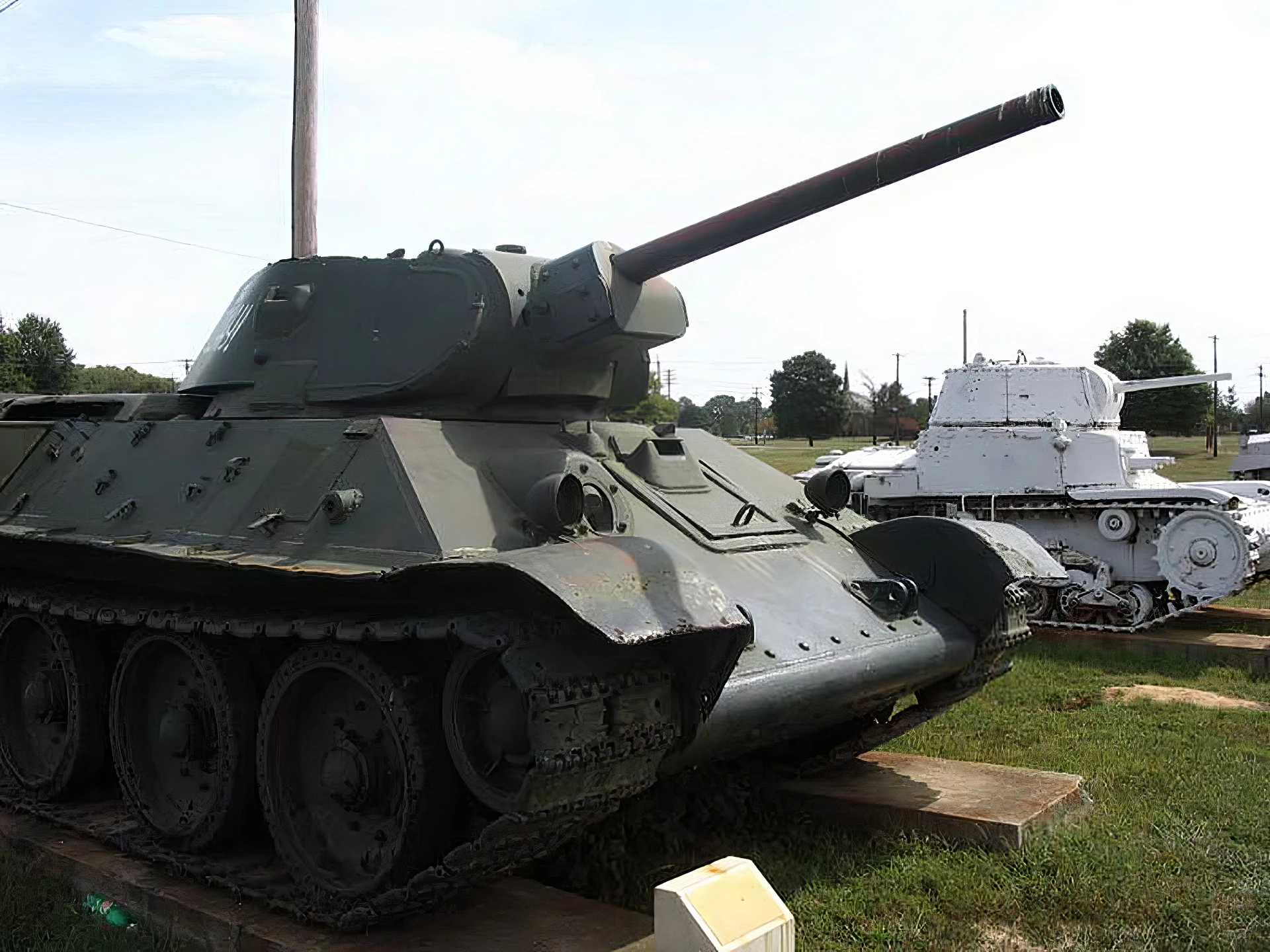
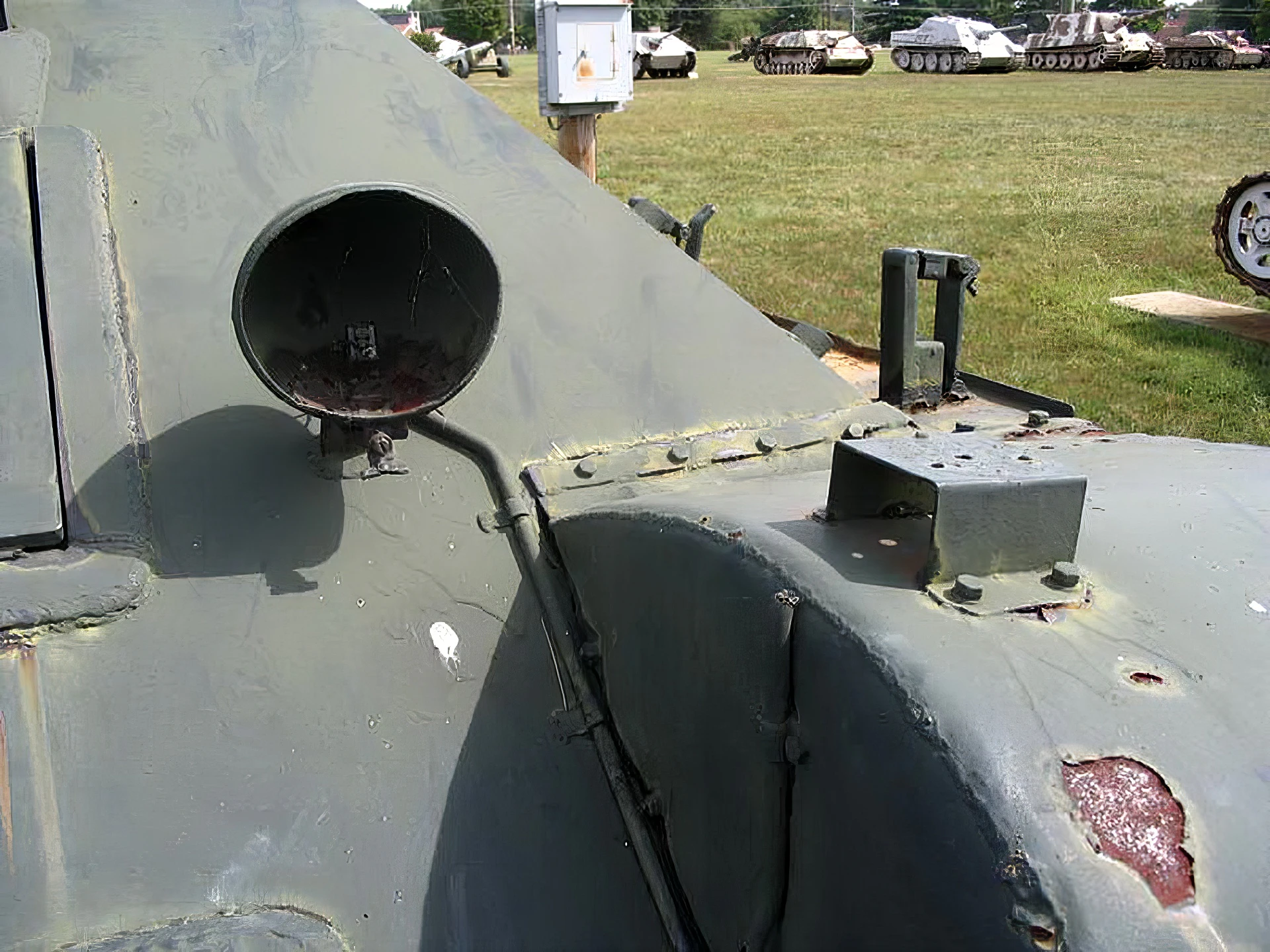
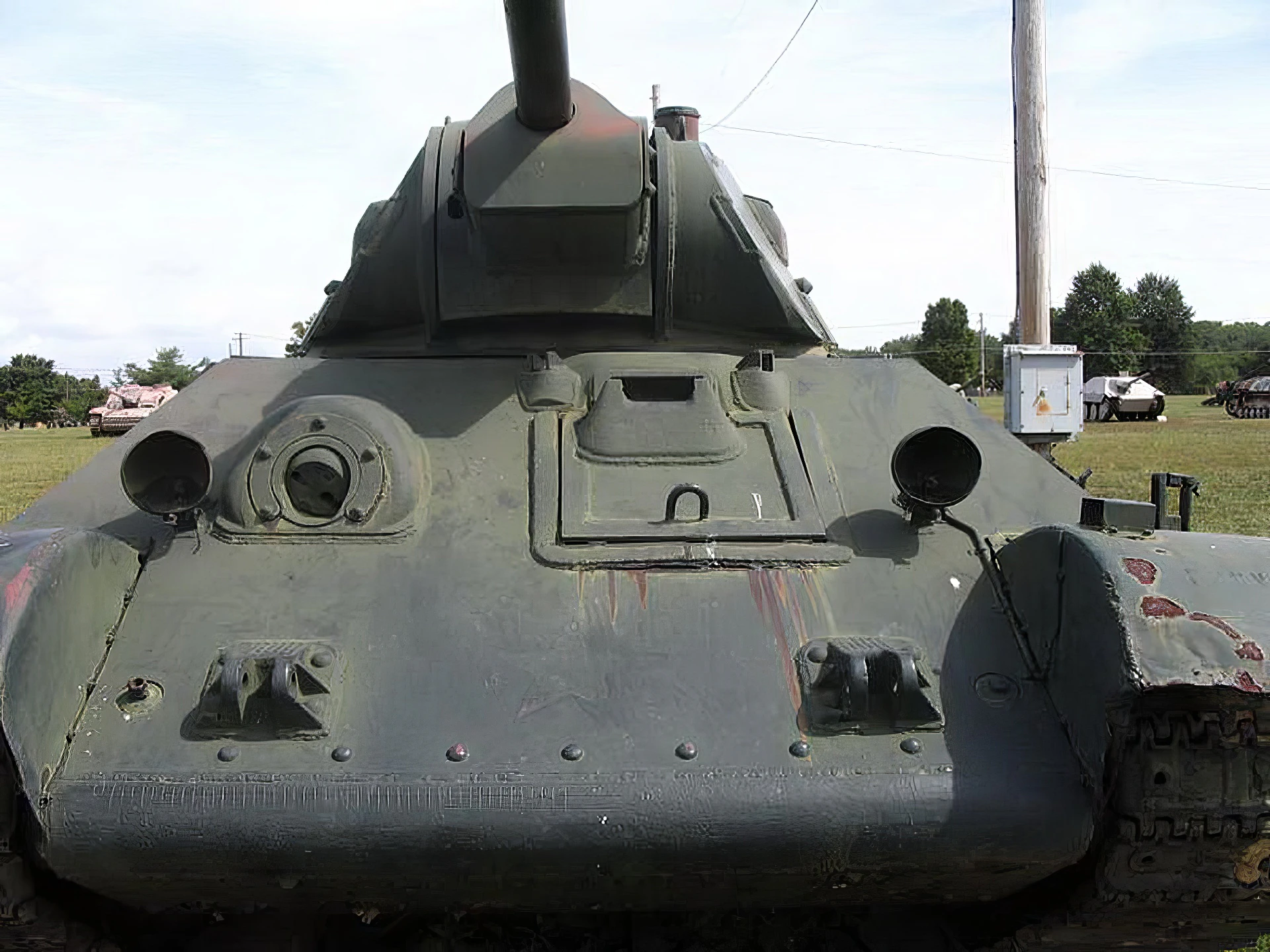
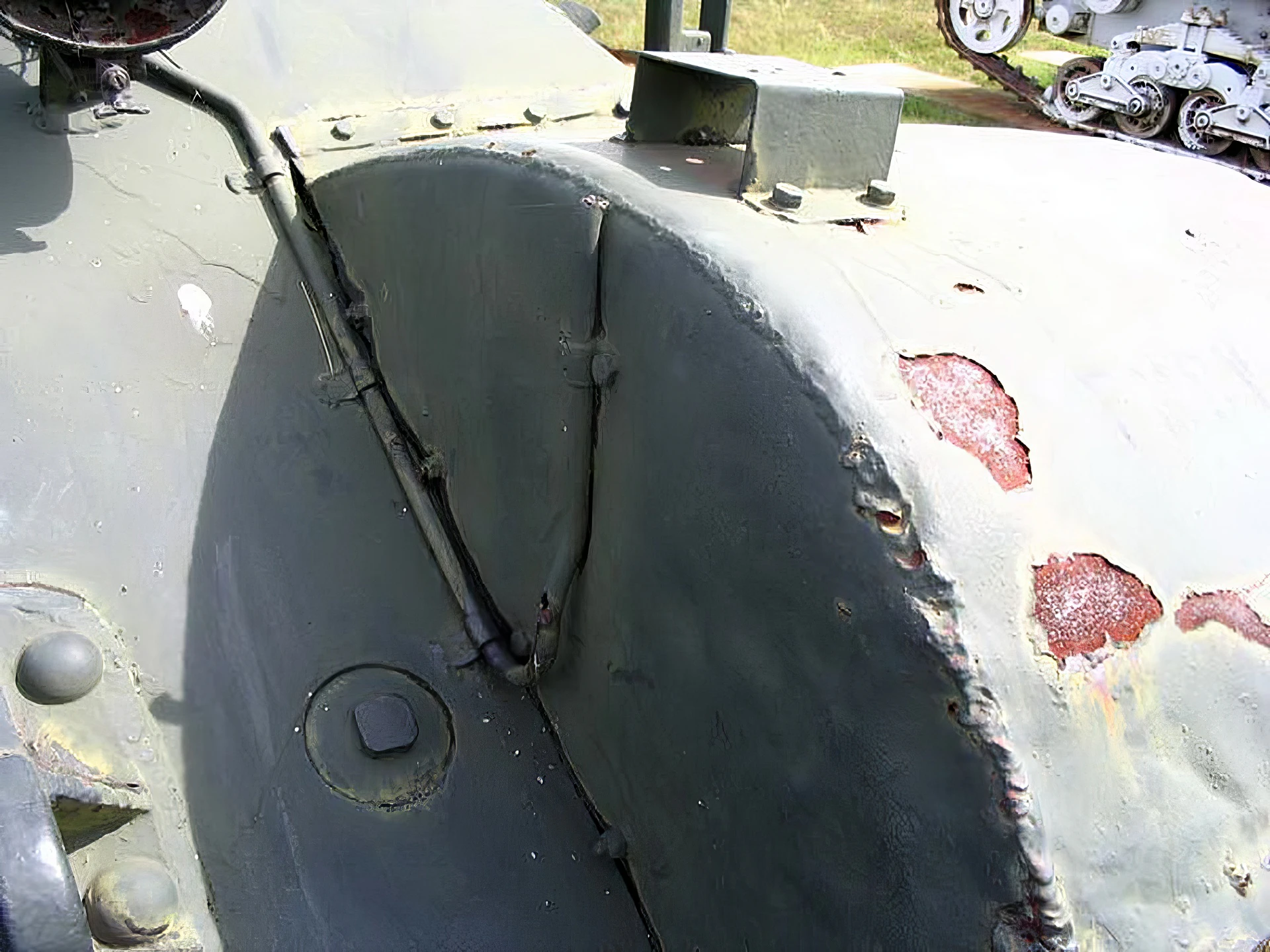
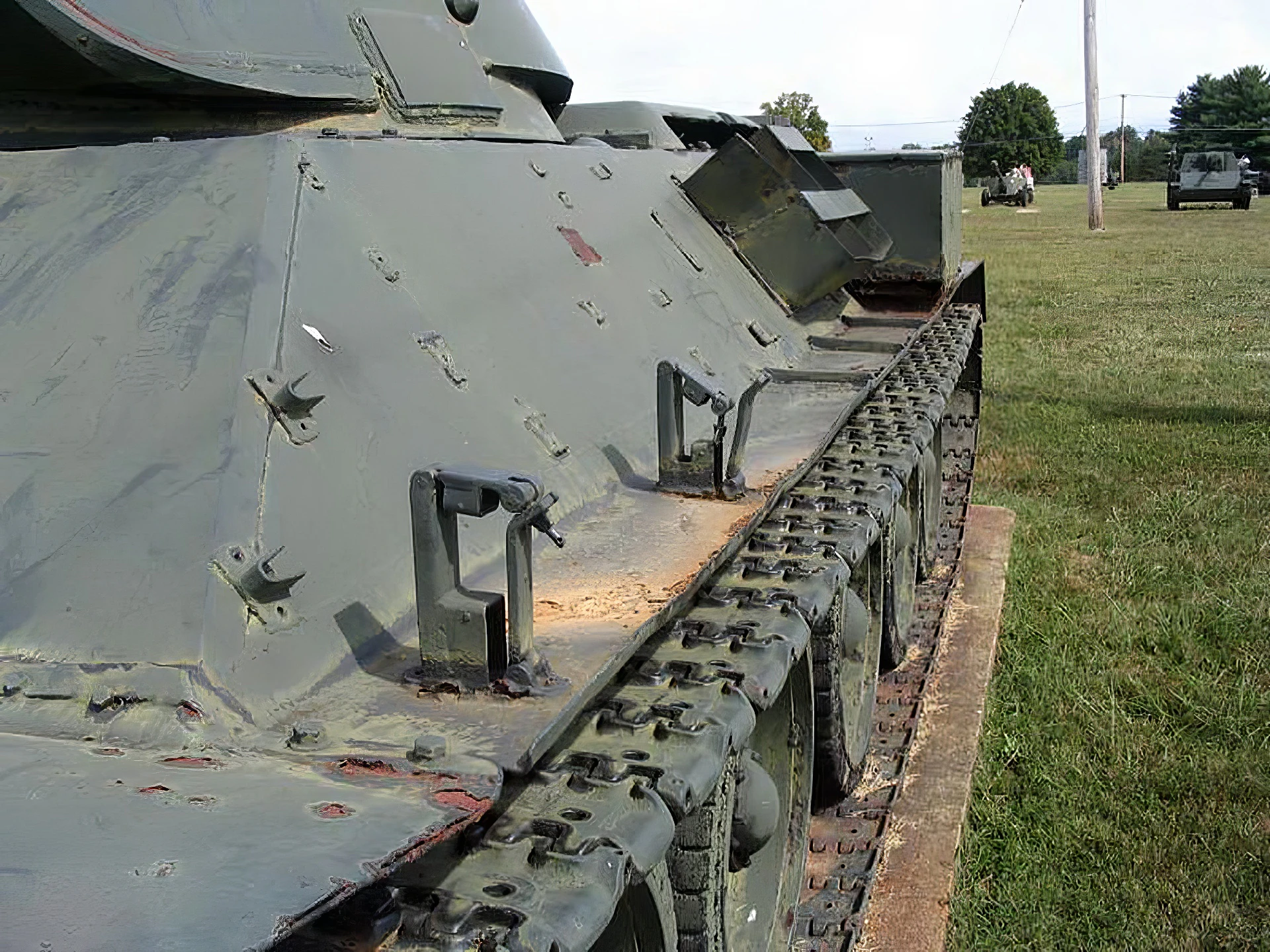
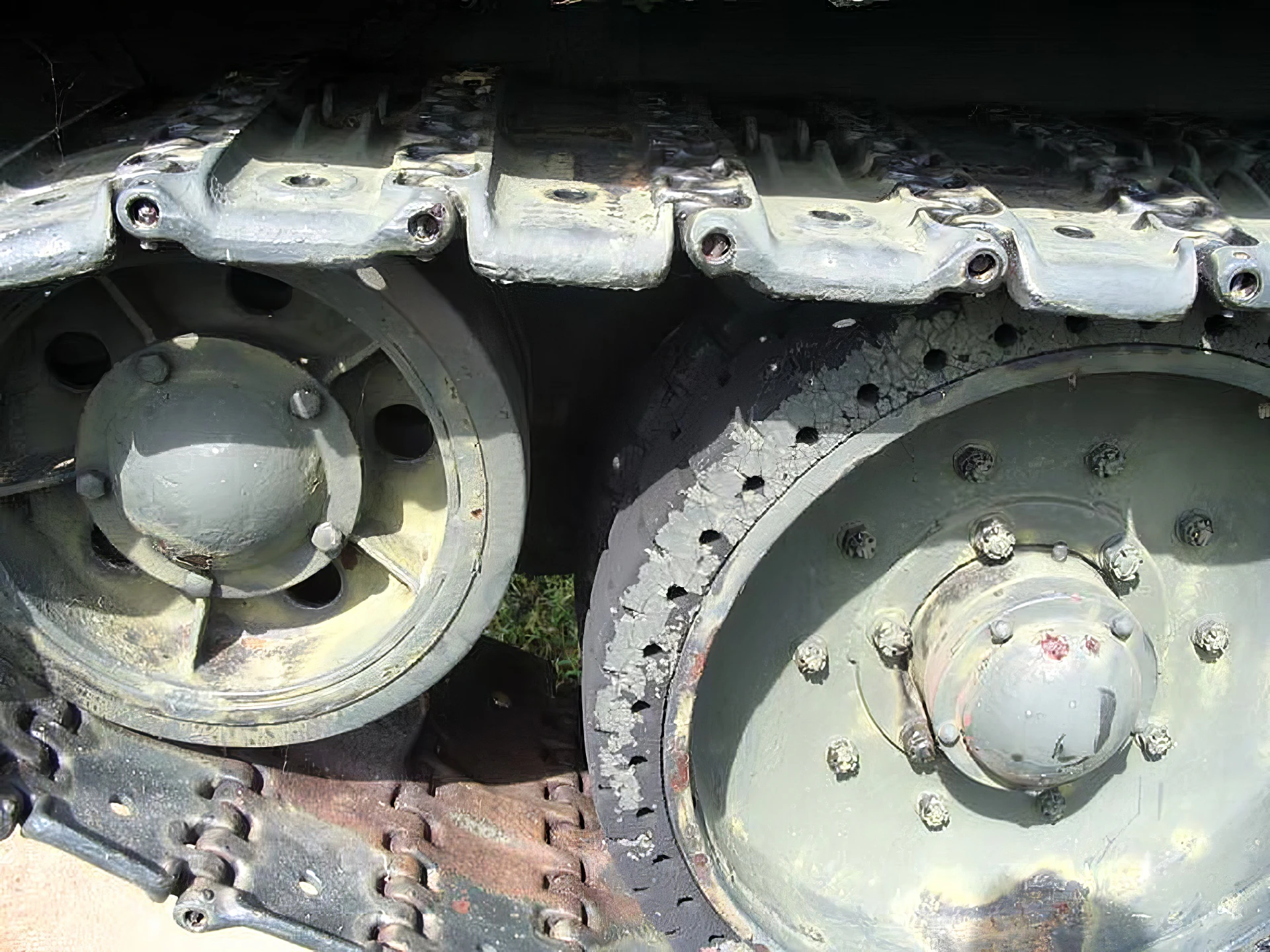
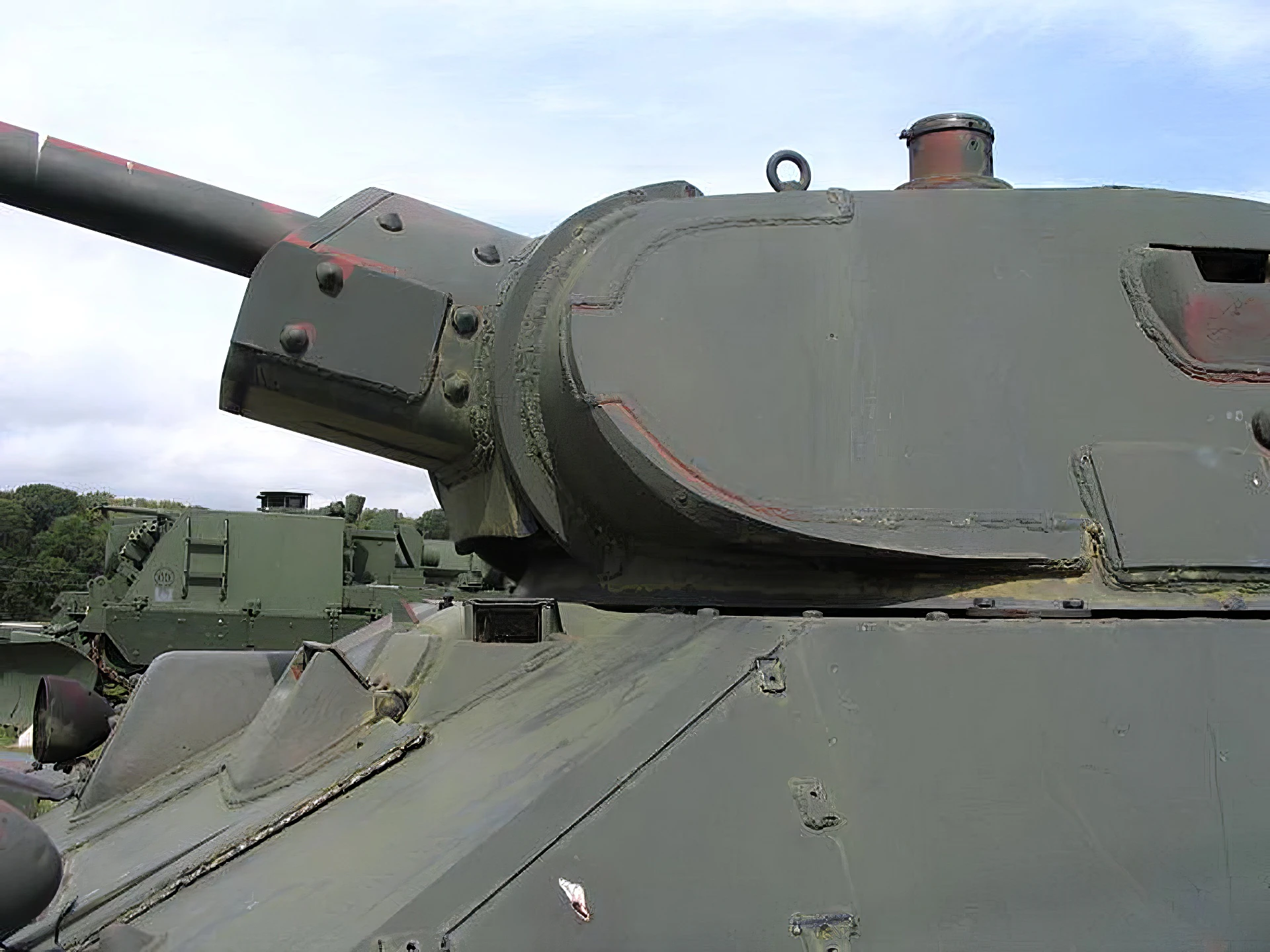
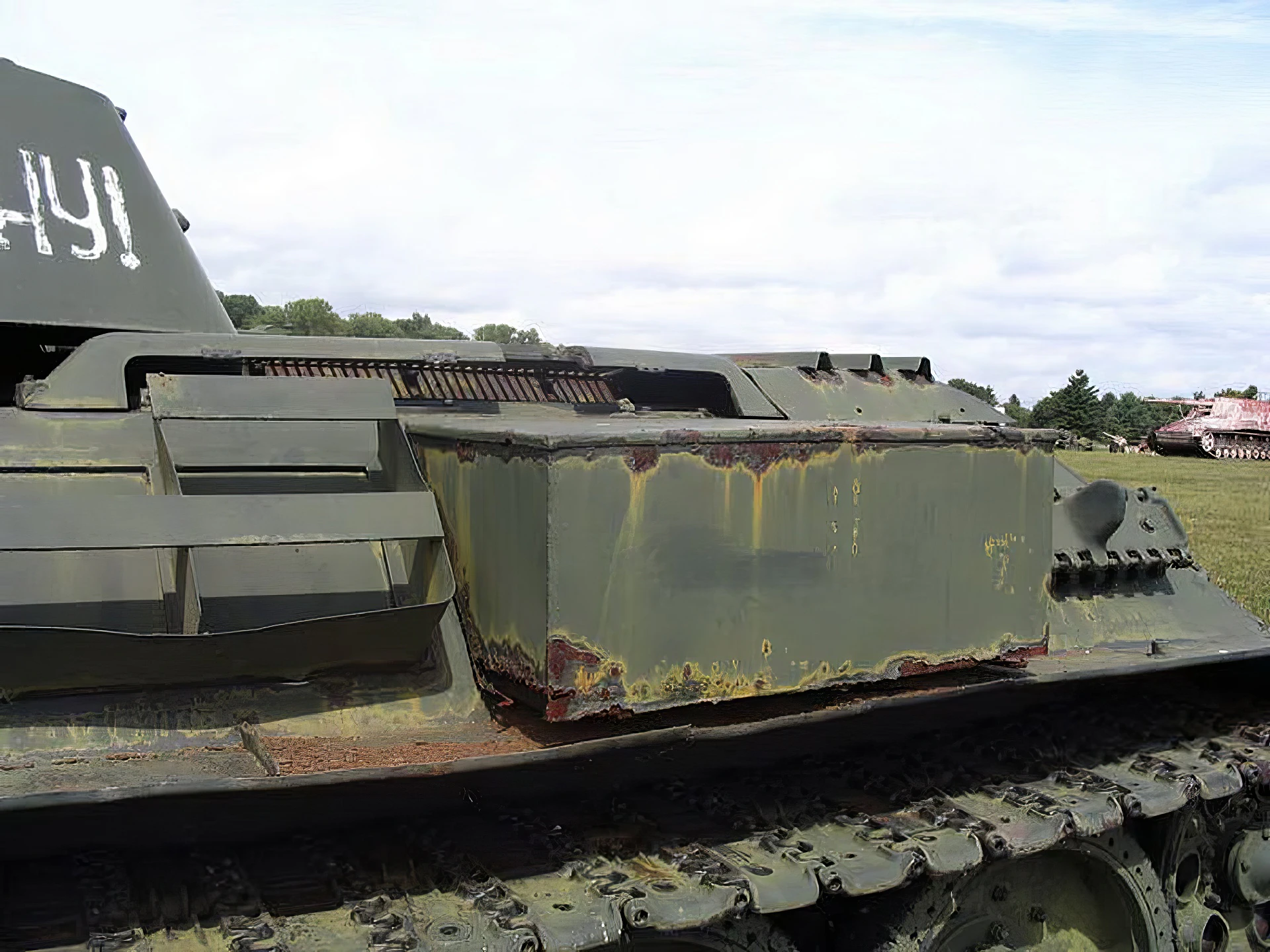

| T-34-76 | |
|---|---|
| Fotograaf | Unknow |
| Lokalisatie | Onbewust |
| Foto 's | 12 |
| T-34-76 Mod. 1943 Walk Around | |
|---|---|
| Fotograaf | Unknow |
| Lokalisatie | Onbewust |
| Foto 's | 43 |
Zie ook:


De T-34/76 was a Soviet medium tank introduced in 1940. It is widely regarded as one of the most important and influential tank designs of World War II, combining revolutionary sloped armor, a powerful diesel engine, and a capable 76.2 millimeter gun, which gave it a major edge over contemporary German tanks in 1941.
Key Specifications (Model 1941/42)
| Feature | Detail |
|---|---|
| Role | Middelgrote Tank |
| Bemanning | 4 (Commander/Gunner, Loader, Driver, Radio Operator/Hull Machine Gunner) |
| Main Armament | 76.2 millimeter F-34 Tank Gun |
| Motor | V-2 Diesel Engine, 500 horsepower (approx.) |
| Armor Thickness (Hull Front) | 45 millimeter sloped at 60 degrees |
| Maximum Speed | 53 kilometers per hour (33 mph) |
| Gewicht | Around 26.5 metric tonnes |
Revolutionary Design Elements
The T-34’s initial success stemmed from three primary innovations:
- Sloped Armor: The highly angled armor plating greatly increased the effective thickness and deflected incoming rounds, making it difficult for early German anti-tank guns to penetrate.
- V-2 Diesel Engine: This engine provided superior power-to-weight, excellent range, and used diesel fuel, which was less flammable than the gasoline used by most contemporary German and Western Allied tanks.
- Wide Tracks: The broad tracks and Christie suspension gave the tank superior mobility over the mud, snow, and poor roads of the Eastern Front, where German tanks often struggled.
Production Priority: Due to the desperate need for tanks following the German invasion (Operation Barbarossa), the Soviet government prioritized rapid, mass production over quality control, leading to high numbers of tanks but also initial issues with reliability, particularly with the gearbox and engine.
Bekeken : 4082