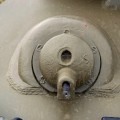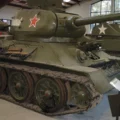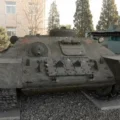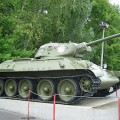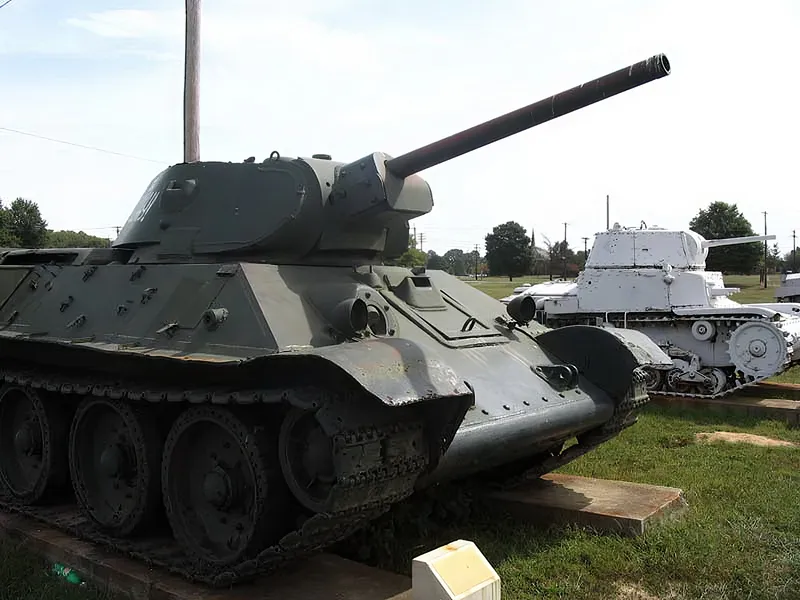
T-34/76 1941年型 | |
|---|---|
| 国 | ソ連 |
| 型 | 中戦車 |
ル T-34 は赤軍で1940年に就航した中戦車です。当時、装甲車の品質を定義した3つの主要な要因(火力、保護、機動性)の間の顕著なバランスでした。この成功は、ドイツ国防軍の侵攻に直面してソ連の強みの一つになりました。それに対抗するためには、T-34から技術的な特徴の一部を借りたPanzer-V'パンサー'などを開発することで、装甲設計方針を改訂する必要があります。外国の作品にすぐに追い越されましたが、 T-34 1940年から1958年まで生産が続き、合計84,070台の生産台数が、T-54とT-55の後ろで史上最も生産数の多いタンクとなった。
ソース: ウィキペディアのタンク T-34/76
| T-34/76 Modèle 1941 | |
|---|---|
| カメラマン | Unknow |
| ローカライズ | 知りません |
| 写真 | 26 |
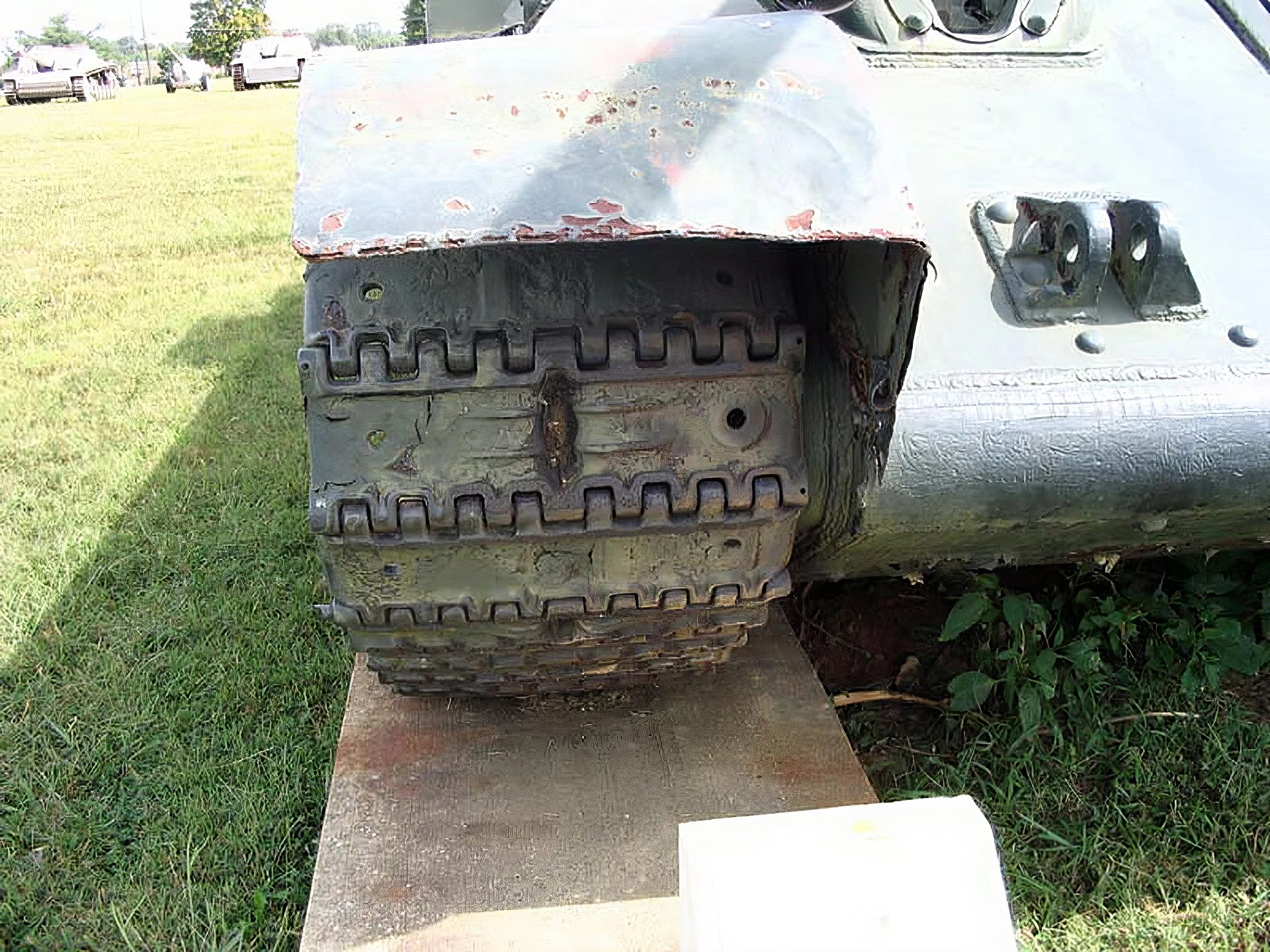
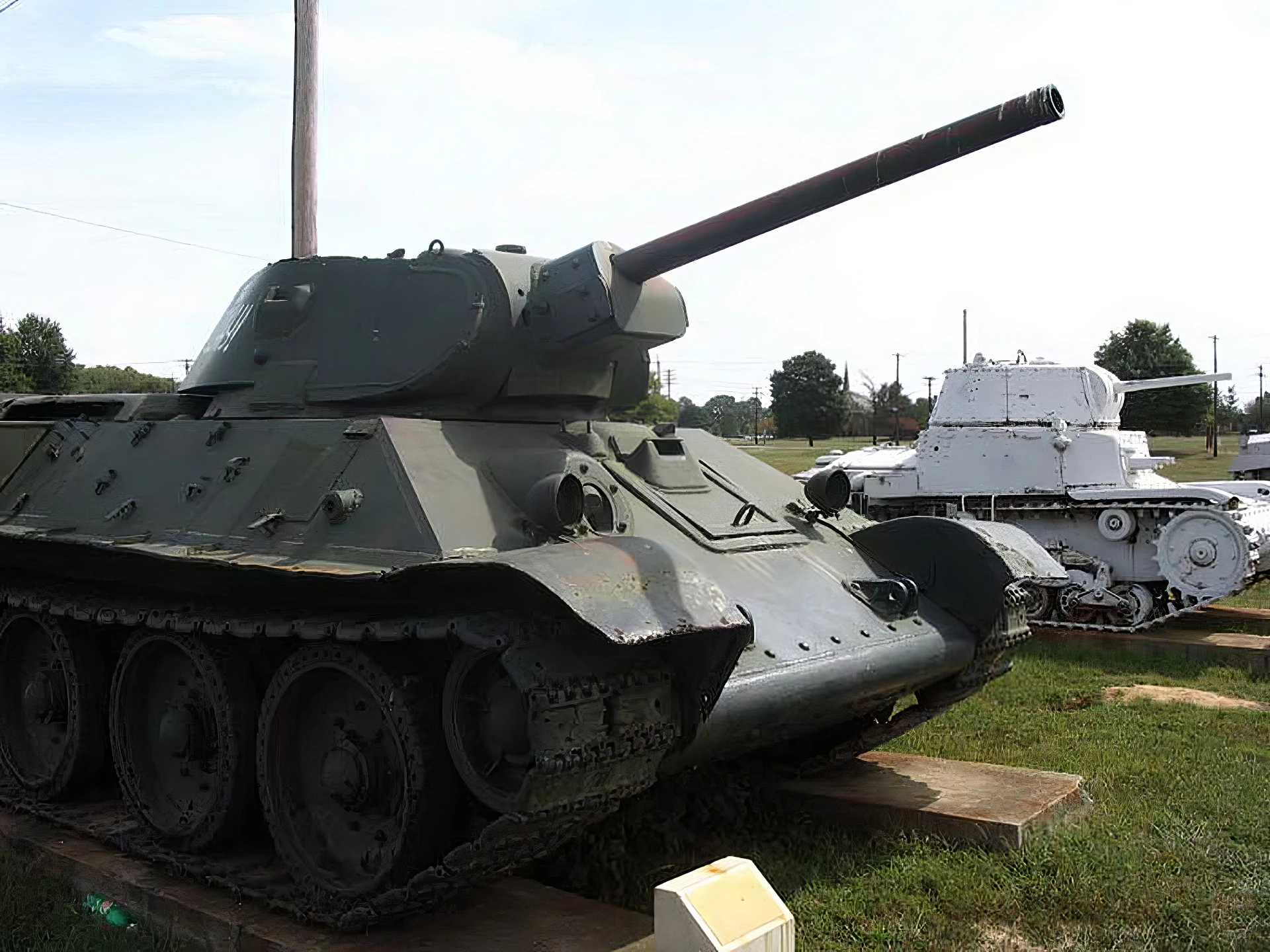
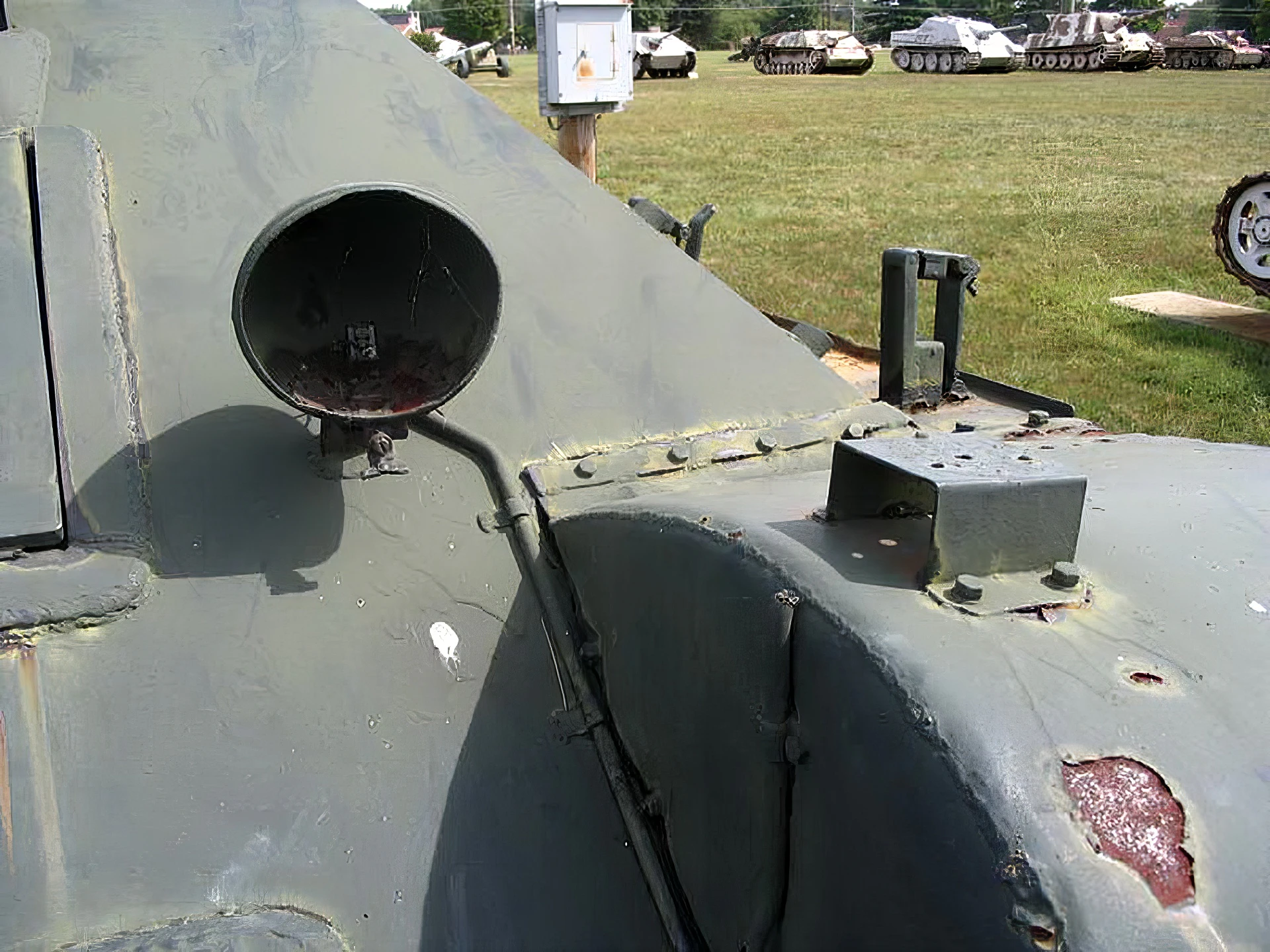
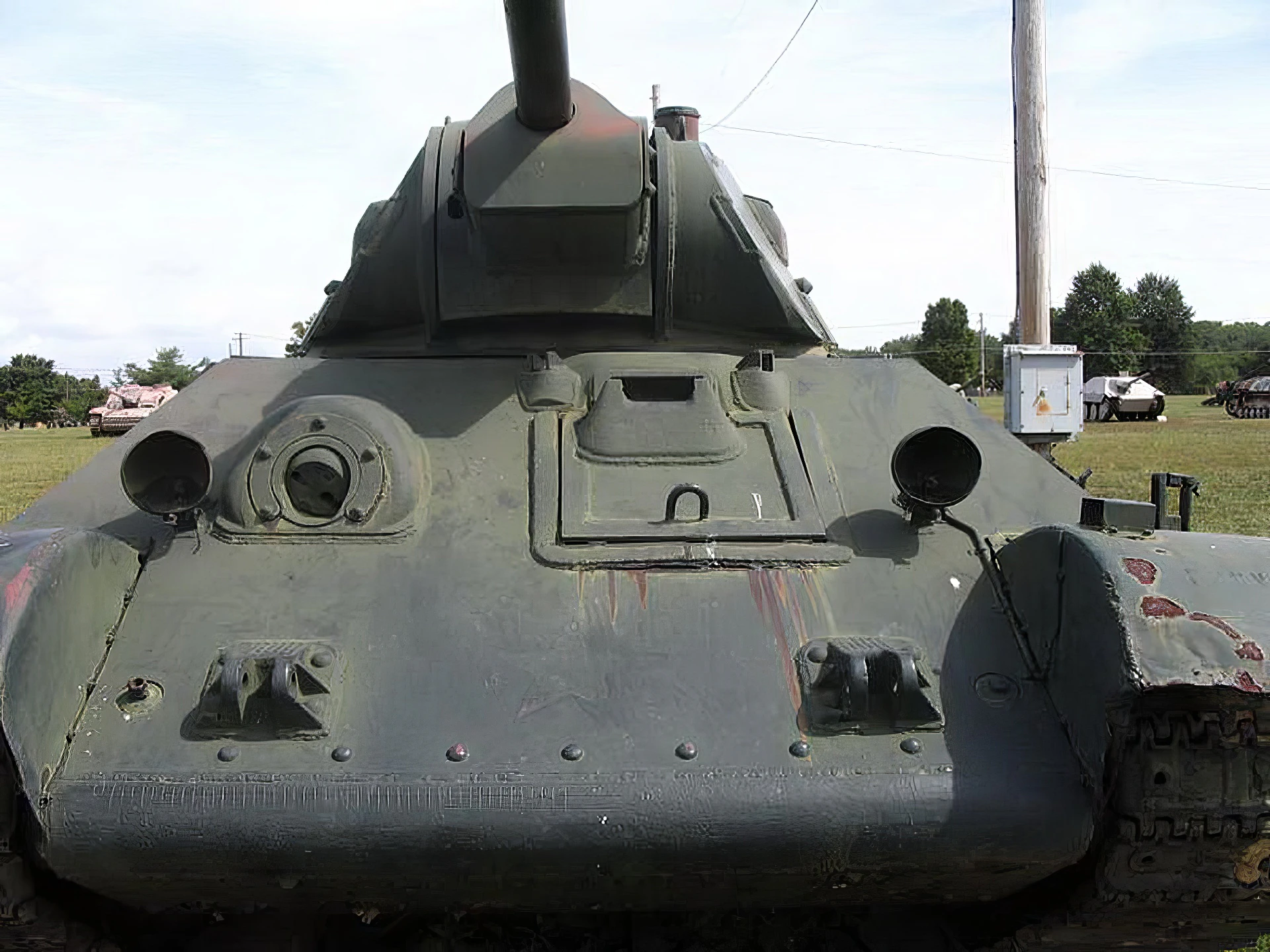
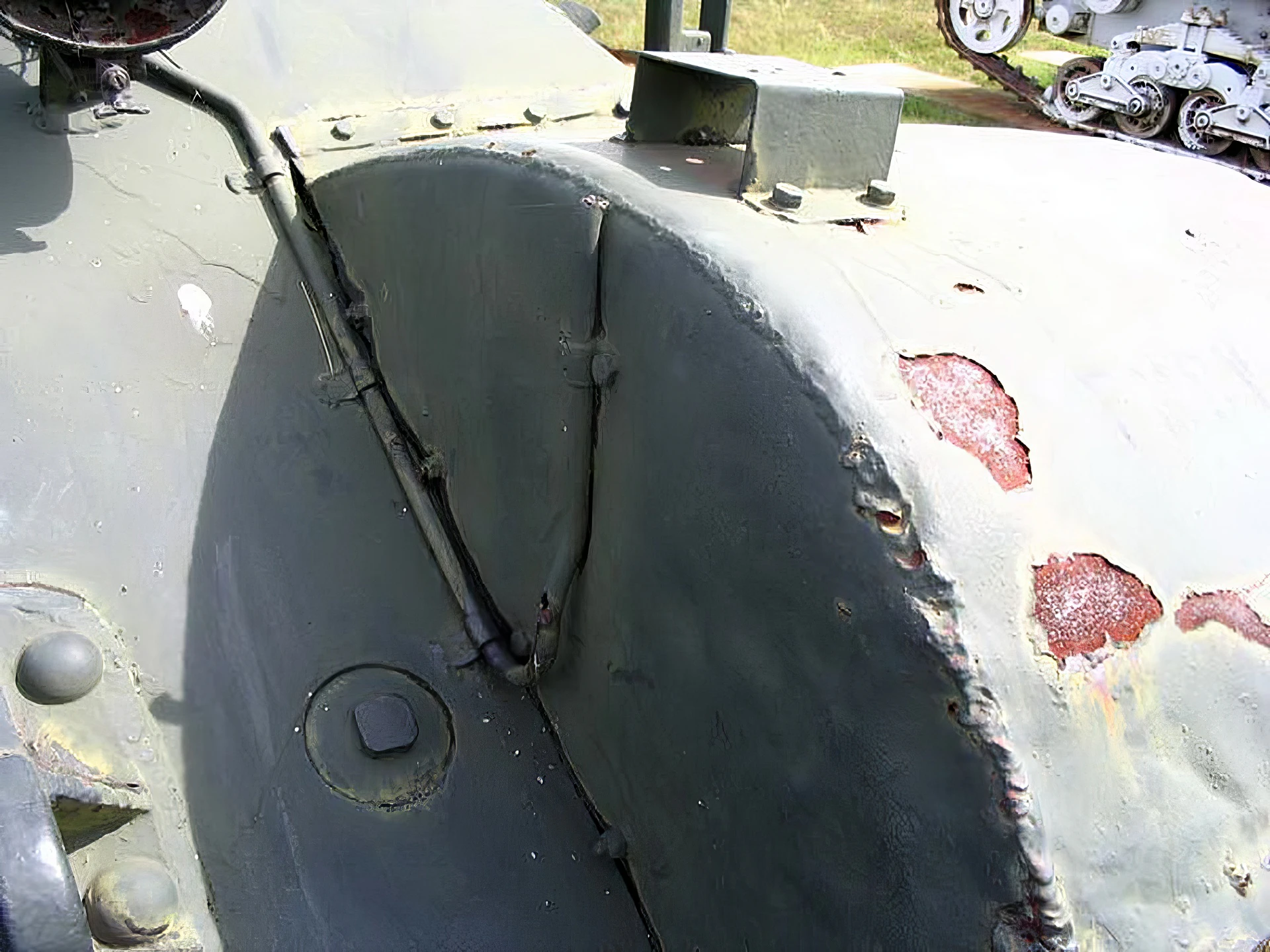
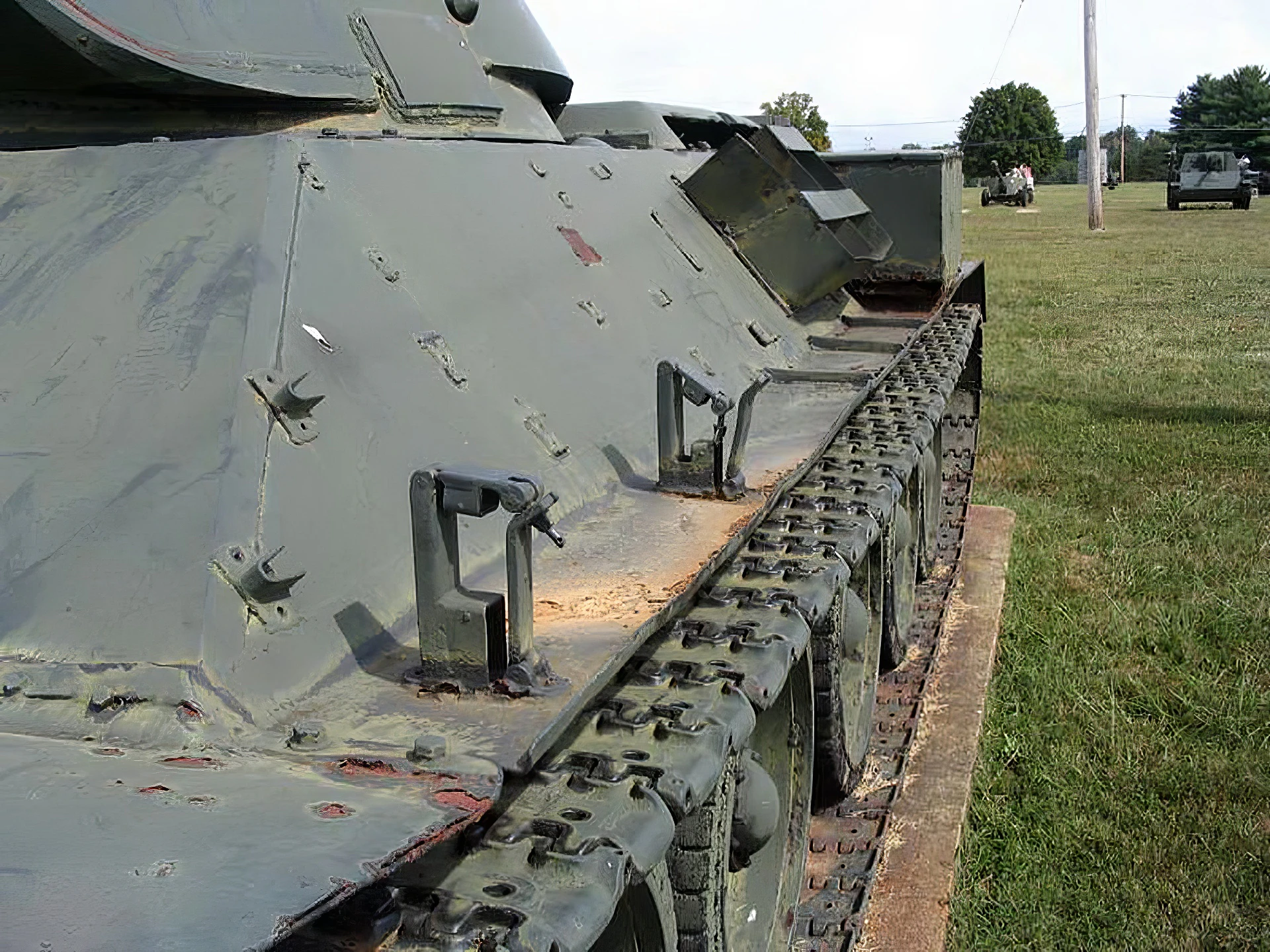
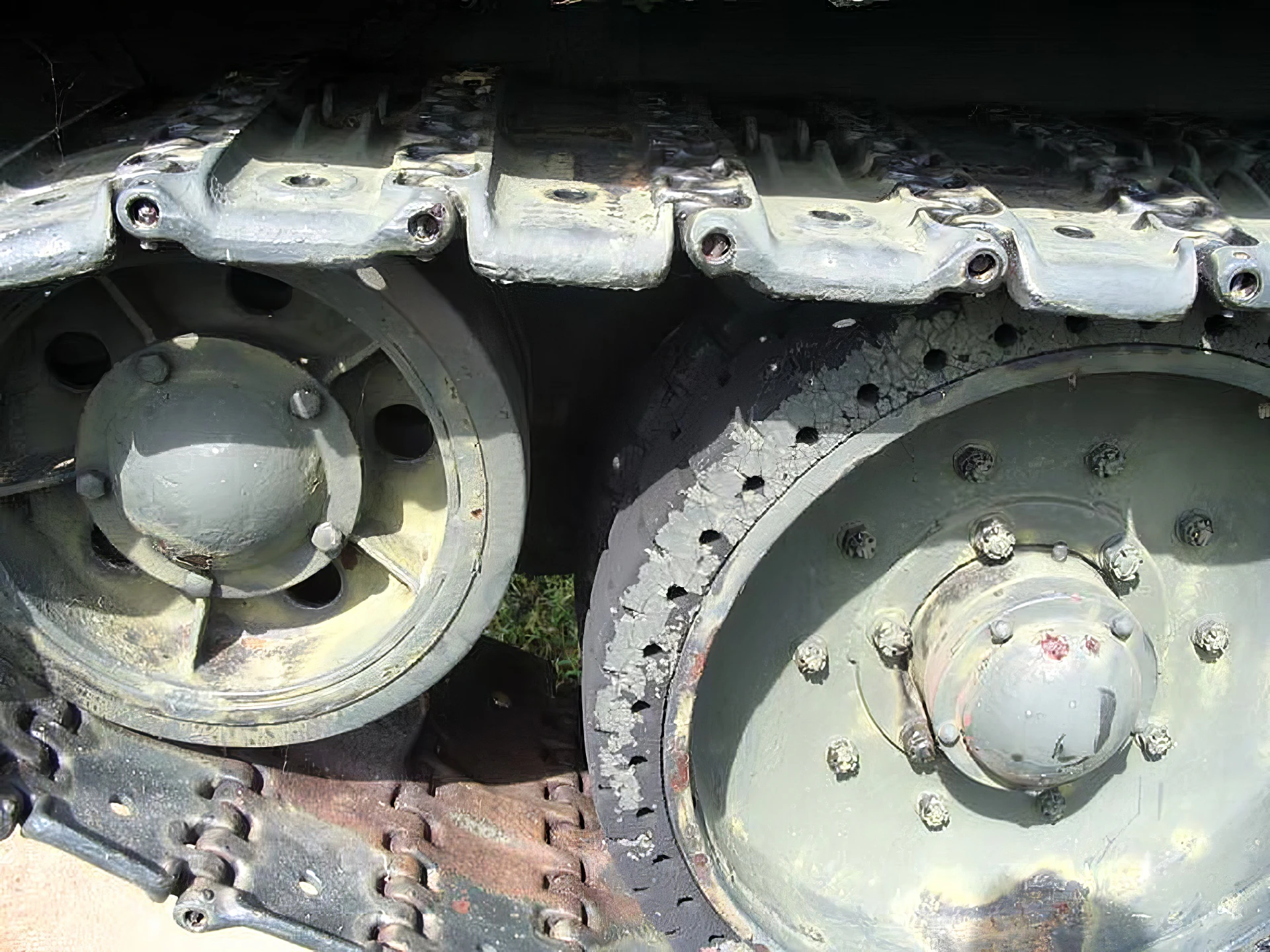
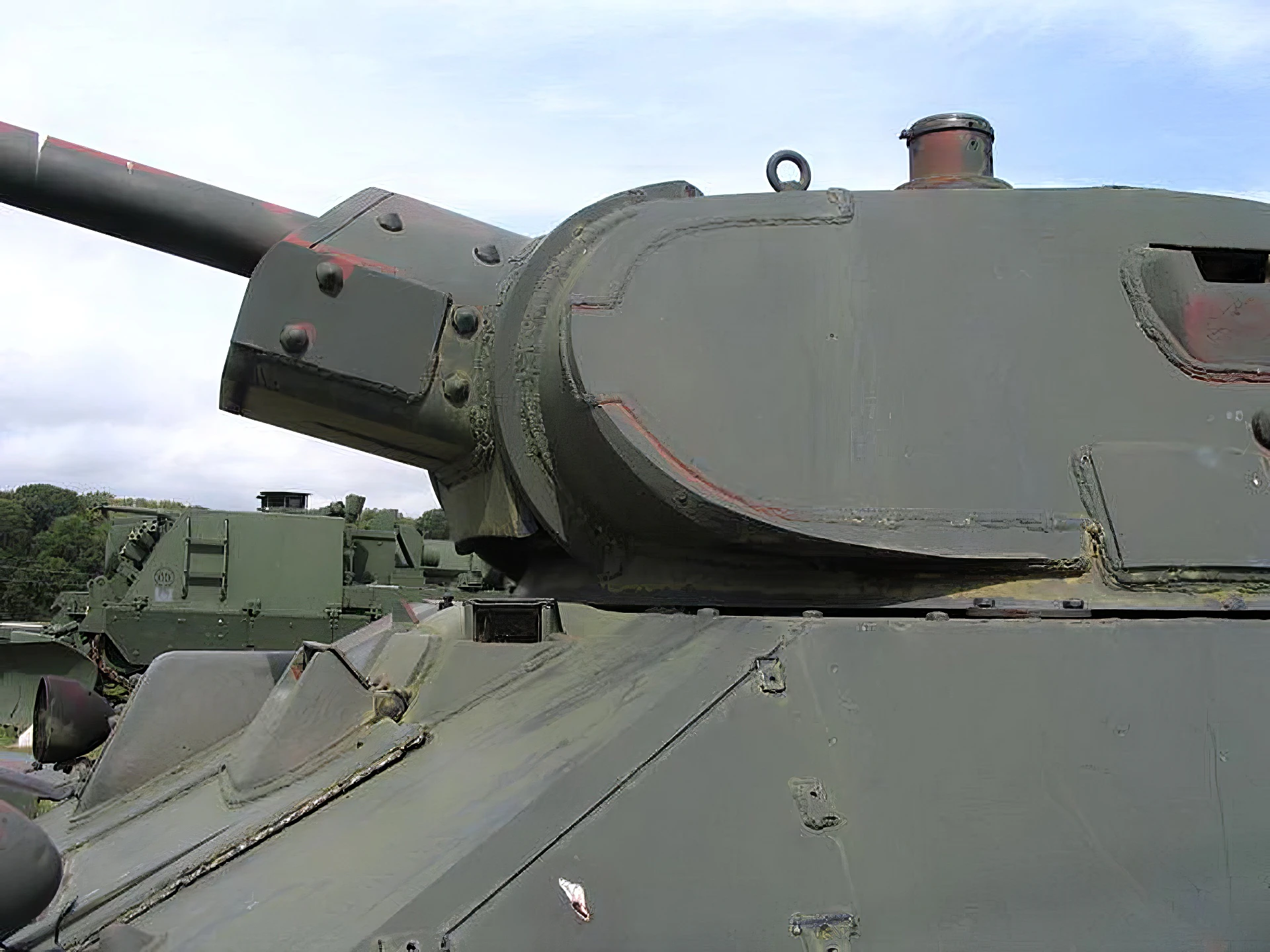
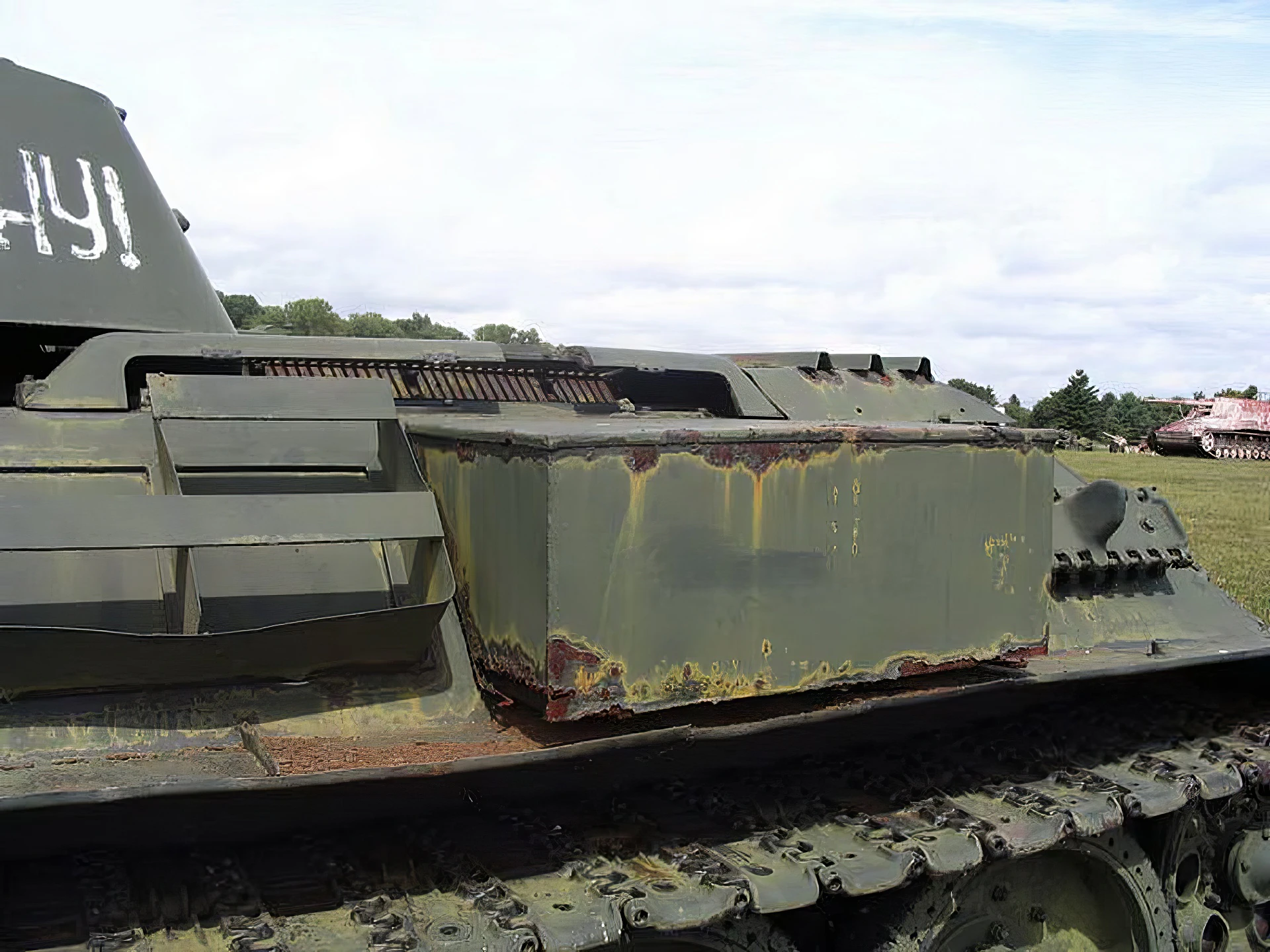

| T-34-76 | |
|---|---|
| カメラマン | Unknow |
| ローカライズ | 知りません |
| 写真 | 12 |
| T-34-76 Mod. 1943 Walk Around | |
|---|---|
| カメラマン | Unknow |
| ローカライズ | 知りません |
| 写真 | 43 |
関連項目:


ザ T-34/76 was a Soviet medium tank introduced in 1940. It is widely regarded as one of the most important and influential tank designs of World War II, combining revolutionary sloped armor, a powerful diesel engine, and a capable 76.2 millimeter gun, which gave it a major edge over contemporary German tanks in 1941.
Key Specifications (Model 1941/42)
| Feature | Detail |
|---|---|
| 役割 | 中戦車 |
| 乗組員 | 4 (Commander/Gunner, Loader, Driver, Radio Operator/Hull Machine Gunner) |
| 主砲 | 76.2 millimeter F-34 Tank Gun |
| エンジン | V-2 Diesel Engine, 500 horsepower (approx.) |
| Armor Thickness (Hull Front) | 45 millimeter sloped at 60 degrees |
| 最高速度 | 53 kilometers per hour (33 mph) |
| 重量 | Around 26.5 metric tonnes |
Revolutionary Design Elements
The T-34’s initial success stemmed from three primary innovations:
- Sloped Armor: The highly angled armor plating greatly increased the effective thickness and deflected incoming rounds, making it difficult for early German anti-tank guns to penetrate.
- V-2 Diesel Engine: This engine provided superior power-to-weight, excellent range, and used diesel fuel, which was less flammable than the gasoline used by most contemporary German and Western Allied tanks.
- Wide Tracks: The broad tracks and Christie suspension gave the tank superior mobility over the mud, snow, and poor roads of the Eastern Front, where German tanks often struggled.
Production Priority: Due to the desperate need for tanks following the German invasion (Operation Barbarossa), the Soviet government prioritized rapid, mass production over quality control, leading to high numbers of tanks but also initial issues with reliability, particularly with the gearbox and engine.
ビュー : 4227