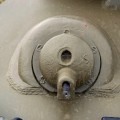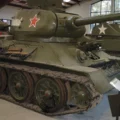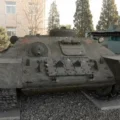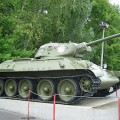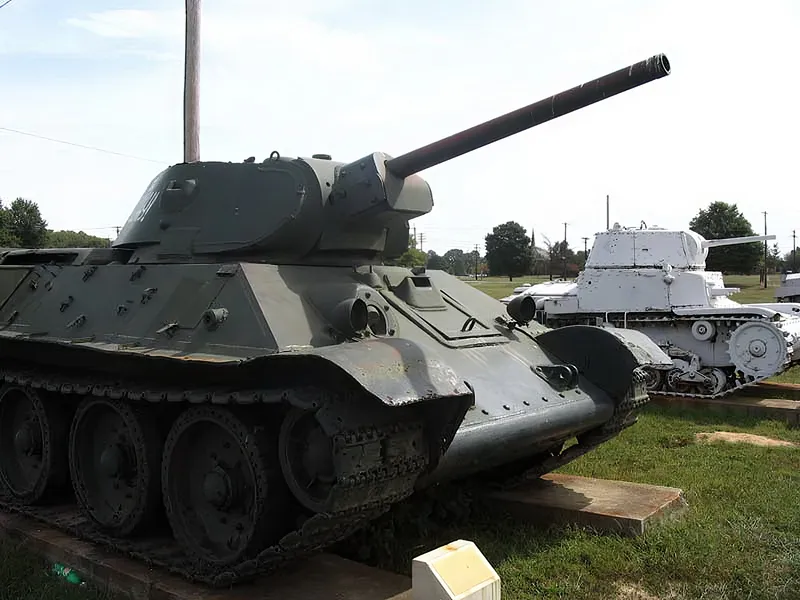
T-34/76 Modelo 1941 | |
|---|---|
| País | URSS |
| Tipo | Tanque medio |
el T-34 es un tanque mediano que entró en servicio en 1940 en el Ejército Rojo. En ese momento, era un equilibrio notable entre los tres factores principales que definían la calidad de un vehículo blindado: potencia de fuego, protección y movilidad. Este éxito lo convirtió en una de las fortalezas de la Unión Soviética ante la invasión de la Wehrmacht. Para contrarrestarlo, tendrá que revisar su política de diseño blindado desarrollando, por ejemplo, el Panzer-V 'Panther', que tomó prestadas algunas de sus características técnicas del T-34. Aunque rápidamente fue superado por producciones extranjeras, el T-34 seguirá en producción de 1940 a 1958, con un total de unidades producidas estimadas en 84.070, lo que lo convierte en el segundo tanque más producido de todos los tiempos, justo por detrás de sus sucesores, el T-54 y el T-55.
Fuente: Tanque T-34/76 en Wikipedia
| T-34/76 Modèle 1941 | |
|---|---|
| Fotógrafo | Unknow |
| Localización | Unknow |
| Fotos | 26 |
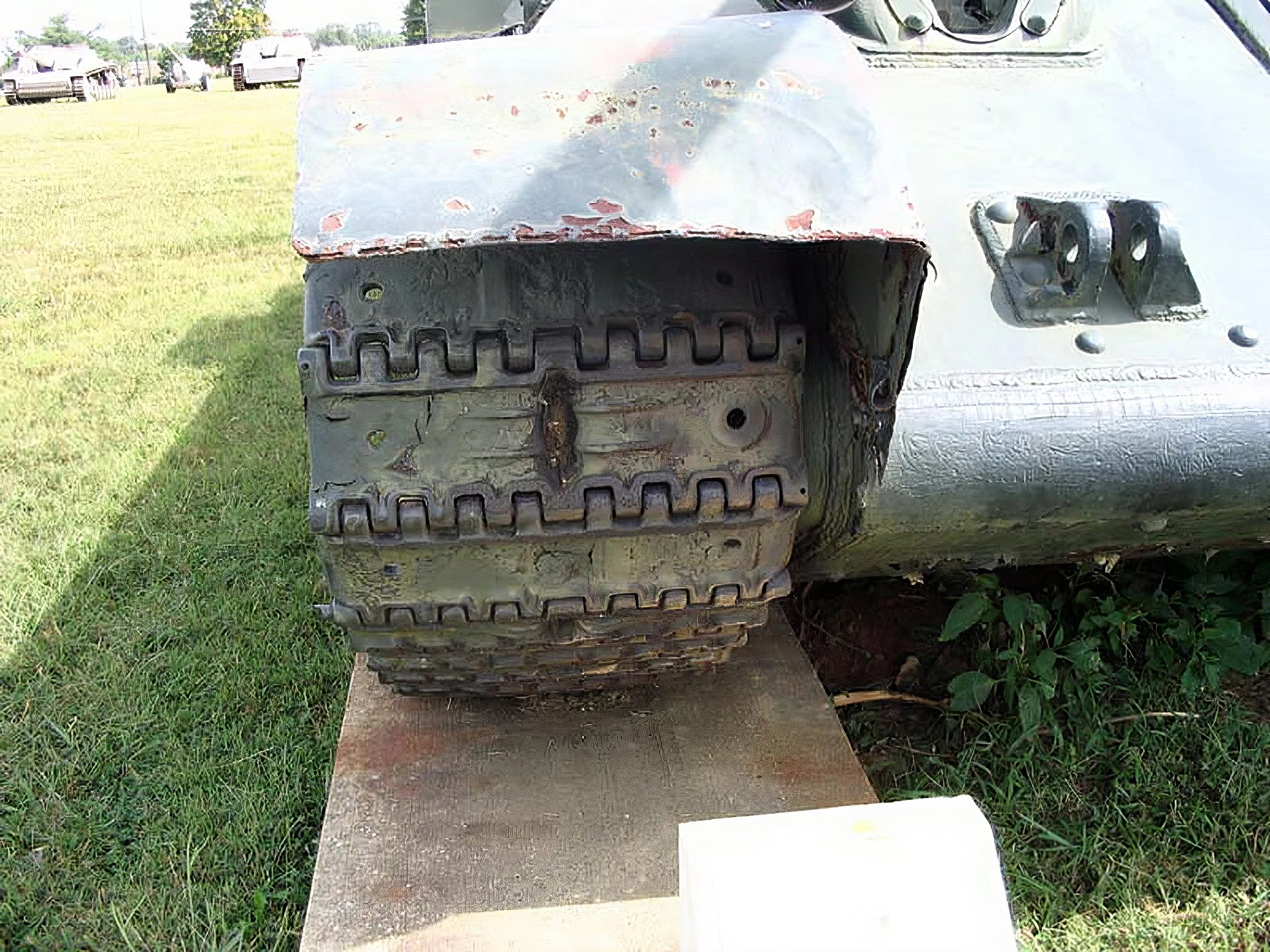
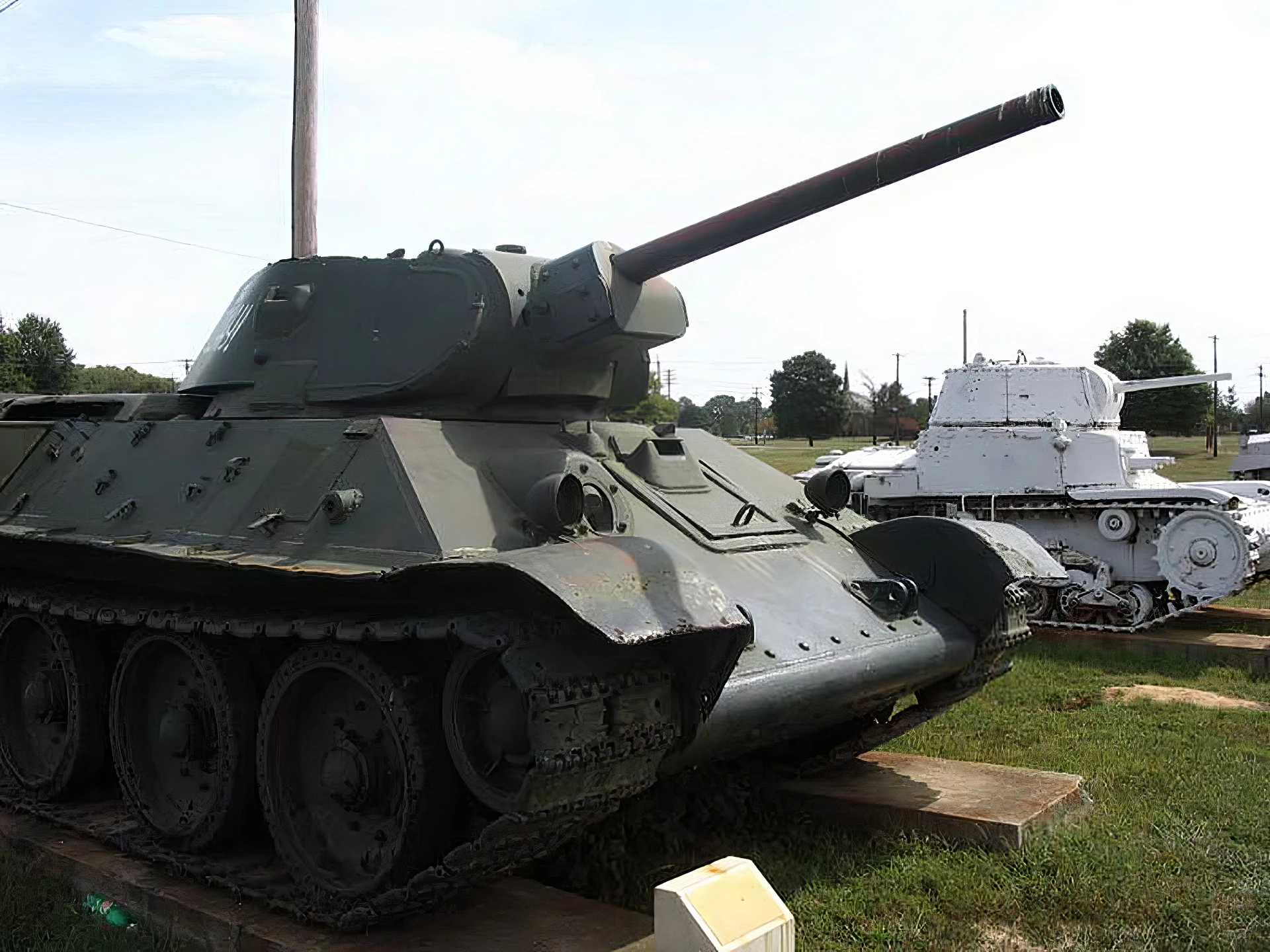
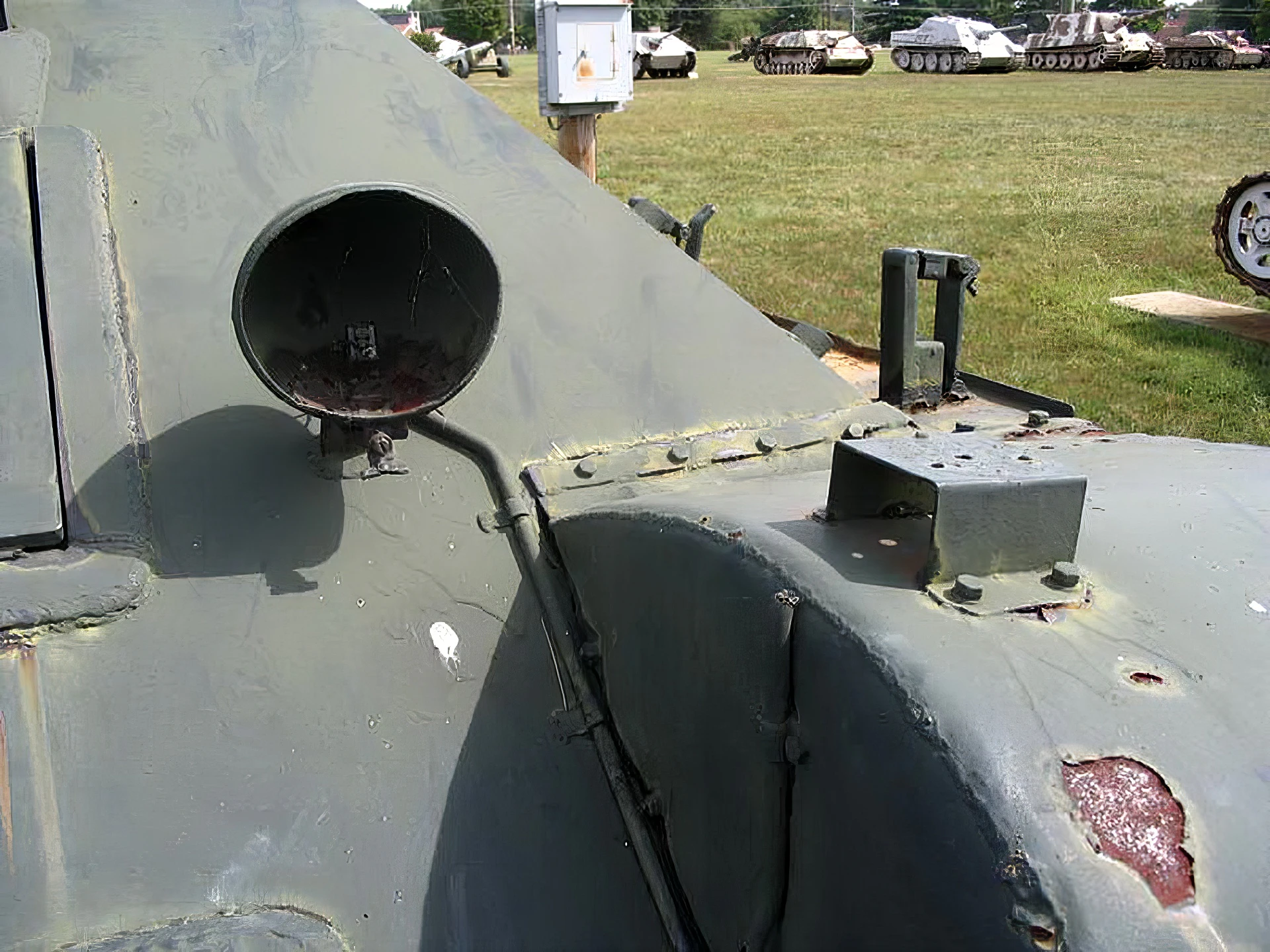
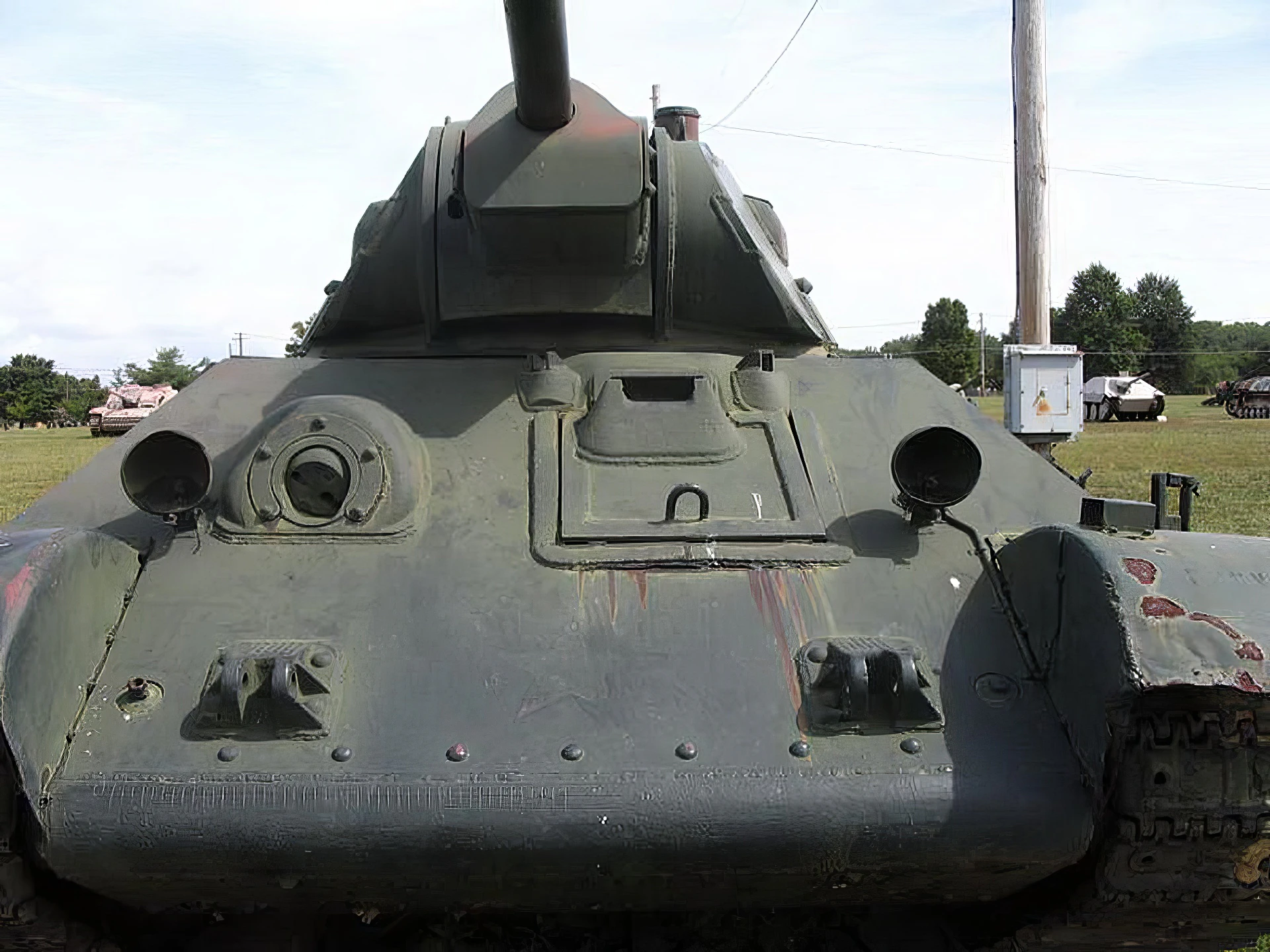
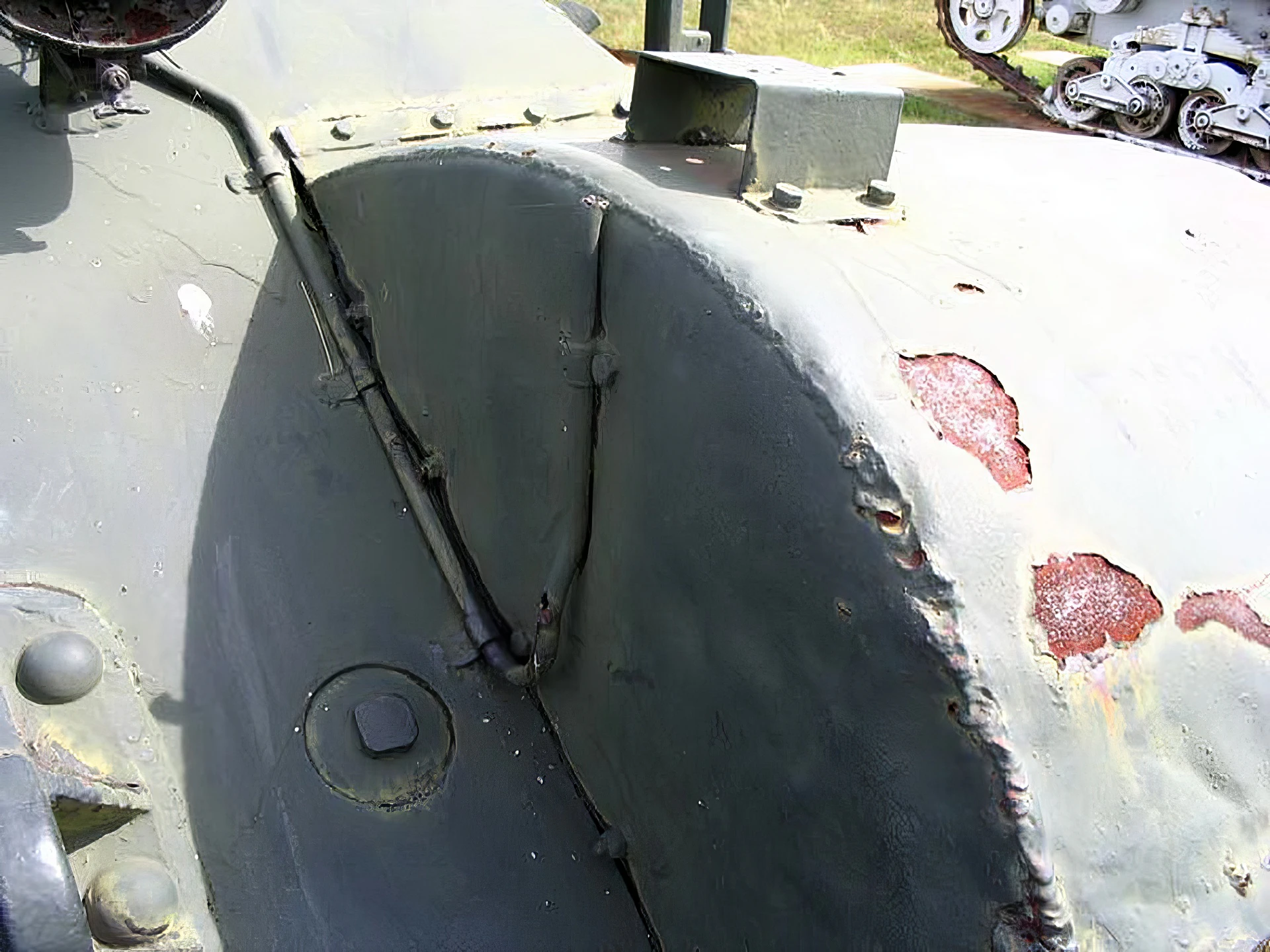
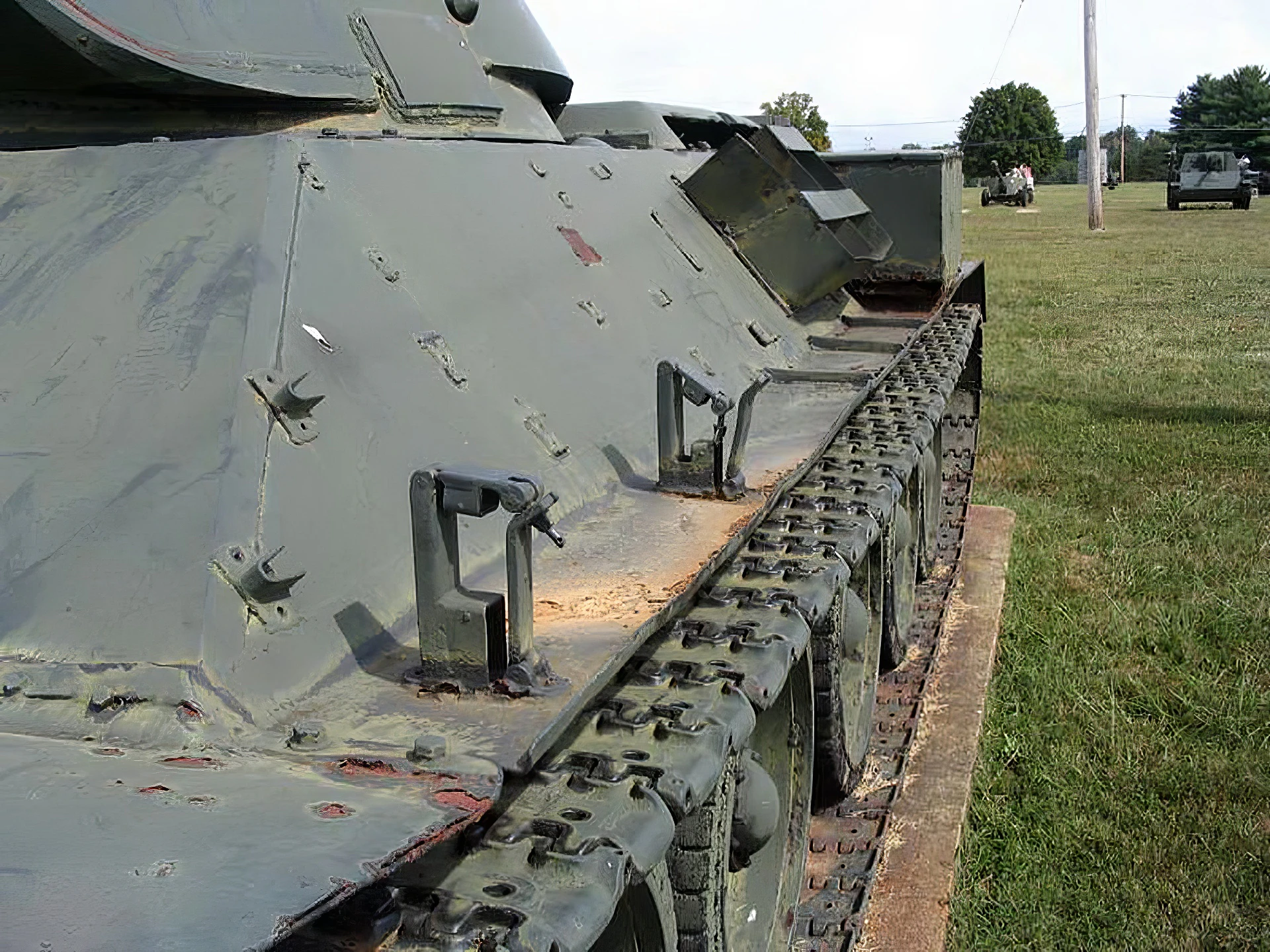
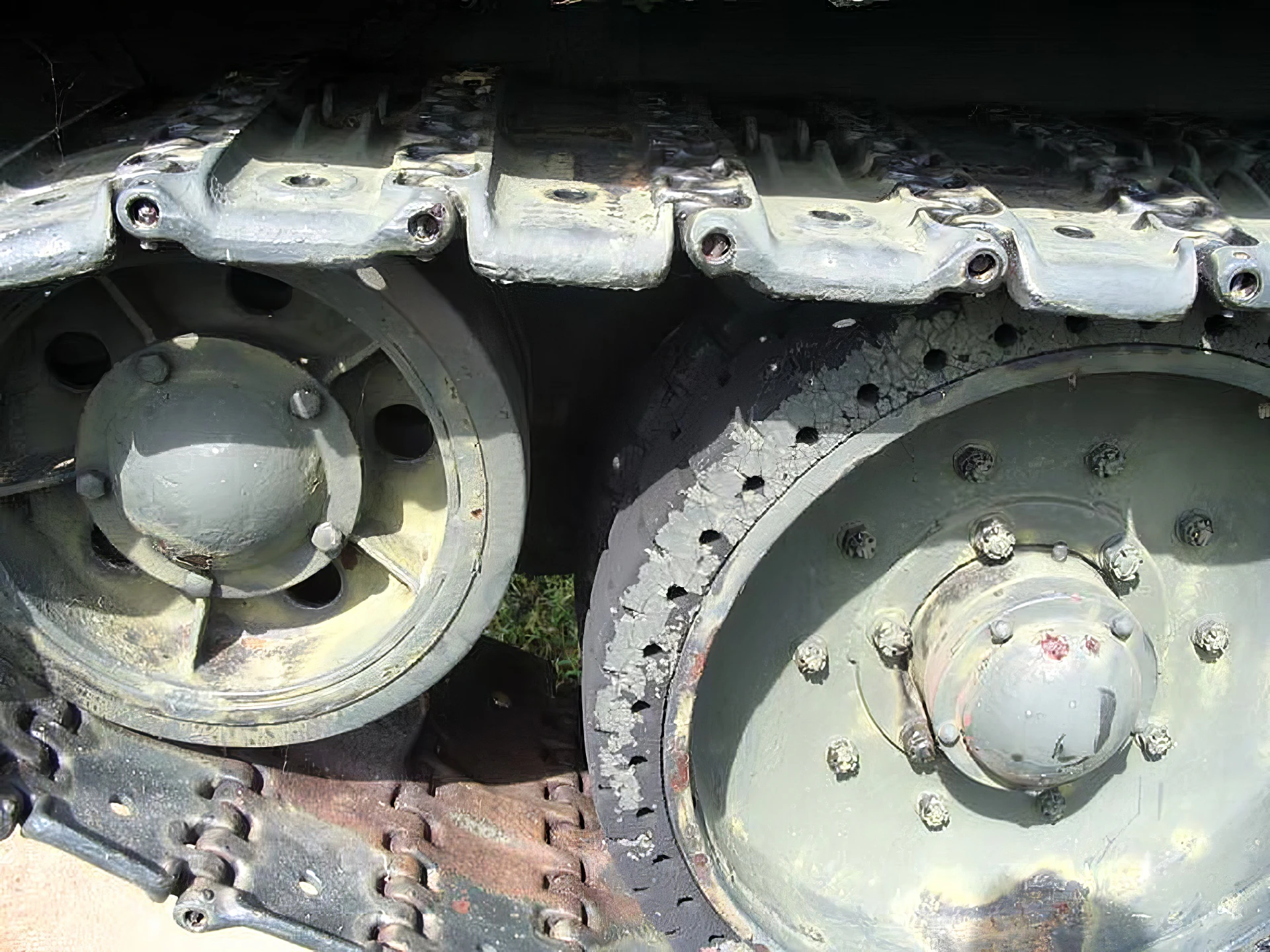
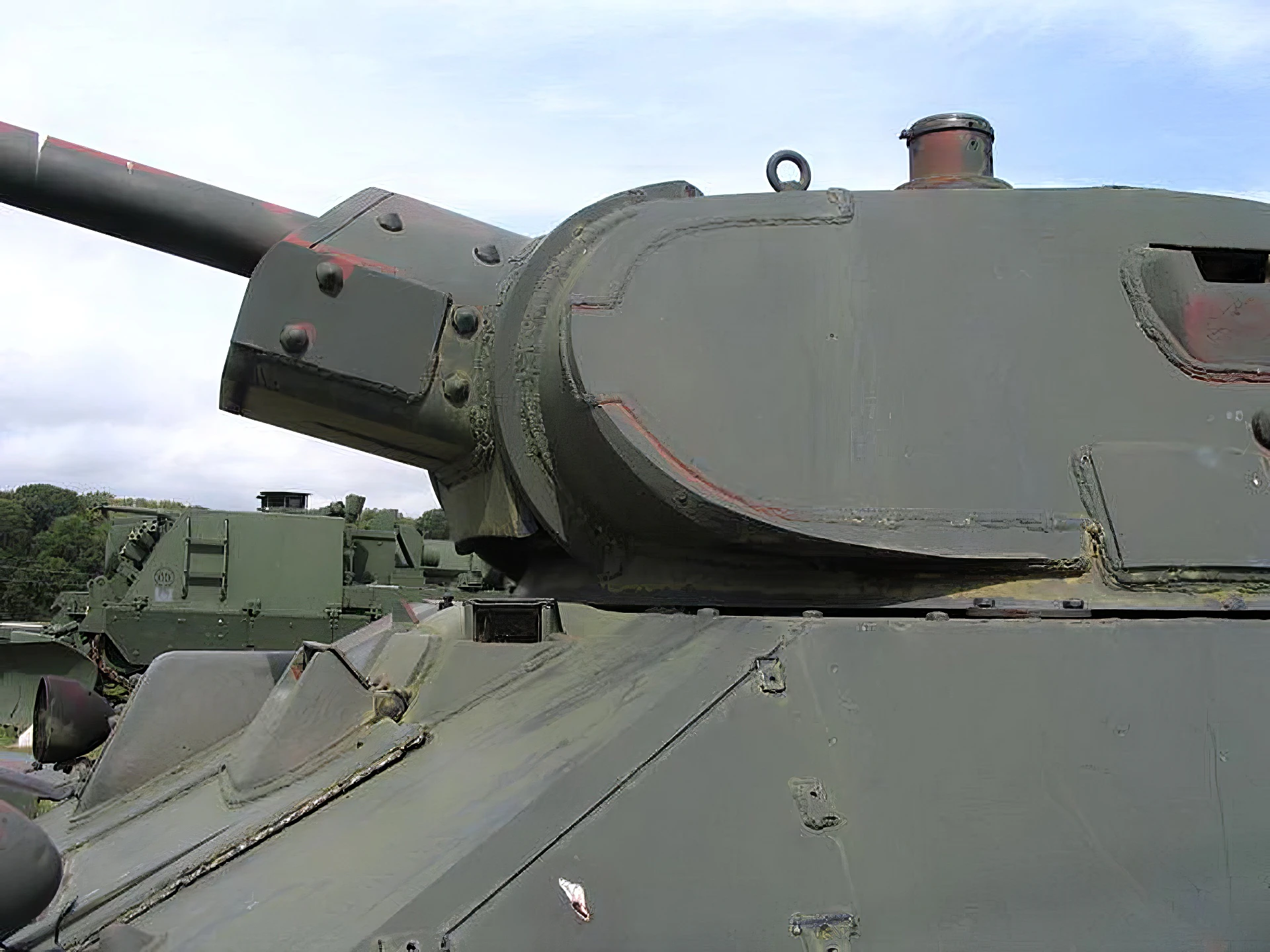
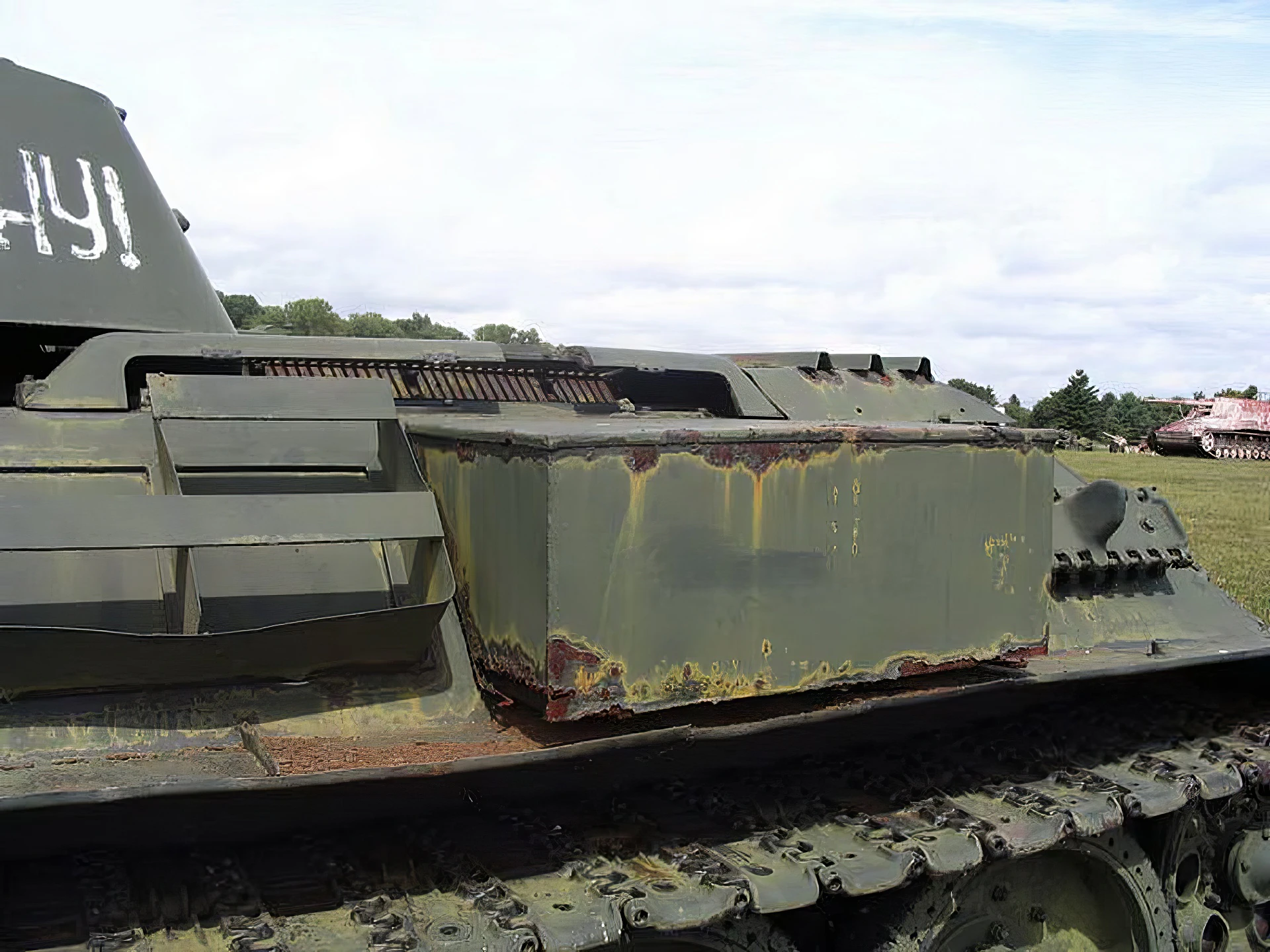

| T-34-76 | |
|---|---|
| Fotógrafo | Unknow |
| Localización | Unknow |
| Fotos | 12 |
| T-34-76 Mod. 1943 Walk Around | |
|---|---|
| Fotógrafo | Unknow |
| Localización | Unknow |
| Fotos | 43 |
Ver también:


el T-34/76 was a Soviet medium tank introduced in 1940. It is widely regarded as one of the most important and influential tank designs of World War II, combining revolutionary sloped armor, a powerful diesel engine, and a capable 76.2 millimeter gun, which gave it a major edge over contemporary German tanks in 1941.
Key Specifications (Model 1941/42)
| Feature | Detail |
|---|---|
| Papel | Tanque medio |
| Equipo | 4 (Commander/Gunner, Loader, Driver, Radio Operator/Hull Machine Gunner) |
| Armamento principal | 76.2 millimeter F-34 Tank Gun |
| Motor | V-2 Diesel Engine, 500 horsepower (approx.) |
| Armor Thickness (Hull Front) | 45 millimeter sloped at 60 degrees |
| Velocidad máxima | 53 kilometers per hour (33 mph) |
| Peso | Around 26.5 metric tonnes |
Revolutionary Design Elements
The T-34’s initial success stemmed from three primary innovations:
- Sloped Armor: The highly angled armor plating greatly increased the effective thickness and deflected incoming rounds, making it difficult for early German anti-tank guns to penetrate.
- V-2 Diesel Engine: This engine provided superior power-to-weight, excellent range, and used diesel fuel, which was less flammable than the gasoline used by most contemporary German and Western Allied tanks.
- Wide Tracks: The broad tracks and Christie suspension gave the tank superior mobility over the mud, snow, and poor roads of the Eastern Front, where German tanks often struggled.
Production Priority: Due to the desperate need for tanks following the German invasion (Operation Barbarossa), the Soviet government prioritized rapid, mass production over quality control, leading to high numbers of tanks but also initial issues with reliability, particularly with the gearbox and engine.
Views : 4090