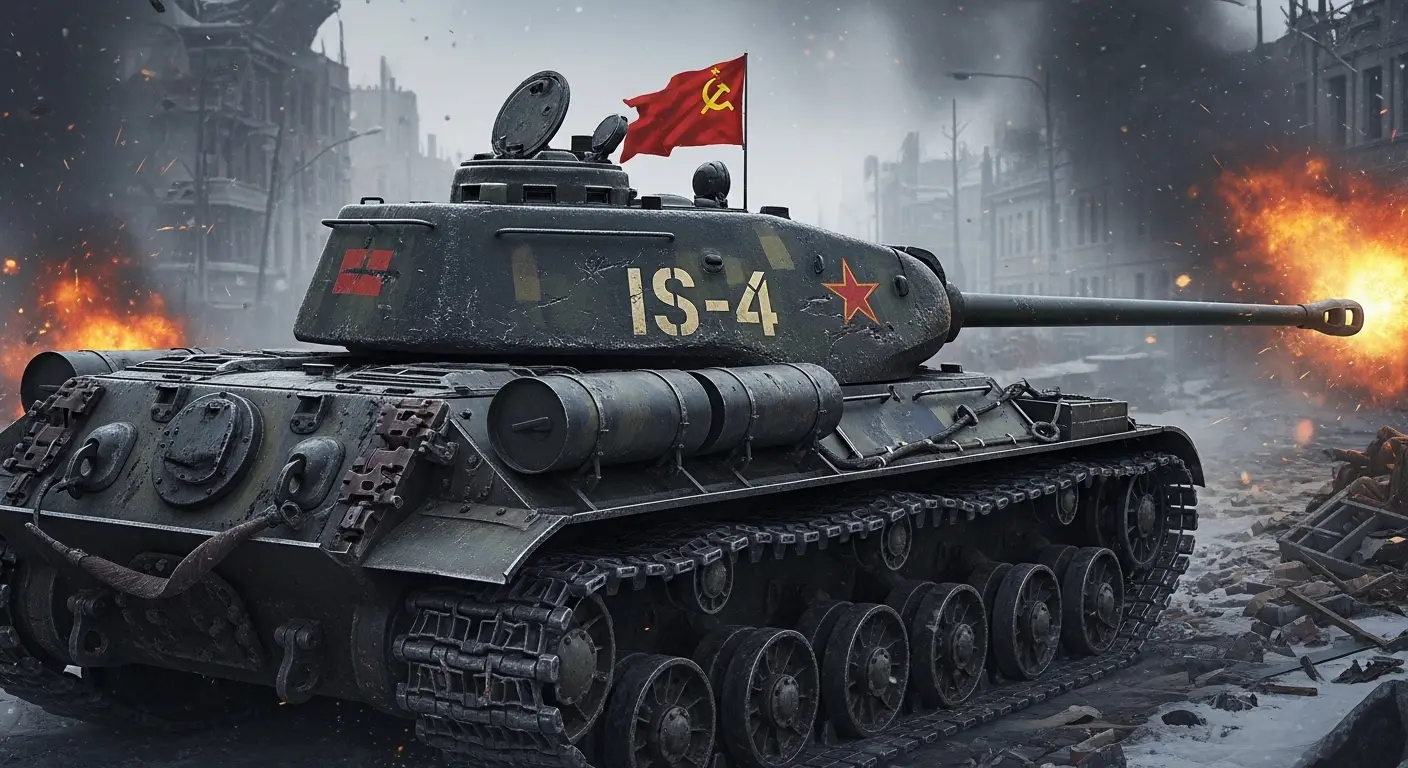
IS-4 tank | |
|---|---|
| 国 | ソ連 |
| 役割 | 重戦車 |
| 生産 | 1947-1949 |
| 構築 | 200+ |
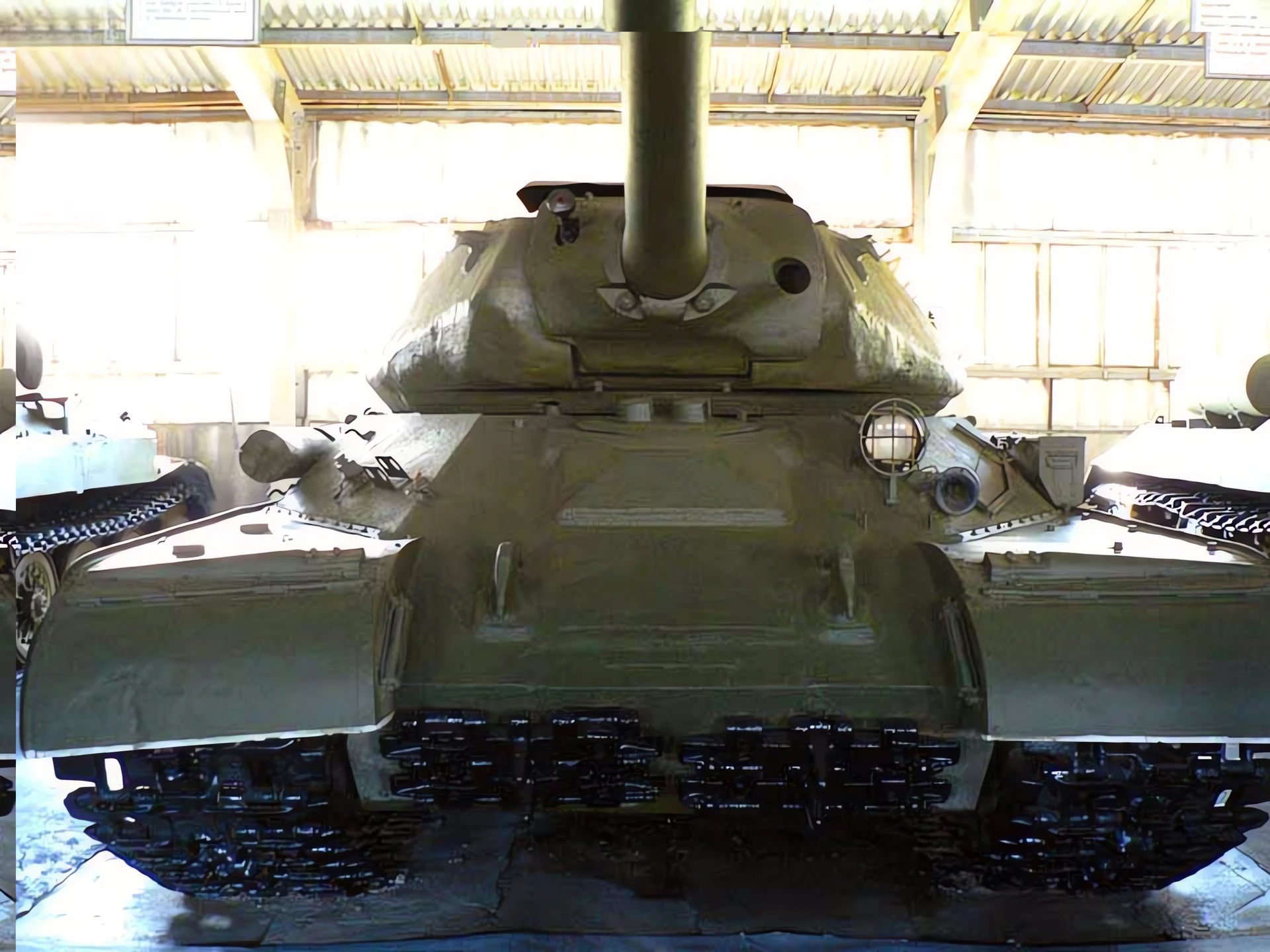
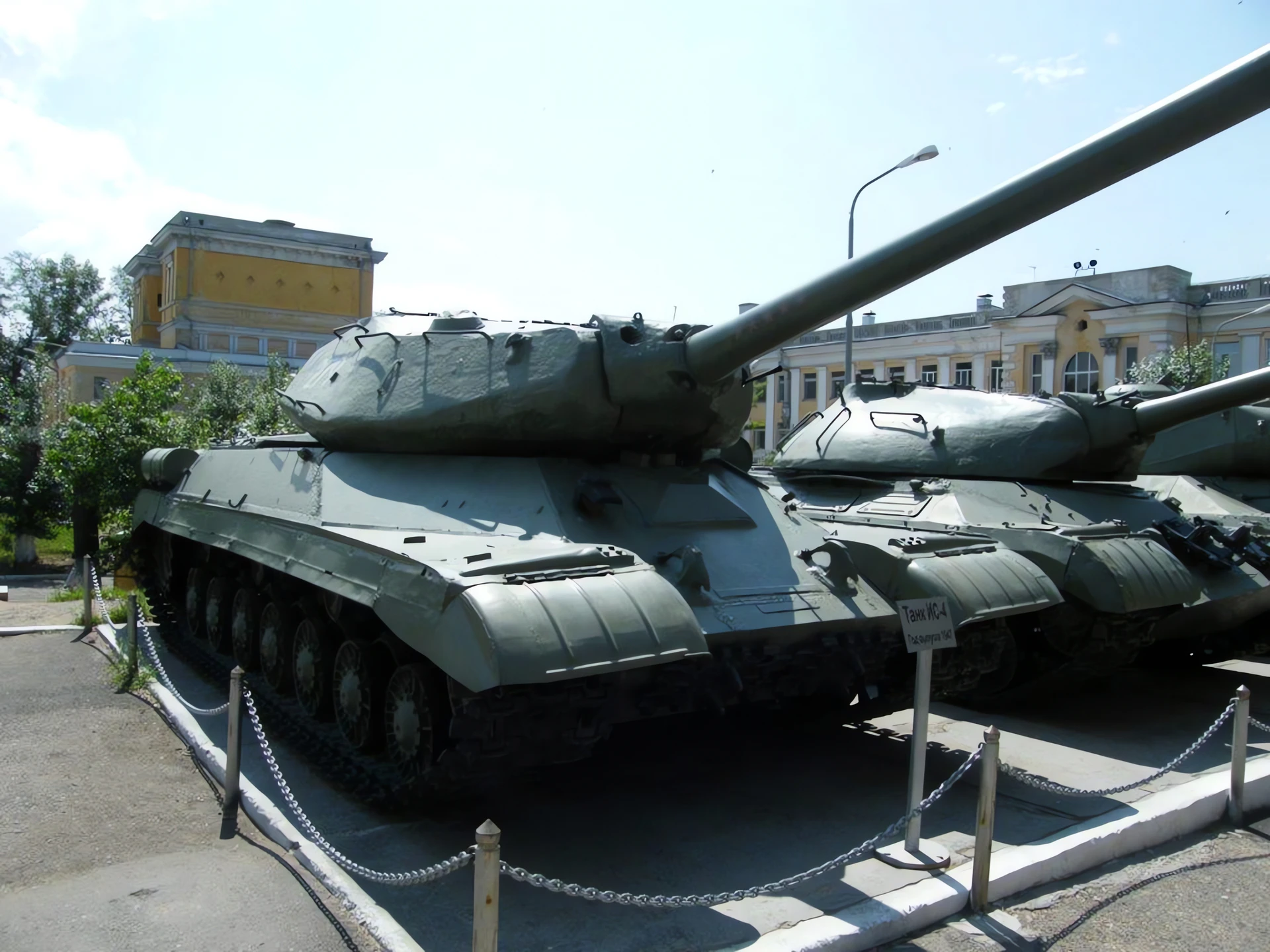
ザ IS-4は、 オブジェクト 701は、1943年に開発を開始し、1946年に生産を開始したソビエトの重戦車でした。IS-2 と IS 戦車ファミリーの一部から派生した IS-4 は、より長い船体と装甲の向上を特徴としていました。IS-3がすでに生産されていたことに加え、戦車(特に重戦車)の必要性が減り、機動力が低下したため、多くはロシア極東に送られ、一部は最終的に1960年代に中国国境沿いのピルボックスになりました。生産されたのは250台に満たなかった。
ソース: ウィキペディアのIS-4戦車
| JS-4 Walk Around | |
|---|---|
| カメラマン | 知りません |
| ローカライズ | 知りません |
| 写真 | 27 |
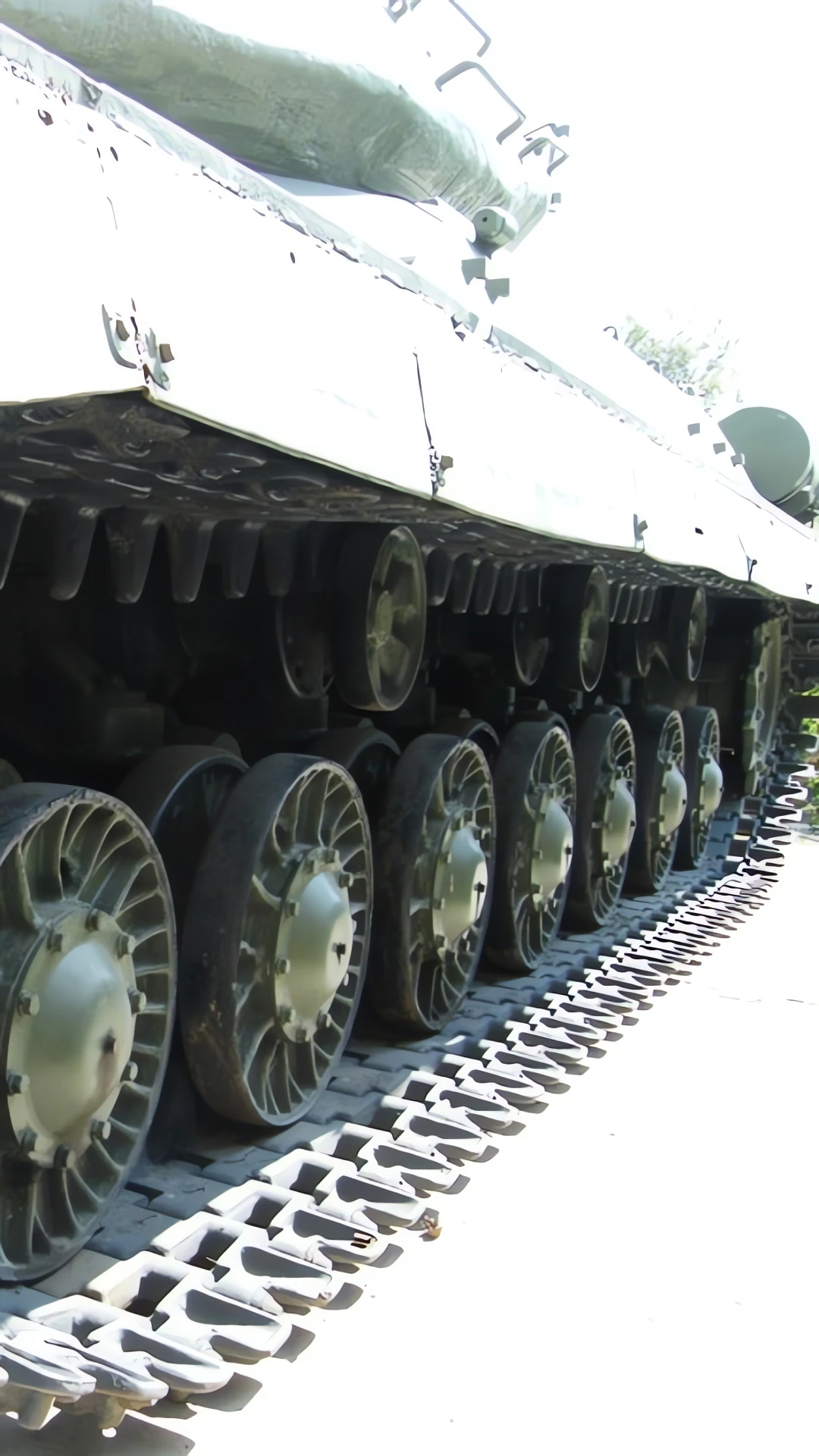
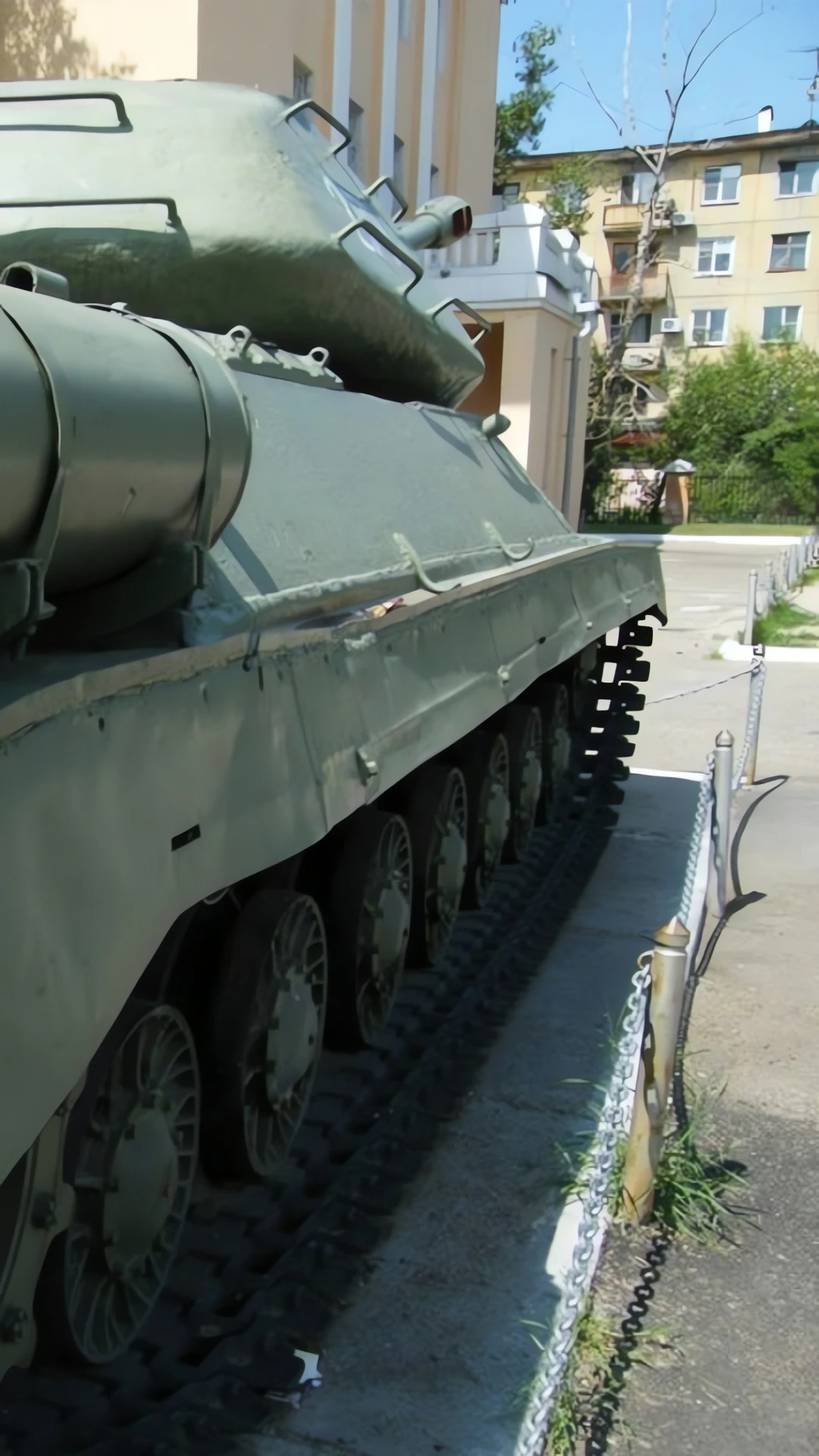
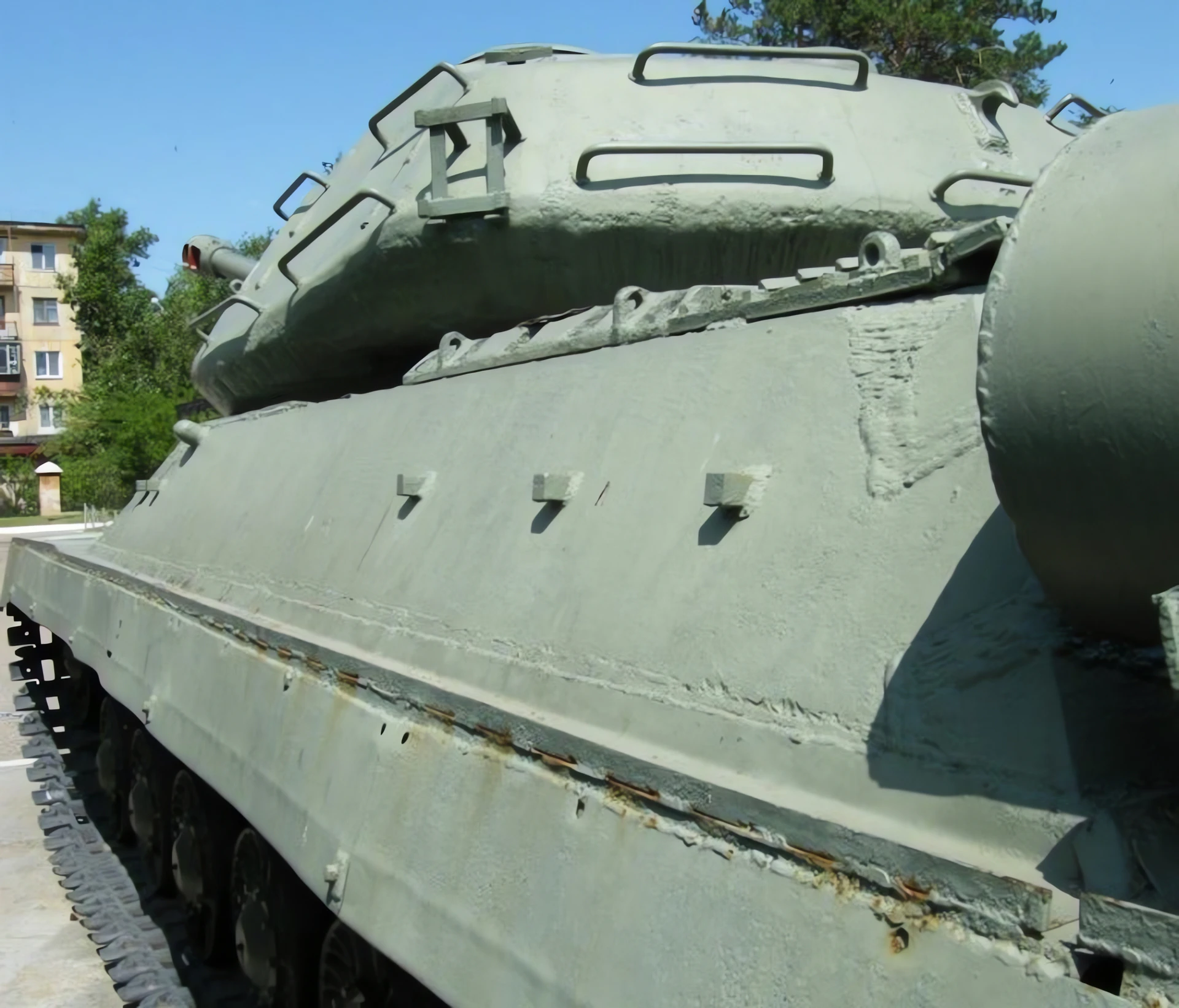
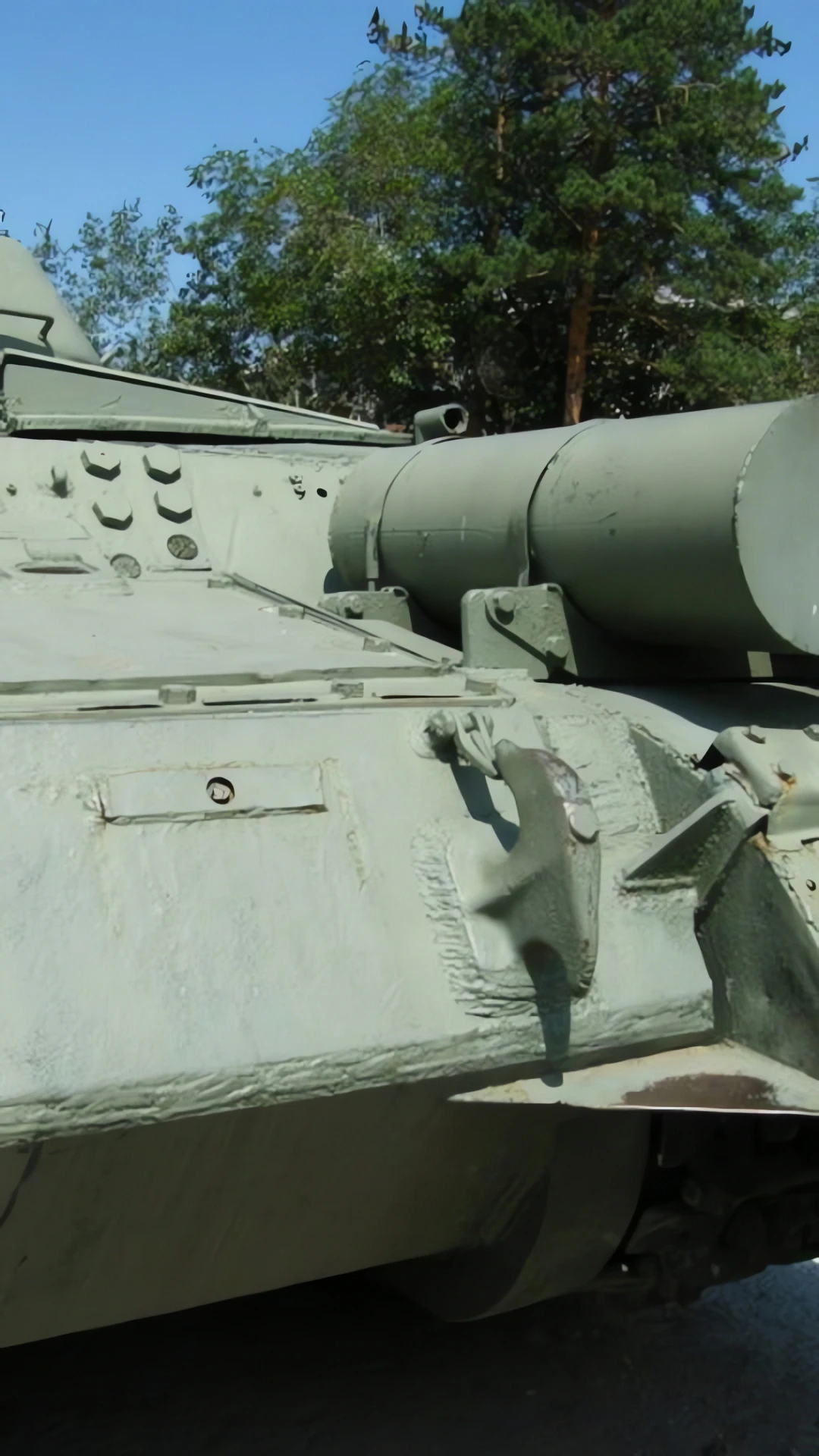
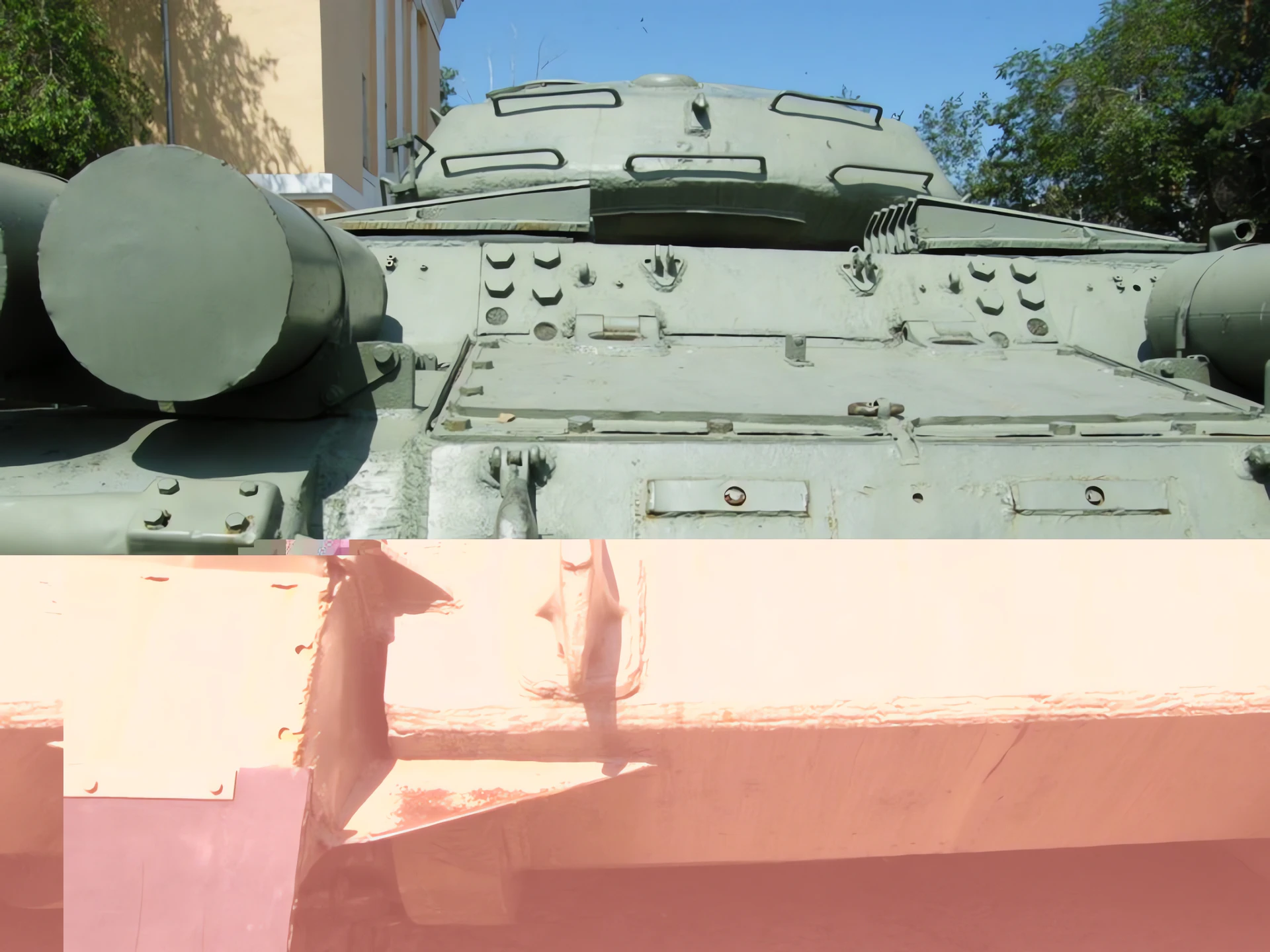
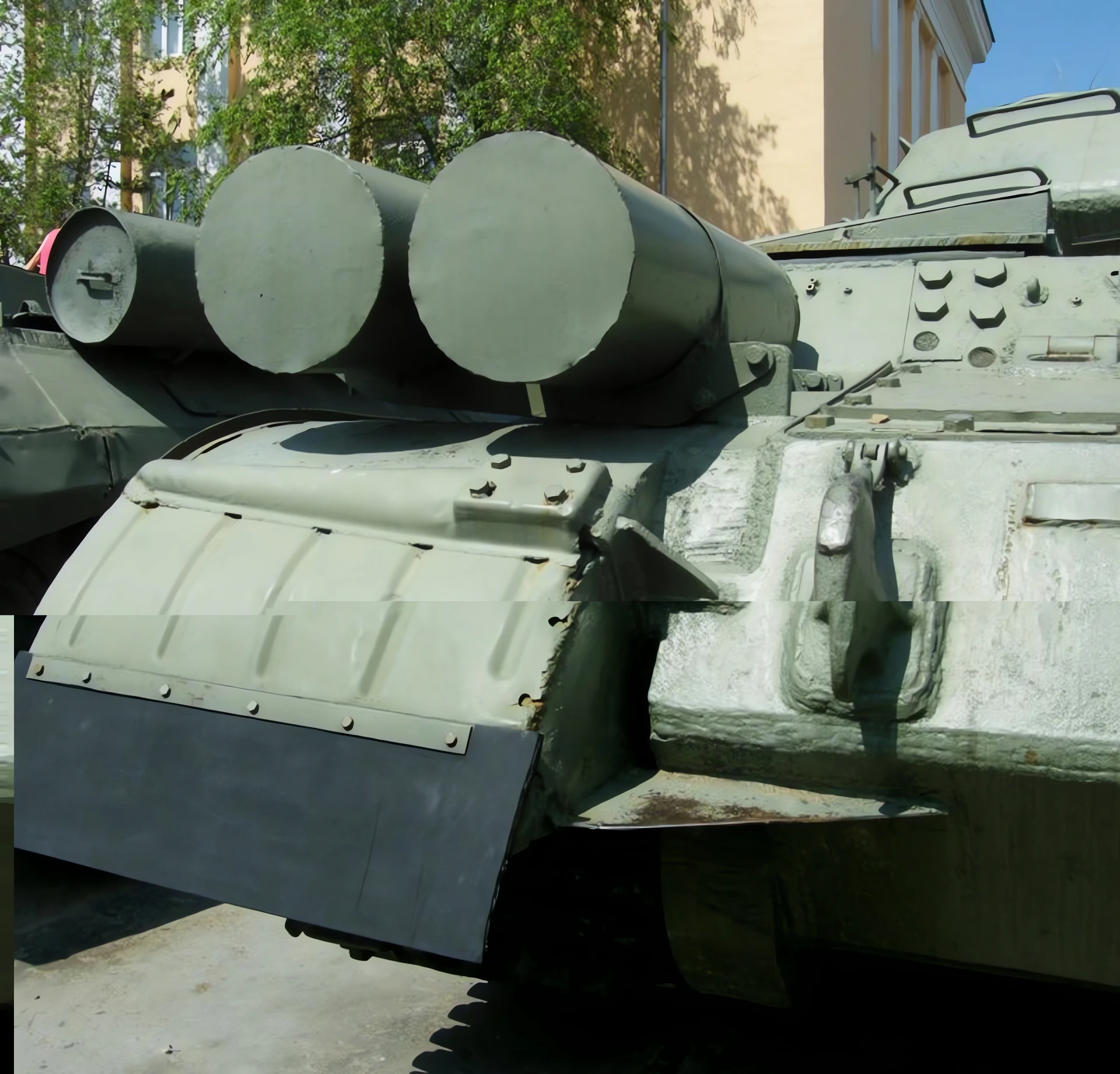
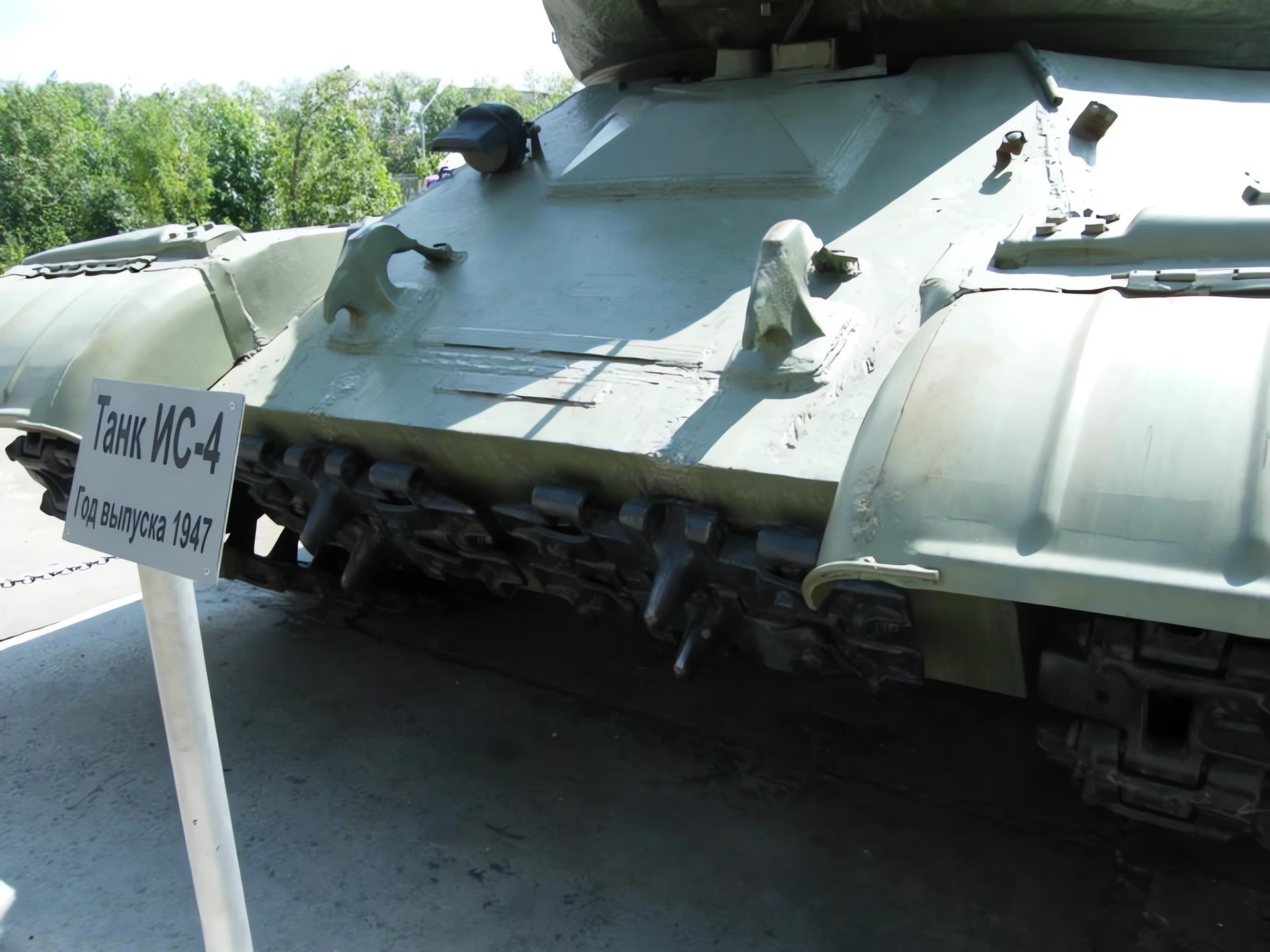

関連項目:


The “Object 701” Evolution
ザ IS-4 (JS-4) was developed at the end of WWII as a successor to the IS-2 and a more reliable alternative to the radical IS-3. While the IS-3 used the famous “Pike Nose” to save weight, the IS-4 went in the opposite direction: pure mass. It was built with incredibly thick, traditional sloped armor, making it practically invulnerable to most anti-tank guns of the late 1940s. However, this came at a cost of 60 tons, making it too heavy for many Soviet bridges and rail lines.
| Attribute | Technical Specification (IS-4) |
|---|---|
| 役割 | Heavy Tank / Breakthrough Tank |
| 乗組員 | 4 (Commander, Gunner, Loader, Driver) |
| 主砲 | 122 mm D-25T Rifled Gun |
| 副武装 | 2 × 12.7 mm DShK Machine Guns (Coaxial & AA) |
| Turret Armor | 250 mm (Frontal) / 160 mm (Sides) |
| Hull Armor | 160 mm (Frontal upper glacis) / 160 mm (Sides) |
| パワープラント | V-12 Diesel (750 hp) |
| Max Road Speed | 43 km/h (27 mph) |
| Combat Weight | 60 metric tons |
Armor and Reliability
- Side Armor Dominance: One of the IS-4’s most unique traits was its 160mm side armor. This was thicker than the frontal armor of most contemporary tanks, allowing it to “side-scrape” and absorb hits that would destroy any other vehicle.
- Advanced Transmission: Unlike the crude gearboxes of earlier Soviet tanks, the IS-4 featured a sophisticated planetary transmission with a steering mechanism that allowed for much easier driving, though it was complex to maintain.
- Rear Radiator Design: The engine cooling system was inspired by German designs (specifically the Panther), utilizing two large fans at the rear to draw air through radiators, which was more efficient than previous Soviet layouts.
- The D-25T Gun: While powerful, the 122mm gun used two-piece ammunition (projectile and powder charge), which resulted in a slow rate of fire (approx. 2-3 rounds per minute).
Operational History: The Far East Shield
- Production Numbers: Only about 250 units were built between 1946 and 1949. The Soviet high command eventually realized that the tank was simply too heavy for the logistics of a fast-moving European war.
- Exile to the East: Due to its weight and logistical requirements, most IS-4s were stationed in the Soviet Far East (near the borders of China and North Korea). They were seen as mobile pillboxes that could hold strategic positions against any invasion.
- Target Practice: By the 1960s, the IS-4 was considered obsolete compared to the T-54/55 and the upcoming T-62. Many were used as static fortifications or hard targets on gunnery ranges.
再生 : 1659