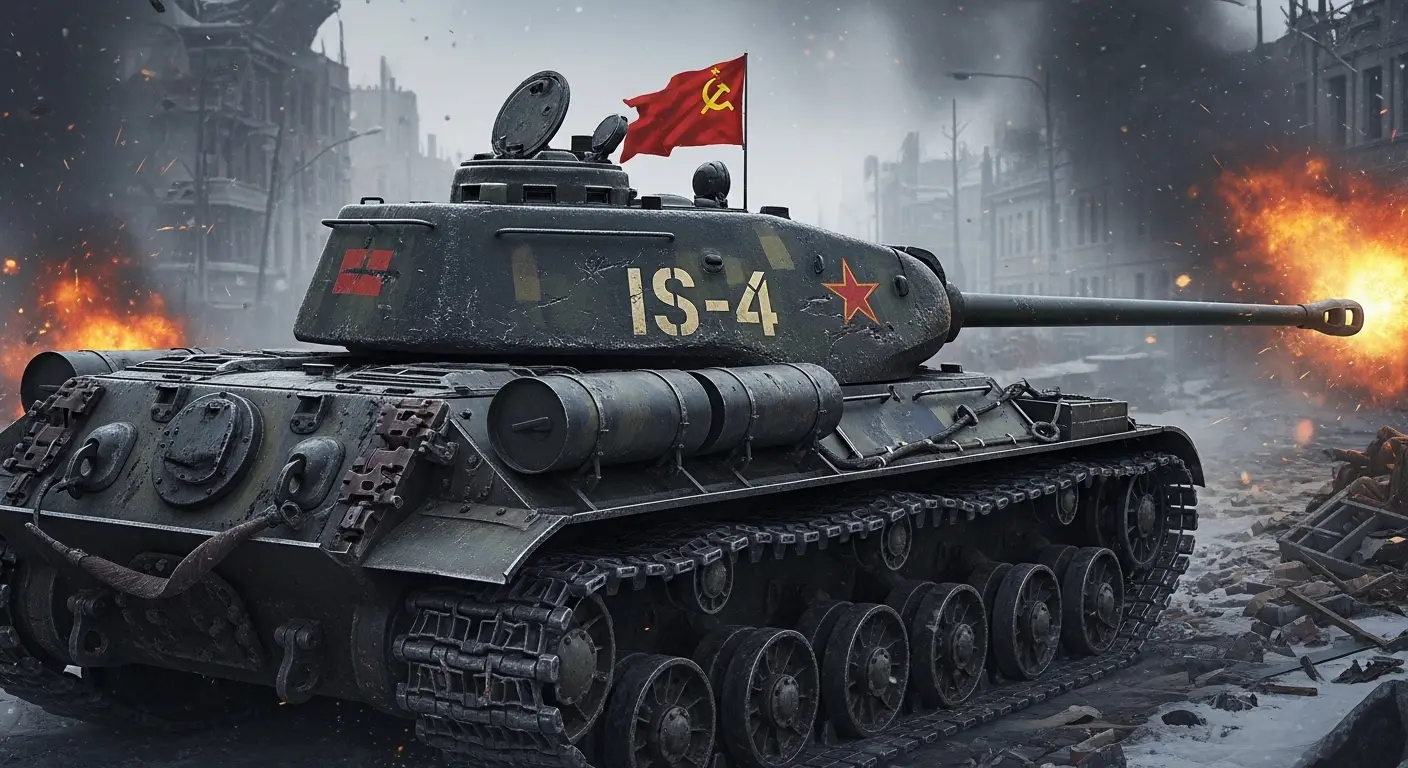
IS-4 tank | |
|---|---|
| Krajiny | Sovietsky zväz |
| Úlohu | Ťažká nádrž |
| Vyrobené | 1947-1949 |
| Postavený | 200+ |
Komisia IS-4 (V prípade, že, tiež známy ako Objekt 701, bol sovietsky ťažký tank, ktorý sa začal vyvíjať v roku 1943 a začal sa vyrábať v roku 1946. Is-4, odvodený od IS-2 a časti rodiny tankov IS, mal dlhší trup a zvýšené pancierovanie. Keďže IS-3 je už vo výrobe, ako aj znížená potreba tankov (najmä ťažkých tankov) a pomalá mobilita, mnohí boli poslaní na ruský Ďaleký východ, pričom niektoré sa nakoniec stali pilulkami pozdĺž čínskych hraníc v 1960. rokoch. Vyrobilo sa ich menej ako 250.
Zdrojový: Tank IS-4 na Wikipédii
| JS-4 Walk Around | |
|---|---|
| Fotografov | Neznáme |
| Lokalizácia | Neznáme |
| Fotografie | 27 |
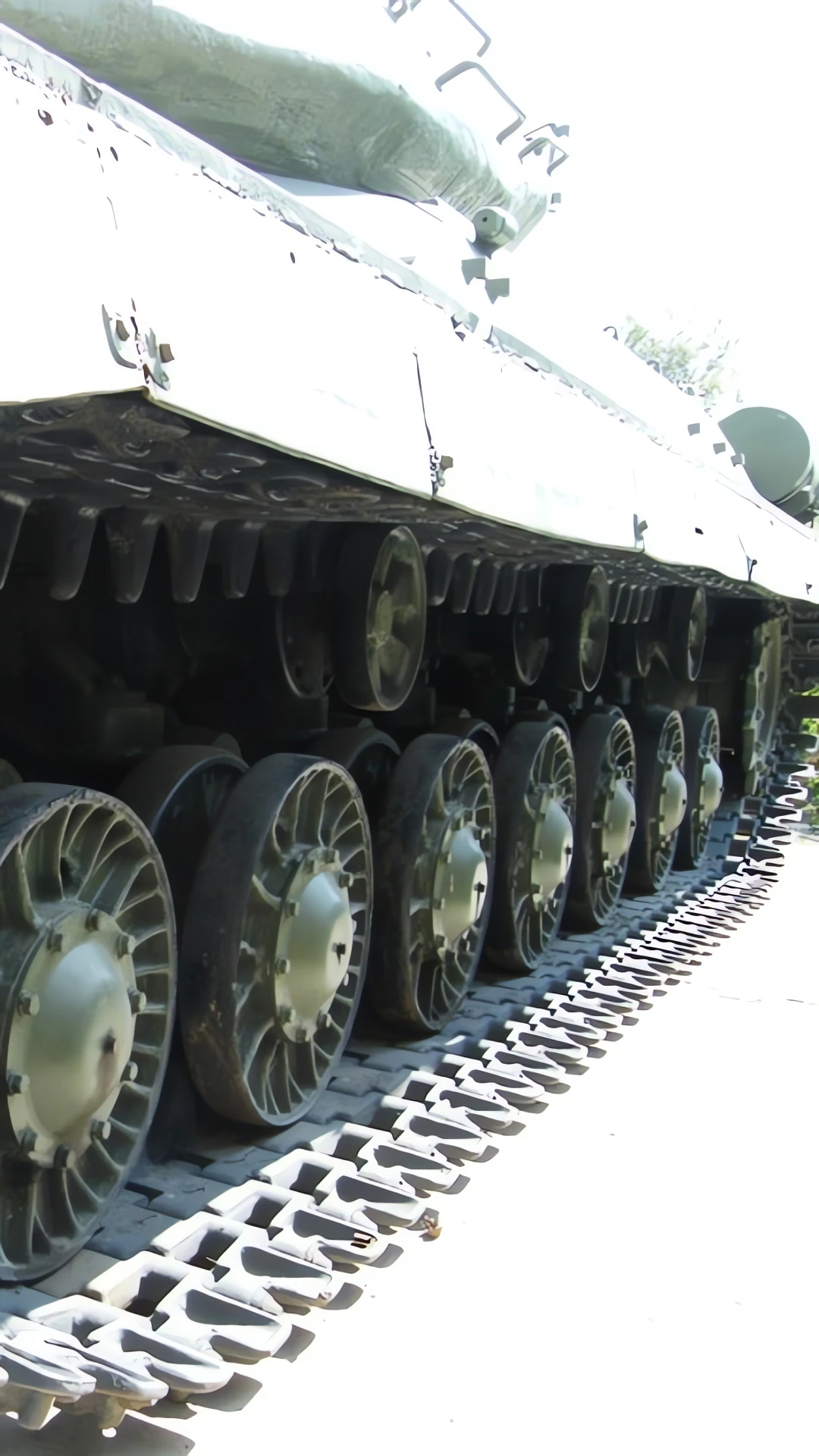
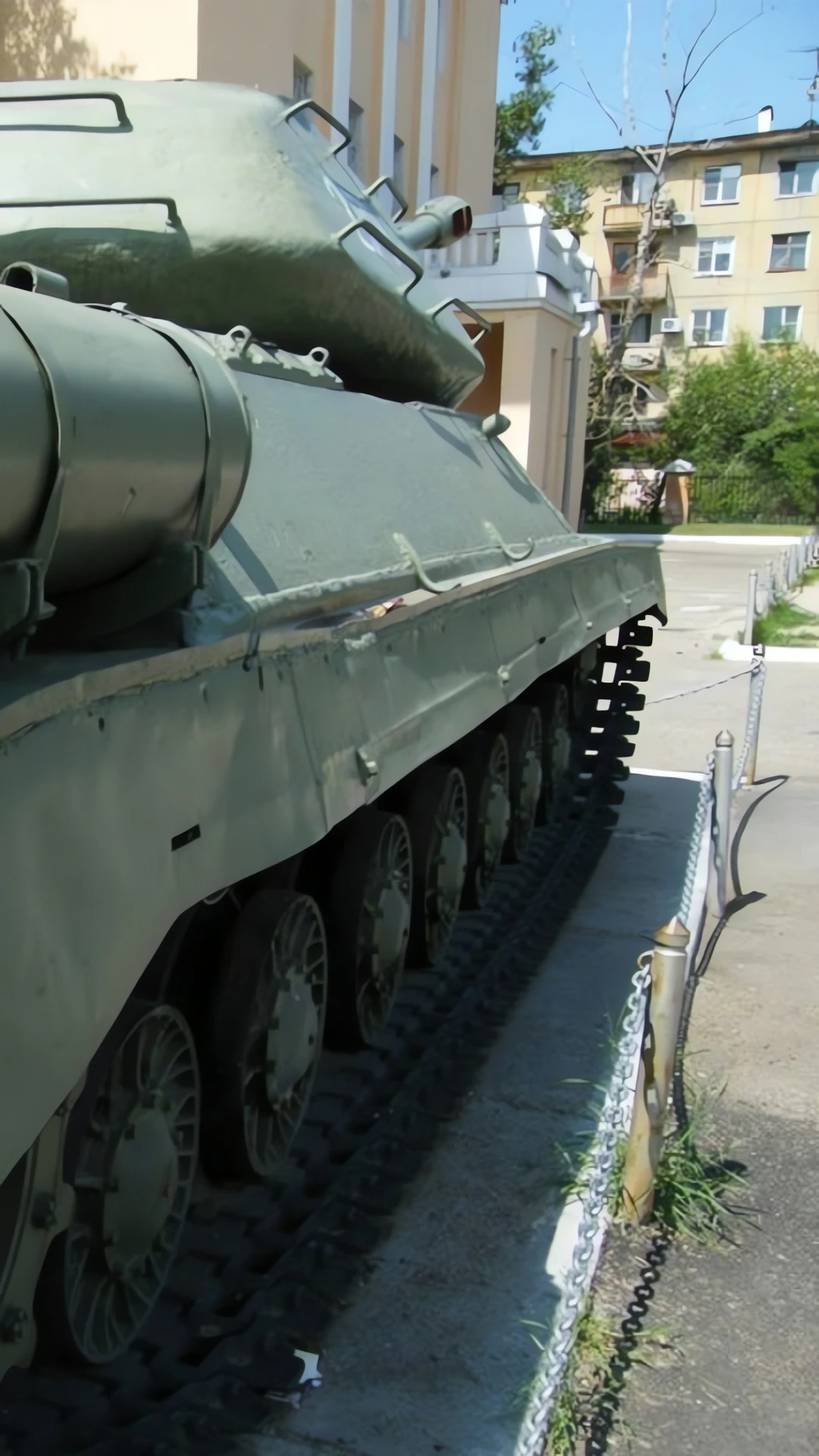
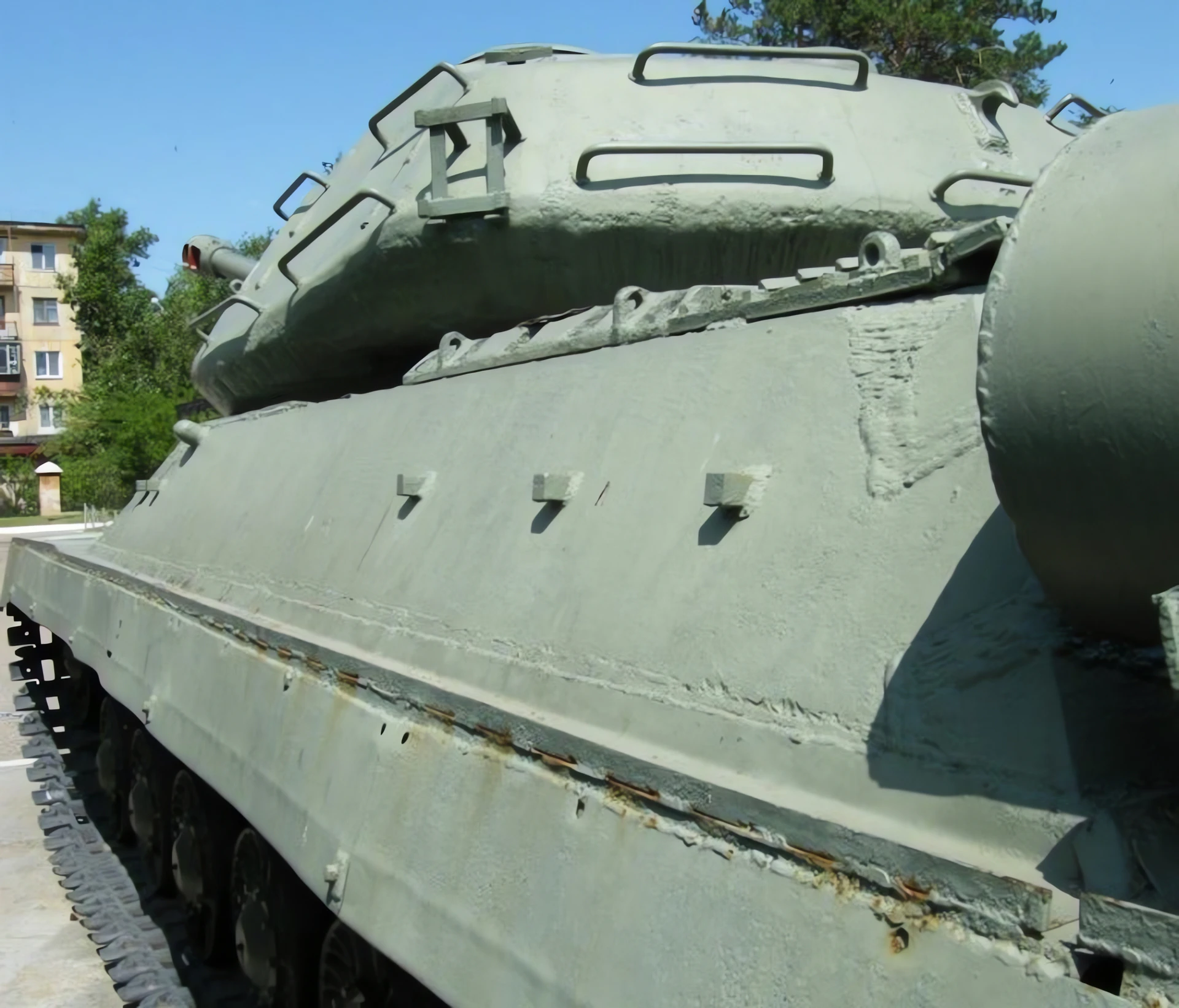
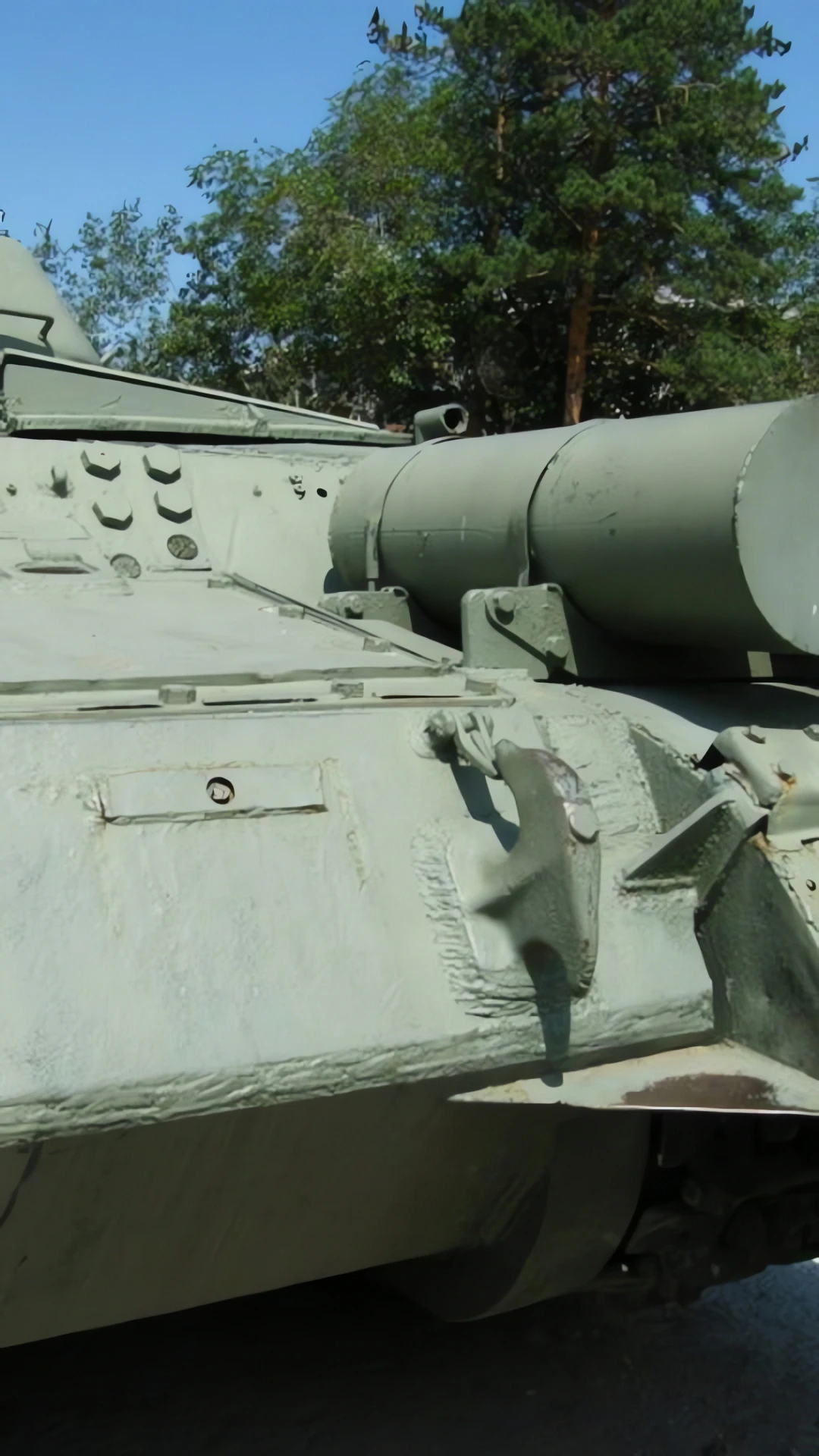
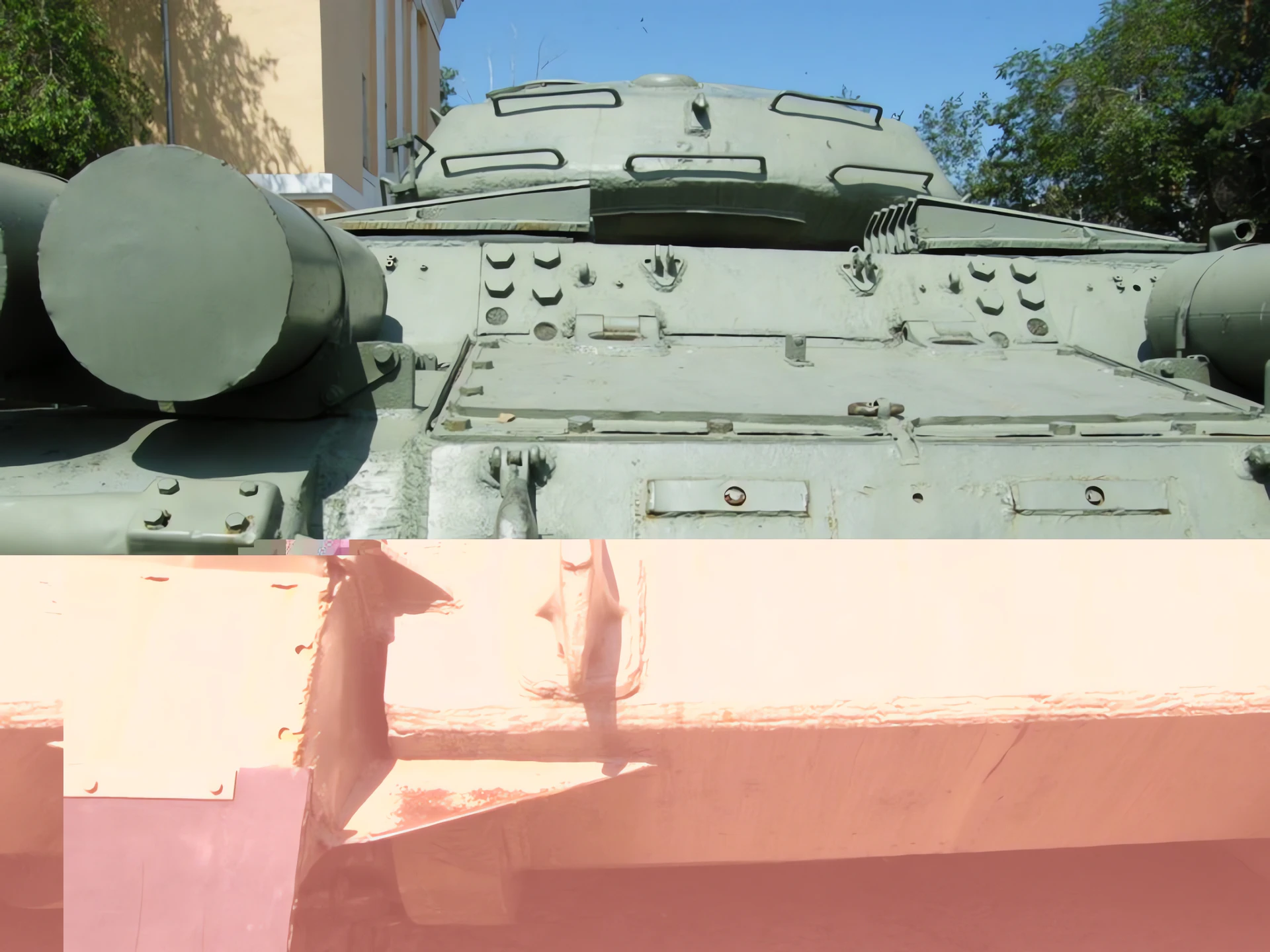
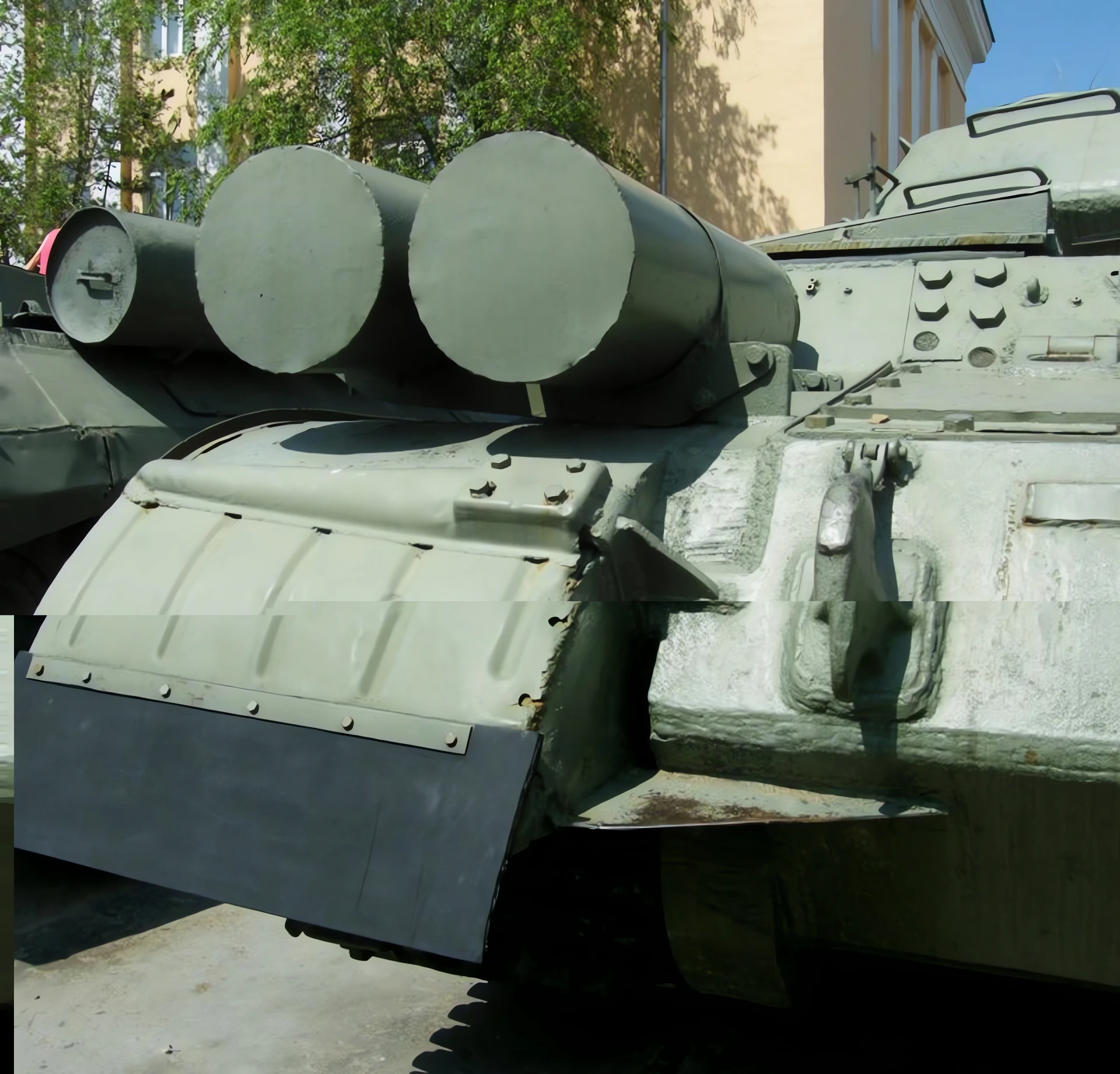
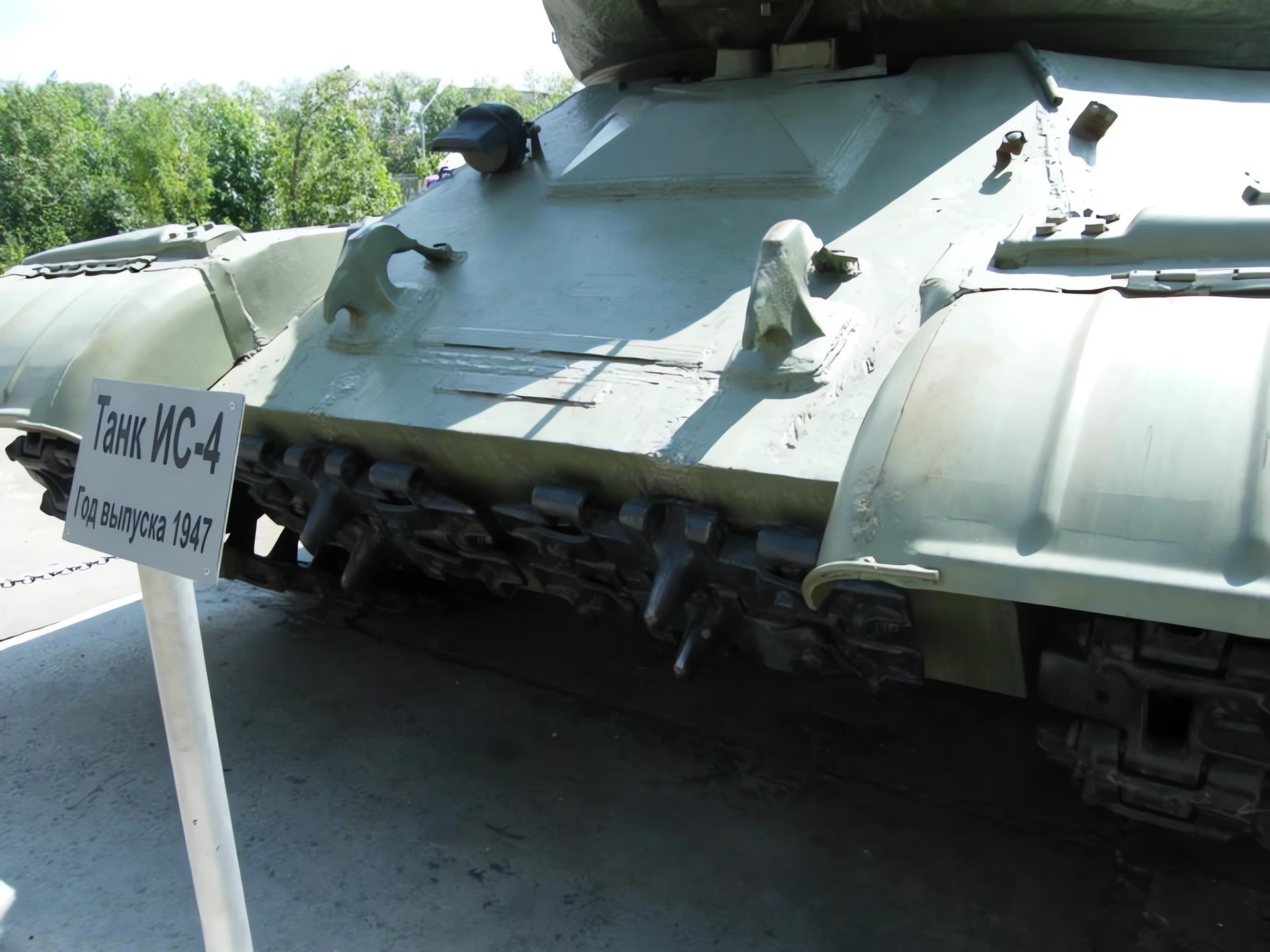
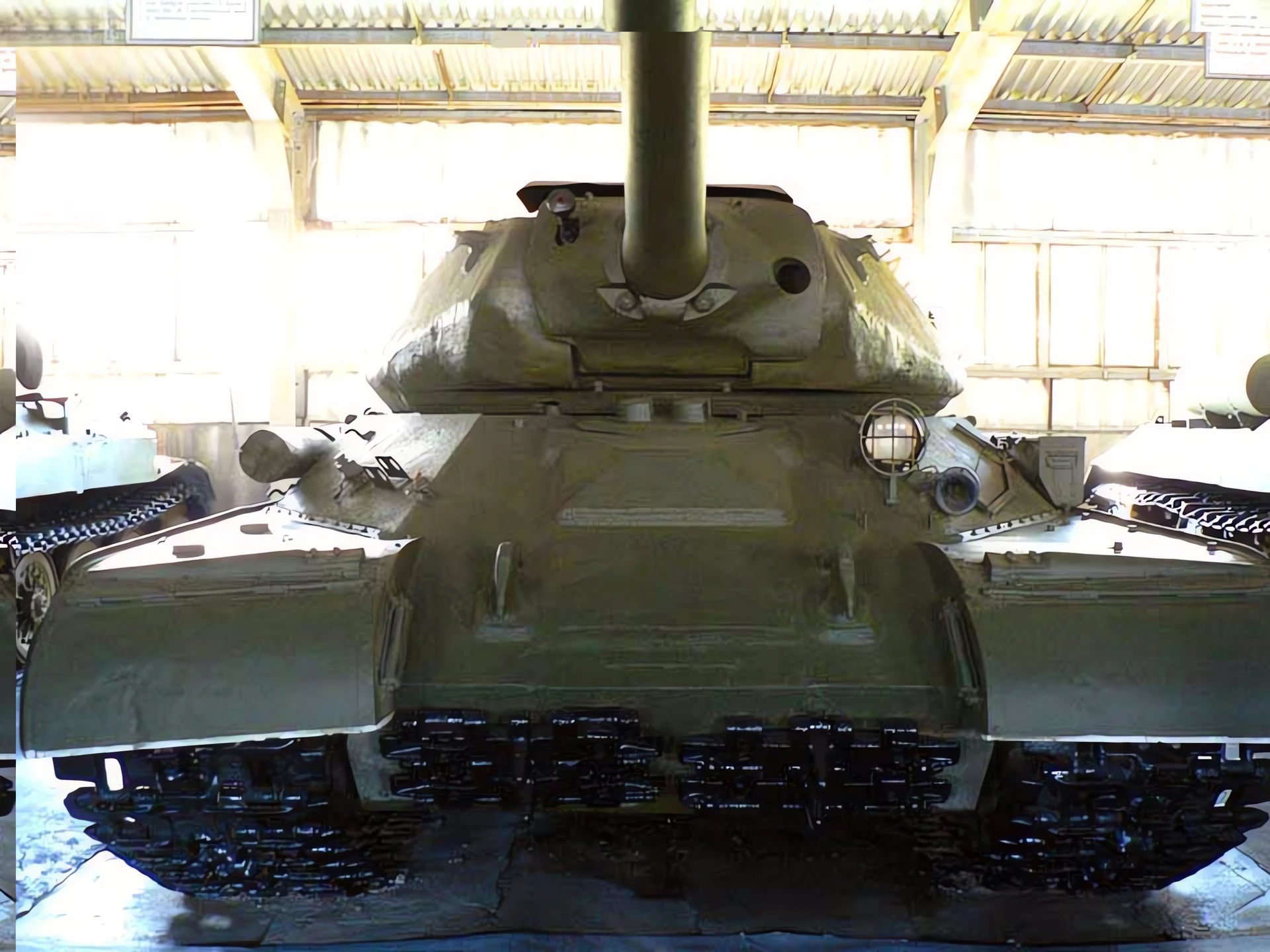
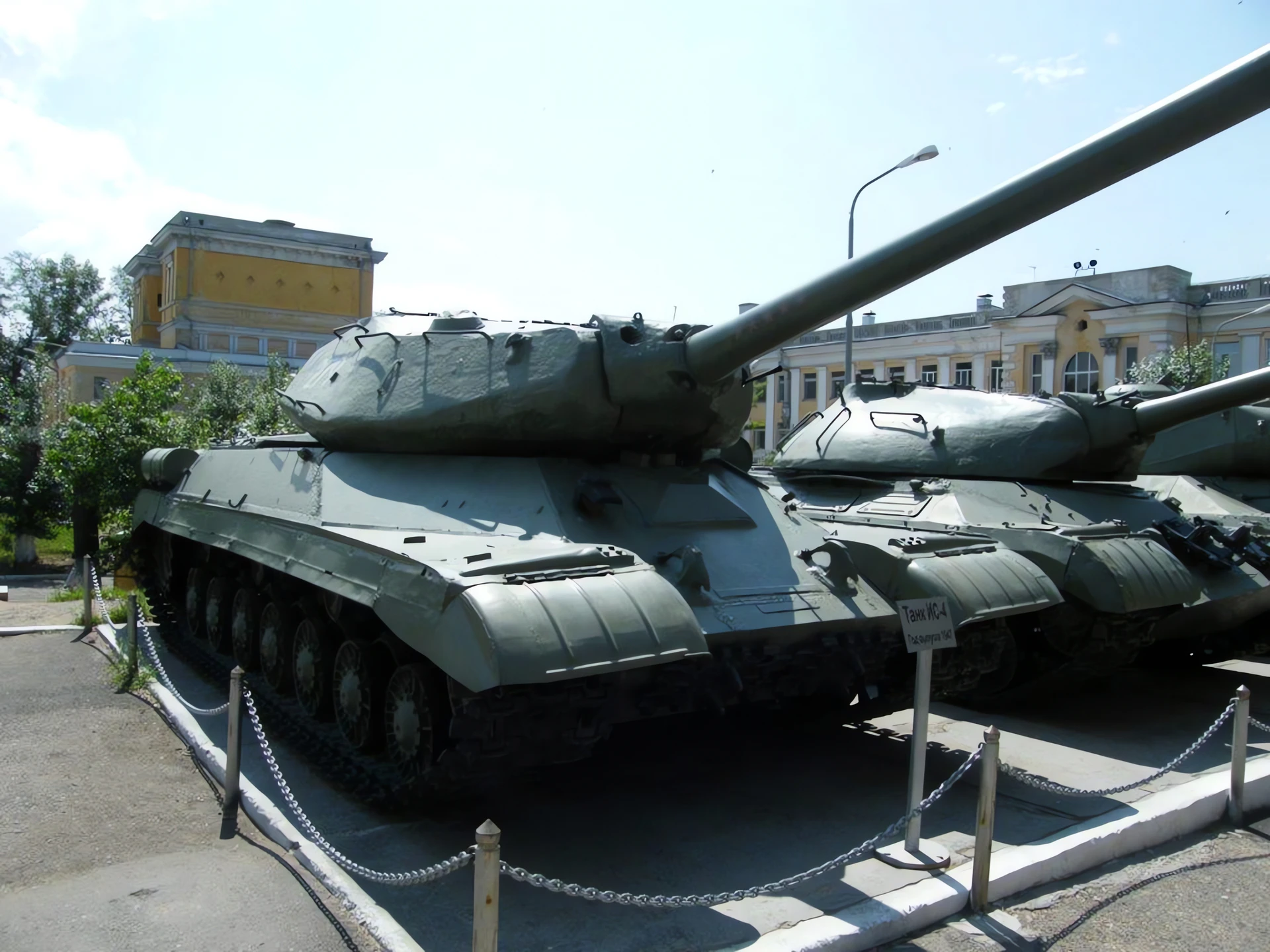

Pozri tiež:


The “Object 701” Evolution
Komisia IS-4 (JS-4) was developed at the end of WWII as a successor to the IS-2 and a more reliable alternative to the radical IS-3. While the IS-3 used the famous “Pike Nose” to save weight, the IS-4 went in the opposite direction: pure mass. It was built with incredibly thick, traditional sloped armor, making it practically invulnerable to most anti-tank guns of the late 1940s. However, this came at a cost of 60 tons, making it too heavy for many Soviet bridges and rail lines.
| Attribute | Technical Specification (IS-4) |
|---|---|
| Úlohu | Heavy Tank / Breakthrough Tank |
| Posádky | 4 (Commander, Gunner, Loader, Driver) |
| Hlavná výzbroj | 122 mm D-25T Rifled Gun |
| Sekundárna výzbroj | 2 × 12.7 mm DShK Machine Guns (Coaxial & AA) |
| Turret Armor | 250 mm (Frontal) / 160 mm (Sides) |
| Hull Armor | 160 mm (Frontal upper glacis) / 160 mm (Sides) |
| Pohonná jednotka | V-12 Diesel (750 hp) |
| Max Road Speed | 43 km/h (27 mph) |
| Combat Weight | 60 metric tons |
Armor and Reliability
- Side Armor Dominance: One of the IS-4’s most unique traits was its 160mm side armor. This was thicker than the frontal armor of most contemporary tanks, allowing it to “side-scrape” and absorb hits that would destroy any other vehicle.
- Advanced Transmission: Unlike the crude gearboxes of earlier Soviet tanks, the IS-4 featured a sophisticated planetary transmission with a steering mechanism that allowed for much easier driving, though it was complex to maintain.
- Rear Radiator Design: The engine cooling system was inspired by German designs (specifically the Panther), utilizing two large fans at the rear to draw air through radiators, which was more efficient than previous Soviet layouts.
- The D-25T Gun: While powerful, the 122mm gun used two-piece ammunition (projectile and powder charge), which resulted in a slow rate of fire (approx. 2-3 rounds per minute).
Operational History: The Far East Shield
- Production Numbers: Only about 250 units were built between 1946 and 1949. The Soviet high command eventually realized that the tank was simply too heavy for the logistics of a fast-moving European war.
- Exile to the East: Due to its weight and logistical requirements, most IS-4s were stationed in the Soviet Far East (near the borders of China and North Korea). They were seen as mobile pillboxes that could hold strategic positions against any invasion.
- Target Practice: By the 1960s, the IS-4 was considered obsolete compared to the T-54/55 and the upcoming T-62. Many were used as static fortifications or hard targets on gunnery ranges.
Views : 1610